





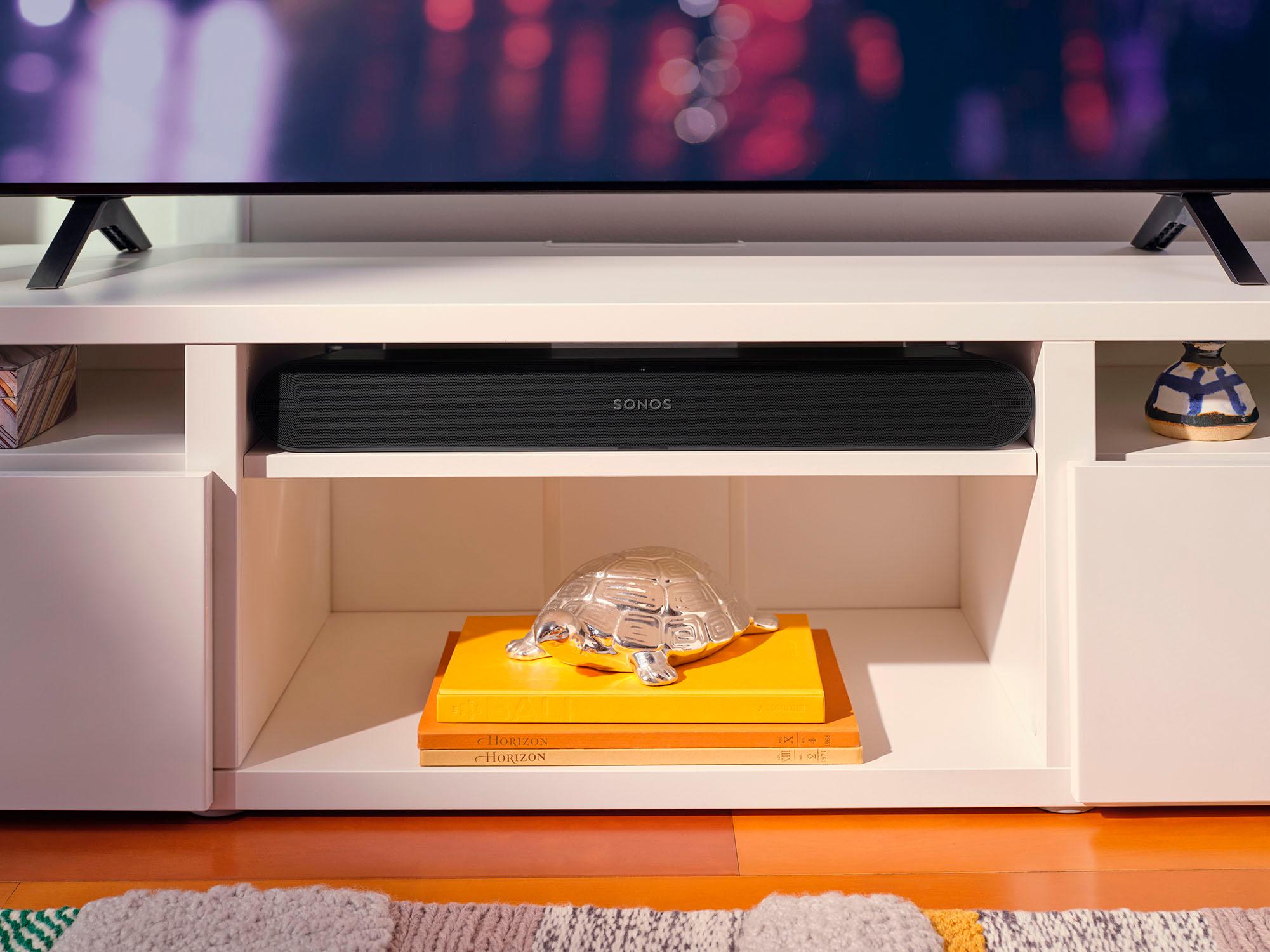
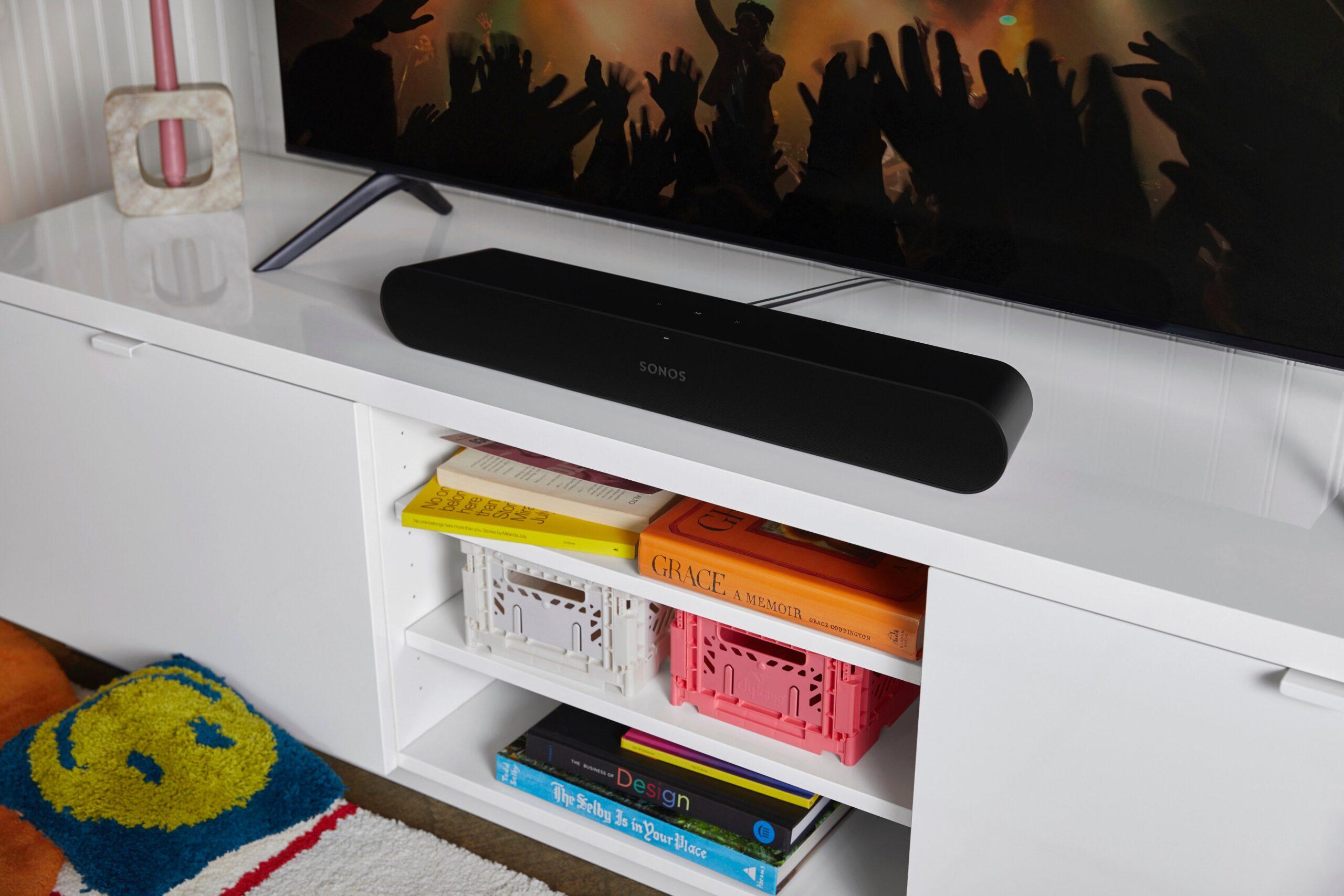

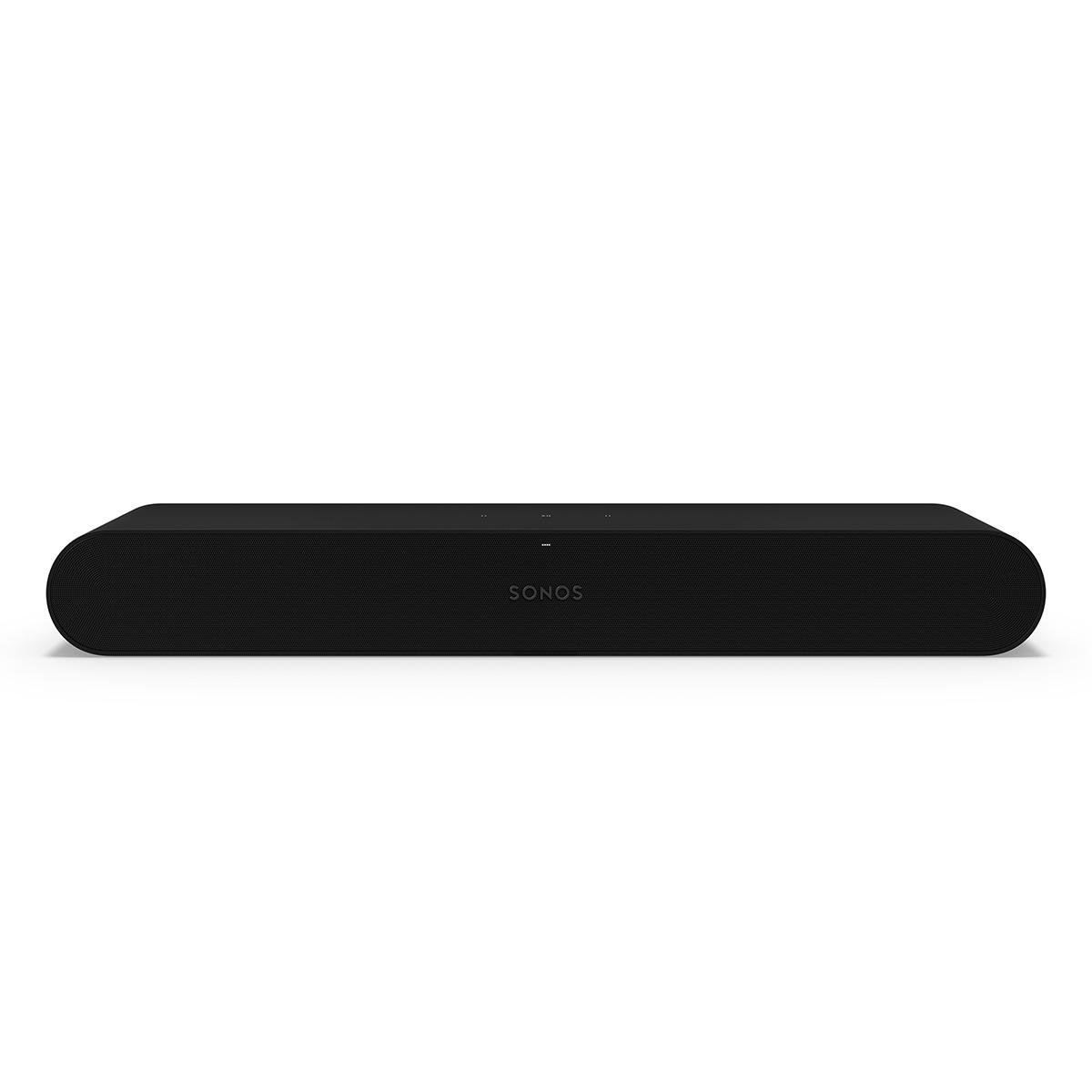
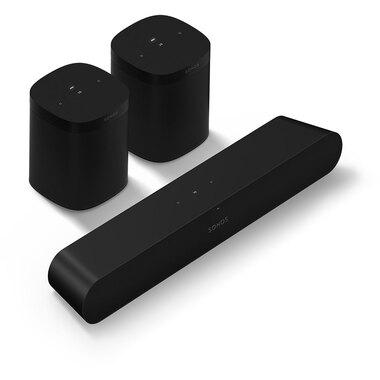
The soundbar market has evolved dramatically over the past few years, splitting into two distinct philosophies that cater to very different user needs. On one side, you have true surround systems like the Ultimea Poseidon D70 that use multiple physical speakers to create genuine surround sound. On the other, streamlined single-unit soundbars like the Sonos Ray rely on advanced processing and virtualization to enhance your TV's audio without cluttering your living space.
Understanding these two approaches is crucial because they represent fundamentally different trade-offs between audio performance, convenience, and long-term flexibility. The choice you make will determine not just how your movies sound tonight, but how your audio system might grow and adapt over the coming years.
When Sonos released the Ray in 2022, they were doubling down on their philosophy of elegant simplicity and ecosystem integration. Meanwhile, systems like the Ultimea Poseidon D70, which emerged from the budget audio revolution of recent years, represent the opposite approach: maximum audio impact through dedicated hardware components, even at entry-level prices.
The core difference comes down to this: the Poseidon D70 gives you eight actual speakers spread around your room, while the Ray uses sophisticated algorithms to trick your brain into hearing surround sound from just one compact device. Both approaches have merit, but they serve very different priorities.
True surround systems like the D70 create what audio engineers call "discrete channel separation." This means each audio channel in a movie's soundtrack gets sent to a specific physical speaker in a specific location. When a helicopter flies overhead in a movie, you'll hear it move from your front speakers to your rear speakers because there are actual speakers in those positions creating that movement.
Virtual surround systems like the Ray use psychoacoustic processing—essentially exploiting how your brain interprets sound reflections and timing differences to create the illusion of surround sound. Modern implementations can be surprisingly convincing, but they're still working within the physical limitations of sound coming from one direction.
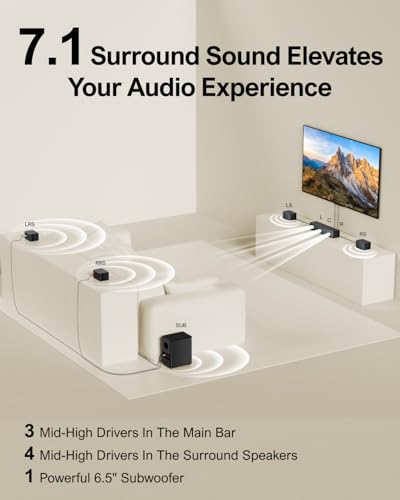
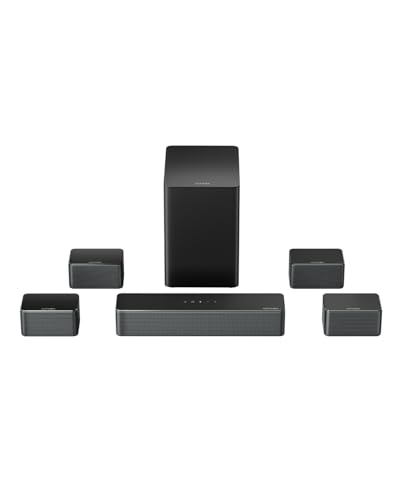
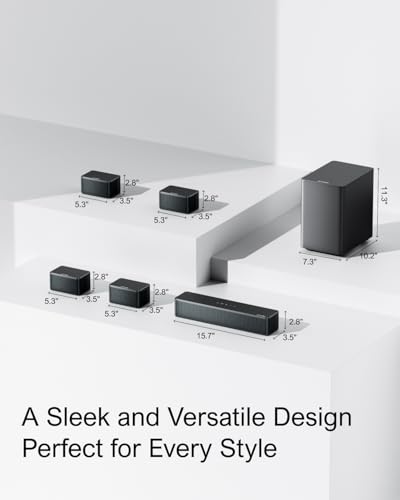
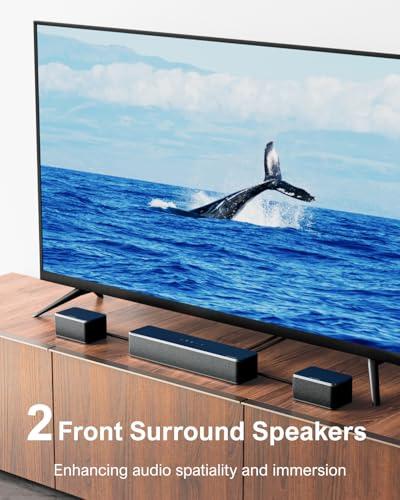
The Poseidon D70 is what I'd call an "overachiever system"—it packs genuine 7.1 surround hardware into a package that costs less than many basic 2.1 soundbars. The system consists of a main soundbar housing three 2.25-inch mid-bass drivers, four separate surround speakers (each with their own 2.25-inch driver), and a wireless 6.5-inch subwoofer.
This configuration totals 410 watts of peak power across all components, though the more meaningful specification is its 144 watts of RMS power (RMS represents continuous, sustainable power rather than brief peaks). The power distribution breaks down to 36 watts for the soundbar, 48 watts spread across the four surround speakers, and 60 watts driving the subwoofer.
What makes this system particularly interesting is its proprietary SurroundX technology, which Ultimea describes as using "advanced spatial positioning algorithms" to coordinate all eight speakers. Essentially, this means the system doesn't just play different audio channels through different speakers—it actively processes the timing and phase relationships between speakers to create a more cohesive surround field.
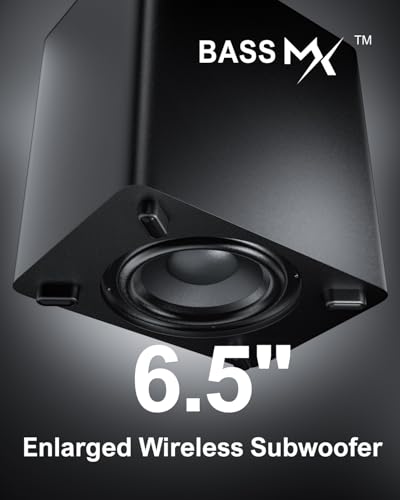
The BassMX technology in the subwoofer deserves special attention. Rather than simply boosting low frequencies, BassMX appears to use dynamic range processing to enhance bass impact while maintaining clarity. This is crucial because many budget subwoofers become muddy when pushed hard, but user feedback suggests the D70's sub maintains definition even at high volumes.
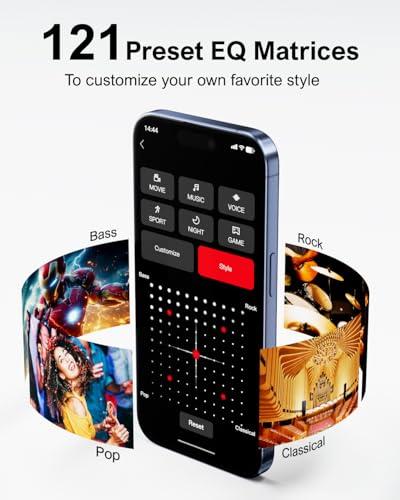
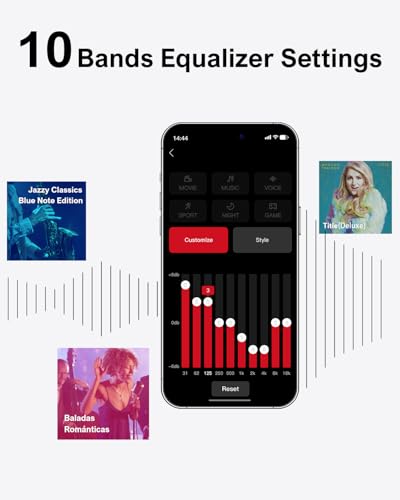
The system's 121 preset EQ matrices represent an almost overwhelming level of customization. These aren't just simple bass and treble adjustments—they're comprehensive frequency response curves optimized for specific content types, from action movies to classical music. The accompanying 10-band equalizer allows for even more granular control, though most users will find the presets sufficient.
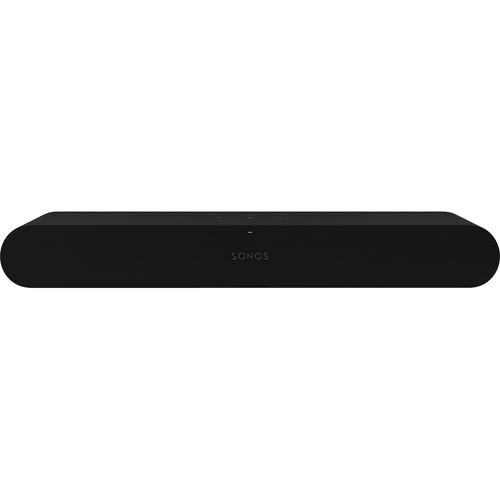
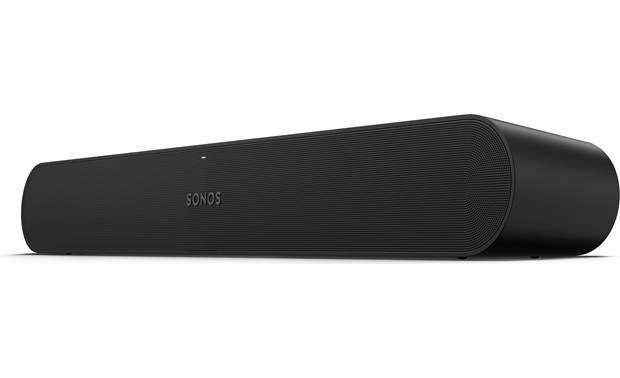
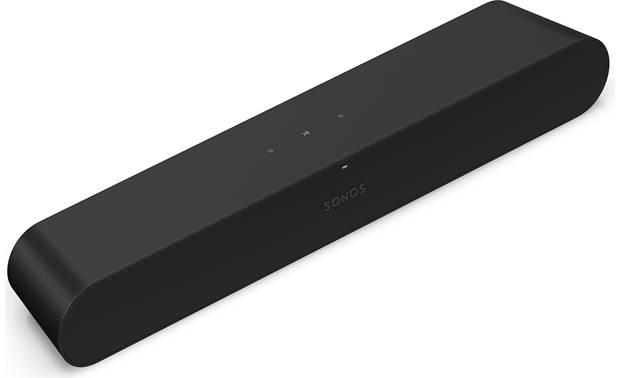
The Sonos Ray, in contrast, embodies the "less is more" philosophy that has made Sonos a premium brand. At just 22 inches wide and under 3 pounds, it's designed to disappear into your entertainment setup while delivering audio performance that punches well above its size class.
The Ray's secret weapon is its advanced driver configuration and digital signal processing. While exact driver specifications aren't widely published, the system uses multiple precision-engineered tweeters and full-range drivers alongside carefully tuned bass ports to create what Sonos calls a "precisely balanced" frequency response.
More importantly, the Ray includes Trueplay room correction technology—though only for iPhone users, which remains a puzzling limitation in 2024. Trueplay uses your phone's microphone to measure how sound behaves in your specific room, then adjusts the soundbar's output to compensate for acoustic problems like excessive echo or bass buildup.
The Ray's Speech Enhancement feature specifically targets dialogue clarity, which is often the primary complaint people have about TV audio. By analyzing the frequency spectrum in real-time and boosting the vocal range while reducing competing frequencies, Speech Enhancement makes dialogue more intelligible even during complex movie soundtracks.
What sets the Ray apart from many competitors is its integration with the broader Sonos ecosystem. This isn't just about multi-room audio (though that's impressive)—it's about having a platform that continuously improves through software updates and seamlessly integrates with streaming services, voice assistants, and other Sonos products.
When evaluating soundbar performance, bass response often becomes the most obvious differentiator, and here the Poseidon D70 has a clear advantage. The dedicated 6.5-inch subwoofer can reproduce frequencies down to 35 Hz, which covers the deep rumble of explosions, the thump of electronic music, and the foundation frequencies that make movie soundtracks feel cinematic.
The Sonos Ray, despite its clever bass reflex design, simply can't match this low-end extension due to physics. Smaller drivers and enclosures have limitations that no amount of processing can fully overcome. However, the Ray's bass response is notably tight and well-controlled within its range, avoiding the bloated or muddy bass that plagues many budget soundbars.
For dialogue clarity—arguably more important than bass for daily TV watching—both systems excel but through different methods. The D70's approach uses three dedicated mid-bass drivers in the soundbar to handle the vocal frequency range, while its Voice mode applies EQ adjustments optimized for speech intelligibility.
The Ray's Speech Enhancement technology takes a more sophisticated approach, using real-time analysis to dynamically adjust the frequency balance based on the content. User reviews consistently praise the Ray's dialogue reproduction, with many noting that voices seem to "pop" from the soundbar even without a dedicated center channel.
Surround sound performance represents the most fundamental difference between these systems. The D70 creates genuine surround effects because it has actual speakers positioned around the listening area. When properly set up, you'll hear discrete sounds from specific directions—footsteps behind you, cars passing from left to right, ambient sounds that place you within the movie's environment.
The Ray's virtual surround processing is impressive for a single-unit design, but it's working against physical limitations. Sound reflections, room acoustics, and your seating position all affect how convincingly the virtualization works. In ideal conditions with proper room treatment, the effect can be quite convincing, but it's inherently less reliable than having actual speakers in surround positions.
Music reproduction reveals another key distinction between these systems. The Poseidon D70 approaches music like a traditional stereo system scaled up—lots of power, extensive EQ options, and the ability to create a wide soundstage through its distributed speakers. The 121 EQ presets include settings for virtually every music genre, and the 10-band equalizer allows for detailed customization.
However, the D70's music performance is somewhat limited by its connectivity options. While it supports Bluetooth 5.3 for wireless streaming, it lacks the advanced streaming protocols and multi-room capabilities that have become standard in premium audio systems.
The Sonos Ray was designed with music streaming as a core use case. Its Wi-Fi connectivity supports high-quality streaming from numerous services, and Apple AirPlay 2 ensures excellent compatibility with iOS devices. More importantly, the Ray integrates seamlessly with Sonos's multi-room platform, allowing you to synchronize music throughout your home or use the soundbar as part of a larger audio system.
The Ray's frequency response appears more carefully tuned for music, with balanced midrange reproduction that works well across genres. While it can't match the D70's bass impact or maximum volume levels, it delivers more nuanced musical reproduction that reveals details in recordings rather than emphasizing dramatic impact.
Setting up the Poseidon D70 requires planning and patience. You'll need to run speaker wires to four different positions around your seating area—3 meters for the front speakers and 6 meters for the rear speakers are included, but your room layout might require longer runs. The wireless subwoofer provides some flexibility, but the four surround speakers must be positioned thoughtfully to create an effective surround field.
This installation complexity isn't necessarily a drawback if you're committed to the surround sound experience, but it's worth understanding what you're signing up for. You'll likely need to drill holes, run cables along baseboards, or find creative ways to hide wire runs. The payoff is genuine surround sound, but the setup process is definitely more involved than most people expect from a "soundbar."
The Sonos Ray represents the opposite extreme—connect one optical cable, plug in power, and run through the setup process in the Sonos app. The Trueplay tuning process takes about two minutes and automatically optimizes the sound for your room. It's the kind of setup process that even technophobic family members can handle confidently.
This simplicity becomes particularly valuable if you move frequently or like to rearrange your living space. The Ray adapts to new positions easily, while relocating the D70 means rewiring the entire surround speaker array.
The intelligence gap between these systems is substantial. The Poseidon D70 includes a functional smartphone app for EQ adjustments and system control, plus firmware update capability, but it's essentially a standalone system. It doesn't integrate with smart home platforms, voice assistants, or multi-room audio systems.
The Sonos Ray, by contrast, was designed as part of a comprehensive smart audio ecosystem. It supports voice control through compatible Sonos devices, integrates with numerous streaming services, and can be grouped with other Sonos speakers for whole-home audio. The system receives regular software updates that add new features and improve performance over time.
This ecosystem approach becomes more valuable as you add more audio devices to your home. A Ray can seamlessly hand off music to kitchen speakers, bathroom speakers, or outdoor systems, all controlled through a single app interface. The D70 exists in isolation—powerful within its domain but unable to integrate with broader smart home audio strategies.
At the time of writing, the Poseidon D70 represents exceptional value for buyers who prioritize immediate audio impact. You're getting genuine 7.1 surround sound with dedicated bass management at a price point where most alternatives offer basic 2.1 configurations. The system includes everything needed for installation and provides audio performance that competes with much more expensive alternatives.
However, this value equation assumes you're comfortable with the installation complexity and don't need advanced streaming features or ecosystem integration. The D70 is essentially a complete system with limited expansion possibilities—what you buy is what you get.
The Sonos Ray commands a premium price but offers a different value proposition. You're paying for elegant engineering, premium build quality, sophisticated software, and access to the Sonos ecosystem. The initial purchase price is higher, but the system can grow and evolve through software updates and additional components.
The Ray also offers a more gradual upgrade path. You can start with the soundbar alone, then add a Sonos Sub for enhanced bass, and eventually include surround speakers for full 5.1 sound. This modular approach allows you to spread costs over time while building toward a more comprehensive system.
For dedicated home theater use, the Poseidon D70 delivers more immediate impact. The physical surround speakers create genuine positional audio that enhances the cinematic experience, while the powerful subwoofer provides the foundation frequencies that make action movies feel visceral. The system's multiple listening modes optimize performance for different content types, from dialogue-heavy dramas to effects-heavy blockbusters.
The D70's ability to work with any audio content—not just Dolby-encoded material—means you'll get surround enhancement even from older movies or TV shows. The SurroundX processing can extract spatial information from stereo sources and distribute it across the speaker array, creating a more enveloping experience than standard stereo playback.
The Sonos Ray takes a more subtle approach to home theater enhancement. Its strength lies in making dialogue more intelligible and creating a wider, more detailed soundstage than TV speakers can provide. While it can't match the dramatic surround effects of a multi-speaker system, it excels at drawing you into the story through clearer, more balanced audio reproduction.
For smaller rooms or apartment living, the Ray's approach often proves more practical. It provides meaningful audio improvement without the complexity of surround speaker placement or potential neighbor disturbance from a powerful subwoofer.
Choose the Ultimea Poseidon D70 if you're building a dedicated home theater experience and can accommodate the installation requirements. This system makes sense for movie enthusiasts who want maximum audio impact at a budget-friendly price point and aren't concerned with streaming features or smart home integration. It's ideal for larger rooms where you have flexibility in speaker placement and don't mind visible wires or complex setup processes.
The D70 also suits users who primarily consume content through HDMI-connected devices like game consoles, streaming boxes, or Blu-ray players. Its multiple input options and powerful hardware deliver impressive results across various content types, making it a solid choice for dedicated entertainment spaces.
Select the Sonos Ray if you value simplicity, plan to stream music regularly, or want a system that can grow with your needs. This soundbar makes sense for users who prioritize elegant integration into their living space and don't want visible speaker wires or complex installations. It's particularly suitable for smaller spaces, apartment living, or situations where aesthetics and simplicity matter more than maximum audio impact.
The Ray also appeals to users already invested in or considering the Sonos ecosystem. Its ability to integrate with other Sonos products and support multi-room audio makes it a strategic choice for whole-home audio planning.
Ultimately, both systems excel within their intended use cases. The Poseidon D70 maximizes audio performance per dollar spent, while the Ray optimizes convenience and long-term flexibility. Your choice should align with your space constraints, technical comfort level, and priorities regarding immediate impact versus future expandability. Consider not just how these systems will serve you today, but how they'll fit your evolving audio needs over the coming years.
| Ultimea Poseidon D70 7.1 Channel Soundbar System | Sonos Ray Soundbar |
|---|---|
| Audio Architecture - Determines surround sound authenticity | |
| True 7.1 system with 4 physical surround speakers + subwoofer | Single soundbar with virtual surround processing |
| Total Power Output - Affects maximum volume and bass impact | |
| 410W peak, 144W RMS across 8 speakers | Not specified, optimized for efficiency over raw power |
| Bass Performance - Critical for movies and music impact | |
| Dedicated 6.5" wireless subwoofer with BassMX technology | Built-in bass reflex system with dual ports |
| Installation Complexity - Time and effort required for setup | |
| Requires wiring 4 surround speakers around room | Single optical cable connection |
| Connectivity Options - Determines device compatibility | |
| HDMI ARC, Optical, USB, 3.5mm AUX, Bluetooth 5.3 | Optical input only, Wi-Fi streaming, Apple AirPlay 2 |
| Smart Features - Long-term functionality and updates | |
| Basic app control, 121 EQ presets, firmware updates | Full Sonos ecosystem, Trueplay tuning, multi-room audio |
| Room Size Compatibility - Physical space requirements | |
| Medium to large rooms with surround speaker placement | Small to medium rooms, compact design |
| Music Streaming Quality - Important for daily listening | |
| Bluetooth 5.3 only, extensive EQ customization | Wi-Fi streaming, AirPlay 2, integrated music services |
| Expandability - Future upgrade potential | |
| Complete system, limited expansion options | Modular Sonos system, can add Sub and surround speakers |
| Dialogue Clarity - Essential for TV and movie watching | |
| Voice mode optimization, 3 dedicated mid-bass drivers | Speech Enhancement technology, advanced processing |
| Build Quality and Warranty - Long-term reliability | |
| Budget construction, basic warranty coverage | Premium materials, established brand support |
The Ultimea Poseidon D70 delivers true 7.1 surround sound with four physical surround speakers placed around your room, creating authentic directional audio. The Sonos Ray uses virtual surround processing from a single unit, which is convenient but can't match the immersive experience of actual speakers positioned behind and beside you. For genuine surround sound, the Poseidon D70 is the clear winner.
The Ultimea Poseidon D70 includes a dedicated 6.5-inch wireless subwoofer that delivers deep, powerful bass down to 35Hz - perfect for movie explosions and music with heavy low-end. The Sonos Ray relies on built-in bass ports and clever processing, which provides decent bass for its size but can't compete with a dedicated subwoofer. If bass impact matters to you, the Poseidon D70 is significantly better.
The Sonos Ray wins on simplicity - just connect one optical cable and you're done. The Ultimea Poseidon D70 requires running speaker wires to four different positions around your seating area, which takes more time and planning but delivers authentic surround sound. Choose the Ray for quick setup or the Poseidon D70 if you don't mind the extra installation work.
Both soundbars support wireless music streaming, but differently. The Sonos Ray excels with Wi-Fi connectivity, Apple AirPlay 2, and integration with major streaming services through the Sonos ecosystem. The Ultimea Poseidon D70 offers Bluetooth 5.3 connectivity for basic wireless streaming from phones and tablets. For serious music streaming, the Ray provides superior options and sound quality.
For movie watching, the Ultimea Poseidon D70 creates a more cinematic experience with its physical surround speakers and powerful subwoofer that makes action scenes feel immersive. The Sonos Ray excels at dialogue clarity with its Speech Enhancement technology, making it excellent for TV shows and dialogue-heavy content. Both improve significantly over TV speakers, but the Poseidon D70 delivers more dramatic movie impact.
Yes, both the Ultimea Poseidon D70 and Sonos Ray work with virtually any TV brand through optical audio connections. The Poseidon D70 also offers HDMI ARC connectivity for compatible TVs, while the Ray focuses on optical input. Both will enhance audio from Samsung, LG, Sony, TCL, and other major TV brands without compatibility issues.
This depends on your priorities. The Ultimea Poseidon D70 offers exceptional value if you want maximum audio impact, including true surround sound and powerful bass at a budget-friendly price point. The Sonos Ray costs more but provides premium build quality, advanced streaming features, and ecosystem integration. The Poseidon D70 wins on pure audio performance per dollar, while the Ray offers better long-term value through software updates and expandability.
The Sonos Ray is designed for expansion within the Sonos ecosystem - you can add a Sonos Sub for enhanced bass and surround speakers for full 5.1 sound. The Ultimea Poseidon D70 comes as a complete 7.1 system with limited expansion options. If you want to build your audio system gradually over time, the Ray provides more flexibility.
The Sonos Ray is ideal for small spaces with its compact single-unit design, no speaker wires, and excellent dialogue clarity at moderate volumes. The Ultimea Poseidon D70 requires space for four surround speakers and produces more powerful bass that might disturb neighbors. For apartment living, the Ray is more practical and neighbor-friendly.
Both excel at dialogue clarity but use different approaches. The Sonos Ray features advanced Speech Enhancement technology that dynamically boosts voice frequencies, making dialogue crystal clear even during complex soundtracks. The Ultimea Poseidon D70 uses three dedicated drivers in the soundbar plus Voice mode optimization. Both significantly improve dialogue over TV speakers, with the Ray having a slight edge in processing sophistication.
The Sonos Ray dominates in smart features with the comprehensive Sonos app, Trueplay room correction, multi-room audio, and regular software updates that add new capabilities. The Ultimea Poseidon D70 offers basic app control for EQ adjustments and system settings but lacks advanced smart features. If you want a soundbar that gets better over time through updates, choose the Ray.
The fundamental difference is philosophy: the Ultimea Poseidon D70 prioritizes maximum audio impact through physical hardware - real surround speakers and a powerful subwoofer that create authentic surround sound. The Sonos Ray emphasizes convenience and intelligence through advanced processing, elegant design, and smart features in a single compact unit. Choose the Poseidon D70 for dramatic home theater impact or the Ray for sophisticated simplicity and ecosystem integration.
We've done our best to create useful and informative comparisons to help you decide what product to buy. Our research uses advanced automated methods to create this comparison and perfection is not possible - please contact us for corrections or questions. These are the sites we've researched in the creation of this article: ultimea.com - provantage.com - ultimea.com - youtube.com - youtube.com - bestbuy.com - the-gadgeteer.com - shopmyexchange.com - youtube.com - youtube.com - youtube.com - ultimea.com - manuals.plus - device.report - images.thdstatic.com - shopmyexchange.com - staples.com - ultimea.de - techradar.com - soundandvision.com - youtube.com - appleinsider.com - youtube.com - sonos.com - cnet.com - howtogeek.com - pcrichard.com - en.community.sonos.com - epicsystems.tech - en.community.sonos.com - cepro.com - videoandaudiocenter.com

Privacy Policy
Terms and Conditions - Affiliate Policy
Home Security
© Copyright 2008-2026.
11816 Inwood Rd #1211, Dallas, TX 75244