




If you've ever watched a movie on a modern flat-screen TV and wondered why the dialogue sounds like it's coming from inside a tin can, you're not alone. Today's ultra-thin TVs have sacrificed audio quality for sleek designs, leaving most of us squinting at subtitles or constantly adjusting the volume. This is where soundbars come in—they're designed to restore the audio experience that our TVs have lost.
But here's where things get interesting: not all soundbars take the same approach to solving this problem. The Ultimea Poseidon D70 and Bose TV Speaker represent two fundamentally different philosophies in soundbar design, and understanding these differences is crucial to making the right choice for your setup.
Before diving into specifics, it's worth understanding what we're dealing with. Soundbars essentially fall into two camps: those that try to recreate a full home theater experience in a compact package, and those that focus on dramatically improving your TV's built-in speakers without the complexity.
The key factors that separate good soundbars from great ones include audio performance (how clear and powerful the sound is), bass response (those deep, rumbling low frequencies that make explosions feel real), surround sound capabilities (whether sound seems to come from all around you), and practical considerations like setup complexity and space requirements.
When evaluating soundbars, the most critical performance metrics are dialogue clarity—since that's what you'll notice most during regular TV watching—power handling for filling your room without distortion, frequency response (how well it reproduces everything from deep bass to crisp highs), and spatial audio capabilities for that immersive experience.
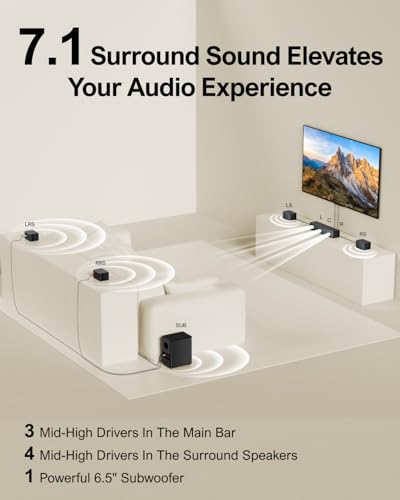
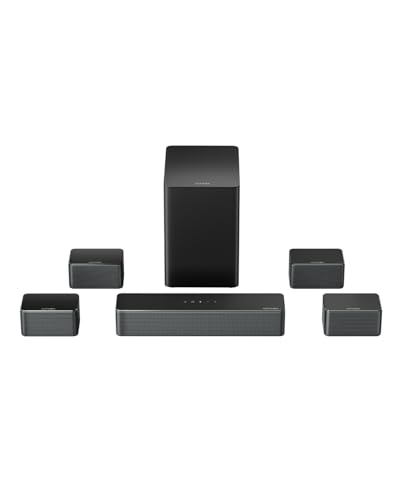
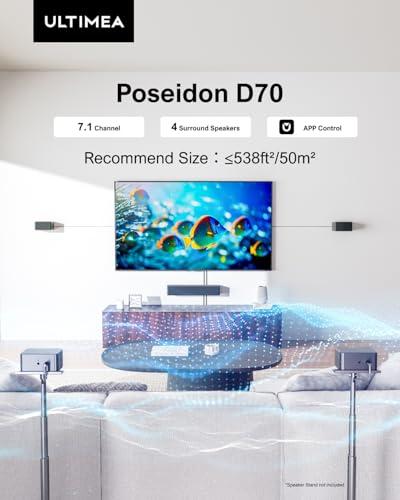
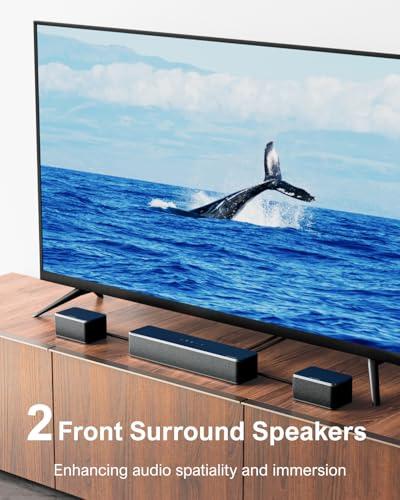
The Ultimea Poseidon D70, released in 2023, takes the "go big or go home" approach. It's essentially a complete home theater system disguised as a soundbar package, featuring a main soundbar, four separate satellite speakers that you place around your room, and a wireless subwoofer. This creates what's called a "true 7.1 channel" setup—meaning seven main speakers plus one subwoofer, each handling different parts of the audio spectrum and positioned to create an enveloping sound field.
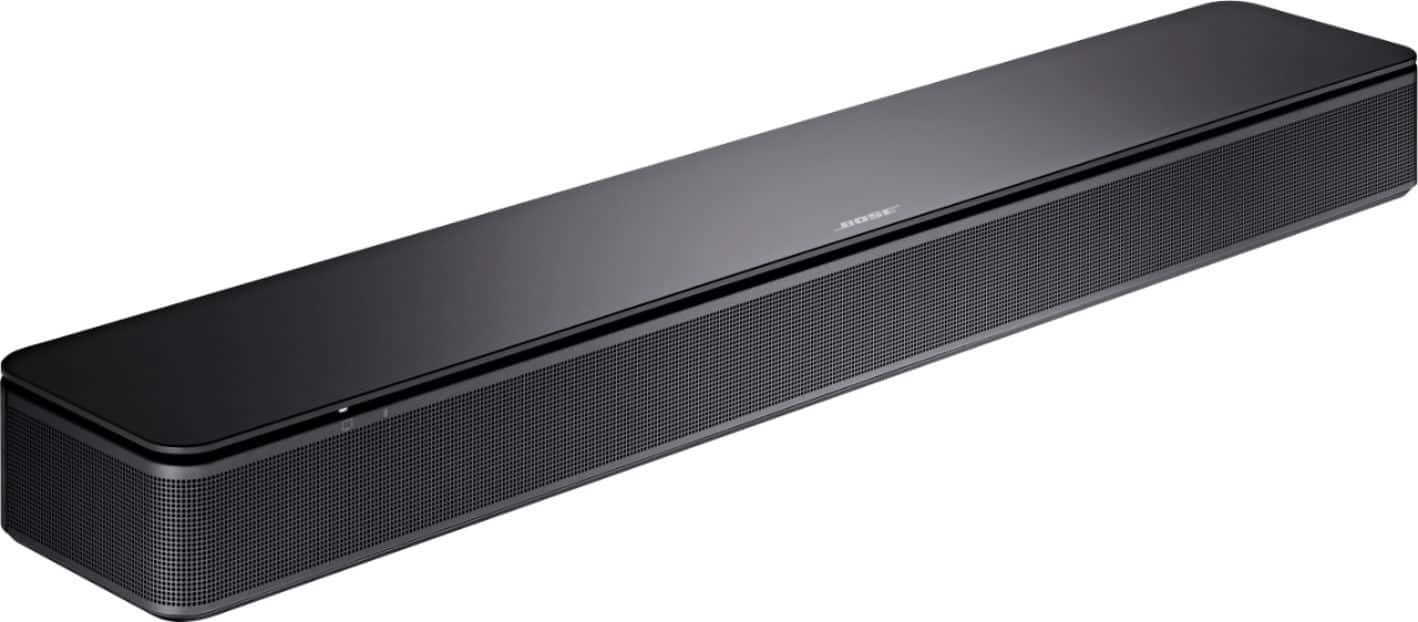
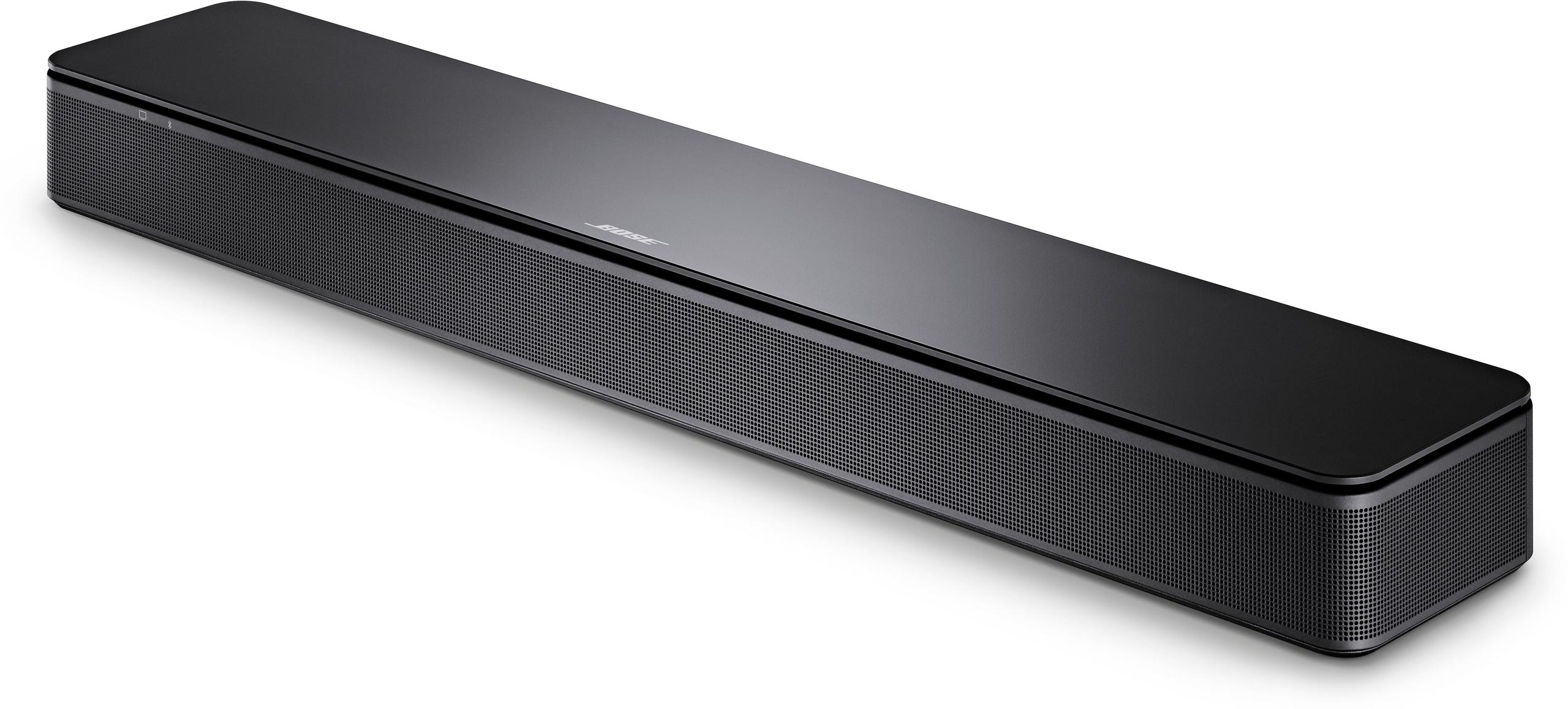
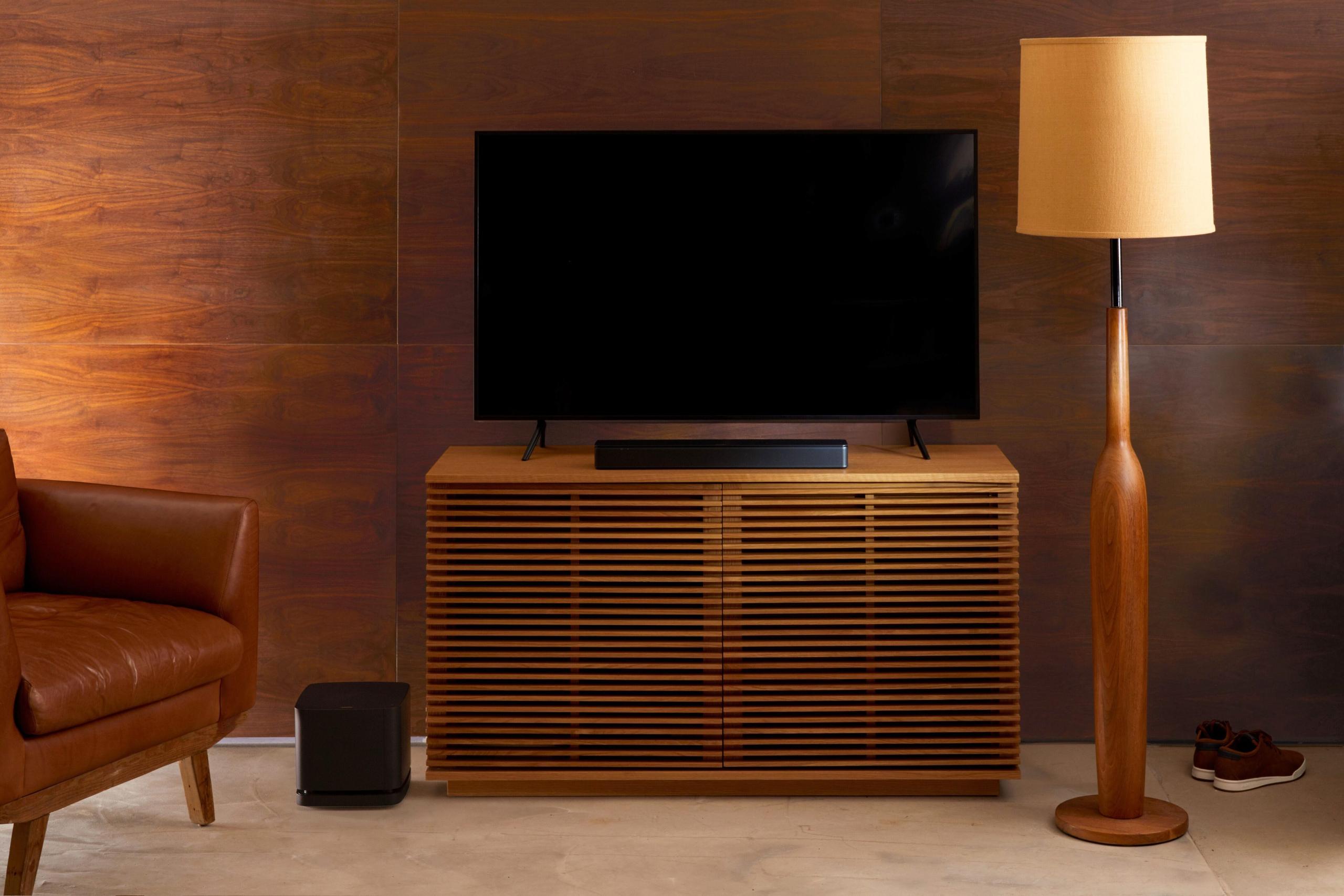
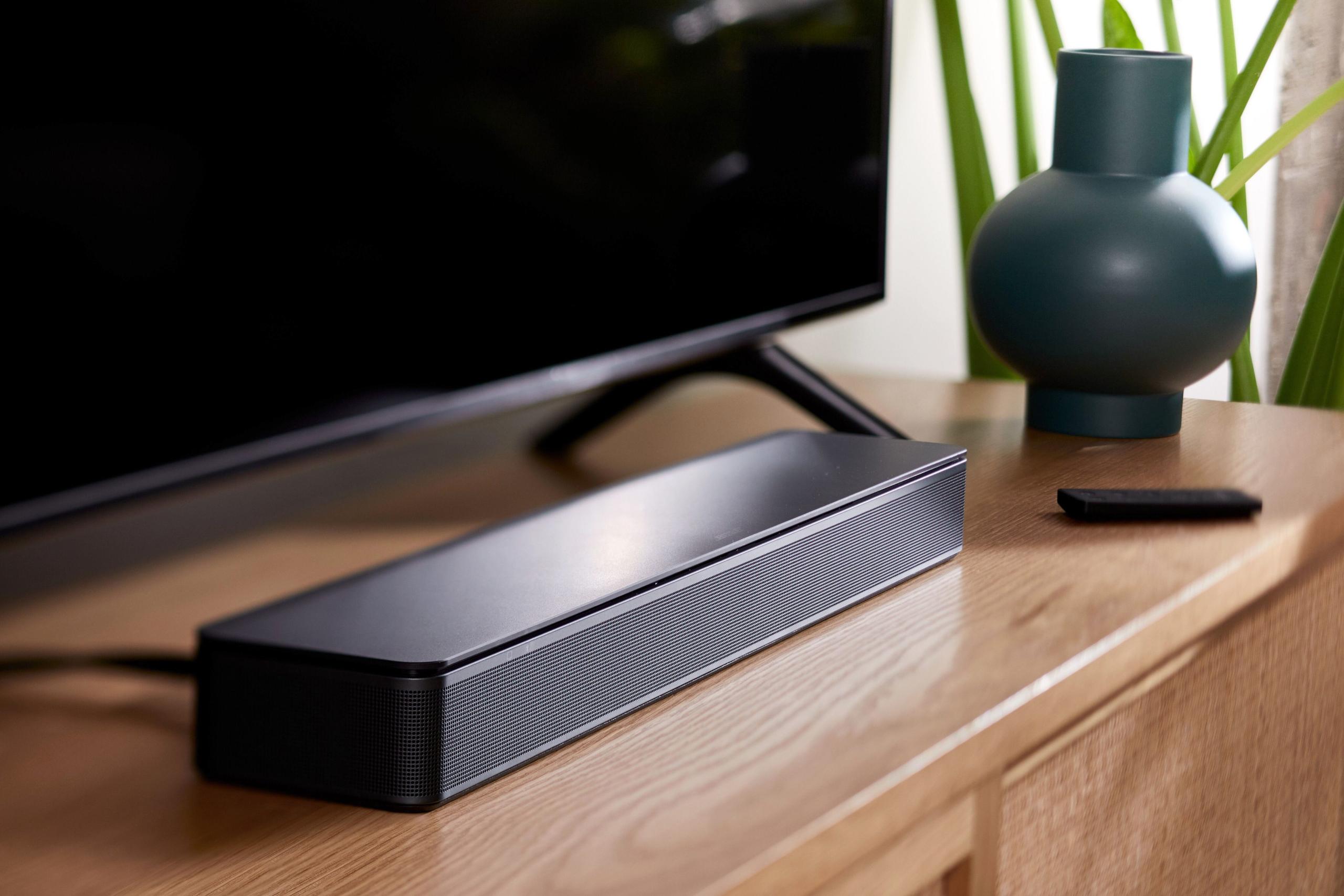
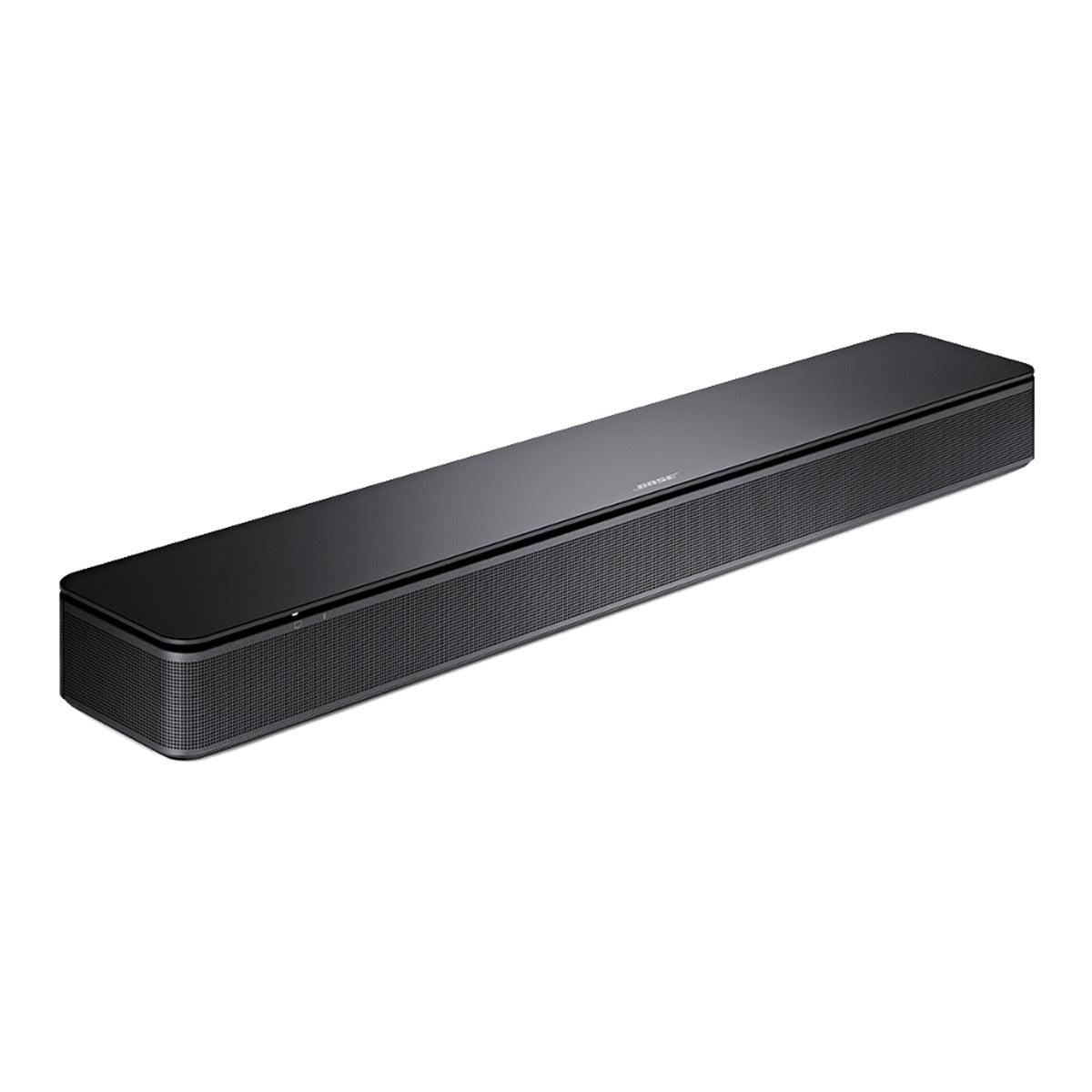
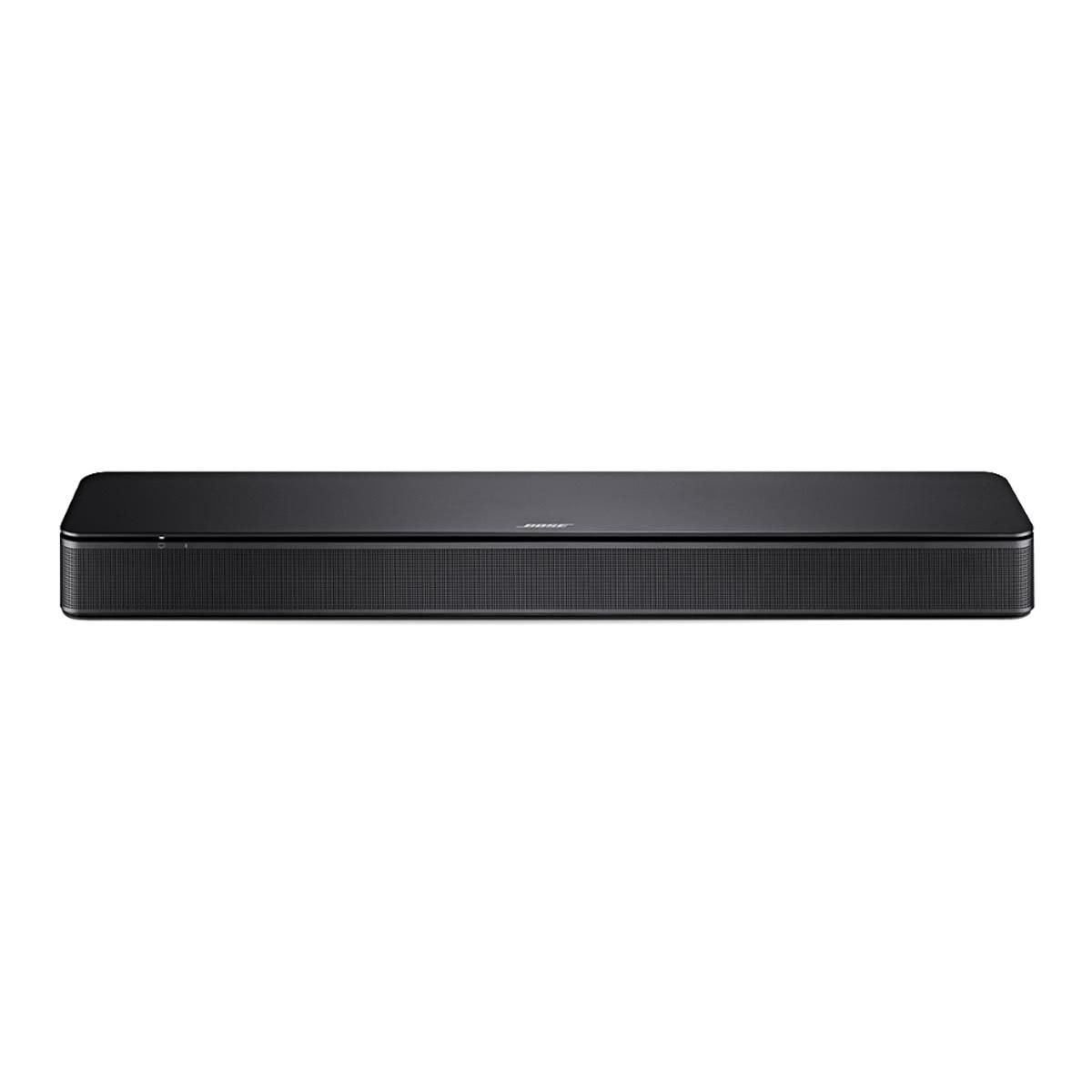
The Bose TV Speaker, which hit the market in 2020, represents the opposite philosophy. It's a single, compact unit that focuses on doing one thing exceptionally well: making your TV sound dramatically better without any fuss. Rather than trying to replicate a movie theater, it concentrates on clarity, dialogue enhancement, and seamless integration with your existing setup.
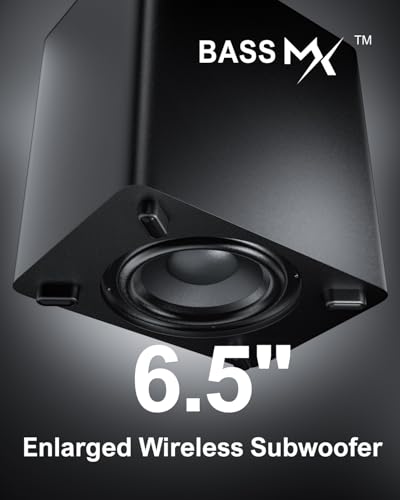
When it comes to raw audio power, the Ultimea Poseidon D70 is in a completely different league. With a total peak power output of 410 watts distributed across eight separate drivers (the individual speakers inside each component), it can fill large rooms with authoritative sound. The system includes three 2.25-inch mid-bass drivers in the main soundbar, four 2.25-inch drivers in the satellite speakers, and a substantial 6.5-inch downward-firing driver in the subwoofer.
This driver configuration matters because each speaker is optimized for specific frequency ranges. The satellite speakers handle mid and high frequencies (voices, instruments, sound effects), while the subwoofer focuses exclusively on bass frequencies below about 80Hz—those deep rumbles and impacts that you feel as much as hear.
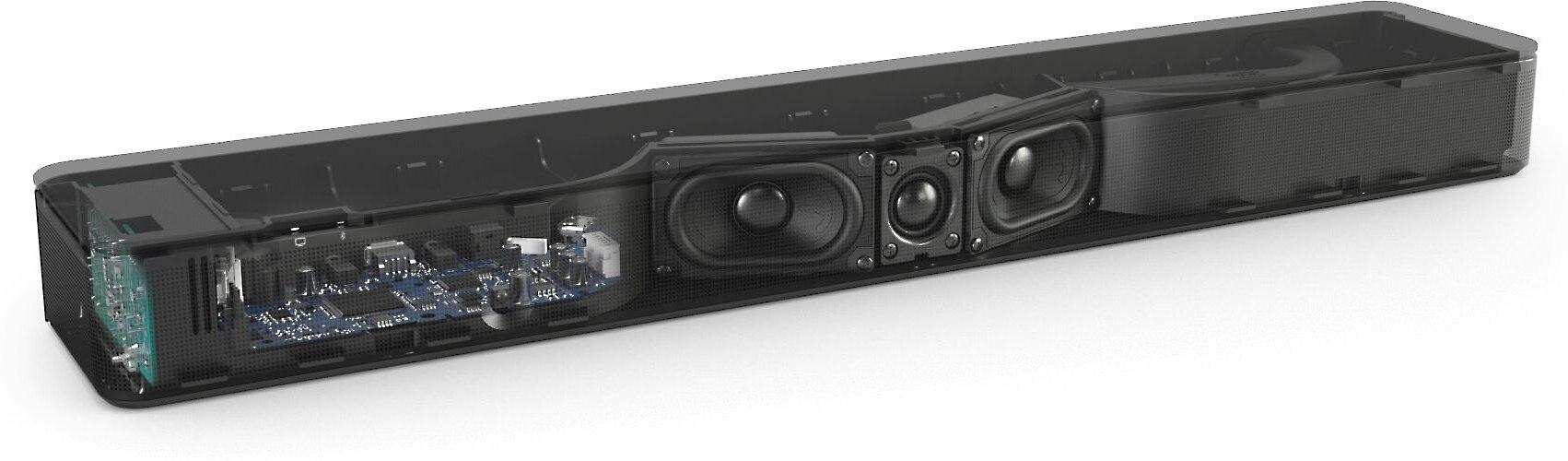
The Bose TV Speaker, by contrast, takes a more refined approach with lower total wattage but exceptional acoustic engineering. It uses two full-range drivers angled to create wide, spatial sound, plus a dedicated center tweeter (a small speaker specialized for high frequencies) that focuses specifically on dialogue clarity. Rather than overwhelming you with volume, it emphasizes balance and natural sound reproduction.
In our evaluation of user and expert reviews, the performance differences are striking. The Poseidon D70 consistently impresses with its ability to create genuinely immersive experiences—users frequently mention feeling "surrounded" by sound and being able to clearly identify where specific effects are coming from. The bass response, powered by Ultimea's BassMX technology, delivers the kind of deep, room-shaking low end that makes action movies come alive.
The Bose TV Speaker, meanwhile, earns praise for its sophisticated sound processing and dialogue clarity. Bose's Dialogue Mode analyzes the content you're watching in real-time and enhances vocal frequencies accordingly—meaning dialogue stays clear even when background music or effects get loud. This is particularly valuable for anyone who watches news, documentaries, or dialogue-heavy dramas.
This is where the fundamental difference between these systems becomes most apparent. The Poseidon D70 offers genuine multichannel surround sound through its physical satellite speakers. When you're watching a movie and a helicopter flies from left to right across the screen, you'll actually hear it move from the front-left satellite to the rear-right satellite. This creates what audio engineers call "discrete channel separation"—each speaker can play completely different audio content simultaneously.
The system uses SurroundX technology, which employs spatial positioning algorithms to coordinate between all the speakers and create precise sound localization. While it doesn't support Dolby Atmos (the latest surround format that adds overhead effects), its virtual surround processing can create an impressively wide and deep soundstage that extends well beyond the physical speaker positions.
The Bose TV Speaker, being a single unit, relies entirely on psychoacoustic processing—essentially tricking your brain into perceiving spatial effects through careful timing and frequency manipulation of the audio signal. While this enhanced stereo approach can create a sense of width and space, it can't replicate the directional precision of actual surround speakers placed around your room.
However, Bose's processing is notably sophisticated. The angled full-range drivers create a wider sound field than typical soundbars, and the acoustic engineering helps sounds appear to come from beyond the physical boundaries of the speaker itself.
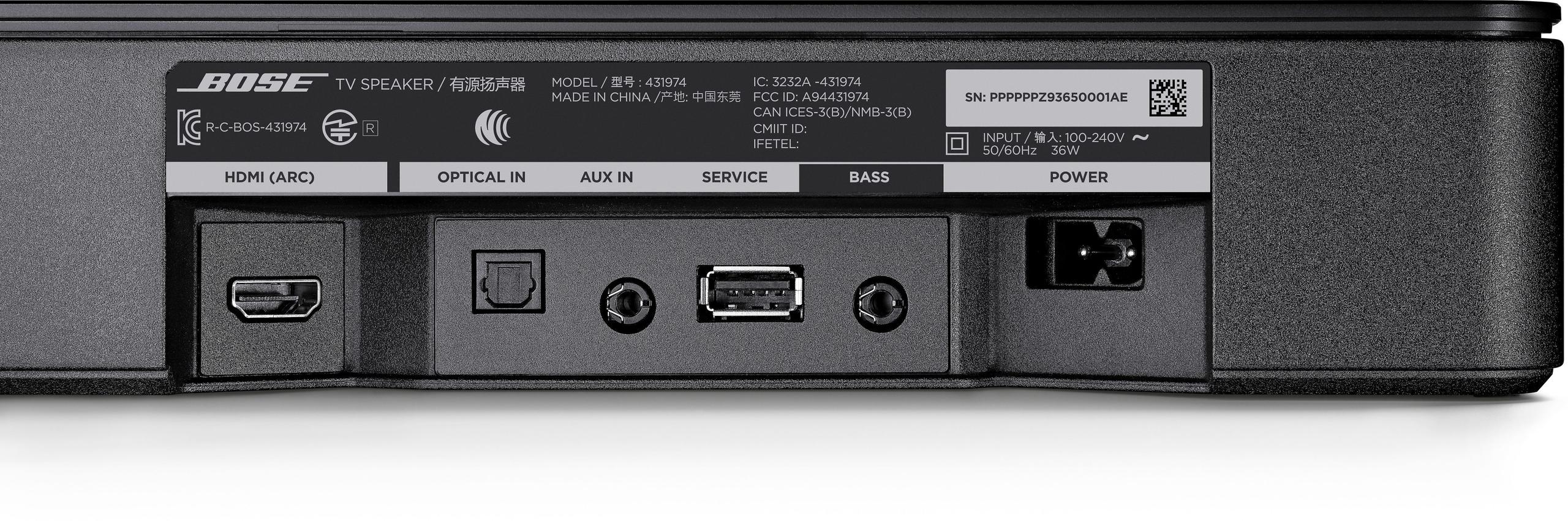
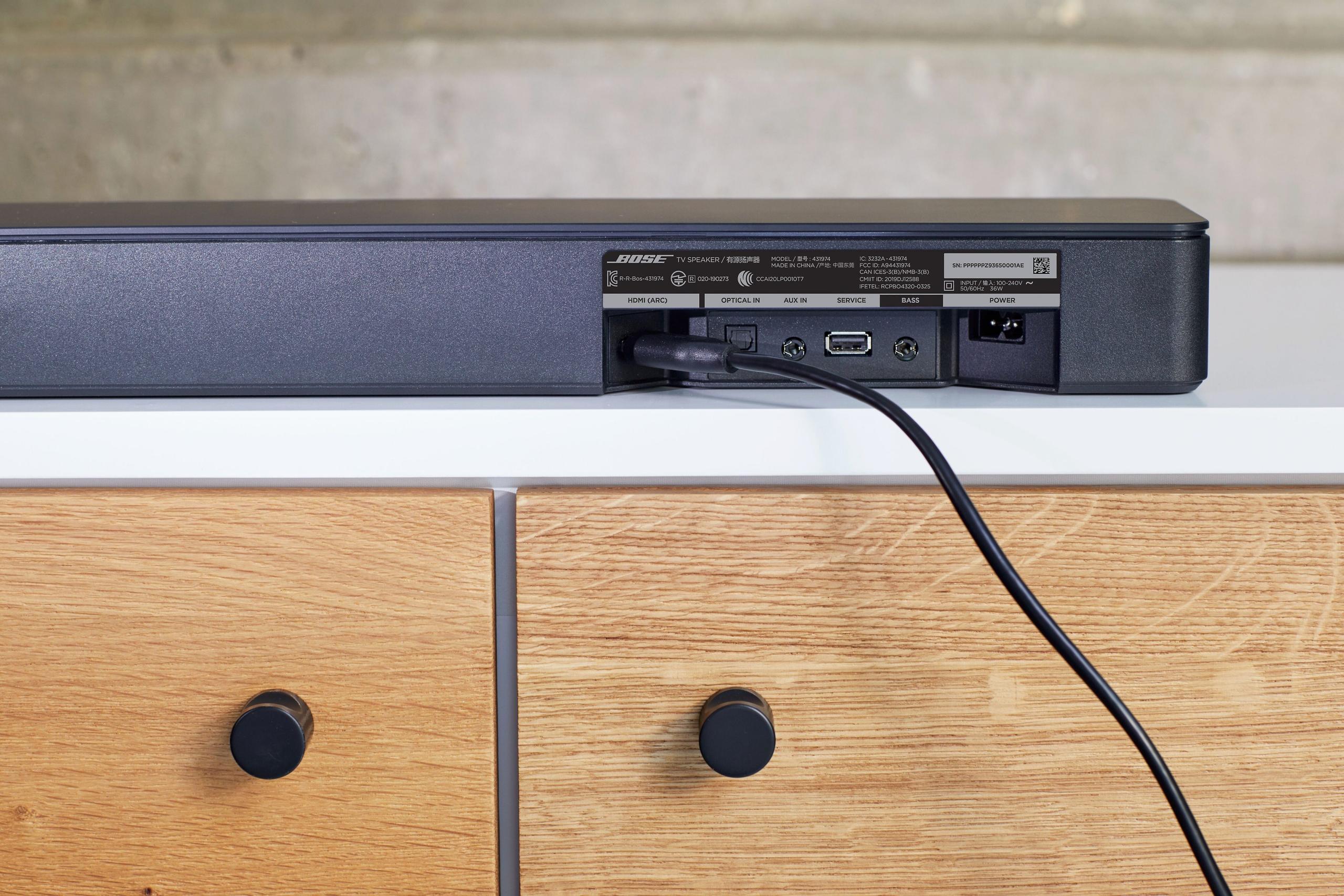
Here's where practical considerations become crucial. The Bose TV Speaker represents the gold standard for simplicity—you literally connect one cable (either optical audio or HDMI), place it near your TV, and you're done. At just 2.2 inches tall and weighing 4.3 pounds, it disappears visually while transforming your audio experience. The HDMI-CEC support means it can communicate with your TV, automatically powering on when you start watching and allowing volume control through your existing TV remote.
The Poseidon D70 requires significantly more planning and effort. You'll need to position four satellite speakers around your viewing area, running the included speaker cables (3-meter and 6-meter lengths) along walls or under furniture. The wireless subwoofer provides some flexibility in placement, but you'll still need to find appropriate locations for it and ensure it's not too close to walls that might cause bass resonance issues.
Cable management becomes a real consideration with the Poseidon D70. While the cables are color-coded and the system includes wall-mounting hardware for all components, you'll need to plan wire routes carefully to maintain a clean appearance. This setup works best in dedicated media rooms or spaces where you can permanently install the speakers.
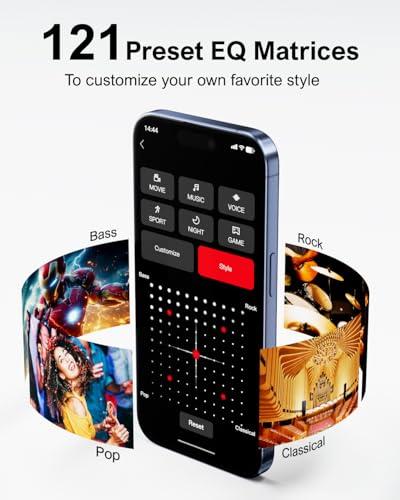
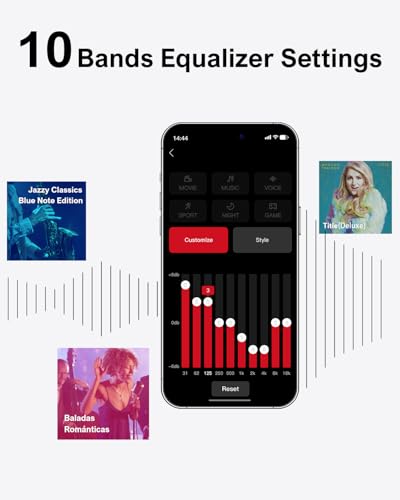
The customization capabilities reveal another key philosophical difference. The Poseidon D70 offers extensive audio tuning through its smartphone app, including 121 preset EQ matrices and a 10-band graphic equalizer. This level of control is almost unprecedented at this price point and allows users to fine-tune the sound for different content types, room acoustics, and personal preferences.
The app also provides 13 different surround sound intensity levels, letting you adjust how aggressive the spatial effects are. Some users prefer subtle surround enhancement for music, while cranking up the effect for action movies. The system can store custom sound profiles, and firmware updates can add new features over time.
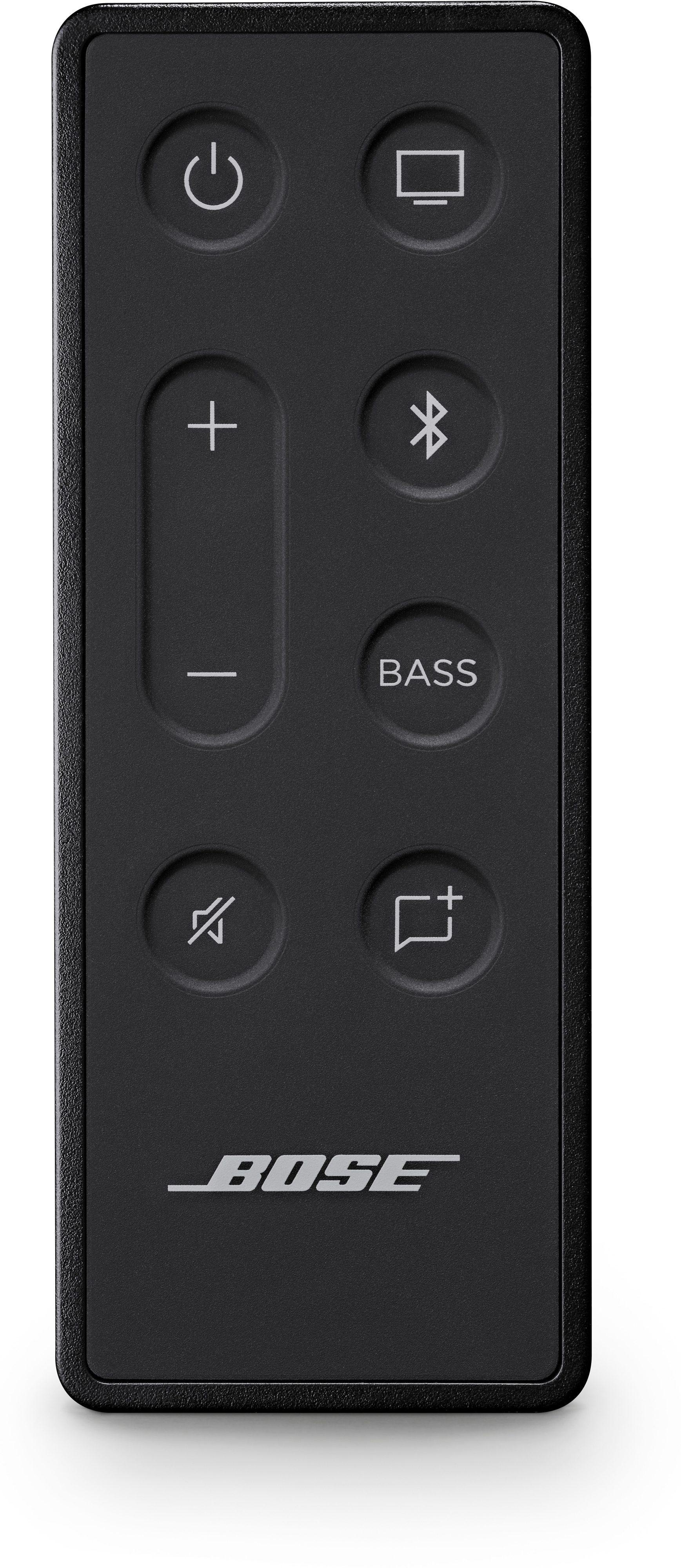
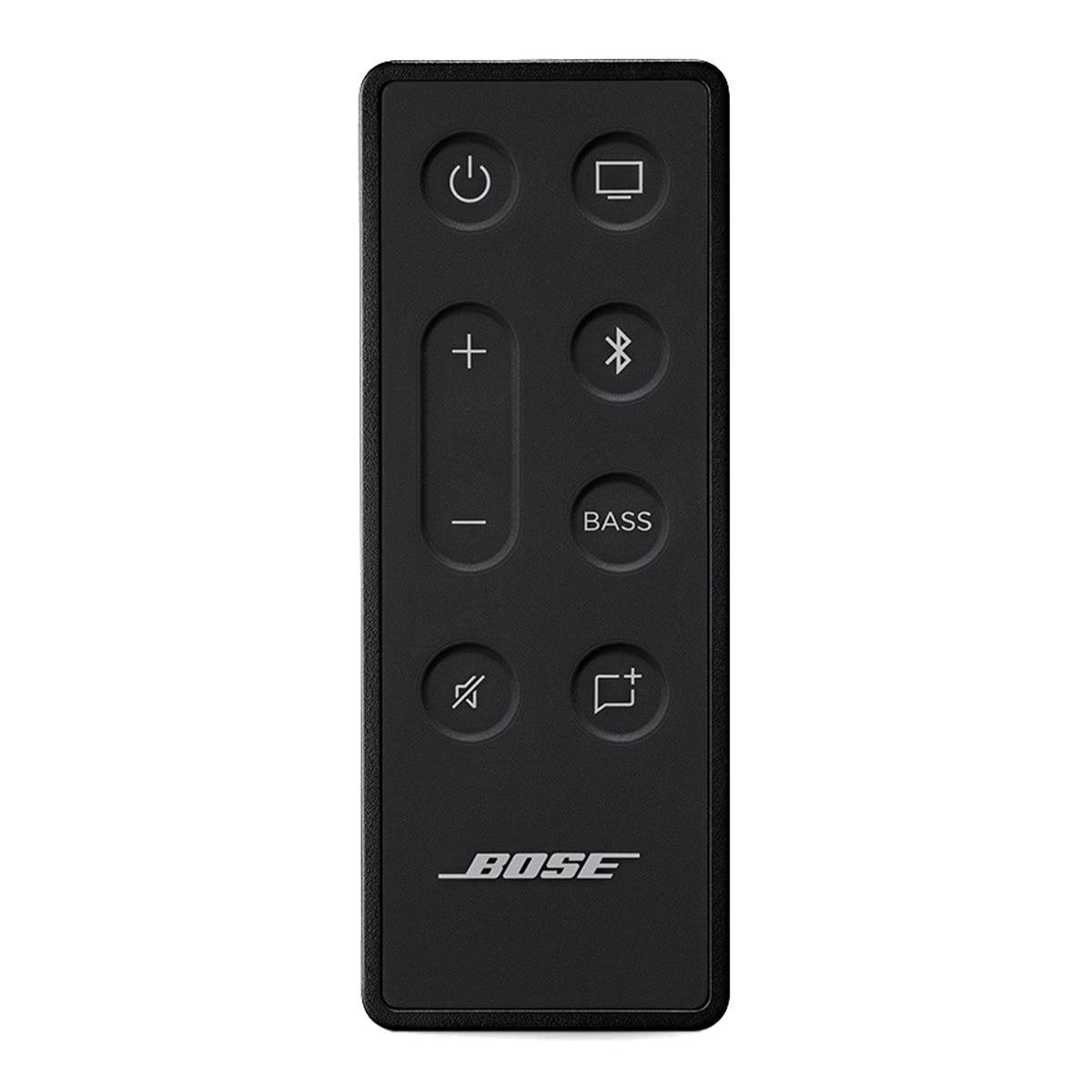
The Bose TV Speaker takes the opposite approach with minimal but meaningful controls. The included remote offers bass adjustment, the specialized Dialogue Mode, and basic input selection. The focus is on providing excellent sound out of the box without requiring tweaking or adjustment.
At the time of writing, both systems occupy similar price ranges in the mid-tier soundbar market, but they deliver value in completely different ways. The Poseidon D70 offers exceptional value for those seeking maximum audio impact per dollar—you'd typically need to spend significantly more from established brands to get a comparable 7.1 channel system with physical surround speakers.
The Bose TV Speaker represents premium engineering and build quality condensed into a simple package. You're paying for Bose's acoustic expertise, refined sound processing, and the assurance that comes with an established brand's reputation for reliability.
Since 2020, when the Bose TV Speaker launched, the soundbar market has seen increased competition from brands like Ultimea, with the 2023 Poseidon D70 representing the new generation of feature-packed budget options. This increased competition has pushed performance levels higher across all price points, making it an excellent time for consumers looking to upgrade their TV audio.
For movie enthusiasts and gaming, the Poseidon D70 shines brightest. The directional audio capabilities provide genuine advantages in gaming, where hearing enemy footsteps from the correct direction can be the difference between victory and defeat. Action movies benefit enormously from the physical surround speakers—explosions rumble through the subwoofer while debris effects pan convincingly around the room.
However, the Bose TV Speaker excels in everyday viewing scenarios that make up the majority of most people's TV time. News programs, sitcoms, dramas, and documentaries all benefit from its dialogue-focused tuning and natural sound balance. The Bluetooth connectivity also makes it excellent for casual music listening, delivering surprisingly full sound for its compact size.
Room size plays a crucial role in determining which system works better. In smaller spaces like apartments or bedrooms, the Poseidon D70 can actually be overwhelming, and the bass from the large subwoofer might disturb neighbors. The Bose TV Speaker provides dramatic improvement without acoustic overkill.
Conversely, in larger living rooms or open-plan spaces, the Bose TV Speaker might lack the power to adequately fill the room, while the Poseidon D70 has the output and dispersion to deliver satisfying sound levels throughout the space.
The choice between these systems ultimately comes down to your priorities and circumstances. Choose the Ultimea Poseidon D70 if you want to transform your living room into a genuine home theater experience, don't mind running speaker cables, and primarily watch content that benefits from surround sound effects. It's ideal for movie buffs, gamers, and anyone who values maximum audio impact and customization options.
The Bose TV Speaker is the better choice if you want immediate, dramatic improvement in TV audio quality without any complexity or visual clutter. It's perfect for apartments, bedrooms, or situations where dialogue clarity and natural sound balance matter more than surround effects. It's also the smart choice if you prefer the reliability and refined engineering that comes with an established audio brand.
Both systems can dramatically improve your TV viewing experience, but they take fundamentally different approaches to achieving that goal. The Poseidon D70 maximizes immersion and impact, while the Bose TV Speaker maximizes clarity and convenience. Understanding which approach aligns with your viewing habits, space constraints, and audio preferences will guide you to the right choice for your home entertainment setup.
| Ultimea Poseidon D70 7.1 Channel Soundbar System | Bose TV Speaker Soundbar |
|---|---|
| Audio Channels - Determines surround sound capabilities | |
| True 7.1 channel with physical surround speakers | Enhanced 2-channel stereo with spatial processing |
| Total Power Output - Affects volume and room-filling capability | |
| 410W peak (144W RMS) across 8 drivers | Lower wattage focused on efficiency and clarity |
| Physical Components - Impact on setup complexity and performance | |
| Soundbar + 4 wired satellite speakers + wireless subwoofer | Single compact soundbar unit |
| Subwoofer - Critical for deep bass and movie impact | |
| 6.5" wireless subwoofer with BassMX technology | No built-in subwoofer (optional Bass Module 500/700 compatible) |
| Setup Complexity - Time and effort required for installation | |
| Moderate complexity with speaker wire routing required | Minimal setup with single connection |
| Dialogue Enhancement - Essential for clear speech | |
| Center channel + EQ customization for vocal clarity | Dedicated Dialogue Mode with real-time content analysis |
| Sound Customization - Ability to tune audio to preferences | |
| 121 preset EQ matrices + 10-band equalizer via app | Basic bass adjustment and dialogue mode |
| Connectivity Options - Compatibility with different devices | |
| HDMI ARC, Optical, Bluetooth 5.3, USB, 3.5mm AUX | HDMI ARC, Optical, Bluetooth 4.2, 3.5mm input/output |
| Physical Dimensions - Space requirements and aesthetics | |
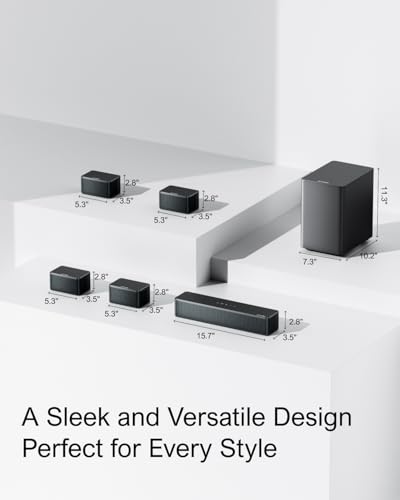
| Soundbar: 15.7" × 2.8" × 3.5" plus satellite placement | Single unit: 23.4" × 2.2" × 4" (ultra-compact) |
| Brand Heritage - Support and reliability expectations | |
| Newer brand (2023 release) with aggressive feature set | Established Bose brand (2020 release) with proven reliability |
| Best Use Cases - When each system excels | |
| Home theater enthusiasts, gaming, action movies | Daily TV viewing, dialogue-heavy content, apartments |
| Dolby Support - Advanced audio format compatibility | |
| Virtual surround only (no Dolby Atmos) | Dolby Digital support with focus on stereo enhancement |
The Ultimea Poseidon D70 is significantly better for home theater use. It provides true 7.1 channel surround sound with four physical satellite speakers placed around your room, creating an immersive movie experience. The Bose TV Speaker only offers enhanced stereo sound, which works well for TV shows but can't match the cinematic experience of the Poseidon D70 for action movies and blockbusters.
The Ultimea Poseidon D70 delivers more powerful, room-filling sound with 410W peak power and deep bass from its 6.5" wireless subwoofer. The Bose TV Speaker focuses on refined clarity and dialogue enhancement with superior acoustic engineering. While the Poseidon D70 provides more impact and volume, the Bose TV Speaker offers more natural, balanced sound reproduction.
The Bose TV Speaker is much easier to install - it requires just one connection to your TV and takes minutes to set up. The Ultimea Poseidon D70 requires positioning four satellite speakers around your room and running speaker wires, making installation more complex and time-consuming. If you want plug-and-play simplicity, the Bose TV Speaker is the clear winner.
The Ultimea Poseidon D70 includes a wireless subwoofer as part of the system, providing deep bass out of the box. The Bose TV Speaker doesn't include a subwoofer but produces surprisingly good bass for its size and can be expanded with optional Bose Bass Modules. For immediate bass impact, the Poseidon D70 is the better choice.
The Bose TV Speaker is ideal for smaller spaces due to its compact size, single-unit design, and no need for additional speakers around the room. The Ultimea Poseidon D70 may be overwhelming in small spaces and the satellite speakers can be difficult to position properly. The Bose TV Speaker provides significant audio improvement without dominating your space.
The Bose TV Speaker excels at dialogue clarity with its dedicated Dialogue Mode that analyzes content in real-time to enhance vocals. The Ultimea Poseidon D70 has a dedicated center channel for dialogue but may require EQ adjustments for optimal speech clarity. For watching news, talk shows, and dialogue-heavy content, the Bose TV Speaker has the advantage.
The Ultimea Poseidon D70 offers exceptional value by providing a complete 7.1 surround sound system at a budget-friendly price point. You get eight speakers total including a subwoofer. The Bose TV Speaker costs more but provides premium build quality and refined engineering. The Poseidon D70 gives you more features per dollar, while the Bose TV Speaker offers premium quality and reliability.
Both soundbars support TV remote control, but in different ways. The Bose TV Speaker offers seamless HDMI-CEC integration and is Roku TV Ready certified for automatic setup. The Ultimea Poseidon D70 has basic TV remote compatibility but works best with its dedicated remote or smartphone app for accessing all features.
For music, it depends on your preferences. The Ultimea Poseidon D70 provides room-filling sound with customizable EQ settings and powerful bass, making it great for energetic music genres. The Bose TV Speaker offers more balanced, natural music reproduction through Bluetooth streaming. Music enthusiasts who want maximum customization should choose the Poseidon D70.
Both soundbars offer Bluetooth connectivity for streaming music from your phone or tablet. The Ultimea Poseidon D70 features Bluetooth 5.3 and includes a wireless subwoofer, though the satellite speakers are wired. The Bose TV Speaker uses Bluetooth 4.2 for music streaming and maintains a completely wireless design with no additional components.
The Ultimea Poseidon D70 is designed for larger rooms with its 410W power output and multiple speakers positioned around the space. The Bose TV Speaker may struggle to fill very large rooms adequately without adding a bass module. For open-plan living spaces and larger rooms, the Poseidon D70 provides better coverage and impact.
The Bose TV Speaker comes with Bose's established customer support network and proven reliability track record since the brand's founding. The Ultimea Poseidon D70 represents a newer brand but offers competitive warranty coverage and responsive customer service. Both provide standard warranty protection, but Bose has the advantage of longer brand heritage and established service infrastructure.
We've done our best to create useful and informative comparisons to help you decide what product to buy. Our research uses advanced automated methods to create this comparison and perfection is not possible - please contact us for corrections or questions. These are the sites we've researched in the creation of this article: ultimea.com - provantage.com - ultimea.com - youtube.com - youtube.com - bestbuy.com - the-gadgeteer.com - shopmyexchange.com - youtube.com - youtube.com - youtube.com - ultimea.com - manuals.plus - device.report - images.thdstatic.com - shopmyexchange.com - staples.com - ultimea.de - bestbuy.com - projectorscreen.com - forums.audioholics.com - digitaltrends.com - abt.com - crutchfield.com - staples.com - bestbuy.com - pcrichard.com - visions.ca - bose.com - assets.bose.com

Privacy Policy
Terms and Conditions - Affiliate Policy
Home Security
© Copyright 2008-2026.
11816 Inwood Rd #1211, Dallas, TX 75244