



When you're tired of straining to hear dialogue over your TV's built-in speakers or missing out on the rumbling bass that makes action movies feel real, a 7.1 channel soundbar system can transform your living room into a mini theater. But with so many options available, picking the right one can feel overwhelming—especially when comparing two products from the same brand that seem similar on paper.
Today we're diving deep into two popular Ultimea soundbar systems: the Aura A40 and the Poseidon D70. Both promise immersive surround sound without the complexity of traditional home theater setups, but they take notably different approaches to achieving that goal. After researching extensive user feedback and professional reviews, we'll help you understand which system makes the most sense for your specific needs and budget.
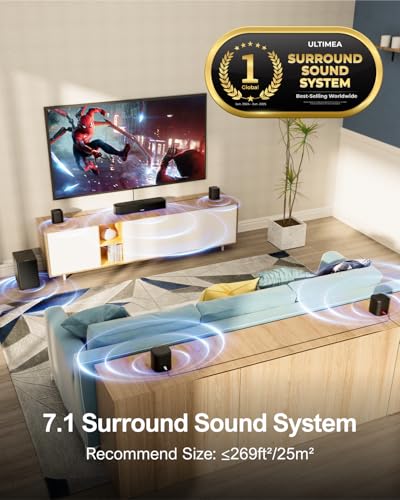
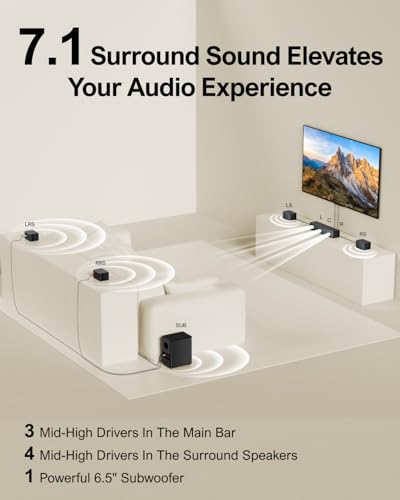
Before we compare these specific models, let's clarify what a 7.1 channel system actually means. The numbers refer to speakers: seven main channels (front left, center, front right, side left, side right, rear left, rear right) plus one subwoofer (the ".1") dedicated to bass frequencies below about 100Hz. This configuration creates what audio engineers call a "soundfield"—essentially surrounding you with directional audio that makes helicopter sounds feel like they're actually flying overhead.
Traditional 7.1 systems required seven separate speakers placed around your room, connected to a complex AV receiver. Modern soundbar systems like the Aura A40 and Poseidon D70 achieve similar results through clever speaker placement and digital signal processing (DSP)—computer algorithms that manipulate audio signals to create the illusion of sound coming from directions where no physical speakers exist.
The key advantages of these systems over basic soundbars are spatial awareness and bass impact. Instead of sound just coming from the front of your room, you get audio cues from multiple directions, making movies more immersive and helping gamers locate enemies by sound. The dedicated subwoofer handles low-frequency effects that smaller speakers simply can't reproduce, from explosion rumbles to the deep notes in orchestral music.
Ultimea has carved out a niche in the competitive soundbar market by offering genuine multi-channel systems at prices that were unthinkable just a few years ago. Both the Aura A40 (released in 2023) and Poseidon D70 (launched in 2024) represent this philosophy, but they target slightly different audiences and use cases.
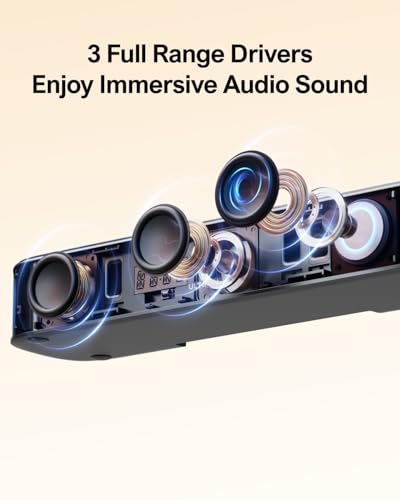
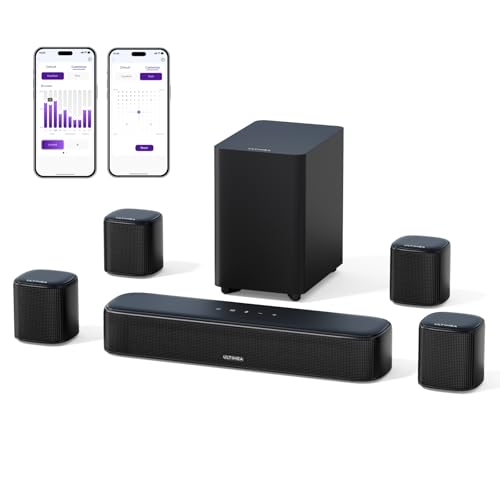
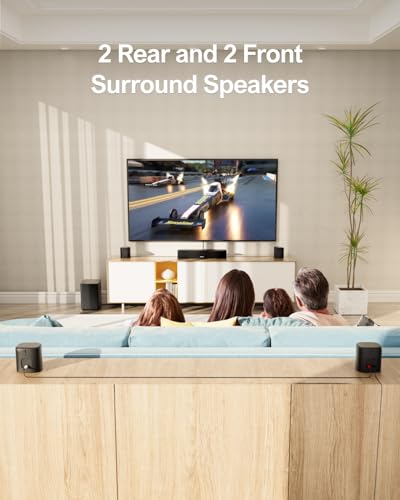
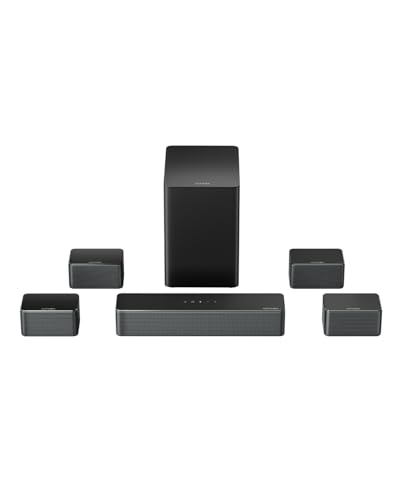
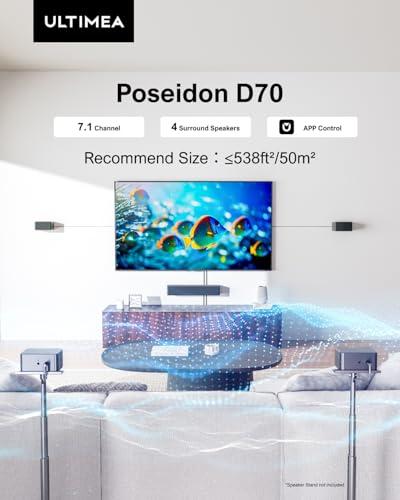
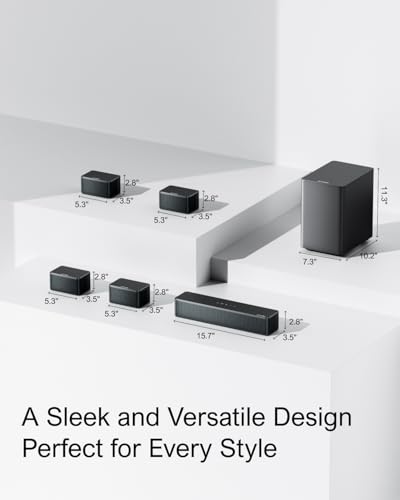
The fundamental architecture is similar: both systems include a main soundbar housing three drivers, four separate surround speakers that connect with wires, and a dedicated subwoofer. Where they diverge is in power, connectivity, and that crucial subwoofer design. These differences might seem minor on paper, but they create meaningfully different user experiences in practice.
Both systems use an 8-speaker configuration, but the Poseidon D70 employs larger 2.25-inch drivers in both the main soundbar and surround speakers, compared to the Aura A40's 2-inch drivers. This might sound like a tiny difference, but larger drivers generally move more air, creating fuller midrange reproduction and better overall dynamics. Think of it like the difference between a small bookshelf speaker and a larger floor-standing model—the bigger drivers simply have more physical capability.
The surround speakers in both systems are compact satellites designed to mount on walls or sit on shelves. They're not going to match the output of massive tower speakers, but they provide the directional cues that make surround sound work. During action sequences, these speakers handle effects like bullets whizzing past or footsteps approaching from behind, while the main soundbar focuses on dialogue and front-stage audio.
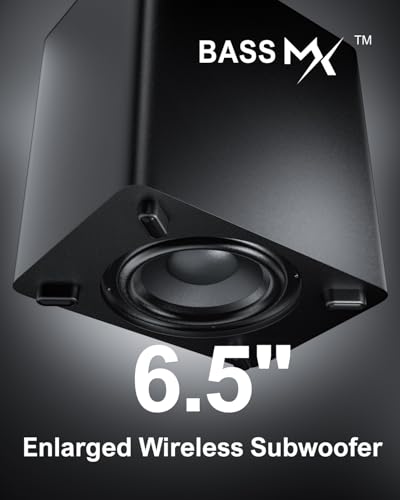
Here's where these systems take fundamentally different approaches. The Aura A40 includes a compact 4-inch wired subwoofer that must connect directly to the main soundbar via cable. The Poseidon D70 features a much larger 6.5-inch subwoofer that connects wirelessly using Bluetooth technology.
This distinction affects both sound quality and practical setup considerations. The A40's smaller subwoofer reaches down to about 65Hz—adequate for most dialogue and many music genres, but it won't shake the room during explosion scenes or reproduce the lowest notes in orchestral pieces. The D70's 6.5-inch driver extends down to 35Hz, capturing those deep frequencies that you feel as much as hear.
The wireless aspect brings convenience but also complexity. You can place the D70's subwoofer anywhere within Bluetooth range without running cables across your room, but you'll need a power outlet nearby. The A40's wired approach means guaranteed connectivity without potential wireless interference, but you'll need to plan cable routing during setup.
Power specifications can be misleading in audio equipment, but they provide useful reference points. The Aura A40 delivers 330 watts peak power, while the Poseidon D70 cranks out 410 watts—about 25% more output capability. In practical terms, this translates to the D70 playing louder without distortion and maintaining better dynamics during complex audio passages.
Both systems work well in small to medium rooms, but the power difference becomes apparent in larger spaces or when you want really impactful volume levels. The A40 suits rooms up to about 270 square feet perfectly, while the D70 can handle larger areas and higher listening volumes without strain.
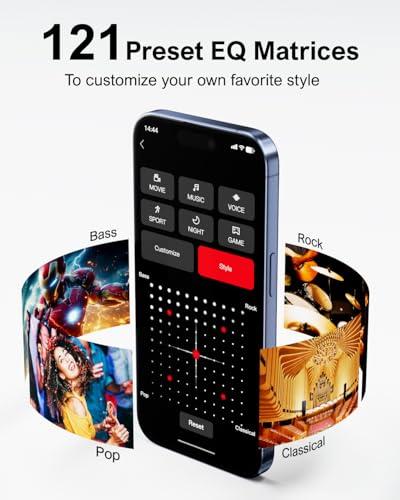
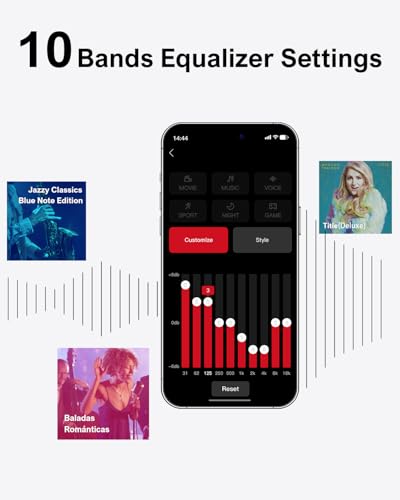
Room acoustics matter enormously for any speaker system. Hard surfaces like tile floors and bare walls reflect sound, creating echo and potentially harsh tonal balance. Soft furnishings like couches, carpets, and curtains absorb reflections, sometimes making systems sound muffled. Both Ultimea systems include extensive equalization controls through their mobile apps—121 preset sound profiles plus 10-band graphic equalizers—allowing you to compensate for your room's acoustic characteristics.
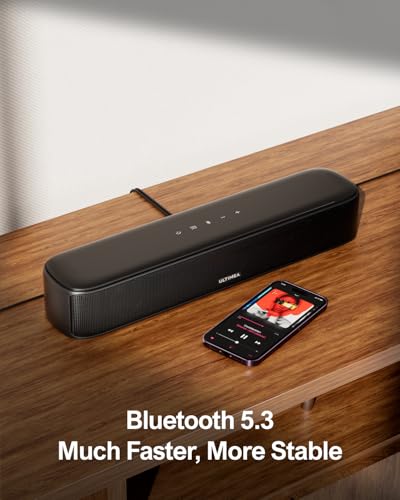
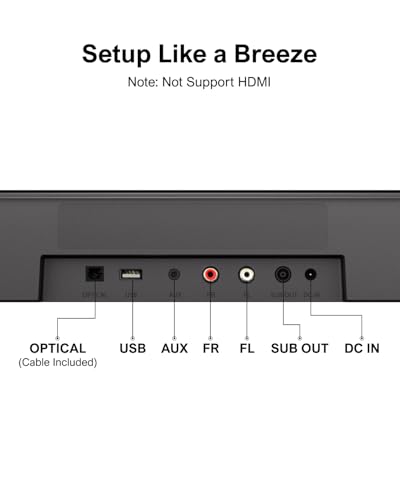
The connectivity differences between these systems reveal their target audiences clearly. The Aura A40 offers optical digital input, analog auxiliary input, USB port, and Bluetooth 5.3 wireless connectivity. This covers most connection scenarios, from older TVs with optical outputs to smartphones streaming music via Bluetooth.
The Poseidon D70 adds HDMI ARC (Audio Return Channel) support, which represents a significant practical advantage for modern TV owners. HDMI ARC allows bidirectional audio communication between your TV and soundbar through a single cable. Your TV can send audio to the soundbar while the soundbar can send control signals back to the TV, enabling features like automatic power on/off synchronization and volume control through your TV remote.
For users with 2018 or newer TVs, HDMI ARC simplifies setup dramatically and provides the best possible audio quality connection. However, if your TV lacks HDMI ARC support, the A40's optical connection delivers identical audio quality for most content types.
Both systems excel at dialogue reproduction, which shouldn't be surprising given their shared focus on the critical midrange frequencies where human voices live. User reviews consistently praise both models for maintaining clear dialogue even during loud action sequences—a common weakness of TV speakers and basic soundbars.
The Poseidon D70's larger drivers and AI-powered optimization provide slightly more natural vocal reproduction, particularly for challenging content like heavily accented dialogue or whispered conversations. The AI processing analyzes incoming audio in real-time, adjusting frequency response and dynamics to optimize clarity based on patterns learned from extensive audio databases.
This category shows the clearest performance difference between the systems. The Aura A40's 4-inch subwoofer provides clean, controlled bass that enhances dialogue-driven content and acoustic music without overwhelming smaller rooms. It's perfectly adequate for sitcoms, news, and moderate music listening, but action movies and bass-heavy music genres will reveal its limitations.
The Poseidon D70's 6.5-inch subwoofer, enhanced by Ultimea's BassMX technology, delivers substantially more low-frequency impact. BassMX uses digital signal processing to optimize the subwoofer's output, extracting maximum performance from the available driver and amplifier combination. The result is deeper extension, more impactful dynamics, and better integration with the satellite speakers.
During our research of user experiences, this bass difference consistently emerged as the most noticeable performance distinction between the systems. Users upgrading from the A40 to the D70 frequently mentioned feeling movie explosions and music bass lines in ways they hadn't experienced before.
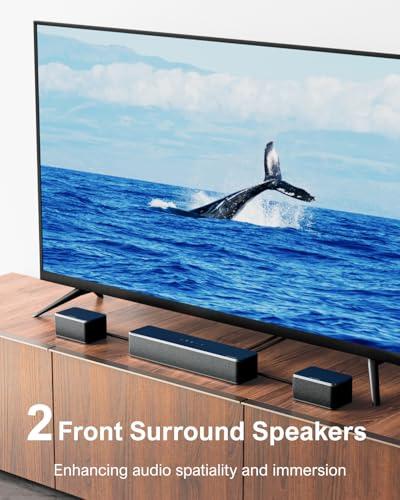
Both systems create convincing surround soundfields through their four discrete surround speakers and virtual processing. The physical speakers handle obvious directional effects—gunshots from behind, vehicles passing from side to side—while digital processing creates the illusion of sound coming from positions between the speakers.
The Poseidon D70's SurroundX technology represents Ultimea's most advanced spatial processing, creating what the company describes as more precise sound localization. In practice, this means effects feel more naturally positioned in three-dimensional space rather than obviously coming from discrete speaker locations.
However, both systems face the same fundamental limitation: they simulate rather than create true discrete 7.1 channel audio. While the surround speakers receive distinct signals, the system uses stereo sources processed through algorithms to create surround effects. This works remarkably well for most content, but it can't match the precision of systems that receive true multichannel audio from Blu-ray discs or high-end streaming sources.
Both systems include Ultimea's smart app, which transforms your smartphone into a comprehensive remote control and audio customization center. The app provides access to all 121 preset EQ profiles, organized by music genres (rock, classical, jazz) and content types (movies, gaming, voice). The 10-band graphic equalizer allows precise frequency adjustment for users who want to fine-tune their audio experience.
The Poseidon D70 adds over-the-air firmware updates through the app, ensuring access to new features and optimizations as Ultimea develops them. This future-proofing capability has already delivered several enhancements since the system's 2024 launch, including improved AI processing algorithms and additional EQ presets.
One limitation affects both systems: the apps cannot power on the soundbars remotely. You'll need to use the included IR remote or the manual power button for initial startup, then the app takes over for all other functions. This seems like a minor inconvenience, but it becomes noticeable in daily use.
Setting up either system requires modest technical skills and about 30-45 minutes of careful work. Both include well-labeled, color-coded cables and clear instruction manuals. The main differences lie in cable management and subwoofer placement flexibility.
The Aura A40's wired subwoofer requires running a cable between the main soundbar and subwoofer location. This cable is reasonably long, but you'll need to plan the routing carefully to avoid trip hazards or visible wire runs. The advantage is guaranteed connectivity—no wireless interference or connection drops.
The Poseidon D70's wireless subwoofer eliminates this cable but introduces different considerations. The subwoofer needs power outlet access and must maintain Bluetooth connectivity with the main soundbar. Most users report reliable wireless performance, but occasional connection hiccups can occur in environments with heavy wireless interference.
Both systems support wall mounting for the main soundbar and surround speakers, with all necessary hardware included. The satellite speakers are lightweight enough for standard wall anchors in drywall, though mounting into studs provides extra security for long-term installations.
At the time of writing, these systems occupy different price tiers within Ultimea's lineup, with the Aura A40 positioned as the entry-level offering and the Poseidon D70 as the mid-range option. The price difference reflects the enhanced features, larger subwoofer, and wireless convenience of the D70.
From a pure value perspective, both systems deliver impressive capability for their respective price points. The A40 provides genuine 7.1 surround sound at a price that was unimaginable even five years ago, making it accessible to budget-conscious buyers who want meaningful audio upgrades over TV speakers.
The Poseidon D70 offers more substantial performance improvements—better bass, wireless convenience, HDMI ARC compatibility—for a moderate price premium. The question becomes whether those enhancements justify the additional cost for your specific situation and preferences.
For dedicated home theater use, both systems provide significant improvements over TV audio, but they approach the experience differently. The Aura A40 excels with dialogue-heavy content like dramas, comedies, and documentaries where voice clarity matters most. Its smaller subwoofer won't reproduce the deep, room-shaking bass of theatrical presentations, but it maintains excellent midrange clarity that makes spoken content engaging.
The Poseidon D70 better approximates the full-range audio experience of commercial theaters. Its larger subwoofer reproduces the low-frequency effects that create visceral impact during action sequences, while the enhanced processing maintains dialogue clarity even during complex audio scenes. HDMI ARC connectivity also simplifies integration with modern smart TVs and streaming devices.
Neither system supports advanced audio formats like Dolby Atmos or DTS:X, which use height channels to create overhead effects. These formats require more complex speaker arrangements or specialized processing, placing them outside the scope of these relatively simple soundbar systems.
Based on our research into user experiences and technical capabilities, clear usage patterns emerge for each system.
Choose the Aura A40 if:
Choose the Poseidon D70 if:
The decision often comes down to content preferences and room requirements. If you mostly watch TV shows and movies where dialogue matters most, the A40's capabilities align well with those needs at an attractive price point. If you want a more complete audio experience that handles everything from whispered dialogue to thunderous explosions, the D70's enhanced capabilities justify its premium positioning.
Both the Ultimea Aura A40 and Poseidon D70 represent excellent value in the crowded soundbar market, offering genuine multichannel audio at prices that make them accessible to mainstream consumers. The key is matching system capabilities to your specific needs and expectations.
The A40 serves as an ideal first upgrade from TV speakers for budget-conscious buyers, delivering meaningful improvements in dialogue clarity and basic surround effects. The D70 provides a more comprehensive audio experience with deeper bass, wireless convenience, and modern connectivity that better serves diverse content and larger rooms.
Neither system will satisfy serious audiophiles seeking reference-quality sound reproduction, but both exceed their price points' expectations and deliver satisfying improvements over basic audio setups. Choose based on your content preferences, room size, and tolerance for the modest price difference—either system will transform your TV watching experience in ways that make the investment worthwhile.
| Ultimea Aura A40 U2601 Soundbar System | Ultimea Poseidon D70 7.1 Channel Soundbar System |
|---|---|
| Peak Power Output - Determines maximum volume and room coverage | |
| 330W (suitable for rooms up to 270 sq ft) | 410W (25% more power for larger spaces and higher volumes) |
| Subwoofer Size & Connection - Most important factor for bass impact | |
| 4" wired subwoofer, 65Hz frequency response | 6.5" wireless subwoofer, 35Hz frequency response (much deeper bass) |
| Driver Sizes - Affects midrange clarity and overall dynamics | |
| 2" drivers in soundbar and surrounds | 2.25" drivers in soundbar and surrounds (better air movement) |
| Connectivity Options - Essential for modern TV compatibility | |
| Optical, AUX, USB, Bluetooth 5.3 (no HDMI) | HDMI ARC, Optical, AUX, USB, Bluetooth 5.3 (simplified modern TV setup) |
| Advanced Audio Technologies - Enhanced processing for better sound quality | |
| SurroundX virtual surround technology | BassMX bass enhancement, SurroundX surround, AI Deep Learning optimization |
| Setup Convenience - Impacts installation flexibility | |
| Wired subwoofer (cable management required) | Wireless subwoofer (no cables, flexible placement) |
| Smart Features - Long-term value and customization | |
| 121 EQ presets, 10-band equalizer via app | Same EQ options plus over-the-air firmware updates |
| Release Year - Indicates latest technology generation | |
| 2023 (proven design) | 2024 (newest features and processing) |
| Ideal Room Size - Manufacturer recommendation for optimal performance | |
| 108-270 sq ft (small to medium rooms) | Medium to large rooms (more flexible sizing) |
| Best Use Cases - Content types where each system excels | |
| Dialogue-heavy content, budget-conscious buyers, smaller spaces | Action movies, music listening, bass-heavy content, modern TV owners |
The primary difference is the subwoofer: the Ultimea Aura A40 has a 4-inch wired subwoofer, while the Ultimea Poseidon D70 features a larger 6.5-inch wireless subwoofer. The Poseidon D70 also offers 25% more power (410W vs 330W) and includes HDMI ARC connectivity, which the Aura A40 lacks.
Both systems work well in small rooms, but the Ultimea Aura A40 is specifically designed for spaces up to 270 square feet. Its 330W power output and compact 4-inch subwoofer provide adequate performance without overwhelming smaller spaces. The Poseidon D70 can also work in small rooms but may be overpowered for very compact spaces.
No, only the Ultimea Poseidon D70 supports HDMI ARC connectivity. The Aura A40 connects via optical, AUX, USB, or Bluetooth only. HDMI ARC allows single-cable connection to modern TVs and enables TV remote control of the soundbar, making the Poseidon D70 more convenient for newer TV setups.
The Ultimea Poseidon D70 delivers significantly better bass performance with its 6.5-inch subwoofer that extends down to 35Hz, compared to the Aura A40's 4-inch subwoofer reaching only 65Hz. For action movies and bass-heavy music, the Poseidon D70 provides the deep, impactful low frequencies that make explosions and music more immersive.
Both the Ultimea Aura A40 and Poseidon D70 feature 7.1 virtual surround sound with physical surround speakers. Each system includes a main soundbar, four separate surround speakers (two front, two rear), and a subwoofer for eight total speakers. They create immersive surround effects but use virtual processing rather than discrete 7.1 channels.
The Ultimea Poseidon D70 is generally easier to set up due to its wireless subwoofer, eliminating the need to run cables across your room. The Aura A40 requires a wired connection between the soundbar and subwoofer, which means more cable management. Both systems take about 30-45 minutes to install with their color-coded cables and clear instructions.
Yes, both the Ultimea Aura A40 and Poseidon D70 work with older TVs through optical digital connections, which most TVs from 2010 onward include. The Aura A40 may actually be better for older TV setups since it doesn't rely on HDMI ARC, while the Poseidon D70 offers more connection options for various TV ages.
The Ultimea Aura A40 offers better value for budget-conscious buyers seeking basic surround sound improvement over TV speakers. The Poseidon D70 provides better overall value for users wanting deeper bass, wireless convenience, and modern connectivity features. The choice depends on whether you prioritize lowest cost or enhanced performance features.
Yes, both the Ultimea Aura A40 and Poseidon D70 include the Ultimea Smart App with identical features: 121 preset EQ profiles, 10-band graphic equalizer, and remote control functions. The Poseidon D70 additionally supports firmware updates through the app, while the Aura A40 does not offer this feature.
Both systems excel at gaming with their four physical surround speakers providing directional audio cues. The Ultimea Poseidon D70 has a slight advantage with its AI processing and deeper bass for more immersive gaming experiences. However, the Aura A40 delivers excellent directional positioning for competitive gaming where hearing enemy locations is crucial.
Both the Ultimea Aura A40 and Poseidon D70 include all necessary cables in the box: optical cable, power adapters, and speaker connection cables. The Poseidon D70 also includes an HDMI cable. No additional purchases are required for basic setup, though you may want longer cables for specific room configurations.
The Ultimea Poseidon D70 offers better future-proofing with its 2024 release date, HDMI ARC support for modern TVs, wireless technology, and firmware update capability. The Aura A40 from 2023 provides reliable performance but lacks updatable features. For long-term use, the Poseidon D70 is more likely to remain compatible with evolving home theater technology.
We've done our best to create useful and informative comparisons to help you decide what product to buy. Our research uses advanced automated methods to create this comparison and perfection is not possible - please contact us for corrections or questions. These are the sites we've researched in the creation of this article: walmart.com - newegg.com - youtube.com - ultimea.com - youtube.com - device.report - ultimea.co - manuals.plus - homestudiobasics.com - youtube.com - bestbuy.com - community.ultimea.com - manuals.plus - eu.ultimea.com - navesapeugeot.com.br - bestbuy.com - images.thdstatic.com - provantage.com - ultimea.com - bestbuy.com - ultimea.com - provantage.com - ultimea.com - youtube.com - youtube.com - bestbuy.com - the-gadgeteer.com - shopmyexchange.com - youtube.com - youtube.com - youtube.com - ultimea.com - manuals.plus - device.report - images.thdstatic.com - shopmyexchange.com - staples.com - ultimea.de

Privacy Policy
Terms and Conditions - Affiliate Policy
Home Security
© Copyright 2008-2026.
11816 Inwood Rd #1211, Dallas, TX 75244