


When your TV's built-in speakers make action movies sound like they're playing through a tin can, it's time for a soundbar upgrade. But with so many different approaches to home theater audio, choosing the right system can feel overwhelming. Today we're comparing two fundamentally different philosophies: the Ultimea Poseidon D70's true multi-channel approach versus the Polk Audio Signa S4's Dolby Atmos virtualization.
These systems represent opposite ends of the soundbar spectrum. The Ultimea D70 gives you actual surround speakers that you place around your room, while the Polk S4 uses advanced processing to simulate that same effect from just two components. Understanding which approach works better for your situation—and why—will help you make the right choice for years of better TV audio.
Before diving into specifics, let's establish what we're dealing with. Traditional surround sound systems use multiple speakers positioned around your listening area to create directional audio—think of how you can tell where a helicopter is flying in a movie just by listening. Soundbars attempt to recreate this experience in more convenient packages, but they use different strategies.
The Ultimea Poseidon D70, released in 2023, takes the straightforward approach: it actually gives you those surround speakers, just in a more manageable format than full-sized tower speakers. Meanwhile, the Polk Signa S4, which hit the market in late 2021, represents the newer trend toward virtual surround processing—using clever audio algorithms and speaker placement to trick your brain into hearing sounds from directions where there aren't actually any speakers.
Both approaches have merit, but they excel in different scenarios. The key is understanding what each technology can and cannot do, then matching that to your room, content preferences, and setup tolerance.
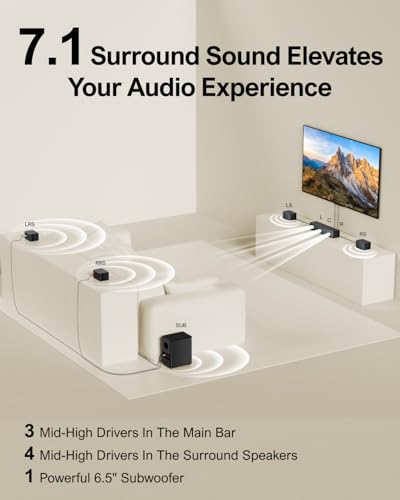
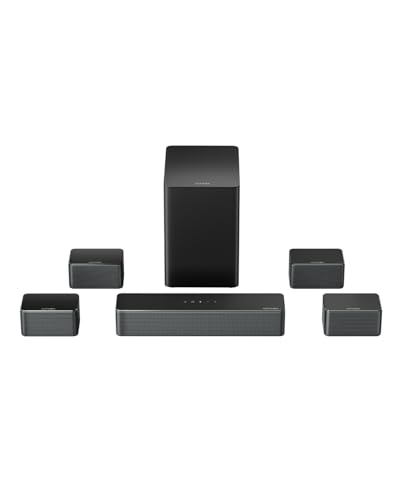
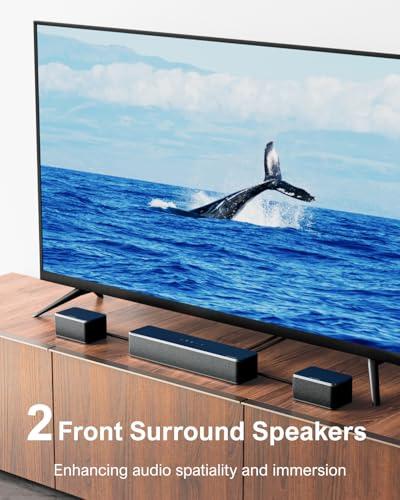
The Ultimea D70 doesn't mess around with audio trickery—it gives you eight actual speakers spread across five separate components. The main soundbar houses three drivers (think of drivers as the individual speakers that produce sound), while four compact satellite speakers handle your surround channels, and a wireless subwoofer takes care of the deep bass.
This is what we call a "true 7.1" system, meaning seven main audio channels plus one dedicated subwoofer channel. Those numbers translate to left front, center, right front, left surround, right surround, left rear, and right rear channels, each with its own physical speaker. When a movie soundtrack sends audio to the rear left channel—say, footsteps approaching from behind—that sound actually comes from the physical speaker positioned behind and to your left.
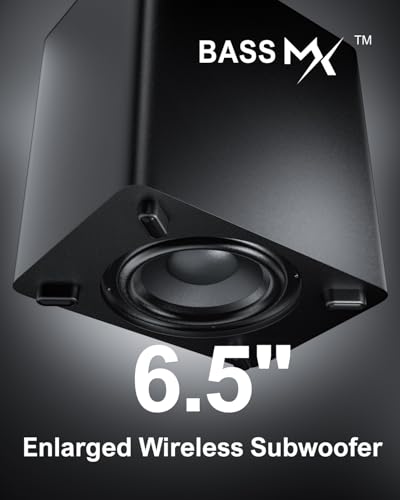
The system outputs a claimed 410 watts of peak power across all those drivers, which is substantial for this price category. More importantly, the D70 includes a relatively large 6.5-inch subwoofer driver, giving it serious low-frequency capability down to 35Hz. For reference, that's low enough to reproduce the deepest movie sound effects and most music fundamentals with authority.
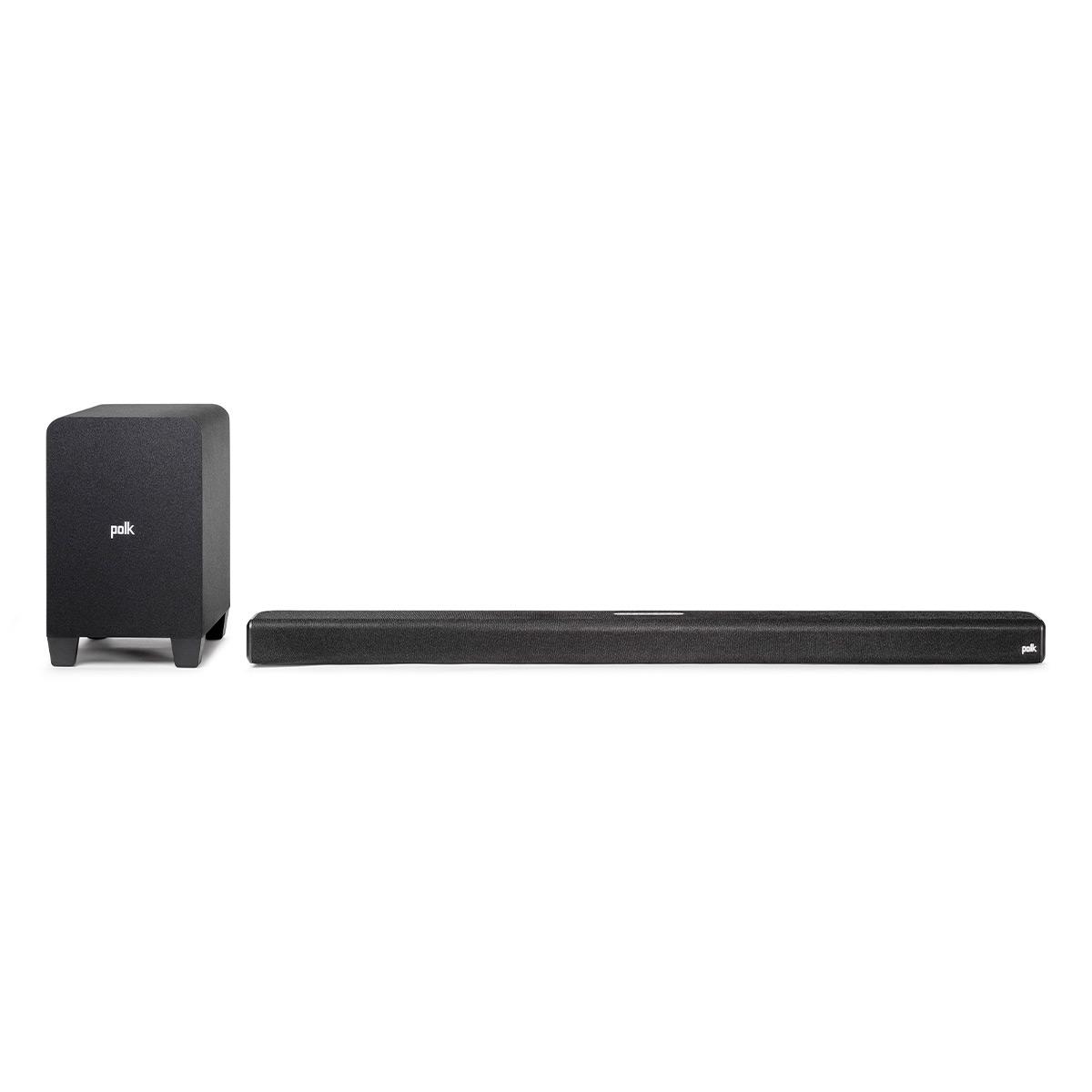
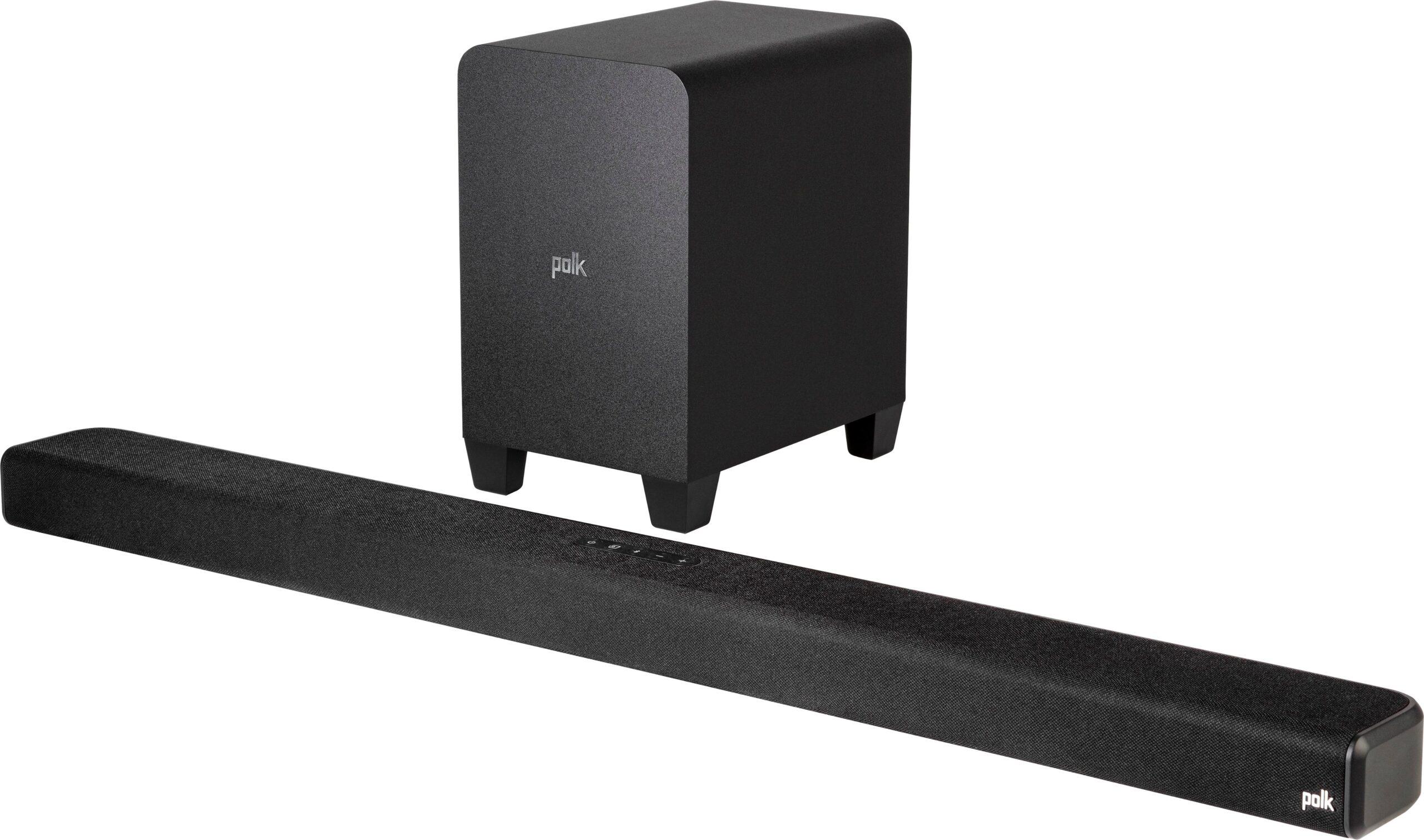
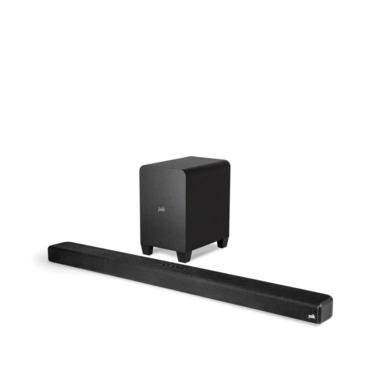
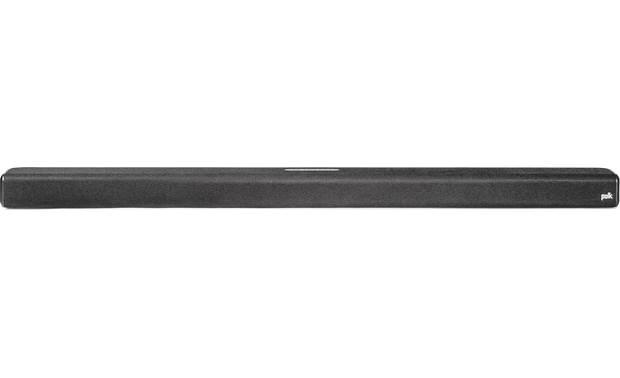
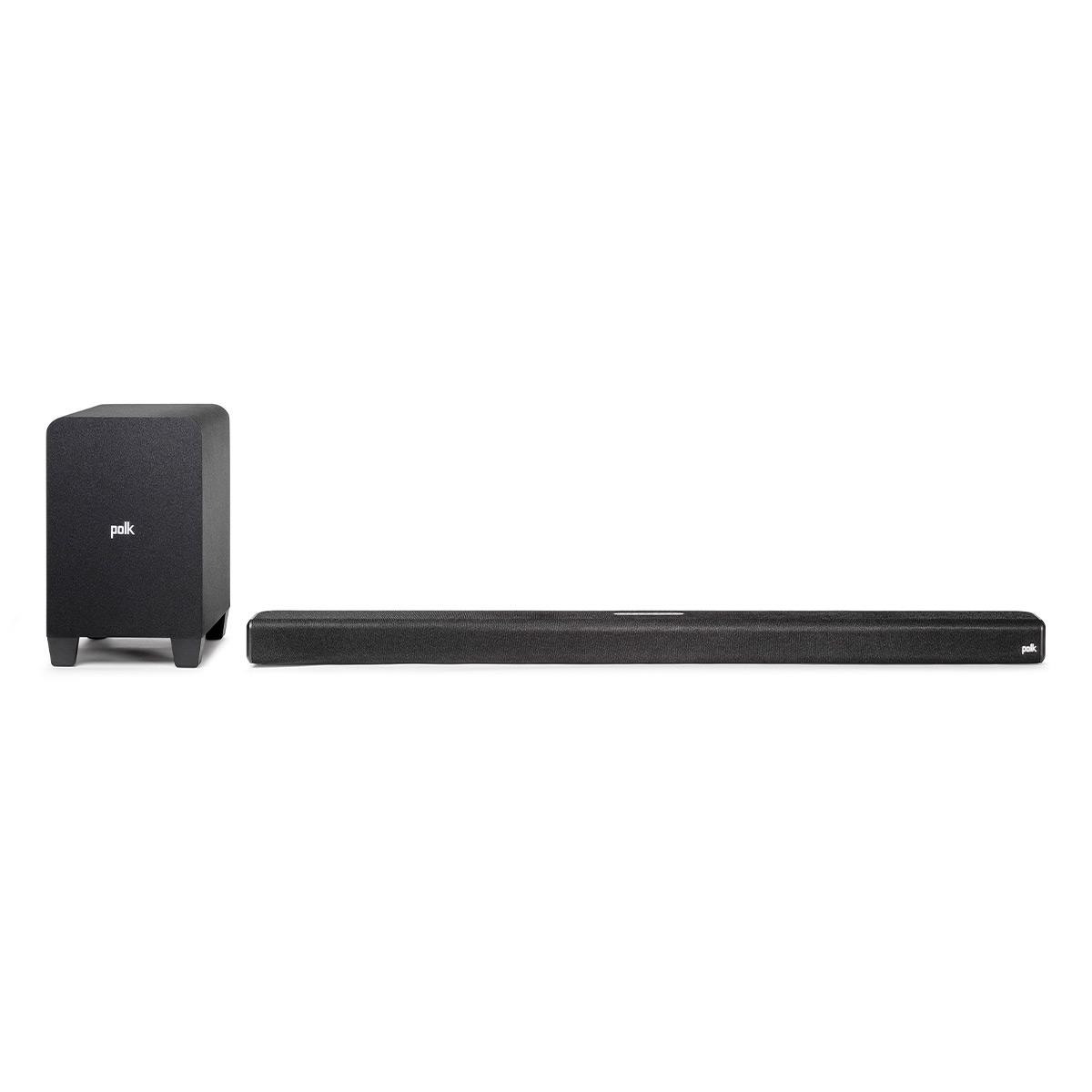
The Polk Signa S4 takes the opposite approach, packing seven drivers into just the main soundbar plus a separate subwoofer. But here's where it gets interesting: two of those drivers fire upward toward your ceiling rather than straight at you. This is the magic of Dolby Atmos—those upward-firing speakers bounce sound off your ceiling to create the illusion of overhead audio.
This creates what's called a 3.1.2 system: three front channels (left, center, right), one subwoofer, and two height channels. When properly implemented, Dolby Atmos can make you swear there are speakers mounted in your ceiling, even though all the drivers are in front of you. The effect works by carefully timing and processing the audio to exploit how your brain interprets reflected sounds.
The S4 also brings Polk's VoiceAdjust technology, which deserves special mention. This feature can independently boost dialogue levels without affecting other soundtrack elements—invaluable if you've ever struggled to hear conversations over background music and sound effects. It's a sophisticated solution to one of the most common complaints about modern movie audio.
Based on our research across multiple professional reviews and user feedback, the Ultimea D70's physical surround speakers create a level of spatial immersion that virtual processing simply cannot match. When playing games or watching action movies, having actual speakers behind you produces genuinely startling directional effects. Footsteps, gunfire, and ambient sounds appear to come from specific locations around your room because they literally do.
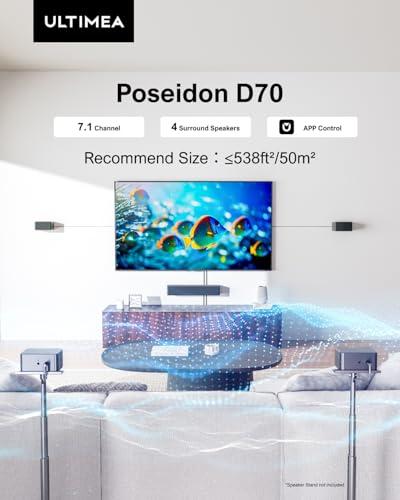
The four satellite speakers connect to the system via included cables (color-coded for easy installation), and each contains a 2.25-inch driver. While these aren't large speakers, they're positioned where they matter most—around your seating area. Professional reviewers consistently note that this creates a "bubble of sound" that wraps around listeners in ways that even expensive soundbars with virtual processing cannot replicate.
However, this advantage comes with a significant caveat: room requirements. The D70 shines in dedicated home theater spaces where you can properly position those surround speakers and don't mind visible cables. In typical living rooms where aesthetic concerns outweigh ultimate performance, the physical speakers might feel intrusive.
The Polk S4's Dolby Atmos implementation adds a dimension that the Ultimea system cannot: height. When watching Atmos-encoded content—increasingly common on Netflix, Amazon Prime, and other streaming services—the overhead effects can be genuinely impressive. Rain appears to fall from above, aircraft fly convincingly overhead, and atmospheric sounds gain three-dimensional space that traditional surround systems miss.
Expert reviews consistently praise the S4 for delivering legitimate Atmos effects at its price point, noting that the up-firing drivers create surprisingly convincing height illusions when the room acoustics cooperate. The effect works best with standard 8-10 foot ceilings and requires positioning the soundbar relatively close to your seating position.
But there's a trade-off: while the S4 excels at height effects, it relies on virtual processing for rear surround sounds. This works reasonably well for ambient effects and music, but lacks the precise directionality that physical rear speakers provide for gaming and action content.
The subwoofer comparison reveals interesting differences in approach. The Ultimea D70's 6.5-inch driver has more surface area than the Polk S4's 5.9-inch unit, and the larger enclosure allows it to dig deeper into sub-bass frequencies. The D70's frequency response extends down to 35Hz, which covers the fundamental frequencies of most movie sound effects and musical content.
User reviews consistently describe the D70's bass as "punchy" and "room-shaking," particularly effective for action movies and electronic music. The system's BassMX technology allows for independent bass adjustment, letting you dial in exactly the amount of low-end impact you prefer.
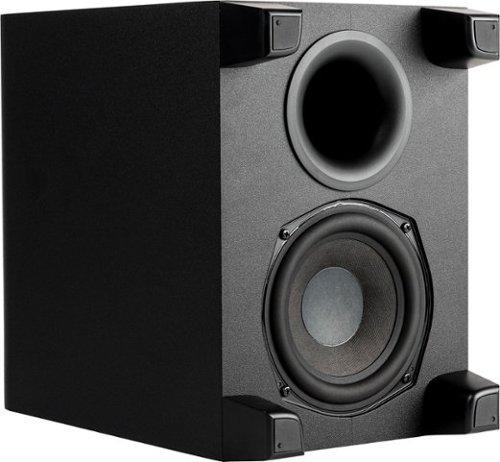
The S4's smaller subwoofer takes a more refined approach. Multiple professional reviews note its "musical" character, praising how it integrates seamlessly with the main soundbar without overwhelming dialogue or mid-range details. This makes it particularly effective for varied content—it won't rattle your neighbors during late-night viewing, but still provides satisfying impact during action sequences.
The Ultimea D70's 410-watt power rating translates to genuine room-filling capability. With eight drivers working together, the system can generate impressive volume levels while maintaining clarity—crucial for larger spaces or when you want that "theater experience" at home. The distributed power across multiple speakers means no single driver has to work too hard, reducing distortion at higher volumes.
Professional measurements and user feedback suggest the D70 maintains its composure even when pushed hard, making it suitable for rooms up to 300-400 square feet without strain. This makes it particularly appealing for basement home theaters or larger living spaces where other soundbars might sound thin or struggle to fill the space.
The Polk S4 doesn't publish specific power ratings, but expert reviews indicate it's optimized for small to medium-sized rooms. The system's strength lies in its sophisticated processing rather than raw power—it makes efficient use of its seven drivers to create an impressively wide soundstage from the main bar alone.
Here's where the comparison gets interesting from a future-proofing perspective. The Polk S4 is fully certified for Dolby Atmos, Dolby Digital Plus, and Dolby TrueHD—essentially every modern audio format you'll encounter on streaming services and newer Blu-ray releases. Its HDMI 2.1 eARC connection can handle these uncompressed audio streams at full quality.
However, the S4 has a significant blind spot: it doesn't support any DTS formats, including DTS-HD Master Audio and DTS:X. This matters if you have an extensive Blu-ray collection, as many older and some newer discs use DTS encoding. While most streaming content uses Dolby formats, this limitation could frustrate movie collectors.
The Ultimea D70 doesn't support Dolby Atmos or the newest audio formats, but it handles traditional Dolby Digital and DTS content without issues. For users primarily watching streaming content or broadcast TV, this may not matter much. The system compensates with its SurroundX technology and AI-powered audio optimization, which analyzes incoming audio and adjusts processing in real-time.
The installation experience differs dramatically between these systems. The Polk S4 represents modern soundbar convenience—unbox two components, plug them in, and you're essentially done. The wireless subwoofer pairs automatically, and the soundbar's 41-inch width perfectly complements large TVs. Setup takes maybe 15 minutes, and the result is visually clean with minimal cable management.
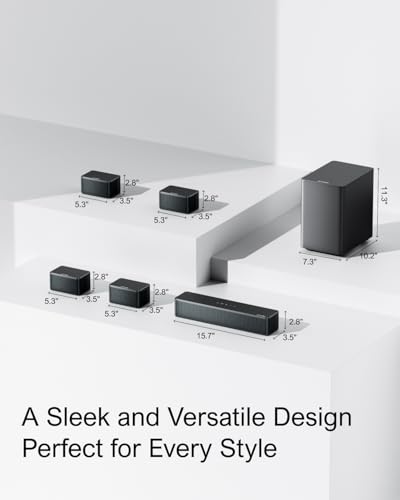
The Ultimea D70 demands more commitment. You'll need to position four satellite speakers around your seating area and run the included cables (3-meter and 6-meter lengths) to connect them. The main soundbar is refreshingly compact at just 15.7 inches wide, so it won't block your TV's remote sensor, but the overall installation requires planning and patience.
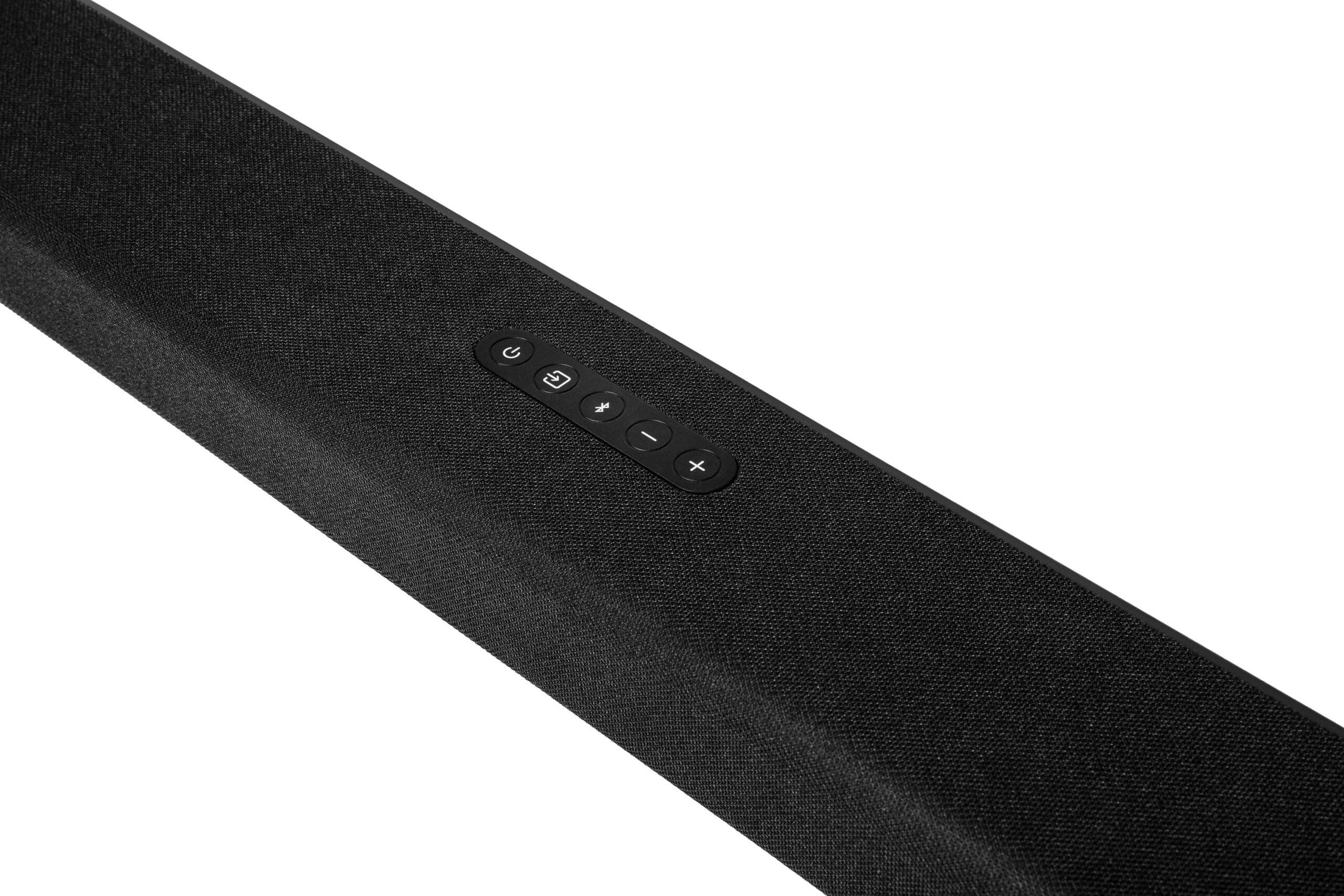
This difference extends to ongoing control and customization. The S4 keeps things simple with three main sound modes (Movie, Music, Night) accessible via remote control. The VoiceAdjust dial lets you independently control dialogue levels, and that's about the extent of user tweaking available.
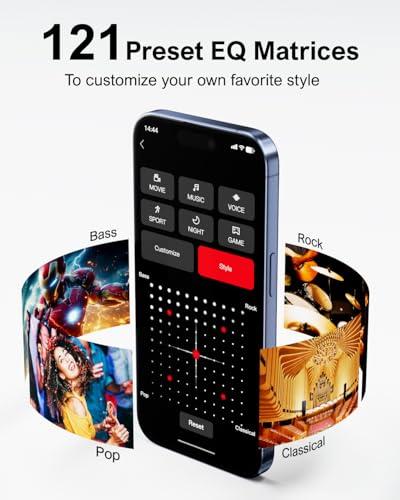
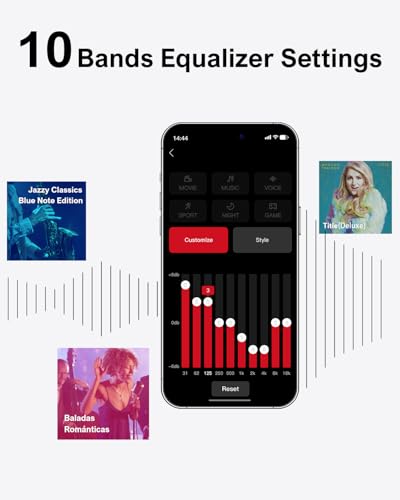
The D70 goes in the opposite direction, offering what might be the most extensive customization we've seen in this price range. Its smartphone app provides access to a 10-band graphic equalizer, 121 preset EQ matrices for different content types, and individual level controls for each speaker. You can fine-tune the system's response for your room acoustics and personal preferences in ways that typically require much more expensive equipment.
The D70 excels in scenarios where audio performance takes priority over convenience. If you have a dedicated home theater room, basement entertainment area, or large living space where running speaker cables isn't problematic, the authentic surround experience justifies the additional complexity.
Gaming enthusiasts particularly benefit from physical surround speakers. The directional audio cues in competitive games—footsteps approaching from specific directions, gunfire location awareness—rely on precise spatial positioning that virtual processing struggles to match. Professional gaming reviews consistently favor true multi-channel systems for this reason.
The system also suits users who enjoy tweaking and optimizing their audio setup. The extensive EQ options and individual speaker controls let you dial in the exact sound character you prefer, whether that's thunderous bass for action movies or balanced response for music listening.
The S4 makes more sense for typical living room setups where convenience and aesthetics matter as much as performance. Its Dolby Atmos capability particularly shines with modern streaming content, where the overhead effects enhance the viewing experience without requiring physical ceiling speakers.
The system's dialogue enhancement proves invaluable for users who struggle with voice clarity in movies and TV shows. VoiceAdjust technology can make the difference between constantly adjusting volume and actually enjoying content, especially for older viewers or those with hearing sensitivities.
Apartment dwellers and renters particularly benefit from the S4's simple setup. There's no need to mount speakers or run cables along walls, and the system's refined bass response won't create neighbor complaints as easily as more aggressive systems might.
At the time of writing, both systems occupy similar price territories in the mid-range soundbar market, typically selling for well under $400. However, they deliver value in different ways that affect long-term satisfaction.
The Ultimea D70 provides exceptional value from a pure performance-per-dollar perspective. True 7.1 surround systems with this level of power and customization typically cost significantly more from established brands. The extensive smartphone app features, regular firmware updates, and modular design suggest good long-term support.
The Polk S4 brings different value through brand heritage and engineering refinement. Polk's 50+ years in audio manufacturing shows in the system's balanced tuning and sophisticated dialogue processing. The three-year speaker warranty demonstrates confidence in build quality, and Polk's established service network provides peace of mind for long-term ownership.
Technology trends also factor into value calculations. Dolby Atmos adoption continues accelerating across streaming platforms and gaming systems, making the S4's format support potentially more future-relevant. However, physical surround speakers remain the gold standard for spatial audio accuracy, giving the D70 enduring appeal regardless of format changes.
Your choice between these systems ultimately depends on your priorities and constraints. The Ultimea D70 delivers superior surround immersion and customization for users willing to accept installation complexity and visible speakers. It's the clear choice for dedicated home theaters, gaming setups, and situations where maximum audio performance matters more than convenience.
The Polk S4 offers modern format support and sophisticated processing in a clean, simple package that integrates seamlessly into typical living rooms. Its dialogue enhancement technology alone might justify the choice for users who prioritize voice clarity, and the Dolby Atmos capability provides genuine added value for streaming-focused households.
Consider the D70 if you have space for proper speaker placement, enjoy audio tweaking, consume varied content types, or prioritize gaming performance. The S4 makes more sense for streaming-focused viewing, smaller rooms, aesthetic-conscious installations, or situations where dialogue clarity is the primary concern.
Both systems represent solid value in their respective approaches, but they serve different use cases well enough that the "wrong" choice could leave you disappointed. Take time to honestly assess your room, usage patterns, and setup tolerance—the right system will provide years of significantly improved TV audio enjoyment.
| Ultimea Poseidon D70 | Polk Audio Signa S4 |
|---|---|
| Channel Configuration - Determines surround sound authenticity | |
| True 7.1 with 4 physical surround speakers | 3.1.2 virtual surround with Dolby Atmos |
| Total Speaker Count - More drivers can mean better sound distribution | |
| 8 drivers (3 soundbar + 4 surround + 1 sub) | 7 drivers (6 soundbar + 1 subwoofer) |
| Peak Power Output - Higher wattage fills larger rooms better | |
| 410W across all channels | Power rating not disclosed |
| Subwoofer Size - Larger drivers produce deeper bass | |
| 6.5" wireless subwoofer (35Hz low frequency) | 5.9" wireless subwoofer |
| Dolby Atmos Support - Essential for modern streaming content | |
| Not supported (uses SurroundX virtual processing) | Full Dolby Atmos certified with up-firing drivers |
| DTS Audio Support - Important for Blu-ray movie collections | |
| Yes, supports standard DTS formats | No DTS support (major limitation) |
| Setup Complexity - Affects installation time and room aesthetics | |
| Complex: requires running cables to 4 surround speakers | Simple: 2-component wireless setup |
| Soundbar Dimensions - Compact bars won't block TV sensors | |
| 15.7" x 2.8" x 3.5" (very compact) | 41.1" x 3.8" x 2.5" (full TV width) |
| Audio Customization - Important for fine-tuning sound | |
| Extensive: 10-band EQ + 121 presets via app | Basic: 3 sound modes + VoiceAdjust dial |
| Dialogue Enhancement - Critical for clear speech | |
| AI voice optimization through app | VoiceAdjust patented technology with dedicated center |
| Connectivity Options - Determines device compatibility | |
| HDMI ARC, Optical, Bluetooth, USB | HDMI 2.1 eARC, Optical, Bluetooth 4.2, 3.5mm |
| Warranty Coverage - Indicates manufacturer confidence | |
| Standard warranty (specifics not disclosed) | 3-year speakers, 1-year amplifier |
| Best Room Size - Optimal performance area | |
| Medium to large rooms (200-400 sq ft) | Small to medium rooms (up to 250 sq ft) |
The Ultimea Poseidon D70 delivers superior surround sound quality through its true 7.1 channel system with four physical surround speakers that you place around your room. This creates authentic directional audio where sounds actually come from behind and beside you. The Polk Audio Signa S4 uses virtual surround processing, which works well but cannot match the spatial accuracy of physical speakers positioned around your listening area.
Yes, the Polk Audio Signa S4 is fully Dolby Atmos certified with dedicated up-firing speakers that bounce sound off your ceiling to create overhead effects. The Ultimea Poseidon D70 does not support Dolby Atmos, instead using SurroundX virtual processing technology. If you watch a lot of modern streaming content with Atmos soundtracks, the Polk S4 provides that three-dimensional audio experience.
The Polk Audio Signa S4 is much easier to set up, requiring only positioning of the soundbar and wireless subwoofer with minimal cable management. The Ultimea Poseidon D70 requires running cables to four surround speakers that need to be positioned around your seating area, making installation more complex but delivering better surround performance.
The Ultimea Poseidon D70 features a larger 6.5-inch subwoofer that delivers deeper bass down to 35Hz, making it better for action movies and music with strong low-frequency content. The Polk Audio Signa S4 has a 5.9-inch subwoofer that's more refined and musical, providing satisfying bass without overwhelming dialogue or becoming too intrusive for apartment living.
The Ultimea Poseidon D70 excels for gaming due to its physical surround speakers that provide precise directional audio cues. You can actually hear footsteps or gunfire coming from specific locations around you, which is crucial for competitive gaming. The Polk S4 relies on virtual processing that, while good for movies, doesn't match the spatial accuracy gamers need for positional awareness.
Both systems offer dialogue enhancement, but with different approaches. The Polk Audio Signa S4 features VoiceAdjust technology with a dedicated dial that independently boosts voice levels without affecting other sounds. The Ultimea Poseidon D70 uses AI-powered voice optimization through its smartphone app, offering more customization options but requiring more setup to achieve optimal dialogue clarity.
The Ultimea Poseidon D70 offers extensive customization through its smartphone app, including a 10-band graphic equalizer, 121 preset EQ matrices, and individual speaker level controls. The Polk Audio Signa S4 keeps things simple with three main sound modes and basic adjustments, focusing on ease of use rather than detailed customization.
The Polk Audio Signa S4 supports all Dolby formats including Atmos, Digital Plus, and TrueHD, but notably lacks any DTS support, which could be problematic for some Blu-ray collections. The Ultimea Poseidon D70 supports standard Dolby Digital and DTS formats but doesn't handle newer formats like Dolby Atmos. Consider your content sources when choosing between these systems.
The Ultimea Poseidon D70 is better suited for large rooms due to its 410W power output distributed across eight speakers, allowing it to fill bigger spaces with sound. Its physical surround speakers also work better in larger areas where virtual processing might struggle. The Polk S4 is optimized for small to medium-sized rooms where its processing can create effective virtual surround effects.
The Polk Audio Signa S4 offers superior warranty coverage with three years on speakers and one year on the amplifier, reflecting Polk's confidence in their build quality and 50+ years of audio manufacturing experience. The Ultimea Poseidon D70 comes with standard warranty terms, though specific duration details aren't as prominently disclosed by the manufacturer.
For dedicated home theaters where you can properly position speakers and don't mind cable management, the Ultimea Poseidon D70 delivers exceptional value with true 7.1 surround sound typically found in much more expensive systems. For living room home theater setups where convenience matters, the Polk Audio Signa S4 provides better value through its Dolby Atmos support, refined engineering, and simple installation.
Both soundbars support Bluetooth connectivity for wireless music streaming from phones, tablets, and computers. The Polk Audio Signa S4 uses Bluetooth 4.2 with AAC codec support for better quality from Apple devices. The Ultimea Poseidon D70 also includes Bluetooth along with additional wired connections like USB input for direct media playback. Both systems feature wireless subwoofers that connect automatically to their respective soundbars.
We've done our best to create useful and informative comparisons to help you decide what product to buy. Our research uses advanced automated methods to create this comparison and perfection is not possible - please contact us for corrections or questions. These are the sites we've researched in the creation of this article: ultimea.com - provantage.com - ultimea.com - youtube.com - youtube.com - bestbuy.com - the-gadgeteer.com - shopmyexchange.com - youtube.com - youtube.com - youtube.com - ultimea.com - manuals.plus - device.report - images.thdstatic.com - shopmyexchange.com - staples.com - ultimea.de - soundandvision.com - audioholics.com - crutchfield.com - cnet.com - richersounds.com - crutchfield.com - rtings.com - polkaudio.com - walmart.com - polkaudio.com - crutchfield.com - youtube.com - profx.com

Privacy Policy
Terms and Conditions - Affiliate Policy
Home Security
© Copyright 2008-2026.
11816 Inwood Rd #1211, Dallas, TX 75244