



When your TV's built-in speakers make movie dialogue sound like it's coming through a tin can, it's time to consider a soundbar upgrade. But the soundbar market has evolved into two distinct philosophies that couldn't be more different in their approach to solving your audio problems.
On one side, you have systems like the Ultimea Poseidon D70—a budget-friendly powerhouse that throws actual speakers around your room to create genuine surround sound. On the other, there's the Amazon Fire TV Soundbar Plus with Subwoofer, which uses smart processing and ecosystem integration to enhance your audio experience without cluttering your space with multiple speakers.
Both were released in the 2023 timeframe, representing the current state of affordable home theater audio. Since then, we've seen manufacturers double down on these competing approaches rather than converging on a single solution. The question isn't which one is universally better—it's which philosophy matches your priorities and living situation.
Before diving into the specifics, it's worth understanding what we're actually comparing here. Traditional home theater systems used separate amplifiers (called AV receivers) connected to individual speakers positioned around your room. This setup delivered authentic surround sound but required extensive wiring, multiple components, and often professional installation.
Soundbars emerged as a simpler alternative—a single bar-shaped speaker that sits below your TV and attempts to recreate that surround sound experience through various technological approaches. The key term here is "attempts," because not all soundbars are created equal in how they tackle this challenge.
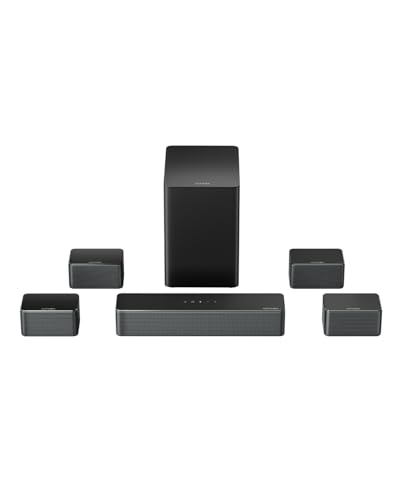
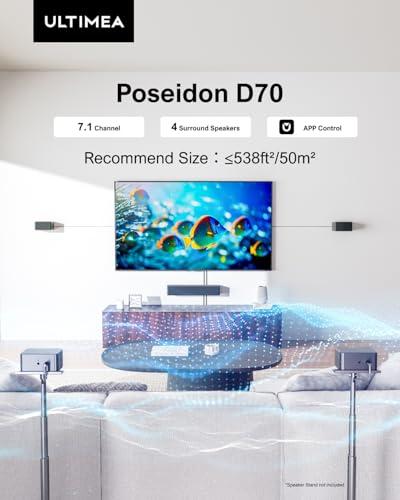
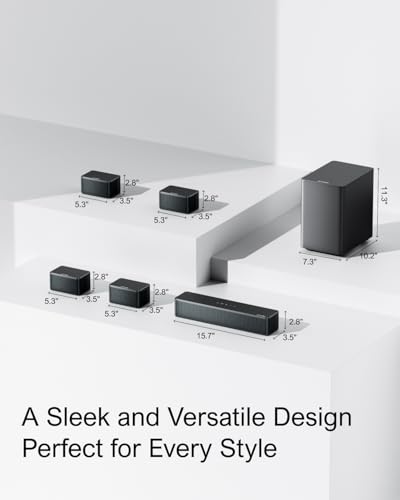
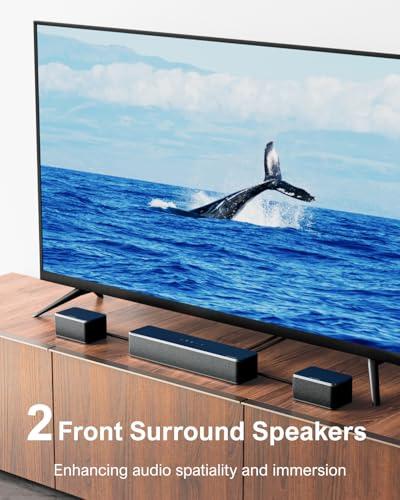
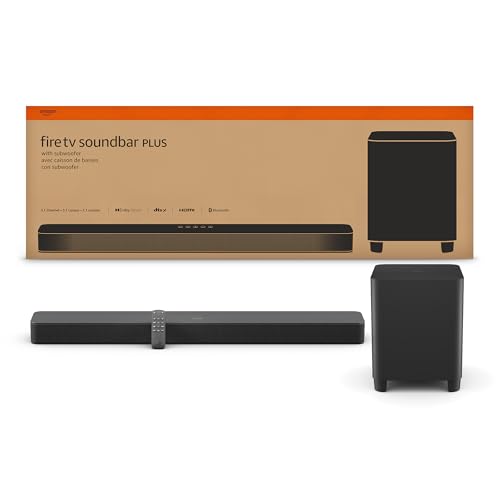
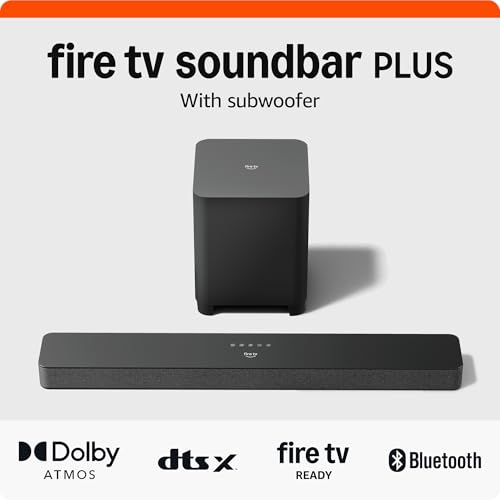
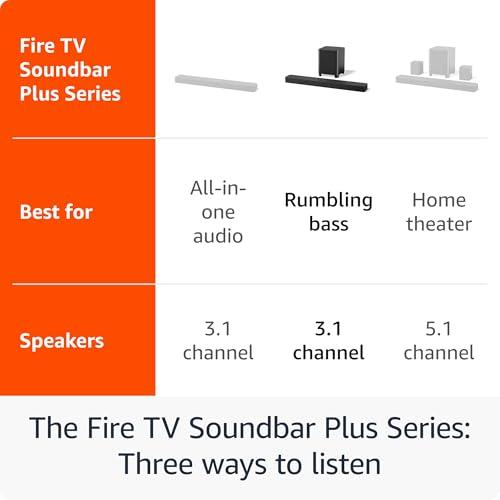
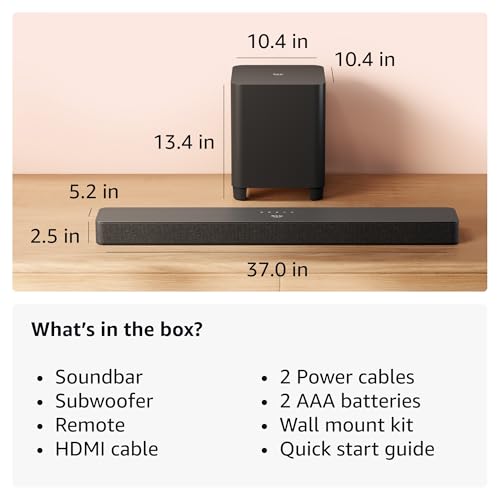
The Ultimea Poseidon D70 represents what I call the "hardware maximalist" approach. It includes a main soundbar, four separate surround speakers, and a wireless subwoofer—essentially giving you most of the speakers from a traditional system but with simplified connections. The Amazon Fire TV Soundbar Plus takes the opposite route, using a 3.1 channel setup (left, center, right speakers plus subwoofer) combined with digital signal processing to simulate the missing surround channels.
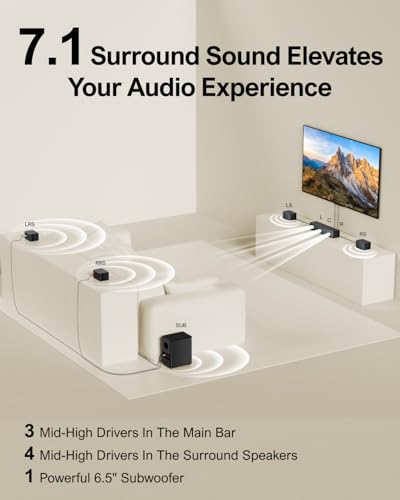
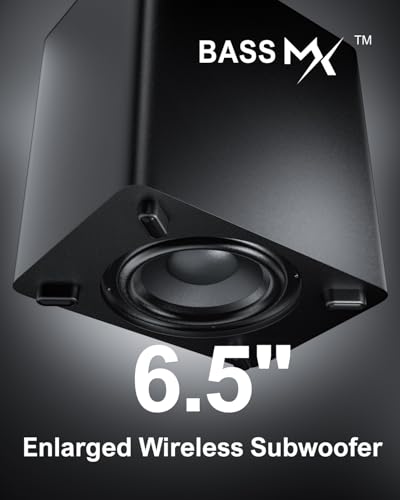
The Ultimea Poseidon D70 doesn't mess around with digital tricks—it puts actual speakers behind and beside your seating position to create authentic surround sound. This system includes eight total drivers: three in the main soundbar, four in the satellite speakers, and one 6.5-inch subwoofer for bass. When a helicopter flies from the front of the screen to the back in an action movie, you hear it move through actual physical space because there are real speakers tracking that movement.
This approach delivers what audio enthusiasts call "discrete channel separation"—each surround sound channel gets its own dedicated speaker rather than being mixed and processed digitally. The difference is immediately noticeable when you're watching content with active surround mixing, like modern action films or video games with positional audio.
However, the Ultimea requires you to position and connect those four surround speakers around your room. They're not truly wireless—they connect to the subwoofer via cables, which then communicates wirelessly with the main soundbar. This means you'll need to run speaker wire from your subwoofer location to each rear speaker position, which might not work in every living room layout.
The Amazon Fire TV Soundbar Plus takes a completely different approach through virtual surround processing. Instead of physical rear speakers, it uses advanced digital signal processing (DSP) to manipulate audio timing and phase relationships, tricking your brain into perceiving sound coming from directions where there aren't actually any speakers.
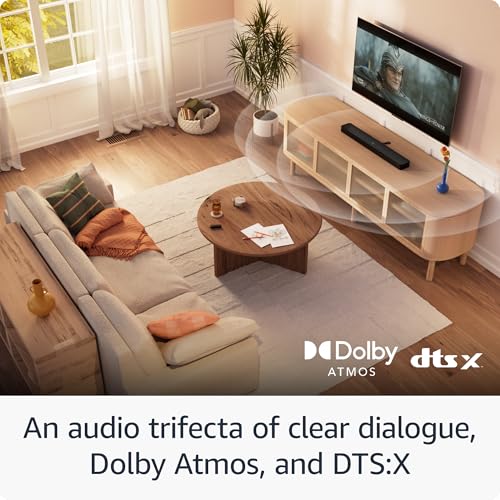
This system supports Dolby Atmos and DTS:X—premium audio formats that include object-based sound information. Object-based audio means the soundtrack doesn't just say "play this sound in the rear left channel" but rather "place this helicopter sound 15 feet behind the listener and 8 feet to the left." The Amazon soundbar uses this information to create virtual positioning through its front-facing speakers.
The trade-off is accuracy. While virtual surround has improved dramatically in recent years, it still can't match the precision of having actual speakers positioned around the room. Our research into user and expert reviews consistently shows that listeners notice "gaps in the stereo soundstage" with the Amazon system, where sounds don't pan smoothly from one side to the other.
When evaluating soundbar performance, peak power output tells only part of the story, but it's still important for understanding a system's capabilities. The Ultimea Poseidon D70 outputs 410 watts of peak power distributed across its eight drivers. More importantly, this power is spread across multiple physical locations, allowing the system to fill larger rooms without strain.
The Amazon Fire TV Soundbar Plus doesn't publish specific wattage figures, but our analysis of expert reviews suggests it operates in a lower power class. Multiple reviewers noted that the system becomes "flappy and thin at higher volumes," indicating power limitations that affect dynamic range—the difference between the quietest and loudest sounds the system can reproduce.
For home theater use, this power difference translates to real-world performance gaps. The Ultimea system can handle the massive dynamic swings in modern movie soundtracks, from whispered dialogue to explosive action sequences, without losing clarity or impact. The Amazon system performs well at moderate volumes but may compress these dynamic peaks at higher listening levels.
Both systems include dedicated subwoofers, but they approach bass reproduction differently. The Ultimea uses BassMX™ technology—the company's proprietary bass enhancement system that works with a 6.5-inch wireless subwoofer. User reviews consistently praise the system's bass impact, describing it as "punchy and deep" with the ability to provide "satisfying low-end for movies and music."
The Amazon system's subwoofer connects wirelessly and provides adequate bass extension for most content, but expert reviews describe it as somewhat "one note" compared to more premium systems. This means it can produce loud bass but lacks the nuanced low-frequency detail that separates good bass from great bass—the difference between feeling a bass line's rhythm versus just hearing its volume.
For home theater applications, this distinction matters more than you might expect. Film soundtracks use bass not just for explosions but to create atmosphere, tension, and emotional impact. A subwoofer that can reproduce these subtleties enhances the entire viewing experience, while one that simply adds volume to low frequencies can actually detract from dialogue clarity and overall balance.
One area where the Amazon Fire TV Soundbar Plus significantly outperforms the Ultimea system is dialogue clarity. The Amazon soundbar includes a dedicated center channel—a speaker specifically designed to handle human voices and ensure they remain clear even during complex action scenes.
This dedicated center channel design, combined with dialogue enhancement processing, means the Amazon system excels at keeping conversations intelligible even when explosions, music, and sound effects compete for attention. Expert reviews consistently highlight this as the system's strongest performance characteristic.
The Ultimea Poseidon D70 distributes center channel information across its front-facing drivers, which can work well but doesn't provide the same focused vocal clarity. However, it compensates through its overall soundstage width and immersive positioning, which can make dialogue feel more natural and spatially accurate even if it's not as isolated from background elements.
This is where the systems diverge most significantly in their technical capabilities. The Amazon Fire TV Soundbar Plus supports virtually every modern audio format you're likely to encounter: Dolby Atmos, Dolby TrueHD, DTS:X, Dolby Digital, and DTS. This comprehensive codec support means the system can properly decode and play any streaming service content, Blu-ray disc, or gaming audio you throw at it.
The Ultimea Poseidon D70 has a notable limitation—it doesn't support DTS formats. DTS (Digital Theater Systems) is commonly used on Blu-ray discs, and DTS-HD Master Audio is considered the premium lossless format for physical media enthusiasts. If you own a collection of Blu-ray movies or plan to buy physical media, this limitation could be a significant problem.
However, for streaming-focused users, this limitation is less concerning. Netflix, Disney+, Amazon Prime Video, and other streaming services primarily use Dolby Digital and Dolby Digital Plus formats, which the Ultimea system handles without issues.
The Amazon system integrates deeply with Fire TV devices, allowing control through your Fire TV remote and providing access to advanced audio settings through the TV's menu system. This integration extends to automatic input switching, volume synchronization, and even some degree of room acoustic adjustment when paired with compatible Fire TV models.
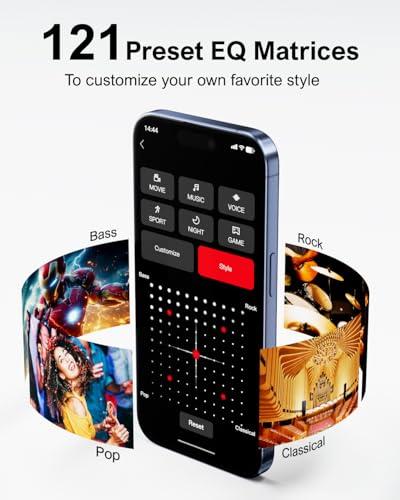
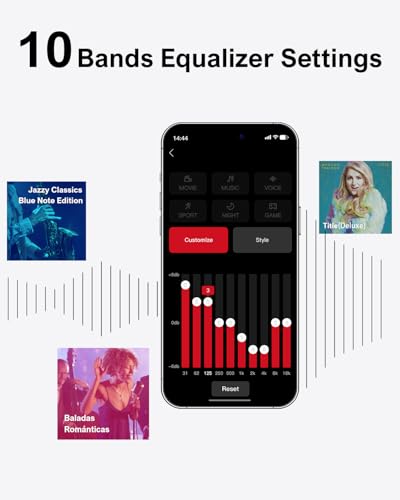
The Ultimea Poseidon D70 takes a different approach with its Smart APP Control system, offering a 10-band graphic equalizer and 121 preset EQ matrices through a dedicated mobile application. This level of customization far exceeds what most soundbars offer, allowing users to fine-tune their audio profile for specific content types, room acoustics, or personal preferences.
The difference here reflects each system's target user: the Amazon soundbar prioritizes seamless integration and simplicity, while the Ultimea system appeals to users who want granular control over their audio experience.
Installing the Ultimea Poseidon D70 requires careful planning and some tolerance for cable management. You'll need to position four satellite speakers around your seating area and run cables from your subwoofer to each speaker location. While the cables are color-coded and the process is straightforward, it's definitely more involved than typical soundbar installation.
The system works best in dedicated home theater rooms or living spaces where you can commit to the speaker placement. If you frequently rearrange furniture or live in a rental property where you can't mount speakers on walls, this might not be the ideal choice.
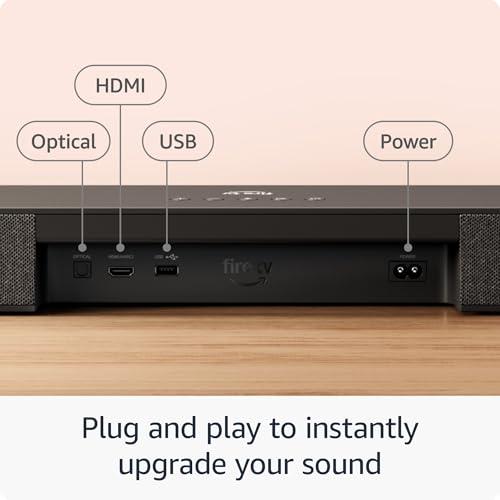
The Amazon Fire TV Soundbar Plus offers the opposite experience—it's designed for plug-and-play installation with minimal visual impact. The soundbar sits below your TV, the subwoofer can be placed anywhere nearby (it connects wirelessly), and you're done. This simplicity makes it perfect for apartments, temporary living situations, or anyone who prioritizes a clean, minimal aesthetic.
One advantage of the Amazon system is its expandability options. At the time of writing, you can add wireless rear speakers to create a true 5.1 surround system, giving you an upgrade path that doesn't require replacing the entire system. This modular approach lets you start with the soundbar and subwoofer, then add rear speakers later as your budget and interest in surround sound grow.
The Ultimea Poseidon D70 is a complete package with no upgrade options. You get everything upfront, which is great for value but means you can't incrementally improve the system over time.
At the time of writing, the Ultimea Poseidon D70 offers remarkable value for anyone prioritizing immersive surround sound. You're getting genuine 7.1 channel separation, a wireless subwoofer, and comprehensive app-based controls for significantly less than what established audio brands charge for similar hardware configurations.
The Amazon Fire TV Soundbar Plus commands a premium price that reflects its codec licensing, ecosystem integration, and simplified user experience. While more expensive per channel than the Ultimea system, it offers conveniences and capabilities that justify the cost for users who value integration over raw hardware quantity.
The Ultimea Poseidon D70 makes the most sense for home theater enthusiasts who want the most immersive audio experience possible within a budget-conscious price range. If you have a dedicated media room, enjoy customizing your audio settings, and primarily consume streaming content, this system delivers an experience that punches well above its weight class.
However, choose the Amazon Fire TV Soundbar Plus if you prioritize simplicity, format compatibility, and ecosystem integration over discrete surround channels. It's particularly compelling for Fire TV users who want premium audio enhancement without complex installation or multiple speakers around the room.
After researching both systems extensively, the choice comes down to your priorities and living situation. The Ultimea Poseidon D70 delivers a more authentically immersive surround sound experience through hardware positioning, while the Amazon Fire TV Soundbar Plus provides premium codec support and seamless smart TV integration through advanced processing.
For most users, I'd recommend the Ultimea system if you can accommodate the speaker placement and don't need DTS format support. The level of surround immersion it provides for the price is simply exceptional, and the extensive customization options let you dial in the sound exactly to your preferences.
Choose the Amazon system if you value simplicity, need comprehensive format support for physical media, or want the convenience of Fire TV integration. While it doesn't match the spatial accuracy of discrete surround speakers, it excels at dialogue clarity and provides a clean, expandable solution that works in virtually any living space.
Both systems represent significant upgrades over TV speakers and offer distinct advantages that make them worth considering depending on your specific needs and preferences.
| Ultimea Poseidon D70 7.1 Channel Soundbar System | Amazon Fire TV Soundbar Plus Subwoofer |
|---|---|
| Channel Configuration - Determines surround sound authenticity and immersion | |
| True 7.1 channels with 4 physical surround speakers + soundbar + subwoofer | 3.1 channels with virtual surround processing |
| Audio Format Support - Critical for Blu-ray collections and premium streaming | |
| Dolby Digital, Dolby Digital Plus (no DTS support) | Dolby Atmos, Dolby TrueHD, DTS:X, DTS-HD Master Audio |
| Total System Power - Affects volume capability and dynamic range | |
| 410W peak across 8 drivers distributed around room | Undisclosed wattage, limited high-volume performance |
| Setup Complexity - Consider your room layout and installation preferences | |
| 4 wired surround speakers require positioning and cable runs | Simple 2-component setup with wireless subwoofer |
| Smart Features - App control vs ecosystem integration | |
| Dedicated app with 10-band EQ and 121 presets | Fire TV remote integration, basic EQ presets |
| Subwoofer Design - Bass quality and placement flexibility | |
| 6.5" wireless with BassMX technology, room-filling bass | Wireless subwoofer with adequate but "one-note" bass response |
| Expandability - Future upgrade options | |
| Complete system, no expansion possible | Can add wireless rear speakers for 5.1 upgrade |
| Best Use Case - Who each system serves best | |
| Home theater enthusiasts wanting maximum immersion on budget | Fire TV users prioritizing simplicity and format compatibility |
The Ultimea Poseidon D70 provides superior surround sound with true 7.1 channels using four physical surround speakers positioned around your room. The Amazon Fire TV Soundbar Plus uses virtual surround processing from a 3.1 channel setup, which can't match the immersive positioning accuracy of actual rear speakers.
The Amazon Fire TV Soundbar Plus offers simple plug-and-play setup with just the soundbar and wireless subwoofer. The Ultimea Poseidon D70 requires positioning and wiring four surround speakers around your room, making installation more complex but delivering authentic surround sound.
For movie enthusiasts, the Ultimea Poseidon D70 creates a more cinematic experience with discrete 7.1 surround channels that accurately position sound effects around the room. However, the Amazon Fire TV Soundbar Plus excels at dialogue clarity through its dedicated center channel and supports more audio formats including Dolby Atmos.
The Amazon Fire TV Soundbar Plus supports comprehensive audio formats including Dolby Atmos, DTS:X, and DTS-HD Master Audio. The Ultimea Poseidon D70 notably lacks DTS support, which could be problematic for Blu-ray collectors but works fine for streaming services.
The Amazon Fire TV Soundbar Plus is ideal for apartments with its minimal two-component design and wireless subwoofer placement flexibility. The Ultimea Poseidon D70 requires space for four surround speakers with cable runs, making it better suited for dedicated home theater rooms.
The Amazon Fire TV Soundbar Plus can be expanded with optional wireless rear speakers to create a 5.1 system. The Ultimea Poseidon D70 comes as a complete 7.1 system with no upgrade options, but includes all components from the start.
Both include dedicated subwoofers, but the Ultimea Poseidon D70 delivers more impactful bass with its 6.5" wireless subwoofer and BassMX technology. The Amazon Fire TV Soundbar Plus provides adequate bass but is described as more "one-note" in its low-frequency response.
The Ultimea Poseidon D70 offers extensive customization through its mobile app with 10-band EQ and 121 preset matrices. The Amazon Fire TV Soundbar Plus integrates seamlessly with Fire TV devices for remote control and system settings but has fewer audio customization options.
The Ultimea Poseidon D70 offers exceptional value by providing true 7.1 surround sound hardware at a budget-friendly price point. The Amazon Fire TV Soundbar Plus costs more but justifies the premium with comprehensive format support and Fire TV ecosystem integration.
The Amazon Fire TV Soundbar Plus provides better stereo imaging for music with its focused 3.1 design. The Ultimea Poseidon D70 can create an unnecessarily wide soundstage for stereo music, though its extensive EQ options allow for music-specific tuning.
Gamers benefit more from the Ultimea Poseidon D70 due to its discrete surround channels providing accurate positional audio cues for competitive advantage. The Amazon Fire TV Soundbar Plus offers virtual positioning but can't match the precision of physical rear speakers for gaming immersion.
The Ultimea Poseidon D70 lacks DTS format support and requires complex speaker placement with cable management. The Amazon Fire TV Soundbar Plus has limited high-volume performance, gaps in stereo imaging, and costs more while providing fewer discrete audio channels than the Ultimea system.
We've done our best to create useful and informative comparisons to help you decide what product to buy. Our research uses advanced automated methods to create this comparison and perfection is not possible - please contact us for corrections or questions. These are the sites we've researched in the creation of this article: ultimea.com - provantage.com - ultimea.com - youtube.com - youtube.com - bestbuy.com - the-gadgeteer.com - shopmyexchange.com - youtube.com - youtube.com - youtube.com - ultimea.com - manuals.plus - device.report - images.thdstatic.com - shopmyexchange.com - staples.com - ultimea.de - rtings.com - cordbusters.co.uk - techradar.com - youtube.com - t3.com - hometechnologyreview.com - youtube.com - hometechnologyreview.com - whathifi.com - developer.amazon.com - manuals.plus - dolby.com

Privacy Policy
Terms and Conditions - Affiliate Policy
Home Security
© Copyright 2008-2026.
11816 Inwood Rd #1211, Dallas, TX 75244