








If you've been frustrated by your TV's weak built-in speakers, you're not alone. Most modern TVs prioritize thin designs over audio quality, leaving viewers straining to hear dialogue or missing the impact of movie soundtracks. This is where soundbar systems come in—they're designed to dramatically improve your audio experience without the complexity of traditional surround sound receivers and multiple speakers.
Today's soundbars have evolved far beyond simple sound enhancement boxes. They now offer sophisticated multi-channel audio that can rival dedicated home theater systems. The key considerations when choosing a soundbar system include how many audio channels you want, whether you prefer physical speakers positioned around your room or virtual processing that simulates surround sound, and how much setup complexity you're willing to handle for better audio performance.
We're comparing two very different approaches: the Ultimea Poseidon D70 represents the "more speakers equals better surround sound" philosophy, while the Samsung B-Series 5.1 takes the "smart processing with simpler setup" route. Both were released in 2024, making them current-generation products, but they tackle home audio in completely different ways.
The numbers in "7.1" and "5.1" aren't just marketing—they tell you exactly how many audio channels you're getting. The first number represents main speakers positioned around you (front left, front right, center, side left, side right, and rear left/rear right for 7.1). The ".1" refers to a dedicated subwoofer channel for bass frequencies. More channels generally mean better sound positioning and a more immersive experience, but only if you have actual speakers to handle those channels.
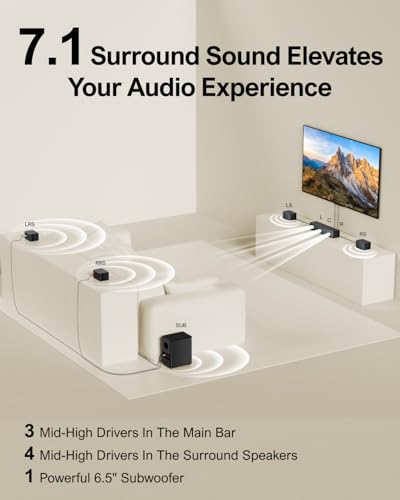
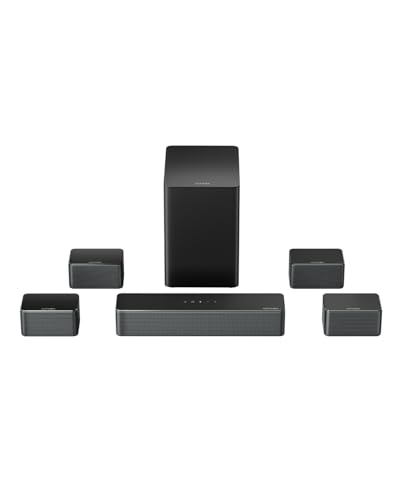
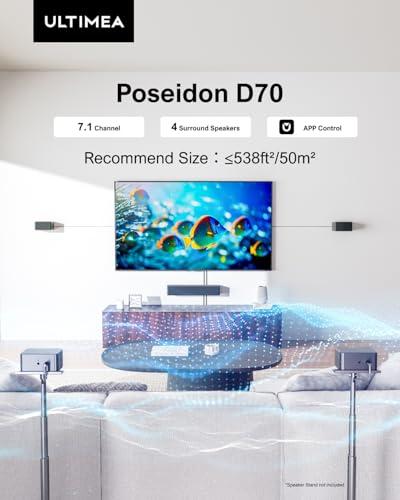
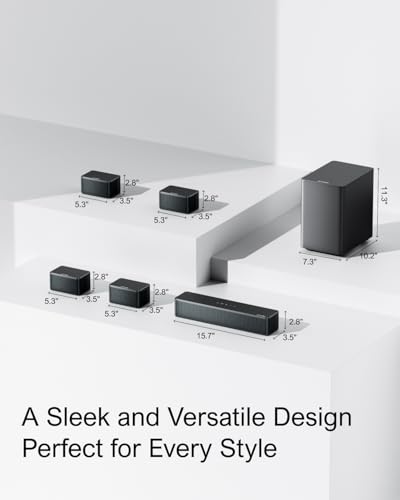
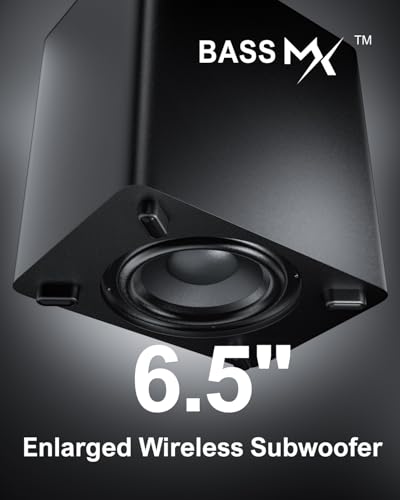
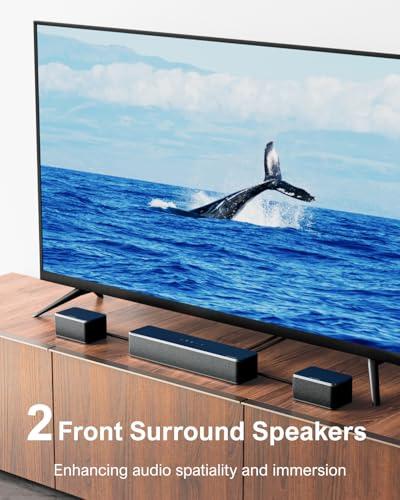
The Ultimea Poseidon D70 delivers true 7.1 channel audio through eight separate physical speakers: a three-driver soundbar, four surround speakers you position around your room, and a 6.5-inch wireless subwoofer. This means when a helicopter flies from front to back in a movie, you'll hear it move through actual speakers positioned behind you—not just clever audio processing trying to trick your ears.
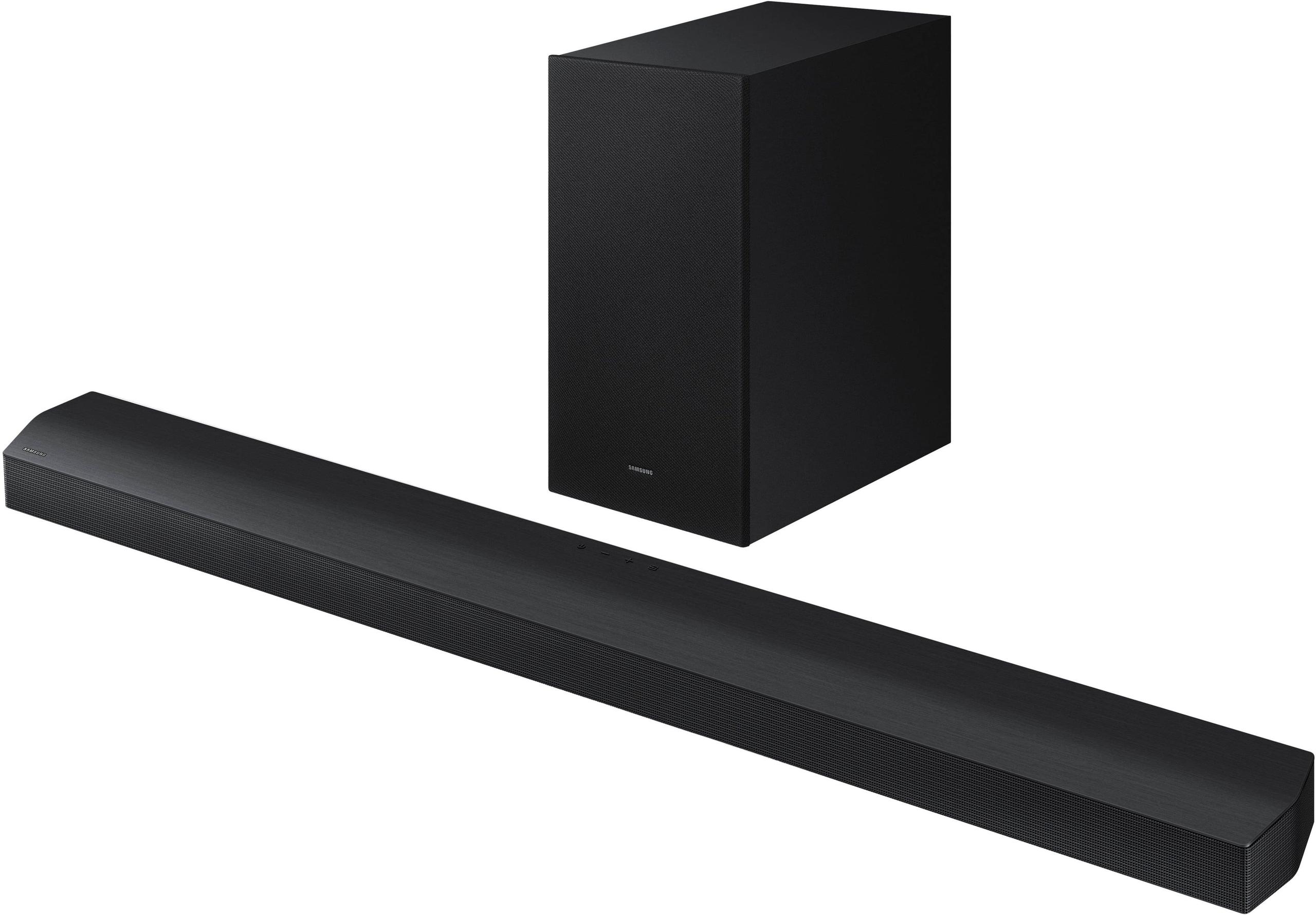
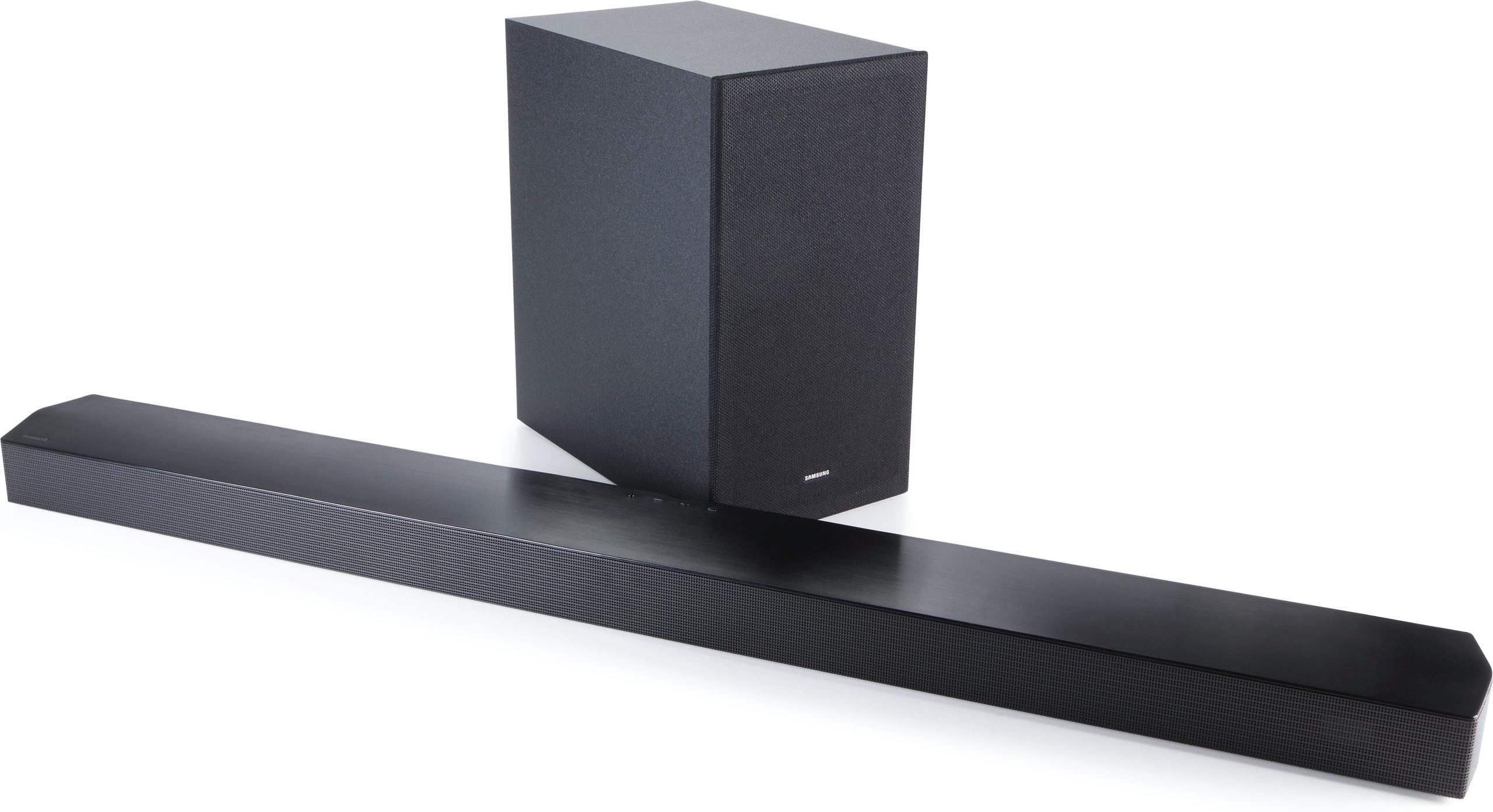
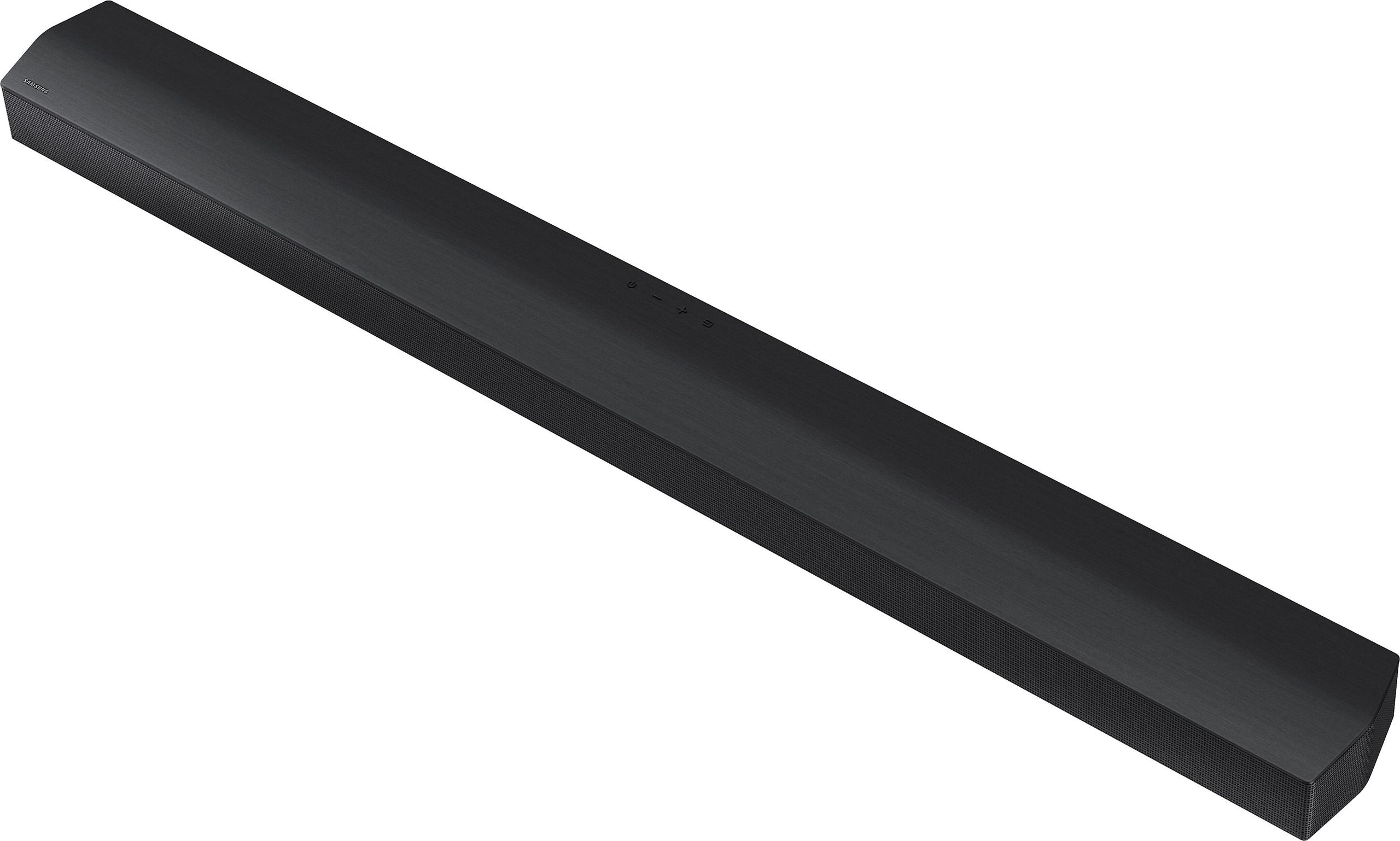
The Samsung B-Series 5.1, by contrast, uses six speakers total but relies heavily on advanced audio processing. It includes a main soundbar with built-in center and side-firing drivers, plus a wireless subwoofer. The "surround" effect comes from those side-firing speakers bouncing sound off your walls, combined with DTS Virtual:X technology that manipulates audio timing to simulate sounds coming from different directions.
When evaluating soundbar performance, power output tells only part of the story, but it's still crucial for understanding what each system can deliver. The Ultimea Poseidon D70 outputs 410 watts at peak power, with 144 watts RMS (continuous power). This higher wattage gets distributed across all eight speakers, allowing the system to fill larger rooms with authority and handle dynamic movie soundtracks without strain.
The Samsung B-Series 5.1 operates at much lower power levels—just 29 watts for the main unit and 48 watts for the subwoofer. However, Samsung compensates with intelligent processing technologies. Their Adaptive Sound feature analyzes incoming audio in real-time and adjusts the sound profile automatically. For instance, it might boost dialogue frequencies during quiet conversation scenes, then switch to enhanced bass and surround processing during action sequences.
Based on user feedback and expert evaluations, the power difference is immediately noticeable. The Ultimea D70 delivers room-filling volume that can easily handle large spaces or outdoor areas, while the Samsung system excels in typical living room environments where its smart processing shines.
Low-frequency performance—what we commonly call bass—dramatically impacts your enjoyment of movies and music. The Ultimea Poseidon D70 includes a substantial 6.5-inch subwoofer with BassMX technology, which is Ultimea's proprietary bass enhancement system. This larger driver can move more air, producing deeper, more impactful low frequencies. Users consistently report powerful bass that adds genuine rumble to movie explosions and depth to music.
The Samsung B-Series 5.1 doesn't specify its subwoofer driver size, but based on its dimensions and power consumption, it's likely smaller than the Ultimea's. However, Samsung includes Bass Boost mode, which applies digital processing to enhance perceived bass impact. While it can't match the physical capability of a larger driver, it does provide satisfying low-end response for most content.
The difference becomes apparent with demanding content like action movies or bass-heavy music. The Ultimea system provides more physical impact—you'll feel explosions and musical bass lines in your chest. The Samsung system delivers cleaner, more controlled bass that integrates better with the overall soundstage but lacks that visceral punch.
This is where these systems diverge most dramatically. The Ultimea Poseidon D70 creates authentic surround sound by positioning actual speakers around your listening area. You'll run cables to place two speakers at your sides and two behind your seating position. When configured properly, this creates genuine 360-degree audio where sounds move smoothly between speakers positioned around you.
The setup requires effort—you'll need to run cables (included cables range from 3 to 6 meters) and find suitable positions for four additional speakers. But the payoff is immersive audio that truly envelops you. During movie scenes with helicopters, rain, or ambient sounds, you'll hear them from their proper directions rather than just from the front of the room.
The Samsung B-Series 5.1 takes a completely different approach. Its side-firing speakers bounce sound off your walls, while DTS Virtual:X processing manipulates audio timing and frequency response to create the illusion of surround sound. This virtual surround can be surprisingly effective, especially in rectangular rooms with suitable wall surfaces for reflection.
However, virtual surround has limitations. It works best when you're seated in the optimal listening position and depends on your room's acoustics. Move too far off-center, and the effect diminishes. Additionally, it can't replicate the precise directional cues that physical rear speakers provide.
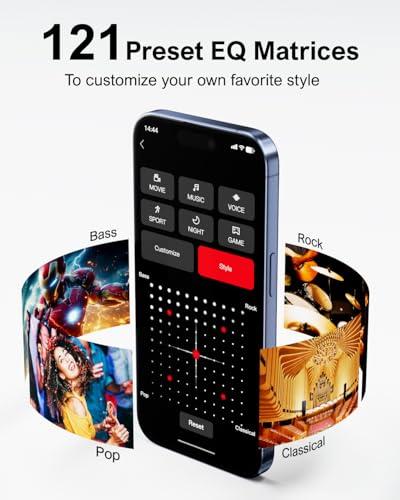
The customization capabilities of these systems reflect their different design philosophies. The Ultimea Poseidon D70 offers extensive manual control through its smartphone app, including 121 preset EQ matrices and a 10-band graphic equalizer. This means you can fine-tune frequency response across ten different frequency ranges, creating custom sound profiles for different content types or compensating for your room's acoustics.
The system includes SurroundX technology, which uses advanced spatial positioning algorithms to optimize how sound travels between the eight speakers. You can adjust bass levels through BassMX controls, modify surround sound intensity, and save multiple custom profiles. For audio enthusiasts who enjoy tweaking settings, this level of control is exceptional at any price point.
The Samsung B-Series 5.1 takes the opposite approach with its "smart" audio processing. The system includes Adaptive Sound technology that uses AI to analyze incoming audio and automatically optimize settings. It can detect whether you're watching dialogue-heavy content, action scenes, or listening to music, then adjust the sound profile accordingly.
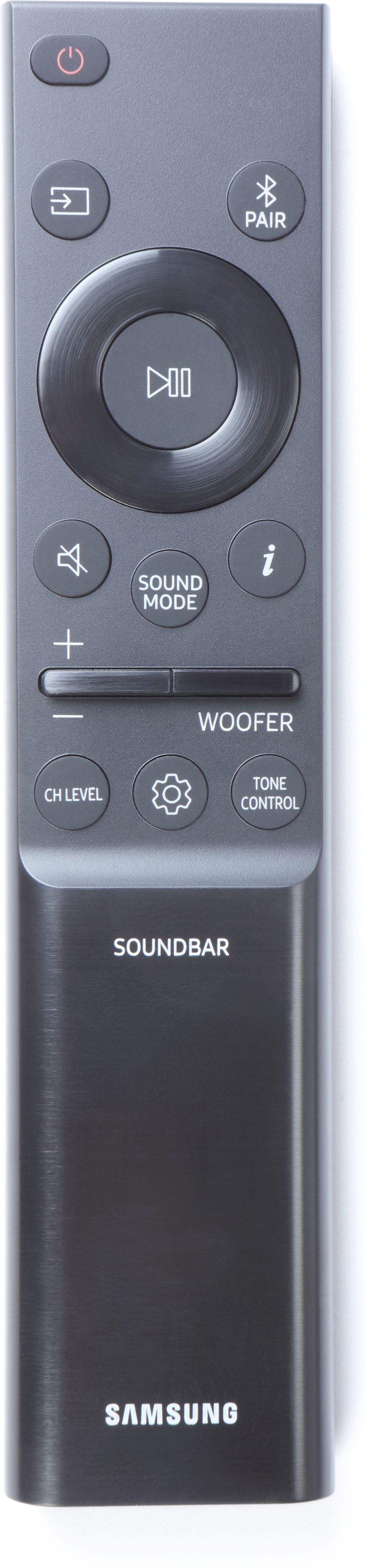
Samsung includes a 7-band equalizer accessible through the remote control, but customization options are more limited. Instead, the system emphasizes convenience features like Voice Enhance mode (which boosts dialogue clarity) and Night mode (which compresses dynamic range for late-night viewing without disturbing others).
Installation complexity represents a crucial decision point between these systems. The Ultimea Poseidon D70 requires significant setup effort. You'll need to position four surround speakers around your room, which means running cables, finding suitable placement locations, and potentially mounting speakers on walls or placing them on stands. The wireless subwoofer simplifies one connection, but you're still dealing with substantial cable management.
However, this complexity pays dividends in audio quality. When properly positioned, the four surround speakers create an authentic sound bubble that virtual processing simply cannot match. The included cables are color-coded and labeled, which helps during installation, but you're still committing to a more permanent, room-specific setup.
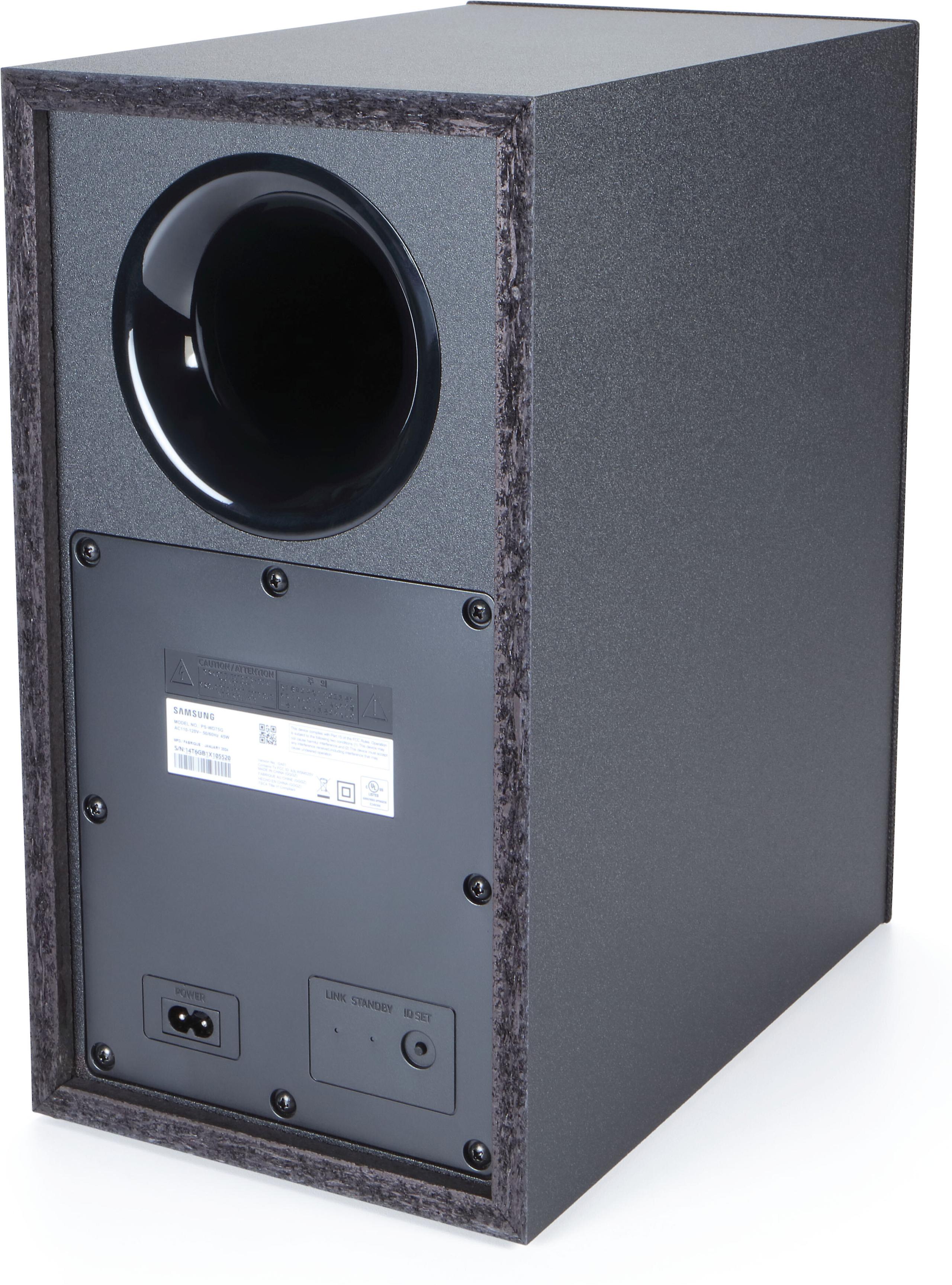
The Samsung B-Series 5.1 offers plug-and-play simplicity. The wireless subwoofer pairs automatically with the main soundbar, requiring no cables between components. Setup typically takes 15 minutes or less—just connect the soundbar to your TV via HDMI ARC or optical cable, plug in power, and you're operational.
This simplicity extends to daily operation. Samsung's One Remote Control integration means you can control the soundbar through your Samsung TV remote (if you have a compatible Samsung TV). The system remembers your preferences and automatically applies appropriate settings based on content analysis.
Modern soundbars increasingly offer smart features beyond basic audio reproduction. The Ultimea Poseidon D70 provides comprehensive smartphone app control, allowing you to adjust all settings remotely, apply firmware updates, and access advanced features like the 121 EQ presets. The app interface gives you granular control over every aspect of the system's performance.
The Samsung B-Series 5.1 doesn't include a companion app, but it offers superior integration within Samsung's ecosystem. If you own Samsung TVs, the Q-Symphony feature synchronizes the TV's built-in speakers with the soundbar, effectively expanding the channel count and creating a more expansive soundstage. This ecosystem integration extends to Samsung's SmartThings platform for home automation integration.
At the time of writing, both systems occupy similar price ranges in the budget-to-mid-range soundbar market, but they deliver different types of value. The Ultimea Poseidon D70 provides exceptional value for authentic multi-channel surround sound. Finding eight-speaker surround systems at this price point is nearly impossible from established brands, making it an outstanding choice for performance-focused buyers.
The Samsung B-Series 5.1 offers different value through brand reliability, ecosystem integration, and user convenience. Samsung's reputation for customer support, the simplicity of setup and operation, and the intelligent audio processing justify its pricing for buyers who prioritize ease of use over raw performance.
Based on extensive user feedback and professional evaluations, these systems deliver distinctly different listening experiences. The Ultimea Poseidon D70 excels at creating genuine surround sound immersion. Users consistently report being impressed by the authentic directional audio and the system's ability to fill large rooms with powerful, clear sound. The bass response receives particular praise, with many noting that it competes with much more expensive systems.
The Samsung B-Series 5.1 earns praise for its balanced sound signature and intelligent processing. Users highlight the excellent dialogue clarity, the effectiveness of the virtual surround processing, and the convenience of automatic optimization. While it lacks the room-filling power of the Ultimea system, it delivers refined, well-balanced audio that enhances most content without overwhelming it.
For dedicated home theater use, the Ultimea Poseidon D70 offers clear advantages. The physical surround speakers create the immersive experience that movie soundtracks are designed to deliver. Action scenes benefit from authentic directional effects, while ambient soundscapes in quieter films gain realistic spatial positioning.
The Samsung B-Series 5.1 works well for casual movie watching and mixed-use scenarios where the system serves double-duty for TV shows, music, and occasional movie nights. Its virtual surround processing is most effective with typical living room setups where the system shares space with daily activities.
Choose the Ultimea Poseidon D70 if you want the most immersive surround sound experience possible at this price point, don't mind running speaker cables around your room, enjoy customizing audio settings, and have a dedicated space where permanent speaker placement makes sense. This system rewards the extra setup effort with genuinely superior surround sound performance.
Choose the Samsung B-Series 5.1 if you prioritize simple setup and daily convenience, own Samsung TVs that can benefit from Q-Symphony integration, prefer automatic audio optimization over manual tweaking, or need a system that can easily be moved or reconfigured. It's also the better choice if you might want to add rear speakers later, as Samsung offers compatible wireless expansion options.
Both systems represent solid values in their respective approaches to home audio, but they serve different user priorities. The Ultimea system maximizes audio performance and immersion, while the Samsung system maximizes convenience and integration. Your choice should align with how much complexity you're willing to accept for better sound quality.
| Ultimea Poseidon D70 | Samsung B-Series 5.1 |
|---|---|
| Channel Configuration - Determines surround sound authenticity and immersion | |
| True 7.1 channels with 8 physical speakers | 5.1 channels with 6 speakers total |
| Surround Speaker Setup - Critical for genuine directional audio | |
| 4 physical surround speakers included (wired) | No rear speakers (optional wireless kit sold separately) |
| Total Power Output - Affects volume capability and dynamic range | |
| 410W peak / 144W RMS distributed across 8 speakers | 77W total (29W soundbar + 48W subwoofer) |
| Subwoofer Size - Directly impacts bass depth and impact | |
| 6.5" wireless subwoofer with BassMX technology | Unspecified size wireless subwoofer with Bass Boost |
| Audio Customization - Important for fine-tuning sound to your room | |
| 121 EQ presets + 10-band equalizer via smartphone app | 7-band EQ via remote only, no smartphone app |
| Smart Audio Processing - Automatic optimization vs manual control | |
| SurroundX spatial positioning, manual customization focus | Adaptive Sound AI, DTS Virtual:X, automatic optimization |
| Connectivity Standards - Affects device compatibility and future-proofing | |
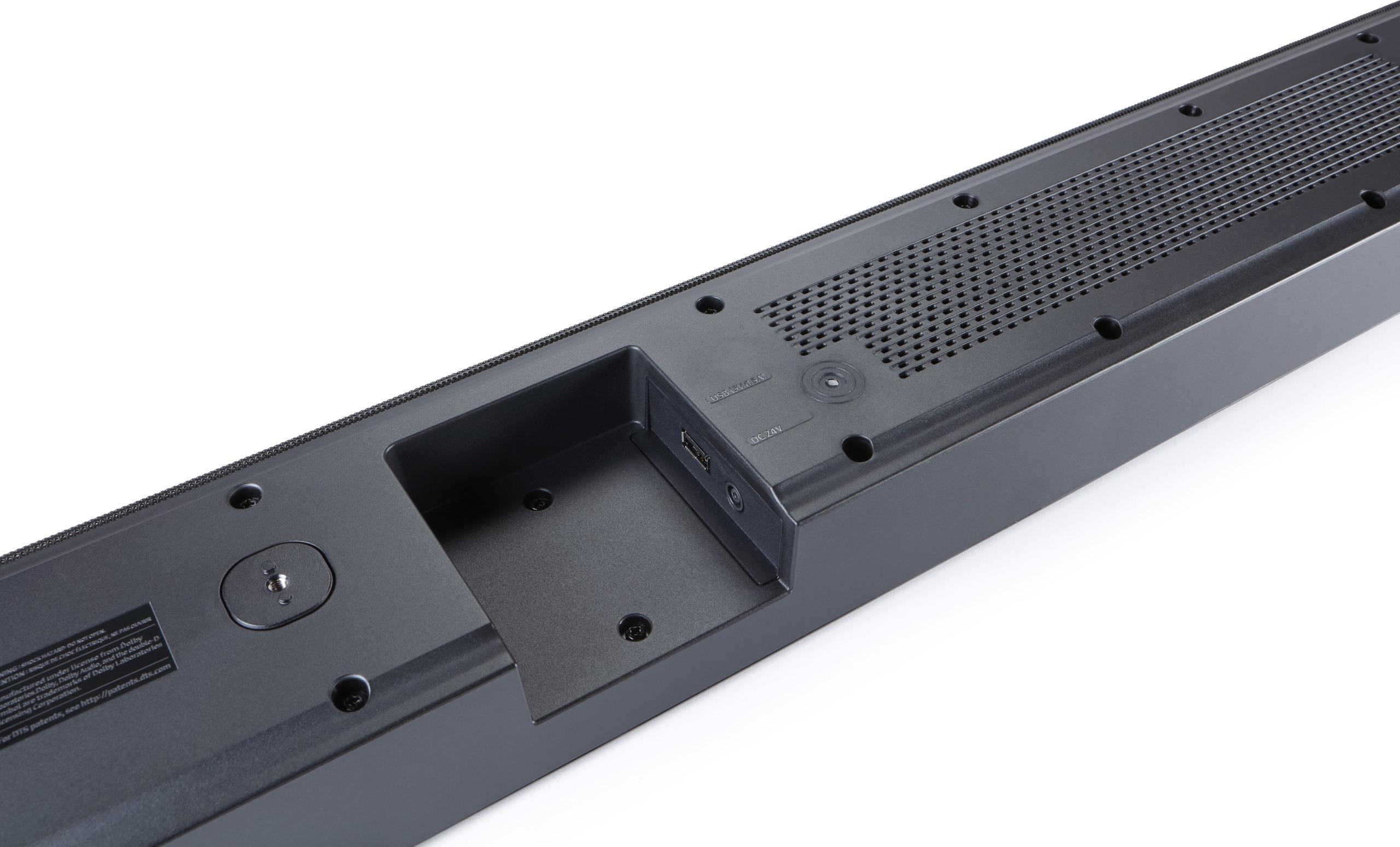
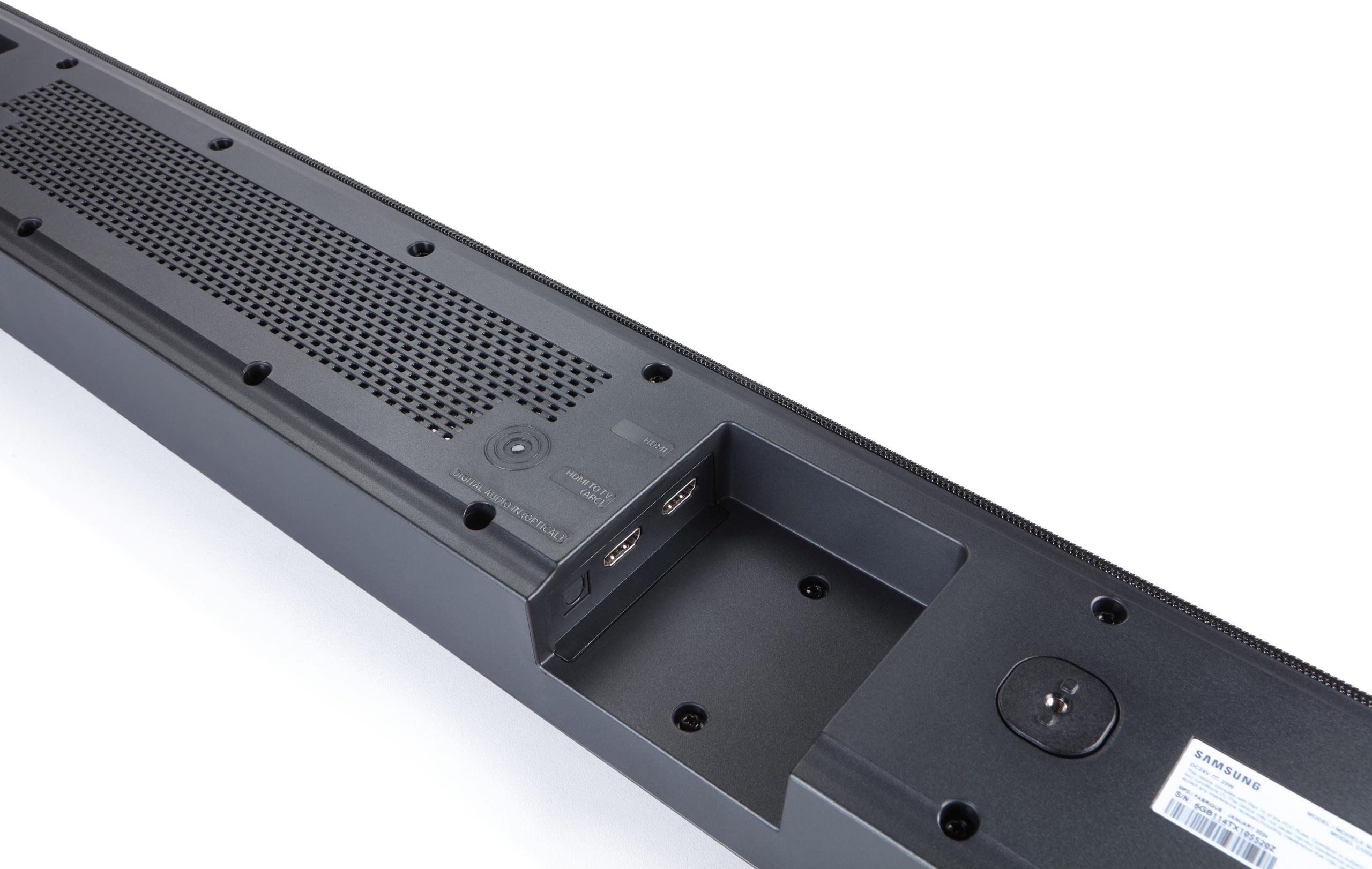
| Bluetooth 5.3, HDMI ARC, Optical, USB, AUX | Bluetooth 4.2, HDMI in/out with ARC, Optical, USB |
| Setup Complexity - Time investment vs audio performance trade-off | |
| Complex: requires positioning and wiring 4 surround speakers | Simple: wireless subwoofer only, 15-minute setup |
| Ecosystem Integration - Matters if you own compatible devices | |
| Standalone system with comprehensive app control | Samsung TV integration with Q-Symphony technology |
| Frequency Response - Shows audio range capability | |
| 35Hz-18kHz (wider range, deeper bass extension) | Not specified (typical range expected) |
| Release Year - Indicates current technology and future support | |
| 2024 (current generation with latest features) | 2024/2025 (newest Samsung B-Series model) |
The Ultimea Poseidon D70 delivers superior surround sound quality due to its true 7.1 channel system with four physical surround speakers that you position around your room. This creates authentic directional audio where sounds genuinely move from speaker to speaker. The Samsung B-Series 5.1 uses virtual surround processing with side-firing drivers, which works well but can't match the immersion of actual rear speakers positioned behind your seating area.
The Samsung B-Series 5.1 is significantly easier to set up, requiring only about 15 minutes with just a wireless subwoofer to pair. The Ultimea Poseidon D70 requires more effort as you'll need to position and wire four surround speakers around your room using the included cables, plus find suitable mounting locations or stands for optimal placement.
The Ultimea Poseidon D70 outputs much more power at 410 watts peak (144W RMS) distributed across eight speakers, making it capable of filling larger rooms with authority. The Samsung B-Series 5.1 operates at lower power levels with 77 watts total, but compensates with intelligent processing that optimizes audio automatically based on content type.
For dedicated movie watching, the Ultimea Poseidon D70 excels due to its authentic surround sound positioning that matches how movie soundtracks are designed. Action scenes benefit from genuine directional effects and the powerful 6.5" subwoofer adds impactful bass. The Samsung B-Series 5.1 works well for casual movie viewing with its virtual surround processing and automatic optimization features.
Only the Ultimea Poseidon D70 offers smartphone app control, providing access to 121 EQ presets, 10-band equalizer, and firmware updates. The Samsung B-Series 5.1 doesn't include a companion app but can be controlled through Samsung TV remotes if you have a compatible Samsung television, plus it offers automatic audio adjustments.
The Ultimea Poseidon D70 provides more powerful bass with its larger 6.5" subwoofer and BassMX technology, delivering deeper low frequencies and more physical impact. The Samsung B-Series 5.1 offers cleaner, more controlled bass with its Bass Boost mode, but can't match the room-shaking capability of the larger Ultimea subwoofer.
The Samsung B-Series 5.1 is fully wireless between its main components - just the subwoofer pairs wirelessly with no cables needed. The Ultimea Poseidon D70 requires running cables to connect the four surround speakers, though the subwoofer connects wirelessly to reduce some cable complexity.
The Ultimea Poseidon D70 provides extensive customization with 121 preset EQ settings, 10-band manual equalizer, and smartphone app control for detailed audio tweaking. The Samsung B-Series 5.1 focuses on automatic optimization with Adaptive Sound AI rather than manual customization, offering a 7-band EQ accessible only through the remote control.
Both systems offer HDMI ARC, optical, and USB inputs, but the Ultimea Poseidon D70 includes newer Bluetooth 5.3 and AUX input for broader device compatibility. The Samsung B-Series 5.1 uses older Bluetooth 4.2 but adds HDMI pass-through and integrates better with Samsung TVs through Q-Symphony technology.
The Samsung B-Series 5.1 allows expansion with Samsung's optional wireless rear speaker kit (sold separately) to create true 5.1 surround sound. The Ultimea Poseidon D70 comes complete with all speakers included but doesn't support adding additional components to the existing system.
The Samsung B-Series 5.1 works better in smaller spaces due to its simpler setup, automatic audio optimization, and virtual surround that doesn't require rear speaker placement. The Ultimea Poseidon D70 may be overkill for very small rooms and requires adequate space to properly position four surround speakers for optimal performance.
The Ultimea Poseidon D70 delivers the best authentic surround sound experience with true 7.1 channels and powerful bass, making it ideal for audio enthusiasts who want maximum immersion. The Samsung B-Series 5.1 offers superior convenience with simple setup, automatic optimization, and Samsung ecosystem integration, perfect for users who want great sound without complexity.
We've done our best to create useful and informative comparisons to help you decide what product to buy. Our research uses advanced automated methods to create this comparison and perfection is not possible - please contact us for corrections or questions. These are the sites we've researched in the creation of this article: ultimea.com - provantage.com - ultimea.com - youtube.com - youtube.com - bestbuy.com - the-gadgeteer.com - shopmyexchange.com - youtube.com - youtube.com - youtube.com - ultimea.com - manuals.plus - device.report - images.thdstatic.com - shopmyexchange.com - staples.com - ultimea.de - bestbuy.com - abt.com - avsforum.com - crutchfield.com - camelcamelcamel.com - samsung.com - samsung.com - samsung.com - images.samsung.com - samsung.com - avblinq.avbportal.com - samsung.com - samsung.com

Privacy Policy
Terms and Conditions - Affiliate Policy
Home Security
© Copyright 2008-2026.
11816 Inwood Rd #1211, Dallas, TX 75244