


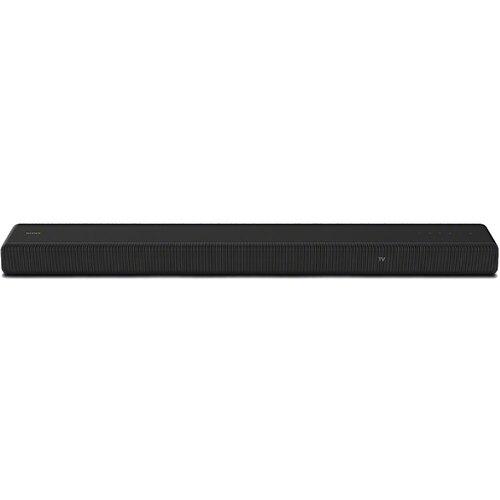

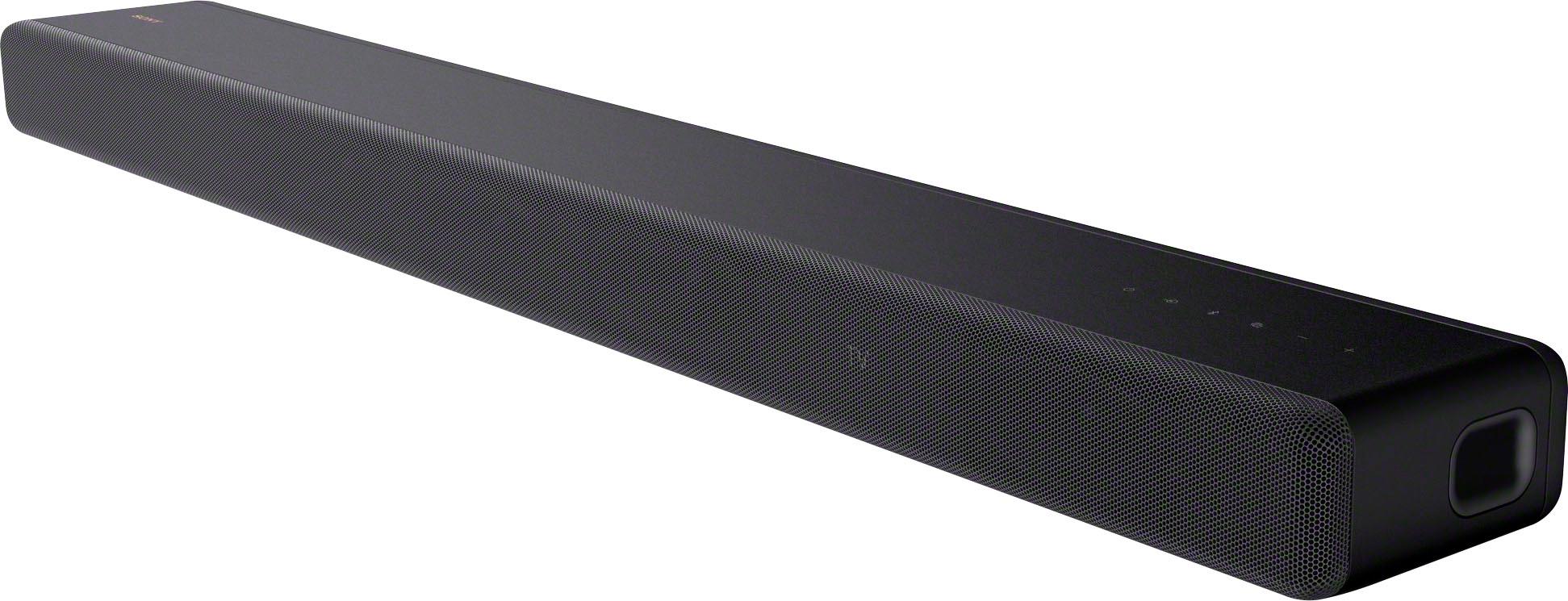
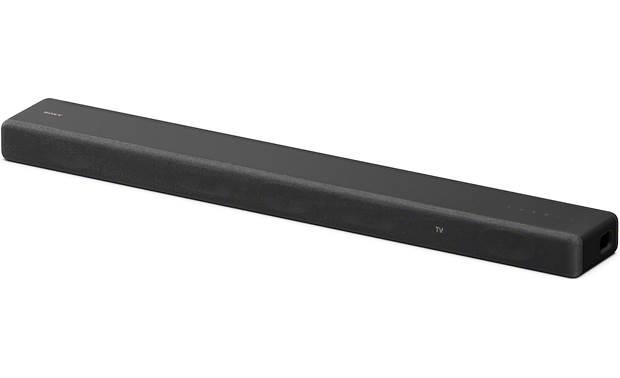

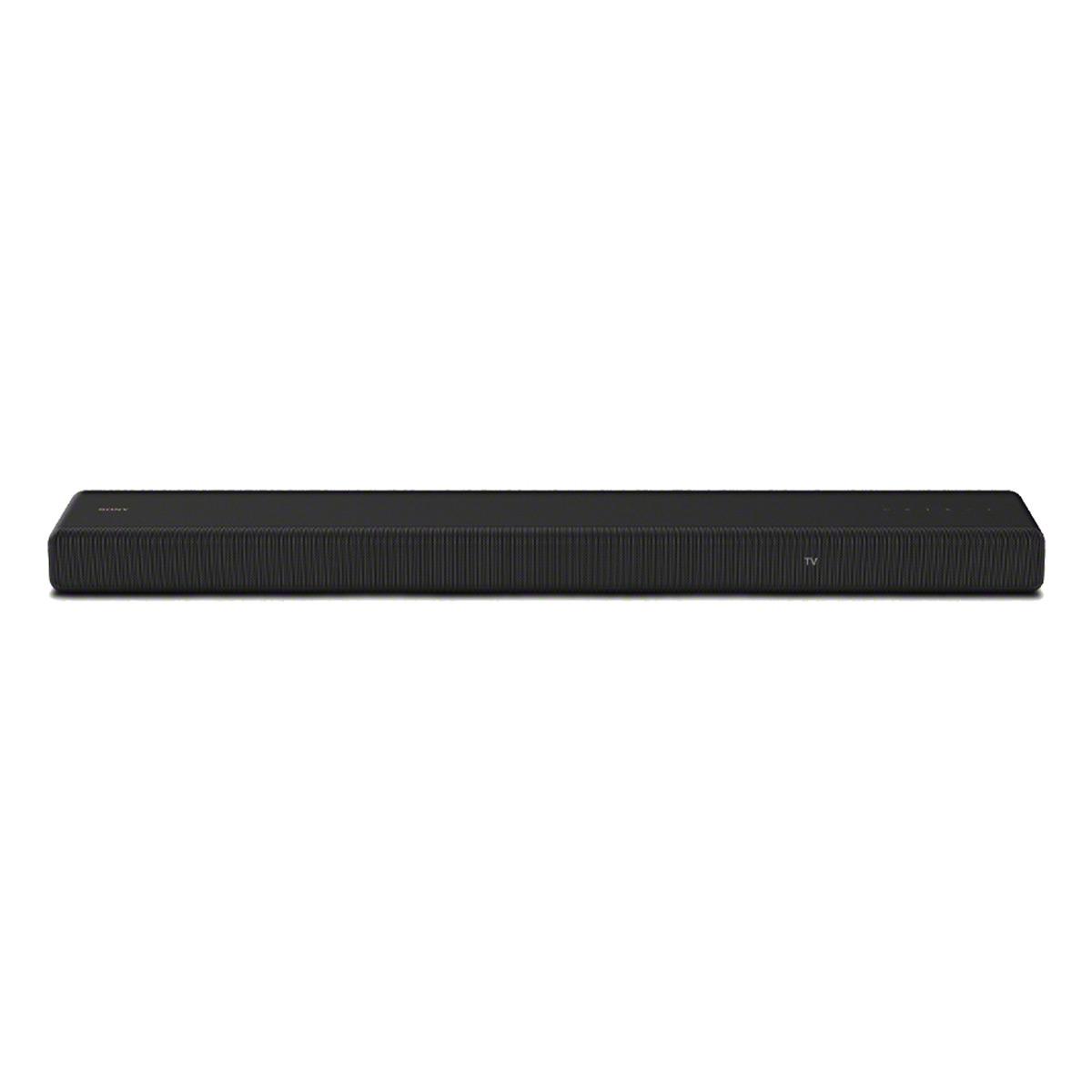
The home theater audio world has split into two distinct camps, and choosing between them can make or break your movie night experience. On one side, we have systems like the Ultimea Poseidon D70 that throw multiple physical speakers around your room for authentic surround sound. On the other, premium soundbars like the Sony HT-A3000 use sophisticated audio processing to create immersive 3D sound from a single sleek unit.
This isn't just about picking between two products—it's about choosing between two fundamentally different approaches to home audio. At the time of writing, these systems represent the best of their respective philosophies, with the budget-friendly Poseidon D70 delivering complete 7.1 surround hardware for under $250, while the premium HT-A3000 commands over $400 for its advanced processing and build quality.
Before diving into specifics, it's worth understanding what we're really comparing. Traditional surround sound systems require an AV receiver (a central hub that processes audio signals) and multiple speakers placed around your room. Soundbars simplify this by combining multiple speakers into one or more compact units, but they achieve surround sound in very different ways.
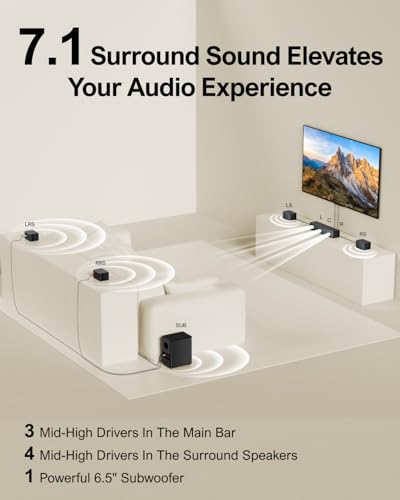
Physical surround systems like the Poseidon D70 use dedicated speakers placed at specific locations—front, rear, sides, and below for bass. When a helicopter flies across the screen, you hear it move because the sound literally travels from speaker to speaker around your room.
Virtual surround systems like the Sony HT-A3000 use psychoacoustic processing—essentially tricking your brain into perceiving sounds coming from directions where no speakers exist. They analyze audio signals and use precisely timed delays, phase shifts, and frequency adjustments to create the illusion of surround sound.
Both approaches have evolved significantly since their introduction. The Poseidon D70, released in 2024, benefits from improved wireless connectivity and smartphone app integration that weren't common in budget systems just a few years ago. The Sony HT-A3000, launched in 2022, represents Sony's refinement of virtual surround technology, incorporating lessons learned from their flagship models.
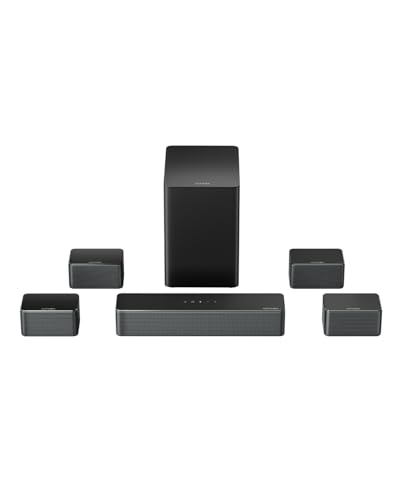
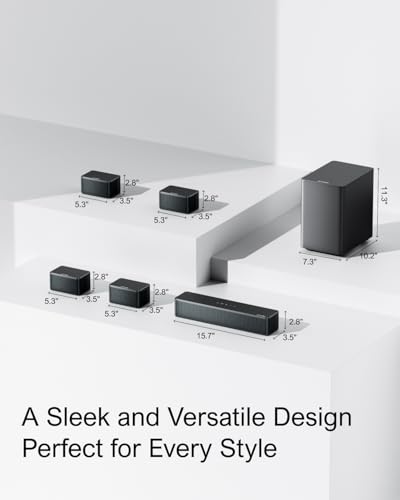
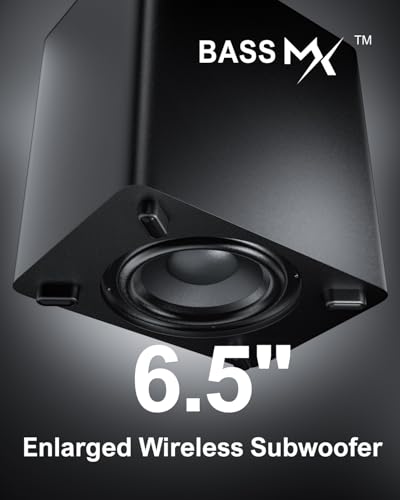
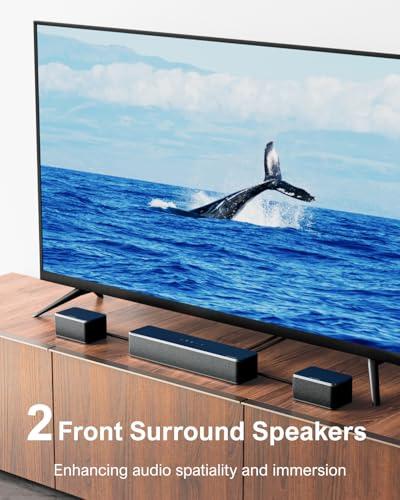
The difference between these systems becomes immediately apparent when you unpack them. The Ultimea Poseidon D70 arrives with eight separate pieces: a main soundbar housing three 2.25-inch drivers, four compact surround speakers with matching drivers, and a substantial 6.5-inch wireless subwoofer. Setting this up means finding locations for all these components, running cables to the surround speakers, and ensuring the wireless subwoofer can communicate with the main unit.
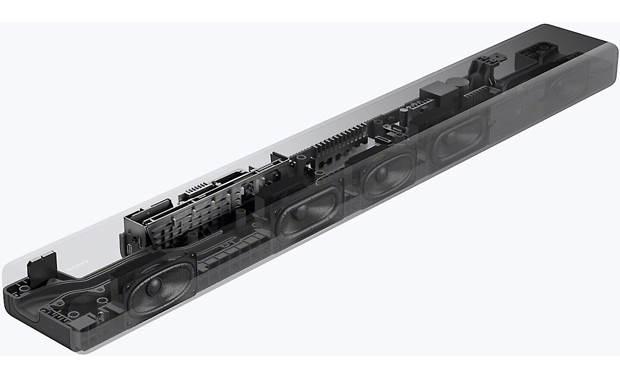
The Sony HT-A3000 presents a starkly different proposition: one sleek soundbar containing five carefully engineered speakers. Sony's X-Balance driver technology uses rectangular diaphragms instead of traditional round ones, maximizing the vibrating surface area within the soundbar's slim profile. This clever engineering allows larger drivers to fit in a compact space while reducing distortion—a crucial advantage when you're trying to reproduce both dialogue and explosions from the same small enclosure.
The subwoofer situation highlights the philosophical divide. The Poseidon D70 includes a dedicated 6.5-inch wireless subwoofer that you can position anywhere in your room for optimal bass response. Bass frequencies are omnidirectional (you can't tell where they're coming from), so placing a subwoofer in the right spot—often a corner where walls amplify low frequencies—can dramatically improve impact. The HT-A3000 integrates two 4.375-inch subwoofers directly into the soundbar, prioritizing aesthetics and simplicity over raw bass power.
Raw power output tells only part of the story, but it's still important. The Poseidon D70 claims 410 watts of peak power, though the more meaningful RMS (continuous) power rating is 144 watts distributed across its eight speakers. This power distribution—36 watts to the main soundbar, 48 watts across the four surround speakers, and 60 watts to the subwoofer—creates a balanced system where no single component overwhelms the others.
The Sony HT-A3000 delivers 250 watts of RMS power through Sony's S-Master HX digital amplifier, distributing roughly 50 watts to each of its five built-in speakers. Sony's full-digital signal path maintains audio quality by avoiding the heat buildup and distortion that plague traditional analog amplifiers, especially at higher volumes.
But power alone doesn't determine performance. The HT-A3000 compensates for its smaller drivers through superior engineering and processing. Sony's DSEE Extreme technology actually analyzes compressed audio files in real-time, identifying lost frequencies and reconstructing them. When you're streaming music from Spotify or watching Netflix, this processing can restore detail that was stripped away during compression.
Here's where the fundamental differences become most apparent. The Ultimea Poseidon D70 creates surround sound the straightforward way: it places speakers around you. When configured properly, sounds genuinely originate from their intended directions. The system's SurroundX technology uses spatial positioning algorithms to coordinate all eight speakers, ensuring that a car racing from left to right actually moves smoothly across your listening space rather than jumping awkwardly between speakers.
The Sony HT-A3000 takes a more sophisticated approach. Its Vertical Surround Engine creates the illusion of height speakers by bouncing sound off your ceiling, while S-Force Pro Front Surround uses psychoacoustic processing to simulate rear and side speakers. For content mastered in Dolby Atmos—a newer surround format that treats sounds as objects moving through 3D space rather than fixed channels—this processing can create surprisingly convincing overhead effects.
The catch with virtual processing is that it's heavily dependent on your room's acoustics. The HT-A3000 includes Sound Field Optimization, which uses built-in microphones to analyze your room and adjust the processing accordingly. This calibration can make a dramatic difference, but rooms with unusual shapes, excessive soft furnishings, or high ceilings may never achieve optimal virtual surround performance.
This is where the Sony HT-A3000 pulls significantly ahead. Support for Dolby Atmos and DTS:X—the latest surround sound formats used by streaming services, 4K Blu-rays, and gaming consoles—means the system can properly decode and reproduce modern content as intended. These object-based formats place sounds at specific coordinates in 3D space, creating more precise and immersive effects than traditional channel-based surround sound.
The Poseidon D70 doesn't support these newer formats, limiting it to traditional 5.1 or 7.1 channel audio. While this covers the vast majority of existing content, newer movies and games increasingly rely on Atmos processing for their most impressive audio moments. When playing Atmos content through the Poseidon D70, your TV or source device will downmix it to traditional surround sound, losing the precision of the original mix.
The Sony HT-A3000 treats connectivity as a premium feature, supporting not just Bluetooth but also Wi-Fi, AirPlay 2, Chromecast, and Spotify Connect. This means you can stream lossless audio directly from your phone, tablet, or computer without the quality loss inherent in Bluetooth compression. The LDAC Bluetooth codec, when paired with compatible Android devices, maintains near-lossless quality even wirelessly.
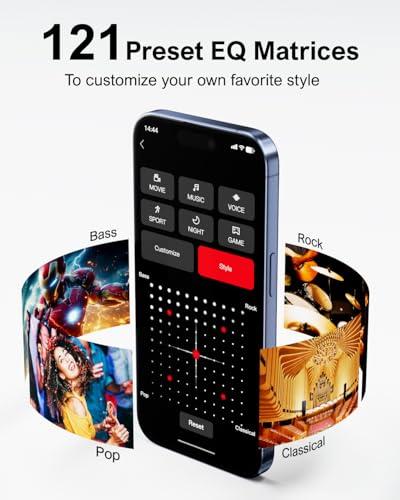
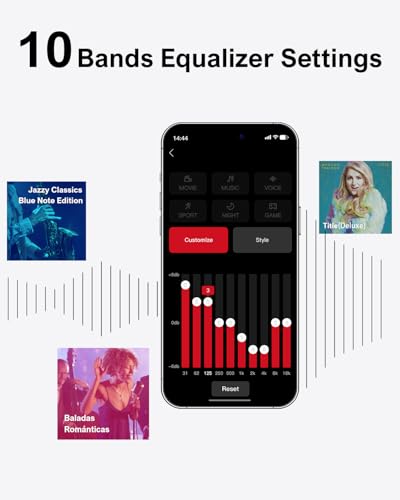
The Poseidon D70 keeps connectivity simpler with Bluetooth 5.3, HDMI ARC, optical input, and USB connectivity. While less comprehensive, this covers the essential connections most users need. The system's smartphone app provides extensive customization options, including 121 preset EQ curves for different music genres and a 10-band graphic equalizer for precise tuning.
Based on extensive review analysis and user feedback, both systems deliver on their core promises but excel in different scenarios. The Poseidon D70 consistently impresses with its ability to create convincing directional effects, particularly in gaming scenarios where positional audio provides competitive advantages. Users frequently comment on the system's surprising refinement for its price point, though some note that the satellite speakers benefit from careful positioning and aren't quite as refined as those in higher-end systems.
The Sony HT-A3000 earns praise for dialogue clarity and overall audio refinement. Sony's X-Balance drivers and digital processing create notably clean, distortion-free sound even at higher volumes. However, reviewers consistently note that the virtual surround effects, while impressive, can't fully replicate the enveloping experience of physical surround speakers. The built-in subwoofers handle most content well but may disappoint users accustomed to dedicated subwoofers in larger rooms.
Bass reproduction showcases each system's priorities clearly. The Poseidon D70's dedicated 6.5-inch wireless subwoofer delivers genuine room-shaking low frequencies that smaller integrated drivers simply cannot match. This translates to more impactful explosions in action movies and fuller, more satisfying music reproduction. The wireless connectivity allows optimal placement—often the difference between adequate and excellent bass response.
The Sony HT-A3000's dual built-in subwoofers prioritize integration over impact. While they can't match a dedicated subwoofer's output, they avoid the common integration problems of separate subs—namely, the difficulty of seamlessly blending subwoofer output with the main speakers. For apartment dwellers or those prioritizing aesthetics, this compromise makes sense.
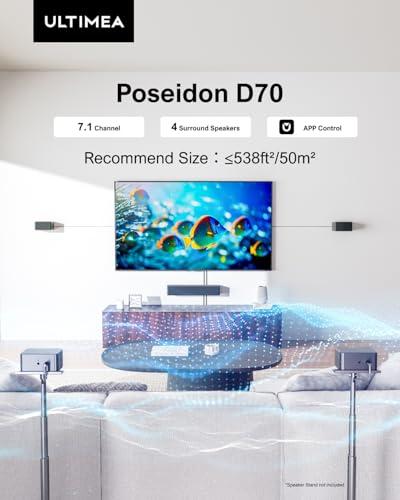
Your room and viewing habits should heavily influence this decision. The Poseidon D70 works best in medium to large rooms where the surround speakers can be properly positioned at least six feet from the listening position. In smaller spaces, the surround speakers may be too close, creating an unnatural "in your face" effect rather than an immersive soundfield.
The Sony HT-A3000 adapts better to various room sizes through its processing algorithms, though it performs best in acoustically well-behaved spaces with standard ceiling heights and moderate furnishing. Rooms with vaulted ceilings or excessive sound absorption may limit the effectiveness of its virtual height processing.
For dedicated home theater rooms, the Poseidon D70's physical approach often provides more convincing results, especially for action movies and gaming. For living rooms that serve multiple purposes, the HT-A3000's clean aesthetic and smart features may be more practical.
At the time of writing, the value calculations favor different users depending on priorities. The Ultimea Poseidon D70 delivers complete 7.1 surround sound at a price point that was unthinkable just a few years ago. For users wanting maximum immersion immediately without additional purchases, it represents exceptional value.
The Sony HT-A3000 costs roughly double but offers a more refined, future-proof foundation. Its support for modern audio formats, extensive connectivity options, and potential for expansion with optional rear speakers justify the premium for users planning a long-term investment.
Choose the Poseidon D70 if you prioritize authentic surround sound above all else, have the space for multiple speakers, and want complete functionality out of the box. It's ideal for gaming enthusiasts, action movie fans, and anyone who believes that nothing beats the real thing when it comes to directional audio.
Choose the Sony HT-A3000 if you value aesthetics, modern format support, and smart features over raw surround sound authenticity. It's perfect for streaming enthusiasts, apartment dwellers, and users who prefer a minimalist setup that can evolve over time.
The truth is, both systems succeed at their intended purposes. The Poseidon D70 proves that authentic surround sound doesn't require a massive investment, while the HT-A3000 demonstrates how sophisticated processing can create impressive effects from minimal hardware. Your choice ultimately depends on whether you prioritize the certainty of physical speakers or the elegance of advanced audio processing.
| Ultimea Poseidon D70 7.1 Channel Soundbar System | Sony HT-A3000 3.1ch Dolby Atmos Soundbar |
|---|---|
| Channel Configuration - Determines surround sound authenticity | |
| True 7.1 physical channels with 8 separate speakers | 3.1 physical channels with virtual surround processing |
| Surround Sound Method - Core difference in audio approach | |
| Physical speakers placed around room for genuine directional audio | Advanced virtual processing creates 3D effects from single soundbar |
| Modern Audio Format Support - Future-proofs your investment | |
| No Dolby Atmos/DTS:X support (limited to traditional surround) | Full Dolby Atmos and DTS:X support for latest content |
| Total Power Output - Affects volume and dynamic range | |
| 410W peak / 144W RMS across 8 speakers | 250W RMS through premium digital amplification |
| Subwoofer Configuration - Determines bass impact and flexibility | |
| 6.5" wireless external subwoofer with flexible placement | Dual 4.375" built-in subwoofers for clean aesthetics |
| Included Components - What you get out of the box | |
| Complete system: soundbar + 4 surround speakers + wireless sub | Single soundbar unit (rear speakers sold separately) |
| Smart Features & Connectivity - Modern convenience factors | |
| Bluetooth 5.3, HDMI ARC, app with 121 EQ presets | Wi-Fi, AirPlay 2, Chromecast, voice control, room calibration |
| Setup Complexity - Installation and positioning requirements | |
| Requires positioning 4 surround speakers around room | Simple single-unit placement with automatic room optimization |
| Build Quality & Materials - Long-term durability indicator | |
| Solid budget construction with basic remote | Premium X-Balance drivers with sophisticated digital processing |
| Ideal Room Size - Performance optimization | |
| Medium to large rooms with surround speaker placement flexibility | Any room size, especially smaller spaces and apartments |
| Best Use Cases - Who should choose each system | |
| Gaming, action movies, users wanting authentic surround sound | Streaming enthusiasts, minimalist setups, Sony TV owners |
The Ultimea Poseidon D70 delivers authentic 7.1 surround sound using eight physical speakers positioned around your room, creating genuine directional audio effects. The Sony HT-A3000 uses advanced virtual processing to simulate surround sound from a single soundbar. For true surround sound authenticity, the Poseidon D70 wins, but the HT-A3000 offers more sophisticated processing and supports modern Dolby Atmos formats.
The key difference is their approach to surround sound. The Ultimea Poseidon D70 uses physical speakers placed around your room for real 7.1 surround sound, while the Sony HT-A3000 creates virtual 3D audio effects from a single soundbar unit. The Poseidon D70 requires more setup but provides authentic directional audio, whereas the HT-A3000 offers premium processing and modern format support in a minimalist design.
For traditional home theater setups, the Ultimea Poseidon D70 excels with its physical 7.1 speaker configuration that creates convincing surround effects for action movies. However, the Sony HT-A3000 better supports modern streaming content with Dolby Atmos and DTS:X formats used by Netflix and Disney+. Choose the Poseidon D70 for authentic surround sound or the HT-A3000 for latest-generation movie formats.
Both systems handle music well but differently. The Sony HT-A3000 features premium X-Balance drivers and DSEE Extreme technology that enhances compressed music files, plus support for hi-res audio streaming. The Ultimea Poseidon D70 offers 121 preset EQ settings and creates an enveloping music experience with its surround speakers. The HT-A3000 provides superior audio fidelity for serious music listening.
The Ultimea Poseidon D70 includes a dedicated 6.5-inch wireless subwoofer that delivers more powerful bass than the Sony HT-A3000's dual built-in subwoofers. The external subwoofer can be positioned optimally for maximum impact. While the HT-A3000's integrated bass is cleaner and more convenient, the Poseidon D70 provides superior low-frequency impact for action movies and bass-heavy music.
The Sony HT-A3000 offers simpler setup with just one soundbar to position and automatic room calibration. The Ultimea Poseidon D70 requires positioning four surround speakers around your room and connecting cables, making setup more complex but providing authentic surround sound. If you prefer easy installation, choose the HT-A3000; if you don't mind extra setup for better surround effects, pick the Poseidon D70.
The Ultimea Poseidon D70 provides exceptional value by including complete 7.1 surround sound hardware at a budget-friendly price point. The Sony HT-A3000 costs significantly more but offers premium build quality, modern audio format support, and extensive smart features. The Poseidon D70 delivers better immediate value, while the HT-A3000 represents a long-term investment with future-proof features.
Both soundbars support Bluetooth connectivity, but the Sony HT-A3000 offers more advanced wireless options including Wi-Fi, AirPlay 2, Chromecast, and Spotify Connect for lossless streaming. The Ultimea Poseidon D70 focuses on Bluetooth 5.3 connectivity with good range and stability. For extensive streaming capabilities, the HT-A3000 is superior, while the Poseidon D70 covers basic wireless needs effectively.
The Sony HT-A3000 is ideal for smaller spaces with its single-unit design and virtual surround processing that adapts to room size. The Ultimea Poseidon D70 requires space to position four surround speakers properly, which may be challenging in compact apartments. For small rooms or minimalist setups, choose the HT-A3000; the Poseidon D70 works best in medium to large rooms with flexible speaker placement.
The Sony HT-A3000 fully supports modern Dolby Atmos and DTS:X formats used by streaming services and 4K Blu-rays, ensuring compatibility with the latest content. The Ultimea Poseidon D70 doesn't support these newer formats but handles traditional surround sound excellently. For future-proofing and modern streaming content, the HT-A3000 is essential; the Poseidon D70 works perfectly with existing content libraries.
The Ultimea Poseidon D70 excels for gaming with its physical surround speakers providing precise directional audio cues that enhance competitive gameplay. The authentic positioning helps locate enemies and environmental sounds accurately. The Sony HT-A3000 offers good gaming performance with lower latency processing, but virtual surround can't match physical speaker positioning. Serious gamers should choose the Poseidon D70 for competitive advantages.
The Sony HT-A3000 can be expanded with optional rear speakers and subwoofers sold separately, allowing system growth over time. The Ultimea Poseidon D70 comes complete with all components included and cannot be expanded further. If you want upgrade flexibility, choose the HT-A3000; if you prefer everything included upfront, the Poseidon D70 provides complete functionality immediately without additional purchases needed.
We've done our best to create useful and informative comparisons to help you decide what product to buy. Our research uses advanced automated methods to create this comparison and perfection is not possible - please contact us for corrections or questions. These are the sites we've researched in the creation of this article: ultimea.com - provantage.com - ultimea.com - youtube.com - youtube.com - bestbuy.com - the-gadgeteer.com - shopmyexchange.com - youtube.com - youtube.com - youtube.com - ultimea.com - manuals.plus - device.report - images.thdstatic.com - shopmyexchange.com - staples.com - ultimea.de - rtings.com - electronics.sony.com - crutchfield.com - store.sony.com.au - digitaltrends.com - videoandaudiocenter.com - abt.com - sony.com - merlinstv.com - crutchfield.com - youtube.com

Privacy Policy
Terms and Conditions - Affiliate Policy
Home Security
© Copyright 2008-2026.
11816 Inwood Rd #1211, Dallas, TX 75244