




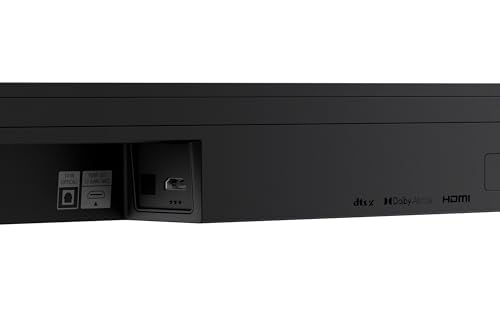
When your TV's built-in speakers just aren't cutting it anymore, soundbars offer the perfect middle ground between tinny audio and the complexity of a full home theater system. But not all soundbars are created equal, and the choice between the budget-focused Ultimea Poseidon D70 and the premium Sony BRAVIA Theater Bar 6 perfectly illustrates two very different philosophies in soundbar design.
Released in 2023, both systems represent modern approaches to home audio, though they've taken dramatically different paths to get there. The Ultimea Poseidon D70 doubles down on the traditional surround sound concept with actual speakers you place around your room, while the Sony BRAVIA Theater Bar 6 embraces the latest virtual audio processing and premium codec support that's become standard in higher-end systems.
Before diving into these specific models, it's worth understanding what separates good soundbars from great ones. The most important factor is channel configuration – essentially, how many separate audio channels the system can handle. Traditional stereo is just two channels (left and right), but modern home theater content uses much more complex audio layouts.
The numbers you see like "7.1" or "3.1.2" tell you exactly what you're getting. The first number represents main channels (front left, center, front right, plus side and rear speakers in larger systems). The second number indicates subwoofers for bass. That third number, when present, shows height channels for overhead effects like helicopters flying above or rain falling down.
Power output, measured in watts, determines how loud your system can get and how much dynamic range it can handle – that's the difference between whisper-quiet dialogue and explosive action sequences. But raw power isn't everything; how that power is distributed across frequencies and speakers matters just as much.
Modern audio formats like Dolby Atmos and DTS:X (which create three-dimensional soundscapes with height information) have become increasingly important as streaming services and movie studios embrace these technologies. Netflix, Disney+, and Apple TV+ now stream significant amounts of Atmos content, making codec support a future-proofing consideration.
The Ultimea Poseidon D70 and Sony BRAVIA Theater Bar 6 represent fundamentally different philosophies about how to create immersive audio in your living room.
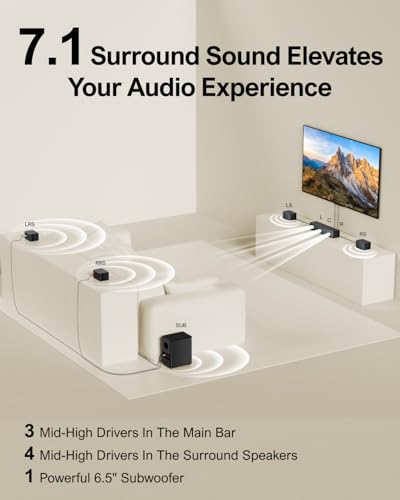
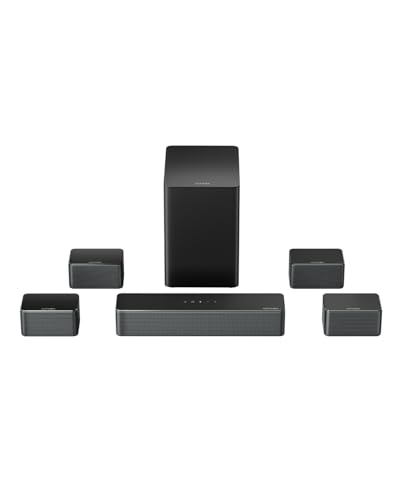
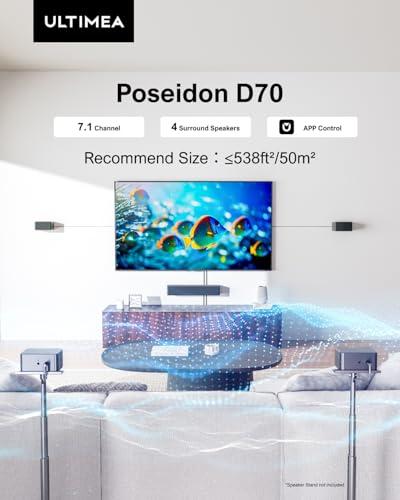
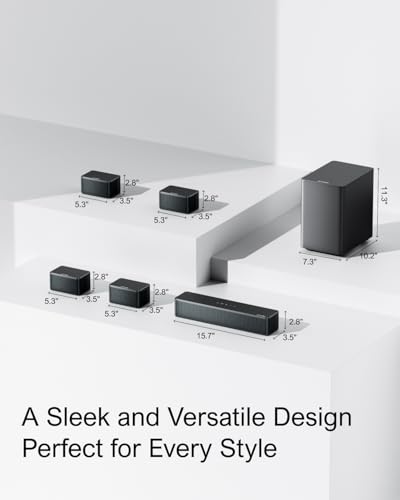
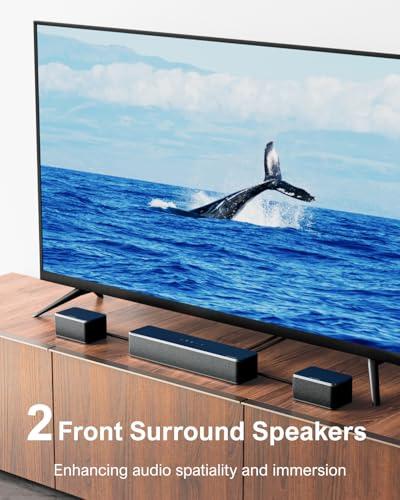
The Ultimea Poseidon D70 takes the traditional route: give you actual speakers to place around your room for genuine surround sound. You get a main soundbar, four separate surround speakers, and a wireless subwoofer – essentially a complete 7.1 system that rivals what you'd build with a full AV receiver setup, just simplified and pre-matched.
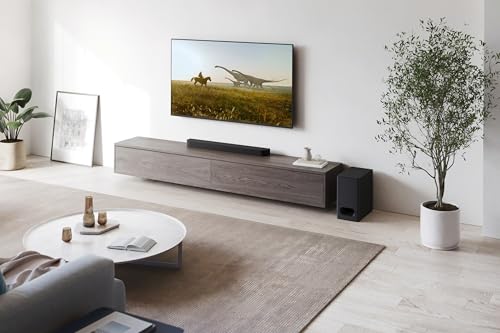
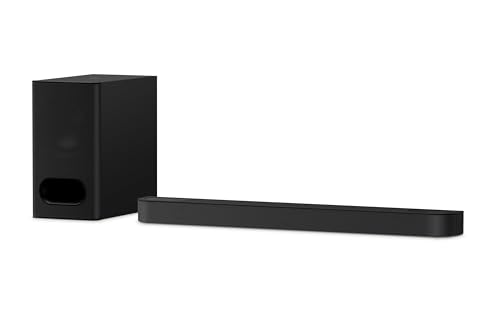
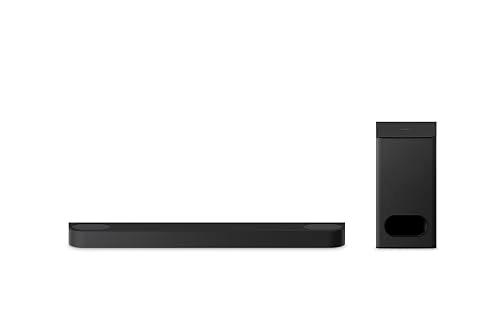
The Sony BRAVIA Theater Bar 6 goes the opposite direction, packing everything into a sleek main unit plus subwoofer. Instead of physical surround speakers, it uses sophisticated audio processing to create the illusion of sounds coming from all around you. This approach prioritizes convenience and aesthetics while still delivering an immersive experience through clever engineering.
At the time of writing, these systems sit in very different price brackets – the Ultimea targets budget-conscious buyers while the Sony commands a premium price for its advanced features and brand reputation. This price difference reflects not just build quality but completely different target audiences.
The most significant difference between these systems lies in how they create surround sound. The Ultimea Poseidon D70 uses a true 7.1 configuration with physical speakers positioned around your listening area. The main soundbar houses three 2.25-inch drivers handling front channels, while four additional speakers (each with matching 2.25-inch drivers) provide genuine directional audio from the sides and rear.
This physical placement creates what audio engineers call "discrete surround sound" – each speaker plays its own specific channel, resulting in precise sound localization. When a car drives from left to right across your screen, you hear it actually move through physical space rather than just a processed approximation.
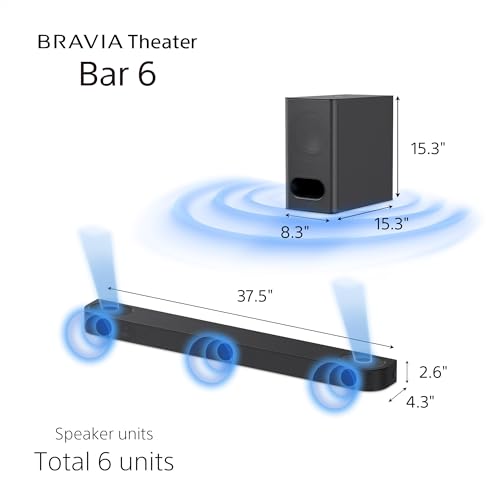
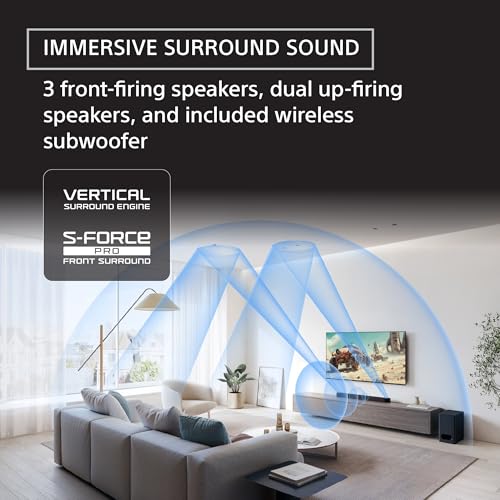
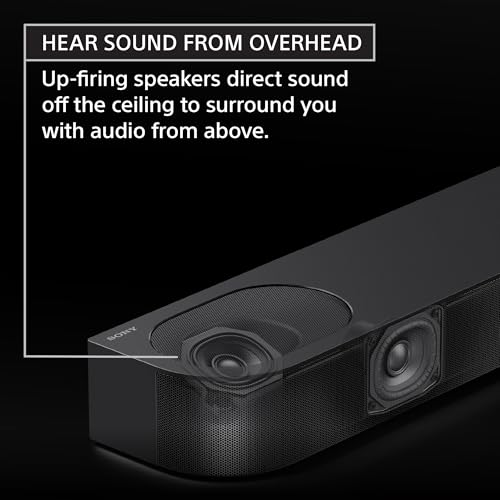
The Sony BRAVIA Theater Bar 6 takes an entirely different approach with its 3.1.2 configuration. All drivers live within the main soundbar: three forward-facing speakers handle left, center, and right channels, while two up-firing drivers bounce sound off your ceiling to create height effects. Sony's S-Force Pro Front Surround processing then works to simulate the impression of sounds coming from beside and behind you.
From our research into user experiences and professional reviews, the difference is immediately apparent. The Ultimea system provides authentic surround immersion that you feel as much as hear – explosions truly come from behind you, footsteps circle around your position, and ambient effects fill the entire room. The Sony system creates a convincing surround experience that's particularly effective for height effects, but the virtual rear channels can't match the precision of actual rear speakers.
However, the Sony has a significant advantage in vertical sound reproduction. Those up-firing drivers create genuine overhead effects when paired with Dolby Atmos content, something the Ultimea simply cannot do since it lacks height channels entirely.
Power output reveals another fundamental difference in these systems' approaches. The Ultimea Poseidon D70 delivers 410 watts of peak power with 144 watts of continuous RMS power distributed across all its speakers. That's serious amplification for a system in this price range, and it shows in real-world performance.
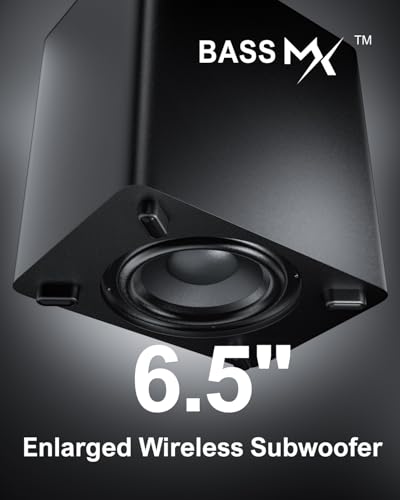
The system's 6.5-inch wireless subwoofer incorporates Ultimea's BassMX technology, which appears to be a digital signal processing enhancement that emphasizes low-frequency impact. With a frequency response extending down to 35Hz, this subwoofer can reproduce the deep bass that makes action movies visceral and music more engaging.
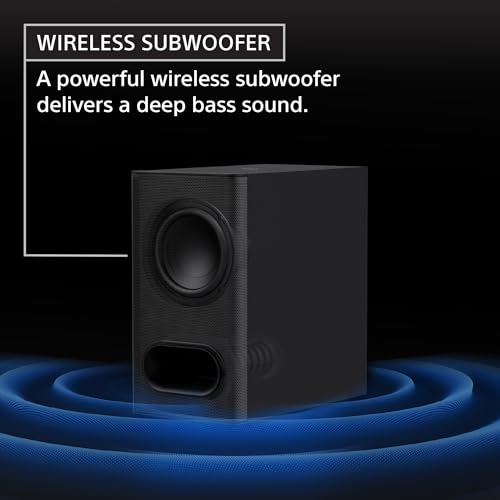
The Sony BRAVIA Theater Bar 6 takes a more measured approach with 350 watts total output, though the company doesn't specify RMS ratings the same way. The 6-inch front-ported subwoofer provides solid bass response, but professional reviewers consistently noted that Sony's default bass settings tend to overpower the midrange frequencies.
From user feedback, the Ultimea system delivers room-shaking bass that can sometimes feel excessive for smaller spaces. The higher power output means it can fill larger rooms with authority, but it requires some EQ adjustment to avoid overwhelming dialogue and midrange details.
The Sony system provides more refined bass integration when properly calibrated, though some users found the bass response less impactful out of the box. The front-ported design helps with placement flexibility since you don't need to worry about rear-firing ports being blocked by walls.
Clear dialogue reproduction separates good soundbars from great ones, especially since most TV content prioritizes speech intelligibility. Here, the systems take notably different approaches.
The Ultimea Poseidon D70 relies on AI-powered deep learning optimization that supposedly analyzes audio signals in real-time to enhance clarity. While this sounds impressive on paper, the real benefit comes from the soundbar's center positioning and the ability to adjust EQ settings extensively through the mobile app.
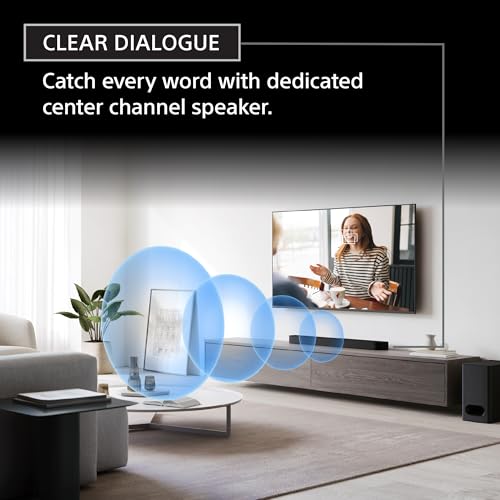
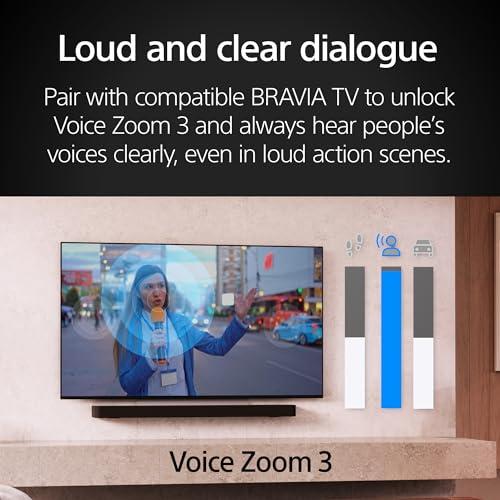
The Sony BRAVIA Theater Bar 6 features a dedicated center channel driver specifically for dialogue reproduction – a significant advantage. Sony's Clear Voice algorithm and dedicated Voice Mode provide additional speech enhancement, while Voice Zoom 3.0 technology works with compatible Sony TVs to further isolate dialogue frequencies using the TV's own speakers in combination with the soundbar.
Professional reviews consistently praise the Sony system's dialogue clarity, particularly its ability to maintain speech intelligibility during complex audio scenes. The dedicated center channel makes voices stand out clearly even when explosions and music compete for attention.
The Ultimea system handles dialogue well for its price point, but the lack of a dedicated center channel means voices come from the entire soundbar rather than a focused point. This works fine for most content but can make dialogue feel less anchored during busy scenes.
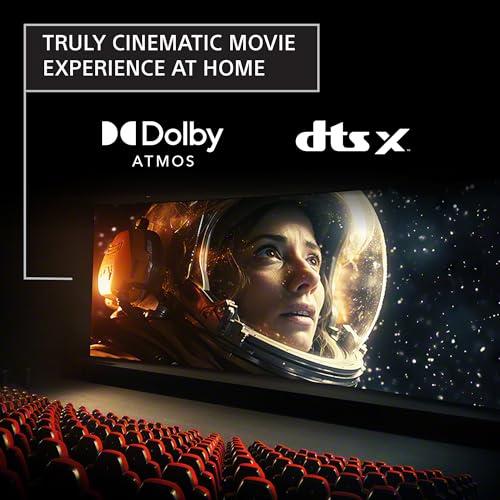
This is where the generational difference between these systems becomes most apparent. The Sony BRAVIA Theater Bar 6 fully supports both Dolby Atmos and DTS:X, the two dominant object-based audio formats that create three-dimensional soundscapes with precise positional information.
These formats have become increasingly important since 2018, when streaming services began adopting Atmos for original content. Netflix, Disney+, Apple TV+, and Amazon Prime Video now offer extensive Atmos catalogs, while most new movie releases on Ultra HD Blu-ray include DTS:X or Atmos tracks.
The Ultimea Poseidon D70 doesn't support either format, which represents its most significant limitation. While it can process the audio from Atmos sources, you lose all the height information and sophisticated object positioning that makes modern movie soundtracks so immersive.
This codec support difference has real-world implications. When watching an Atmos movie on the Sony system, rain falls from above, helicopters circle overhead, and ambient sounds create a convincing dome of audio around your listening position. The same content on the Ultimea system gets flattened to traditional surround sound, losing much of what makes modern movie audio special.
Both systems offer modern connectivity, though with different focuses. The Ultimea Poseidon D70 provides comprehensive input options including HDMI ARC, optical, Bluetooth, USB, and 3.5mm auxiliary connections. This versatility means you can connect virtually any audio source, from older gaming consoles to modern streaming devices.
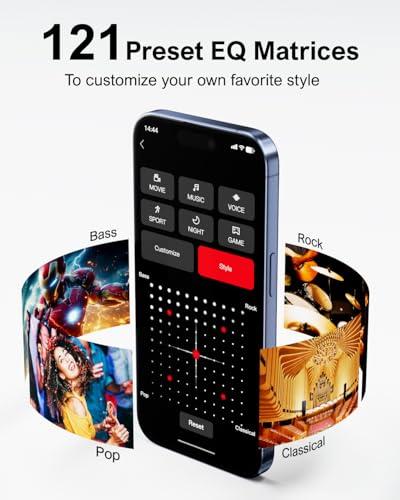
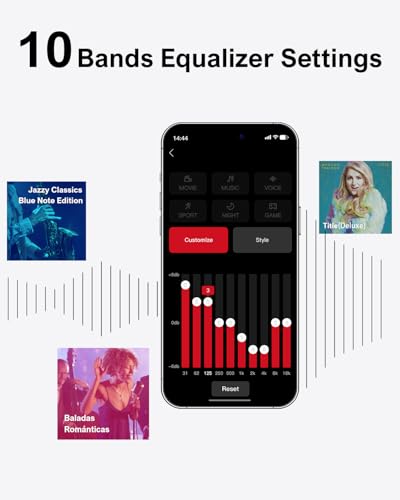
The Ultimea Smart App deserves particular attention for its exceptional customization capabilities. The system includes 121 preset EQ matrices covering everything from rock and classical music to movie-specific sound profiles. The 10-band graphic equalizer allows granular frequency adjustment that's rare at this price point. You can literally tune the sound signature to match your room acoustics and personal preferences.
The Sony BRAVIA Theater Bar 6 focuses on premium connections with HDMI eARC (enhanced Audio Return Channel) support, which provides higher bandwidth for lossless audio formats. The BRAVIA Connect app offers basic customization but emphasizes ease of use over granular control.
Where Sony really shines is ecosystem integration. If you own a Sony BRAVIA TV, the soundbar integrates seamlessly through BRAVIA SYNC, allowing control through your TV remote and unified settings management. The Voice Zoom 3.0 feature can even coordinate with your TV's built-in speakers for enhanced dialogue, though user reports suggest this provides minimal real-world improvement.
The installation experience couldn't be more different between these systems. The Ultimea Poseidon D70 requires significant planning and cable management. You need to position four surround speakers around your room using the included cables (up to 6 meters long), which means running wires along baseboards, under rugs, or through walls for a clean installation.
This complexity pays dividends in performance, but it's not practical for everyone. Renters may struggle with permanent installation, and some living rooms simply don't accommodate rear speakers well due to furniture placement or open floor plans.
The Sony BRAVIA Theater Bar 6 offers plug-and-play simplicity. The soundbar sits below your TV, the subwoofer can be placed anywhere within wireless range, and you're done. This approach works perfectly for apartments, temporary setups, or users who prioritize aesthetics over maximum performance.
Build quality differs significantly as well. The Sony system feels premium with its matte black finish, metal grills, and solid construction that matches high-end TVs. The Ultimea system uses functional but basic materials that prioritize value over luxury aesthetics.
For dedicated home theater use, these systems serve different audiences entirely. The Ultimea Poseidon D70 excels in traditional movie watching where you want maximum immersion from older content and don't mind the installation complexity. Action movies, sci-fi films, and gaming benefit enormously from true surround positioning, creating the kind of enveloping experience that makes you forget you're not in a commercial cinema.
However, the lack of Dolby Atmos support increasingly limits its effectiveness with newer content. As streaming services and movie studios embrace height-based audio, the Ultimea system starts showing its limitations. You get excellent horizontal surround immersion but miss the vertical dimension that makes modern movie soundtracks so compelling.
The Sony BRAVIA Theater Bar 6 serves modern home theater enthusiasts who want the latest audio technology without installation complexity. The Atmos support ensures compatibility with current and future content, while the virtual surround processing works surprisingly well for most viewing scenarios.
The height effects from those up-firing drivers create convincing overhead audio when your room has appropriate ceiling acoustics. Rain, aircraft, and ambient sounds gain that crucial vertical dimension that traditional soundbars simply cannot provide.
At the time of writing, these systems occupy different value segments that reflect their distinct approaches. The Ultimea Poseidon D70 offers exceptional value for buyers seeking maximum speaker count and customization options at a budget price point. You get eight physical speakers, extensive EQ control, and powerful amplification for less than many premium soundbars cost.
The Sony BRAVIA Theater Bar 6 commands a significant premium but delivers future-proof codec support, premium build quality, and ecosystem integration that budget systems cannot match. The question becomes whether those benefits justify the price difference for your specific needs and usage patterns.
From a longevity perspective, the Sony system has clear advantages. Dolby Atmos and DTS:X support ensure compatibility with evolving content standards, while Sony's track record suggests continued firmware support and feature updates. The Ultimea system provides immediate satisfaction but may feel dated as more content adopts height-based audio formats.
The decision between these systems ultimately depends on your priorities, living situation, and budget constraints. The Ultimea Poseidon D70 makes sense if you're building a dedicated home theater space where you can properly position surround speakers. It's perfect for movie enthusiasts who primarily watch older content or don't mind missing out on the latest audio formats in exchange for authentic surround immersion and extensive customization.
Choose the Ultimea if you're working with a limited budget but refuse to compromise on surround sound authenticity. It's ideal for gaming setups, traditional movie collections, and situations where you can dedicate time to proper installation and calibration.
The Sony BRAVIA Theater Bar 6 serves users who want premium features and modern codec support without installation complexity. It's the better choice for apartments, frequently rearranged living spaces, or anyone who prioritizes convenience and future-proofing over maximum speaker count.
Select the Sony if you're investing in a long-term audio solution, primarily consume modern streaming content, or own Sony TVs that benefit from ecosystem integration. The premium price reflects genuine advantages in build quality, codec support, and user experience that budget alternatives cannot match.
Both systems represent their respective philosophies well, but they serve fundamentally different audiences. Your choice should align with your installation capabilities, content preferences, and long-term audio goals rather than just immediate price considerations.
| Ultimea Poseidon D70 | Sony BRAVIA Theater Bar 6 |
|---|---|
| Channel Configuration - Determines surround sound authenticity | |
| True 7.1 with physical surround speakers | 3.1.2 virtual surround with height channels |
| Peak Power Output - Affects maximum volume and room filling capability | |
| 410W peak, 144W RMS (excellent for larger rooms) | 350W total (adequate for small-medium rooms) |
| Dolby Atmos/DTS:X Support - Essential for modern streaming content | |
| Not supported (limits future-proofing) | Full support (future-ready for all content) |
| Physical Speakers Included - Real vs virtual surround experience | |
| Soundbar + 4 surround speakers + subwoofer (8 total) | Soundbar + subwoofer only (6 drivers total) |
| Subwoofer Size - Impacts bass depth and power | |
| 6.5" wireless subwoofer with BassMX™ technology | 6" front-ported wireless subwoofer |
| Sound Customization - Personalization and room tuning options | |
| 121 EQ presets + 10-band graphic equalizer | Basic sound modes with manual adjustments |
| Installation Complexity - Setup time and cable management | |
| Complex (requires wiring 4 surround speakers) | Simple (wireless subwoofer only) |
| HDMI Connection - Audio quality and feature support | |
| HDMI ARC (standard bandwidth) | HDMI eARC (enhanced bandwidth for lossless audio) |
| Smart TV Integration - Seamless control and features | |
| Basic app control with extensive EQ options | Deep Sony BRAVIA integration with unified controls |
| Build Quality and Design - Aesthetics and durability | |
| Functional plastic construction | Premium materials with metal grills |
| Frequency Response - Bass extension capability | |
| 35Hz - 18kHz (excellent low-end extension) | Not specified (typical for premium soundbars) |
| Height Effects - Overhead audio for movies | |
| None (traditional horizontal surround only) | Up-firing drivers create convincing overhead effects |
The Ultimea Poseidon D70 provides superior surround sound immersion with its true 7.1 channel system that includes four physical surround speakers you place around your room. This creates authentic directional audio where sounds actually come from behind and beside you. The Sony BRAVIA Theater Bar 6 uses virtual surround processing, which is convincing but cannot match the precision of real surround speakers positioned throughout your space.
Only the Sony BRAVIA Theater Bar 6 supports Dolby Atmos and DTS:X formats, which are essential for modern streaming content from Netflix, Disney+, and Apple TV+. The Ultimea Poseidon D70 lacks these codec capabilities entirely, meaning you'll miss out on the height effects and three-dimensional audio that make newer movies and shows more immersive.
The Sony BRAVIA Theater Bar 6 is significantly easier to install, requiring only the main soundbar and wireless subwoofer placement. The Ultimea Poseidon D70 involves more complex setup since you need to position and wire four surround speakers around your room using the included cables, which can be challenging in some living spaces.
The Ultimea Poseidon D70 delivers more raw power with 410 watts peak output and 144 watts RMS, making it better suited for larger rooms and higher volume levels. The Sony BRAVIA Theater Bar 6 provides 350 watts total, which is adequate for most small to medium-sized rooms but may struggle to fill very large spaces.
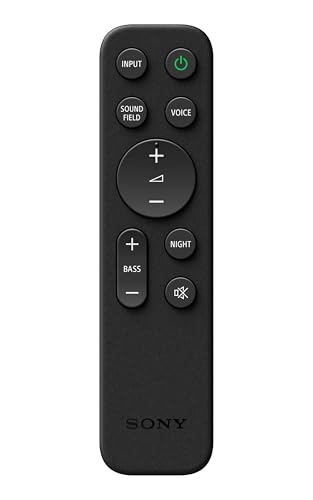
The Sony BRAVIA Theater Bar 6 excels in dialogue reproduction thanks to its dedicated center channel driver and Clear Voice processing technology. It also includes Voice Mode for enhanced speech clarity. While the Ultimea Poseidon D70 handles dialogue well, it lacks a dedicated center channel, so voices aren't as precisely focused during complex audio scenes.
The Ultimea Poseidon D70 offers exceptional sound customization with 121 preset EQ matrices and a 10-band graphic equalizer accessible through its mobile app. The Sony BRAVIA Theater Bar 6 provides basic sound modes and manual bass/treble adjustments but lacks the extensive EQ options available on the Ultimea system.
The Ultimea Poseidon D70 provides a more immersive gaming experience due to its true surround sound positioning, allowing you to hear enemies approaching from specific directions. However, the Sony BRAVIA Theater Bar 6 offers lower audio latency and better compatibility with modern gaming consoles that output Dolby Atmos content from games.
Both systems work with any TV brand, but the Sony BRAVIA Theater Bar 6 offers special integration features when paired with Sony BRAVIA TVs, including unified remote control and enhanced dialogue processing. The Ultimea Poseidon D70 works equally well with all TV brands without any special brand-specific advantages.
The Ultimea Poseidon D70 typically delivers more powerful bass with its larger 6.5-inch subwoofer and BassMX technology, extending down to 35Hz for deep low-frequency reproduction. The Sony BRAVIA Theater Bar 6 has a 6-inch subwoofer that provides solid bass but may require adjustment from its overpowering default settings.
Neither the Ultimea Poseidon D70 nor the Sony BRAVIA Theater Bar 6 requires any subscriptions or ongoing costs. Both systems receive firmware updates through their respective mobile apps to improve performance and add features over time at no additional charge.
The Ultimea Poseidon D70 provides exceptional value by delivering eight physical speakers including true surround sound at a budget-friendly price point. The Sony BRAVIA Theater Bar 6 costs significantly more but justifies the premium with Dolby Atmos support, superior build quality, and advanced features that ensure future compatibility with evolving audio standards.
The Ultimea Poseidon D70 is a complete system that cannot be expanded with additional speakers. The Sony BRAVIA Theater Bar 6 can be upgraded with optional wireless rear surround speakers sold separately, allowing you to create a more complete surround sound setup if desired.
We've done our best to create useful and informative comparisons to help you decide what product to buy. Our research uses advanced automated methods to create this comparison and perfection is not possible - please contact us for corrections or questions. These are the sites we've researched in the creation of this article: ultimea.com - provantage.com - ultimea.com - youtube.com - youtube.com - bestbuy.com - the-gadgeteer.com - shopmyexchange.com - youtube.com - youtube.com - youtube.com - ultimea.com - manuals.plus - device.report - images.thdstatic.com - shopmyexchange.com - staples.com - ultimea.de - rtings.com - bestbuy.com - whathifi.com - youtube.com - youtube.com - sony.com - galaxus.at - helpguide.sony.net - audioadvice.com - electronics.sony.com - youtube.com - youtube.com - electronics.sony.com - helpguide.sony.net - whatgear.net - consumerreports.org

Privacy Policy
Terms and Conditions - Affiliate Policy
Home Security
© Copyright 2008-2026.
11816 Inwood Rd #1211, Dallas, TX 75244