




When your TV's built-in speakers sound like they're coming through a tin can, upgrading to a soundbar becomes essential. But the soundbar world isn't just about "bigger equals better"—it's split into two fundamentally different philosophies that shape everything from setup complexity to audio quality.
The choice between the Ultimea Poseidon D70 and Samsung HW-S700D represents this divide perfectly. One delivers authentic surround sound through physical speaker placement, while the other uses advanced processing to create virtual surround effects. Understanding these approaches will help you choose the system that matches your space, preferences, and budget.
Before diving into specifics, it's crucial to understand what separates these products at a fundamental level. Traditional surround sound works by placing speakers around your room—behind you, beside you, above you—so sounds arrive from their intended directions. This creates the "surround effect" where explosions rumble from behind during action scenes or ambient forest sounds seem to surround you completely.
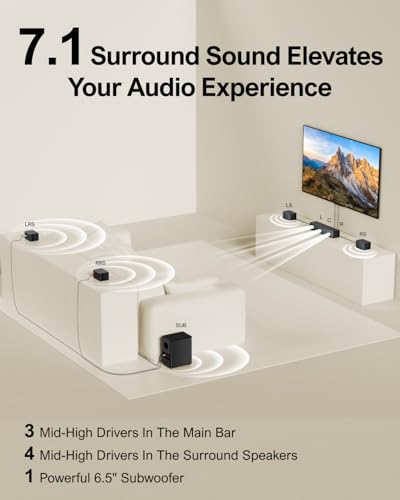
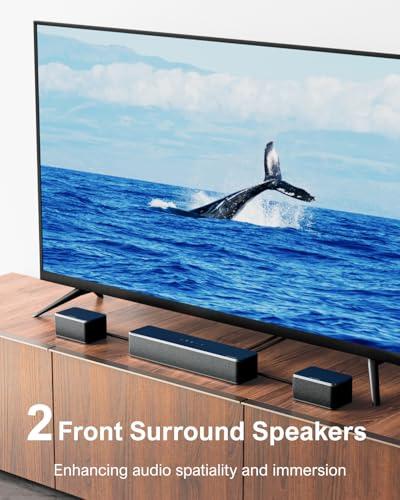
Physical surround systems like the Ultimea Poseidon D70 stick to this proven approach. You get actual speakers that you position around your room, connected by wires to create genuine directional audio. When a helicopter flies overhead in a movie, you hear it move from front to back because the sound literally travels between different physical speakers.
Virtual surround systems like the Samsung HW-S700D take a different approach. They use psychoacoustic processing (essentially audio trickery that exploits how your brain interprets sound) combined with strategically angled speakers to create the illusion of surround sound from a single bar. Advanced algorithms analyze audio and bounce sounds off your walls to simulate speakers that aren't actually there.
Both methods have merit, but they excel in different scenarios and require different compromises.
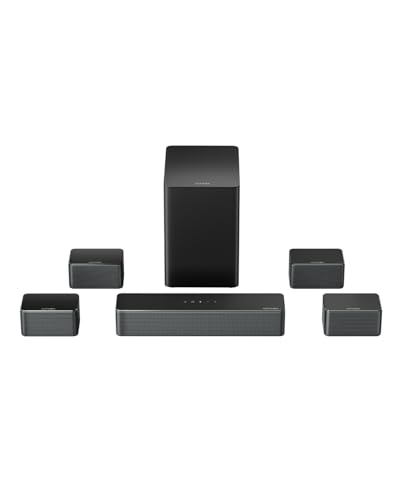
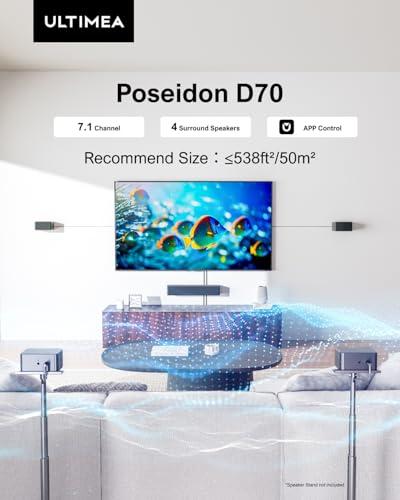
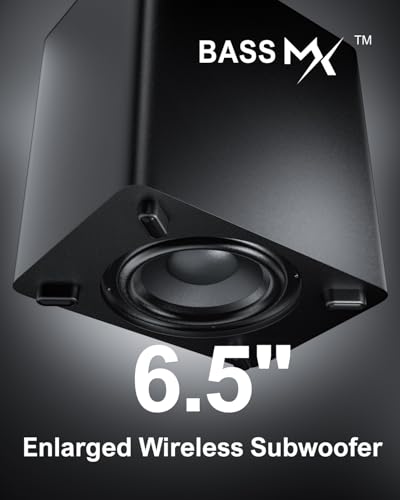
Released in 2024, the Ultimea Poseidon D70 takes the traditional approach and runs with it. This system includes eight separate speakers: a main soundbar with three drivers, four satellite surround speakers, and a 6.5-inch wireless subwoofer. At the time of writing, it's positioned as a budget-friendly option that delivers premium surround sound typically found in much more expensive systems.
What makes this system special is its commitment to authentic multi-channel audio. Each of the four surround speakers contains a 2.25-inch driver, and they connect via wires to create what Ultimea calls "true 7.1 channel" sound. The wireless subwoofer handles the deep bass, while the main soundbar manages front-channel duties and system coordination.
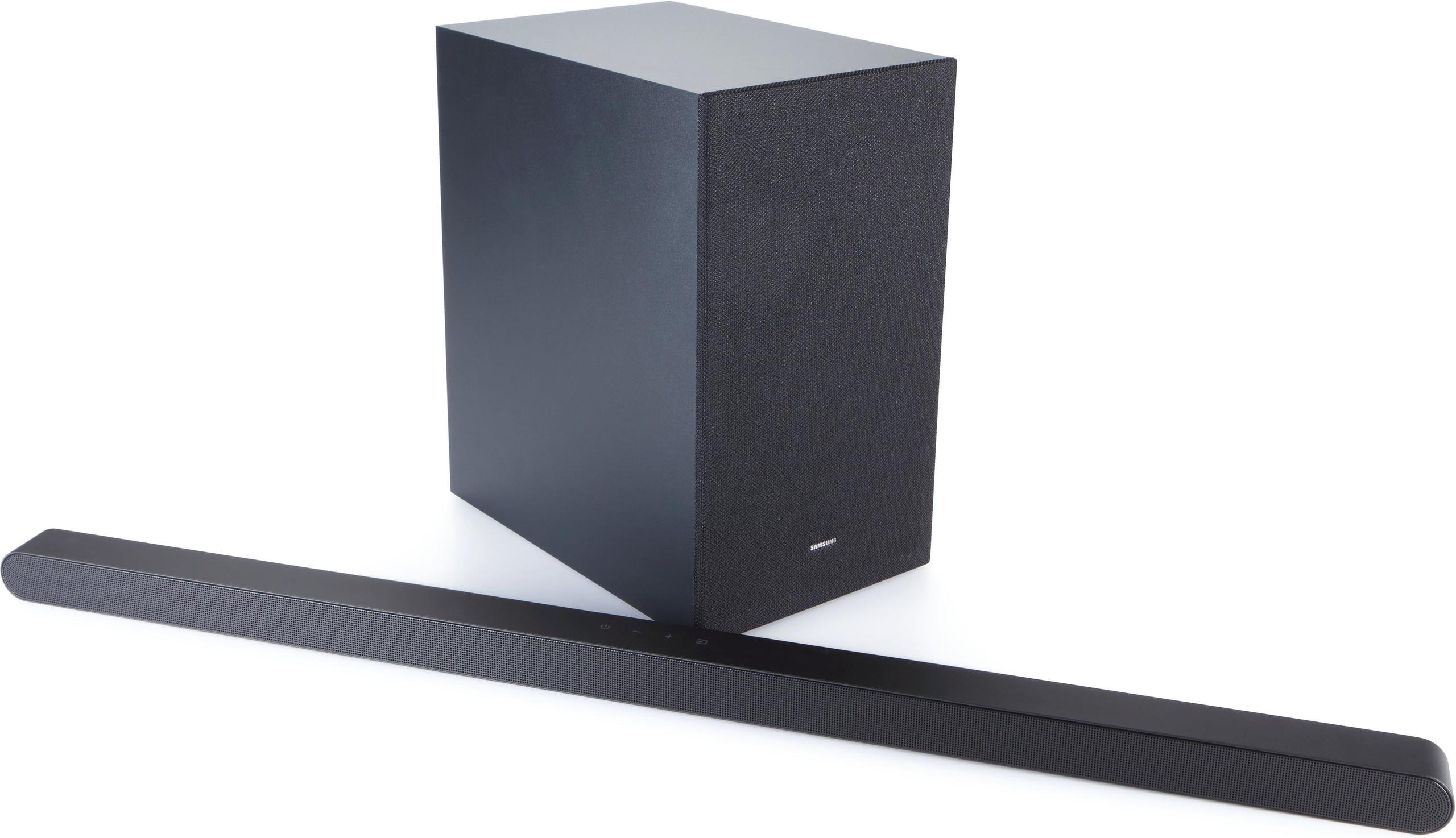
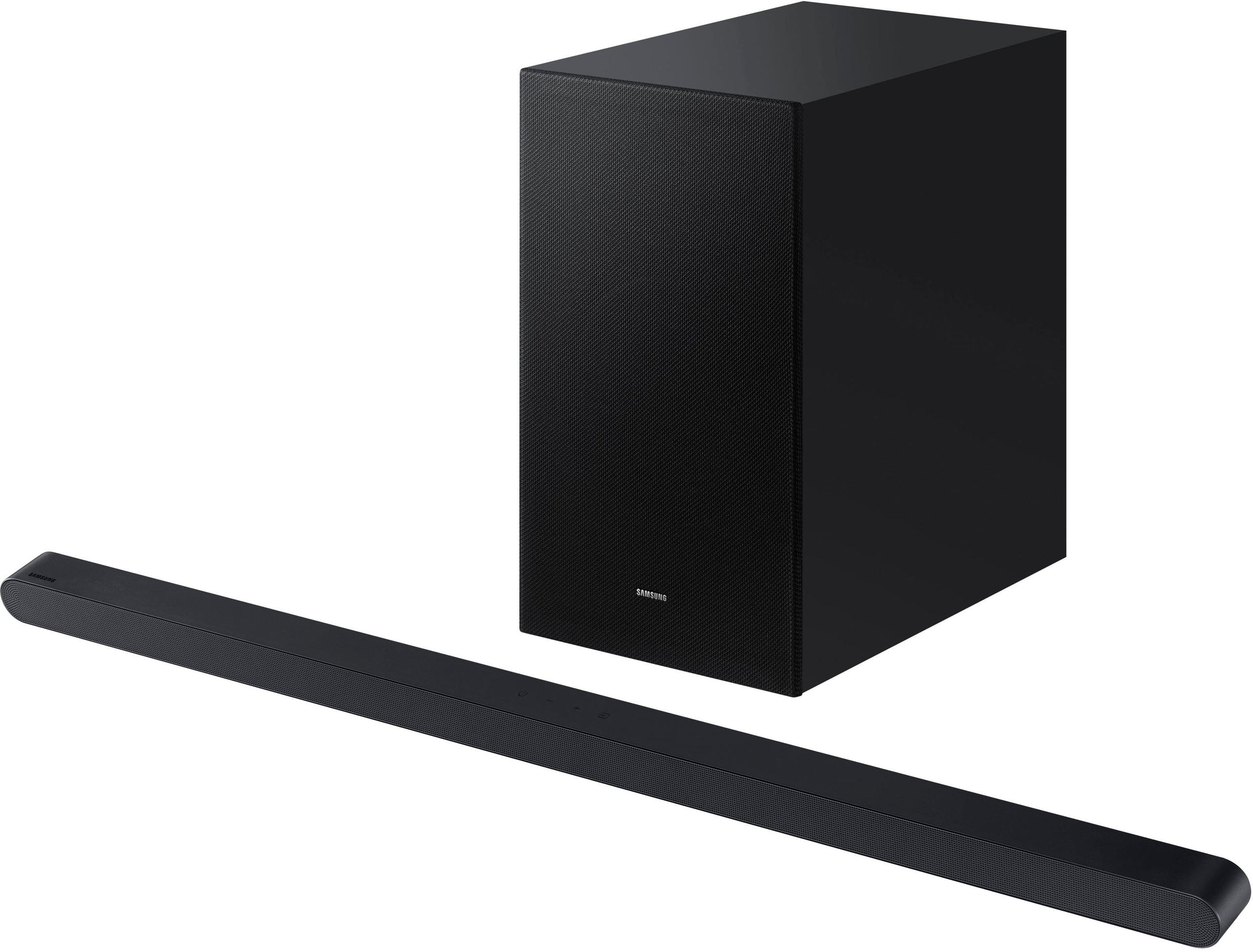
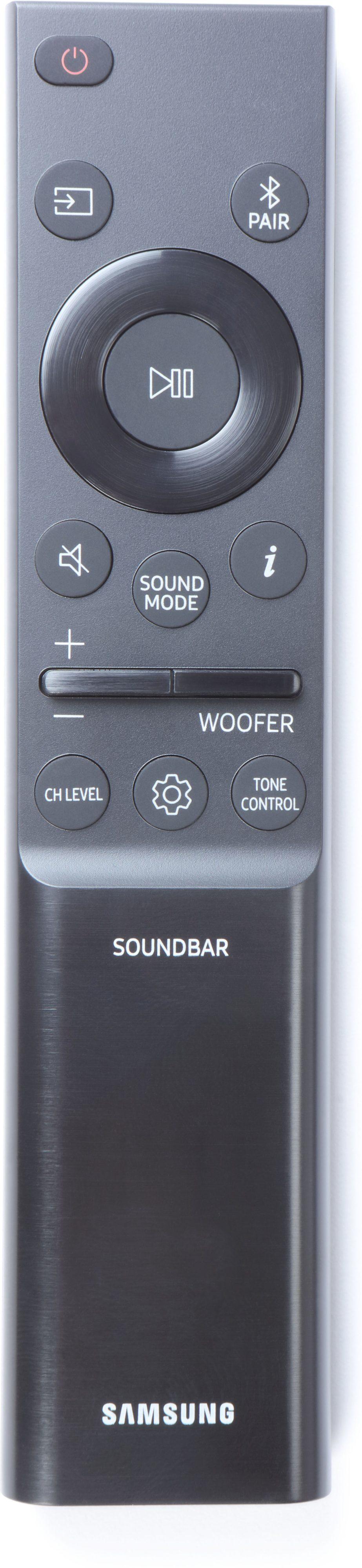
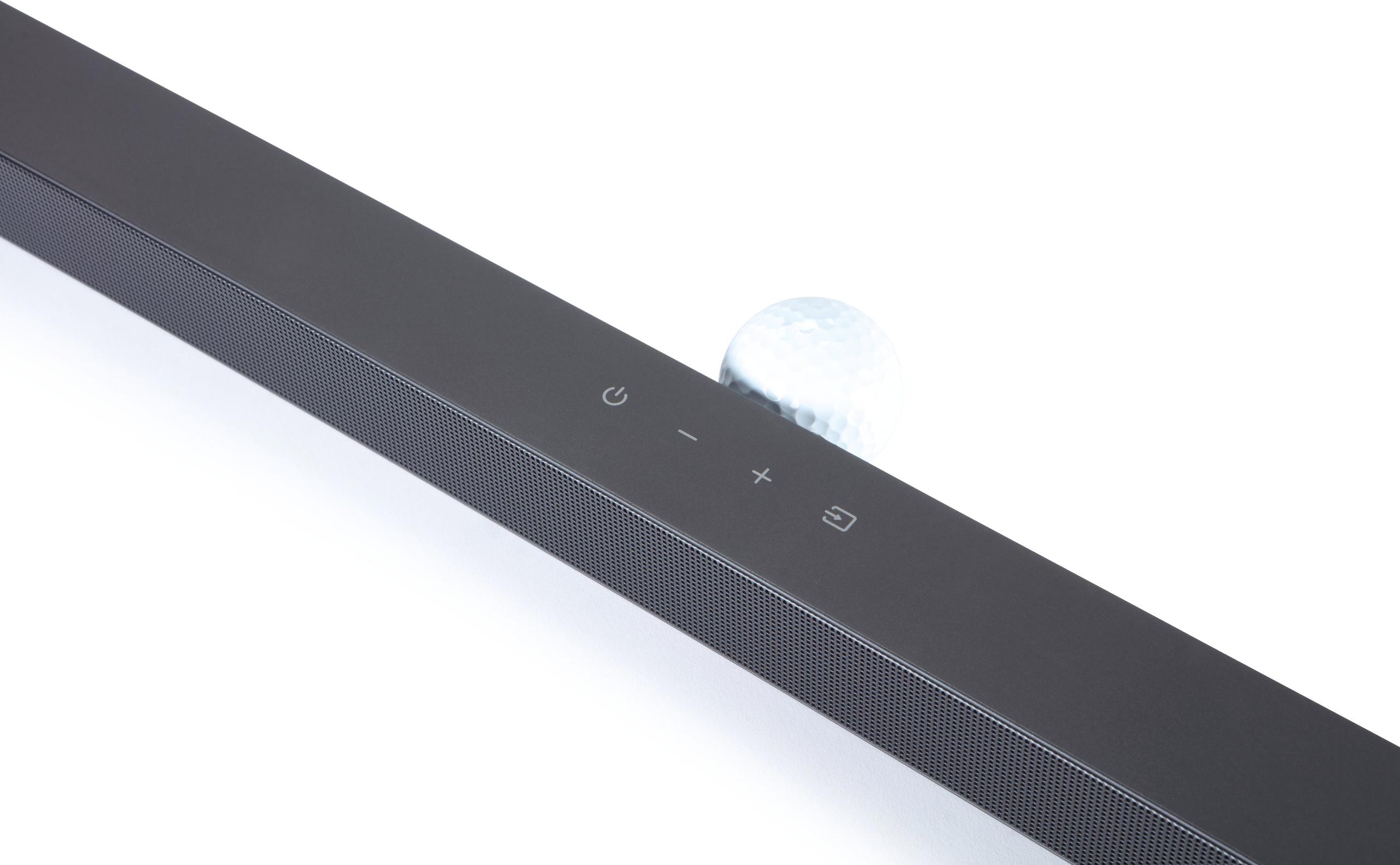
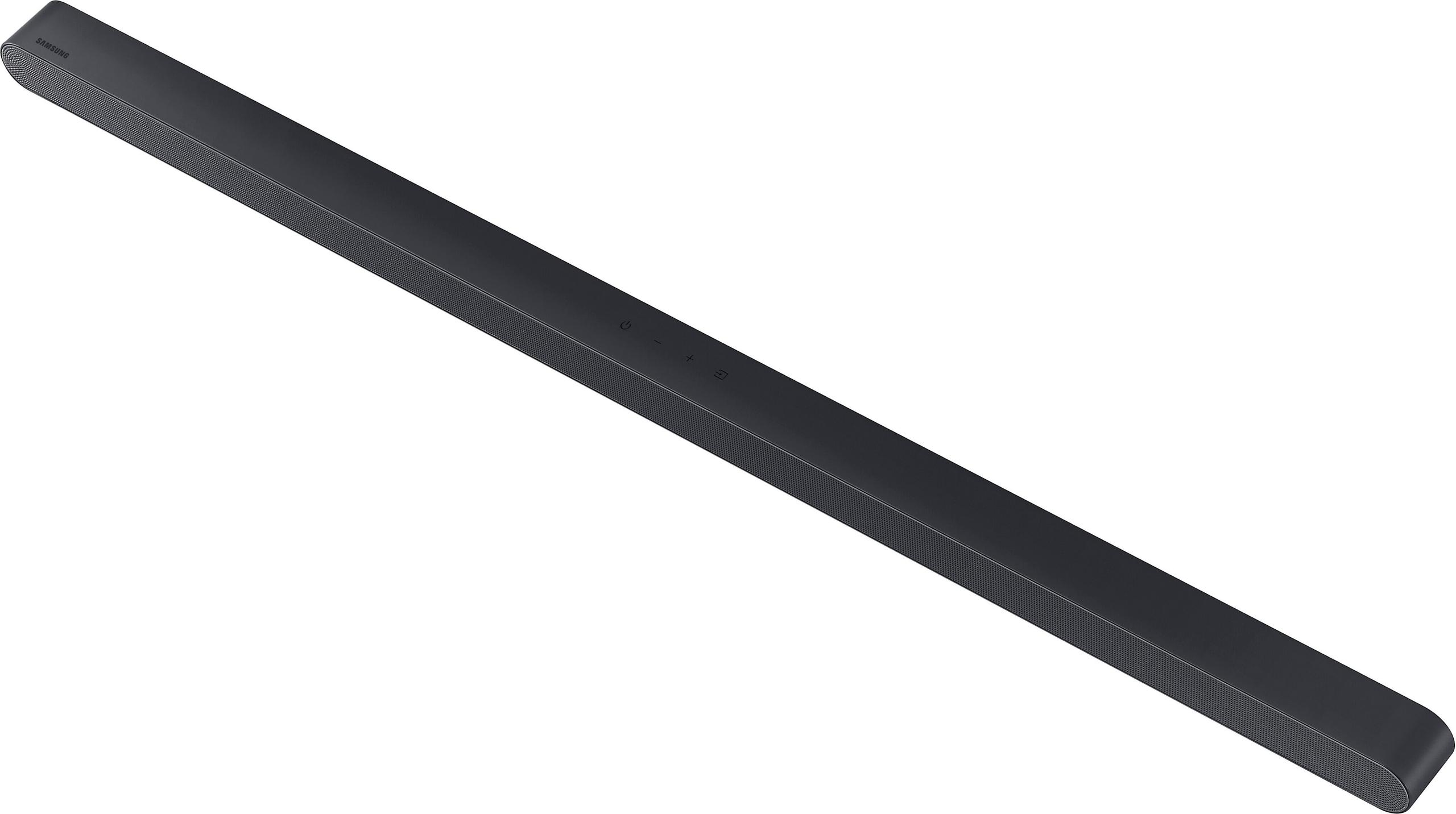
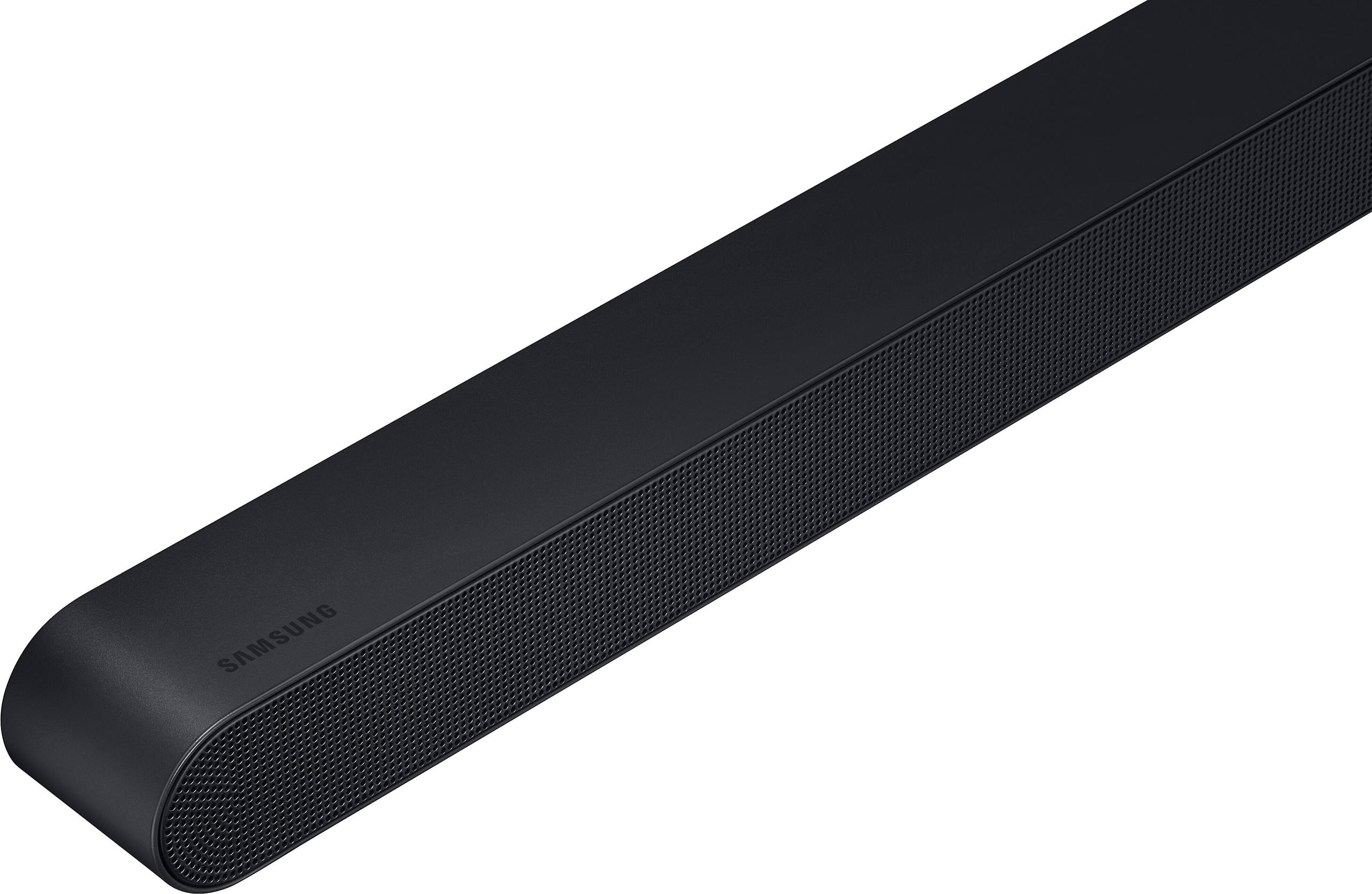
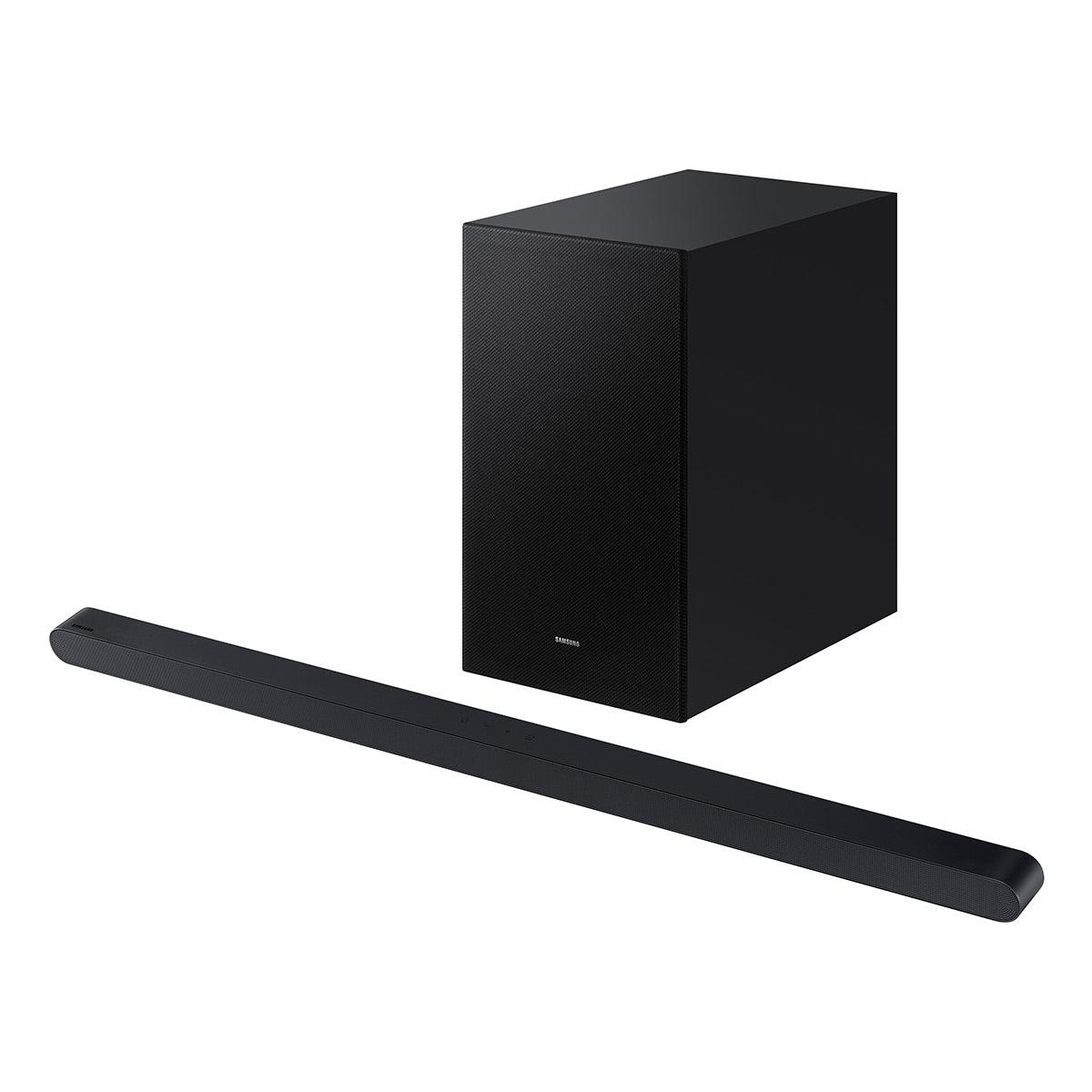
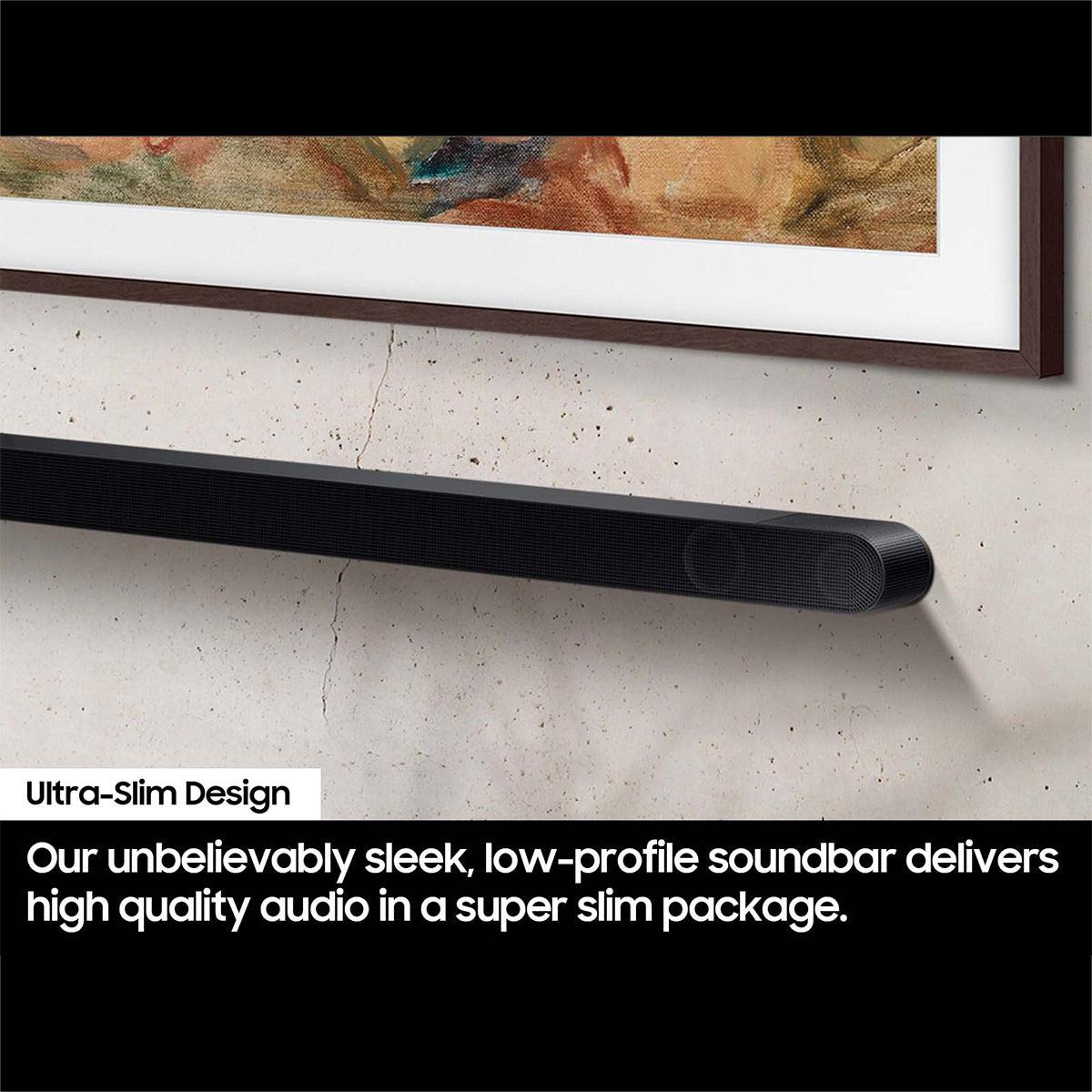
Also from 2024, the Samsung HW-S700D represents Samsung's refined approach to modern soundbar design. This ultra-slim 3.1 system measures just 1.4 inches tall and focuses on seamless integration with your living space. It uses virtual surround processing combined with Dolby Atmos support to create immersive audio from a minimal footprint.
Samsung positions this as a premium lifestyle product that prioritizes convenience and smart features. It includes advanced room calibration, extensive smart home integration, and special synergy features for Samsung TV owners. The system relies heavily on digital signal processing rather than physical speaker placement to create its surround effects.
Raw power output reveals the first major difference between these systems. The Ultimea Poseidon D70 delivers 410 watts of peak power, distributed across its eight speakers with 144 watts of continuous RMS power. This translates to maximum sound pressure levels of 103 decibels—loud enough to fill rooms up to 380 square feet without strain.
The Samsung HW-S700D produces 250 watts peak power, which is respectable for its size but reflects its focus on refined rather than room-shaking performance. The difference becomes apparent when you want to crank up action movies or need to fill larger spaces with sound.
Why this matters: Higher power output doesn't just mean louder volume—it provides cleaner sound at moderate levels and prevents distortion during dynamic peaks. The Ultimea's power advantage means it maintains clarity during explosive movie scenes where the Samsung might compress or strain.
Both systems include wireless subwoofers, but they take different approaches to low-frequency reproduction. The Ultimea Poseidon D70 features a 6.5-inch downward-firing subwoofer with what they call BassMX technology, extending frequency response down to 35Hz. This reaches into true sub-bass territory where you feel movie explosions and music bass lines in your chest.
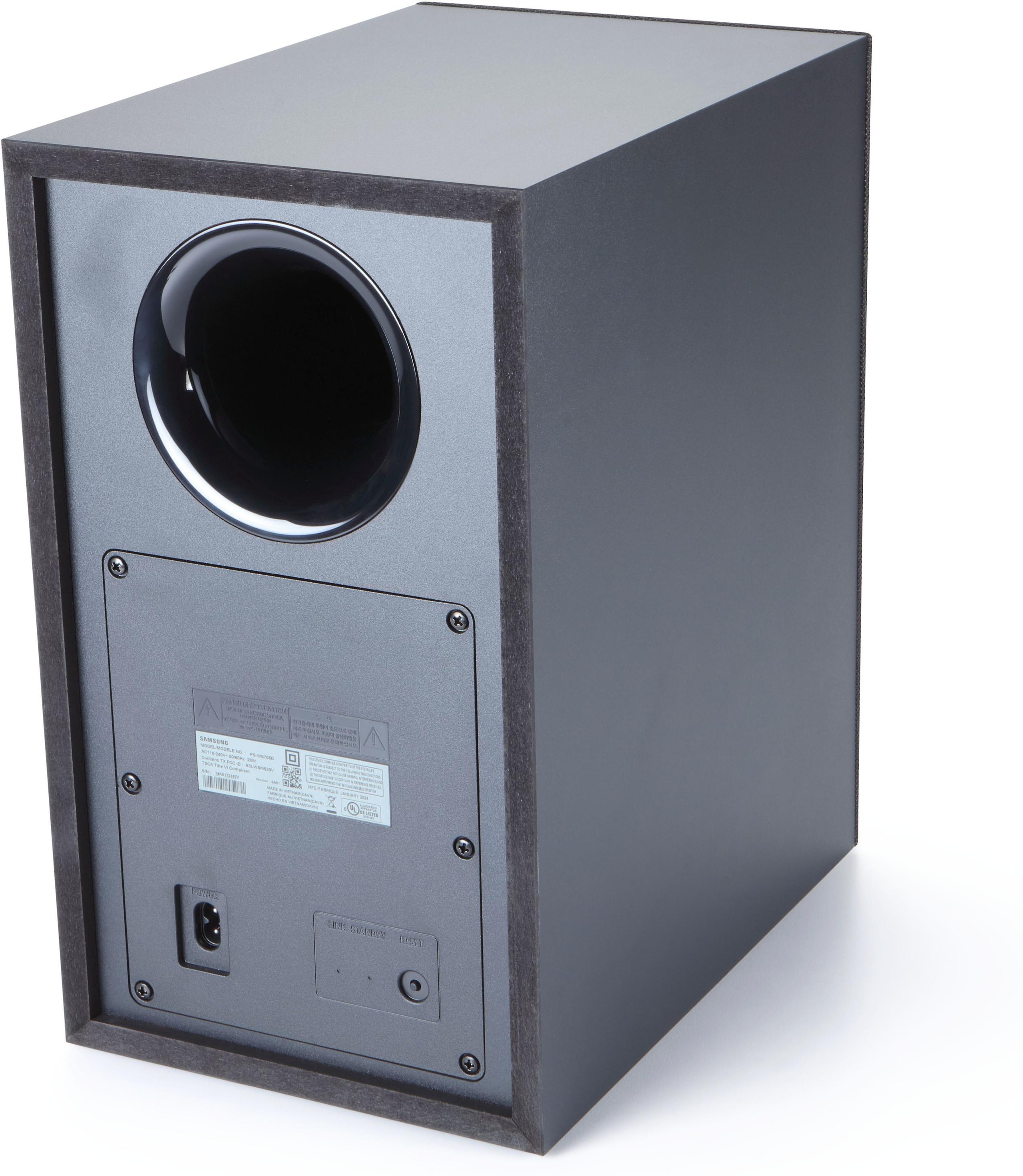
The Samsung HW-S700D uses a 6-inch subwoofer that integrates more subtly into the overall sound signature. While it doesn't reach as deep, Samsung's tuning emphasizes blend and balance rather than pure impact. The bass is present and controlled, but won't rattle your windows.
The practical difference: If you're a bass lover who wants to feel every explosion and bass drop, the Ultimea delivers more visceral impact. If you prefer balanced sound that won't annoy neighbors or family members, Samsung's approach offers better integration.
Here's where the fundamental design philosophies create the biggest performance gap. The Ultimea Poseidon D70 creates surround effects through actual speaker placement. When you position the four satellite speakers around your room, sounds genuinely originate from behind, beside, and in front of you. This creates what audio engineers call "true localization"—your brain can precisely identify where sounds are coming from because they actually are coming from those locations.
The system uses Ultimea's SurroundX technology, which coordinates all eight speakers through spatial positioning algorithms. When a car races across the screen, the sound literally moves between the physical speakers, creating convincing directional audio that matches the visual action.
The Samsung HW-S700D achieves surround effects through virtual processing and psychoacoustic techniques. It analyzes incoming audio and uses precise timing delays, phase shifts, and frequency adjustments to trick your brain into perceiving sounds from locations where no speakers exist. When combined with Dolby Atmos processing, it can create surprisingly convincing height effects and spacious soundstages.
The verdict: Physical surround wins for accuracy and immersion, especially with content specifically mixed for surround sound. Virtual surround excels at convenience and works well with any content, but cannot match the precision of actual speaker placement.
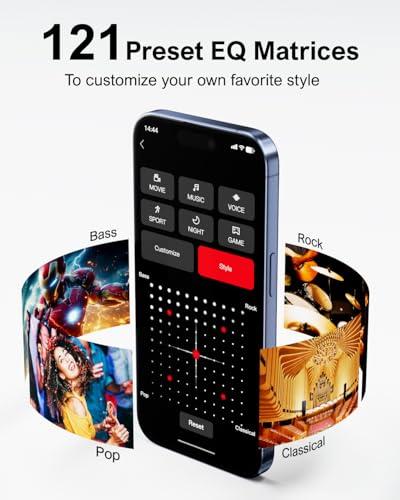
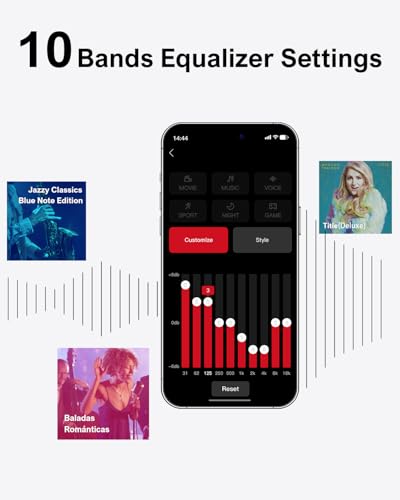
Clear dialogue makes or breaks the TV watching experience, and both systems address this differently. The Ultimea Poseidon D70 includes a dedicated center channel in its main soundbar, which handles most dialogue duties. You can fine-tune dialogue levels through its 10-band equalizer or use the 121 preset EQ matrices to optimize for different content types.
The Samsung HW-S700D takes a more automated approach with its Active Voice Amplifier (AVA) technology. This feature analyzes audio in real-time and boosts dialogue frequencies when it detects human speech, automatically adjusting levels scene by scene. For Samsung TV owners, the Voice Enhance Mode works in conjunction with the TV's processing for even better results.
User experience insight: Based on our research of user reviews, the Samsung's automated dialogue enhancement receives more praise for day-to-day TV watching, while the Ultimea's manual controls appeal to users who prefer hands-on customization.
The Ultimea Poseidon D70 requires strategic planning and some patience. You'll need to position four surround speakers around your room using the included 3-meter and 6-meter cables. This means routing wires along baseboards, under rugs, or through walls depending on your room layout. The wireless subwoofer provides some flexibility, but the four satellites need wired connections to function properly.
The payoff is optimal acoustic placement—you can position each speaker for maximum effect and adjust their angles for your specific seating arrangement. Wall-mounting brackets are included for all components, but the installation process takes significantly longer than plug-and-play alternatives.
The Samsung HW-S700D lives up to its "slim" designation with remarkably simple setup. The entire soundbar weighs just 2.2 pounds and measures 35 inches wide by 1.4 inches tall. You can wall-mount it beneath your TV or place it on a stand without blocking any screen area. The wireless subwoofer connects automatically without pairing procedures, and the system is ready to use within minutes of unboxing.
Room compatibility: The Ultimea works best in dedicated media rooms or living spaces where speaker placement is feasible and aesthetic impact isn't the primary concern. The Samsung excels in shared living spaces, apartments, or any situation where visual minimalism matters.
Modern soundbars need to play nicely with streaming services, voice assistants, and smart home ecosystems. The Samsung HW-S700D clearly wins this category with built-in Alexa and Google Assistant support, AirPlay 2 compatibility, Chromecast integration, and SmartThings ecosystem connectivity. You can stream music directly from your phone, control the system with voice commands, and integrate it into smart home automation routines.
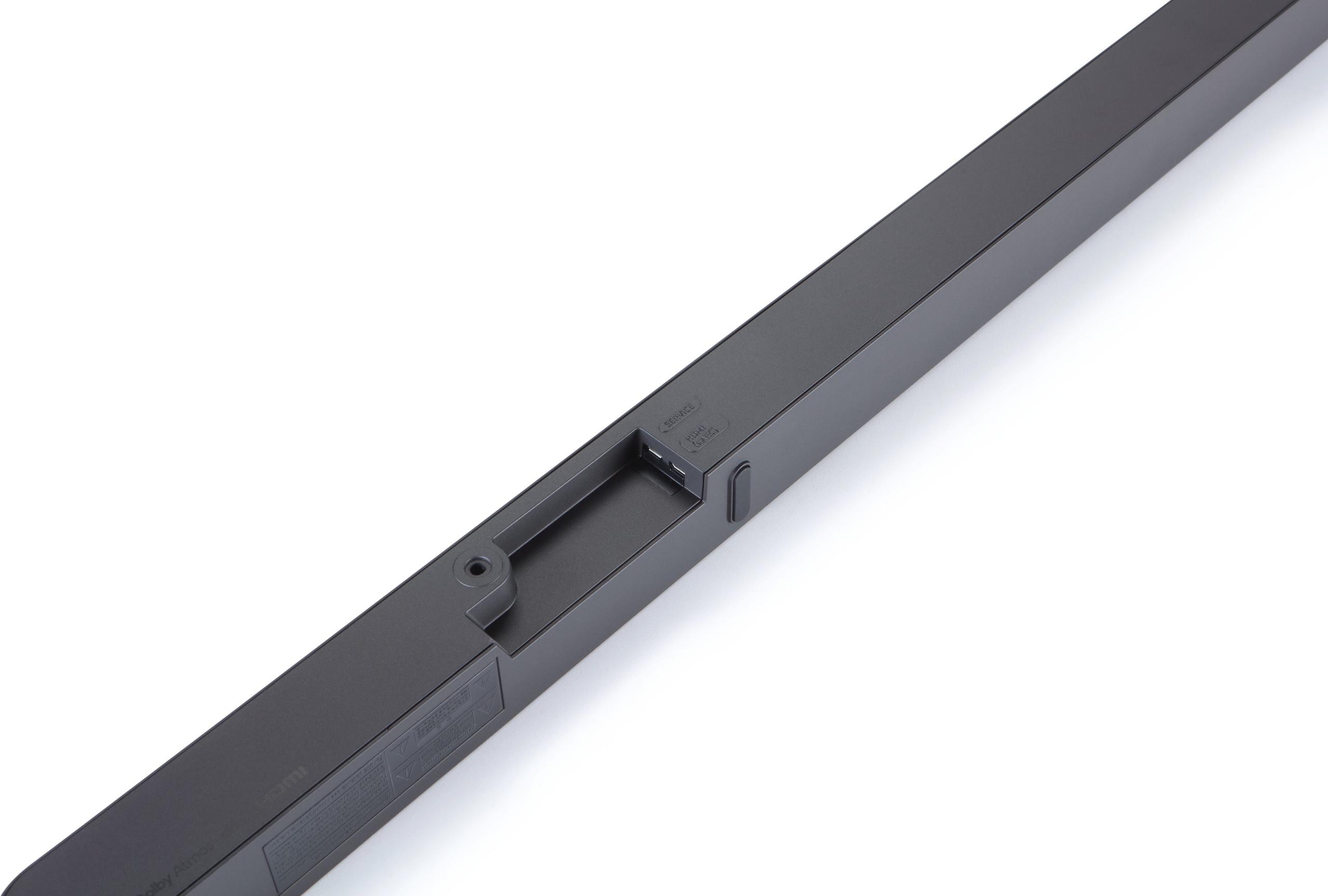
The Ultimea Poseidon D70 takes a more traditional approach with comprehensive physical connectivity including HDMI ARC, optical input, USB port, auxiliary input, and Bluetooth streaming. While it lacks voice assistants and advanced streaming protocols, it connects to virtually any audio source. The dedicated smartphone app provides extensive control over the system's 121 EQ presets and 10-band equalizer, offering more audio customization than most premium systems.
Connection considerations: Samsung's approach suits modern streaming-focused households, while Ultimea's physical inputs better serve users with older equipment or complex source switching needs.
Samsung TV owners gain significant additional value from the HW-S700D through Q-Symphony technology. This feature allows compatible Samsung TVs (2021-2024 QLED models including Q60, Q70, Q80, Q85, Q90, Q700, Q900, Q950, and Frame TV series) to play their speakers in harmony with the soundbar instead of muting them entirely.
Q-Symphony creates a wider soundstage by using the TV's speakers for additional height and width channels while the soundbar handles primary duties. The effect is particularly noticeable with the TV's upward-firing speakers creating better height effects for Dolby Atmos content. Users report that this combination sounds larger and more enveloping than either component alone.
The Ultimea Poseidon D70 works with any TV brand but doesn't offer special integration features beyond standard HDMI ARC connectivity.
Room acoustics dramatically affect soundbar performance, and these systems handle optimization differently. The Samsung HW-S700D includes SpaceFit Sound Pro, which uses the soundbar's built-in microphone to analyze your room's acoustic properties. It measures how sound reflects off your walls, ceiling, and furniture, then adjusts the audio processing to compensate for your specific space.
This automatic calibration runs when you first set up the system and can be repeated if you rearrange your room. The process takes about a minute and requires no input from you—the system handles everything internally and saves the optimized settings.
The Ultimea Poseidon D70 relies on manual optimization through its extensive EQ controls and speaker positioning. While this requires more effort, it also provides more precise control over the final sound. You can adjust individual channel levels, fine-tune the 10-band equalizer, and select from 121 preset EQ matrices to match your room and preferences perfectly.
Philosophy difference: Samsung prioritizes convenience with automated optimization that works well for most users. Ultimea appeals to audio enthusiasts who enjoy the process of fine-tuning their system for optimal performance.
Both systems offer gaming-specific features, but their approaches differ significantly. The Ultimea Poseidon D70 provides superior directional audio for competitive gaming through its physical surround speakers. In first-person shooters, you can precisely locate enemies by their footsteps and gunfire because the sounds genuinely originate from the correct directions around your room.
The system's high power output also prevents audio compression during intense gaming sessions with constant explosions and effects. The separate subwoofer adds impact to weapon sounds and environmental effects without muddying dialogue or important audio cues.
The Samsung HW-S700D includes Game Mode Pro, which optimizes the virtual surround processing for gaming content when it detects a gaming console connected to your Samsung TV. While it cannot match the precision of physical surround speakers, the reduced audio latency and optimized processing provide a solid gaming experience for casual players.
Gaming verdict: Serious gamers benefit more from the Ultimea's authentic directional audio, while casual players will find the Samsung's automated optimization perfectly adequate.
At the time of writing, these systems occupy different value propositions in the soundbar market. The Ultimea Poseidon D70 delivers premium 7.1 surround sound performance at a budget-friendly price point, typically costing significantly less than competing true surround systems from established brands. You're getting authentic multi-channel audio, extensive customization options, and high power output at a fraction of traditional surround system costs.
The Samsung HW-S700D commands a premium price that reflects its advanced features, premium build quality, and ecosystem integration. The cost includes Dolby Atmos processing, smart home connectivity, automatic room calibration, and the ultra-slim design that many users prioritize over raw audio performance.
Value perspective: The Ultimea offers exceptional audio performance per dollar spent, making it ideal for budget-conscious users who prioritize sound quality. The Samsung provides better long-term convenience and integration, justifying its higher cost for users who value lifestyle features and aesthetic integration.
Technology evolution affects these systems differently. The Samsung HW-S700D benefits from firmware updates that can add new features, improve processing algorithms, and maintain compatibility with evolving streaming standards. Samsung's track record includes meaningful feature additions through software updates, extending the useful life of their audio products.
The Ultimea Poseidon D70 provides more consistent long-term performance since physical speakers don't become obsolete like processing algorithms might. However, it lacks the extensive smart features that could benefit from ongoing updates. The system's performance will remain constant regardless of technology changes, which some users prefer over feature evolution.
Upgrade considerations: Virtual surround systems like the Samsung may eventually seem dated as processing standards evolve, while physical surround systems maintain their core advantages indefinitely.
Choose the Ultimea Poseidon D70 if you prioritize authentic surround sound and have the space to accommodate multiple speakers. This system excels for dedicated home theater setups, gaming enthusiasts, and anyone who wants maximum audio performance for their investment. The complex setup pays dividends in immersive movie experiences and precise directional gaming audio that virtual systems cannot match.
Choose the Samsung HW-S700D if you need a sophisticated audio upgrade that integrates seamlessly into modern living spaces. This system suits apartments, shared living areas, or any situation where aesthetics and convenience matter as much as audio quality. Samsung TV owners gain particular value through Q-Symphony integration and ecosystem connectivity.
The core decision: Are you building a dedicated audio experience where performance trumps convenience, or do you need elevated TV audio that fits seamlessly into your lifestyle? The Ultimea Poseidon D70 delivers uncompromising surround sound for audio enthusiasts, while the Samsung HW-S700D provides refined performance with modern convenience features.
Both systems represent excellent execution of their respective philosophies. Your choice should align with your space constraints, setup preferences, and whether you value authentic surround positioning over sleek integration. Either way, you're getting significantly better audio than your TV's built-in speakers—the question is which approach better matches your listening priorities and living situation.
| Ultimea Poseidon D70 7.1 Channel Soundbar System | Samsung HW-S700D 3.1 Channel Slim Soundbar |
|---|---|
| Channel Configuration - Determines surround sound authenticity | |
| True 7.1 with 4 physical surround speakers | 3.1 with virtual surround processing |
| Total Speaker Count - More drivers typically mean better sound separation | |
| 8 speakers (3 soundbar + 4 surround + 1 sub) | 7 speakers (6 soundbar + 1 sub) |
| Peak Power Output - Higher wattage handles loud scenes without distortion | |
| 410W (suitable for rooms up to 380 sq ft) | 250W (optimized for average living rooms) |
| Subwoofer Size - Larger drivers produce deeper bass | |
| 6.5" wireless subwoofer with BassMX technology | 6" wireless subwoofer with balanced tuning |
| Frequency Response - Wider range captures more audio detail | |
| 35Hz - 18kHz (extends into sub-bass territory) | Not specified (likely 50Hz+ based on driver size) |
| Dolby Atmos Support - Essential for modern streaming content | |
| No (relies on physical speaker positioning) | Yes (wireless Dolby Atmos with Samsung TVs) |
| Physical Inputs - More connections support legacy devices | |
| HDMI ARC, Optical, USB, AUX, Bluetooth | HDMI eARC only (no optical or legacy inputs) |
| Setup Complexity - Balance between performance and convenience | |
| Moderate (requires running cables to 4 surround speakers) | Simple (single soundbar + wireless subwoofer) |
| Soundbar Dimensions - Impact on TV stand compatibility | |
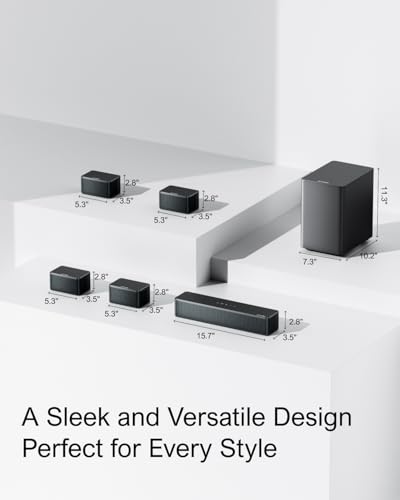
| 15.7" × 2.8" × 3.5" (compact but standard height) | 35" × 1.4" × 1.6" (ultra-slim profile) |
| Smart Features - Modern convenience and streaming integration | |
| Mobile app with 121 EQ presets, 10-band equalizer | Voice assistants, AirPlay 2, Chromecast, SmartThings |
| Room Calibration - Automatic vs manual sound optimization | |
| Manual tuning via extensive EQ controls | Automatic SpaceFit Sound Pro using built-in microphone |
| Samsung TV Integration - Extra value for Samsung owners | |
| Standard HDMI ARC compatibility | Q-Symphony (TV speakers work with soundbar) |
| Target User - Best fit based on priorities | |
| Home theater enthusiasts wanting authentic surround | Lifestyle users prioritizing design and convenience |
The Ultimea Poseidon D70 delivers superior surround sound through four physical speakers positioned around your room, creating authentic directional audio. The Samsung HW-S700D uses virtual surround processing, which works well but cannot match the precision of actual speaker placement for movies and gaming.
The Ultimea Poseidon D70 offers true 7.1 channels with eight separate speakers providing surround effects from all directions. The Samsung HW-S700D has 3.1 channels (left, right, center, plus subwoofer) and relies on digital processing to simulate additional channels.
The Samsung HW-S700D is significantly easier to install, requiring only wall-mounting or placing the slim soundbar and connecting the wireless subwoofer. The Ultimea Poseidon D70 requires running cables to four surround speakers around your room, making setup more complex but delivering better audio positioning.
Both soundbars work with any TV, but the Samsung HW-S700D offers special Q-Symphony features when paired with compatible Samsung TVs from 2021-2024. The Ultimea Poseidon D70 provides universal compatibility without brand-specific enhancements.
The Ultimea Poseidon D70 excels for gaming with precise directional audio from physical surround speakers, helping locate enemies and environmental sounds. The Samsung HW-S700D includes Game Mode Pro optimization but cannot match the spatial accuracy of actual rear speakers.
The Ultimea Poseidon D70 features a larger 6.5" subwoofer with BassMX technology that reaches down to 35Hz for deeper bass impact. The Samsung HW-S700D uses a 6" subwoofer tuned for balanced integration rather than maximum impact.
The Samsung HW-S700D wins with built-in Alexa, Google Assistant, AirPlay 2, Chromecast, and SmartThings integration. The Ultimea Poseidon D70 focuses on audio customization with 121 EQ presets and a 10-band equalizer via mobile app.
The Samsung HW-S700D is ultra-slim at just 1.4 inches tall, making it nearly invisible below your TV. The Ultimea Poseidon D70 requires space for four additional surround speakers around your room but offers a compact main soundbar.
The Samsung HW-S700D features Active Voice Amplifier technology that automatically enhances dialogue clarity scene by scene. The Ultimea Poseidon D70 includes a dedicated center channel and manual EQ controls for optimizing speech frequencies.
Only the Samsung HW-S700D supports Dolby Atmos, particularly when wirelessly connected to compatible Samsung TVs. The Ultimea Poseidon D70 relies on its physical speaker placement instead of Dolby Atmos processing for immersive effects.
The Ultimea Poseidon D70 typically offers exceptional value with true 7.1 surround sound at a budget-friendly price point. The Samsung HW-S700D costs more but includes premium features like automatic room calibration, smart home integration, and ultra-slim design.
For dedicated home theater rooms, the Ultimea Poseidon D70 provides more authentic surround sound with its physical speaker placement and higher power output. The Samsung HW-S700D works well for casual movie watching in living rooms where convenience and aesthetics matter more than maximum immersion.
We've done our best to create useful and informative comparisons to help you decide what product to buy. Our research uses advanced automated methods to create this comparison and perfection is not possible - please contact us for corrections or questions. These are the sites we've researched in the creation of this article: ultimea.com - provantage.com - ultimea.com - youtube.com - youtube.com - bestbuy.com - the-gadgeteer.com - shopmyexchange.com - youtube.com - youtube.com - youtube.com - ultimea.com - manuals.plus - device.report - images.thdstatic.com - shopmyexchange.com - staples.com - ultimea.de - crutchfield.com - samsung.com - bestbuy.com - avsforum.com - walts.com - samsung.com - samsung.com - videoandaudiocenter.com - samsung.com - samsung.com - samsung.com - pcrichard.com

Privacy Policy
Terms and Conditions - Affiliate Policy
Home Security
© Copyright 2008-2026.
11816 Inwood Rd #1211, Dallas, TX 75244