





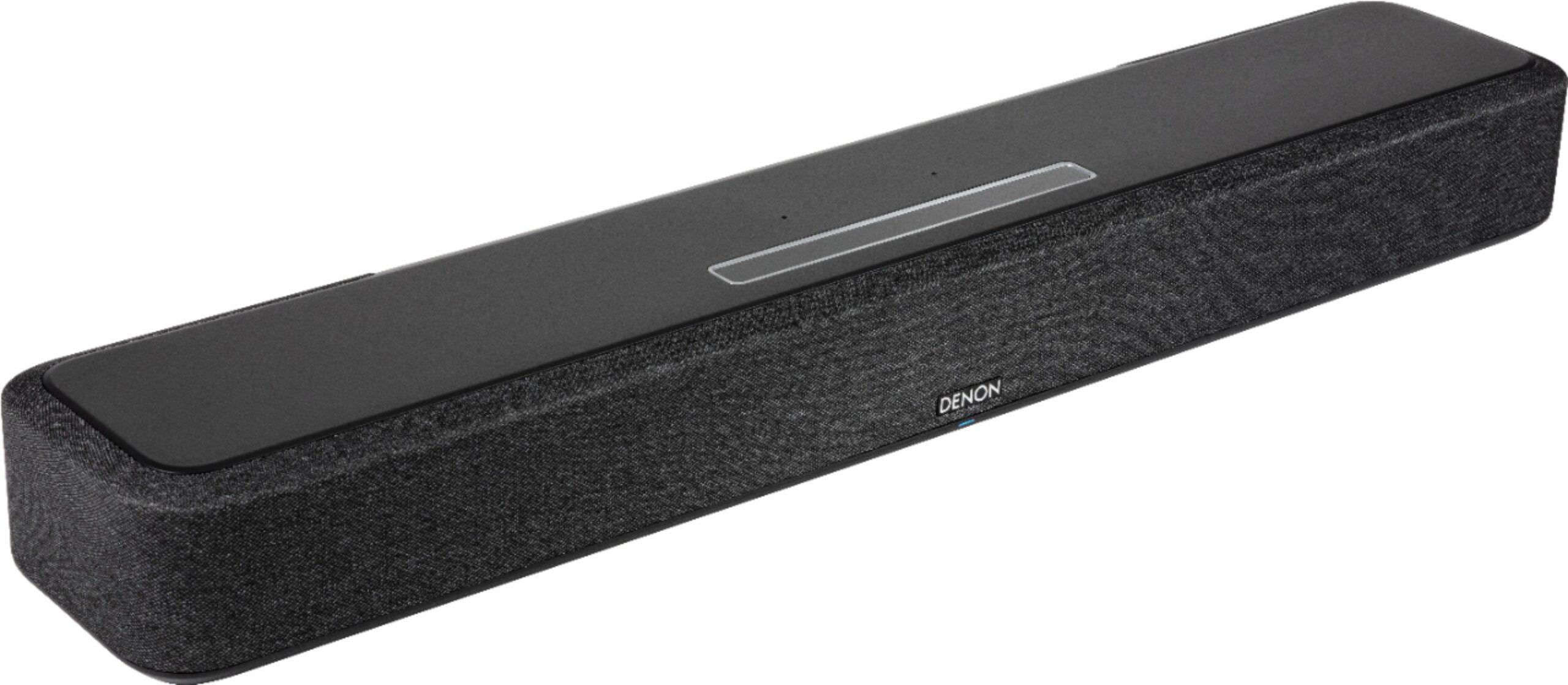
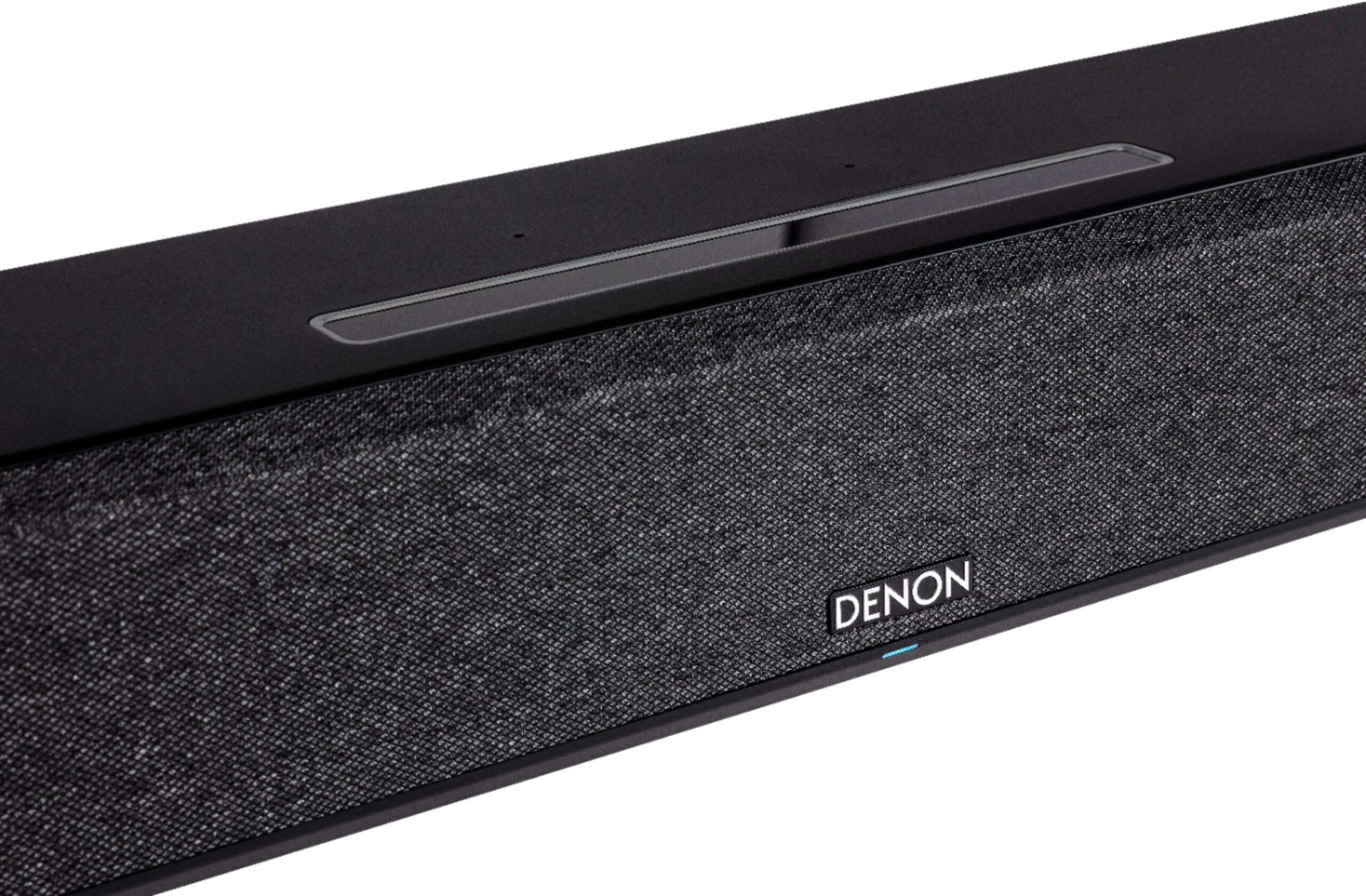

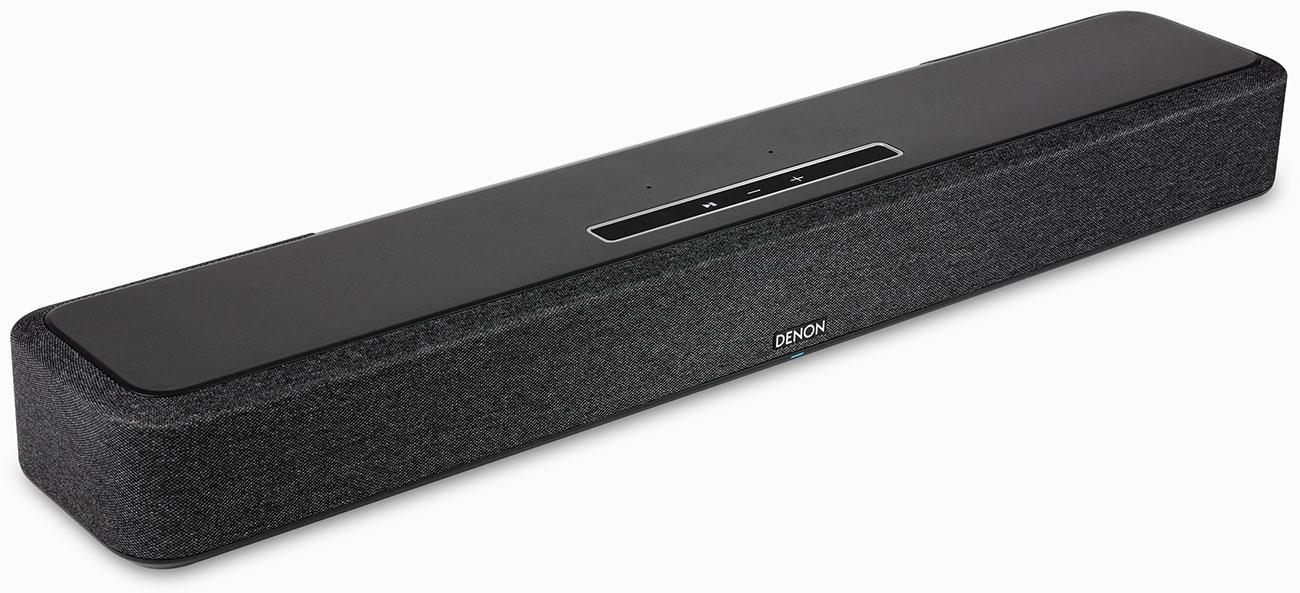
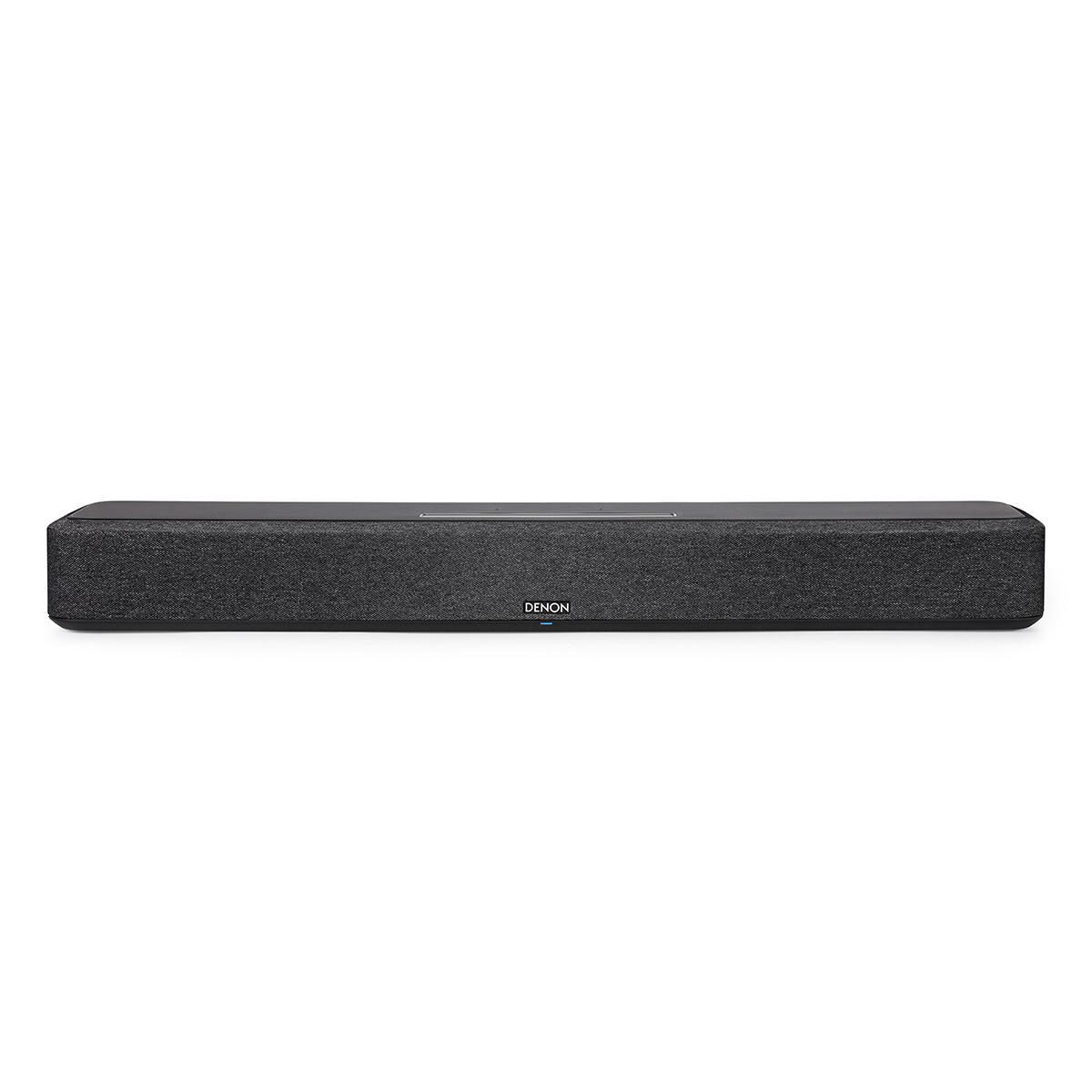
When your TV's built-in speakers make dialogue sound like it's coming through a tin can, it's time for an upgrade. The soundbar market has exploded with options, but choosing between different approaches can be confusing. Today we're comparing two fundamentally different philosophies: the Ultimea Poseidon D70 7.1 Channel Soundbar System, which gives you actual surround speakers, and the Denon Home Sound Bar 550, which uses advanced processing to simulate surround sound from a single bar.
Both products represent mature takes on their respective approaches. The Ultimea D70 launched in 2023 as part of the growing trend toward complete, affordable home theater packages. The Denon 550 arrived in 2021, during the peak of the premium virtual surround movement when manufacturers were perfecting psychoacoustic processing techniques. Since then, we've seen improvements in both physical surround systems (better wireless connectivity and app integration) and virtual processing (more sophisticated Dolby Atmos virtualization).
Before diving into specifics, let's establish what matters most when choosing a soundbar. The primary considerations are audio performance (how good it sounds), surround sound capability (how well it creates that cinema-like experience), connectivity options, smart features, and overall value.
The most important performance metrics are frequency response (how well it handles bass, midrange, and treble), dynamic range (the difference between quiet and loud sounds), and soundstage width (how spread out the audio feels). For home theater use, dialogue clarity becomes crucial – you shouldn't need subtitles to understand what actors are saying.
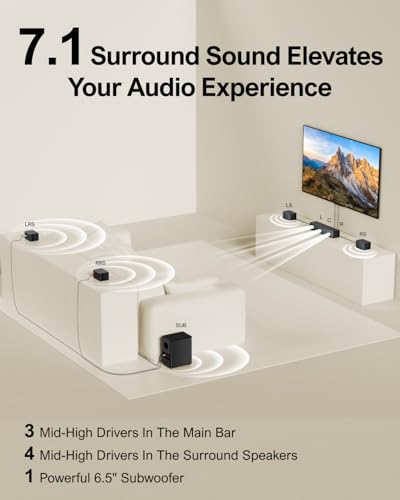
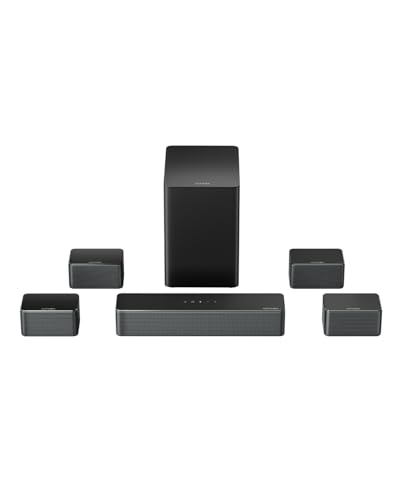
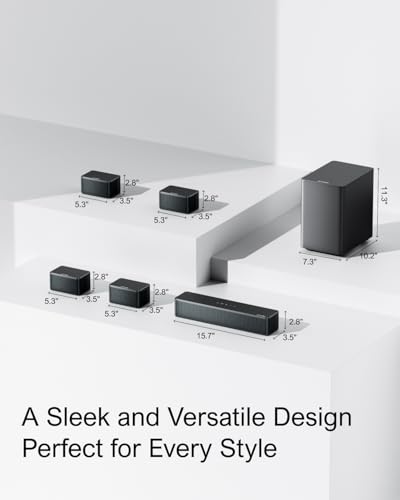
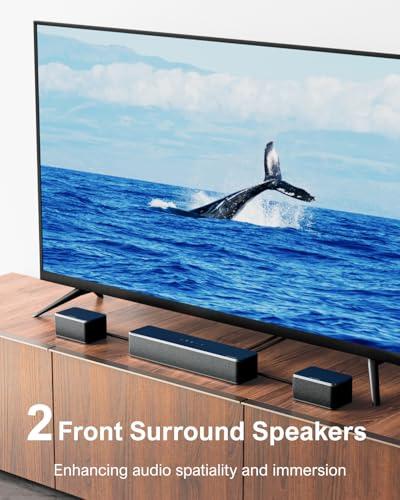
The Ultimea Poseidon D70 takes the "more speakers equals better surround sound" approach. This system includes eight actual drivers: three in the main soundbar, four in separate surround speakers that you place around your room, and one large driver in a wireless subwoofer. It's essentially a traditional 7.1 surround sound system compressed into a more accessible package.
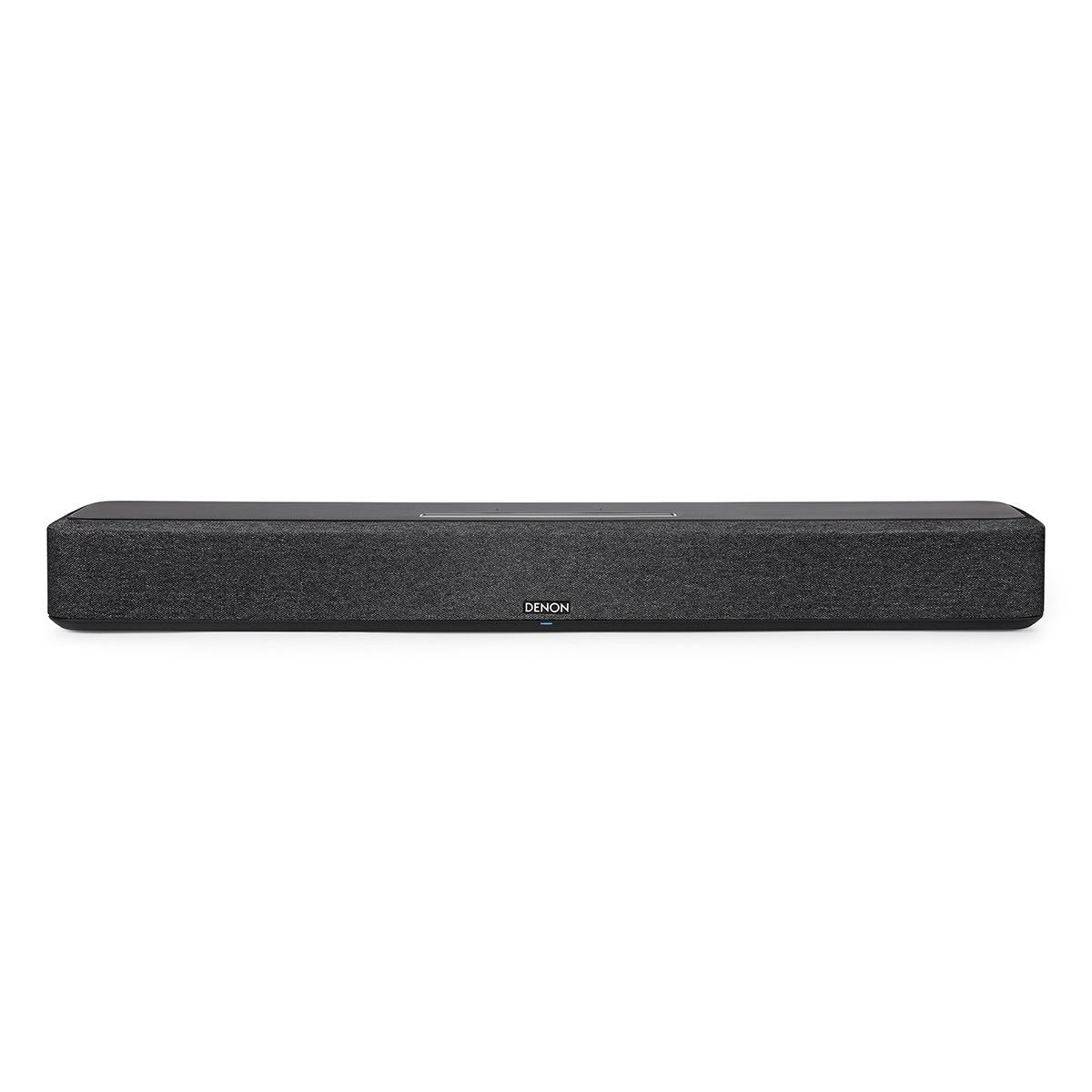
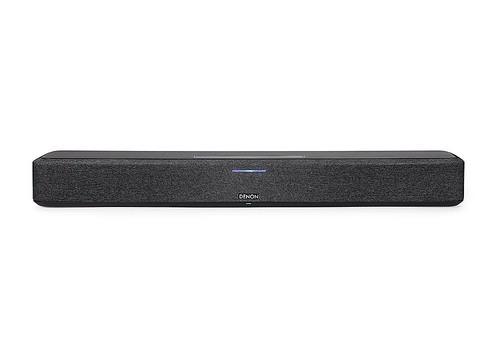
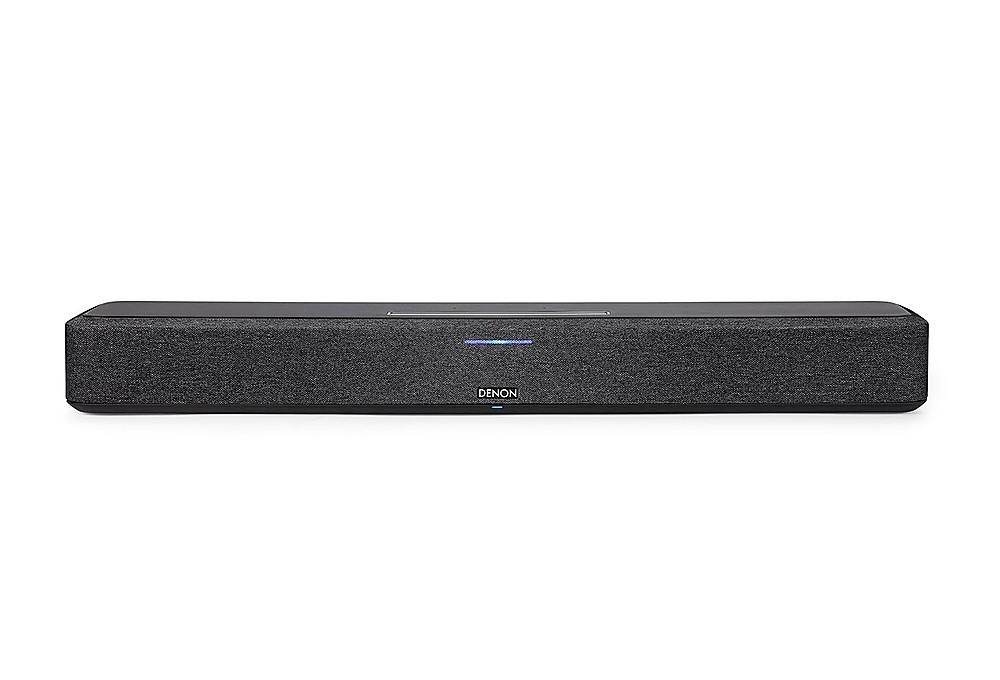
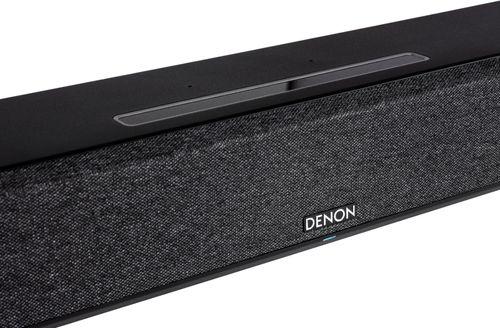
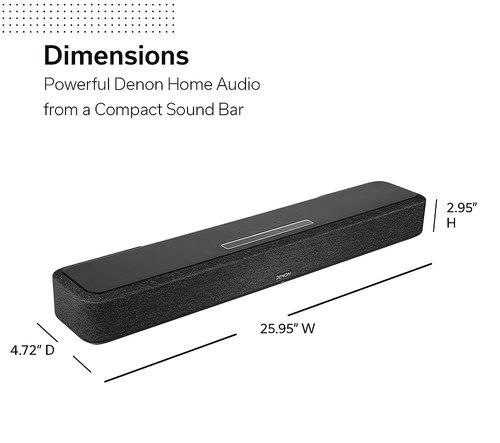
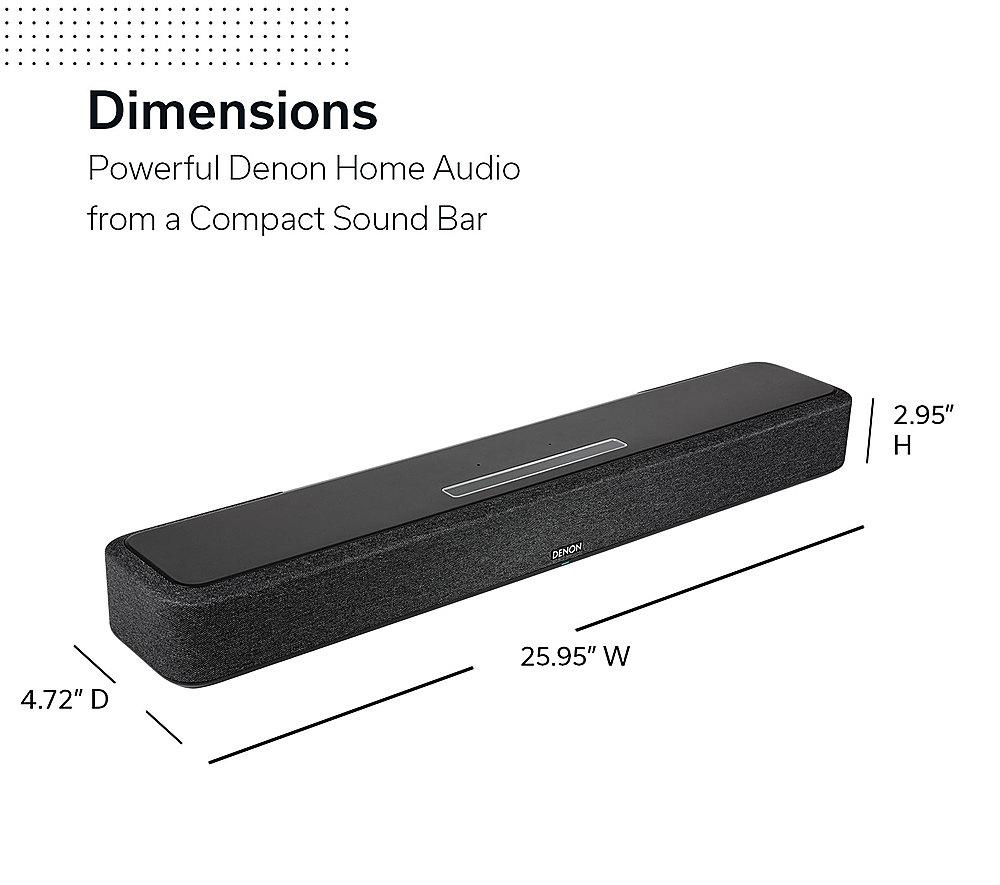
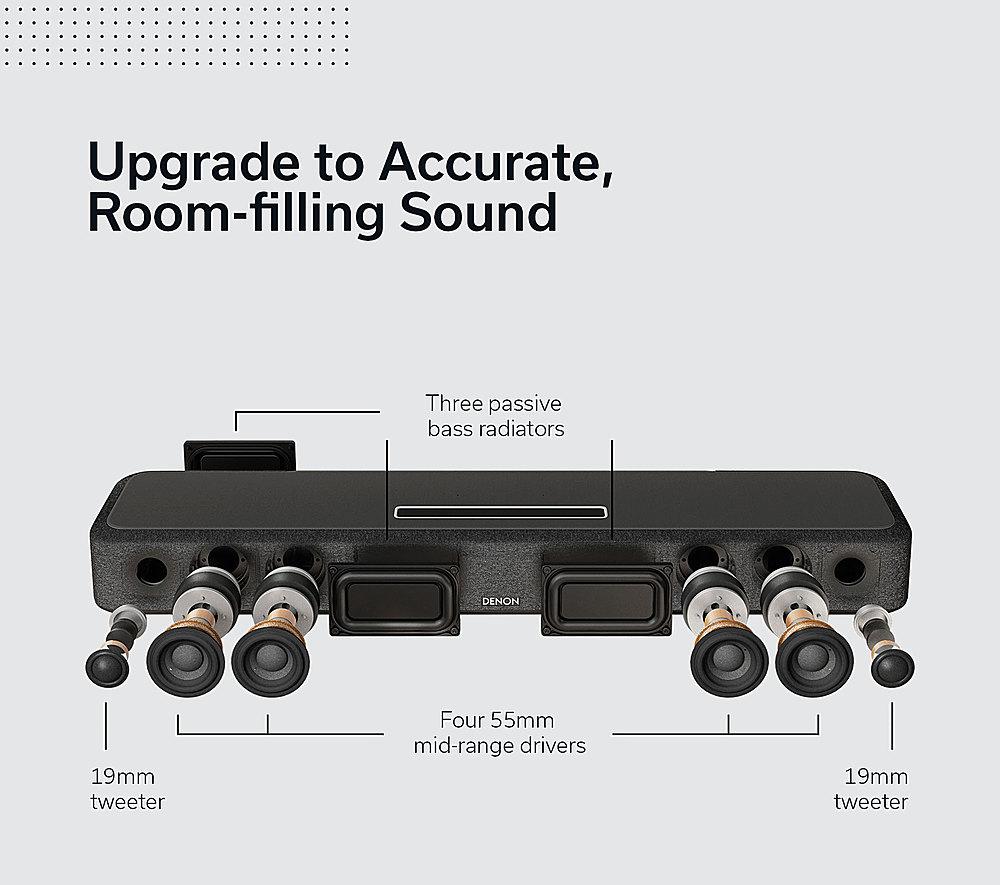
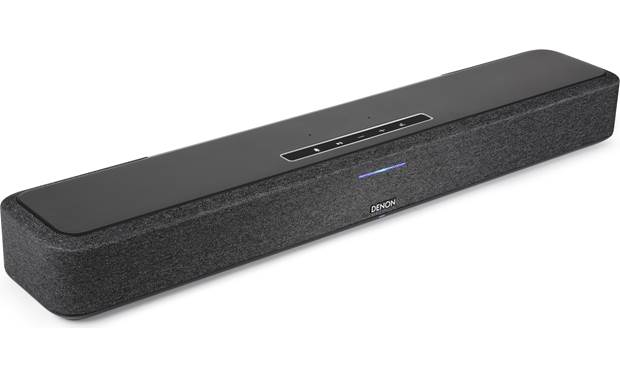
The Denon Home Sound Bar 550 represents the opposite philosophy. It packs six carefully engineered drivers into a single 26-inch bar and uses sophisticated digital signal processing (DSP) – basically computer algorithms that manipulate sound waves – to trick your brain into hearing surround effects. This virtual surround approach has become incredibly sophisticated, especially with Dolby Atmos processing that can simulate overhead sound effects.
The Ultimea D70 brings serious muscle to the table with 410 watts of peak power distributed across all its drivers. That's genuine power – not the inflated numbers some manufacturers use. The system's frequency response spans from 35Hz to 18kHz, which means it can reproduce everything from deep bass rumbles to crisp high-frequency details like cymbal crashes.
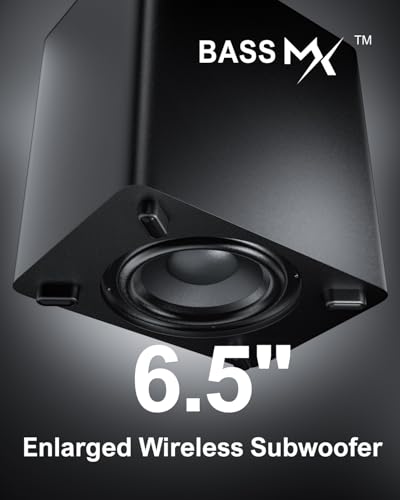
What makes this power output meaningful is the distribution. The 6.5-inch wireless subwoofer handles bass duties exclusively, allowing the other speakers to focus on midrange and treble without compromise. This dedicated approach typically results in cleaner, more impactful sound compared to systems trying to do everything with smaller drivers.
The Denon 550 takes a more refined approach with lower total power but higher-quality components. Its soft-dome tweeters – specialized speakers designed for high frequencies – deliver more accurate treble reproduction than the full-range drivers found in many budget systems. The passive radiators (essentially speakers without magnets that vibrate sympathetically to enhance bass) provide surprising low-end extension for such a compact unit.
However, there's no substitute for physics. The Denon's passive radiators simply cannot match the deep, room-shaking bass that the D70's dedicated 6.5-inch subwoofer delivers. If you love action movies where you feel explosions in your chest, the physical subwoofer wins decisively.
This is where these systems diverge most dramatically. The Ultimea D70 uses what the company calls SurroundX™ Technology, which is essentially sophisticated timing and phase coordination between all the physical speakers. When a helicopter flies overhead in a movie, you hear it move from the front speakers to the rear speakers because there are actual speakers behind you.
This physical approach creates genuinely convincing surround effects. Based on user feedback we've analyzed, people consistently describe feeling "immersed" and comparing the experience to movie theaters. The four surround speakers – each containing a 2.25-inch driver – provide enough power and clarity to create believable directional effects.
The Denon 550 relies entirely on psychoacoustic processing – essentially audio magic tricks that exploit how your brain processes sound. Dolby Atmos virtualization and DTS:X processing analyze incoming audio and reshape it using phase shifts, timing delays, and frequency filtering to create the illusion of surround sound.
Modern virtual surround has become impressively convincing, especially for overhead effects. The Denon's processing can make helicopters seem to fly overhead even though all the drivers face forward. However, the effectiveness depends heavily on your room acoustics and seating position. Sit too far to one side, and the illusion breaks down.
Bass response reveals the biggest performance gap between these systems. The D70's wireless 6.5-inch subwoofer, enhanced by BassMX™ technology (Ultimea's bass optimization processing), delivers legitimate low-frequency extension down to 35Hz. That means you'll feel the rumble of explosions, the thump of electronic music, and the growl of engines.
The wireless connection eliminates the typical subwoofer placement constraints. You can position it anywhere in your room for optimal bass response, which often means corners or along walls where room boundaries reinforce low frequencies.
The Denon 550 relies on passive radiators and careful cabinet design for bass extension. While this approach keeps the system compact and eliminates an additional component, it fundamentally cannot compete with a dedicated subwoofer. The bass sounds cleaner and more controlled than many budget soundbars, but it lacks the depth and impact that makes action scenes truly engaging.
For music listening, this difference matters less. The Denon's more controlled bass actually works better for jazz, classical, and acoustic music where clarity matters more than impact.
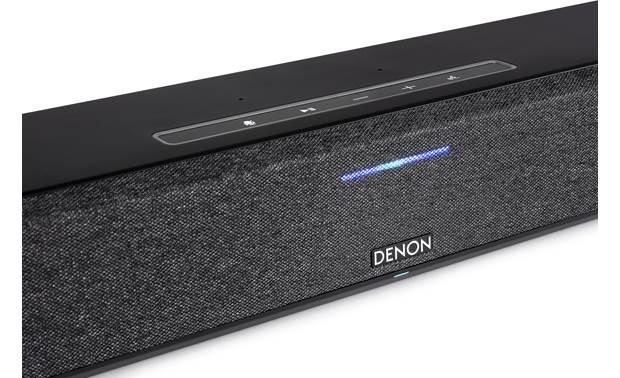
The Denon Home Sound Bar 550 clearly wins the smart features battle. Built-in Amazon Alexa means you can control volume, inputs, and playback with voice commands – genuinely useful when your hands are full of snacks during movie night. The HEOS multi-room platform connects with other Denon speakers throughout your home, creating a whole-house audio system.
Apple AirPlay 2 support makes streaming from iOS devices seamless, while the high-resolution audio support (up to 192kHz/24-bit) satisfies audiophiles with premium music files. The Roku TV Ready certification ensures smooth integration with Roku streaming devices.
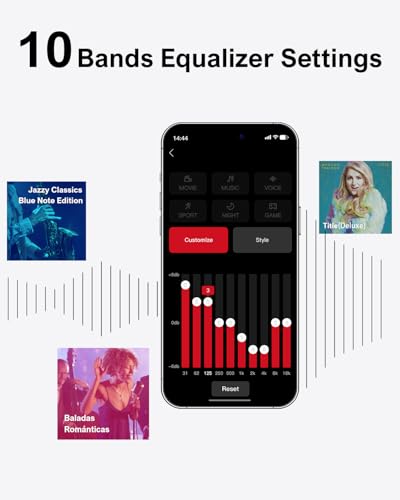
The Ultimea D70 focuses on practical features rather than smart home integration. Its mobile app provides extensive audio customization with a 10-band equalizer and 121 preset EQ matrices – basically pre-programmed sound profiles for different content types. This level of customization rivals much more expensive systems.
The AI deep learning optimization is particularly interesting. The system analyzes incoming audio in real-time and adjusts processing based on content type, theoretically improving dialogue clarity during quiet scenes and enhancing dynamics during action sequences.
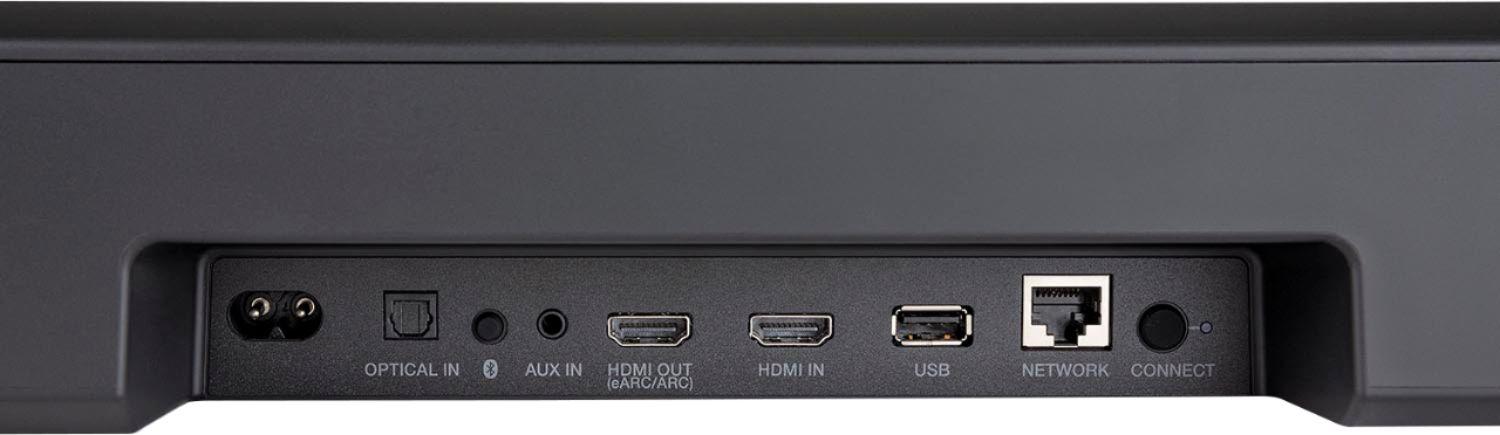
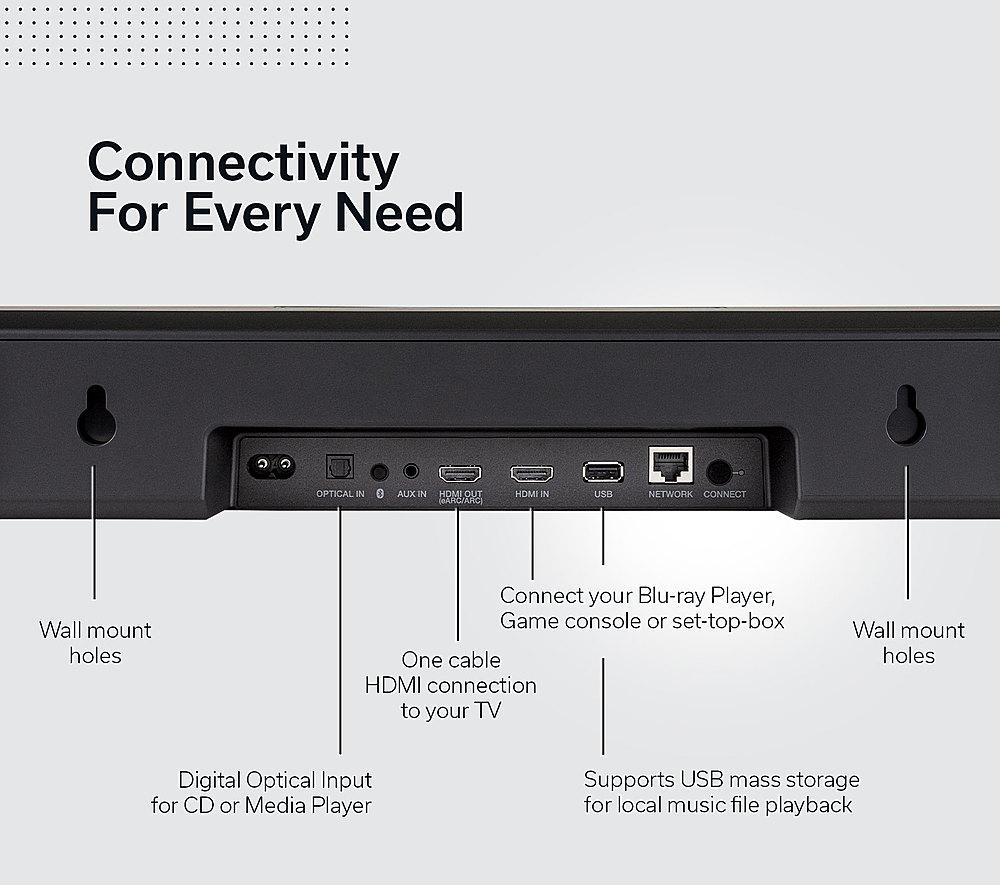
The Denon 550 offers superior video handling with HDMI 2.0b support, including 4K/60Hz pass-through, HDR10, and Dolby Vision processing. This makes it ideal for modern gaming consoles and 4K streaming devices where video quality matters as much as audio.
The Ultimea D70 provides basic HDMI ARC connectivity, sufficient for most TV integration but lacking the bandwidth for advanced video formats. If you're using a premium 4K setup with the latest gaming consoles or streaming devices, the Denon's video capabilities become significant.
At the time of writing, these systems represent dramatically different value propositions. The Ultimea D70 provides a complete 7.1 surround system – soundbar, subwoofer, and four surround speakers – for significantly less than the Denon 550 alone.
This price difference reflects fundamental philosophical differences. Ultimea focused on maximizing surround impact per dollar, using efficient manufacturing and straightforward engineering. The result is a system that delivers genuine surround sound without premium features or build quality.
The Denon 550 represents a different investment approach. The initial purchase provides premium audio quality and extensive smart features, but creating an equivalent surround system requires additional purchases. A Denon Home subwoofer and rear speakers could triple the total system cost.
However, this modular approach offers flexibility. You can start with the soundbar alone, add components as budget allows, and integrate with existing smart home systems. For users who prefer to build systems gradually, this approach makes sense despite the higher total cost.
For dedicated home theater use, the Ultimea D70 provides more convincing immersion. Action movies benefit enormously from the combination of physical surround speakers and powerful subwoofer. Explosions feel impactful, directional effects are believable, and dialogue remains clear even during complex sound scenes.
Gaming presents an interesting case study. First-person shooters and racing games benefit from the D70's physical surround speakers, which provide accurate positional audio for competitive advantage. However, the Denon's lower latency and cleaner sound signature might appeal to players who prioritize audio clarity over immersion.
The Denon 550 delivers more refined musical performance. Its premium tweeters reproduce cymbals, strings, and vocal nuances with greater accuracy than the D70's full-range drivers. The more controlled bass response works better for acoustic music, jazz, and classical genres.
However, the D70 excels with electronic music, hip-hop, and rock where bass impact matters more than precision. The ability to adjust bass levels independently through BassMX™ technology provides useful flexibility.
If voice control, multi-room audio, and smart home integration matter, the Denon 550 stands alone. The ability to start music with voice commands, extend audio to other rooms, and integrate with existing smart home systems provides genuine lifestyle benefits.
The D70 remains focused on pure audio performance without smart home aspirations. This simplicity appeals to users who want great sound without additional complexity.
The Ultimea D70 showcases several interesting engineering decisions. The wireless subwoofer connection eliminates typical placement constraints while maintaining reliable connectivity. The surround speakers connect to the subwoofer rather than the main soundbar, reducing wireless complexity while enabling proper power distribution.
The SurroundX™ processing coordinates timing between all speakers to maintain proper phase relationships – critical for convincing surround effects. This system-wide coordination separates the D70 from cheaper systems that simply add rear speakers without proper integration.
The Denon 550 demonstrates advanced DSP engineering. Dolby Height Virtualization processing analyzes incoming Atmos signals and redistributes audio elements to create overhead effects from forward-firing drivers. This requires substantial processing power and sophisticated algorithms that have improved dramatically since 2021.
The passive radiator implementation deserves specific mention. These drivers enhance bass response without requiring additional amplifier power or cabinet volume, explaining how the compact Denon achieves respectable low-frequency extension despite its size constraints.
The Ultimea D70 requires more complex setup and room planning. The four surround speakers need appropriate placement, power connections, and cable management. While the included cables are color-coded and lengths are generous (3-6 meters), you'll need to route wires around your room.
Room size matters significantly. The system works optimally in small to medium rooms (108-270 square feet) where the surround speakers can be positioned effectively. Large, open spaces may require the speakers to be placed too far apart, reducing surround effectiveness.
The Denon 550 simplifies setup dramatically with single-cable connection to your TV. However, virtual surround effectiveness depends heavily on room acoustics and seating position. Hard surfaces and unusual room shapes can interfere with the psychoacoustic processing.
Based on our research and analysis of user experiences, the choice comes down to priorities and circumstances.
Choose the Ultimea Poseidon D70 if you want immediate, convincing surround sound for movie watching and gaming. The combination of physical speakers and powerful subwoofer delivers more immersive experiences than virtual processing can match. The extensive EQ customization and complete system approach provide excellent value for users who prioritize audio performance over smart features.
The system works best for dedicated home theater setups where surround speaker placement is practical and room acoustics support proper surround sound. It's ideal for action movie enthusiasts, gamers seeking positional audio advantages, and music lovers who enjoy impactful bass.
Choose the Denon Home Sound Bar 550 for premium audio quality, smart home integration, and future expandability. The superior build quality, advanced format support, and sophisticated virtual processing create a more refined experience. The modular approach allows system growth over time while providing immediate smart features.
This system suits users who prioritize audio refinement over raw impact, need advanced video connectivity, or want comprehensive smart home integration. It's perfect for mixed-use scenarios where music quality matters as much as movie performance.
The fundamental difference remains: the Ultimea D70 provides more convincing surround sound per dollar spent, while the Denon 550 offers superior overall quality and features at significantly higher investment. Your choice depends on whether immediate surround impact or long-term premium performance matters most for your situation.
| Ultimea Poseidon D70 7.1 Channel Soundbar System | Denon Home Sound Bar 550 Soundbar |
|---|---|
| Channel Configuration - Determines how immersive your surround sound experience will be | |
| True 7.1 channel system with 8 physical drivers (soundbar + 4 surround speakers + subwoofer) | 4.0 channel soundbar with 6 drivers using virtual surround processing |
| Surround Sound Approach - Physical speakers vs. virtual processing affects realism | |
| Physical surround speakers placed around room with SurroundX™ coordination technology | Dolby Atmos and DTS:X virtual surround using psychoacoustic DSP processing |
| Bass Performance - Critical for action movies and impactful music listening | |
| Dedicated 6.5" wireless subwoofer with BassMX™ technology (35Hz frequency response) | Passive radiators in soundbar only (no dedicated subwoofer included) |
| Total System Power - Higher wattage generally means louder, more dynamic sound | |
| 410W peak power across all 8 drivers | Lower power but premium driver quality with soft-dome tweeters |
| Smart Features - Voice control and app integration for modern convenience | |
| Mobile app with 10-band EQ and 121 preset matrices, AI audio optimization | Built-in Alexa, HEOS multi-room, Apple AirPlay 2, high-res audio support |
| Video Connectivity - Important for 4K sources and gaming consoles | |
| HDMI ARC with basic 4K support | HDMI 2.0b with 4K/60Hz, HDR10, Dolby Vision pass-through |
| Setup Complexity - Affects how quickly you can start enjoying better audio | |
| Requires placement and wiring of 4 surround speakers around room | Single soundbar connection to TV with instant setup |
| System Completeness - What's included vs. what you need to buy separately | |
| Complete system: soundbar, subwoofer, and all surround speakers included | Soundbar only; subwoofer and surround speakers sold separately |
| Expandability - Future upgrade options and ecosystem compatibility | |
| Fixed configuration with no upgrade path or multi-room capabilities | Part of Denon HEOS ecosystem with optional wireless expansion components |
| Ideal Room Size - System works best within these dimensions | |
| Small to medium rooms (108-270 sq ft) where surround speakers can be properly positioned | Any size room, but virtual surround effectiveness varies with acoustics and seating |
| Best Use Cases - Where each system truly excels | |
| Action movies, gaming, bass-heavy music in dedicated home theater setups | Mixed music/movie use, smart homes, gradual system building, refined audio quality |
The Ultimea Poseidon D70 delivers superior surround sound immersion because it uses actual physical speakers placed around your room. This creates genuine directional audio effects that you can't get from virtual processing. The Denon Home Sound Bar 550 uses advanced Dolby Atmos virtualization, which is impressive but can't match the realism of having real surround speakers behind you.
The Ultimea Poseidon D70 includes a wireless 6.5-inch subwoofer as part of the complete system, so you get deep bass right out of the box. The Denon Home Sound Bar 550 relies on built-in passive radiators for bass and doesn't include a subwoofer, though you can purchase one separately from Denon's ecosystem.
The Denon Home Sound Bar 550 is much simpler to set up since it's just one soundbar that connects to your TV with a single cable. The Ultimea Poseidon D70 requires placing and wiring four surround speakers around your room, plus positioning the wireless subwoofer, making setup more complex but ultimately more rewarding for surround sound.
The Ultimea Poseidon D70 delivers 410 watts of peak power distributed across eight separate drivers, providing impressive volume and dynamic range. The Denon Home Sound Bar 550 uses lower total wattage but focuses on higher-quality components like soft-dome tweeters for more refined audio reproduction.
For action movies and cinematic experiences, the Ultimea Poseidon D70 provides more immersive surround effects and impactful bass that makes explosions feel real. The Denon Home Sound Bar 550 excels at dialogue clarity and supports premium formats like Dolby Atmos, making it better for dialogue-heavy films and premium content.
Only the Denon Home Sound Bar 550 includes built-in Amazon Alexa for voice control of volume, inputs, and playback. The Ultimea Poseidon D70 doesn't have voice assistant integration but offers extensive app-based control with EQ customization and sound mode selection.
The Denon Home Sound Bar 550 delivers more accurate music reproduction with its premium tweeters and supports high-resolution audio formats up to 192kHz/24-bit. The Ultimea Poseidon D70 provides more impactful bass for electronic and rock music but may not be as refined for acoustic genres.
The Denon Home Sound Bar 550 offers superior connectivity with HDMI 2.0b supporting 4K/60Hz video pass-through, plus Apple AirPlay 2 and HEOS multi-room streaming. The Ultimea Poseidon D70 provides basic HDMI ARC, optical, Bluetooth, and USB connections focused on audio rather than advanced video features.
The Denon Home Sound Bar 550 is part of a modular ecosystem where you can add wireless subwoofers and surround speakers over time, plus integrate with other HEOS speakers throughout your home. The Ultimea Poseidon D70 is a complete, fixed system that cannot be upgraded or expanded beyond its current configuration.
The Ultimea Poseidon D70 provides better positional audio for competitive gaming thanks to its physical surround speakers that help locate enemies and environmental sounds. The Denon Home Sound Bar 550 offers lower audio latency and cleaner sound reproduction, which some gamers prefer for clarity over immersion.
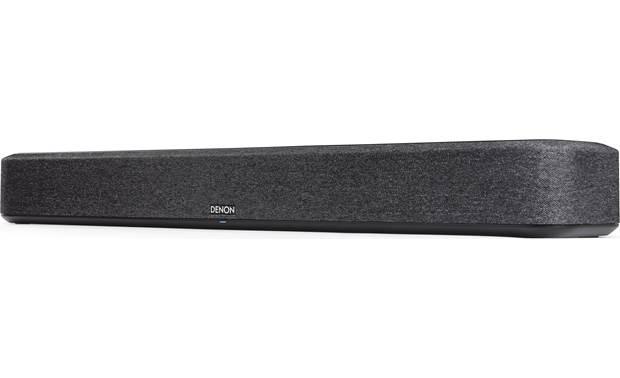
The Denon Home Sound Bar 550 is compact at just 26 inches wide and requires only space under your TV. The Ultimea Poseidon D70 needs significantly more room planning since you'll need to position four surround speakers around your seating area plus find optimal placement for the wireless subwoofer.
The Ultimea Poseidon D70 provides exceptional value as a complete 7.1 surround system with everything included at a budget-friendly total cost. The Denon Home Sound Bar 550 represents premium quality and features but requires additional purchases to match the D70's surround capabilities, making it a higher long-term investment for those prioritizing refinement over immediate surround impact.
We've done our best to create useful and informative comparisons to help you decide what product to buy. Our research uses advanced automated methods to create this comparison and perfection is not possible - please contact us for corrections or questions. These are the sites we've researched in the creation of this article: ultimea.com - provantage.com - ultimea.com - youtube.com - youtube.com - bestbuy.com - the-gadgeteer.com - shopmyexchange.com - youtube.com - youtube.com - youtube.com - ultimea.com - manuals.plus - device.report - images.thdstatic.com - shopmyexchange.com - staples.com - ultimea.de - consumerreports.org - soundandvision.com - crutchfield.com - rtings.com - crutchfield.com - gzhls.at - denon.com - walmart.com - youtube.com - whathifi.com - bestbuy.com

Privacy Policy
Terms and Conditions - Affiliate Policy
Home Security
© Copyright 2008-2026.
11816 Inwood Rd #1211, Dallas, TX 75244