





If you've ever tried watching an action movie on your TV's built-in speakers, you know the frustration. Dialogue gets drowned out by explosions, bass sounds thin and weak, and the whole experience feels flat. This is where soundbars come in—they're designed to solve these exact problems without requiring a full home theater receiver setup.
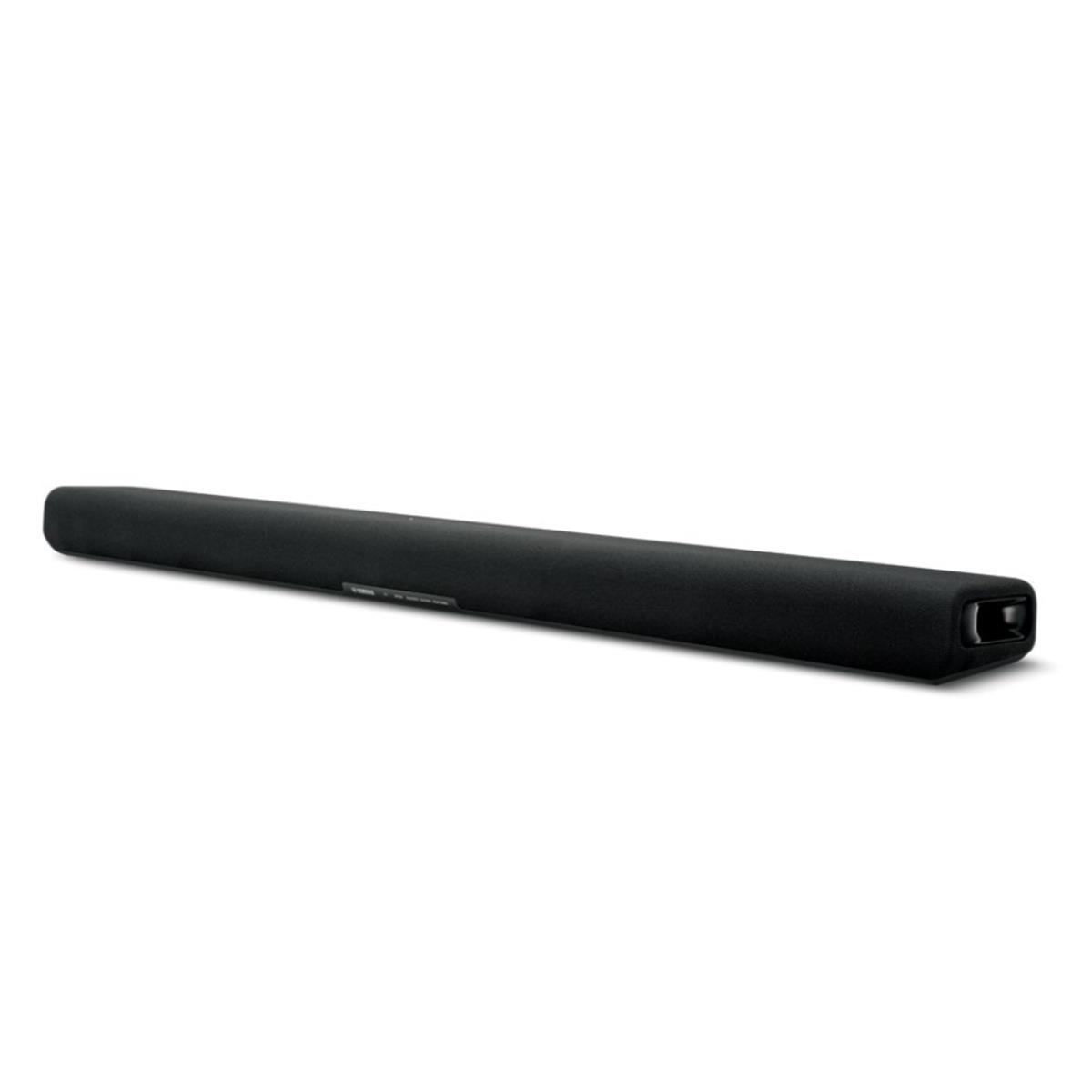
But not all soundbars are created equal. Some take a "throw everything in one box" approach, while others spread speakers around your room for genuine surround sound. Today we're comparing two fundamentally different philosophies: the Ultimea Poseidon D70, which gives you eight separate speakers to place around your room, and the Yamaha SR-B30A, which packs everything into one sleek unit using virtual processing tricks.
Before diving into these specific models, it's worth understanding what separates good soundbars from great ones. The most important factors are channel configuration (how many separate audio channels the system can handle), power output (how loud and dynamic the sound can get), frequency response (how deep the bass goes and how crisp the highs sound), and connectivity options (what devices you can plug in).
Think of audio channels like lanes on a highway—more lanes mean more audio information can flow simultaneously. A 2.1 system has left, right, and subwoofer channels, while a 7.1 system adds rear left, rear right, side left, side right, and center channels. Virtual surround uses psychoacoustic processing (basically audio tricks that fool your brain) to simulate these extra channels from fewer physical speakers.
The Ultimea Poseidon D70 launched in 2023 as part of the growing trend toward affordable true surround systems. Since then, we've seen more brands offering discrete speaker packages at budget prices, though most still can't match the D70's combination of power and customization options.
The Yamaha SR-B30A also debuted in 2023, representing Yamaha's push to bring Dolby Atmos technology (which adds height channels for overhead sound effects) down to more accessible price points. Yamaha has been refining their virtual surround processing for years, and this model benefits from that accumulated expertise.
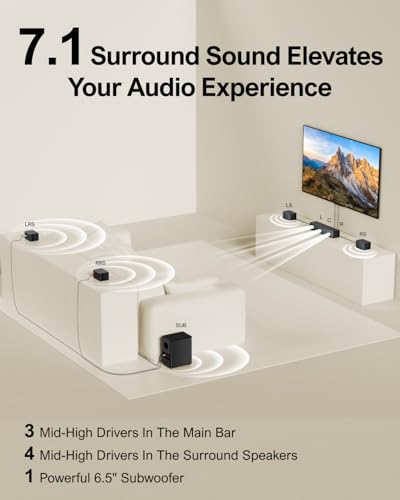
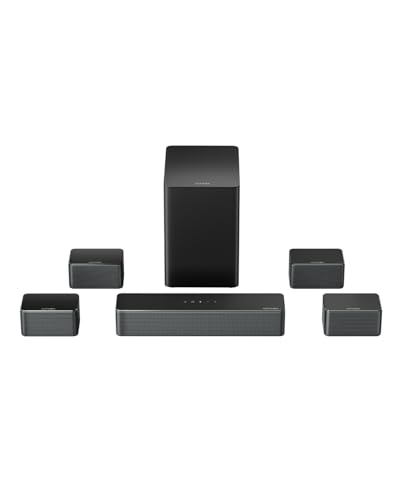
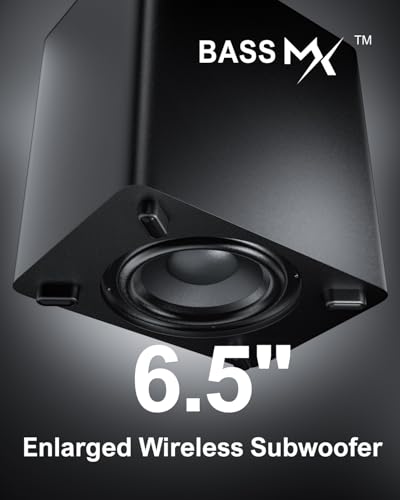
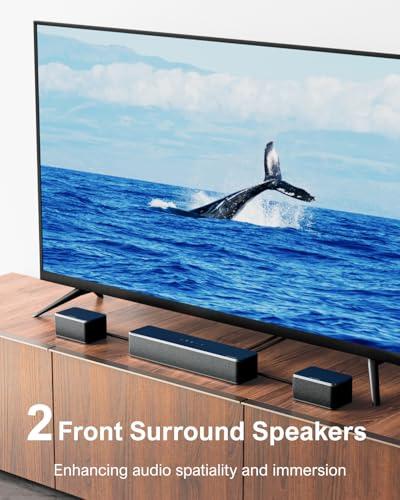
When it comes to pure audio horsepower, the Ultimea Poseidon D70 doesn't mess around. With 460 watts of total system power split across eight individual speakers, it can fill large rooms with authority that most single-unit soundbars simply can't match. The system's centerpiece is a 6.5-inch wireless subwoofer that handles the deep bass duties, while four satellite speakers positioned around your room create genuine directional sound effects.
This discrete speaker arrangement makes a huge difference in practice. When an explosion happens on screen, you'll hear debris flying from specific directions rather than just "somewhere in front of you." The system's SurroundX technology uses spatial positioning algorithms—essentially mathematical formulas that calculate how sound should arrive at your ears from different directions—to coordinate all eight speakers for precise audio placement.
The Ultimea's BassMX technology deserves special mention. Unlike simple bass boost circuits that just amplify low frequencies, BassMX analyzes the incoming audio signal and dynamically adjusts the subwoofer's response to match the content. This means thunderous explosions in movies get different treatment than the subtle bass line in jazz music, resulting in more natural and impactful low-end performance.
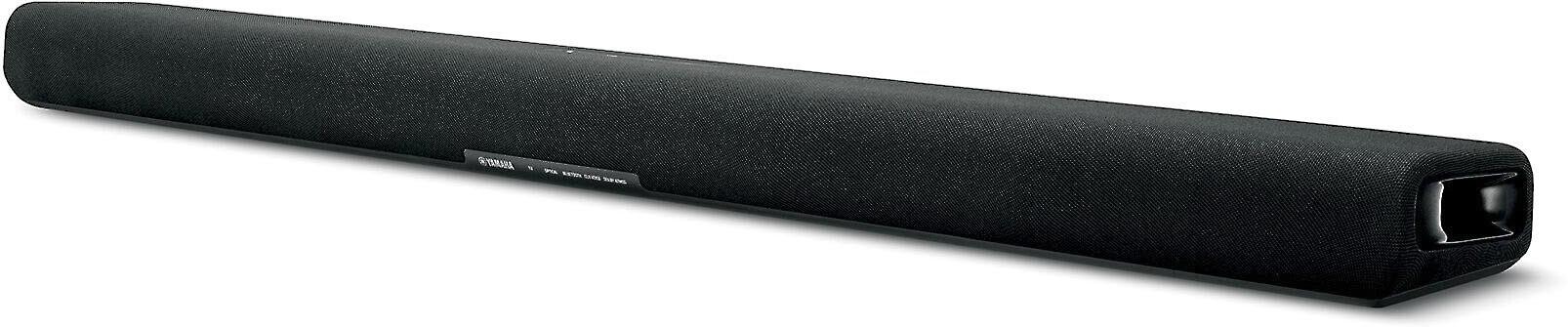
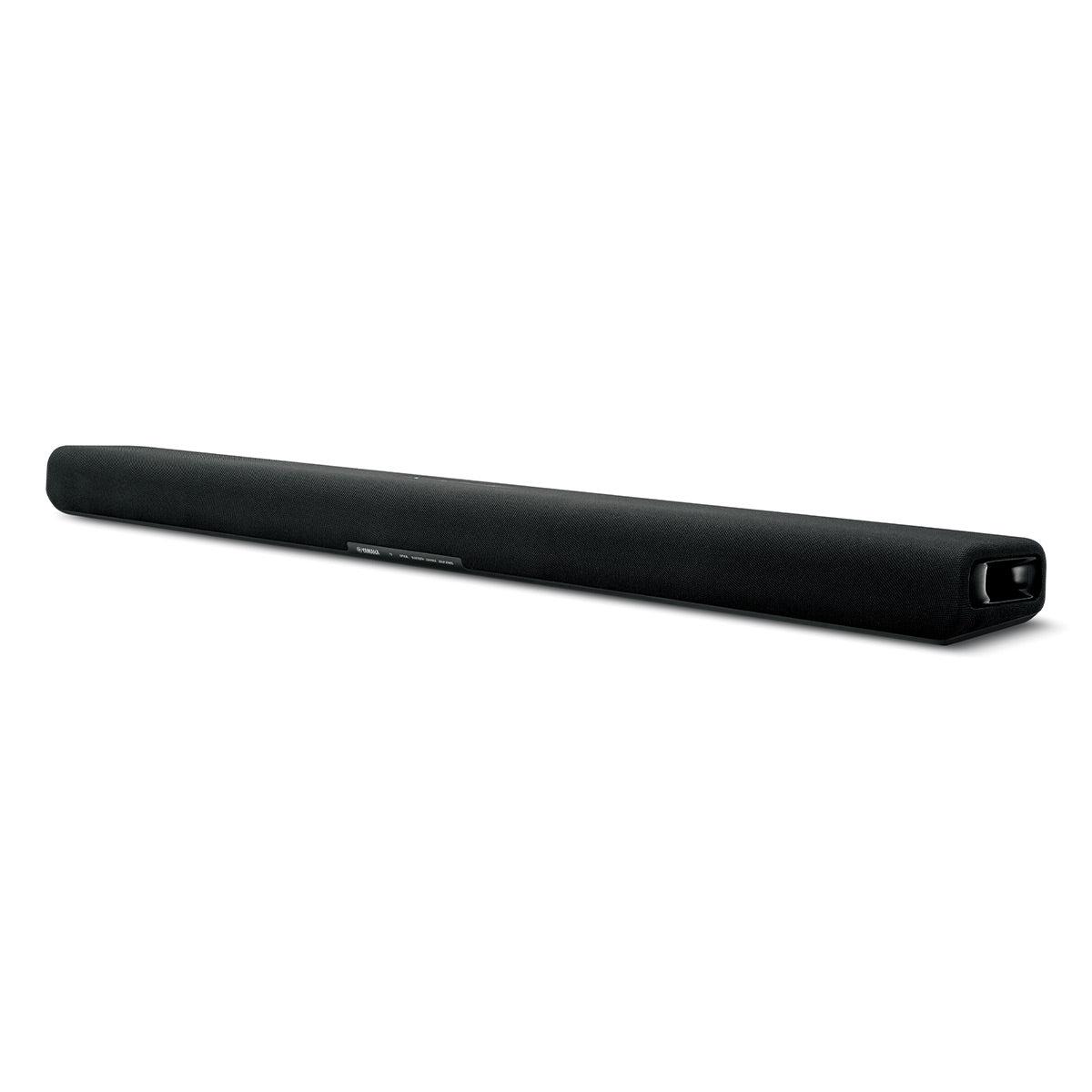
In contrast, the Yamaha SR-B30A takes a more refined approach with 120 watts of RMS power (RMS being a more honest measurement than peak power ratings). Those 120 watts are distributed across carefully engineered drivers: two 1-inch dome tweeters for crisp highs, four 1.75-inch midrange drivers for vocals and instruments, and dual 3-inch built-in subwoofers for bass.
What the Yamaha lacks in raw power, it makes up for in frequency response precision. Its 54Hz to 22kHz range extends higher than the Ultimea's 45Hz to 18kHz, meaning you'll hear more detail in cymbals, string instruments, and other high-frequency content. The trade-off is less earth-shaking bass impact—those 3-inch built-in subs simply can't move as much air as the Ultimea's 6.5-inch dedicated subwoofer.
Here's where these two systems diverge most dramatically. The Ultimea Poseidon D70 gives you four physical surround speakers that you position behind and beside your seating area. When a helicopter flies overhead in a movie, you'll hear it travel from speaker to speaker around the room. This creates what audiophiles call "envelopment"—the feeling that you're inside the action rather than watching it.
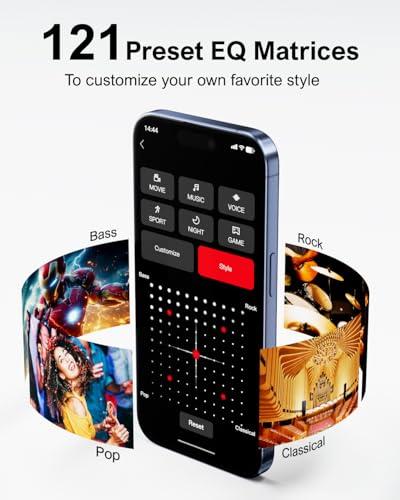
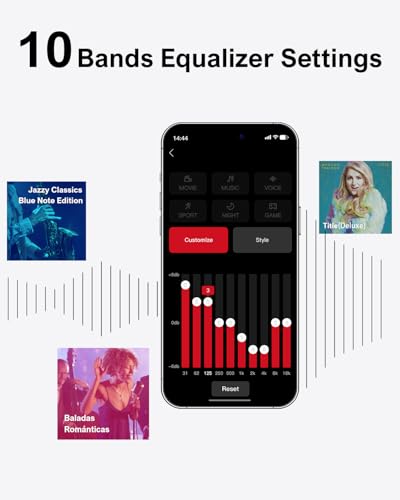
The system includes 121 preset EQ matrices (pre-programmed sound profiles) that automatically adjust all eight speakers for different content types. Whether you're watching a whisper-quiet drama or a bass-heavy action flick, there's likely a preset that optimizes the sound balance. The 10-band equalizer lets you make even finer adjustments, controlling specific frequency ranges to compensate for your room's acoustics.
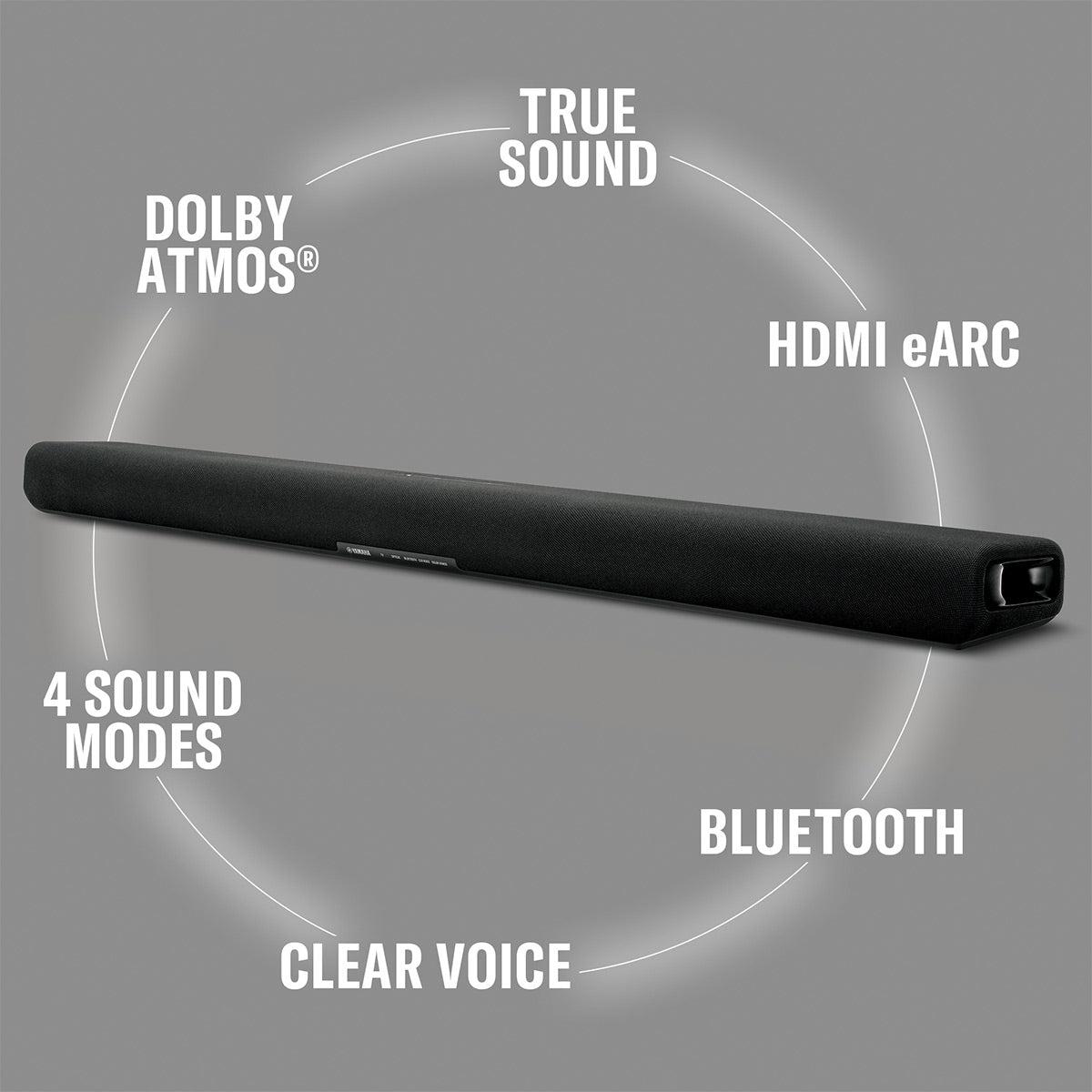
The Yamaha SR-B30A, meanwhile, relies on virtual surround processing to create spatial effects from a single soundbar. This isn't just marketing fluff—Yamaha's True Sound technology uses sophisticated digital signal processing to manipulate phase relationships, timing delays, and frequency content to trick your brain into perceiving sounds from directions where no speakers exist.
More importantly, the Yamaha supports Dolby Atmos, which adds height channel information to create overhead sound effects. When properly implemented, Atmos can make helicopters sound like they're flying above your head, or raindrops seem to fall from the ceiling. The SR-B30A uses upward-firing virtual processing to bounce sound off your ceiling, creating these height effects without installing speakers in your ceiling.
The catch with virtual surround is room dependency. It works best in rectangular rooms with flat ceilings and minimal soft furnishings that absorb sound reflections. Open-concept spaces, vaulted ceilings, or heavily furnished rooms can significantly diminish the effect. The Ultimea's physical speakers, by contrast, work regardless of room acoustics because they're actually positioned where the surround channels should be.
Setting up the Ultimea Poseidon D70 requires some planning and patience. You'll need to position four satellite speakers around your seating area, which means running the included 3-meter and 6-meter cables to connect them to the subwoofer. The speakers are small enough to place on furniture or mount on walls, but you'll still have visible wires unless you route them through walls.
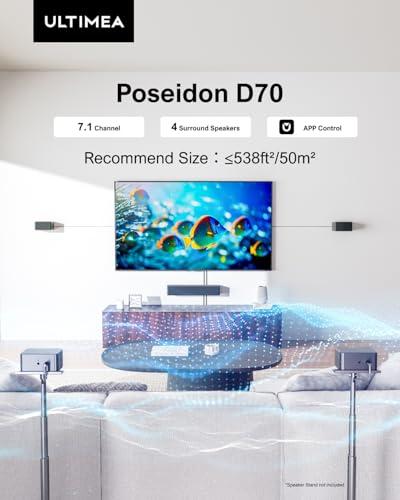
The payoff is worth it for serious home theater enthusiasts. You can fine-tune speaker positions for optimal sound, and the system's 323 to 538 square foot coverage rating means it can handle anything from a cozy den to a large family room. The wireless subwoofer gives you placement flexibility for the bass unit, though you'll want it reasonably close to your seating for maximum impact.
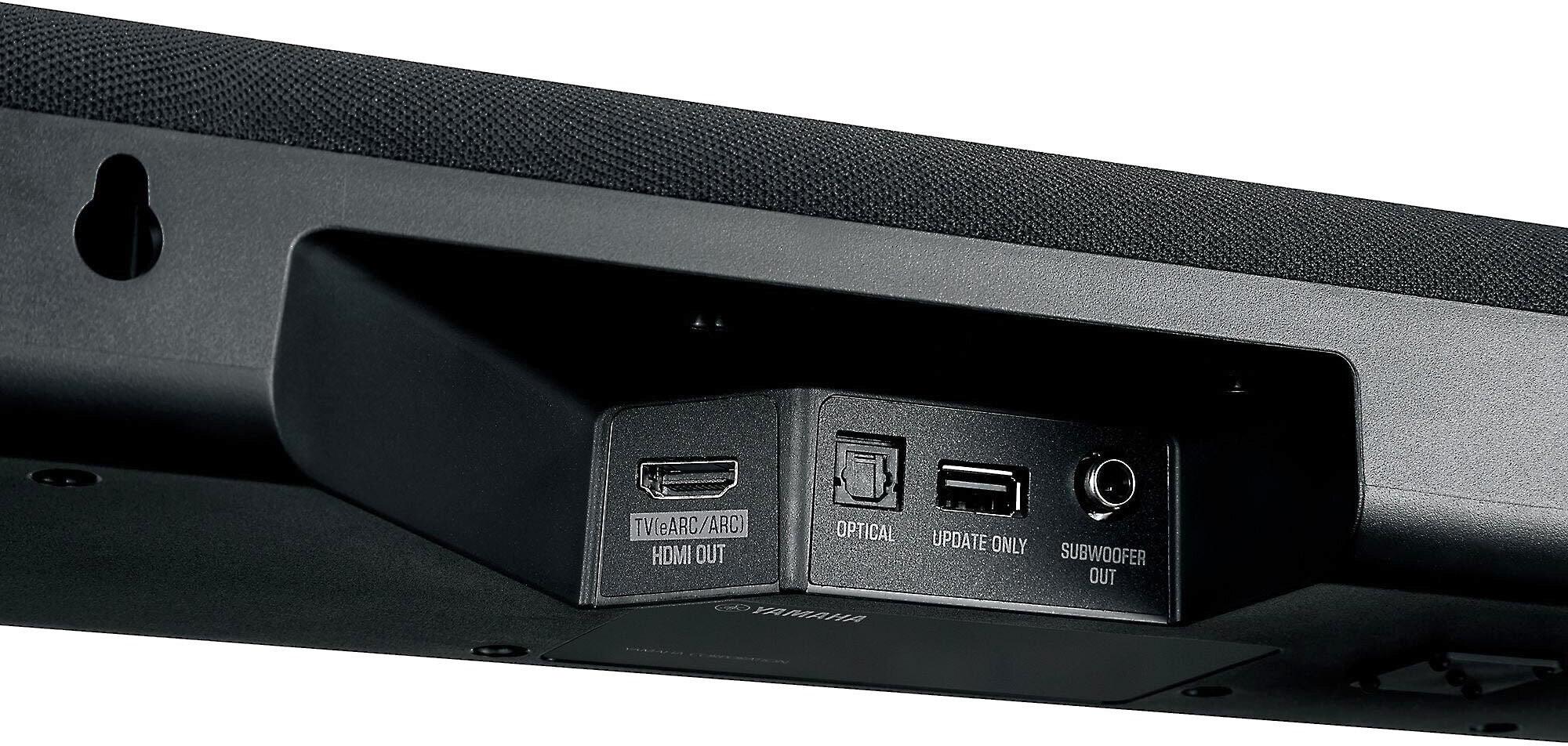
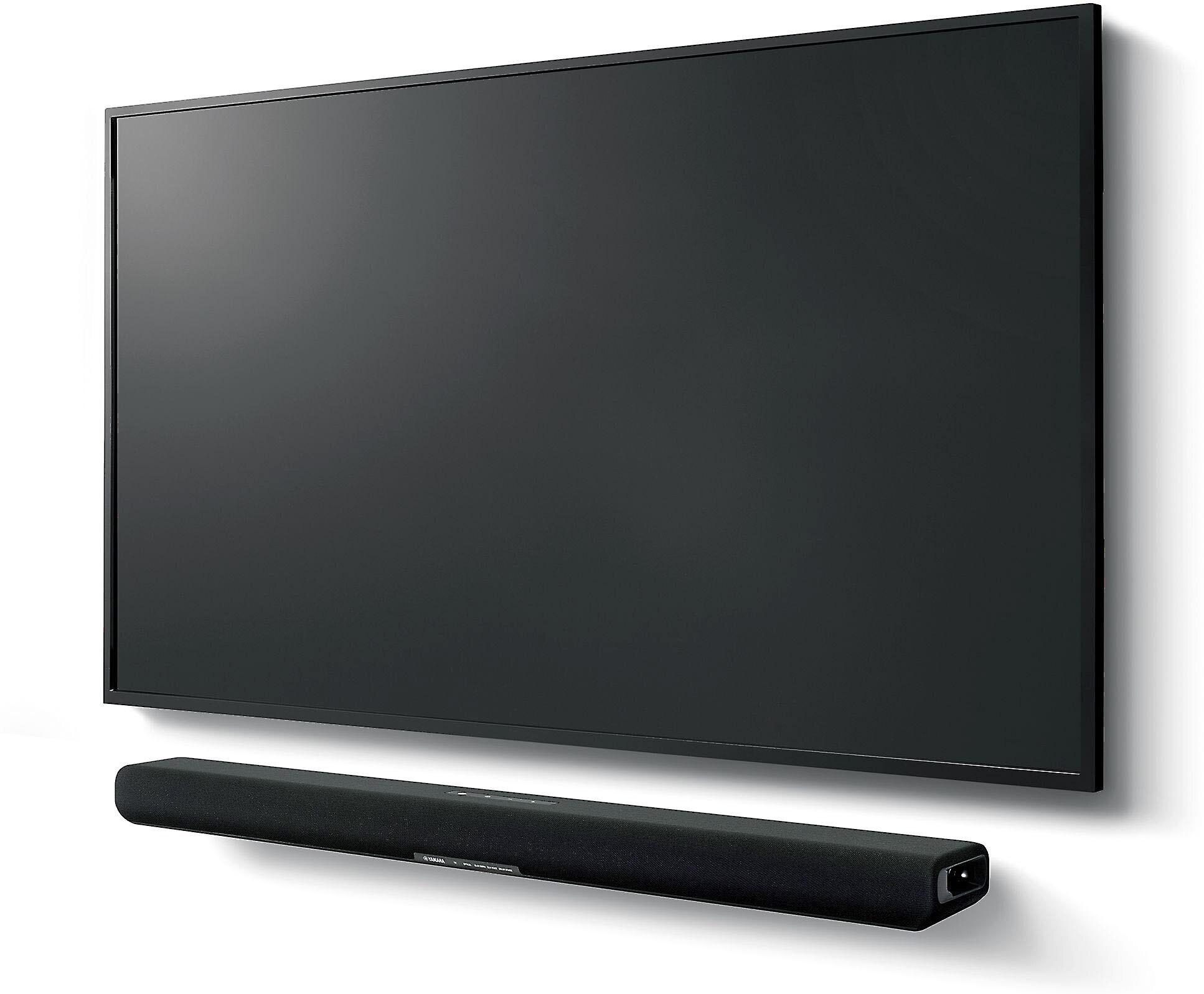
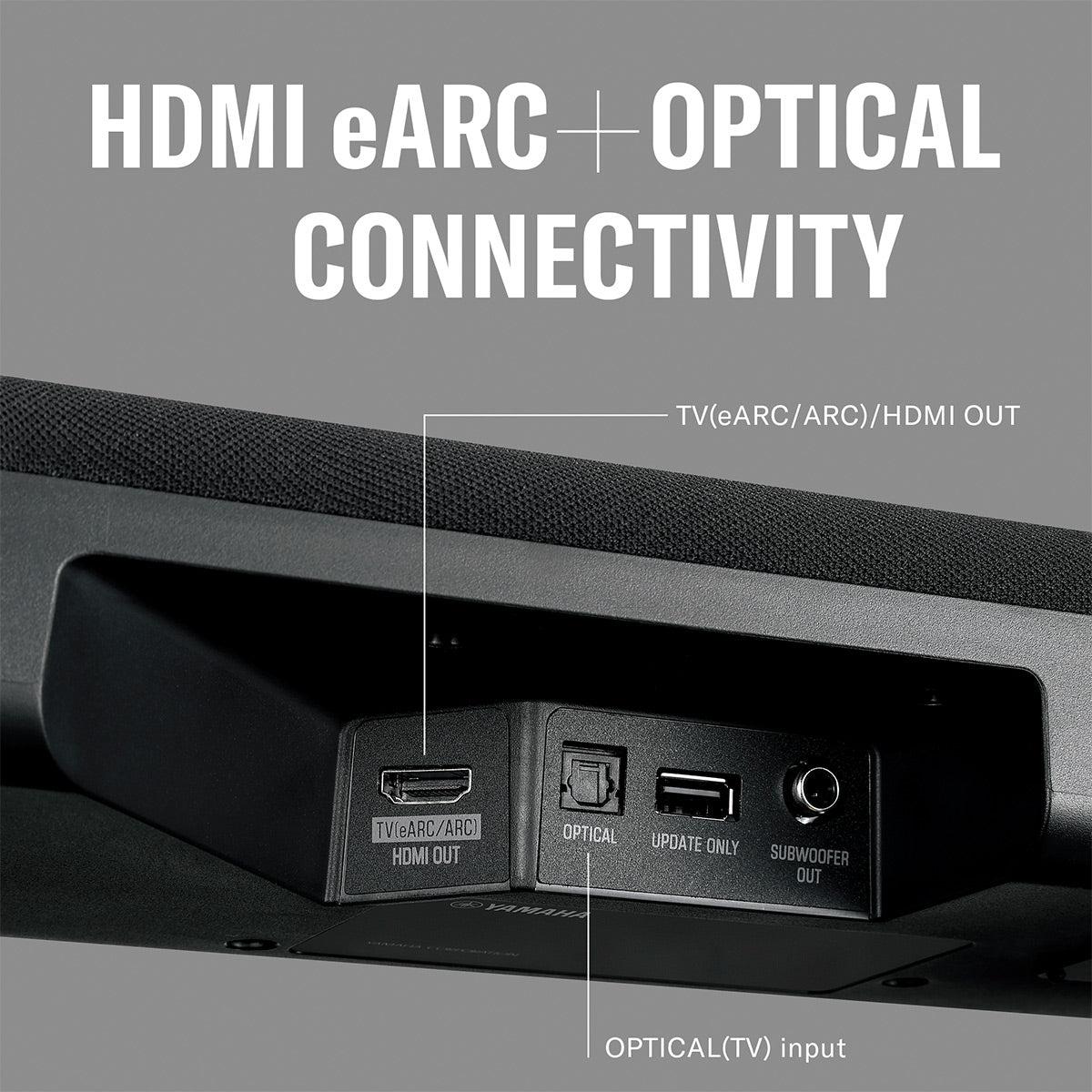
The Yamaha SR-B30A installation, by comparison, is almost trivially simple. Connect one HDMI cable (or optical cable) to your TV, plug in power, and you're done. At just 8.6 pounds and 35.8 inches wide, it won't dominate your entertainment center or require structural planning.
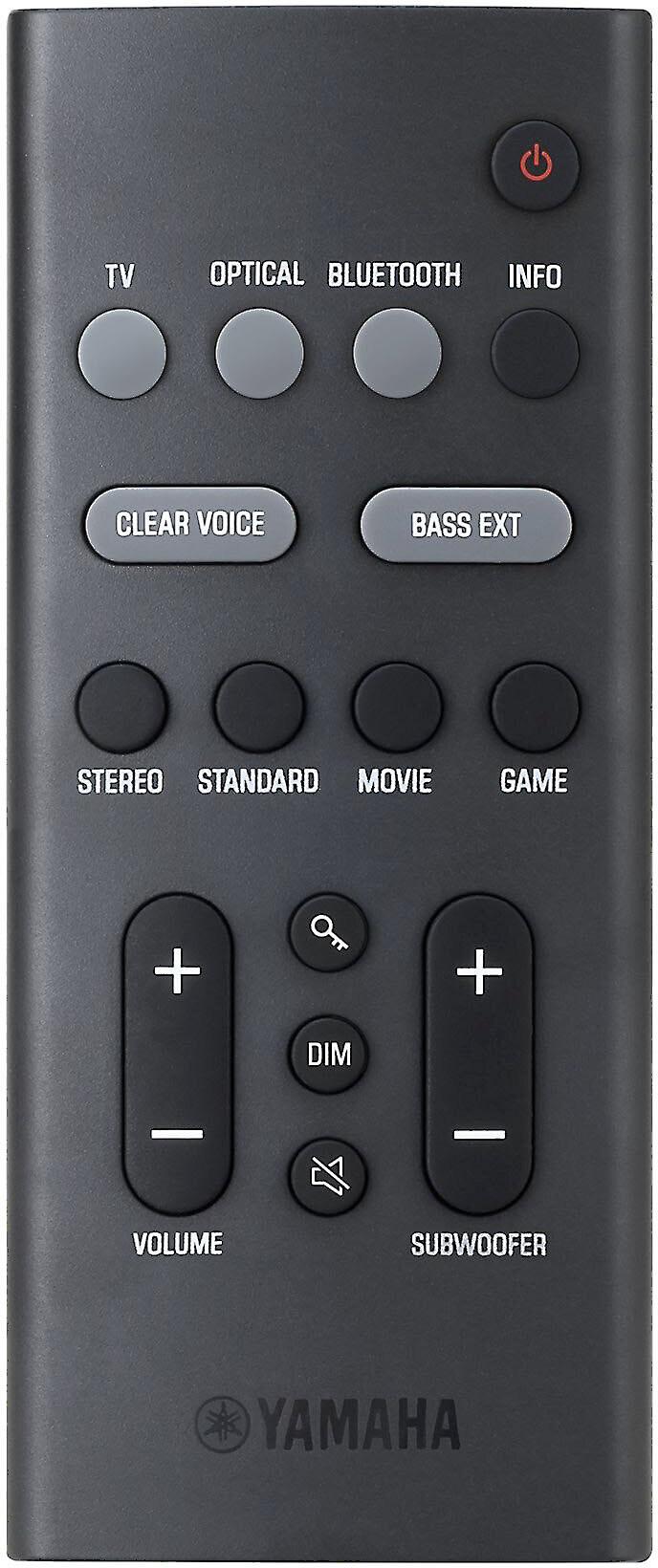
This simplicity makes the Yamaha ideal for renters who can't run wires through walls, or anyone who frequently rearranges their living space. The built-in keyholes allow wall mounting, though Yamaha sells the mounting bracket separately—a minor annoyance given the system's price point at the time of writing.
Both systems offer smartphone app control, but their approaches differ significantly. The Ultimea's app provides extensive customization options, including access to all 121 EQ presets and the full 10-band equalizer. You can adjust individual channel levels, update firmware, and save custom sound profiles. The app can't power on the system—you'll need the remote for that—but it handles everything else.
The Yamaha SR-B30A app is more streamlined, offering basic bass and treble adjustments plus four sound modes: Stereo for music, Standard for TV programs, Movie for cinematic content, and Game for immersive gaming. The Clear Voice feature deserves special mention—it uses dynamic range compression and frequency shaping to make dialogue more intelligible without affecting other sound elements.
Connectivity options favor different use cases. The Ultimea includes USB input for playing music files directly from flash drives, plus 3.5mm auxiliary input for older devices. The Yamaha focuses on premium connections with HDMI eARC support, which can pass through high-resolution audio formats up to 24-bit/96kHz resolution.
Both systems support Bluetooth streaming, though the Ultimea's Bluetooth 5.3 implementation offers slightly better range and stability than the Yamaha's Bluetooth 5.1. For most users, this difference won't be noticeable in practice.
At the time of writing, both systems compete in the sub-$250 price range, but they deliver value in different ways. The Ultimea Poseidon D70 offers exceptional performance per dollar for users willing to deal with setup complexity. You're getting eight discrete speakers and genuine surround sound positioning that would typically cost much more from established brands.
The Ultimea's power advantage becomes most apparent with dynamic content—action movies, gaming, and music with wide dynamic range. Our research of user reviews consistently highlights the system's ability to reproduce quiet dialogue and explosive action sequences without constant volume adjustments. The system's >96dB SPL capability means it can get loud enough for larger rooms without distortion.
The Yamaha SR-B30A delivers value through refinement and brand reliability. Yamaha's reputation for audio engineering means you're less likely to encounter driver failures or inconsistent performance over time. The Dolby Atmos support adds future-proofing for streaming content and Ultra HD Blu-rays, though the virtual height processing works best with specific room conditions.
For dialogue clarity—arguably the most important performance metric for most TV content—expert reviews give the edge to the Yamaha. Its Clear Voice technology and carefully tuned frequency response make voices more intelligible across different volume levels. The Ultimea can match this performance with proper EQ adjustment, but it requires more user intervention.
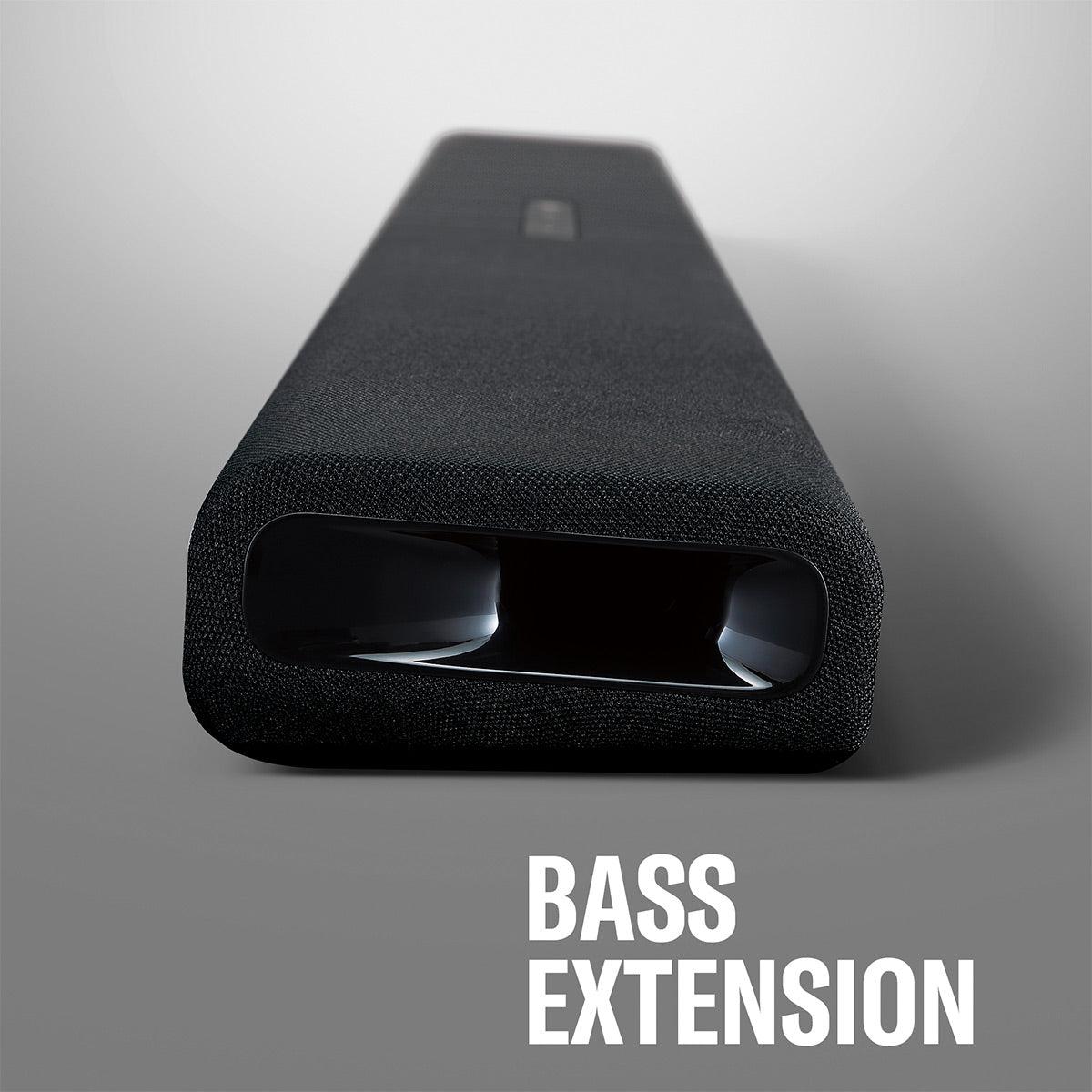
Bass performance heavily favors the Ultimea. That 6.5-inch dedicated subwoofer simply moves more air than the Yamaha's dual 3-inch built-in subs. For action movies, gaming, and music genres that rely on deep bass, the difference is immediately noticeable. However, the Yamaha's bass extension processing does maximize what those smaller drivers can achieve.
Choose the Ultimea Poseidon D70 if you're setting up a dedicated home theater room and want maximum audio impact for your investment. The system excels in spaces where you can properly position the surround speakers and don't mind visible cables. It's perfect for gaming enthusiasts who want precise directional audio cues, action movie fans who crave powerful bass, and anyone who enjoys tweaking audio settings to perfection.
The system makes less sense in smaller rooms where the surround speakers would be too close to your seating position, or in spaces where running cables isn't practical. Apartment dwellers and frequent movers might find the setup complexity more trouble than it's worth.
The Yamaha SR-B30A suits users who prioritize convenience and premium format support over raw power. Its Dolby Atmos capability makes it future-ready for streaming services increasingly using object-based audio. The Clear Voice feature particularly benefits households where different family members have varying hearing capabilities.
Choose the Yamaha for bedrooms, kitchens, or any space where a discrete single-unit solution works better than multiple speakers. It's also the smarter choice if you frequently watch streaming content encoded with Dolby Atmos, or if you value the peace of mind that comes with Yamaha's established customer support network.
Both soundbars solve the fundamental problem of poor TV audio, but they do so through radically different approaches. The Ultimea Poseidon D70 delivers authentic surround sound through physical speaker placement, offering exceptional performance value for users willing to embrace some installation complexity. The Yamaha SR-B30A provides sophisticated virtual processing and premium format support in a hassle-free package that works in any room.
Your choice ultimately depends on your priorities: maximum audio impact and genuine surround sound positioning, or convenience and cutting-edge audio format support. Either way, you'll enjoy a dramatic improvement over your TV's built-in speakers.
| Ultimea Poseidon D70 7.1 Channel Soundbar System | Yamaha SR-B30A Sound Bar with Built-In Subwoofers |
|---|---|
| Channel Configuration - Determines surround sound authenticity | |
| True 7.1 with 4 physical surround speakers | 2.1 with virtual surround processing |
| Total System Power - Affects maximum volume and dynamic range | |
| 460W peak across 8 speakers | 120W RMS in single unit |
| Subwoofer Setup - Controls bass impact and placement flexibility | |
| 6.5" wireless dedicated subwoofer | Dual 3" built-in subwoofers |
| Dolby Atmos Support - Essential for premium streaming content | |
| No (traditional 7.1 surround only) | Yes (virtual height processing) |
| Installation Complexity - Time and effort required for setup | |
| 4 wired surround speakers + wireless sub placement | Single soundbar with one-cable TV connection |
| Frequency Response - Range of sounds the system can reproduce | |
| 45Hz-18kHz (deeper bass, standard highs) | 54Hz-22kHz (extended highs, less deep bass) |
| Audio Customization - Control over sound tuning | |
| 10-band EQ + 121 preset matrices via app | Basic bass/treble adjustment + 4 sound modes |
| Physical Footprint - Space requirements and aesthetic impact | |
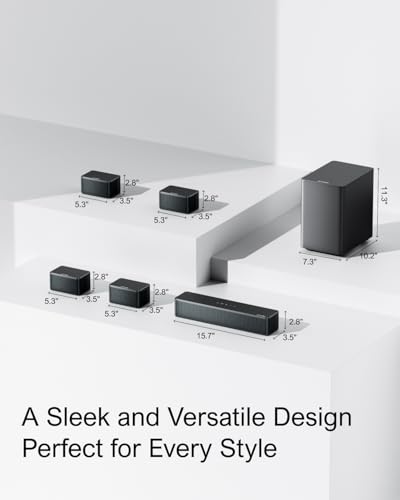
| 8 separate components, 22.9 lbs total | Single 35.8" soundbar, 8.6 lbs |
| Connectivity Options - Device compatibility and input flexibility | |
| HDMI ARC, optical, USB, Bluetooth 5.3, 3.5mm aux | HDMI eARC/ARC, optical, Bluetooth 5.1 |
| Room Coverage - Effective listening area | |
| 323-538 sq ft (large rooms) | Best for small-medium rooms |
| Brand Heritage - Support and reliability expectations | |
| Newer budget-focused brand | Established Yamaha audio engineering |
The Ultimea Poseidon D70 offers superior surround sound with four physical speakers positioned around your room, creating genuine directional audio effects. The Yamaha SR-B30A uses virtual surround processing from a single unit, which works well but cannot match the accuracy of discrete speakers for true surround sound immersion.
The Ultimea Poseidon D70 delivers significantly more power at 460W across its eight-speaker system, making it capable of filling larger rooms with dynamic sound. The Yamaha SR-B30A provides 120W RMS, which is sufficient for most living rooms but won't deliver the same impact for action movies or music.
The Yamaha SR-B30A is much simpler to install, requiring only a single HDMI or optical cable connection to your TV. The Ultimea Poseidon D70 requires positioning and wiring four surround speakers plus a wireless subwoofer, making installation more complex but offering better audio positioning.
Only the Yamaha SR-B30A supports Dolby Atmos with virtual height processing for overhead sound effects. The Ultimea Poseidon D70 focuses on traditional 7.1 surround sound without Atmos support, which limits compatibility with premium streaming content that uses height channels.
The Ultimea Poseidon D70 excels in large rooms with its 323-538 square foot coverage rating and powerful 460W output. The discrete speaker placement ensures even sound distribution throughout bigger spaces. The Yamaha SR-B30A works best in small to medium rooms where virtual surround can effectively bounce off walls.
The Ultimea Poseidon D70 features a dedicated 6.5" wireless subwoofer with BassMX technology, delivering deeper and more powerful bass impact. The Yamaha SR-B30A uses dual built-in 3" subwoofers with bass extension processing, providing adequate low-end for most content but less room-shaking impact.
The Yamaha SR-B30A includes Clear Voice technology specifically designed to enhance dialogue intelligibility, making it excellent for TV shows and movies with quiet speech. The Ultimea Poseidon D70 can achieve similar clarity through its extensive EQ options but requires more manual adjustment.
The Ultimea Poseidon D70 offers more input variety with HDMI ARC, optical, USB, Bluetooth 5.3, and 3.5mm auxiliary connections. The Yamaha SR-B30A focuses on premium connections with HDMI eARC support for high-resolution audio passthrough, plus optical and Bluetooth 5.1.
The Ultimea Poseidon D70 provides superior gaming audio with its physical surround speakers offering precise directional cues for competitive gaming. While the Yamaha SR-B30A includes a dedicated Game mode, virtual surround cannot match the positional accuracy of discrete speakers for identifying enemy locations.
The Ultimea Poseidon D70 app offers extensive customization with a 10-band equalizer and 121 preset sound profiles for detailed audio tuning. The Yamaha SR-B30A app provides simpler controls with basic EQ adjustment and four sound modes, focusing on ease of use over deep customization.
The Yamaha SR-B30A is ideal for apartments with its single-unit design, no wiring requirements, and renter-friendly installation. The compact form factor won't dominate small rooms, and virtual surround works adequately in close listening environments. The Ultimea Poseidon D70 may overwhelm smaller spaces with its multiple speakers.
The Ultimea Poseidon D70 offers exceptional value for users wanting true surround sound performance, providing eight speakers and powerful bass typically found in much more expensive systems. The Yamaha SR-B30A delivers premium brand reliability, Dolby Atmos support, and hassle-free setup, making it valuable for users prioritizing convenience and future-proof features.
We've done our best to create useful and informative comparisons to help you decide what product to buy. Our research uses advanced automated methods to create this comparison and perfection is not possible - please contact us for corrections or questions. These are the sites we've researched in the creation of this article: ultimea.com - provantage.com - ultimea.com - youtube.com - youtube.com - bestbuy.com - the-gadgeteer.com - shopmyexchange.com - youtube.com - youtube.com - youtube.com - ultimea.com - manuals.plus - device.report - images.thdstatic.com - shopmyexchange.com - staples.com - ultimea.de - usa.yamaha.com - worldwidestereo.com - audiolab.com - shop.sg.yamaha.com - consumerreports.org - usa.yamaha.com - vinylsound.ca - bestbuy.com - modernappliancewoodward.com - bluestardist.com - target.com - my.yamaha.com

Privacy Policy
Terms and Conditions - Affiliate Policy
Home Security
© Copyright 2008-2026.
11816 Inwood Rd #1211, Dallas, TX 75244