

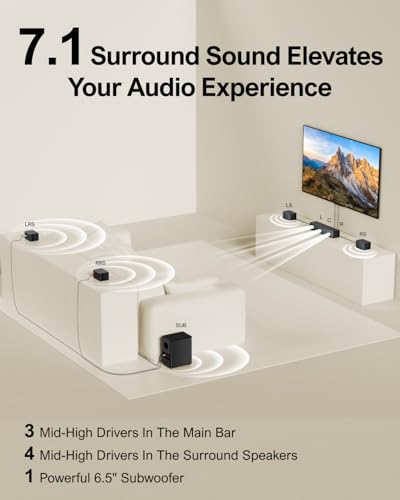
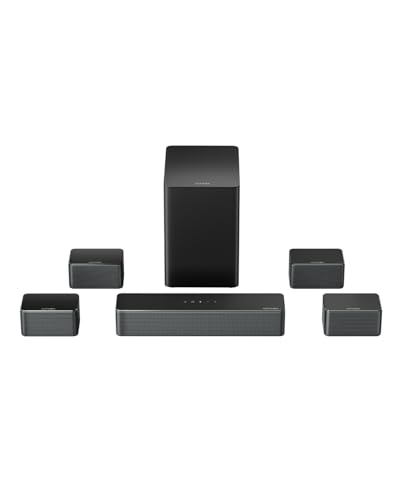
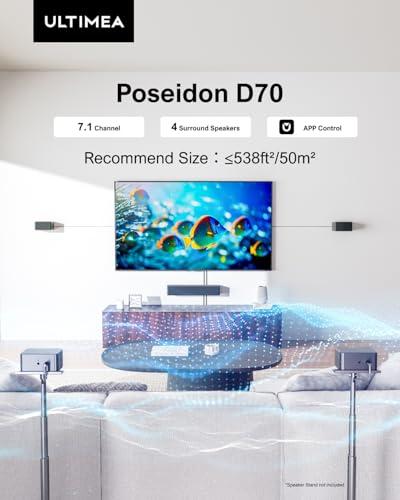
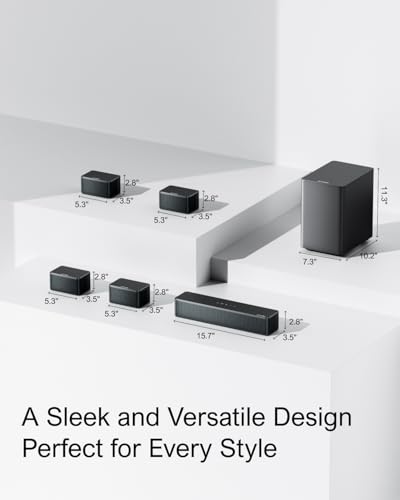


Shopping for a soundbar used to be straightforward—you'd pick something that sounded better than your TV's built-in speakers and call it a day. But the soundbar market has evolved dramatically, splitting into distinct camps that take fundamentally different approaches to home theater audio. Today, we're examining two systems that perfectly illustrate this divide: the Ultimea Poseidon D70, a budget-friendly 7.1 channel system, and the LG S80TR, a premium Dolby Atmos soundbar.
At the time of writing, these products represent vastly different price points—the Ultimea Poseidon D70 sits in budget territory while the LG S80TR commands premium pricing that's roughly three times higher. But price alone doesn't tell the whole story. These systems embody completely different philosophies about how to create immersive home theater sound.
The soundbar category has undergone massive changes since 2020, largely driven by the mainstream adoption of Dolby Atmos content on streaming platforms. Dolby Atmos is an audio format that adds height information to traditional surround sound, making it feel like helicopters are flying overhead or rain is falling from above. This technological shift has created two distinct soundbar approaches.
The first approach focuses on channel quantity—systems like the Ultimea Poseidon D70 use multiple physical speakers positioned around your room to create surround sound through actual sound placement. When an explosion happens behind you in a movie, it's literally coming from a speaker behind you.
The second approach prioritizes audio format support—systems like the LG S80TR use fewer speakers but add height channels and advanced processing to decode modern audio formats. These systems create immersion through sophisticated audio engineering rather than speaker quantity.
Both approaches have merit, but they excel in different scenarios and appeal to different priorities.
The Ultimea Poseidon D70, released in 2024, takes the "more speakers equals better surround sound" approach to its logical conclusion. This system includes a main soundbar, four separate surround speakers, and a wireless subwoofer—eight total speakers creating genuine 7.1 channel audio.
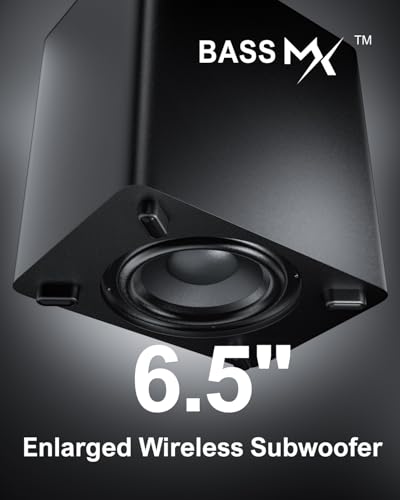
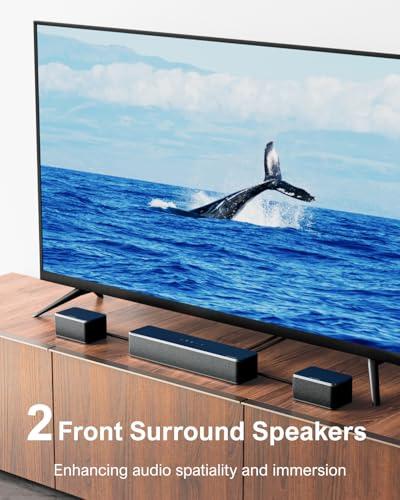
Here's what makes this configuration interesting: instead of relying on audio processing tricks, the Ultimea Poseidon D70 places actual speakers around your room. The main soundbar handles front-left, center, and front-right channels using three 2.25-inch mid-bass drivers. Four additional satellite speakers—each containing their own 2.25-inch driver—handle surround duties from the front-left, front-right, rear-left, and rear-right positions. A 6.5-inch wireless subwoofer manages low-frequency effects (LFE), which are the deep bass sounds that make explosions feel impactful.
The power distribution is well-balanced across all channels: 36 watts RMS for the soundbar, 48 watts combined for the four surround speakers, and 60 watts for the subwoofer, totaling 144 watts RMS (or 410 watts peak power during dynamic passages). This distributed power approach ensures no single component becomes a bottleneck.
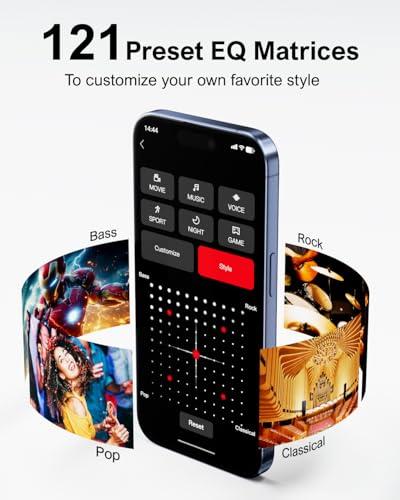
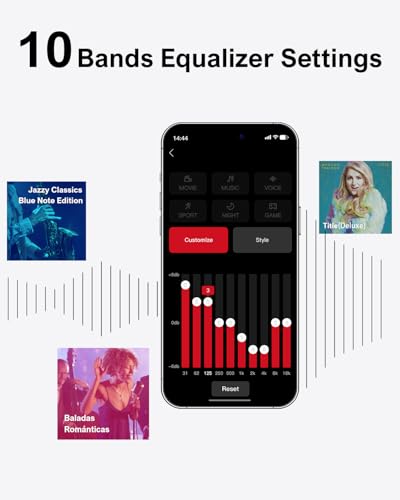
What sets the Ultimea Poseidon D70 apart from typical budget soundbars is its extensive customization capabilities. The system includes a smartphone app with a 10-band graphic equalizer—think of this as ten individual volume sliders for different frequency ranges, allowing you to boost or reduce specific aspects of the sound. More impressively, it offers 121 preset EQ matrices, which are pre-configured sound profiles optimized for different content types and listening preferences.
The system also features Ultimea's proprietary technologies: BassMX for enhanced low-frequency response and SurroundX for improved spatial positioning. While these aren't industry standards like Dolby Atmos, our research suggests they provide noticeable improvements in bass depth and surround field width.
However, the Ultimea Poseidon D70 has significant limitations. Most notably, it lacks Dolby Atmos support entirely. When you play Atmos content, the system falls back to virtual surround processing—software algorithms that try to simulate height effects using the existing speakers. This works reasonably well for creating a sense of spaciousness, but you're not getting the true three-dimensional audio experience that Atmos content was mixed to provide.
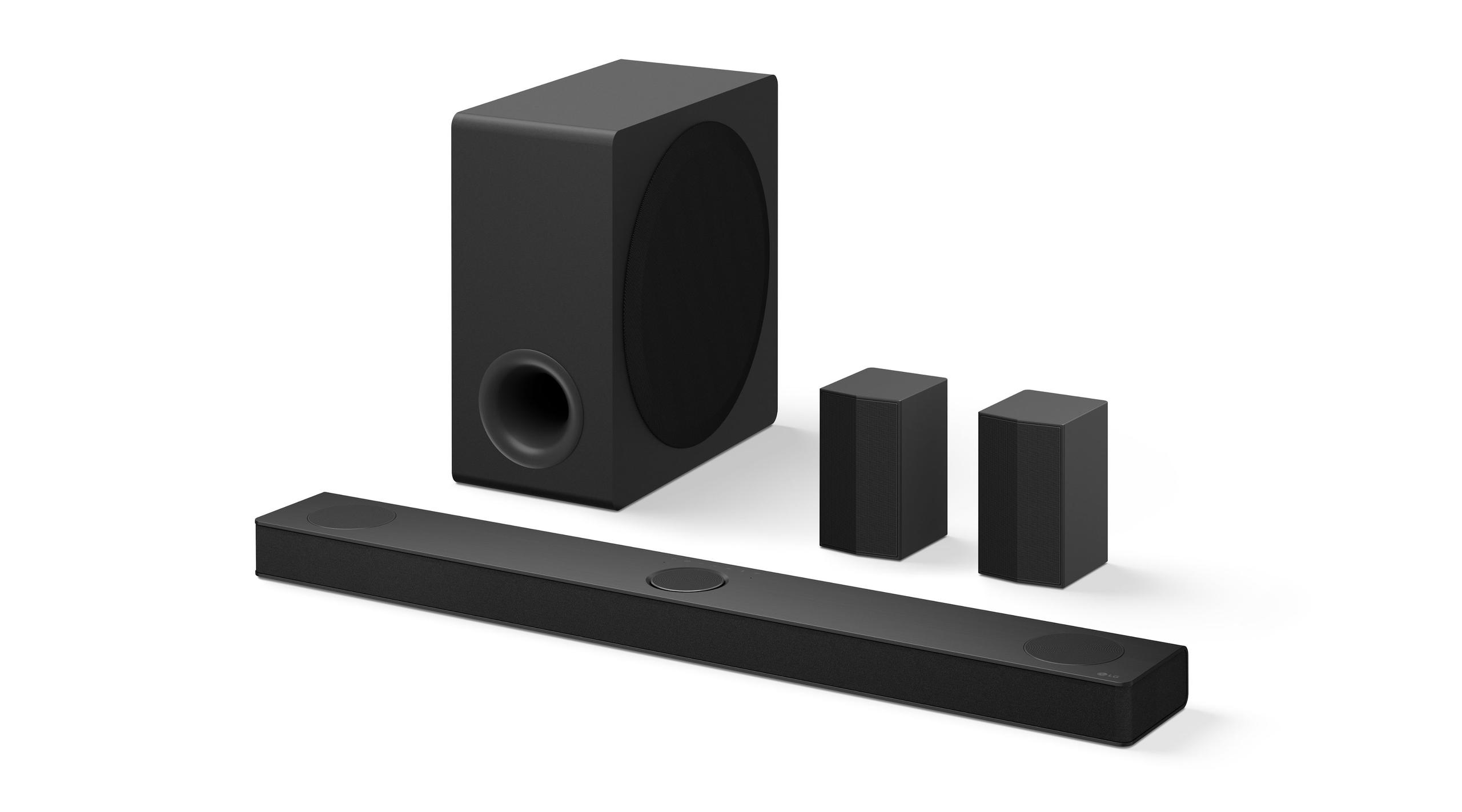
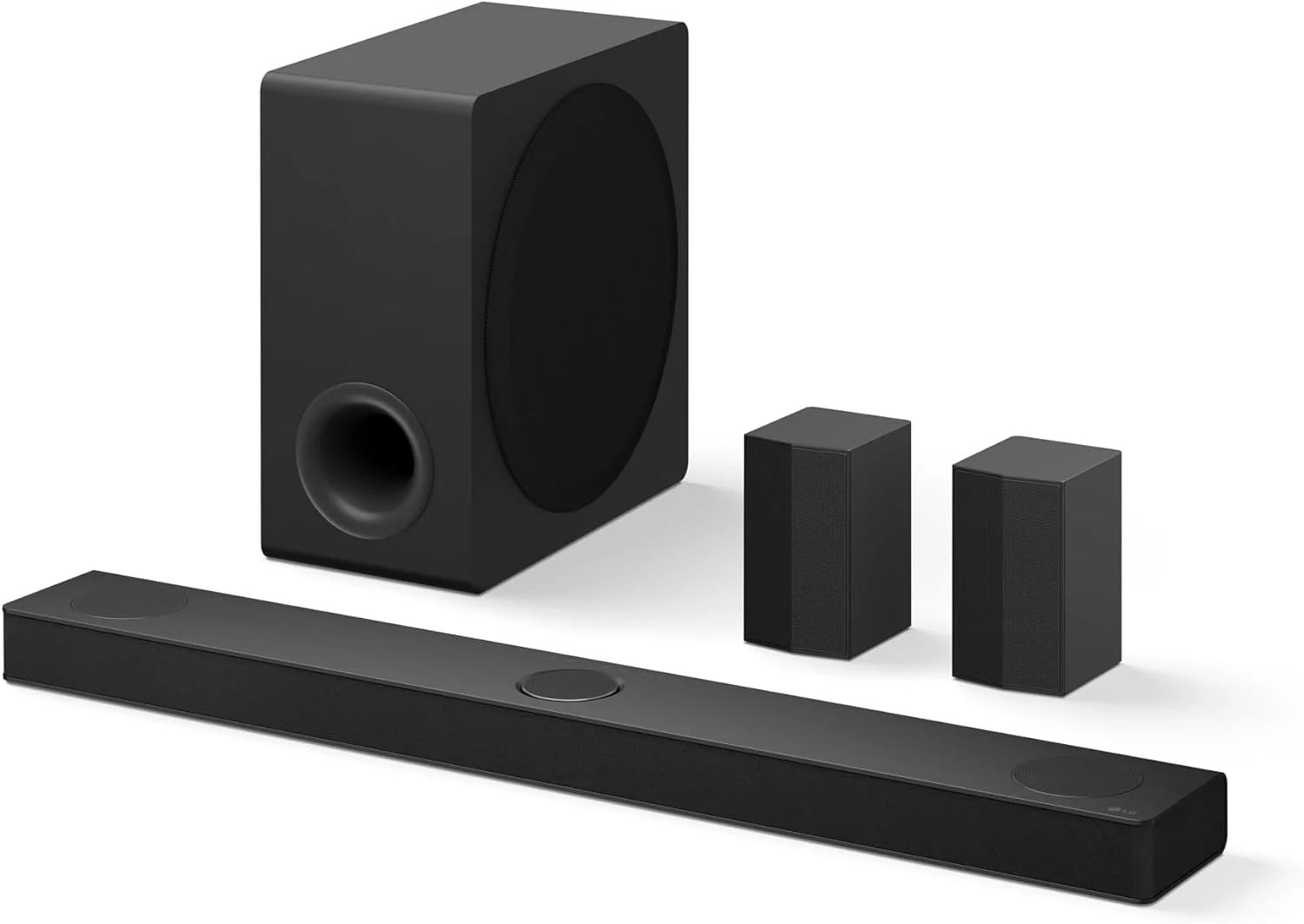
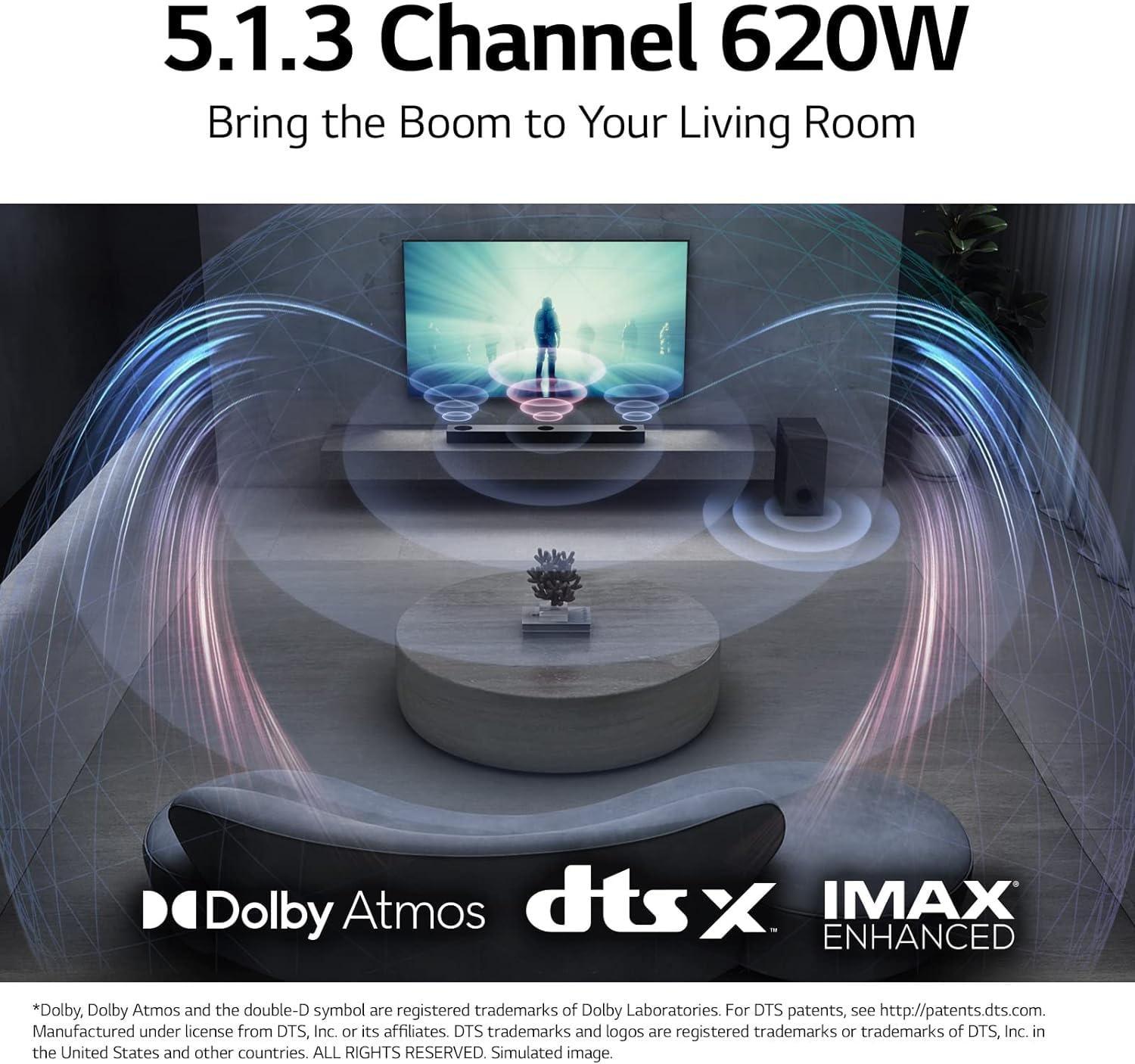
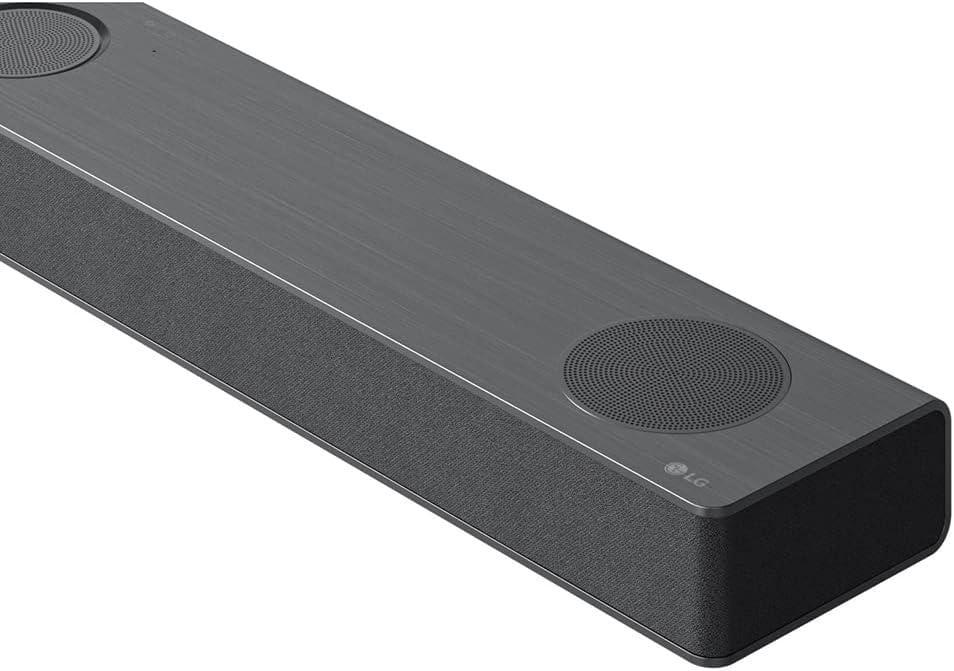
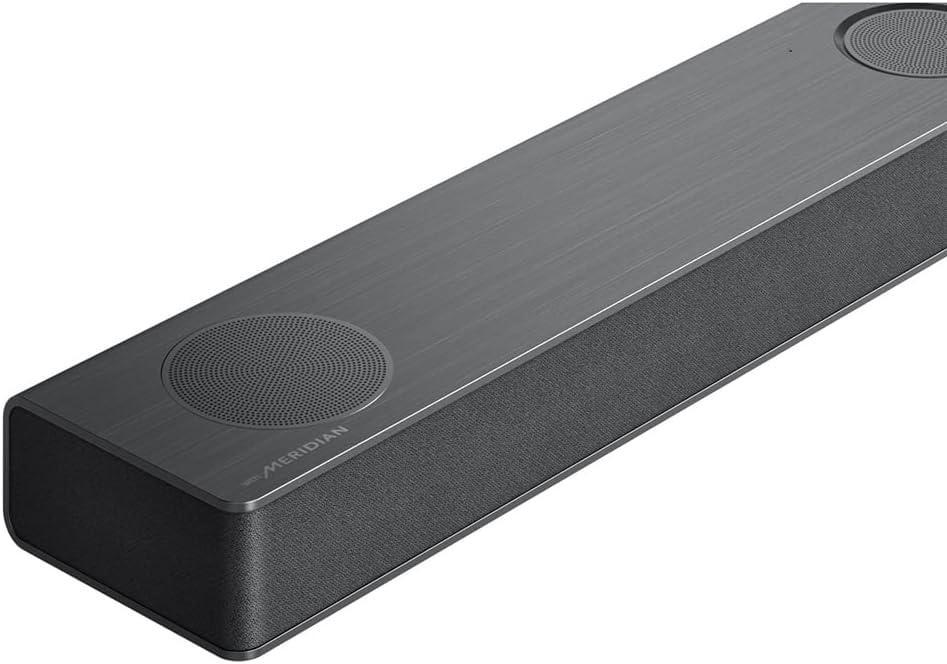
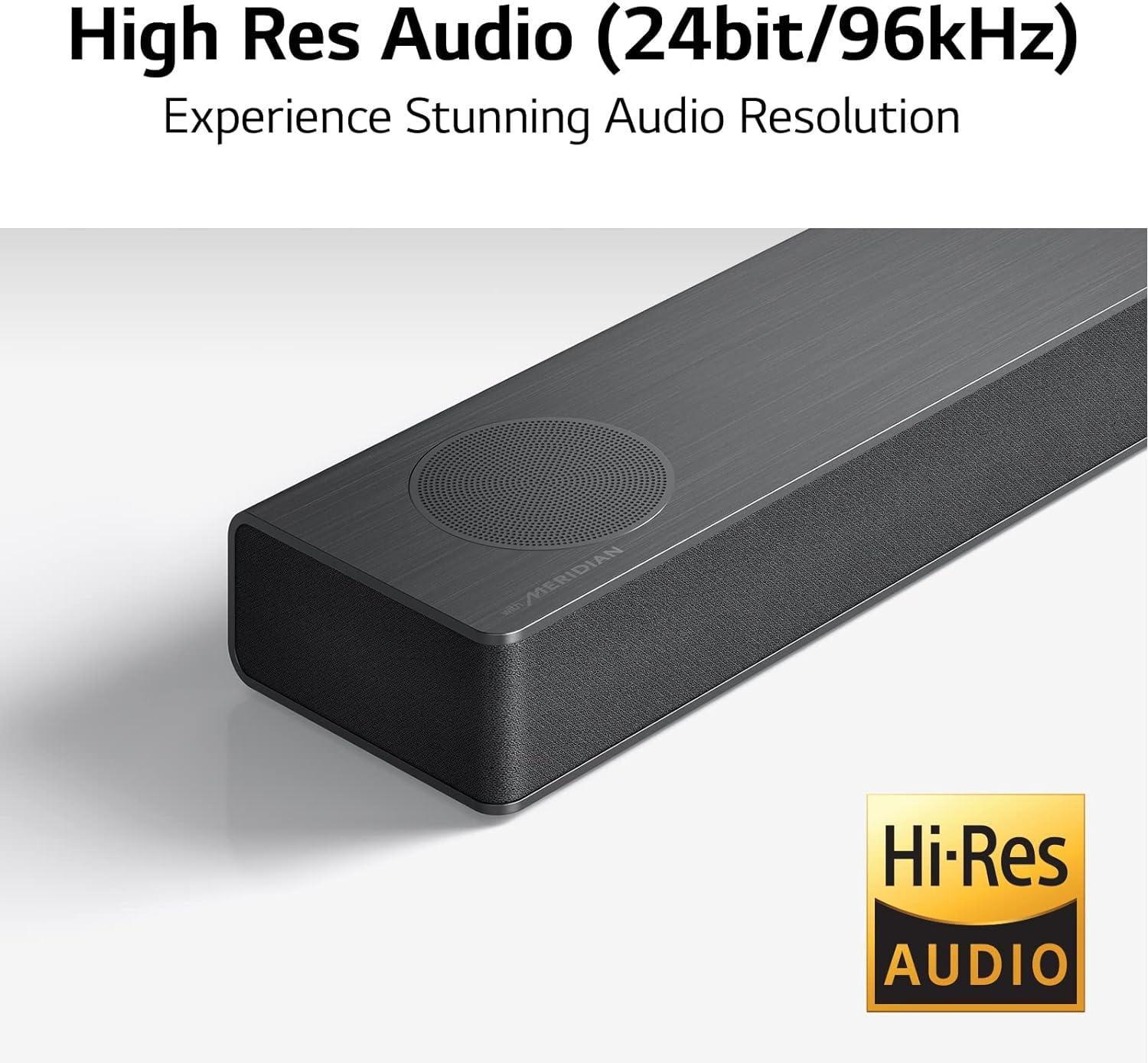
The LG S80TR, also released in 2024, represents the premium end of the soundbar market. Its 5.1.3 channel configuration tells an important story: instead of maximizing horizontal surround speakers, this system adds dedicated height channels for Dolby Atmos support.
The ".3" in the channel designation refers to three upward-firing drivers built into the soundbar. These speakers point toward your ceiling, bouncing sound downward to create the illusion of overhead audio. When properly calibrated, this technique can make helicopters sound like they're flying above your head or create the sensation of rain falling from the sky.
What makes the LG S80TR particularly sophisticated is its AI Room Calibration feature. The system uses built-in microphones to measure your room's acoustic properties—including dimensions, wall materials, and furniture placement—then automatically adjusts its audio processing to optimize performance for your specific space. This is far more advanced than the manual adjustments offered by the Ultimea Poseidon D70.
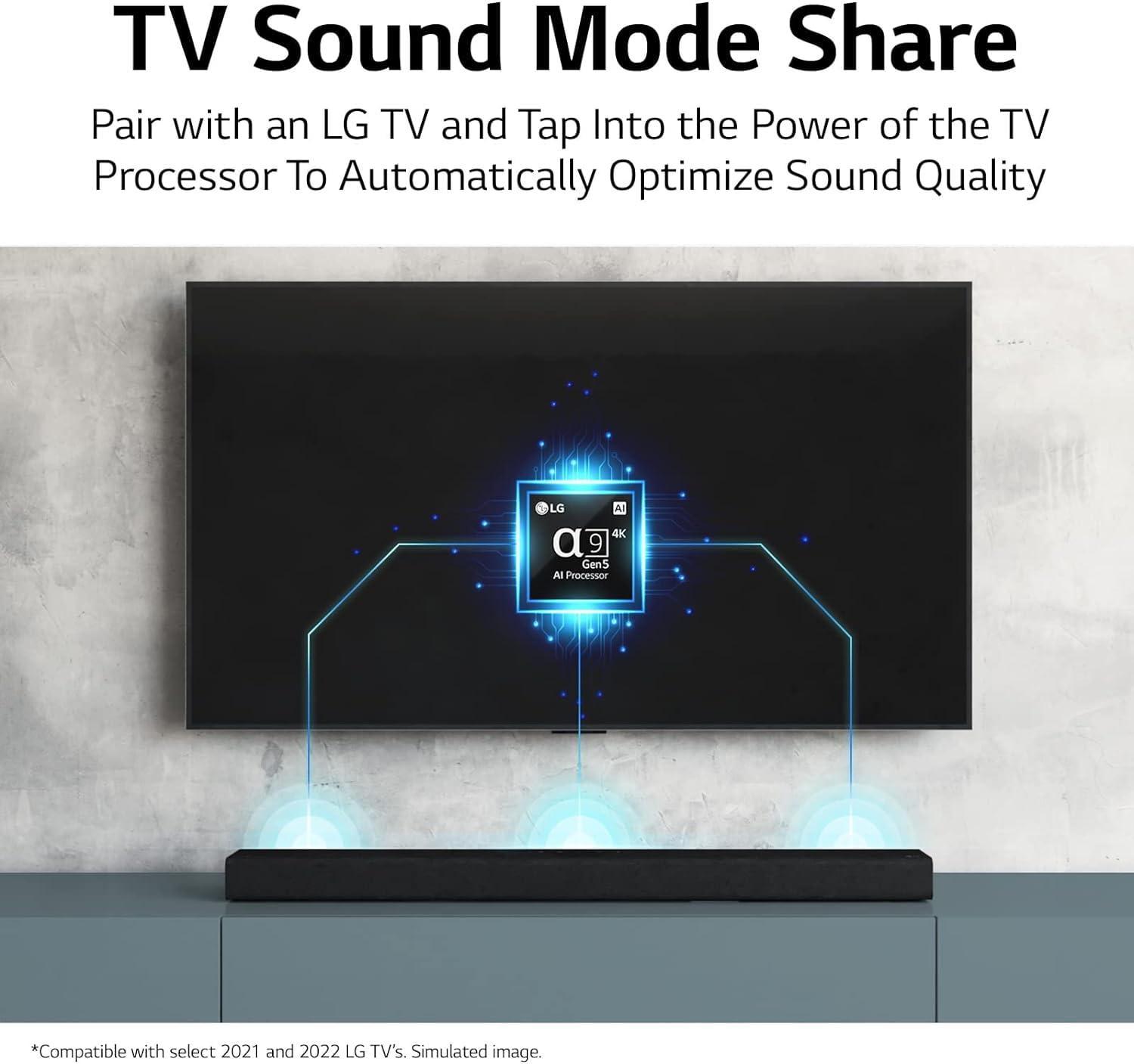
The LG S80TR also includes LG's WOW Orchestra technology, which synchronizes audio between the soundbar and compatible LG TVs. This creates a more cohesive sound field by using both the TV's speakers and the soundbar simultaneously, rather than disabling the TV speakers entirely.
For connectivity, the LG S80TR supports HDMI eARC (enhanced Audio Return Channel), which provides higher bandwidth for lossless audio formats compared to standard ARC. It also includes gaming-focused features like Variable Refresh Rate (VRR) support and 120Hz passthrough, making it well-suited for modern gaming consoles.
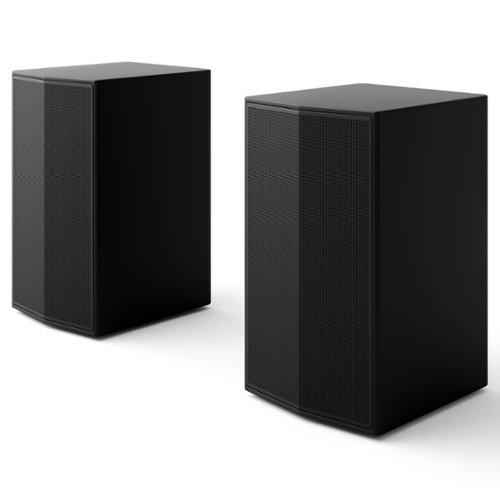
The rear speakers included with the LG S80TR are likely wireless, based on LG's typical product design, which simplifies installation compared to the wired approach used by the Ultimea Poseidon D70.
Based on our analysis of user feedback and expert reviews, the Ultimea Poseidon D70 provides more precise horizontal surround positioning. When a car drives from left to right across the screen, you can clearly track its movement through the four physical surround speakers. This creates what many users describe as a more "convincing" surround experience for traditional 5.1 and 7.1 content.
The LG S80TR, while having fewer horizontal speakers, excels at vertical positioning through its Dolby Atmos implementation. Height effects—like the whoosh of a spaceship flying overhead—are significantly more convincing than the virtual processing used by the Ultimea Poseidon D70.
The Ultimea Poseidon D70's 6.5-inch subwoofer, enhanced by BassMX technology, provides substantial bass output that reviewers consistently praise. The wireless connection eliminates cable clutter while allowing flexible subwoofer placement for optimal bass response in your room.
Premium soundbars like the LG S80TR typically include larger or more sophisticated subwoofers, though specific driver size isn't available in our research. LG's AI calibration likely provides more refined bass integration with your room's acoustics.
This is where the systems diverge most significantly. The LG S80TR natively supports Dolby Atmos, DTS:X, and other modern audio formats, making it fully compatible with current streaming services and Ultra HD Blu-rays. As content creators increasingly adopt object-based audio formats, this support becomes more valuable.
The Ultimea Poseidon D70 handles legacy surround formats excellently but requires virtual processing for modern content. While this works, you're not experiencing movies and shows as their audio engineers intended.
The Ultimea Poseidon D70 requires running speaker cables from the subwoofer to all four surround speakers, then positioning these speakers around your room. This setup is more involved but guarantees reliable connections and consistent performance regardless of your room's layout.
The LG S80TR's height channels require specific room characteristics to work optimally. Rooms with standard 8-9 foot ceilings and reflective surfaces work best. High, vaulted, or heavily dampened ceilings can reduce the effectiveness of upward-firing drivers.
For traditional Hollywood blockbusters and TV shows, the Ultimea Poseidon D70's physical surround speakers create an engaging experience that many users find superior to virtual surround systems in its price range. Action sequences benefit from the precise directional audio, while dialogue remains clear through the dedicated center channel.
For newer content mixed in Dolby Atmos—including most Netflix originals, Disney+ releases, and recent theatrical films—the LG S80TR provides the intended audio experience. The height channels add genuine immersion that the Ultimea simply cannot replicate through processing alone.
Gaming presents an interesting use case. The Ultimea Poseidon D70's four surround speakers excel at positional audio for competitive gaming, where hearing enemy footsteps from specific directions can provide tactical advantages. The physical speaker placement eliminates processing latency that could affect gameplay.
The LG S80TR offers superior compatibility with modern gaming consoles through its HDMI 2.1 features, including 120Hz passthrough for high refresh rate gaming and VRR support for smoother frame rates.
Both systems include dedicated music modes, but they serve different listening preferences. The Ultimea Poseidon D70's extensive EQ customization allows fine-tuning for specific musical genres or personal preferences. The ability to adjust individual frequency bands can significantly improve music reproduction.
The LG S80TR likely provides more refined music reproduction through superior driver quality and processing, though without the hands-on customization options of the Ultimea.
At the time of writing, the price difference between these systems is substantial—approximately three-to-one in favor of the Ultimea Poseidon D70. This creates a complex value equation.
The Ultimea Poseidon D70 offers exceptional value for budget-conscious buyers. No other system in its price range provides four physical surround speakers, a wireless subwoofer, and extensive customization options. For users primarily watching older content or those who prefer hands-on audio tuning, this system punches well above its price class.
The LG S80TR justifies its premium pricing through Dolby Atmos support, superior build quality, advanced room calibration, and brand reliability. However, the value proposition depends heavily on your content consumption habits and room setup requirements.
Both systems represent 2024 releases, arriving during a period of rapid evolution in home audio. The soundbar market has matured significantly since 2020, with Dolby Atmos becoming increasingly common in streaming content and gaming.
The Ultimea Poseidon D70 represents a counter-trend in this evolution—while most manufacturers focus on adding height channels and advanced processing, Ultimea chose to maximize physical speaker count at a budget price point. This approach appeals to users who prefer traditional surround sound principles over newer audio formats.
The LG S80TR follows industry trends toward object-based audio and AI-driven optimization. These technologies have matured considerably since their introduction, making 2024 a good time to invest in Dolby Atmos-capable systems.
Your choice between these systems should primarily depend on your content preferences and budget constraints.
Choose the Ultimea Poseidon D70 if you:
Choose the LG S80TR if you:
The fundamental question isn't which system is "better"—they excel in different areas. The Ultimea Poseidon D70 maximizes surround speaker quantity for traditional content at a remarkable price point. The LG S80TR prioritizes modern audio format support and premium features for users invested in the latest content and willing to pay for that capability.
Your listening habits, room characteristics, and budget will determine which approach better serves your home theater goals. Both represent solid choices within their respective market segments, but they're solving fundamentally different audio challenges.
| Ultimea Poseidon D70 | LG S80TR |
|---|---|
| Channel Configuration - Determines surround sound approach and immersion quality | |
| 7.1 channels with 4 physical surround speakers | 5.1.3 channels with Dolby Atmos height effects |
| Dolby Atmos Support - Essential for modern streaming content and 3D audio | |
| No (uses virtual surround processing) | Yes (dedicated upward-firing drivers) |
| Physical Surround Speakers - Real speakers vs virtual processing for directional audio | |
| 4 wired satellite speakers (2.25" drivers each) | Wireless rear speakers included |
| Power Output - Affects volume levels and dynamic range | |
| 410W peak / 144W RMS across all channels | Premium output (specific watts not disclosed) |
| Subwoofer - Critical for bass impact in movies and music | |
| 6.5" wireless subwoofer with BassMX technology | Wireless subwoofer with AI calibration |
| Audio Customization - Important for fine-tuning sound to your preferences | |
| 10-band EQ + 121 preset matrices via app | Multiple preset modes with AI Sound Pro |
| Room Calibration - Optimizes sound for your specific space | |
| Manual adjustment via app controls | AI Room Calibration with built-in microphones |
| Setup Complexity - Affects installation time and cable management | |
| Wired surround speakers require cable runs | Likely wireless rear speakers for clean setup |
| HDMI Features - Important for gaming and 4K content | |
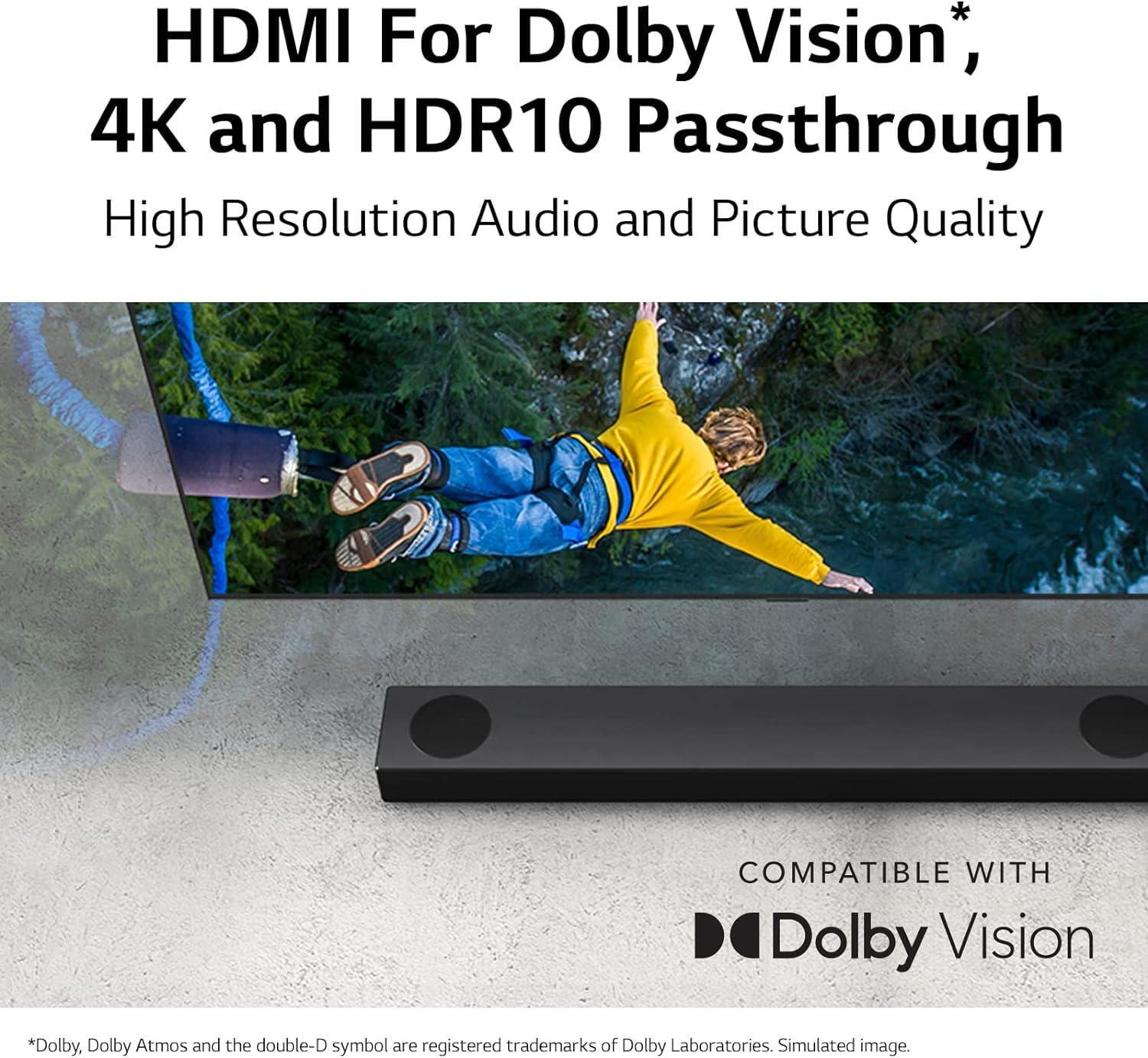
| HDMI ARC with 4K HDR passthrough | HDMI eARC with VRR, 120Hz, Dolby Vision |
| Brand & Build Quality - Affects long-term reliability and support | |
| Budget brand with solid construction | Premium LG brand with established support |
| Best For - Target user scenarios | |
| Budget-conscious users wanting physical surround | Premium buyers prioritizing Dolby Atmos content |
The Ultimea Poseidon D70 offers exceptional value with four physical surround speakers and extensive customization options at a budget-friendly price point. The LG S80TR costs significantly more but provides Dolby Atmos support and premium features. For budget-conscious buyers, the Ultimea Poseidon D70 delivers impressive performance per dollar, while the LG S80TR justifies its premium pricing for users who prioritize modern audio formats.
If you regularly watch Netflix, Disney+, or recent movies with Dolby Atmos content, the LG S80TR provides the intended 3D audio experience with overhead sound effects. The Ultimea Poseidon D70 excels with traditional surround content and uses virtual processing for Atmos material. For older movies and TV shows, the Ultimea Poseidon D70's physical 7.1 speakers often sound more convincing than virtual surround systems.
The LG S80TR likely offers simpler installation with wireless rear speakers and automatic AI room calibration. The Ultimea Poseidon D70 requires running speaker cables to four surround speakers around your room, demanding more effort but ensuring reliable connections. Both systems include wireless subwoofers to minimize cable clutter in that regard.
The Ultimea Poseidon D70's 7.1 configuration uses more horizontal speakers for precise left-right and front-back positioning. The LG S80TR's 5.1.3 setup trades some horizontal speakers for three dedicated height channels that create overhead audio effects. The choice depends on whether you prefer more directional surround speakers or Dolby Atmos height capabilities.
The Ultimea Poseidon D70 excels at competitive gaming with four physical surround speakers providing precise positional audio for hearing enemy movements. The LG S80TR offers superior modern console compatibility with HDMI 2.1 features like 120Hz passthrough and Variable Refresh Rate support. Both systems include dedicated gaming modes optimized for interactive content.
The Ultimea Poseidon D70 works best in 250-400 square foot rooms and requires placement of four surround speakers around the listening area. The LG S80TR needs standard ceiling height (8-9 feet) for optimal height channel performance and can handle larger rooms. Both systems include wireless subwoofers that can be positioned flexibly for best bass response.
The Ultimea Poseidon D70 offers extensive customization with a 10-band equalizer and 121 preset sound profiles through its smartphone app. The LG S80TR provides multiple preset modes and AI-driven optimization but with less manual control over specific frequencies. For users who enjoy fine-tuning audio settings, the Ultimea Poseidon D70 provides more hands-on options.
Both systems include dedicated music modes, but they serve different preferences. The Ultimea Poseidon D70 allows detailed EQ adjustments for personalizing music reproduction across different genres. The LG S80TR likely offers more refined music playback through superior driver quality and processing, though with less customization flexibility than the Ultimea Poseidon D70.
Yes, both the Ultimea Poseidon D70 and LG S80TR work with any TV through HDMI ARC, optical, or Bluetooth connections. The LG S80TR offers additional integration features with LG TVs through WOW Orchestra technology, which synchronizes the TV and soundbar speakers. Both systems support standard remote control integration regardless of your TV brand.
The Ultimea Poseidon D70 delivers impressive action movie performance through its four surround speakers and powerful 6.5" subwoofer, creating convincing directional effects for explosions and chase scenes. The LG S80TR excels with modern action films mixed in Dolby Atmos, adding overhead helicopter sounds and atmospheric effects. Your choice depends on whether your action movie collection includes newer Atmos content.
The Ultimea Poseidon D70 includes HDMI ARC, optical, Bluetooth 5.3, USB, and auxiliary inputs with 4K HDR passthrough support. The LG S80TR features HDMI eARC for higher bandwidth audio, plus gaming-focused features like VRR and 120Hz passthrough. Both systems support wireless streaming, but the LG S80TR offers more advanced HDMI capabilities for modern devices.
Choose the Ultimea Poseidon D70 if you want maximum horizontal surround coverage with four physical speakers that provide precise directional audio for traditional content. Select the LG S80TR if you prioritize Dolby Atmos height effects for modern streaming content and don't mind having fewer horizontal surround speakers. The decision depends on your content preferences and whether you value speaker quantity or advanced audio format support.
We've done our best to create useful and informative comparisons to help you decide what product to buy. Our research uses advanced automated methods to create this comparison and perfection is not possible - please contact us for corrections or questions. These are the sites we've researched in the creation of this article: ultimea.com - provantage.com - ultimea.com - youtube.com - youtube.com - bestbuy.com - the-gadgeteer.com - shopmyexchange.com - youtube.com - youtube.com - youtube.com - ultimea.com - manuals.plus - device.report - images.thdstatic.com - shopmyexchange.com - staples.com - ultimea.de - bestbuy.com - billsmith.com - brandsmartusa.com - avsforum.com - youtube.com - lg.com - buydig.com - louisdoehomecenter.com - lg.com - videoandaudiocenter.com - mynavyexchange.com - walts.com - bestbuy.com

Privacy Policy
Terms and Conditions - Affiliate Policy
Home Security
© Copyright 2008-2026.
11816 Inwood Rd #1211, Dallas, TX 75244