


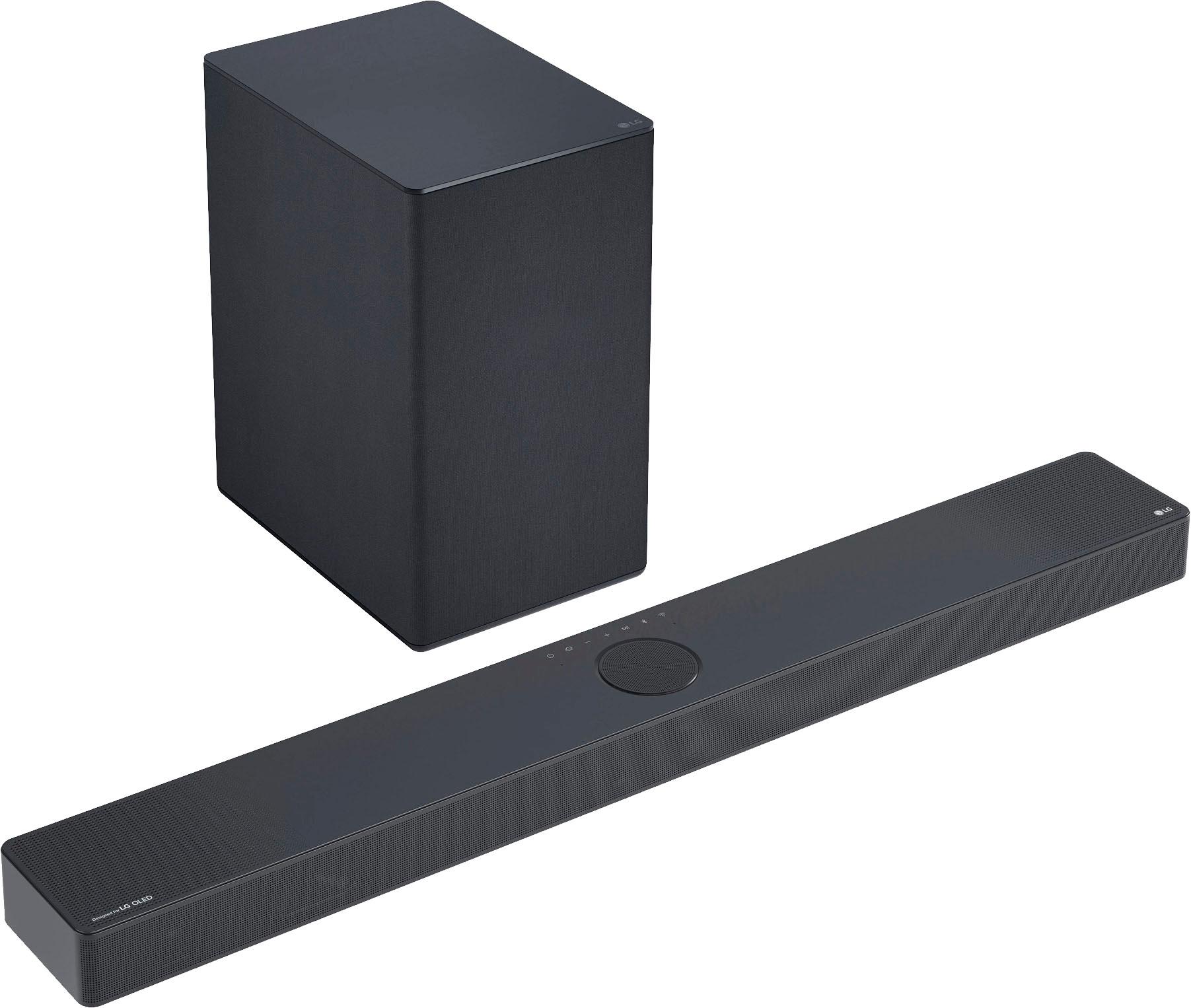



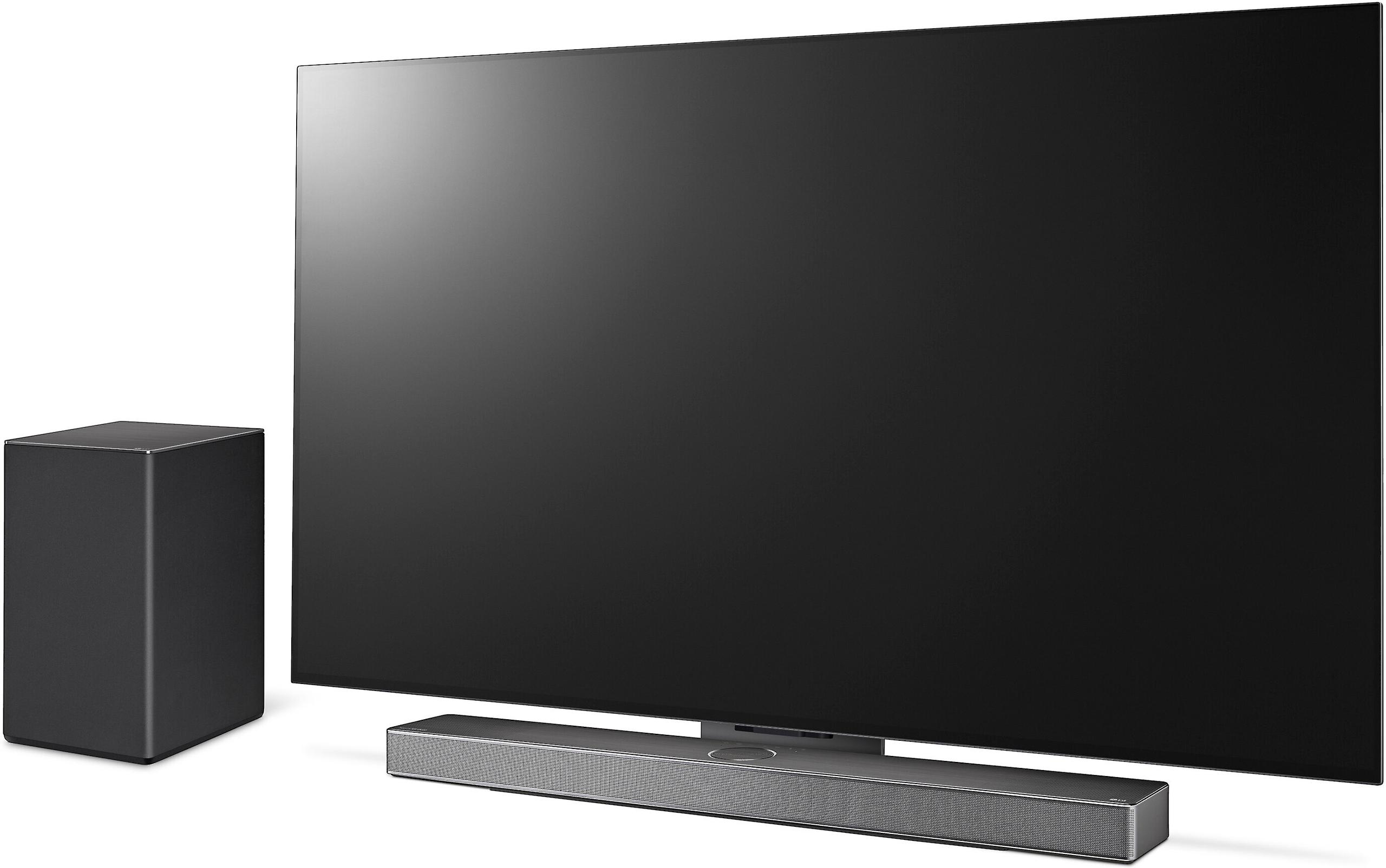
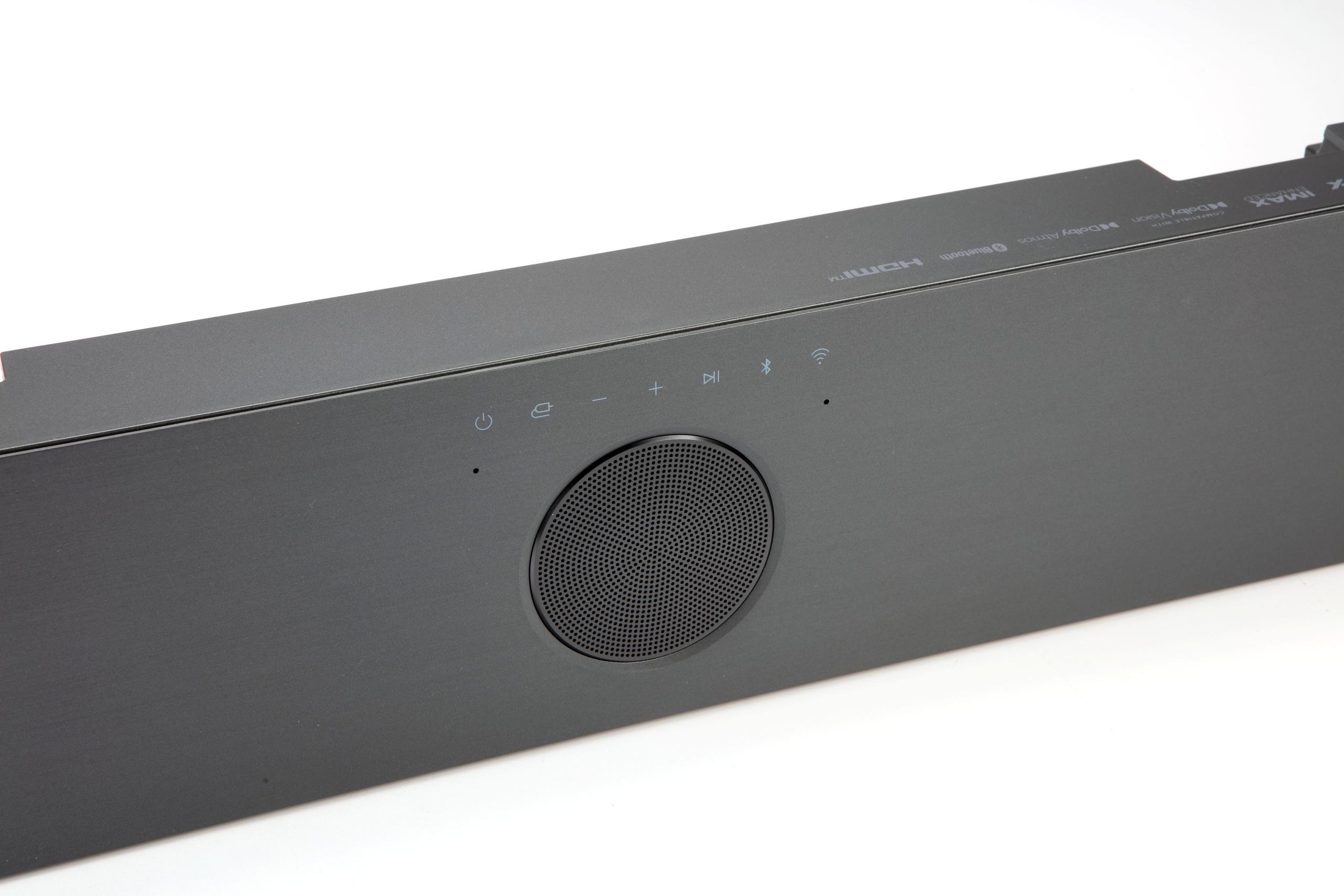
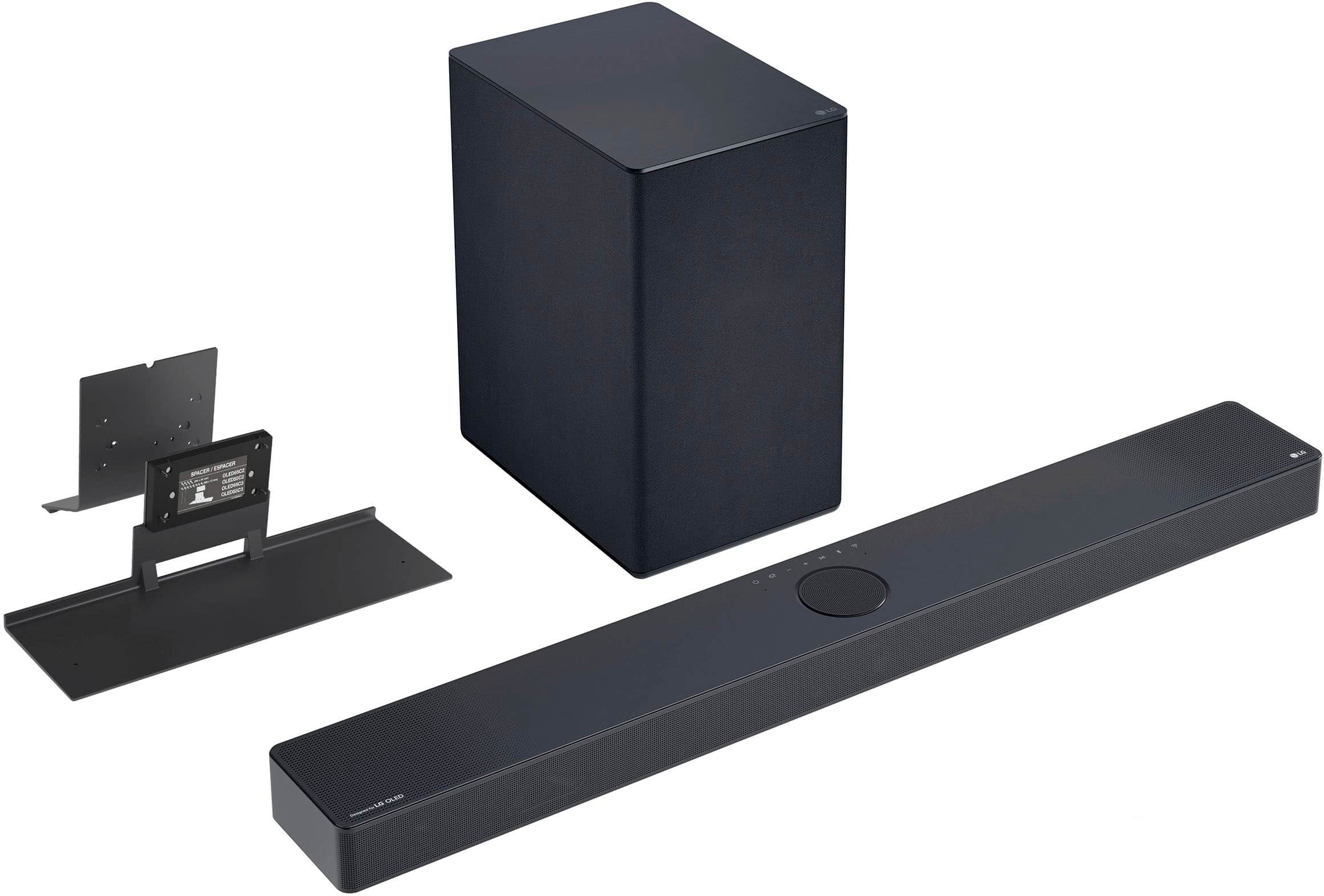
When shopping for a soundbar in 2024, you'll encounter two fundamentally different philosophies that couldn't be more opposite. On one side, you have systems like the Ultimea Poseidon D70—a budget-friendly approach that gives you actual surround speakers positioned around your room. On the other, there's premium offerings like the LG SC9S, which uses advanced processing to create virtual surround sound with modern Dolby Atmos technology.
Both released in the past couple of years, these systems represent the current state of soundbar evolution. The question isn't really which one is "better"—it's which approach fits your room, budget, and expectations. At the time of writing, budget systems with physical surround speakers typically cost under $250, while premium Dolby Atmos soundbars often exceed $600. That price difference reflects entirely different design philosophies and target audiences.
The soundbar market has essentially split into two camps. Traditional systems focus on giving you more speakers for your money, often including separate surround speakers that you place around your room. These create what audio engineers call "discrete surround sound"—meaning each speaker handles specific audio channels independently.
The premium camp has moved toward sophisticated audio processing that can simulate surround sound effects using fewer physical speakers. These systems support modern audio formats like Dolby Atmos, which treats sounds as "objects" that can be positioned anywhere in three-dimensional space, including above your head.
Both approaches have merit, but they solve different problems. Physical surround speakers excel at creating authentic directional audio—you genuinely hear sounds coming from behind or beside you. Virtual systems excel at convenience and supporting cutting-edge audio formats that streaming services and Ultra HD Blu-rays increasingly use.
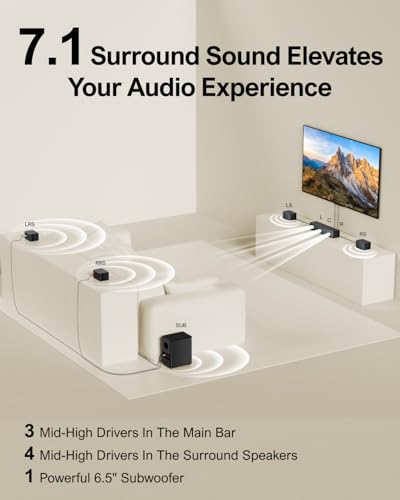
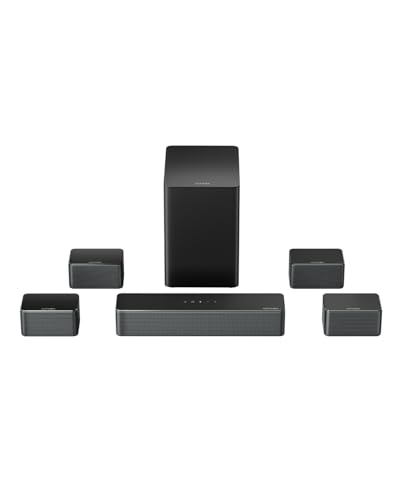
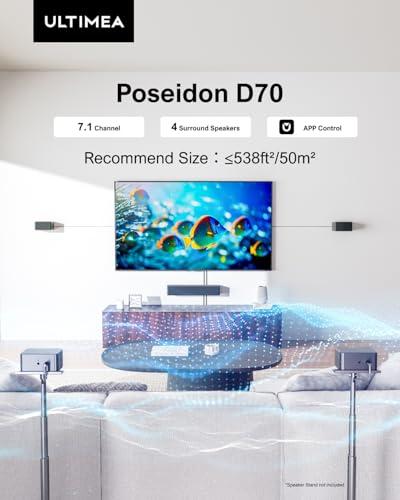
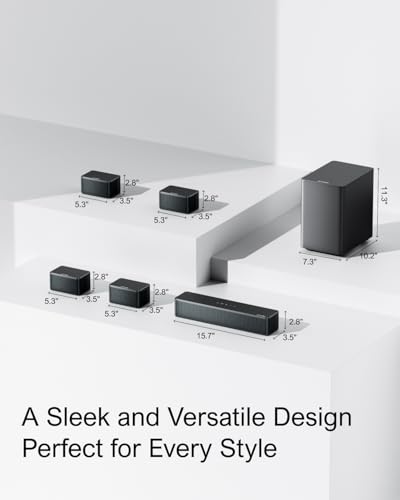
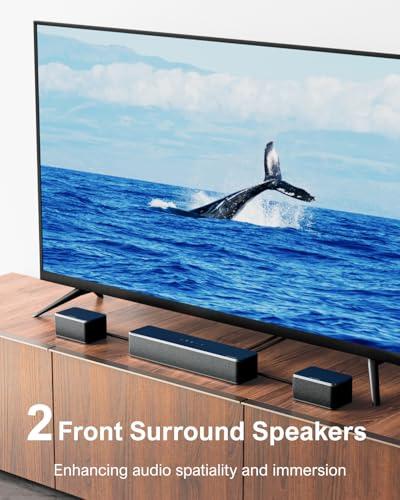
The Ultimea Poseidon D70 represents the "more speakers for less money" philosophy taken to its logical conclusion. Released in 2024, this system includes eight separate speakers: a main soundbar housing three drivers, four individual surround speakers with their own drivers, and a wireless subwoofer. This gives you genuine 7.1 surround sound, where "7.1" means seven main speakers plus one subwoofer.
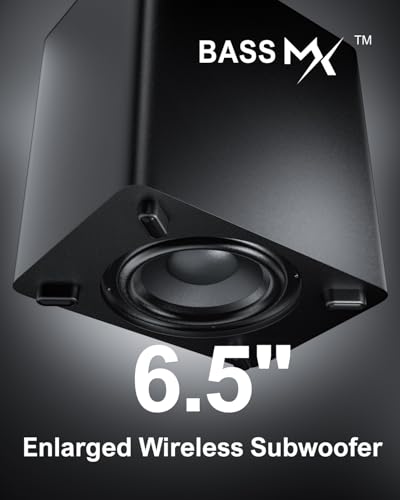
What makes this system interesting is how Ultimea achieved this at a budget price point. Each surround speaker uses a 2.25-inch driver—not huge, but sufficient for directional audio cues. The main soundbar houses three matching 2.25-inch drivers, while the wireless subwoofer features a 6.5-inch downward-firing driver specifically for bass frequencies.
The system's SurroundX technology uses what Ultimea calls a "Spatial Positioning Algorithm" to optimize how sounds are distributed across all eight speakers. Essentially, this means the system analyzes incoming audio and decides which speakers should handle which parts of the soundtrack to create the most convincing surround experience.
The Poseidon D70 includes BassMX technology, which is Ultimea's approach to bass enhancement. Unlike simple bass boost, BassMX analyzes the incoming audio signal and applies dynamic processing to low-frequency content. This means bass hits harder during action scenes but doesn't overwhelm dialogue during quieter moments.
Perhaps most intriguing is the system's AI deep learning component. Ultimea claims this feature has been trained on "billions of real-world sounds" to optimize audio reproduction. In practical terms, this likely means the system can recognize different types of content—like dialogue versus explosions—and apply appropriate processing automatically.
The frequency response spans 35Hz to 18kHz, which covers the full range of human hearing. The 35Hz low-end capability is particularly impressive for a budget system, as many soundbars struggle to reproduce truly deep bass without substantial subwoofers.
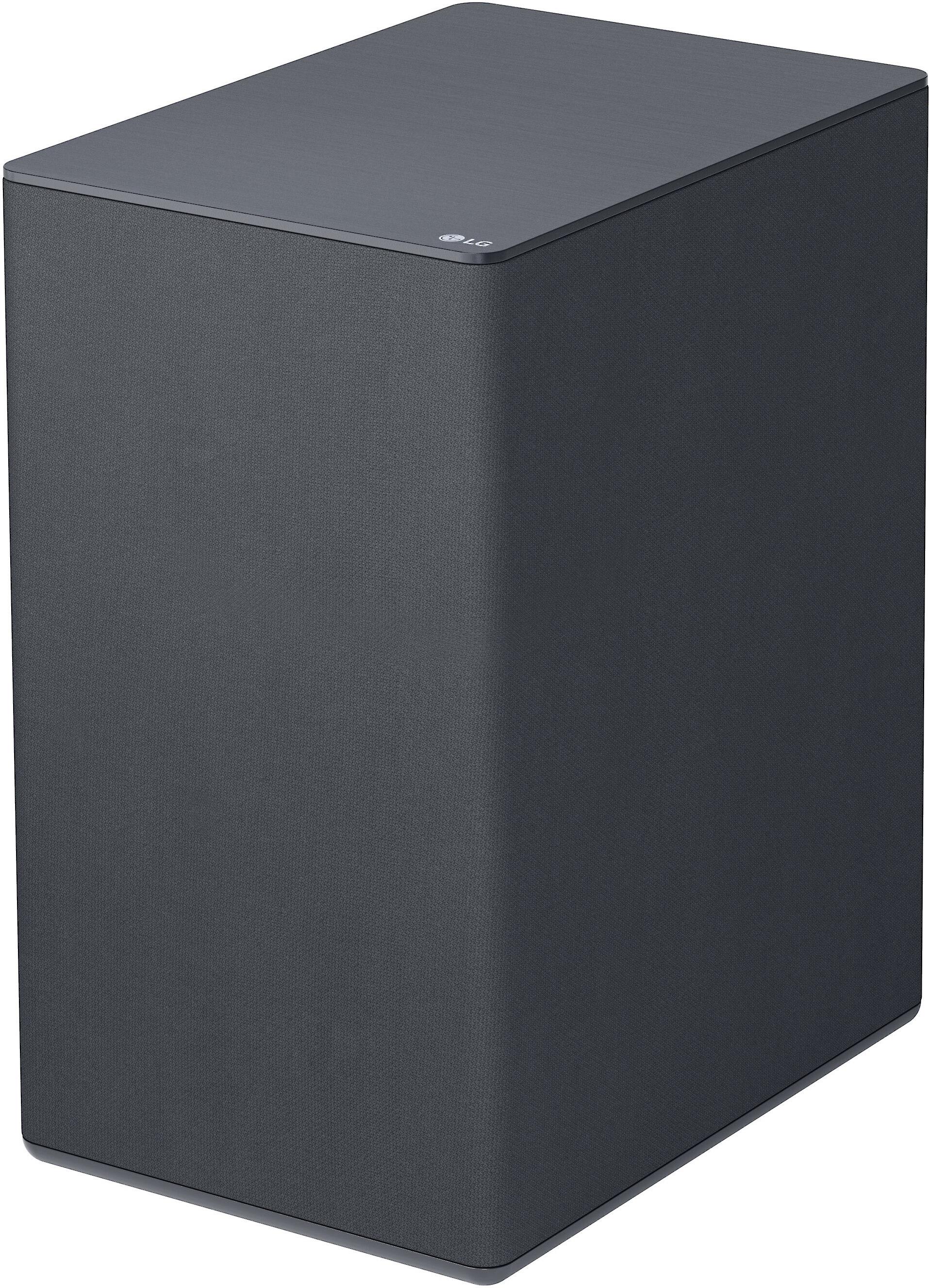
The LG SC9S, also released around 2024, takes the opposite approach. Instead of more speakers, it focuses on smarter speakers and advanced processing. The "3.1.3" designation means three front channels, one subwoofer channel, and three height channels—but here's where it gets interesting.
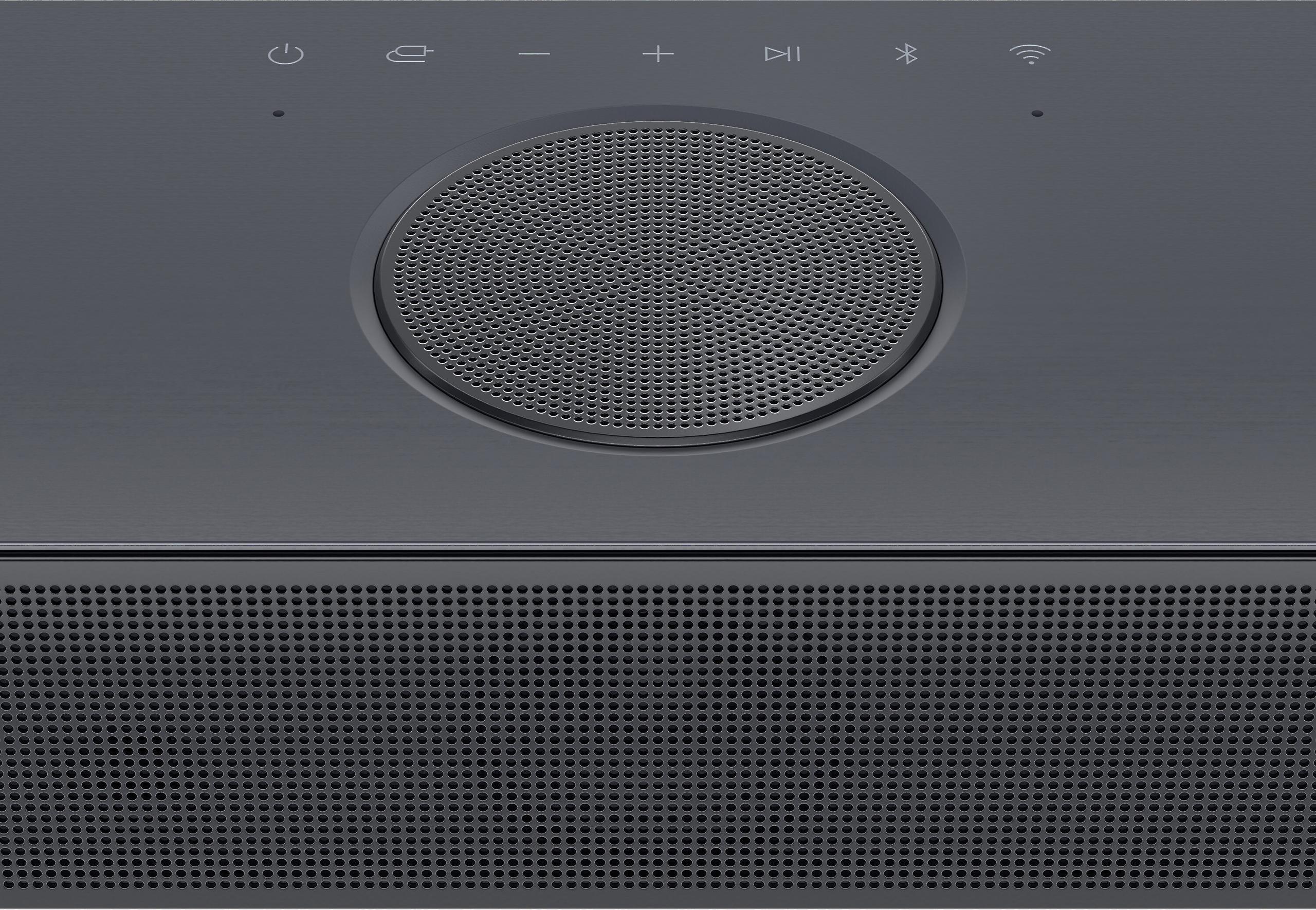
LG's unique implementation includes an up-firing center channel, which is unusual. Most soundbars have their center channel firing directly forward, but the SC9S bounces some center channel information off your ceiling. This creates a more three-dimensional vocal presentation, making dialogue seem to come from the screen rather than below it.
The system supports both Dolby Atmos and DTS:X, which are object-based audio formats. Instead of traditional channel-based surround sound, these formats treat individual sounds as objects that can be placed anywhere in a three-dimensional space. When a helicopter flies overhead in a movie, Dolby Atmos can make it sound like it's actually moving above your head, even without physical ceiling speakers.
The SC9S carries IMAX Enhanced certification, which means it meets specific technical standards for reproducing IMAX movie soundtracks. This certification requires the soundbar to handle wide dynamic range—meaning it can reproduce both whisper-quiet dialogue and explosive action sequences without distortion.
The AI Room Calibration Pro feature automatically analyzes your room's acoustics and adjusts the sound accordingly. Using built-in microphones, the system measures how sound reflects off your walls and furniture, then applies digital signal processing to compensate for acoustic problems. If your room has hard surfaces that create echoes, the system will digitally reduce those reflections.
This is where the fundamental difference between these approaches becomes most apparent. The Poseidon D70 creates surround effects by literally placing speakers around your room. When something happens behind you in a movie, you hear it from the physical speakers positioned behind your seating area. There's no processing trickery—the sound genuinely originates from multiple directions.
Our analysis of user reviews reveals that people consistently notice this difference. Multiple reviewers mention being able to pinpoint specific sounds in their room, like hearing a car drive from their left side to right side as it crosses the screen. This spatial accuracy is physics, not processing.
The SC9S creates immersion differently. Its Dolby Atmos processing can place sounds in three-dimensional space, including above your listening position—something the Poseidon D70 cannot do. However, for traditional horizontal surround effects, it relies on psychoacoustic processing. The soundbar uses careful timing and frequency manipulation to trick your brain into perceiving sounds as coming from directions where no speakers exist.
Both methods work, but they excel in different scenarios. Physical speakers provide more consistent surround effects regardless of your seating position, while Dolby Atmos adds a height dimension that can be genuinely impressive with the right content.
Bass reproduction reveals another philosophical difference. The Poseidon D70 dedicates 60 watts specifically to its 6.5-inch subwoofer, which fires downward to use floor coupling for additional bass reinforcement. The BassMX processing dynamically adjusts bass response based on content, so movie explosions hit harder than they would with static EQ settings.
User reviews consistently praise the system's bass impact, with several mentioning that it outperforms more expensive competitors in terms of pure low-end output. The 35Hz frequency response suggests the subwoofer can reproduce genuine sub-bass—the kind you feel as much as hear.
The SC9S approaches bass differently. While specific power ratings weren't disclosed by LG, reviews indicate substantial bass output. More importantly, the system's room calibration optimizes bass response for your specific environment. If your room has bass-absorbing furniture or problematic acoustics, the system automatically compensates.
This represents a classic trade-off: raw power versus intelligent optimization. The Poseidon D70 likely produces more absolute bass energy, while the SC9S produces more accurate bass for your specific room.
Dialogue clarity might be the SC9S's strongest advantage. The dual center channel configuration—one forward-firing, one up-firing—creates exceptional vocal reproduction. Professional reviews consistently highlight this feature, noting that voices remain clear even during complex action sequences.
The up-firing center channel bounces vocal information off your ceiling, creating the illusion that dialogue comes from the screen rather than below it. This subtle effect significantly improves the viewing experience, making conversations feel more natural and integrated with the visual action.
The Poseidon D70 handles dialogue competently through its three front drivers, but it lacks the sophisticated vocal processing of premium systems. Reviews mention good dialogue clarity, but without the dimensional enhancement that the SC9S provides.
Here lies perhaps the most significant long-term difference. The SC9S supports Dolby Atmos, DTS:X, and IMAX Enhanced—the audio formats that streaming services and Ultra HD Blu-rays increasingly use. As content creators adopt these technologies, the SC9S will handle them natively.
The Poseidon D70 doesn't support modern object-based audio formats. While its SurroundX processing can enhance traditional surround sound, it cannot decode Dolby Atmos soundtracks. This limitation becomes more significant as Netflix, Disney+, and other services expand their Atmos catalogs.
However, the Poseidon D70's physical surround speakers work with all content types. Even stereo music gets enhanced by the system's ability to distribute sound across multiple speakers, creating a wider, more enveloping presentation.
The Poseidon D70 requires more complex installation. You need to position four surround speakers around your room, which means running cables and finding appropriate placement locations. The surround speakers connect to the subwoofer via RCA cables, so proper placement requires planning your cable routing.
This complexity comes with benefits. Once properly positioned, the system works optimally regardless of room acoustics or seating arrangement. The physical speakers create consistent surround effects throughout your listening area.
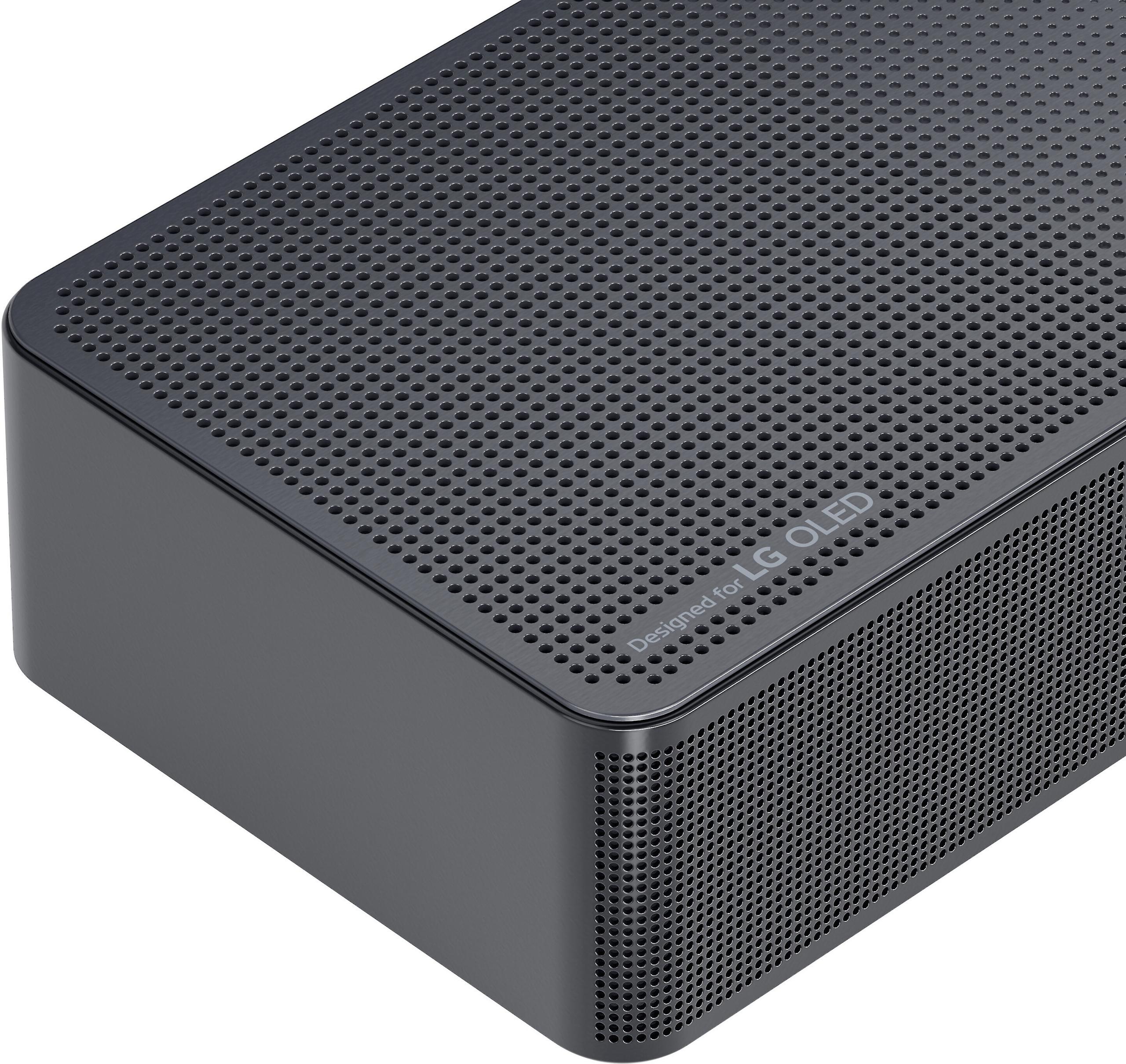
The SC9S offers dramatically simpler installation—just the main soundbar and wireless subwoofer. The included mounting bracket specifically designed for LG OLED C2 and C3 TVs creates a seamless, integrated appearance. The room calibration feature means the system adapts to your environment automatically.
For LG TV owners, the integration goes deeper. The WOW Orchestra feature synchronizes the soundbar with your TV's built-in speakers, using both simultaneously to create a wider soundstage. This integration explains part of the premium pricing—you're paying for ecosystem optimization.
Modern soundbars must handle multiple input sources, and both systems approach this differently. The SC9S includes HDMI eARC support, which enables lossless audio transmission from your TV and supports advanced format pass-through. The system can also pass 4K video at 120Hz refresh rates, making it suitable for modern gaming consoles.
The eARC capability means the soundbar can decode high-resolution audio formats directly, without compression or conversion losses. This technical advantage becomes important when playing lossless music or high-quality movie soundtracks.
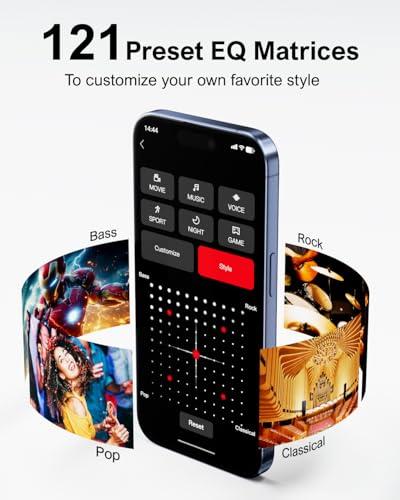
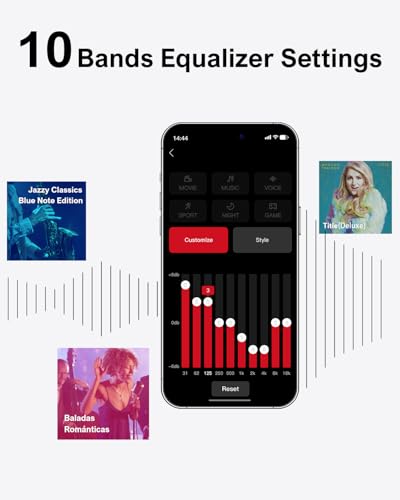
The Poseidon D70 uses standard HDMI ARC, which has more limited bandwidth. While adequate for most content, it cannot pass the highest-resolution audio formats without some compression. The system compensates with extensive customization options—121 preset EQ matrices and a 10-band graphic equalizer accessible through a dedicated smartphone app.
This app control represents one of the Poseidon D70's strongest features. You can save custom sound profiles for different content types, adjust individual frequency bands, and even control the relative levels of different speaker groups. This level of customization is rare at any price point.
At the time of writing, these systems occupy very different market segments. Budget shoppers seeking maximum features per dollar will gravitate toward the Poseidon D70, while premium buyers prioritizing convenience and advanced formats will prefer the SC9S.
The value equation depends heavily on your priorities. The Poseidon D70 delivers authentic surround sound with extensive customization at a fraction of typical multi-speaker system costs. You're essentially getting a complete 7.1 home theater setup for the price of a mid-range soundbar.
The SC9S justifies its premium pricing through advanced features, seamless integration, and future-proof format support. For users who prioritize convenience and cutting-edge technology over absolute value, the additional cost delivers meaningful benefits.
In dedicated home theater environments, the Poseidon D70 often provides superior immersion due to its physical speaker placement. Movie enthusiasts who watch action films and want authentic directional effects will appreciate the discrete surround channels.
However, the SC9S excels with modern content. Streaming movies with Dolby Atmos soundtracks showcase height effects that the Poseidon D70 simply cannot reproduce. The difference becomes particularly apparent with flying sequences, overhead effects, and atmospheric audio.
Room size significantly impacts performance. Large rooms favor the Poseidon D70's physical speakers, which maintain their effectiveness regardless of distance or acoustics. Smaller to medium rooms suit the SC9S better, where its virtual processing and room calibration can create convincing surround effects without requiring multiple speaker placements.
Choose the Ultimea Poseidon D70 if you want authentic surround sound at an exceptional value. This system works best for budget-conscious buyers who have the room space for proper speaker placement and don't mind missing modern Dolby Atmos content. It's ideal for large rooms, movie enthusiasts who prioritize traditional surround effects, and users who enjoy extensive audio customization.
Select the LG SC9S for modern audio formats, premium convenience, and seamless integration. This system suits buyers who prioritize simplicity, own or plan to purchase LG TVs, frequently watch streaming content with Dolby Atmos, and value advanced features like room calibration and height effects.
The decision ultimately comes down to philosophy: do you want more speakers for less money, or fewer speakers with smarter processing? Both approaches have merit, but they serve different needs and expectations. Consider your room layout, content preferences, and long-term plans when making this choice—both systems will likely serve you well within their intended use cases.
| Ultimea Poseidon D70 7.1 Channel Soundbar System | LG SC9S 3.1.3 Channel Dolby Atmos Soundbar |
|---|---|
| Channel Configuration - Determines authentic vs. virtual surround sound experience | |
| True 7.1 with 4 physical surround speakers + subwoofer | 3.1.3 with virtual surround and 3 up-firing height channels |
| Total Speakers - More drivers can mean better sound separation and power | |
| 8 speakers (3 in soundbar + 4 surrounds + 1 subwoofer) | 1 soundbar + 1 wireless subwoofer (exact driver count not specified) |
| Power Output - Higher wattage typically means louder, more dynamic sound | |
| 410W peak / 144W RMS across all speakers | Not specified by manufacturer (typical premium range) |
| Modern Audio Format Support - Essential for streaming services and UHD Blu-rays | |
| No Dolby Atmos or DTS:X (uses proprietary SurroundX) | Full Dolby Atmos, DTS:X, and IMAX Enhanced support |
| Subwoofer Size - Larger drivers generally produce deeper bass | |
| 6.5" wireless subwoofer with 60W dedicated power | Wireless subwoofer (size not specified) |
| HDMI Connectivity - eARC enables lossless audio and advanced features | |
| HDMI ARC (standard bandwidth) | HDMI eARC with 4K/120Hz passthrough |
| Audio Customization - Important for fine-tuning sound to your room | |
| 121 preset EQ matrices + 10-band graphic equalizer via app | Basic bass/treble adjustments + AI Room Calibration Pro |
| Installation Complexity - Affects setup time and room requirements | |
| Requires positioning 4 surround speakers around room | Single soundbar + wireless subwoofer placement only |
| Smart Features - Modern convenience and integration capabilities | |
| Dedicated app control, firmware updates, Bluetooth 5.3 | Wi-Fi, Chromecast, AirPlay 2, voice assistant compatibility |
| TV Integration - Seamless operation with specific TV brands | |
| Universal compatibility with any TV | Optimized for LG TVs with WOW Orchestra and mounting bracket |
| Frequency Response - Wider range captures more audio detail | |
| 35Hz - 18kHz (excellent low-end for budget category) | Not specified (typical premium range expected) |
| Release Year - Newer products often have latest technology | |
| 2024 | 2024 |
The Ultimea Poseidon D70 provides true 7.1 surround sound with four physical surround speakers placed around your room, creating authentic directional audio. The LG SC9S uses advanced Dolby Atmos processing to create virtual surround effects with height channels. For traditional surround sound, the Poseidon D70 offers more genuine positional audio, while the SC9S excels at creating overhead effects and modern 3D audio experiences.
Yes, Dolby Atmos is increasingly important as streaming services like Netflix, Disney+, and Amazon Prime expand their Atmos catalogs. The LG SC9S supports Dolby Atmos, DTS:X, and IMAX Enhanced formats, making it future-ready. The Ultimea Poseidon D70 doesn't support these modern formats but compensates with physical surround speakers that enhance all content types, including older movies and music.
The LG SC9S is much easier to install, requiring only placement of the main soundbar and wireless subwoofer. The Ultimea Poseidon D70 requires positioning four surround speakers around your room and running cables, making setup more complex but potentially more rewarding for dedicated home theater enthusiasts.
The Ultimea Poseidon D70's 7.1 setup means seven main speakers plus one subwoofer, with physical speakers positioned around your room. The LG SC9S's 3.1.3 configuration has three front channels, one subwoofer, and three height channels that bounce sound off your ceiling. The 7.1 system provides wider surround coverage, while 3.1.3 adds vertical dimension.
The Ultimea Poseidon D70 features a 6.5" wireless subwoofer with 60W dedicated power and reaches down to 35Hz frequency response. User reviews consistently praise its powerful bass output. The LG SC9S also delivers strong bass but focuses more on accuracy through room calibration rather than raw power, automatically optimizing bass for your specific room acoustics.
The Ultimea Poseidon D70 works universally with any TV that has HDMI ARC, optical, or other standard connections. The LG SC9S also works with any TV but offers special integration features with LG OLED TVs, including a dedicated mounting bracket and WOW Orchestra mode that uses both the TV speakers and soundbar simultaneously.
The Ultimea Poseidon D70 excels in customization with 121 preset EQ matrices and a 10-band graphic equalizer accessible through a dedicated smartphone app. You can fine-tune every aspect of the sound. The LG SC9S offers basic bass and treble adjustments but compensates with AI Room Calibration Pro that automatically optimizes sound for your room's acoustics.
Room size significantly impacts performance. The Ultimea Poseidon D70 works best in larger rooms where surround speakers can be properly positioned at least 8 feet from the main soundbar. The LG SC9S adapts better to various room sizes through its room calibration feature and works well in medium to large spaces without requiring additional speaker placement.
For movies, the Ultimea Poseidon D70 excels with action films and traditional surround content due to its physical speaker placement. The LG SC9S is superior for modern movies with Dolby Atmos soundtracks, offering height effects and exceptional dialogue clarity. For music, both perform well, but the Poseidon D70 can distribute stereo content across multiple speakers for a wider soundstage.
The LG SC9S features HDMI eARC support, enabling lossless audio transmission and 4K/120Hz video passthrough for gaming. It also includes Wi-Fi, Chromecast, and AirPlay 2. The Ultimea Poseidon D70 uses standard HDMI ARC along with optical, Bluetooth 5.3, USB, and AUX connections, covering most basic connectivity needs but without the advanced features.
The LG SC9S has advantages for modern gaming with its HDMI eARC support for high-resolution audio and 120Hz passthrough capability for smooth gameplay. The Ultimea Poseidon D70 provides excellent directional audio cues through its physical surround speakers, helping with competitive gaming where positional awareness matters, though it lacks support for modern gaming audio formats.
The Ultimea Poseidon D70 offers comprehensive app control with extensive EQ customization and firmware updates. The LG SC9S provides broader smart home integration with voice assistant compatibility, wireless streaming via multiple protocols, and automatic room optimization features. The SC9S focuses more on convenience, while the Poseidon D70 emphasizes user control and customization options.
We've done our best to create useful and informative comparisons to help you decide what product to buy. Our research uses advanced automated methods to create this comparison and perfection is not possible - please contact us for corrections or questions. These are the sites we've researched in the creation of this article: ultimea.com - provantage.com - ultimea.com - youtube.com - youtube.com - bestbuy.com - the-gadgeteer.com - shopmyexchange.com - youtube.com - youtube.com - youtube.com - ultimea.com - manuals.plus - device.report - images.thdstatic.com - shopmyexchange.com - staples.com - ultimea.de - consumerreports.org - valueelectronics.com - youtube.com - bestbuy.com - rtings.com - costco.com - bestbuy.com - walts.com - queencityonline.com - blog.son-video.com - videoandaudiocenter.com - lg.com

Privacy Policy
Terms and Conditions - Affiliate Policy
Home Security
© Copyright 2008-2026.
11816 Inwood Rd #1211, Dallas, TX 75244