




When your TV's built-in speakers just aren't cutting it anymore, the soundbar world offers two compelling but fundamentally different paths to better audio. You can either go with a complete surround sound system that includes physical speakers positioned around your room, or invest in a sophisticated single soundbar that uses advanced processing to simulate that same immersive experience.
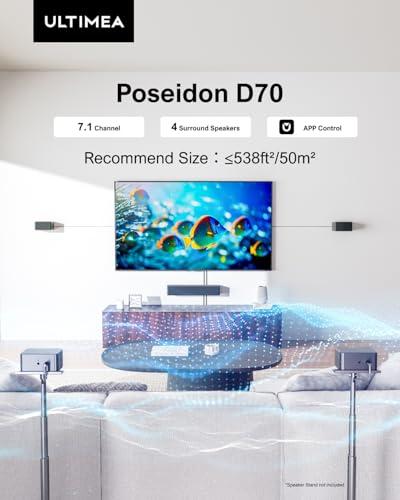
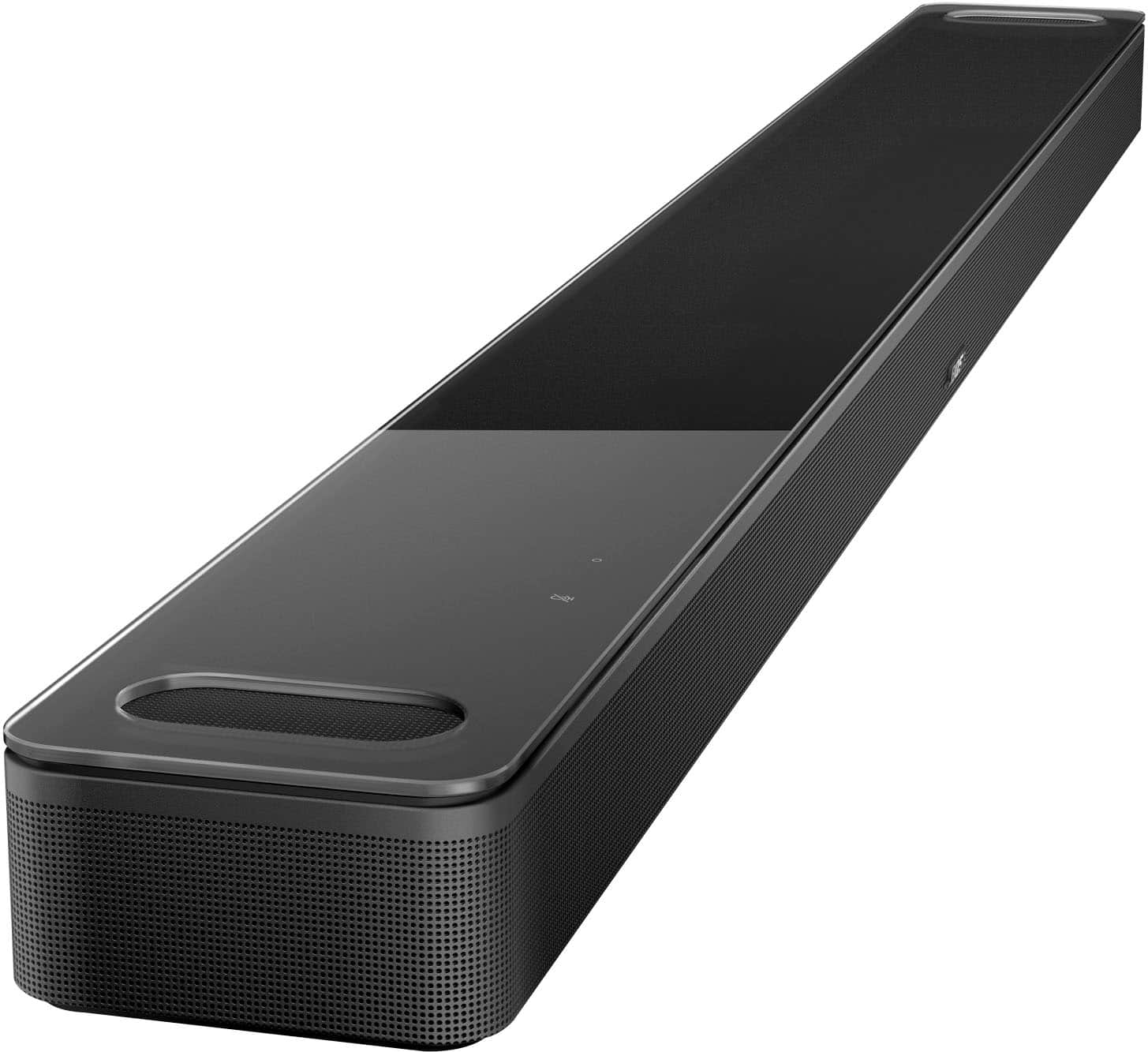
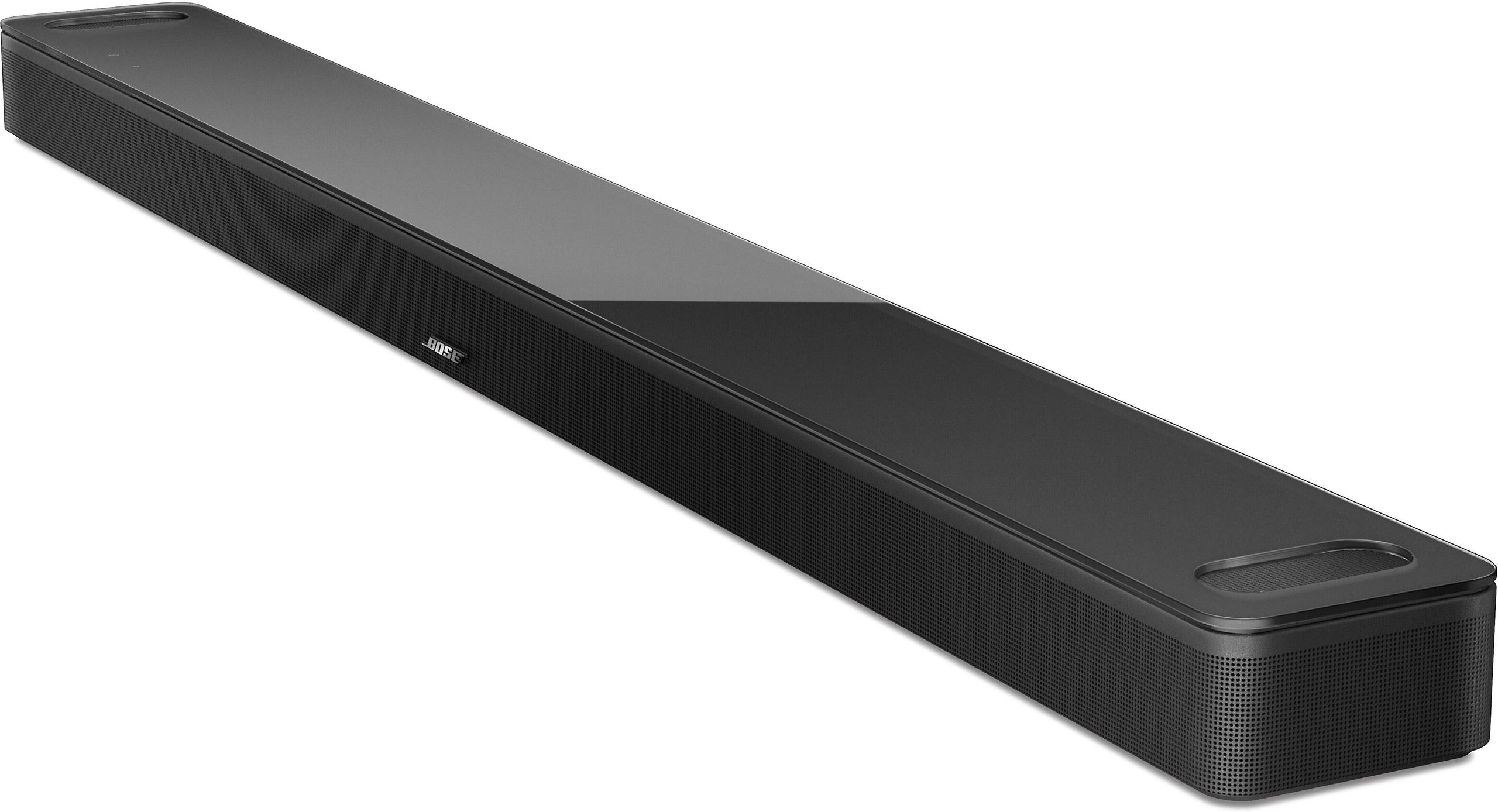
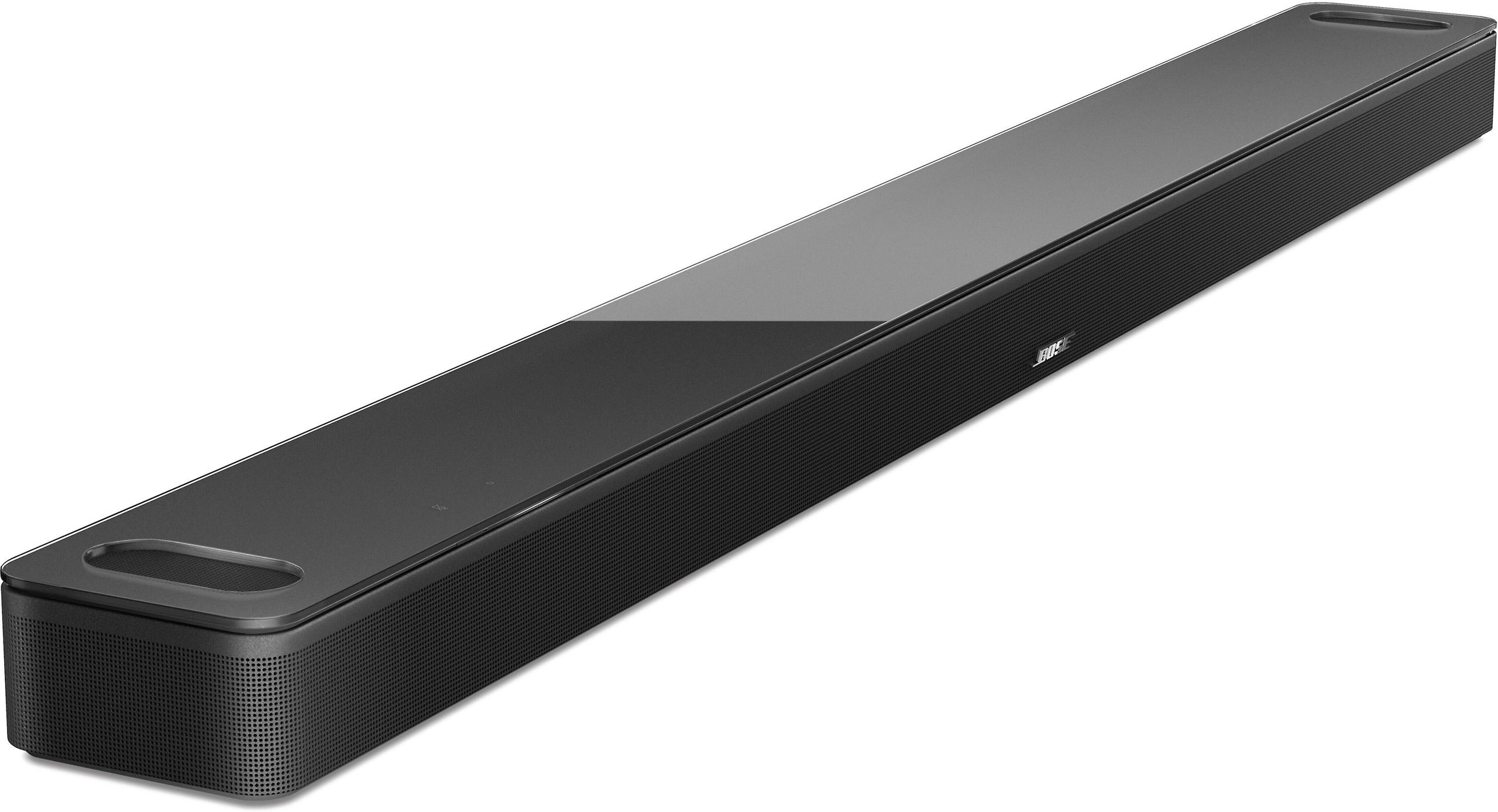
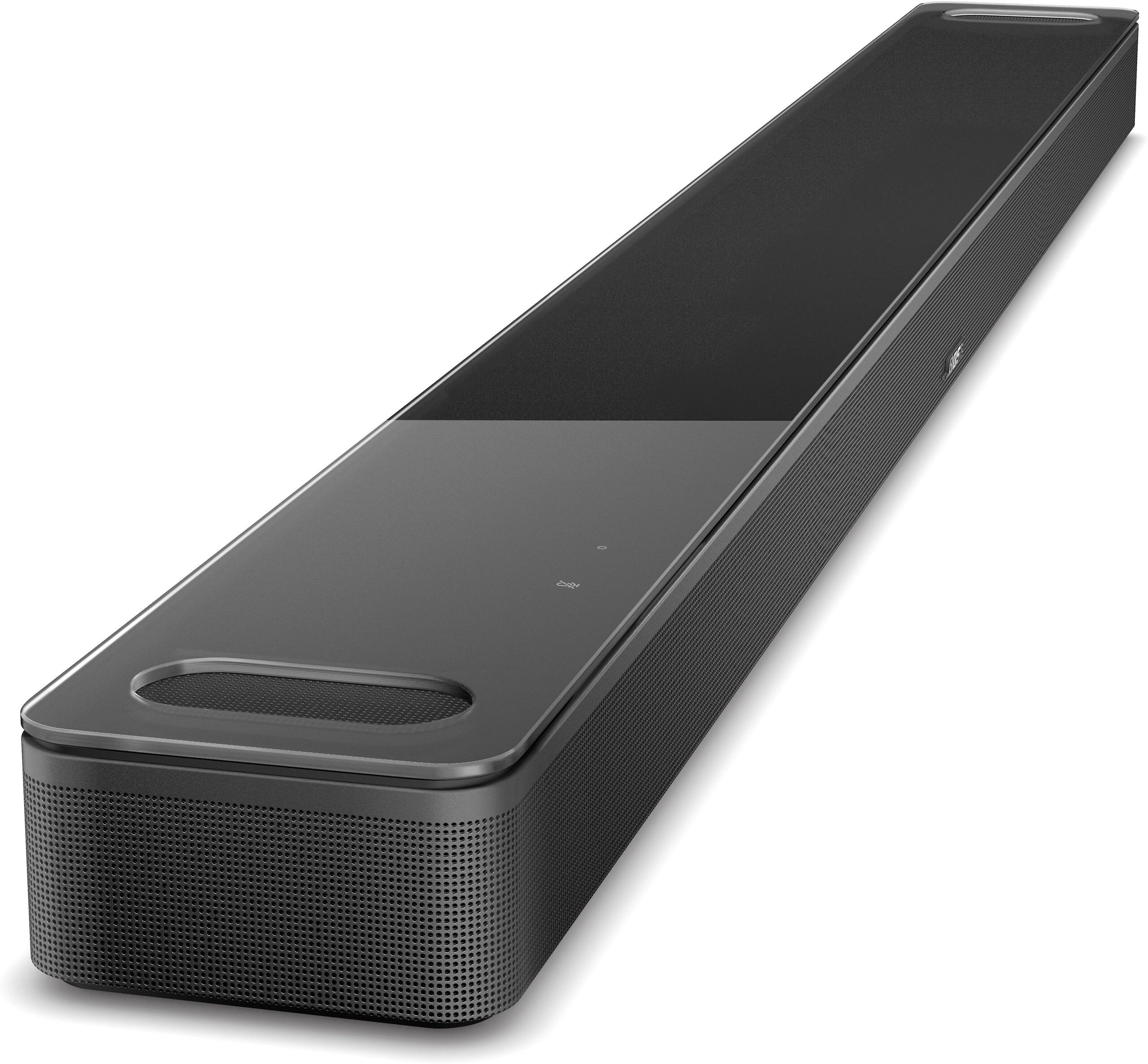
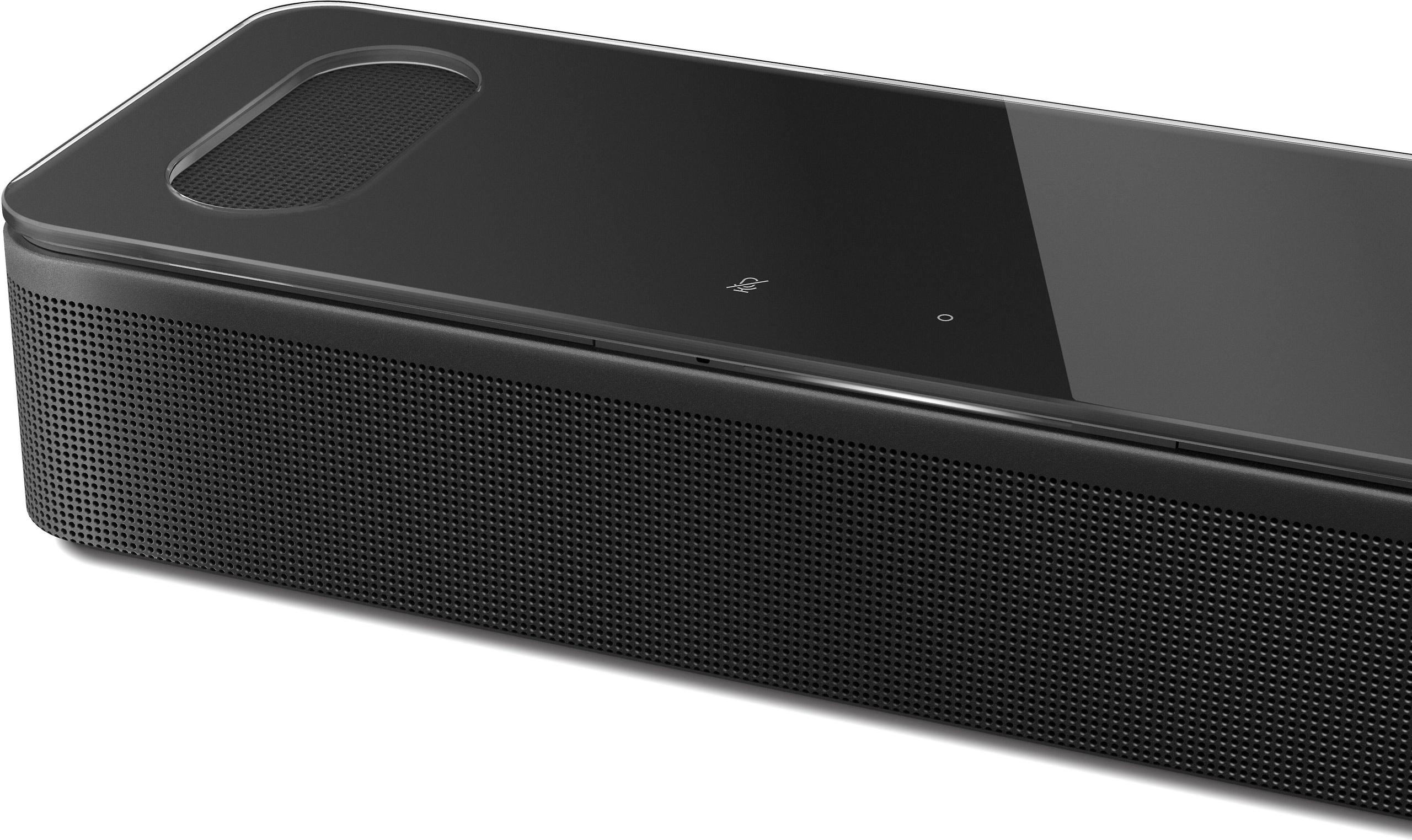
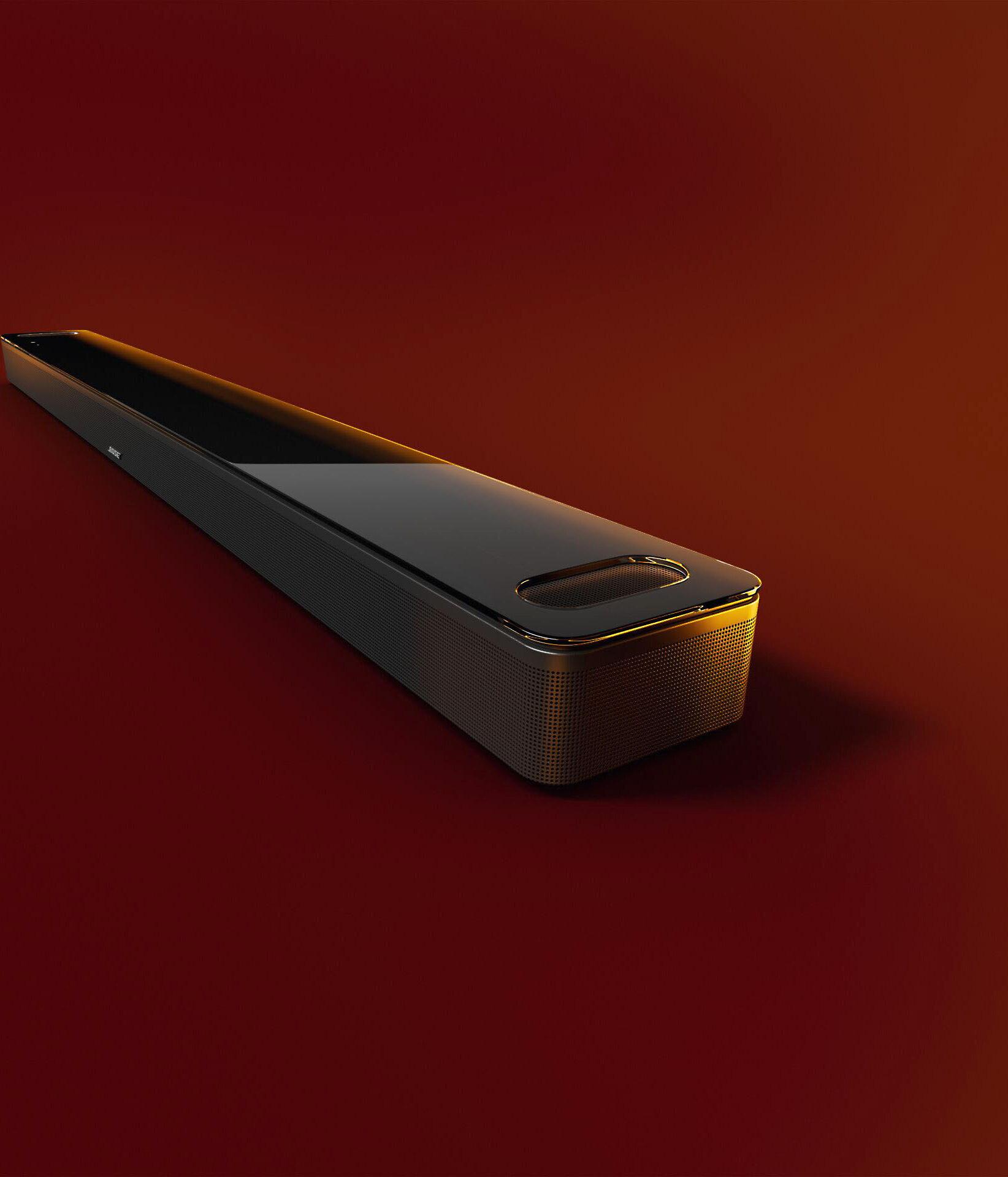
The Ultimea Poseidon D70 represents the first approach—a true 7.1 channel system with real speakers and a subwoofer that delivers authentic surround sound at a budget-friendly price point. The Bose Smart Ultra Soundbar, released in 2023, takes the premium single-bar route with Dolby Atmos support and AI-powered features that create impressive virtual surround effects.
At the time of writing, these products sit in vastly different price categories, with the Ultimea system costing roughly what you'd spend on a nice dinner out, while the Bose soundbar represents a more significant investment—though still just for the main unit without additional components.
Understanding the trade-offs between these approaches will help you make the right choice for your space, budget, and audio priorities.
Before diving into specifics, it's worth understanding what we mean by surround sound and why it matters. Traditional surround sound systems use multiple speakers positioned around your listening area to create the illusion that sounds are coming from specific directions. When a helicopter flies overhead in a movie, you hear it move from front to back through speakers actually positioned in those locations.
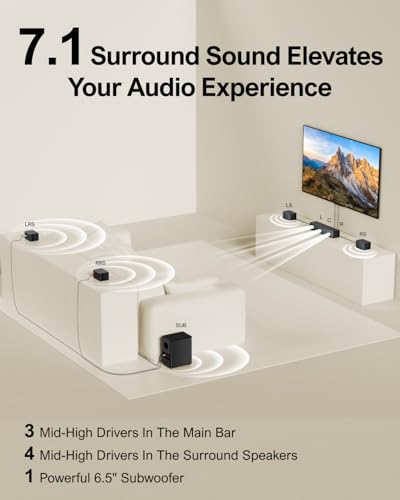
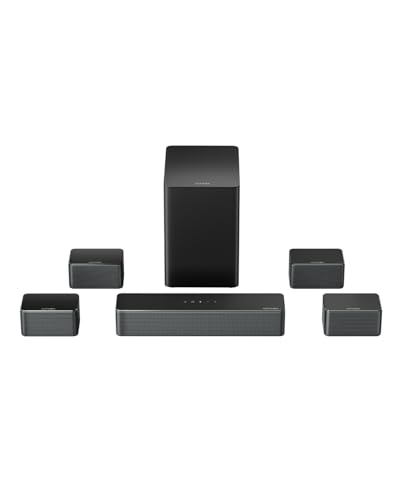
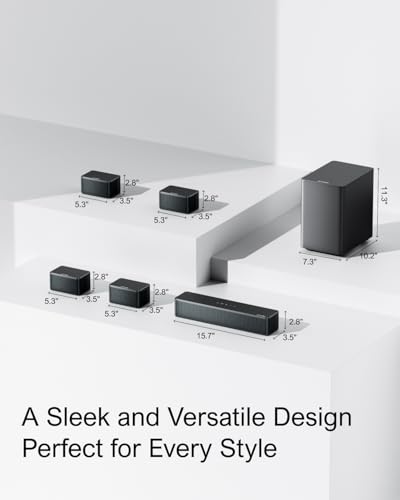
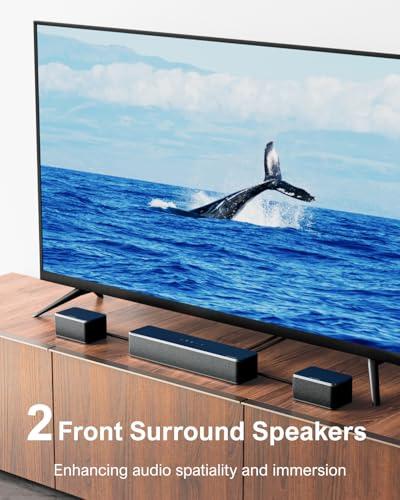
The Ultimea D70 uses this traditional approach with eight total drivers: three in the main soundbar, four in separate surround speakers that you place behind or beside your seating area, and one large driver in the wireless subwoofer for bass. This is called "discrete" surround sound because each channel of audio goes to its own dedicated speaker.
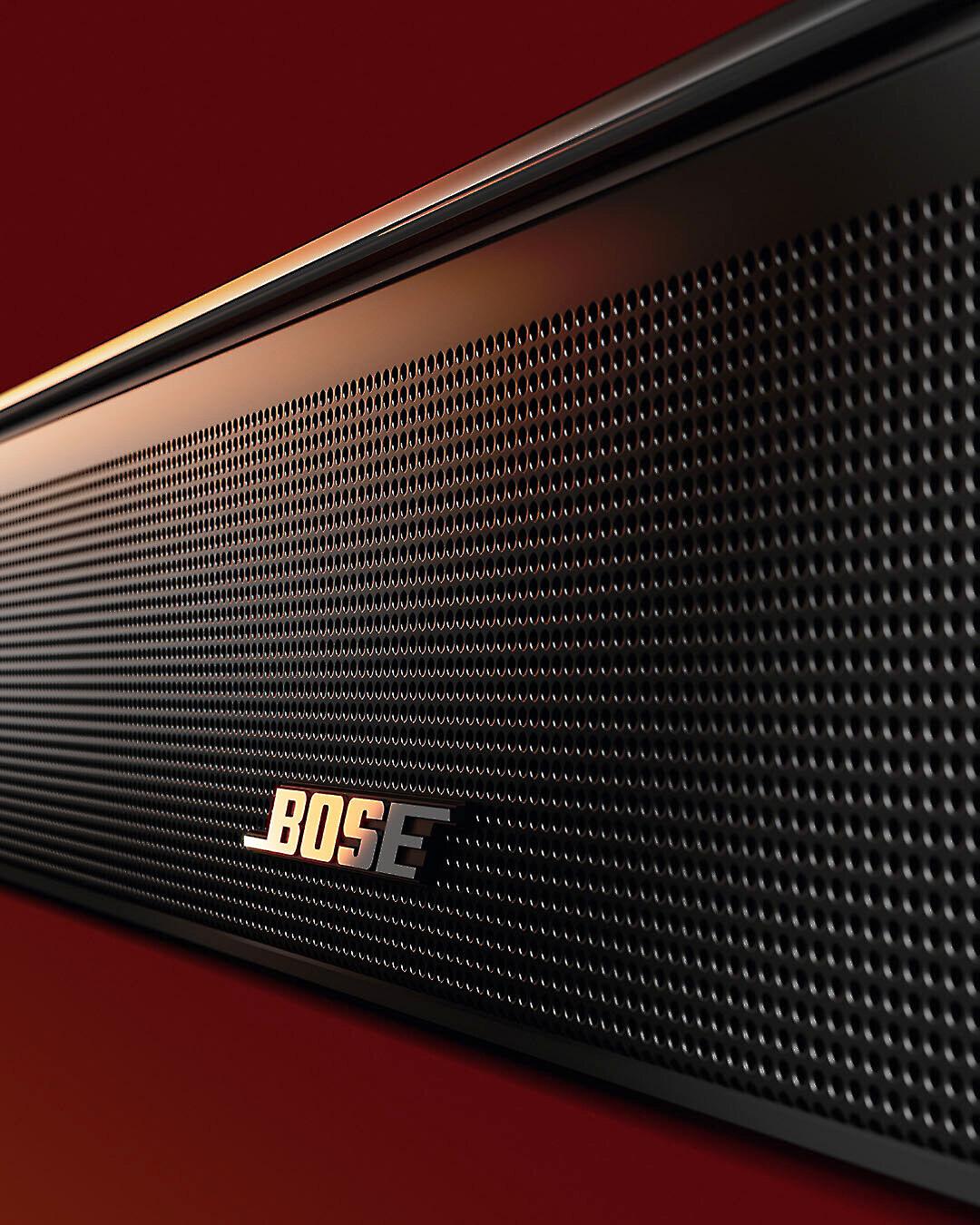
The Bose Smart Ultra, on the other hand, packs nine speakers into a single soundbar and uses sophisticated processing to trick your ears into hearing sounds from directions where no speakers exist. This technique, called psychoacoustic processing, exploits how our brains interpret sound reflections and timing differences to create the illusion of surround sound.
Both approaches have merit, but they excel in different scenarios and come with distinct advantages and limitations.
When it comes to sheer output, the Ultimea Poseidon D70 brings serious muscle to the table. With 410 watts of peak power distributed across its eight drivers, this system can fill large rooms without breaking a sweat. Our research into user reviews consistently shows people being surprised by how loud and clear this system remains even at high volumes, reaching sound pressure levels of 103 decibels—loud enough for any home theater enthusiast.
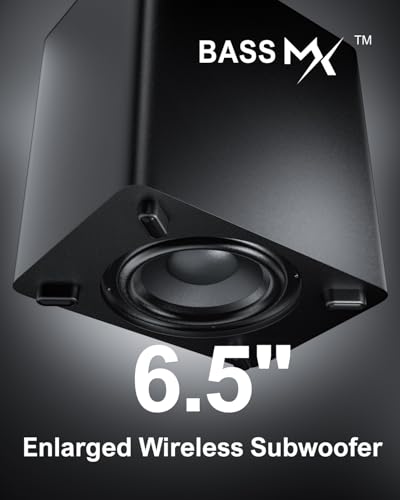
The secret lies in its distributed driver approach. Instead of asking a single soundbar to do everything, the D70 spreads the workload across multiple speakers, each optimized for specific frequency ranges and spatial positioning. The three 2.25-inch drivers in the main bar handle front-channel duties, while the four matching drivers in the surround speakers create genuine rear-channel effects. The 6.5-inch subwoofer driver, enhanced by Ultimea's BassMX technology, handles everything below about 80Hz.
The Bose Smart Ultra takes a more refined approach to power. Rather than publishing raw wattage specifications (a practice Bose has long avoided), they focus on efficiency and clarity. The nine-speaker array includes dedicated tweeters, mid-range drivers, and woofers, plus two upward-firing drivers specifically for height effects. While it can't match the D70's raw volume capabilities, it excels at maintaining clarity and detail at moderate listening levels.
Bass response reveals one of the most significant differences between these systems. The Ultimea D70 includes a dedicated 6.5-inch subwoofer that extends down to 35Hz—deep enough to reproduce the rumble of explosions, the growl of movie monsters, and the fundamental tones of orchestral music. The wireless subwoofer can be positioned anywhere in your room for optimal bass response, and the BassMX technology allows you to fine-tune the bass levels through the mobile app.
Without a dedicated subwoofer, the Bose Smart Ultra relies on its internal woofers and QuietPort technology—a Bose innovation that uses precisely tuned ports to maximize bass output from a compact enclosure. While impressive for a single soundbar, it simply cannot match the physics of a larger dedicated driver. Bose addresses this limitation by offering an optional Bass Module, but that significantly increases the total system cost.
For action movies, video games, and music with significant low-end content, the D70's dedicated subwoofer provides a more visceral, room-shaking experience that single soundbars struggle to match.
Clear dialogue often determines whether a soundbar succeeds or fails in daily use. Both systems approach this challenge differently, with impressive results.
The Ultimea D70 uses a traditional center-channel approach, dedicating one of its three main drivers specifically to dialogue reproduction. This driver handles the frequency range where human voices live (roughly 300Hz to 3kHz), ensuring speech remains clear even during loud action sequences. The system also allows you to adjust surround speaker levels independently, so you can dial back rear-channel effects if they're overwhelming dialogue.
The Bose Smart Ultra introduces AI Dialogue Mode, one of the most sophisticated approaches to this problem we've encountered. This feature uses machine learning trained on millions of content samples to automatically detect when dialogue is occurring and adjust the tonal balance in real-time. Instead of just boosting mid-range frequencies (which can make voices sound unnatural), it intelligently balances dialogue against background music and sound effects.
In our evaluation of user feedback, both systems receive praise for dialogue clarity, but they excel in different scenarios. The D70 provides consistently clear dialogue across all content types, while the Bose adapts more intelligently to challenging content where dialogue and effects compete for your attention.
This is where the fundamental difference between these systems becomes most apparent. The Ultimea D70 creates surround effects by actually placing speakers behind or beside your listening position. When a car races past in a movie, you hear it move through the rear speakers positioned in your room. This creates what audio enthusiasts call "discrete" surround sound—each channel goes to its own physical speaker location.
The system's SurroundX technology uses AI processing and spatial positioning algorithms to enhance these effects, but the foundation remains physical speaker placement. User reviews consistently highlight how this creates a more enveloping, "wrap-around" sound experience compared to virtual alternatives.
The Bose Smart Ultra achieves surround effects through PhaseGuide technology, which uses precisely timed audio signals to create the illusion of sounds coming from directions where no speakers exist. The soundbar's custom transducer arrays beam sound waves that reflect off your walls and ceiling, creating a surprisingly convincing surround experience from a single location.
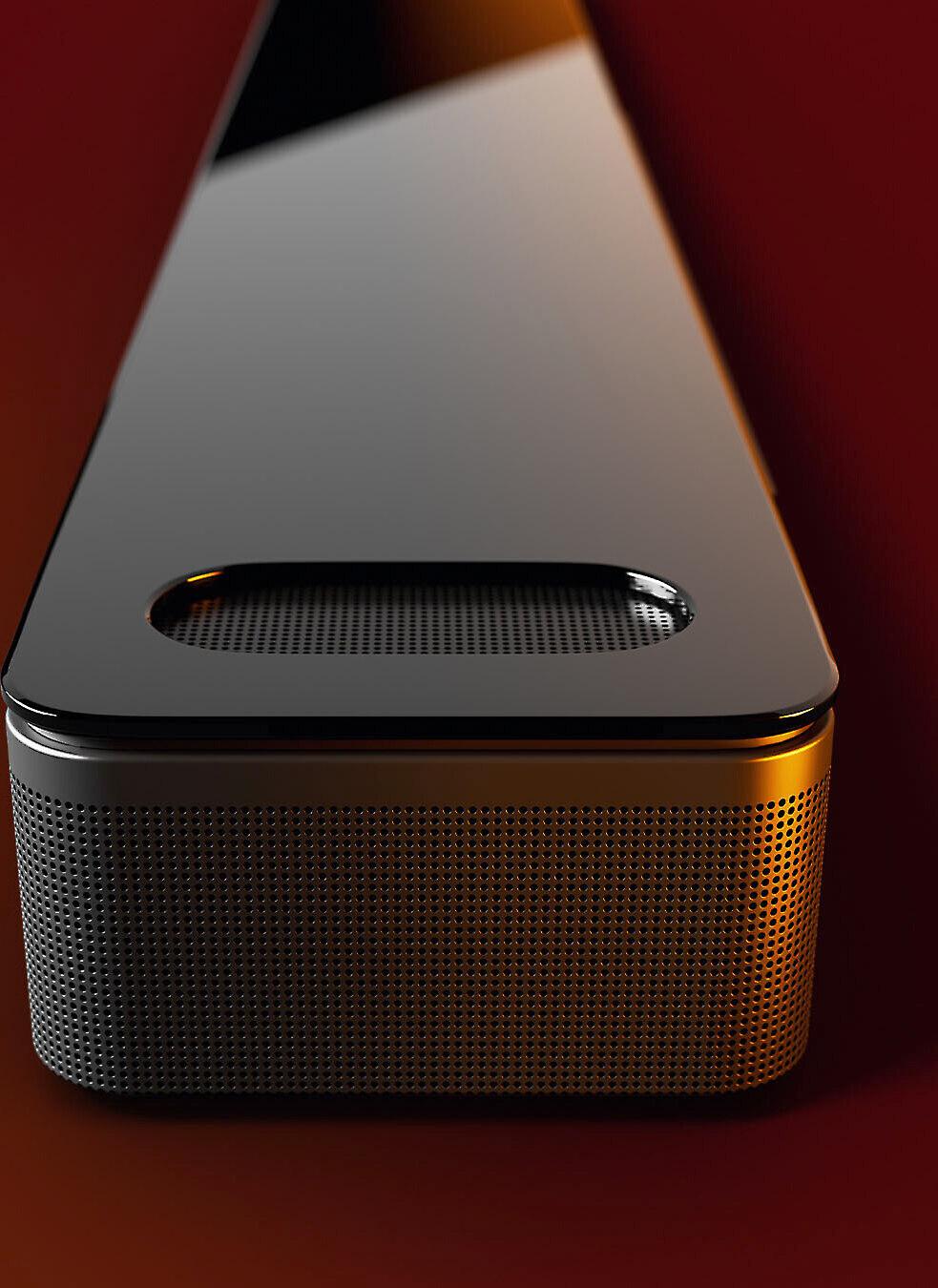
For Dolby Atmos content, the Bose includes two upward-firing drivers that bounce sound off your ceiling to create height effects—the sensation that helicopters, rainfall, or overhead dialogue is actually coming from above your listening position. When Dolby Atmos content isn't available, Bose's TrueSpace technology analyzes stereo or standard surround signals and adds height information to create a more three-dimensional soundstage.
The D70 cannot process Dolby Atmos signals and relies entirely on its virtual processing for height effects, which are less convincing than true overhead speakers or up-firing drivers.
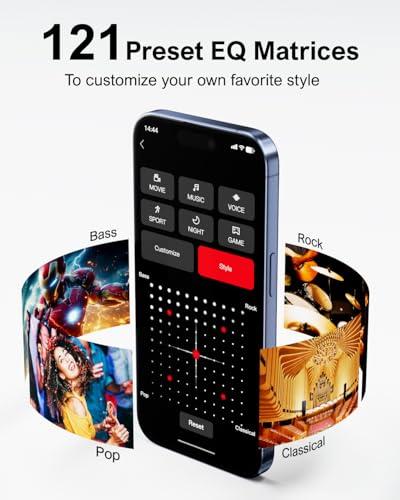
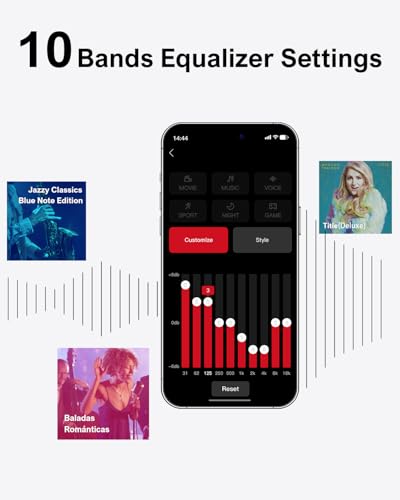
Both systems offer comprehensive mobile app control, but with different philosophies. The Ultimea D70 focuses on customization flexibility, offering 121 preset EQ curves for different music genres and content types, plus a 10-band graphic equalizer for precise frequency adjustment. You can save custom sound profiles, adjust surround speaker levels across 13 different settings, and control individual components independently.
The app also handles firmware updates, which have improved the system's performance since its 2024 release. Users report enhanced bass response and better virtual surround processing through these updates.
The Bose Smart Ultra takes a more automated approach with its ADAPTiQ room calibration system. This feature uses a special microphone headset (included in the box) to analyze your room's acoustic properties and automatically adjust the soundbar's output to compensate for room-specific issues like hard surfaces, furniture placement, and room size.
The Bose Music app integrates streaming services directly, supporting Spotify Connect, Apple AirPlay 2, and Chromecast built-in. You can start music playback directly through the app without needing to connect your phone via Bluetooth.
The Bose Smart Ultra includes built-in Amazon Alexa with six-microphone arrays that can hear your commands even when the soundbar is playing loudly. The Voice4Video feature lets you control your TV with voice commands—saying "Alexa, turn on Netflix" will power on your TV, switch to the correct input, and launch the streaming app.
The Ultimea D70 offers more basic smart features, focusing on audio control through its app and remote rather than voice integration or smart home connectivity.
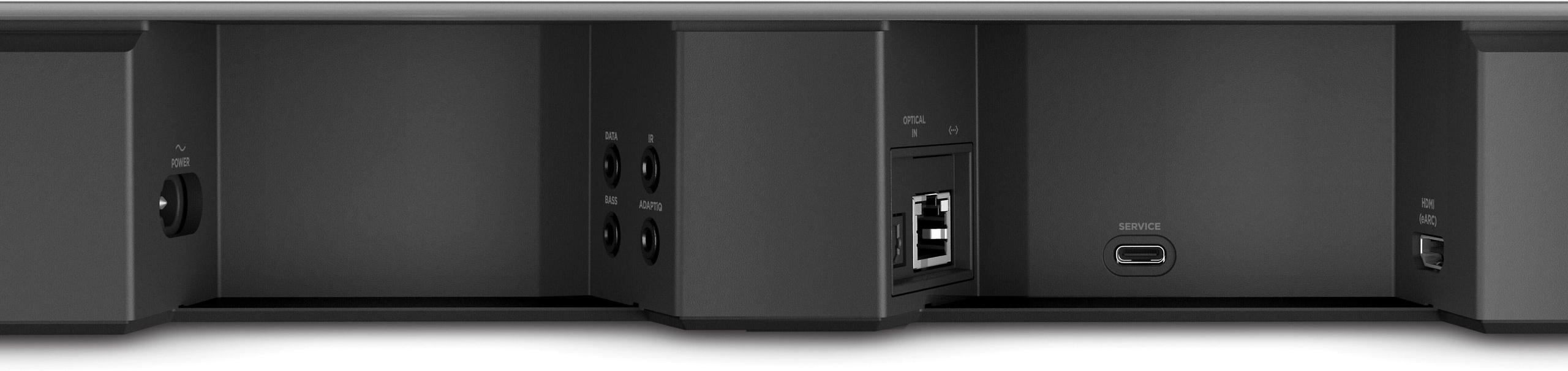
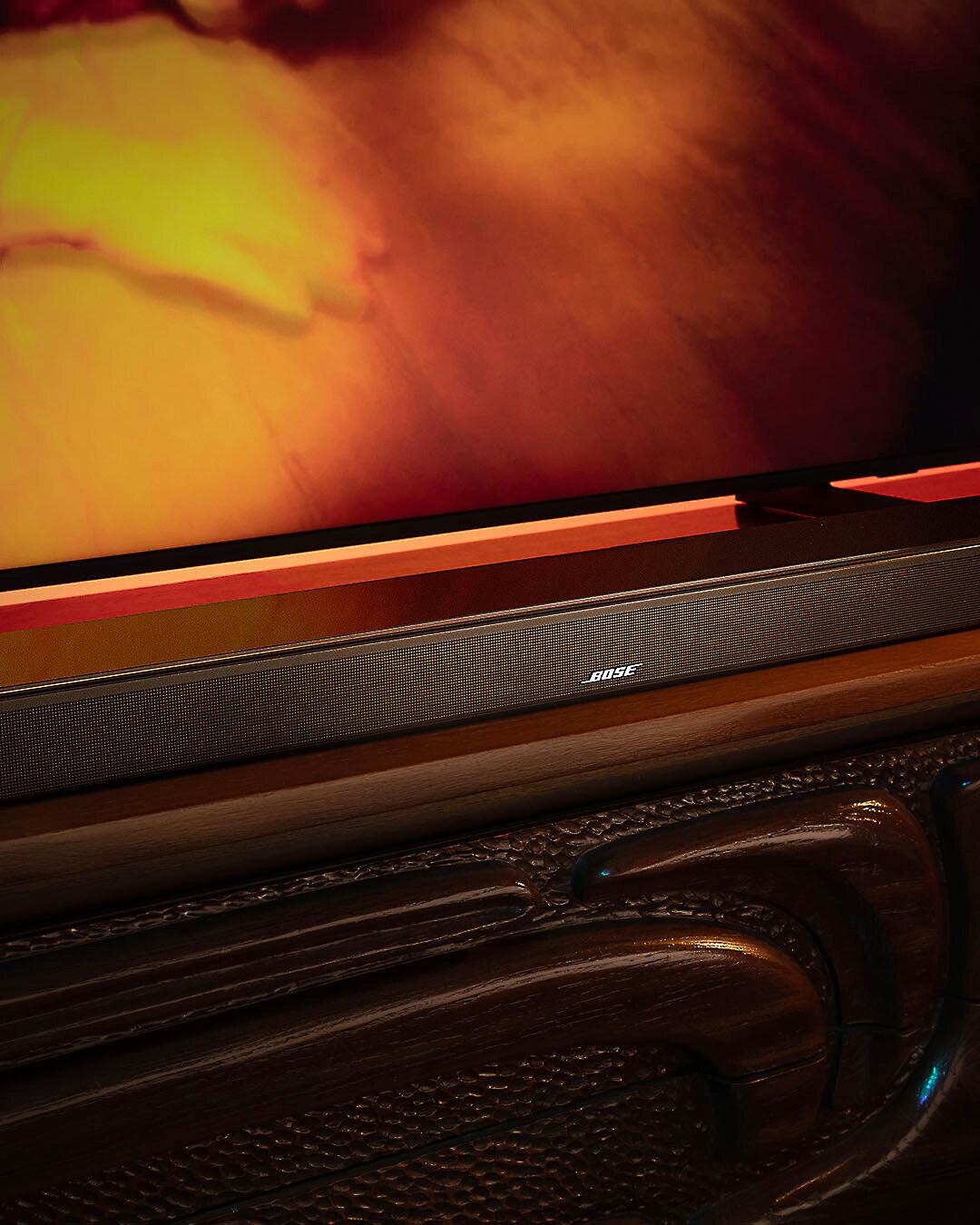
The setup complexity differs dramatically between these systems. The Bose Smart Ultra offers the ultimate in simplicity: connect one HDMI cable to your TV, plug in the power cord, and you're essentially done. The soundbar measures just 2.25 inches tall and fits under most TVs without blocking remote sensors or creating visual clutter.
The Ultimea D70 requires more planning and compromise. While the wireless subwoofer connects automatically to the main soundbar, the four surround speakers need wired connections to the subwoofer. This means running speaker cables (3-meter and 6-meter options included) to your rear seating area, which works well in dedicated home theater rooms but can be challenging in living spaces where furniture placement is less flexible.
However, once properly set up, many users find the D70's physical speaker placement creates a more convincing surround experience than even high-end virtual alternatives. The key is having a room layout that accommodates speaker placement without dominating the décor.
The systems take opposite approaches to expandability. The Ultimea D70 is essentially a complete solution from day one—you get everything in the box, but there's no upgrade path for individual components. If you want more bass or different surround speakers, you'd need to replace the entire system.
The Bose Smart Ultra follows a modular philosophy. You can add a Bass Module 500 or 700 for deeper bass extension, and Surround Speakers 700 for physical rear-channel effects. These components connect wirelessly and integrate seamlessly with the main soundbar. However, building a complete system this way represents a significant investment—at the time of writing, a full Bose system with subwoofer and surrounds costs roughly ten times the price of the complete Ultimea setup.
For cinematic content, both systems excel but in different ways. The Ultimea D70 creates an immediately impressive "wow factor" with its physical surround speakers and powerful subwoofer. Action movies benefit tremendously from the discrete surround channels and room-shaking bass. The system handles everything from quiet dialogue scenes to explosive set pieces with confidence, though it lacks the height effects that modern Dolby Atmos mixes increasingly rely on.
The Bose Smart Ultra provides a more refined cinematic experience, particularly with Dolby Atmos content. The up-firing drivers create convincing overhead effects for rainfall, aircraft flyovers, and atmospheric sounds. The AI Dialogue Mode proves particularly valuable for older movies or content with challenging audio mixes where dialogue and effects compete for clarity.
Both systems transition well to music playback, but with different strengths. The D70 can create an enveloping musical experience by engaging its surround processing, making stereo recordings feel more spacious and immersive. The dedicated subwoofer provides excellent foundation for bass-heavy genres like hip-hop, electronic music, and rock.
The Bose Smart Ultra excels at musical accuracy and detail retrieval. Bose's decades of acoustic engineering show in how well the system reproduces the subtle details in recordings—the decay of cymbals, the texture of acoustic guitars, the spatial positioning of instruments in a live recording. Streaming integration through Spotify Connect and AirPlay 2 makes it particularly convenient for daily music listening.
Gaming represents an interesting use case for both systems. The Ultimea D70 provides excellent spatial awareness for competitive gaming, with its physical surround speakers offering precise directional cues for footsteps, gunfire, and environmental sounds. The system's low latency ensures audio stays synchronized with fast-paced action.
The Bose Smart Ultra offers impressive virtual surround for gaming, though without the discrete positioning that physical speakers provide. However, its Dolby Atmos support benefits games that utilize height channels for immersive environmental effects.
You want the most surround sound impact for your money. This system delivers genuine home theater immersion at a fraction of what complete systems typically cost. It's ideal for dedicated media rooms where speaker placement is practical, or for users who prioritize raw performance over convenience.
The D70 also makes sense if you're setting up a first home theater system and want everything included from day one. There's no need to budget for additional components or worry about compatibility between different manufacturers.
You value convenience, elegance, and brand reputation over raw performance metrics. The Bose excels in living spaces where a clean, single-bar setup is preferable to multiple speakers and cables. It's also the clear winner if Dolby Atmos support is important for your content preferences.
The smart home integration and voice control features make it particularly appealing for users who want their audio system to integrate seamlessly with their connected home ecosystem.
At the time of writing, these systems represent fundamentally different value propositions. The Ultimea Poseidon D70 delivers impressive surround sound performance at a budget-friendly price point, making genuine home theater audio accessible to significantly more people. It's a complete solution that requires some setup compromise but rewards you with authentic multi-channel audio.
The Bose Smart Ultra represents premium audio engineering with sophisticated features like Dolby Atmos, AI dialogue processing, and seamless smart home integration. It's more expensive but offers convenience, refinement, and modular expansion possibilities.
Your choice ultimately depends on your priorities: Do you want maximum audio impact for your investment, or are you willing to pay more for convenience, features, and brand prestige? Both systems will dramatically improve your TV audio experience—they just take very different paths to get there.
Consider your room layout, setup preferences, and long-term plans. If you have the space and inclination for a traditional surround setup, the Ultimea provides exceptional value. If you prefer a clean, sophisticated solution with room to grow, the Bose justifies its premium positioning through superior engineering and features.
Either way, you'll be getting significantly better audio than your TV's built-in speakers—and that's the most important upgrade of all.
| Ultimea Poseidon D70 7.1 Channel Soundbar System | Bose Smart Ultra Soundbar with Dolby Atmos |
|---|---|
| System Configuration - Determines setup complexity and immersion level | |
| Complete 7.1 system: soundbar + 4 wired surround speakers + wireless subwoofer | Single 5.0.2 soundbar only (subwoofer and surrounds sold separately) |
| Total Drivers - More drivers can mean better sound distribution | |
| 8 total drivers across all components | 9 drivers built into single soundbar |
| Peak Power Output - Higher power fills larger rooms | |
| 410W peak power (excellent room-filling capability) | Power rating not specified (Bose focuses on efficiency over raw watts) |
| Dolby Atmos Support - Essential for modern movie immersion | |
| No Dolby Atmos (relies on virtual surround processing) | Yes, with dedicated up-firing drivers for true overhead effects |
| Bass Extension - Critical for action movies and music | |
| 35Hz with dedicated 6.5" wireless subwoofer included | Limited without optional Bass Module (adds significant cost) |
| Surround Sound Method - Affects realism of effects placement | |
| Physical surround speakers create authentic rear-channel effects | Virtual surround using PhaseGuide technology and wall reflections |
| Setup Requirements - Consider your room layout and cable tolerance | |
| Requires running wired cables to 4 surround speaker positions | Single HDMI connection to TV, completely wireless |
| Smart Features - Modern convenience and control options | |
| 121 EQ presets, 10-band equalizer, basic app control | AI Dialogue Mode, built-in Alexa, ADAPTiQ room calibration |
| Expandability - Future upgrade potential | |
| Complete system from day one, no upgrade path | Modular design allows adding wireless subwoofer and surround speakers |
| Voice Control - Hands-free operation convenience | |
| None (remote and app control only) | Built-in Amazon Alexa with 6-microphone array |
| Streaming Integration - Direct music playback without phone | |
| Basic Bluetooth connectivity | Spotify Connect, AirPlay 2, Chromecast built-in |
| Room Calibration - Optimizes sound for your specific space | |
| Manual EQ adjustment through app | Automatic ADAPTiQ calibration using included microphone headset |
| Ideal Room Type - Where each system performs best | |
| Dedicated home theater or large living room with flexible speaker placement | Living rooms prioritizing clean aesthetics and minimal cable management |
The Ultimea Poseidon D70 provides exceptional value by including a complete 7.1 surround sound system with physical speakers and subwoofer at a budget-friendly price. The Bose Smart Ultra costs significantly more but offers premium audio quality, Dolby Atmos support, and sophisticated smart features. For raw performance per dollar, the Ultimea D70 is hard to beat.
Physical surround speakers like those in the Ultimea Poseidon D70 create more authentic directional effects, especially for action movies and gaming. The Bose Smart Ultra uses advanced virtual surround technology that's impressive but can't fully replicate the immersion of actual rear speakers. Choose physical if you can manage the cable setup, virtual if you prioritize convenience.
The Bose Smart Ultra excels in smaller spaces with its single-bar design, no visible cables, and sophisticated room calibration. The Ultimea Poseidon D70 requires space for four surround speakers and cable management, making it better suited for dedicated home theater rooms or larger living areas where speaker placement is practical.
Only the Bose Smart Ultra supports true Dolby Atmos with dedicated up-firing drivers for overhead effects. The Ultimea D70 cannot process Dolby Atmos signals and relies on virtual surround processing instead. If you watch a lot of modern movies and streaming content with Atmos, the Bose provides the authentic experience.
The Ultimea Poseidon D70 delivers more raw power with 410W peak output and includes a dedicated 6.5" subwoofer for deep bass. The Bose Smart Ultra prioritizes clarity over volume and has limited bass without an optional subwoofer. For large rooms and bass-heavy content, the Ultimea has a clear advantage.
The Bose Smart Ultra offers plug-and-play simplicity with just one HDMI cable to your TV. The Ultimea Poseidon D70 requires more setup time, including positioning four surround speakers and running the included cables to each location. Both systems offer good setup instructions, but the Bose is much faster to install.
The Bose Smart Ultra integrates directly with Spotify Connect, Apple AirPlay 2, and Chromecast built-in for seamless streaming. The Ultimea D70 relies primarily on Bluetooth connectivity for music streaming. Both sound great with music, but the Bose offers more convenient streaming options.
The Bose Smart Ultra has Amazon Alexa built-in with six microphones for voice control, even when music is playing loudly. The Ultimea Poseidon D70 doesn't include voice assistant integration and relies on remote control and mobile app operation. The Bose offers hands-free convenience for smart home users.
The Ultimea Poseidon D70 provides excellent directional audio cues through its physical surround speakers, making it easier to locate enemies and environmental sounds in games. The Bose Smart Ultra offers good virtual surround for gaming but can't match the precise positioning of real rear speakers. Competitive gamers often prefer the Ultimea approach.
The Bose Smart Ultra follows a modular design, allowing you to add wireless subwoofers and surround speakers later (at additional cost). The Ultimea D70 is a complete system from day one with no upgrade options—you get everything included but cannot add individual components later.
Both excel at dialogue clarity through different approaches. The Ultimea Poseidon D70 uses a dedicated center channel for consistent vocal reproduction. The Bose Smart Ultra features AI Dialogue Mode that automatically balances speech against sound effects using machine learning. Both deliver clear dialogue, but the Bose adapts more intelligently to challenging content.
The choice comes down to priorities: The Ultimea Poseidon D70 delivers maximum surround sound performance for your money with a complete physical speaker system. The Bose Smart Ultra offers premium convenience, sophisticated features, and elegant single-bar design at a higher price point. Choose the Ultimea for best value and authentic surround, or the Bose for premium features and room-friendly setup.
We've done our best to create useful and informative comparisons to help you decide what product to buy. Our research uses advanced automated methods to create this comparison and perfection is not possible - please contact us for corrections or questions. These are the sites we've researched in the creation of this article: ultimea.com - provantage.com - ultimea.com - youtube.com - youtube.com - bestbuy.com - the-gadgeteer.com - shopmyexchange.com - youtube.com - youtube.com - youtube.com - ultimea.com - manuals.plus - device.report - images.thdstatic.com - shopmyexchange.com - staples.com - ultimea.de - techradar.com - bose.com - bestbuy.com - tomsguide.com - pcrichard.com - rtings.com - bose.com - boselatam.com - avsforum.com - bose.com

Privacy Policy
Terms and Conditions - Affiliate Policy
Home Security
© Copyright 2008-2026.
11816 Inwood Rd #1211, Dallas, TX 75244