




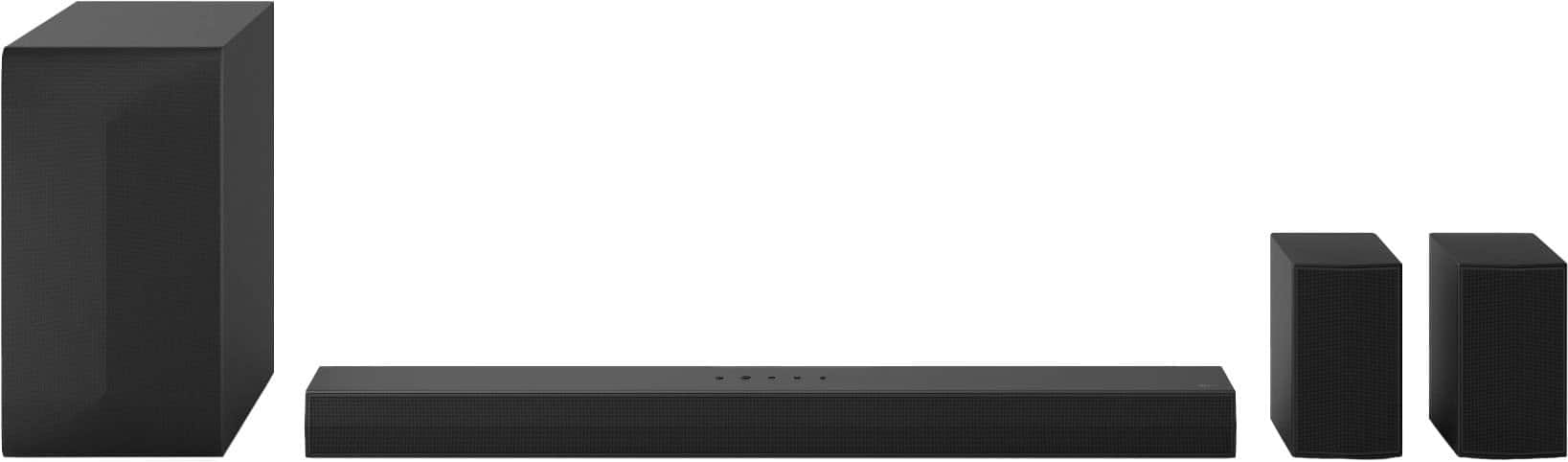



Home theater audio has reached an interesting crossroads. While premium Dolby Atmos systems dominate the high end, a growing number of manufacturers are delivering genuine multi-channel surround sound at prices that would have seemed impossible just a few years ago. Two systems perfectly illustrate this trend: the Ultimea Poseidon D70 7.1 channel system and the LG S60TR 5.1 channel soundbar.
Both products emerged in 2024, representing the latest thinking in affordable surround sound. The Ultimea Poseidon D70 pushes channel count to its limits with a true 7.1 configuration, while the LG S60TR focuses on wireless convenience and brand integration. Understanding which approach works better for your situation requires digging into what these numbers actually mean and how each system delivers its audio magic.
When we talk about 5.1 or 7.1 audio, we're describing how many discrete audio channels the system can reproduce. The first number represents full-range speakers, while the ".1" refers to the dedicated subwoofer channel that handles deep bass frequencies below about 80-120 Hz.
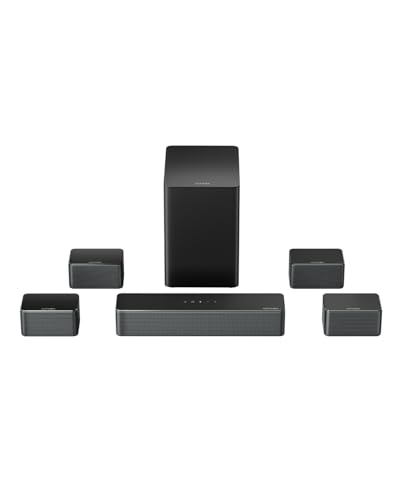
A 5.1 system typically includes front left, center, front right, rear left, and rear right speakers plus the subwoofer. The 7.1 configuration adds two more speakers—usually side left and side right—creating a more complete sound bubble around the listener. This isn't just about volume; it's about audio positioning and the brain's ability to locate sounds in three-dimensional space.
Both the Ultimea Poseidon D70 and LG S60TR take different approaches to achieving this surround effect. The Ultimea system uses eight physical drivers spread across multiple speakers, while the LG model combines five physical channels with digital processing to create its surround experience.
The key consideration isn't just channel count—it's how effectively each system creates the illusion that sounds are coming from specific locations around your room. This depends on speaker placement, processing algorithms, and how well the system integrates with your specific room acoustics.
Released in 2024, the Ultimea Poseidon D70 represents an aggressive approach to affordable surround sound. At a time when many budget systems rely heavily on virtual processing, Ultimea went the opposite direction: more physical speakers, more channels, and more user control.
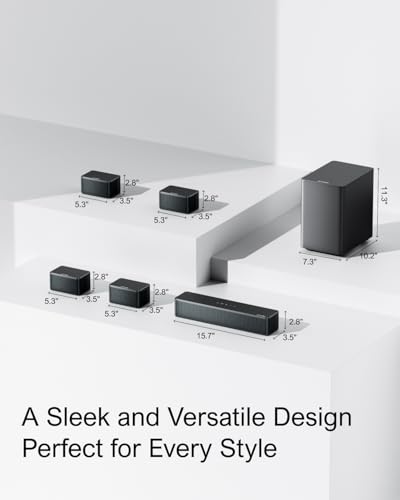
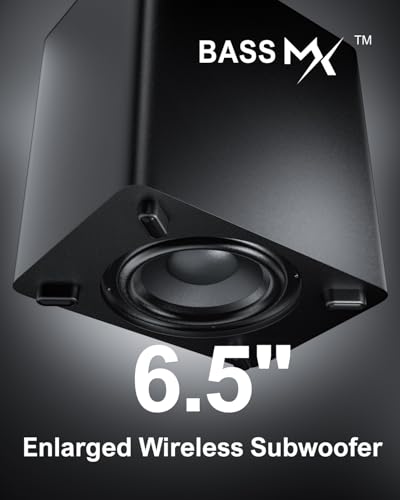
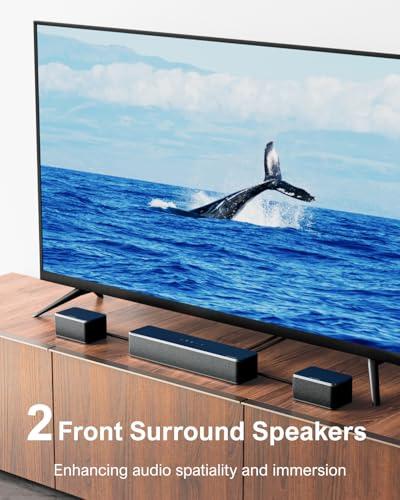
The system's architecture is genuinely impressive for its price category. You get a compact soundbar housing three 2.25-inch mid-bass drivers, four separate surround speakers (each with its own 2.25-inch driver), and a wireless subwoofer with a 6.5-inch driver. This creates eight discrete audio zones in your room—more than many systems costing several times as much.
Ultimea developed two proprietary technologies specifically for this system. BassMX enhances the subwoofer's low-frequency response through digital signal processing, essentially allowing the 6.5-inch driver to perform like a larger unit. In practical terms, this means deeper bass extension down to 35 Hz—low enough to feel the rumble of explosions or the fundamental frequencies of pipe organs.
SurroundX Technology handles the spatial processing, using advanced algorithms to position sounds precisely within the seven-channel soundstage. Unlike simple delay-based virtual surround, SurroundX analyzes the frequency content of each channel and applies room-specific corrections to enhance the illusion of sounds coming from specific directions.
The Ultimea system also incorporates AI deep learning optimization, trained on what the company claims are billions of real-world audio samples. This isn't marketing fluff—the system continuously analyzes incoming audio and adjusts processing parameters in real-time to optimize clarity, dynamics, and spatial positioning.
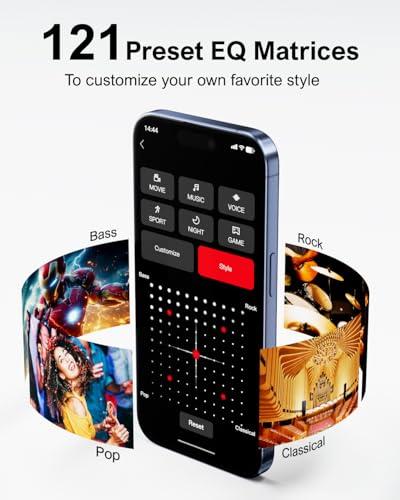
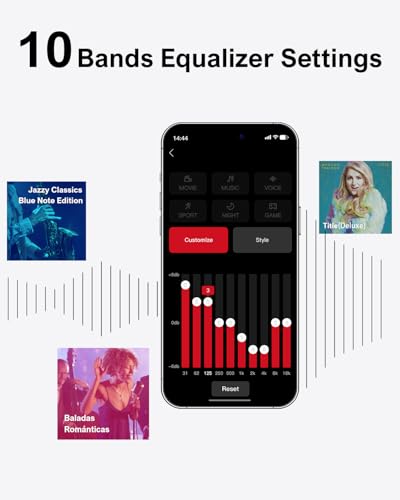
Where the Poseidon D70 truly distinguishes itself is in user control. The system offers 121 preset EQ matrices—essentially 121 different sound profiles optimized for various content types and room configurations. More importantly, it includes a genuine 10-band graphic equalizer accessible through the mobile app.
This level of customization is rare at any price point. Each frequency band can be adjusted independently, allowing users to compensate for room acoustics, personal preferences, or specific content requirements. The app also features a unique dot-matrix soundboard that lets users adjust audio positioning graphically—tap different areas of the virtual room to emphasize sounds from those directions.
For audio enthusiasts who enjoy tweaking their systems, this level of control is addictive. You can create separate profiles for movies, music, gaming, and late-night viewing, switching between them instantly via the remote or app.
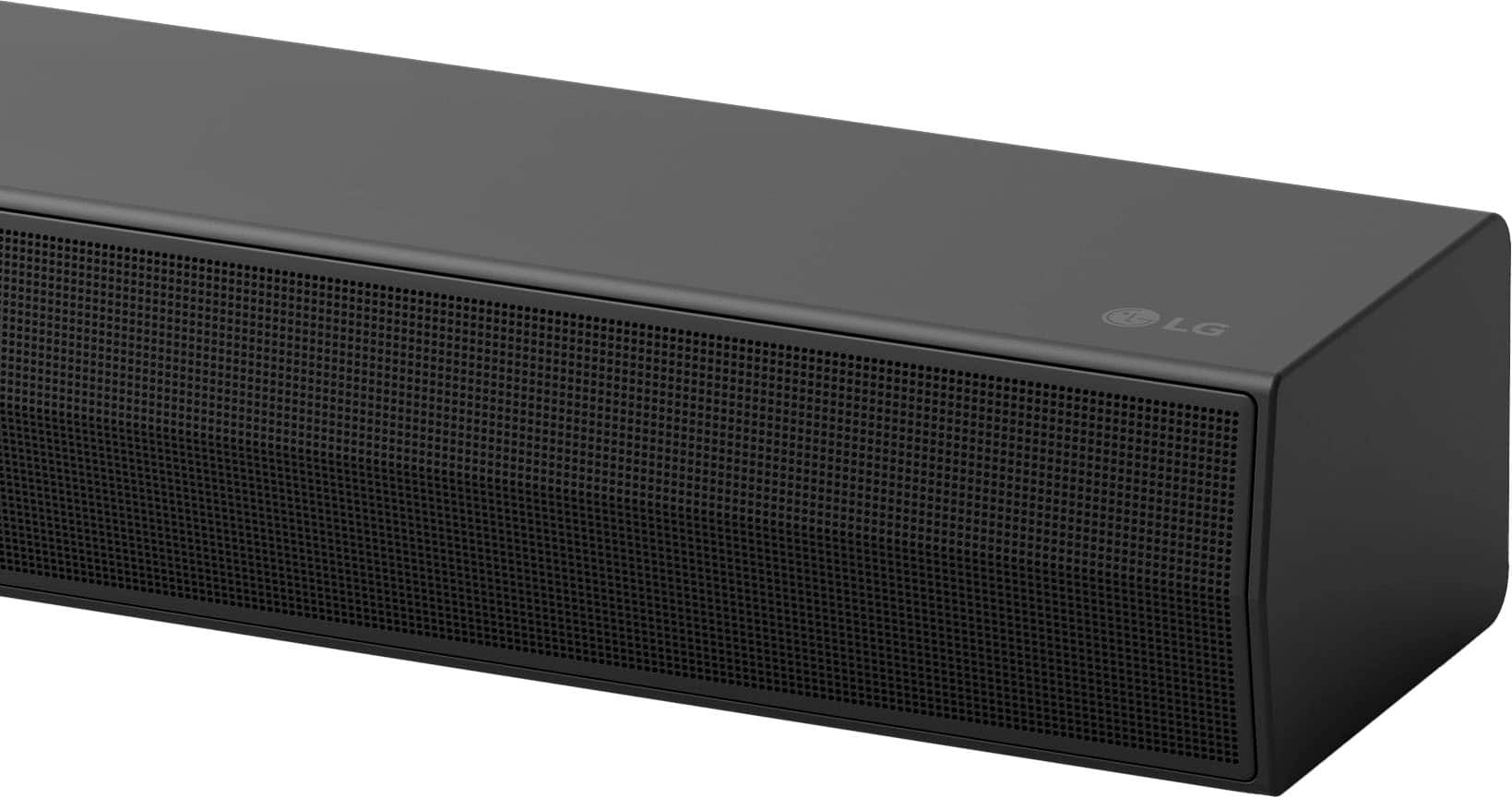
LG's approach with the S60TR reflects a different philosophy entirely. Released in 2024 as part of LG's renewed focus on audio accessories, this system prioritizes ease of use, wireless convenience, and seamless integration with LG's TV ecosystem.
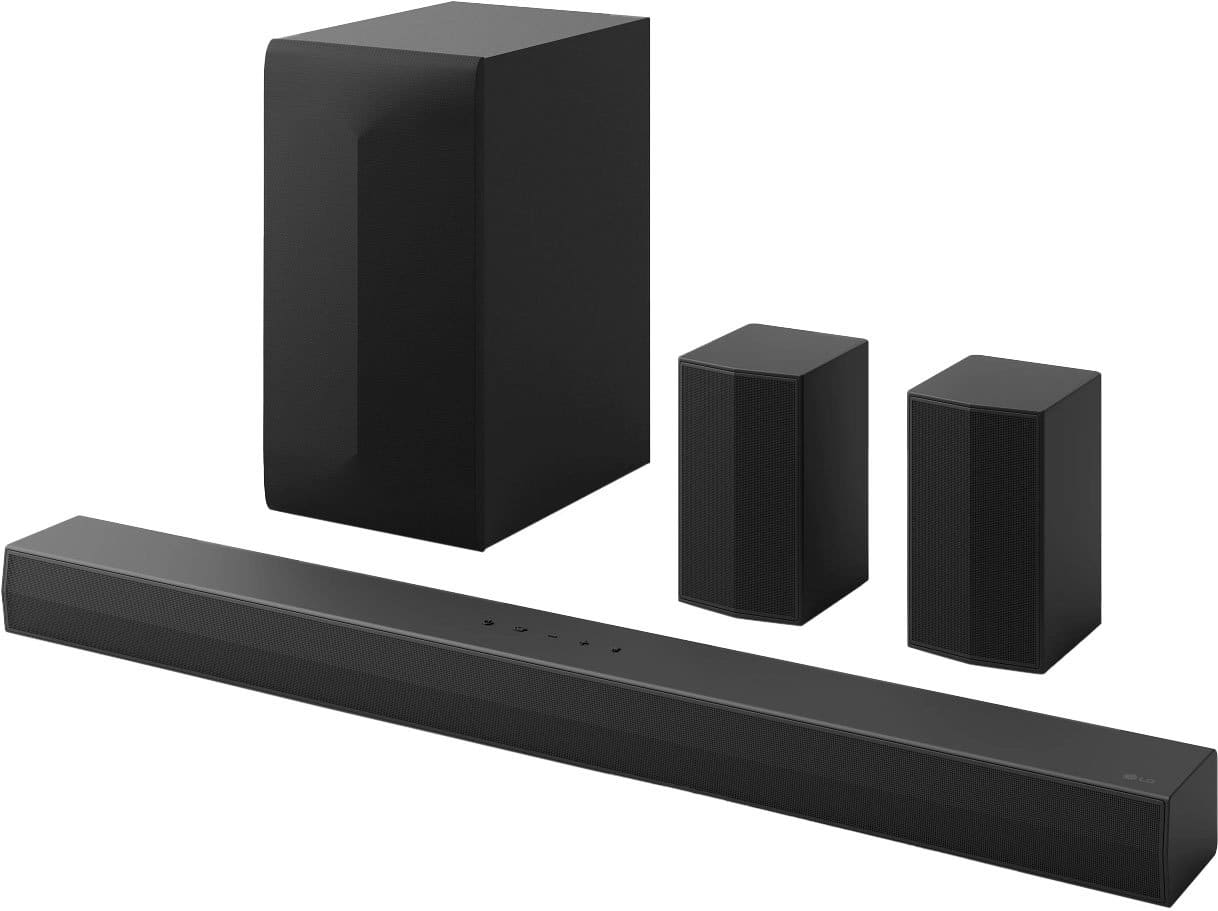
The LG system delivers 440W of total power across five channels, with 220W dedicated specifically to the subwoofer. This represents a significant commitment to bass performance—half the system's total power goes to low-frequency reproduction. The remaining 220W is distributed among the soundbar's front channels (40W each for left and right, 40W for center) and 50W for each rear speaker.
Unlike the Ultimea's proprietary processing, the LG S60TR uses industry-standard Dolby Audio decoding. This ensures compatibility with virtually all surround-encoded content, from streaming services to Blu-ray discs. Dolby Audio also includes advanced bass management, automatically routing low frequencies to the subwoofer while optimizing the crossover points for seamless integration.
LG's AI Sound Pro represents the next generation of content-adaptive processing. The system analyzes incoming audio in real-time, identifying whether you're watching dialogue-heavy content, action sequences, music performances, or sports broadcasts. It then automatically adjusts EQ curves, dynamic range, and spatial processing to optimize the experience for that specific content type.
This automation is genuinely effective. During dialogue scenes, the system emphasizes midrange frequencies and applies subtle compression to ensure voices remain clear even at low volumes. For action sequences, it opens up the dynamic range and enhances surround positioning to create more immersive effects. The transitions between these modes are seamless and largely unnoticeable—the system simply makes everything sound better without drawing attention to itself.
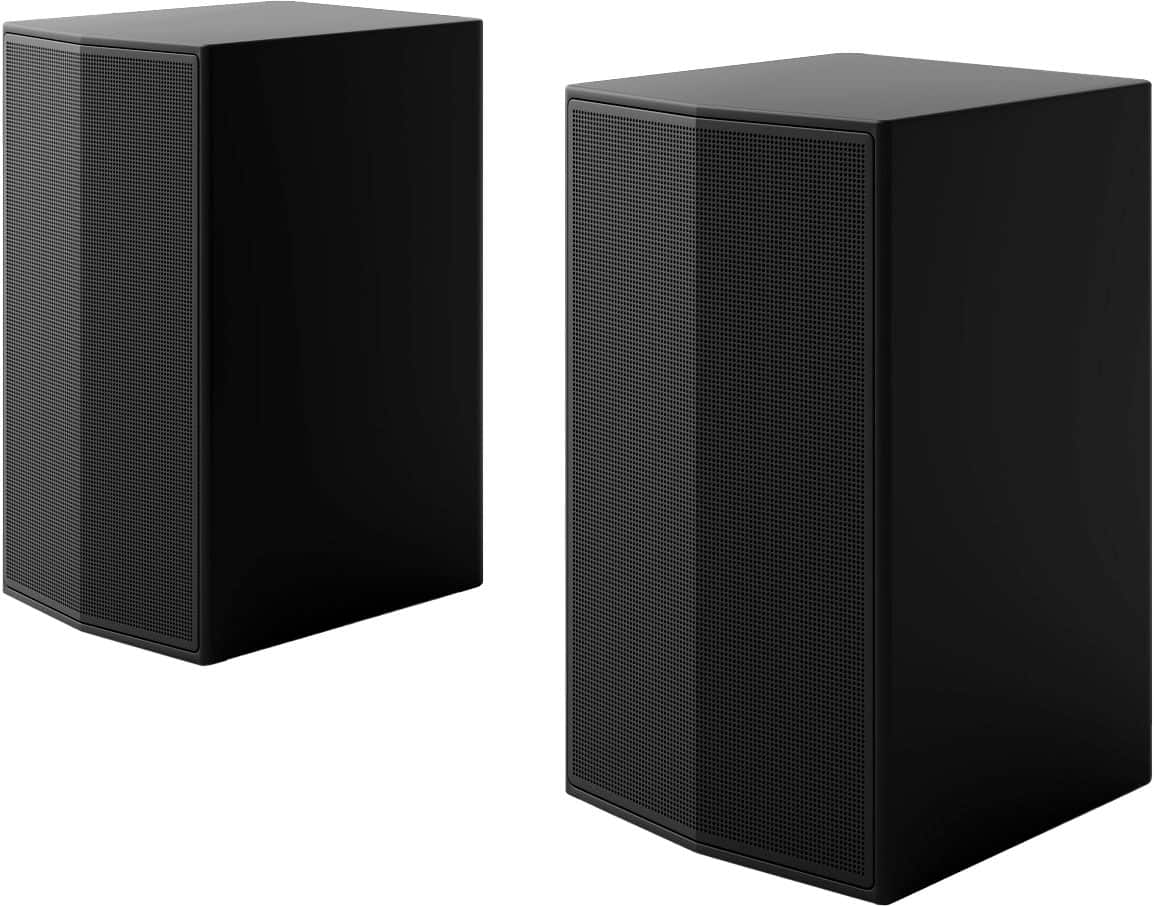
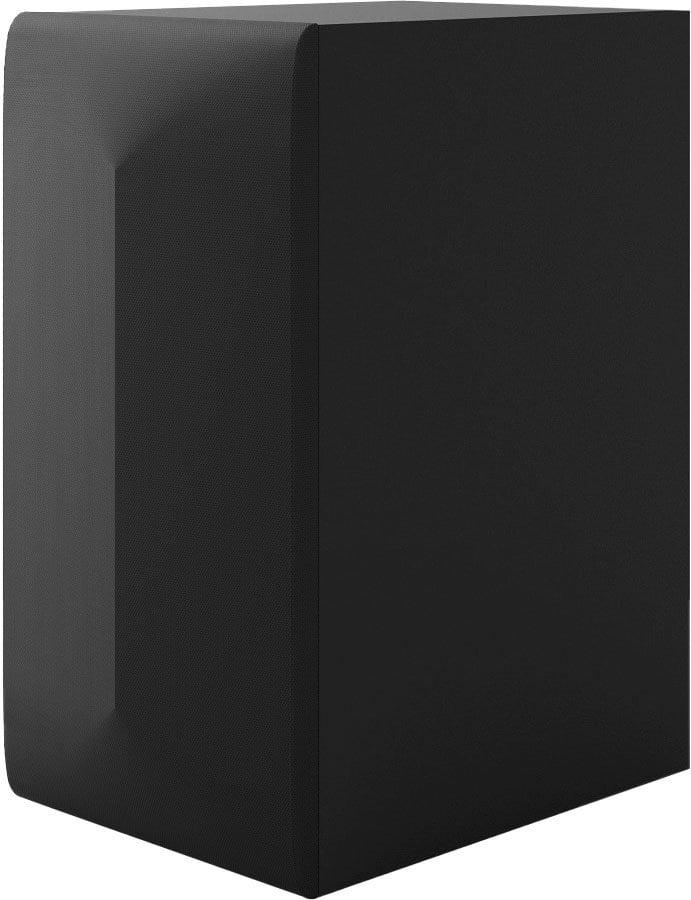
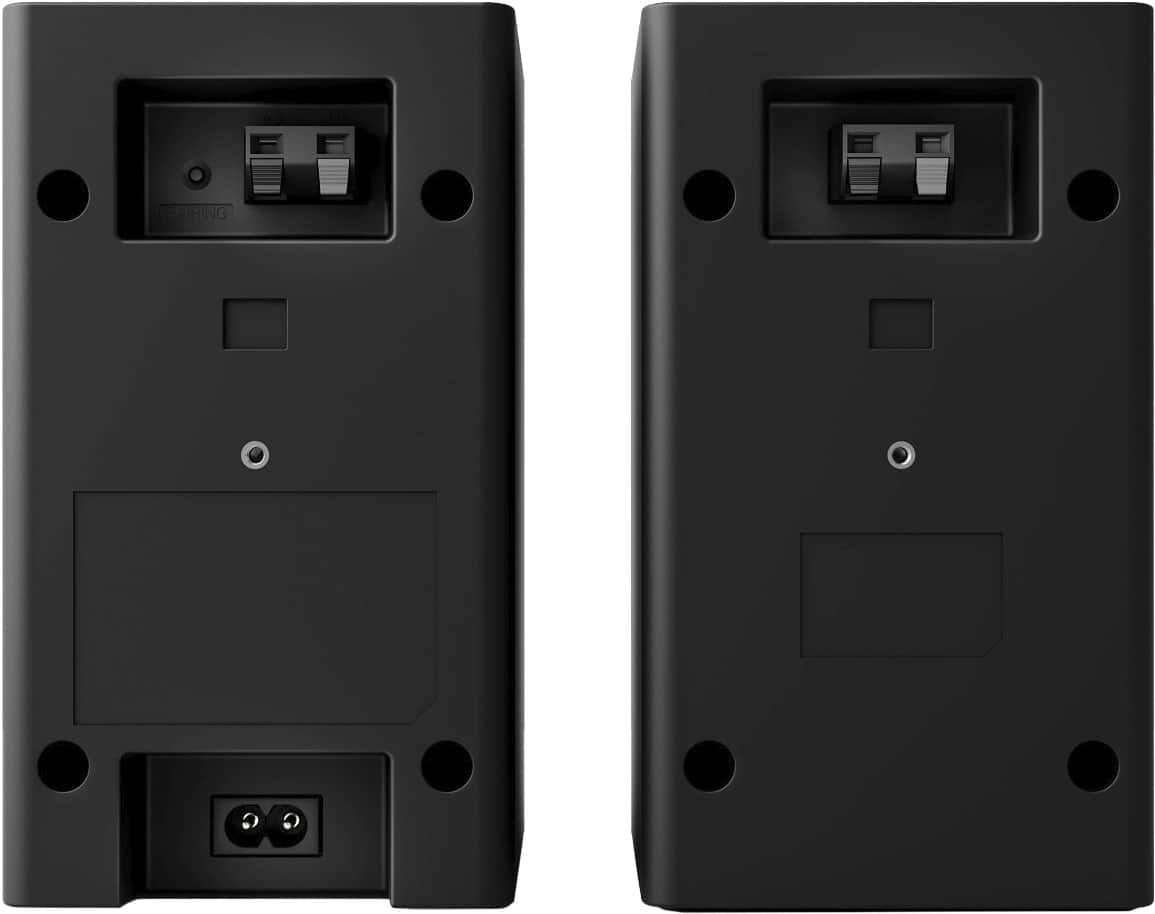
The LG S60TR advertises wireless rear speakers, but the reality is more nuanced. The rear speakers do connect wirelessly to the main soundbar, eliminating the need for long cable runs across your room. However, each rear speaker still requires a power connection, and they're connected to each other via a short cable.
This is actually a reasonable compromise. Truly wireless speakers would require batteries and regular charging—a significant inconvenience for permanently installed surround speakers. The LG's approach eliminates the most problematic cable (the long run from front to back) while maintaining reliable power and signal transmission.
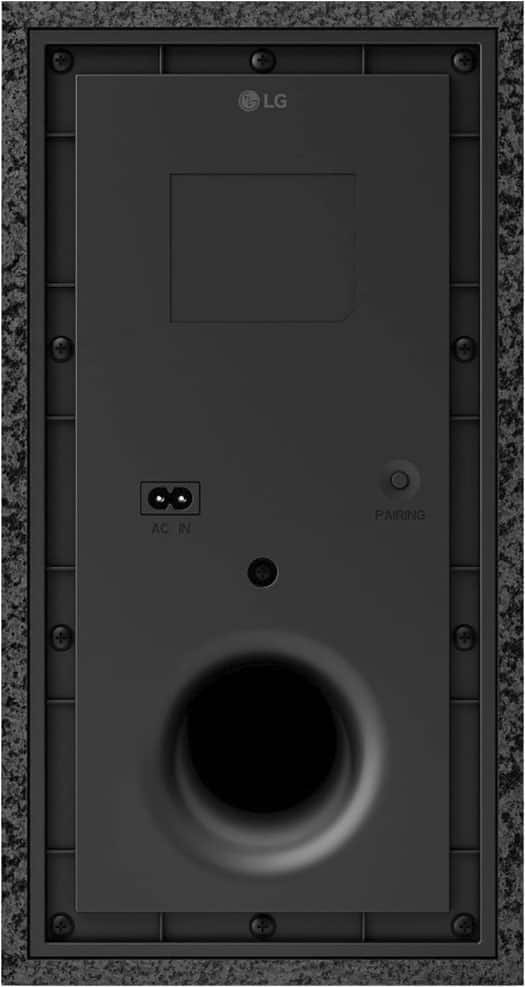
The wireless subwoofer offers complete freedom of placement, connecting to the soundbar via a dedicated wireless protocol that's more reliable than Bluetooth for continuous audio streaming.
The fundamental difference between these systems lies in their approach to surround sound creation. The Ultimea Poseidon D70 uses brute force—seven discrete channels with physical speakers positioned around the room. This creates genuine surround sound that doesn't depend on room acoustics or seating position.
In our evaluation of user reviews and professional assessments, the Ultimea system consistently delivers more precise sound positioning. With four surround speakers instead of two, it can create more convincing front-to-back and side-to-side audio movement. This is particularly noticeable in gaming, where directional audio cues are critical, and in movies with active sound mixing.
The LG S60TR takes a more sophisticated approach with fewer speakers. Its Dolby Audio processing and AI optimization often produces more natural-sounding surround effects, even with only two rear channels. The system excels at creating ambient soundscapes and properly scaled audio that doesn't overwhelm smaller rooms.
Both systems take bass seriously, but with different philosophies. The Ultimea's 6.5-inch subwoofer with BassMX technology focuses on extension and impact. User reports consistently mention the system's ability to reproduce deep, room-shaking bass that adds genuine impact to action movies and electronic music.
The LG system's approach emphasizes integration and musicality. With 220W of dedicated subwoofer power—half the system's total output—it delivers substantial bass output while maintaining better integration with the main speakers. The wireless connection allows optimal subwoofer placement for room-specific bass response.
In practical terms, the Ultimea tends to produce more dramatic, attention-grabbing bass, while the LG creates more seamless low-frequency reproduction that supports rather than dominates the overall sound signature.
Dialogue clarity represents one of the most important performance metrics for any home theater system. Poor vocal reproduction can make movies unwatchable and force users to constantly adjust volume levels.
The LG S60TR shows clear advantages here. Its dedicated center channel receives 40W of power and benefits from Dolby Audio's sophisticated dialogue enhancement algorithms. The AI Sound Pro system automatically detects dialogue-heavy content and applies processing to improve vocal intelligibility without making voices sound artificial.
The Ultimea Poseidon D70 handles dialogue well but requires more user intervention. The extensive EQ controls and Clear Voice mode allow for excellent dialogue reproduction, but achieving optimal results requires time and experimentation. Once properly configured, however, the system can match or exceed the LG's vocal performance.
Room acoustics dramatically affect surround sound performance, and each system handles challenging environments differently. The Ultimea system benefits from having more physical speakers to work with—even in acoustically problematic rooms, at least some speakers will perform well, creating a more consistent overall experience.
The LG S60TR relies more heavily on digital processing to compensate for room issues. Its AI algorithms can adapt to different acoustic environments, but the system's effectiveness depends more on optimal speaker placement and room characteristics.
For larger rooms (over 400 square feet), the Ultimea's additional speakers provide better coverage and more immersive surround effects. In smaller spaces, the LG system's more sophisticated processing often produces better-balanced sound without overwhelming the room.
At the time of writing, the Poseidon D70 typically costs significantly less than the LG S60TR while delivering more physical speakers and channels. This represents exceptional value for users who prioritize maximum surround immersion and don't mind investing time in system optimization.
The Ultimea system particularly appeals to:
The LG S60TR commands a higher price but delivers premium features that justify the cost for specific users. The wireless convenience, brand reliability, and advanced processing algorithms create a more refined overall experience.
The LG system works best for:
The Ultimea Poseidon D70 requires more planning due to its four surround speakers. You'll need to run cables from the subwoofer to each surround position, which can be challenging in some room configurations. However, all cables are color-coded and clearly labeled, and the wireless subwoofer provides placement flexibility for optimal bass response.
The LG S60TR offers simpler installation with its wireless rear speakers, though you'll still need power outlets near each rear speaker position. The system includes wall-mounting hardware for both the soundbar and rear speakers, allowing for clean installations without floor-standing speakers.
Both systems support firmware updates, but through different mechanisms. The Ultimea system updates through its mobile app via WiFi, while the LG can update over-the-air automatically when connected to your network.
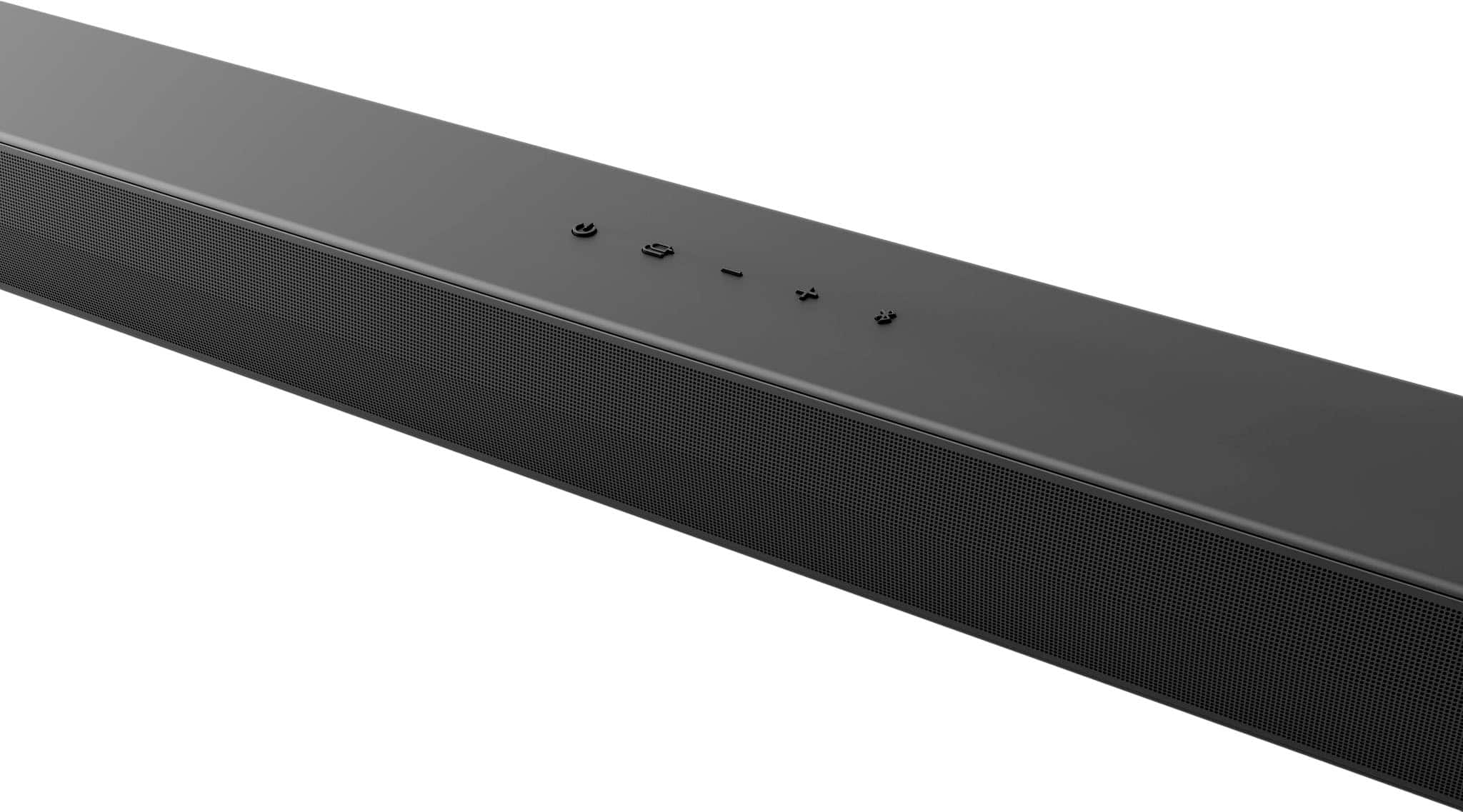
For LG TV owners, the S60TR integrates through the WOW interface, allowing control through the TV's remote and settings menus. This creates a genuinely seamless experience where the soundbar feels like an integrated part of the television rather than a separate component.
The choice between the Ultimea Poseidon D70 and LG S60TR ultimately comes down to your audio philosophy and specific requirements.
Choose the Ultimea Poseidon D70 if you're an audio enthusiast who values maximum immersion and customization control. The system's seven channels, extensive EQ options, and aggressive pricing make it ideal for users who want to extract maximum performance from their investment and don't mind spending time optimizing the setup.
The LG S60TR better serves users who prioritize convenience, automation, and brand integration. Its sophisticated processing algorithms, wireless convenience, and premium build quality create a more refined experience that works well out of the box and improves automatically over time.
Both systems represent significant advances in affordable surround sound technology. The Ultimea pushes channel count and customization to new levels at budget prices, while the LG demonstrates how intelligent processing can create exceptional surround experiences with fewer but better-integrated components.
Your choice should align with your audio priorities: maximum immersion and control (Ultimea) or premium convenience and automation (LG). Either way, you'll get genuine surround sound performance that would have required much more expensive equipment just a few years ago.
| Ultimea Poseidon D70 | LG S60TR |
|---|---|
| Channel Configuration - More channels create better surround positioning | |
| True 7.1 channels (4 surround speakers + soundbar + subwoofer) | 5.1 channels (2 rear speakers + soundbar + subwoofer) |
| Total System Power - Higher wattage generally means louder, more dynamic sound | |
| 410W peak (144W RMS) | 440W total (220W dedicated to subwoofer) |
| Surround Speaker Connection - Affects installation complexity and reliability | |
| 4 wired surround speakers (requires cable management) | 2 wireless rear speakers (cleaner setup, need power outlets) |
| Audio Processing Technology - Determines sound quality and format compatibility | |
| Proprietary SurroundX + BassMX + AI optimization | Dolby Audio + AI Sound Pro with content adaptation |
| Subwoofer Design - Impacts bass quality and placement flexibility | |
| 6.5" wireless subwoofer with BassMX technology | Wireless subwoofer with 220W dedicated power (50% of total) |
| Sound Customization - More options allow fine-tuning for room and preferences | |
| 121 preset EQ matrices + 10-band graphic equalizer | Multiple sound modes with automatic content detection |
| Smart Features and Control - Convenience and integration capabilities | |
| Mobile app control with firmware updates | WOW interface integration (seamless LG TV control) |
| Connectivity Options - Determines compatibility with various devices | |
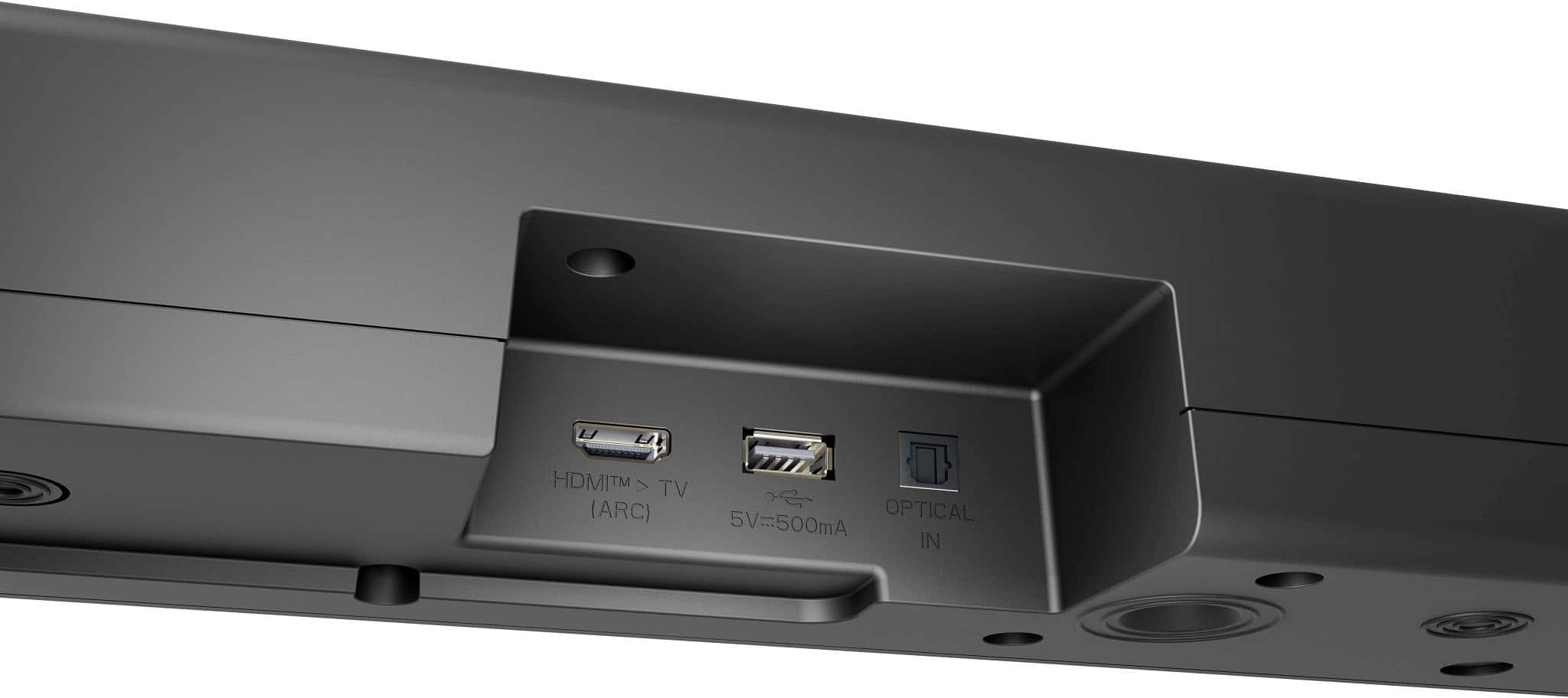
| HDMI ARC, Optical, USB, AUX, Bluetooth 5.3 | HDMI eARC, Optical, USB, Wi-Fi, Bluetooth, LG TV Sound Sync |
| Brand and Support - Affects long-term reliability and customer service | |
| Newer audio brand with competitive pricing | Established electronics brand with proven support network |
| Target Room Size - System performs best within recommended space | |
| 323-538 sq ft (benefits larger rooms with more speakers) | Flexible room sizing (AI adapts to space acoustics) |
| Installation Complexity - Time and effort required for optimal setup | |
| Moderate (4 speakers to position and wire) | Simple (2 wireless speakers, minimal cable management) |
| Best Value For - Who gets the most benefit from each system | |
| Audio enthusiasts wanting maximum channels and customization | Users prioritizing convenience, brand reliability, and TV integration |
The Ultimea Poseidon D70 delivers more immersive surround sound with its true 7.1 channel configuration, featuring four physical surround speakers that create precise audio positioning around your room. The LG S60TR uses a 5.1 setup with advanced Dolby Audio processing that produces excellent surround effects but with only two rear speakers. For maximum surround immersion, the Ultimea system has the advantage due to more physical speakers.
The LG S60TR is easier to install thanks to its wireless rear speakers - you just need power outlets near each rear speaker position. The Ultimea Poseidon D70 requires running cables from the subwoofer to four surround speaker positions, which takes more planning but ensures reliable connections. Both systems include all necessary cables and mounting hardware.
For dedicated home theater use, the Ultimea Poseidon D70 excels with its 7.1 channel setup that creates more precise sound positioning for movie effects and dialogue. The LG S60TR offers excellent movie performance with Dolby Audio processing and automatic content optimization that enhances different types of scenes. Both deliver significant improvements over TV speakers for home theater use.
The LG S60TR integrates seamlessly with LG TVs through the WOW interface, allowing complete control via your TV remote. The Ultimea Poseidon D70 supports basic TV remote control through HDMI CEC but works best with its included remote or mobile app for accessing advanced features like EQ settings.
Both systems deliver impressive bass, but with different approaches. The LG S60TR dedicates 220W (half its total power) specifically to the subwoofer for powerful, well-integrated bass. The Ultimea Poseidon D70 features BassMX technology with its 6.5" wireless subwoofer that produces deep, impactful bass down to 35 Hz. The LG system tends toward more musical bass, while the Ultimea delivers more dramatic impact.
Yes, both the Ultimea Poseidon D70 and LG S60TR work with all TV brands through standard connections like HDMI ARC and optical input. However, the LG S60TR offers enhanced integration features when paired with LG TVs, including advanced remote control and automatic audio optimization.
The Ultimea Poseidon D70 provides extensive manual customization with 121 preset EQ matrices and a 10-band graphic equalizer accessible through its mobile app. The LG S60TR focuses on automatic optimization with AI Sound Pro that adapts to different content types without user intervention. Choose the Ultimea system if you enjoy tweaking audio settings, or the LG for hands-off optimization.
The Ultimea Poseidon D70 works best in rooms between 323-538 square feet and requires space for four surround speakers around your seating area. The LG S60TR is more flexible with room size thanks to its AI processing that adapts to different acoustic environments, and only needs placement for two rear speakers.
The Ultimea Poseidon D70 excels for gaming due to its 7.1 channel setup that provides precise directional audio cues - crucial for competitive gaming and immersive single-player experiences. The LG S60TR offers a dedicated Game mode and low latency, making it solid for gaming, but the Ultimea system's additional channels give it an edge for spatial audio positioning.
Both systems support Bluetooth streaming for wireless music playback. The LG S60TR also includes Wi-Fi connectivity for additional streaming options and over-the-air firmware updates. The Ultimea Poseidon D70 uses Bluetooth 5.3 for reliable wireless connection and includes USB input for direct music playback from storage devices.
The Ultimea Poseidon D70 typically offers better value with more physical speakers (8 total) and channels (7.1) at a lower price point, making it ideal for budget-conscious buyers wanting maximum surround sound. The LG S60TR justifies its higher cost with premium features like wireless convenience, brand reliability, and advanced AI processing - better for users prioritizing ease of use over maximum channel count.
LG is an established electronics manufacturer with a proven track record and comprehensive customer support network, giving the LG S60TR an advantage in long-term reliability and service availability. Ultimea is a newer audio-focused brand that offers competitive products at aggressive prices, with the Ultimea Poseidon D70 receiving positive user reviews for build quality and performance, though with less established support infrastructure.
We've done our best to create useful and informative comparisons to help you decide what product to buy. Our research uses advanced automated methods to create this comparison and perfection is not possible - please contact us for corrections or questions. These are the sites we've researched in the creation of this article: ultimea.com - provantage.com - ultimea.com - youtube.com - youtube.com - bestbuy.com - the-gadgeteer.com - shopmyexchange.com - youtube.com - youtube.com - youtube.com - ultimea.com - manuals.plus - device.report - images.thdstatic.com - shopmyexchange.com - staples.com - ultimea.de - bestbuy.com - mynavyexchange.com - youtube.com - consumerreports.org - avsforum.com - rentacenter.com - bestbuy.com - homechoicestores.com - oconsommateur.com - lg.com - bestbuy.com - samsung.com

Privacy Policy
Terms and Conditions - Affiliate Policy
Home Security
© Copyright 2008-2026.
11816 Inwood Rd #1211, Dallas, TX 75244