




When you're ready to upgrade from your TV's built-in speakers, the world of soundbars can feel overwhelming. Two systems that represent fundamentally different approaches to home theater audio are the Ultimea Poseidon D70 and the LG S70TR. Released in 2023 and 2024 respectively, these soundbars showcase how manufacturers are tackling the challenge of delivering immersive audio in modern homes.
The Ultimea Poseidon D70 takes the traditional route with physical speakers placed around your room, while the LG S70TR leverages advanced audio processing and height effects to create virtual surround sound. Understanding which approach works better for your space and preferences is crucial to making the right choice.
Before diving into specifics, it's important to understand what we're dealing with. A soundbar system's job is to replace your TV's weak built-in speakers with something that can fill your room with clear dialogue, powerful bass, and immersive surround effects. The numbers you see—like 7.1 or 5.1.1—tell you about the speaker configuration, where the first number represents main channels, the second is the subwoofer, and the third (when present) indicates height channels for overhead effects.
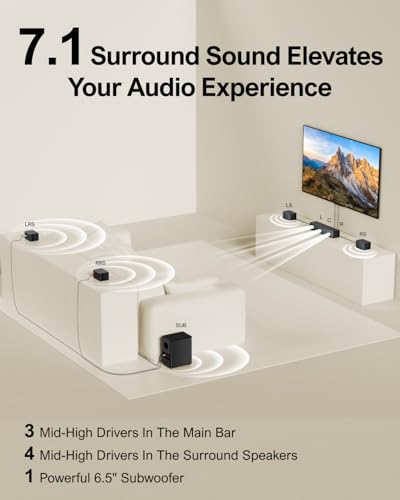
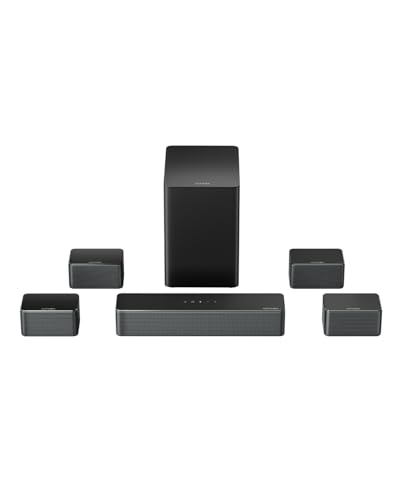
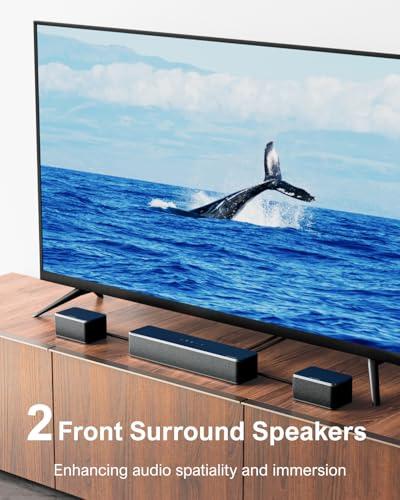
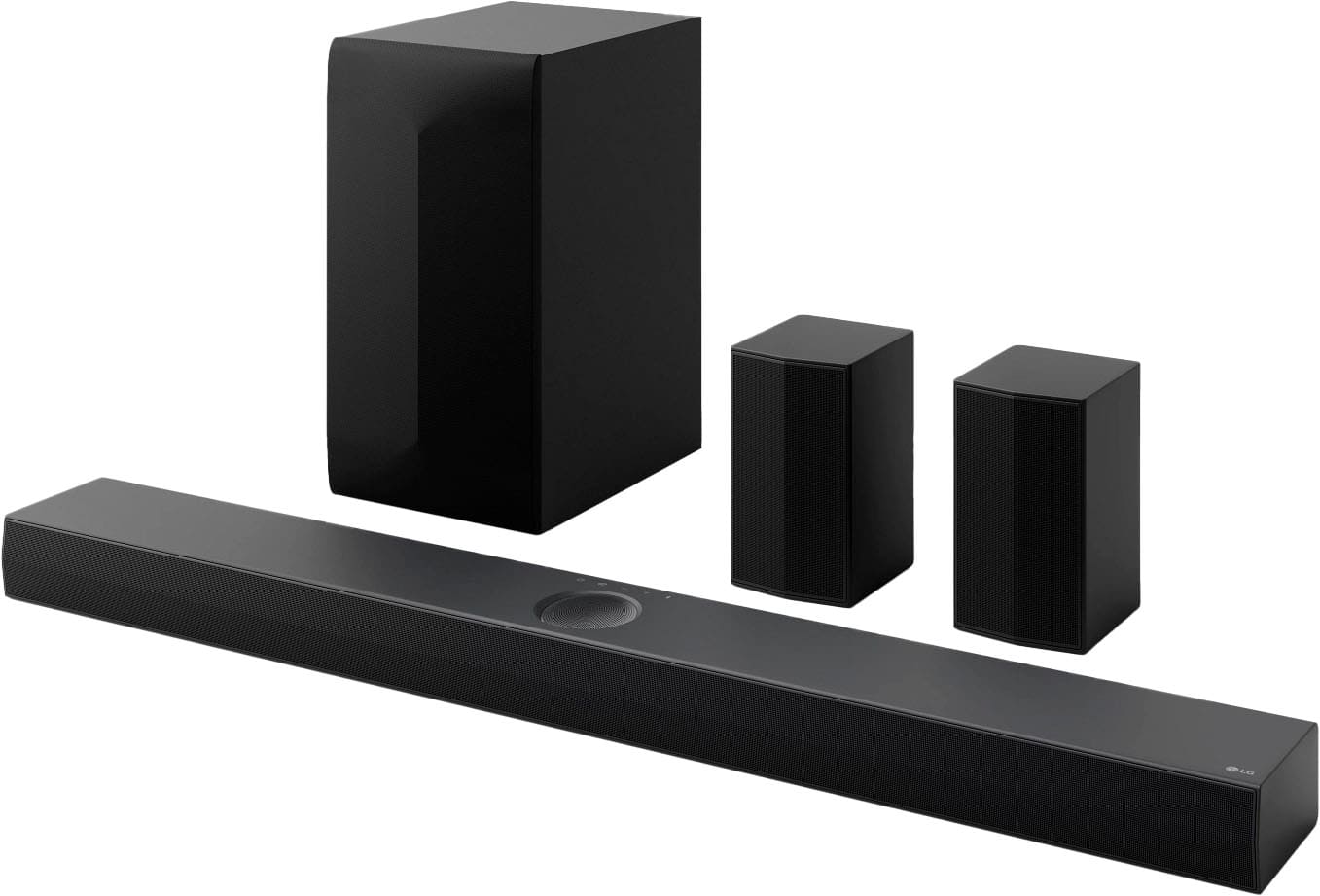
The Ultimea Poseidon D70 delivers what's called "true" 7.1 surround sound because it uses eight physical speakers positioned around your room. The LG S70TR uses a 5.1.1 configuration that creates surround effects through audio processing and strategically aimed drivers, including up-firing speakers that bounce sound off your ceiling to simulate height effects.
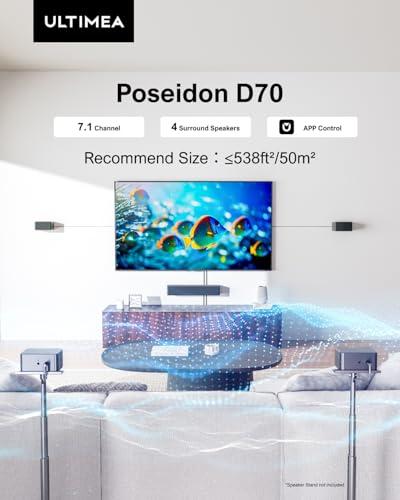
The most fundamental difference between these systems lies in how they create surround sound. The Ultimea Poseidon D70 includes four separate surround speakers that you physically place around your seating area. Two connect to the main soundbar with 10-foot cables, while the other two connect to the wireless subwoofer with 20-foot cables. This setup creates genuine directional audio—when a helicopter flies overhead in a movie, you'll hear it move from speaker to speaker in real space.
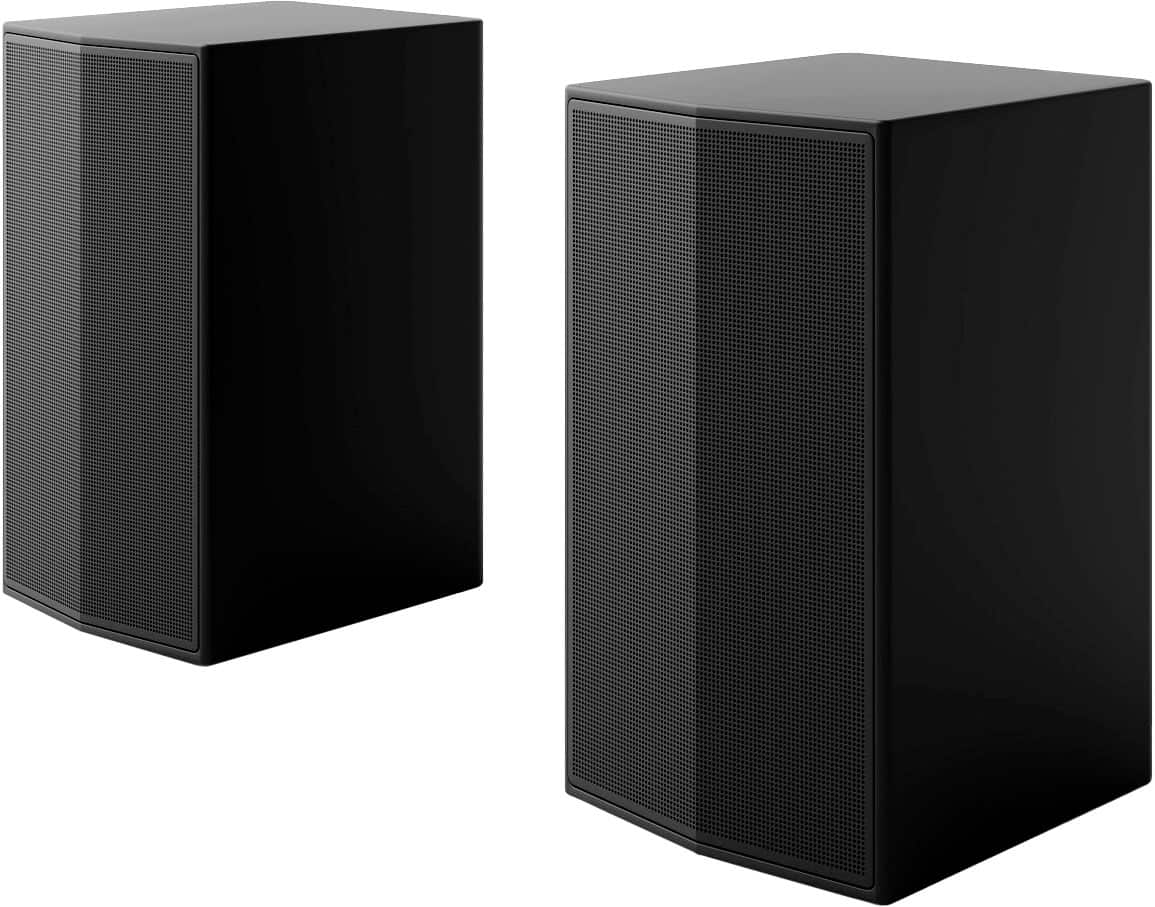
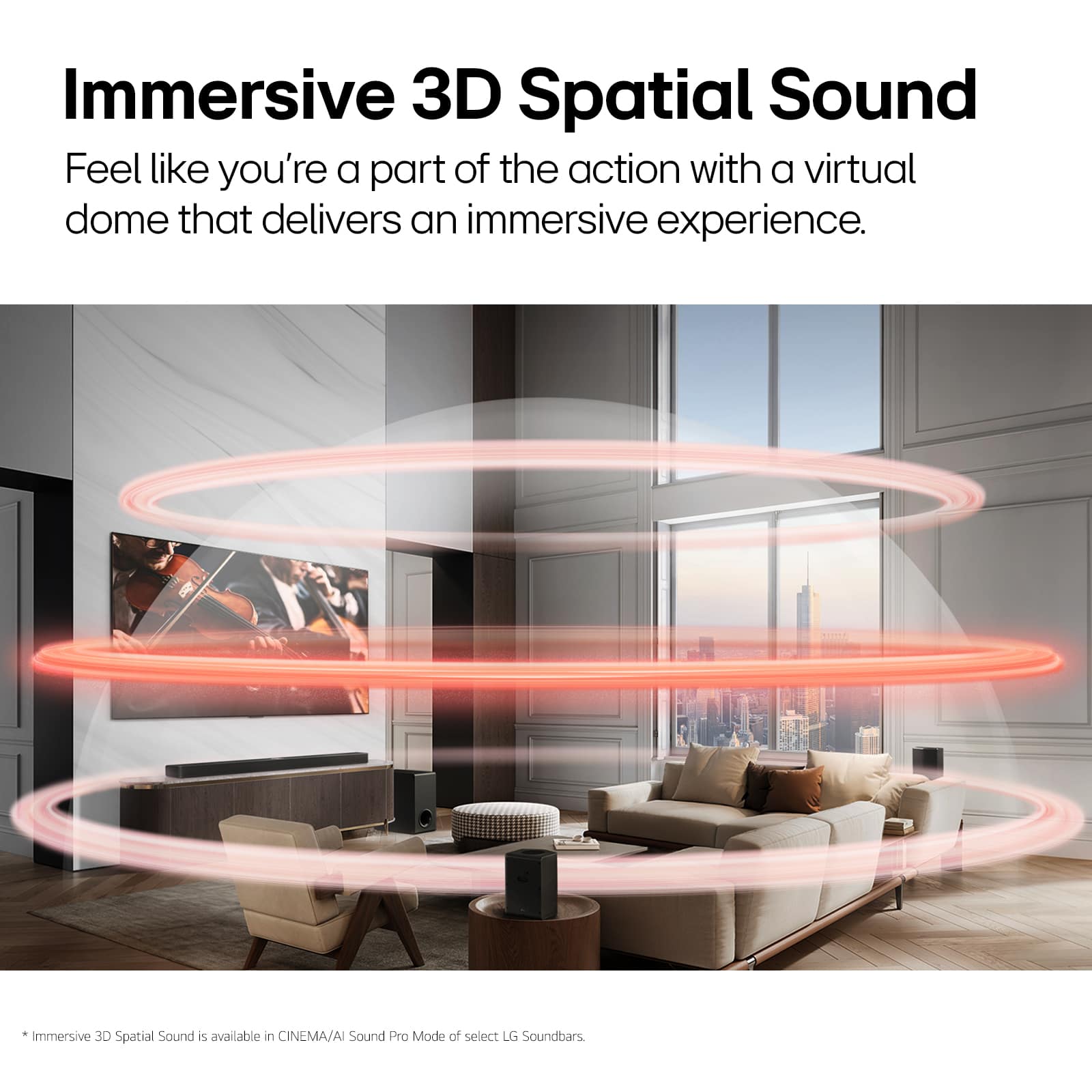
The LG S70TR takes a different approach entirely. Instead of requiring multiple speaker placements, it uses sophisticated audio processing to trick your brain into hearing surround effects. The system includes wireless rear speakers, but its real innovation lies in the up-firing drivers that bounce sound off your ceiling to create the illusion of overhead audio. This technology, called Dolby Atmos, adds a vertical dimension that the Ultimea system simply cannot match.
From our research into user experiences, the physical approach of the Ultimea provides more convincing left-to-right and front-to-back movement of sound. Gaming enthusiasts particularly appreciate this for competitive titles where knowing the exact direction of footsteps or gunfire can mean the difference between victory and defeat. However, the LG's height effects create a more enveloping atmospheric experience for movies, making you feel like you're inside the action rather than just surrounded by it.
Here's where things get practical. The Ultimea Poseidon D70 requires you to run cables to four different locations in your room. While the system includes color-coded, labeled cables to make this easier, you'll need to either accept visible wire runs or plan for more complex installation with cable management. The wireless subwoofer helps reduce some clutter, but you're still dealing with a fairly complex setup that works best in dedicated home theater rooms.
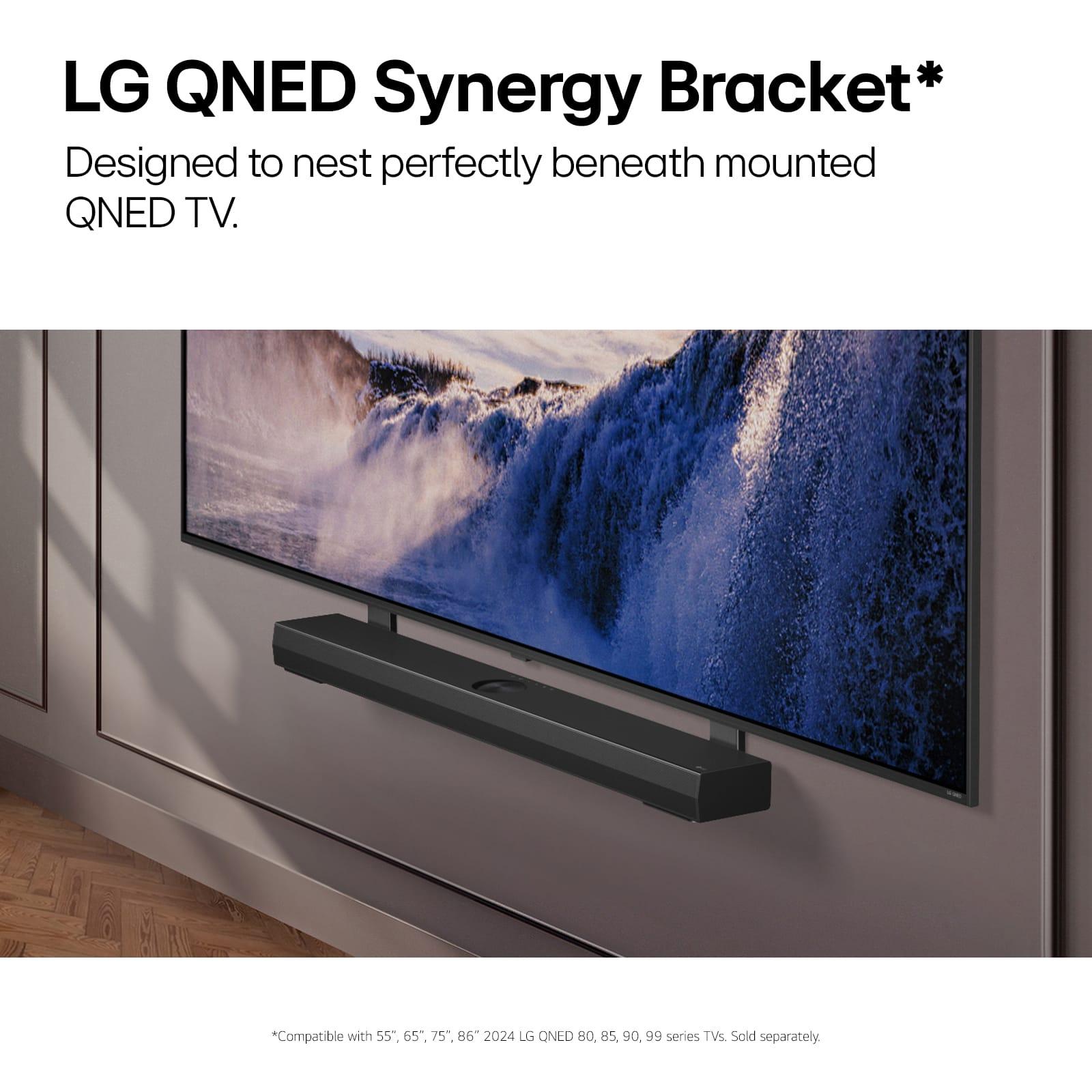
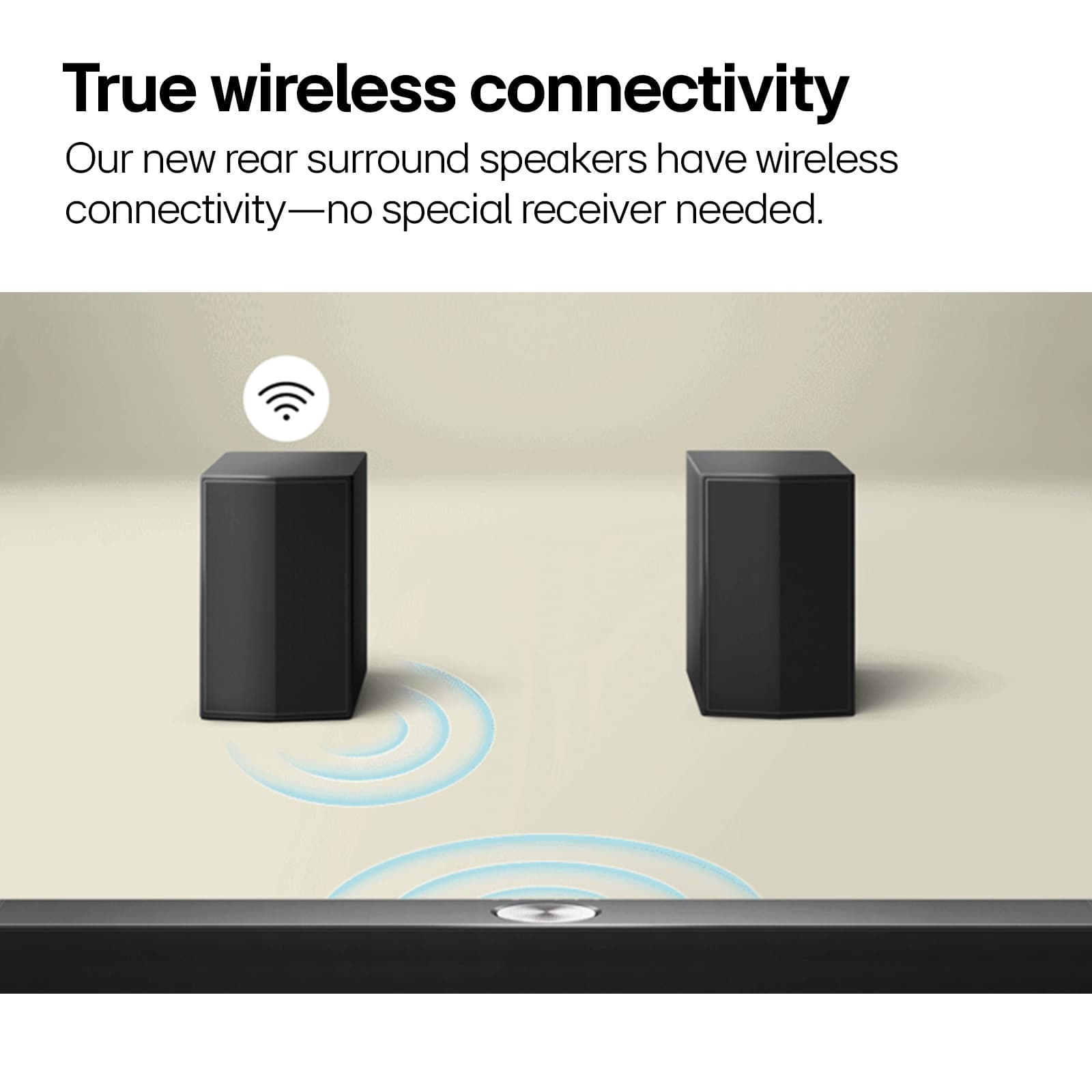
The LG S70TR simplifies this significantly. The rear speakers are truly wireless—they just need power outlets—and the compact 37-inch soundbar is specifically designed to complement LG TVs without overwhelming smaller entertainment centers. The system includes wall mounting hardware for both the soundbar and rear speakers, making it much more apartment-friendly.
Based on consensus from user reviews, setup time differs dramatically. The Ultimea system typically takes 30-45 minutes due to the multiple wired connections, while the LG can be up and running in under 15 minutes thanks to its wireless components automatically pairing with the main unit.
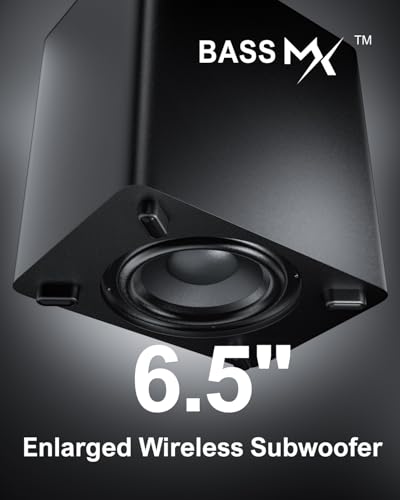
The Ultimea Poseidon D70 delivers 410 watts of peak power across its eight speakers, with 144 watts RMS (continuous power). This breaks down to 36 watts from the soundbar's three 2.25-inch drivers, 48 watts combined from the four surround speakers, and 60 watts from the 6.5-inch wireless subwoofer. These numbers translate to serious room-filling capability, especially in the 108-270 square foot range the system is designed for.
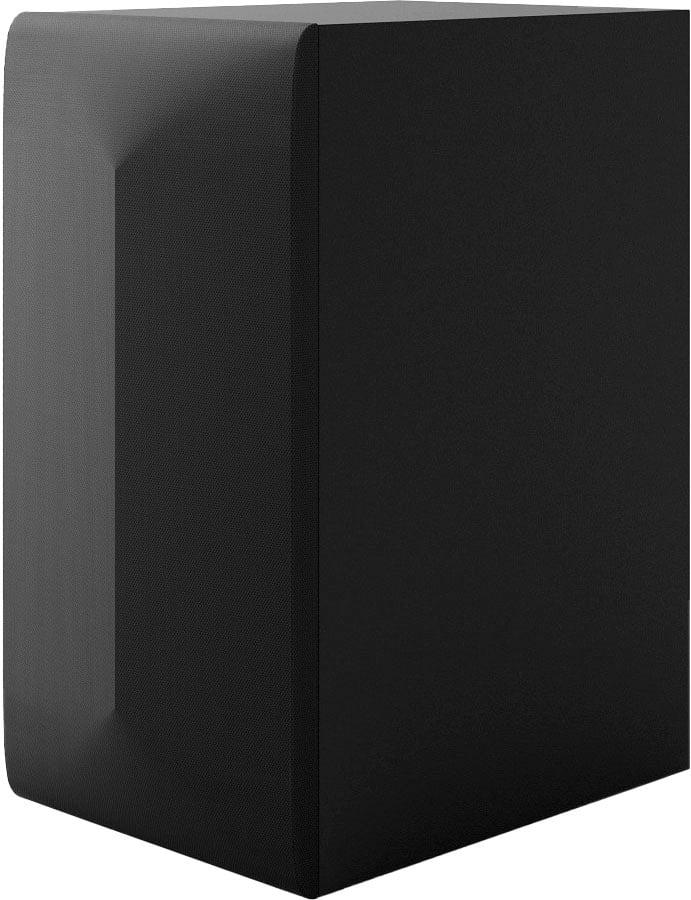
The LG S70TR doesn't publish complete power specifications, but it features a larger 7-inch front-firing subwoofer with a 3-inch rear port, powered by a 220-watt amplifier. The subwoofer design suggests potentially deeper bass extension, though the Ultimea's higher overall system power gives it an edge in maximum volume capabilities.
Bass performance is where these systems show interesting differences. The Ultimea uses proprietary BassMX technology with its 6.5-inch wireless subwoofer to cover frequencies down to 35Hz. User reports consistently praise the system's bass impact, describing it as "punchy" and capable of delivering the kind of room-shaking effects that make action movies feel visceral.
The LG's larger 7-inch subwoofer theoretically provides better low-frequency extension, and the front-firing design with rear port can move more air than typical down-firing subwoofers. However, LG's approach tends to prioritize controlled, musical bass rather than the more aggressive impact that the Ultimea system delivers.
Both systems address dialogue clarity, but through different methods. The Ultimea uses AI deep learning processing trained on billions of real-world sounds to optimize vocal frequencies dynamically. Users consistently report clear dialogue even during complex action sequences.
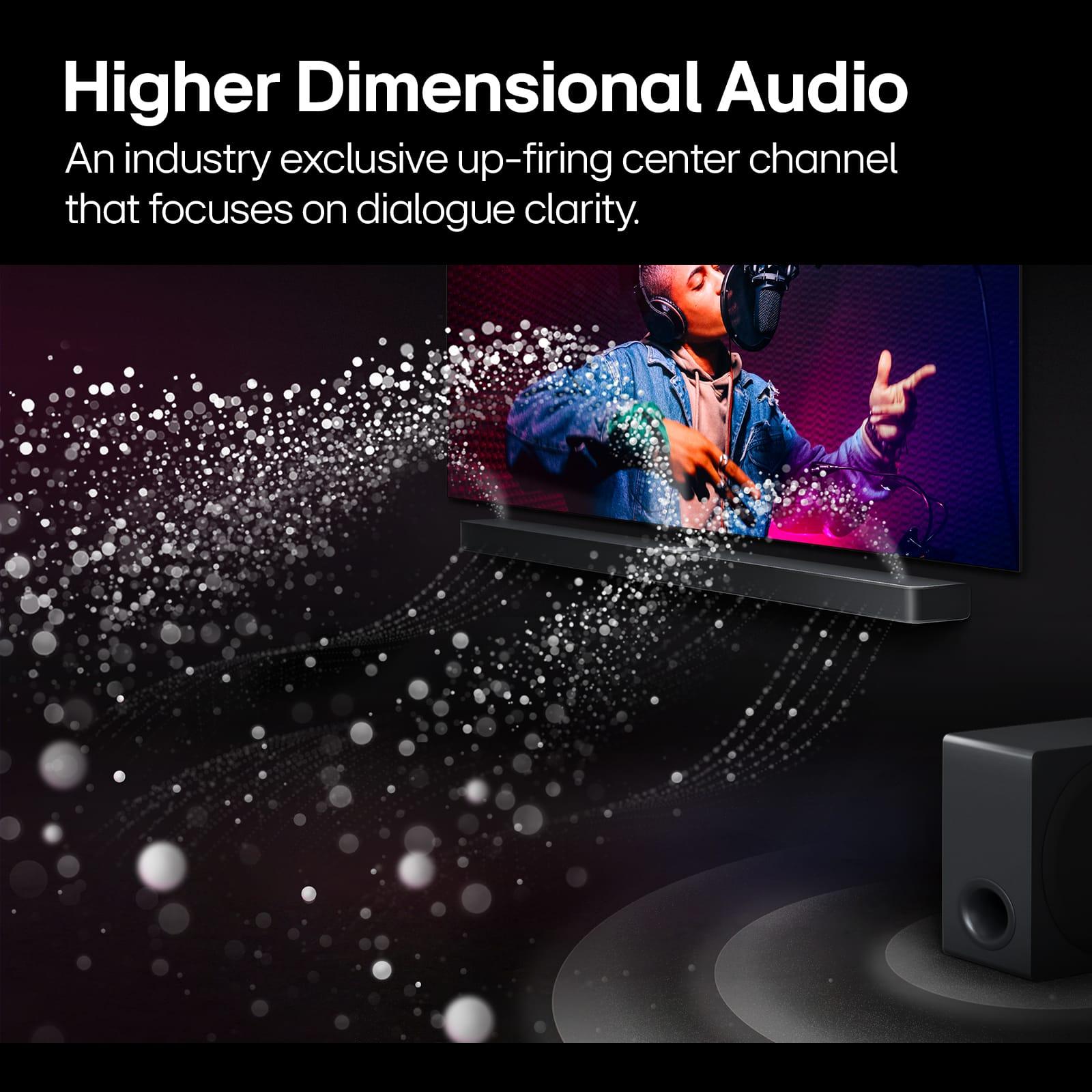
The LG S70TR takes this further with its dedicated up-firing center channel and Clear Voice Plus technology. This system analyzes audio output specifically to enhance vocal clarity through the center speakers. The combination of a dedicated center channel and AI processing gives the LG a theoretical advantage for dialogue-heavy content like TV shows and dramas.
The Ultimea's SurroundX technology works with any audio source, not just content specifically encoded for surround sound. This means even stereo music or older movies get processed to create directional effects. The physical speaker placement creates convincing movement of sound around the room, though it lacks the overhead dimension that modern movie soundtracks increasingly utilize.
The LG's Dolby Atmos processing adds that crucial height dimension. When properly set up in a room with a decent ceiling height (8-10 feet works best), the up-firing drivers create convincing overhead effects. Rain, helicopters, and atmospheric sounds appear to come from above, adding a level of immersion that purely horizontal surround systems cannot match.
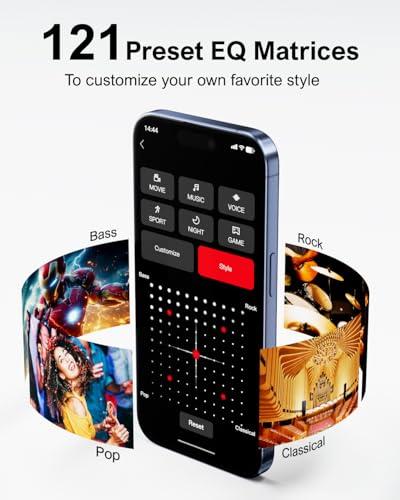
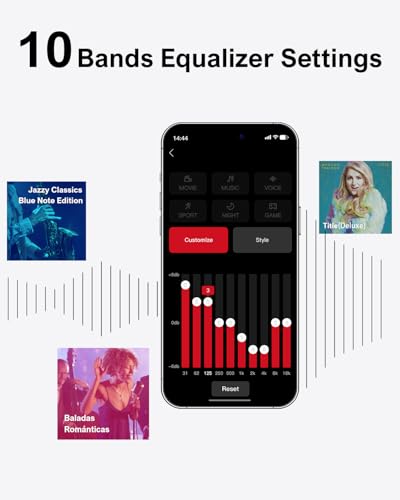
The Ultimea Poseidon D70 includes a comprehensive mobile app with a 10-band equalizer and 121 preset EQ matrices. This level of customization is exceptional for any soundbar, let alone one at this price point. The app also features a unique dot-matrix soundboard interface that lets you adjust audio characteristics visually. Users can fine-tune bass, midrange, treble, and surround effects independently.
The LG S70TR offers more limited customization with a 3-band equalizer, but compensates with intelligent automatic adjustments. The AI Sound Pro feature analyzes incoming audio and adjusts the sound balance automatically—lowering bass when it detects heavy dialogue scenes or boosting effects during action sequences.
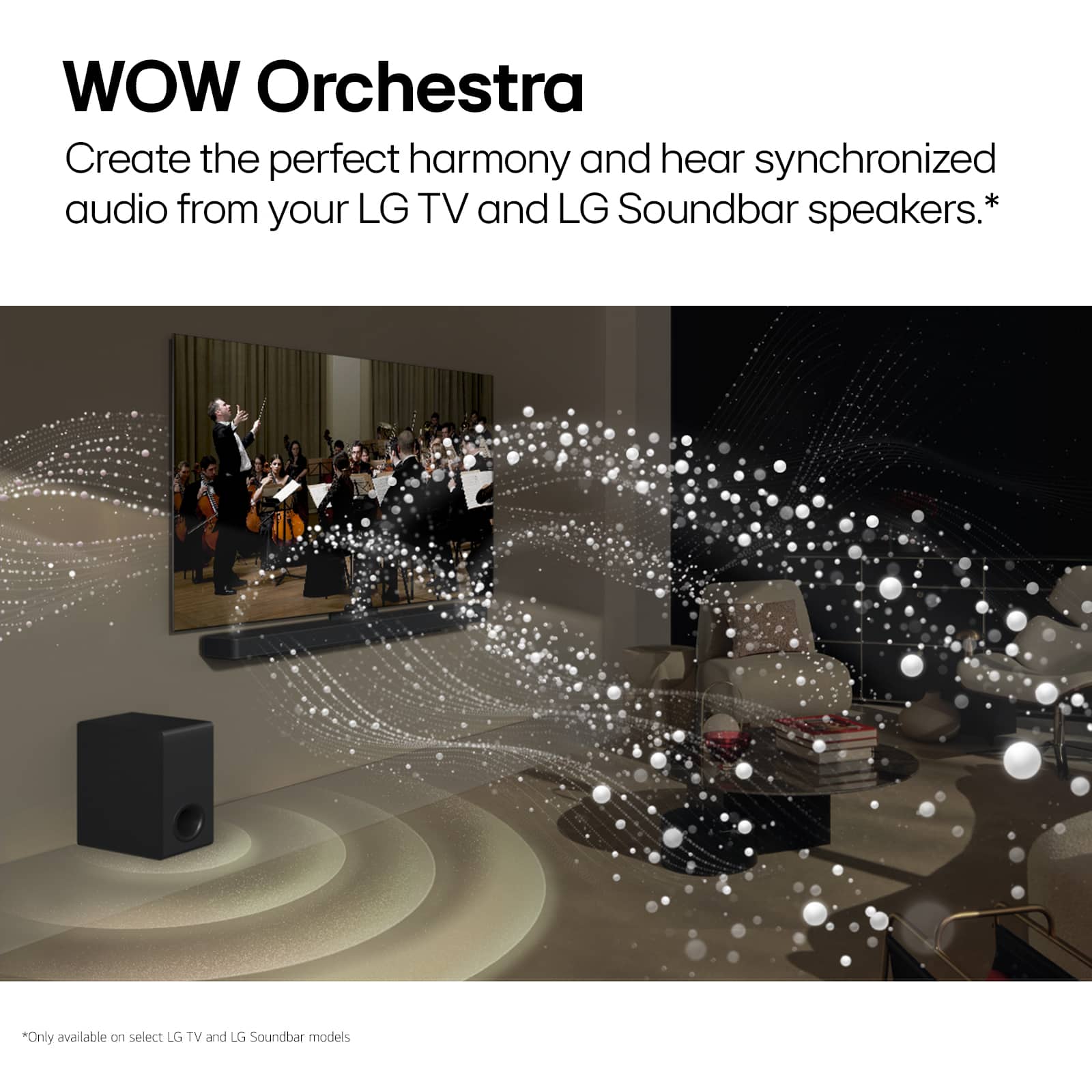
Here's where the LG system shows a significant advantage for users with compatible TVs. The WOW Orchestra feature combines your LG TV's built-in speakers with the soundbar to create a wider soundstage. Instead of disabling the TV speakers (as most soundbars require), this technology uses them as additional channels. For LG TV owners, this creates a more enveloping experience and justifies the brand loyalty.
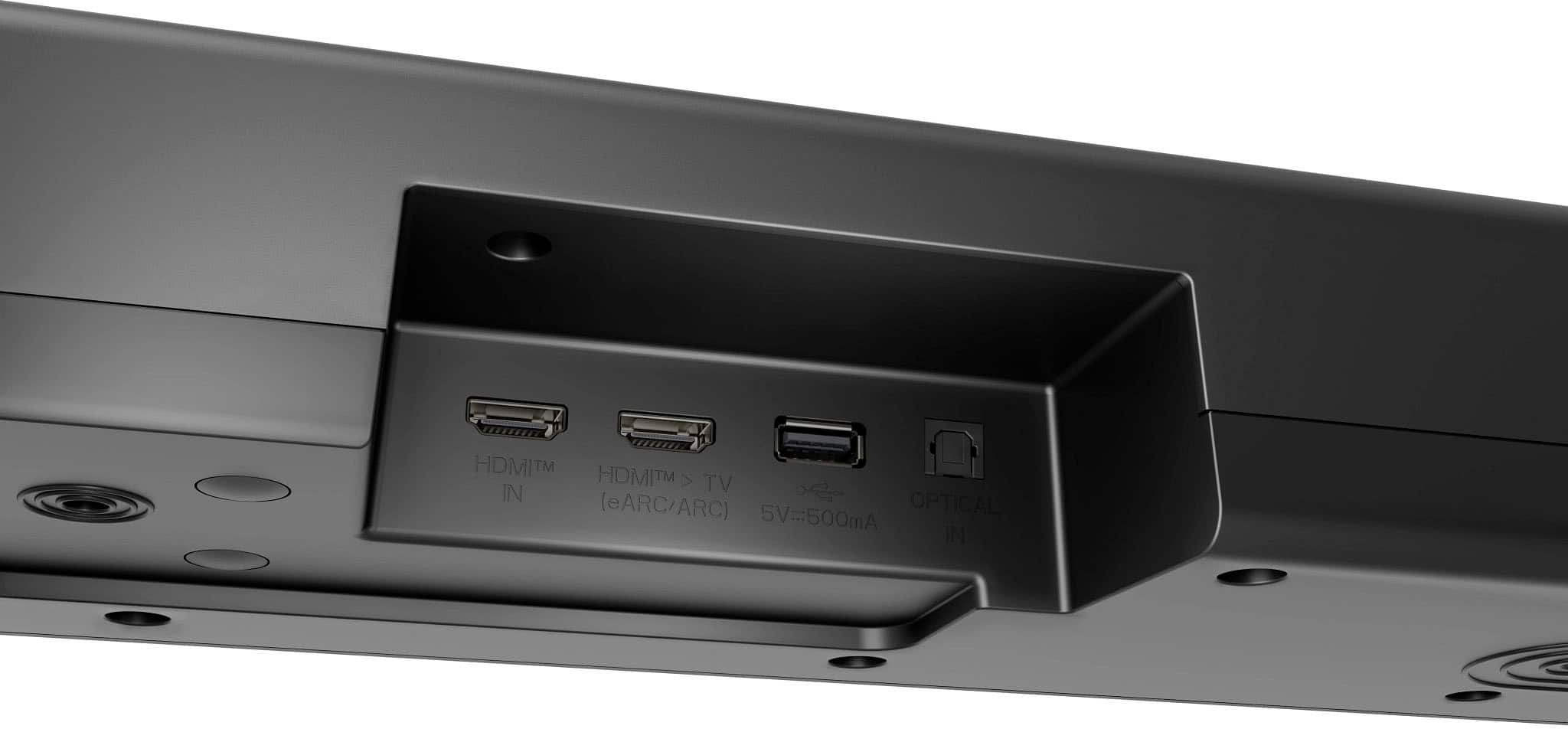
The Ultimea works with any TV brand through HDMI ARC, optical, or Bluetooth connections, making it more universally compatible but lacking the deep integration that LG offers with its own TVs.
Modern gaming demands specific features that these systems handle differently. The LG S70TR includes VRR (Variable Refresh Rate) and ALLM (Auto Low Latency Mode) support up to 120Hz, ensuring smooth performance with PlayStation 5 and Xbox Series X consoles. It also supports 4K passthrough with HDR10 and Dolby Vision.
The Ultimea lacks these gaming-specific features but compensates with superior directional audio for competitive gaming. The physical placement of four surround speakers provides more precise positional cues for first-person shooters and battle royale games where hearing enemy movement is crucial.
At the time of writing, the Ultimea Poseidon D70 represents exceptional value in the budget-to-mid-range category. Getting eight physical speakers, extensive customization, and 410 watts of power for significantly less than competing physical surround systems makes it compelling for cost-conscious buyers who don't mind the setup complexity.
The LG S70TR commands a premium price that reflects its Dolby Atmos processing, wireless convenience, and brand pedigree. For LG TV owners, the WOW Orchestra integration adds value that's difficult to quantify but genuinely enhances the experience.
Since their respective releases, both systems have received firmware updates that improved performance and compatibility. The LG system, released more recently in 2024, includes more current gaming features and better support for emerging audio formats through its FOTA (Firmware Over-The-Air) update capability.
The Ultimea relies more heavily on its proprietary audio processing, which means it's less dependent on specific format support but also less likely to benefit from industry-wide audio advances like new Dolby technologies.
For basement theaters or converted spare bedrooms where you can permanently place speakers and run cables, the Ultimea Poseidon D70 excels. The physical 7.1 configuration creates the kind of immersive experience that rivals much more expensive systems. The ability to precisely position four surround speakers around your seating area, combined with the powerful wireless subwoofer, delivers convincing surround effects that virtual processing struggles to match.
The LG S70TR wins decisively in family living spaces. The wireless rear speakers eliminate cable management issues, the compact soundbar doesn't overwhelm TV stands, and the system's automatic audio adjustments work better for varied content throughout the day. The night mode feature also makes it more neighbor-friendly in apartments or condos.
Our research into professional reviews and user feedback reveals clear patterns. Audio enthusiasts and home theater purists tend to prefer the Ultimea's approach for its authentic surround sound staging and exceptional value proposition. However, convenience-focused users and those with modern living spaces consistently favor the LG's wireless setup and sophisticated processing.
User reliability reports suggest both systems perform well long-term, though the Ultimea's multiple wired connections create more potential failure points compared to the LG's simpler wireless architecture.
Choose the Ultimea Poseidon D70 if you're setting up a dedicated home theater room where you can accept visible cables and permanent speaker placement. This system delivers authentic surround sound that physical speakers simply do better than virtual processing. It's also the clear choice for competitive gamers who need precise directional audio and budget-conscious buyers who want maximum speakers and power for their money.
The LG S70TR makes more sense for modern living situations where convenience and aesthetics matter. If you own an LG TV, the WOW Orchestra integration alone can justify the premium. The system also wins for console gaming thanks to its VRR/ALLM support and appeals to users who prioritize the atmospheric immersion of Dolby Atmos over the precise directionality of physical surround speakers.
Ultimately, both systems succeed in their intended roles. The Ultimea maximizes immersion through traditional surround speaker placement, while the LG uses advanced processing to create sophisticated audio experiences in more challenging room situations. Your choice should align with your room constraints, setup preferences, and whether you value authentic physical surround sound or the convenience and height effects of modern audio processing.
| Ultimea Poseidon D70 7.1 Channel Soundbar System | LG S70TR 5.1.1 Channel Soundbar with Dolby Atmos and WOW Orchestra |
|---|---|
| Channel Configuration - Determines surround sound approach and immersion level | |
| True 7.1 with 8 physical speakers (4 wired surrounds) | 5.1.1 with 9 speakers (wireless rears + height channel) |
| Total Power Output - Affects maximum volume and room filling capability | |
| 410W peak, 144W RMS (high power for the price range) | Not specified, but 220W subwoofer amp (likely lower total) |
| Subwoofer Design - Critical for bass depth and impact | |
| 6.5" wireless with BassMX technology | 7" front-firing with 3" rear port (potentially deeper bass) |
| Height Effects Support - Essential for modern movie soundtracks | |
| None (traditional horizontal surround only) | Dolby Atmos with up-firing drivers (overhead effects) |
| Setup Complexity - Major factor for living room integration | |
| 4 wired surround speakers require cable management | Wireless rear speakers, minimal cables needed |
| Audio Customization - Important for fine-tuning sound to your room | |
| 10-band EQ + 121 presets via Ultimea app | 3-band EQ with AI Sound Pro automatic adjustment |
| TV Brand Integration - Adds value for compatible TV owners | |
| Universal compatibility, no special features | WOW Orchestra for LG TVs (combines TV + soundbar speakers) |
| Gaming Features - Crucial for console gaming performance | |
| Standard connections, no gaming-specific features | VRR/ALLM up to 120Hz, 4K HDR passthrough |
| Frequency Response - Shows how deep bass extends and highs reach | |
| 35Hz - 18kHz (good low-end extension) | Not specified (likely similar range) |
| Soundbar Dimensions - Affects TV stand compatibility | |
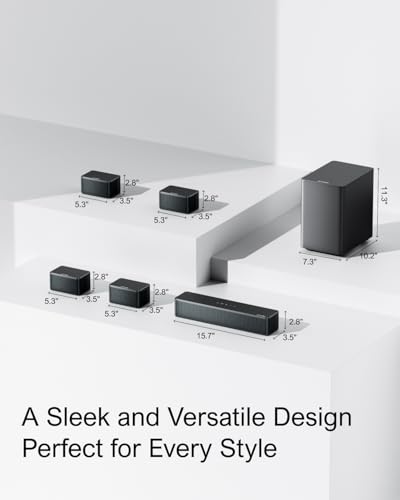
| 15.7" wide (compact, fits smaller TVs) | 37.4" wide (designed for larger LG TVs) |
| Connectivity Options - Determines device compatibility | |
| HDMI ARC, optical, USB, Bluetooth 5.3, AUX | HDMI eARC, optical, USB, Bluetooth, WiFi |
| Audio Processing Technology - Affects sound quality and format support | |
| Proprietary SurroundX + AI deep learning | Dolby Atmos, DTS:X, Clear Voice Plus |
For dedicated home theater rooms, the Ultimea Poseidon D70 delivers superior surround sound immersion with its true 7.1 channel configuration and four physical surround speakers. The LG S70TR is better for living room theaters where you want Dolby Atmos height effects and easier wireless setup without running cables to multiple speaker locations.
The Ultimea Poseidon D70 uses 7.1 channels with seven main speakers plus a subwoofer, creating horizontal surround sound through physical speaker placement. The LG S70TR uses 5.1.1 configuration with five main channels, one subwoofer, and one height channel for overhead Dolby Atmos effects that bounce sound off your ceiling.
The LG S70TR is significantly easier to install with wireless rear speakers that only need power outlets. The Ultimea Poseidon D70 requires running cables to four separate surround speakers around your room, making setup more complex but providing authentic physical surround sound placement.
While the LG S70TR works with any TV, you'll get maximum value with an LG TV through the WOW Orchestra feature, which combines your TV's speakers with the soundbar for enhanced audio. The Ultimea Poseidon D70 offers universal compatibility without brand-specific integration features.
Both systems deliver strong bass, but differently. The LG S70TR has a larger 7-inch subwoofer that may provide deeper extension, while the Ultimea Poseidon D70 uses BassMX technology with higher total system power (410W peak) for more impactful, room-filling bass performance.
Only the LG S70TR supports overhead effects through Dolby Atmos processing and up-firing drivers that bounce sound off your ceiling. The Ultimea Poseidon D70 focuses on horizontal surround sound without height channels, though it excels at left-right-front-back directional audio through physical speaker placement.
The Ultimea Poseidon D70 provides extensive customization with a 10-band equalizer and 121 preset sound profiles through its mobile app. The LG S70TR offers a simpler 3-band EQ but includes intelligent AI Sound Pro that automatically adjusts audio based on content type.
For competitive gaming requiring precise directional audio, the Ultimea Poseidon D70 excels with its physical surround speakers. The LG S70TR is better for console gaming with modern features like VRR/ALLM support up to 120Hz and 4K HDR passthrough for PlayStation 5 and Xbox Series X.
The Ultimea Poseidon D70 is designed for 108-270 square foot rooms and works best in dedicated theater spaces where you can position four surround speakers. The LG S70TR is more flexible for various living spaces, with its 37.4-inch width specifically designed to complement larger TV setups.
Both systems enhance dialogue, but the LG S70TR has an advantage with its dedicated up-firing center channel and Clear Voice Plus technology that analyzes audio to optimize vocal clarity. The Ultimea Poseidon D70 uses AI processing to enhance dialogue but relies on the soundbar's three drivers rather than a dedicated center channel.
The LG S70TR offers superior wireless convenience with truly wireless rear speakers and WiFi connectivity alongside Bluetooth. The Ultimea Poseidon D70 has a wireless subwoofer but requires wired connections for all four surround speakers, though it does include Bluetooth 5.3 for music streaming.
The LG S70TR provides better future-proofing with Dolby Atmos support, firmware updates via FOTA, and modern gaming features. The Ultimea Poseidon D70 offers exceptional immediate value with more physical speakers and higher power output, but relies on proprietary processing that may not evolve with industry standards.
We've done our best to create useful and informative comparisons to help you decide what product to buy. Our research uses advanced automated methods to create this comparison and perfection is not possible - please contact us for corrections or questions. These are the sites we've researched in the creation of this article: ultimea.com - provantage.com - ultimea.com - youtube.com - youtube.com - bestbuy.com - the-gadgeteer.com - shopmyexchange.com - youtube.com - youtube.com - youtube.com - ultimea.com - manuals.plus - device.report - images.thdstatic.com - shopmyexchange.com - staples.com - ultimea.de - bestbuy.com - mynavyexchange.com - rixaudiovideoappliance.com - rtings.com - youtube.com - bestbuy.com - howards.siteontimedev.com - bestbuy.com - appliancestogousa.us

Privacy Policy
Terms and Conditions - Affiliate Policy
Home Security
© Copyright 2008-2026.
11816 Inwood Rd #1211, Dallas, TX 75244