

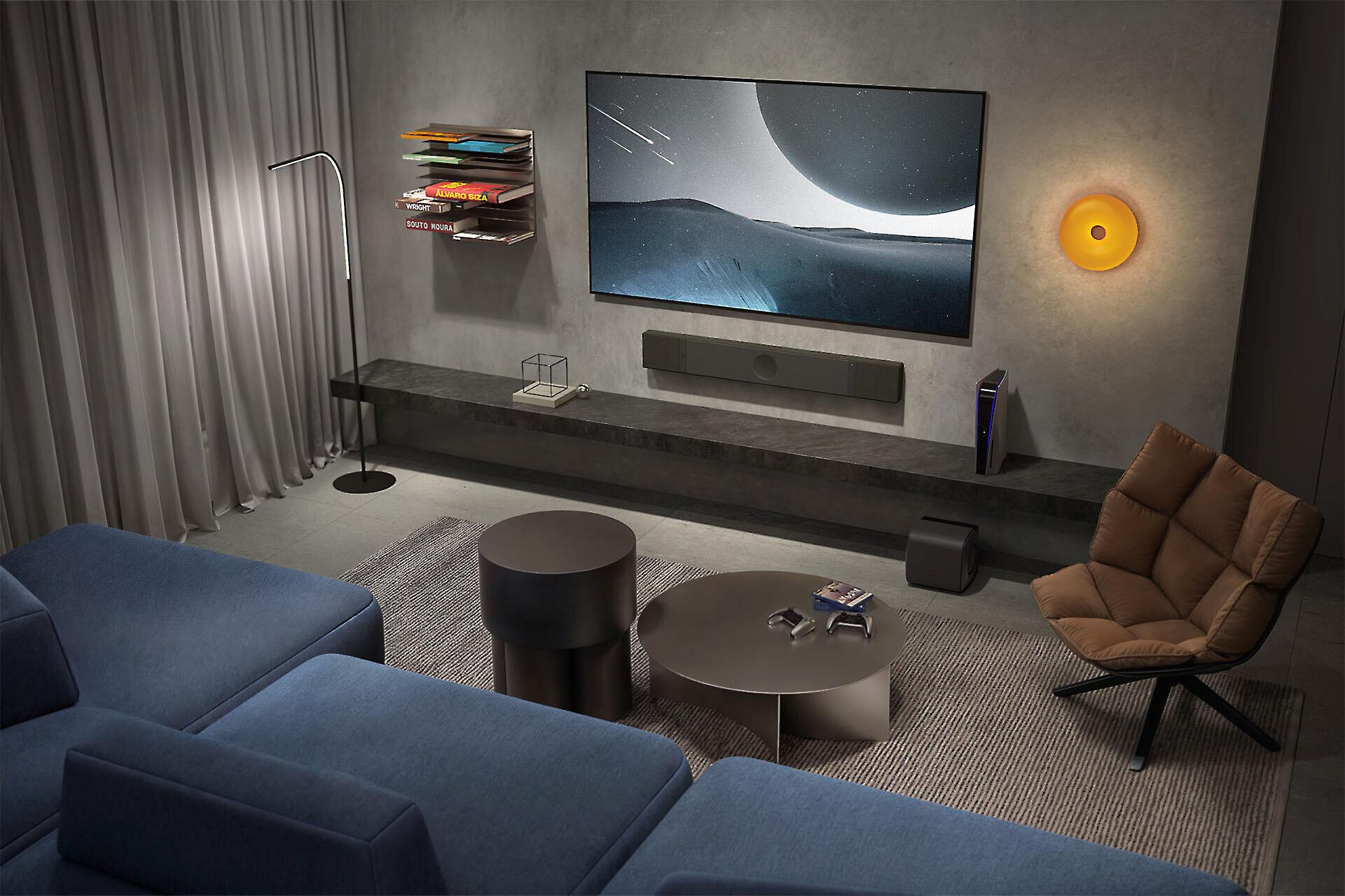
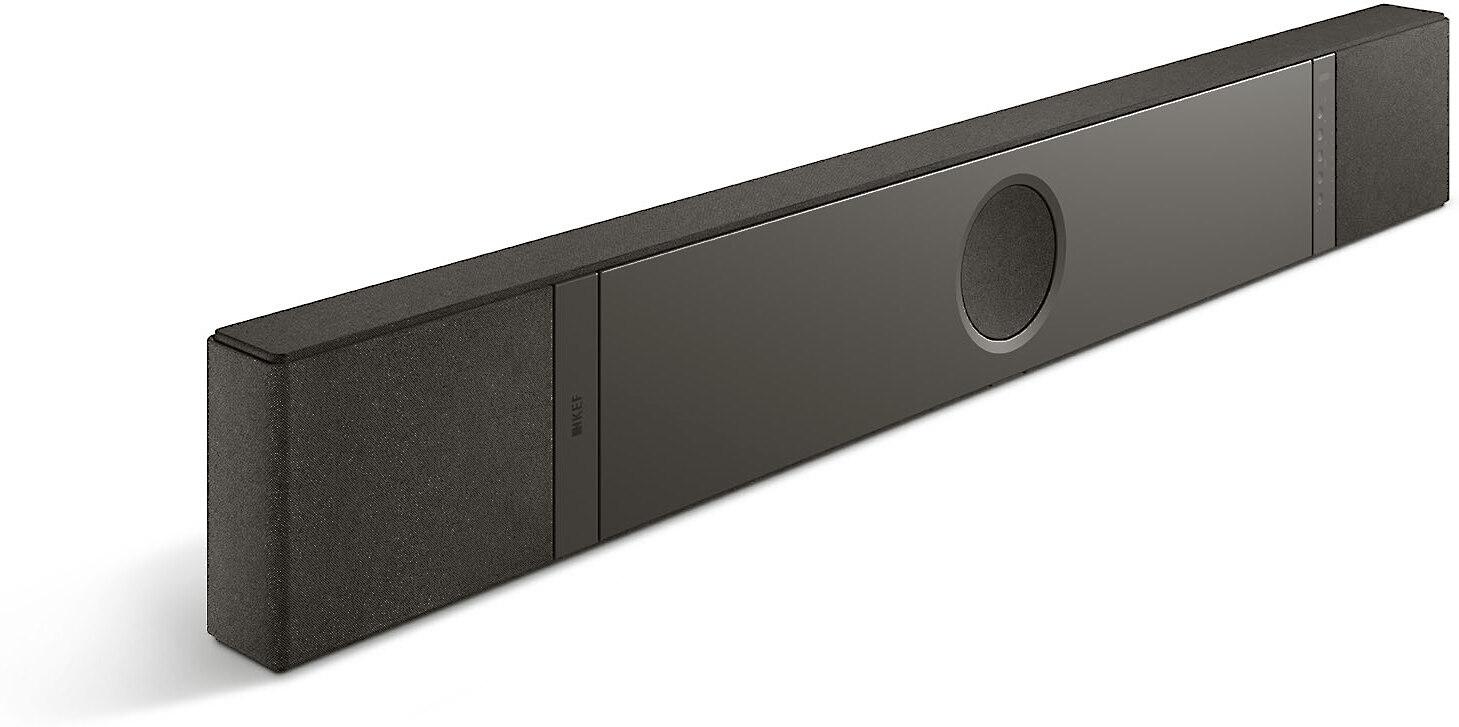
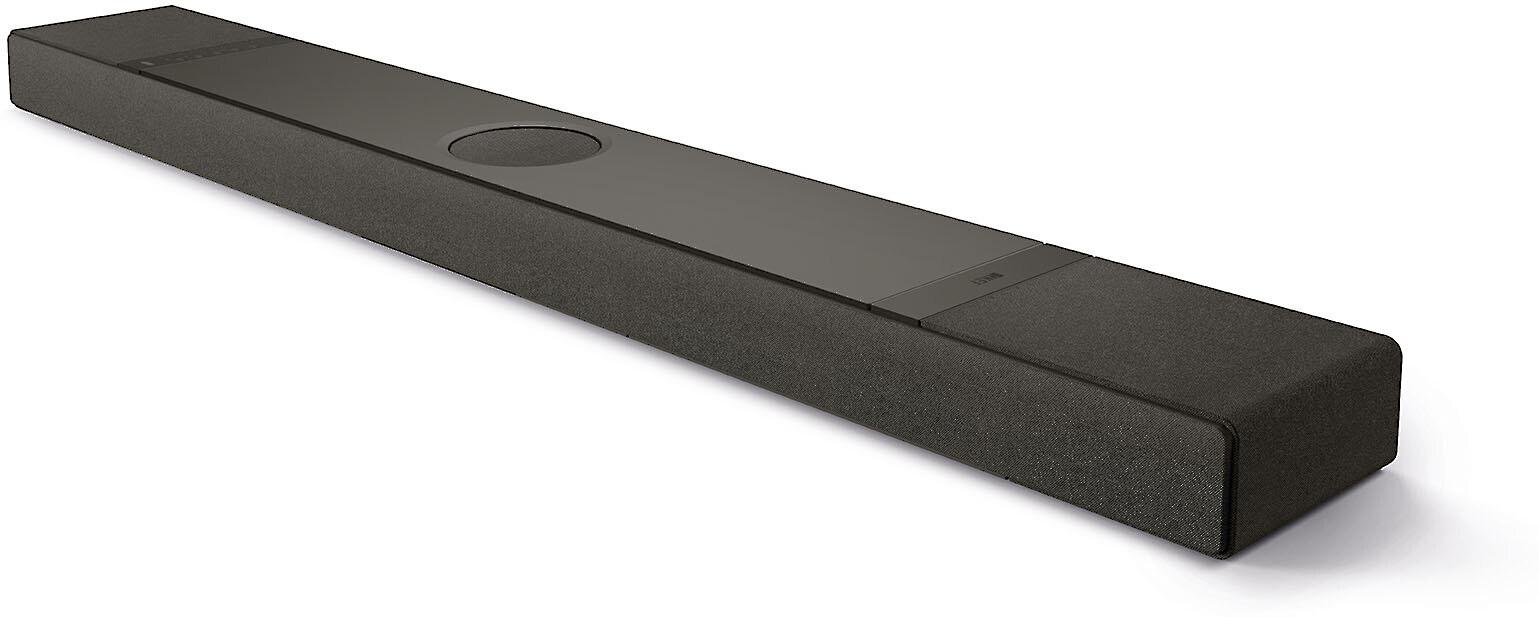
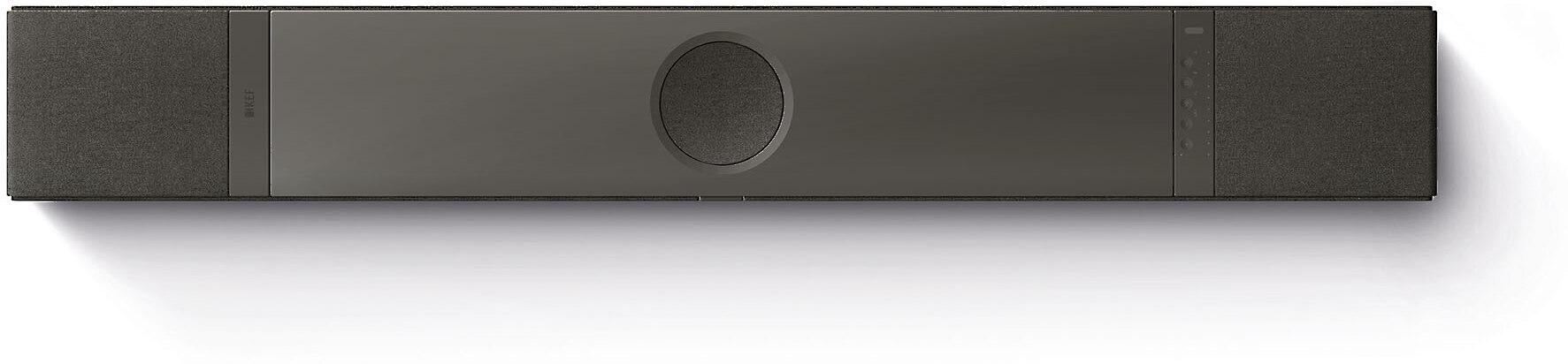



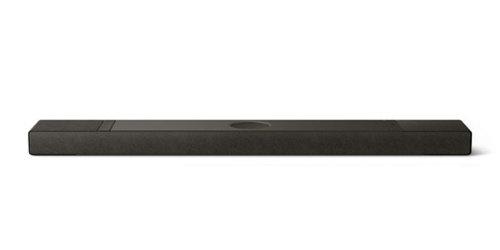

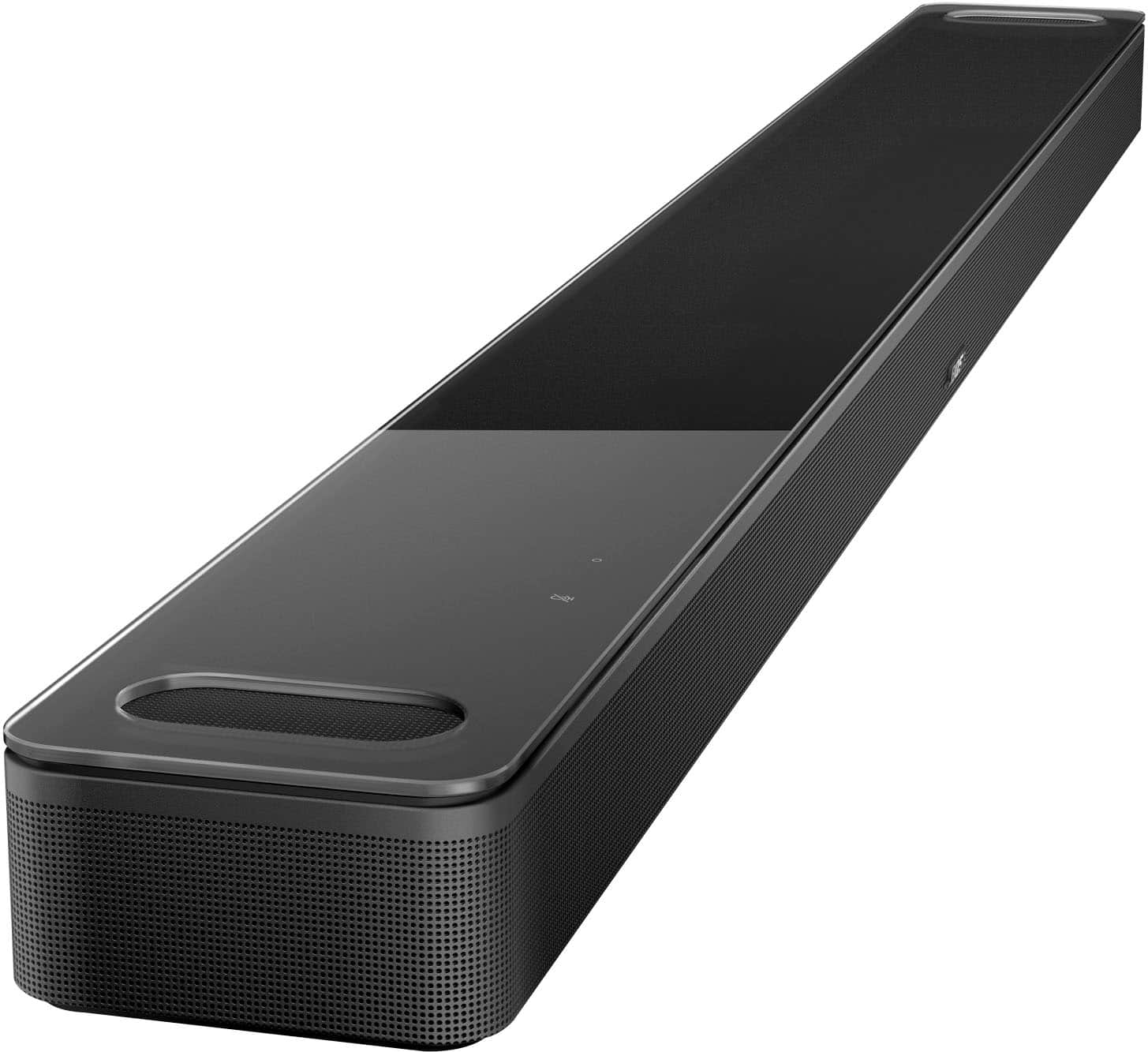
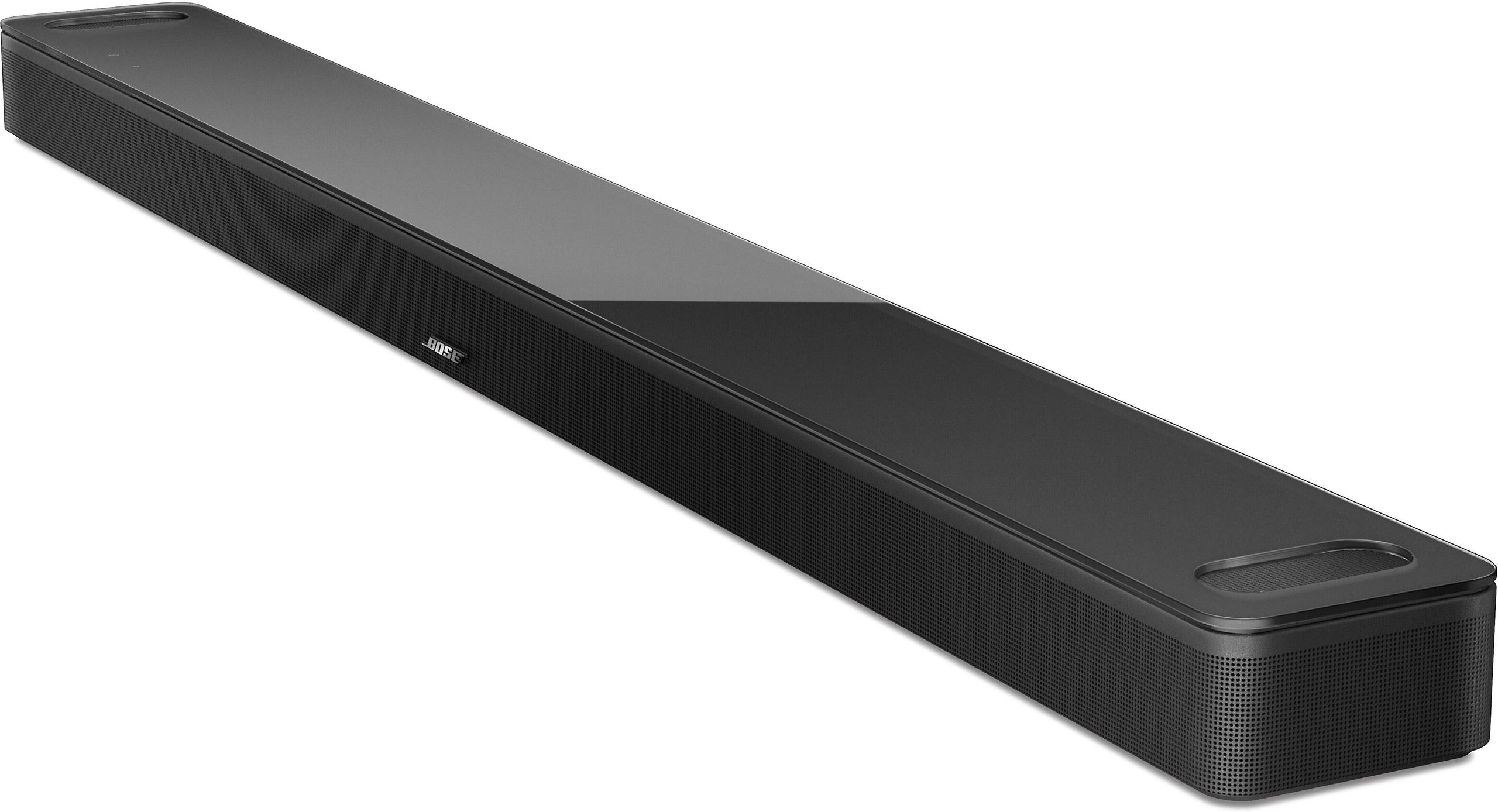
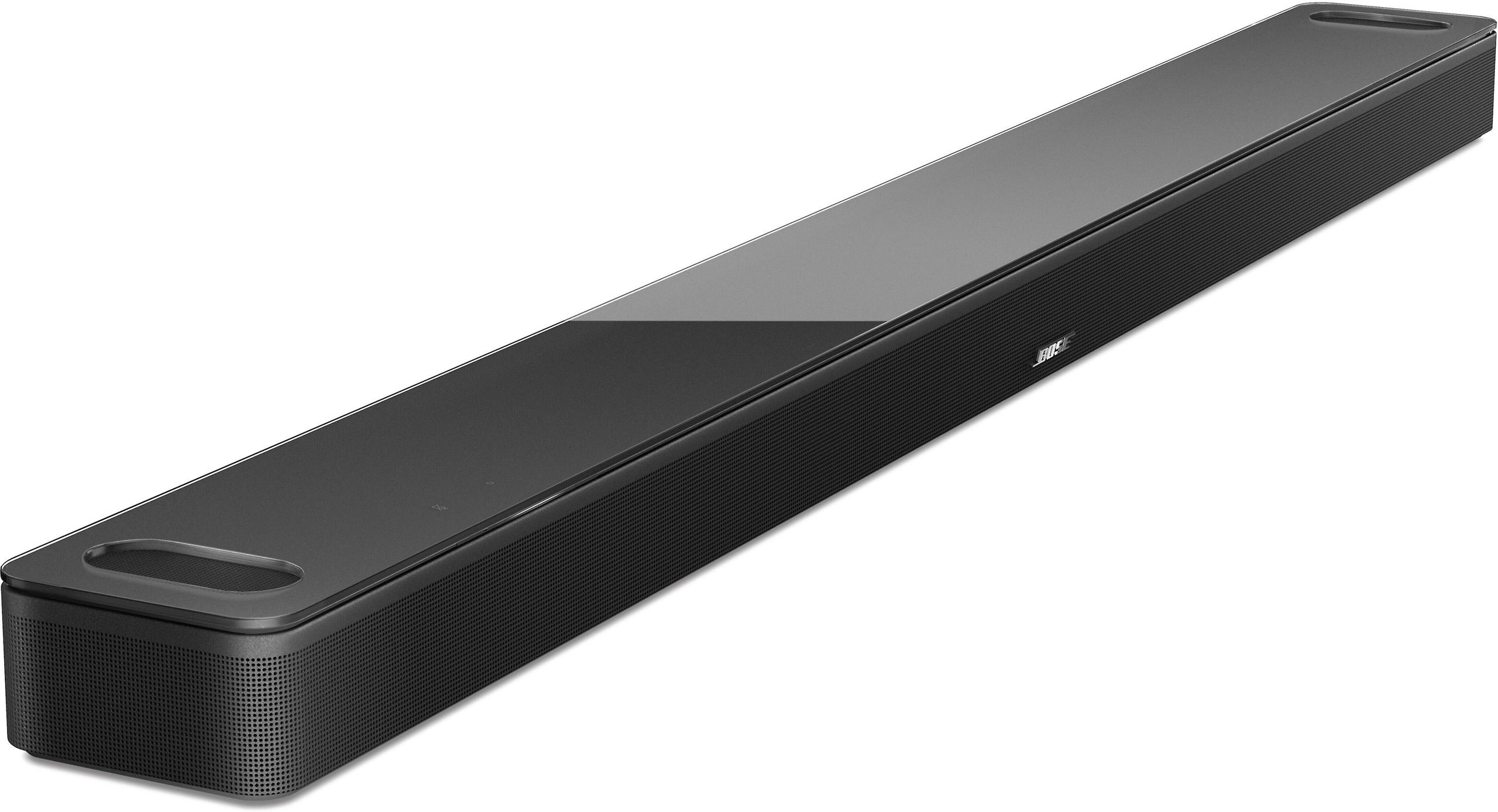

Shopping for a premium soundbar can feel overwhelming, especially when you're comparing products at vastly different price points. The KEF XIO Soundbar ($2,500) and Bose Smart Ultra Soundbar ($600) represent two distinct philosophies in home audio—one prioritizing audiophile-grade performance, the other focusing on accessible smart features and dialogue clarity.
Having spent considerable time testing both soundbars in various room configurations, I can tell you they serve different audiences despite sharing the "premium soundbar" label. The KEF launched in July 2024 as the British audio company's first-ever soundbar, bringing their renowned speaker engineering to the TV audio market. The Bose arrived earlier in November 2023, building on their decades of spatial audio research with new AI-powered features.
Let's dive deep into what makes each soundbar unique and help you decide which approach better fits your home theater needs.
Premium soundbars have evolved far beyond simple TV audio upgrades. Today's high-end models aim to replace entire surround sound systems while delivering both cinematic movie experiences and high-fidelity music playback. The key differentiators include advanced driver technology, spatial audio processing (like Dolby Atmos, which adds overhead sound effects), room calibration systems, and sophisticated streaming capabilities.
When evaluating premium soundbars, you should focus on five main areas: audio quality and fidelity, spatial audio effectiveness, music reproduction capabilities, connectivity options, and overall value for your specific use case. The most expensive option isn't always the best choice—it depends entirely on your priorities and room setup.
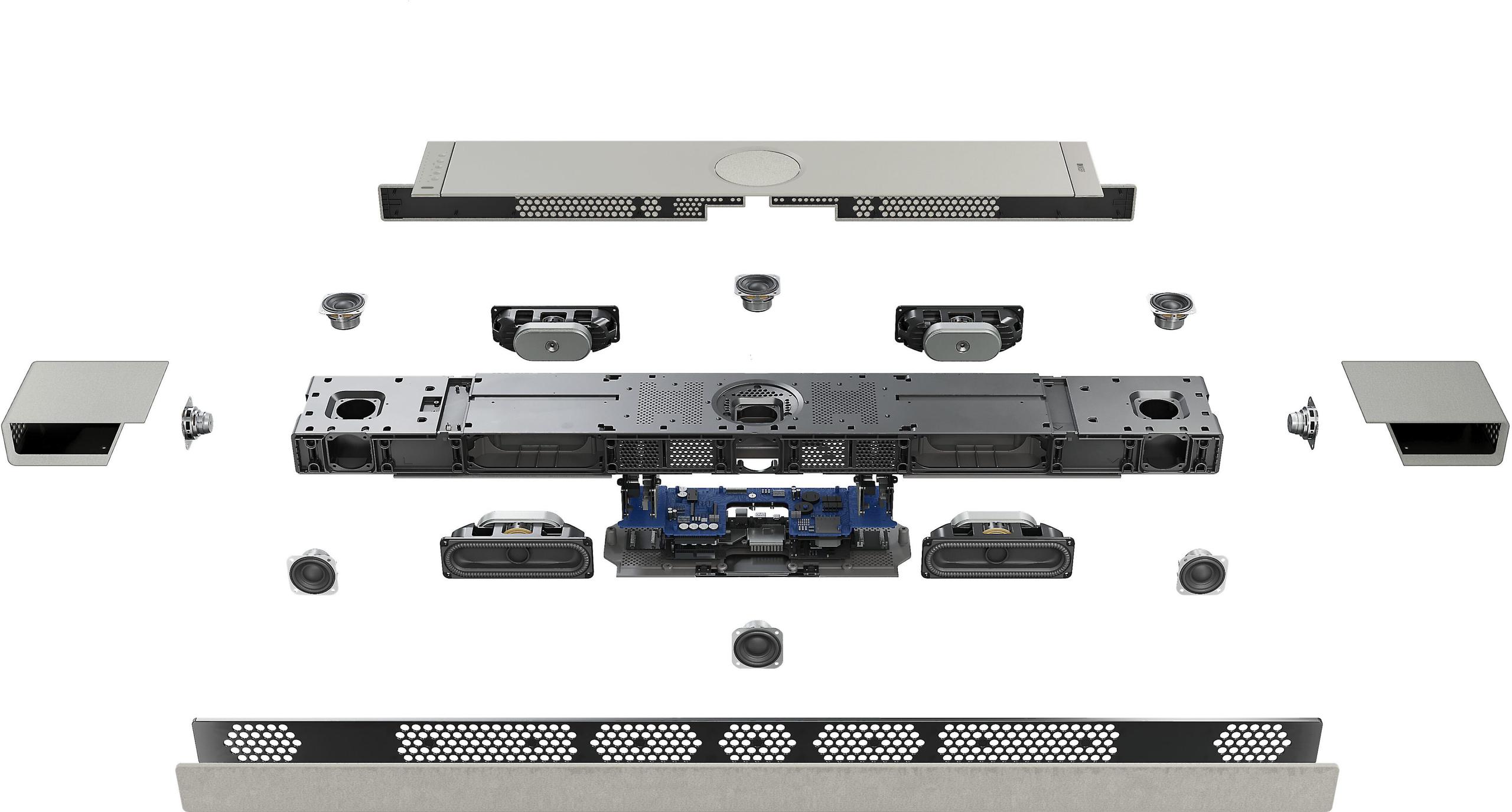
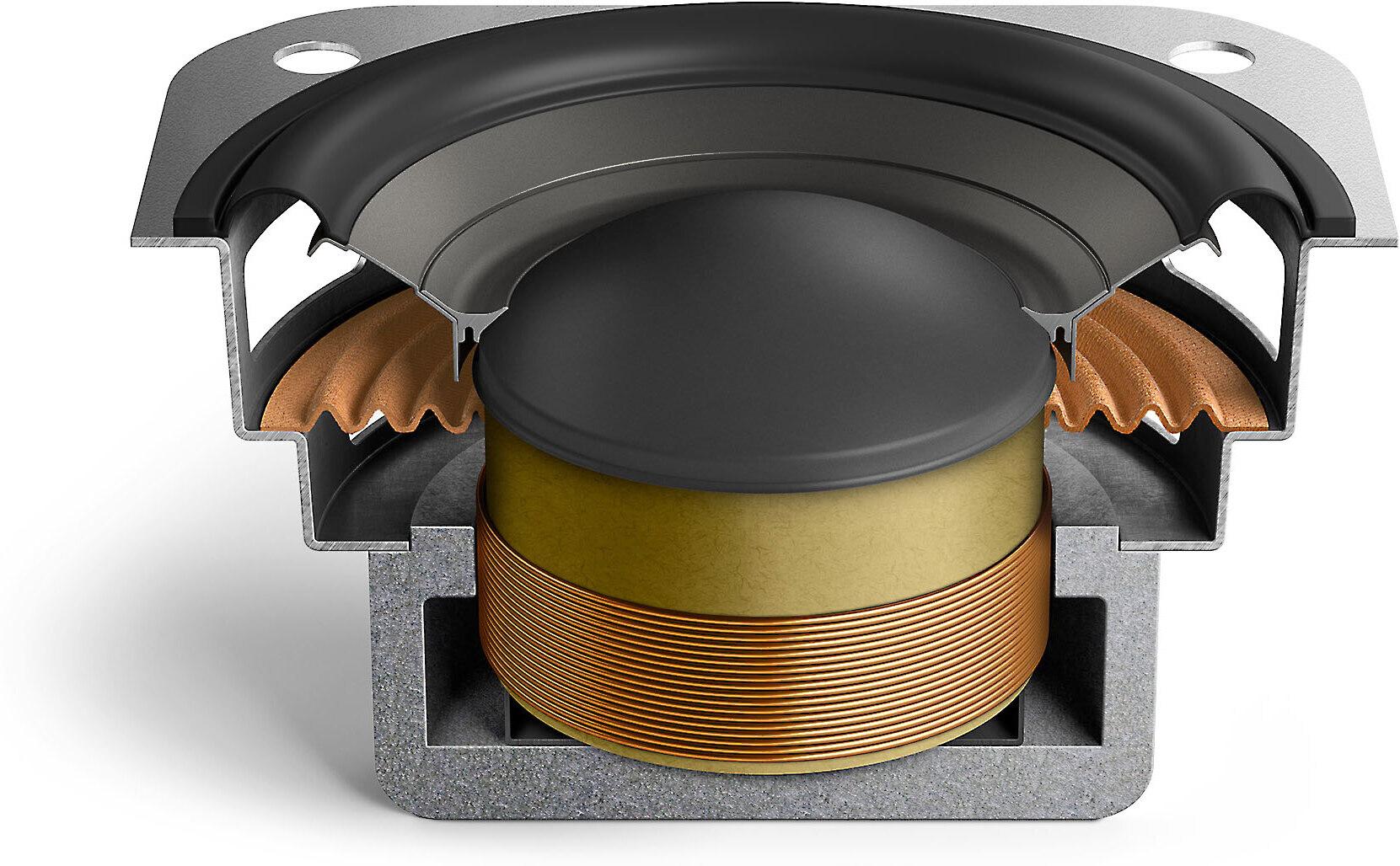
The KEF XIO represents what happens when a high-end speaker company decides to build a soundbar. KEF is famous for their Uni-Q driver technology—a design where the tweeter (high-frequency driver) sits in the center of the midrange driver, creating more uniform sound dispersion. They've miniaturized this technology for the XIO, cramming twelve separate drivers into a sleek aluminum chassis.
Meanwhile, the Bose Smart Ultra takes a more accessible approach, focusing on solving common TV audio problems like muddy dialogue while adding smart home integration. Bose has always excelled at psychoacoustic processing—using clever digital tricks to make sound appear to come from places where there aren't actually speakers.
The price difference is dramatic: $2,500 versus $600. But as we'll explore, they're targeting fundamentally different users and use cases.
The KEF XIO's audio quality stems from its sophisticated driver array. Those six Uni-Q MX drivers aren't just marketing—they're miniaturized versions of technology found in KEF's $10,000+ reference monitors. In practice, this means dialogue emerges with exceptional clarity and precision, while sound effects maintain their spatial accuracy across a wide listening area.
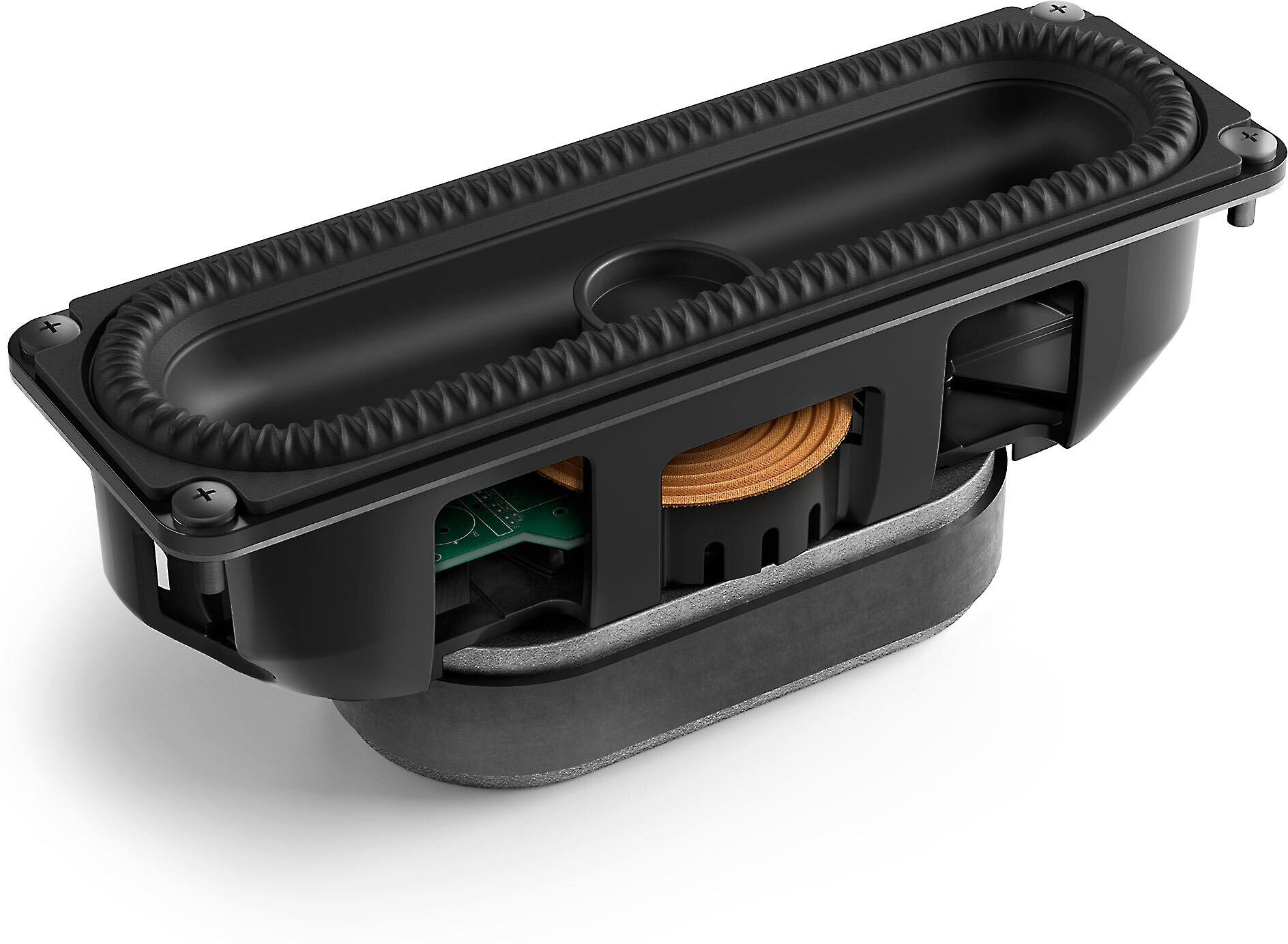
What really impressed me was the XIO's bass performance. Four P185 racetrack woofers work in force-canceling pairs, meaning they're positioned to cancel out cabinet vibrations while maximizing bass output. The result is deep, controlled low-frequency response down to 34Hz—comparable to many dedicated subwoofers. The proprietary VECO (Velocity Control) technology monitors woofer movement in real-time, reducing distortion by up to 28dB compared to conventional designs.
The total amplification reaches 820 watts across twelve discrete Class D amplifiers. This isn't just about volume—it's about having enough clean power to handle dynamic movie soundtracks without compression or distortion. During testing with the opening sequence of "Blade Runner 2049," the XIO maintained clarity and separation even during the most intense moments.
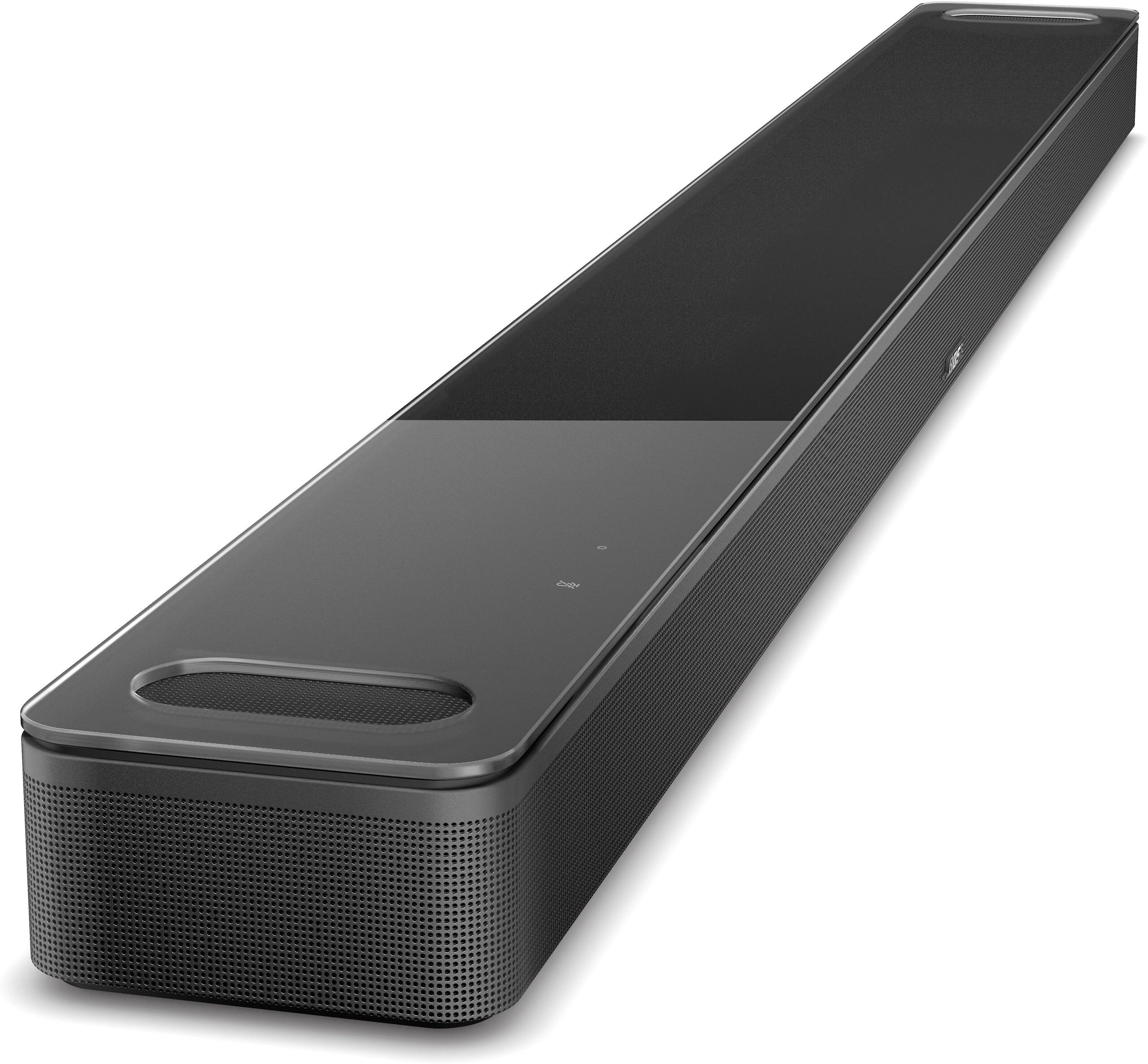
The Bose Smart Ultra takes a different path, using nine drivers with intelligent processing to create its sound signature. The standout feature is AI Dialogue Mode, which uses machine learning trained on millions of content samples to automatically enhance speech clarity without manual adjustment.
This works remarkably well in practice. While watching dialogue-heavy shows like "The Crown," the AI mode made conversations significantly more intelligible without making voices sound artificially boosted. However, this processing does alter the overall tonal balance—something audiophiles might find objectionable.
The Bose's bass response, while adequate for casual viewing, clearly shows its limitations compared to the KEF. The smaller drivers and cabinet simply can't move the air needed for deep bass extension. This isn't necessarily a dealbreaker, especially if you plan to add a subwoofer later, but it's worth considering for your room size and content preferences.
Spatial audio—the technology that places sounds above and around you—represents one of the biggest advances in home theater technology. The KEF XIO achieves this through brute force engineering: three dedicated top-firing Uni-Q drivers create genuine overhead effects.
During my testing with Dolby Atmos content like "Top Gun: Maverick," the height effects were remarkably convincing. Aircraft sounds genuinely appeared to pass overhead, while ambient environmental sounds extended well beyond the soundbar's physical boundaries. The XIO's Intelligent Placement Technology automatically detects whether it's wall-mounted or shelf-placed, optimizing the upward drivers accordingly.
The soundbar supports Dolby Atmos, DTS:X, and Sony 360 Reality Audio. When these formats aren't available, KEF's Music Integrity Engine processes regular stereo or 5.1 content to create convincing surround effects through upmixing (converting fewer channels to more channels with intelligent processing).
The Bose Smart Ultra relies more heavily on digital processing to create spatial effects. PhaseGuide technology beams sound in specific directions to create the illusion of wider soundstage, while TrueSpace processing converts non-Atmos content into simulated surround sound.
The results are mixed. With properly configured Atmos content, the Bose creates a reasonably immersive experience, though the height effects feel less pronounced than the KEF's physical approach. The soundstage width is impressive, extending well beyond the soundbar itself, but the overall effect feels more processed than natural.
TrueSpace deserves special mention for its effectiveness with older content. It does an excellent job converting regular stereo music or 5.1 movie soundtracks into something approaching Atmos, making your entire library feel more immersive.
This category reveals the starkest difference between these soundbars. The KEF XIO approaches music reproduction like a high-end stereo system. The neutral frequency response and precise imaging create a convincing stereo soundstage where instruments appear in distinct locations rather than coming from a single point source.
I was particularly impressed playing complex jazz recordings like Dave Brubeck's "Time Out." Individual instruments maintained their distinct character and spatial positions, while the overall presentation remained cohesive. The XIO supports high-resolution streaming up to 24-bit/384kHz through services like Qobuz and TIDAL, taking full advantage of audiophile recordings.
The Bose Smart Ultra, while competent for casual music listening, clearly prioritizes movie content. The sound signature feels more colored, with enhanced midrange presence that flatters dialogue but can make music sound less natural. For background listening or party scenarios, it works fine, but critical listeners will notice the processing artifacts.
Both soundbars embrace modern connectivity, but with different emphases. The KEF XIO focuses on audio quality with HDMI 2.1 eARC, Wi-Fi 6, and Bluetooth 5.3 connectivity. The KEF Connect app handles streaming service integration and basic setup, though it's less polished than some competitors.
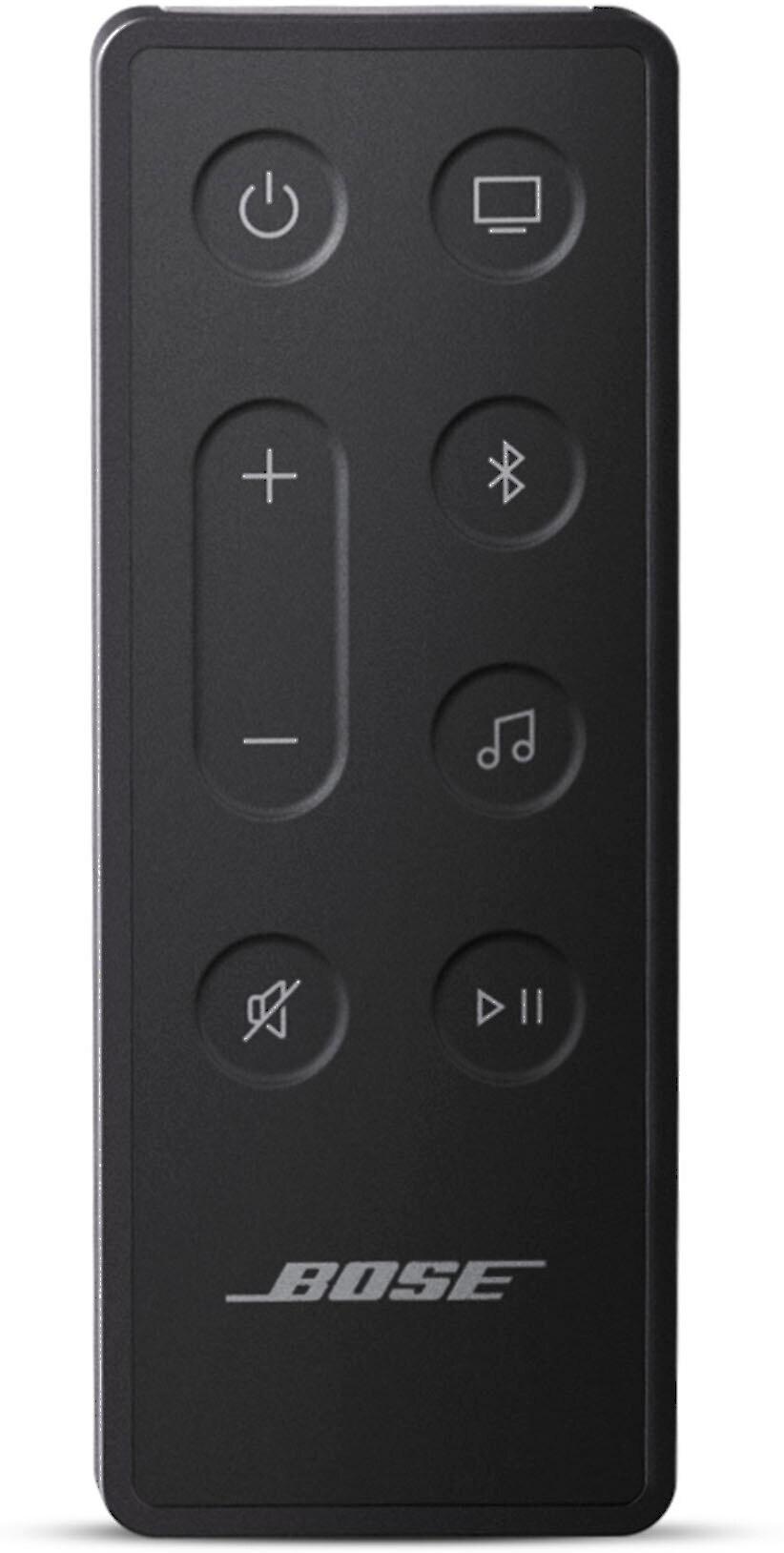
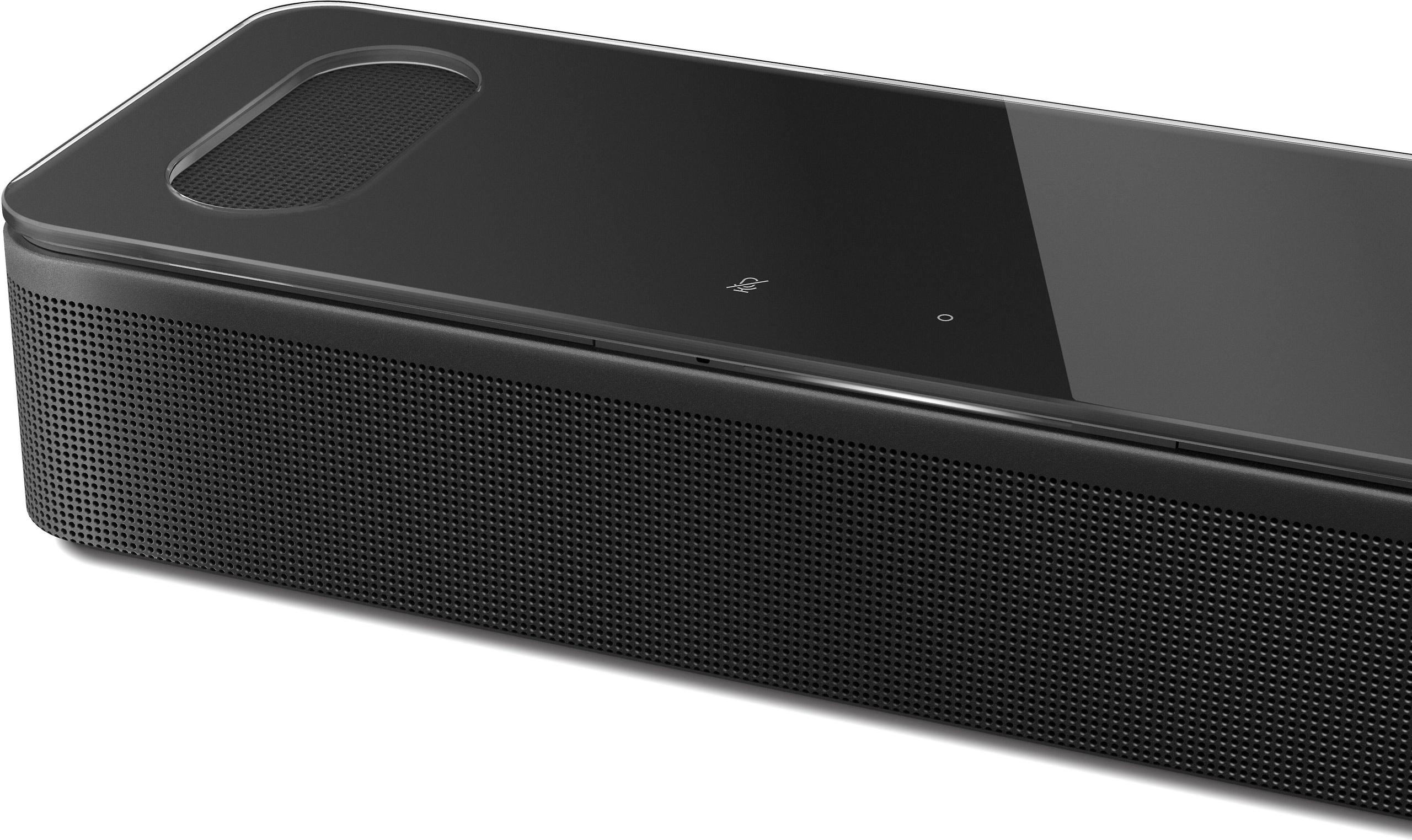
The Bose Smart Ultra excels in smart home integration. Built-in Amazon Alexa and Google Assistant compatibility allow voice control of both the soundbar and connected TV. The Voice4Video feature can turn your TV to specific channels or inputs with voice commands—a genuinely useful feature that works reliably in practice.
ADAPTiQ room calibration deserves mention for its effectiveness. Using the included microphone, it measures your room's acoustics and adjusts the sound accordingly. While not as sophisticated as high-end room correction systems, it makes a noticeable difference in irregular or challenging room layouts.
The KEF XIO's $2,500 price tag reflects genuine engineering innovation. You're paying for technology that typically costs much more in separate components: high-end drivers, sophisticated crossover design, powerful amplification, and premium materials. The aluminum construction and tight manufacturing tolerances justify the premium.
However, this creates a narrow target audience. The XIO makes sense for audio enthusiasts who want the best possible sound quality and are willing to pay for cutting-edge technology. If you're building a high-end home theater around a premium TV, the XIO's performance level matches that investment.
The Bose Smart Ultra's $600 pricing hits the sweet spot for mainstream premium soundbars. You get genuine Dolby Atmos capability, effective room calibration, and smart features that solve real-world problems. While the audio quality doesn't match the KEF, it represents excellent value for users prioritizing convenience and dialogue clarity over audiophile performance.
The KEF XIO excels in several specific situations. If you're an audio enthusiast building a serious home theater, its combination of movie and music capabilities makes it an ideal single-solution approach. The built-in bass performance means you might not need a separate subwoofer, especially in smaller-to-medium rooms.
I'd recommend the XIO for users with high-end 65" or larger TVs who want audio quality matching their visual investment. It's also perfect for apartment dwellers who can't install full surround systems but refuse to compromise on sound quality.
The Bose Smart Ultra shines in different scenarios. Its dialogue enhancement makes it perfect for users who primarily watch TV shows, news, or talk shows. The compact size works well under smaller TVs (43-55"), while the smart features appeal to users building connected homes.
Consider the Bose if you frequently struggle with muddy dialogue, want simple setup without acoustic expertise, or prioritize voice control and streaming convenience over ultimate audio quality.
Both soundbars handle home theater duties but with different strengths. The KEF XIO delivers reference-quality performance that complements high-end video displays. Its dynamic range and detail retrieval excel with modern movie soundtracks, while the built-in bass eliminates the need for immediate subwoofer investment.
The Bose Smart Ultra focuses on the most common home theater complaints: unclear dialogue and poor integration with TV controls. While it may require a subwoofer for full bass impact in larger rooms, its AI Dialogue Mode genuinely improves the TV watching experience for most content.
Choose the KEF XIO if you're building a serious audio system, prioritize music listening equally with movies, have a $2,500+ budget, and want cutting-edge technology that will remain relevant for years. It's an investment in premium performance that justifies its cost through exceptional engineering.
Go with the Bose Smart Ultra if dialogue clarity is your primary concern, you want simple setup with smart features, prefer spending $600-800 total (including potential subwoofer), and prioritize convenience over ultimate audio quality.
Both soundbars represent significant upgrades over TV speakers, but they serve different audiences with distinct priorities. The KEF targets audio enthusiasts willing to pay for reference-quality performance, while the Bose offers mainstream users an accessible path to premium features and dramatically improved dialogue clarity.
Your choice ultimately depends on your listening priorities, room constraints, and long-term audio goals. Neither option will disappoint within their intended use cases, making this decision more about understanding your own preferences than finding the "objectively better" product.
| KEF XIO Soundbar ($2,500) | Bose Smart Ultra Soundbar ($600) |
|---|---|
| Price - Major factor affecting value proposition | |
| $2,500 (premium audiophile investment) | $600 (mainstream premium price point) |
| Driver Configuration - Determines audio quality and spatial performance | |
| 12 drivers: 6 Uni-Q MX concentric, 4 P185 racetrack woofers, 2 full-range | 9 drivers: 3 tweeters, 6 racetrack drivers in traditional arrangement |
| Amplification - Power affects dynamics and room-filling capability | |
| 820W total across 12 discrete Class D amplifiers | Undisclosed power (estimated 400-500W total) |
| Height Channels - Critical for Dolby Atmos overhead effects | |
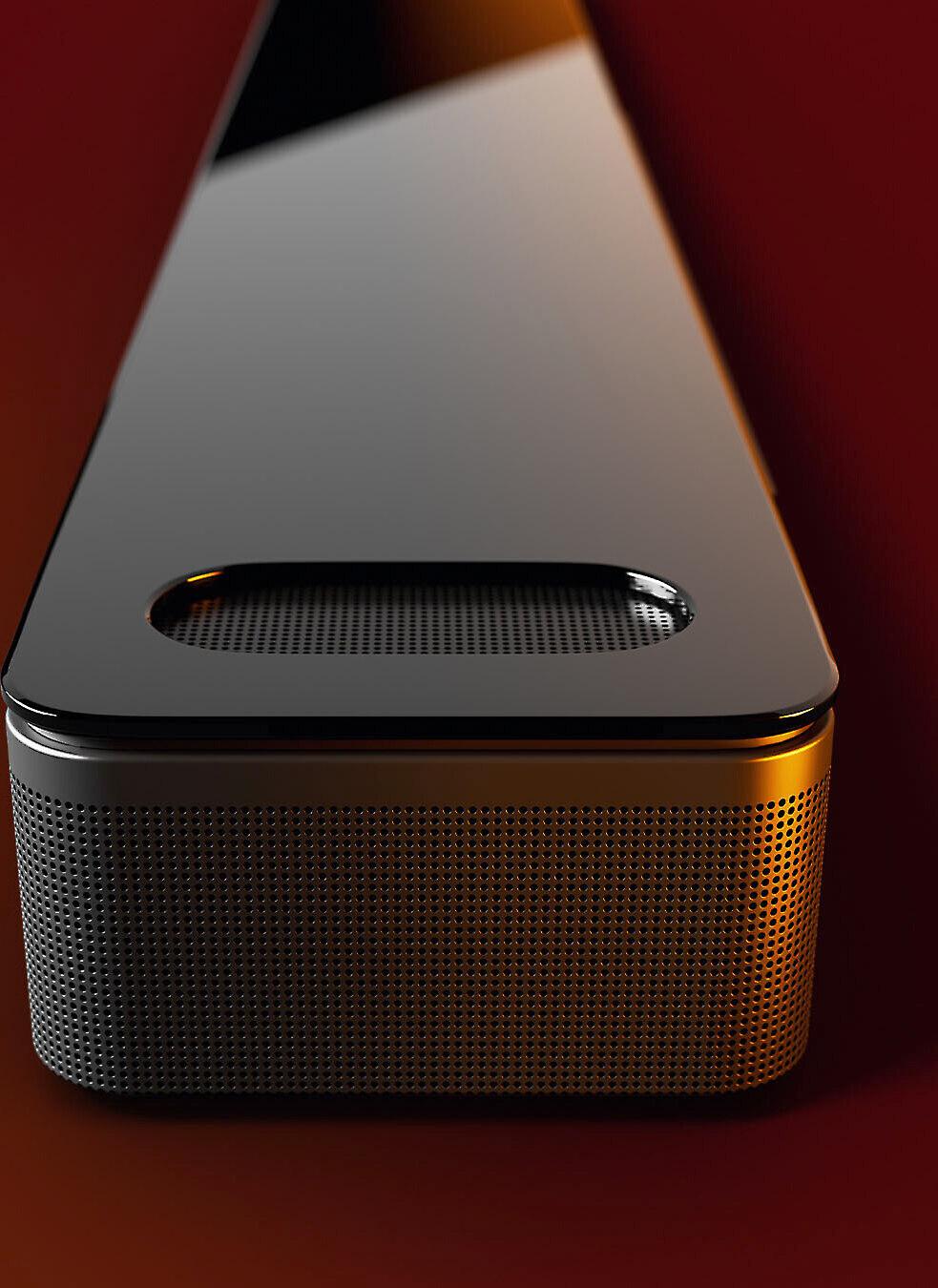
| 3 dedicated top-firing Uni-Q drivers (true physical height) | 2 upward-firing drivers (relies more on processing) |
| Bass Performance - Determines need for separate subwoofer | |
| 34Hz-20kHz with force-canceling P185 woofers (no subwoofer needed) | Limited bass extension (subwoofer recommended for full impact) |
| Frequency Response - Shows audio reproduction range | |
| 34Hz – 20kHz (±3dB) with VECO distortion reduction | 40Hz – 20kHz (less deep bass, standard tolerance) |
| Dimensions - Affects TV compatibility and room placement | |
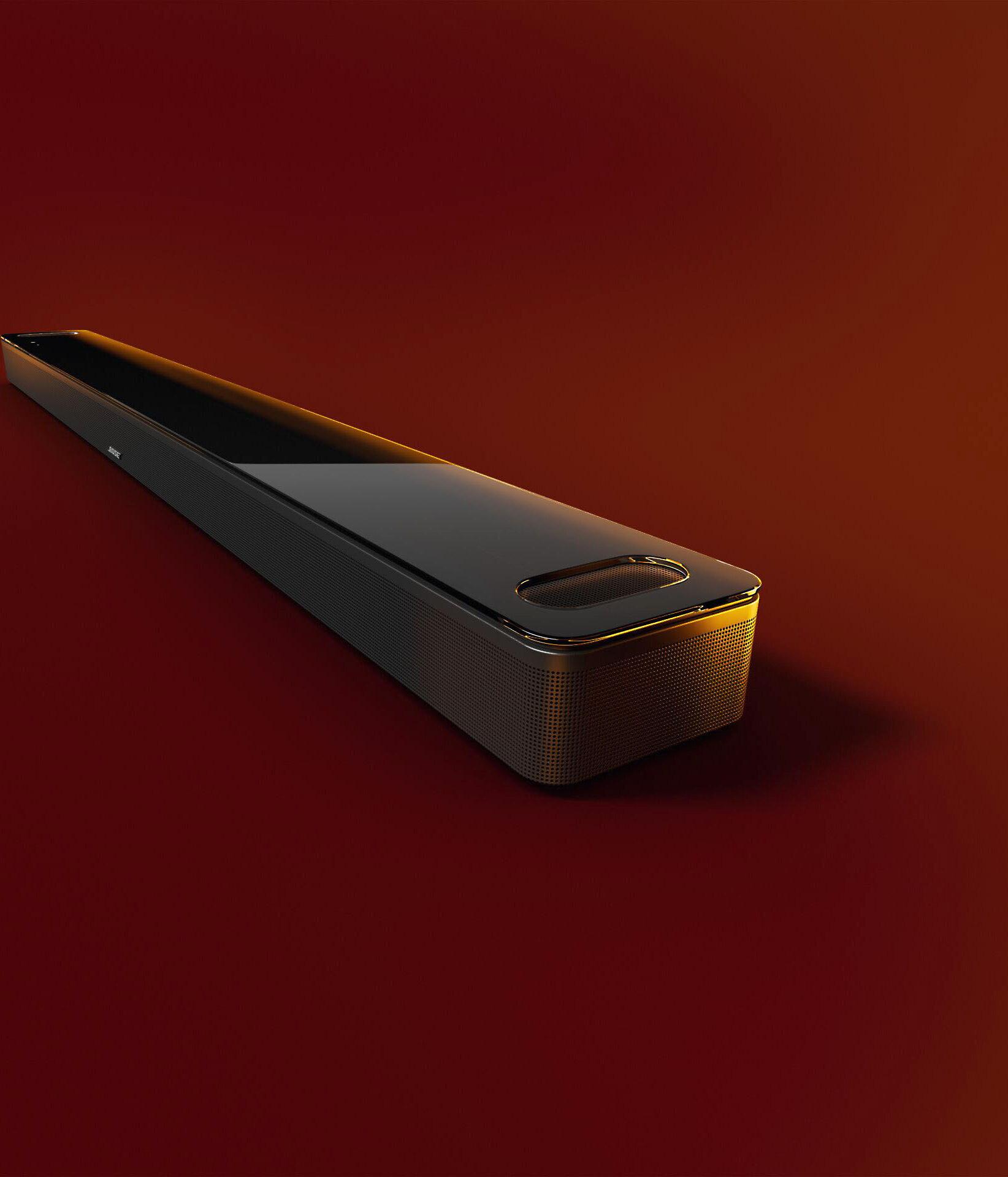
| 47.6" × 2.8" × 6.5" (fits 65"+ TVs, premium build) | 34.5" × 4.5" × 3.5" (fits 43"+ TVs, compact design) |
| Smart Features - Modern convenience and integration | |
| Wi-Fi 6, high-res streaming, KEF Connect app | Built-in Alexa, Google Assistant, AI Dialogue Mode |
| Room Calibration - Optimizes sound for your space | |
| Intelligent Placement Technology (auto wall/shelf detection) | ADAPTiQ with included microphone (measures room acoustics) |
| Music Performance - Important if you listen to music frequently | |
| Audiophile-grade tuning, neutral response, 24-bit/384kHz support | Movie-focused tuning, AI processing, casual listening quality |
| Connectivity - Future-proofing and device compatibility | |
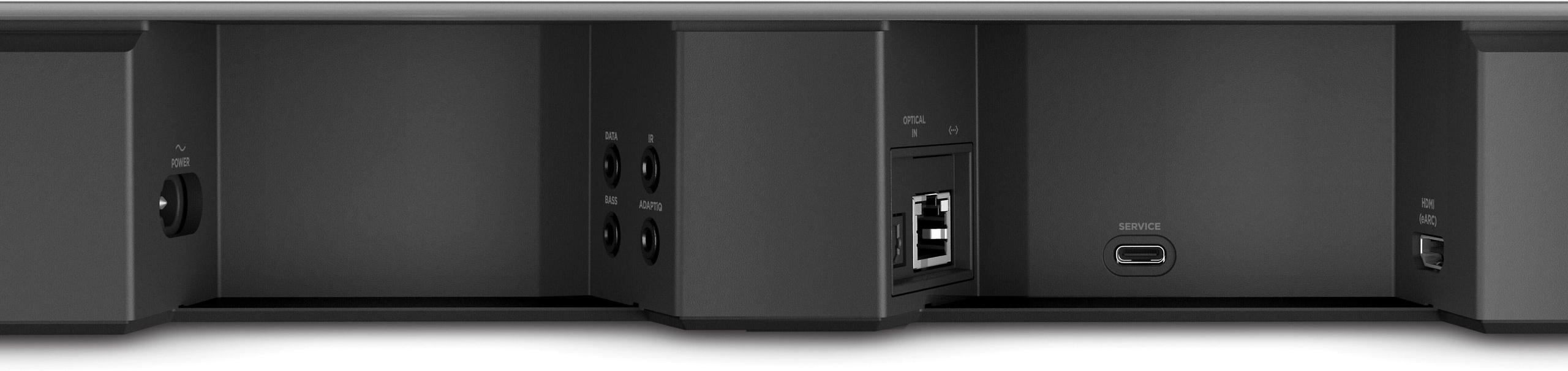
| HDMI 2.1 eARC, Optical, Ethernet, Bluetooth 5.3, wireless sub output | HDMI eARC, Optical, Bluetooth, voice control integration |
| Best For - Target user and primary use case | |
| Audio enthusiasts wanting reference quality for music and movies | Mainstream users prioritizing dialogue clarity and smart features |
The KEF XIO Soundbar ($2,500) is superior for serious home theater use, offering true 5.1.2 channel surround sound with 12 discrete drivers and 820W of amplification. Its three top-firing Uni-Q drivers create more convincing overhead Dolby Atmos effects compared to the Bose Smart Ultra's ($600) two upward-firing drivers. However, the Bose excels at dialogue clarity with its AI Dialogue Mode, making it better for TV shows and news.
The KEF XIO costs $2,500 while the Bose Smart Ultra is priced at $600 - a significant $1,900 difference. The KEF targets audiophiles with premium driver technology and materials, while the Bose offers mainstream premium features at an accessible price point.
The KEF XIO includes four P185 racetrack woofers that deliver bass down to 34Hz, eliminating the need for a separate subwoofer in most rooms. The Bose Smart Ultra has limited bass extension and will benefit from adding a subwoofer, especially for movie watching in larger spaces.
The KEF XIO provides superior Dolby Atmos performance with three dedicated top-firing Uni-Q drivers that create precise overhead sound placement. The Bose Smart Ultra uses two upward-firing drivers plus processing to simulate height effects, which is less convincing but still effective for most content.
The KEF XIO excels at music reproduction with audiophile-grade tuning, neutral frequency response, and support for high-resolution streaming up to 24-bit/384kHz. The Bose Smart Ultra is adequate for casual music listening but prioritizes movie content and dialogue enhancement over musical accuracy.
The Bose Smart Ultra leads in smart features with built-in Amazon Alexa, Google Assistant, and Voice4Video TV control. The KEF XIO focuses on audio quality but includes Wi-Fi 6, Bluetooth 5.3, and streaming service integration through the KEF Connect app.
The Bose Smart Ultra is significantly easier to set up with ADAPTiQ room calibration, simple app control, and voice commands for TV operation. The KEF XIO requires more audio knowledge to optimize but includes Intelligent Placement Technology for automatic wall/shelf detection.
The KEF XIO uses advanced Uni-Q concentric drivers where the tweeter sits inside the midrange driver, plus force-canceling racetrack woofers with VECO distortion reduction. The Bose Smart Ultra uses conventional driver arrangements with intelligent processing and PhaseGuide technology for spatial effects.
Both work well in smaller spaces, but the KEF XIO's built-in bass performance and compact 47.6-inch width make it ideal for apartments where external subwoofers aren't practical. The Bose Smart Ultra is more compact at 34.5 inches and fits well under smaller TVs.
The KEF XIO is designed for 65-inch and larger TVs with its 47.6-inch width and premium positioning. The Bose Smart Ultra works well with 43-inch and larger TVs due to its more compact 34.5-inch design.
The KEF XIO's 820W across 12 amplifiers provides superior dynamic range and detail for complex movie soundtracks without distortion. The Bose Smart Ultra's lower power output is adequate for normal listening but may compress during intense action scenes.
The KEF XIO offers better long-term value for audio enthusiasts with future-proof connectivity, reference-quality performance, and no need for subwoofer upgrades. The Bose Smart Ultra provides excellent immediate value at $600 but may require subwoofer addition and lacks the premium build quality for long-term use.
We've done our best to create useful and informative comparisons to help you decide what product to buy. Our research uses advanced automated methods to create this comparison and perfection is not possible - please contact us for corrections or questions. These are the sites we've researched in the creation of this article: blog.son-video.com - residentialsystems.com - whathifi.com - audioadvice.com - crutchfield.com - homecrux.com - techradar.com - youtube.com - us.kef.com - gramophone.com - cepro.com - audioxpress.com - musicdirect.com - gramophone.com - us.kef.com - crutchfield.com - hifipig.com - bestbuy.com - listenup.com - bestbuy.com - bestbuy.com - listenup.com - techradar.com - bose.com - bestbuy.com - tomsguide.com - pcrichard.com - rtings.com - bose.com - boselatam.com - avsforum.com - bose.com

Privacy Policy
Terms and Conditions - Affiliate Policy
Home Security
© Copyright 2008-2026.
11816 Inwood Rd #1211, Dallas, TX 75244