

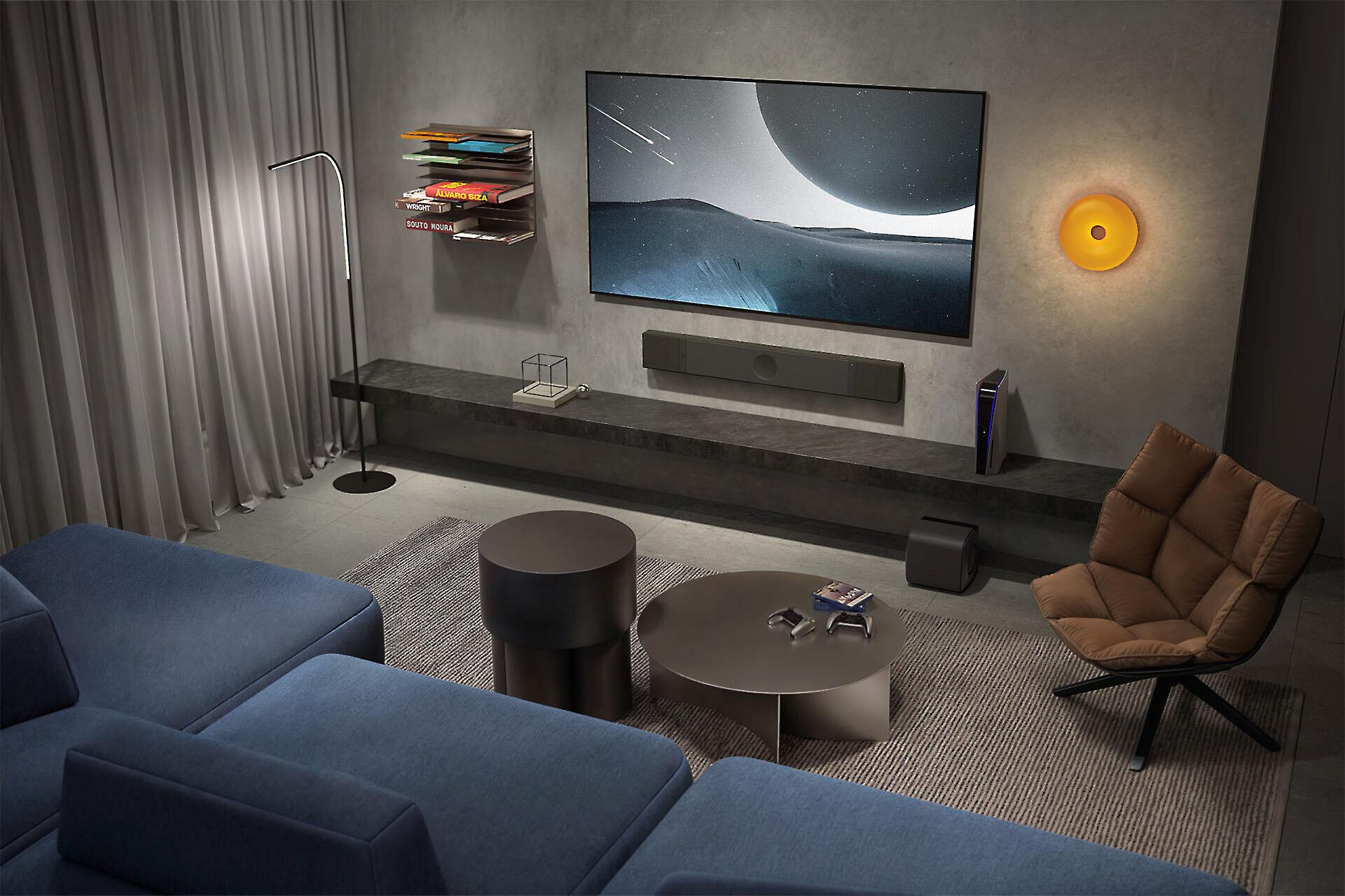
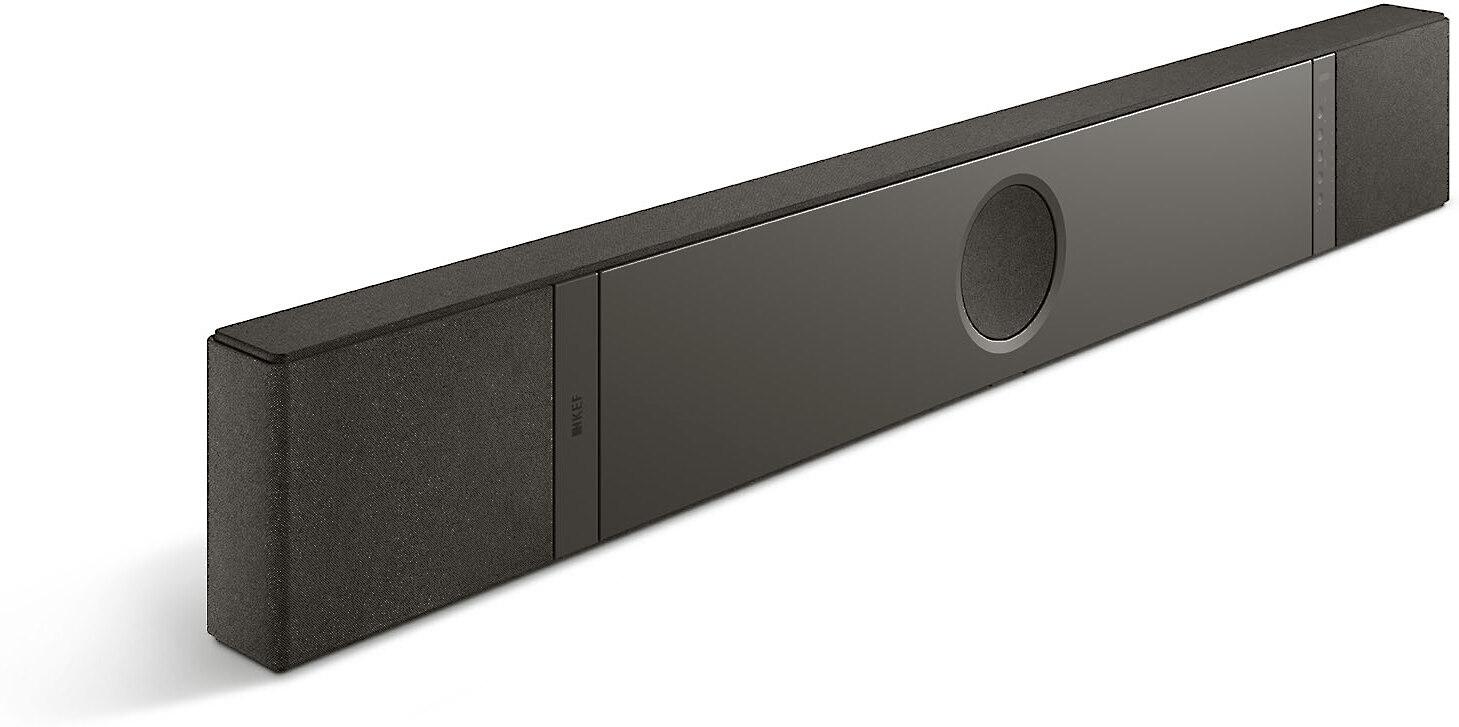
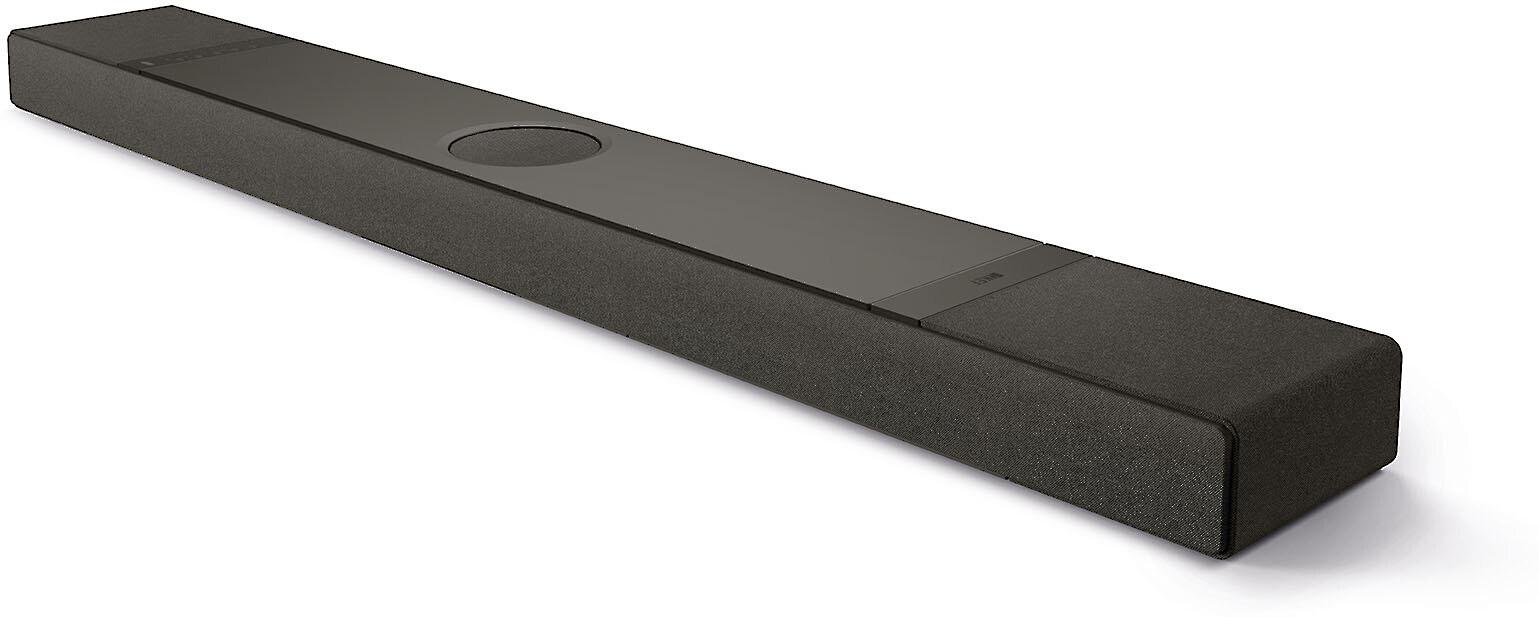
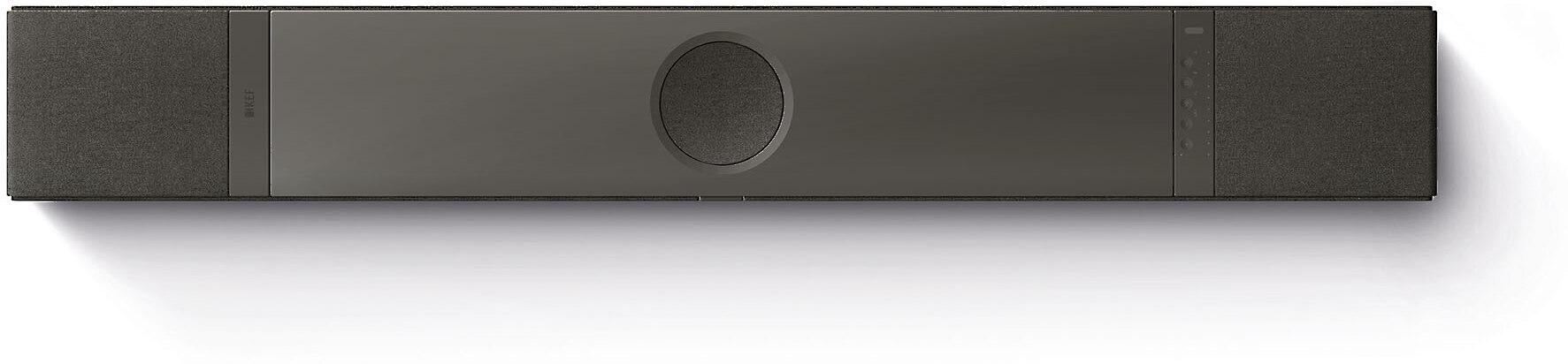



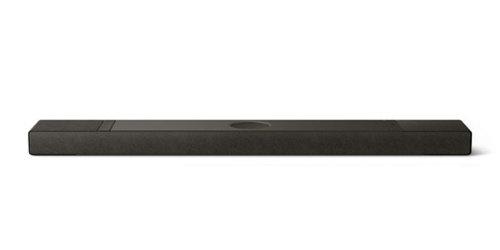

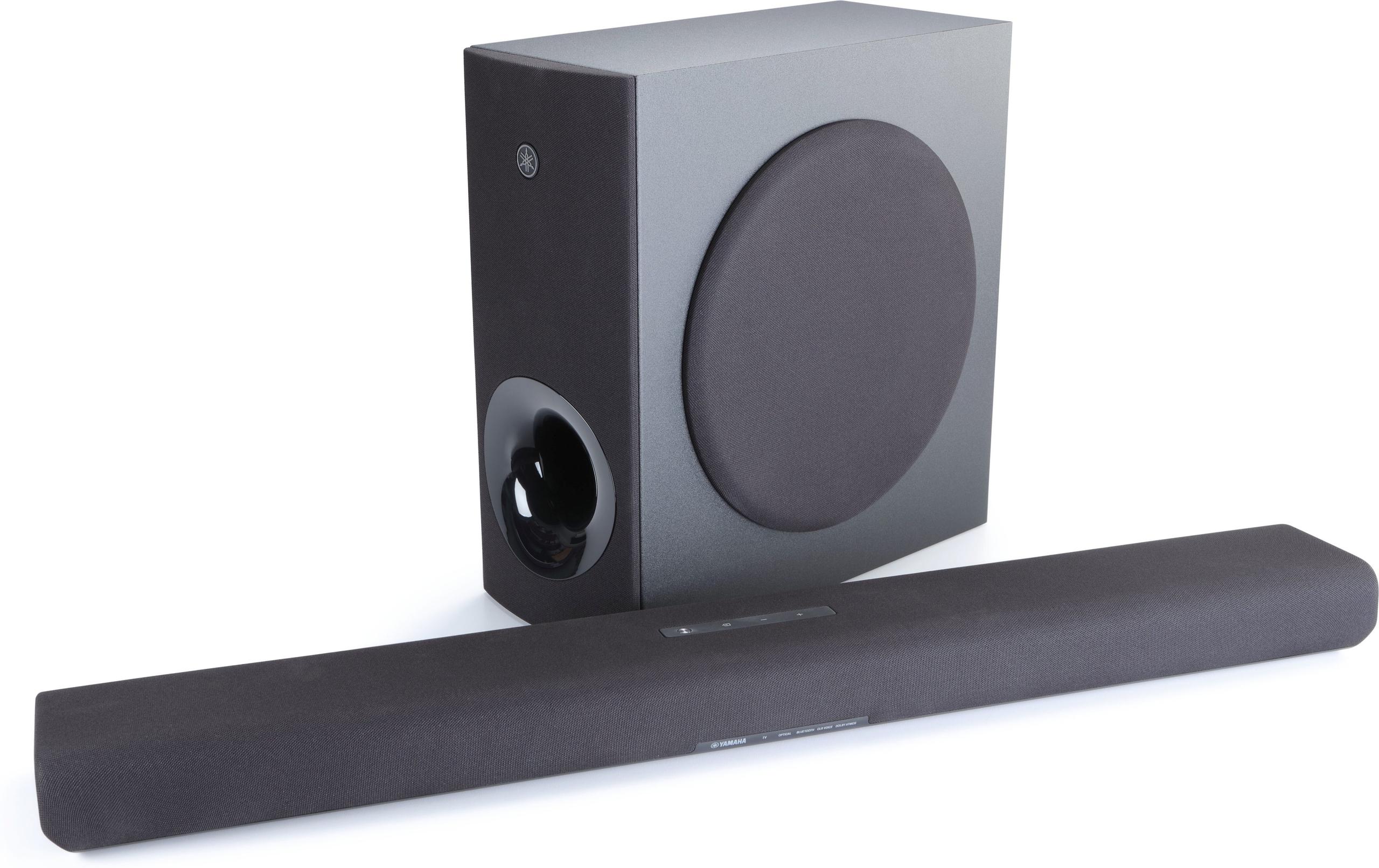
If you've been frustrated by your TV's tinny audio and started shopping for a soundbar, you've probably noticed something striking: prices range from under $200 to over $2,000. What exactly separates a budget soundbar from a premium one, and which approach makes sense for your home? Today, we'll compare two very different answers to that question: the KEF XIO Soundbar ($2,499) and the Yamaha SR-B40A ($340).
The soundbar market has exploded over the past decade, driven by increasingly thin TVs that simply can't house decent speakers. Modern TVs prioritize picture quality and sleek design, often leaving audio as an afterthought. That's where soundbars step in, promising to restore the cinematic experience without the complexity of traditional surround sound systems.
But not all soundbars are created equal. The differences go far beyond just price – they represent fundamentally different philosophies about what home audio should accomplish. Budget models focus on fixing the most obvious problems: muddy dialogue and weak bass. Premium offerings aim higher, seeking to rival dedicated hi-fi and home theater systems.
The key considerations when shopping include audio quality (how natural and detailed the sound reproduction is), surround sound capabilities (whether you get genuine immersion or just louder audio), connectivity options, room-filling power, and of course, value for your specific needs and budget.
Released in early 2025, the KEF XIO represents something entirely new in the soundbar world. KEF, a British company famous for their high-end speakers used in recording studios worldwide, decided to bring their acclaimed Uni-Q driver technology to the soundbar format for the first time.
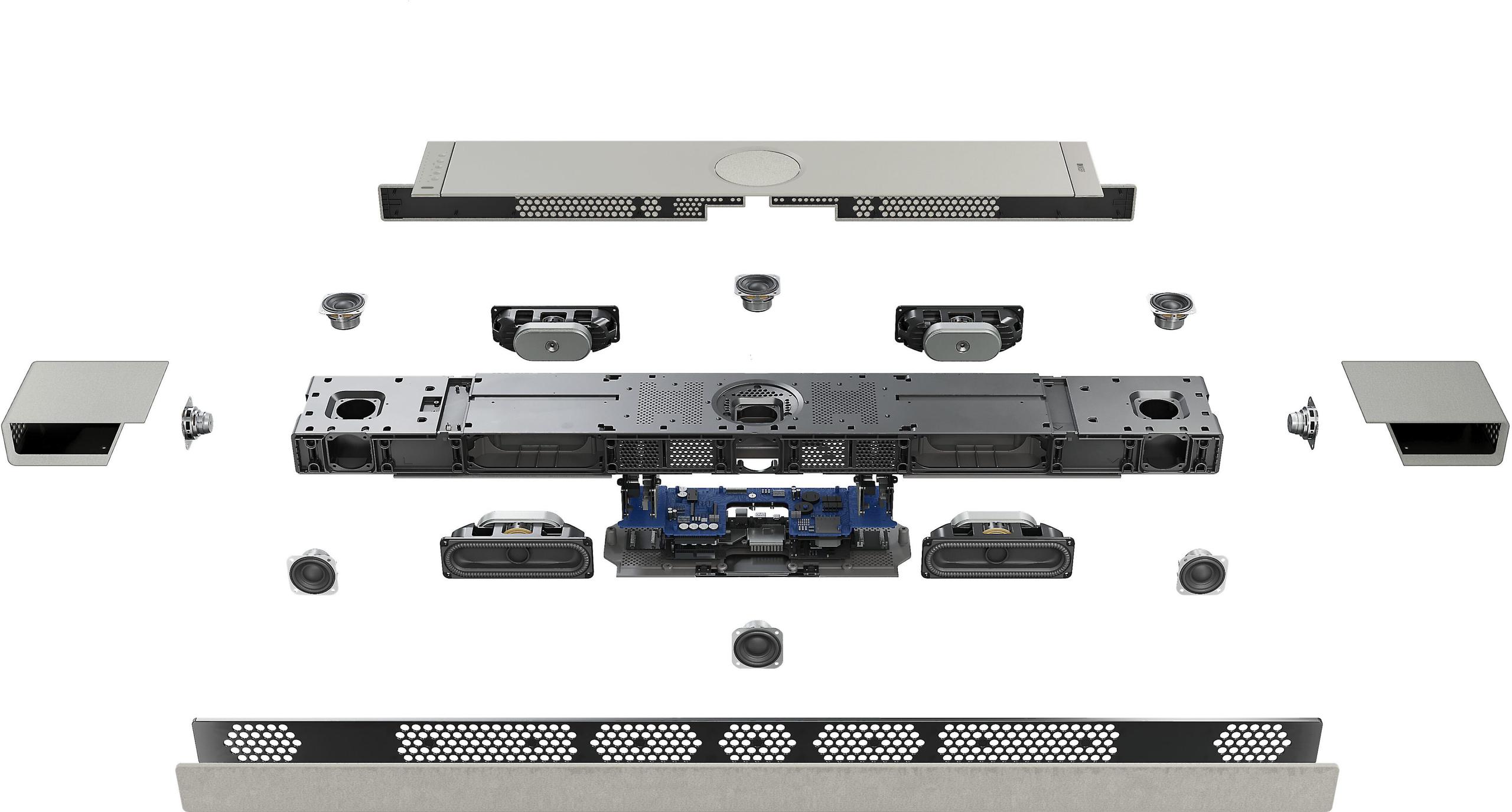
This isn't just a marketing exercise – KEF completely reimagined what a soundbar could be. Instead of cramming cheap drivers into a long box and hoping for the best, they miniaturized their reference-quality components and built what's essentially a high-end speaker system disguised as a soundbar.
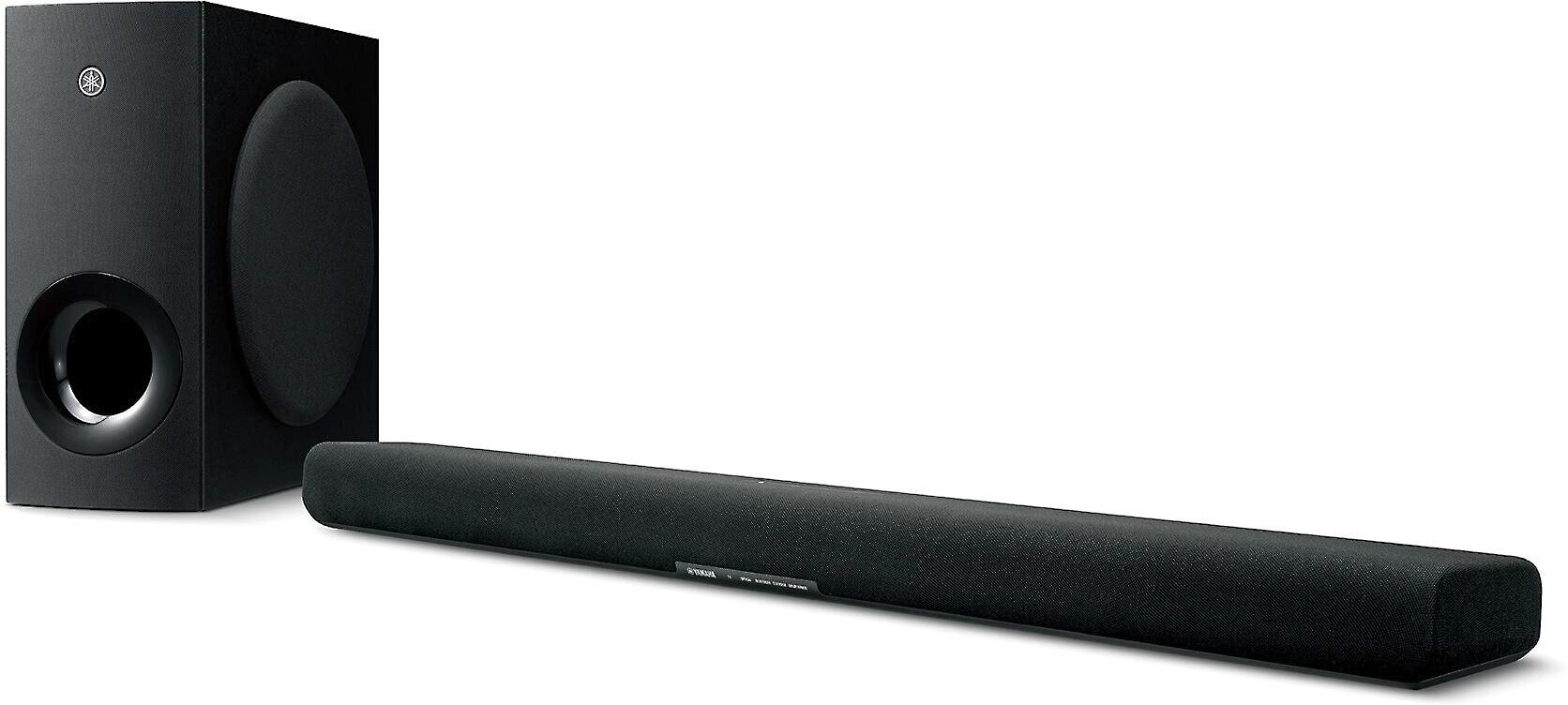
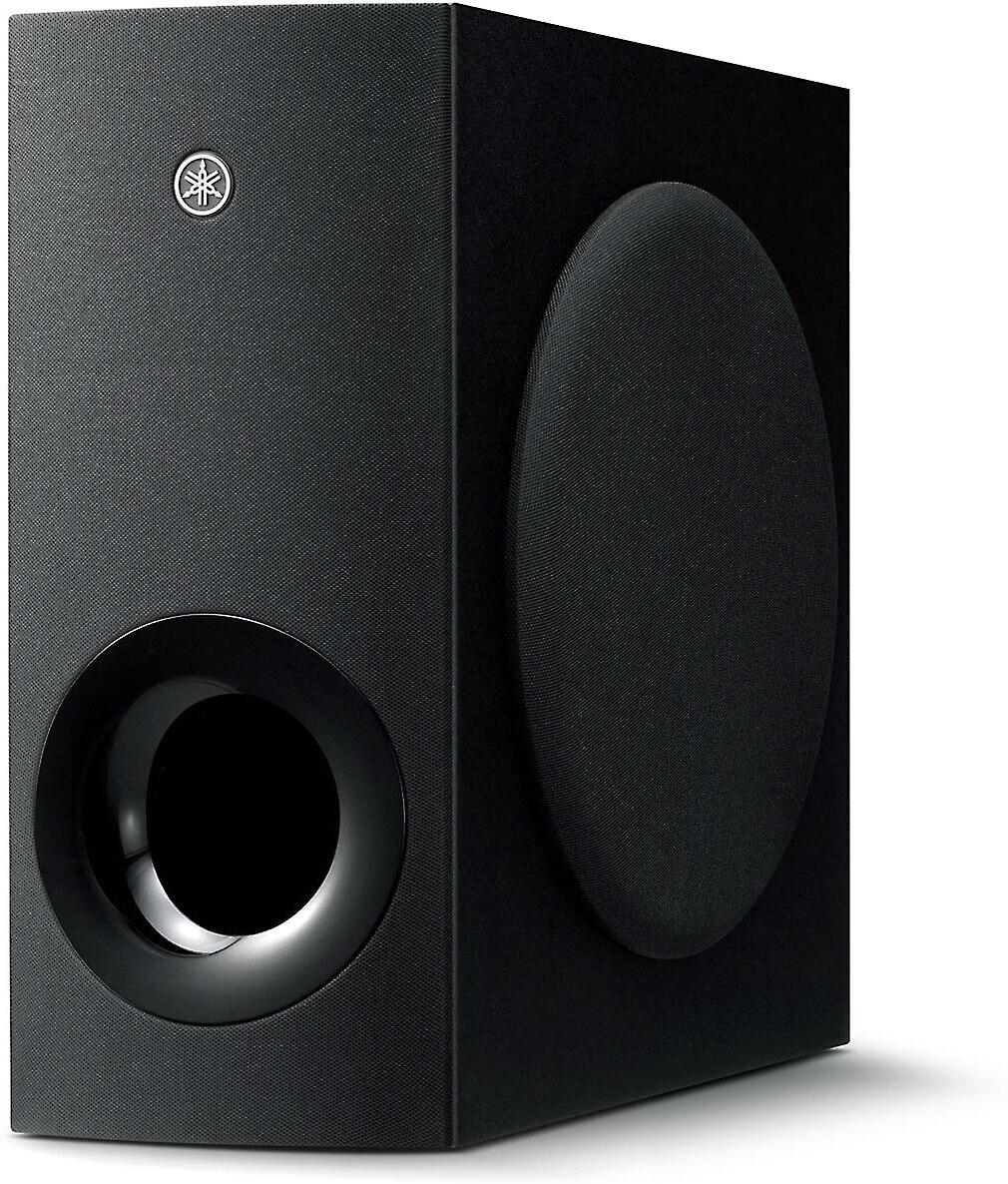
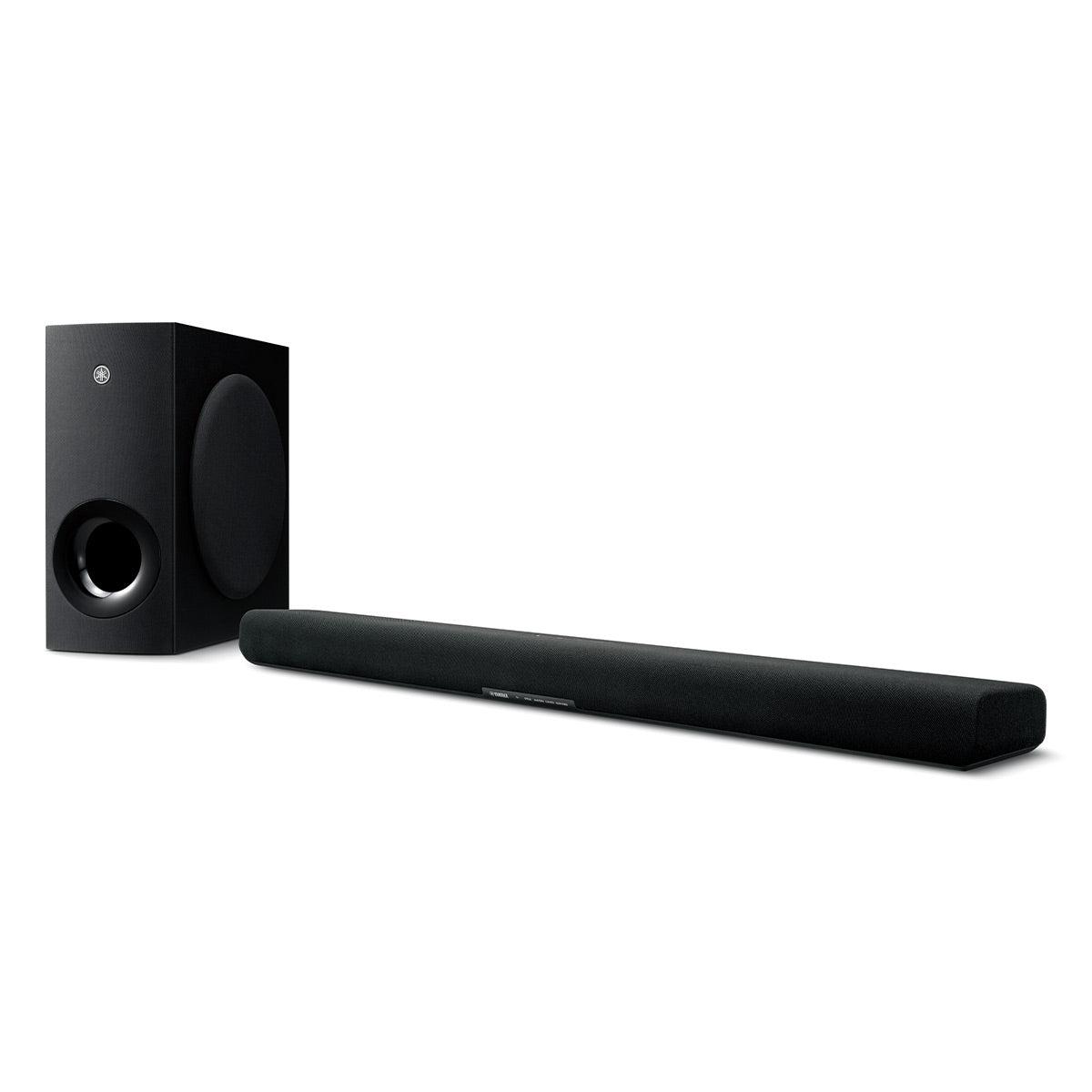
The Yamaha SR-B40A, launched in 2023, takes a more traditional but well-executed approach. Yamaha, with over 130 years of audio expertise, focused on delivering the biggest improvement over TV speakers at an accessible price point. They include a wireless subwoofer – something many competitors charge extra for – and pack in enough technology to create a genuinely satisfying upgrade experience.
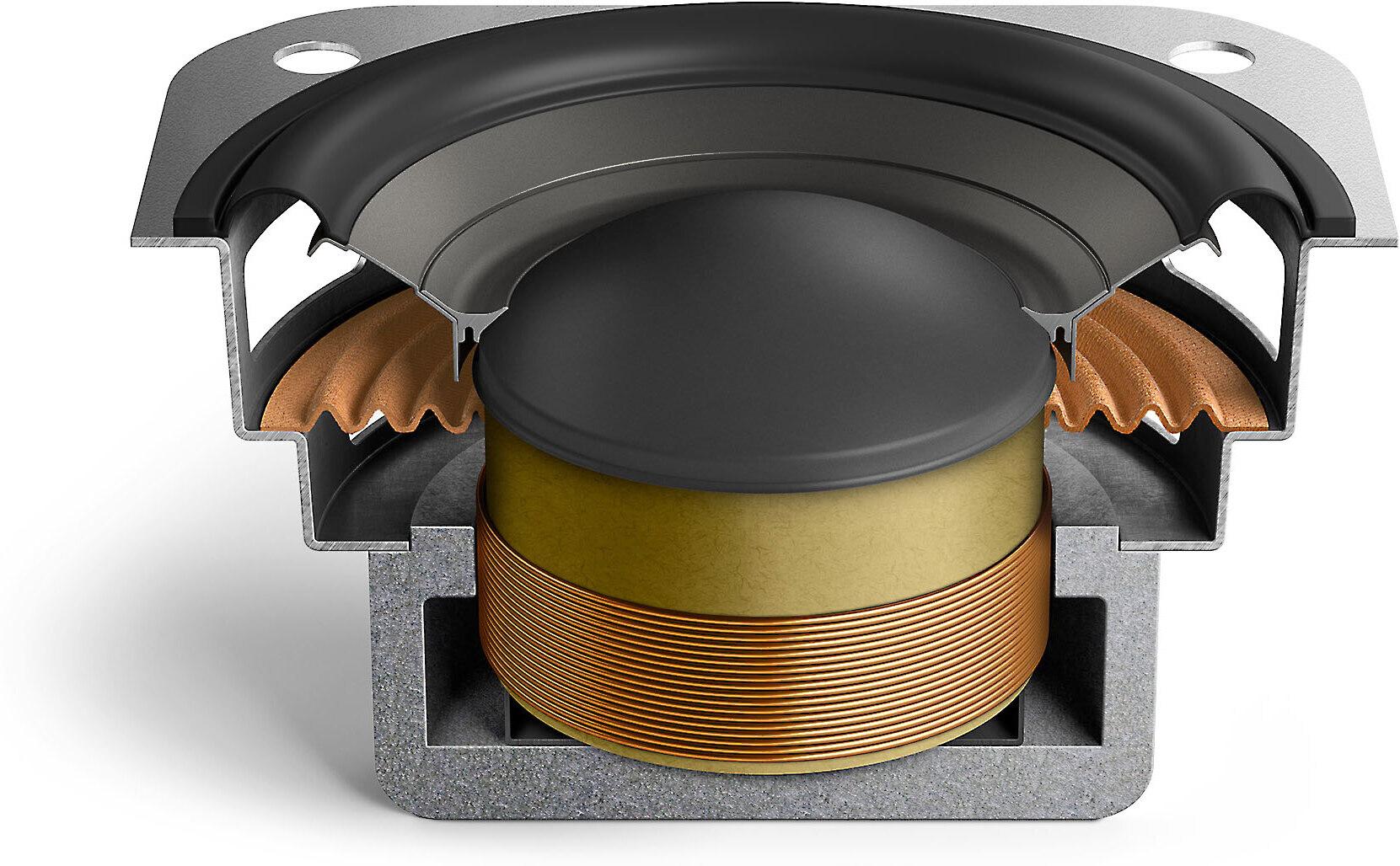
Here's where the price gap becomes immediately apparent. The KEF XIO uses six Uni-Q MX drivers, which are miniaturized versions of KEF's famous concentric driver design. In simple terms, a concentric driver places the tweeter (which handles high frequencies like cymbals and vocals) directly in the center of the woofer (which handles mid-range frequencies). This arrangement means both sounds come from the same point, creating incredibly precise imaging – you can pinpoint exactly where each instrument or voice is located in the soundstage.
I've heard this technology in KEF's reference monitors, and the difference is striking. Instead of sound seeming to come generally "from the front," you get a three-dimensional audio image where each element has a specific location in space. In movies, this translates to voices that seem anchored to actors on screen, and sound effects that move convincingly around the room.
The XIO backs up these drivers with twelve separate Class D amplifiers delivering 820 watts total. That's serious power, but more importantly, each driver gets its own dedicated amplification. This eliminates the compromises you typically see when multiple speakers share amplifiers.
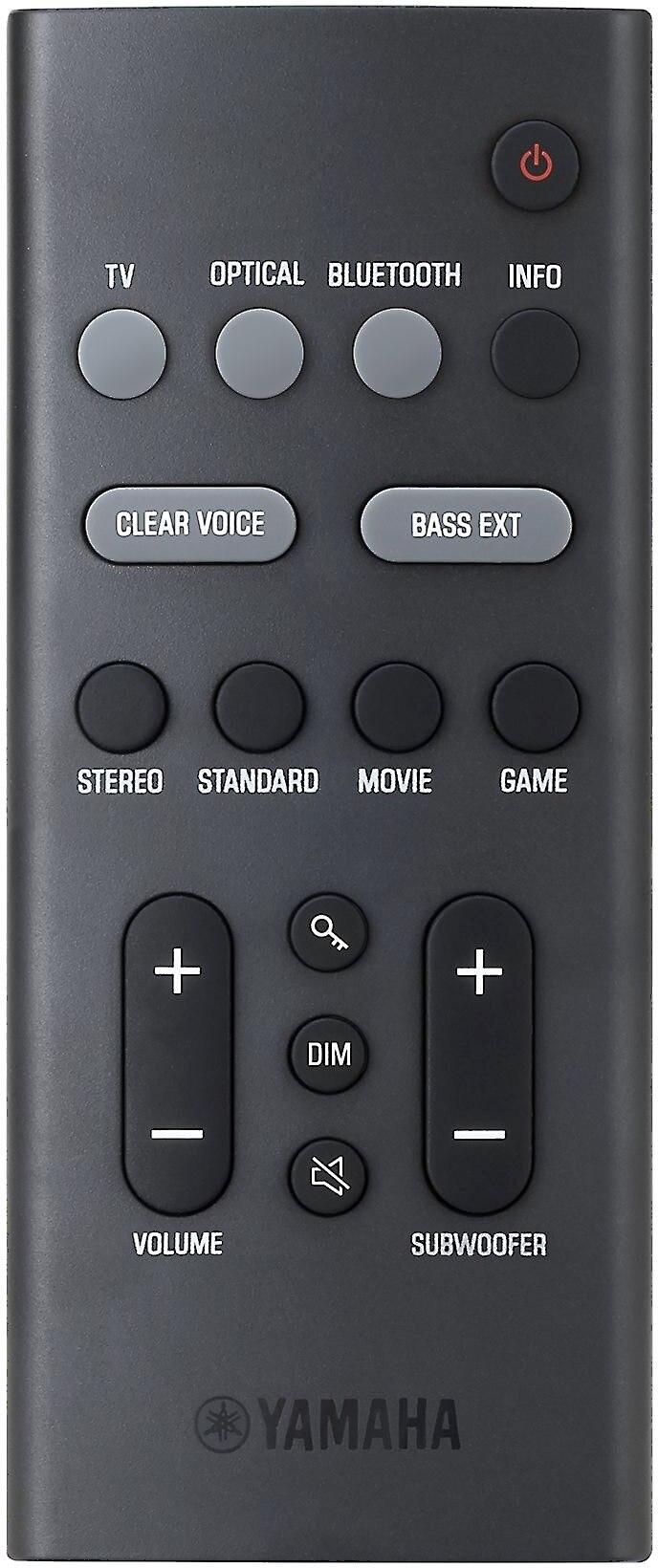
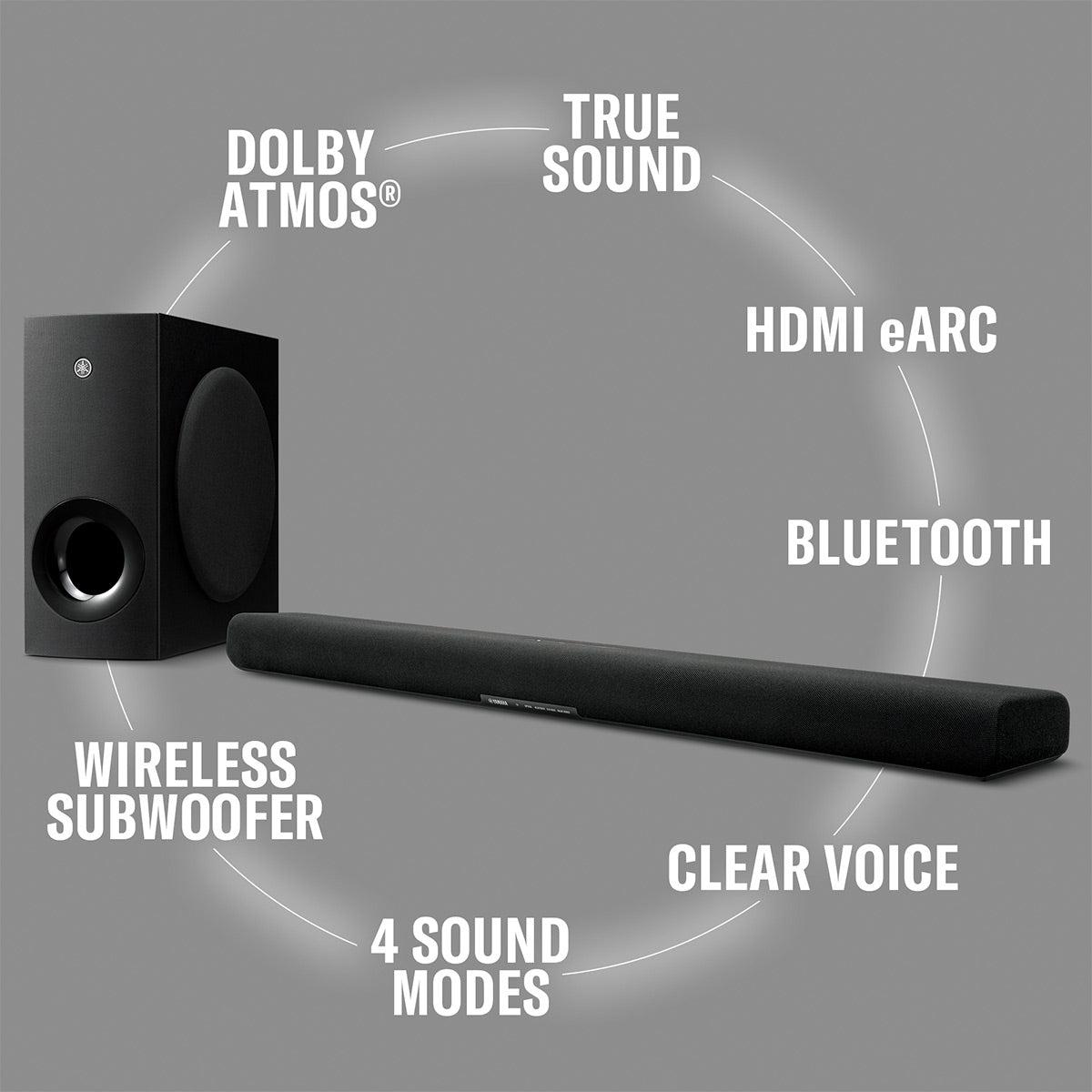
The Yamaha SR-B40A takes a more conventional approach with separate woofers and tweeters, but Yamaha's engineering expertise shows in the execution. Their "True Sound" processing optimizes the frequency response for TV content, and the "Clear Voice" feature genuinely improves dialogue clarity – something crucial since most people struggle to hear conversations over background music and effects.
While the Yamaha sounds significantly better than any TV's built-in speakers, the KEF operates in a different league entirely. It's the difference between "good for the price" and "reference quality."
This is where things get technically interesting. The KEF XIO creates true 5.1.2-channel surround sound using twelve physical drivers pointed in different directions. Three fire forward for left, center, and right channels. Two fire upward to create height effects for Dolby Atmos content (those helicopter flyovers and rain sounds that seem to come from above). The remaining drivers handle surround effects and bass.
Dolby Atmos, for those unfamiliar, is an object-based audio format that treats sounds as objects moving through 3D space rather than fixed channels. Instead of just "left speaker" or "right speaker," Atmos can place a helicopter anywhere in the room and move it smoothly overhead. But this only works convincingly with physical drivers pointing in the right directions.
The Yamaha SR-B40A supports Dolby Atmos too, but uses psychoacoustic processing (fancy term for audio tricks that fool your brain) to simulate height and surround effects from just the front-facing drivers. This virtual processing has improved dramatically over the years and can create surprisingly effective illusions, especially for viewers sitting in the sweet spot directly in front of the bar.
However, there's no substitute for physical drivers when it comes to truly convincing surround effects. The KEF creates a bubble of sound around you, while the Yamaha enhances what's coming from the front.
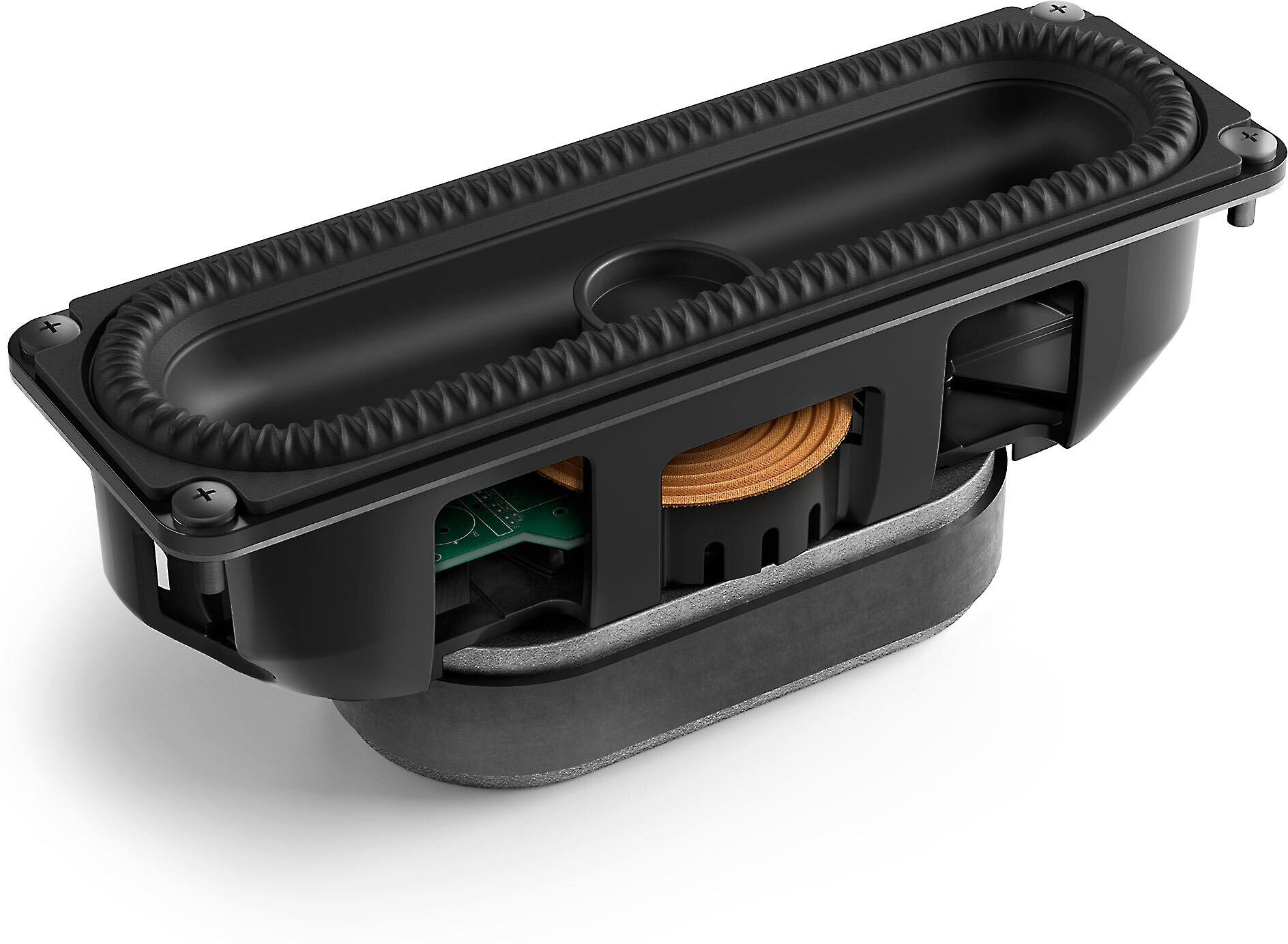
Bass handling reveals another fundamental difference in approach. The KEF XIO integrates four specialized P185 racetrack-shaped woofers directly into the soundbar using what KEF calls a "force-canceling" configuration. This means pairs of woofers work in opposite phases to cancel out vibrations that would otherwise muddy the sound or rattle your TV stand.
These aren't ordinary drivers either. They use P-Flex technology (borrowed from KEF's acclaimed KC62 subwoofer) which allows the cone to move more freely while resisting the pressure changes inside the cabinet. The result is bass that extends down to 34Hz – that's deep enough to feel the rumble in action movies without needing a separate subwoofer.
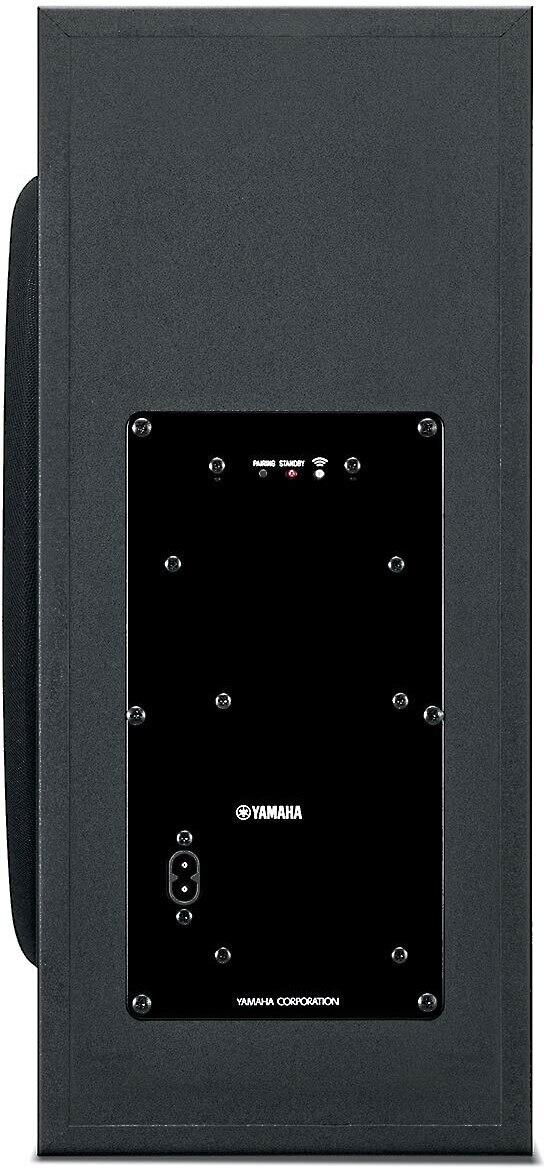
The Yamaha SR-B40A takes the traditional route with a dedicated 6.25-inch wireless subwoofer. This approach has advantages: you can place the sub anywhere in the room for optimal bass response, and a larger driver can move more air for deeper impact. The wireless connection is genuinely convenient, requiring only a power outlet.
In practice, the KEF's integrated approach creates tighter, more precise bass that blends seamlessly with the main speakers. The Yamaha's separate subwoofer can deliver more raw power and flexibility, but sometimes the bass feels disconnected from the rest of the sound – a common issue with separate subwoofers that aren't perfectly integrated.
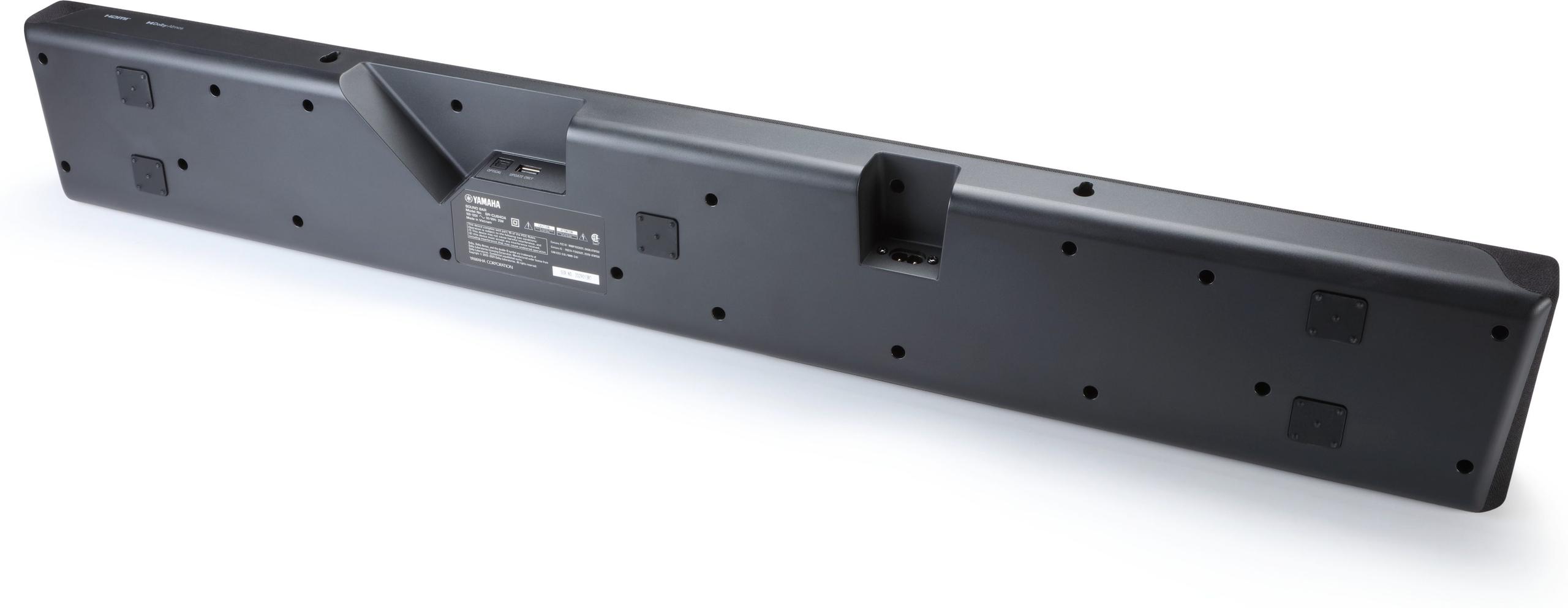
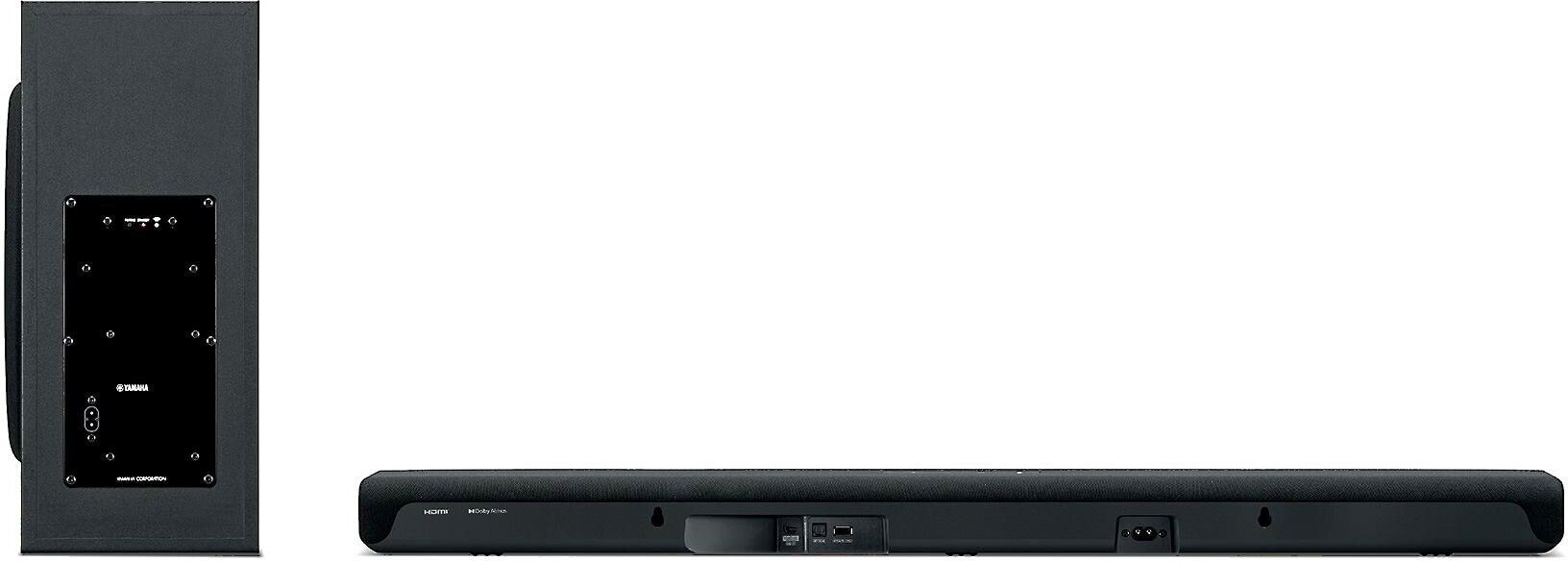
Both soundbars offer HDMI eARC (enhanced Audio Return Channel), which is the current standard for connecting to your TV. This single cable handles both audio from the TV and allows basic control through your TV remote – no more juggling multiple remotes for volume.
The KEF XIO goes further with Wi-Fi 6 for high-quality streaming, supporting services like Spotify Connect, Tidal, and Qobuz at up to 24-bit/384kHz resolution. That's studio-quality streaming – far beyond what most people need but appreciated by serious music listeners. The soundbar includes AirPlay 2 and Chromecast for seamless integration with phones and tablets.
One limitation: the KEF only has that single HDMI input. If you have multiple devices (game console, streaming box, etc.), you'll need to connect them to your TV first, then pass audio to the soundbar.
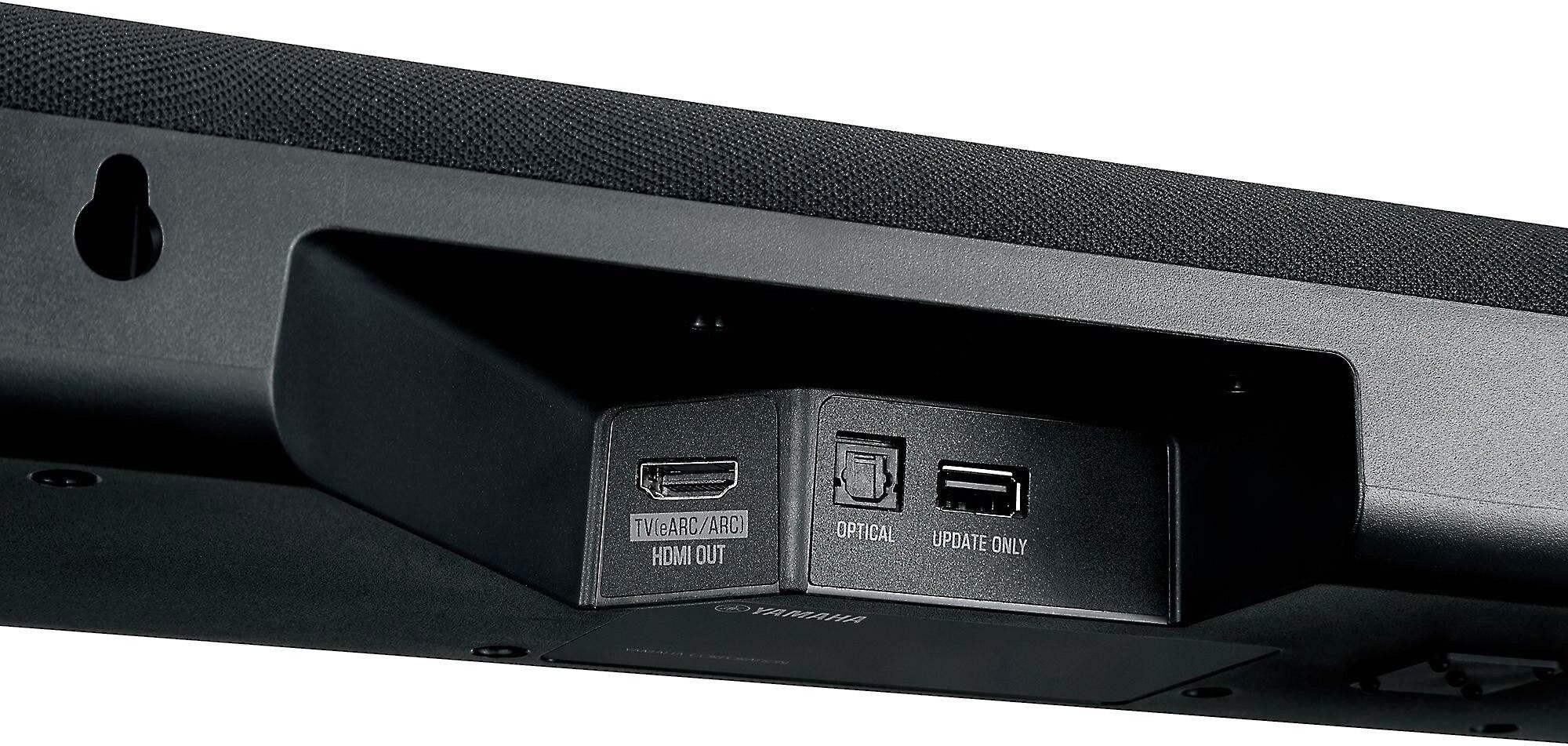
The Yamaha SR-B40A keeps things simpler with HDMI eARC plus an optical input for older devices. Bluetooth streaming works fine for casual music listening, though it doesn't match the KEF's high-resolution capabilities.
Having spent time with both systems, the differences become clear in different types of content. For TV shows and news, both excel at their respective price points. The Yamaha's Clear Voice feature genuinely helps with dialogue, while the KEF's superior drivers make even mundane content more engaging.
Movies reveal the bigger gaps. Action sequences on the KEF XIO create an genuinely immersive experience. When jets fly overhead in Top Gun: Maverick, you instinctively look up. Explosions have weight and dimension. The soundstage extends well beyond the physical soundbar, creating the illusion of a much larger audio system.
The Yamaha SR-B40A certainly improves the experience over TV speakers, and the wireless subwoofer adds satisfying impact to action scenes. However, effects clearly originate from the front of the room, and height effects are more suggested than convincing.
For music listening, the differences are even more pronounced. The KEF reproduces the subtle details that make recordings come alive – the breath in a vocalist's performance, the resonance of acoustic instruments, the precise placement of each element in the mix. It's genuinely enjoyable for serious music listening, something rare in soundbars.
The Yamaha handles music competently but lacks the refinement for critical listening. It's perfectly adequate for background music or casual listening, but won't satisfy serious audiophiles.
Here's where personal priorities matter most. The KEF XIO's ($2,499) price reflects genuine high-end engineering. Those Uni-Q drivers, the sophisticated amplification, and the advanced processing aren't marketing fluff – they're expensive technologies that deliver audible improvements. For someone building a premium home theater or wanting the best possible sound from a single component, the price makes sense in context.
Consider that a comparable traditional surround system might cost $3,000-5,000 once you factor in speakers, receiver, installation, and room treatment. The KEF delivers much of that performance in a single, elegant package.
The Yamaha SR-B40A ($340) represents exceptional value in its category. Including a wireless subwoofer at this price point is genuinely impressive, and Yamaha's audio expertise ensures reliable performance. For most people whose primary goal is better TV audio, this level of improvement satisfies completely.
Since the Yamaha's 2023 release, soundbar technology has continued evolving rapidly. The KEF, launching in 2025, benefits from newer processing chips, more efficient amplifiers, and refined acoustic modeling. These improvements aren't just theoretical – they translate to better room correction, more precise timing between drivers, and reduced distortion.
The wireless technologies have also advanced. The KEF's Wi-Fi 6 support provides more stable high-quality streaming, while improved Bluetooth codecs in both units deliver better wireless audio than earlier generations.
Choose the KEF XIO if you're serious about audio quality and have the budget for premium performance. It's ideal for audiophiles who want excellent music reproduction alongside home theater capabilities, people with large or acoustically challenging rooms, and anyone who prefers buying once rather than upgrading later.
Choose the Yamaha SR-B40A if you want the biggest improvement over TV speakers at a reasonable price. It's perfect for casual viewers, apartment dwellers who don't need overwhelming power, first-time soundbar buyers, or anyone furnishing a secondary room.
The reality is that both approaches are valid – they just serve different needs and budgets. The Yamaha solves the core problem (poor TV audio) efficiently and affordably. The KEF elevates the entire listening experience to a level typically reserved for dedicated high-end systems.
Your choice ultimately depends on whether you view a soundbar as a TV accessory or as a serious audio component. Both companies have succeeded brilliantly at their respective goals.
| KEF XIO Soundbar | Yamaha SR-B40A 2.1-Channel Sound Bar with Wireless Subwoofer |
|---|---|
| Price - The biggest factor in your decision | |
| $2,499 - Premium audiophile investment | $340 - Exceptional value with included subwoofer |
| Channel Configuration - Determines surround sound realism | |
| True 5.1.2 with physical drivers for genuine Atmos effects | 2.1 with virtual surround processing for basic enhancement |
| Total Power Output - Affects volume and dynamic range | |
| 820W through 12 discrete Class D amplifiers | 200W total (soundbar + subwoofer combined) |
| Bass Extension - How deep the low-end reaches | |
| 34Hz from integrated force-canceling woofers | Relies on separate 6.25" wireless subwoofer for deep bass |
| Driver Technology - Core difference in sound quality | |
| 6x Uni-Q MX concentric drivers for precise imaging | Conventional separate woofers and tweeters |
| Dolby Atmos Implementation - Height effect authenticity | |
| Physical up-firing drivers create genuine overhead effects | Virtual processing simulates height from front-facing drivers |
| Streaming Quality - Important for music listeners | |
| Wi-Fi 6, up to 24-bit/384kHz high-res audio | Bluetooth 5.1 with standard SBC/AAC codecs |
| HDMI Connectivity - Affects device connections | |
| Single HDMI eARC (requires TV passthrough for multiple devices) | HDMI eARC plus optical input for flexibility |
| Room Calibration - Optimizes sound for your space | |
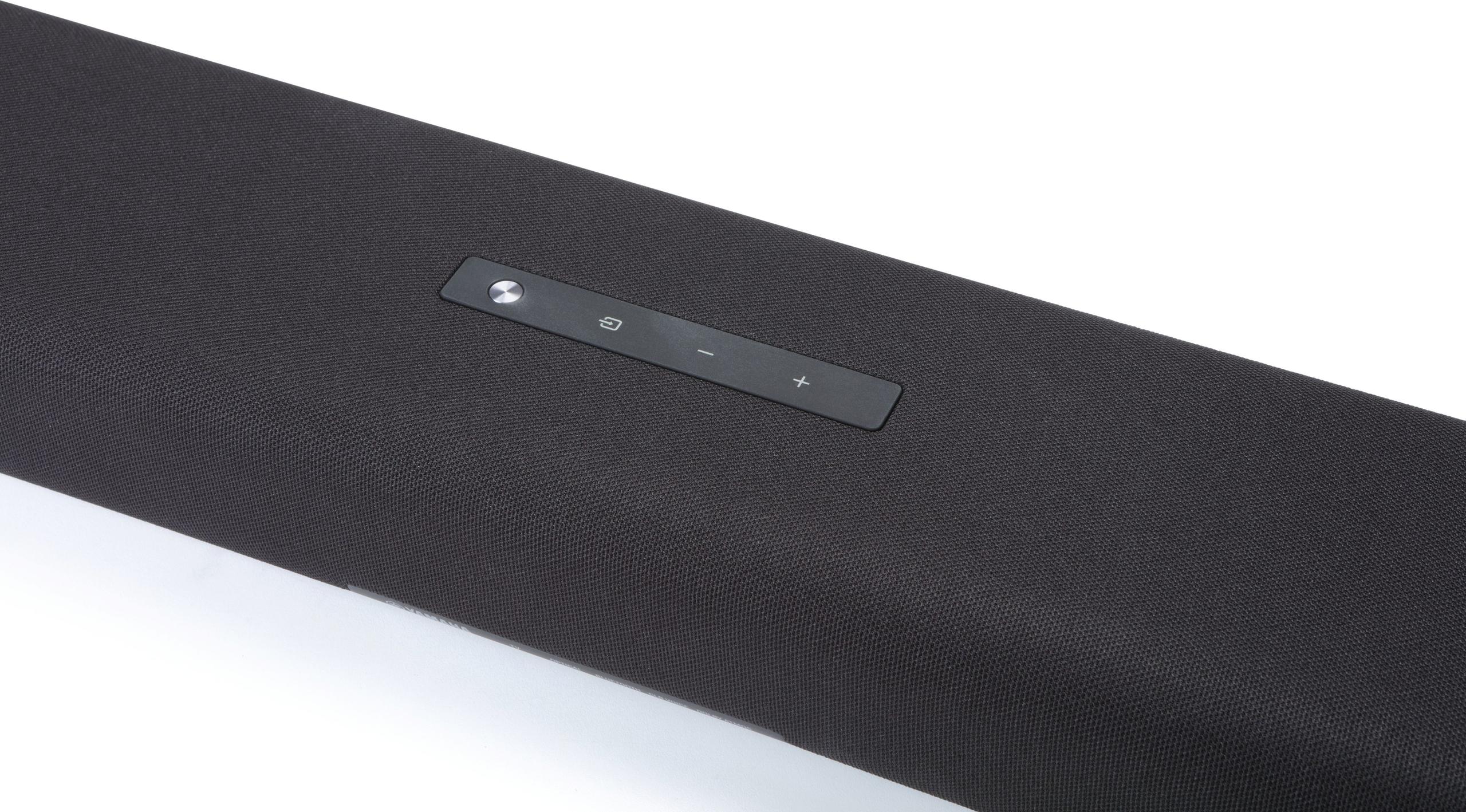
| Intelligent Placement Technology with automatic adjustment | Manual sound mode selection (Stereo, Movie, Game) |
| Subwoofer Setup - Installation convenience | |
| Integrated - no separate components to place | Wireless subwoofer can be positioned anywhere in room |
| Dimensions (Soundbar) - Fit considerations | |
| 47.6" W × 2.8" H × 6.5" D, 23.1 lbs | 35.8" W × 2.7" H × 5.2" D, 8.6 lbs |
| Best For - Target user type | |
| Audiophiles wanting reference-quality sound in soundbar form | Budget-conscious users seeking significant TV audio upgrade |
The Yamaha SR-B40A ($340) offers exceptional value with a wireless subwoofer included at a budget-friendly price. The KEF XIO Soundbar ($2,499) delivers premium audiophile performance but costs significantly more. For most users wanting better TV audio, the Yamaha provides excellent bang for your buck. The KEF justifies its price only if you prioritize reference-quality sound and have the budget for premium audio equipment.
The biggest difference is their approach to audio quality. The KEF XIO uses advanced Uni-Q driver technology and true 5.1.2 channels for audiophile-grade performance, while the Yamaha SR-B40A focuses on practical TV audio enhancement with virtual surround processing. The KEF targets serious audio enthusiasts, while the Yamaha serves everyday users wanting better sound at an affordable price.
The Yamaha SR-B40A comes with a wireless subwoofer included in the box, making setup simple and providing solid bass extension. The KEF XIO has four integrated bass drivers that extend down to 34Hz, eliminating the need for a separate subwoofer for most users. Both approaches work well, but the Yamaha's separate sub can be positioned anywhere in your room for optimal bass placement.
The KEF XIO Soundbar excels for home theater with true 5.1.2-channel Dolby Atmos using physical up-firing drivers that create genuine overhead effects. The Yamaha SR-B40A supports Dolby Atmos through virtual processing, which enhances the experience but can't match the immersion of discrete channels. For serious home theater enthusiasts, the KEF delivers a more cinematic experience.
The KEF XIO is exceptional for music, using the same Uni-Q driver technology found in KEF's reference studio monitors. It supports high-resolution streaming up to 24-bit/384kHz and delivers audiophile-quality reproduction. The Yamaha SR-B40A handles music adequately for casual listening but lacks the refinement and detail retrieval that serious music lovers expect.
Both soundbars are relatively easy to install. The Yamaha SR-B40A requires placing the wireless subwoofer and connecting the main bar via HDMI, taking about 10 minutes. The KEF XIO is even simpler since everything is integrated into one unit, but it includes automatic room calibration that optimizes sound for your space. Neither requires complex wiring or professional installation.
The KEF XIO features HDMI eARC, Wi-Fi 6, Bluetooth 5.3, AirPlay 2, and Chromecast for extensive streaming options. The Yamaha SR-B40A includes HDMI eARC, optical input, and Bluetooth 5.1 for basic connectivity needs. The KEF offers more premium streaming features, while the Yamaha covers essential connections that most users require.
The KEF XIO Soundbar delivers 820 watts through twelve discrete Class D amplifiers, providing exceptional dynamic range and room-filling sound. The Yamaha SR-B40A outputs 200 watts total between the soundbar and subwoofer, which is adequate for most rooms. The KEF's higher power allows for greater volume levels and better performance in larger spaces.
The Yamaha SR-B40A is ideal for apartments due to its moderate power output, compact size, and included night mode for late-evening viewing. The KEF XIO might be overkill for small spaces and could overwhelm neighbors with its 820-watt output. The Yamaha provides excellent sound improvement without excessive power for close-quarters living.
The KEF XIO comes closest to replacing a traditional 5.1.2 surround system, using physical drivers positioned for genuine surround effects and Atmos height channels. The Yamaha SR-B40A significantly improves over TV speakers but uses virtual processing that can't fully replicate discrete surround speakers. For most users, both provide satisfying surround experiences without the complexity of multiple speakers.
Both excel at dialogue enhancement through different approaches. The Yamaha SR-B40A features dedicated Clear Voice technology that specifically boosts speech frequencies and reduces background noise. The KEF XIO uses precise driver placement and advanced processing for natural dialogue reproduction. Both significantly improve speech clarity over TV speakers, making conversations easier to follow.
Choose the KEF XIO ($2,499) if you're an audiophile with a premium budget who wants reference-quality sound for both music and movies. Select the Yamaha SR-B40A ($340) if you want the best value for dramatically improving your TV's audio without breaking the bank. Most users will be completely satisfied with the Yamaha's performance and appreciate the significant cost savings.
We've done our best to create useful and informative comparisons to help you decide what product to buy. Our research uses advanced automated methods to create this comparison and perfection is not possible - please contact us for corrections or questions. These are the sites we've researched in the creation of this article: blog.son-video.com - residentialsystems.com - whathifi.com - audioadvice.com - crutchfield.com - homecrux.com - techradar.com - youtube.com - us.kef.com - gramophone.com - cepro.com - audioxpress.com - musicdirect.com - gramophone.com - us.kef.com - crutchfield.com - hifipig.com - bestbuy.com - listenup.com - bestbuy.com - bestbuy.com - listenup.com - crutchfield.com - visions.ca - shop.usa.yamaha.com - bestbuy.com - bestbuy.com - usa.yamaha.com - my.yamaha.com - europe.yamaha.com - adorama.com - usa.yamaha.com - digitalhomecreations.com - europe.yamaha.com - sundownone.com

Privacy Policy
Terms and Conditions - Affiliate Policy
Home Security
© Copyright 2008-2026.
11816 Inwood Rd #1211, Dallas, TX 75244