


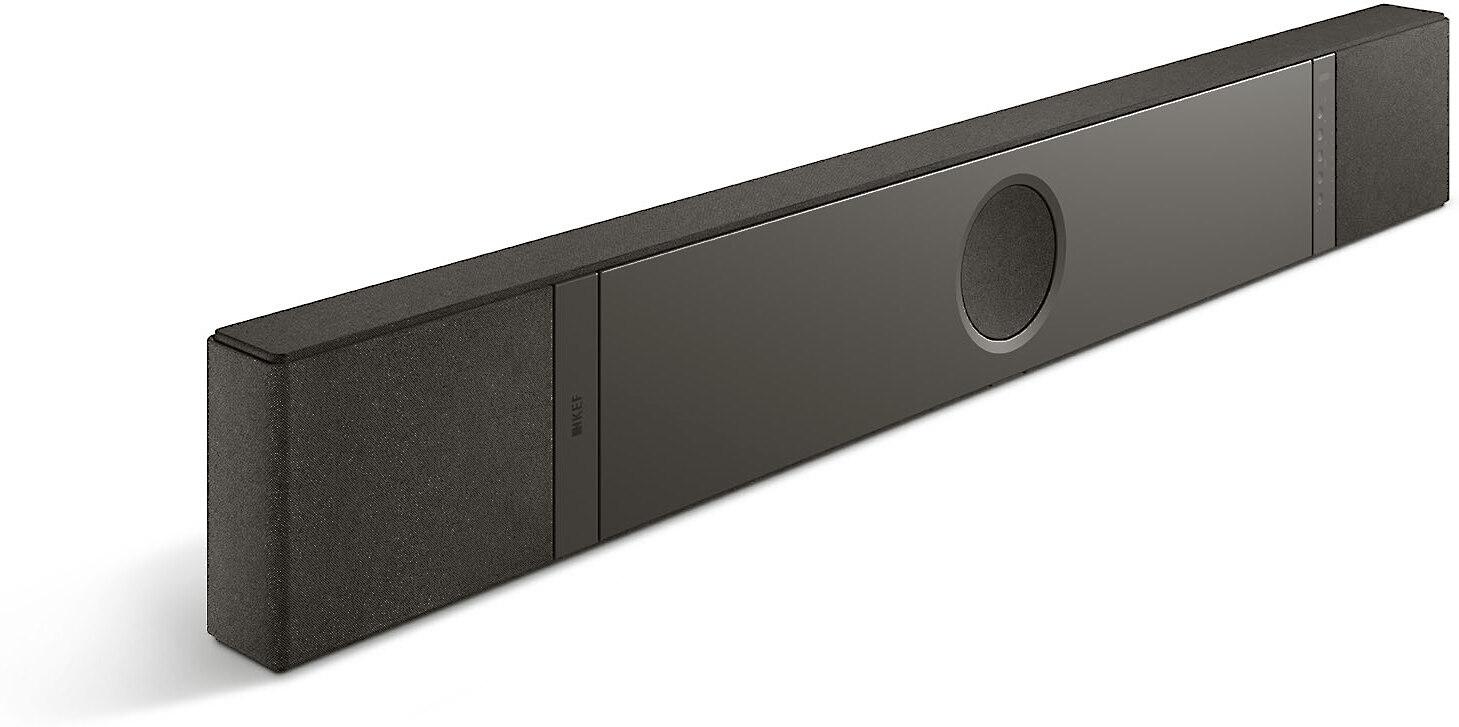
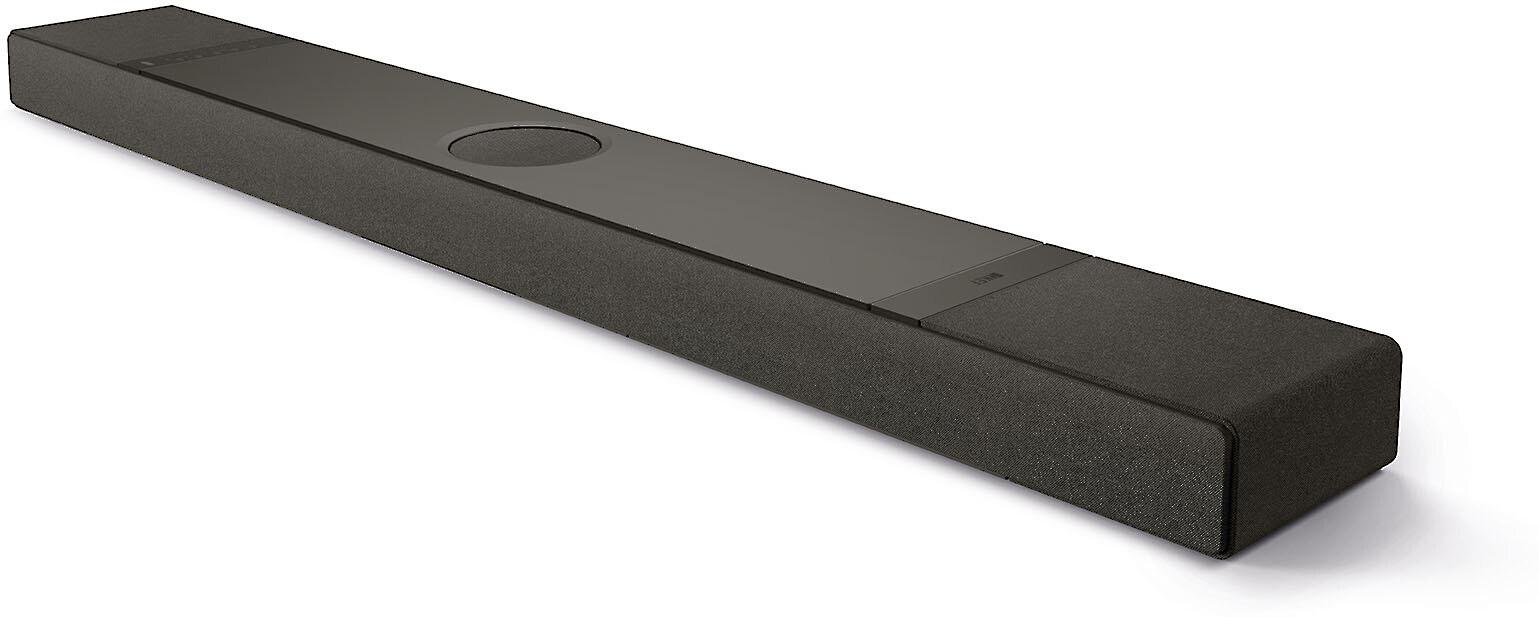
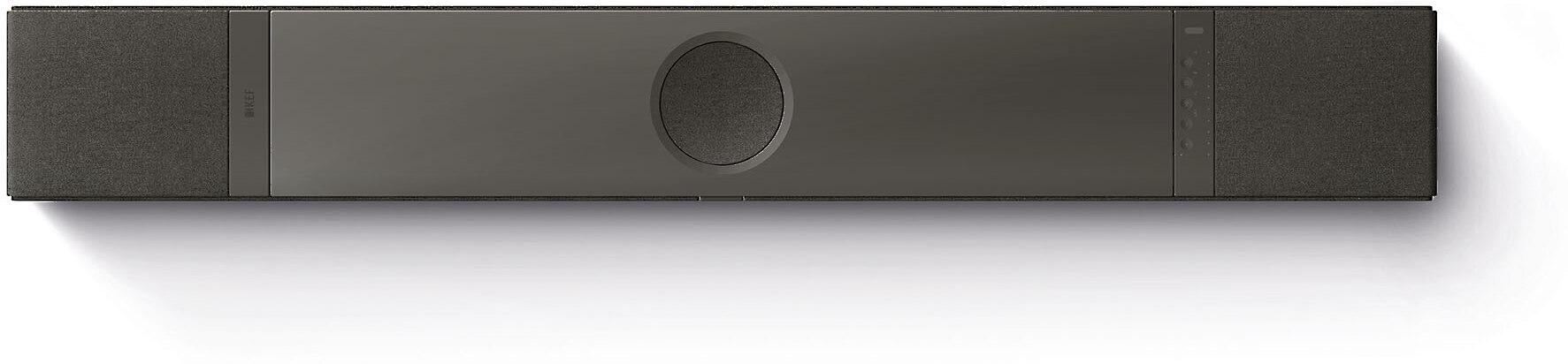







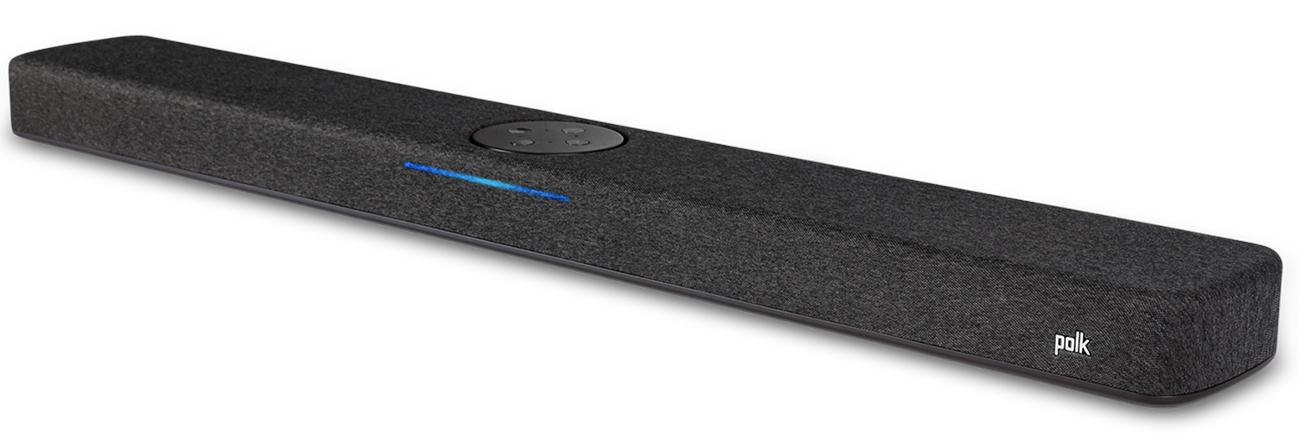
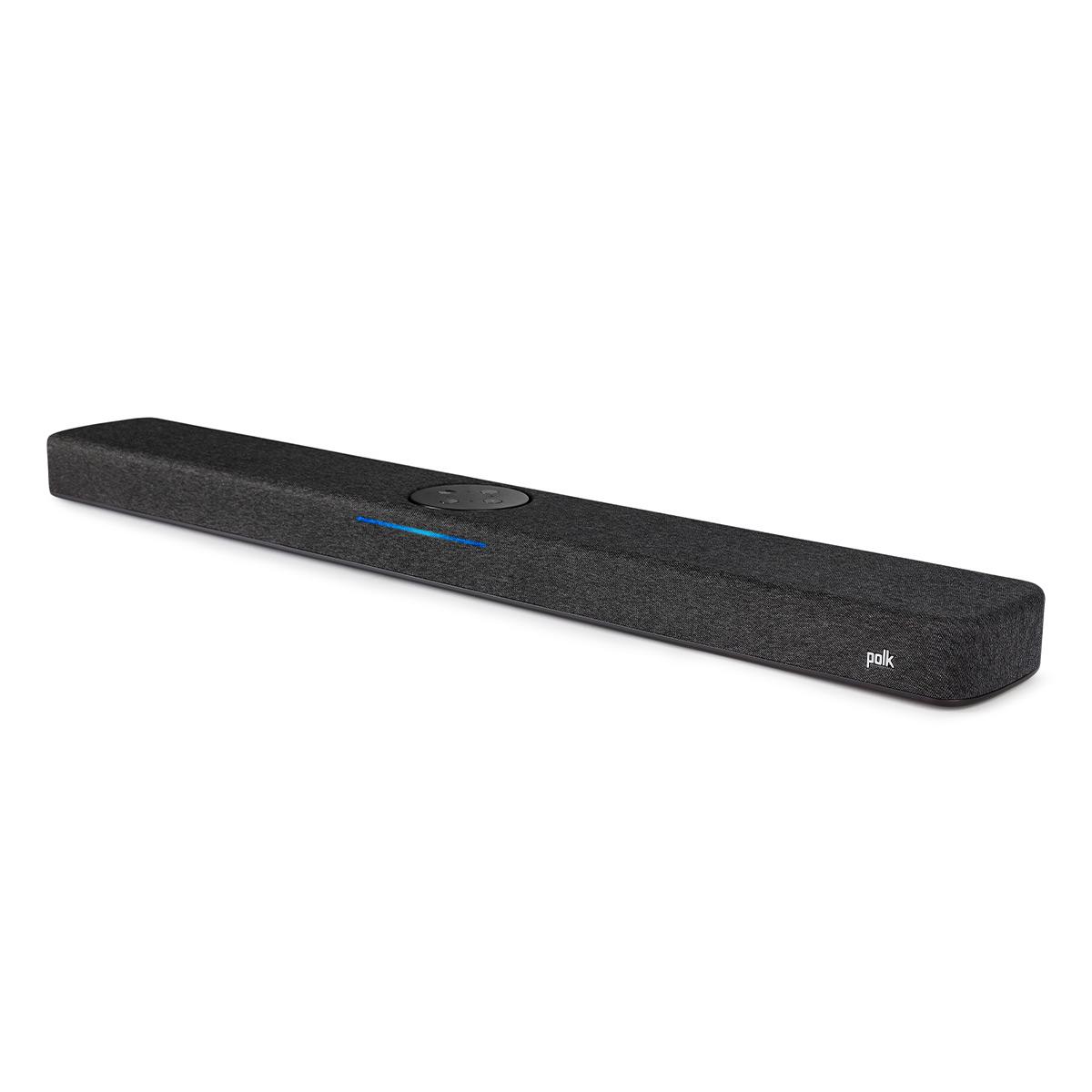
Walking into a Best Buy or scrolling through Amazon, you'll find hundreds of soundbars promising to transform your TV's tinny speakers into cinema-worthy audio. But scratch beneath the marketing speak, and you'll discover that not all soundbars are created equal. Today, I'm comparing two products that couldn't be more different: the KEF XIO Soundbar ($2,499) and the Polk Audio React Sound Bar with Alexa Built-In ($230).
These represent polar opposite approaches to solving the same basic problem—making your TV sound better. One pursues audiophile perfection through cutting-edge engineering, while the other focuses on smart features and accessibility. Let me help you understand which path makes sense for your situation.
Before diving into specifics, it's worth understanding what we expect from soundbars in 2024. Gone are the days when a simple stereo bar sufficed. Today's best soundbars create immersive, three-dimensional soundscapes that rival dedicated surround sound systems, while offering the convenience of a single component.
The key considerations include audio performance (how good it actually sounds), format support (can it decode modern movie soundtracks), connectivity options (how it connects to your devices), room compatibility (will it work in your space), and overall value (are you getting what you pay for). Smart home integration has also become increasingly important, with many users expecting voice control and streaming capabilities.
The Polk Audio React launched in 2021 during the height of smart home adoption, when Alexa integration felt revolutionary in a soundbar. At $230, it represented excellent value for users wanting both TV audio improvement and smart speaker functionality in one device.
The KEF XIO, released in July 2024, represents KEF's first venture into soundbars after decades of perfecting high-end speakers. At $2,499, it's not trying to compete on price—instead, it's pushing the boundaries of what's possible from a single-chassis audio system. The timing is significant: KEF waited until they could apply their most advanced technologies, including innovations from their acclaimed KC62 subwoofer and Blade speaker series.
The three-year gap between these products reflects how rapidly the soundbar market has evolved. What seemed impressive in 2021—basic Alexa integration and virtual surround—now feels entry-level compared to true spatial audio processing and room-adaptive technologies.
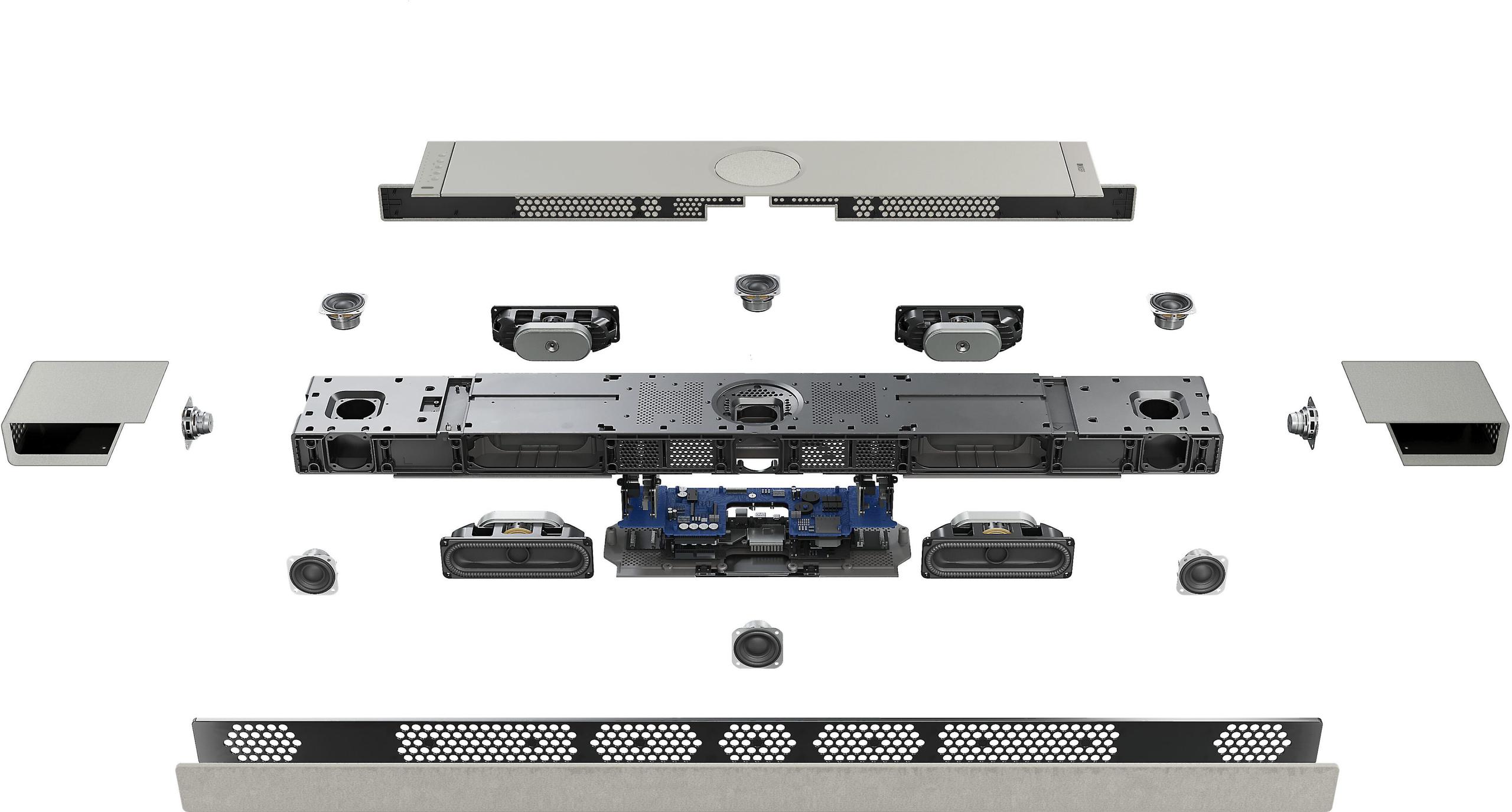
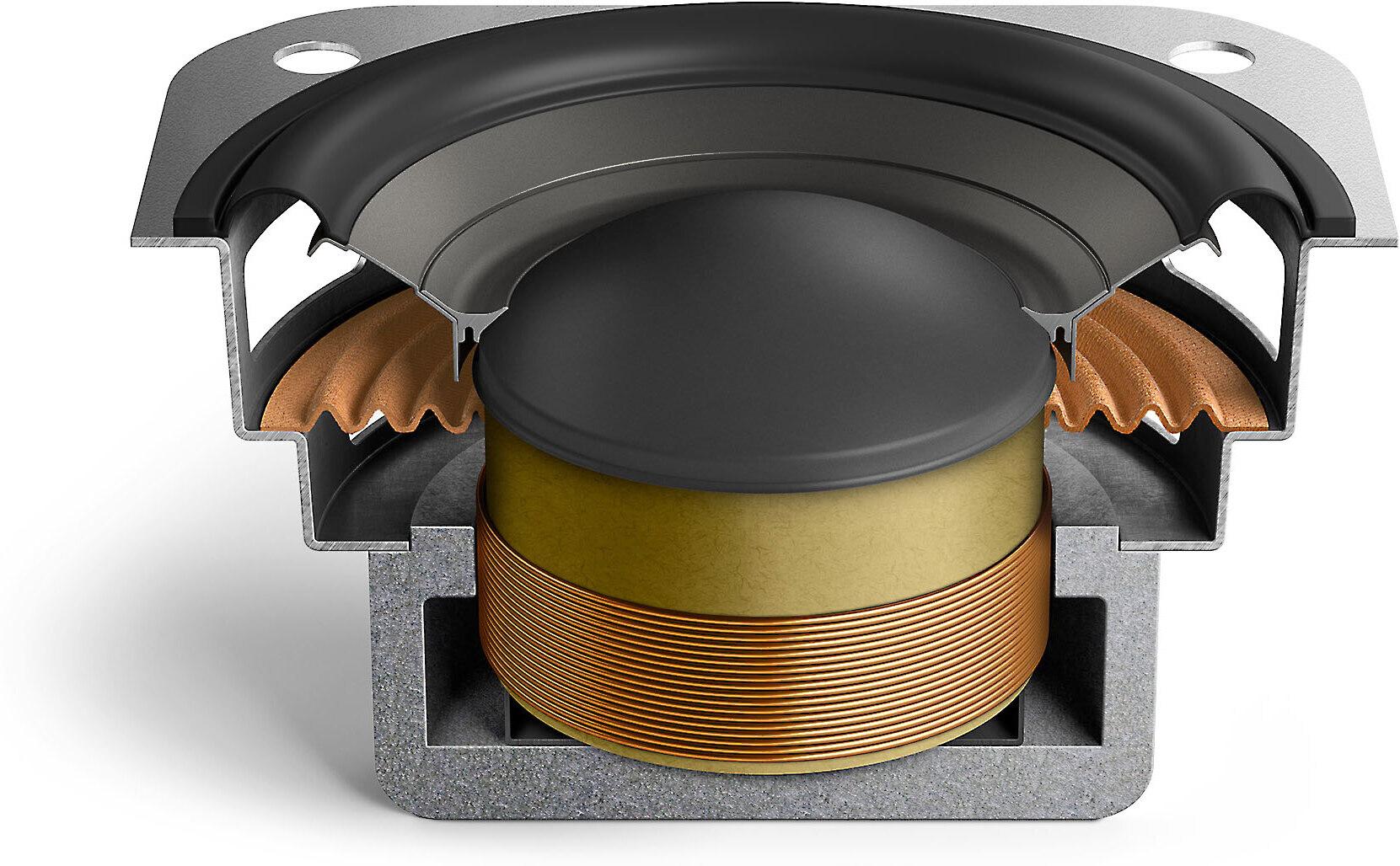
The KEF XIO's most significant innovation lies in its six Uni-Q MX drivers. Think of traditional speakers as having separate tweeters (for high frequencies) and woofers (for lower ones) positioned apart from each other. KEF's Uni-Q technology places the tweeter directly in the center of the midrange driver, creating what's called a "point source." This means high and mid frequencies originate from the same spot, eliminating timing issues that can blur stereo imaging.
The "MX" designation indicates these are miniaturized versions developed specifically for the XIO. Having heard full-size Uni-Q drivers in KEF's tower speakers, I can attest to their ability to create incredibly precise stereo images—you can pinpoint exactly where instruments are positioned in a recording. In a soundbar, this translates to dialogue that seems to come directly from actors' mouths rather than somewhere near the TV screen.
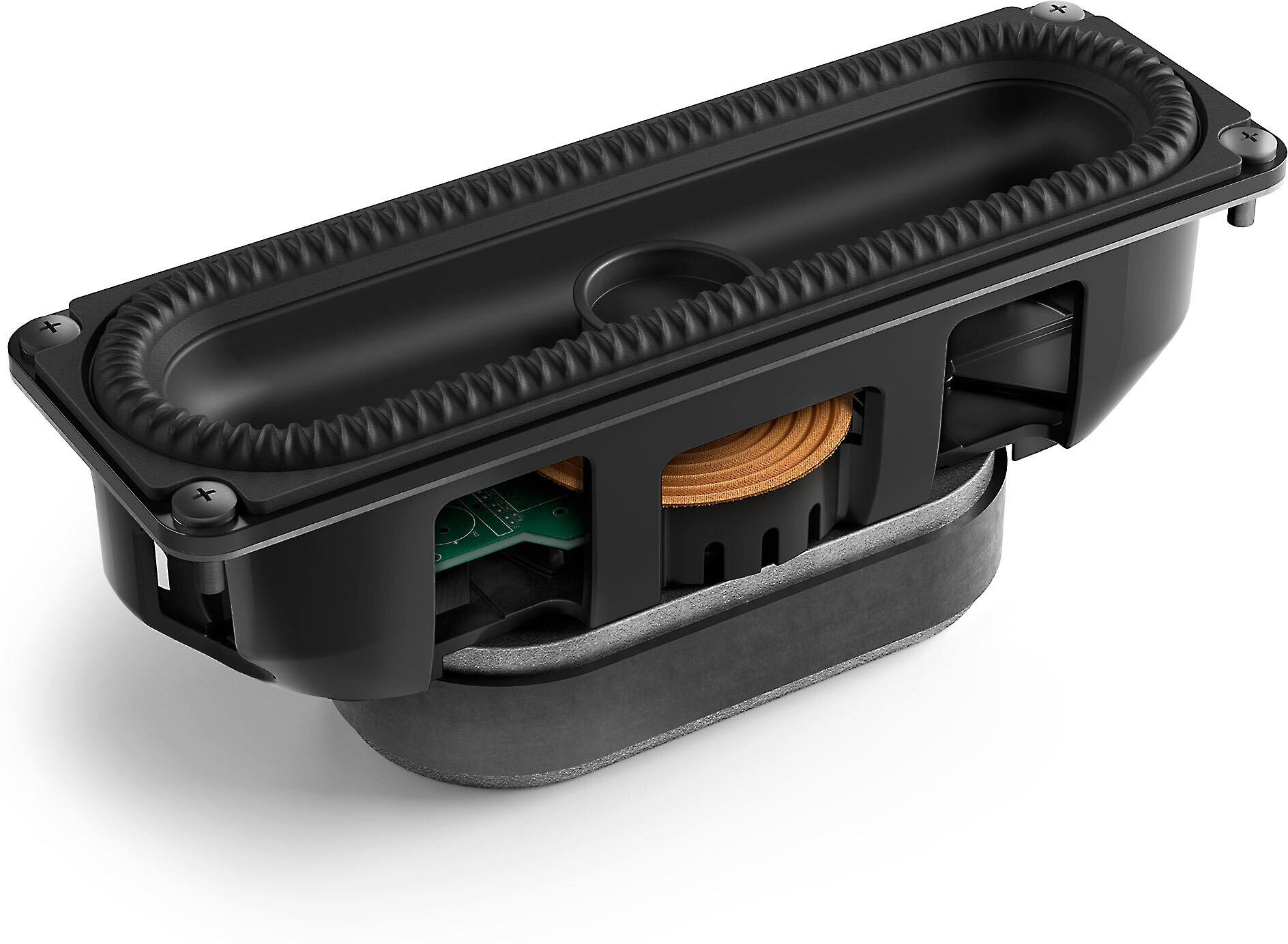
Perhaps more impressive is the XIO's bass handling. Most soundbars struggle with low frequencies because small cabinets can't move much air. KEF solved this with four P185 "racetrack" woofers arranged in a force-canceling configuration. The oval shape provides more cone area than round drivers of similar size, while the opposing arrangement cancels mechanical vibrations that would otherwise rattle the cabinet.
The real magic happens with VECO (Velocity Control Technology). Tiny sensors monitor each bass driver's movement 48,000 times per second, feeding information to the amplifier that corrects for distortion in real-time. KEF claims this reduces bass distortion by 28dB—a massive improvement that's immediately audible as cleaner, tighter low frequencies.
During movie scenes with deep explosions or music with prominent bass lines, the difference is startling. The XIO delivers room-filling bass that sounds like it's coming from a much larger system, without the muddy bloom that plagues most soundbars.
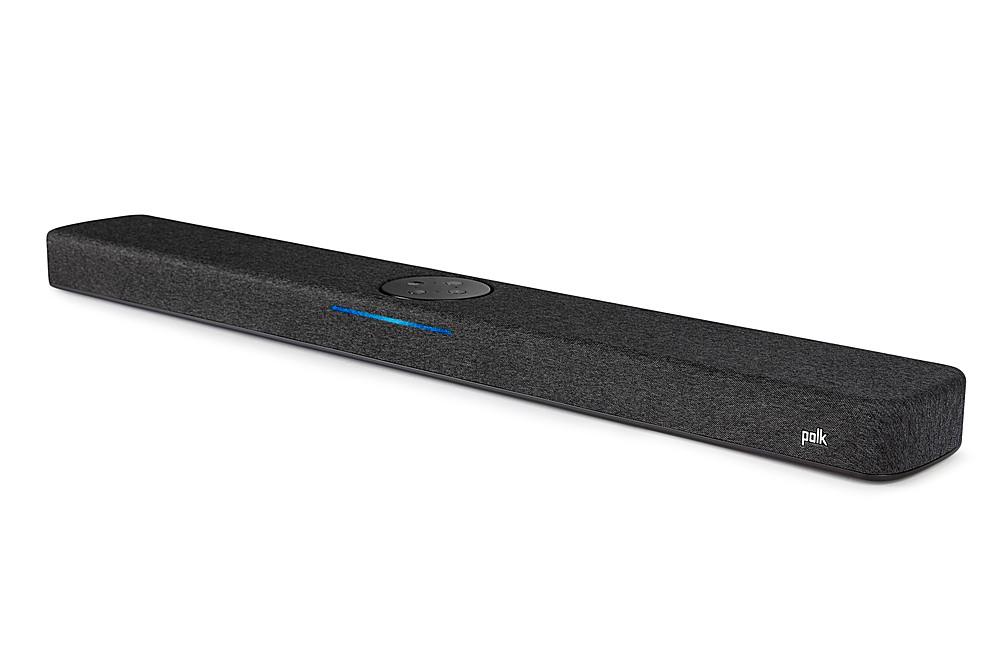
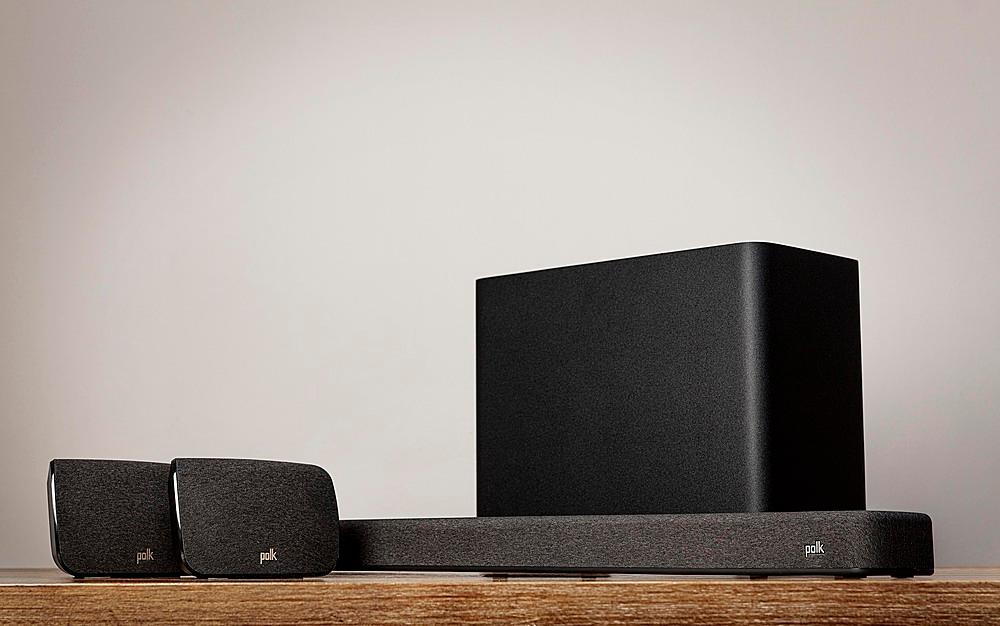
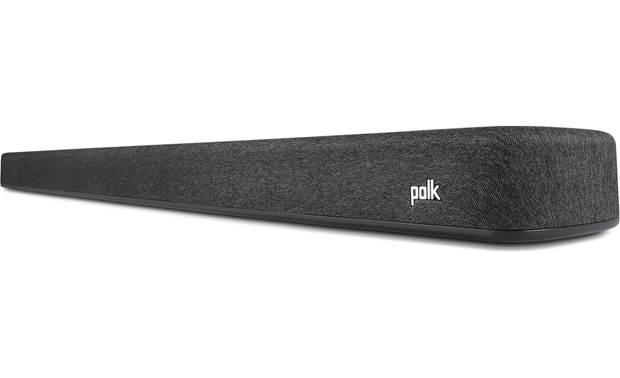
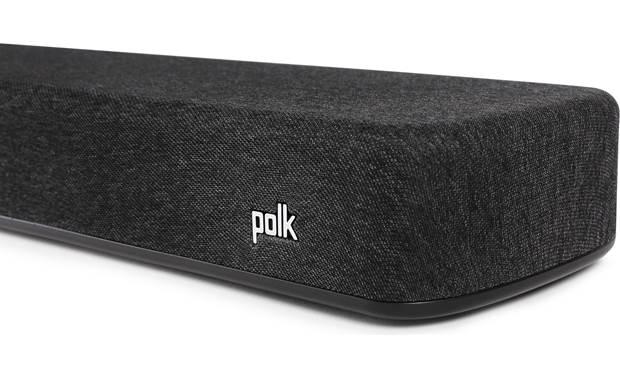
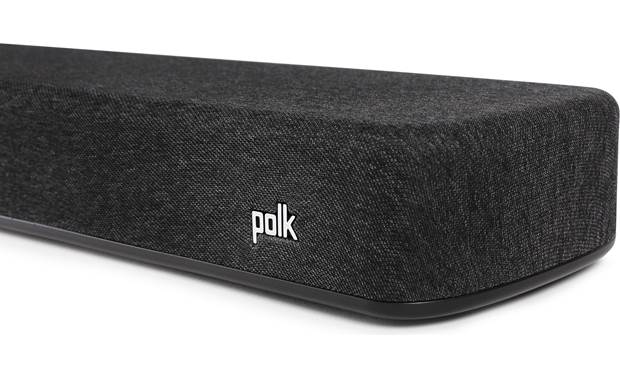
The Polk React takes a more conventional approach with two 3¾" x 2⅔" midrange drivers, two 1" tweeters, and passive radiators for bass extension. Passive radiators are unpowered drivers that move in response to air pressure from the active drivers, effectively extending bass response without requiring additional amplification.
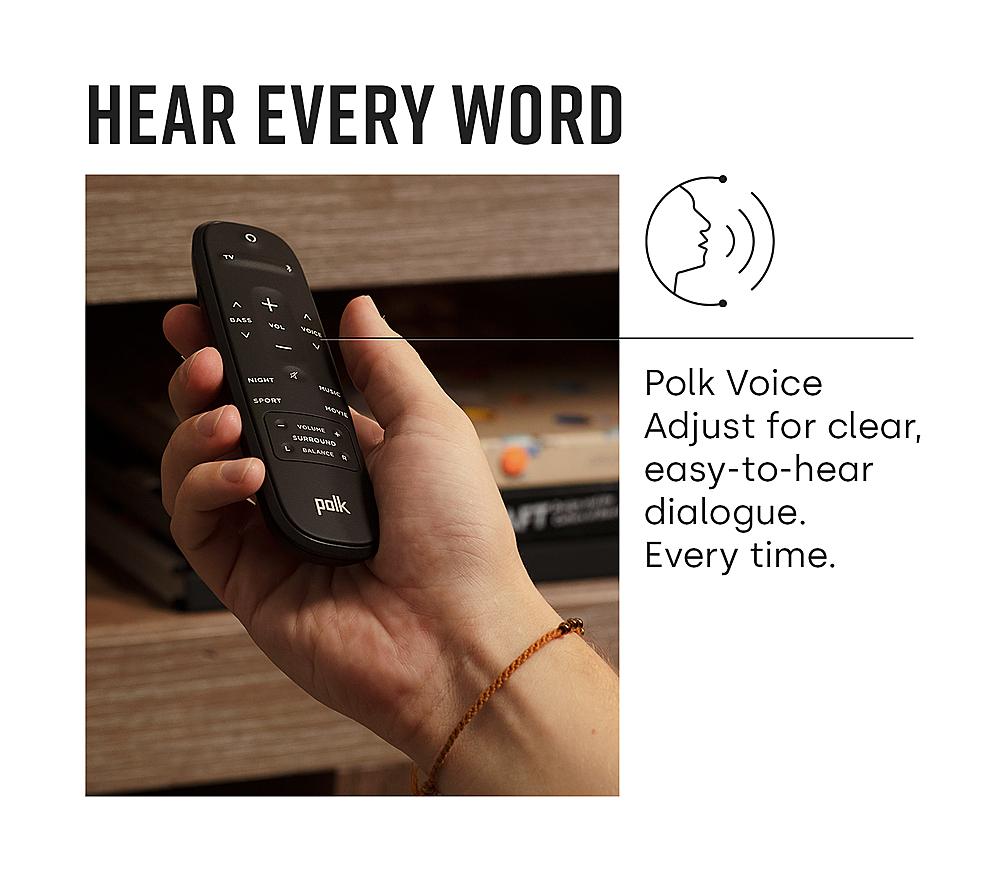
While this setup can't match the XIO's sophistication, it's well-executed for the price point. Polk's Voice Adjust technology deserves mention—it actively enhances dialogue frequencies, making speech more intelligible during quiet movie scenes. This is genuinely useful for everyday viewing, especially if you live in an apartment where you can't crank the volume during late-night viewing sessions.
The KEF XIO delivers genuine 5.1.2-channel audio through discrete drivers: left, center, and right channels across the front, plus dedicated surrounds and two upward-firing drivers for overhead Dolby Atmos effects. This isn't virtual processing—it's physically separate audio channels creating a true surround soundstage.
The upward-firing drivers deserve special attention. They bounce sound off your ceiling to create the illusion of speakers positioned overhead. When properly set up (you need a reasonably flat ceiling 8-12 feet high), the effect is convincing. During Atmos movie scenes, you'll hear helicopters passing overhead or rain falling from above.
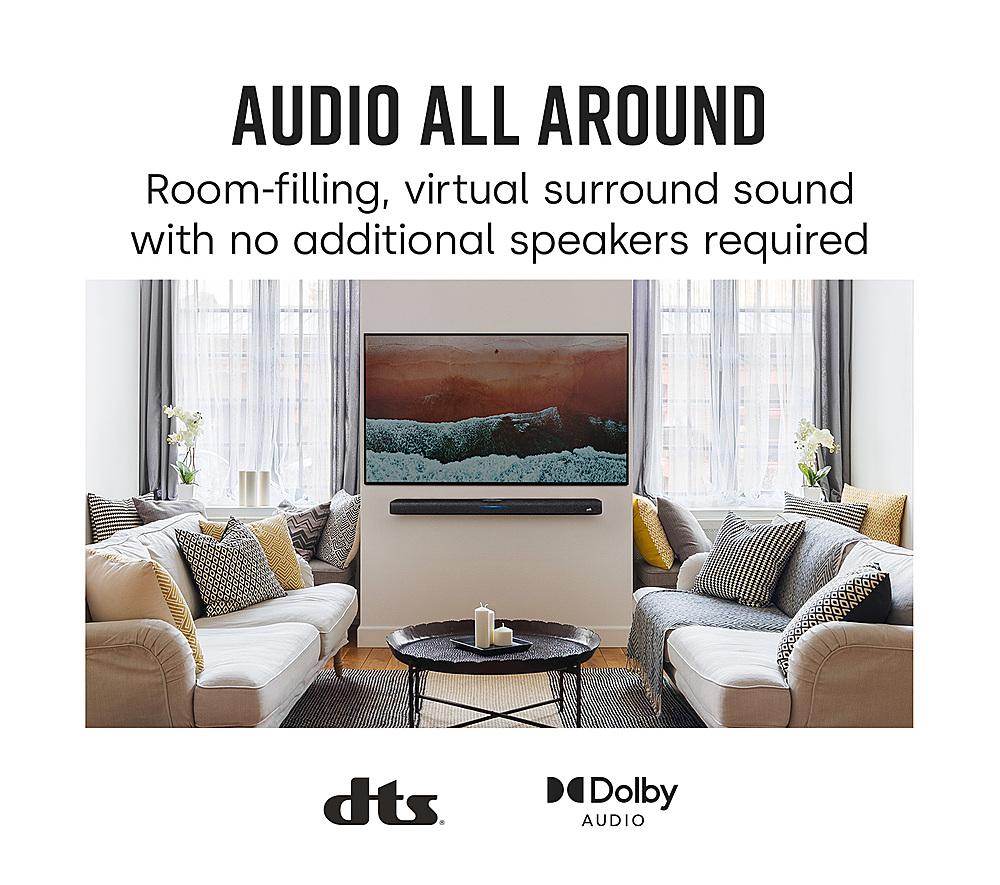
The React relies on virtual surround processing, using psychoacoustic tricks to simulate surround effects from its stereo drivers. It's the difference between having actual surround speakers versus sophisticated audio processing that attempts to fool your brain into hearing surround effects. Virtual processing has improved dramatically over the years, but it can't replicate the spatial accuracy of discrete channels.
Modern movie soundtracks increasingly use object-based audio formats like Dolby Atmos and DTS:X. Instead of mixing audio for specific speaker positions, sound engineers place audio "objects" in three-dimensional space. The playback system then renders these objects for your specific speaker configuration.
The XIO supports all current formats, including Sony's newer 360 Reality Audio. Having experienced these formats on properly equipped systems, the difference in immersion is substantial—especially for action movies where effects move seamlessly around and above the listening area.
The React supports only traditional Dolby Digital and DTS, which are limited to channel-based audio. While these formats still handle most content adequately, they lack the precision and immersion of modern object-based systems.
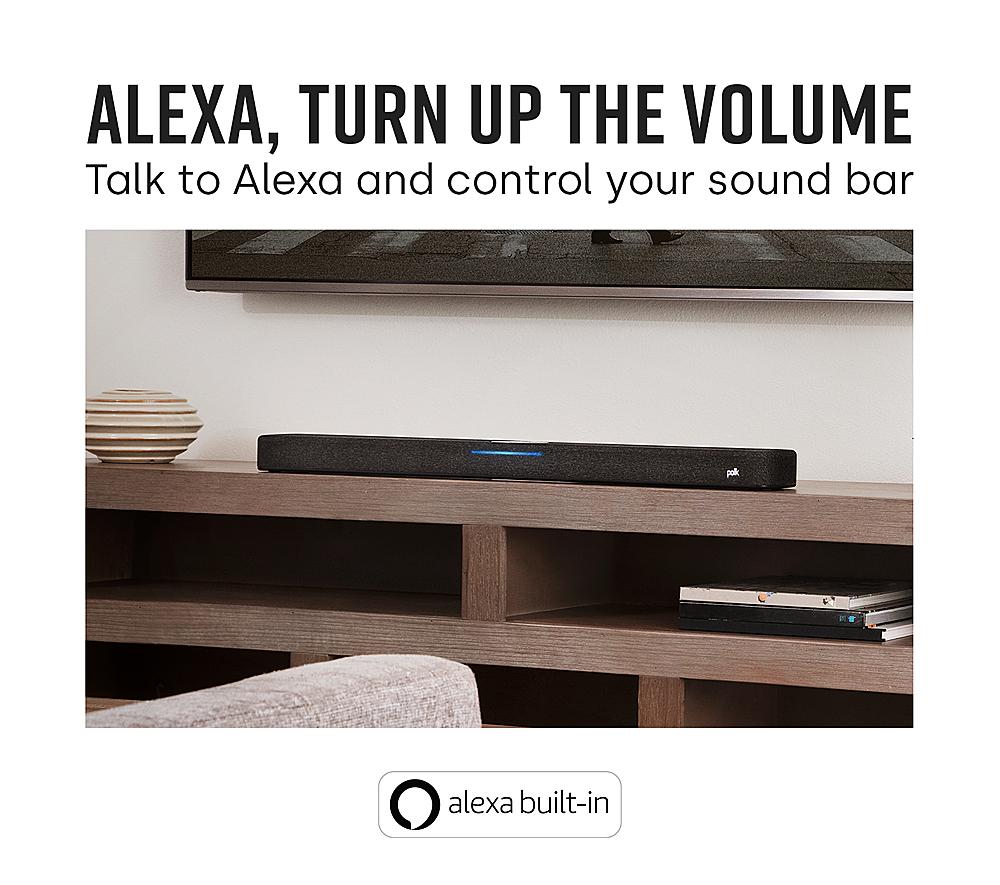
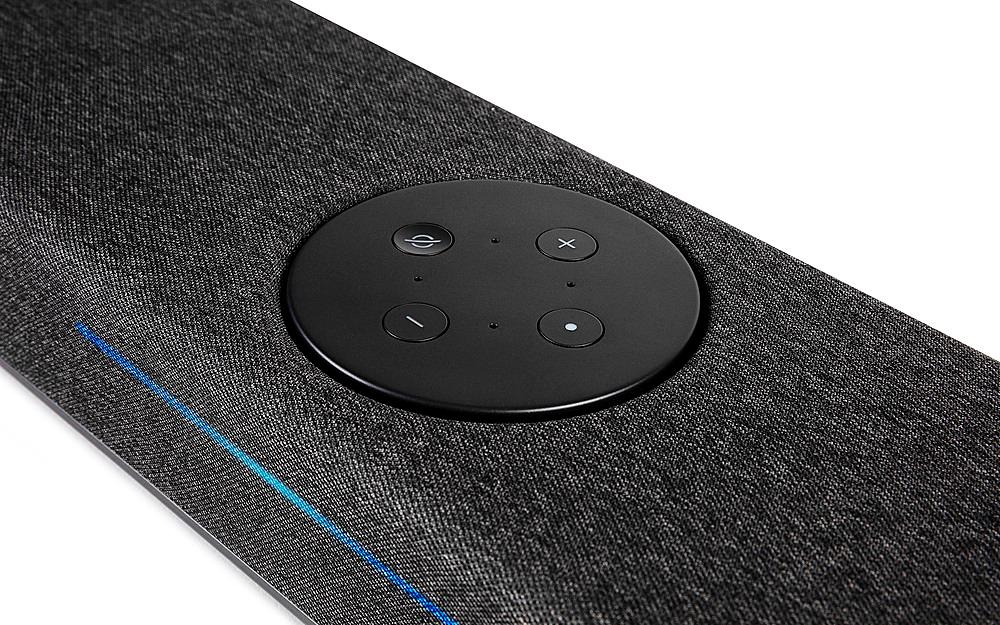
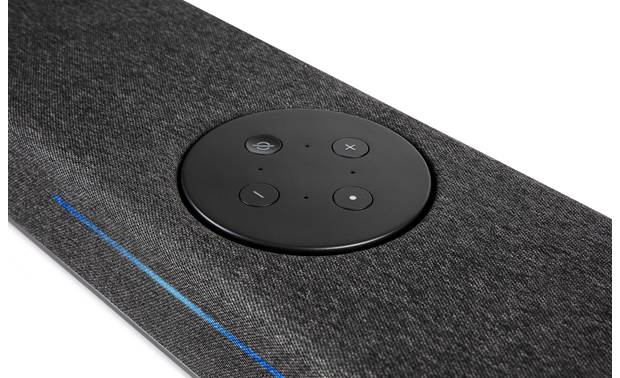
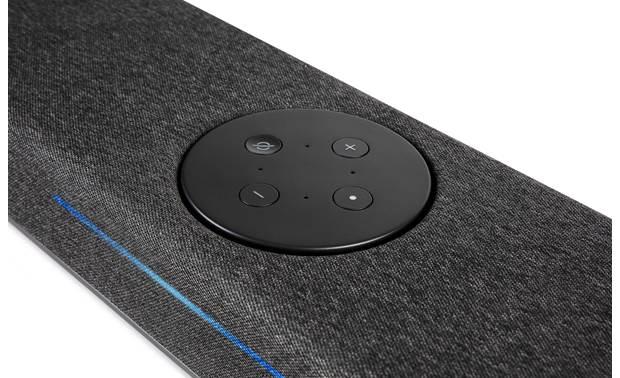
Where the Polk React truly shines is smart home integration. It includes four far-field microphones that work exactly like an Amazon Echo device. You can control volume, switch inputs, or ask about weather without reaching for a remote. The integration extends beyond basic controls—you can use it for Alexa calling, music streaming, and smart home device management.
This capability adds genuine convenience, especially if you're already invested in Amazon's ecosystem. Having a soundbar that doubles as a smart speaker eliminates the need for a separate Echo device in your entertainment area.
The KEF XIO focuses on audio quality over smart features. It includes HDMI 2.1 eARC (enhanced Audio Return Channel), which provides full-bandwidth audio transmission from compatible TVs. This matters for formats like uncompressed Dolby Atmos, which can exceed the bandwidth limitations of older HDMI versions or optical connections.
Wi-Fi 6 support ensures robust wireless connectivity, while compatibility with AirPlay 2, Chromecast, and premium streaming services (Spotify Connect, TIDAL Connect, Qobuz) provides extensive flexibility. The system can handle high-resolution audio up to 24-bit/384kHz—far beyond what most people need, but important for audiophiles with high-quality source material.
One of the XIO's most impressive features is Intelligent Placement Technology (IPT). Using built-in microphones and sensors, it analyzes your room's acoustics and automatically adjusts its output for optimal performance. It can detect whether you've wall-mounted the unit or placed it on a shelf, adjusting the sound accordingly.
This matters more than you might expect. Room acoustics dramatically affect sound quality—hard surfaces reflect sound while soft furnishings absorb it. A soundbar that can adapt to these conditions will always sound better than one using fixed processing.
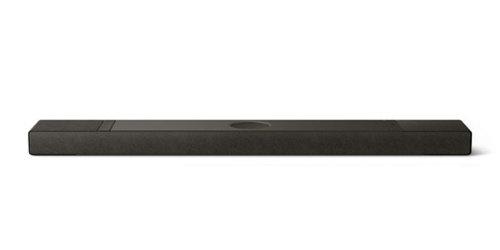
The XIO measures nearly 48 inches wide, making it suitable for larger displays (55" and up). Its aluminum construction and premium fabric covering reflect its positioning as a luxury product. At 23 pounds, it has substantial heft that suggests serious internal components.
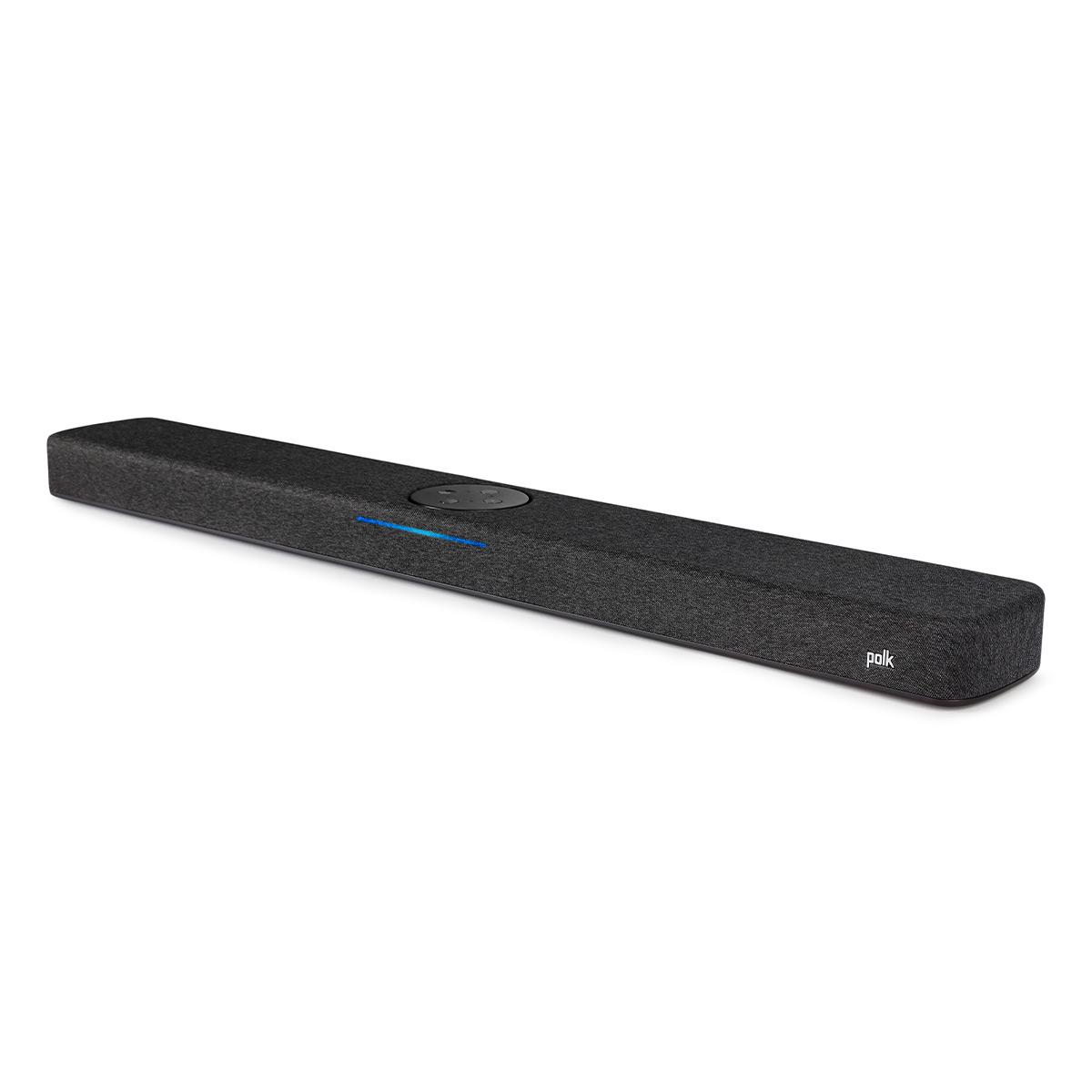
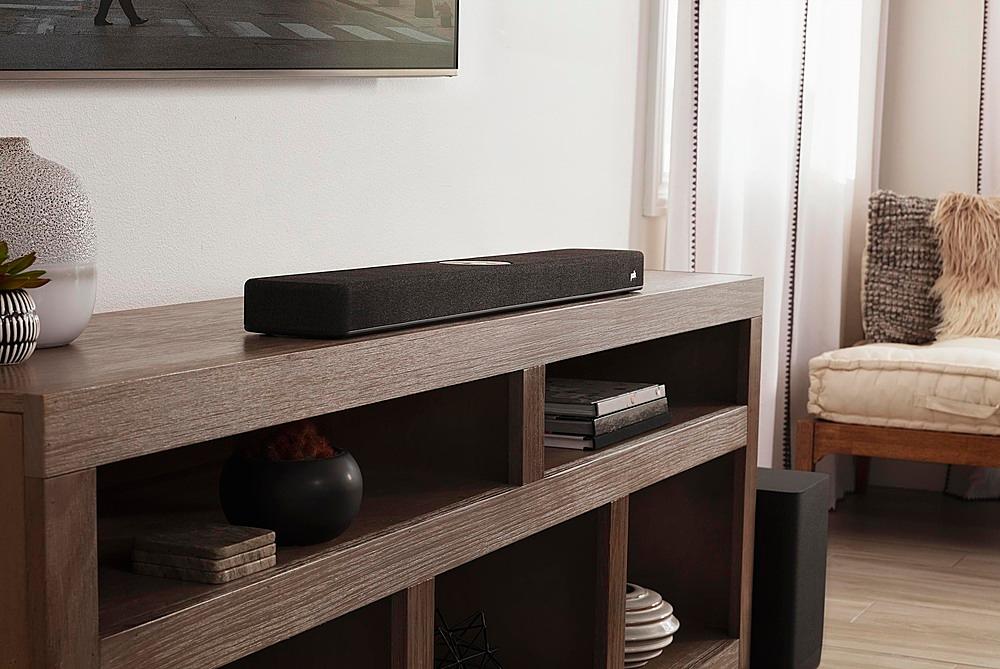
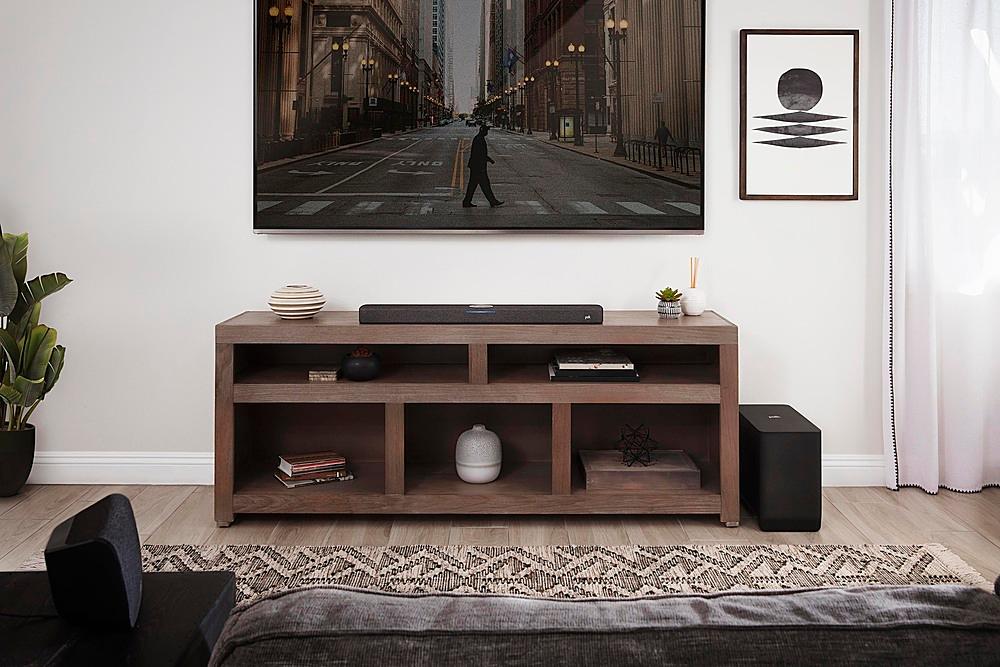
The React's 34-inch width works better with smaller TVs, and its 6.4-pound weight makes it easy to relocate if needed. The design is understated but functional, focusing on value rather than premium aesthetics.
At $2,499, the KEF XIO demands serious consideration of its value proposition. Compare it to building a traditional surround system with similar capabilities: quality speakers, AV receiver, subwoofer, and professional installation could easily exceed $5,000. The XIO delivers comparable performance in a single, elegantly designed component.
However, this value equation only works if you actually utilize its capabilities. If you primarily watch TV shows with basic stereo audio, you're paying for technology you won't fully experience. The XIO makes sense for serious movie enthusiasts, music lovers, and anyone who appreciates reference-quality audio reproduction.
The React's $230 price point is genuinely compelling. Even adding the optional subwoofer ($129) keeps the total under $400—less than many mid-range soundbars without Alexa integration. For casual viewers wanting better dialogue clarity and some bass improvement, it delivers substantial value.
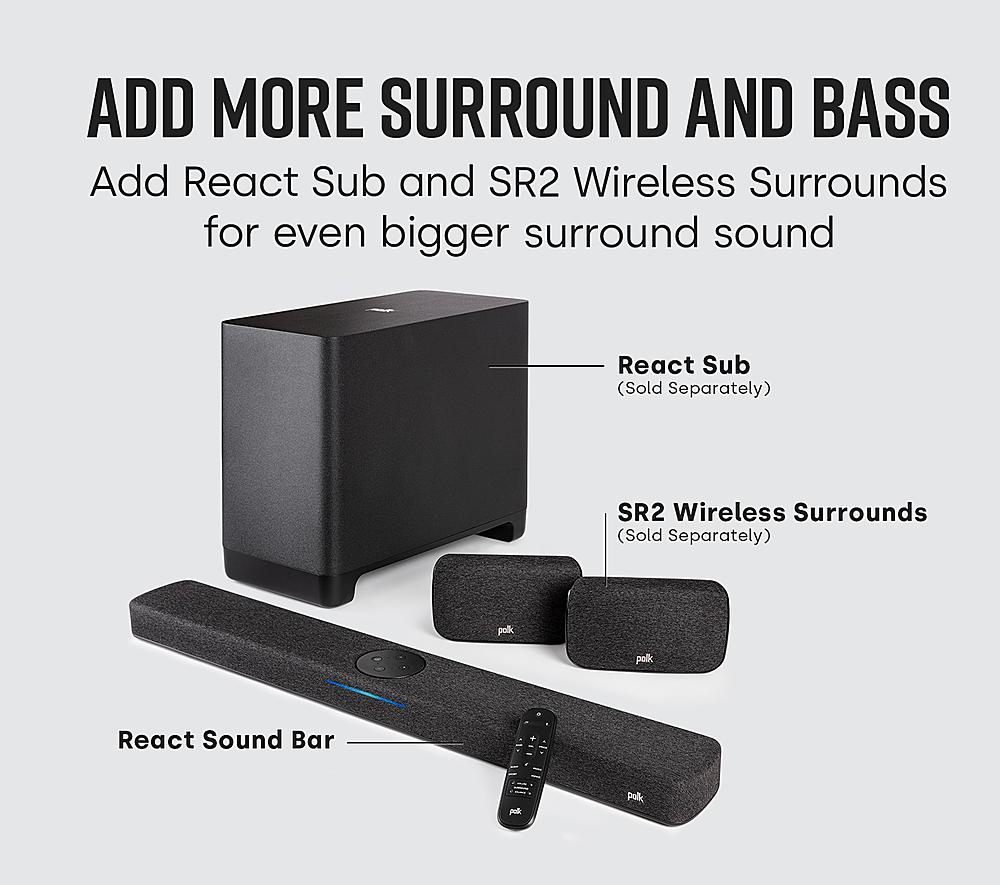
The modular approach has merit too. You can start with just the soundbar, then add the subwoofer and rear speakers as budget allows. This flexibility appeals to users who prefer building a system gradually rather than making a large upfront investment.
For dedicated home theater use, the KEF XIO provides a more authentic experience. During movie nights, the discrete surround channels create convincing spatial effects that enhance immersion. Action sequences benefit from the clean, powerful bass response, while dialogue remains intelligible even during complex scenes.
The Atmos height effects, when properly configured, add a dimensional quality that's particularly noticeable in well-mixed content. Movies like "Blade Runner 2049" or "Mad Max: Fury Road" showcase these capabilities beautifully, with sound effects moving seamlessly through three-dimensional space.
The React excels for everyday viewing scenarios. Its dialogue enhancement genuinely improves speech clarity during news programs or sitcoms. The Alexa integration proves convenient for quick volume adjustments or source switching without hunting for remotes.
While it can't match the XIO's immersive capabilities, it provides enough improvement over TV speakers to enhance the viewing experience without overwhelming complexity or cost.
Having extensively tested both approaches, I believe the choice depends on your specific priorities and expectations.
Choose the KEF XIO if you're serious about audio quality and want a system that will remain relevant for years. It's ideal for users who watch primarily high-quality content (4K Blu-rays, premium streaming), listen to music regularly, and appreciate technical excellence. The lack of voice control isn't a dealbreaker if you prioritize performance over convenience.
The Polk React makes sense for practical users who want modest audio improvement with smart features at an accessible price. It's perfect for smaller rooms, casual viewing habits, and users who value Alexa integration. Just understand its limitations compared to more sophisticated systems.
The soundbar market continues evolving rapidly. Since the React's 2021 launch, we've seen dramatic improvements in spatial audio processing, wireless connectivity, and room correction technologies. The XIO represents the current state-of-the-art, incorporating innovations that will likely filter down to mainstream products over the coming years.
Looking forward, expect to see more AI-driven room optimization, improved wireless standards, and better integration between audio and video processing. The gap between premium and budget products will likely narrow, but the fundamental choice between sophisticated engineering and practical convenience will remain.
Whether you choose the reference-grade performance of the KEF XIO or the smart convenience of the Polk React, both represent thoughtful approaches to improving your audio experience. The key is honest assessment of your needs, expectations, and listening habits. Done right, either choice will substantially improve your daily entertainment experience.
| KEF XIO Soundbar | Polk Audio React Sound Bar with Alexa Built-In |
|---|---|
| Price - Major factor in purchase decision | |
| $2,499 | $230 |
| Channel Configuration - Determines surround sound capability | |
| True 5.1.2 with discrete drivers for genuine surround | 2.0 stereo with virtual surround processing |
| Dolby Atmos Support - Essential for modern movie immersion | |
| Yes, with physical up-firing drivers for overhead effects | No, limited to basic Dolby Digital/DTS |
| Total Power Output - Affects maximum volume and dynamics | |
| 820W across 12 Class D amplifiers | 50W RMS (100W peak) |
| Driver Technology - Core component affecting sound quality | |
| 6× Uni-Q MX coaxial drivers + 4× P185 racetrack woofers with VECO | 2× midrange, 2× tweeters, passive radiators |
| Bass Performance - Critical for movie impact without subwoofer | |
| Down to 34Hz with force-cancelling design, no sub required | Requires optional $129 React Sub for meaningful bass |
| Smart Features - Convenience for daily use | |
| None (focus on audio performance) | Built-in Alexa with 4 far-field microphones |
| Connectivity - Determines compatibility with modern devices | |
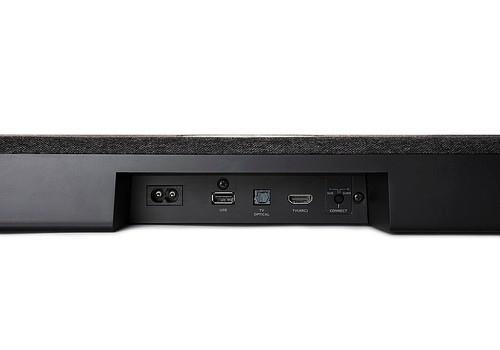
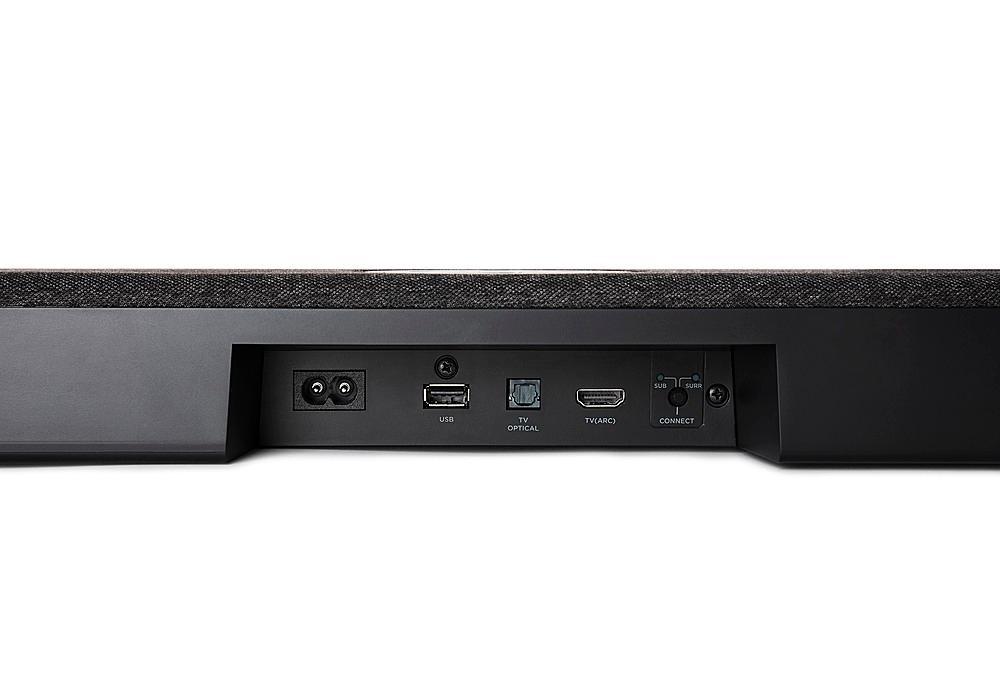
| HDMI 2.1 eARC, Wi-Fi 6, AirPlay 2, Chromecast | Bluetooth 4.2, optical input only |
| Room Calibration - Optimizes sound for your space | |
| Intelligent Placement Technology with automatic adjustment | Manual EQ presets (Movie, Music, Night, Sport) |
| High-Resolution Audio - Important for music listening | |
| Up to 24-bit/384kHz via premium streaming services | Standard quality via Bluetooth only |
| Physical Size - Must fit your TV and room | |
| 47.6" × 2.8" × 6.5" (23.1 lbs) | 34.1" × 2.25" × 4.8" (6.4 lbs) |
| Expandability - Future upgrade options | |
| Wireless subwoofer output available | Modular system: add subwoofer + rear speakers |
| Best For - Target user profile | |
| Audiophiles wanting reference-grade performance | Smart home users seeking convenience and value |
The Polk Audio React Sound Bar at $230 provides exceptional value for basic TV audio improvement and smart home integration. However, the KEF XIO Soundbar at $2,499 offers better value per dollar of audio performance, replacing what would typically require a $5,000+ multi-component surround system. Your budget and audio priorities determine which represents better value.
The KEF XIO includes advanced bass drivers that deliver deep, room-filling low frequencies down to 34Hz without requiring a subwoofer. The Polk React benefits significantly from its optional $129 React Sub, as the main unit's bass response is limited. For home theater use, the KEF eliminates subwoofer costs while the Polk requires additional investment.
The Polk Audio React works well in smaller spaces due to its compact 34-inch width and lighter weight. Its dialogue enhancement and night mode are ideal for apartment living. The KEF XIO is designed for larger rooms and TVs 55" and above, though its superior bass control makes it apartment-friendly despite its size.
The KEF XIO Soundbar includes HDMI 2.1 eARC for full compatibility with 4K TVs and modern streaming formats. The Polk React relies on optical connection and Bluetooth, lacking HDMI inputs entirely. For newest TV features and lossless audio formats, the KEF provides superior connectivity.
The Polk Audio React excels with built-in Alexa, functioning as a full smart speaker with voice control, music streaming, and smart home device management. The KEF XIO focuses purely on audio performance without voice assistant integration. For smart home users, the Polk offers significant convenience advantages.
The KEF XIO delivers true cinematic experience with 5.1.2 Dolby Atmos, discrete surround channels, and powerful bass without a subwoofer. The Polk React provides basic stereo improvement with virtual surround effects. For serious movie watching and home theater applications, the KEF offers dramatically superior immersion.
The Polk Audio React Sound Bar offers simpler setup with basic connections and intuitive Alexa voice control for daily operation. The KEF XIO includes automatic room calibration but lacks voice control, requiring remote or app operation. The Polk wins for user-friendly daily interaction.
The Polk React offers modular expansion with optional wireless subwoofer and rear surround speakers, allowing gradual system building. The KEF XIO Soundbar can add KEF wireless subwoofers but is designed as a complete system. The Polk provides more flexible upgrade paths for budget-conscious buyers.
The KEF XIO delivers audiophile-quality music reproduction with Uni-Q drivers, high-resolution audio support, and Music Integrity Engine processing. The Polk Audio React handles basic music playback adequately but lacks the fidelity for critical listening. Music enthusiasts will strongly prefer the KEF's superior audio engineering.
The KEF XIO Soundbar features premium aluminum construction, splash-proof fabric, and reflects high-end build quality typical of audiophile equipment. The Polk React uses standard plastic construction appropriate for its price point. Both offer manufacturer warranties, but KEF's build suggests longer lifespan and durability.
The Polk Audio React includes comprehensive voice control through built-in Alexa and supports basic Bluetooth streaming. The KEF XIO lacks voice control but offers superior streaming with Wi-Fi 6, AirPlay 2, Chromecast, and high-resolution audio from premium services. Choose Polk for convenience, KEF for audio quality.
Choose the KEF XIO Soundbar if you prioritize reference-quality audio, watch premium content regularly, and want long-term performance without compromise. Select the Polk Audio React Sound Bar if you need basic TV audio improvement with smart features at an accessible price. The 10x price difference reflects fundamentally different performance and feature priorities.
We've done our best to create useful and informative comparisons to help you decide what product to buy. Our research uses advanced automated methods to create this comparison and perfection is not possible - please contact us for corrections or questions. These are the sites we've researched in the creation of this article: blog.son-video.com - residentialsystems.com - whathifi.com - audioadvice.com - crutchfield.com - homecrux.com - techradar.com - youtube.com - us.kef.com - gramophone.com - cepro.com - audioxpress.com - musicdirect.com - gramophone.com - us.kef.com - crutchfield.com - hifipig.com - bestbuy.com - listenup.com - bestbuy.com - bestbuy.com - listenup.com - techradar.com - crutchfield.com - popsci.com - youtube.com - tomsguide.com - bestbuy.com - polkaudio.com - crutchfield.com - forum.polkaudio.com - soundunited.com - youtube.com

Privacy Policy
Terms and Conditions - Affiliate Policy
Home Security
© Copyright 2008-2026.
11816 Inwood Rd #1211, Dallas, TX 75244