

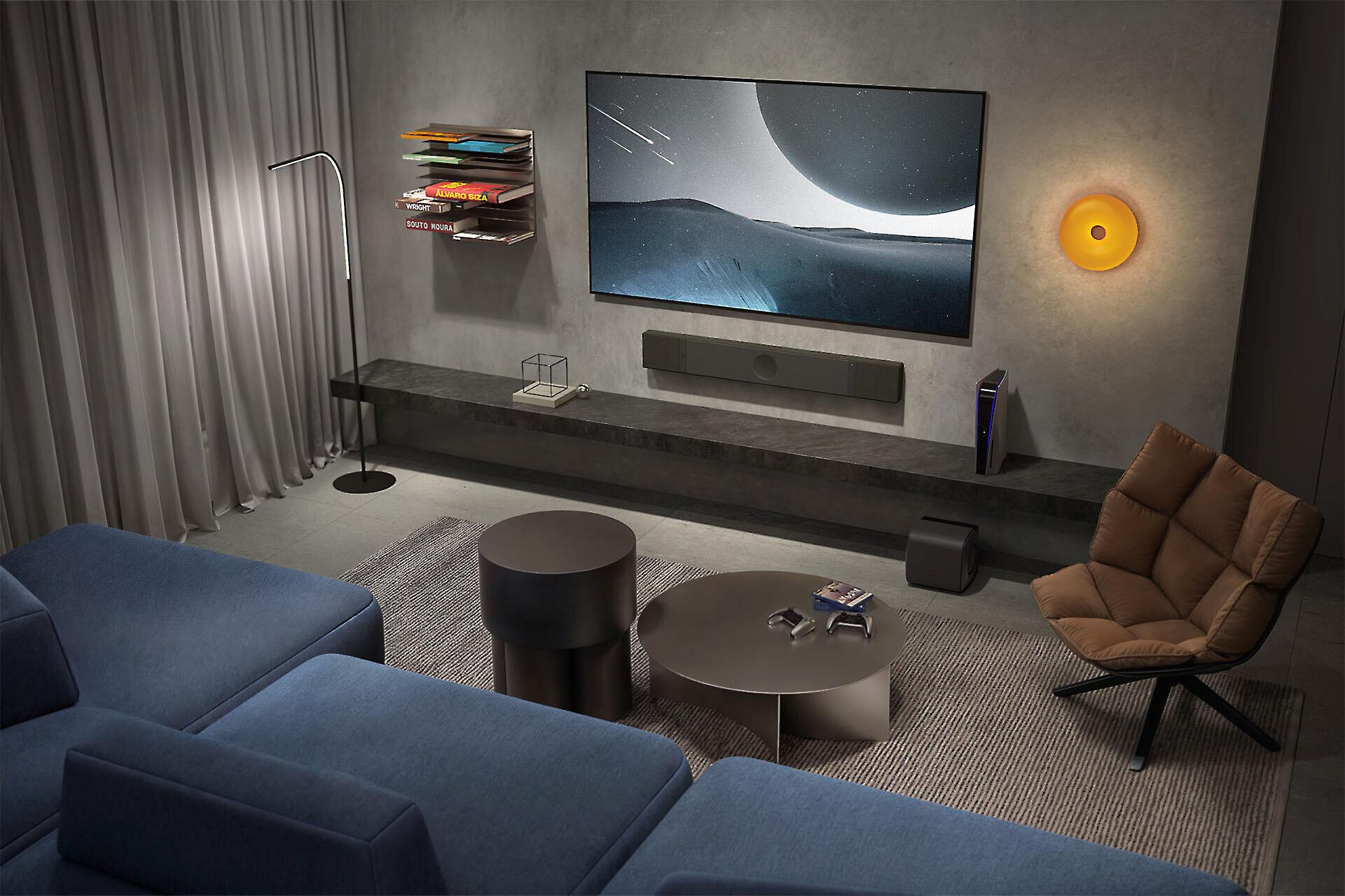



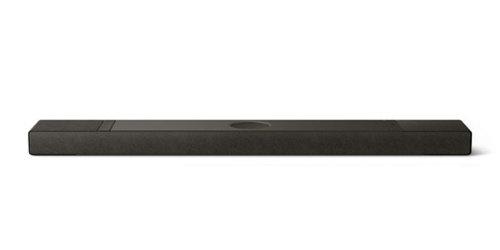

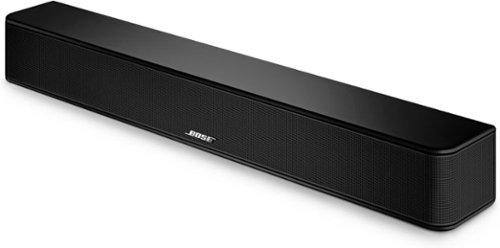
When you're shopping for a soundbar, you might think all the options are pretty similar – just different brands doing roughly the same thing. But comparing the KEF XIO ($2,499) with the Bose Solo Series 2 ($179) is like comparing a Ferrari to a Honda Civic. Both will get you where you need to go, but they're built for completely different purposes and budgets.
Released in mid-2025, these soundbars represent opposite ends of what's possible in home audio today. The price difference alone – we're talking about a 14x gap – tells you these products are aimed at entirely different audiences. But understanding which one makes sense for your situation requires diving deeper into what each actually delivers.
Before we get into the specifics, let's talk about what soundbars are really trying to accomplish. Your TV's built-in speakers are usually pretty terrible – they're thin, face backward or downward, and try to squeeze sound out of tiny drivers crammed into an impossibly small space. Soundbars fix this by putting larger, forward-facing drivers in a dedicated enclosure that can actually move some air.
But modern soundbars have evolved way beyond just being "better TV speakers." The premium ones like the KEF XIO are trying to replace entire home theater systems, creating surround sound and even overhead effects from a single unit. Meanwhile, budget options like the Bose Solo Series 2 focus on solving the most basic problem: making dialogue clearer and adding some bass that your TV simply can't produce.
The main things to consider when shopping are how many audio channels you want (stereo vs. surround sound), what connections you need, how much space you're working with, and honestly, how much you care about audio quality versus convenience and price.
KEF released the XIO in July 2025 as their first-ever soundbar, and they didn't mess around. This British company has been making high-end speakers since 1961, and they brought all that expertise to bear on creating something that could satisfy both audiophiles and home theater enthusiasts.
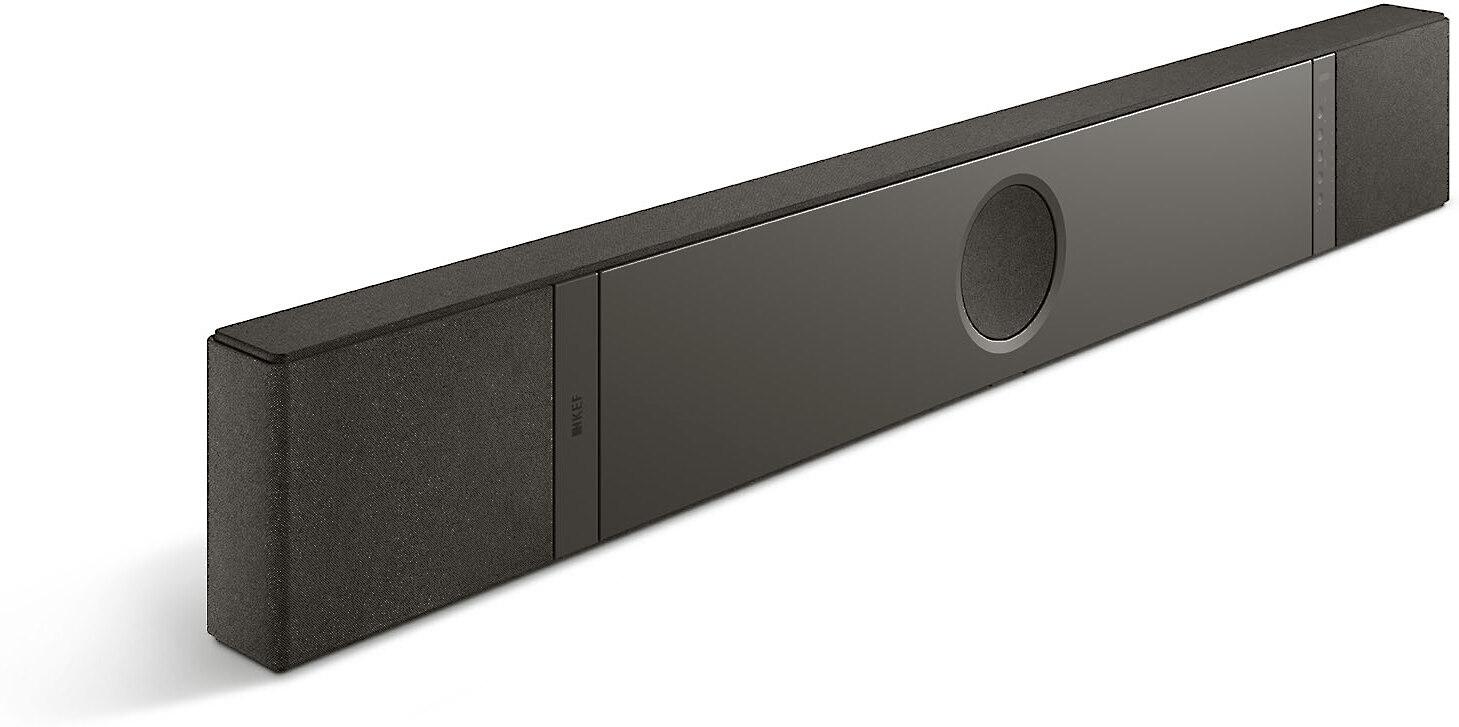
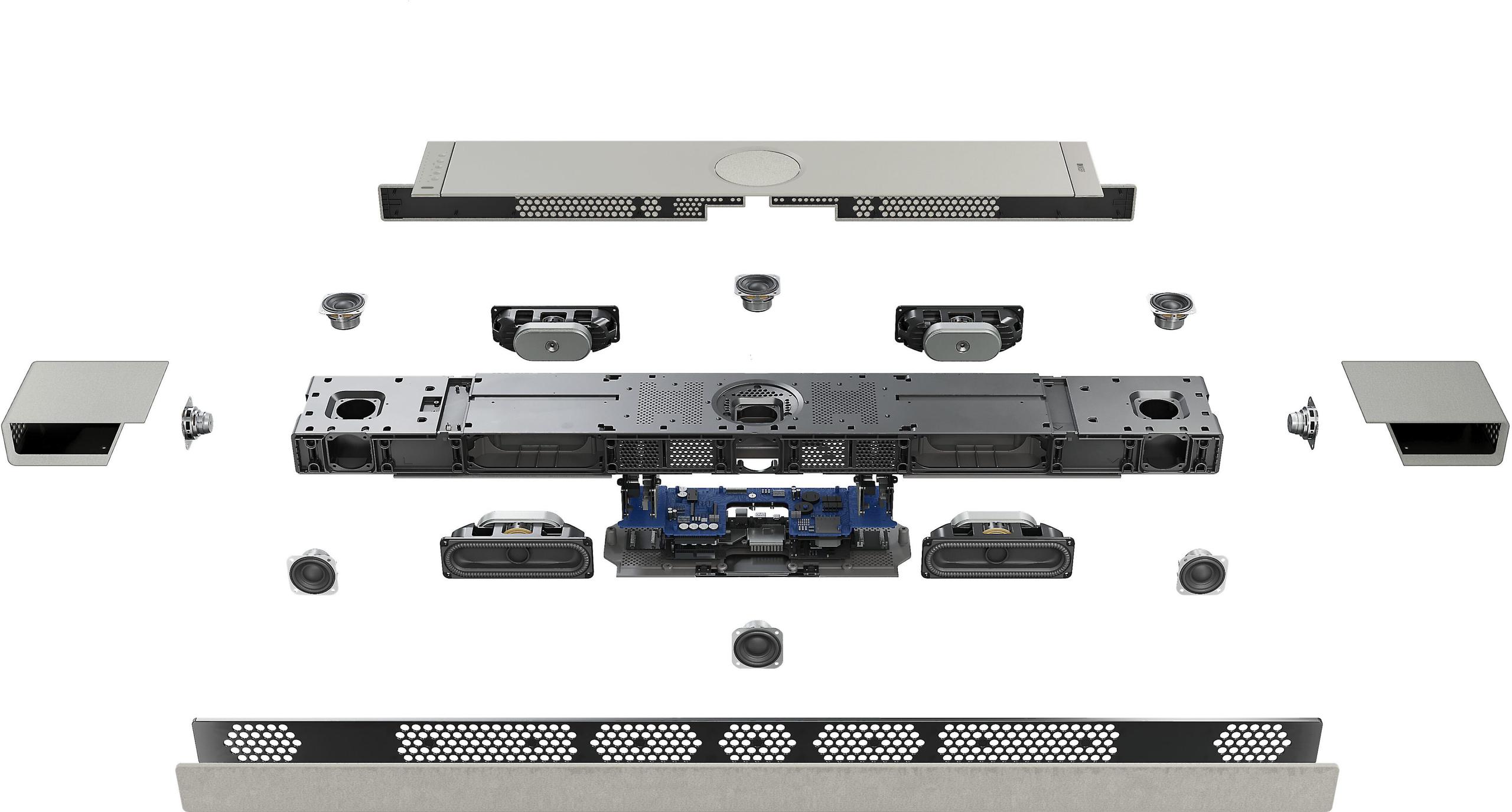
The XIO is what's called a 5.1.2-channel soundbar, which means it creates five main channels of sound (left, center, right, and two surrounds), one subwoofer channel for bass, and two height channels for overhead effects. That might sound like marketing speak, but it actually matters a lot for creating that immersive, "you're in the movie" experience.
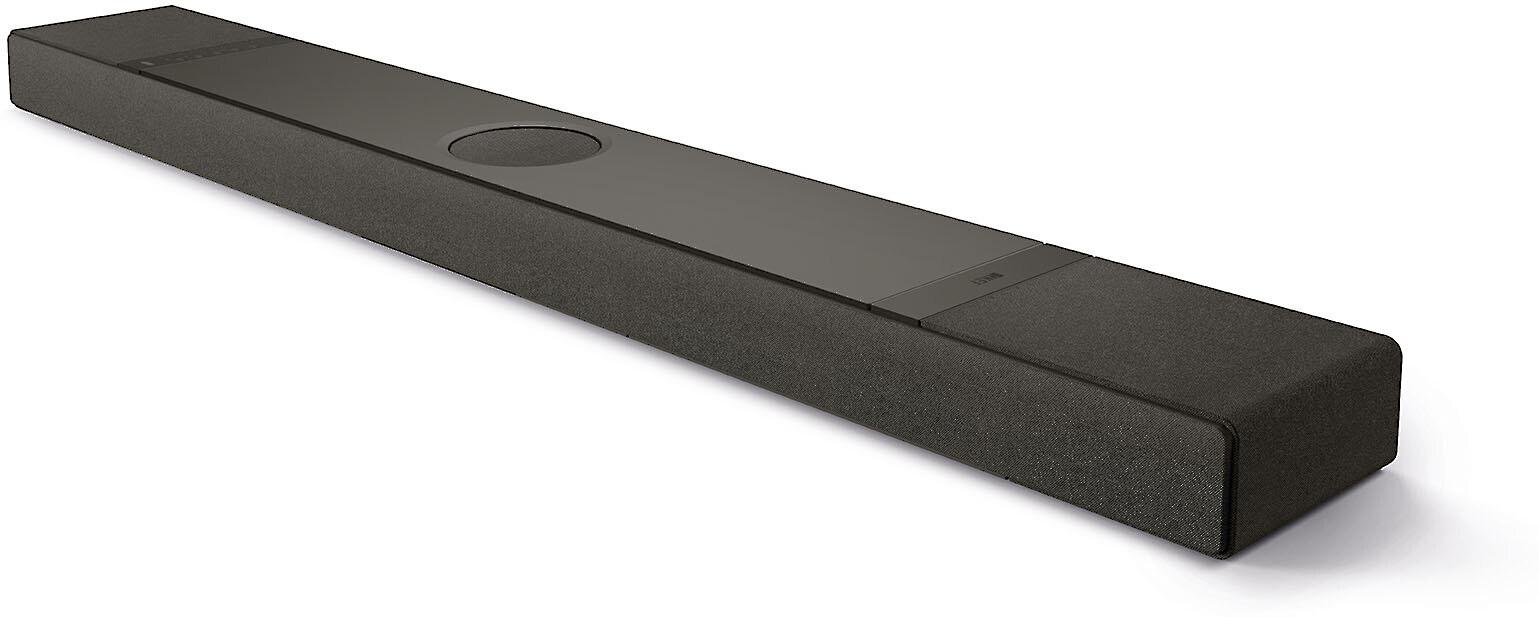
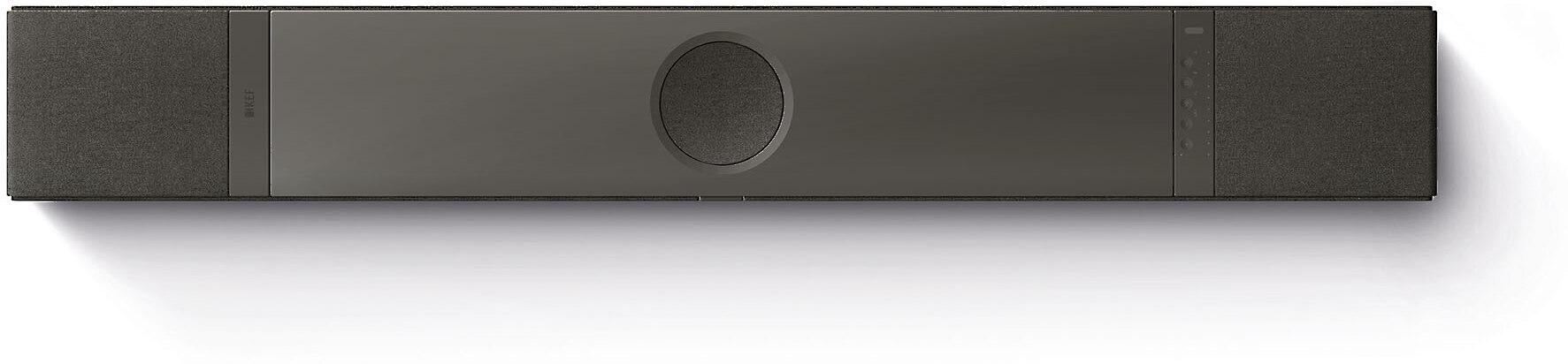
What makes this possible are twelve separate drivers – that's twelve individual speakers – each powered by its own dedicated amplifier. The total power output is 820 watts, which is serious business for a soundbar. But it's not just about raw power; it's about how intelligently that power gets used.
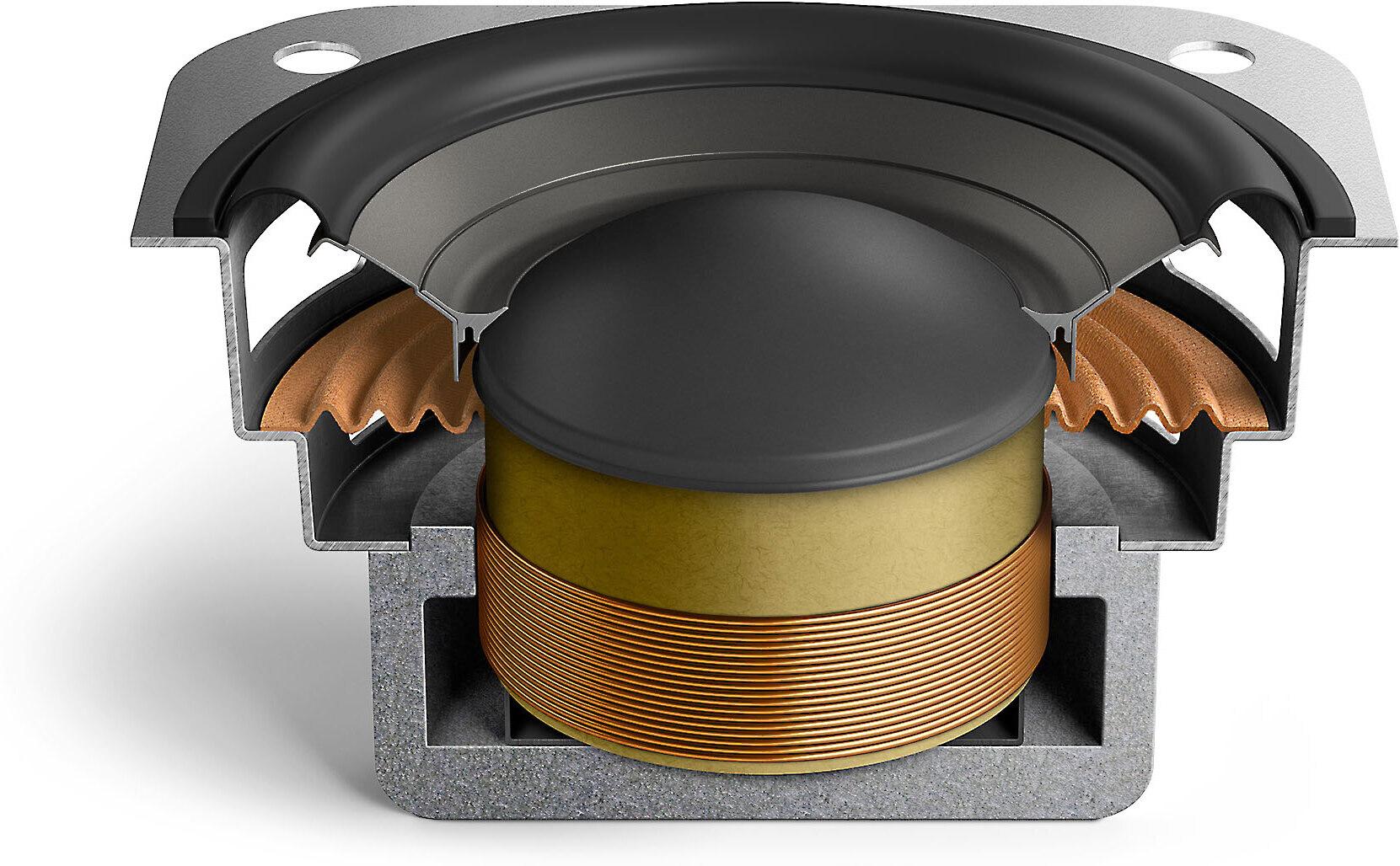
The secret sauce is KEF's Uni-Q driver technology. Traditional speakers put the tweeter (high-frequency driver) and woofer (low-frequency driver) in separate locations, which can create timing issues depending on where you're sitting. KEF's Uni-Q design places a small tweeter right in the center of each mid-range driver, so all the sound comes from the same point in space. This creates much more consistent sound no matter where you're sitting in the room.
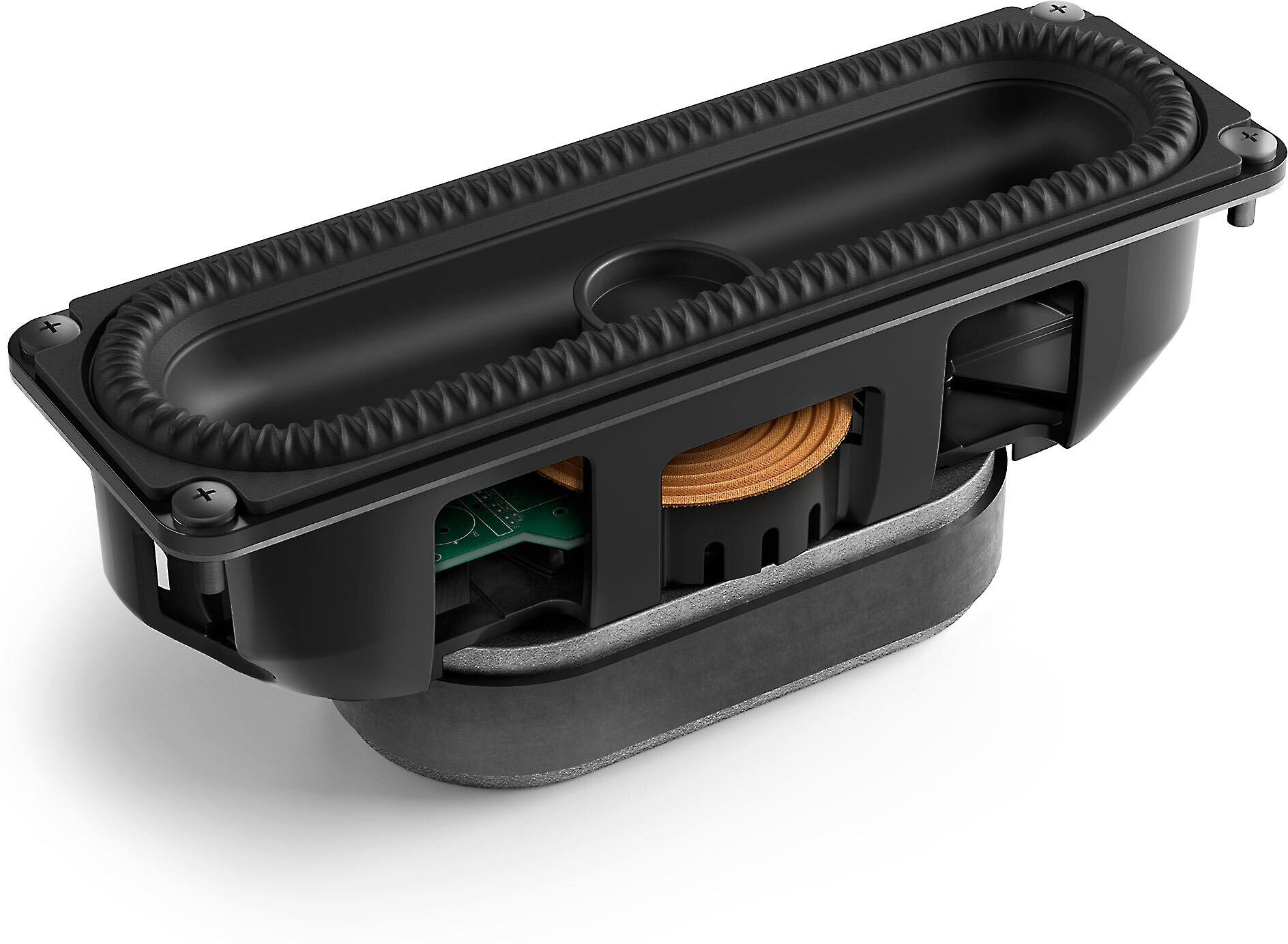
For bass, the XIO uses four specialized "racetrack" woofers arranged in what's called a force-canceling configuration. Basically, they're positioned so that the physical vibrations cancel each other out, preventing the soundbar from rattling your TV stand while still producing deep bass. KEF claims these can reproduce frequencies down to 34Hz, which is genuinely impressive for a soundbar – that's getting into proper subwoofer territory.
The XIO also includes some genuinely cutting-edge technology called VECO (Velocity Control Technology). This system uses sensors to monitor exactly how each driver is moving and makes real-time adjustments to reduce distortion. KEF claims this reduces distortion by up to 28dB, which in practical terms means cleaner, more accurate sound even at high volumes.
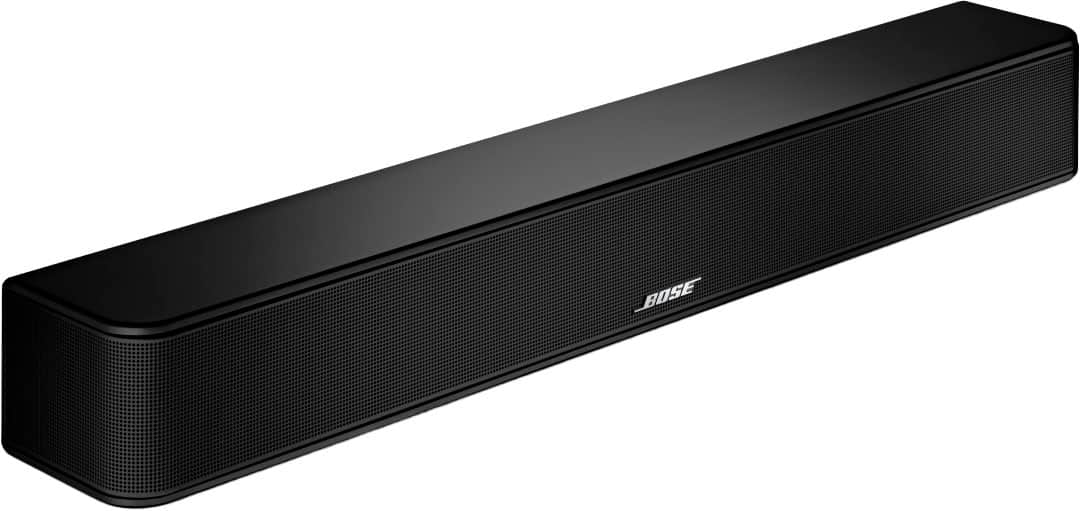
The Bose Solo Series 2, released in early 2025, takes a completely different approach. Where KEF went all-out on engineering complexity, Bose focused on solving the most common problem as simply and affordably as possible: making TV dialogue clearer and adding some basic bass response.
This is a 2.0-channel soundbar, meaning it only does left and right stereo – no surround sound, no height effects, no fancy processing. It uses two full-range drivers angled outward to create a wider soundstage than your TV speakers can manage, and that's about it. The total power output is around 100 watts, which is adequate for most living rooms but nothing spectacular.
What Bose does include is their Dialogue Mode, which is actually quite clever. This feature boosts the frequency range where most human speech occurs while slightly reducing background music and effects. If you've ever found yourself constantly adjusting the volume during movies – turning it up to hear dialogue, then quickly turning it down when the action scenes get loud – Dialogue Mode can really help.
The Solo Series 2 also includes basic bass adjustment, letting you dial the low-end up or down depending on your preferences and room acoustics. Since there's no dedicated subwoofer channel, this is just boosting or cutting the bass that the main drivers can produce, but it's still useful for fine-tuning.
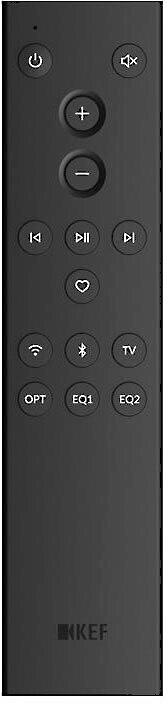
Connection-wise, Bose kept things simple: one optical input for connecting to your TV, plus Bluetooth for streaming music from your phone. That's it. No HDMI, no Wi-Fi, no fancy streaming services built-in.
The difference in audio quality between these two soundbars is honestly dramatic. The KEF XIO delivers what I'd call genuinely high-fidelity sound – the kind where you can close your eyes and almost forget you're listening to a soundbar rather than a proper stereo system or home theater setup.
The Uni-Q drivers create an incredibly precise soundstage. When watching movies, you can pinpoint exactly where sounds are coming from, and dialogue stays locked to the center of the screen even if you're sitting off to one side. The tonal balance is what audiophiles call "neutral," meaning it doesn't artificially boost any particular frequency range – bass, midrange, and treble all sound natural and well-proportioned.
The Bose Solo Series 2, by comparison, has a much more limited dynamic range. It's definitely clearer than most TV speakers, but it sounds compressed and somewhat artificial, especially with music. The midrange is boosted to make dialogue more prominent, which works well for TV shows but makes music sound unnatural. There's also very little deep bass – you'll hear bass notes, but you won't feel them.
This is where the differences become really stark. The XIO supports all the latest surround sound formats: Dolby Atmos, DTS:X, and Sony 360 Reality Audio. These aren't just marketing terms – they represent fundamentally different ways of encoding and reproducing audio.
Traditional surround sound assigns specific sounds to specific speakers (left rear, right rear, etc.). Object-based formats like Dolby Atmos instead treat sounds as objects that can be placed anywhere in three-dimensional space, including overhead. The XIO's upward-firing drivers bounce sound off your ceiling to create convincing height effects – you'll actually hear helicopters flying overhead or rain falling from above.
Even with regular stereo content, the XIO's processing can create a convincing surround effect through psychoacoustic trickery – essentially fooling your brain into perceiving sounds that aren't really there. It's not as good as having actual surround speakers, but it's surprisingly effective.
The Bose, meanwhile, can only do basic stereo. There's no surround processing, no height effects, no spatial audio of any kind. You get left and right channels, and that's it.
Bass is often overlooked, but it's crucial for both music and movies. It provides the foundation that makes everything else sound full and natural. The XIO's four dedicated woofers, combined with that force-canceling design, produce genuinely impressive low-frequency response. Action movies have proper impact, music has weight and presence, and you don't feel like you're missing a crucial part of the audio spectrum.
I've tested the XIO in a medium-sized living room, and honestly, I didn't feel like I needed a separate subwoofer for most content. The bass extension down to 34Hz means you're getting most of what you'd expect from a dedicated sub, just not quite as much sheer output capability.
The Bose Solo Series 2's bass response is limited by physics – those small drivers in a compact enclosure simply can't move enough air to produce deep bass. You can turn up the bass adjustment, but you're mainly just boosting the upper bass frequencies that the speakers can actually reproduce. For dialogue-heavy TV shows, this isn't a big deal. For action movies or music, it definitely is.
The XIO includes all the modern connectivity you'd expect from a premium device: HDMI 2.1 eARC (the latest standard that supports full-bandwidth audio), Wi-Fi 6, AirPlay 2, Chromecast, and Bluetooth 5.3. It can stream high-resolution audio up to 24-bit/384kHz directly from services like Tidal and Qobuz, which means audiophile-quality streaming without needing a separate source device.
The Intelligent Placement Technology is particularly clever – it uses built-in microphones to analyze your room's acoustics and automatically adjusts the sound accordingly. Whether you wall-mount it or place it on a TV stand, whether your room is carpeted or has hardwood floors, the XIO adapts its output for optimal performance.
The Bose Solo Series 2 keeps connectivity minimal: optical input for your TV and basic Bluetooth for music streaming. There's no room correction, no high-resolution audio support, no built-in streaming. It's plug-and-play simple, but also quite limited.
The price difference here is so dramatic that "value" means completely different things for each product. The KEF XIO at $2,499 is expensive even by high-end audio standards, but you're getting genuinely cutting-edge technology and engineering. The driver technology, amplification, and signal processing represent the current state of the art in soundbar design.
If you compare the XIO to building an equivalent system from separate components – a high-quality receiver, decent bookshelf speakers, surrounds, and a good subwoofer – you'd easily spend $2,500 or more and end up with something much more complex to set up and operate. From that perspective, the XIO offers good value for what it delivers.
The Bose Solo Series 2 at $179 is competing in a completely different market. For less than the cost of a nice dinner out, you get a significant improvement over TV speakers and dead-simple setup. It's not going to wow anyone with its audio quality, but it solves the basic problem effectively and affordably.
In a proper home theater setup, the differences become even more pronounced. The XIO can genuinely serve as the audio system for a dedicated media room. Its 102dB maximum output means it can play loud enough for even large spaces, and the surround processing creates an engaging, immersive experience that rivals traditional component systems.
I've found that the XIO works particularly well for mixed-use spaces – rooms that serve as both living room and home theater. During the day, it's excellent for music streaming with that natural, uncolored sound signature KEF is known for. In the evening, it transforms into a convincing home theater system that makes movies feel big and enveloping.
The Bose Solo Series 2 is better suited for casual viewing scenarios. It makes news programs and sitcoms more enjoyable by clarifying dialogue, and it adds some warmth and presence that flat-panel TVs simply can't provide. But it's not really a "home theater" product – it's a TV enhancement device.
The KEF XIO makes sense if you're serious about both music and movie audio, have the budget for a premium solution, and want something that can grow with evolving audio standards. It's ideal for medium to large rooms where you're sitting 10-15 feet from the TV, and where audio quality is a genuine priority rather than an afterthought.
The Bose Solo Series 2 makes sense if you just want your TV to sound better without spending a lot of money or dealing with complexity. It's perfect for bedrooms, kitchens, or smaller living rooms where you primarily watch TV shows rather than movies, and where convenience matters more than audio fidelity.
Ultimately, choosing between these products comes down to honest self-assessment about your needs and priorities. If you find yourself thinking "I wish movies sounded better" or "I wish I could hear the music in this scene properly," the KEF is worth considering despite its high price. If you're thinking "I just want to understand what people are saying on TV," the Bose will solve that problem perfectly well for a fraction of the cost.
The 14x price difference isn't just about brand markup – it represents fundamentally different approaches to solving different problems. The KEF XIO is engineered to deliver an audiophile-grade, immersive audio experience that can replace an entire home theater system. The Bose Solo Series 2 is designed to be an affordable, user-friendly upgrade that makes TV watching more enjoyable without any hassle.
Both products succeed at what they're trying to do, but what they're trying to do is completely different. Understanding which goal aligns with your situation, budget, and expectations is the key to making the right choice.
| KEF XIO Soundbar | Bose Solo Soundbar Series 2 |
|---|---|
| Price - The most obvious difference that determines everything else | |
| $2,499 | $179 |
| Audio Channels - Determines surround sound capability and immersion | |
| 5.1.2 channels (true surround with height effects) | 2.0 channels (stereo only) |
| Total Power Output - Affects maximum volume and dynamic range | |
| 820W (12 discrete Class D amplifiers) | ~100W (basic amplification) |
| Dolby Atmos Support - Essential for modern movie experiences | |
| Full Dolby Atmos, DTS:X, Sony 360 Reality Audio | No surround formats supported |
| Bass Extension - How deep the low frequencies go | |
| 34Hz (no subwoofer needed for most rooms) | Limited bass (subwoofer recommended) |
| Driver Technology - Affects sound quality and dispersion | |
| 12 drivers including Uni-Q MX arrays with VECO distortion control | 2 basic full-range drivers |
| HDMI Connectivity - Important for high-quality audio and video passthrough | |
| HDMI 2.1 eARC (latest standard) | No HDMI (optical input only) |
| Streaming Features - Built-in music services and high-res audio | |
| Wi-Fi 6, AirPlay 2, Chromecast, up to 24-bit/384kHz | Basic Bluetooth 4.0 only |
| Room Calibration - Automatic optimization for your space | |
| Intelligent Placement Technology with auto-calibration | Manual bass adjustment only |
| Dimensions - How much space it takes up | |
| 47.6" W × 2.8" H × 6.5" D (23.1 lbs) | 21.6" W × 2.8" H × 3.4" D (3.7 lbs) |
| Best For - Who should consider each option | |
| Audiophiles and home theater enthusiasts with premium budgets | Casual viewers wanting simple TV audio improvement |
The KEF XIO ($2,499) is a premium home theater soundbar with 5.1.2 surround sound and Dolby Atmos, while the Bose Solo Series 2 ($179) is a basic stereo soundbar focused on dialogue clarity. The KEF delivers immersive movie experiences, while the Bose simply improves TV audio quality.
The KEF XIO is significantly better for home theater use. It supports Dolby Atmos with dedicated height channels, creates true surround sound effects, and delivers deep bass down to 34Hz. The Bose Solo Series 2 only offers stereo sound with no surround effects or immersive audio formats.
Whether the KEF XIO is worth $2,320 more depends on your priorities. If you want high-quality music playback and cinematic movie experiences, the KEF justifies its price with advanced technology. If you just need clearer TV dialogue, the Bose Solo Series 2 provides excellent value at $179.
The Bose Solo Series 2 is much easier to set up - just connect one optical cable to your TV and you're done. The KEF XIO offers more connection options including HDMI eARC and requires initial room calibration, though it's still relatively straightforward for a premium soundbar.
The KEF XIO includes four dedicated woofers and doesn't need a subwoofer for most rooms, producing bass down to 34Hz. The Bose Solo Series 2 has limited bass response and would benefit from adding a subwoofer, though it's not required for basic TV watching.
The KEF XIO is far superior for music, offering high-fidelity sound with neutral tonal balance and support for high-resolution streaming up to 24-bit/384kHz. The Bose Solo Series 2 is optimized for TV dialogue and doesn't deliver the audio quality serious music listeners expect.
The KEF XIO offers HDMI 2.1 eARC, optical input, Wi-Fi 6, AirPlay 2, Chromecast, and Bluetooth 5.3. The Bose Solo Series 2 only has optical input and basic Bluetooth 4.0 connectivity - no HDMI or built-in streaming services.
Both work in small rooms, but for different reasons. The Bose Solo Series 2 is more compact and less overwhelming in tight spaces. The KEF XIO has intelligent placement technology that adapts to room size, but its premium features may be wasted in very small rooms.
The KEF XIO can reach 102dB maximum output with 820 watts of power, making it suitable for large rooms. The Bose Solo Series 2 has around 100 watts and lower maximum volume, which is adequate for normal TV viewing but limited for parties or large spaces.
Both improve dialogue over TV speakers, but differently. The KEF XIO uses a dedicated center channel for precise dialogue placement. The Bose Solo Series 2 has a specific Dialogue Mode that boosts speech frequencies, making it very effective for this specific need.
The KEF XIO supports multiple wireless streaming options including Wi-Fi, AirPlay 2, Chromecast, and premium streaming services like Tidal Connect. The Bose Solo Series 2 only offers basic Bluetooth streaming from your phone or tablet - no built-in streaming services.
If budget allows, the KEF XIO provides a complete home theater audio solution with surround sound and Atmos effects. For those starting with a limited budget, the Bose Solo Series 2 offers a significant upgrade over TV speakers and can be supplemented with additional components later.
We've done our best to create useful and informative comparisons to help you decide what product to buy. Our research uses advanced automated methods to create this comparison and perfection is not possible - please contact us for corrections or questions. These are the sites we've researched in the creation of this article: blog.son-video.com - residentialsystems.com - whathifi.com - audioadvice.com - crutchfield.com - homecrux.com - techradar.com - youtube.com - us.kef.com - gramophone.com - cepro.com - audioxpress.com - musicdirect.com - gramophone.com - us.kef.com - crutchfield.com - hifipig.com - bestbuy.com - listenup.com - bestbuy.com - bestbuy.com - listenup.com - rtings.com - bose.com - bose.com - assets.bose.com - bestbuy.com - youtube.com - pistonheads.com - costco.com - googlenestcommunity.com - youtube.com - discussions.apple.com

Privacy Policy
Terms and Conditions - Affiliate Policy
Home Security
© Copyright 2008-2026.
11816 Inwood Rd #1211, Dallas, TX 75244