

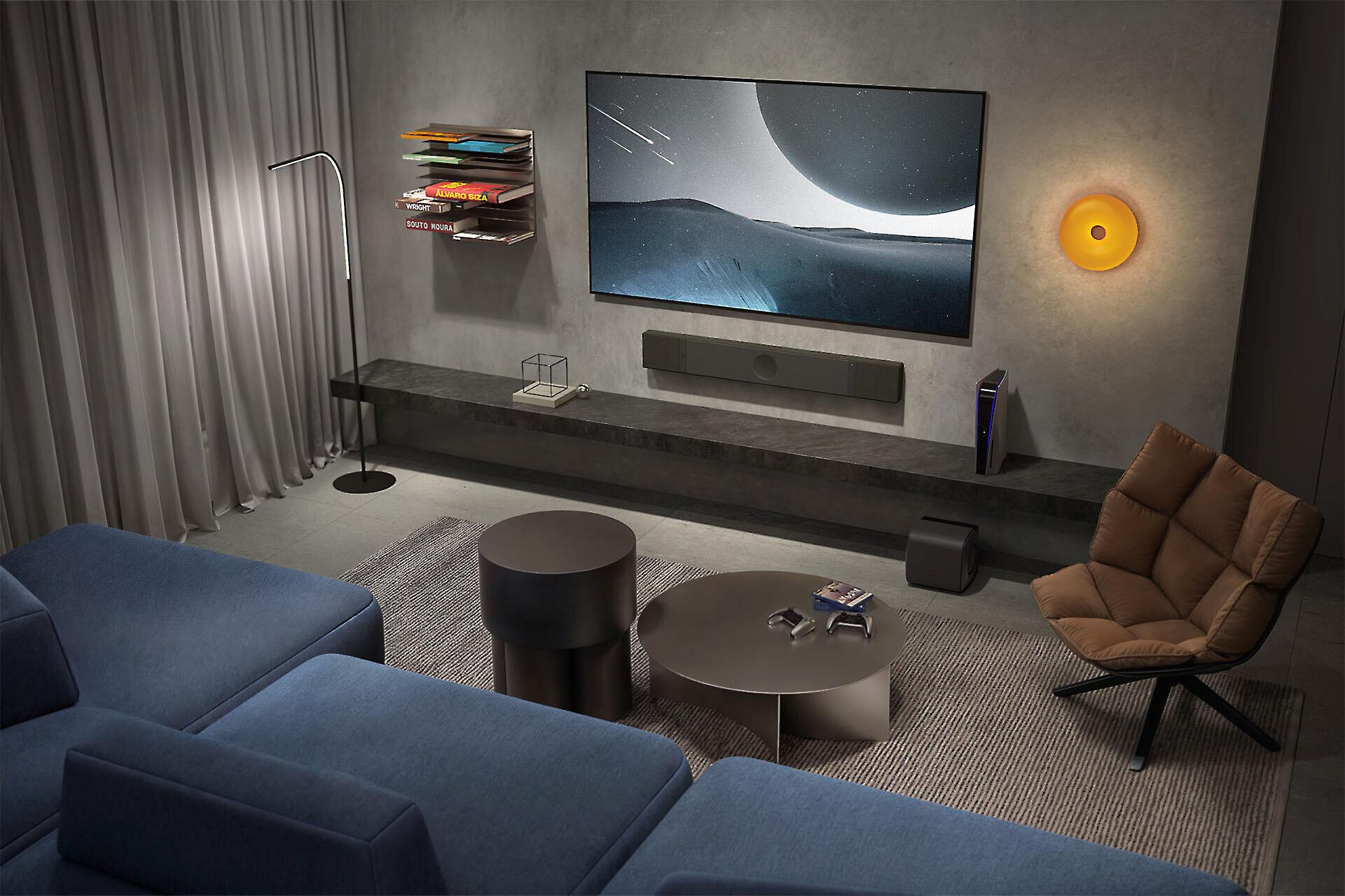


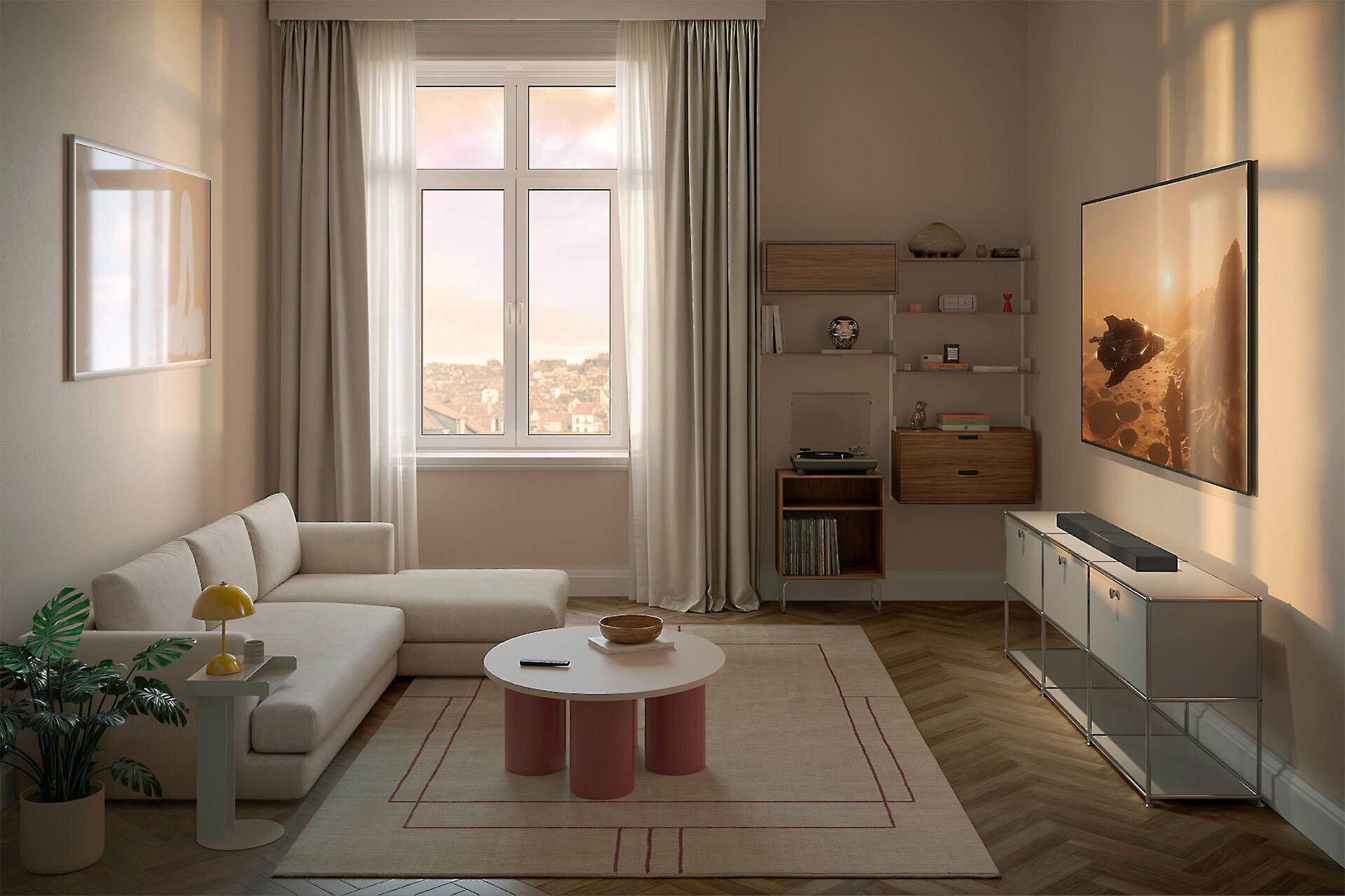



Picture this: you're watching your favorite action movie, and instead of feeling the rumble of explosions or clearly hearing whispered dialogue, your TV's built-in speakers sound like they're coming from inside a cardboard box. Sound familiar? This is where soundbars come to the rescue, transforming your living room into something closer to a movie theater experience.
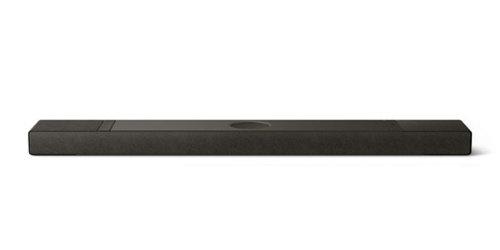
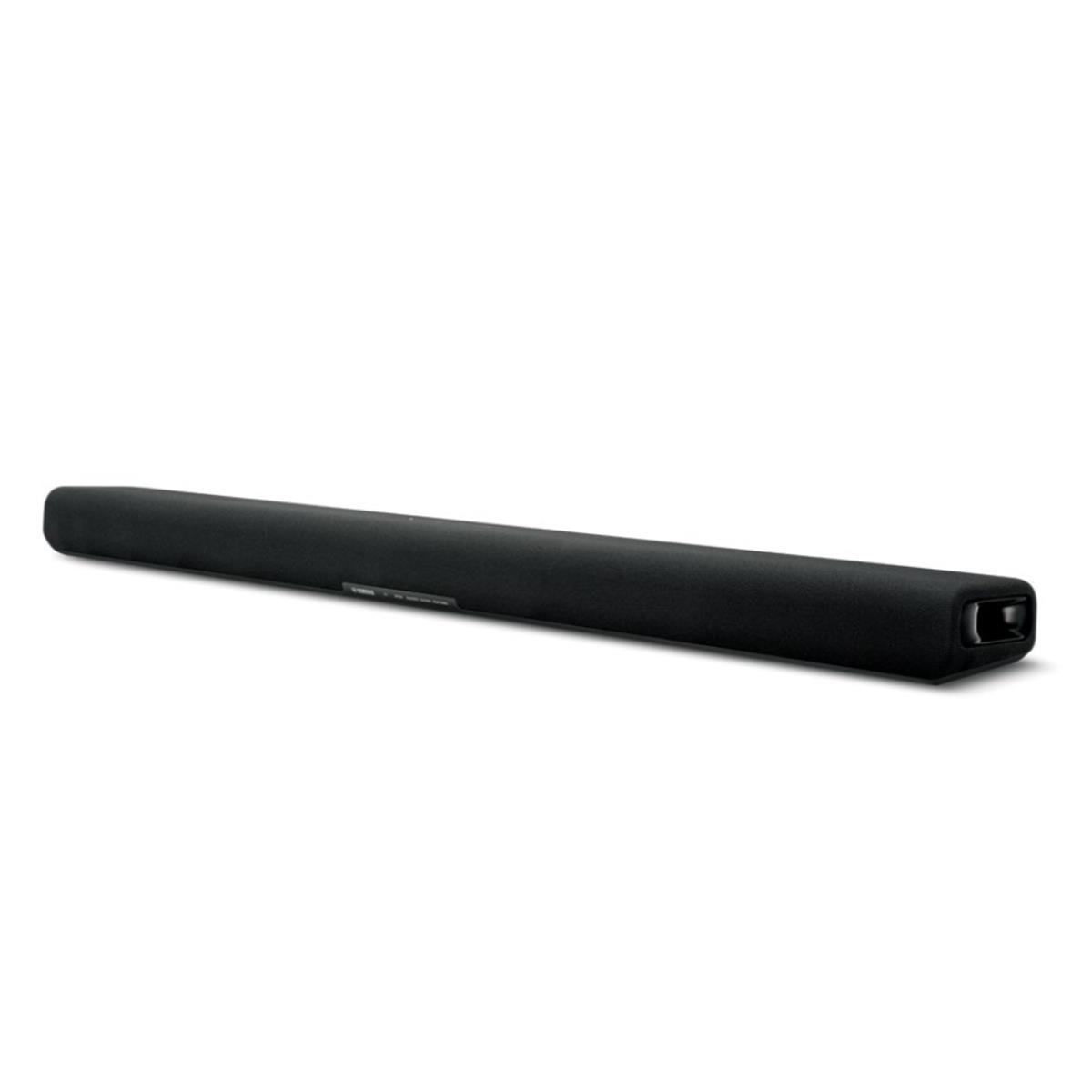
But here's where things get interesting—and potentially confusing. The soundbar market stretches from budget-friendly options around $200 to premium systems that cost more than most people's entire entertainment setup. Today, we're comparing two products that perfectly illustrate this range: the KEF XIO Soundbar at $2,499 and the Yamaha SR-B30A Sound Bar with Built-In Subwoofers at $254.
That's roughly a 10-to-1 price difference, which raises an obvious question: what exactly are you getting for that extra $2,245? And more importantly, which one makes sense for your situation?
Soundbars have evolved dramatically from their early days as simple TV audio enhancers. Today's models are sophisticated audio systems that can handle everything from streaming music to creating genuine surround sound experiences. The key considerations when choosing one include channel configuration (how many separate audio channels it can produce), driver quality (the actual speakers inside), immersive format support (like Dolby Atmos for overhead effects), and smart features.
Channel configuration is probably the most important spec to understand. A "2.1" system has left and right channels plus a subwoofer for bass. A "5.1" system adds a center channel for dialogue and two surround channels. The newer "5.1.2" format includes two additional height channels that fire sound upward, bouncing off your ceiling to create overhead effects—this is what makes Dolby Atmos so immersive.
The difference between virtual surround and true multi-channel processing is crucial. Virtual systems use digital processing tricks to make stereo speakers sound wider, while true multi-channel systems actually have separate drivers for each audio channel. It's like the difference between a photograph of a landscape and actually standing in that landscape.
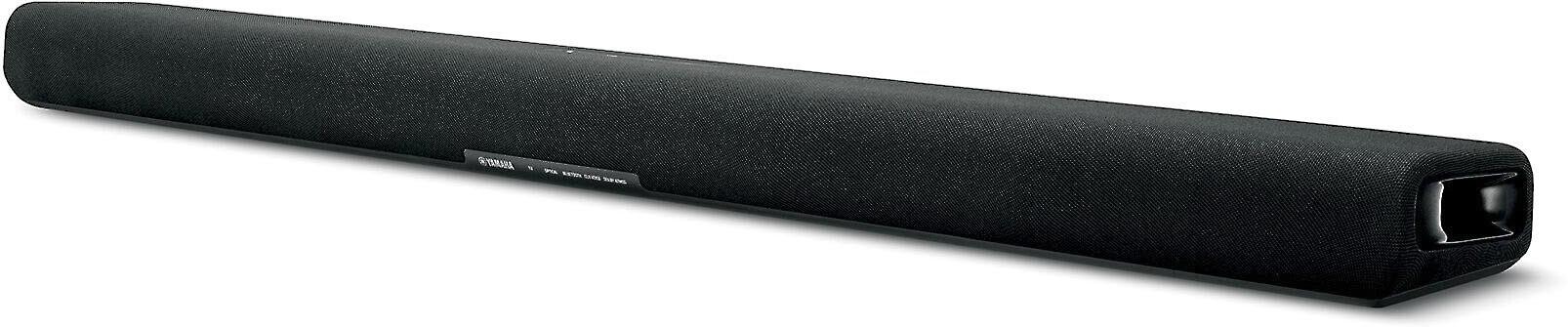
The Yamaha SR-B30A hit the market in July 2023, during a time when manufacturers were racing to add Dolby Atmos support to budget soundbars. Yamaha's approach was practical: deliver the basic Atmos experience at an accessible price point, primarily for people upgrading from TV speakers in smaller spaces.
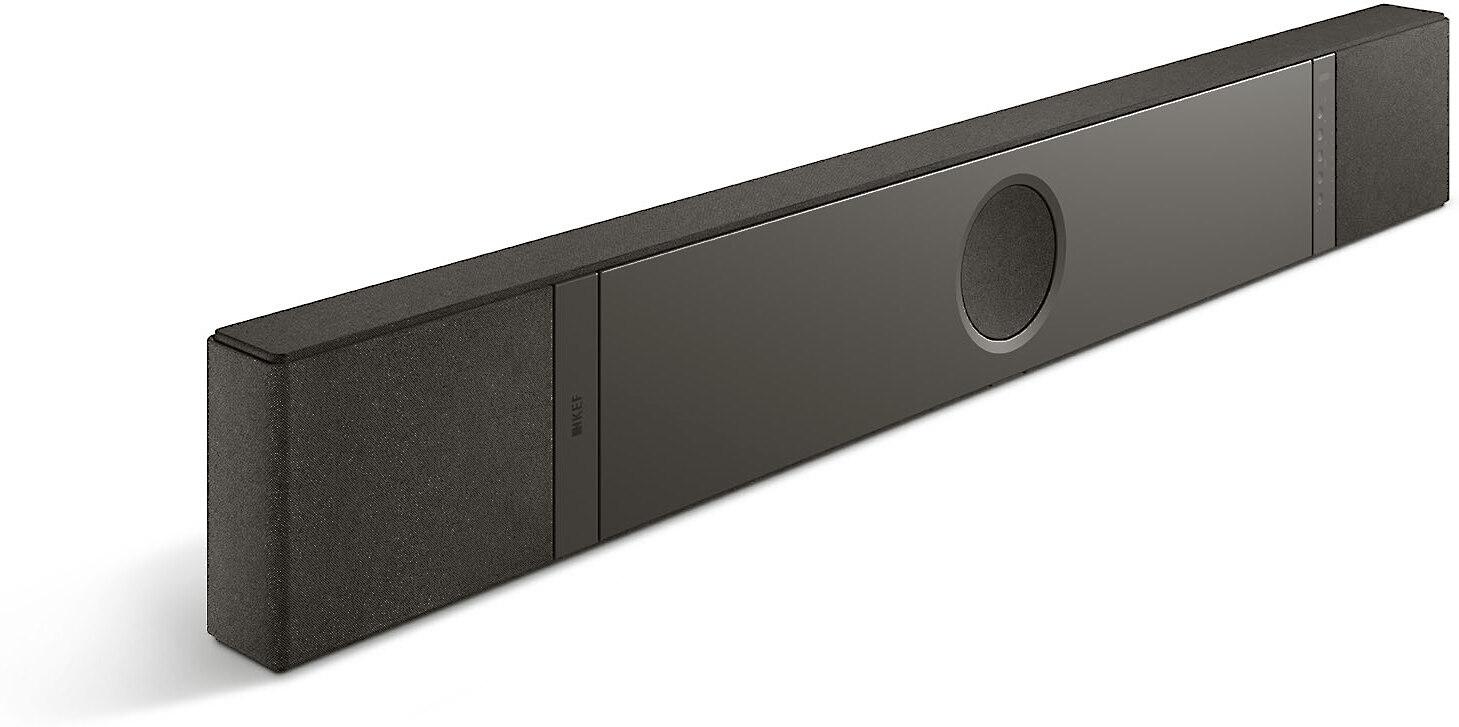
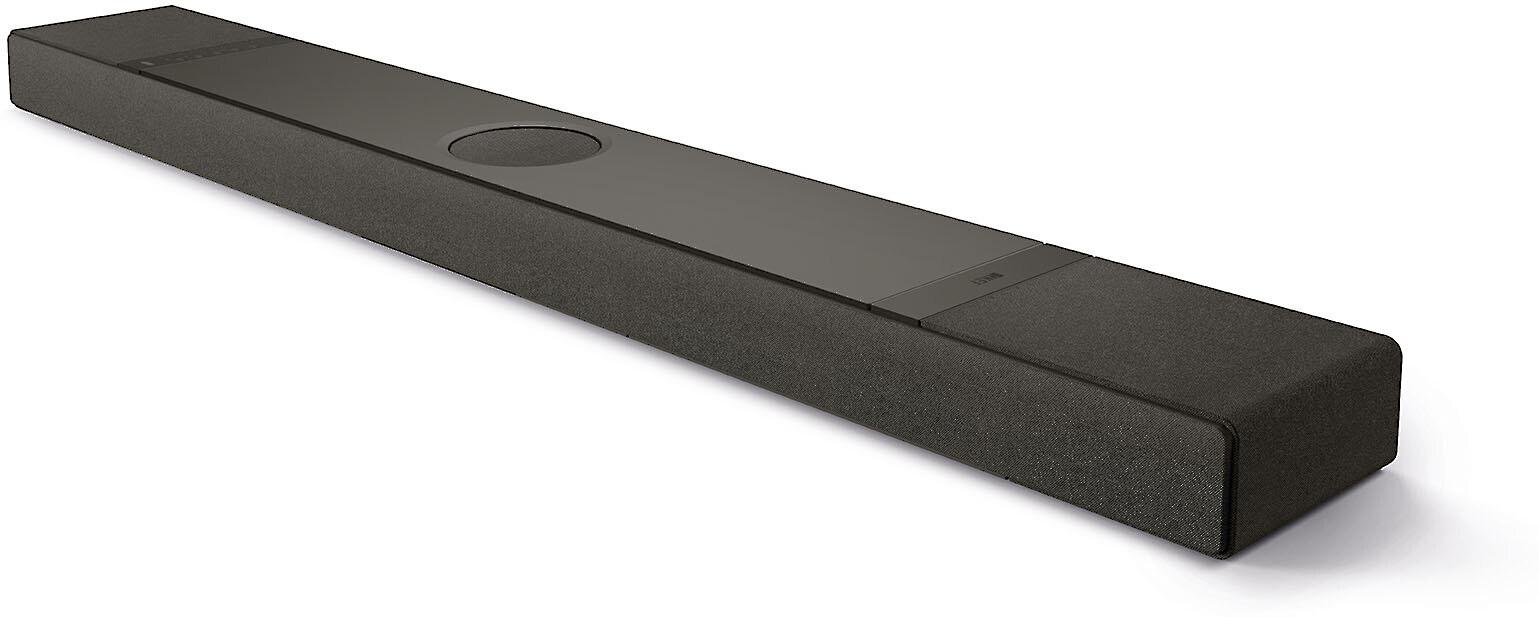
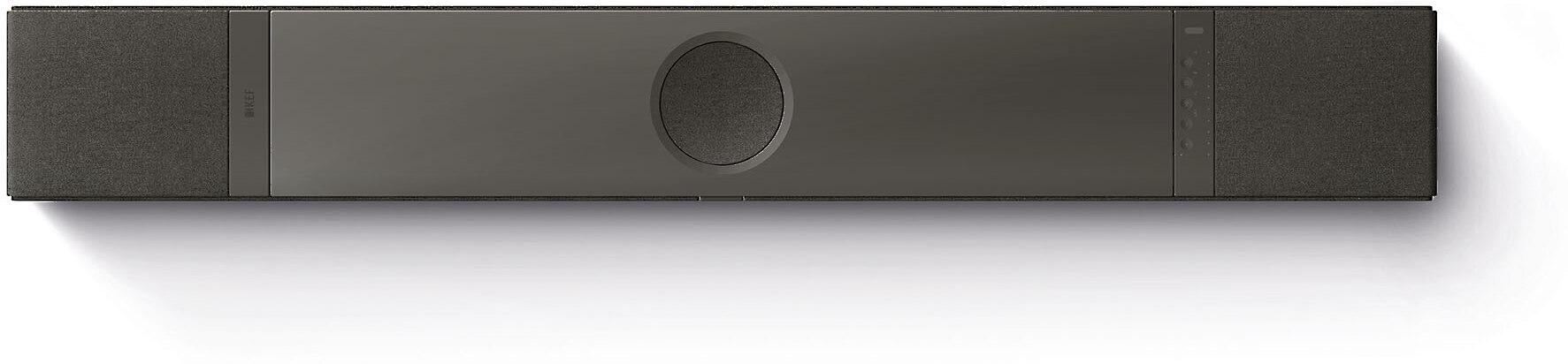
The KEF XIO Soundbar, released in mid-2025, represents something entirely different. This was KEF's first soundbar—a bold move from a company known for high-end speakers that cost thousands of dollars each. Instead of chasing the budget market, KEF applied decades of acoustic research to create what they consider a reference-quality soundbar that could satisfy serious audiophiles.
The timing matters because it reflects different market strategies. By 2025, the "race to the bottom" in soundbar pricing had largely played out, and companies like KEF saw an opportunity to serve customers who wanted something genuinely premium. The XIO incorporates technologies that simply weren't available or affordable when the Yamaha was designed.
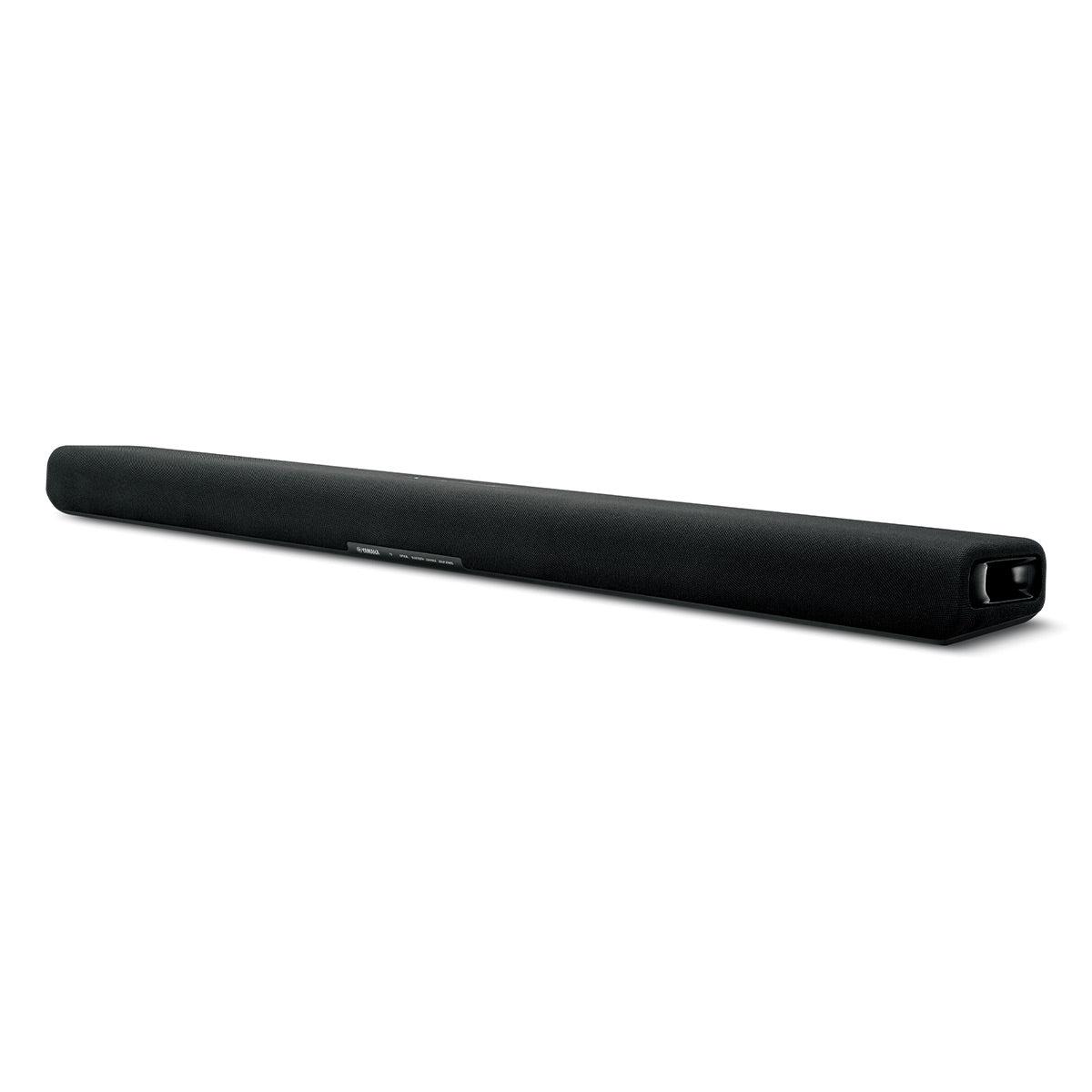
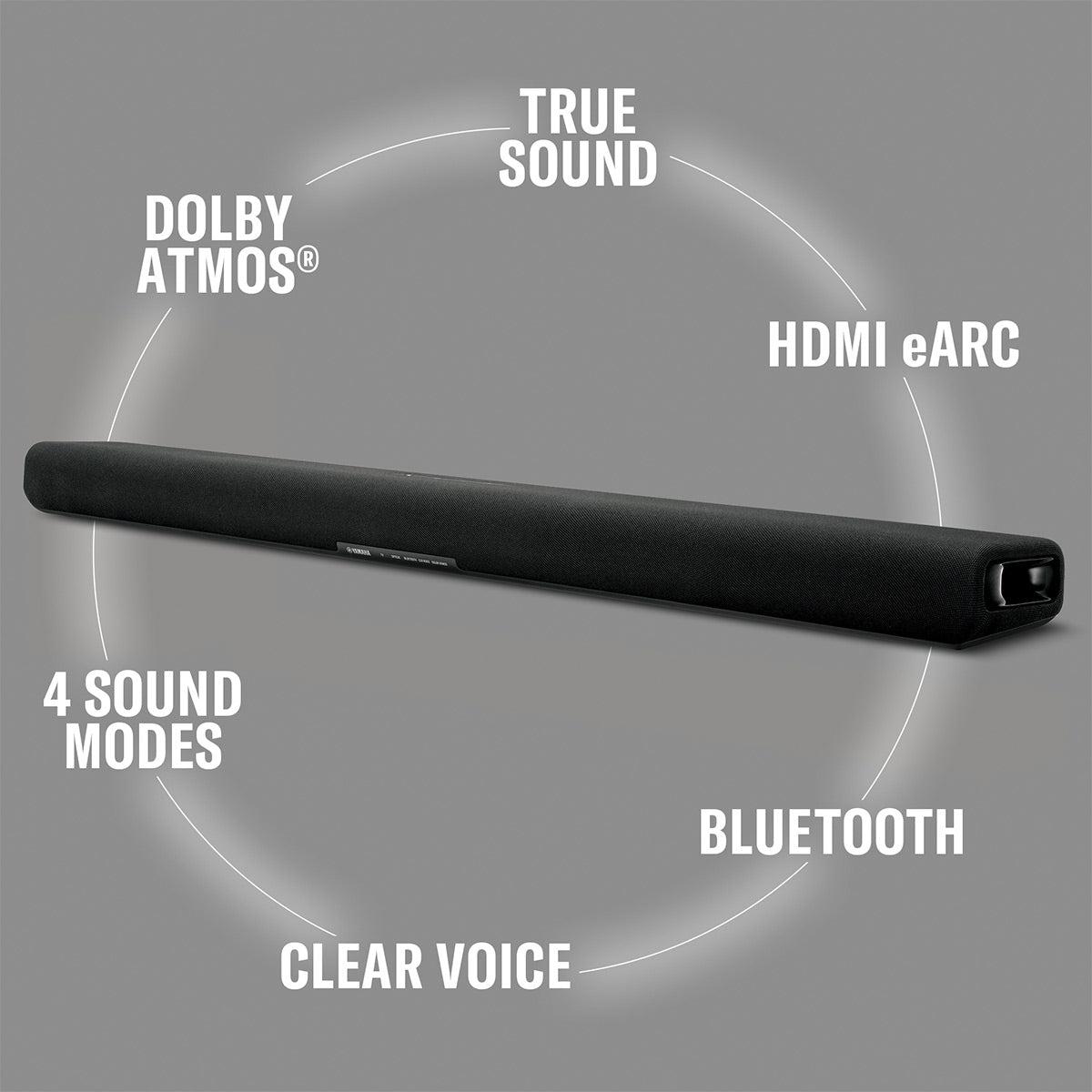
Here's where the differences become dramatic. The Yamaha SR-B30A uses a conventional 2.1-channel setup with four 1.8-inch drivers for the main sound, two 1-inch tweeters for high frequencies, and two 3-inch drivers functioning as built-in subwoofers. It's a straightforward design that gets the job done without any groundbreaking technology.
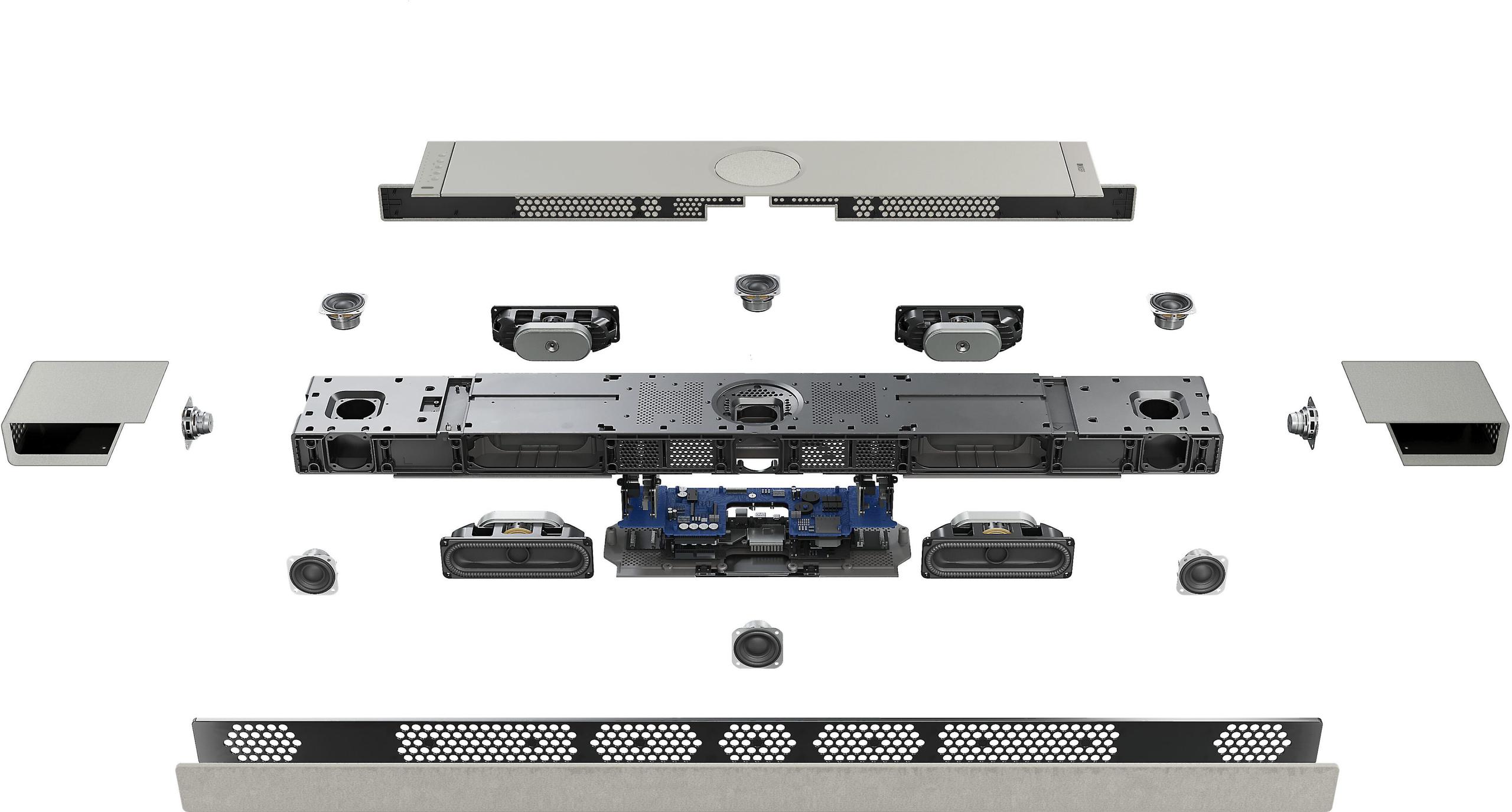
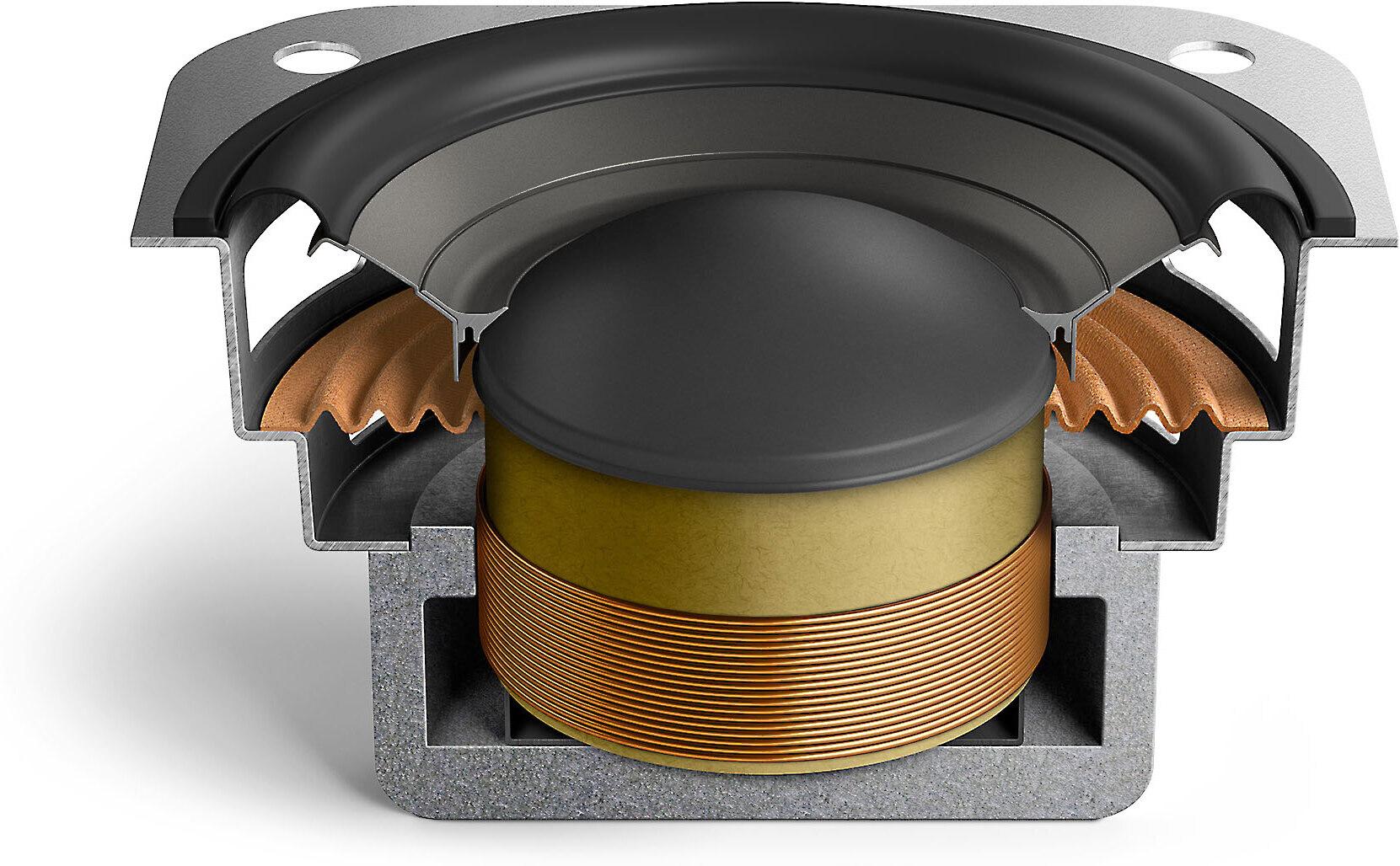
The KEF XIO, however, is built around an entirely different philosophy. Its 5.1.2-channel configuration uses twelve separate drivers powered by twelve discrete amplifiers—that's essentially twelve separate audio systems working in perfect coordination. The star of the show is KEF's Uni-Q MX technology, a miniaturized version of their famous concentric drivers where the tweeter sits in the center of the midrange driver. This creates what engineers call a "point source"—sound that appears to come from a single location rather than multiple separate speakers.
I've spent considerable time with various Uni-Q speakers over the years, and the difference in imaging is immediately apparent. Instead of having a narrow "sweet spot" where everything sounds perfect, Uni-Q drivers create a wide area where the sound remains coherent and detailed. In a soundbar, this means everyone on the couch gets the same high-quality experience, not just the person sitting dead center.
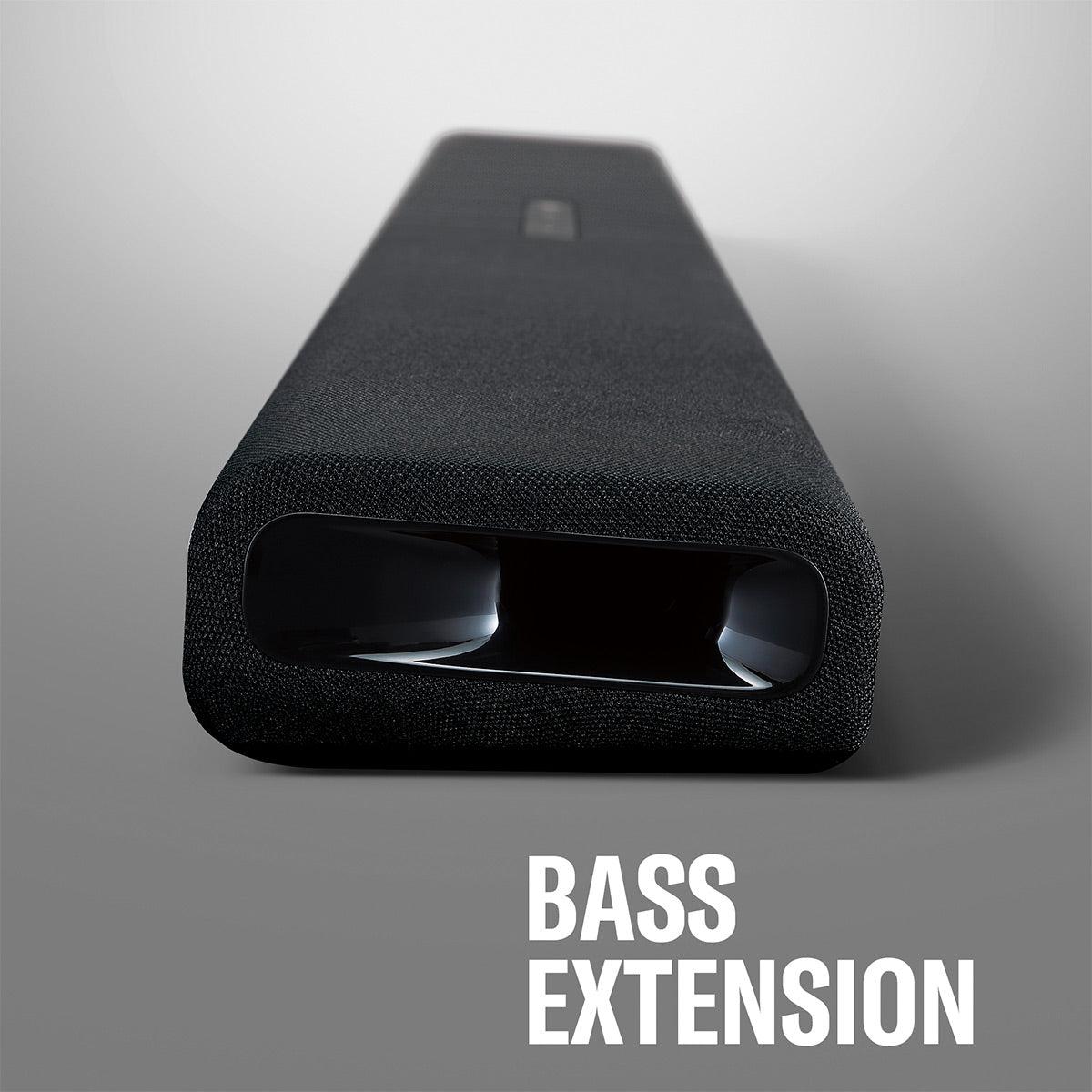
Bass performance separates good soundbars from great ones, and it's where engineering really shows. The Yamaha's built-in subwoofers are respectable for the price, extending down to about 54Hz. For context, that covers most movie dialogue and music fundamentals, but it misses the deep rumble that makes action scenes feel visceral. The bass is there, but it doesn't have the authority to fill a larger room or handle demanding content without getting overwhelmed.
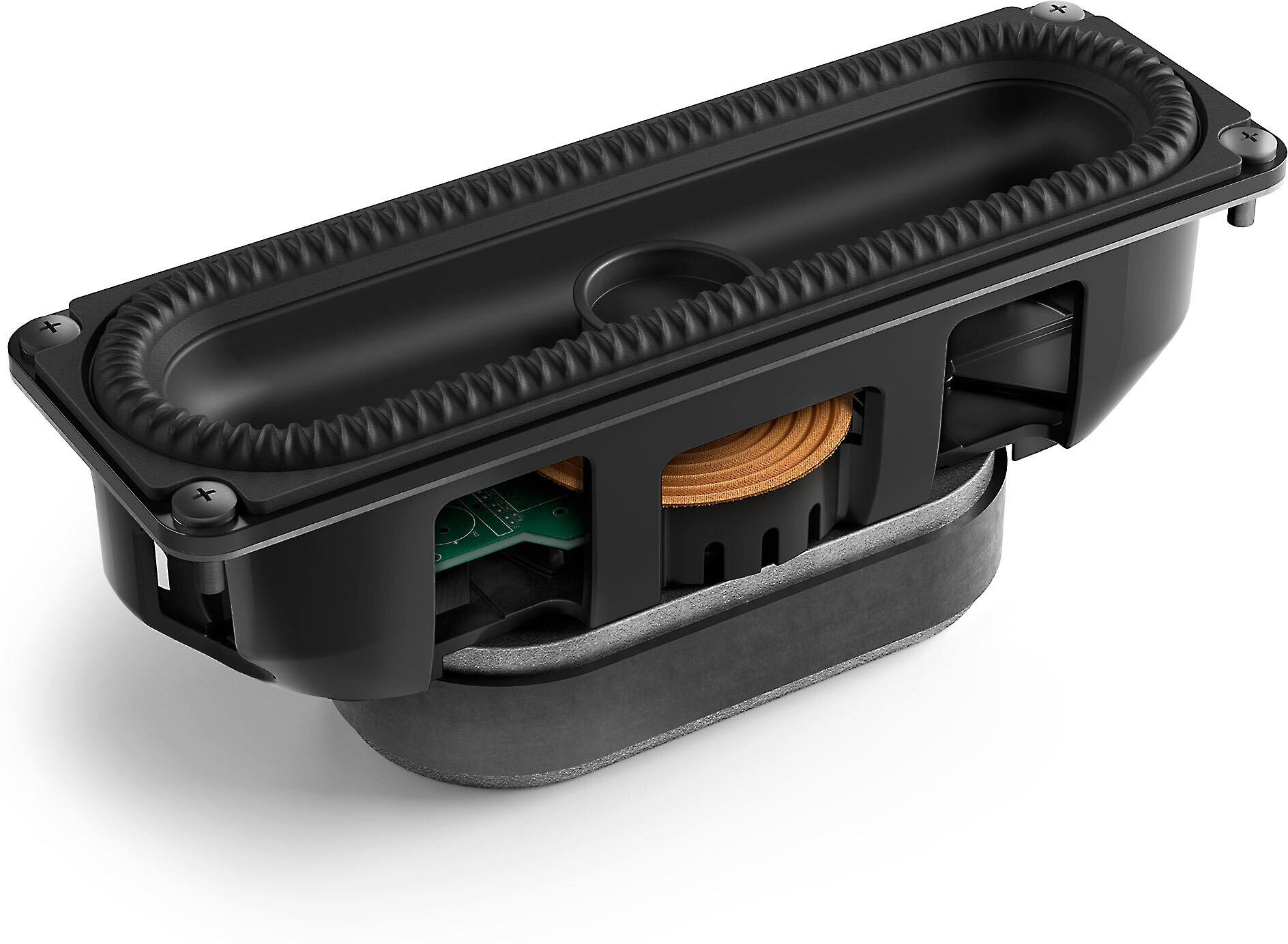
The KEF XIO's bass system is genuinely remarkable. Four P185 LF drivers arranged in a force-cancelling configuration can reach down to 34Hz—that's legitimate subwoofer territory. But the real magic is in the technology behind these drivers. KEF's P-Flex surrounds (borrowed from their KC62 subwoofer) use a unique concentric fold design that resists the internal air pressure that normally causes distortion. Meanwhile, their Velocity Control Technology (VECO) uses real-time feedback to monitor cone movement and correct distortion before it becomes audible.
The practical result? I've heard the XIO produce bass that rivals dedicated subwoofers costing $500 or more. It's not just deeper—it's cleaner, more controlled, and maintains clarity even at high volumes. This isn't just impressive for a soundbar; it's impressive period.
Both soundbars support Dolby Atmos, but they achieve it in fundamentally different ways. The Yamaha uses virtualization—digital processing that manipulates stereo audio to create the impression of surround sound. It's clever technology that definitely improves the experience over basic stereo, especially for the price point. You'll notice dialogue seems more centered, and there's a sense of width to the sound that wasn't there before.
The KEF XIO creates true multi-channel surround sound with dedicated drivers for each channel, including two upward-firing speakers for genuine height effects. When you're watching an Atmos movie, helicopters actually sound like they're overhead, rain seems to fall from the ceiling, and musical elements can be precisely placed in three-dimensional space around you.
KEF's Music Integrity Engine (MIE) for Cinema takes this further by analyzing incoming audio and applying spatial processing, adaptive EQ, and dynamic correction in real-time. It can even up-mix stereo content into convincing surround sound, something I find particularly useful for older movies or music streaming.
The difference is like comparing a good photograph of a concert to actually being there. Both can be enjoyable, but one creates a genuine sense of presence that the other simply can't match.
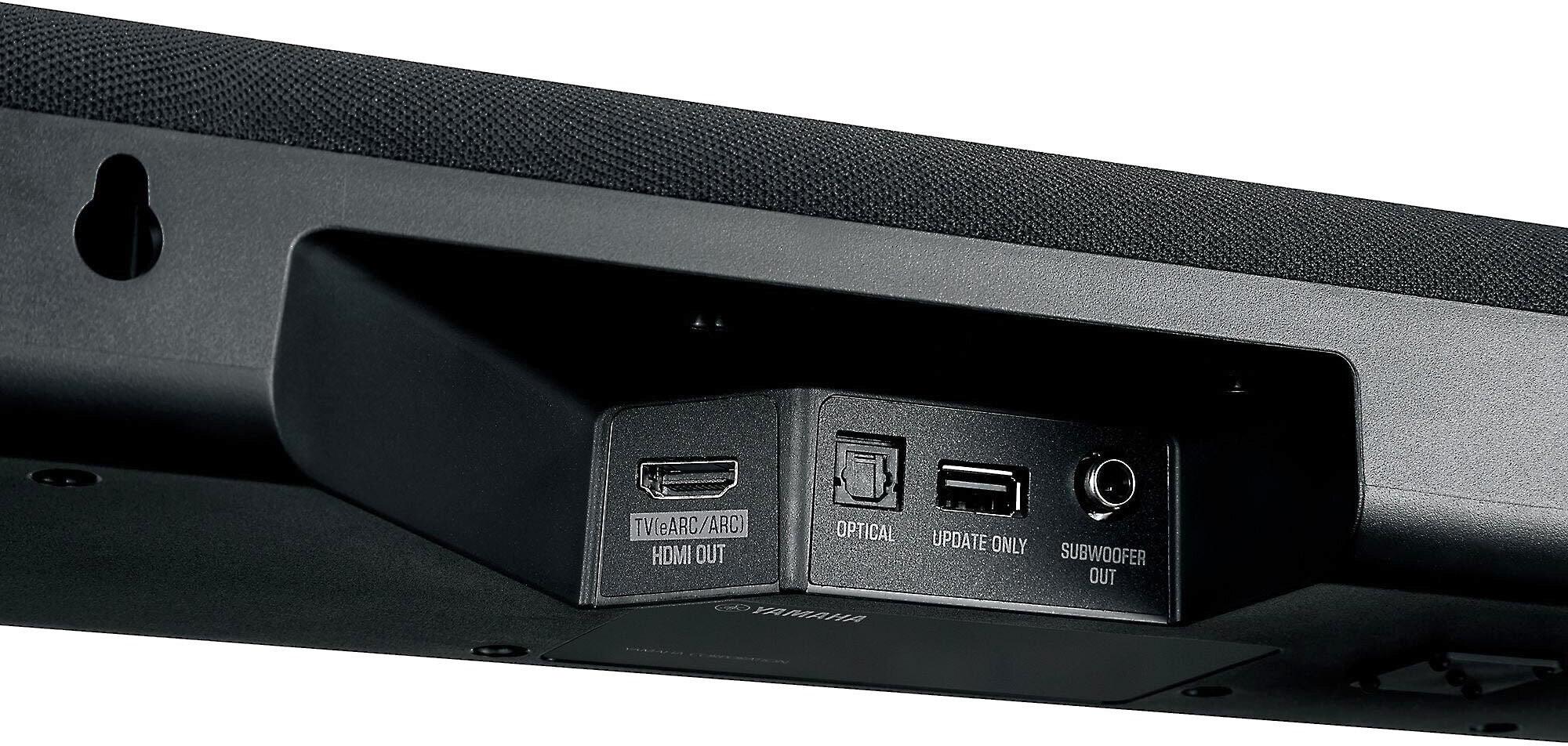
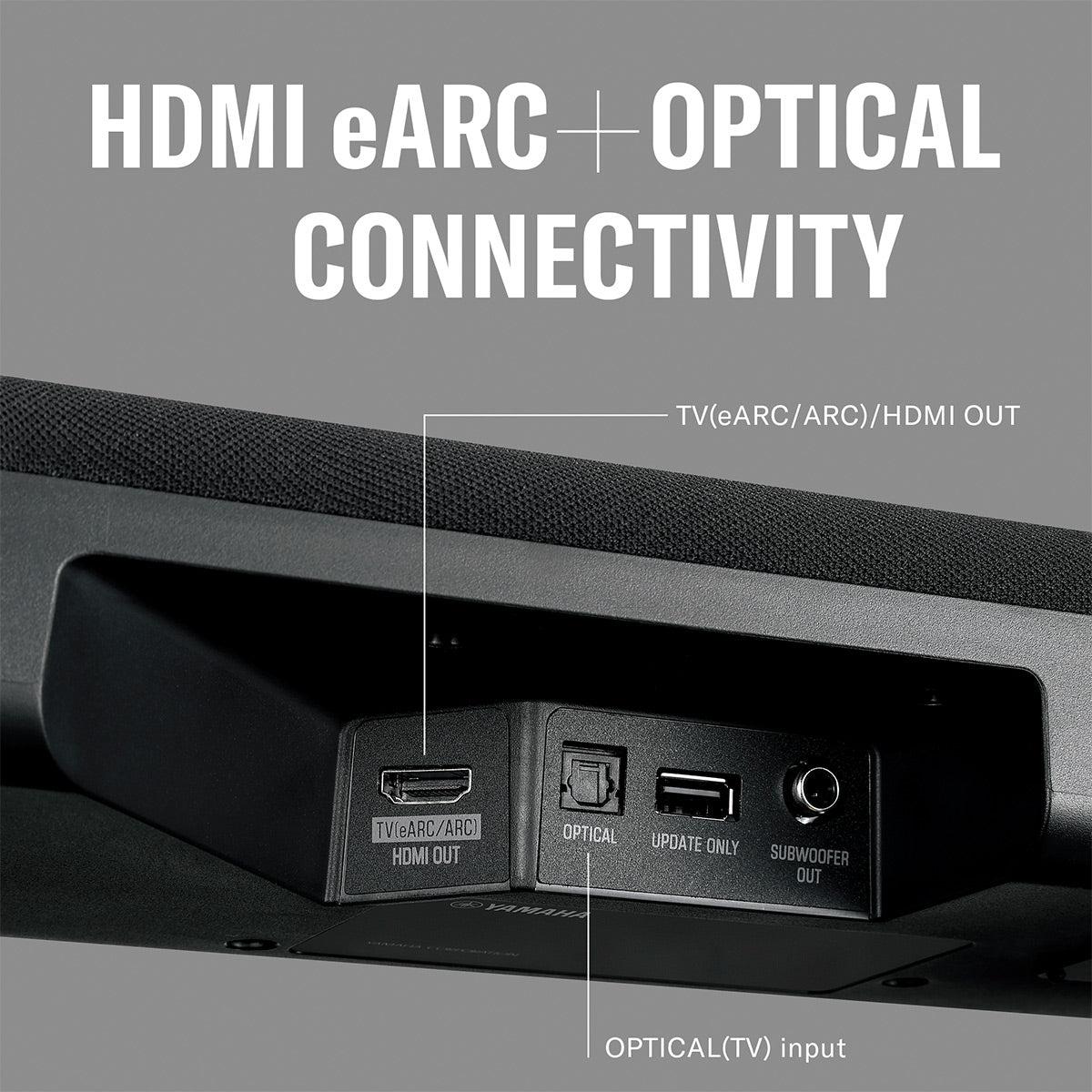
The connectivity story reflects each product's target market perfectly. The Yamaha SR-B30A covers the basics with HDMI eARC, optical input, and Bluetooth 5.1. It's everything most people need for connecting to their TV and streaming music from their phone. The Sound Bar Remote app provides basic control and some EQ adjustment, but nothing fancy.
The KEF XIO reads like a checklist of premium features: HDMI 2.1 eARC (supporting 4K/120Hz passthrough for serious gamers), Wi-Fi 6 for rock-solid wireless streaming, AirPlay 2, Chromecast, and Bluetooth 5.3. More importantly, it supports high-resolution audio streaming up to 24-bit/384kHz from services like TIDAL and Qobuz—quality levels that would make audiophiles weep with joy.
The KEF Connect app deserves special mention. Beyond basic controls, it provides detailed EQ adjustment, room correction settings, and the Intelligent Placement Technology that automatically optimizes the soundbar's output based on whether it's wall-mounted or sitting on a shelf. This kind of room adaptation used to require expensive external processors.
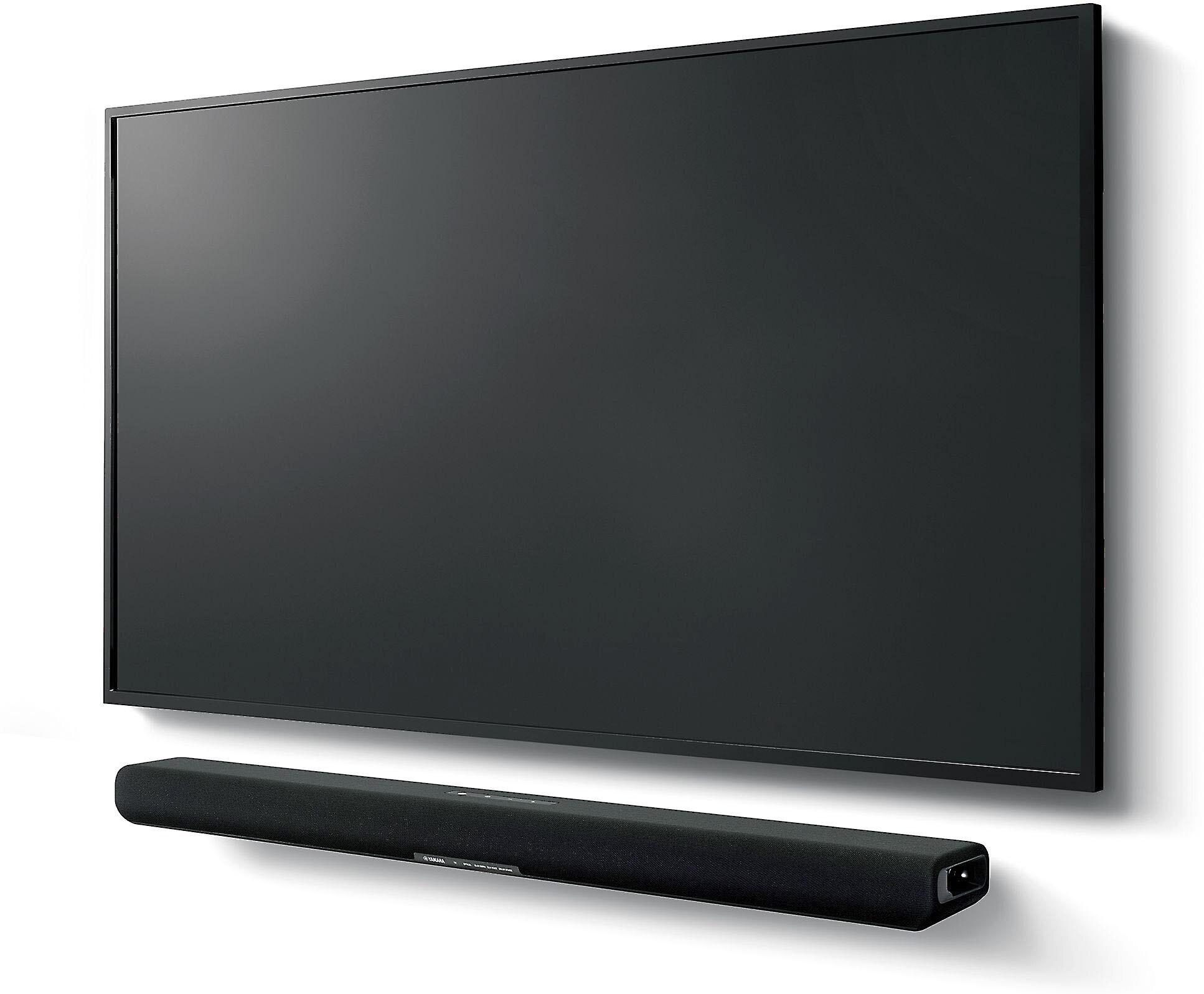
In smaller rooms (think bedrooms or apartments), the Yamaha SR-B30A performs admirably. It transforms thin TV audio into something with body and presence. Dialogue becomes clearer, action scenes gain impact, and music streaming is genuinely enjoyable. The compact size means it won't overwhelm smaller spaces, and the simple setup appeals to users who just want better sound without complexity.
But as room size increases, the limitations become apparent. The soundstage feels constrained, bass lacks authority, and the virtual surround effects start to feel artificial. It's like having a small flashlight in a large room—functional but not ideal.
The KEF XIO scales differently. In smaller rooms, it might actually seem like overkill initially, but its room correction adapts the output appropriately. In larger spaces, it truly shines, filling the room with authoritative sound that maintains clarity and detail even at high volumes. I've used it for everything from late-night movie watching (where the dialogue enhancement is invaluable) to full-volume music sessions, and it handles everything with aplomb.
For home theater use specifically, the XIO's advantages become even more pronounced. The wide soundstage means off-axis seating doesn't sacrifice quality—great for families or when entertaining guests. The genuine height channels create moments of genuine surprise in well-mixed Atmos content, and the bass authority means action scenes have real visceral impact without overwhelming the neighbors.
This is where personal priorities become crucial. The Yamaha SR-B30A delivers exceptional value for its $254 price point. It solves the primary problem—poor TV audio—and adds some nice features like Dolby Atmos processing and wireless streaming. For many users, especially those in smaller spaces or with modest expectations, it represents a perfect sweet spot of performance and affordability.
The KEF XIO at $2,499 serves a different customer entirely. This is for audio enthusiasts who understand the difference between "good enough" and "exceptional," who plan to keep their system for many years, and who value the kind of engineering that goes into creating truly reference-quality sound. It's an investment in long-term listening pleasure rather than a quick fix for inadequate TV speakers.
Having lived with both budget and premium soundbars over the years, I can say the performance gap is real and significant. But whether that gap matters to you depends on your priorities, listening habits, and budget constraints.
Choose the Yamaha SR-B30A if you're looking to solve basic TV audio problems without breaking the bank. It's perfect for bedrooms, small apartments, or as a secondary system. If you're primarily watching streaming content and casual movies, value simplicity over customization, or need to stay within a strict budget, the Yamaha delivers solid performance that will satisfy most users.
The KEF XIO makes sense if audio quality is a genuine priority in your life. If you're equally interested in music and movies, have a medium to large room, plan to keep your system for many years, and can justify the investment, the XIO provides performance that genuinely rivals much more expensive component systems.
The honest truth is that both products succeed at what they're designed to do. The Yamaha transforms adequate into good; the KEF transforms good into exceptional. Your choice should align not just with your budget, but with your expectations and how important audio quality is to your overall entertainment experience.
In the end, great sound is deeply personal. What moves one person might leave another cold. But understanding these differences—both technical and practical—should help you make a choice that you'll be happy with for years to come.
| KEF XIO Soundbar | Yamaha SR-B30A Sound Bar with Built-In Subwoofers |
|---|---|
| Price - The fundamental value decision | |
| $2,499 - Premium investment for audiophile performance | $254 - Budget-friendly TV audio upgrade |
| Channel Configuration - Determines surround sound capability | |
| True 5.1.2 with dedicated height channels for authentic Dolby Atmos | 2.1 with virtualized surround effects only |
| Bass Extension - How deep and powerful the low frequencies go | |
| 34Hz with four P185 LF drivers (subwoofer-level performance) | 54Hz with dual 3" built-in drivers (adequate for most content) |
| Driver Technology - Core audio engineering that affects sound quality | |
| 6x Uni-Q MX concentric drivers with VECO distortion control | 4x conventional 1.8" drivers plus 2x 1" tweeters |
| Total Power Output - Amplification strength for dynamic content | |
| 820W across 12 discrete Class D amplifiers | 120W integrated amplifier (30W L/R, 60W sub) |
| Connectivity - Future-proofing and streaming capabilities | |
| HDMI 2.1 eARC, Wi-Fi 6, AirPlay 2, Chromecast, high-res streaming | HDMI eARC, optical, Bluetooth 5.1 only |
| Room Calibration - Automatic optimization for your space | |
| Intelligent Placement Technology with mic-based room correction | Manual sound mode selection only |
| Dimensions - Physical footprint in your entertainment setup | |
| 47.6" × 2.8" × 6.5" (23.1 lbs) - Premium build with aluminum top | 35.9" × 2.6" × 5.3" (8.6 lbs) - Compact fabric design |
| Smart Features - App control and customization options | |
| KEF Connect app with advanced EQ and streaming integration | Basic Yamaha Sound Bar Remote app with limited controls |
| Best Use Cases - Who each product serves best | |
| Audiophiles, large rooms, music + movies, long-term investment | Small spaces, casual viewing, budget-conscious buyers, TV upgrade |
The KEF XIO Soundbar costs $2,499, while the Yamaha SR-B30A Sound Bar with Built-In Subwoofers is priced at $254. This represents nearly a 10-to-1 price difference, with the KEF targeting premium audiophile buyers and the Yamaha serving budget-conscious consumers seeking basic TV audio improvement.
The Yamaha SR-B30A is ideal for small spaces like bedrooms and apartments due to its compact 35.9-inch width and moderate 120W power output. The KEF XIO, while featuring room calibration technology, may be overkill for very small spaces despite its advanced performance capabilities.
Yes, both support Dolby Atmos, but differently. The KEF XIO Soundbar provides true 5.1.2-channel Atmos with dedicated upward-firing drivers for genuine overhead effects. The Yamaha SR-B30A offers virtualized Atmos processing through its 2.1-channel system, creating simulated height effects without dedicated height speakers.
The KEF XIO delivers superior bass performance, extending down to 34Hz using four advanced P185 LF drivers with force-canceling technology. The Yamaha SR-B30A reaches 54Hz with its built-in dual 3-inch subwoofers—adequate for most content but lacking the deep impact of the KEF's bass system.
The KEF XIO Soundbar features comprehensive connectivity including HDMI 2.1 eARC, Wi-Fi 6, AirPlay 2, Chromecast, and high-resolution streaming up to 24-bit/384kHz. The Yamaha SR-B30A provides basic connectivity with HDMI eARC, optical input, and Bluetooth 5.1 for essential TV and mobile device connections.
The KEF XIO excels at music reproduction thanks to its Uni-Q MX driver technology, wide frequency response, and Music Integrity Engine processing. While the Yamaha SR-B30A can stream music via Bluetooth, its conventional drivers and limited processing make it more suitable for casual listening rather than critical music enjoyment.
Both soundbars support wall mounting. The KEF XIO Soundbar includes Intelligent Placement Technology that automatically adjusts audio output based on wall or shelf placement. The Yamaha SR-B30A features built-in keyholes for simple wall installation without automatic calibration adjustments.
The KEF XIO is designed for larger spaces with its 820W amplification, wide soundstage dispersion, and room-filling bass performance. The Yamaha SR-B30A works best in smaller to medium rooms, as its 120W output and compact driver configuration may struggle to fill larger home theater spaces adequately.
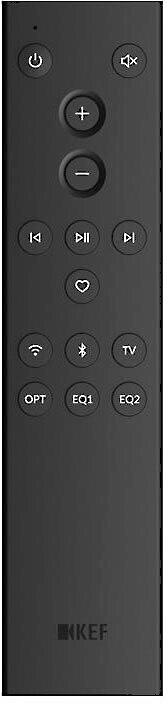
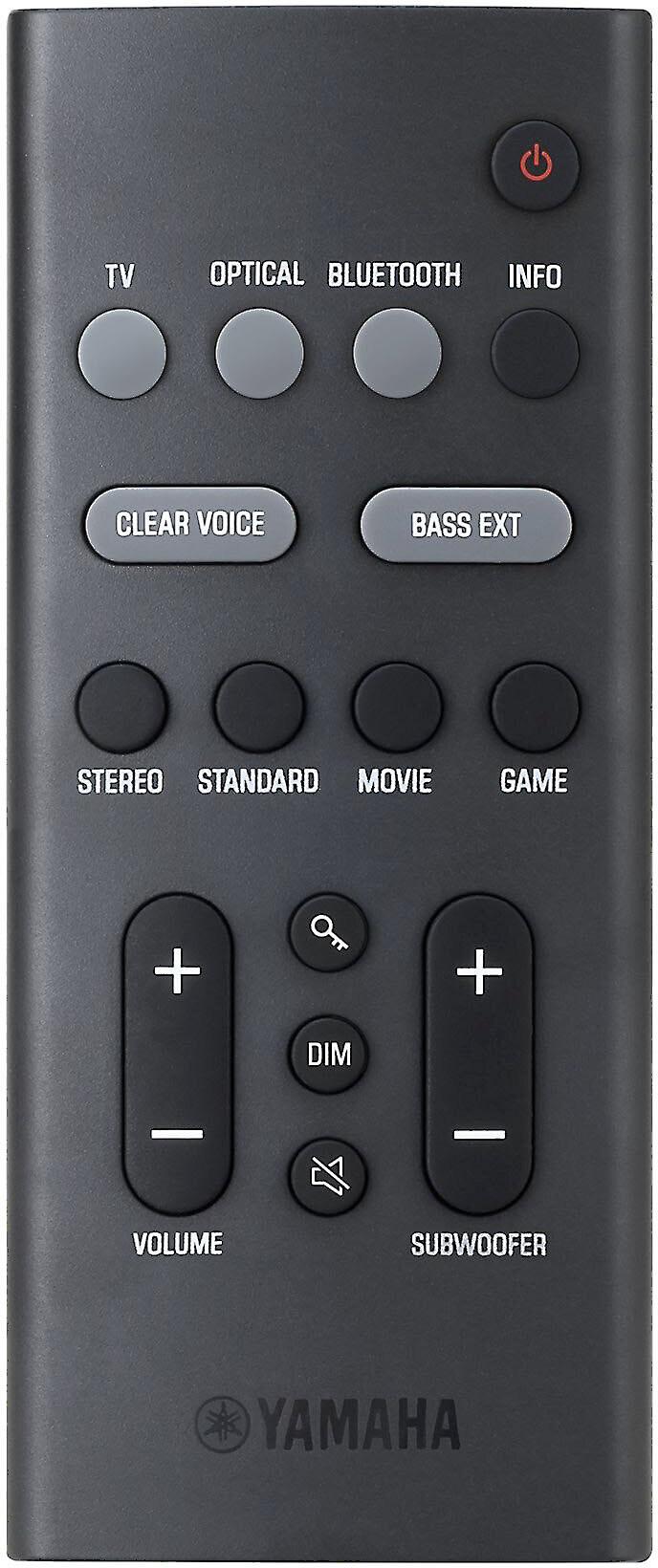
The Yamaha SR-B30A can operate without an app using its included remote, though the Yamaha Sound Bar Remote app provides additional controls. The KEF XIO Soundbar benefits significantly from the KEF Connect app for room calibration, advanced EQ settings, and streaming service integration, making app usage highly recommended.
Both soundbars feature dialogue enhancement, but differ in approach. The KEF XIO uses dedicated center channel processing and adaptive dialogue modes with superior clarity. The Yamaha SR-B30A includes Clear Voice technology that boosts speech frequencies—effective for basic dialogue improvement at its price point.
The Yamaha SR-B30A consumes 23W during active use and 0.3-0.6W in standby mode, making it energy efficient. The KEF XIO Soundbar requires more power due to its twelve amplifiers and advanced processing, though specific consumption figures aren't detailed—expect higher usage reflecting its premium performance capabilities.
The KEF XIO offers superior long-term value for serious audio enthusiasts willing to invest $2,499 in reference-quality performance and future-proof connectivity. The Yamaha SR-B30A provides excellent immediate value at $254 for budget-conscious buyers seeking basic TV audio improvement without premium features or long-term audio ambitions.
We've done our best to create useful and informative comparisons to help you decide what product to buy. Our research uses advanced automated methods to create this comparison and perfection is not possible - please contact us for corrections or questions. These are the sites we've researched in the creation of this article: blog.son-video.com - residentialsystems.com - whathifi.com - audioadvice.com - crutchfield.com - homecrux.com - techradar.com - youtube.com - us.kef.com - gramophone.com - cepro.com - audioxpress.com - musicdirect.com - gramophone.com - us.kef.com - crutchfield.com - hifipig.com - bestbuy.com - listenup.com - bestbuy.com - bestbuy.com - listenup.com - usa.yamaha.com - worldwidestereo.com - audiolab.com - shop.sg.yamaha.com - consumerreports.org - usa.yamaha.com - vinylsound.ca - bestbuy.com - modernappliancewoodward.com - bluestardist.com - target.com - my.yamaha.com

Privacy Policy
Terms and Conditions - Affiliate Policy
Home Security
© Copyright 2008-2026.
11816 Inwood Rd #1211, Dallas, TX 75244