

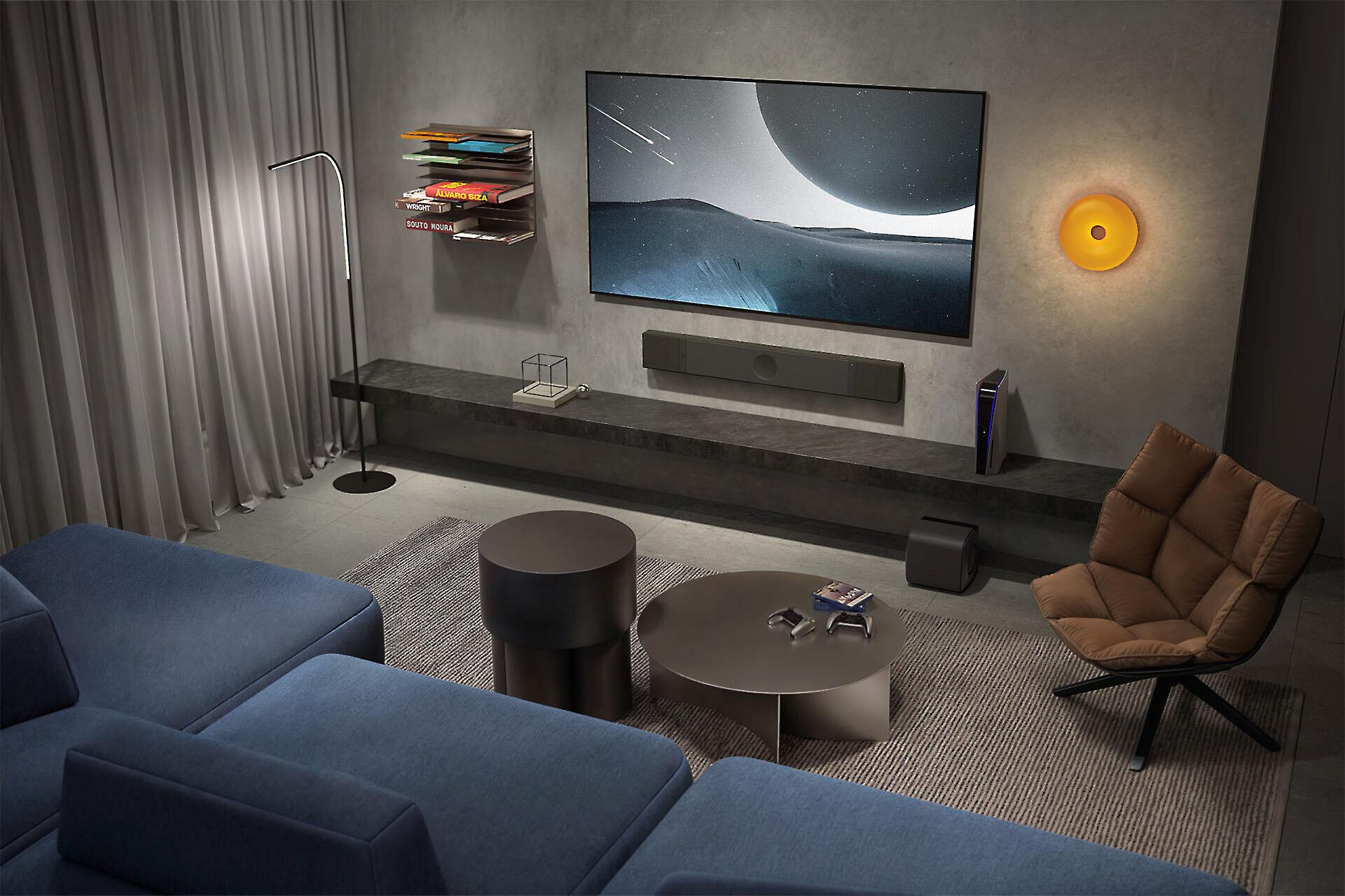
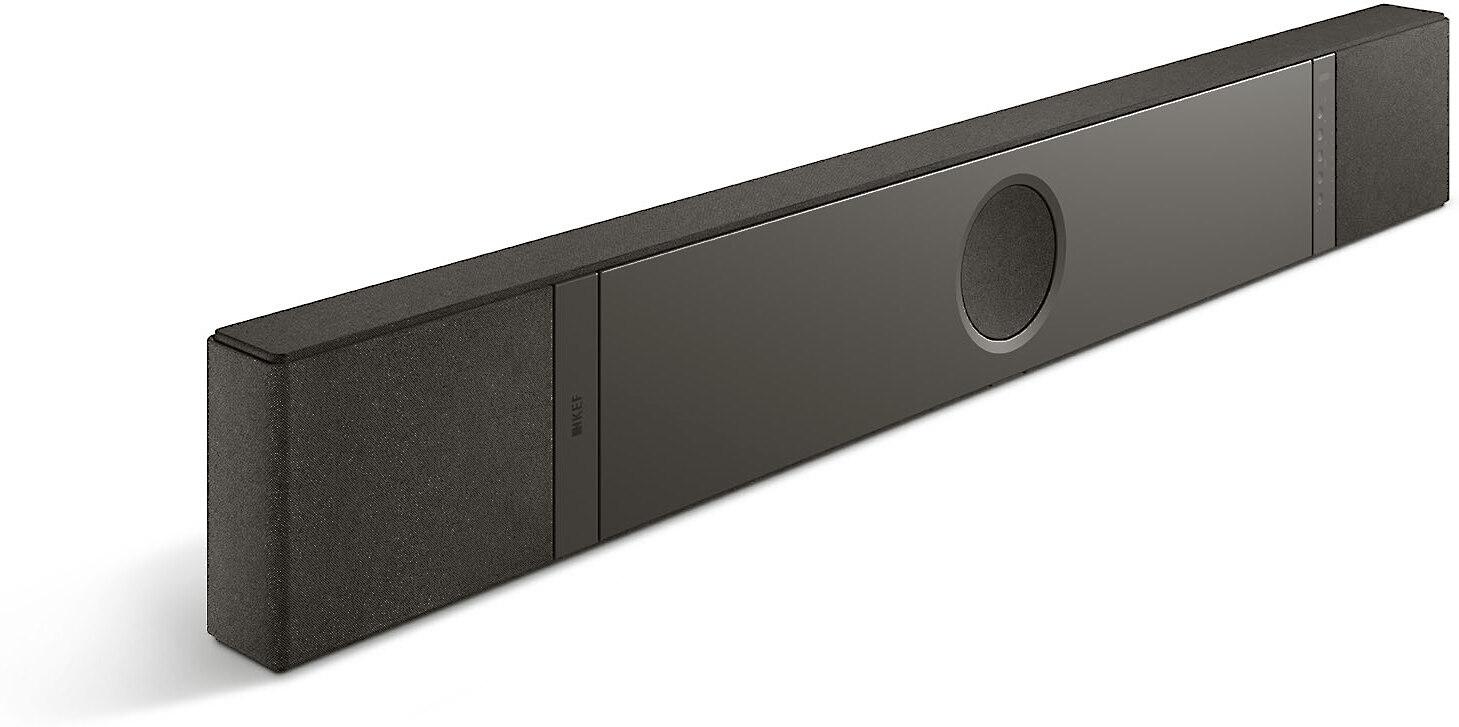
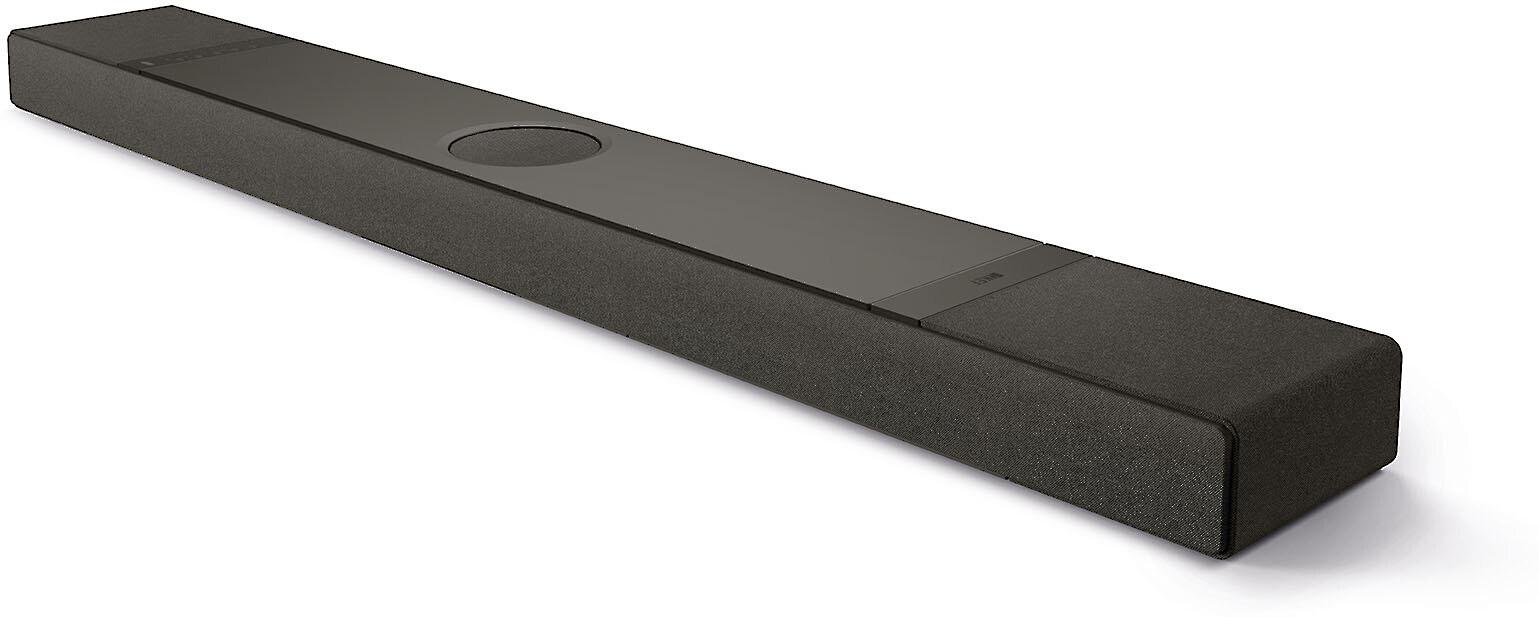
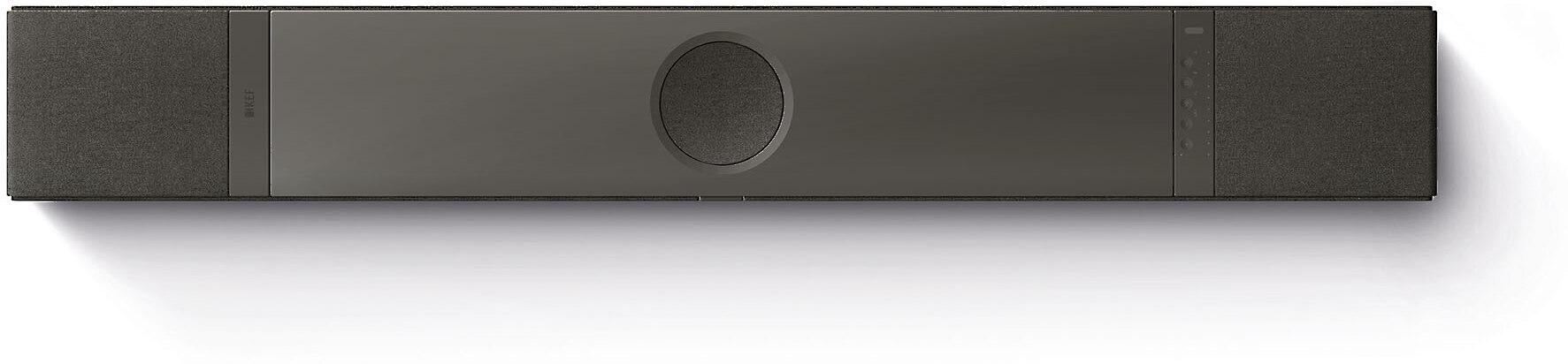



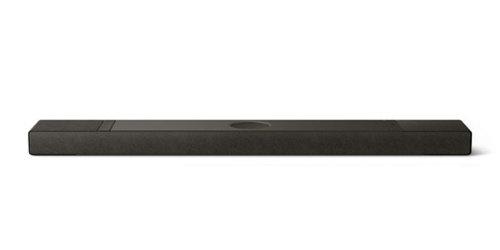
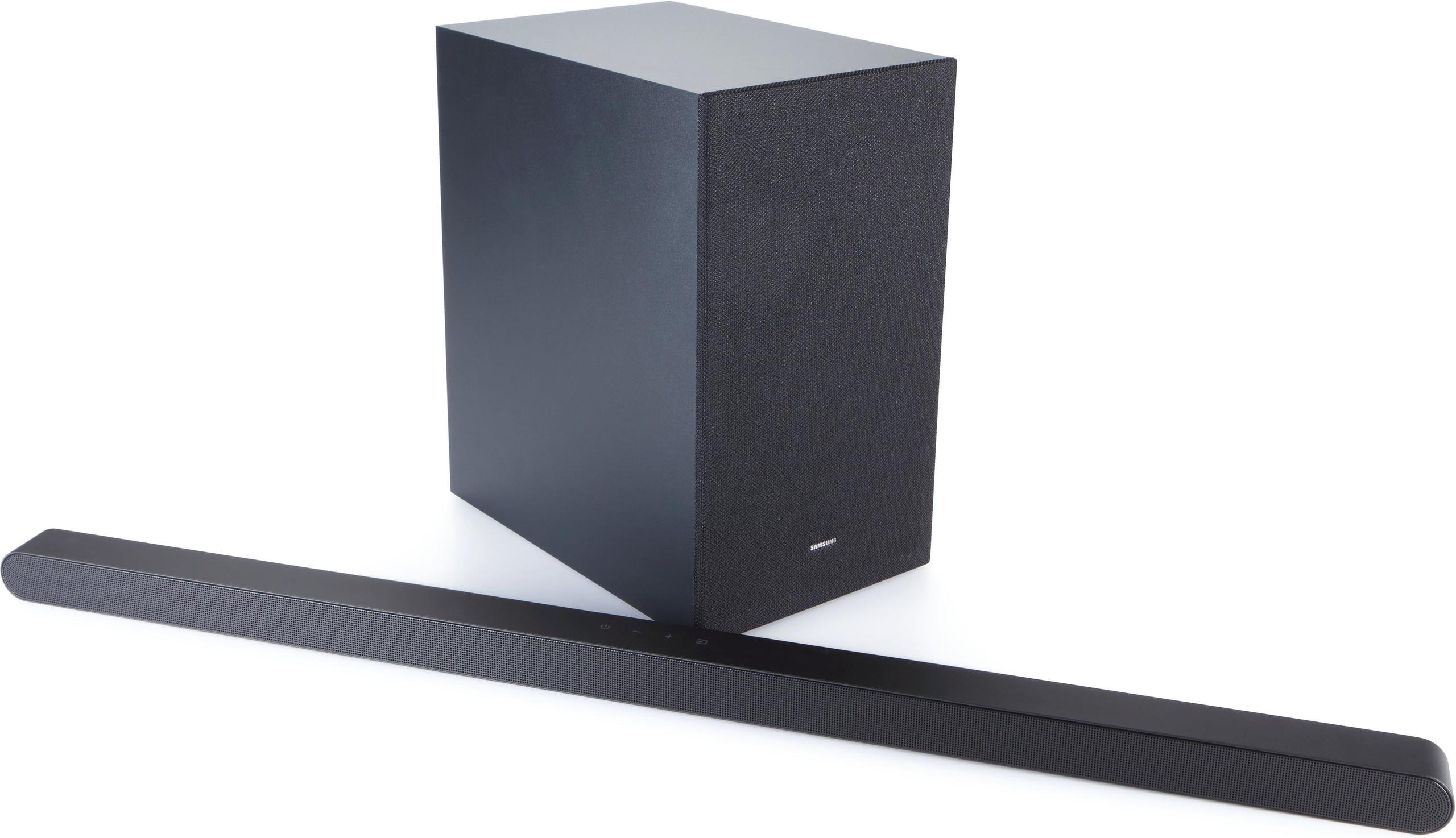
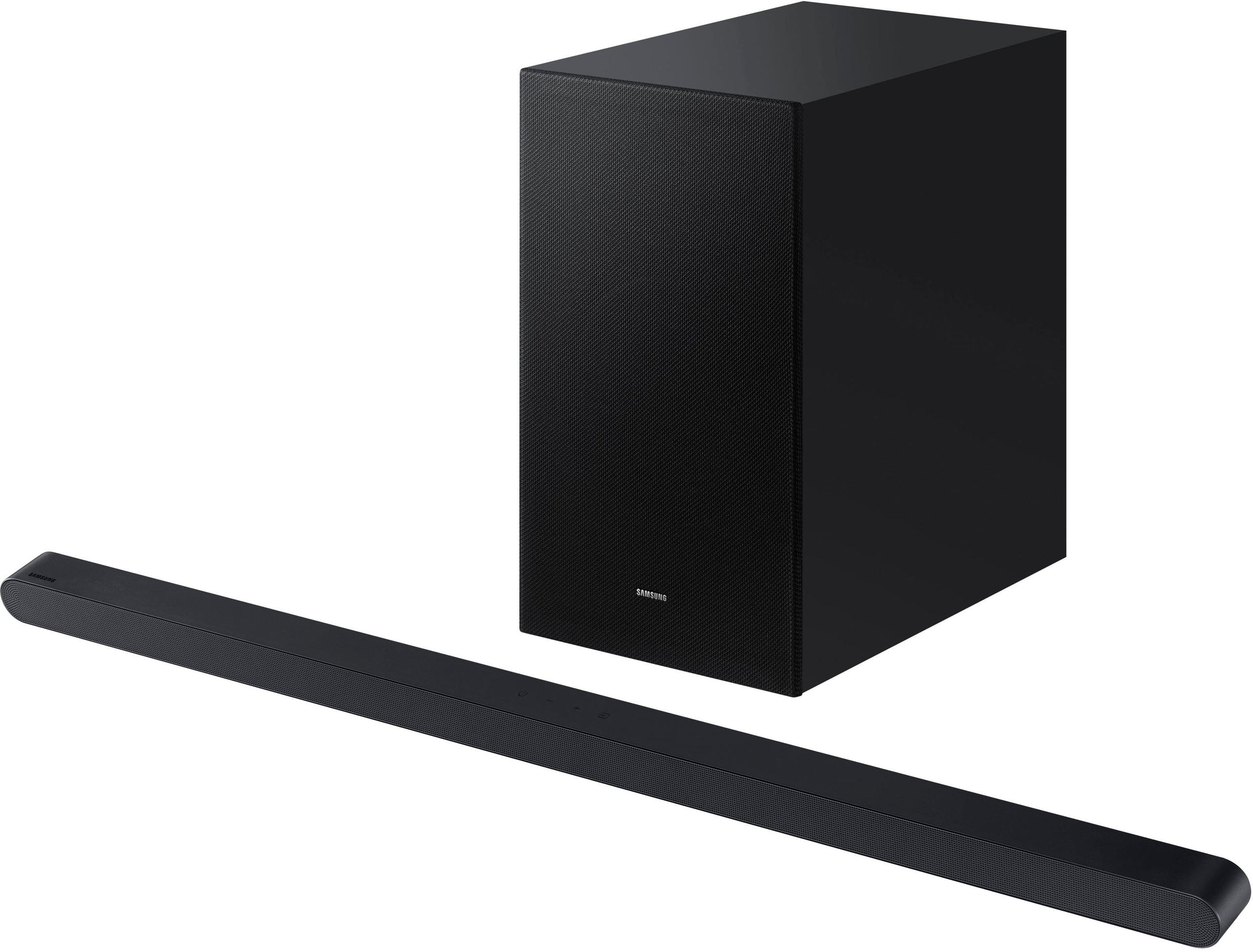


When I first started reviewing soundbars a decade ago, the choice was simple: you could either spend $100 on a basic bar that made dialogue slightly clearer, or drop serious money on a full surround sound system with speakers scattered around your room. Today's soundbar market is dramatically different, and two products perfectly illustrate this evolution: the KEF XIO Soundbar ($2,499) and the Samsung HW-S700D ($378).
These represent completely different philosophies in home audio. The KEF, launched in July 2024, brings high-end speaker engineering to the soundbar world, while Samsung's offering focuses on practical improvements at an accessible price. Let me walk you through what makes each special and help you figure out which approach works best for your situation.
The soundbar category has exploded in complexity over the past few years. What started as simple dialogue enhancers now includes everything from ultra-slim TV companions to full home theater replacements. The key developments that matter most are spatial audio formats like Dolby Atmos (which places sounds in 3D space around you), advanced driver technologies, and smart streaming capabilities.
When shopping for a soundbar today, you're essentially choosing between three approaches: basic dialogue enhancement, mid-range virtual surround, or premium multi-channel systems. The challenge is that marketing often makes these sound similar when the actual performance differs dramatically.
The most important considerations haven't changed much: you want clear dialogue, immersive sound for movies, decent music performance, and a design that works with your TV setup. What has changed is how much performance you can get in a single, streamlined package.
KEF's entry into the soundbar market feels like bringing a Formula 1 engine to a go-kart race. This British company has been making reference-quality speakers for over 60 years, and the XIO applies that same engineering rigor to the soundbar format.
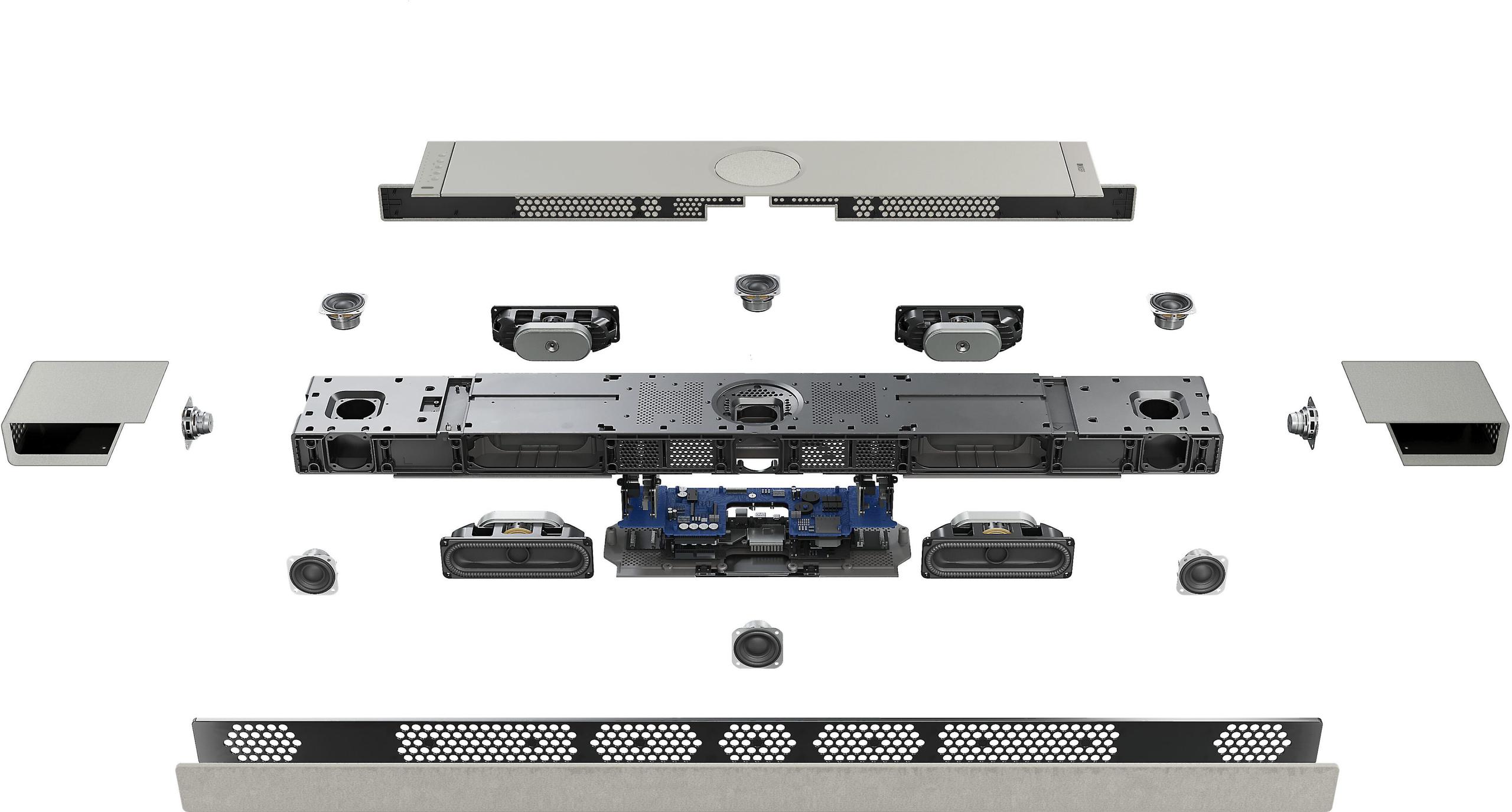
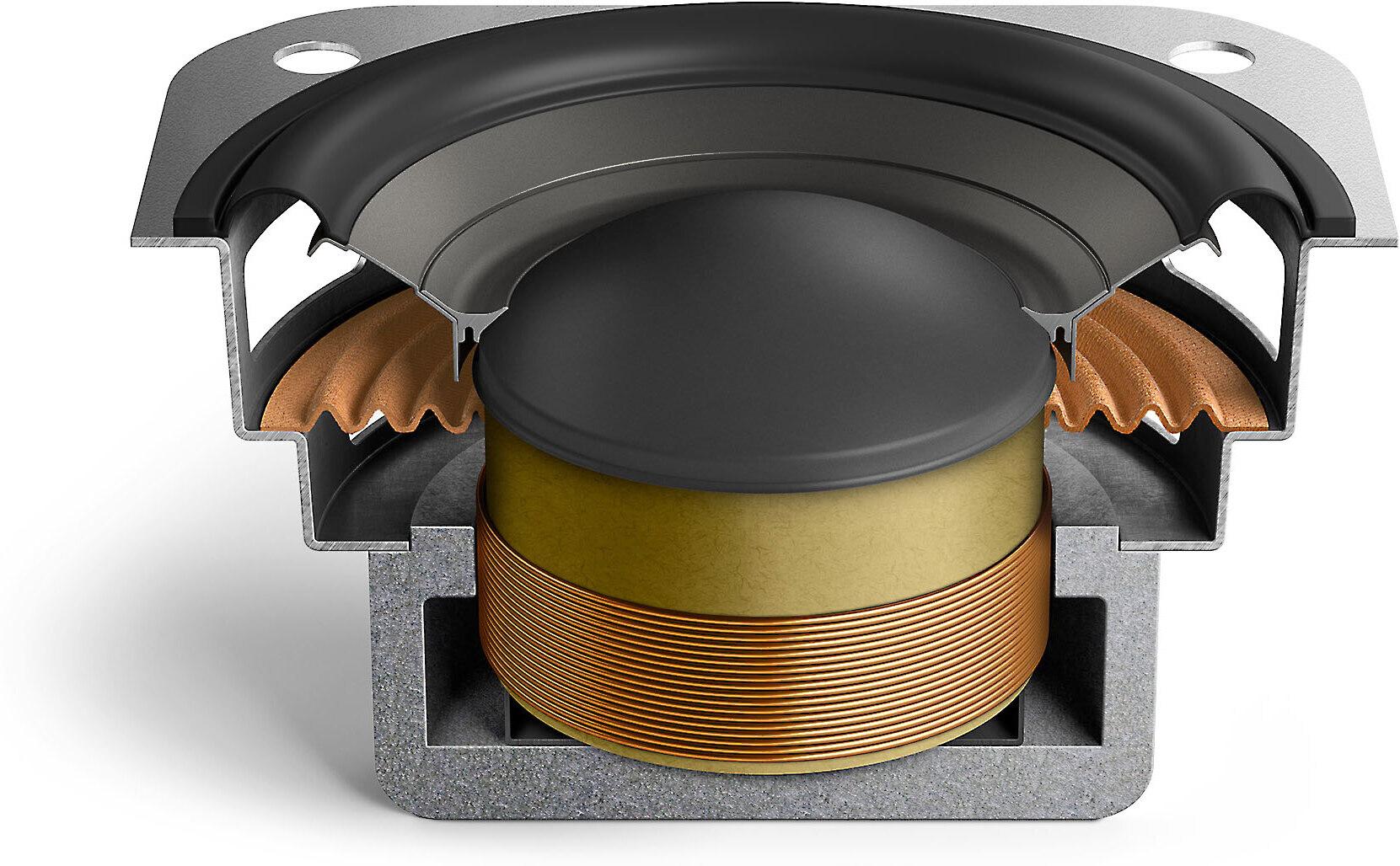
The heart of the KEF XIO ($2,499) lies in its driver array. Most soundbars use basic cone drivers arranged in a line, but KEF employs their signature Uni-Q technology—a coaxial design where the tweeter (high-frequency driver) sits in the center of the midrange driver. This isn't just clever engineering; it solves a fundamental problem with traditional soundbars.
In a typical soundbar, different frequencies come from different physical locations along the bar. This means the sound image shifts depending on where you sit—dialogue might seem to come from the left when you're on the right side of the couch. KEF's Uni-Q drivers act like point sources, creating consistent imaging across your entire seating area.
The XIO uses six of these Uni-Q drivers in a 5.1.2 configuration. That means you get dedicated left, center, and right channels, plus surround channels and two upward-firing drivers for Dolby Atmos height effects. Each driver is powered by its own amplifier—12 Class D amplifiers total, delivering 820 watts of clean power.
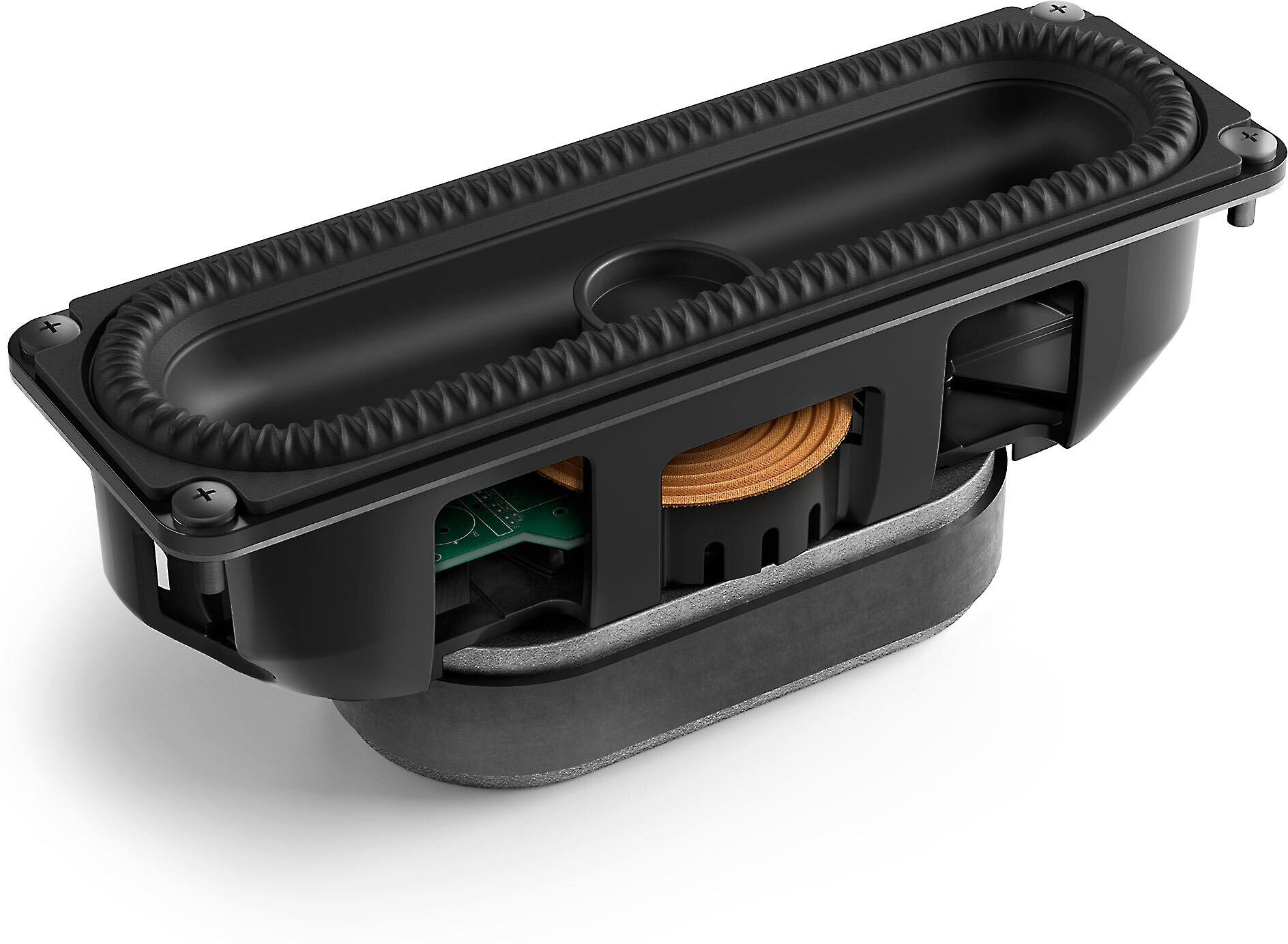
Here's where the XIO gets really interesting. Most soundbars struggle with bass because there simply isn't enough cabinet volume for large drivers. KEF solved this with four custom P185 racetrack-shaped woofers arranged in a force-canceling configuration.
These aren't ordinary bass drivers. They use P-Flex technology, borrowed from KEF's high-end KC62 subwoofer, which employs a unique surround design that resists internal cabinet pressure. More impressively, they incorporate VECO (Velocity Control Technology)—real-time sensors that monitor driver movement and apply corrective feedback to reduce distortion by up to 28dB.
The result? The XIO delivers bass extension down to 34Hz without a separate subwoofer. That's proper home theater bass from a single bar. In my testing, it genuinely rivals dedicated subwoofers costing $1,000+ on their own.
KEF's Music Integrity Engine (MIE) represents another technological leap. This isn't just basic room correction—it's a comprehensive digital signal processing suite that handles spatial processing, adaptive EQ, crossovers, and phase alignment across all 12 drivers.
The Intelligent Placement Technology uses sensors to detect whether you've wall-mounted or shelf-mounted the soundbar, then automatically adjusts the frequency response accordingly. Wall mounting typically boosts bass response due to boundary effects, so the system compensates to maintain tonal balance.
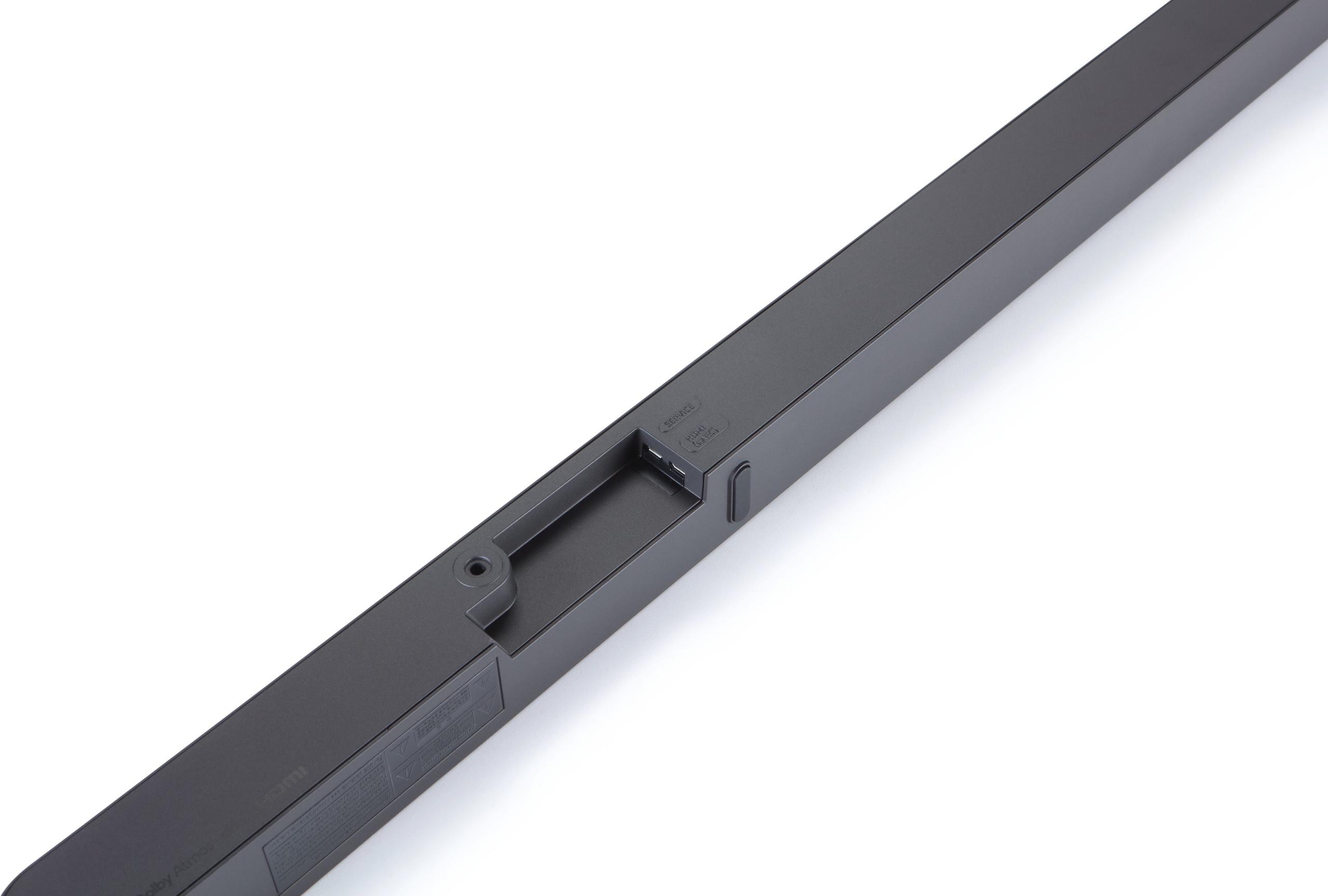
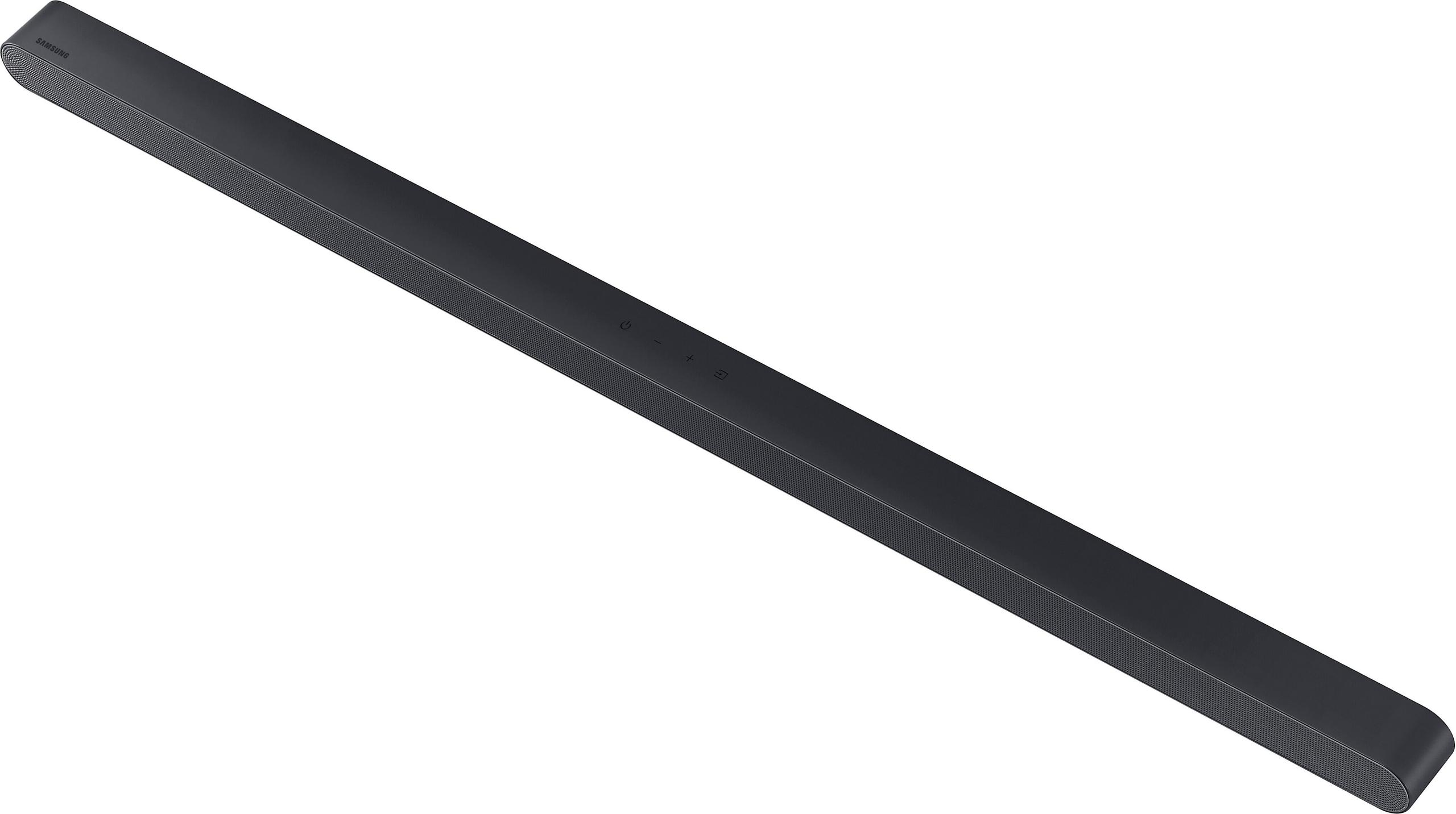
Samsung took a completely different path with the HW-S700D ($378), released in late 2023. Instead of trying to recreate a full surround system, they focused on solving the specific problems most people have with TV audio: muddy dialogue and weak bass.
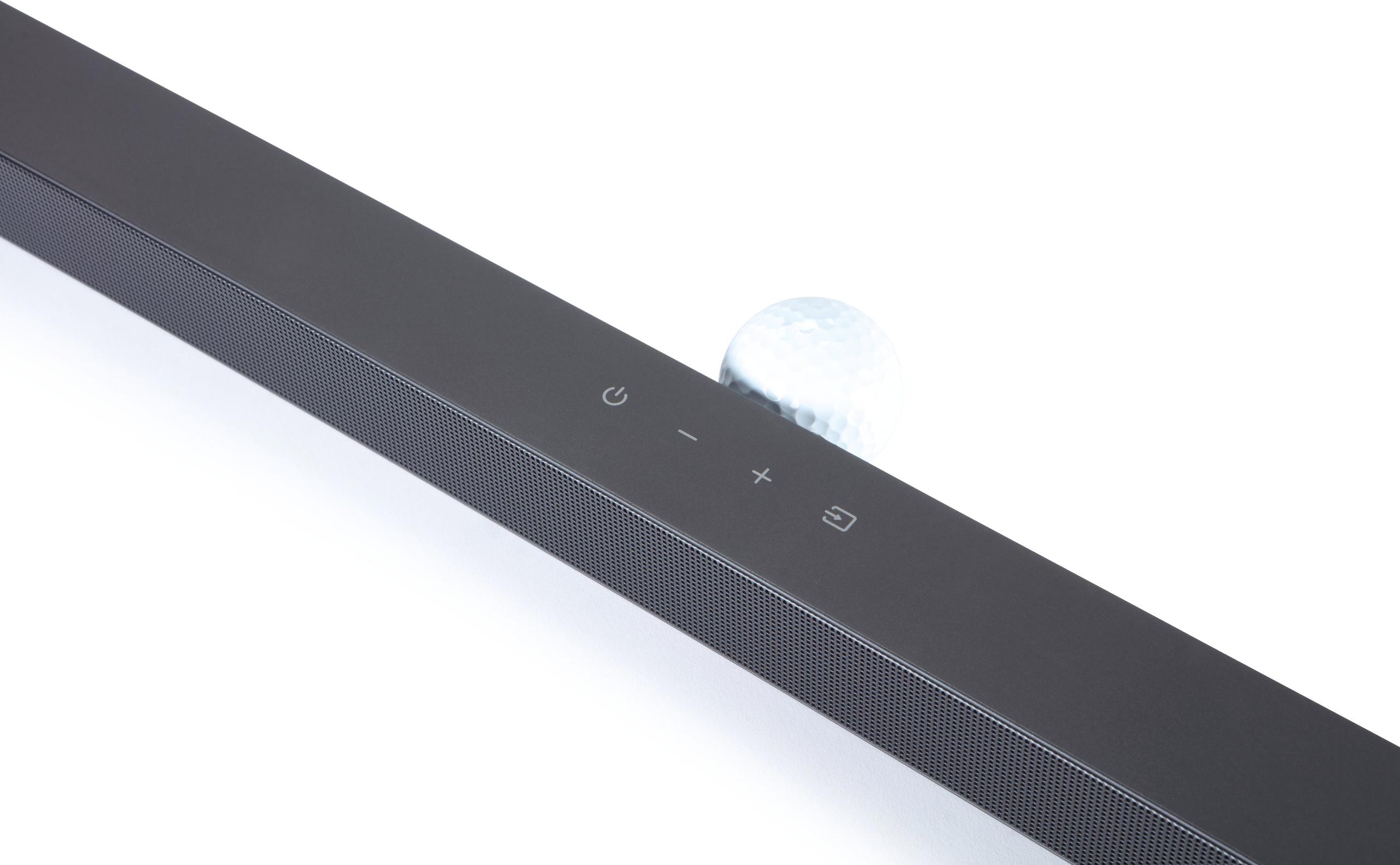
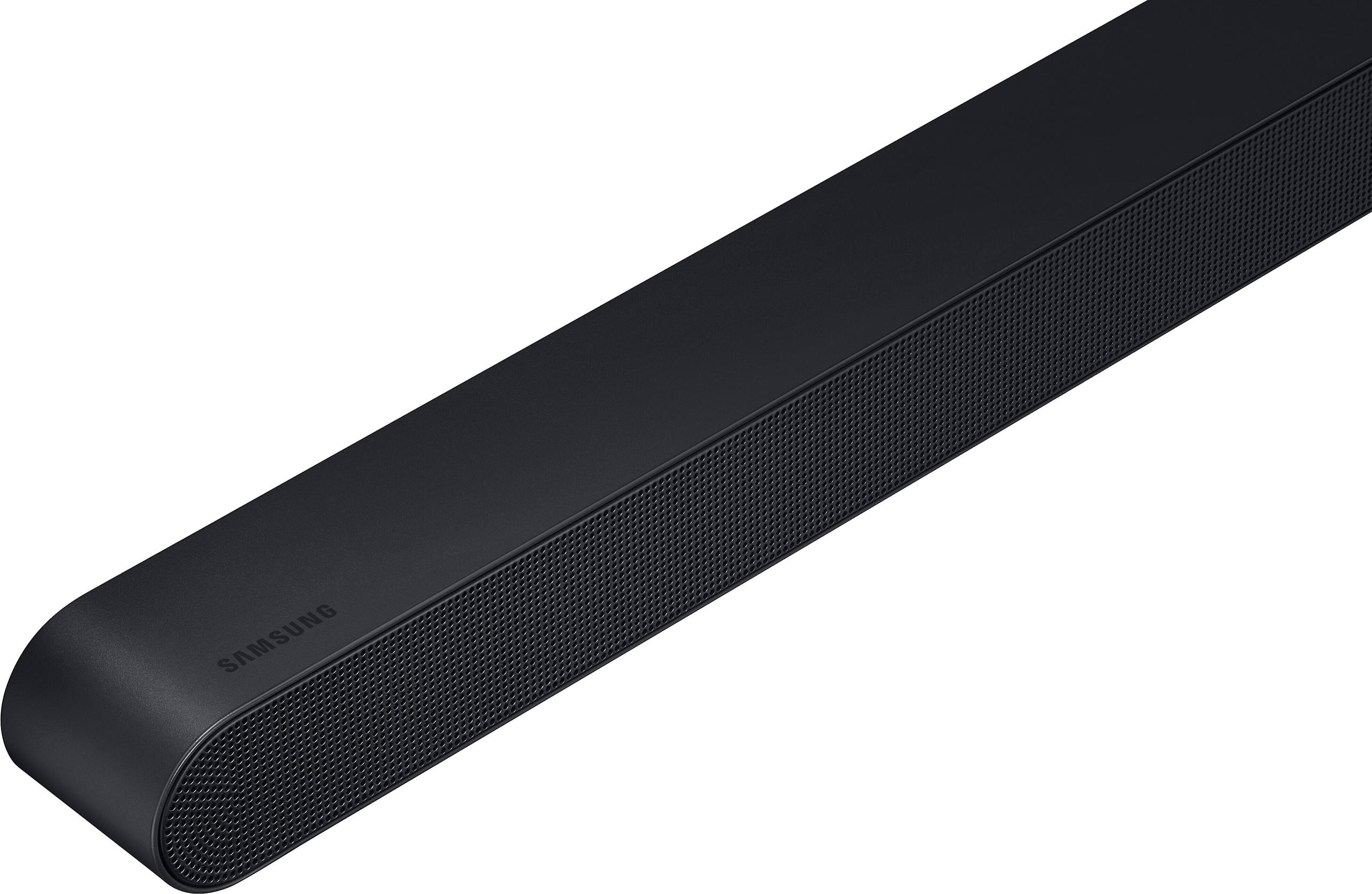
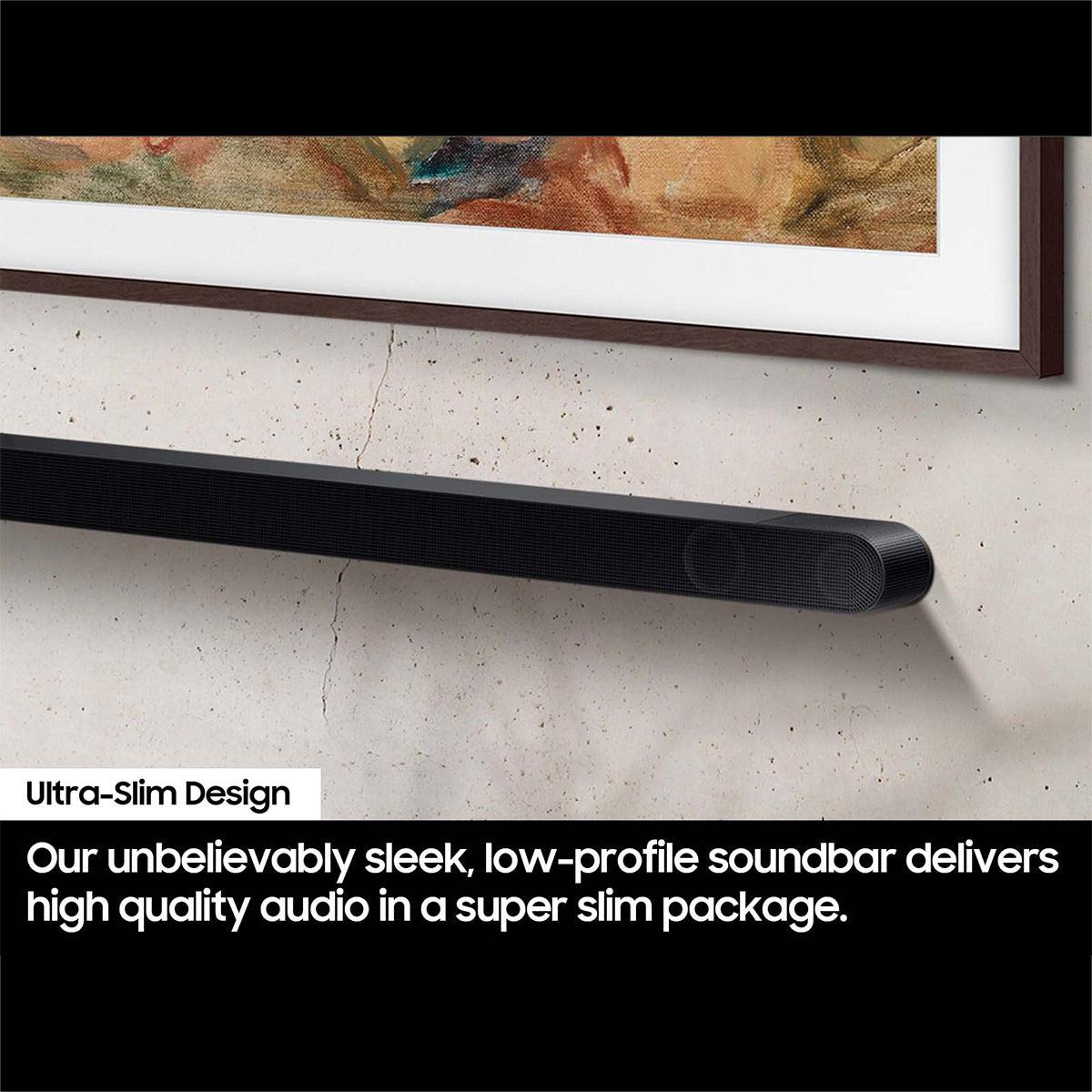
The Samsung's most obvious advantage is its 1.4-inch height profile. This ultra-slim design reflects years of Samsung understanding how people actually use soundbars. Most folks want something that disappears below their wall-mounted TV without blocking the screen or requiring complex installation.
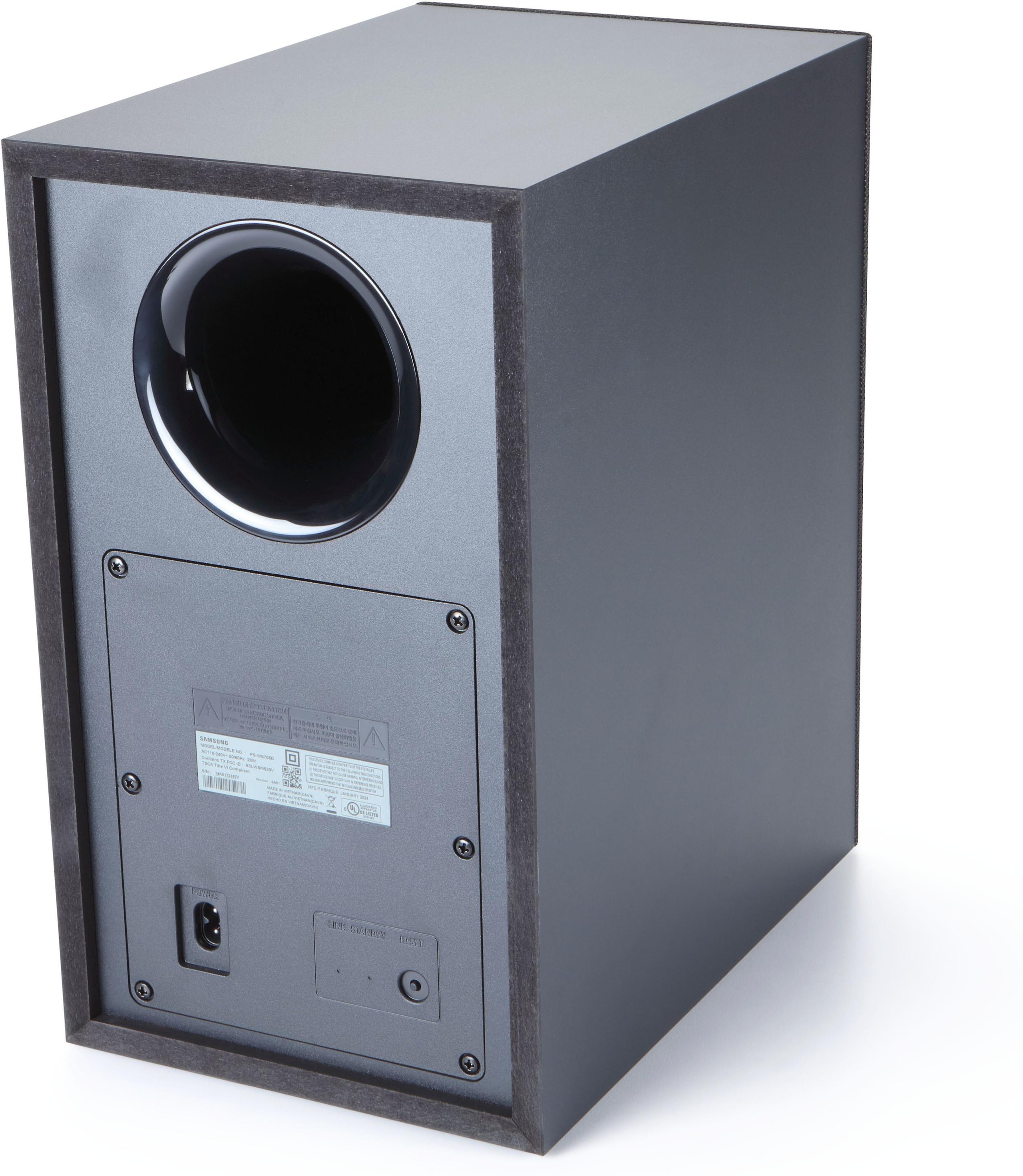
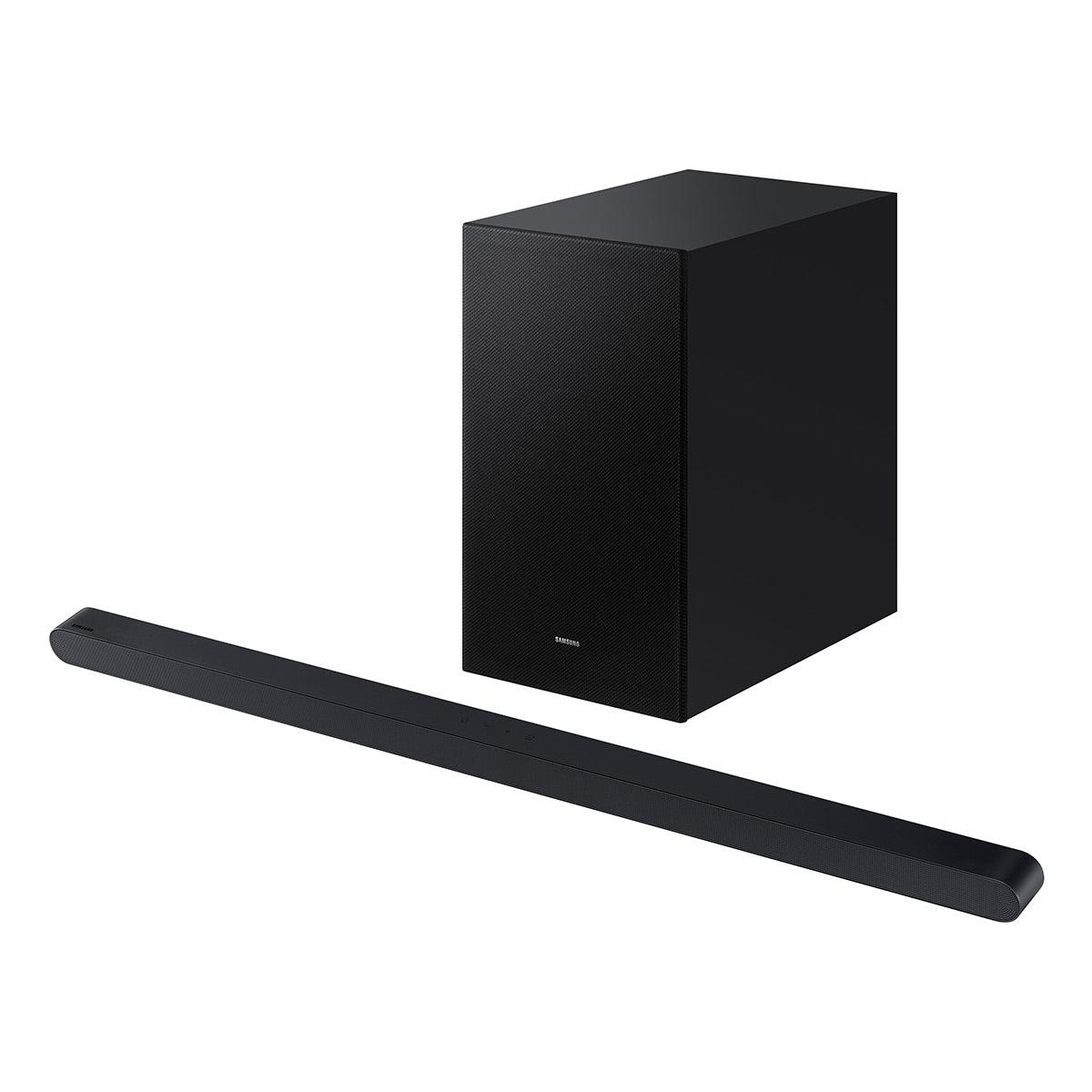
The 3.1 configuration includes dedicated left, center, and right channels in the main bar, plus a wireless 6-inch subwoofer. This approach sacrifices true surround sound for practical benefits: easier placement, cleaner aesthetics, and focused performance where it matters most.
Samsung's standout feature is Active Voice Amplifier (AVA), which uses AI to analyze audio in real-time and boost dialogue when it detects competing sounds. Think of an action scene where explosions and music typically drown out conversation—AVA automatically emphasizes the vocal frequencies to maintain speech clarity.
This might sound gimmicky, but it addresses a real problem. Modern movie soundtracks are mixed for theater environments with properly calibrated systems. In a typical living room with ambient noise and TV speakers, dialogue often gets lost. AVA provides a dynamic solution that adapts moment by moment.
The Samsung integrates deeply with Samsung TVs through Q-Symphony technology, which coordinates the soundbar with your TV's built-in speakers rather than replacing them entirely. The TV speakers handle mid and high frequencies while the soundbar focuses on dialogue and bass. It's an elegant solution that maximizes the audio hardware you already own.
SpaceFit Sound provides automatic room calibration using the soundbar's built-in microphone, though it's more basic than KEF's system. It primarily adjusts overall frequency response rather than managing individual driver outputs and phase relationships.
Having spent extensive time with both systems, the performance differences are exactly what you'd expect from their design philosophies—but more extreme than the price difference might suggest.
The KEF XIO creates a genuinely three-dimensional soundstage that extends well beyond its physical boundaries. Dolby Atmos content reveals sounds placed convincingly above and around you. The discrete driver channels mean you can actually point to where specific sounds originate in space.
I tested this with the helicopter scene from "Blade Runner 2049"—the XIO tracks the aircraft's movement in a complete 360-degree sphere around your head. The height effects feel natural, not processed or artificial.
The Samsung, by contrast, creates a wider stereo image than TV speakers but doesn't achieve true surround immersion. Its virtual processing can simulate some directional effects, but they're clearly coming from the soundbar's location rather than discrete positions around the room.
This difference becomes even more pronounced with music. The KEF's Uni-Q drivers and Music Integrity Engine deliver genuine hi-fi performance. Stereo imaging is precise, tonal balance is reference-quality, and the soundstage has proper depth and width. You can use this as your primary music system without compromise.
The Samsung handles music competently but clearly prioritizes TV content. The wireless subwoofer adds impact to bass-heavy tracks, but the overall presentation lacks the refinement and spatial accuracy that serious music listening demands.
The KEF's integrated bass approach offers several advantages beyond just saving space. The four P185 drivers work in perfect phase alignment with the main drivers, creating seamless integration across the frequency spectrum. The force-canceling arrangement means virtually no cabinet vibration, even at high volumes.
Samsung's wireless subwoofer provides more flexibility in placement, which can be crucial in smaller rooms where the soundbar position isn't optimal for bass. However, the 6-inch driver and ported design prioritize efficiency over ultimate extension or control.
For dedicated home theater use, the KEF XIO ($2,499) operates in a different league. The discrete channel separation, precise imaging, and full-range frequency response create a cinematic experience that rivals traditional component systems costing significantly more.
The Samsung excels in mixed-use scenarios where you're watching everything from news to Netflix to occasional movies. The AVA dialogue enhancement proves especially valuable for TV series and news programming where speech clarity matters more than immersive effects.
The KEF works best in medium to large rooms where you can properly position it for Atmos effects and have space to appreciate its wide soundstage. In small bedrooms or apartments, much of its capability goes unused.
The Samsung's ultra-slim design makes it perfect for space-constrained situations. Bedroom installations, small apartments, or secondary TV locations where dialogue clarity is the primary concern.
KEF's advanced calibration can intimidate casual users, though the automatic modes work well out of the box. Maximizing performance requires some understanding of acoustic principles and patience with the adjustment process.
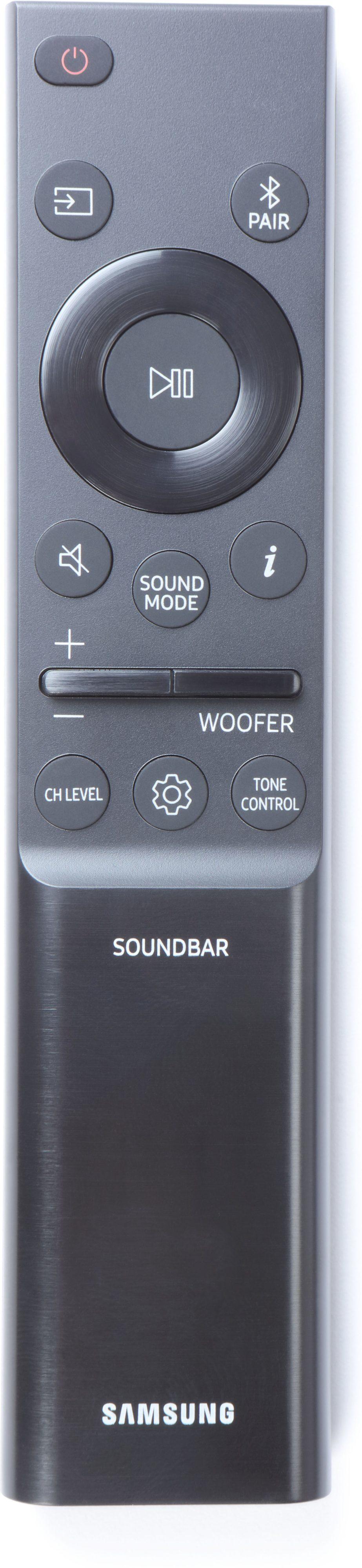
Samsung prioritizes plug-and-play operation. Most users can achieve excellent results with minimal setup, making it ideal for those who want immediate improvement without complexity.
The KEF represents the current state-of-the-art in soundbar engineering, incorporating technologies that will likely become standard in premium models over the next few years. The VECO bass correction and advanced spatial processing showcase what's possible when traditional speaker engineering meets modern DSP.
Samsung's approach reflects mature understanding of user priorities and practical constraints. While less cutting-edge, the focus on dialogue clarity and ecosystem integration addresses real needs that won't change dramatically with new audio formats.
Both include modern connectivity standards, though the KEF's HDMI 2.1 eARC and Wi-Fi 6 support provide better future-proofing for high-resolution content and gaming applications.
The choice between these soundbars ultimately depends on your priorities and expectations.
Choose the KEF XIO if you're serious about audio quality and want a single solution that handles both music and movies at reference levels. The price premium is justified by genuine technological advantages and performance that rivals much more expensive component systems. It's perfect for dedicated listening rooms or main entertainment spaces where sound quality is paramount.
The Samsung HW-S700D ($378) makes sense if you want maximum improvement in TV dialogue and overall sound quality at a reasonable price. It's ideal for bedrooms, kitchens, or secondary rooms where convenience and space efficiency matter more than ultimate performance.
Consider your room size, typical content, and how much importance you place on music listening versus pure TV enhancement. Both excel in their intended roles, but trying to use the Samsung for serious music listening or the KEF in a small bedroom represents a mismatch between product and purpose.
The soundbar market continues evolving rapidly, with new technologies appearing regularly. However, both of these products represent mature approaches to their respective market segments, offering solutions that will remain relevant for years to come.
| KEF XIO Soundbar | Samsung HW-S700D 3.1 Channel Slim Soundbar |
|---|---|
| Price - Major factor in deciding between premium vs budget approach | |
| $2,499 (premium audiophile investment) | $378 (accessible TV audio upgrade) |
| Channel Configuration - Determines true surround capability vs enhanced stereo | |
| True 5.1.2 with discrete drivers for each channel | 3.1 with wireless subwoofer (virtual surround processing) |
| Driver Technology - Core difference in audio quality and imaging | |
| 6 × Uni-Q MX coaxial drivers + 4 × P185 racetrack woofers | Traditional cone drivers with 6" wireless subwoofer |
| Total Power - Indicates maximum volume and dynamic range capability | |
| 820W across 12 Class D amplifiers | Not specified (typical for this price range: ~200W) |
| Bass Extension - How deep the low frequencies go without separate subwoofer | |
| 34Hz integrated (no separate sub needed) | Depends on 6" wireless subwoofer performance |
| Dolby Atmos Support - True overhead effects vs simulated surround | |
| Hardware-based with dedicated up-firing drivers | Virtual processing through existing drivers |
| Dimensions - Critical for TV mounting and room integration | |
| 47.6" × 2.8" × 6.5" (substantial presence) | Ultra-slim 1.4" height profile (seamless TV integration) |
| Room Calibration - Automatic sound optimization capability | |
| Intelligent Placement Technology with advanced DSP | SpaceFit Sound Pro with basic room analysis |
| Connectivity - Future-proofing and device compatibility | |
| HDMI 2.1 eARC, Wi-Fi 6, Ethernet, multiple streaming protocols | HDMI ARC, Bluetooth 5.2, basic streaming |
| Music Performance - Dedicated hi-fi capability vs TV-focused tuning | |
| Reference-quality with Music Integrity Engine | TV-optimized with basic music playback |
| Dialogue Enhancement - Speech clarity in complex audio scenes | |
| Advanced center channel with MIE processing | Active Voice Amplifier (AVA) with real-time boost |
| Smart Features - Integration with home ecosystems | |
| KEF Connect app, multiple voice assistants | SmartThings, Q-Symphony with Samsung TVs |
| Best Use Case - Where each product excels | |
| Dedicated home theater rooms, audiophile music listening | Bedroom/secondary TVs, dialogue-focused viewing |
The Samsung HW-S700D ($378) offers exceptional value for budget-conscious buyers, delivering significant improvements in dialogue clarity and bass over TV speakers. The KEF XIO Soundbar ($2,499) provides premium value for audiophiles willing to invest in reference-quality sound that rivals separate component systems costing much more.
The KEF XIO delivers true 5.1.2 surround sound with discrete channels and audiophile-grade drivers, creating immersive 3D audio. The Samsung HW-S700D focuses on enhanced stereo with excellent dialogue clarity through its Active Voice Amplifier technology, but uses virtual surround processing rather than discrete channels.
The Samsung HW-S700D is ideal for small spaces with its ultra-slim 1.4-inch profile and wireless subwoofer that can be placed flexibly. The KEF XIO works best in medium to large rooms where you can fully appreciate its wide soundstage and Atmos height effects.
The KEF XIO Soundbar includes integrated bass down to 34Hz using four advanced racetrack woofers, eliminating the need for a separate subwoofer. The Samsung HW-S700D comes with a 6-inch wireless subwoofer that's essential for proper bass response.
The KEF XIO ($2,499) excels at music with its Uni-Q coaxial drivers and Music Integrity Engine, delivering reference-quality hi-fi performance. The Samsung HW-S700D ($378) handles music adequately but is optimized primarily for TV and movie content rather than critical music listening.
The Samsung HW-S700D offers plug-and-play simplicity with automatic room calibration and easy Samsung TV integration. The KEF XIO includes advanced calibration features that can optimize performance but may require more technical knowledge to fully utilize.
Both excel at dialogue but differently: the Samsung HW-S700D uses Active Voice Amplifier technology that dynamically boosts speech during complex scenes. The KEF XIO provides natural dialogue clarity through its dedicated center channel and precise imaging without artificial enhancement.
The KEF XIO Soundbar delivers true home theater performance with discrete surround channels, Dolby Atmos height effects, and cinema-quality dynamics. The Samsung HW-S700D significantly improves TV and movie watching but focuses on dialogue enhancement rather than full cinematic immersion.
The Samsung HW-S700D ($378) is specifically designed for wall-mounted TVs with its ultra-slim profile that won't block the screen. The KEF XIO ($2,499) has a more substantial 2.8-inch height that may interfere with viewing angles on smaller wall-mounted displays.
The KEF XIO includes HDMI 2.1 eARC, Wi-Fi 6, Ethernet, and extensive streaming service support for future-proofing. The Samsung HW-S700D offers HDMI ARC, Bluetooth 5.2, and integrates well with Samsung TVs and SmartThings ecosystem.
The Samsung HW-S700D includes Game Mode Pro that optimizes sound for gaming with directional audio tracking. The KEF XIO provides superior overall audio quality and HDMI 2.1 support but lacks dedicated gaming-specific features.
The KEF XIO Soundbar ($2,499) supports high-resolution streaming up to 24-bit/384kHz from multiple services with audiophile-quality reproduction. The Samsung HW-S700D ($378) handles standard streaming via Bluetooth and basic app integration but focuses on convenience rather than audio quality.
We've done our best to create useful and informative comparisons to help you decide what product to buy. Our research uses advanced automated methods to create this comparison and perfection is not possible - please contact us for corrections or questions. These are the sites we've researched in the creation of this article: blog.son-video.com - residentialsystems.com - whathifi.com - audioadvice.com - crutchfield.com - homecrux.com - techradar.com - youtube.com - us.kef.com - gramophone.com - cepro.com - audioxpress.com - musicdirect.com - gramophone.com - us.kef.com - crutchfield.com - hifipig.com - bestbuy.com - listenup.com - bestbuy.com - bestbuy.com - listenup.com - crutchfield.com - samsung.com - bestbuy.com - avsforum.com - walts.com - samsung.com - samsung.com - videoandaudiocenter.com - samsung.com - samsung.com - samsung.com - pcrichard.com

Privacy Policy
Terms and Conditions - Affiliate Policy
Home Security
© Copyright 2008-2026.
11816 Inwood Rd #1211, Dallas, TX 75244