

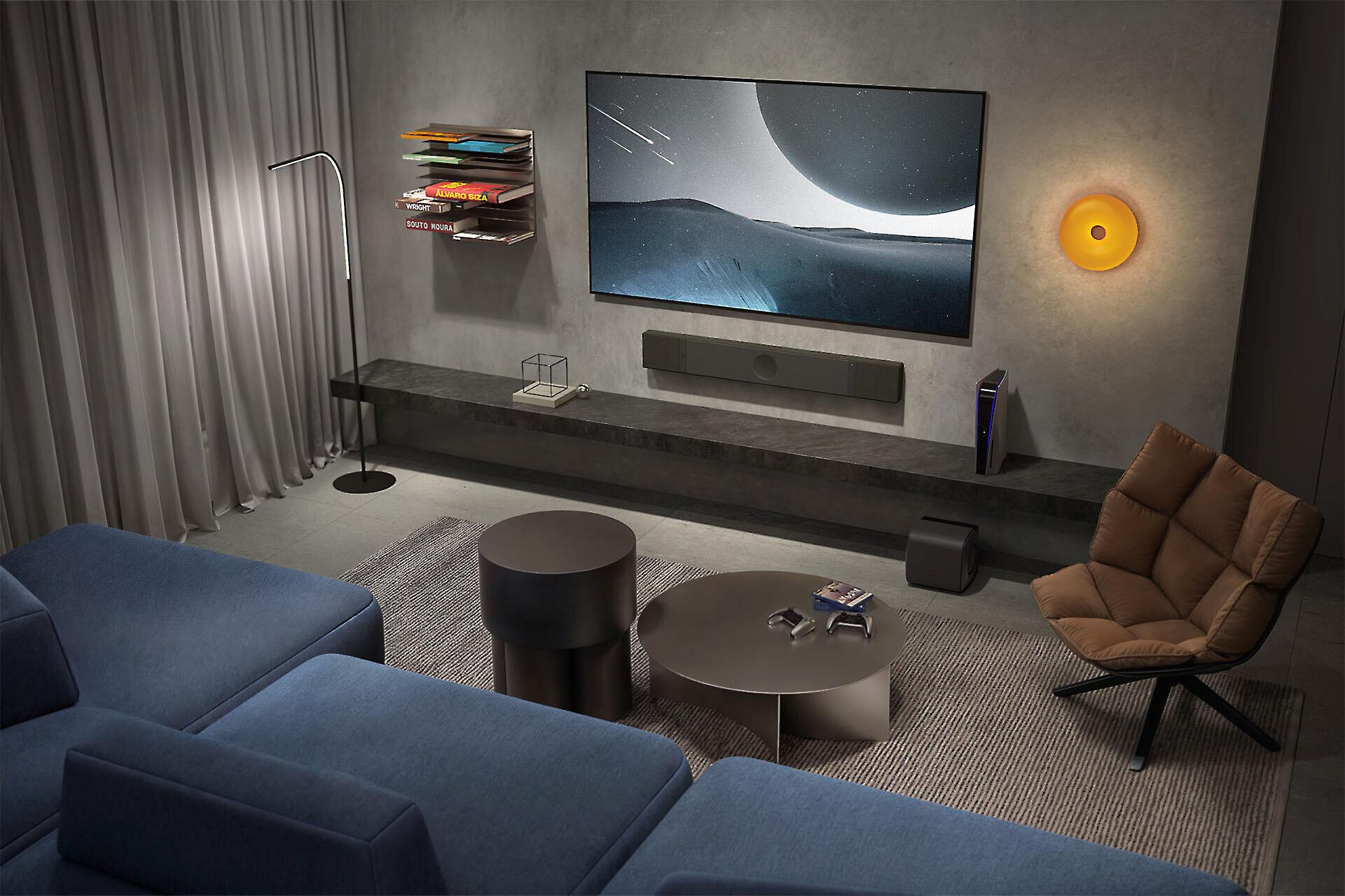
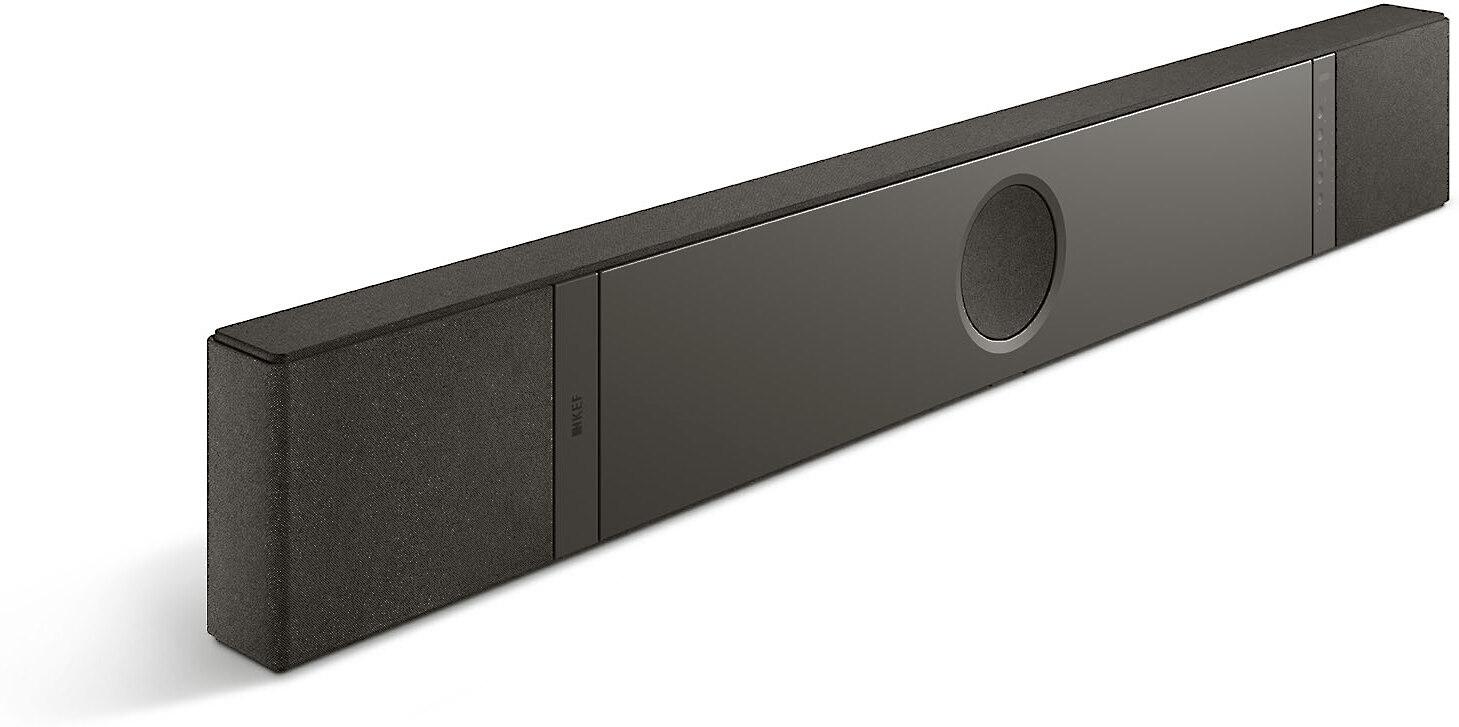
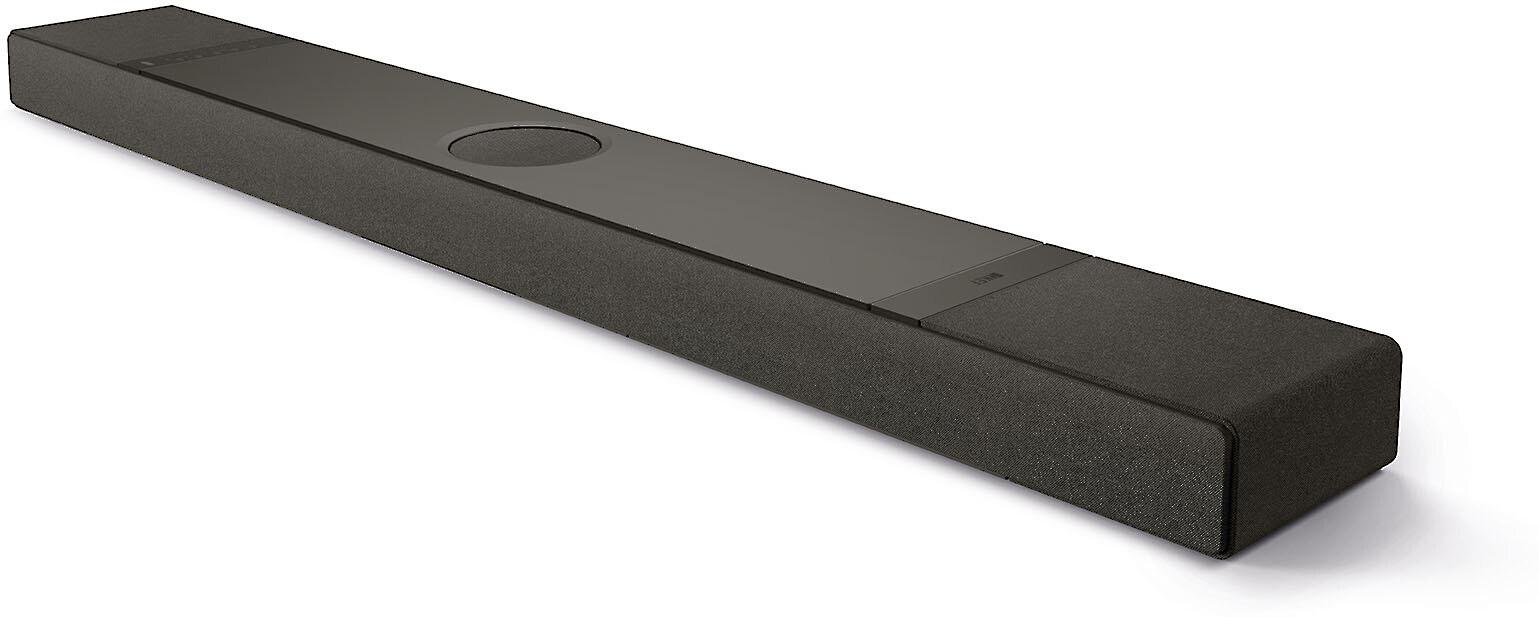
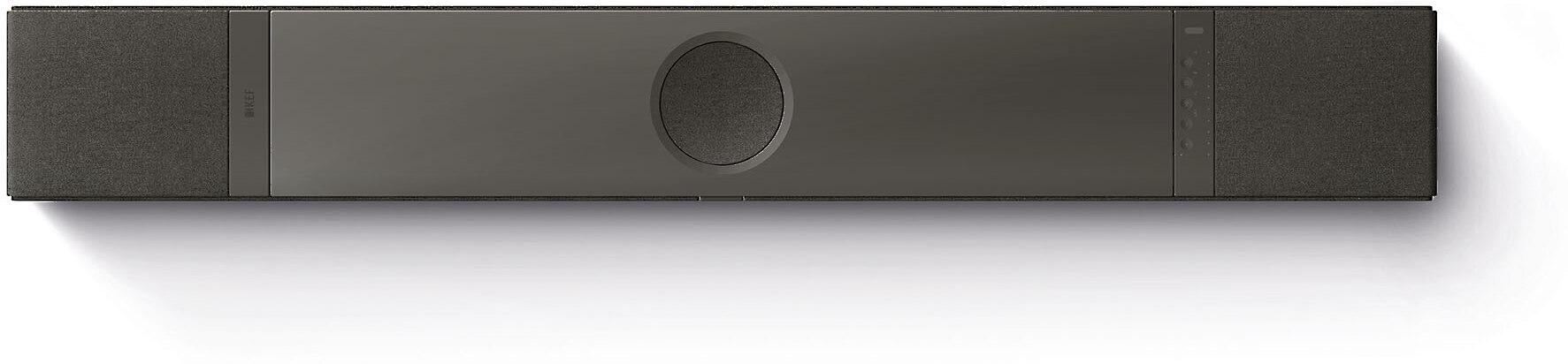





Shopping for a soundbar in 2025 feels like navigating two completely different universes. On one side, you have premium brands like KEF pushing the boundaries of acoustic engineering with products like the KEF XIO ($2,499). On the other, mainstream manufacturers like LG deliver impressive features at accessible prices with options like the LG S70TR ($299). The gap between these approaches has never been wider—or more interesting.
Before diving into our comparison, it's worth understanding what separates today's soundbars from the basic TV speakers they replace. Modern soundbars serve multiple roles: they enhance dialogue clarity, create immersive surround sound experiences, and increasingly, they're expected to handle high-quality music playback alongside movies and TV shows.
The key technologies driving this evolution include spatial audio formats like Dolby Atmos (which creates overhead sound effects), advanced driver configurations, and sophisticated digital signal processing (DSP—the computer brain that optimizes audio output). Understanding these foundations helps explain why two soundbars can sound dramatically different despite supporting similar features on paper.
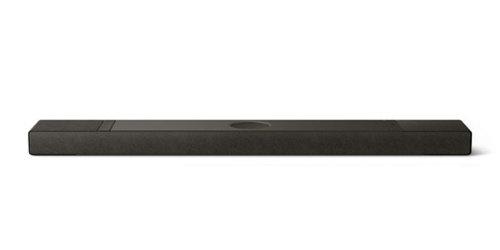
The KEF XIO launched in late 2024 as KEF's first-ever soundbar, representing the British company's entry into a market they'd previously ignored. KEF spent decades perfecting high-end loudspeakers for audiophiles, so their soundbar debut carries significant expectations. They've essentially miniaturized their Reference series technology into a single-chassis solution.
The LG S70TR, released in 2023, represents LG's ongoing effort to democratize Dolby Atmos and wireless surround sound. It's part of LG's broader strategy to create ecosystem integration between their TVs and audio products, building on lessons learned from previous soundbar generations.
Since these releases, we've seen the soundbar market increasingly split between premium engineering showcases and value-focused solutions. The technology gap has widened as premium brands incorporate more sophisticated drivers and processing, while budget options focus on maximizing features per dollar.
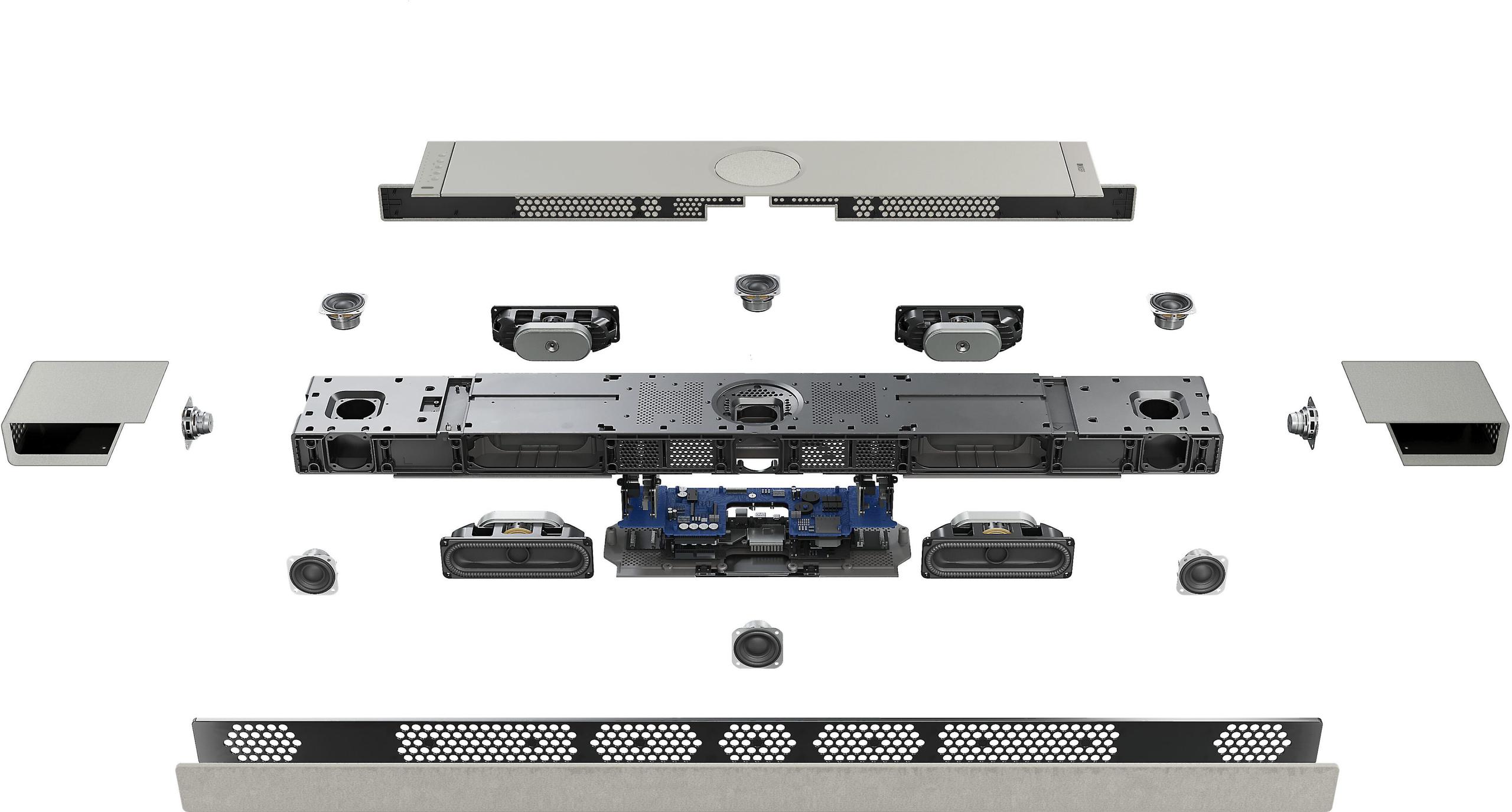
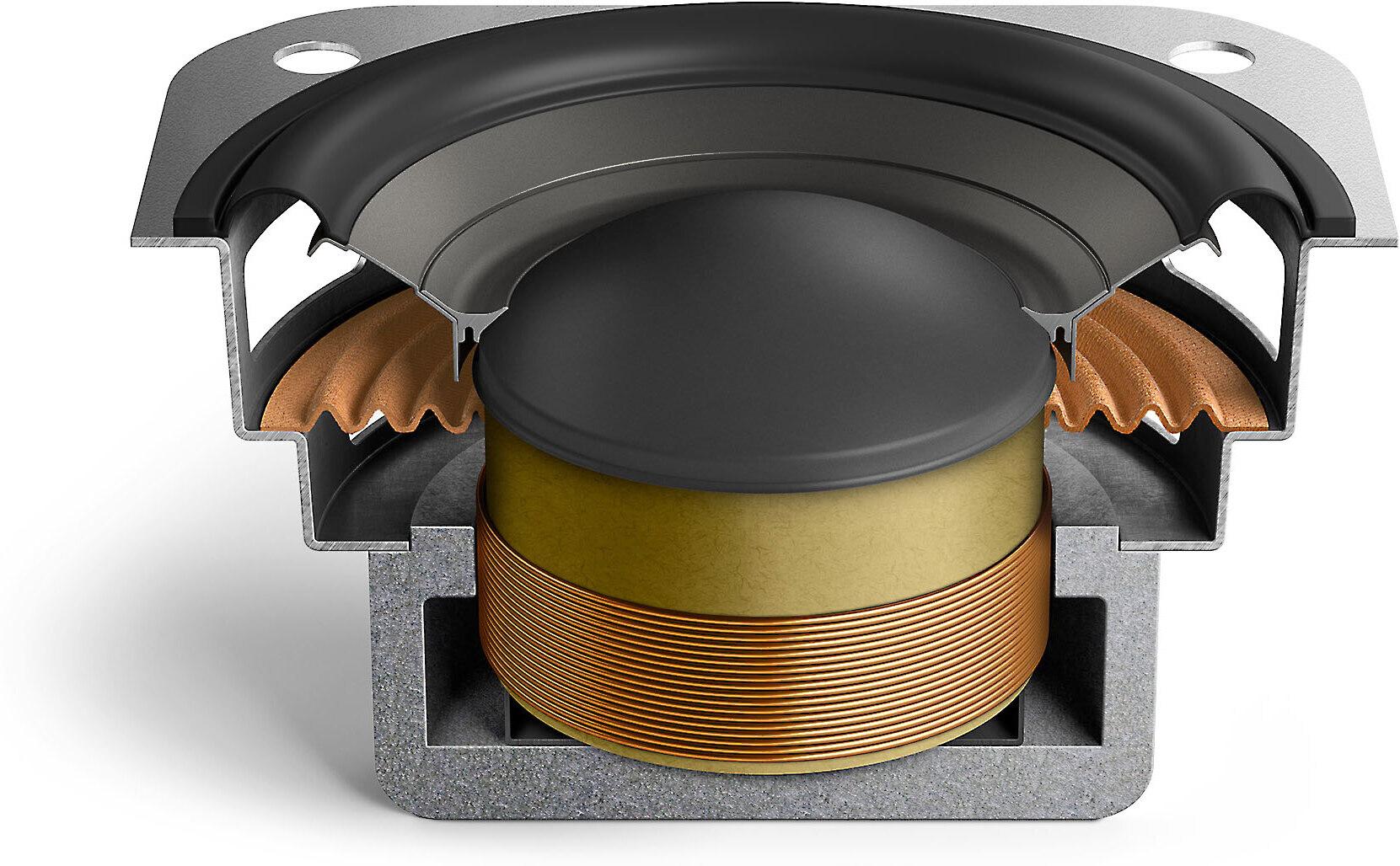
The heart of the KEF XIO lies in its driver configuration—a topic that sounds technical but directly impacts what you hear. KEF uses six Uni-Q MX drivers, which are miniaturized versions of their famous concentric design. Imagine a tweeter (high-frequency speaker) sitting perfectly centered inside a midrange driver. This arrangement, called a coaxial design, ensures that high and mid frequencies arrive at your ears simultaneously, creating remarkably precise stereo imaging.
I've spent considerable time with KEF's larger Uni-Q drivers in their bookshelf speakers, and the technology translates surprisingly well to soundbar form. The imaging—your ability to pinpoint exactly where sounds originate—rivals what you'd expect from separate left and right speakers positioned several feet apart.
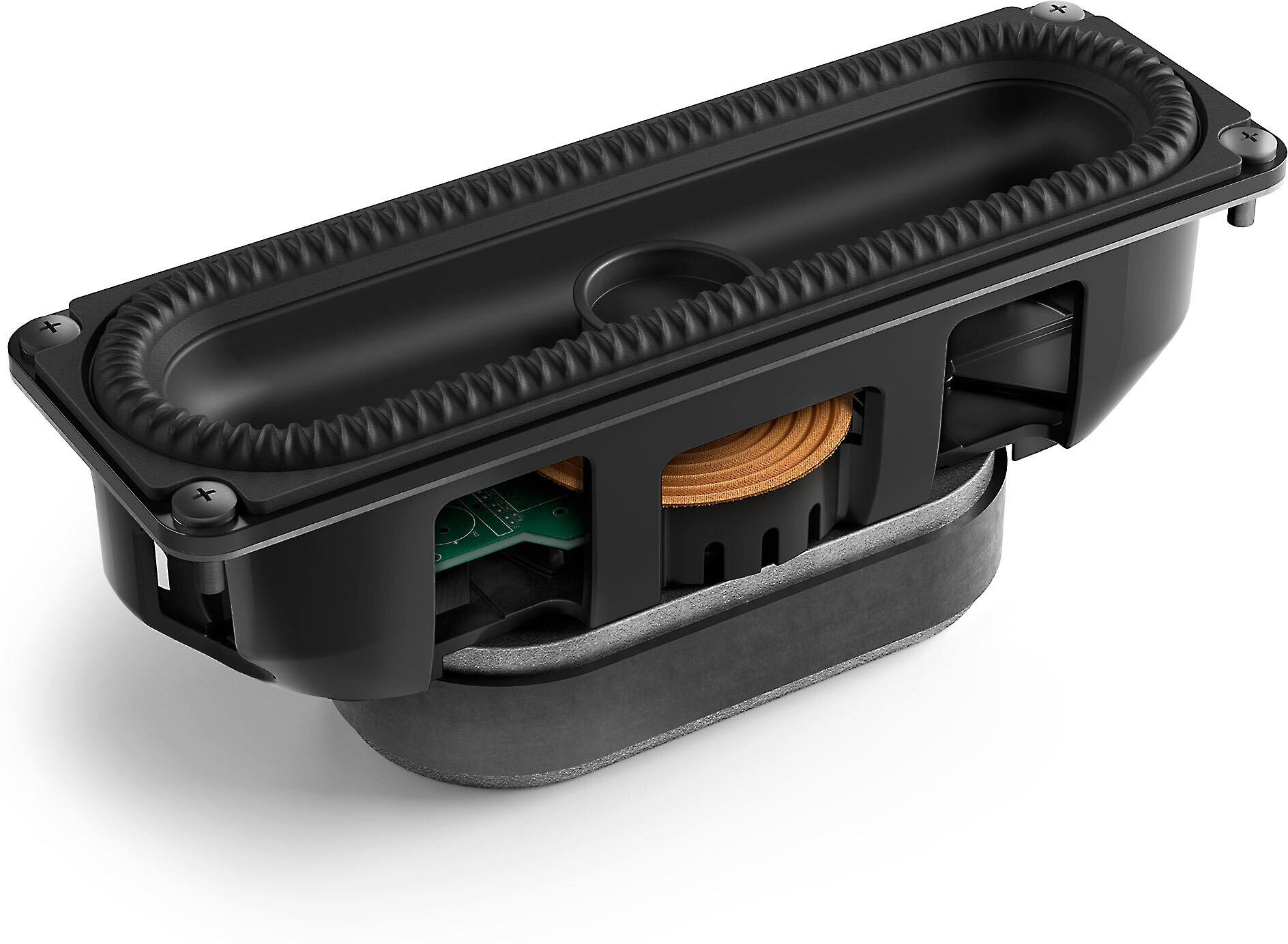
For bass frequencies, KEF employs four P185 racetrack drivers arranged in a force-cancelling configuration. These aren't typical round woofers; they're oval-shaped drivers that fit more surface area into the soundbar's slim profile. The "force-cancelling" arrangement means pairs of drivers work opposite each other, eliminating unwanted cabinet vibrations that typically muddy bass response.
The secret sauce is KEF's VECO (Velocity Control) technology, which uses real-time feedback to monitor each driver's movement. When the system detects distortion beginning to creep in—say, during an explosion in an action movie—VECO corrects the driver motion to maintain clean output. KEF claims this reduces distortion by up to 28dB, which in practical terms means bass stays tight and controlled even at high volumes.
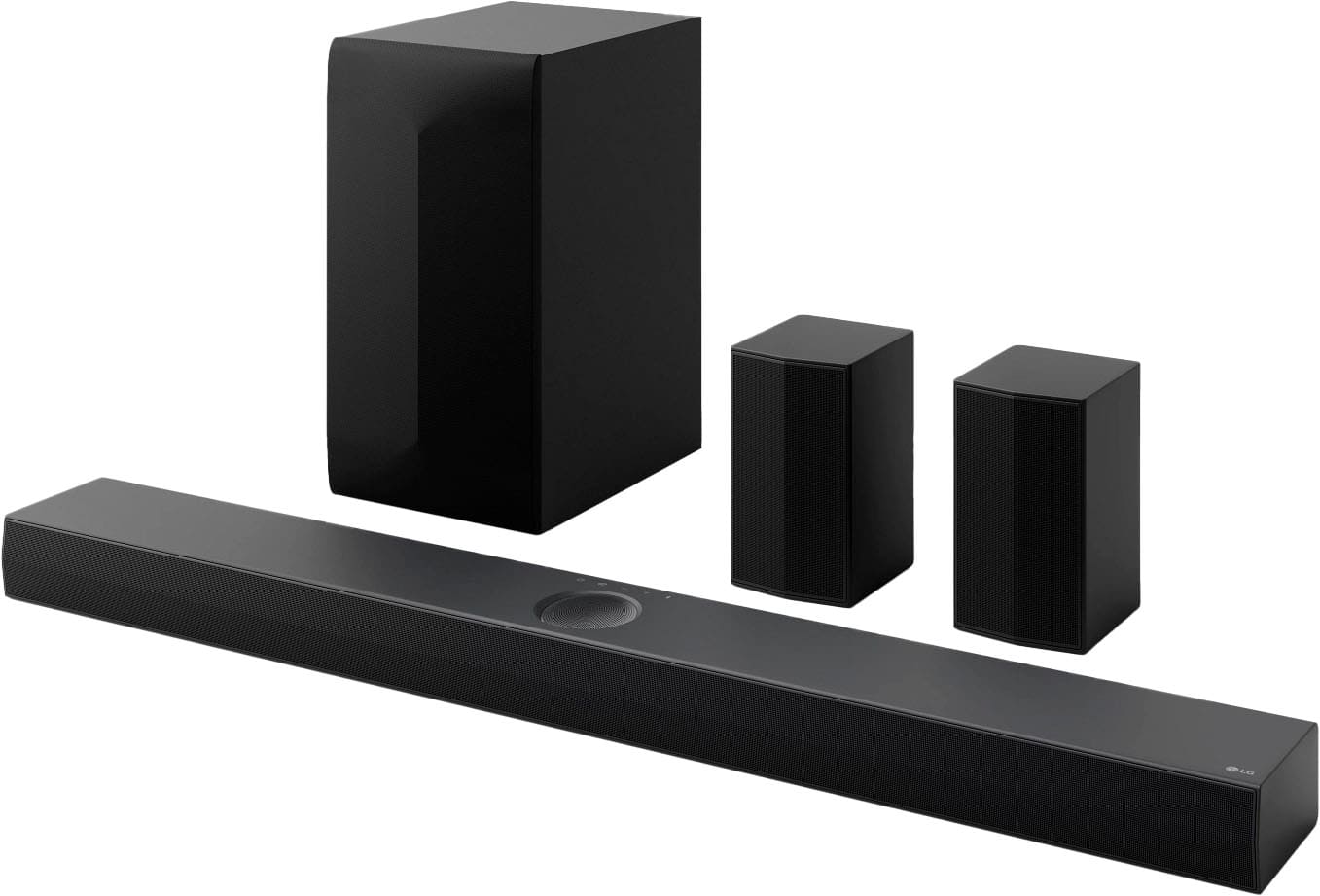
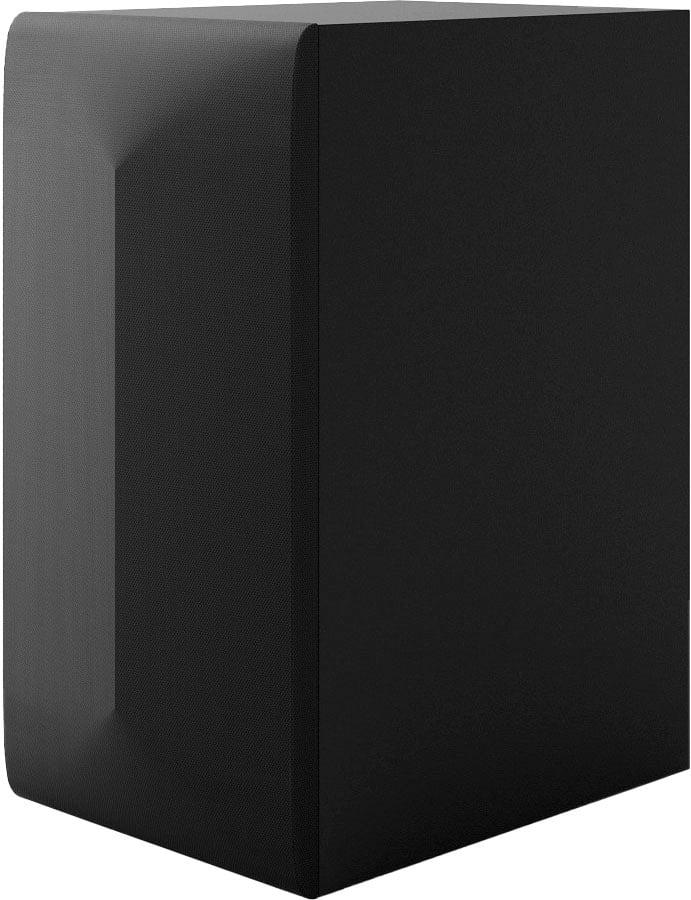
The LG S70TR takes a more conventional approach that still delivers impressive results for its price point. The main soundbar houses standard drivers optimized for dialogue clarity and midrange reproduction. The real strength lies in its system approach: a wireless 7-inch subwoofer handles low frequencies, while included wireless rear speakers create the surround sound envelope.
What makes the LG interesting is its AI Sound Pro technology, which analyzes incoming audio in real-time. If it detects dialogue-heavy content like a drama or news program, it automatically adjusts the frequency balance to emphasize speech frequencies. During action sequences, it shifts focus to dynamic range and impact. This automatic optimization works surprisingly well in practice, though it lacks the precision of manual tuning.
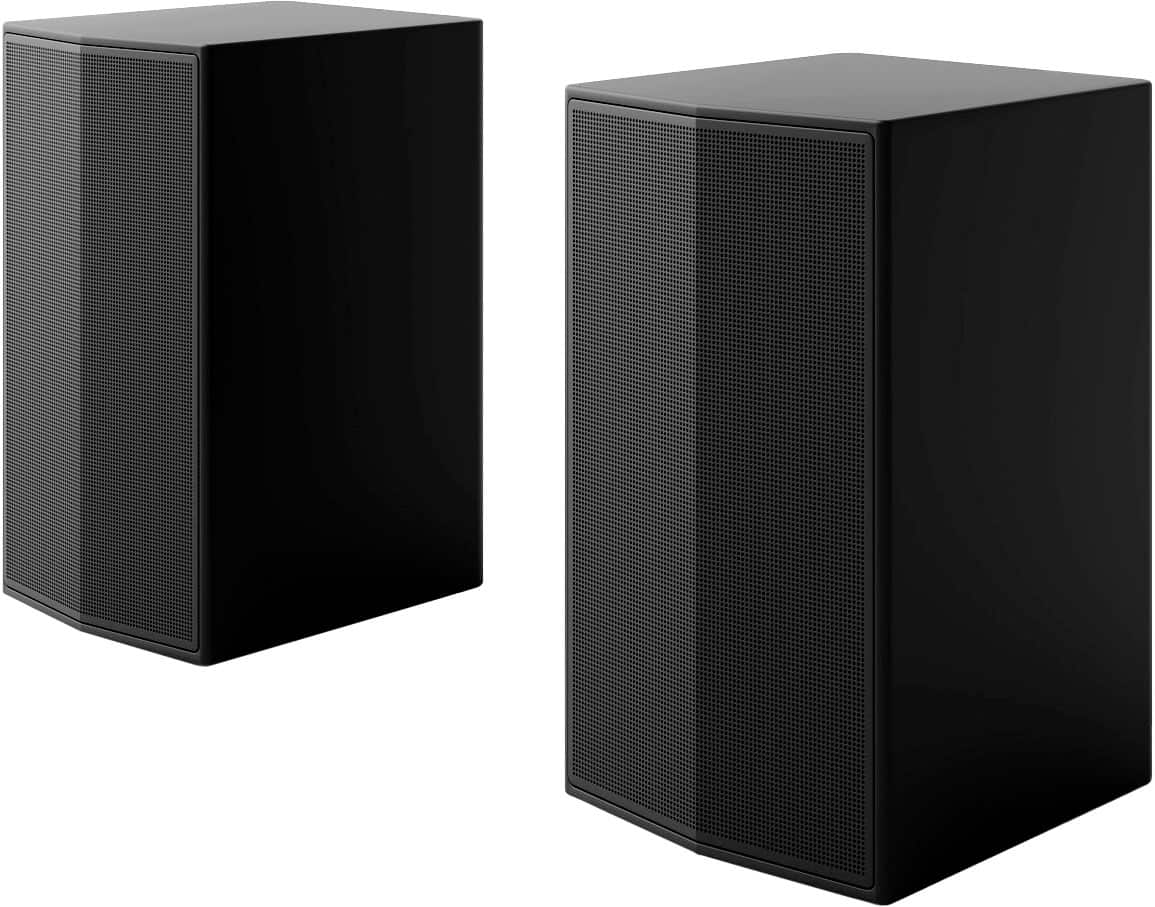
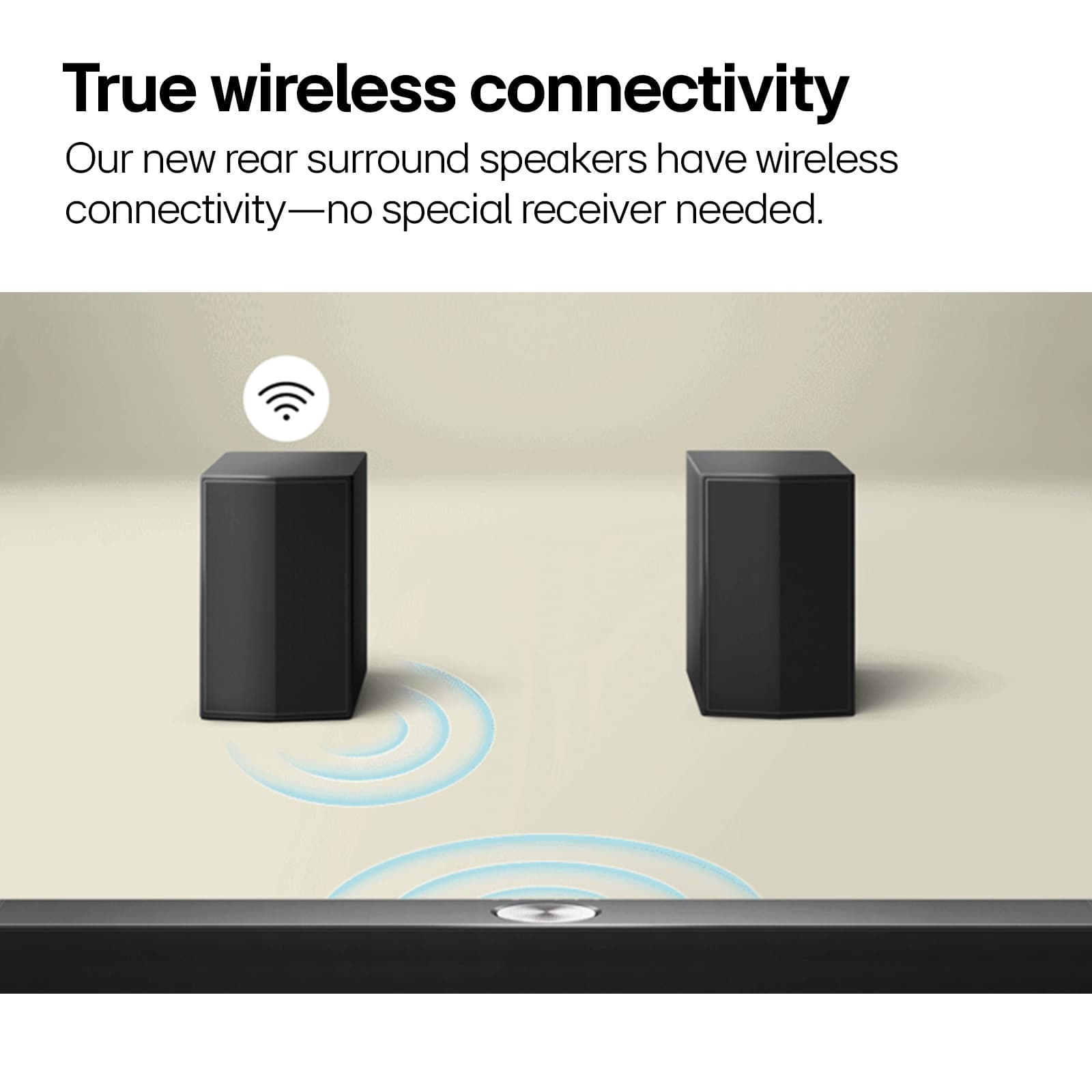
The wireless rear speakers deserve special mention. Unlike many budget soundbar systems that require you to purchase rear speakers separately, LG includes them in the box. They're compact satellites that provide genuine surround effects rather than processed virtualization from the main bar.
Here's where the philosophical differences between our two soundbars become most apparent. The KEF XIO integrates everything into its main chassis, achieving bass response down to 34Hz—impressive for any soundbar, let alone one without a separate subwoofer. The four P185 drivers work together to move substantial amounts of air while maintaining the precision you'd expect from a high-end music system.
The LG S70TR follows the traditional approach with its dedicated wireless subwoofer. The 7-inch driver delivers solid impact for movies and has the advantage of flexible placement—you can tuck it beside your couch or behind furniture where it won't interfere with room aesthetics. However, it lacks the integration and speed of KEF's built-in solution.
From a practical standpoint, the LG's approach offers more bass extension flexibility, while the KEF provides better musical accuracy and timing. If you primarily watch movies and want room-shaking explosions, the LG's separate subwoofer can deliver more raw output. If you listen to music regularly and value tight, accurate bass that doesn't overwhelm vocals and midrange details, KEF's integrated approach excels.
Both soundbars support Dolby Atmos, but their implementations reveal crucial differences in approach and capability.
The KEF XIO features genuine 5.1.2 channel processing with dedicated upward-firing drivers for height effects. When properly set up, these drivers bounce sound off your ceiling to create the illusion of overhead audio objects—helicopters flying above, rain falling from the sky, or debris crashing down during action sequences.
KEF's Music Integrity Engine (MIE) for Cinema handles the complex mathematics required to properly time and phase-align these height effects with the main soundstage. The result is convincing three-dimensional audio that approaches what you'd experience with dedicated ceiling speakers in a traditional home theater setup.
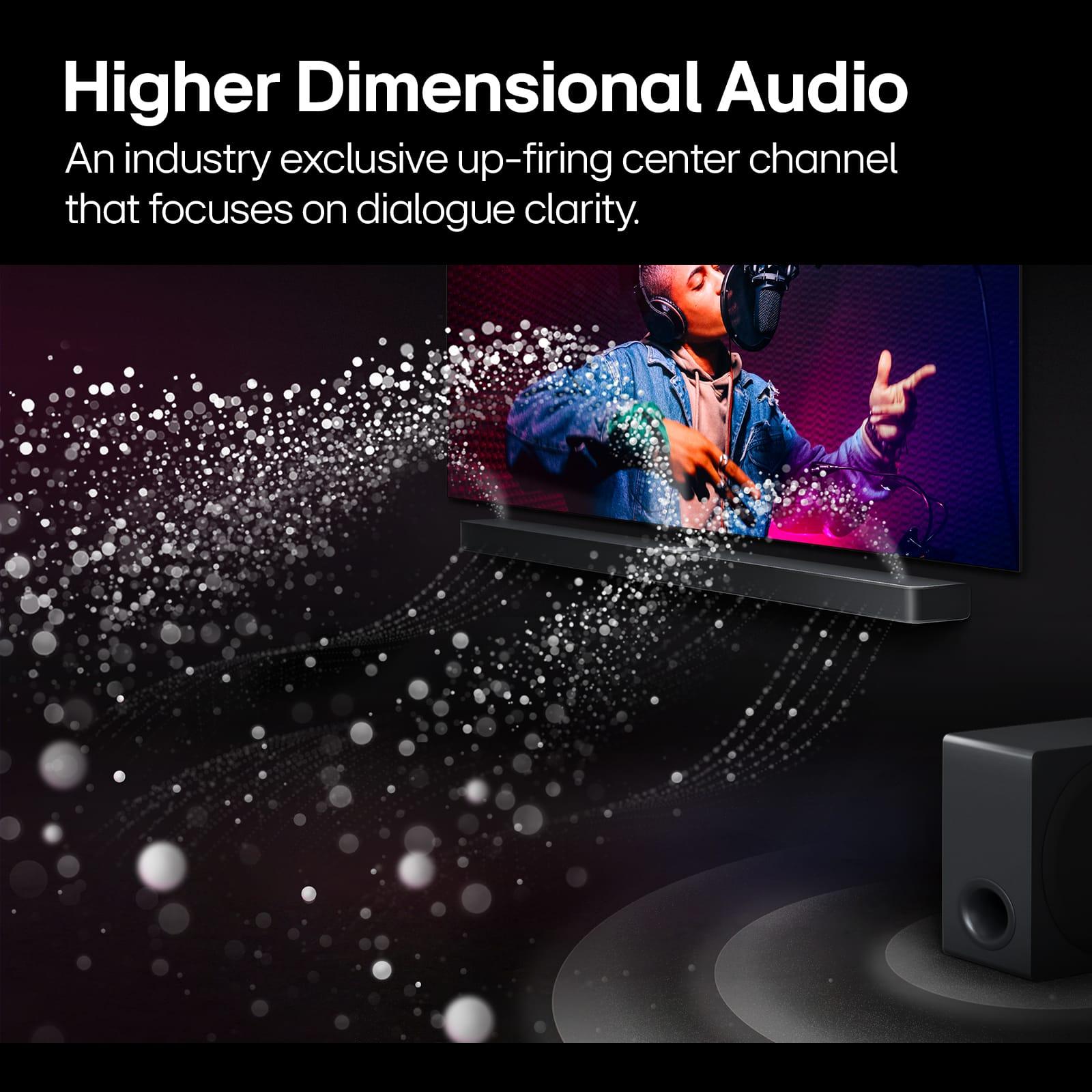
The LG S70TR implements a 5.1.1 configuration with a single upward-firing center channel. While this provides height effects, they're less precise and immersive than KEF's dual-height implementation. LG compensates through processing tricks and their Smart Up-Mixer technology, which attempts to extract height information from stereo sources and redistribute it across the available speakers.
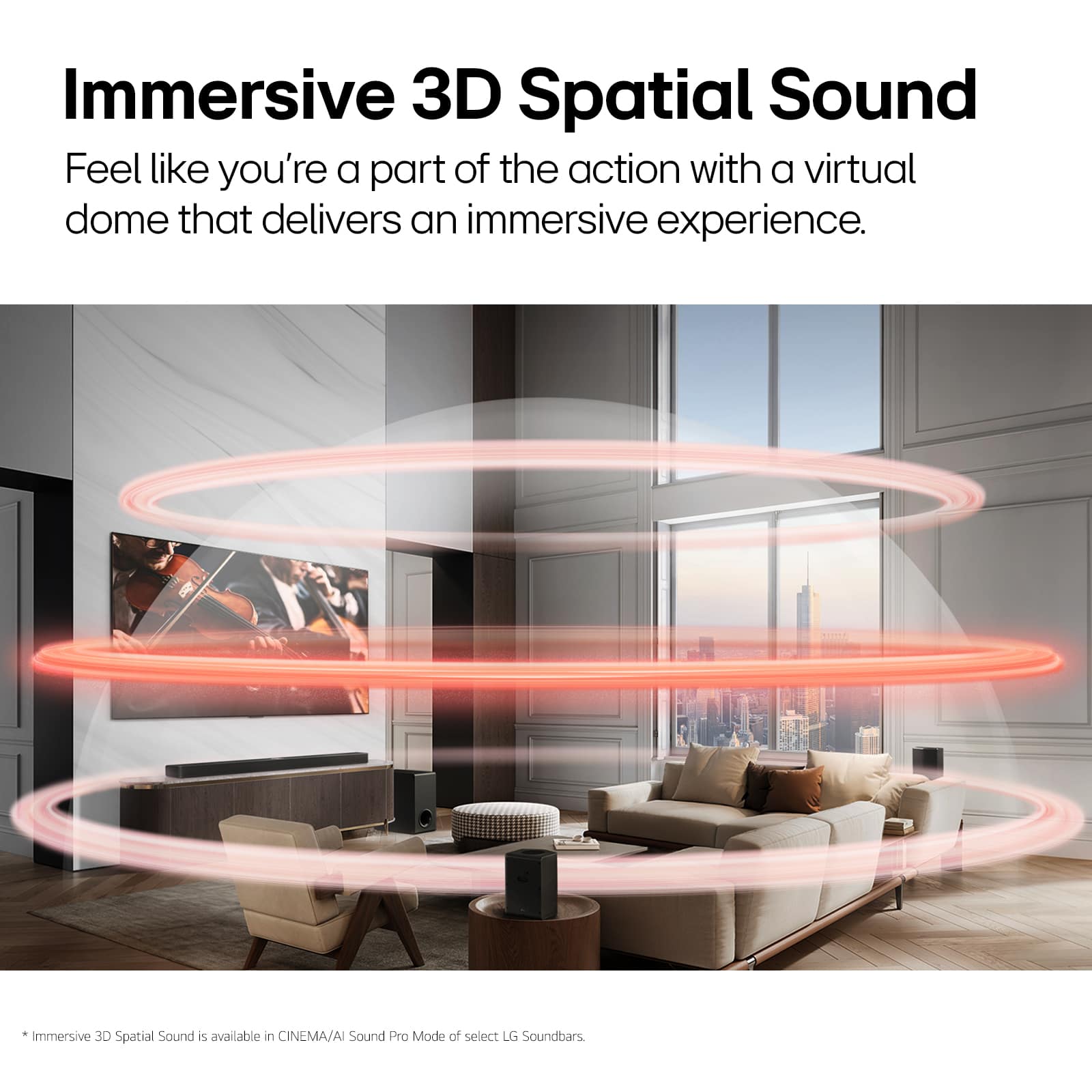
The practical difference is noticeable with complex Atmos content. The KEF creates a more convincing dome of sound around your listening position, while the LG provides height effects that are present but less dramatically positioned.
The KEF XIO prioritizes connection quality and high-resolution audio support. It handles up to 24-bit/384kHz audio files—far beyond what most streaming services provide but future-proofing for higher quality content. The KEF Connect app offers parametric EQ controls, letting you fine-tune frequency response curves rather than simple bass/treble adjustments.
Intelligent Placement Technology automatically calibrates the soundbar based on room position and nearby objects. Place it on a shelf, and IPT adjusts for boundary reinforcement. Wall-mount it, and the system compensates for different acoustic loading. This level of automatic optimization is typically found only in much more expensive systems.
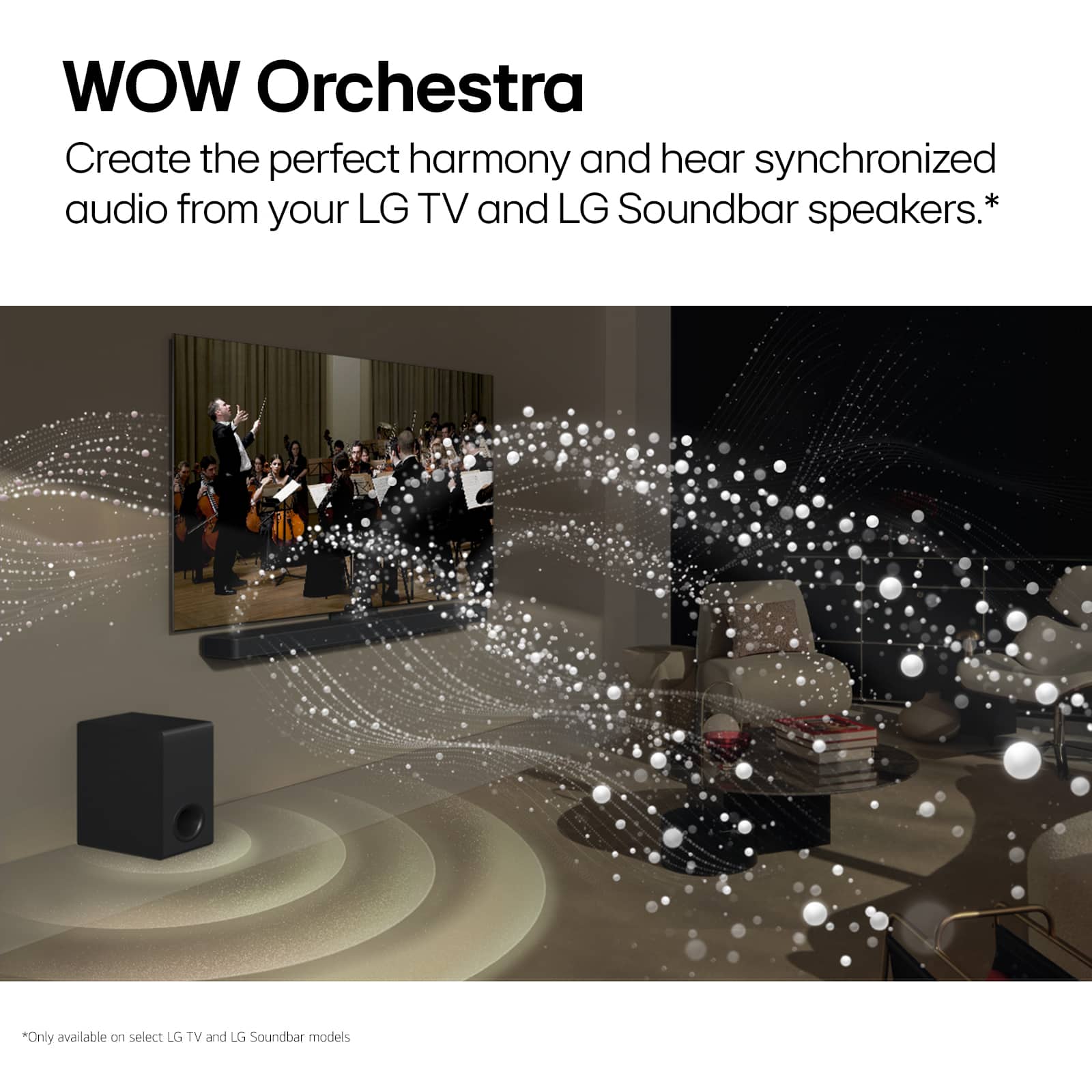
The LG S70TR shines in its integration with LG TVs through WOW Orchestra technology. This feature synchronizes the soundbar with your TV's built-in speakers, effectively creating a larger speaker array. The TV handles center channel duties while the soundbar provides surround and bass. It's a clever approach that maximizes the hardware you already own.
Gaming features include Variable Refresh Rate (VRR) and Auto Low Latency Mode (ALLM) support, ensuring smooth, responsive gaming up to 120Hz refresh rates. The LG Soundbar app provides basic but functional control over EQ settings and sound modes.
The KEF XIO excels in larger spaces where its 820 watts of amplification and advanced driver array can properly stretch their legs. In rooms over 300 square feet, the KEF's ability to maintain clarity and impact at higher volumes becomes increasingly valuable. Its wide dispersion pattern means listeners across a large couch or multiple seating areas all experience quality sound.
The LG S70TR works exceptionally well in apartments and smaller rooms where its wireless rear speakers can be positioned effectively without overwhelming the space. The separate subwoofer offers placement flexibility that can be crucial in tight quarters—you can position it where it provides good bass response without taking up prime real estate.
The KEF XIO approaches home theater as a refined, single-component solution. It's designed to be the only audio component you need, delivering performance that rivals multi-component systems costing significantly more. The trade-off is limited expandability—you can't easily add more speakers or upgrade components individually.
The LG S70TR works better as part of a larger system that can grow over time. You can add compatible LG subwoofers for more bass, integrate with LG TVs for WOW Orchestra, or use it as a stepping stone to more advanced audio setups later.
The 8x price difference between these soundbars raises obvious questions about value and diminishing returns.
The KEF XIO justifies its premium pricing through advanced driver technology, sophisticated DSP processing, and build quality that approaches high-end separates. You're paying for engineering refinement that's immediately audible in critical listening situations. If you're transitioning from a quality stereo system or have experience with high-end audio, the KEF's precision and musicality will likely justify the investment.
The LG S70TR represents remarkable value engineering, delivering approximately 80% of a premium soundbar's core functionality at 12% of the price. For most users watching Netflix, playing games, or enjoying casual music listening, the LG provides more than adequate performance with genuinely useful features like wireless rear speakers and TV integration.
The KEF XIO and LG S70TR represent different philosophies in soundbar design, each excelling in their intended market segments. The choice ultimately comes down to your budget, room requirements, and how critically you listen to audio content. Both will dramatically improve your TV's sound quality—the question is whether KEF's premium engineering justifies the significant price premium for your specific needs and preferences.
| KEF XIO Soundbar | LG S70TR 5.1.1 Channel Soundbar |
|---|---|
| Price - The 8x difference reflects vastly different target markets | |
| $2,499 (Premium audiophile positioning) | $299 (Exceptional value for features included) |
| Channel Configuration - More height channels create better Atmos immersion | |
| 5.1.2 channels with dual dedicated height drivers | 5.1.1 channels with single up-firing center speaker |
| Total Power - Higher wattage enables room-filling sound without distortion | |
| 820W from 12 discrete Class D amplifiers | 480W with wireless subwoofer and rear speakers |
| Driver Technology - Advanced drivers deliver superior clarity and imaging | |
| 6× Uni-Q MX concentric drivers + 4× P185 racetrack bass drivers with force-cancelling | Standard drivers with 7" wireless subwoofer |
| Bass Response - Lower frequency extension provides deeper, more impactful bass | |
| Down to 34Hz from integrated P185 drivers (no separate subwoofer needed) | Wireless 7" subwoofer with front-firing driver and rear port |
| Distortion Control - Advanced processing maintains clean sound at high volumes | |
| VECO technology reduces distortion by up to 28dB | Standard distortion management |
| Room Calibration - Automatic tuning optimizes sound for your specific space | |
| Intelligent Placement Technology with built-in microphone | AI Room Calibration with basic acoustic optimization |
| Streaming Quality - Higher resolution support future-proofs your investment | |
| Up to 24-bit/384kHz high-resolution audio | Standard streaming with AI Sound Pro optimization |
| TV Integration - Seamless connectivity enhances the overall experience | |
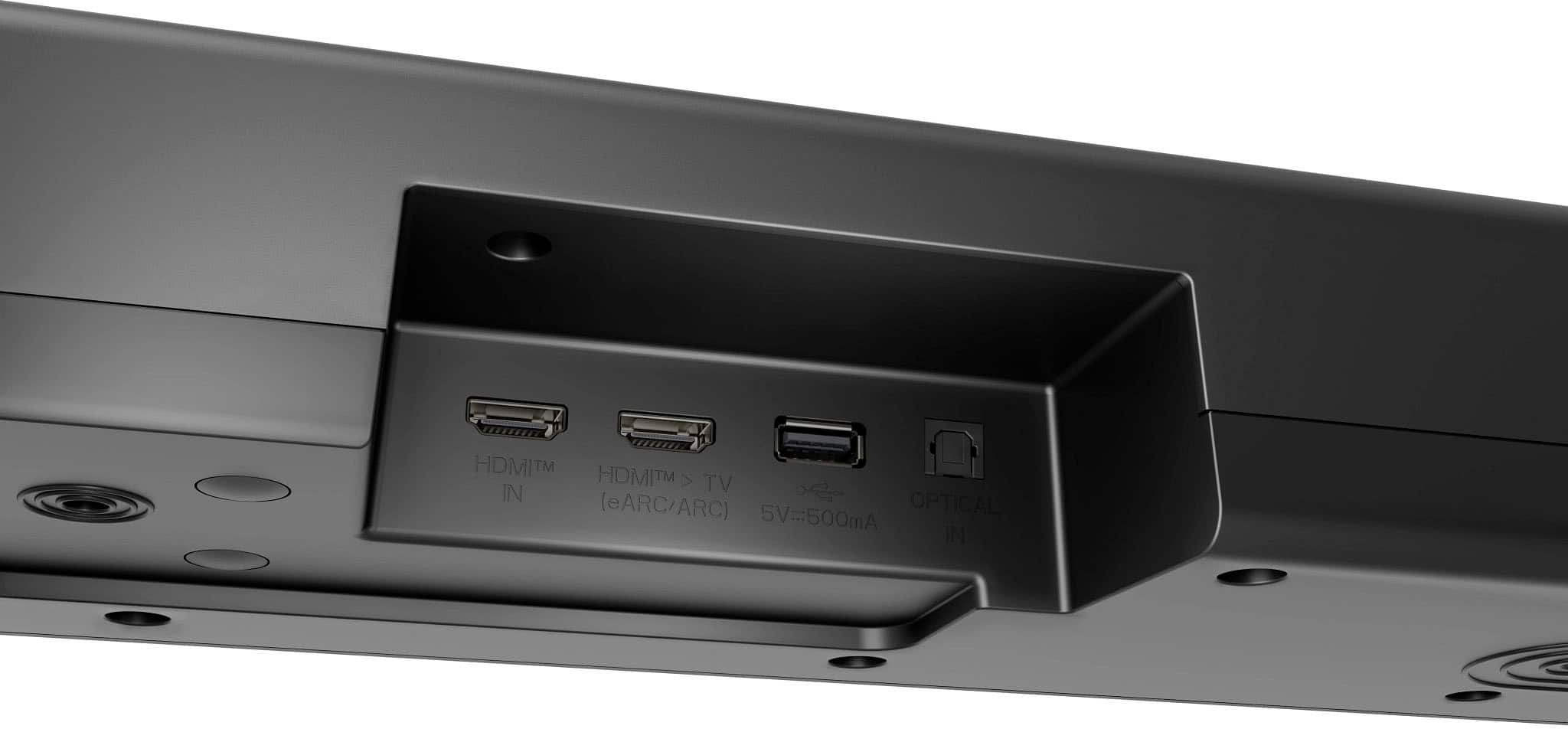
| HDMI 2.1 eARC, Wi-Fi 6, advanced KEF Connect app | WOW Orchestra syncs with LG TVs, gaming VRR/ALLM support |
| Build Quality - Premium materials justify long-term investment | |
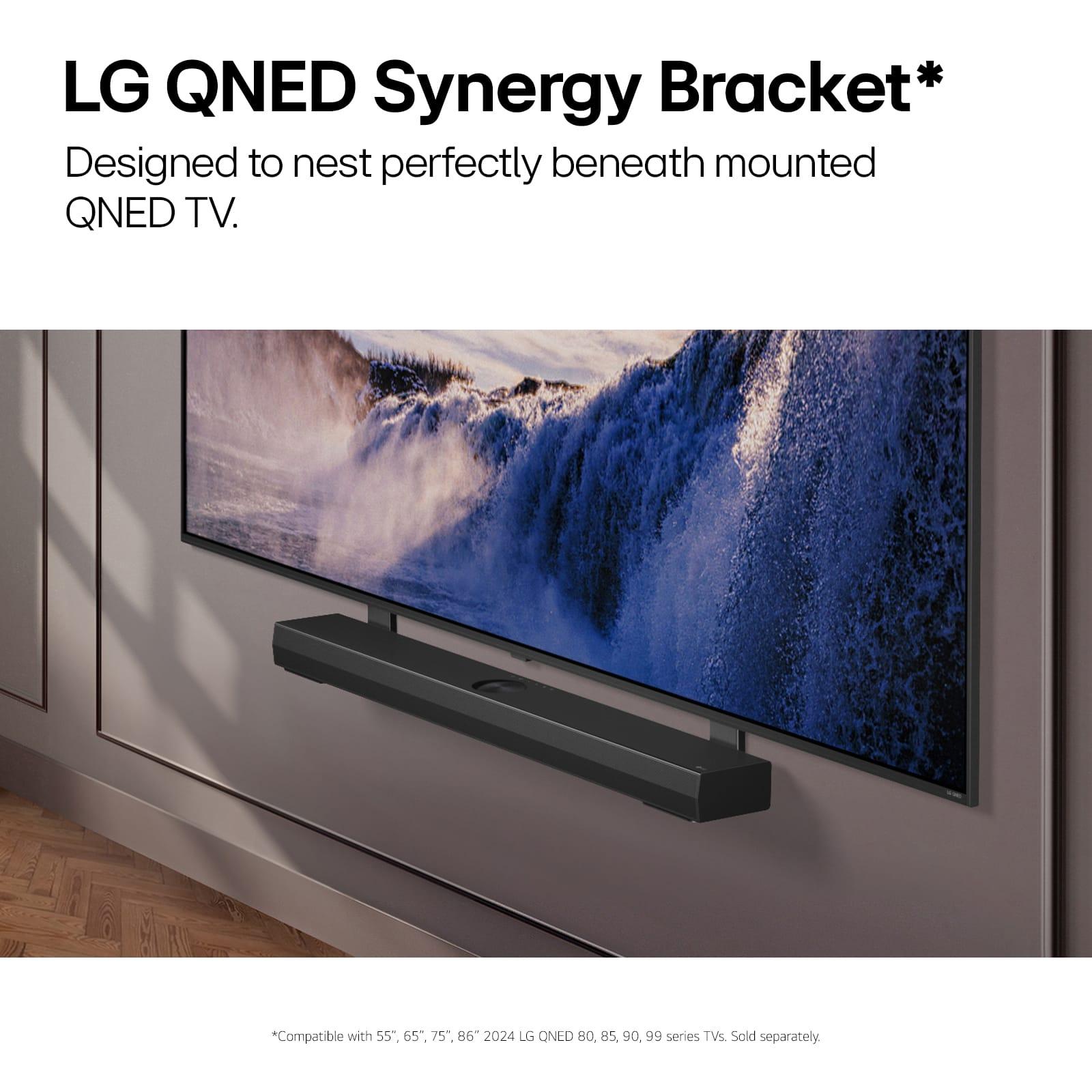
| Aluminum chassis with splash-proof fabric, minimalist design | Functional design optimized for LG QNED TVs |
| Included Accessories - More components provide complete surround experience | |
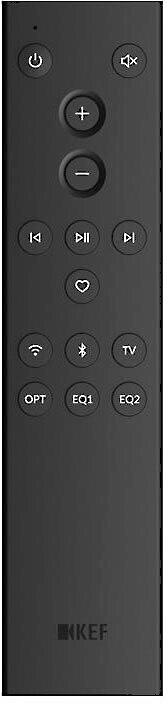
| Remote, wall mount bracket, power cable | Wireless subwoofer, wireless rear speakers, remote, cables, wall mount |
| Best For - Choose based on your priorities and listening habits | |
| Audiophiles wanting reference-quality sound in large rooms | Budget-conscious users seeking full Atmos system with LG TV integration |
The primary difference is target market and price. The KEF XIO ($2,499) is a premium audiophile soundbar with advanced acoustic engineering, while the LG S70TR ($299) is a budget-friendly option that delivers excellent value with wireless surround speakers included.
The LG S70TR offers exceptional value at $299, including wireless rear speakers and a subwoofer that would cost extra with most competitors. The KEF XIO justifies its $2,499 price through reference-grade audio components and advanced driver technology, but only if audio quality is your top priority.
The LG S70TR includes wireless rear speakers, a wireless subwoofer, remote, cables, and wall mount bracket - essentially a complete surround system. The KEF XIO includes the main soundbar, remote, wall mount, and power cable, but achieves surround sound through advanced processing rather than separate speakers.
Choose the KEF XIO if audio quality is paramount, you listen to music critically, have a larger room, and budget allows for premium performance. Choose the LG S70TR if you want excellent features and performance under $300, own an LG TV, or are new to soundbars and want a complete wireless surround system.
We've done our best to create useful and informative comparisons to help you decide what product to buy. Our research uses advanced automated methods to create this comparison and perfection is not possible - please contact us for corrections or questions. These are the sites we've researched in the creation of this article: blog.son-video.com - residentialsystems.com - whathifi.com - audioadvice.com - crutchfield.com - homecrux.com - techradar.com - youtube.com - us.kef.com - gramophone.com - cepro.com - audioxpress.com - musicdirect.com - gramophone.com - us.kef.com - crutchfield.com - hifipig.com - bestbuy.com - listenup.com - bestbuy.com - bestbuy.com - listenup.com - bestbuy.com - mynavyexchange.com - rixaudiovideoappliance.com - rtings.com - youtube.com - bestbuy.com - howards.siteontimedev.com - bestbuy.com - appliancestogousa.us

Privacy Policy
Terms and Conditions - Affiliate Policy
Home Security
© Copyright 2008-2026.
11816 Inwood Rd #1211, Dallas, TX 75244