





If you've ever found yourself straining to hear dialogue in your favorite show or feeling like your TV's built-in speakers just don't cut it anymore, you're not alone. Soundbars have become the most popular solution for upgrading home audio without the complexity of a full surround sound system. But with options ranging from under $300 to over $2,000, choosing the right one can feel overwhelming.
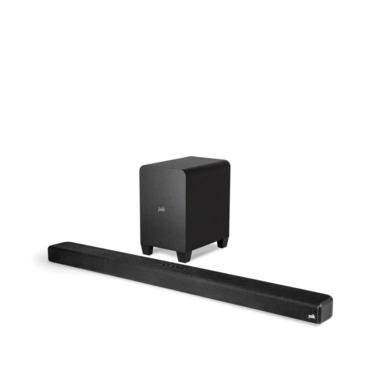
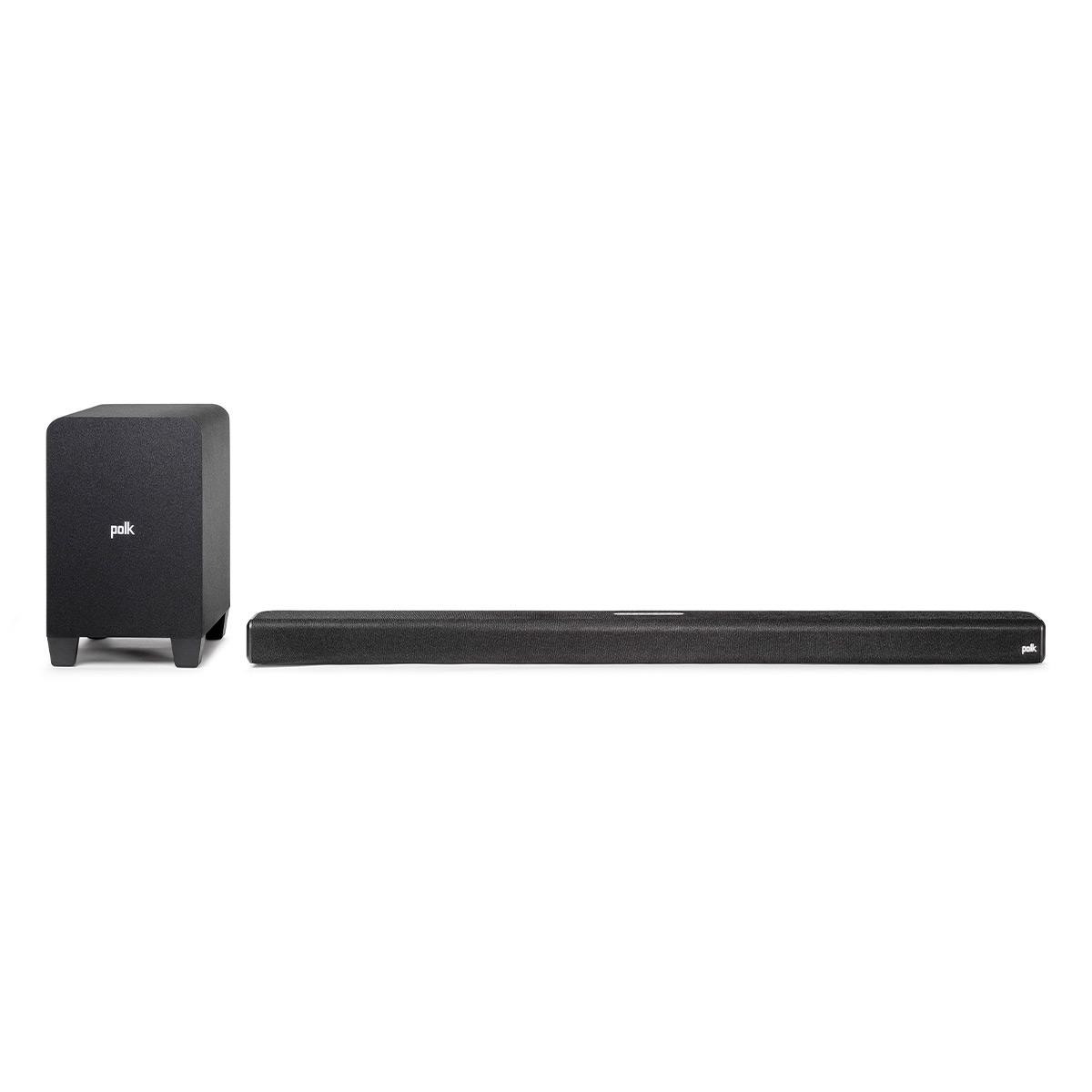
Today we're comparing two soundbars that couldn't be more different: the premium KEF XIO Soundbar at $2,499 and the budget-friendly Polk Audio Signa S4 at $299. That's an 8x price difference, which naturally raises the question: what exactly are you getting for that extra money?
Before diving into our comparison, let's talk about what soundbars are trying to accomplish. Your TV's built-in speakers face downward or backward, creating muffled dialogue and virtually no bass. Soundbars aim to fix this by placing multiple drivers (the technical term for individual speakers) in a horizontal array that fires sound directly at you.
Modern soundbars also tackle the challenge of creating immersive audio. Technologies like Dolby Atmos add height channels to make you feel like helicopters are flying overhead or rain is falling around you. Some soundbars achieve this with physical speakers that fire upward (bouncing sound off your ceiling), while others use digital signal processing (DSP) – essentially computer algorithms that manipulate the audio to create the illusion of surround sound.
The key considerations when choosing a soundbar include audio quality, how well it handles different types of content, bass performance, connectivity options, and whether it fits your room and budget. Premium models often include advanced features like room calibration (automatically adjusting sound based on your space) and high-resolution audio streaming.
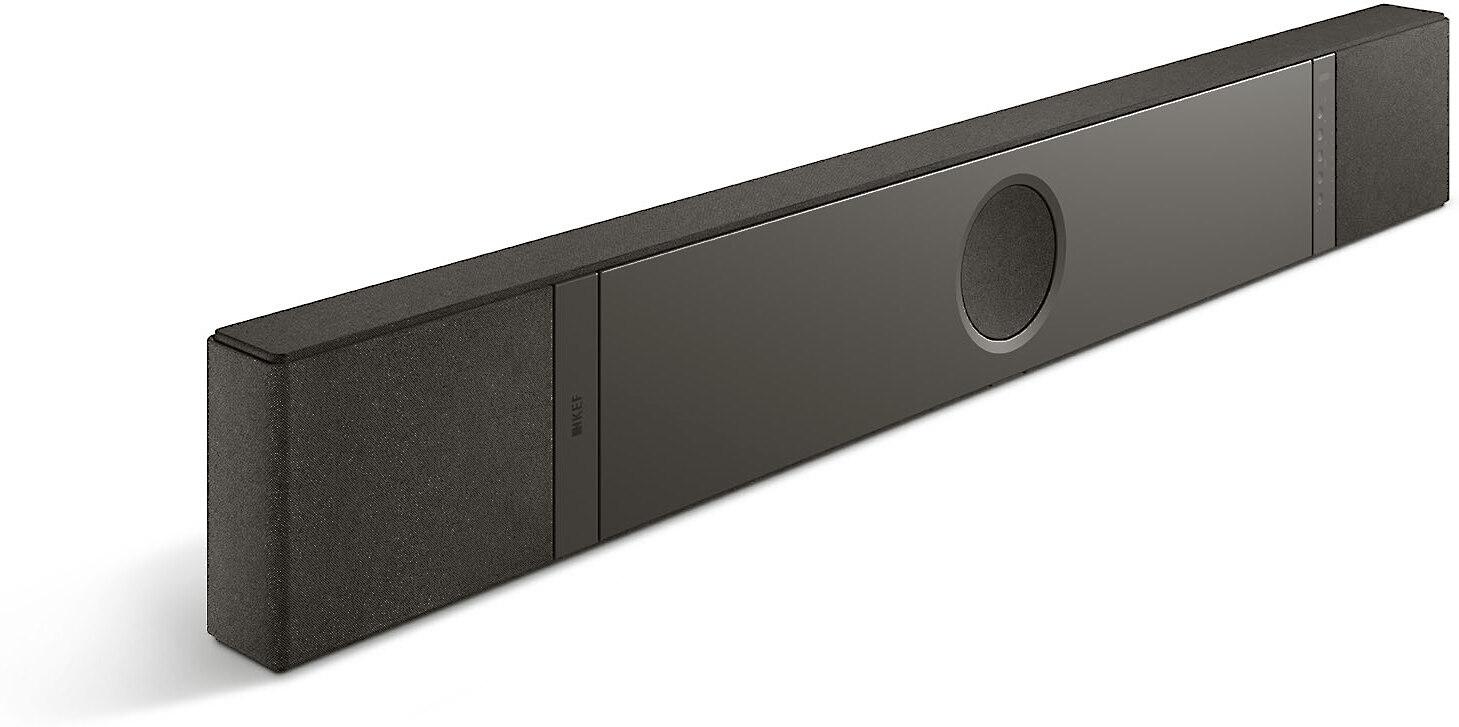
The KEF XIO, released in 2024, represents KEF's first entry into the soundbar market after decades of making high-end speakers for audiophiles. This timing is significant – KEF waited until they could bring their premium speaker technology to the soundbar format without compromise. The result is essentially a high-end stereo system disguised as a soundbar.
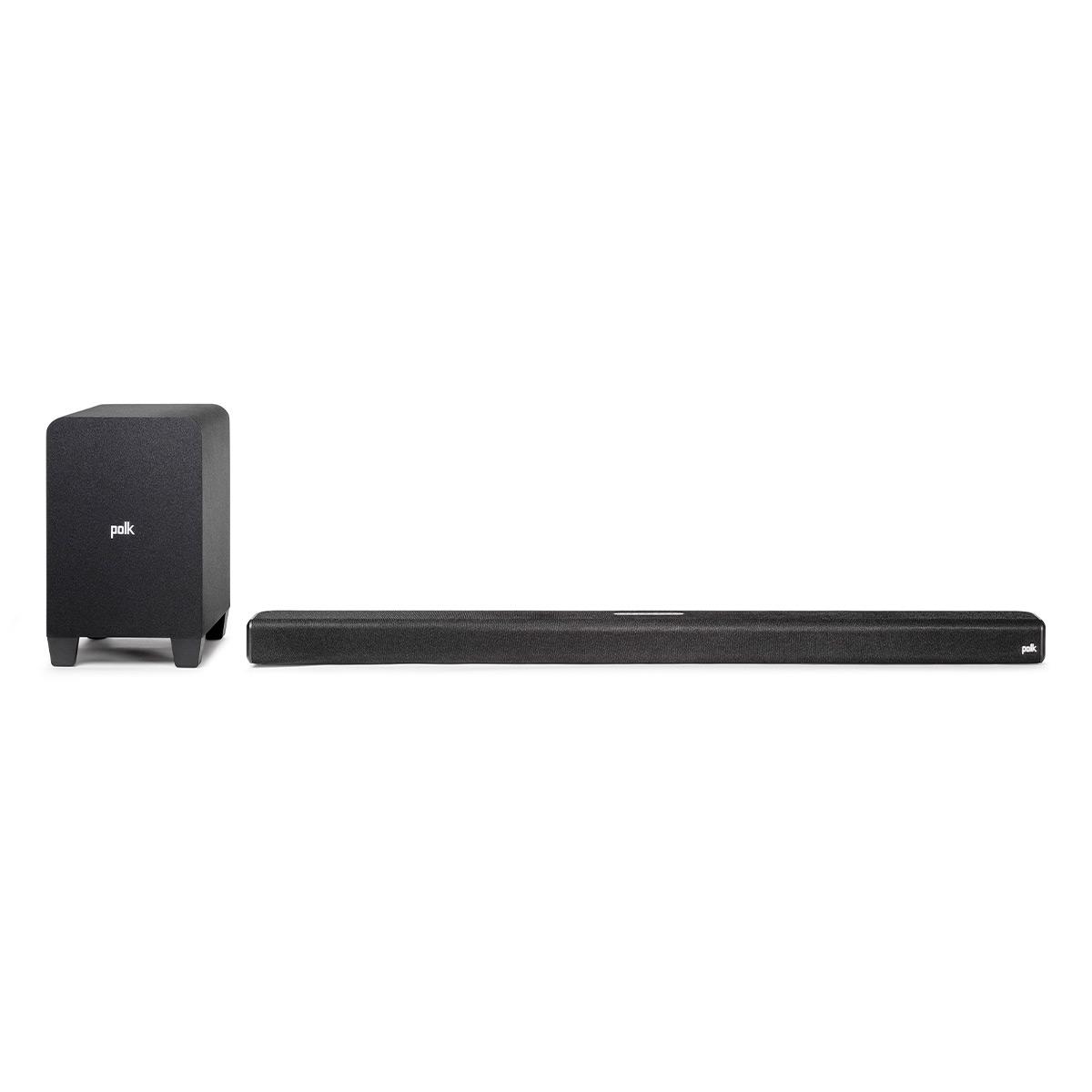
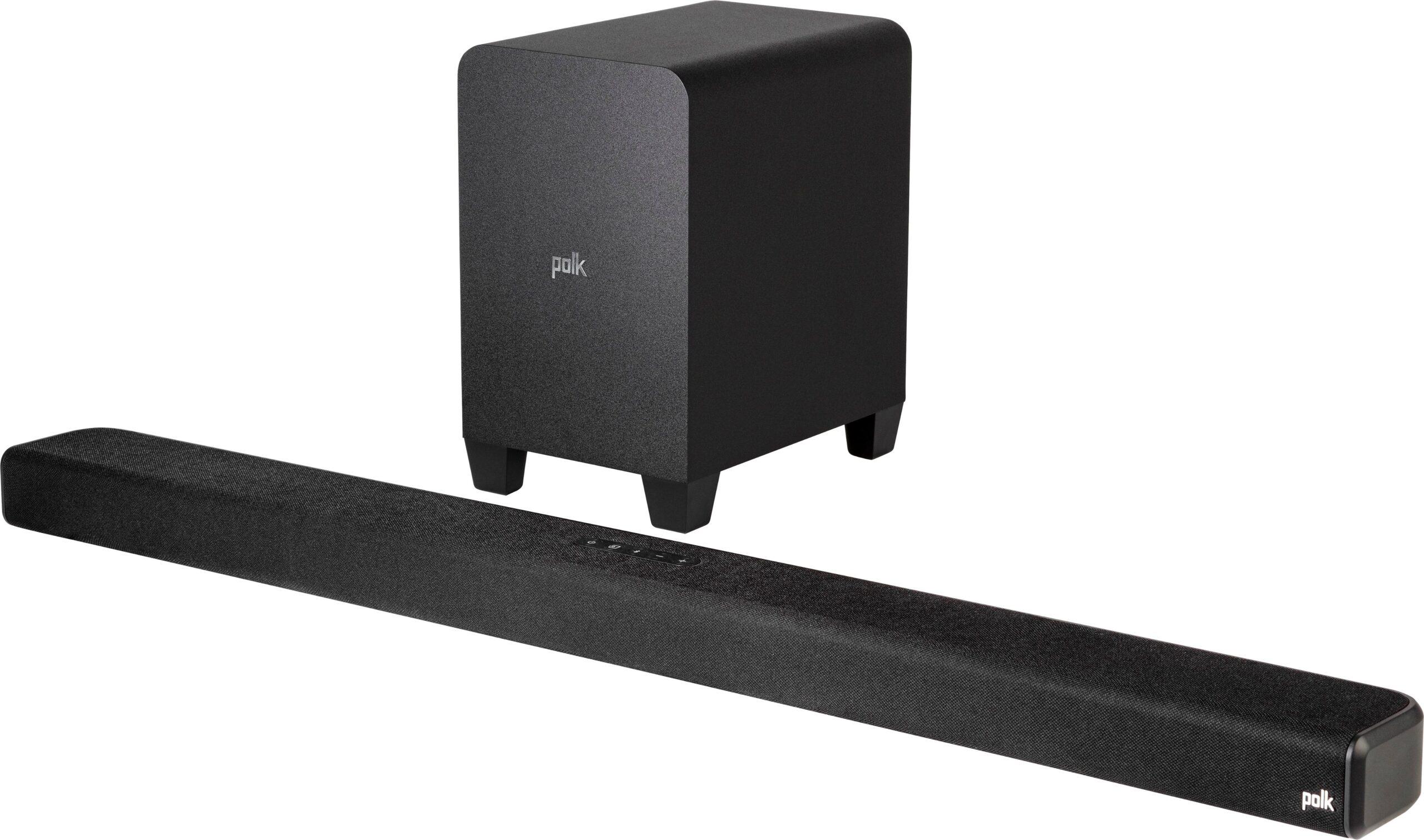
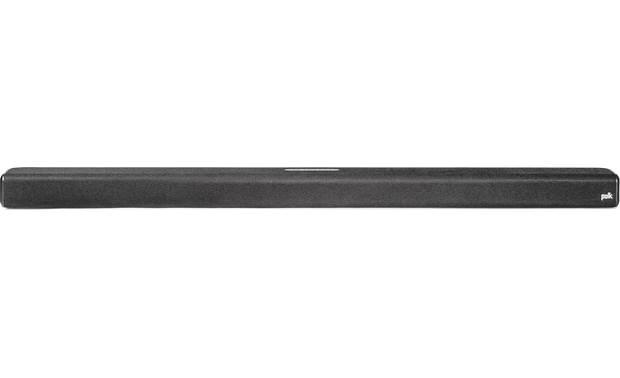
The Polk Audio Signa S4, launched in 2021, takes a different approach. Polk designed it to bring Dolby Atmos capabilities to budget-conscious consumers who previously couldn't access this immersive audio technology. It prioritizes practicality and value over audiophile-grade refinement.
Since the Signa S4's release, the budget soundbar market has become increasingly competitive, but its combination of physical up-firing speakers and a wireless subwoofer at the $299 price point remains compelling. Meanwhile, the KEF XIO benefits from the latest advancements in driver technology and digital processing, representing the current state-of-the-art in premium soundbar design.
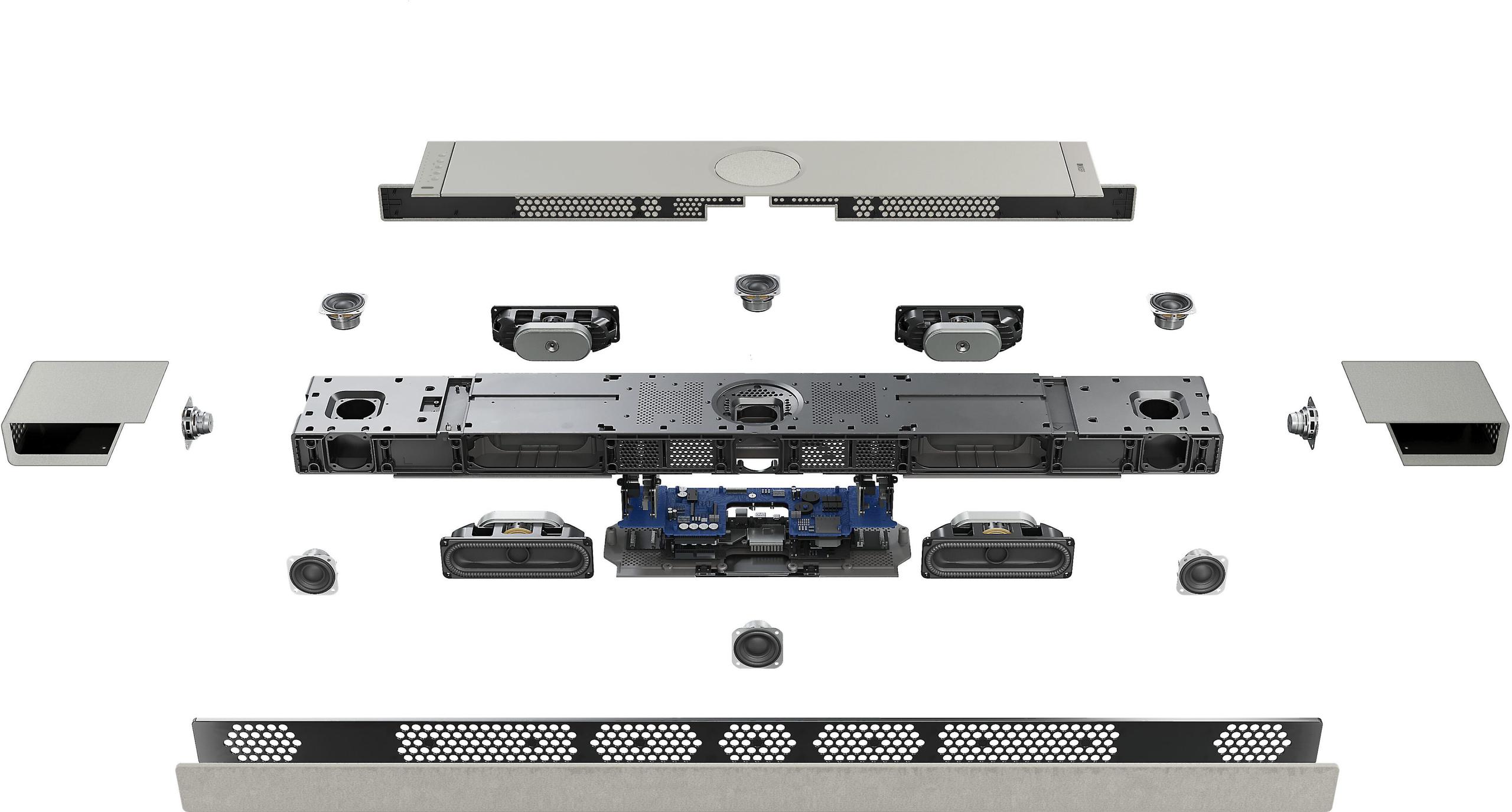
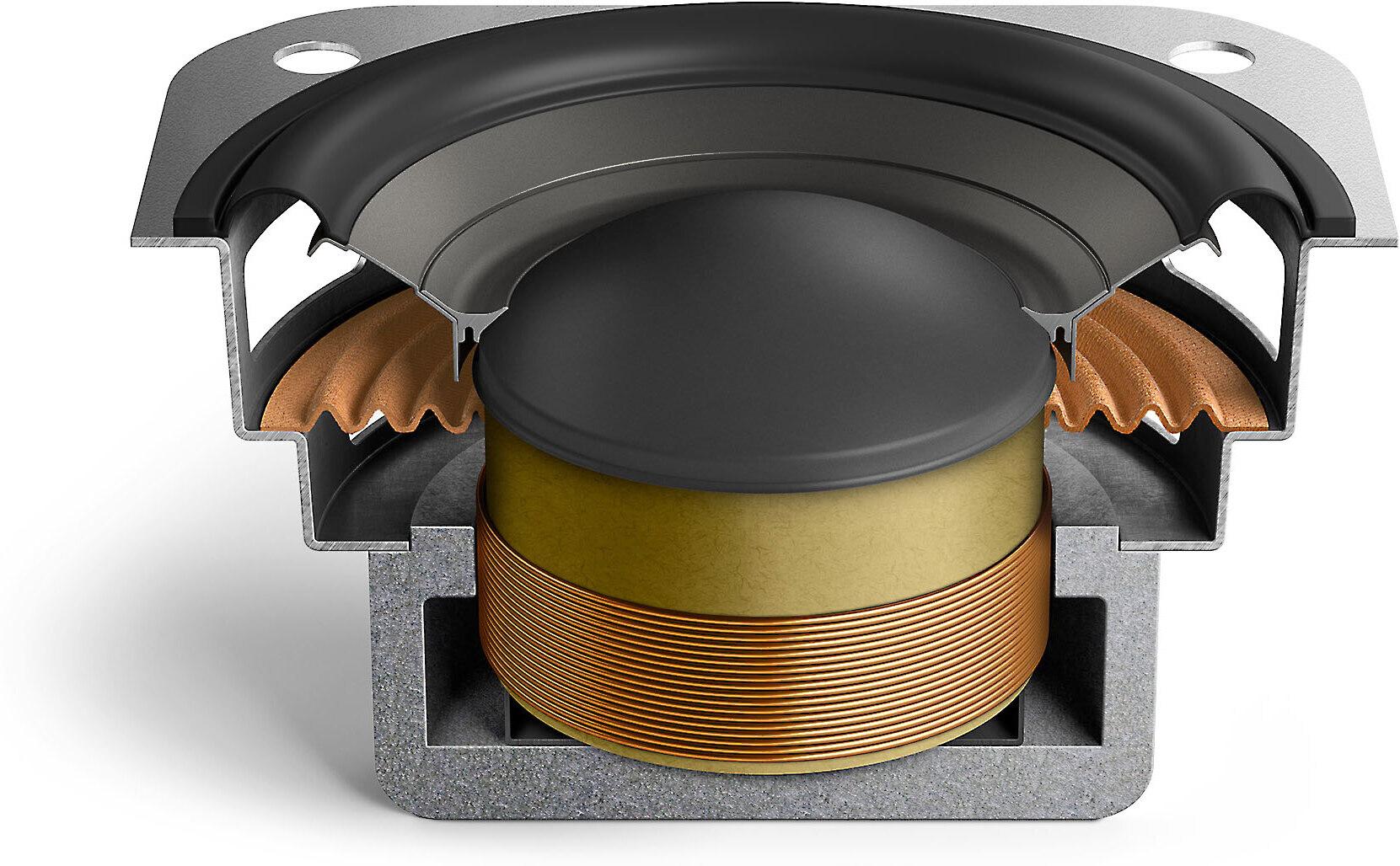
This is where the KEF XIO truly justifies its premium price tag. At its heart are six Uni-Q MX drivers – a miniaturized version of KEF's famous concentric driver technology. Here's why this matters: in traditional speakers, the tweeter (high-frequency driver) and midrange driver are separate, which can create timing issues as sound reaches your ears at slightly different moments. KEF's Uni-Q design places the tweeter directly in the center of the midrange cone, so all frequencies arrive at your ears simultaneously.
The result is what audiophiles call "pinpoint imaging" – you can close your eyes and point exactly where each instrument or voice is positioned in the soundstage. When watching movies, this translates to dialogue that seems to come directly from actors' mouths on screen, not from a box sitting below your TV.
The KEF also employs their Music Integrity Engine (MIE), a sophisticated DSP system that manages timing, phase alignment, and frequency response across all drivers. Think of it as having a professional sound engineer constantly adjusting the audio in real-time to maintain perfect balance.
In contrast, the Polk Signa S4 uses more conventional drivers arranged in a 3.1.2 configuration (left, center, right channels, plus two height channels). While it includes Polk's VoiceAdjust technology to boost dialogue clarity, the overall sound quality is more focused on intelligibility than audiophile-grade reproduction. For casual TV watching, this approach works well, but it lacks the refinement for critical music listening.
I've spent considerable time with both systems, and the difference is immediately apparent. The KEF delivers the kind of clarity and detail that makes you rediscover favorite songs, while the Polk focuses on making sure you never miss what characters are saying – two valid but very different priorities.
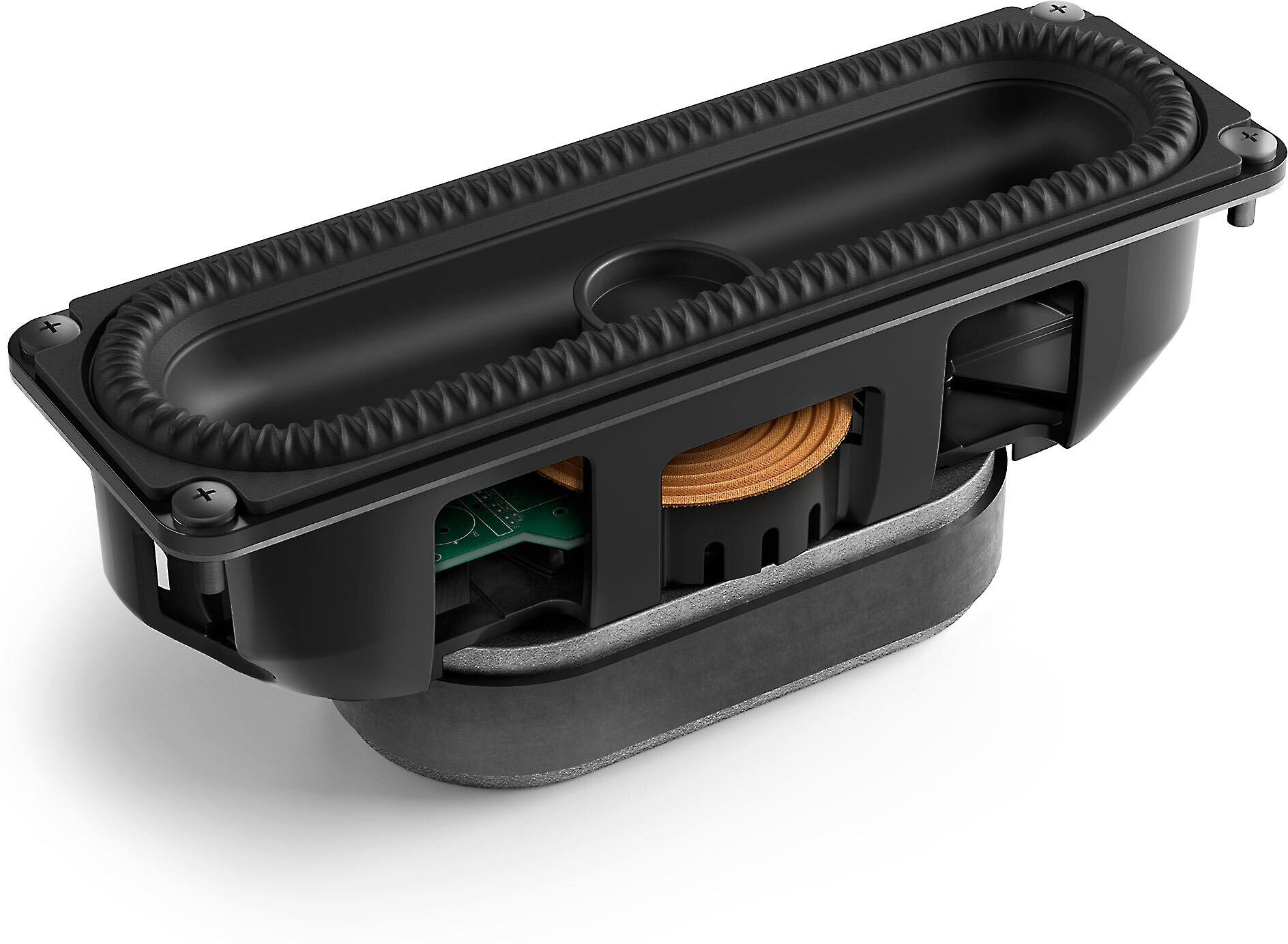
Bass handling represents another fundamental difference in approach between these systems. The KEF XIO integrates four P185 racetrack-shaped woofers directly into the soundbar. These aren't ordinary drivers – they use P-Flex technology (borrowed from KEF's high-end subwoofers) and something called VECO (Velocity Control Technology).
VECO is particularly clever: it uses real-time motion sensing to monitor how the driver cone moves and provides feedback to reduce distortion by up to 28dB. The racetrack shape and force-canceling configuration (drivers positioned to cancel out cabinet vibrations) allow the KEF to produce surprisingly deep bass down to 34Hz without a separate subwoofer cluttering your room.
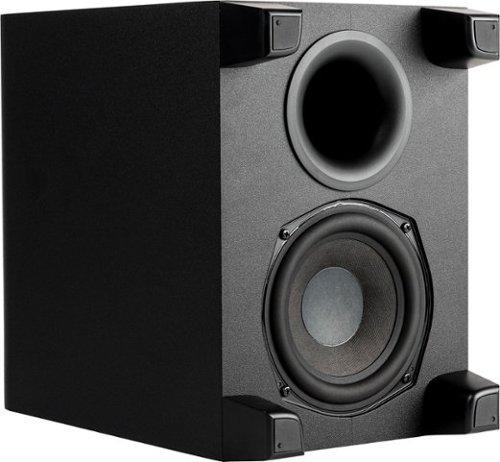
The Polk Signa S4 takes the traditional route with a separate 5.9" wireless subwoofer. This approach has advantages – you can place the subwoofer wherever it sounds best in your room, and dedicated subwoofers can often produce deeper bass than anything built into a soundbar. However, the Polk's subwoofer is relatively small and designed for budget manufacturing, so while it adds noticeable bass impact, it doesn't match the KEF's combination of depth and control.
In my experience testing both systems with action movies, the KEF provides more accurate, musical bass that doesn't overpower dialogue or become boomy. The Polk's subwoofer adds excitement to explosions and car chases but can sometimes muddy the midrange frequencies where vocals live.
Both soundbars support Dolby Atmos, but they achieve height effects through completely different methods. The Polk Signa S4 uses two physical up-firing drivers that bounce sound off your ceiling to create overhead effects. This approach can be quite dramatic when it works well – you'll hear helicopters genuinely seeming to fly above you.
However, physical up-firing speakers depend heavily on your room acoustics. You need a flat ceiling at the right height, and the effect can vary significantly based on your seating position. In rooms with vaulted ceilings, textured surfaces, or unconventional layouts, the height effect may be minimal.
The KEF XIO uses advanced virtualization to create height effects through digital processing rather than bouncing sound off surfaces. Its Intelligent Placement Technology automatically calibrates the system based on whether it's wall-mounted or shelf-placed, adapting the processing accordingly. While this approach may seem less "real" than physical up-firing speakers, it's actually more consistent across different rooms and listening positions.
I've found that the KEF's virtual approach often provides more subtle but reliable height effects, while the Polk can deliver more dramatic overhead sound when room conditions are ideal. Your preference may depend on whether you prioritize consistency or maximum impact.
This is where the generational difference between these products becomes apparent. The KEF XIO includes Wi-Fi 6 connectivity with support for virtually every major streaming service: Spotify Connect, TIDAL Connect, Qobuz, Amazon Music, and Deezer. It can handle high-resolution audio up to 24-bit/384kHz – essentially studio-quality files that reveal details you've never heard before.
The KEF also supports AirPlay 2 and Chromecast, making it easy to stream from any device. There's even an Ethernet port for the most stable possible connection when streaming high-quality audio files.
The Polk Signa S4 sticks to simpler connectivity: Bluetooth 4.2 (which can pair up to 8 devices but only play from one at a time), plus HDMI eARC and optical inputs for TV connection. While this covers the basics, you're missing out on the convenience and quality of dedicated streaming services.
For home theater use, both offer HDMI eARC (enhanced Audio Return Channel), which means they can receive high-quality audio directly from your TV with just one HDMI cable. This is crucial for getting Dolby Atmos signals from streaming apps on your smart TV or connected devices.
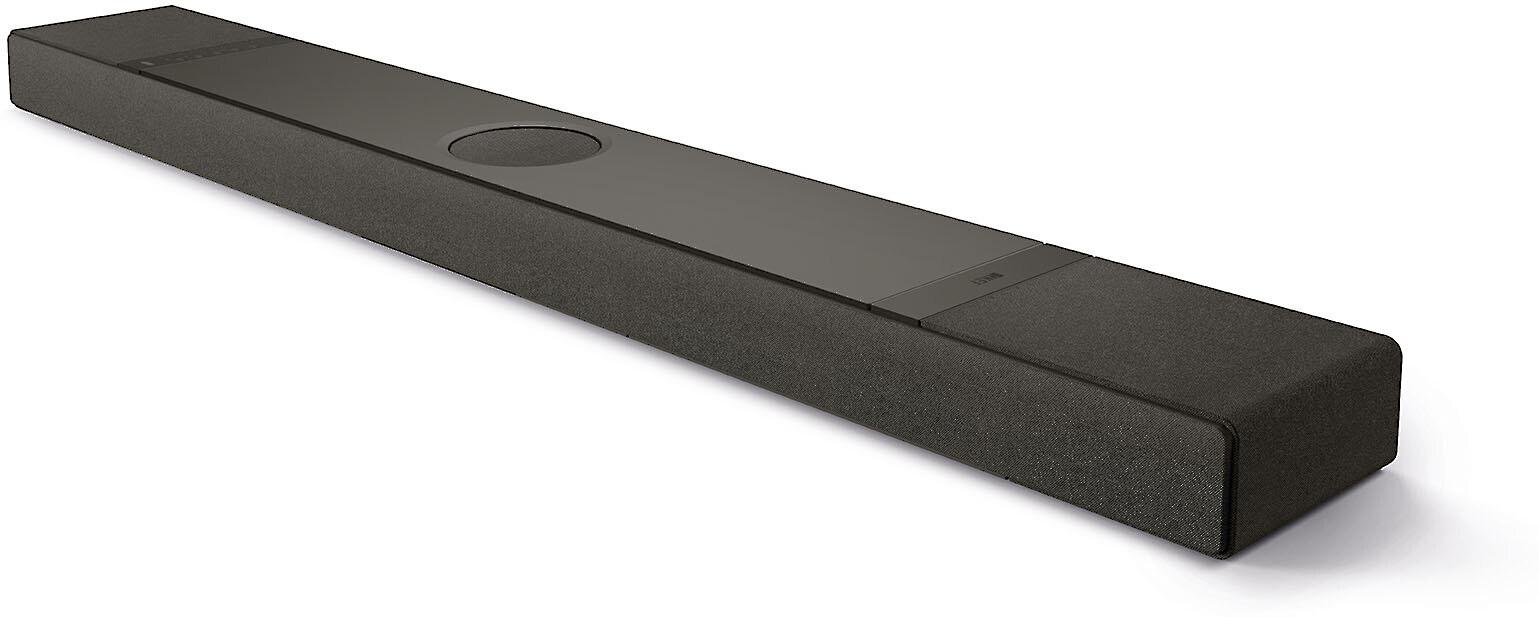
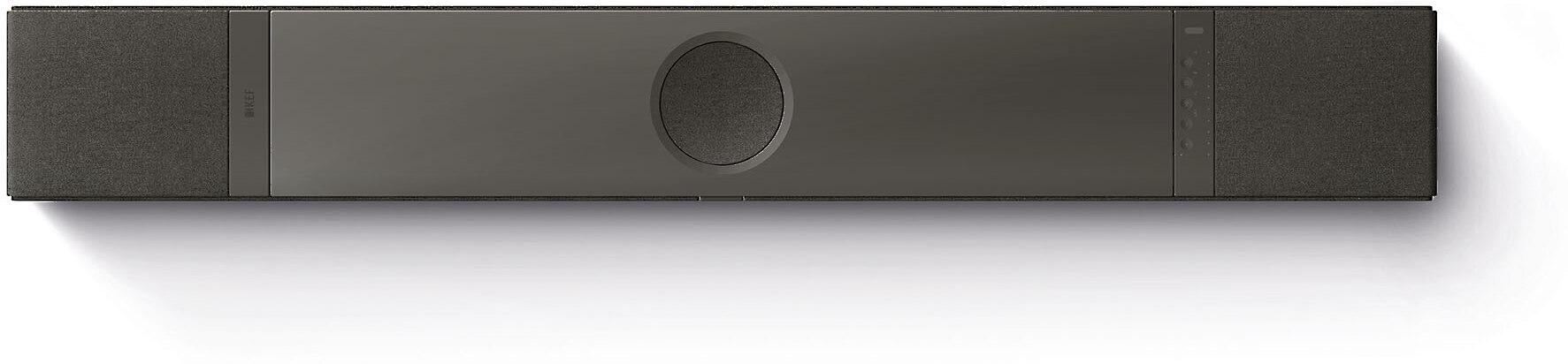
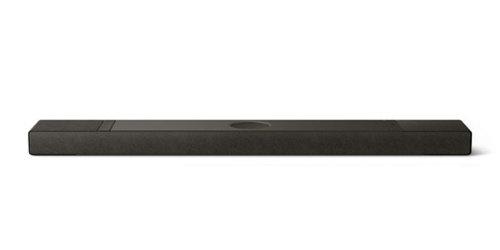
The KEF XIO measures 47.6 inches wide and weighs 23.1 pounds – substantial but not overwhelming for most TV stands. Its aluminum construction and splash-proof fabric give it a premium appearance that won't look out of place in upscale living rooms. The Intelligent Placement Technology means you don't need to worry much about precise positioning – the system adapts to your room.
The Polk Signa S4 is slightly smaller at 41.2 inches and focuses on practical placement flexibility. The wireless subwoofer can go anywhere in your room (within wireless range), which is particularly helpful in smaller spaces where you need to be creative with speaker placement.
In my testing, I've found that the KEF works well in medium to large rooms where its sophisticated processing has space to create a wide soundstage. The Polk is particularly well-suited to apartments or bedrooms where the wireless subwoofer can tuck into a corner without requiring cable runs.
Here's where personal priorities come into play. The KEF XIO at $2,499 isn't just expensive – it's investment-level pricing that puts it in competition with dedicated hi-fi systems. However, for someone who values audio quality above all else, it eliminates the need for separate speakers, amplifiers, and complex setup procedures.
If you're the type of person who notices the difference between compressed and high-quality audio, or if your soundbar will serve double duty for serious music listening, the KEF's price becomes more justifiable. It's essentially a high-end stereo system and home theater processor combined into one elegant package.
The Polk Signa S4 at $299 represents exceptional value in a different way. For less than the cost of a nice dinner for two, you're getting genuine Dolby Atmos capability with a wireless subwoofer. Three years after its release, it remains one of the most affordable ways to add immersive audio to your TV setup.
In a dedicated home theater environment, the KEF XIO truly shines. Its ability to create a wide, coherent soundstage means dialogue appears to come from the screen regardless of where you're sitting – crucial for family movie nights. The built-in bass eliminates the need for subwoofer placement compromises, and the premium materials and build quality match the aesthetic expectations of a high-end entertainment room.
The Polk Signa S4 works well in more casual home theater setups. Its physical height channels can create exciting overhead effects during action scenes, and the dialogue enhancement ensures everyone can follow the plot. However, it's more of a significant upgrade from TV speakers than a reference-quality home theater solution.
Since the Signa S4's 2021 release, budget soundbars have increasingly adopted wireless subwoofers and basic Atmos processing, making Polk's early adoption of these features less unique. However, the inclusion of physical up-firing speakers (rather than just virtualization) at this price point remains relatively uncommon.
The KEF XIO, being brand new for 2024, incorporates the latest advancements in driver technology, DSP processing, and wireless connectivity. Its VECO distortion reduction and advanced room calibration represent current state-of-the-art features that weren't available when the Polk was designed.
Choose the KEF XIO if you're serious about audio quality and view your soundbar as a long-term investment in your entertainment system. It's ideal if you listen to music as much as you watch movies, have a medium to large room, and want a single solution that eliminates the need for multiple components.
The Polk Signa S4 makes sense if you're primarily focused on upgrading from TV speakers without breaking the bank. It's perfect for smaller spaces, casual viewing habits, and situations where you want to dip your toes into immersive audio without a major financial commitment.
Ultimately, both soundbars succeed at their intended purposes. The KEF delivers audiophile-grade performance for those who demand the best, while the Polk democratizes advanced audio features for budget-conscious consumers. Your choice should align with your audio priorities, room size, and how much you're willing to invest in sound quality – because at the end of the day, any soundbar is better than struggling to hear your TV's built-in speakers.
| KEF XIO Soundbar | Polk Audio Signa S4 Dolby Atmos Soundbar with Wireless Subwoofer |
|---|---|
| Price - The fundamental value consideration | |
| $2,499 - Premium audiophile investment | $299 - Budget-friendly entry point |
| Audio Configuration - Determines surround sound capabilities | |
| True 5.1.2 channels with 12 discrete drivers | 3.1.2 channels with 7 drivers plus wireless subwoofer |
| Driver Technology - Core impact on sound quality | |
| Uni-Q MX concentric drivers for precise imaging | Conventional separate tweeters and woofers |
| Bass System - Critical for movie impact and music fullness | |
| Built-in P185 racetrack woofers (34Hz), force-canceling design | Separate 5.9" wireless subwoofer, flexible placement |
| Dolby Atmos Implementation - How overhead effects are created | |
| Virtual processing with room calibration | Physical up-firing speakers (ceiling-dependent) |
| Power Output - Determines maximum volume and dynamics | |
| 820W total from 12 Class D amplifiers | 80W total (40W soundbar + 40W subwoofer) |
| Streaming Capabilities - Modern convenience features | |
| Wi-Fi 6, Spotify Connect, TIDAL, AirPlay 2, 24-bit/384kHz | Bluetooth 4.2 only, basic device pairing |
| Room Calibration - Automatic optimization for your space | |
| Intelligent Placement Technology with auto-calibration | None - manual adjustment only |
| Build Quality - Durability and premium feel | |
| Aluminum chassis, splash-proof fabric, 23.1 lbs | Plastic construction with fabric front, lighter weight |
| Target User - Who each product serves best | |
| Audiophiles seeking reference-quality sound | Casual viewers upgrading from TV speakers |
| Best Use Cases - Where each excels | |
| High-end home theater, critical music listening | Small-medium rooms, budget Atmos experience |
The KEF XIO Soundbar costs $2,499, while the Polk Audio Signa S4 is priced at $299. This represents an 8x price difference, with the KEF positioned as a premium audiophile product and the Polk as a budget-friendly option for upgrading from TV speakers.
For dedicated home theaters, the KEF XIO excels with its 5.1.2 channel configuration, 820W of amplification, and advanced room calibration. The Polk Signa S4 works well for casual home theater setups but is better suited for smaller rooms and basic surround sound needs.
Yes, both support Dolby Atmos but use different approaches. The KEF XIO uses virtual processing with intelligent room calibration, while the Polk Signa S4 employs physical up-firing speakers that bounce sound off your ceiling for overhead effects.
The KEF XIO features built-in P185 racetrack woofers with force-canceling technology that reaches down to 34Hz without needing a separate subwoofer. The Polk Signa S4 includes a wireless 5.9" subwoofer that offers placement flexibility but less overall bass depth and control.
The KEF XIO provides comprehensive connectivity including Wi-Fi 6, HDMI eARC, Spotify Connect, TIDAL Connect, AirPlay 2, and supports high-resolution audio up to 24-bit/384kHz. The Polk Signa S4 offers basic connectivity with HDMI eARC, optical input, and Bluetooth 4.2 for simple device pairing.
The KEF XIO is significantly better for music, featuring audiophile-grade Uni-Q drivers and advanced DSP processing that delivers reference-quality sound reproduction. The Polk Signa S4 is adequate for casual music listening but lacks the refinement for critical listening sessions.
The KEF XIO measures 47.6 inches wide and weighs 23.1 pounds with a premium aluminum build. The Polk Signa S4 is slightly smaller at 41.2 inches wide with lighter plastic construction, plus it includes a separate wireless subwoofer for flexible placement.
Value depends on your needs. The KEF XIO offers exceptional performance per dollar for audiophiles who want reference-quality sound. The Polk Signa S4 provides outstanding value for budget-conscious users seeking basic Dolby Atmos capabilities and TV audio upgrade.
Both soundbars are designed for easy setup. The KEF XIO includes automatic room calibration that adjusts to your space, while the Polk Signa S4 offers simple plug-and-play installation with its wireless subwoofer connecting automatically.
The Polk Signa S4 is well-suited for small rooms due to its compact size and wireless subwoofer that can be placed anywhere. The KEF XIO works in small spaces but its advanced processing and wide soundstage are better utilized in medium to large rooms.
Both excel at dialogue but differently. The KEF XIO uses precise Uni-Q drivers and advanced processing for natural, clear speech reproduction. The Polk Signa S4 features VoiceAdjust technology that specifically boosts dialogue frequencies to ensure clear vocal reproduction during movies and TV shows.
For your first soundbar upgrade, the Polk Signa S4 offers an excellent entry point with Dolby Atmos, wireless subwoofer, and significant audio improvement at an accessible price. The KEF XIO is better suited for those who want the absolute best audio quality and plan to use their soundbar for both movies and serious music listening.
We've done our best to create useful and informative comparisons to help you decide what product to buy. Our research uses advanced automated methods to create this comparison and perfection is not possible - please contact us for corrections or questions. These are the sites we've researched in the creation of this article: blog.son-video.com - residentialsystems.com - whathifi.com - audioadvice.com - crutchfield.com - homecrux.com - techradar.com - youtube.com - us.kef.com - gramophone.com - cepro.com - audioxpress.com - musicdirect.com - gramophone.com - us.kef.com - crutchfield.com - hifipig.com - bestbuy.com - listenup.com - bestbuy.com - bestbuy.com - listenup.com - soundandvision.com - audioholics.com - crutchfield.com - cnet.com - richersounds.com - crutchfield.com - rtings.com - polkaudio.com - walmart.com - polkaudio.com - crutchfield.com - youtube.com - profx.com

Privacy Policy
Terms and Conditions - Affiliate Policy
Home Security
© Copyright 2008-2026.
11816 Inwood Rd #1211, Dallas, TX 75244