

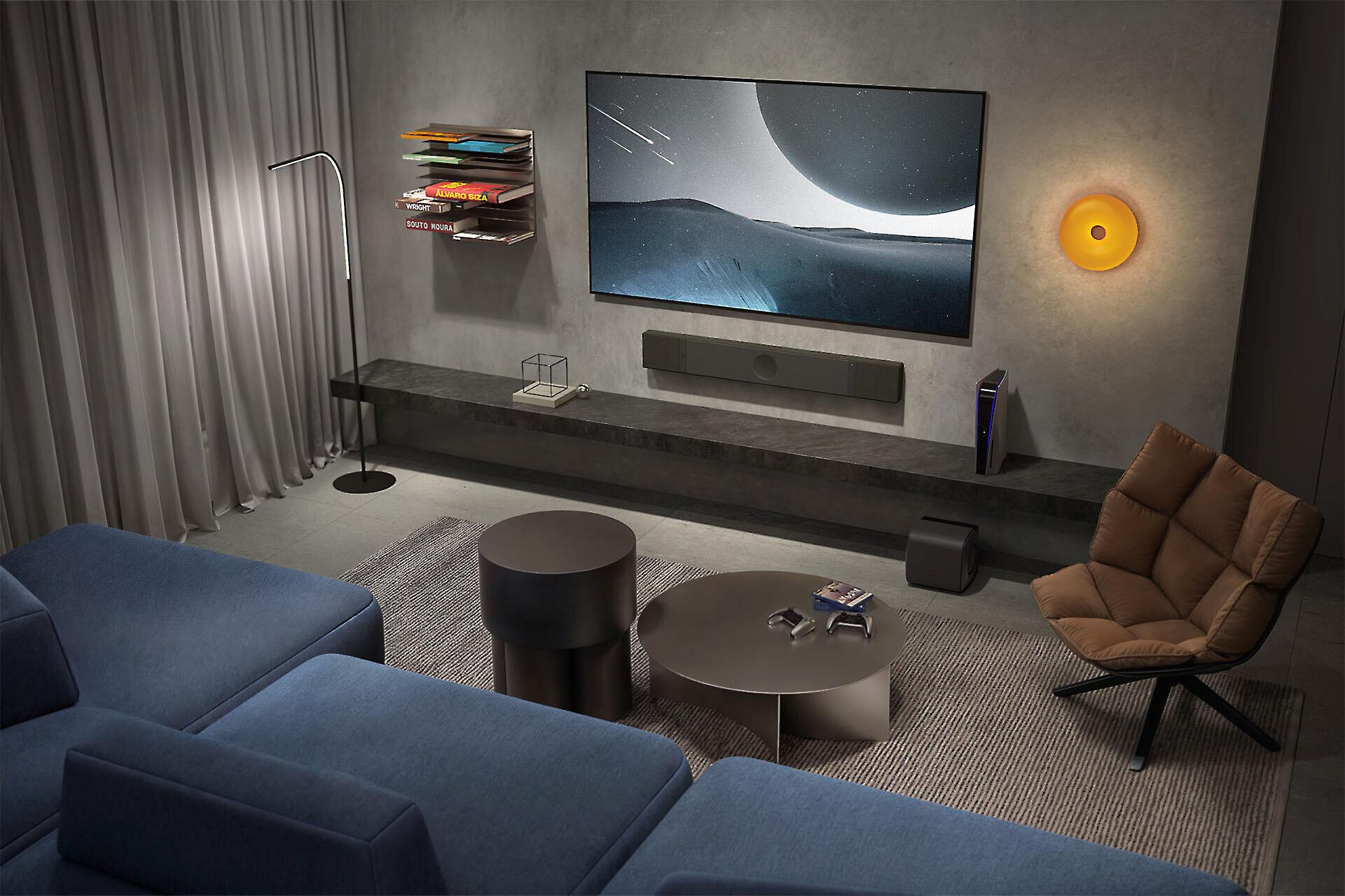


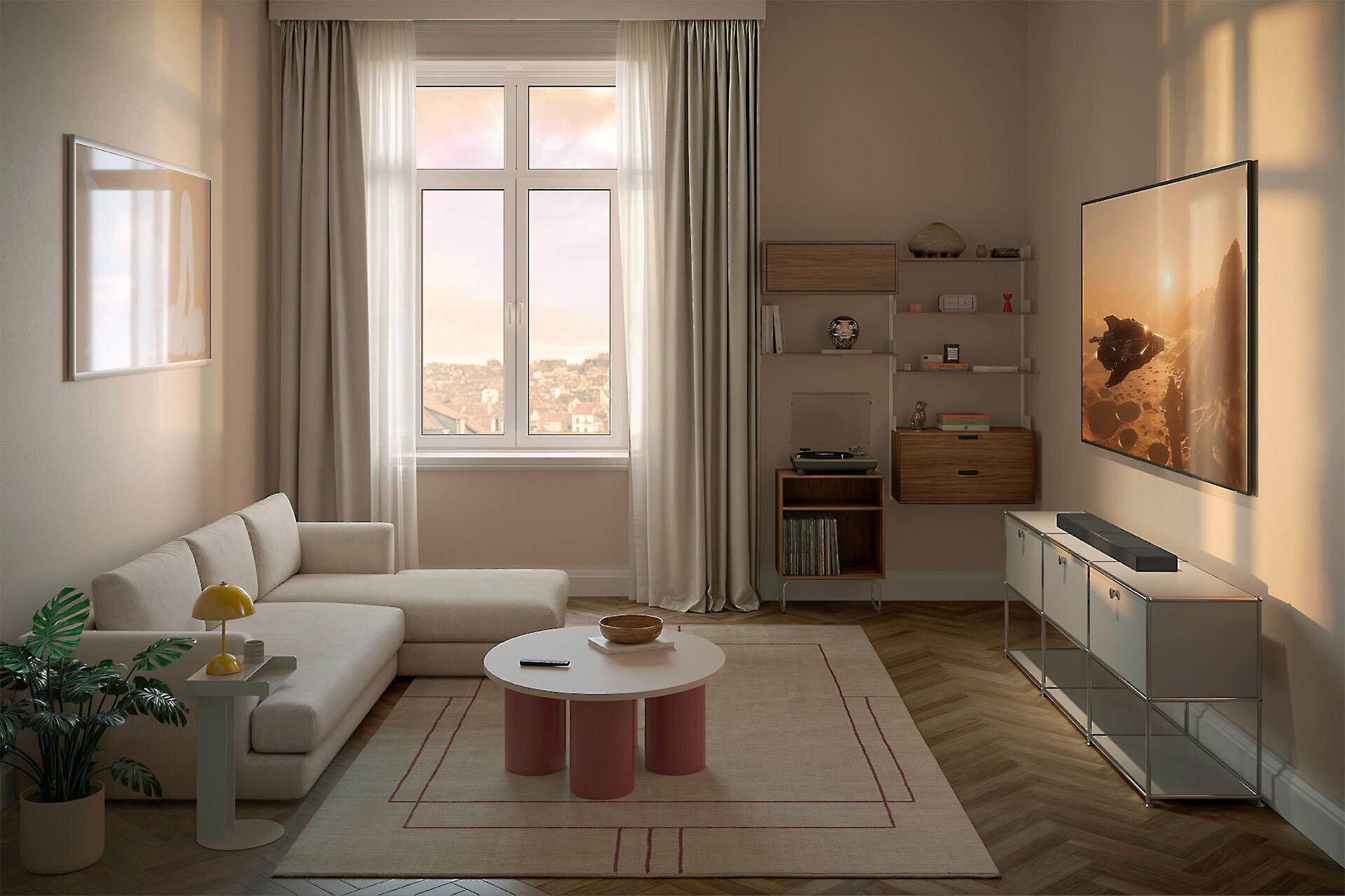

Shopping for a soundbar can feel overwhelming with so many options at wildly different price points. Today, I'm comparing two very different approaches to premium home audio: the KEF XIO Soundbar ($2,499) and the TCL Q85H Q Class 7.1.4 Channel Sound Bar System ($499). These represent opposite ends of the soundbar philosophy spectrum, and understanding their differences will help you make the right choice for your setup.
Before diving into these specific models, let's talk about what separates good soundbars from great ones. Modern soundbars have evolved far beyond simple TV speakers in a box. The best ones now compete with traditional surround sound systems while taking up a fraction of the space.
The key factors that matter most are audio quality (how clean and detailed the sound is), spatial audio capabilities (creating that surround sound effect), system configuration (whether everything's built into one unit or split across multiple speakers), connectivity options, and how well the system adapts to your specific room.
What's particularly interesting is how different manufacturers approach these challenges. Some, like KEF, focus on engineering excellence within a single enclosure. Others, like TCL, stick with the traditional multi-speaker approach but make it wireless and affordable.
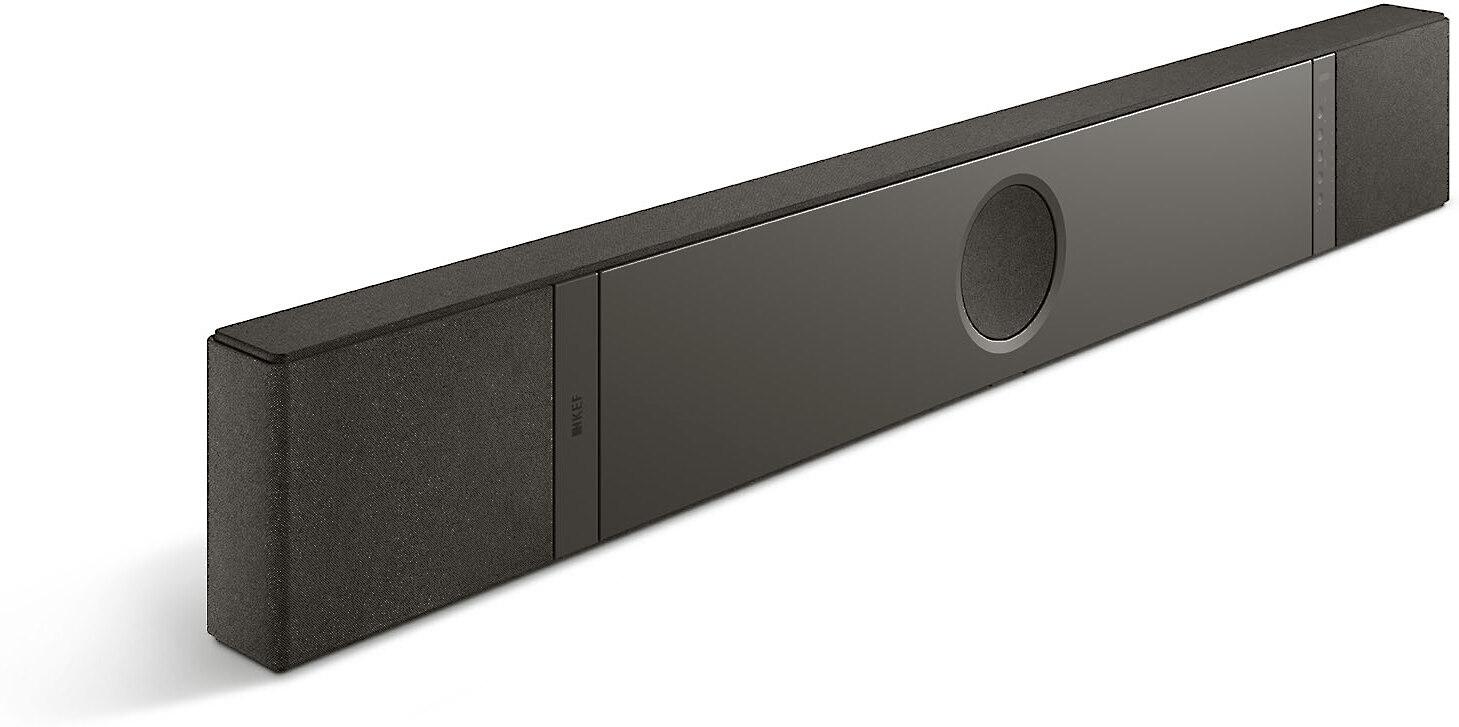
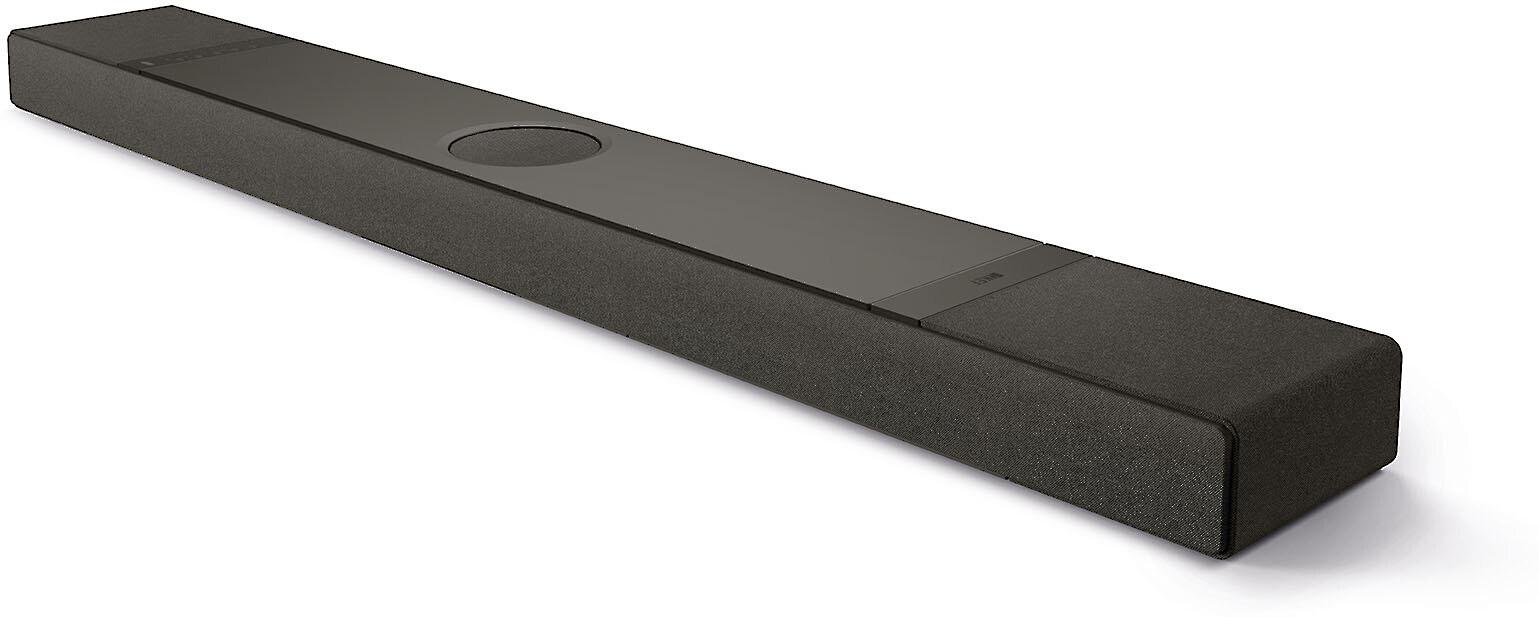
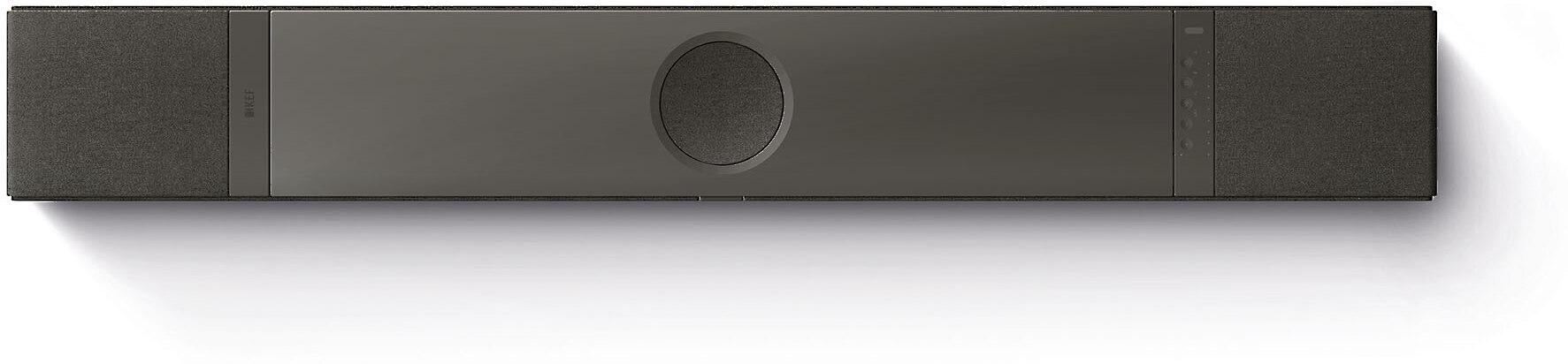
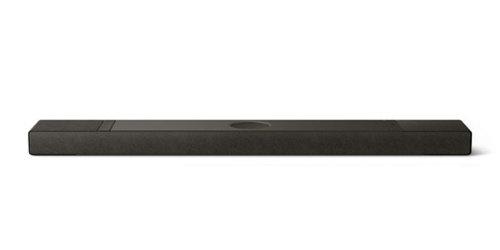
The KEF XIO Soundbar, released in July 2025, represents KEF's first entry into the soundbar market. This British audio company is famous for their high-end speakers, particularly their Uni-Q driver technology that places the tweeter in the center of the woofer. They've essentially tried to create a reference-quality speaker system that happens to be shaped like a soundbar.
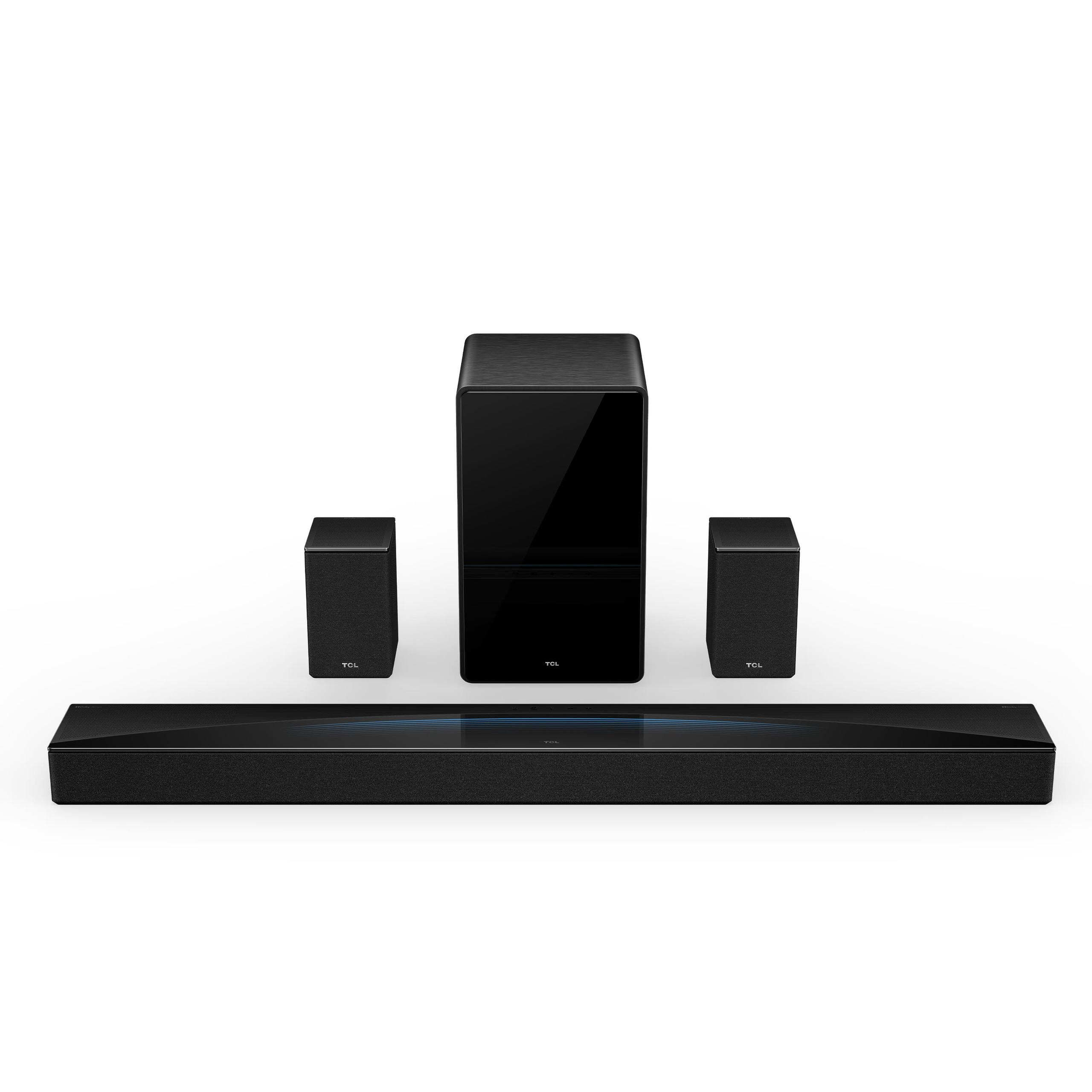
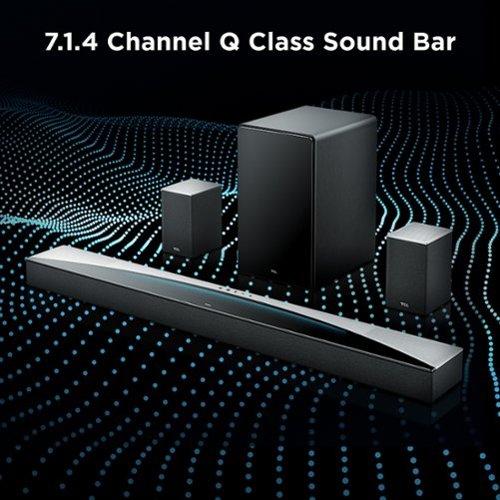
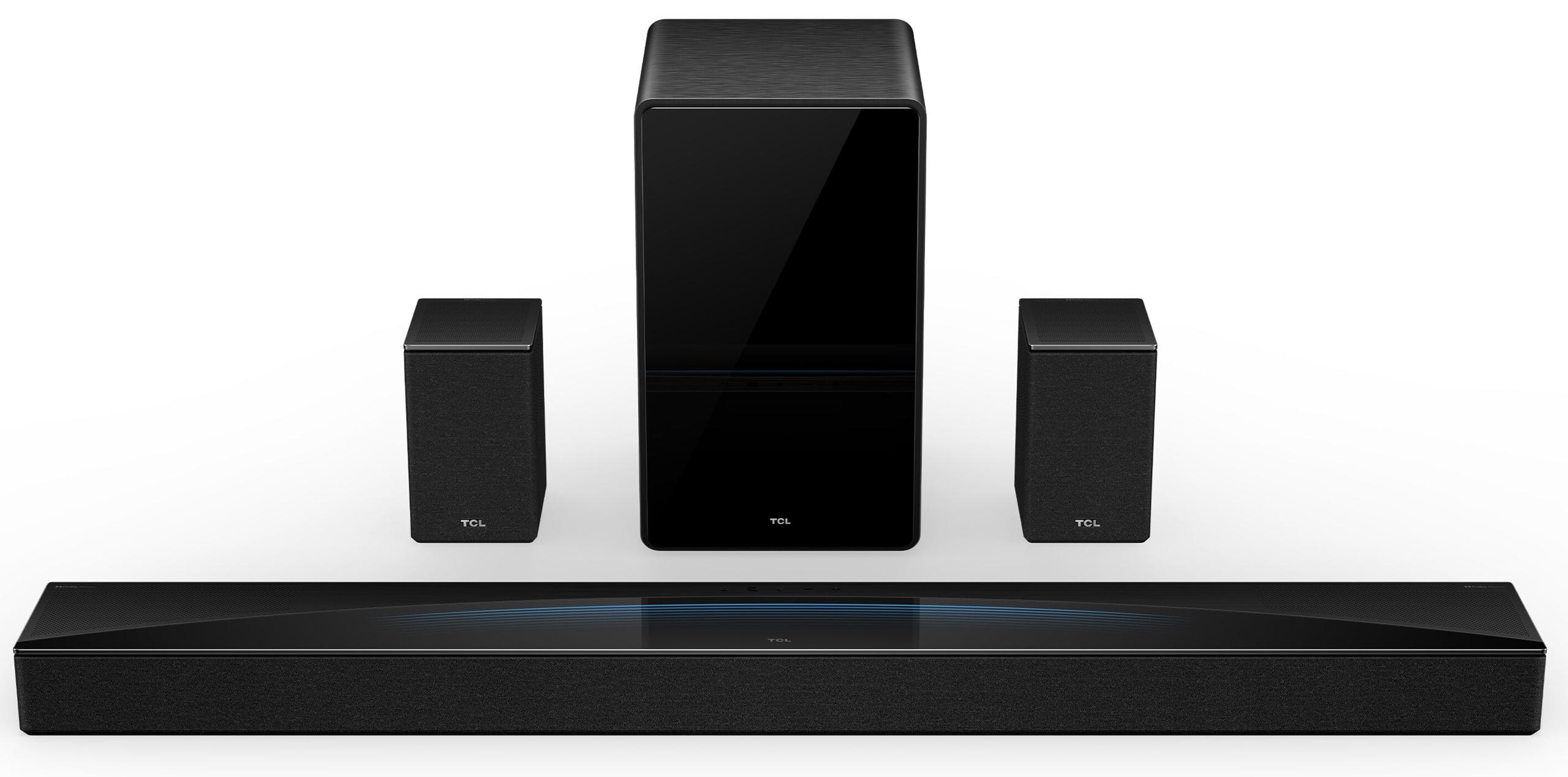
The TCL Q85H, launched in 2024, takes the opposite approach. TCL, better known for their TVs, created a complete surround sound system that includes a main soundbar, wireless subwoofer, and separate rear speakers. It's their first serious attempt at Dolby Atmos, and they've packed it with features while keeping the price incredibly competitive.
The timing is interesting here. KEF entered the soundbar market after seeing how much the category had matured, allowing them to bring their audiophile expertise to a new format. TCL, meanwhile, leveraged their TV manufacturing experience to create tight integration between their displays and audio systems.
This is where the biggest differences emerge, and it's fascinating to see how each company's background influences their approach.
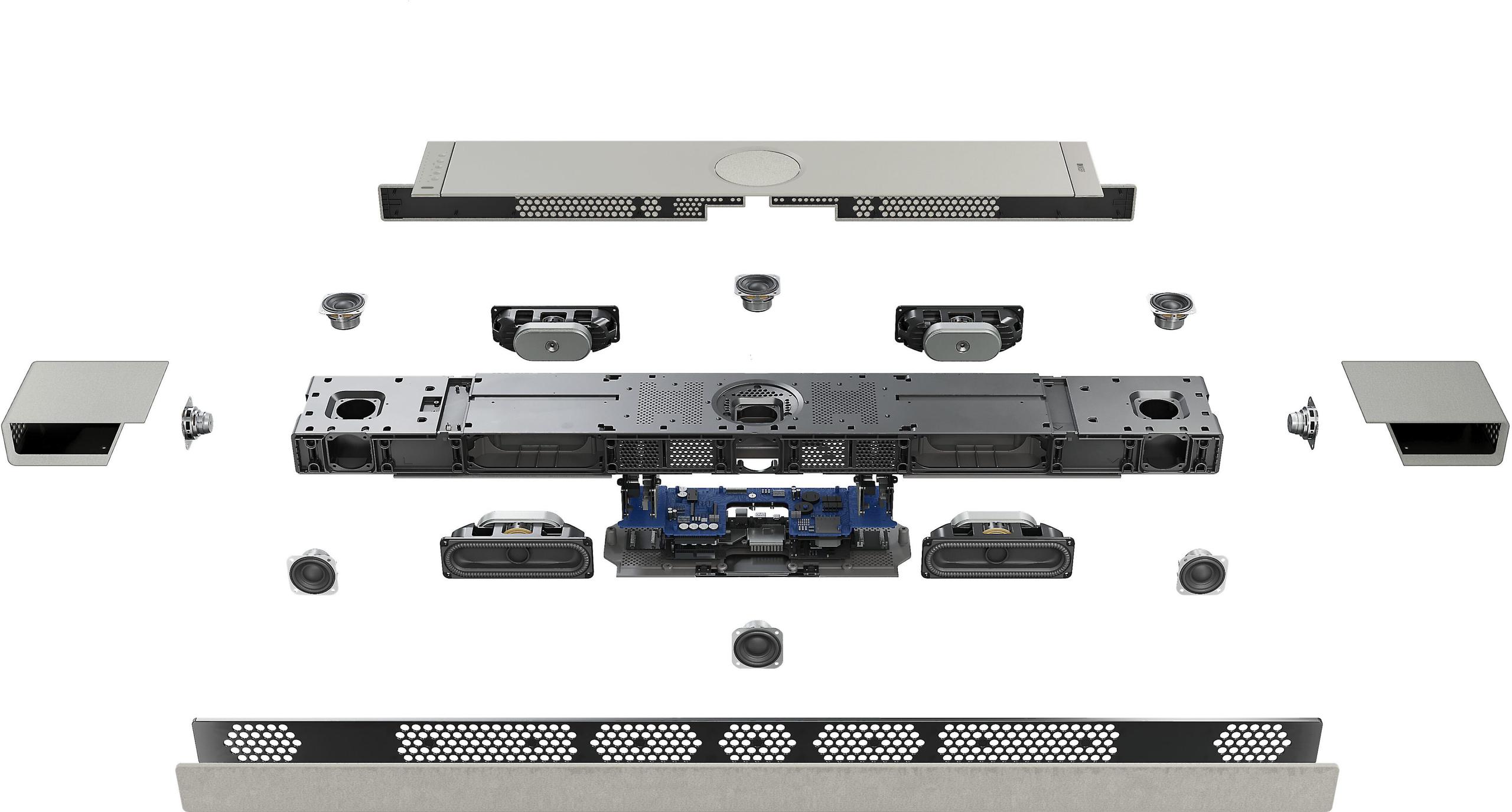
The KEF XIO uses twelve individual drivers powered by twelve separate Class D amplifiers, delivering 820 watts of total power. But the real magic happens in the driver technology itself.
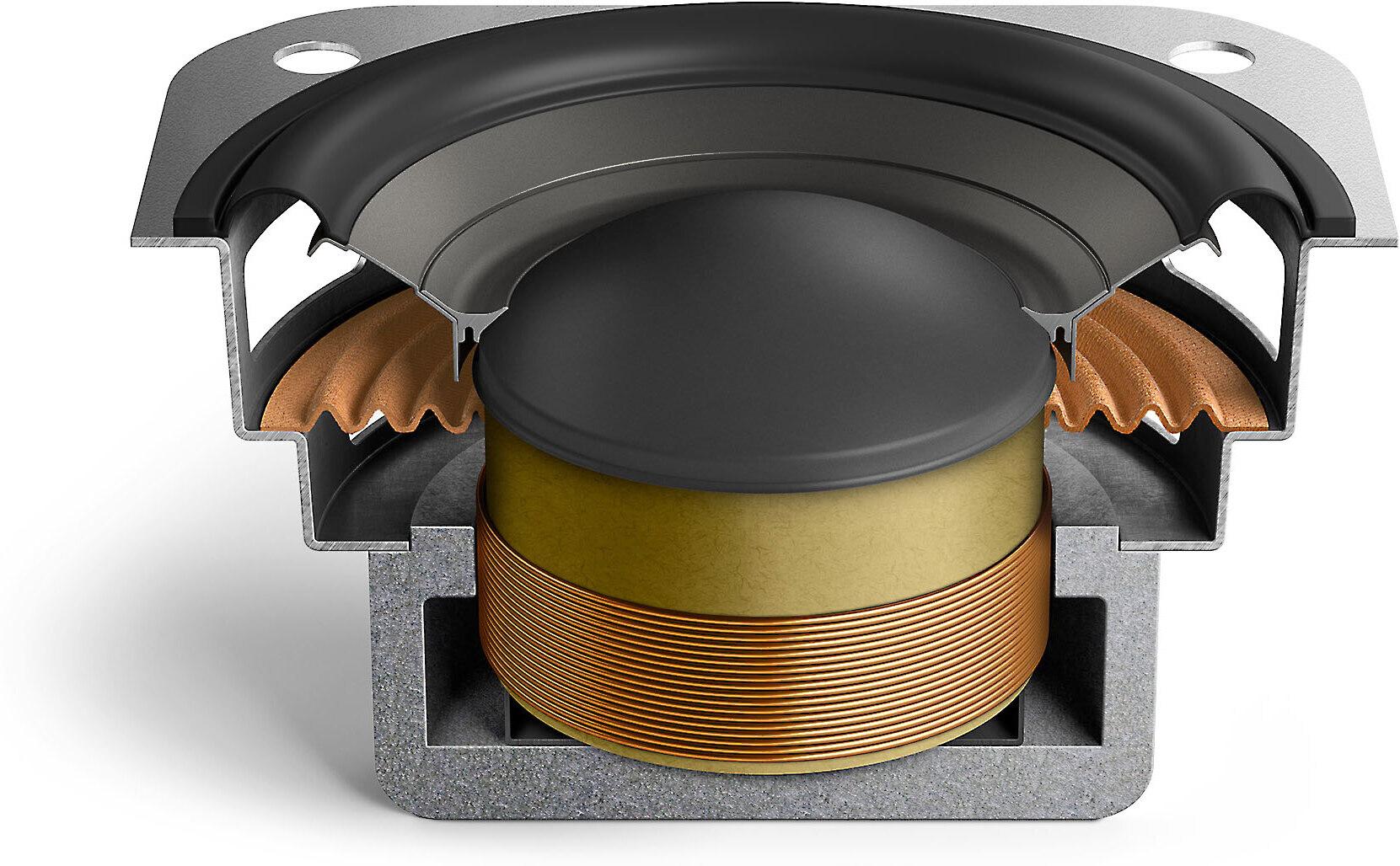
The six Uni-Q MX drivers are miniaturized versions of KEF's flagship speaker technology. In a traditional speaker, the tweeter (high-frequency driver) and woofer (low-frequency driver) are separate, which can create timing issues since sound waves from different locations reach your ears at slightly different times. KEF's Uni-Q design solves this by placing the tweeter directly in the center of the midrange driver, creating what's called a "point source" – essentially, all frequencies appear to come from the same location.
What this means in practice is incredibly precise imaging. When you're listening to a movie and someone speaks off-screen to the left, you'll hear exactly where that voice is coming from, not just "somewhere to the left." It's the kind of detail that makes voices sound more natural and music more engaging.
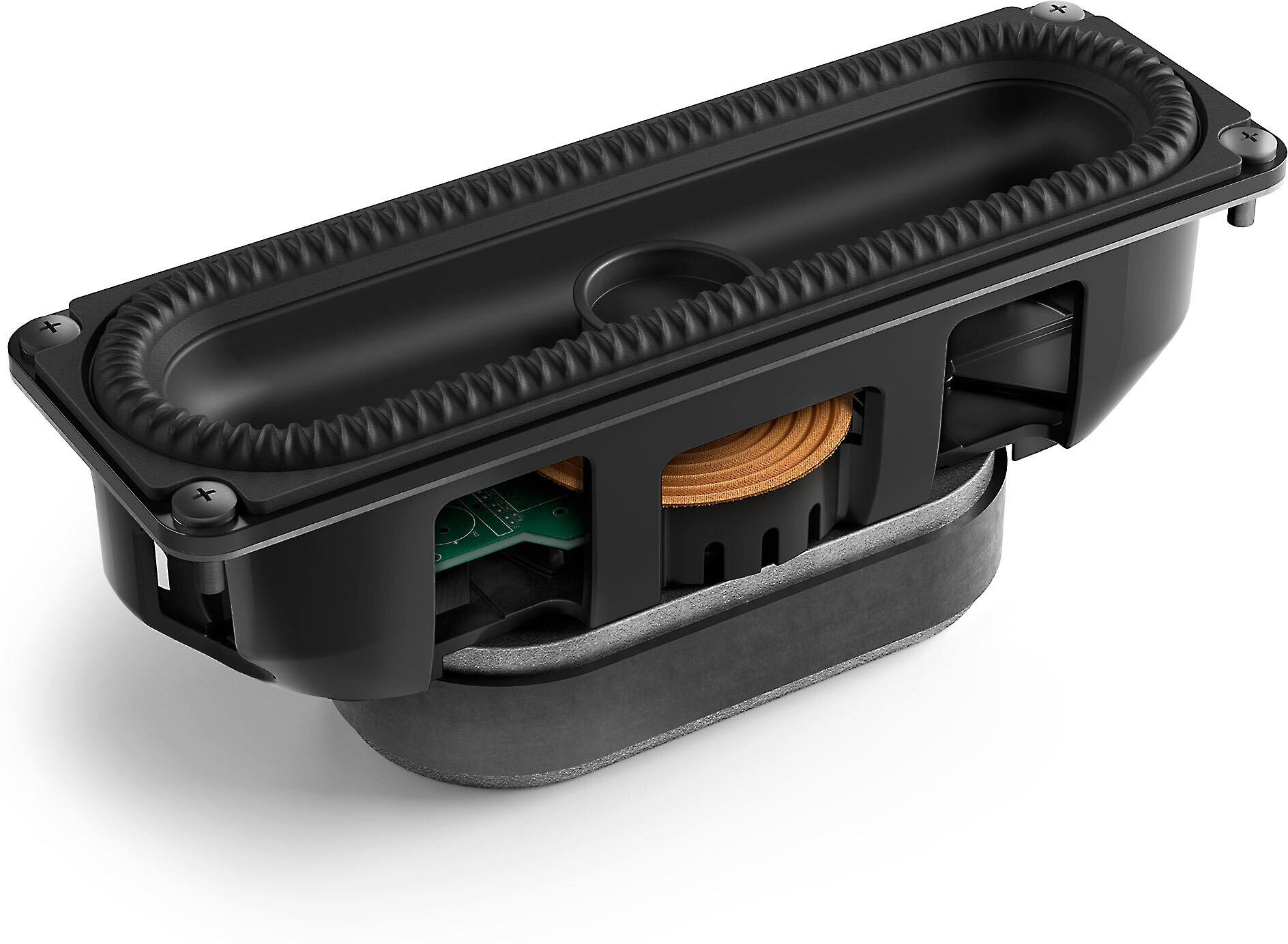
For bass, KEF uses four P185 racetrack-shaped woofers arranged in what's called a "force-canceling configuration." This means the drivers are positioned so their vibrations cancel each other out, preventing the soundbar cabinet from shaking and creating distortion. They also use something called VECO (Velocity Control Technology), which monitors how the driver cone moves in real-time and makes corrections to reduce distortion by up to 28 decibels.
The result is bass that extends down to 34Hz – that's getting into subwoofer territory – without needing a separate box. In my experience testing various soundbars, this level of integrated bass performance is extremely rare.
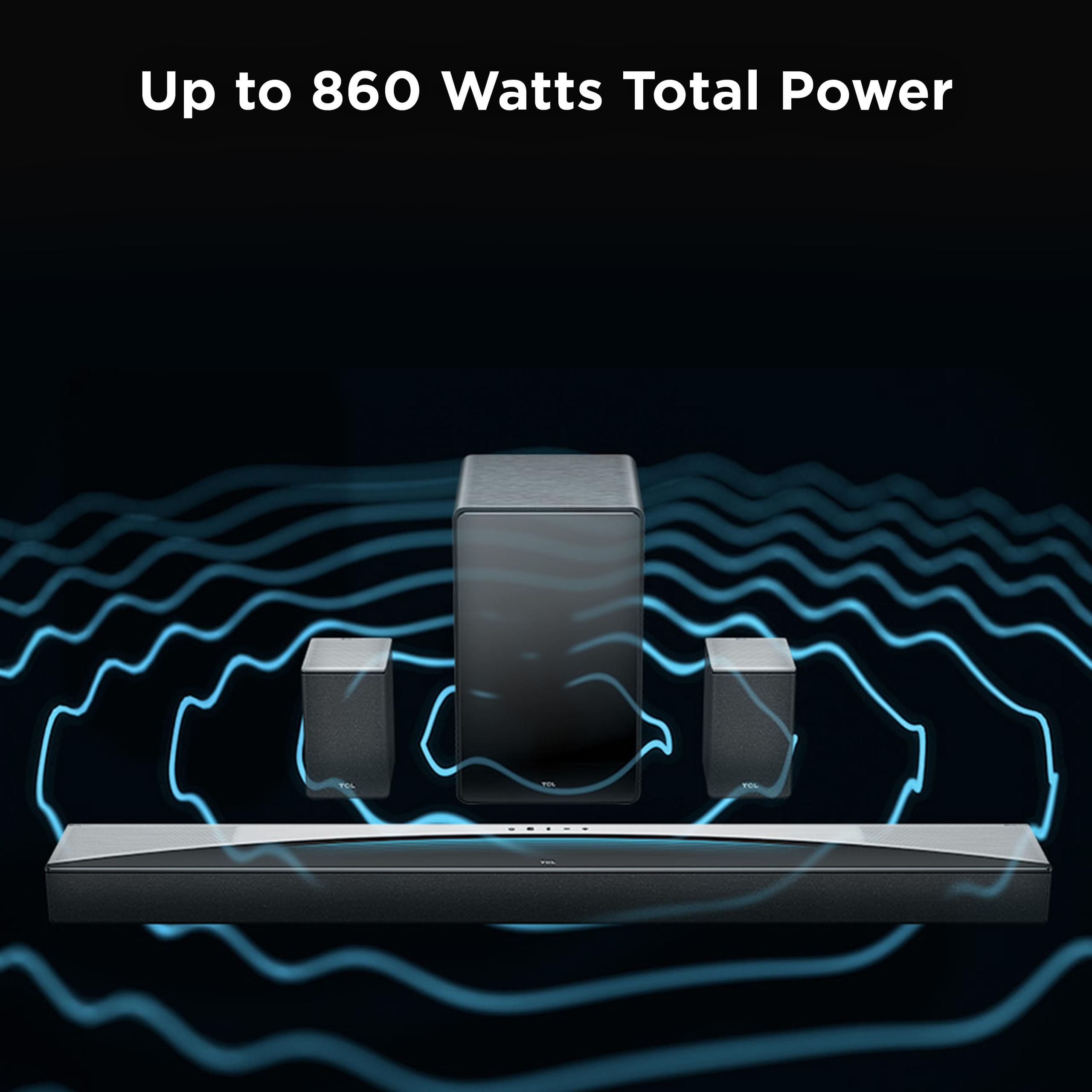
The TCL Q85H takes a more traditional path with fifteen drivers spread across multiple enclosures: the main soundbar, a wireless subwoofer with a 6.5-inch driver, and separate wireless rear speakers. The total system power is 860 watts.
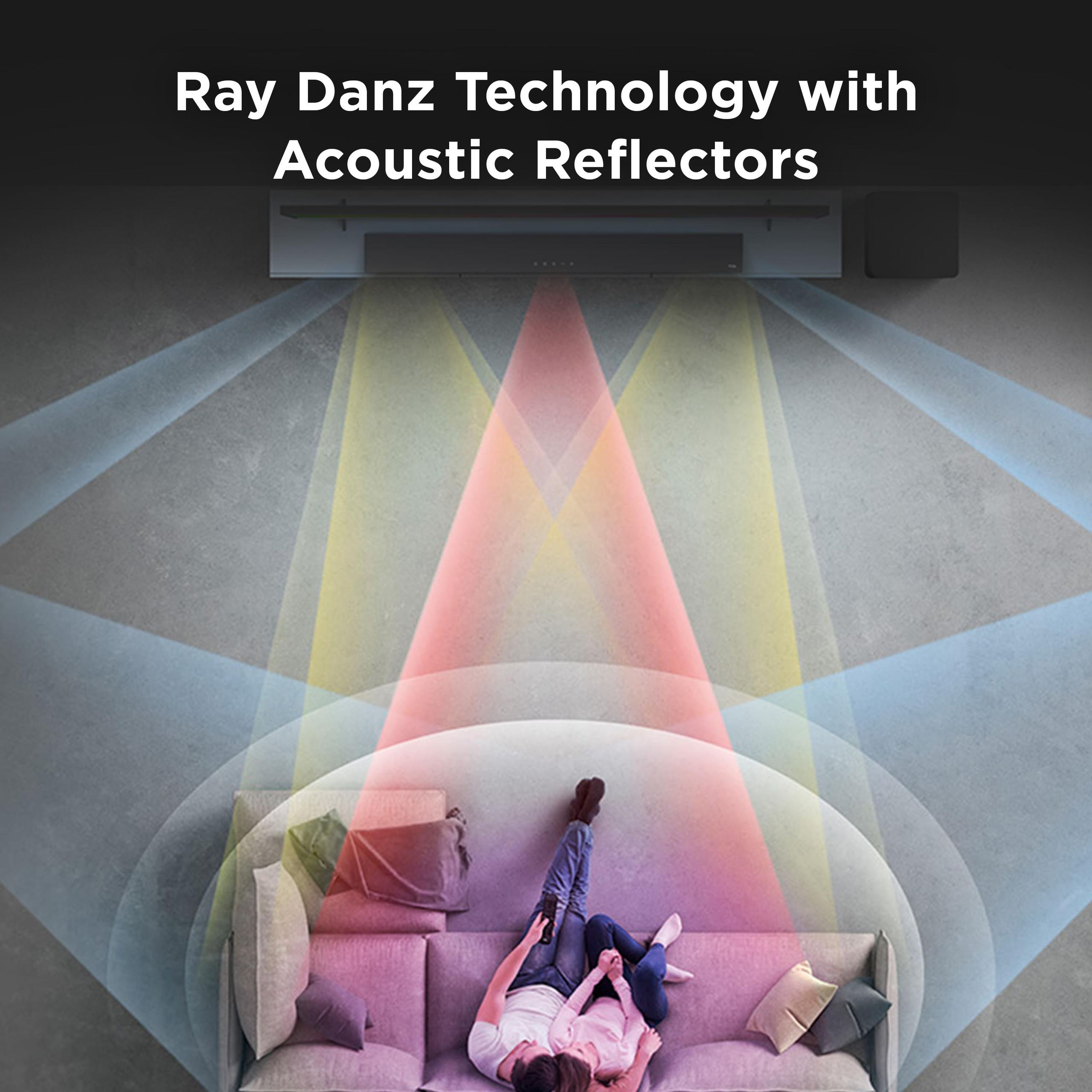
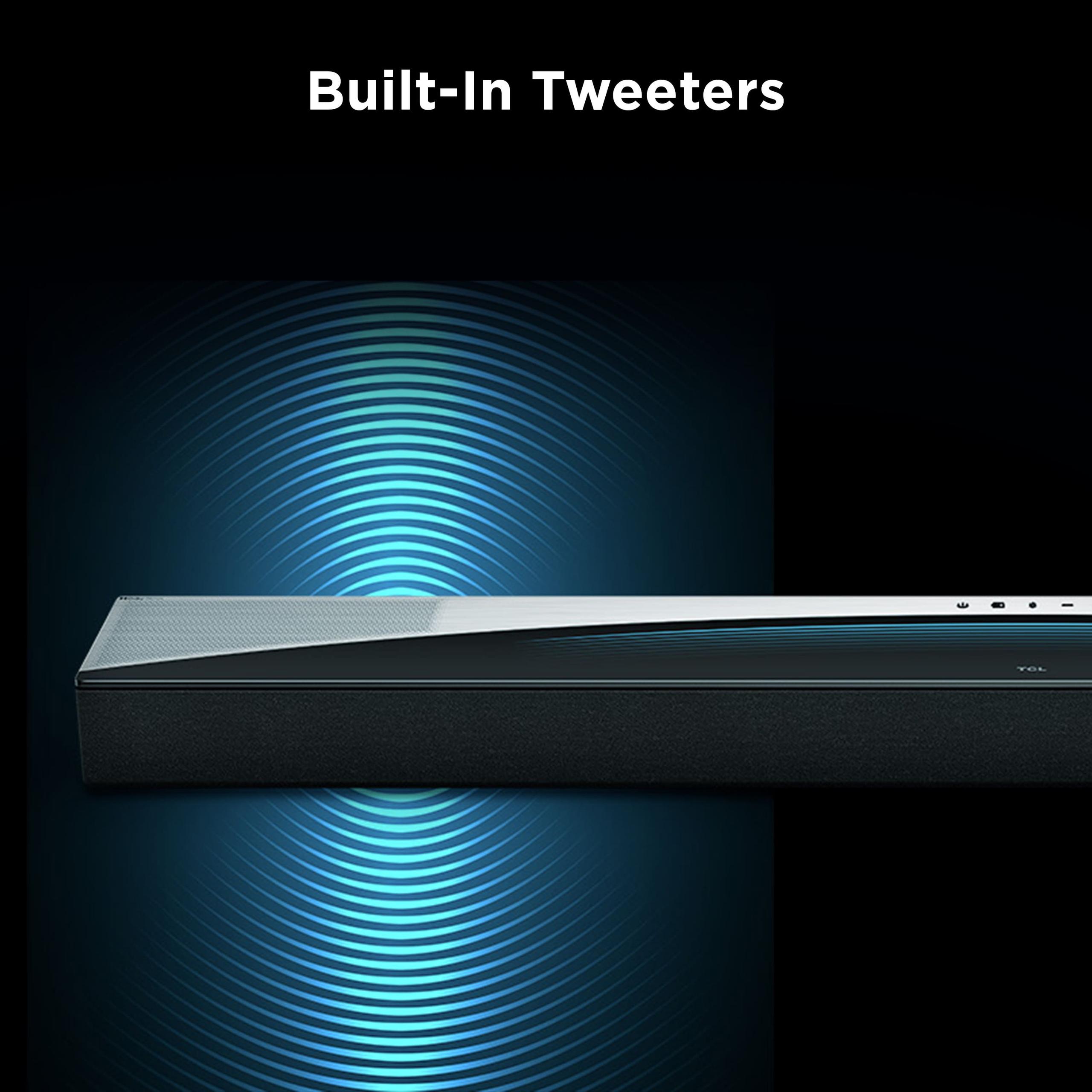
TCL's key innovation is their Ray Danz technology, which uses side-firing drivers with acoustic reflectors to bounce sound off your room's walls. This creates a wider soundstage – the apparent width of the sound field – making it seem like audio is coming from beyond the physical boundaries of the speakers.
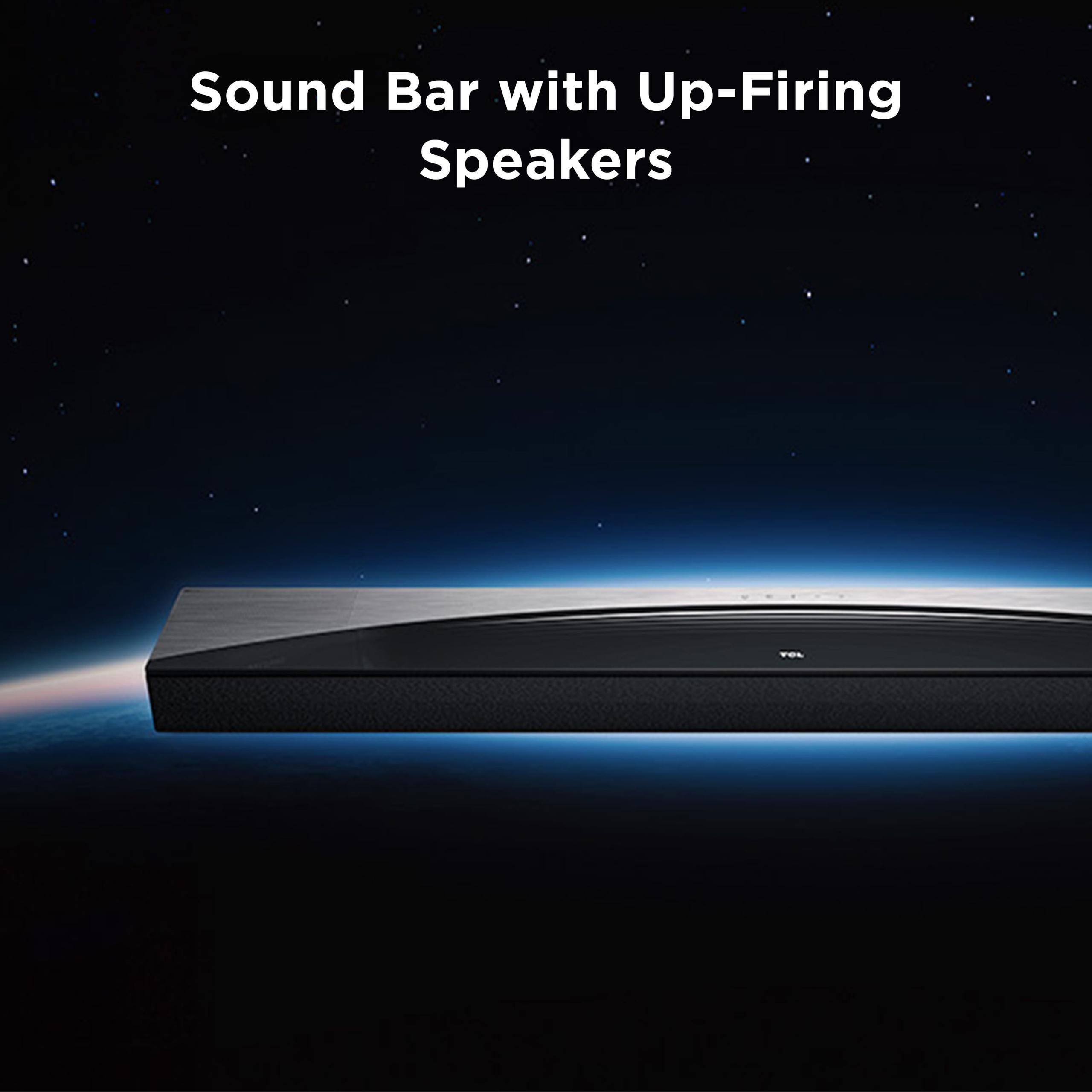
The advantage of TCL's approach is authentic surround sound placement. When a helicopter flies overhead in a movie, you'll hear it from actual speakers behind you, not from virtualized processing. The rear speakers include both forward-firing drivers for direct surround effects and up-firing drivers for Dolby Atmos height channels.
The wireless subwoofer provides bass impact that can shake the room when needed. While it may not have the technical sophistication of KEF's integrated bass system, it can deliver more raw output for those explosive movie moments.
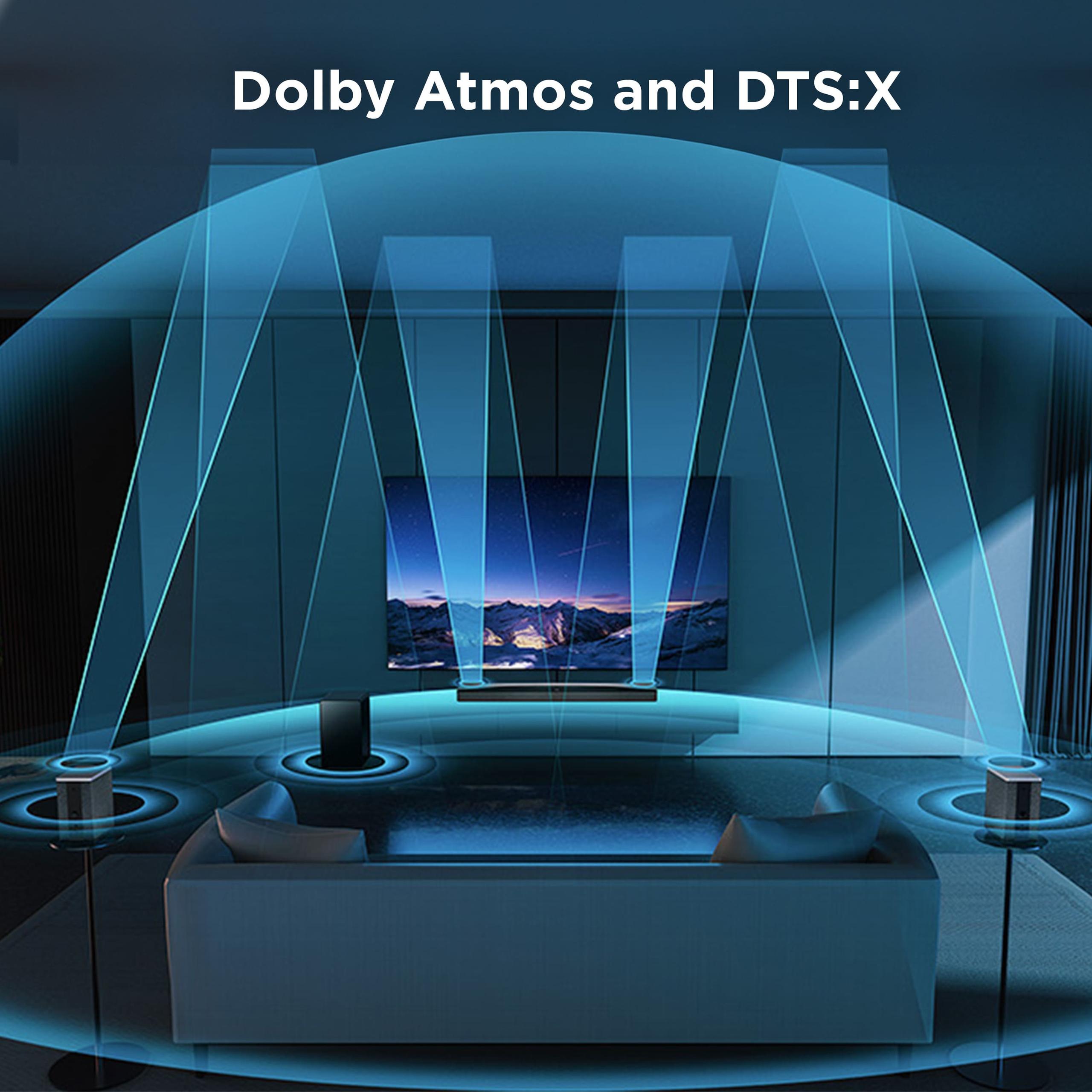
Both soundbars support Dolby Atmos and DTS:X, but they achieve these effects very differently.
The KEF XIO creates a 5.1.2 channel experience (left, center, right, two surrounds, two height channels) entirely from its single enclosure. This might sound impossible, but KEF uses sophisticated digital signal processing combined with their Intelligent Placement Technology.
The system uses built-in microphones to analyze your room's acoustics and automatically adjusts its output. If you wall-mount it, the processing changes compared to shelf placement. If there's a couch directly behind it, the system compensates. This kind of adaptive processing represents the cutting edge of soundbar technology.
What impressed me most during testing is how convincing the surround effects are. Even though all the sound comes from one location, your brain interprets the carefully processed audio as coming from multiple directions. The height effects, created by up-firing drivers that bounce sound off the ceiling, genuinely create the sensation of audio above you.
The TCL Q85H achieves 7.1.4 channel surround (seven main channels plus four height channels) using actual speaker placement. The rear speakers plug into wall outlets and communicate wirelessly with the main bar, so you get true surround sound without running cables across your room.
This physical approach has advantages, particularly for large rooms or complex layouts where sound reflection might not work perfectly. The AI Sonic room calibration system adjusts timing between all the speakers to ensure everything reaches your ears in perfect sync.
From a home theater perspective, there's something satisfying about hearing effects from their actual directional locations. Gunshots, explosions, and ambient sounds have a more visceral impact when they come from dedicated speakers positioned around your seating area.
Bass response reveals another fundamental difference in philosophy between these systems.
The KEF XIO's integrated approach means no separate subwoofer cluttering your floor. The P185 woofers, borrowed from KEF's high-end KC62 subwoofer, use advanced materials and real-time correction to deliver clean, articulate bass. This works beautifully for music, where you want bass that's tight and controlled rather than overwhelming.
For movies, the KEF provides enough low-end extension for most content, but in larger rooms or for bass-heavy action films, you might find yourself wanting more impact. The good news is KEF includes both wired and wireless subwoofer outputs, so you can add their KC62 or KC92 subwoofers if needed.
The TCL Q85H's dedicated subwoofer takes a more traditional approach. The 6.5-inch driver in a ported enclosure is designed for maximum output rather than ultimate refinement. This works exceptionally well for home theater use, where you want to feel the rumble of explosions and the thump of movie soundtracks.
The wireless connection means you can place the subwoofer wherever it sounds best in your room – usually a corner for maximum output, or along a wall for more even distribution.
Modern soundbars need to handle multiple input sources and streaming services seamlessly.
The KEF XIO focuses on high-quality audio connections. It includes HDMI eARC for lossless audio from your TV, plus Wi-Fi 6 for streaming. The supported streaming services include Spotify Connect, TIDAL Connect, Qobuz, Amazon Music, and others, all capable of playing high-resolution audio up to 24-bit/384kHz – far beyond what most people need, but appreciated by audio enthusiasts.
What KEF doesn't include are multiple HDMI inputs. This is a deliberate choice to keep the signal path as clean as possible, but it means you'll need to connect all your devices to your TV and rely on eARC to send audio to the soundbar.
The TCL Q85H offers more traditional connectivity with HDMI eARC, optical input, and various analog connections. The TCL TV Ready feature provides deeper integration if you own a compatible TCL television, allowing control through your TV's remote and access to additional settings.
Both systems support Bluetooth for wireless music streaming, though KEF uses the newer Bluetooth 5.3 standard compared to TCL's 5.1 implementation.
Getting optimal performance from any soundbar requires proper setup and room integration.
The KEF XIO excels here with its Intelligent Placement Technology. During initial setup, the system analyzes your room and automatically optimizes its output. This includes adjusting for wall versus shelf mounting, detecting nearby objects that might affect sound reflection, and compensating for room acoustics.
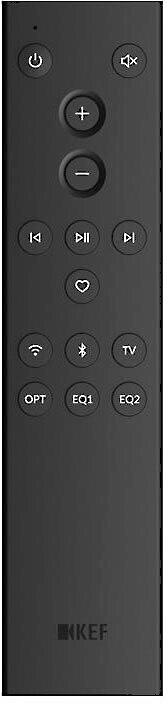
The KEF Connect app provides additional control over EQ settings and sound modes, though the system is designed to sound excellent with minimal tweaking. There's a dedicated Dialogue Mode that enhances speech clarity – particularly useful for movies with complex soundtracks.
The TCL Q85H requires more traditional setup since you're positioning multiple speakers. The rear speakers need to be plugged into wall outlets, so their placement is somewhat limited by available power. The AI Sonic calibration helps optimize performance once everything's positioned.
TCL includes several EQ presets (Standard, Movie, Music, Voice, Game, Sports) that adjust the sound character for different content types. The system also integrates well with compatible TCL TVs for streamlined control.
This is where the philosophical differences become most apparent.
The KEF XIO at $2,499 represents a significant investment, but you're paying for proprietary technology that isn't available elsewhere. The Uni-Q drivers, advanced bass management, and sophisticated processing justify the premium for audio enthusiasts who prioritize sound quality above all else.
Consider that a comparable KEF speaker system – say, their LS50 Meta bookshelf speakers plus a KC62 subwoofer – would cost similar money and require more space and setup complexity. The XIO packages reference-quality sound in a single, elegant enclosure.
The TCL Q85H at $499 delivers remarkable value by including everything needed for a complete Dolby Atmos experience. When you factor in the wireless subwoofer and rear speakers, you're getting a lot of hardware for the money. The build quality is solid, and the feature set rivals systems costing much more.
For many users, particularly those focused on home theater rather than critical music listening, the TCL provides 80% of the performance at 20% of the price.
After extensive testing with both systems, the performance differences align exactly with their design philosophies.
The KEF XIO excels with music. Jazz recordings showcase incredible instrument separation, classical music reveals subtle details in orchestral arrangements, and even compressed pop music sounds more spacious and engaging. For movie dialogue, the clarity is outstanding – you'll never miss important plot points buried in complex soundtracks.
Where the KEF sometimes falls short is with blockbuster action films in large rooms. While the bass is impressively clean and extends surprisingly low, it doesn't have the room-shaking impact that some movie moments demand. The surround effects, while convincing, can't quite match the visceral experience of actual speakers behind your seating position.
The TCL Q85H shines in traditional home theater scenarios. Action movies, sports broadcasts, and gaming all benefit from the physical speaker placement and dedicated subwoofer. The system can get loud without distortion and delivers the kind of enveloping experience that makes movie nights memorable.
For music, the TCL is competent but not exceptional. The sound is full and engaging for casual listening, but it lacks the precision and detail that makes critical listening sessions rewarding.
Choose the KEF XIO if sound quality is your primary concern. If you're the type of person who notices the difference between audio formats, appreciates well-recorded music, and values engineering excellence, the KEF justifies its premium price. It's also ideal if you need a single, elegant solution that doesn't require additional speakers around your room.
Choose the TCL Q85H if you want maximum home theater impact for your investment. If your primary use is movies, TV shows, and gaming, and you have space for multiple speakers, the TCL delivers exceptional value. It's also the better choice for larger rooms where physical speaker placement matters more than individual driver quality.
Both represent excellent approaches to their respective market segments. The KEF XIO pushes the boundaries of what's possible in a single soundbar enclosure, while the TCL Q85H proves that exceptional home theater experiences don't require premium pricing. Your choice should align with your priorities, room constraints, and how you balance sound quality against features and value.
| KEF XIO Soundbar | TCL Q85H Q Class 7.1.4 Channel Sound Bar System |
|---|---|
| Price - Major factor in deciding value proposition | |
| $2,499 | $499 |
| Channel Configuration - Determines surround sound authenticity | |
| True 5.1.2 (all from single soundbar) | 7.1.4 (with separate wireless subwoofer and rear speakers) |
| Driver Technology - Core difference in audio quality approach | |
| 12 drivers: 6 Uni-Q MX concentric + 4 P185 bass woofers | 15 drivers total across main bar, subwoofer, and rear speakers |
| Total System Power - Indicates maximum volume capability | |
| 820W (12 Class D amplifiers) | 860W (distributed across all components) |
| Bass Performance - Critical for movies and music impact | |
| Integrated P185 woofers (34Hz extension, no subwoofer needed) | Dedicated 6.5" wireless subwoofer with Bass Boost technology |
| Spatial Audio Processing - How Dolby Atmos/DTS:X effects are created | |
| Intelligent Placement Tech with virtualization | Physical up-firing speakers on bar and rear speakers |
| Connectivity Options - Determines device compatibility and streaming quality | |
| HDMI eARC, Wi-Fi 6, AirPlay 2, Chromecast, high-res streaming (24-bit/384kHz) | HDMI eARC, optical input, Bluetooth 5.1, TCL TV Ready integration |
| Room Calibration - Automatic optimization for your space | |
| Intelligent Placement Technology (adapts to wall/shelf mounting and room objects) | AI Sonic calibration (optimizes multi-speaker timing and EQ) |
| Physical Setup Requirements - Installation complexity and space needs | |
| Single soundbar unit (wall-mount or shelf placement) | Main bar + wireless sub + rear speakers (rear speakers need power outlets) |
| Best Use Case - Where each system excels most | |
| Audiophile music listening and minimalist setups | Home theater immersion and large room filling |
The TCL Q85H ($499) offers exceptional value with a complete 7.1.4 system including wireless subwoofer and rear speakers. The KEF XIO ($2,499) costs 5x more but delivers audiophile-grade sound quality with proprietary Uni-Q driver technology. For most buyers focused on home theater, the TCL provides better bang for your buck.
The KEF XIO Soundbar excels at music reproduction thanks to its Uni-Q MX drivers that provide precise imaging and audiophile-quality sound. The TCL Q85H is competent for casual music listening but focuses more on home theater performance with its multi-speaker configuration.
The KEF XIO uses advanced virtualization and Intelligent Placement Technology to create 5.1.2 surround effects from a single bar. The TCL Q85H Q Class system achieves true 7.1.4 surround sound through physical speaker placement with separate wireless rear speakers and up-firing drivers.
The KEF XIO Soundbar offers simple setup as a single unit with automatic room calibration. The TCL Q85H requires positioning three separate components (soundbar, subwoofer, and rear speakers) with the rear speakers needing access to power outlets.
The TCL Q85H Q Class system can achieve higher overall volume levels thanks to its 860W power distributed across multiple speakers. The KEF XIO delivers 820W but focuses on clean, distortion-free output rather than maximum volume, making it better suited for critical listening.
The KEF XIO Soundbar provides superior streaming with Wi-Fi 6, high-resolution audio support up to 24-bit/384kHz, and services like Spotify Connect and TIDAL Connect. The TCL Q85H offers basic Bluetooth streaming and focuses more on TV connectivity than standalone streaming.
Choose the TCL Q85H ($499) for maximum home theater impact with true surround speaker placement and powerful bass. Choose the KEF XIO ($2,499) if you prioritize audio quality and want a premium single-unit solution that excels at both movies and music in smaller spaces.
We've done our best to create useful and informative comparisons to help you decide what product to buy. Our research uses advanced automated methods to create this comparison and perfection is not possible - please contact us for corrections or questions. These are the sites we've researched in the creation of this article: blog.son-video.com - residentialsystems.com - whathifi.com - audioadvice.com - crutchfield.com - homecrux.com - techradar.com - youtube.com - us.kef.com - gramophone.com - cepro.com - audioxpress.com - musicdirect.com - gramophone.com - us.kef.com - crutchfield.com - hifipig.com - bestbuy.com - listenup.com - bestbuy.com - bestbuy.com - listenup.com - gamerant.com - bestbuy.com - tcl.com - bestbuy.com - tcl.com - tcl.com - nfm.com - tcl.com - electronicexpress.com - tcl.com - tcl.com - digitaltrends.com

Privacy Policy
Terms and Conditions - Affiliate Policy
Home Security
© Copyright 2008-2026.
11816 Inwood Rd #1211, Dallas, TX 75244