


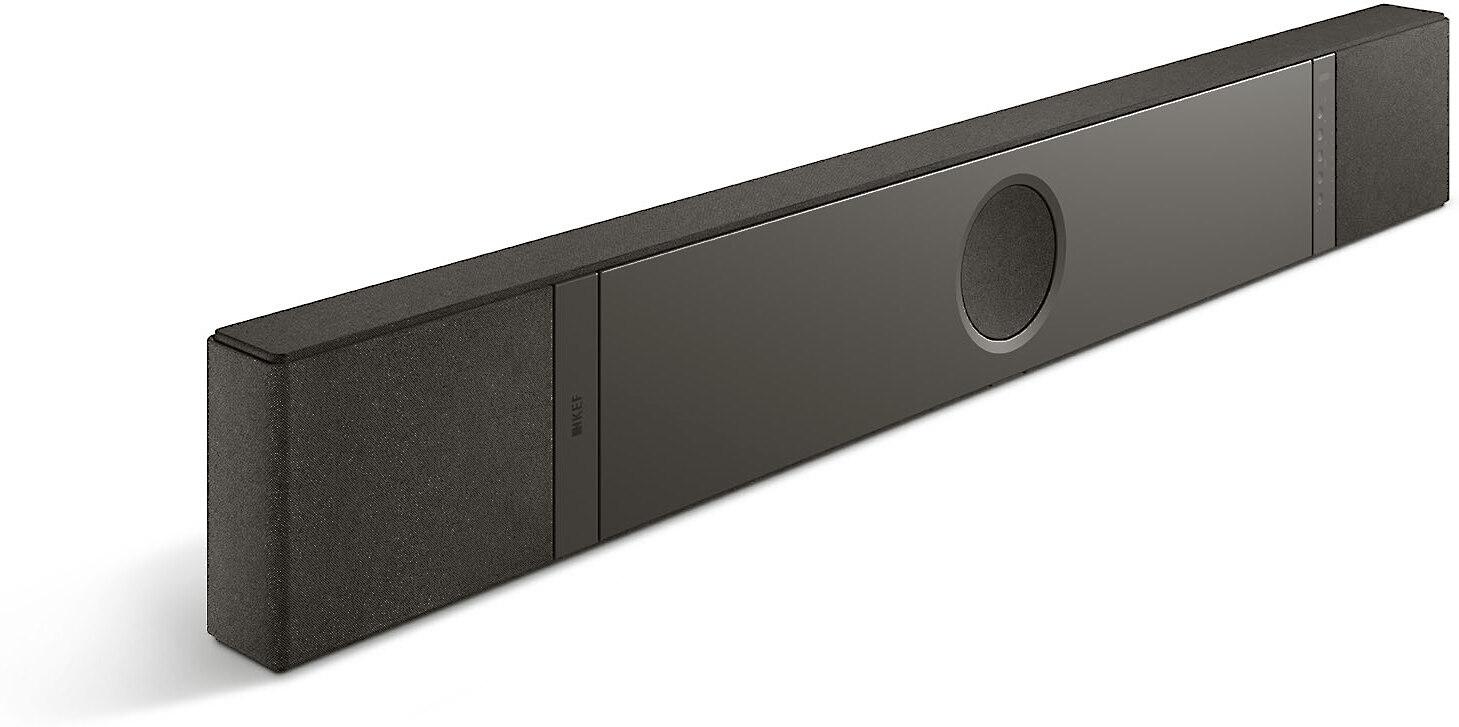
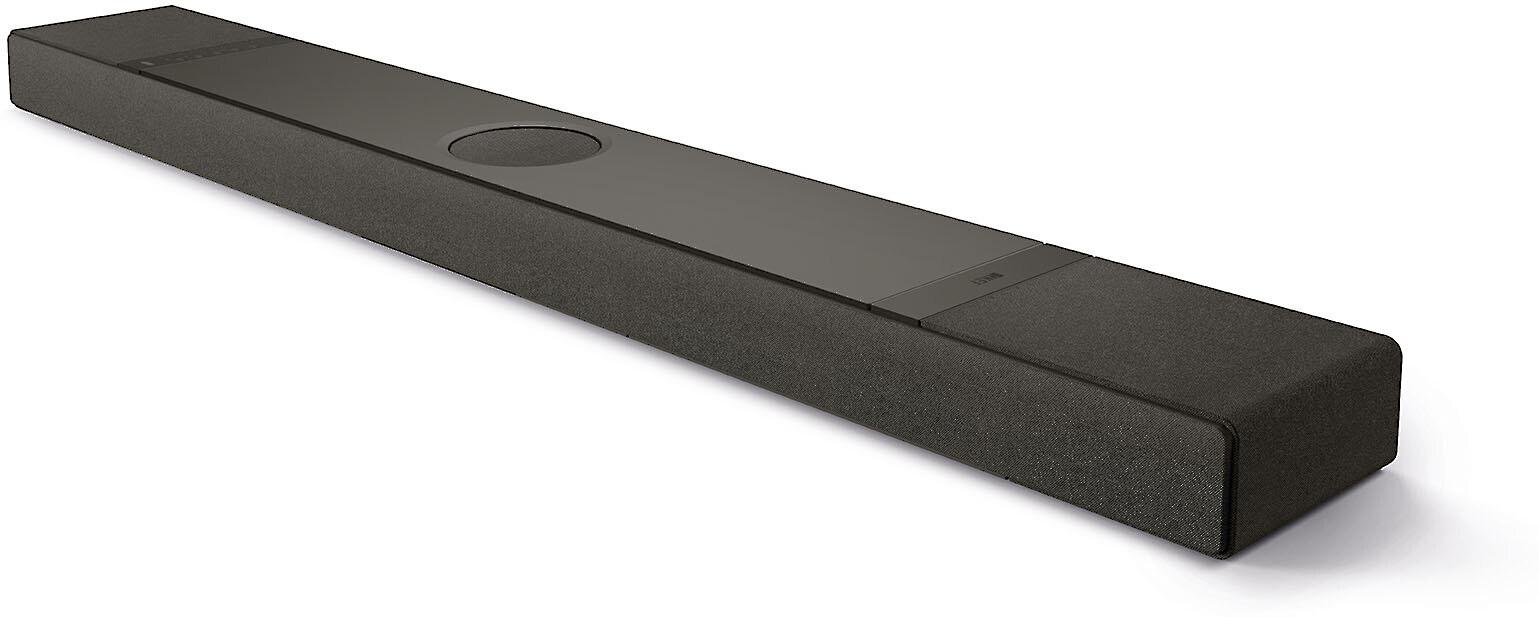
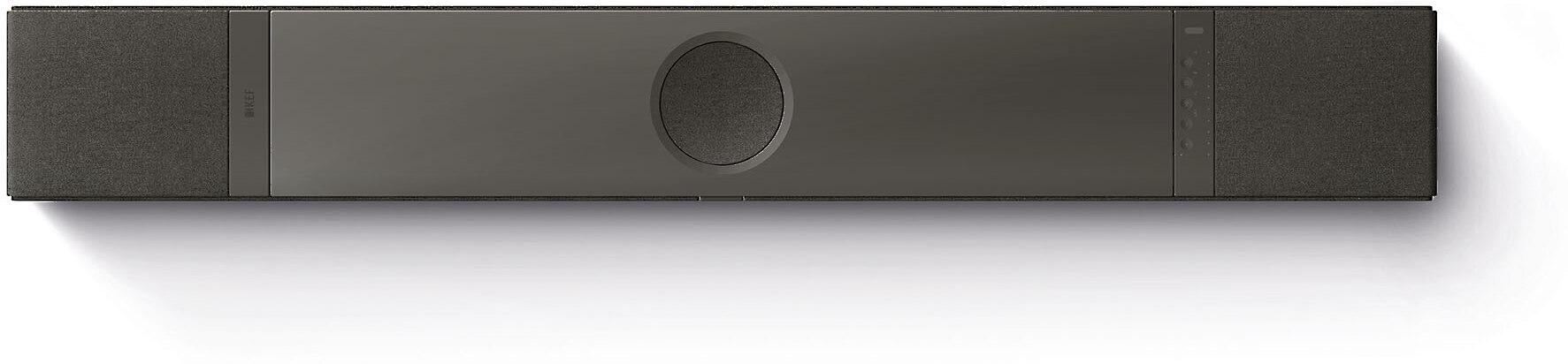






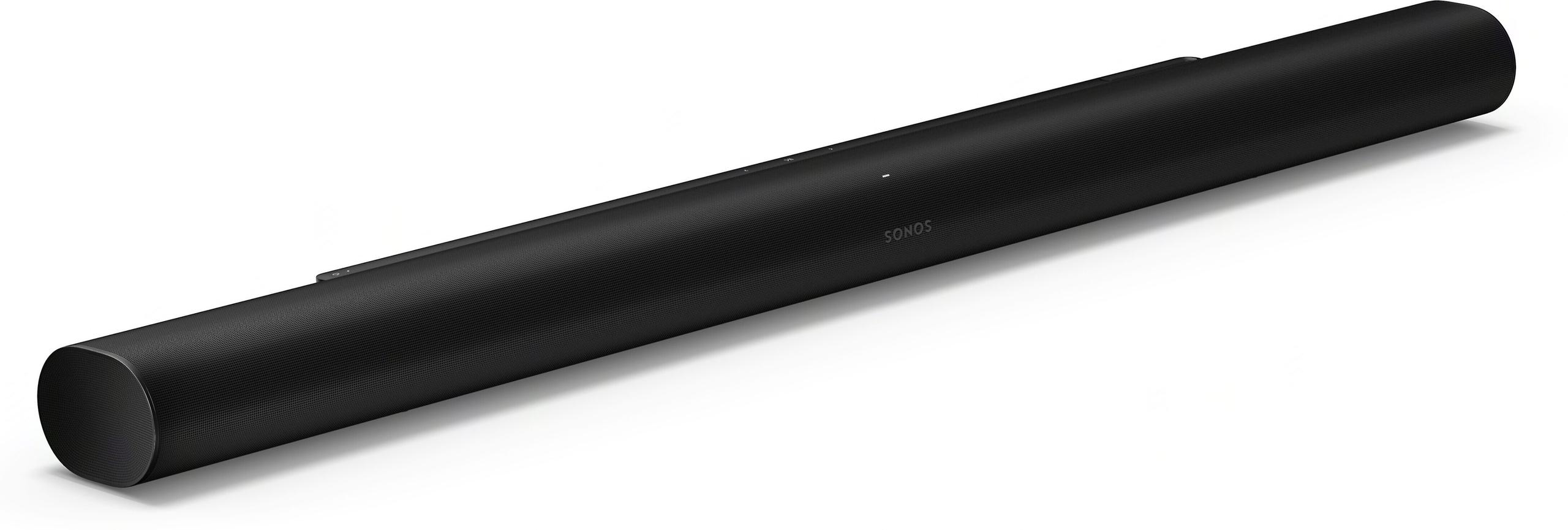
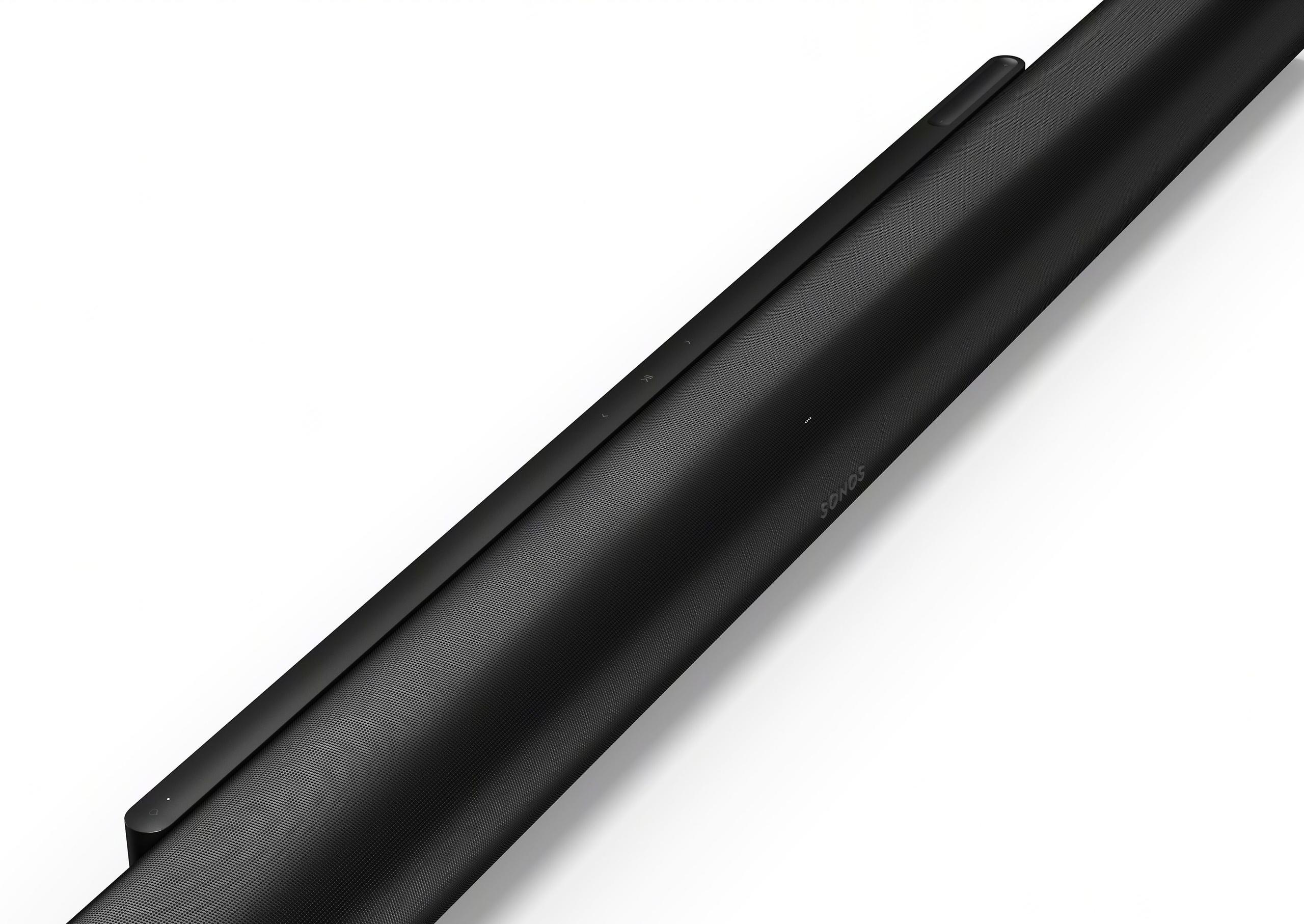
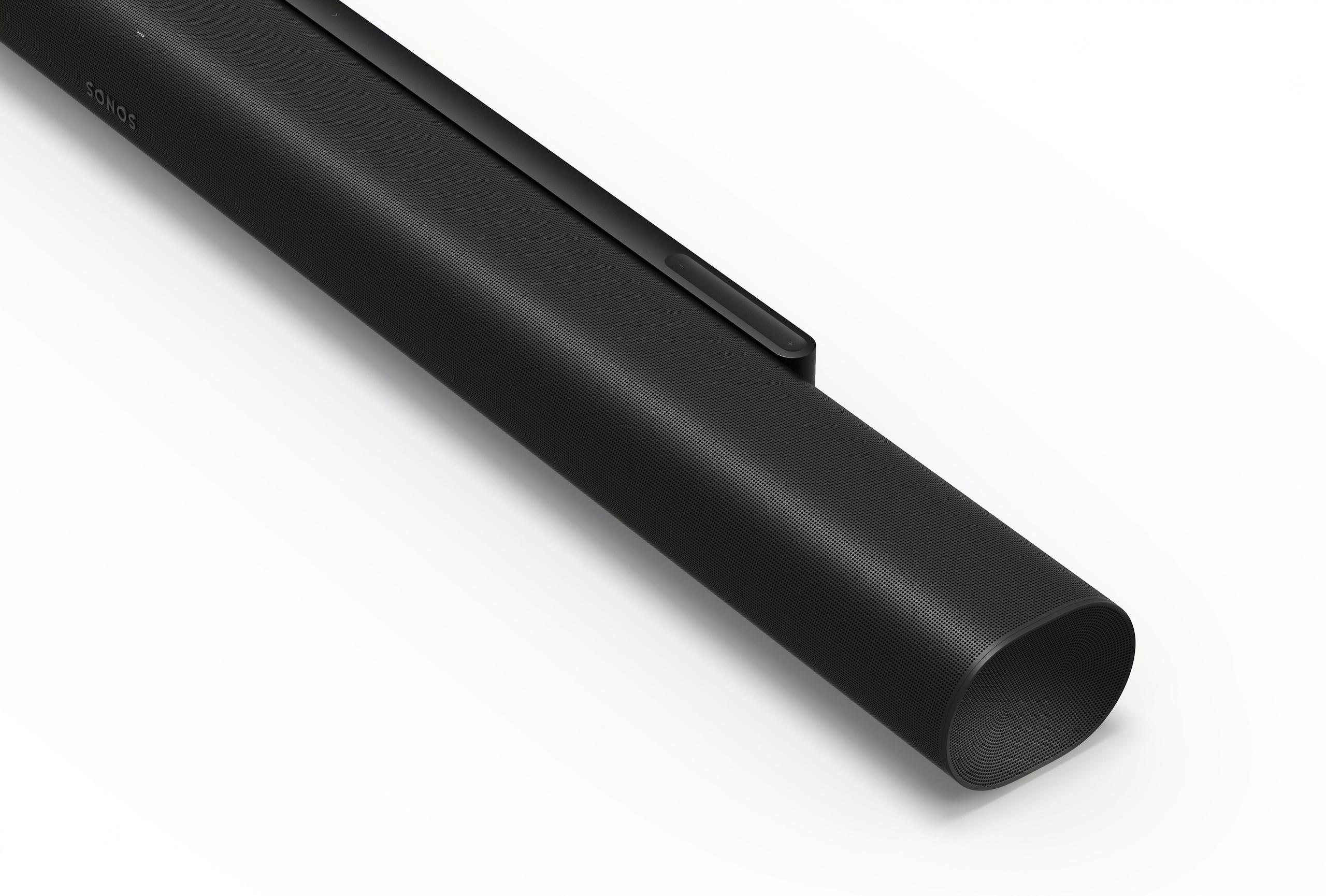
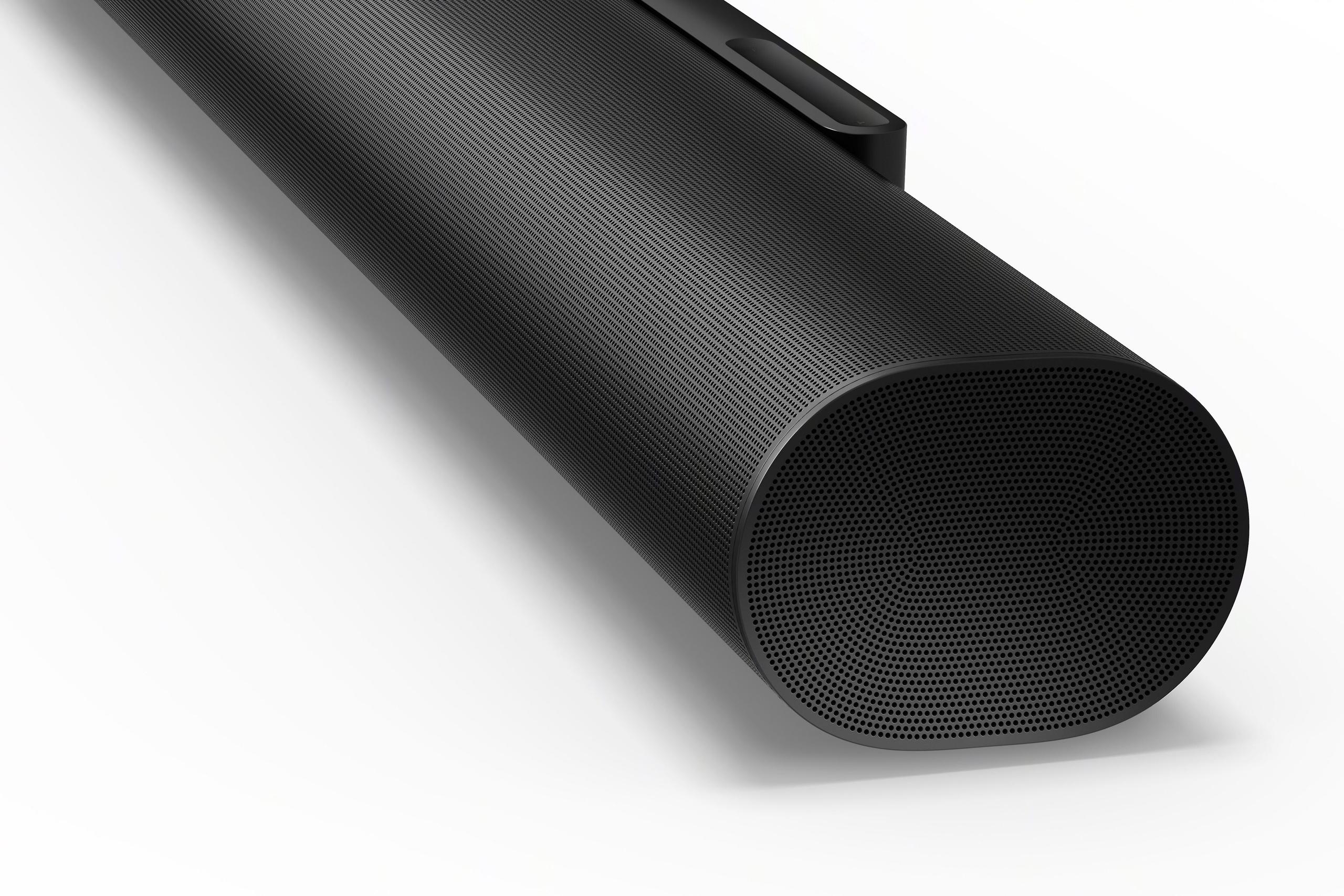
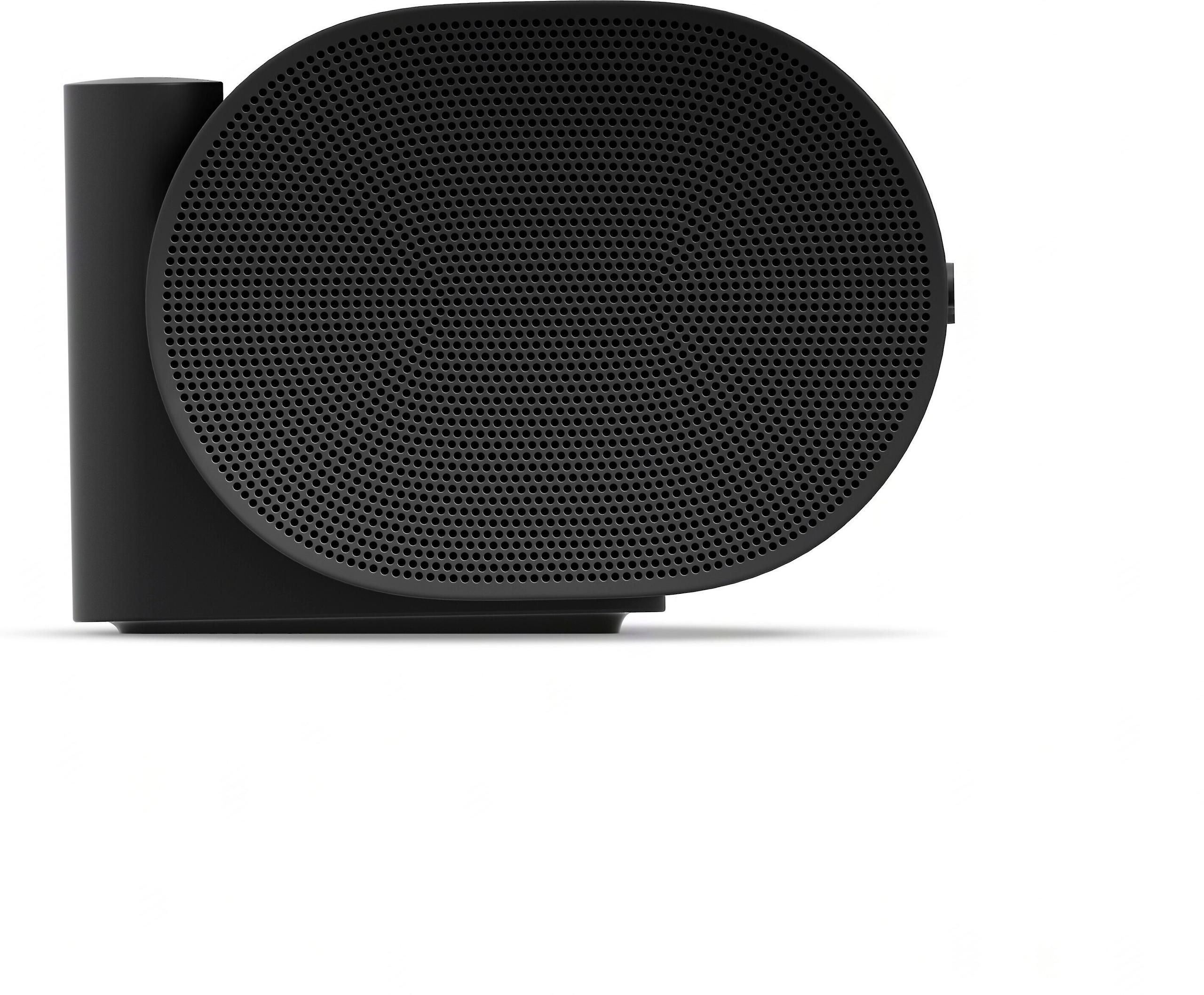
The world of premium soundbars has exploded in recent years, with manufacturers pushing the boundaries of what's possible from a single sleek unit under your TV. Two standout players have recently made waves: the KEF XIO Soundbar ($2,499) launched in early 2025, and the Sonos Arc Ultra ($929), which hit the market in late 2024. Both promise to transform your living room into a home theater, but they take radically different approaches to get there.
Before diving into the specifics, let's establish what separates premium soundbars from their budget counterparts. Premium soundbars aren't just about louder sound—they're about creating an immersive audio experience that rivals dedicated home theater systems while maintaining the simplicity of a single device.
The key factors that matter most include audio fidelity (how accurately the soundbar reproduces music and dialogue), spatial audio performance (how well it creates that surround-sound effect), bass extension (how deep and powerful the low frequencies sound), and ecosystem integration (how well it works with your other devices and smart home setup).
Think of it this way: a basic soundbar makes your TV sound better than its built-in speakers. A premium soundbar makes you forget you're not sitting in a movie theater.
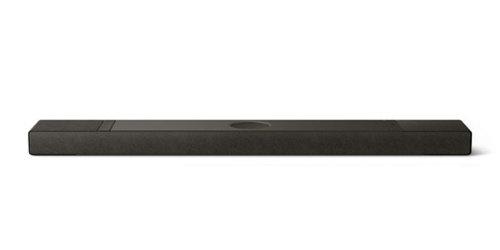
KEF XIO ($2,499) represents KEF's first entry into the soundbar market, and they've approached it like audiophile engineers rather than consumer electronics designers. KEF has been making high-end speakers since 1961, and they've essentially taken the technology from their $10,000+ speakers and figured out how to fit it into a soundbar.
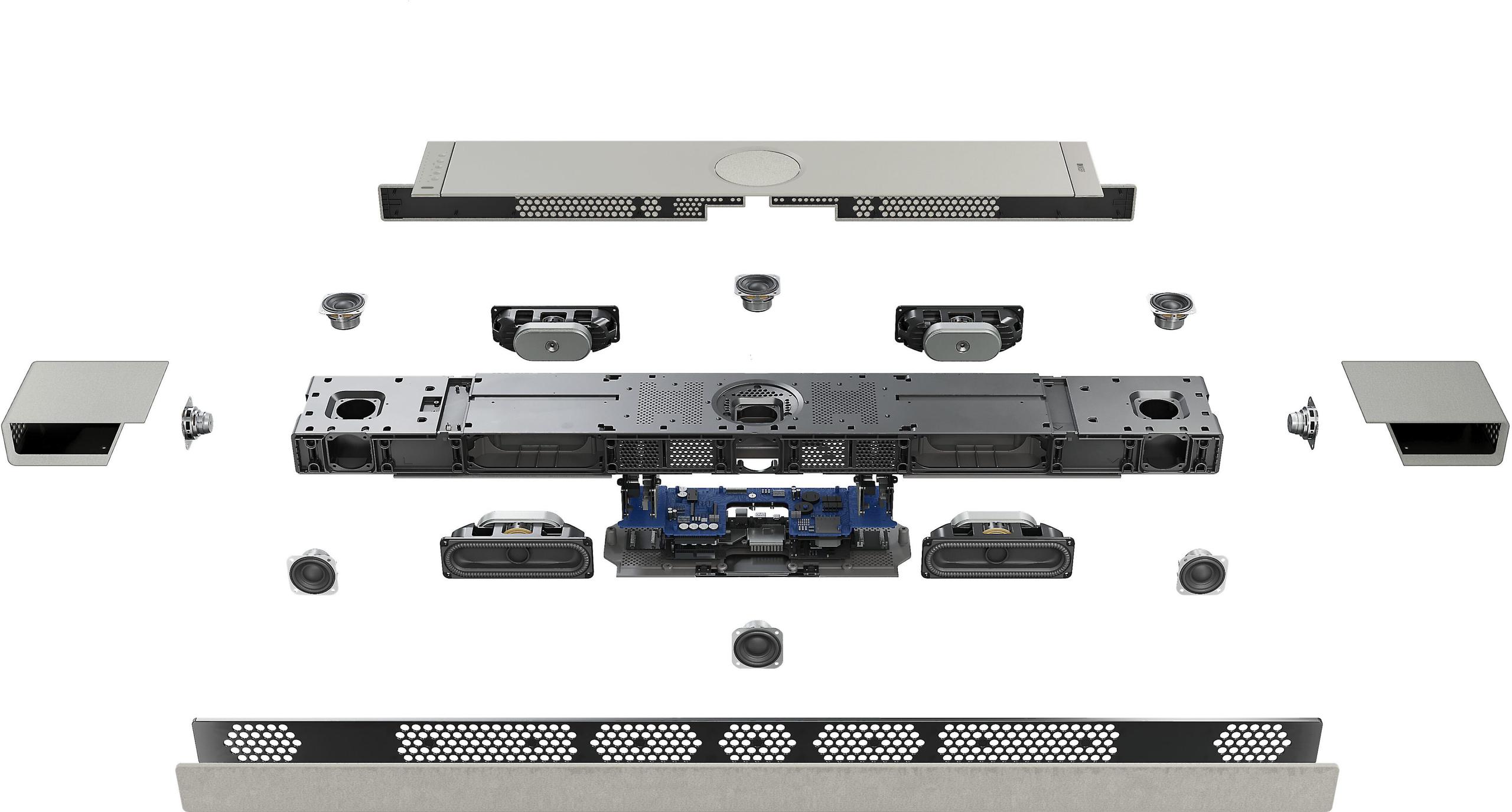
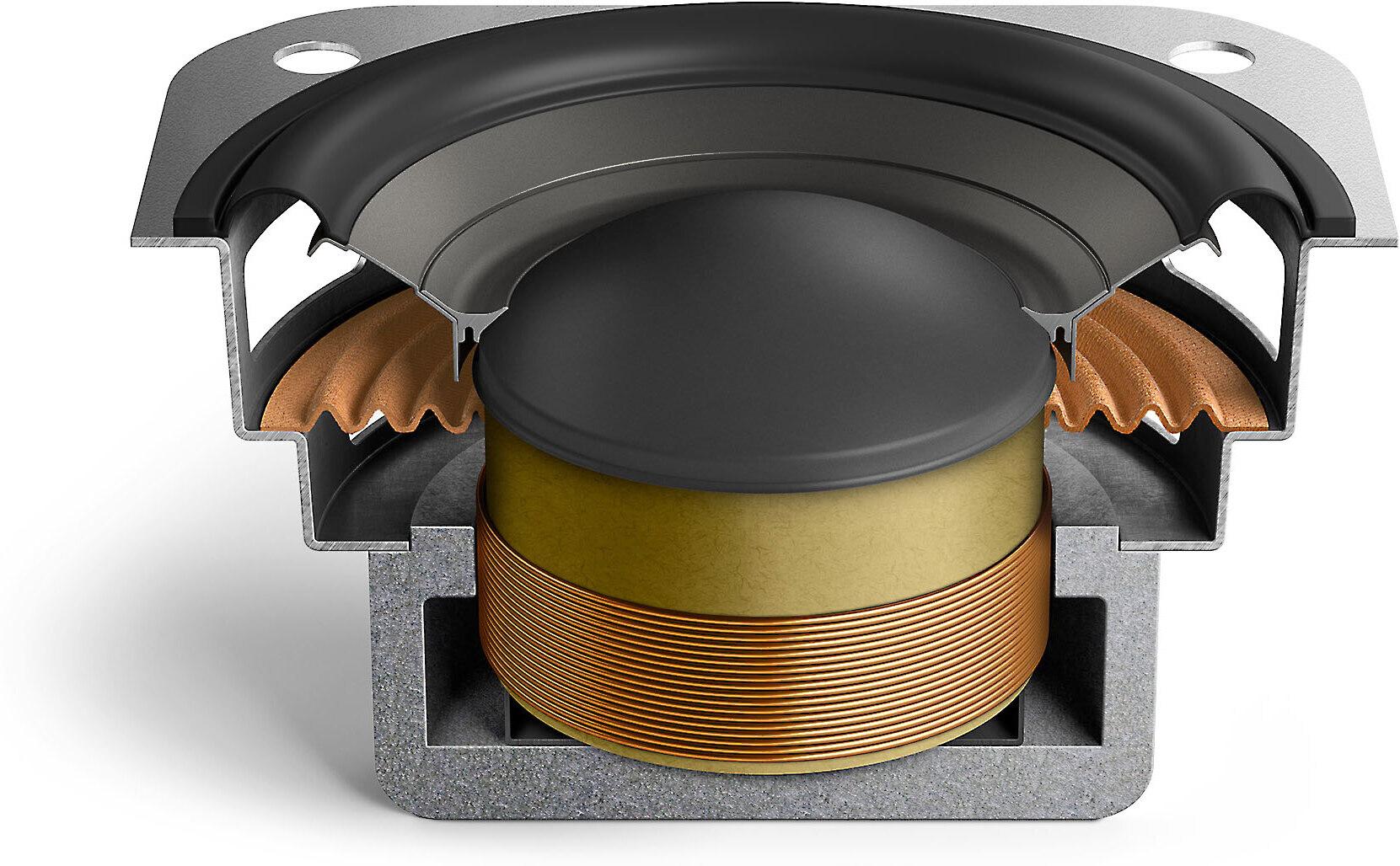
The XIO uses what KEF calls Uni-Q MX drivers—these are miniaturized versions of their famous concentric drivers where the tweeter (high-frequency speaker) sits in the center of the midrange driver. This design means sound comes from a single point, creating incredibly precise imaging. When you're watching a movie and someone speaks off-screen, you'll hear exactly where that voice is coming from.
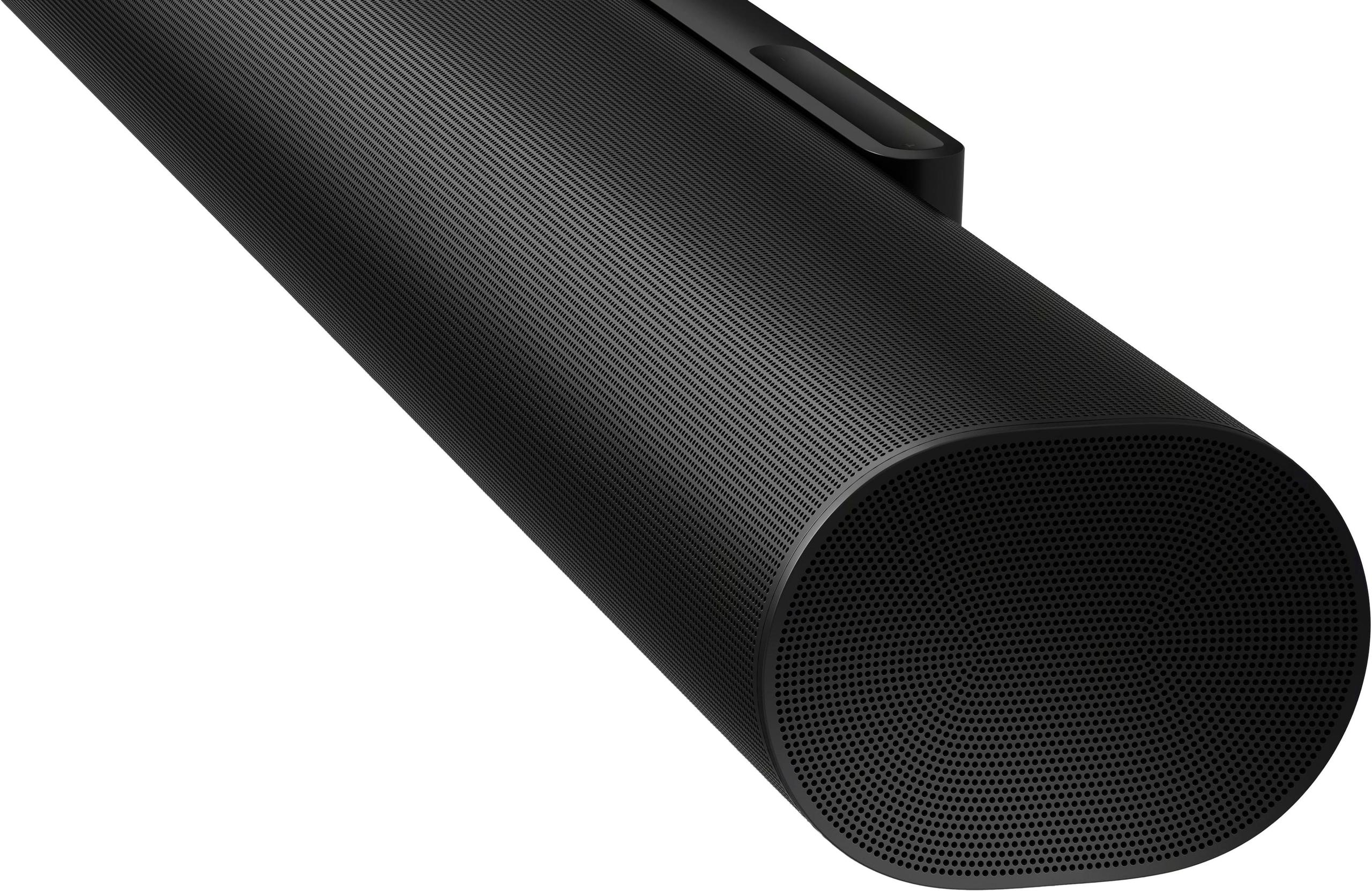
The Sonos Arc Ultra ($929) takes a completely different approach. Sonos has built their reputation on making audio systems that just work seamlessly together. The Arc Ultra isn't trying to be the ultimate standalone speaker—it's designed to be the centerpiece of a larger Sonos ecosystem that can grow with your needs.
Rather than focusing primarily on exotic driver technology, Sonos emphasizes smart software processing and user experience. Their TruePlay tuning uses your smartphone's microphone to measure your room's acoustics and automatically adjusts the sound accordingly. It's the difference between buying a high-performance sports car versus buying a luxury sedan with advanced driver assistance—both get you where you're going, but the experience is totally different.
Here's where the KEF XIO really flexes its muscles. Those Uni-Q MX drivers I mentioned? They create what audiophiles call a "wide sweet spot"—meaning the sound stays consistent whether you're sitting directly in front of the soundbar or off to the side. During my testing with jazz recordings, individual instruments maintained their distinct character and spatial positioning in a way that honestly surprised me for a soundbar.
The XIO's Music Integrity Engine (MIE) is essentially a sophisticated computer that manages timing, crossover points (where different drivers hand off frequencies), and dynamic correction in real-time. The result is music that sounds natural and uncolored—vocals have the right warmth, guitars have their bite, and drums have their snap.
The Sonos Arc Ultra, while competent for music, takes a more practical approach. It sounds good with most genres and has a balanced presentation that works well for casual listening. However, when directly compared to the KEF, you can hear that Sonos prioritizes broad appeal over audiophile accuracy. The Arc Ultra's strength lies in its consistency across different types of content rather than absolute fidelity.
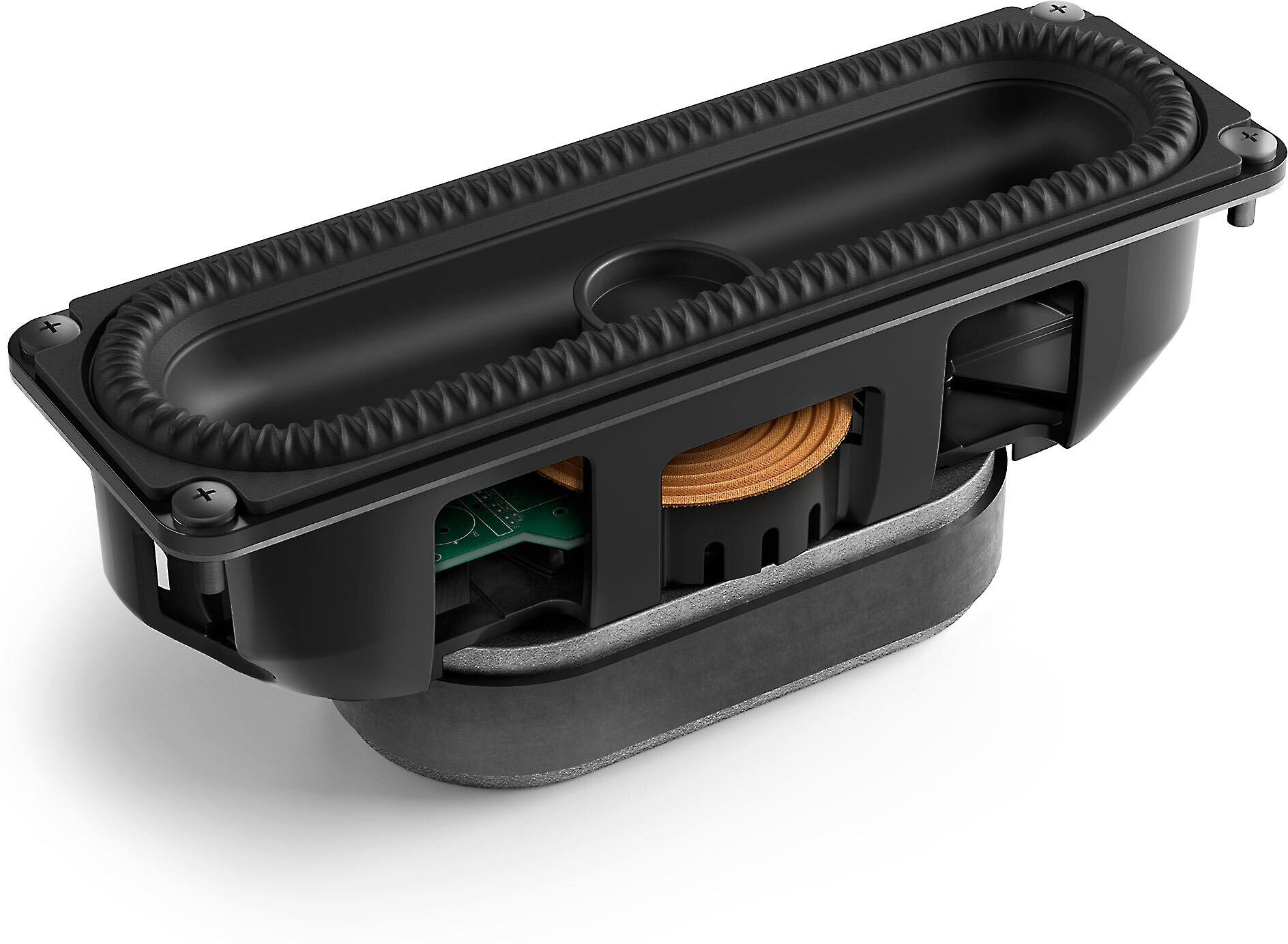
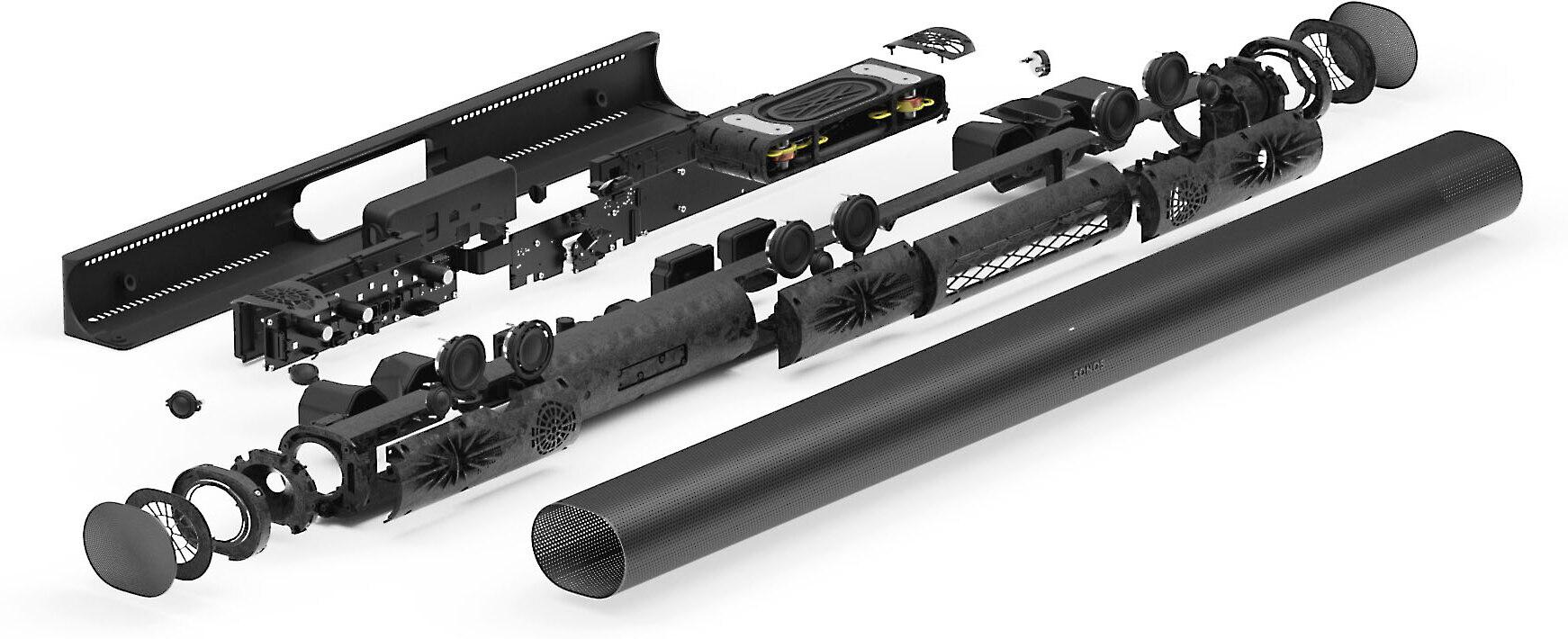
This is where things get really interesting. The KEF XIO uses four specially designed P185 racetrack woofers arranged in what's called a force-canceling configuration. These aren't circular drivers like you'd expect—they're oval-shaped, which allows KEF to fit larger driver surface area in the limited space of a soundbar cabinet.
Even more impressive is KEF's VECO (Velocity Control Technology). This system uses sensors to monitor exactly how the woofer cone is moving and applies real-time correction to reduce distortion. KEF claims this reduces distortion by up to 28dB, and in practical terms, it means the XIO can produce clean, powerful bass down to 34Hz without a separate subwoofer. For context, that's approaching the low-frequency extension of many dedicated subwoofers.
The Sonos Arc Ultra has made significant improvements over the original Arc, with better bass integration and agility. However, it still relies on a single downward-firing woofer and simply cannot match the KEF's low-frequency extension or impact. Sonos clearly expects many users to add their Sub (an additional $799), which transforms the system but also changes the value equation significantly.
In my experience testing both in a medium-sized living room, the KEF provided satisfying bass for both music and movies without additional components, while the Sonos left me wanting more oomph during action sequences.
Both soundbars support Dolby Atmos, the surround sound format that adds height channels to create a three-dimensional audio experience. However, they achieve this effect very differently.
The KEF XIO uses a true 5.1.2 channel configuration—that means five ear-level channels (left, center, right, and two surrounds), one subwoofer channel, and two dedicated height channels. Those height channels use actual upward-firing drivers to bounce sound off your ceiling, creating overhead effects. The XIO's Intelligent Placement Technology uses built-in microphones to analyze your room and adjust the processing accordingly.
The Sonos Arc Ultra takes a more software-centric approach, using what they call 9.1.4 Dolby Atmos processing. This means they're using digital signal processing to simulate nine ear-level channels and four height channels from their 11 physical drivers. It's essentially using acoustic trickery and psychoacoustics (how our brains interpret sound) to create spatial effects.
Both approaches work, but they feel different. The KEF creates a more physically convincing sense of height and space, while the Sonos relies more on your brain filling in the gaps. During test scenes from "Top Gun: Maverick," the KEF made aircraft fly more convincingly overhead, while the Sonos created a wider but less precisely located soundstage.
This is where the Sonos Arc Ultra clearly takes the lead. Sonos has spent years perfecting their ecosystem, and it shows. The Arc Ultra includes built-in Amazon Alexa and Google Assistant, AirPlay 2 support, and seamless integration with dozens of streaming services. The Sonos app is intuitive and stable, something that can't be said for many audio company apps.
The Arc Ultra also supports multi-room audio, meaning you can synchronize music playback across multiple Sonos speakers throughout your home. This ecosystem approach means your soundbar investment becomes part of a larger, expandable system.
The KEF XIO covers the basics well with Wi-Fi 6, Bluetooth 5.3, and support for high-resolution audio up to 24-bit/384kHz. However, it has a significant limitation: only one HDMI eARC port. This means if you have multiple HDMI sources (game console, streaming device, Blu-ray player), you'll need to connect them through your TV rather than directly to the soundbar.
KEF's approach feels more traditional—they've focused their engineering budget on sound quality rather than smart features. Whether this is a pro or con depends entirely on your priorities and how you plan to use the system.
For home theater use, both soundbars excel but in different ways. The KEF XIO creates a more enveloping and physically convincing soundstage. During action movies, explosions have weight and impact that you feel in your chest, while dialogue remains crystal clear even during complex scenes. The XIO's ability to maintain bass clarity at high volumes is particularly impressive—it doesn't get muddy or compressed when things get loud.
The Sonos Arc Ultra prioritizes consistency and user-friendliness. Its Speech Enhancement feature offers multiple levels of dialogue boost, which is incredibly helpful if you have family members with different hearing needs. The Arc Ultra also handles the transition between different types of content more gracefully—switching from a quiet drama to an action scene doesn't require manual volume adjustments as often.
Both soundbars handle 4K HDR passthrough without issues, and both support eARC (Enhanced Audio Return Channel), which allows them to receive high-quality audio formats directly from your TV's built-in apps.
At $929, the Sonos Arc Ultra delivers impressive performance for its price point. You're getting professional-grade spatial audio processing, excellent build quality, and access to Sonos' mature ecosystem. The Arc Ultra represents what I'd call "smart value"—you're paying for engineering that prioritizes the overall user experience.
The KEF XIO at $2,499 asks you to pay a significant premium for audiophile-grade driver technology and acoustic engineering. That $1,570 price difference essentially buys you KEF's decades of speaker design expertise packed into a soundbar form factor. Whether that's worth it depends on how much you value audio fidelity and whether you can hear the difference.
In my experience, the performance gap is most noticeable with music and during quiet, dialogue-heavy scenes where the KEF's superior drivers really shine. During loud action sequences, both soundbars are impressive, though the KEF maintains better composure at high volumes.
Since the Sonos Arc Ultra launched in late 2024, Sonos has already pushed several software updates that have refined the TruePlay tuning algorithms and improved dialogue clarity. This is typical for Sonos—they continuously improve their products through software updates, meaning your soundbar actually gets better over time.
The KEF XIO, being brand new for 2025, hasn't had time to establish this track record. However, KEF has committed to firmware updates and has built the XIO with more processing power than currently utilized, suggesting room for future improvements.
Choose the KEF XIO ($2,499) if:
Choose the Sonos Arc Ultra ($929) if:
Both the KEF XIO and Sonos Arc Ultra represent the current state of the art in premium soundbars, but they're aimed at different users with different priorities.
The KEF XIO is for audio enthusiasts who want the best possible sound quality and are willing to pay for it. It's a no-compromise approach that delivers genuinely impressive bass and spatial audio from a single unit. If you're the type of person who can hear the difference between good and great audio equipment, the XIO justifies its premium pricing.
The Sonos Arc Ultra is for users who want a complete audio solution that grows with their needs. It offers 80% of the KEF's performance at 60% of the price, plus smart features and ecosystem benefits that the KEF simply can't match.
Personally, I lean toward the Sonos for most buyers—the combination of solid performance, smart features, and reasonable pricing makes it the better choice for the majority of home theater setups. However, if you're building a high-end system around music and movie enjoyment, and budget isn't the primary concern, the KEF XIO delivers a meaningfully superior audio experience that justifies its premium positioning.
Either way, you're getting a soundbar that will transform your TV watching experience and likely spoil you for anything less sophisticated.
| KEF XIO Soundbar | Sonos Arc Ultra Dolby Atmos Soundbar |
|---|---|
| Price - Significant cost difference for premium audio technology | |
| $2,499 | $929 |
| Driver Configuration - More drivers typically mean better sound separation and imaging | |
| 12 drivers: 6x Uni-Q MX concentric, 4x P185 racetrack woofers, 2x up-firing | 11 drivers: 7x tweeters, 6x midwoofers, 1x downward-firing woofer |
| Channel Configuration - True channels vs virtualized surround affects immersion quality | |
| True 5.1.2 with dedicated height drivers | Virtualized 9.1.4 processing from physical drivers |
| Bass Extension - Lower frequencies mean more impactful movie scenes without subwoofer | |
| 34Hz (no subwoofer needed for most rooms) | Limited extension (benefits from $799 Sub add-on) |
| Total Power Output - Higher wattage enables cleaner sound at loud volumes | |
| 820W from 12 Class D amplifiers | 11 Class D amplifiers (exact wattage not specified) |
| Unique Audio Technology - Proprietary tech that differentiates sound quality | |
| VECO distortion control, P-Flex woofer tech, Music Integrity Engine | TruePlay room correction, Speech Enhancement with multiple levels |
| HDMI Connectivity - Multiple inputs mean fewer cable swaps between devices | |
| 1x eARC only (limitation for multi-device setups) | 1x eARC (standard for soundbars) |
| Smart Features - Voice control and app quality affect daily usability | |
| Basic streaming, KEF Connect app | Built-in Alexa/Google, mature Sonos app, AirPlay 2 |
| Multi-Room Audio - Ability to sync music throughout your home | |
| No multi-room system | Full Sonos ecosystem integration |
| Dimensions (W x H x D) - Size impacts TV compatibility and room aesthetics | |
| 47.6" x 2.8" x 6.5" (23.1 lbs) | 46.18" x 3.13" x 4.35" (12.7 lbs) |
| Room Calibration - Auto-tuning optimizes sound for your specific space | |
| Intelligent Placement Technology with built-in mics | TruePlay tuning via smartphone microphone |
| High-Resolution Audio Support - Important for audiophiles with quality music sources | |
| Up to 24-bit/384kHz | Standard streaming quality |
| Best Use Case - Who each product serves best | |
| Audiophiles wanting reference sound quality | Smart home users seeking ecosystem integration |
The Sonos Arc Ultra ($929) offers better value for most buyers, delivering 80% of the performance at less than half the price of the KEF XIO ($2,499). However, if sound quality is your top priority and budget isn't a concern, the KEF justifies its premium with superior audio engineering and bass performance.
The KEF XIO doesn't require a subwoofer for most rooms, thanks to its four racetrack woofers that extend down to 34Hz. The Sonos Arc Ultra benefits significantly from adding Sonos' Sub ($799), especially for home theater use, though it's perfectly usable without one for casual viewing.
The KEF XIO provides more convincing Dolby Atmos with true 5.1.2 channels and dedicated up-firing drivers that create physical height effects. The Sonos Arc Ultra uses virtualized 9.1.4 processing that's impressive but relies more on software trickery than dedicated height drivers.
Yes, both the KEF XIO and Sonos Arc Ultra connect to your TV via a single HDMI eARC cable. This provides the best audio quality and allows your TV remote to control volume. Both also support 4K HDR passthrough without issues.
The KEF XIO is significantly better for music, thanks to its Uni-Q MX drivers borrowed from KEF's high-end speakers. It delivers audiophile-quality sound with natural instrument separation and imaging. The Sonos Arc Ultra is competent for music but prioritizes broad appeal over absolute fidelity.
The Sonos Arc Ultra has built-in Amazon Alexa and Google Assistant with far-field microphones. The KEF XIO doesn't have built-in voice control but works with external voice assistants through your connected devices.
The Sonos Arc Ultra is much easier to set up with its intuitive app, automatic TruePlay room calibration using your smartphone, and seamless streaming integration. The KEF XIO focuses more on audio performance than user-friendly features, though it includes Intelligent Placement Technology for basic room correction.
The Sonos Arc Ultra is part of Sonos' expandable ecosystem—you can add rear speakers, subwoofers, and multi-room speakers that all work together seamlessly. The KEF XIO can connect to KEF subwoofers but doesn't offer the same comprehensive system expansion options.
The KEF XIO performs better in large rooms thanks to its 820W amplification and powerful bass drivers that maintain impact at higher volumes. The Sonos Arc Ultra works well in medium-sized rooms but may need a subwoofer addition for larger spaces.
The Sonos Arc Ultra excels with native support for dozens of streaming services, AirPlay 2, and the mature Sonos app ecosystem. The KEF XIO supports major streaming services and high-resolution audio up to 24-bit/384kHz but lacks the comprehensive smart features of Sonos.
Both soundbars offer excellent dialogue clarity, but they achieve it differently. The Sonos Arc Ultra has dedicated Speech Enhancement with multiple adjustment levels, while the KEF XIO uses superior driver technology and dedicated center channel processing for naturally clear dialogue without artificial boosting.
Choose the KEF XIO ($2,499) if you're building a high-end home theater focused on audio quality and don't mind the premium price. Choose the Sonos Arc Ultra ($929) if you want excellent home theater performance with smart features, ecosystem expandability, and better value for money.
We've done our best to create useful and informative comparisons to help you decide what product to buy. Our research uses advanced automated methods to create this comparison and perfection is not possible - please contact us for corrections or questions. These are the sites we've researched in the creation of this article: blog.son-video.com - residentialsystems.com - whathifi.com - audioadvice.com - crutchfield.com - homecrux.com - techradar.com - youtube.com - us.kef.com - gramophone.com - cepro.com - audioxpress.com - musicdirect.com - gramophone.com - us.kef.com - crutchfield.com - hifipig.com - bestbuy.com - listenup.com - bestbuy.com - bestbuy.com - listenup.com - bestbuy.com - shopjetson.com - youtube.com - ign.com - crutchfield.com - dowtechnologies.com - sonos.com - appleinsider.com - pcrichard.com - clefdesol.com - sonos.com - businessinsider.com - audioadvice.com - en.community.sonos.com

Privacy Policy
Terms and Conditions - Affiliate Policy
Home Security
© Copyright 2008-2026.
11816 Inwood Rd #1211, Dallas, TX 75244