

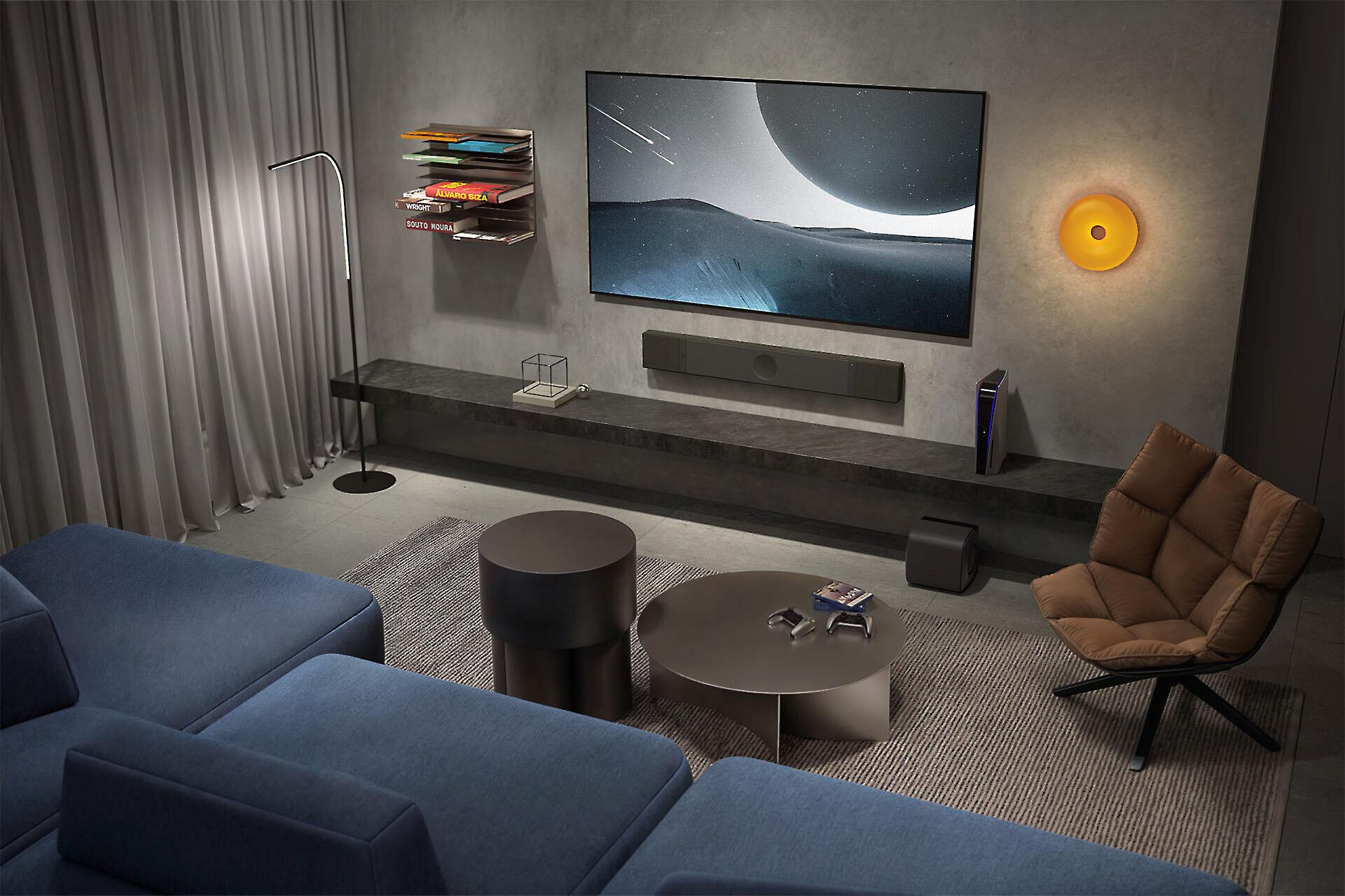





Choosing a soundbar used to be simple—anything was better than your TV's built-in speakers. But today's soundbar market has exploded into everything from basic stereo units to sophisticated systems that rival full home theater setups. The challenge now is figuring out which approach makes sense for your specific situation and budget.
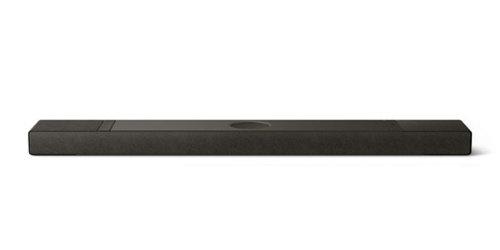
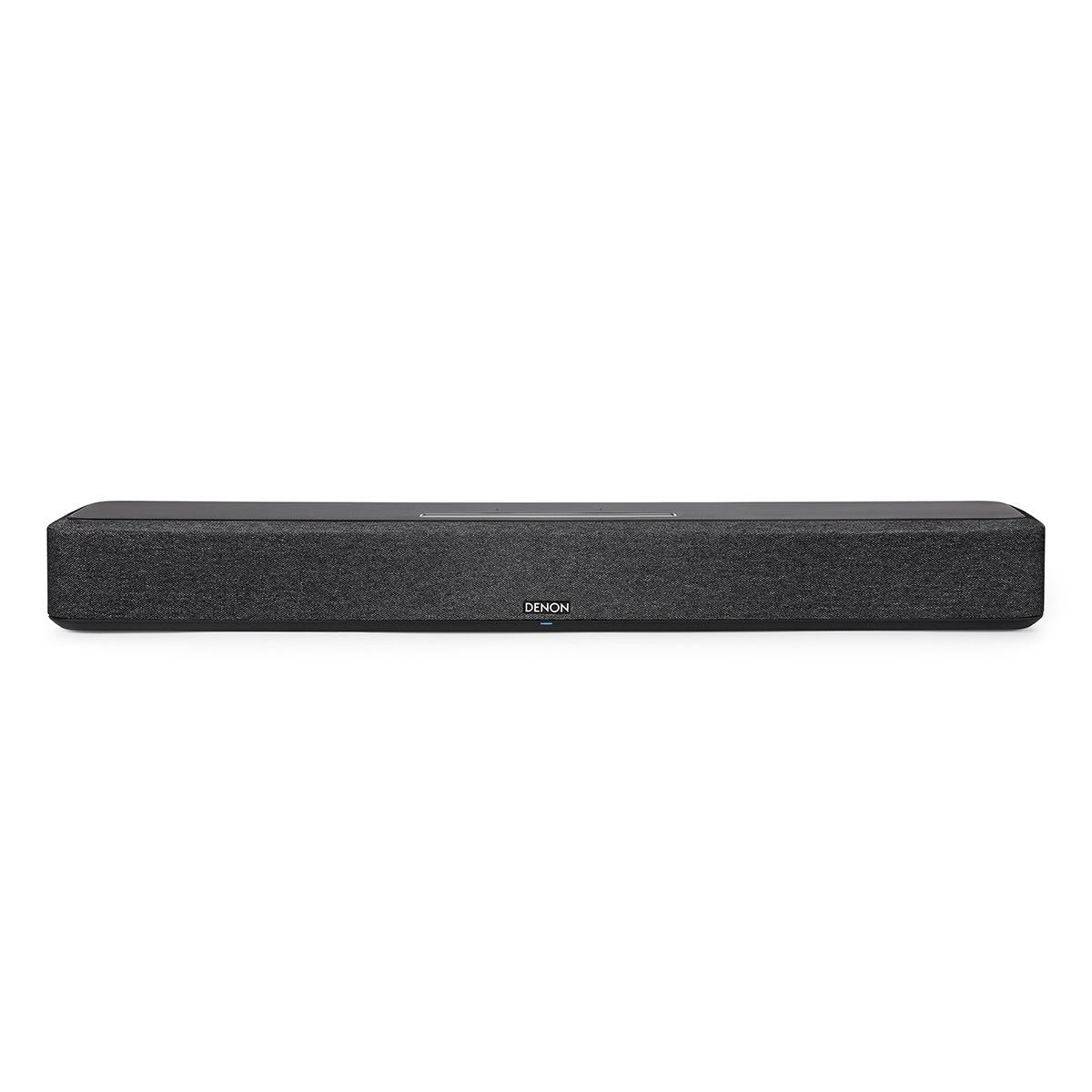
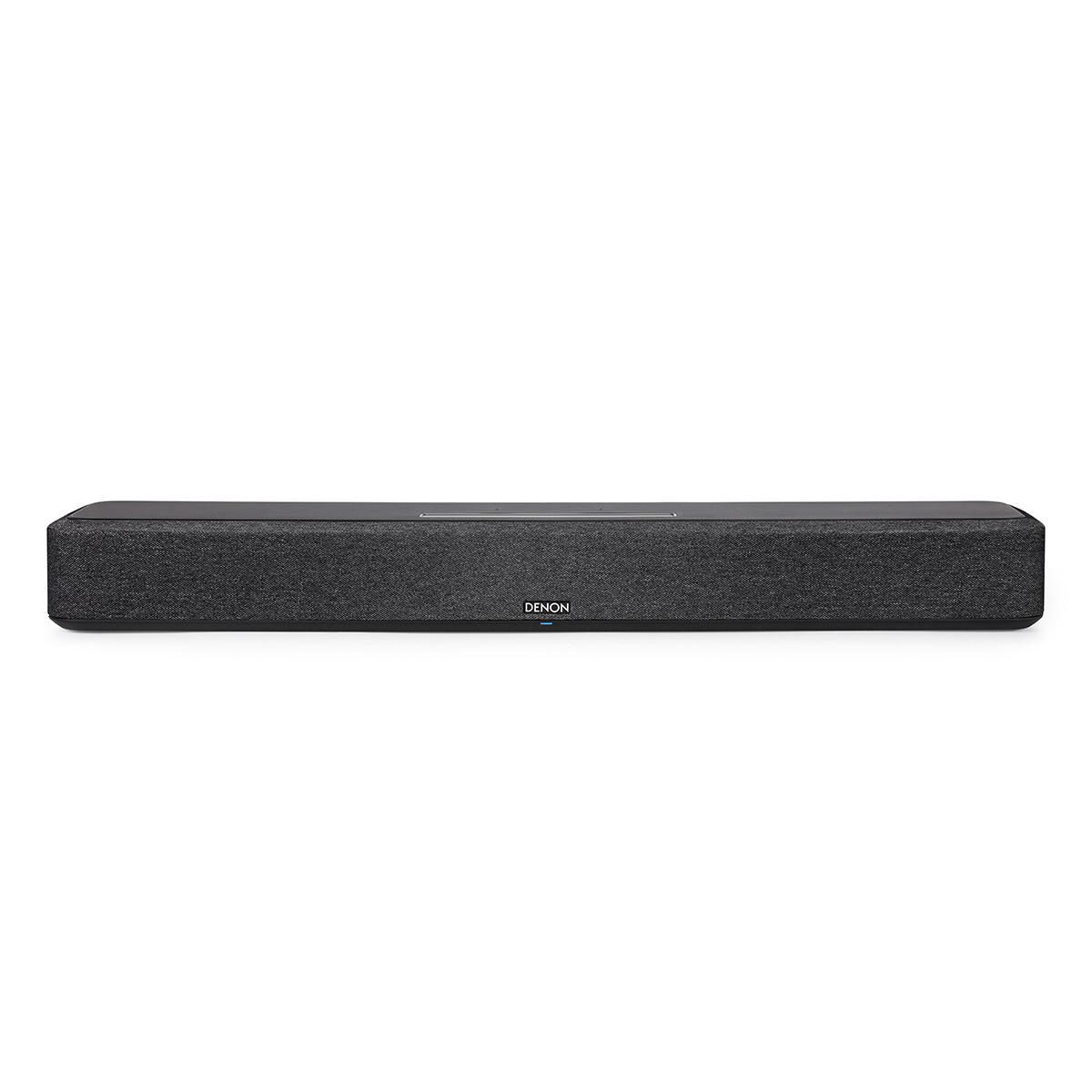
I've been testing soundbars for years, and two products perfectly illustrate this modern dilemma: the premium KEF XIO at $2,499.99 and the budget-friendly Denon Home Sound Bar 550 at $518.50. These aren't just different price points—they represent completely different philosophies about how soundbars should work.
Modern soundbars tackle several key challenges. First, they need to create the illusion of surround sound from a single enclosure sitting under your TV. Second, they must handle both dialogue-heavy TV shows and explosive movie soundtracks without making you constantly adjust the volume. Third, many people expect them to double as music speakers for streaming services.
The technology behind these solutions varies dramatically. Some soundbars use multiple drivers with sophisticated processing to create "virtual" surround effects—essentially tricking your brain into hearing sounds from directions where no speakers exist. Others pack in enough actual speakers to create genuine multi-channel audio, similar to a traditional home theater system but contained in one sleek package.
The most significant recent advancement has been Dolby Atmos support, which adds height information to create overhead effects. Think of the difference between watching rain fall on a 2D movie screen versus standing outside in actual rain—Atmos tries to recreate that three-dimensional audio experience. However, not all Atmos implementations are created equal, which becomes crucial when comparing our two contenders.
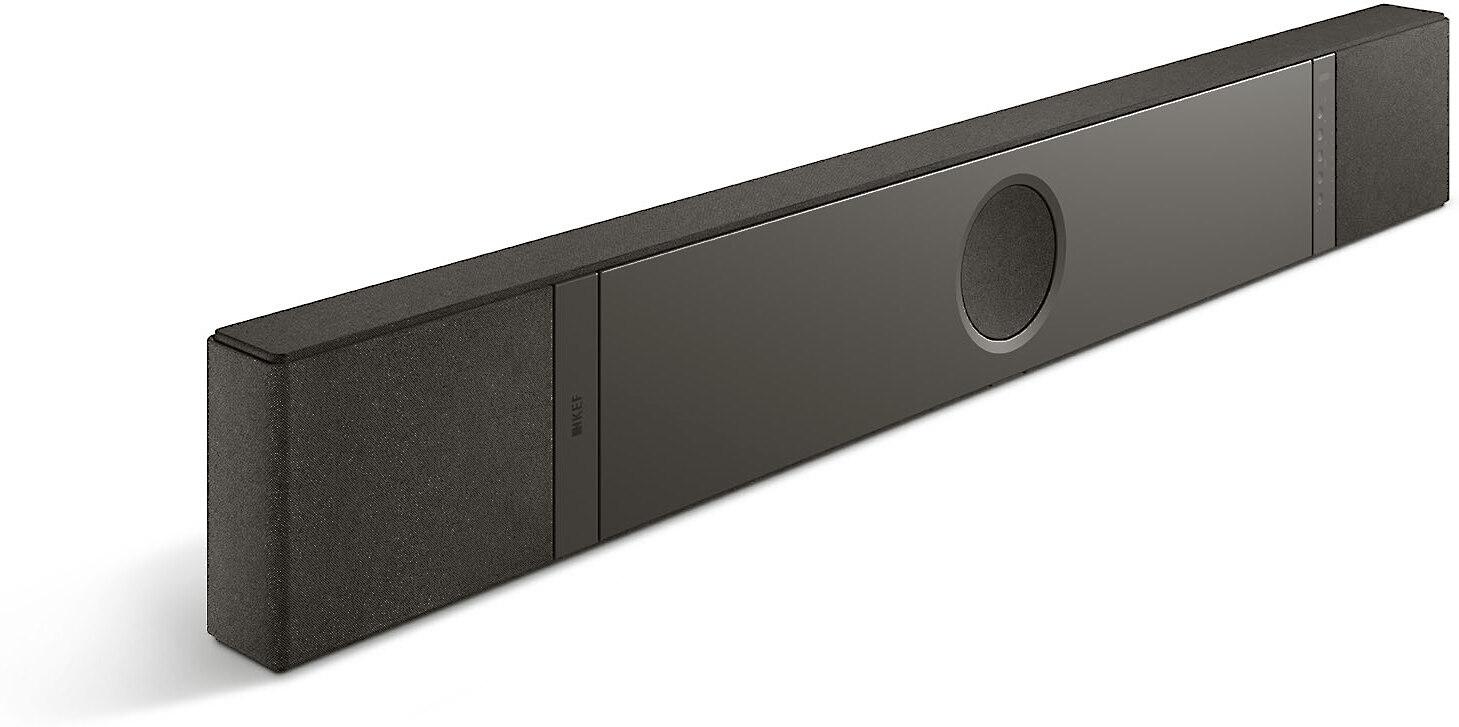
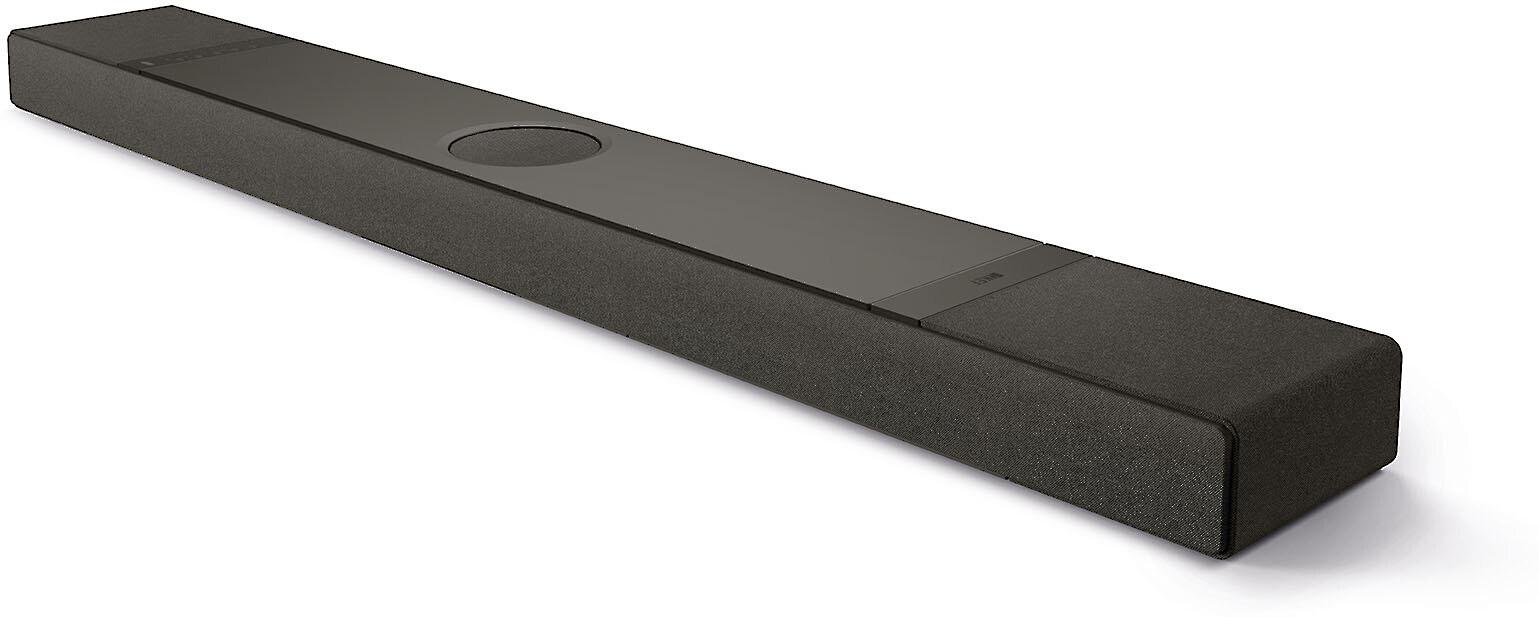
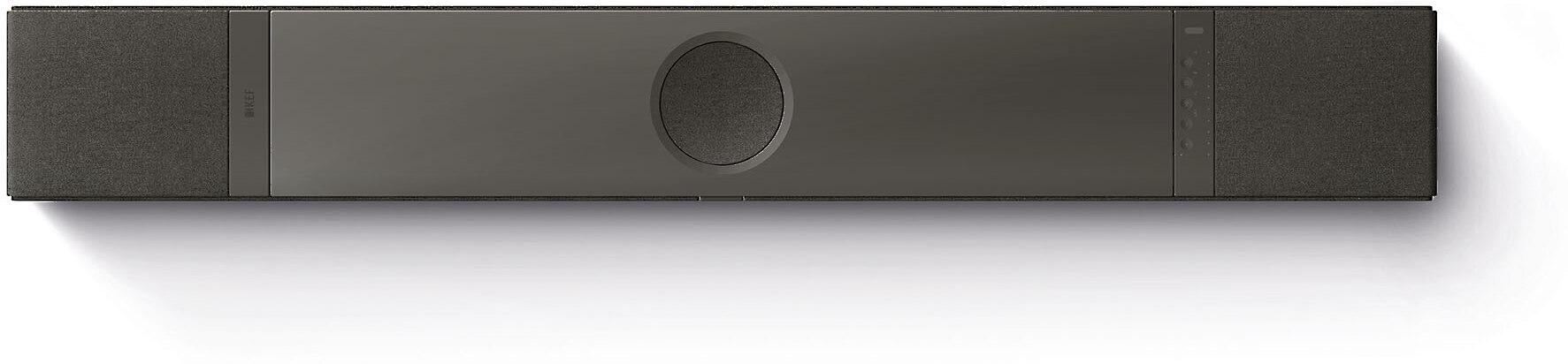
KEF released the XIO in 2025 as their first-ever soundbar, and they didn't hold back. This British company has spent decades perfecting high-end speakers for serious audiophiles, and they've packed that expertise into what might be the most technically sophisticated soundbar ever made.
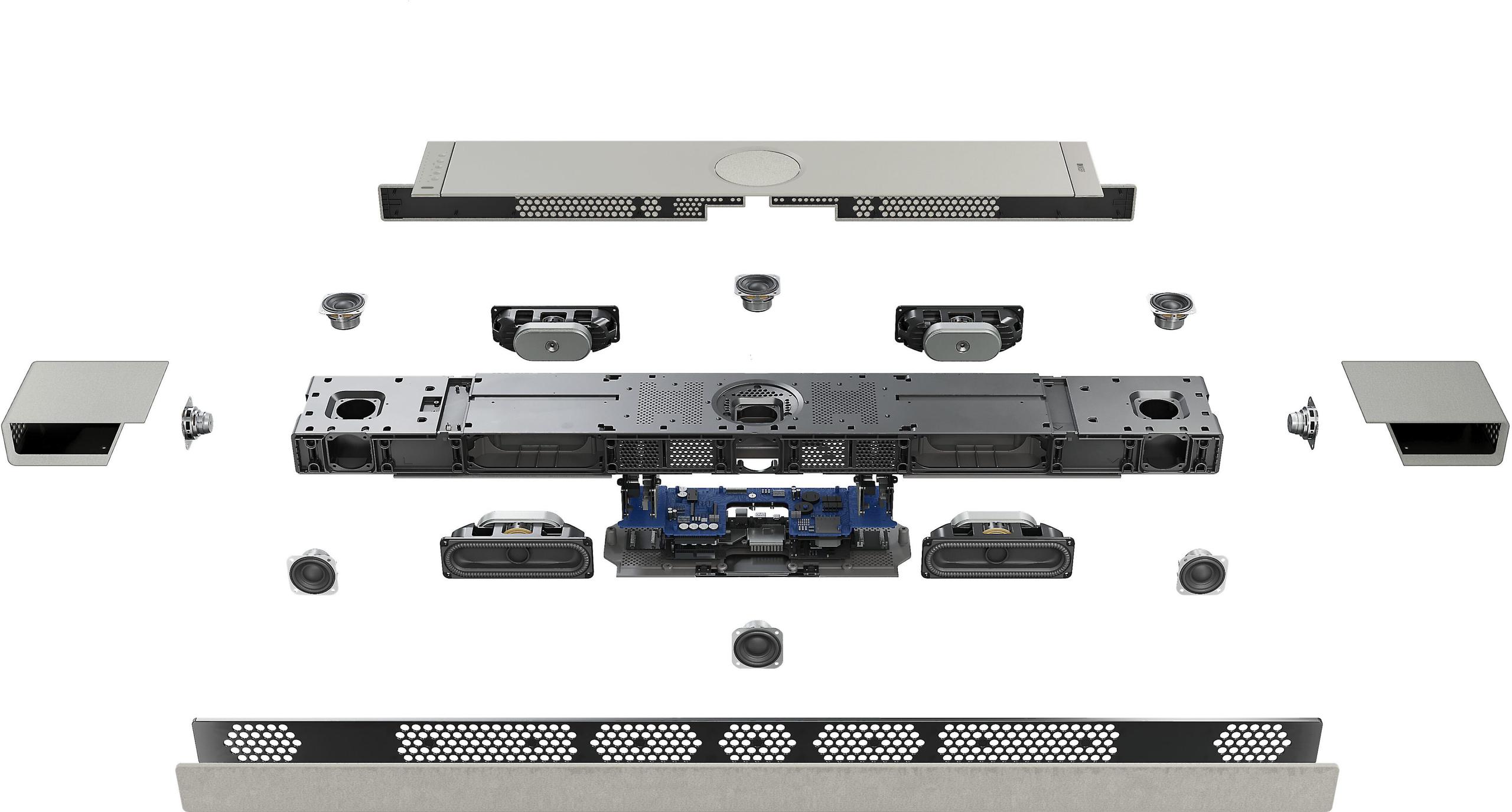
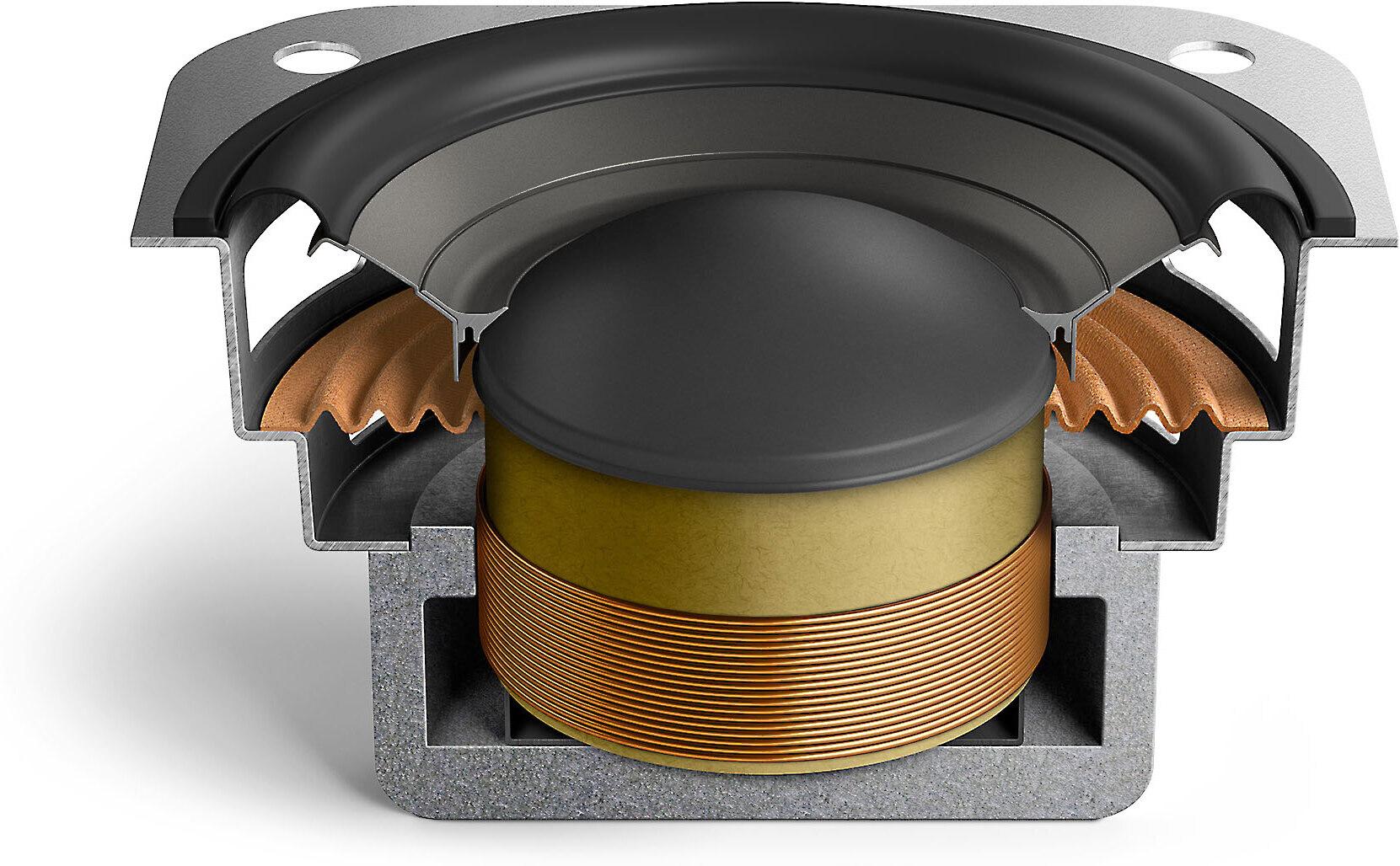
The heart of the XIO lies in its driver configuration. While most soundbars use conventional speakers arranged in a line, KEF employs their proprietary Uni-Q MX technology—essentially speakers within speakers. Each Uni-Q driver places a tweeter (for high frequencies) directly in the center of a midrange driver (for vocals and instruments). This concentric design means both high and mid frequencies emanate from the same point, creating incredibly precise stereo imaging.
But here's where it gets really interesting: the XIO uses six of these Uni-Q drivers, plus four specialized bass drivers arranged in what KEF calls a "force-cancelling configuration." This means opposing drivers work against each other to eliminate unwanted vibrations that typically muddy the sound. It's like having shock absorbers for your audio.
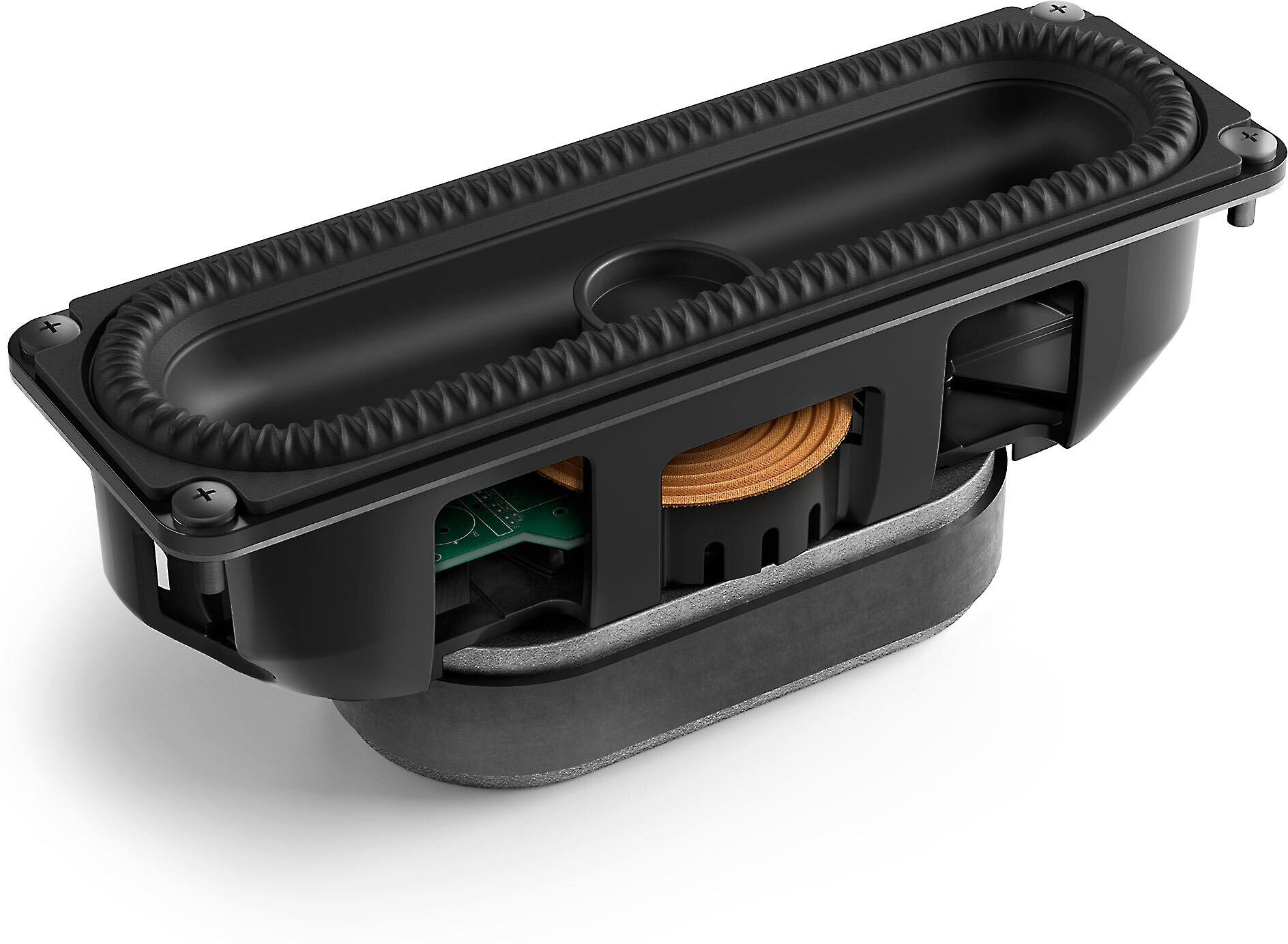
The bass drivers themselves showcase cutting-edge technology. These aren't circular like traditional woofers, but racetrack-shaped to fit more surface area into the slim soundbar profile. They incorporate P-Flex technology (borrowed from KEF's high-end subwoofers) and something called VECO—Velocity Control Technology—that uses real-time sensors to monitor and correct driver movement. The result? Bass extension down to 34Hz without a separate subwoofer, which is genuinely impressive.
All of this is powered by twelve individual amplifiers delivering 820 watts total, with KEF's Music Integrity Engine processing everything in real-time. This isn't just marketing speak—it's a comprehensive digital signal processing system that manages timing, phase alignment, and frequency response across all drivers simultaneously.
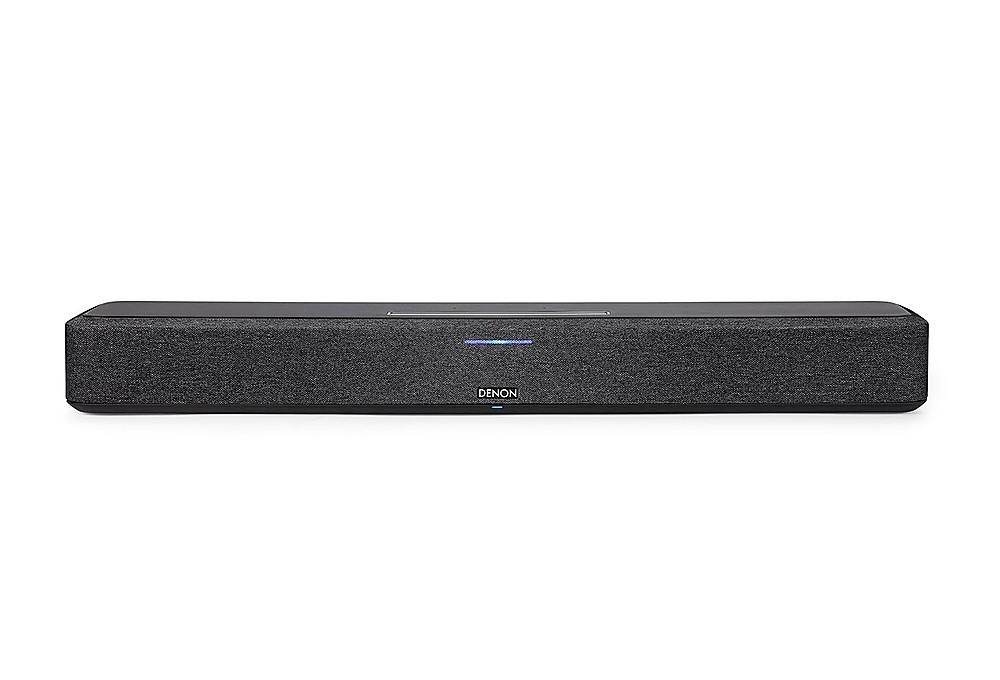
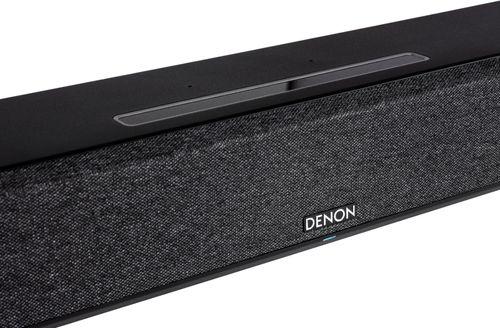
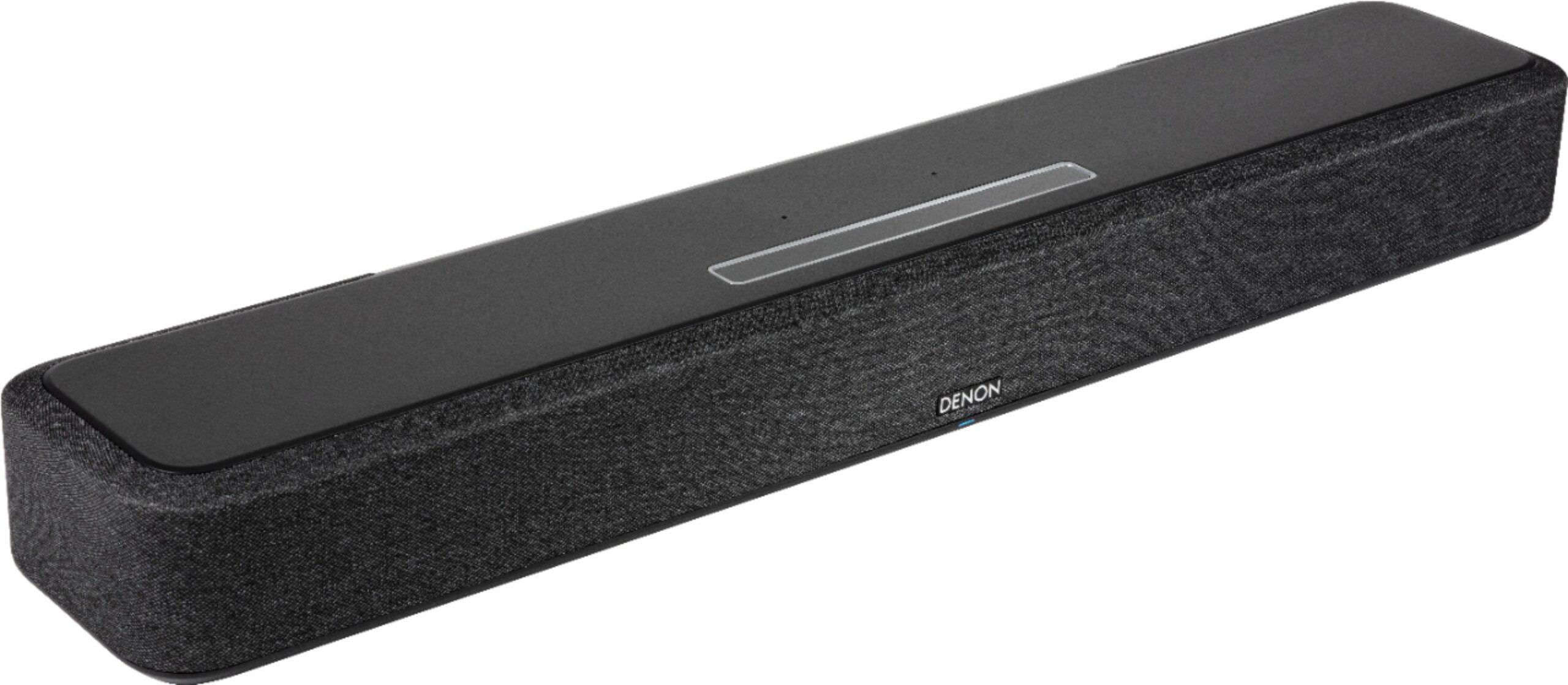
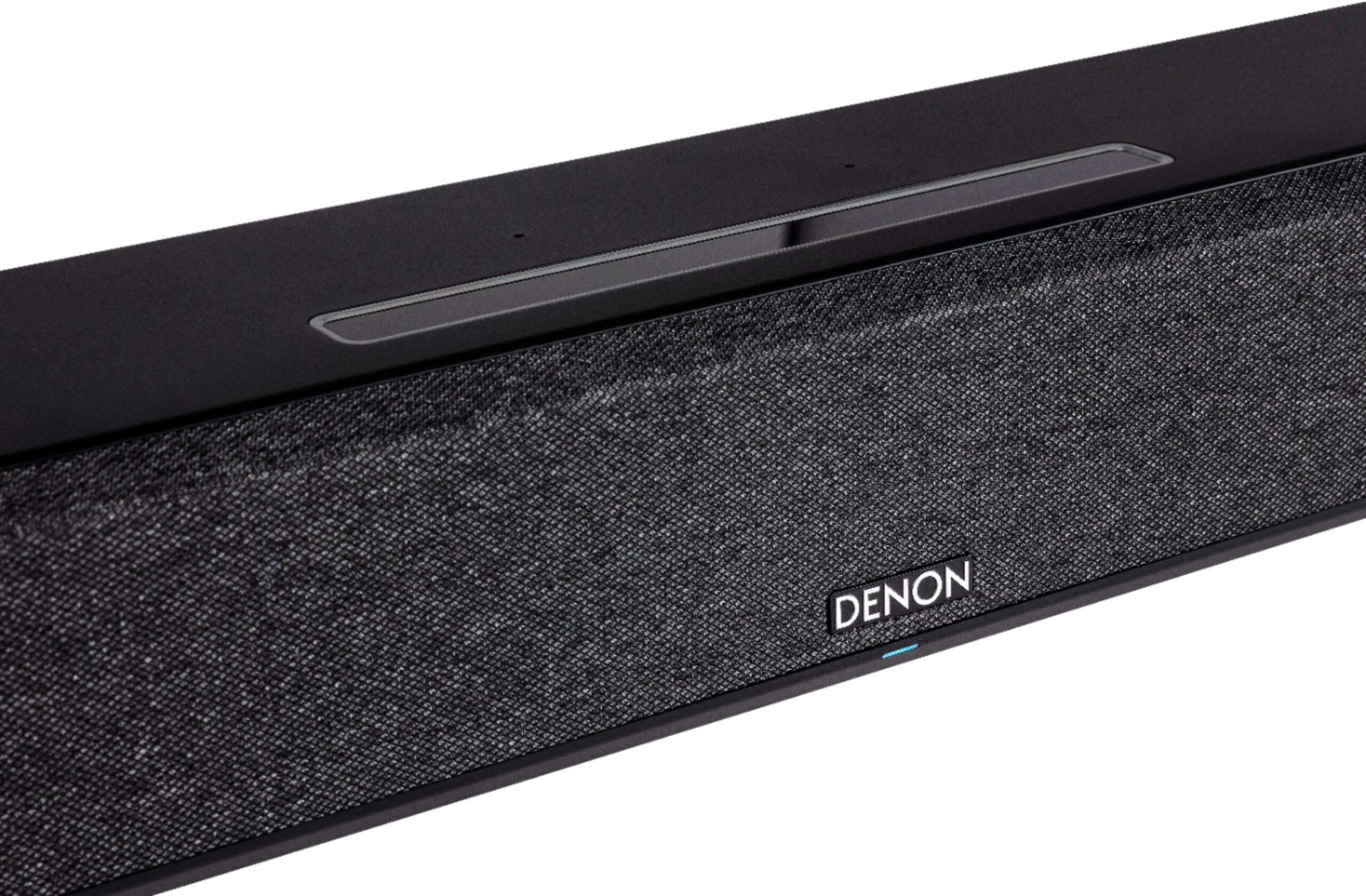
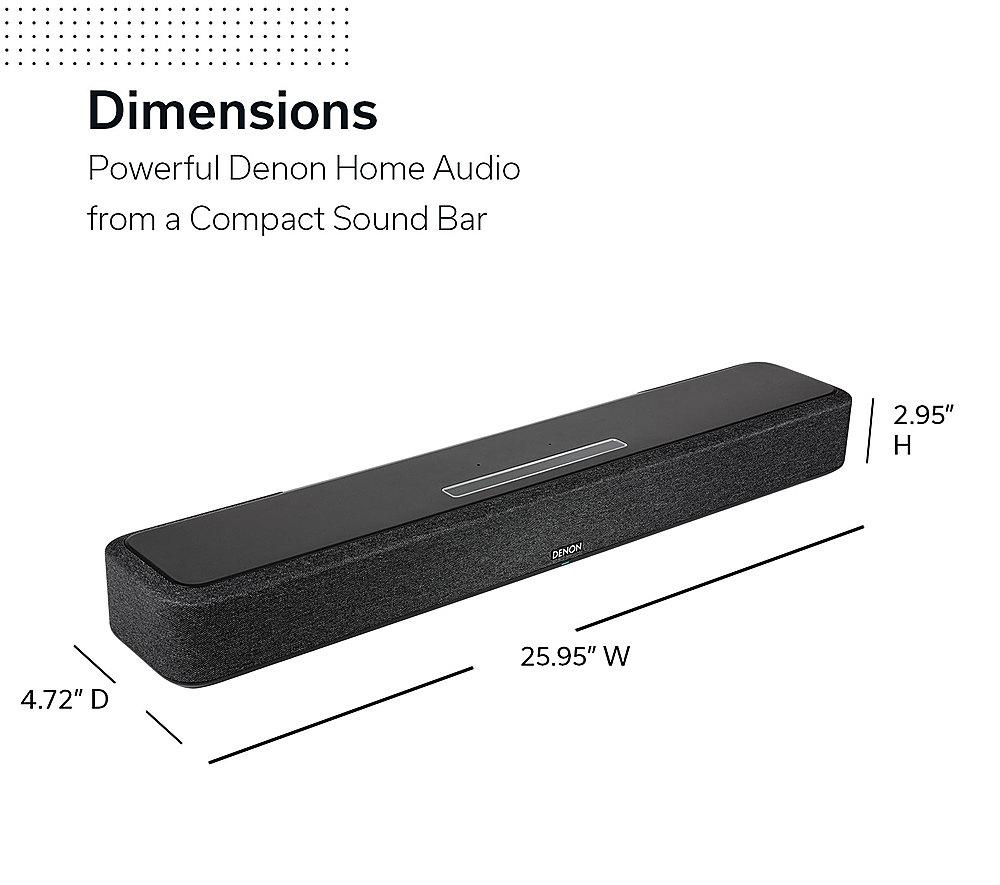
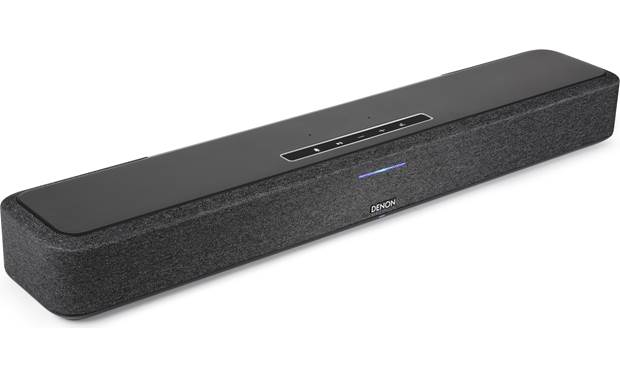
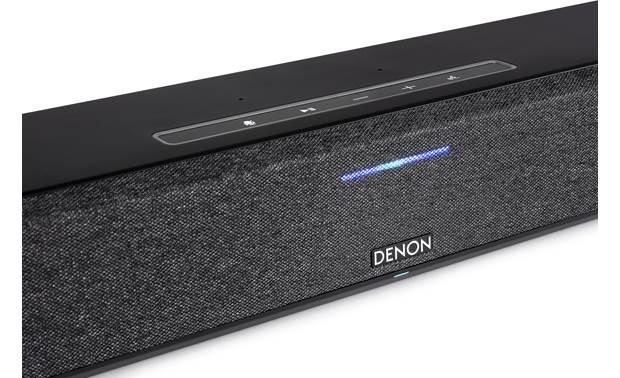
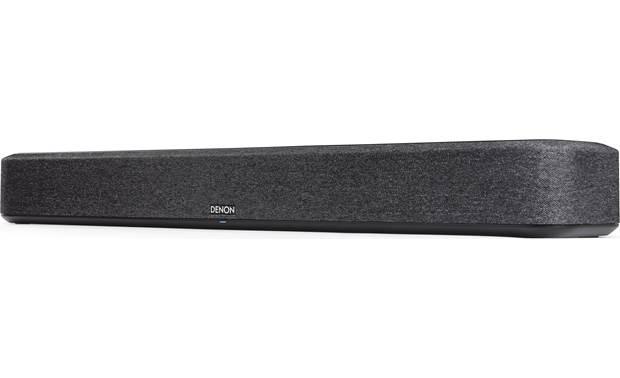
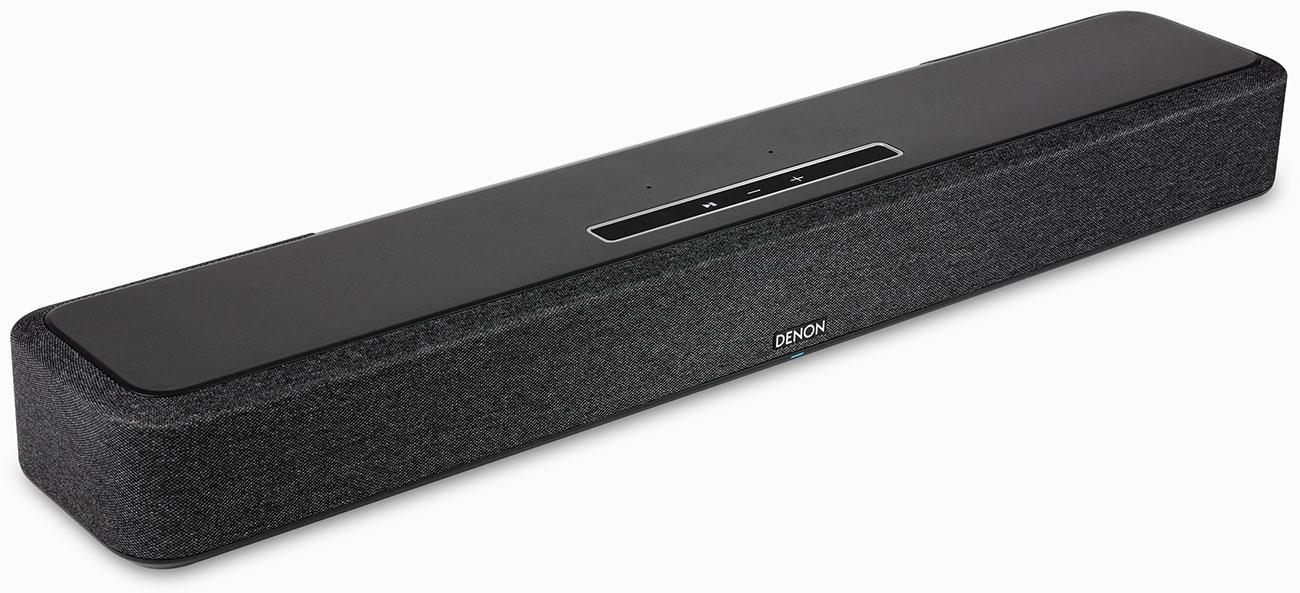
Released in 2022, the Denon Home Sound Bar 550 takes a more conventional but sensible approach. Rather than cramming in exotic drivers, Denon focuses on smart processing and expandability within a reasonable budget.
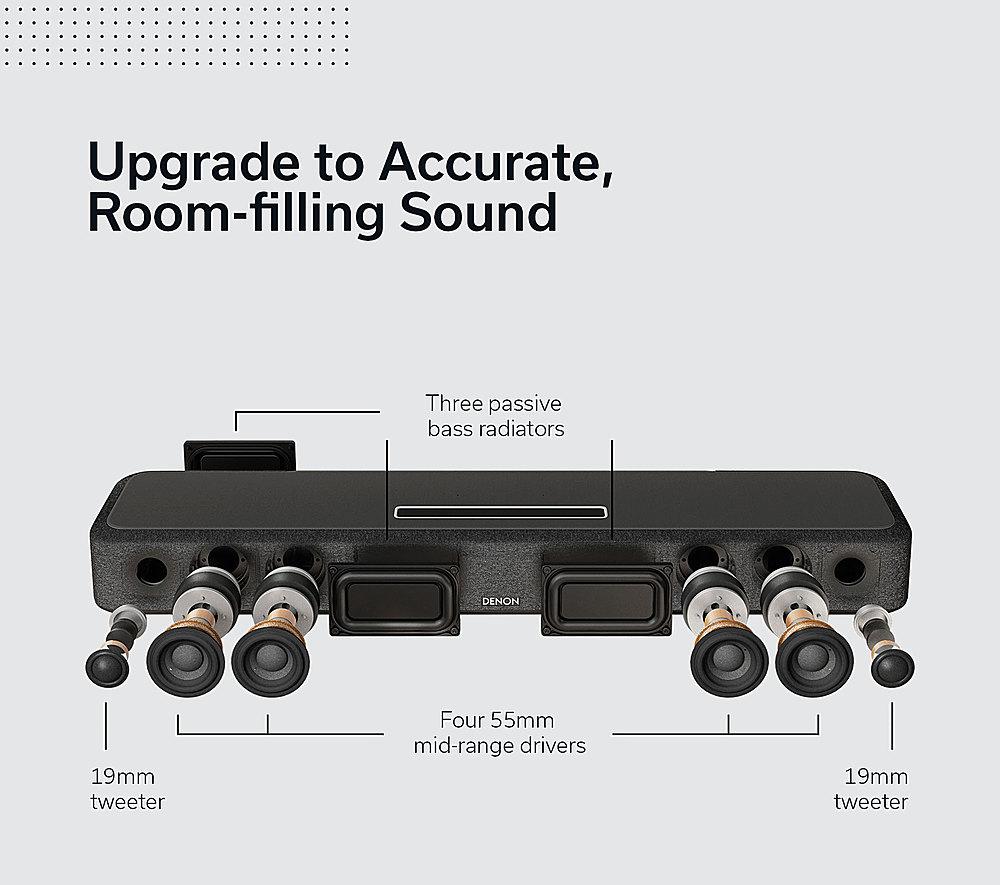
The 550 houses five drivers: four full-range units handling most frequencies, plus two dedicated tweeters for crisp highs. Three passive radiators (essentially speakers without magnets that vibrate sympathetically) help extend bass response. It's not groundbreaking technology, but it's proven and effective.
Where Denon gets clever is in the processing. The 550 uses virtual surround algorithms to create the impression of multi-channel audio from its limited driver array. For Dolby Atmos content, it employs "height virtualization"—essentially using psychoacoustic tricks to make your brain think sounds are coming from above, even though all the drivers fire forward.
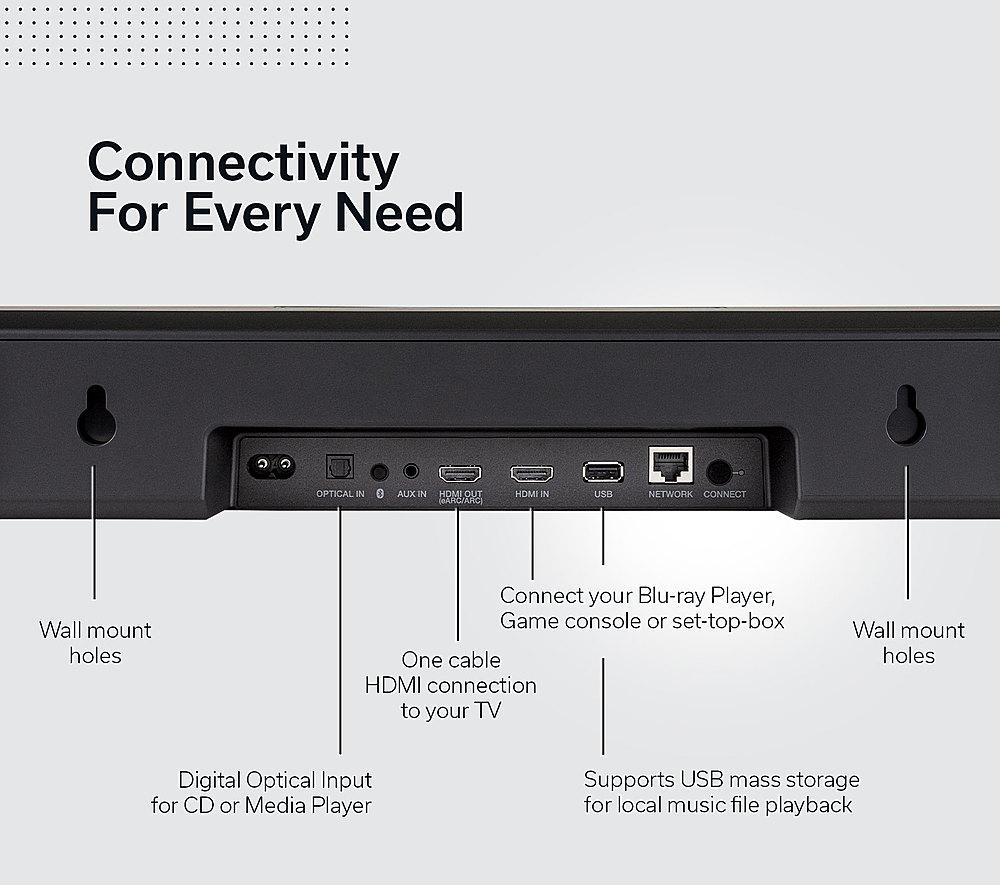
The 550 also integrates into Denon's HEOS multiroom ecosystem. While the soundbar itself lacks Wi-Fi streaming (a significant limitation in 2024), you can pair it with other HEOS speakers throughout your home. More importantly for home theater use, you can add Denon's wireless subwoofer and rear speakers later, gradually building toward a full surround system.
For home theater use, the differences between these soundbars become immediately apparent. The KEF XIO creates what I can only describe as an "impossible" soundstage. Despite being a single unit, it generates sounds that seem to come from well beyond its physical boundaries. Helicopter flyovers in action movies genuinely seem to move overhead, and subtle environmental effects place you inside the scene.
This isn't virtual processing trickery—it's physics. The XIO's upward-firing drivers actually bounce sound off your ceiling to create height effects. Combined with the precise imaging of the Uni-Q drivers, you get remarkably convincing three-dimensional audio. During my testing with "Top Gun: Maverick," the difference between the XIO's Atmos implementation and virtual alternatives was night and day.
The Denon 550, by contrast, excels at what most people actually need from a soundbar: making dialogue clearer and adding some spatial width to the sound. Its virtual surround processing works well in smaller rooms, creating a noticeably wider soundstage than your TV speakers. However, height effects remain subtle at best, and the overall presentation lacks the precision and scale of the KEF.
Where the Denon stumbles is at higher volumes. Push it beyond moderate levels, and the sound becomes harsh and compressed. This isn't uncommon in budget soundbars, but it's worth noting if you enjoy the occasional action movie at reference levels.
Here's where these soundbars reveal their true characters. The KEF XIO approaches music reproduction with the same seriousness as KEF's standalone speakers. Switch to Music mode, and it delivers the kind of precise stereo imaging and tonal balance that would satisfy serious audiophiles.
I tested everything from intimate jazz recordings to complex orchestral pieces, and the XIO consistently impressed with its ability to separate instruments in space and maintain clarity even in dense musical passages. The bass response deserves special mention—it's not just deep for a soundbar, it's properly controlled and articulate. You can actually distinguish between different bass instruments rather than hearing generic "boom."
The Denon 550, honestly, feels like an afterthought for music. It's adequate for background listening or casual streaming, but any serious musical engagement reveals its limitations. The virtual processing that works reasonably well for movies tends to smear musical details, and the limited dynamic range compresses the life out of well-recorded material.
Understanding the technical differences helps explain the dramatic price gap. The KEF XIO represents genuine innovation in miniaturized speaker design. Those Uni-Q drivers aren't just marketing—they solve real acoustic problems that plague most soundbars. The coaxial arrangement ensures consistent frequency response regardless of listening position, while the force-cancelling bass system minimizes the cabinet resonances that typically plague slim enclosures.
The onboard processing power is equally sophisticated. The Music Integrity Engine handles room correction, adaptive EQ, and digital crossover management in real-time. There's even Intelligent Placement Technology that automatically adjusts the sound based on whether the unit is wall-mounted or shelf-placed and what objects surround it.
The Denon 550 relies more on proven technologies implemented competently rather than breakthrough engineering. Its virtual surround processing is effective within limitations, and the build quality feels solid for the price. However, you're not getting cutting-edge driver technology or advanced room correction—just good implementation of established techniques.
This is where strategic thinking becomes important. The KEF is designed as a complete solution—everything you need in one premium package. Add nothing, and you still get exceptional performance that would require thousands of dollars in separate components to match.
The Denon takes the opposite approach. The $518 base price is just the beginning. Add their wireless subwoofer ($599) and you're already over $1,100. Include rear speakers for true surround sound, and you're approaching $1,400. Suddenly, the value proposition becomes more complex.
However, this modularity offers flexibility. You can start with just the soundbar and add components as budget allows. For many people, this incremental approach makes more sense than a large upfront investment, even if the total cost eventually exceeds the KEF's price.
After extended testing, clear usage patterns emerge. The KEF XIO works best for people who value audio quality highly and want a single, exceptional solution. It's particularly compelling for smaller living spaces where a full component system isn't practical, but audio compromise isn't acceptable.
The room correction and multiple listening modes make it genuinely versatile. Movie mode opens up the soundstage for cinematic impact, while Music mode focuses on accuracy and detail. Night mode compresses dynamics for apartment-friendly late-night viewing without losing clarity.
The Denon 550 serves different priorities. It's ideal for people primarily focused on improving TV audio who might eventually build toward a larger system. The HEOS integration is genuinely useful if you're already invested in that ecosystem or planning multiroom audio.
However, be realistic about its limitations. Without a subwoofer, bass impact remains modest. The virtual Atmos processing works but lacks the conviction of physical height channels. And the limited streaming connectivity feels dated in 2024—no Wi-Fi streaming in a modern soundbar seems unnecessarily limiting.
Choose the KEF XIO if audio quality is your top priority and the budget allows. It's genuinely excellent at both movies and music, eliminating the need for separate components or future upgrades. The self-contained design means no additional purchases, no placement compromises for subwoofers, and no complex setup procedures.
The premium pricing reflects genuine technological advancement, not just brand positioning. You're buying engineering solutions to real acoustic problems, implemented at a level rarely seen in soundbars.
Choose the Denon 550 if you're primarily focused on improving TV audio within a reasonable budget. It offers meaningful upgrade potential through the HEOS ecosystem, and the base performance represents solid value for money. Just understand that reaching truly impressive performance will require additional investments over time.
The 4.8x price difference between these products reflects fundamentally different approaches to the same problem. The KEF pushes technological boundaries to achieve reference-level performance in a single package. The Denon offers practical improvement with expansion flexibility at a mass-market price.
Neither approach is inherently superior—they serve different needs and priorities. The key is honest assessment of your requirements, budget, and long-term plans. In a category where compromise is usually inevitable, these two soundbars represent the extremes of what's possible when you commit fully to either premium excellence or pragmatic value.
| KEF XIO Soundbar | Denon Home Sound Bar 550 Soundbar |
|---|---|
| Price - Major investment vs budget-friendly upgrade | |
| $2,499.99 | $518.50 |
| Release Date - Latest tech vs proven platform | |
| 2025 (KEF's first soundbar with cutting-edge features) | 2022 (established technology, proven reliability) |
| Channel Configuration - True surround vs virtual processing | |
| True 5.1.2 physical channels with dedicated height drivers | 4.0 virtual surround with height virtualization |
| Driver Count - Physical speakers determine sound quality | |
| 12 discrete drivers with individual amplifiers | 5 drivers plus 3 passive radiators |
| Total Power Output - Determines maximum volume and dynamics | |
| 820W peak (exceptional headroom for any room size) | ~200W estimated (adequate for small-medium rooms) |
| Bass Extension - How deep the low frequencies go | |
| 34Hz without subwoofer (remarkable for standalone unit) | Limited bass, requires optional subwoofer for impact |
| Dolby Atmos Implementation - Overhead sound effects quality | |
| Physical up-firing channels create genuine height effects | Virtual processing simulates overhead sounds |
| Music Performance - Sound quality for streaming and stereo content | |
| Audiophile-grade with dedicated Music mode | Basic music capability, optimized for TV audio |
| Connectivity - Streaming and input options | |
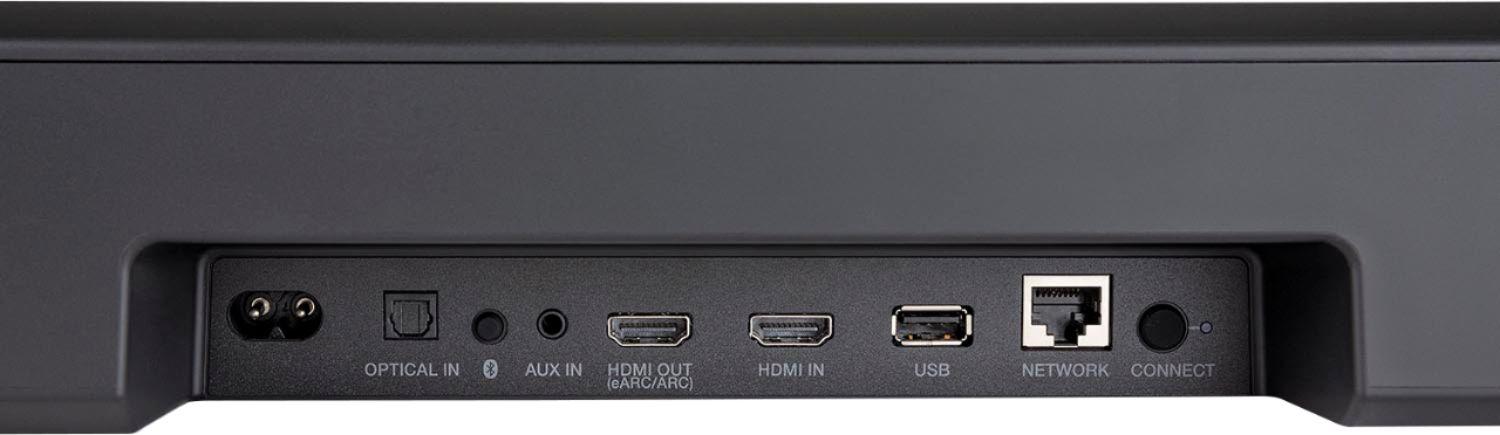
| HDMI 2.1 eARC, Wi-Fi 6, AirPlay 2, high-res streaming | HDMI eARC, Bluetooth only (no Wi-Fi streaming) |
| Room Correction - Automatic sound optimization | |
| Intelligent Placement Technology with auto-calibration | No room correction (manual adjustment only) |
| Expandability - Adding subwoofers or rear speakers | |
| Self-contained (no expansion needed or available) | Compatible with Denon wireless sub ($599) and rears |
| Build Quality - Materials and construction | |
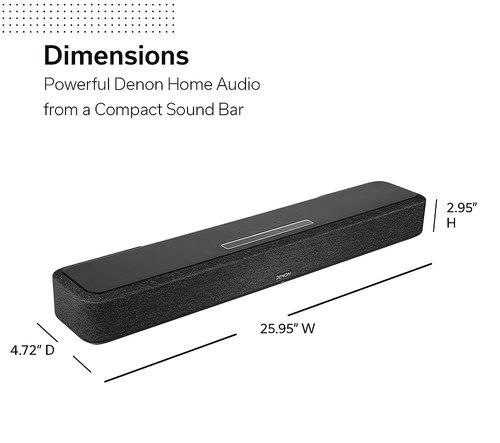
| Premium aluminum chassis, 23.1 lbs (substantial construction) | Standard plastic housing, 7.3 lbs (lightweight build) |
| Best For - Target user and use cases | |
| Audiophiles wanting single premium solution for movies and music | Budget upgraders from TV speakers with expansion potential |
The KEF XIO costs $2,499.99 while the Denon Home Sound Bar 550 is priced at $518.50. This makes the KEF nearly five times more expensive, reflecting its premium engineering and audiophile-grade components versus the Denon's budget-friendly approach.
The KEF XIO doesn't need a subwoofer, delivering impressive bass down to 34Hz from its built-in drivers. The Denon Home Sound Bar 550 benefits significantly from adding Denon's optional wireless subwoofer ($599) for meaningful bass impact in movies and music.
The KEF XIO delivers 820 watts through 12 individual amplifiers, providing exceptional dynamic range and headroom. The Denon Home Sound Bar 550 outputs approximately 200 watts, which is sufficient for small to medium rooms but limited for larger spaces.
The KEF XIO is designed as a complete, self-contained system with no expansion options available. The Denon Home Sound Bar 550 can be expanded with Denon's wireless subwoofer and rear speakers through the HEOS ecosystem for a full surround sound setup.
Both soundbars support Dolby Atmos, but differently. The KEF XIO uses physical up-firing drivers for genuine overhead sound effects. The Denon Home Sound Bar 550 relies on virtual height processing to simulate Atmos effects without dedicated height channels.
The KEF XIO works well in small to large rooms with its 820-watt output and room correction technology. The Denon Home Sound Bar 550 is best suited for small to medium rooms, as it can become harsh when pushed to higher volumes in larger spaces.
Choose the KEF XIO if you prioritize premium audio quality for both movies and music and can afford the investment. Select the Denon Home Sound Bar 550 if you want a significant TV audio upgrade on a budget with potential for future expansion through additional HEOS components.
We've done our best to create useful and informative comparisons to help you decide what product to buy. Our research uses advanced automated methods to create this comparison and perfection is not possible - please contact us for corrections or questions. These are the sites we've researched in the creation of this article: blog.son-video.com - residentialsystems.com - whathifi.com - audioadvice.com - crutchfield.com - homecrux.com - techradar.com - youtube.com - us.kef.com - gramophone.com - cepro.com - audioxpress.com - musicdirect.com - gramophone.com - us.kef.com - crutchfield.com - hifipig.com - bestbuy.com - listenup.com - bestbuy.com - bestbuy.com - listenup.com - consumerreports.org - soundandvision.com - crutchfield.com - rtings.com - crutchfield.com - gzhls.at - denon.com - walmart.com - youtube.com - whathifi.com - bestbuy.com

Privacy Policy
Terms and Conditions - Affiliate Policy
Home Security
© Copyright 2008-2026.
11816 Inwood Rd #1211, Dallas, TX 75244