

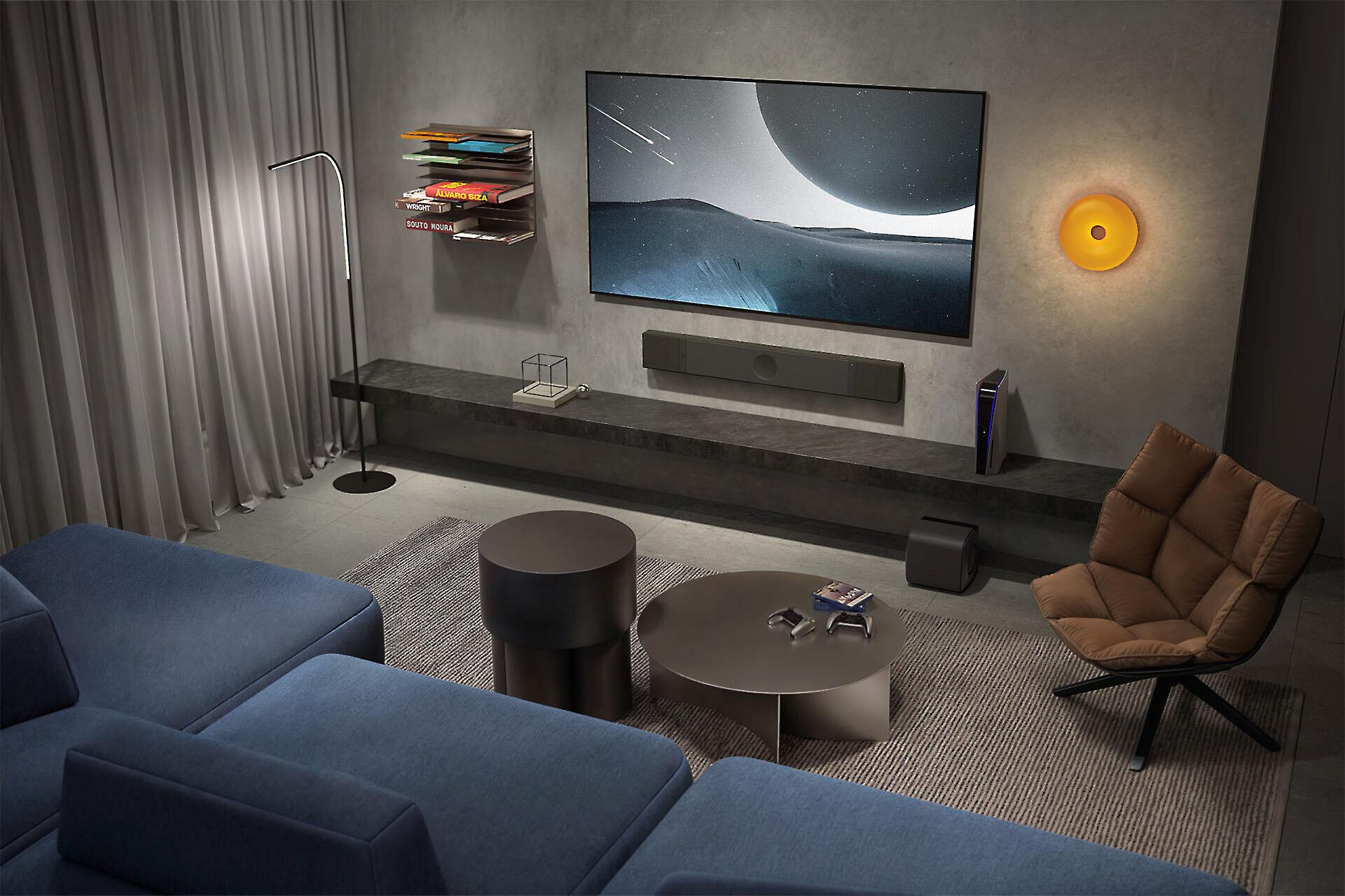
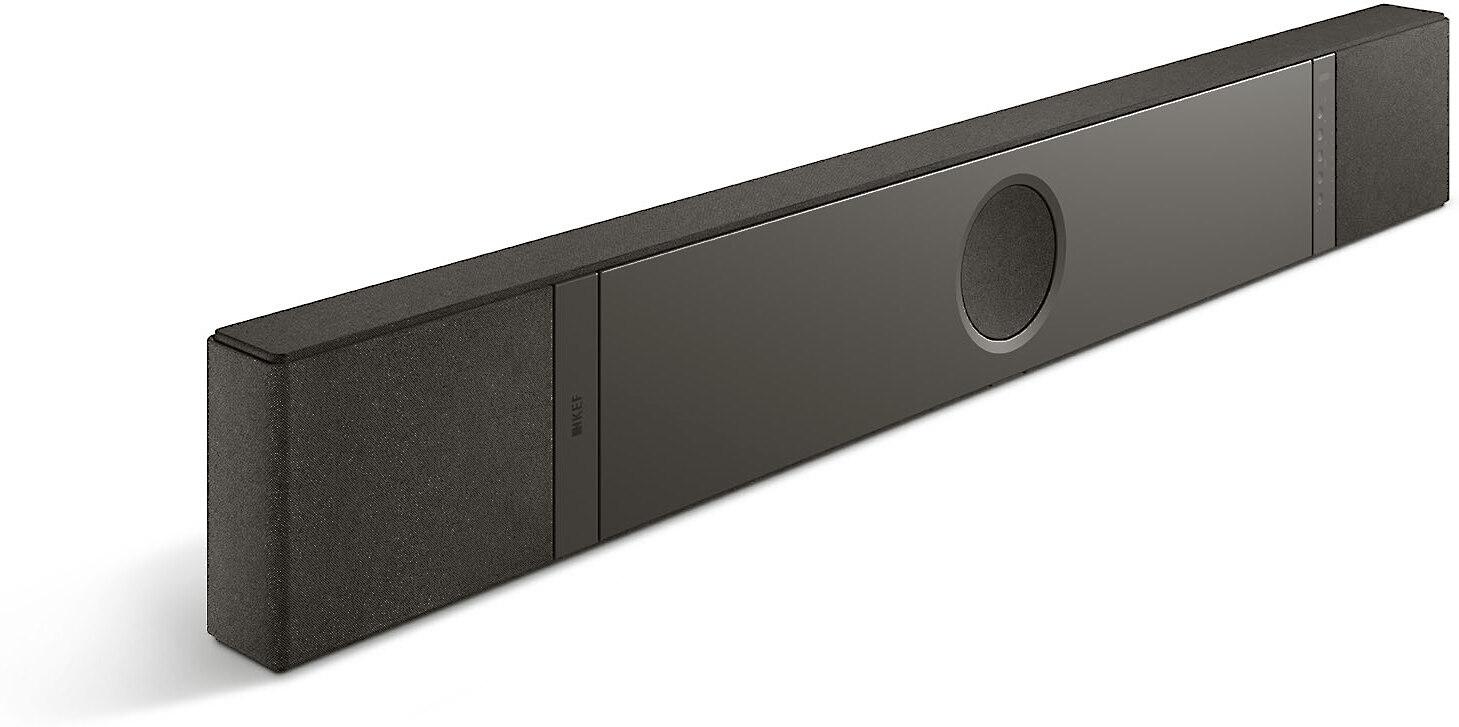
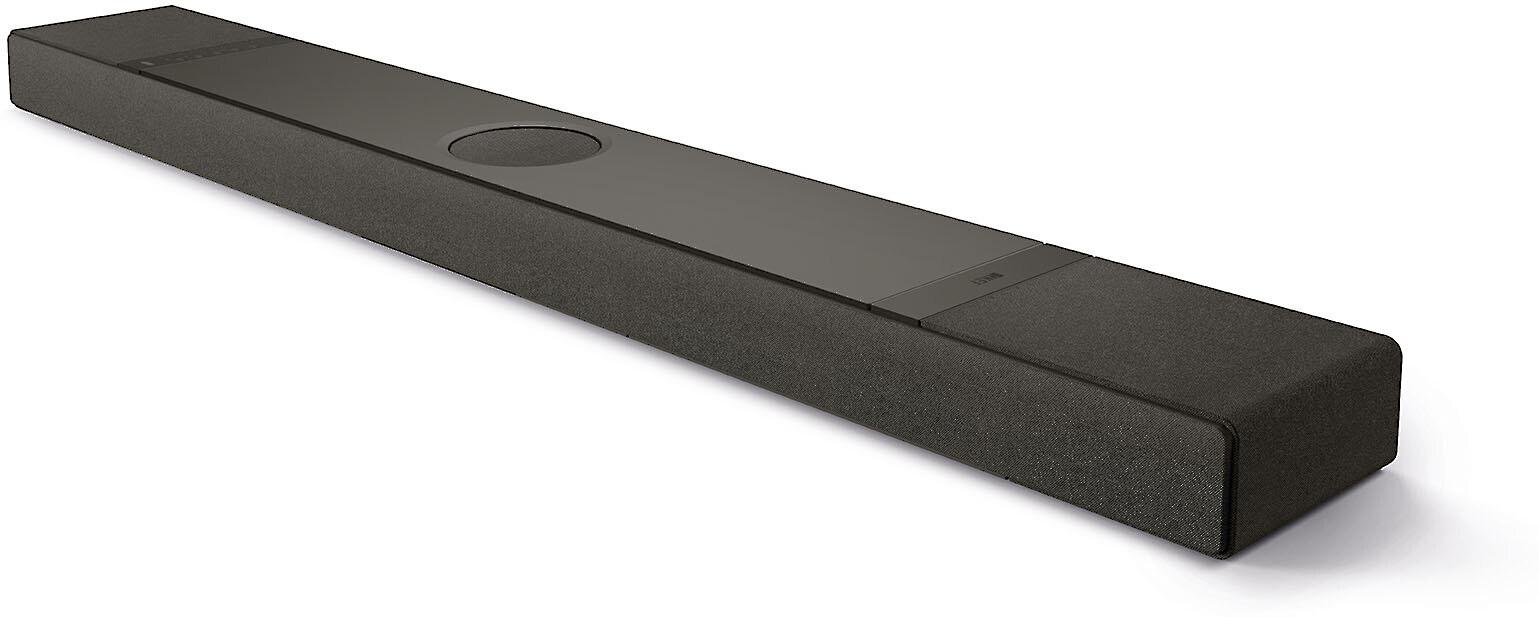
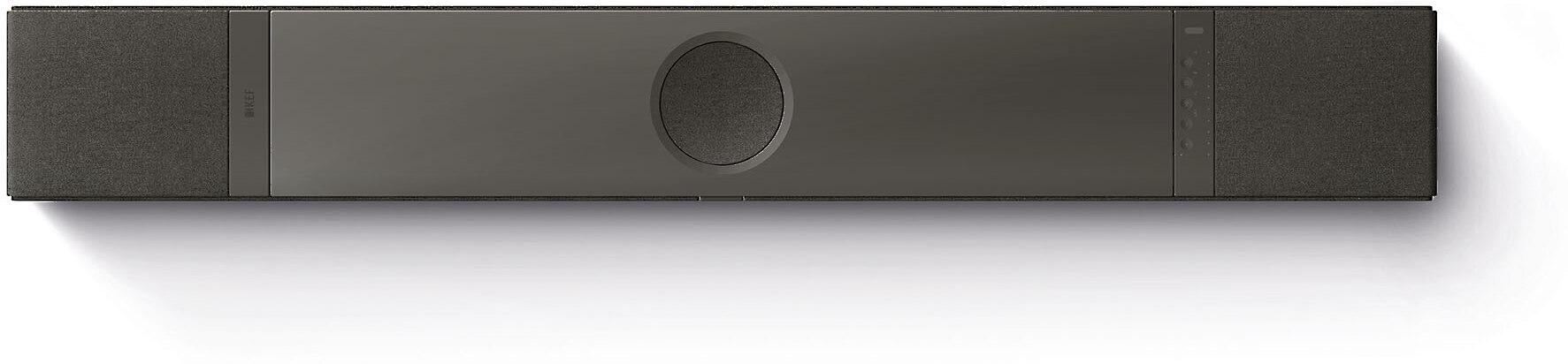


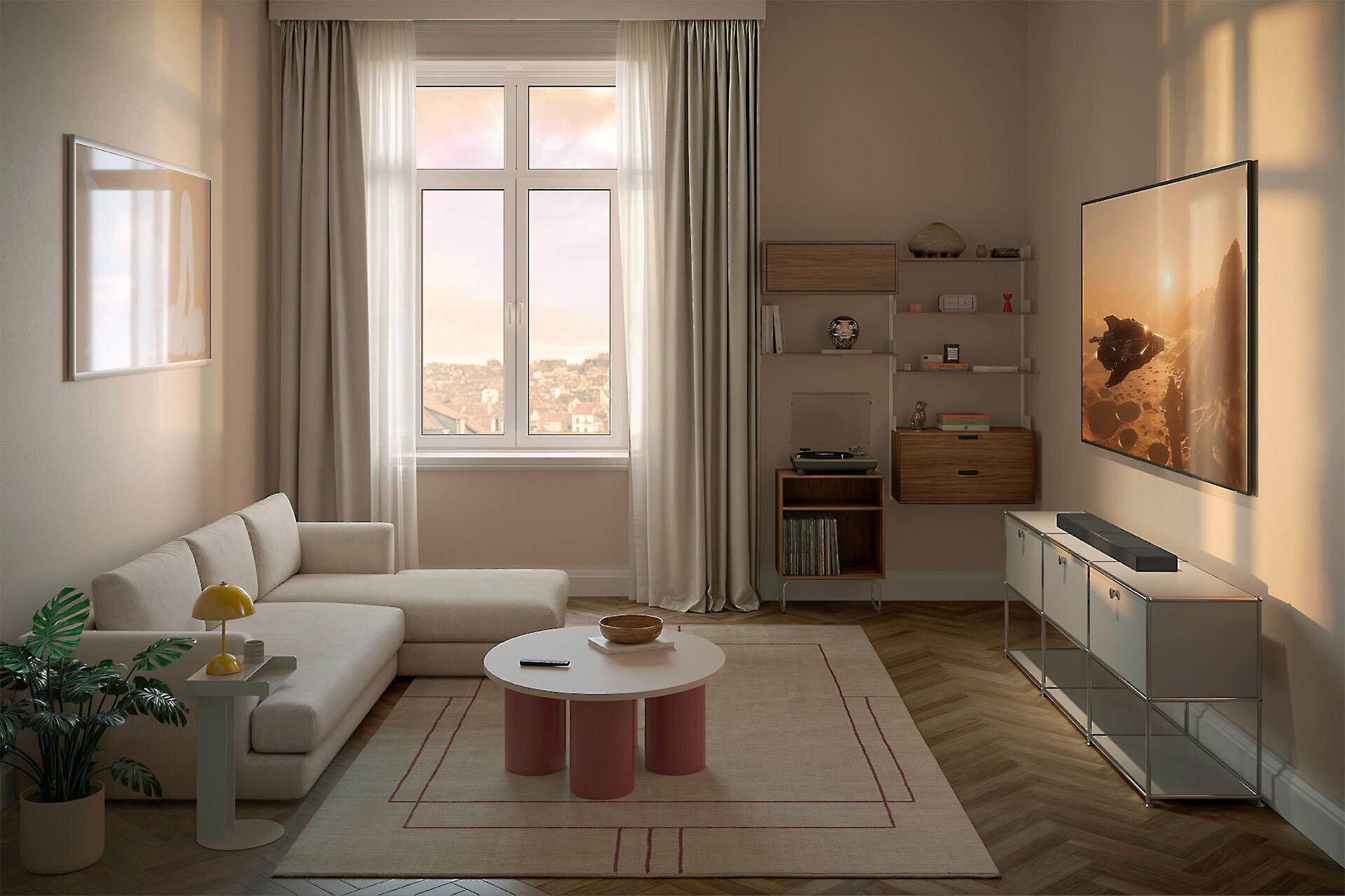
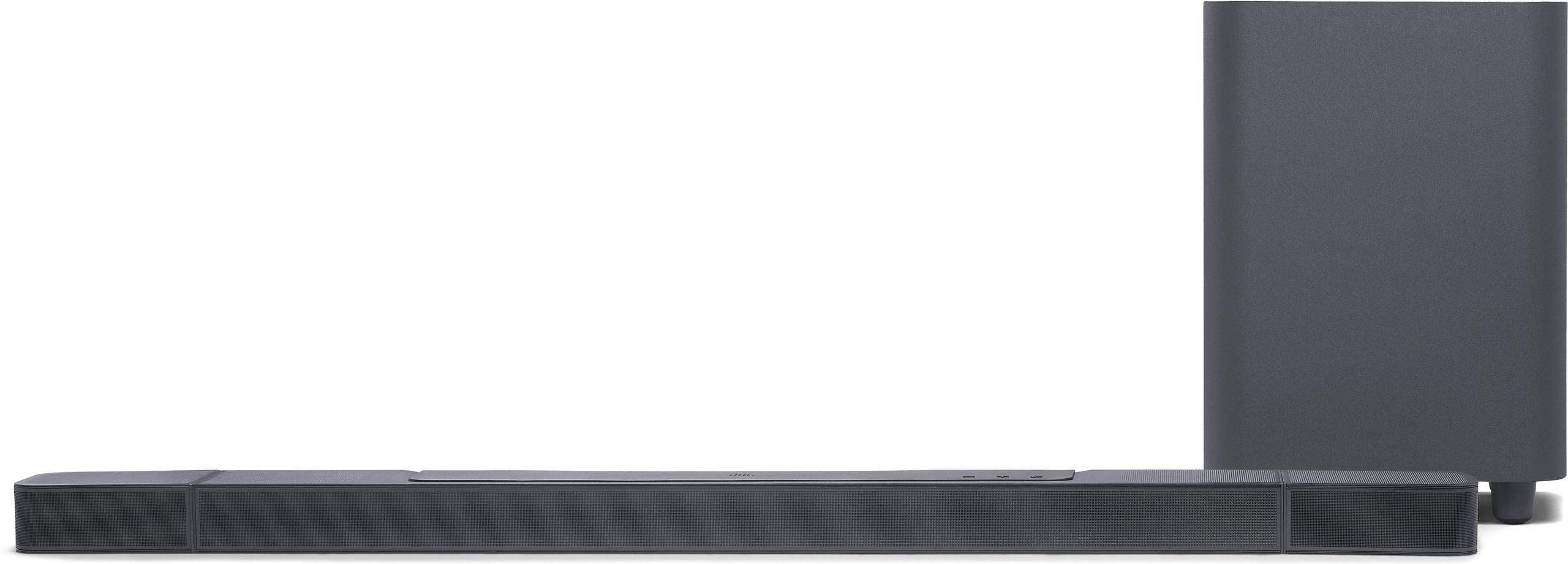




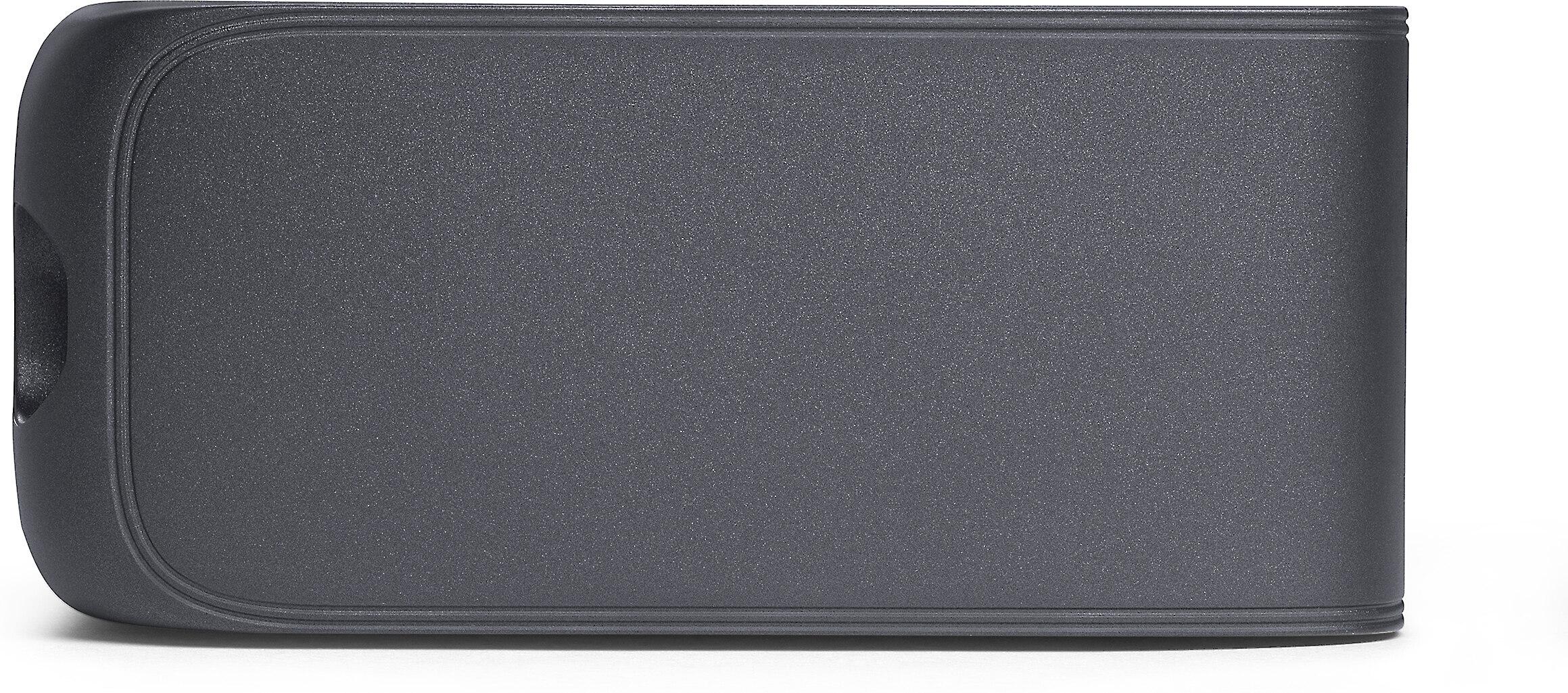
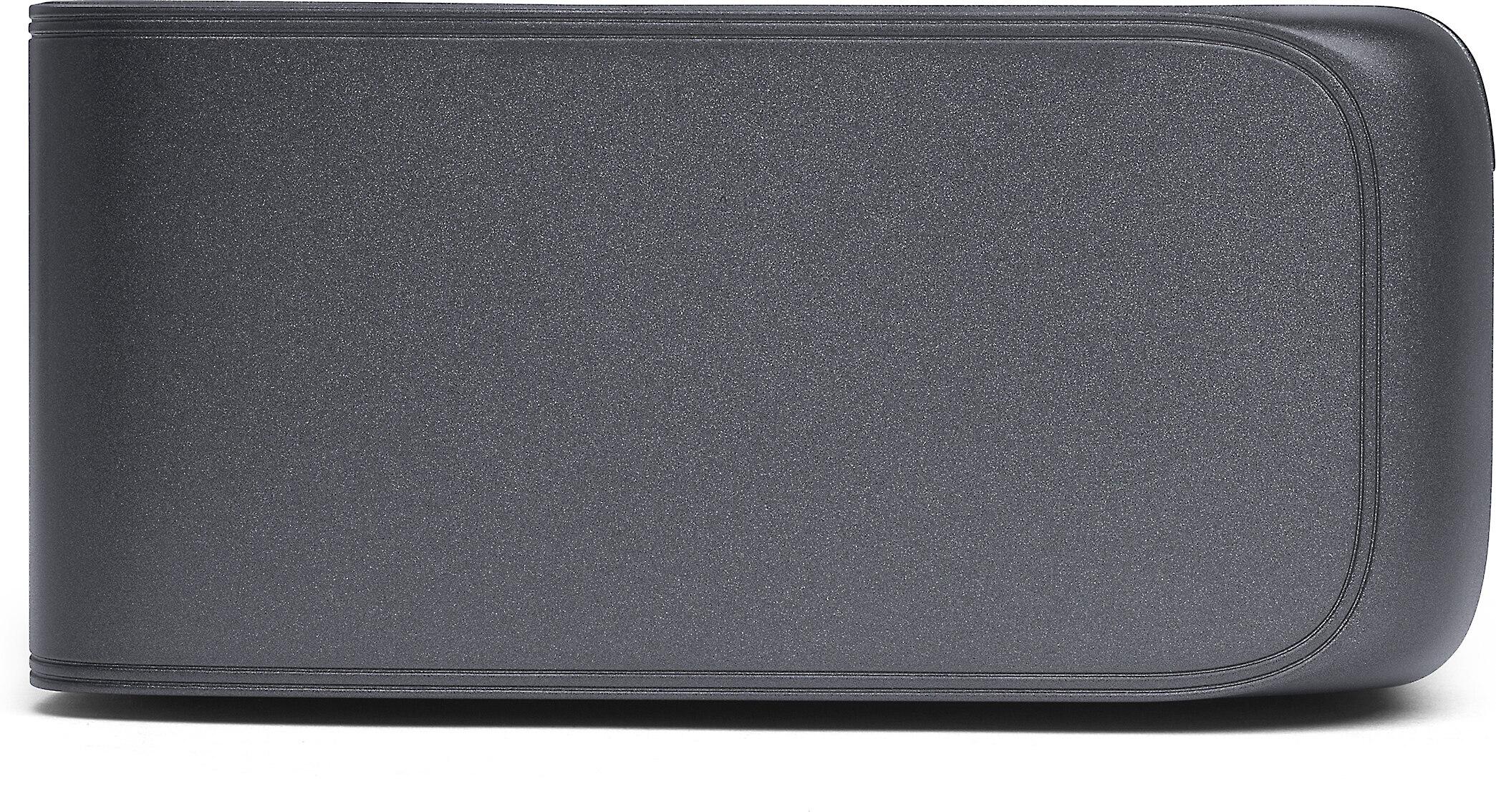
Shopping for a premium soundbar can feel overwhelming when you're comparing systems that cost anywhere from $700 to $2,500. The KEF XIO Soundbar ($2,499) and JBL Bar 1000 ($699.95) represent two fundamentally different approaches to solving the same problem: how do you get amazing surround sound without filling your living room with speakers and cables?
After spending considerable time with both systems, I've learned that your choice between these two comes down to whether you prioritize the pure sonic refinement of an audiophile-grade all-in-one system, or the complete home theater immersion that only true surround speakers can provide. Let me walk you through everything you need to know to make the right decision for your space and listening habits.
Premium soundbars have evolved far beyond the basic TV audio upgrade they started as a decade ago. Today's high-end systems compete directly with traditional surround sound setups, using advanced driver technology, sophisticated processing, and spatial audio formats to create convincing 3D soundscapes from relatively compact packages.
The key breakthrough has been in spatial audio processing—specifically Dolby Atmos and DTS:X support. These formats encode height information into the audio track, allowing sounds to move above, around, and through your listening space rather than just left and right. Modern soundbars achieve this through up-firing drivers (speakers that bounce sound off your ceiling) and complex digital signal processing (DSP) that creates virtual speaker locations your brain perceives as real.
What separates premium systems from budget options isn't just more power or bigger drivers, though those matter too. It's the sophistication of the engineering—how precisely the drivers are tuned, how intelligent the room calibration algorithms are, and how seamlessly all the components work together to create a cohesive sound experience.
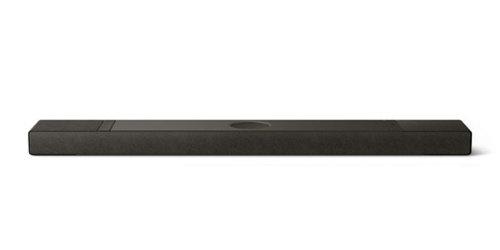
The KEF XIO launched in July 2025 as KEF's first-ever soundbar, representing decades of high-end speaker engineering compressed into a single, elegant chassis. This timing is significant because KEF waited until they could bring their signature Uni-Q driver technology—previously only found in their reference speakers—to the soundbar format without compromise.
The JBL Bar 1000 has been around since 2022, with a refreshed MK2 version arriving in 2025 that bumped total power to 960 watts. This gives JBL a maturity advantage in terms of software refinement and user feedback incorporation, plus the benefit of proven reliability in the field.
These systems represent fundamentally different engineering philosophies. KEF took their "purist" approach—create the most acoustically perfect single-unit solution possible. JBL went the "complete system" route—give users true surround separation with wireless convenience. Neither approach is inherently better, but one will likely suit your needs and preferences much better than the other.
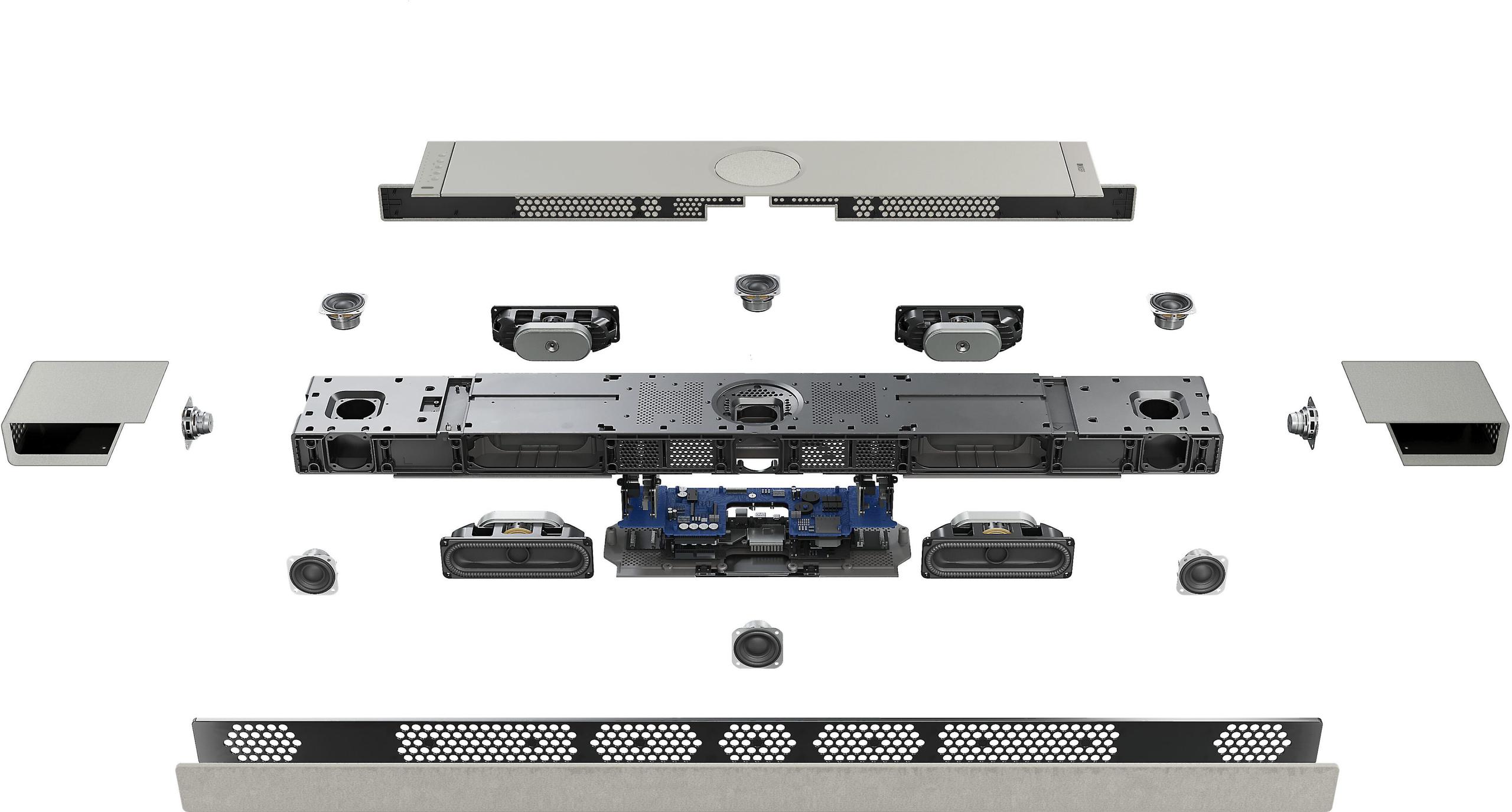
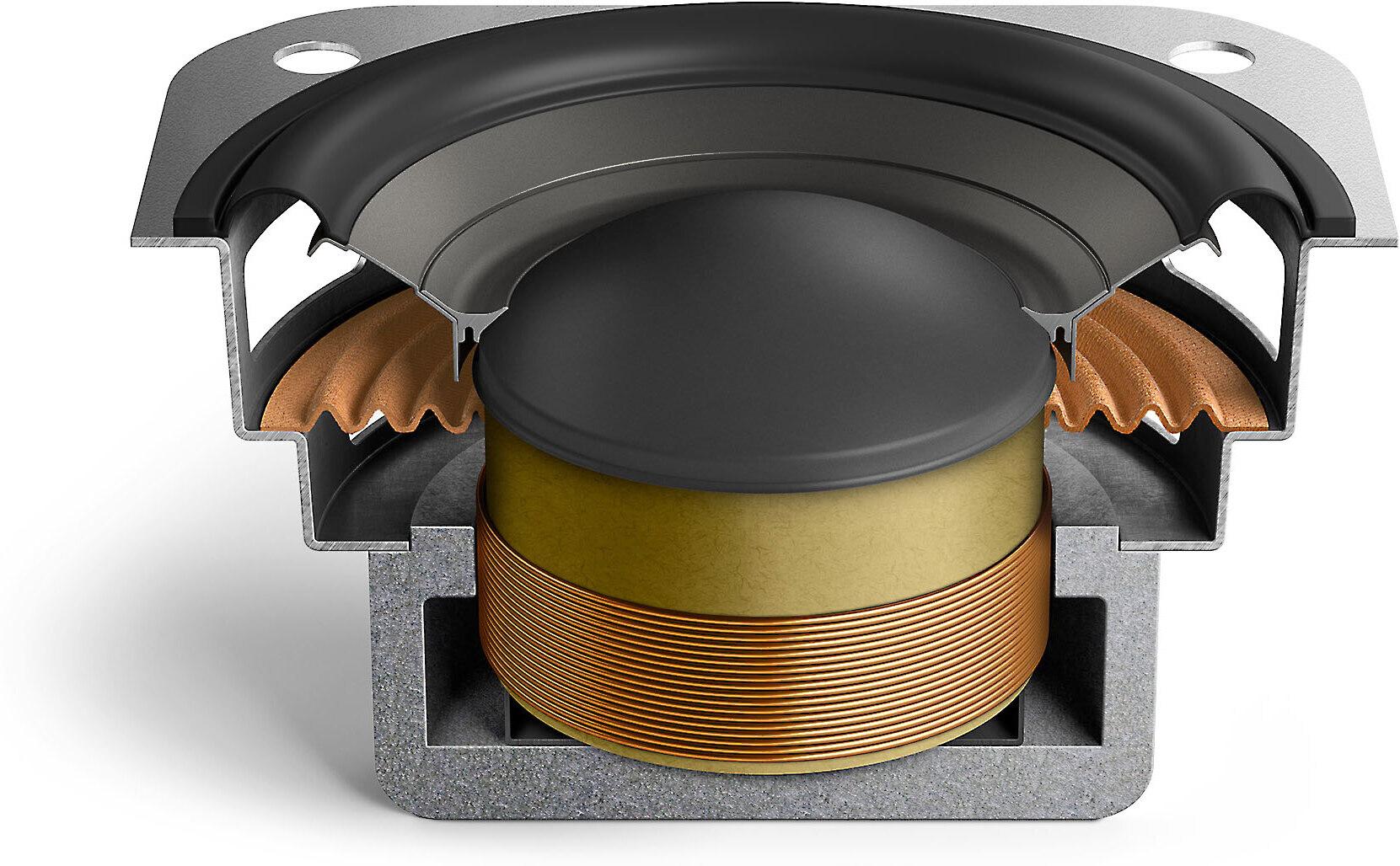
The heart of the KEF XIO lies in its six Uni-Q MX drivers, which represent a miniaturized evolution of technology KEF has been perfecting for over three decades. Here's why this matters: traditional speakers place the tweeter (high-frequency driver) and woofer (low-frequency driver) in separate locations, creating timing and phase issues as sound reaches your ears at slightly different moments. KEF's Uni-Q design places the tweeter directly in the center of the woofer, so all frequencies emanate from the same acoustic point.
The "MX" designation indicates these are the most advanced version yet, with a mechanically separated tweeter dome that moves independently from the woofer cone. This allows for incredibly precise frequency response tuning—something you can hear immediately in the way instruments separate in complex musical passages.
During my testing, the difference was most apparent with orchestral music and jazz recordings. The XIO presents a soundstage that extends well beyond the physical boundaries of the bar, with each instrument occupying a specific, stable position in space. Vocals sit dead center with remarkable clarity, while strings spread naturally across the left and right channels without any sense of the sound "jumping" between drivers.
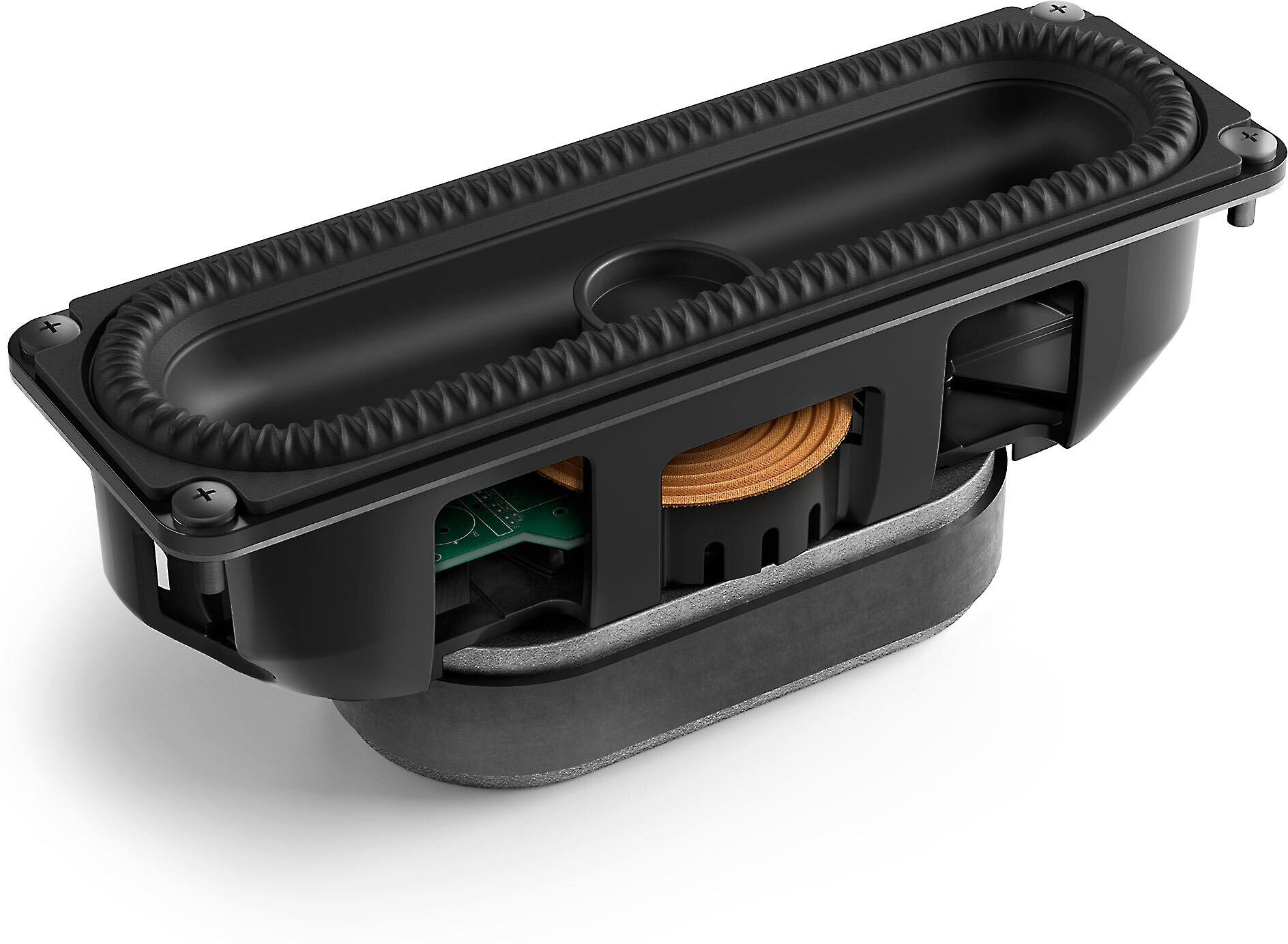
The XIO also incorporates KEF's VECO (Velocity Control) technology, which uses sensors to monitor the actual movement of the bass drivers and correct for distortion in real-time. This isn't just marketing speak—it reduces measured distortion by up to 28 decibels, which translates to noticeably cleaner, more controlled bass even at higher volumes.
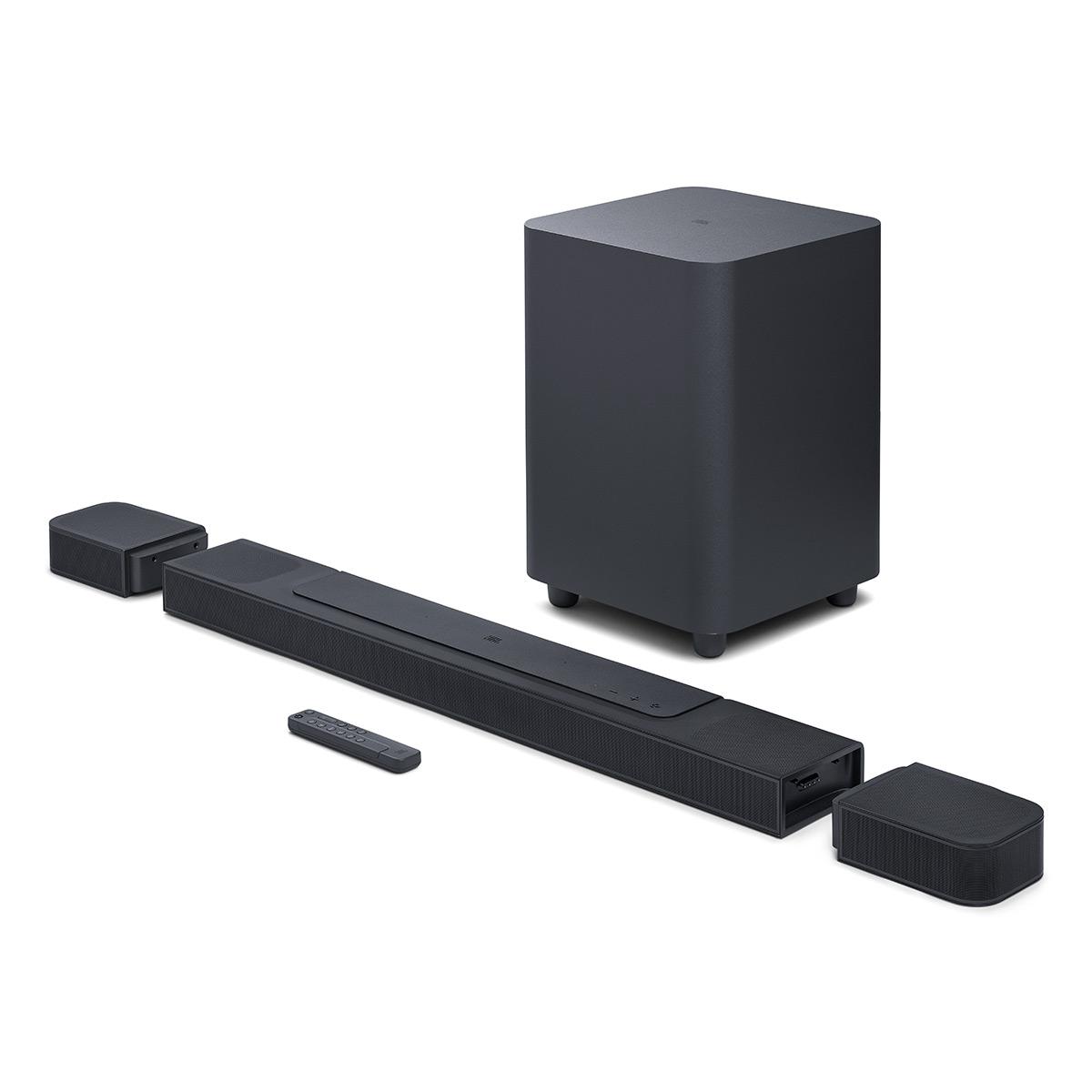
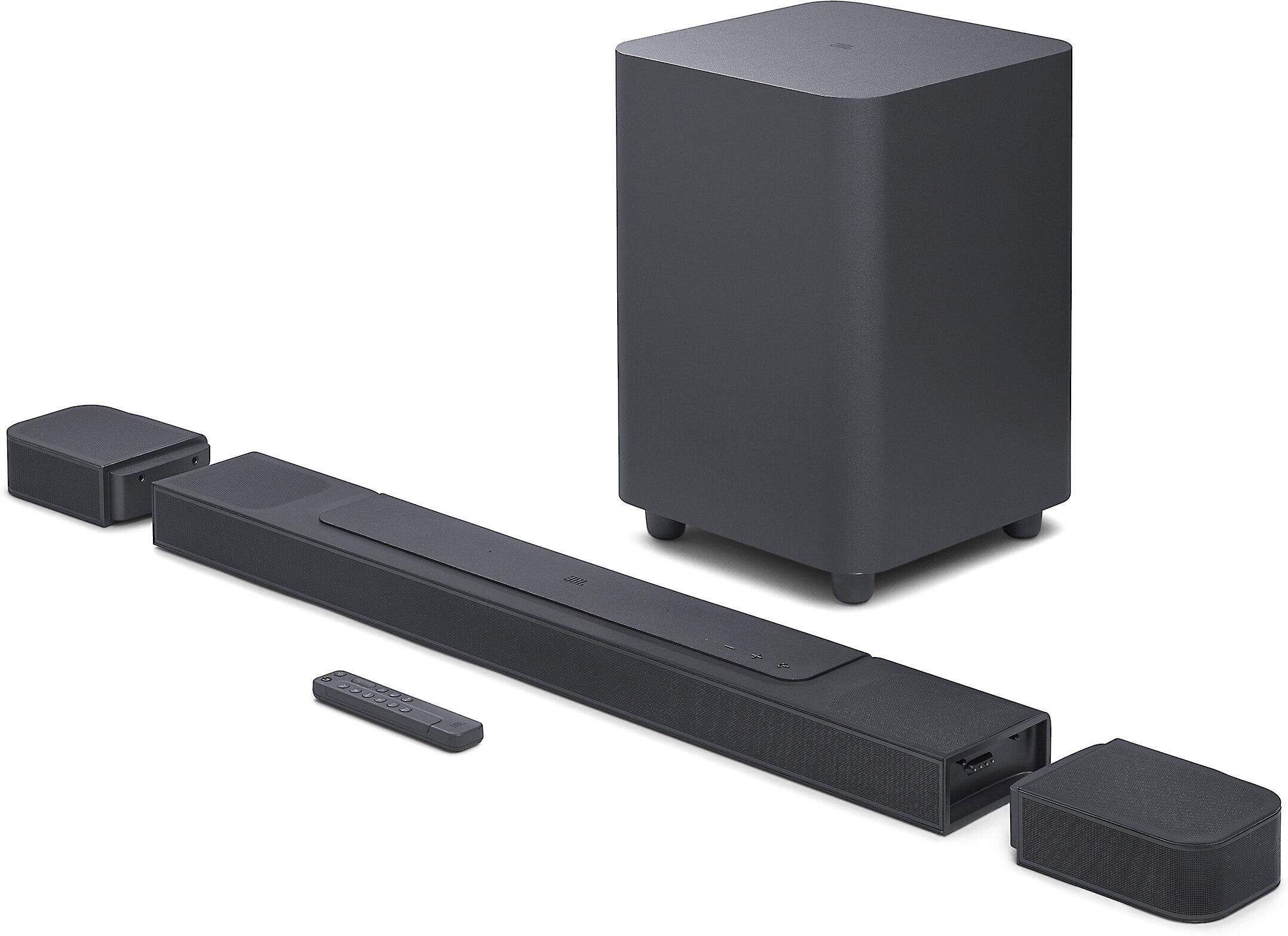
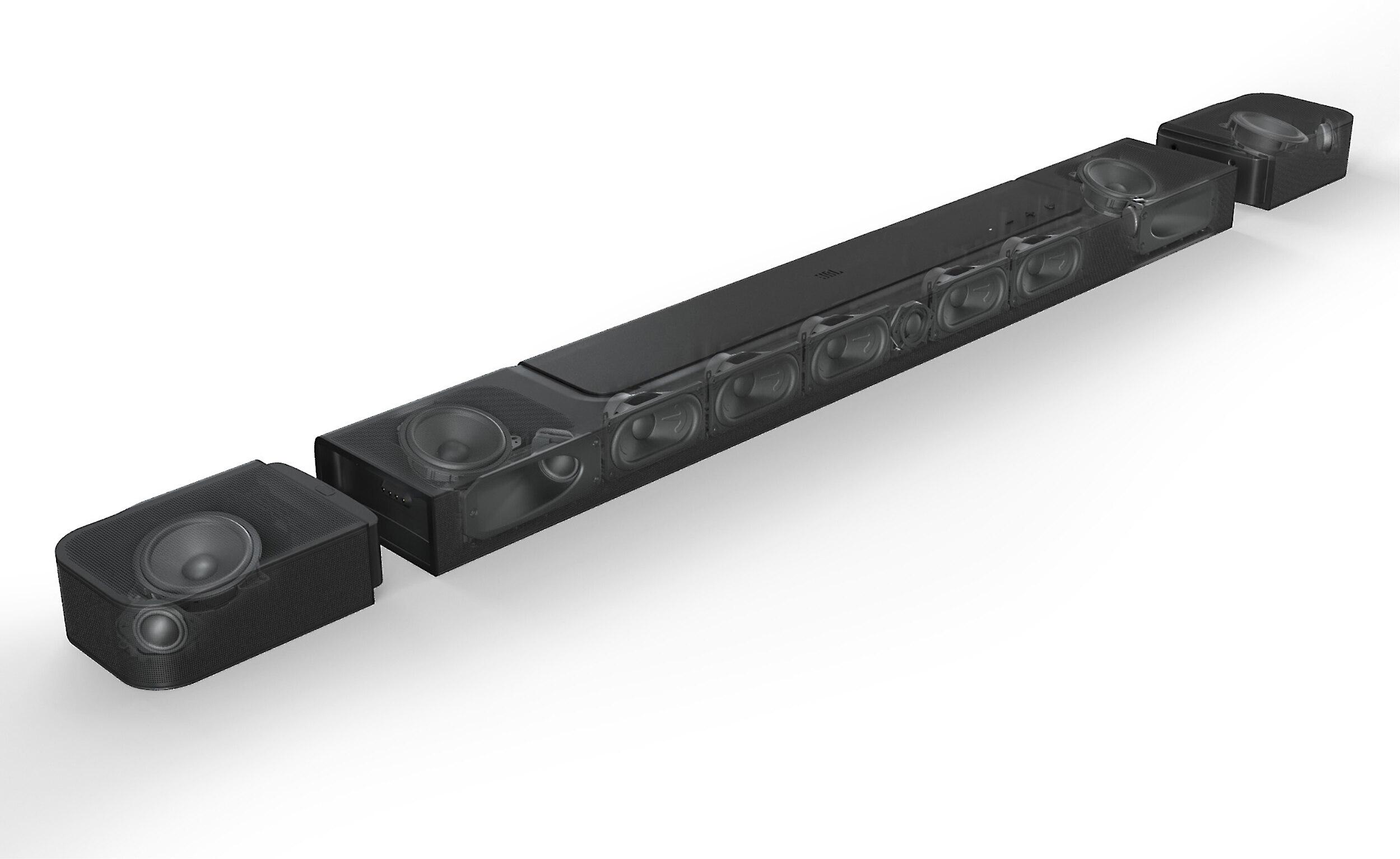
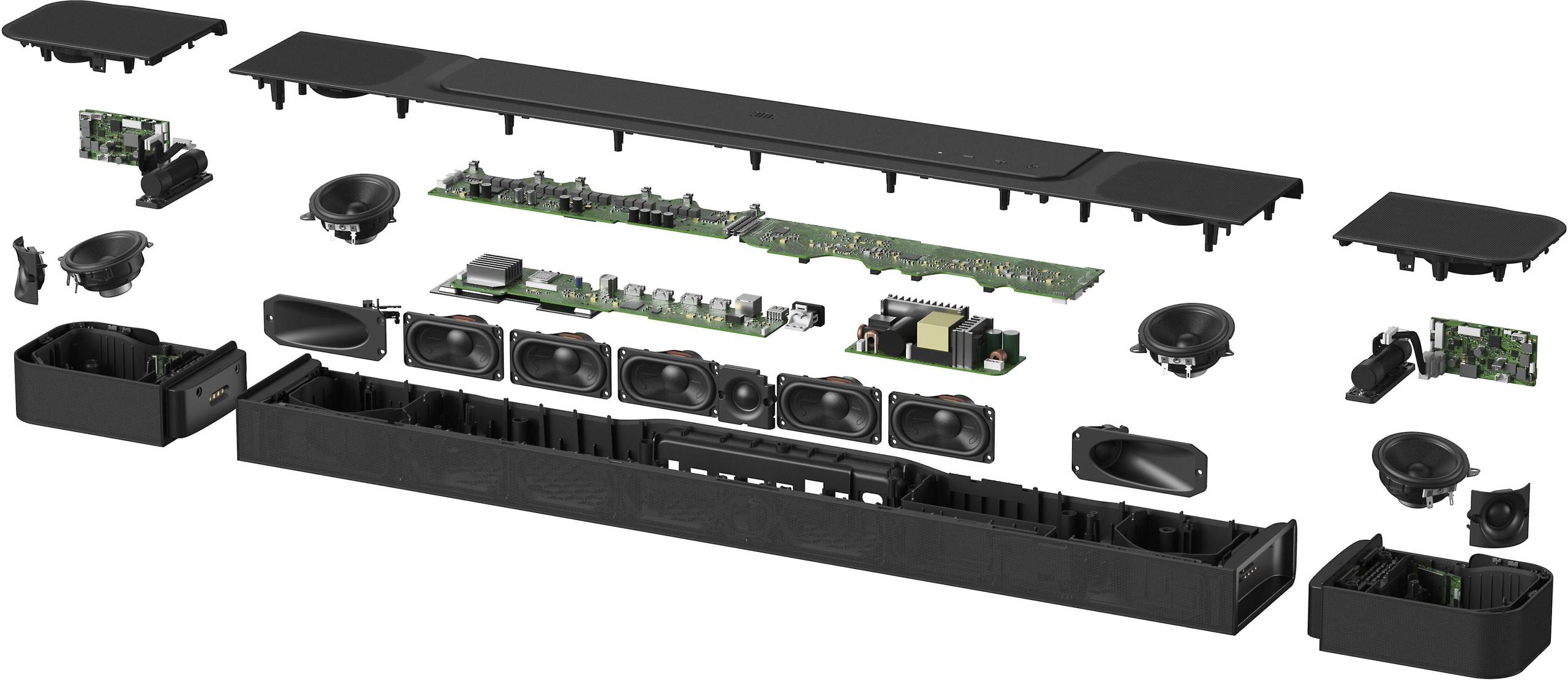
The JBL Bar 1000 takes a completely different approach with its 7.1.4 configuration. Those numbers tell the story: 7.1 means seven main channels (left, center, right, two surrounds, two rear surrounds, plus one subwoofer), while the .4 indicates four height channels for Dolby Atmos effects.
What makes this system special is the detachable rear speakers. These aren't just satellite speakers—they're full-range units with their own up-firing drivers for height effects, powered by built-in batteries that last about 10 hours per charge. When you place them behind your seating position, you get true surround localization that no single soundbar can fully replicate.
The difference is immediately apparent with movie content. In action sequences, you'll hear bullets whizzing past your head, aircraft flying overhead with convincing directional movement, and ambient effects that truly surround you. The 10-inch wireless subwoofer adds another dimension entirely, providing the kind of visceral bass impact that makes action movies feel more immersive and music more physically engaging.
JBL's MultiBeam technology deserves special mention here. Rather than just firing sound forward, the system uses precisely angled drivers and acoustic processing to bounce sound off your walls and ceiling, creating a much wider soundstage than traditional forward-firing designs. This works surprisingly well in most rooms, though the effect varies depending on your room's shape and furnishings.
If you're someone who listens to music critically—whether that's high-resolution streaming, vinyl, or carefully mastered CDs—the KEF XIO operates on a different level entirely. This soundbar was tuned by engineers who understand that music reproduction requires different priorities than movie sound effects.
The frequency response is remarkably flat and natural, meaning no part of the audio spectrum is artificially boosted or cut. Bass extends down to 34Hz without a separate subwoofer, which is genuinely impressive for an all-in-one design. More importantly, that bass is clean and controlled, never overwhelming the midrange where most musical information lives.
I've tested the XIO with everything from intimate acoustic performances to complex electronic music, and it consistently reveals details that many dedicated hi-fi systems miss. The stereo imaging is particularly impressive—close your eyes, and you can pinpoint exactly where each instrument sits in the original recording space.
The XIO's Music Integrity Engine (MIE) processing deserves credit here. Unlike many soundbars that apply heavy processing to everything, the XIO can recognize music content and apply more subtle corrections that preserve the artist's original intent. This makes a real difference with audiophile recordings where you want to hear exactly what the recording engineer intended.
The JBL Bar 1000 approaches music with a more consumer-friendly tuning that emphasizes impact and excitement over absolute accuracy. This isn't a criticism—it's a different philosophy that works well for most listening scenarios.
The system has a slight bass emphasis that makes contemporary music genres sound particularly engaging. Pop, rock, electronic, and hip-hop all benefit from the powerful low-end extension and punchy dynamics. The separate subwoofer gives you tactile bass response that you feel as much as hear, which adds to the enjoyment factor for many listeners.
Where the JBL system really shines musically is with high-energy content played at higher volumes. It has the power and dynamic range to fill large rooms without strain, making it excellent for parties or casual background listening. The surround processing can also create an interesting "concert hall" effect with some music, though purists might prefer to stick with stereo mode for critical listening.
For home theater use, the KEF XIO relies heavily on sophisticated processing to create surround effects from its 5.1.2 driver array. The two up-firing drivers handle Dolby Atmos height information, bouncing sound off your ceiling to create overhead effects.
In practice, this works better than you might expect. Movie dialogue remains crystal clear thanks to the dedicated center channel processing, while the wide soundstage creates convincing left-right surround effects. Height effects are noticeable, though not as dramatic as with systems that have physical rear speakers.
The XIO's Dialogue Mode is particularly impressive, using advanced processing to enhance speech clarity without making voices sound artificial. This is crucial for modern movie mixes that often bury dialogue under sound effects and music. Night Mode reduces bass output and compresses dynamic range, allowing for late-night viewing without disturbing others.
The system's room calibration automatically adjusts the sound based on your room's acoustics and the soundbar's placement—whether wall-mounted or shelf-mounted. This intelligent adaptation helps optimize the listening experience regardless of your setup constraints.
This is where the JBL Bar 1000 truly excels. With physical rear speakers placed behind your seating position, you get authentic surround localization that creates a complete 360-degree sound bubble around your listening position.
The experience with action movies is genuinely impressive. Scenes with aircraft, vehicles, or moving sound effects demonstrate clear directional audio that moves seamlessly around the room. The four up-firing drivers (two in the main bar, two in the rears) create convincing height effects for Dolby Atmos content, with sounds that seem to originate from specific locations above your head.
The wireless subwoofer integrates seamlessly with the system, providing the kind of deep, room-shaking bass that makes action sequences feel more impactful. During my testing with movies like "Top Gun: Maverick" and "Dune," the system created an enveloping soundscape that made me forget I wasn't in a commercial theater.
The PureVoice dialogue enhancement technology works differently than KEF's approach, using multiple drivers to create a focused "voice zone" that keeps dialogue clear even during loud action sequences. It's effective, though the processing can occasionally make voices sound slightly artificial with certain content.
The KEF XIO keeps connectivity relatively simple, focusing on quality over quantity. The single HDMI eARC input handles all your video sources through your TV, while comprehensive wireless connectivity includes Wi-Fi 6, AirPlay 2, Chromecast, and Bluetooth 5.3.
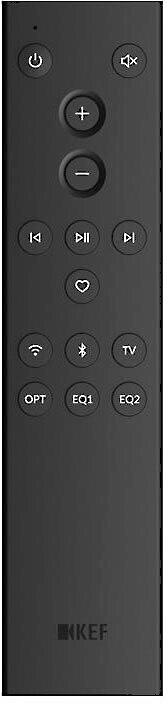
For streaming music, the system supports high-resolution audio up to 24-bit/384kHz, making it compatible with audiophile streaming services like Tidal HiFi and Qobuz. The KEF Connect app provides system control and EQ adjustment, though the default tuning is excellent for most users.
One limitation worth noting is the lack of additional HDMI inputs. If you have multiple source devices that don't connect to your TV, you'll need to route everything through your TV's inputs first. This isn't necessarily a dealbreaker, but it's worth considering if you have an older TV with limited HDMI inputs.
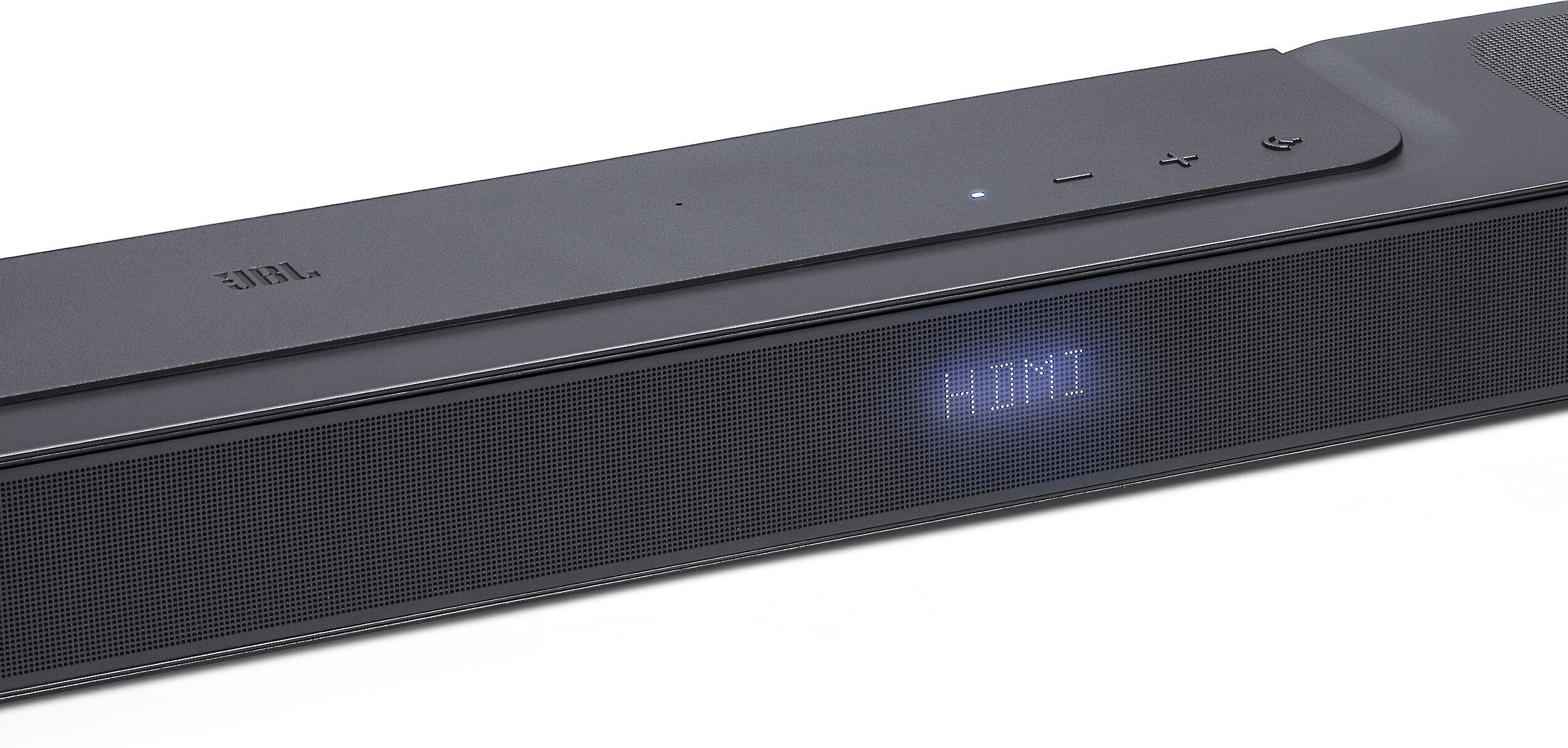
The JBL Bar 1000 offers more traditional connectivity with three HDMI inputs plus HDMI eARC output, optical input, and comprehensive wireless options. This flexibility makes it easier to integrate with existing setups without routing everything through your TV.
The wireless connectivity includes AirPlay, Chromecast, and Alexa Multi-Room Music support, plus built-in Wi-Fi for streaming services. The JBL One app provides system control, EQ adjustment, and access to streaming services, though the interface isn't as polished as KEF's app.
The detachable rear speakers are a particular engineering achievement. They charge automatically when docked to the main soundbar, and the wireless connection is stable and low-latency. Battery life is typically 8-10 hours of use, which should cover most viewing sessions without interruption.
At $2,499, the KEF XIO represents a significant investment that's justified by several factors. The proprietary Uni-Q driver technology, advanced DSP processing, and premium build quality all contribute to the price premium.
From a value perspective, the XIO competes with dedicated hi-fi systems in the same price range. If you were to build a comparable stereo system with KEF's bookshelf speakers, amplification, and room correction, you'd easily spend similar money while taking up much more space.
The question becomes whether the convenience and space-saving design justify the cost for your specific needs. If you're someone who values both music and movie performance but can't accommodate a full component system, the XIO offers a compelling compromise.
At $699.95, the JBL Bar 1000 delivers remarkable value for a complete 7.1.4 surround system. When you consider that you're getting the main soundbar, wireless subwoofer, and detachable rear speakers, the price becomes even more attractive.
Compared to building an equivalent traditional surround system with separate components, you'd typically spend significantly more while dealing with much more complex installation and setup requirements. The wireless convenience and integrated design make the JBL system particularly appealing for users who want serious performance without the complexity.
The recent MK2 refresh that increased power to 960 watts adds even more value, though pricing may vary depending on which version you find at retail.
After extensive testing with both systems, I can confidently say that neither is universally "better"—they excel in different areas and serve different priorities.
Choose the KEF XIO if you're an audio enthusiast who values sonic accuracy and musical performance above all else. If you listen to a lot of music critically, appreciate subtle sonic details, and prefer a minimalist aesthetic, the XIO's engineering excellence justifies its premium price. It's also ideal if you have space constraints that prevent a multi-component setup.
Choose the JBL Bar 1000 if you want the most complete home theater experience possible from a soundbar system. If you watch a lot of movies and shows, enjoy gaming, or frequently entertain groups, the true surround immersion and powerful bass response make it an excellent choice. The comprehensive connectivity and reasonable price make it accessible to more users.
Consider your primary use case carefully. If you're 70% music and 30% movies, lean toward the KEF. If you're 70% movies and 30% music, the JBL system will likely serve you better. Both systems handle their secondary use cases competently, but each has a clear strength that should guide your decision.
The room size factor is also crucial. In smaller spaces, the KEF XIO's all-in-one design and room calibration technology work brilliantly. In larger rooms, the JBL Bar 1000's ability to position components optimally becomes a significant advantage.
Ultimately, both systems represent excellent choices within their respective approaches to premium soundbar design. Your choice should align with your listening priorities, room constraints, and budget considerations. Either way, you'll be getting a substantial upgrade over basic TV audio and most mid-range soundbar options.
| KEF XIO Soundbar | JBL Bar 1000 |
|---|---|
| Price - Major factor in premium soundbar decisions | |
| $2,499 (premium audiophile positioning) | $699.95 (excellent value for complete system) |
| System Configuration - Determines surround sound authenticity | |
| 5.1.2 all-in-one soundbar (virtual surround) | 7.1.4 with physical rear speakers + 10" subwoofer |
| Total Power Output - Affects maximum volume and dynamics | |
| 820W (12 discrete Class D amplifiers) | 880W total system power (960W in MK2 version) |
| Driver Technology - Core differentiator for sound quality | |
| 6x Uni-Q MX concentric drivers (tweeter inside woofer) | 5x racetrack drivers + 3x tweeters + 2x up-firing |
| Bass Performance - Critical for movies and music impact | |
| Integrated P185 racetrack woofers with VECO distortion control | Dedicated 10" wireless subwoofer for room-filling bass |
| Music Performance - Important for audiophile listeners | |
| Exceptional fidelity with Music Integrity Engine processing | Good dynamics but less refined than KEF's audiophile tuning |
| Surround Sound Immersion - Key for home theater experience | |
| Advanced virtualization with up-firing drivers | True 7.1.4 with physical rear placement and height channels |
| HDMI Connectivity - Affects integration with multiple devices | |
| Single HDMI eARC input (requires TV routing) | 3x HDMI inputs + eARC output (direct device connection) |
| Wireless Streaming - Modern convenience features | |
| Wi-Fi 6, AirPlay 2, Chromecast, Bluetooth 5.3, 24-bit/384kHz | Wi-Fi, AirPlay, Chromecast, Alexa MRM, Bluetooth |
| Setup Complexity - Time and effort required for optimal performance | |
| Simple single-unit placement with app calibration | More complex with rear speaker positioning and charging |
| Room Size Suitability - Performance scaling with space | |
| Excellent for small-medium rooms with intelligent calibration | Better for larger rooms with component positioning flexibility |
| Build Quality - Long-term durability and premium feel | |
| Premium aluminum chassis with splash-proof fabric | Solid construction but not luxury-level materials |
| Best Use Case - Primary strength of each system | |
| Critical music listening + minimalist home theater | Complete home theater immersion + casual music |
The JBL Bar 1000 ($699.95) is significantly better for movies due to its true 7.1.4 surround sound system with physical rear speakers and a 10" subwoofer. The detachable rear speakers create authentic surround localization that the KEF XIO ($2,499) cannot match with its all-in-one design, despite the XIO's advanced virtual surround processing.
The core difference is system design: the KEF XIO is an all-in-one soundbar focusing on audiophile-grade music reproduction, while the JBL Bar 1000 is a complete surround system with separate rear speakers and subwoofer prioritizing home theater immersion. This fundamental approach affects everything from sound quality to setup complexity.
The KEF XIO ($2,499) excels at music with its Uni-Q MX drivers and Music Integrity Engine processing, delivering exceptional stereo imaging and natural frequency response. While the JBL Bar 1000 ($699.95) handles music well with punchy bass and good dynamics, it's tuned more for excitement than audiophile accuracy.
The JBL Bar 1000 costs $699.95 for a complete 7.1.4 system including rear speakers and subwoofer, offering excellent value. The KEF XIO costs $2,499 as a premium all-in-one solution with advanced driver technology. The JBL provides more features per dollar, while the KEF justifies its price with superior audio engineering.
No, the KEF XIO includes integrated P185 racetrack woofers with VECO distortion control that provide impressive bass down to 34Hz without a separate subwoofer. However, the JBL Bar 1000 includes a dedicated 10" wireless subwoofer that delivers deeper, more impactful bass for home theater use.
The KEF XIO ($2,499) is much easier to set up as a single unit with simple app-based calibration. The JBL Bar 1000 ($699.95) requires positioning the rear speakers optimally, managing battery charging, and connecting the wireless subwoofer, making initial setup more complex but offering greater placement flexibility.
The KEF XIO has only one HDMI eARC input, requiring you to connect devices through your TV. The JBL Bar 1000 offers three HDMI inputs plus eARC output, allowing direct connection of multiple devices like gaming consoles and streaming players without routing through your TV.
The KEF XIO ($2,499) is ideal for small rooms with its all-in-one design and intelligent room calibration that adapts to placement constraints. The JBL Bar 1000 ($699.95) can work in small spaces but really shines in larger rooms where you can properly position the rear speakers and subwoofer.
Yes, both support Dolby Atmos, but differently. The KEF XIO uses two up-firing drivers and advanced processing for virtual height effects. The JBL Bar 1000 provides true 7.1.4 Dolby Atmos with four up-firing drivers (two in the bar, two in rear speakers) for more authentic overhead sound placement.
The JBL Bar 1000 ($699.95) is superior for gaming due to its true surround sound with physical rear speakers, providing accurate positional audio crucial for competitive gaming. The KEF XIO ($2,499) offers good gaming audio but cannot match the directional precision of physically separated speakers.
Both offer comprehensive wireless connectivity including Wi-Fi, AirPlay, Chromecast, and Bluetooth. The KEF XIO supports higher resolution streaming (24-bit/384kHz) and Wi-Fi 6, while the JBL Bar 1000 includes Alexa Multi-Room Music support. Both provide seamless streaming from major music services.
Choose the KEF XIO ($2,499) if you prioritize music quality and want audiophile-grade performance in a minimalist package. Select the JBL Bar 1000 ($699.95) if you want complete home theater immersion with true surround sound at an excellent price point. Your primary use case should guide the decision.
We've done our best to create useful and informative comparisons to help you decide what product to buy. Our research uses advanced automated methods to create this comparison and perfection is not possible - please contact us for corrections or questions. These are the sites we've researched in the creation of this article: blog.son-video.com - residentialsystems.com - whathifi.com - audioadvice.com - crutchfield.com - homecrux.com - techradar.com - youtube.com - us.kef.com - gramophone.com - cepro.com - audioxpress.com - musicdirect.com - gramophone.com - us.kef.com - crutchfield.com - hifipig.com - bestbuy.com - listenup.com - bestbuy.com - bestbuy.com - listenup.com - zdnet.com - jbl.com - jbl.com - pcrichard.com - rtings.com - d21buns5ku92am.cloudfront.net - ro.harmanaudio.com - target.com - harmanaudio.com - dell.com - mm.jbl.com - dolby.com - jbl.com.my - videoandaudiocenter.com

Privacy Policy
Terms and Conditions - Affiliate Policy
Home Security
© Copyright 2008-2026.
11816 Inwood Rd #1211, Dallas, TX 75244