

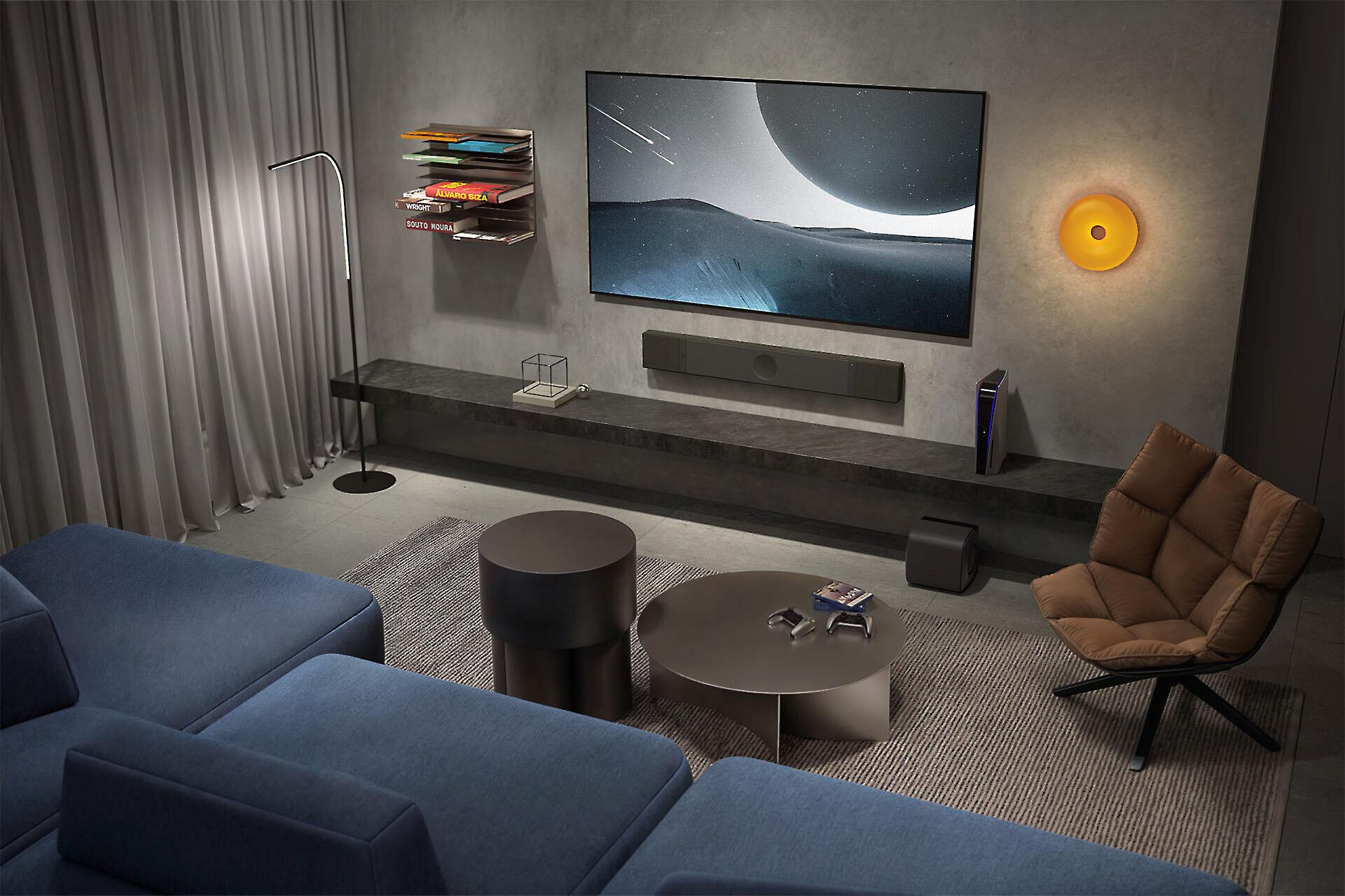
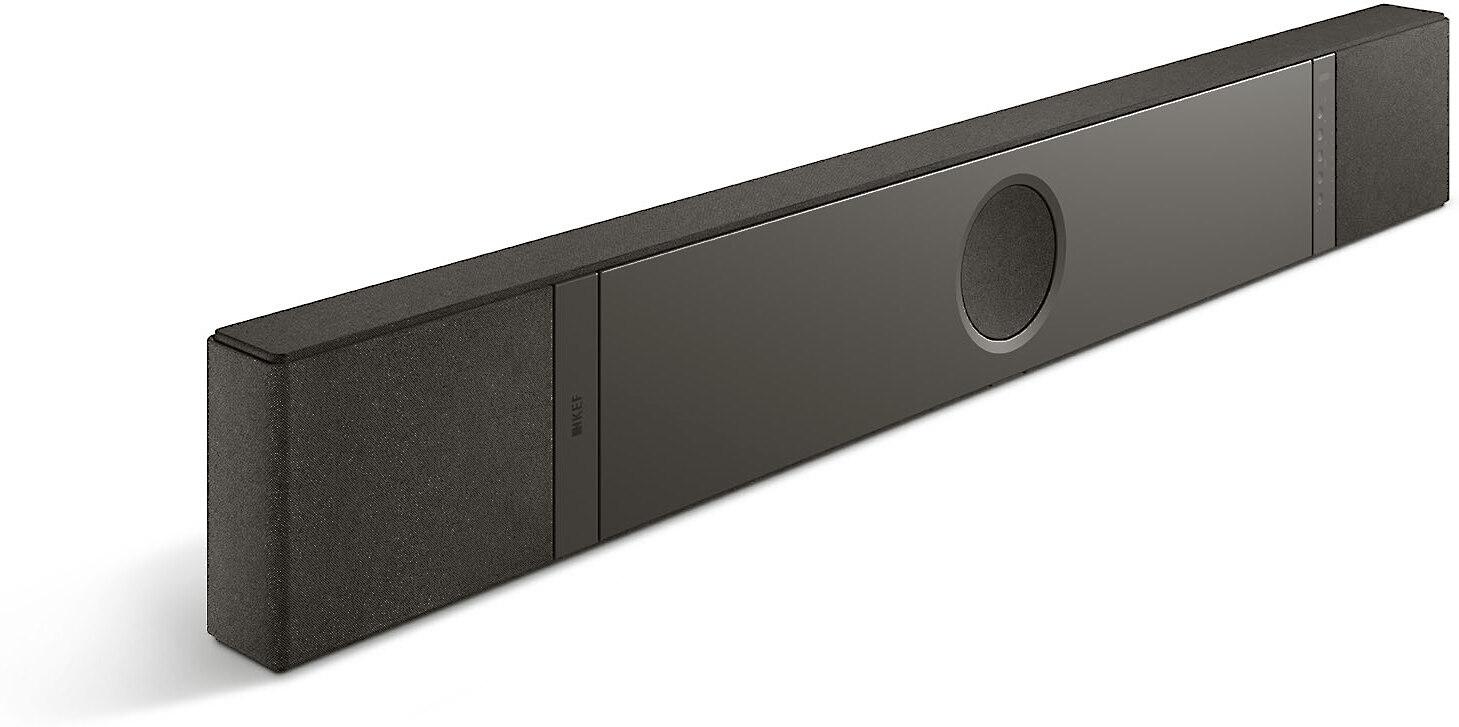
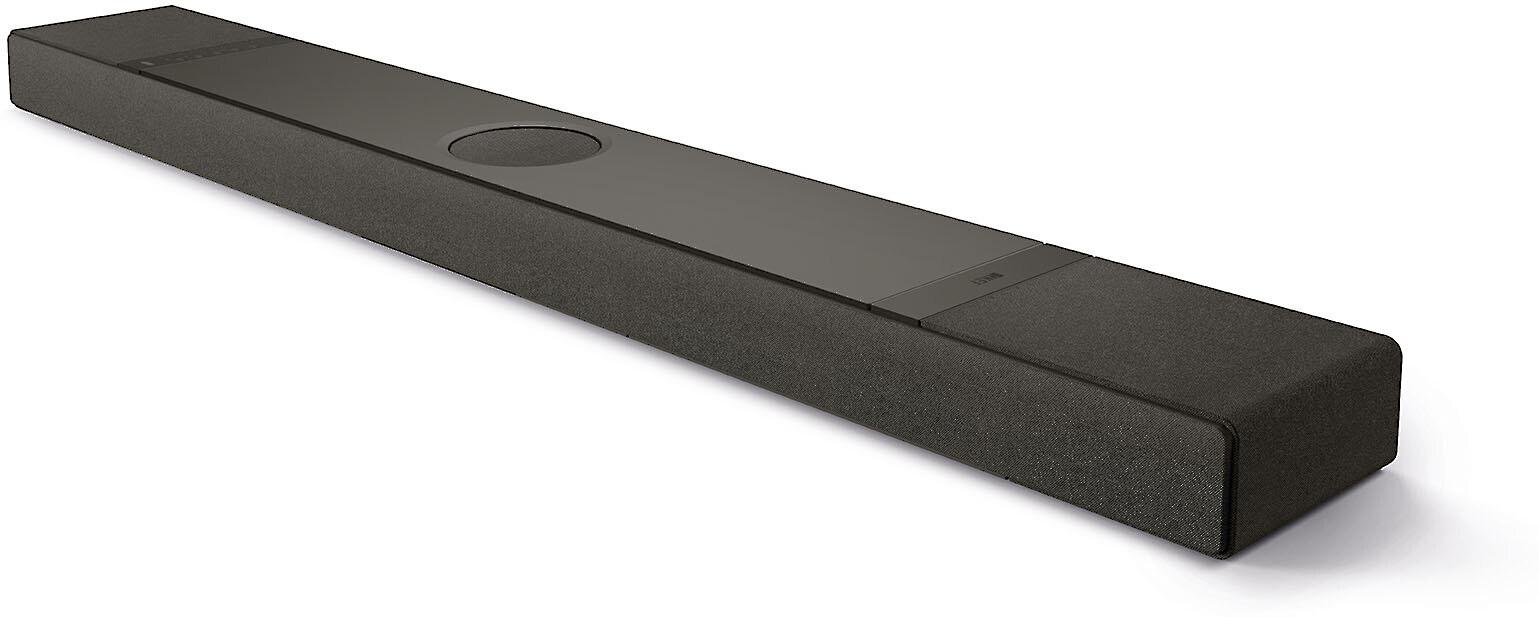
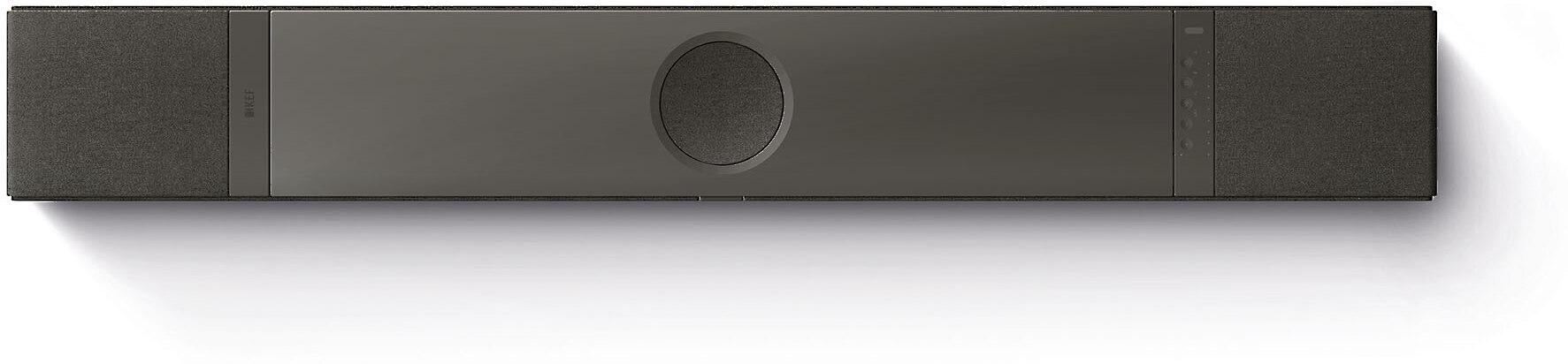








When you're shopping for a soundbar, the price tags can be shocking. You might see a basic Samsung model for under $250, then scroll down to find something like the KEF XIO at $2,499 and wonder what could possibly justify that massive price difference. Having tested dozens of soundbars over the years, I can tell you the gap isn't just about brand names—it's about fundamentally different approaches to audio engineering.
The soundbar market has exploded in recent years, mainly because modern TVs have gotten impossibly thin. Those sleek OLED panels look gorgeous on your wall, but there's literally no room inside for decent speakers. That's where soundbars come in, promising to restore the audio experience without cluttering your living room with multiple speakers and cables.
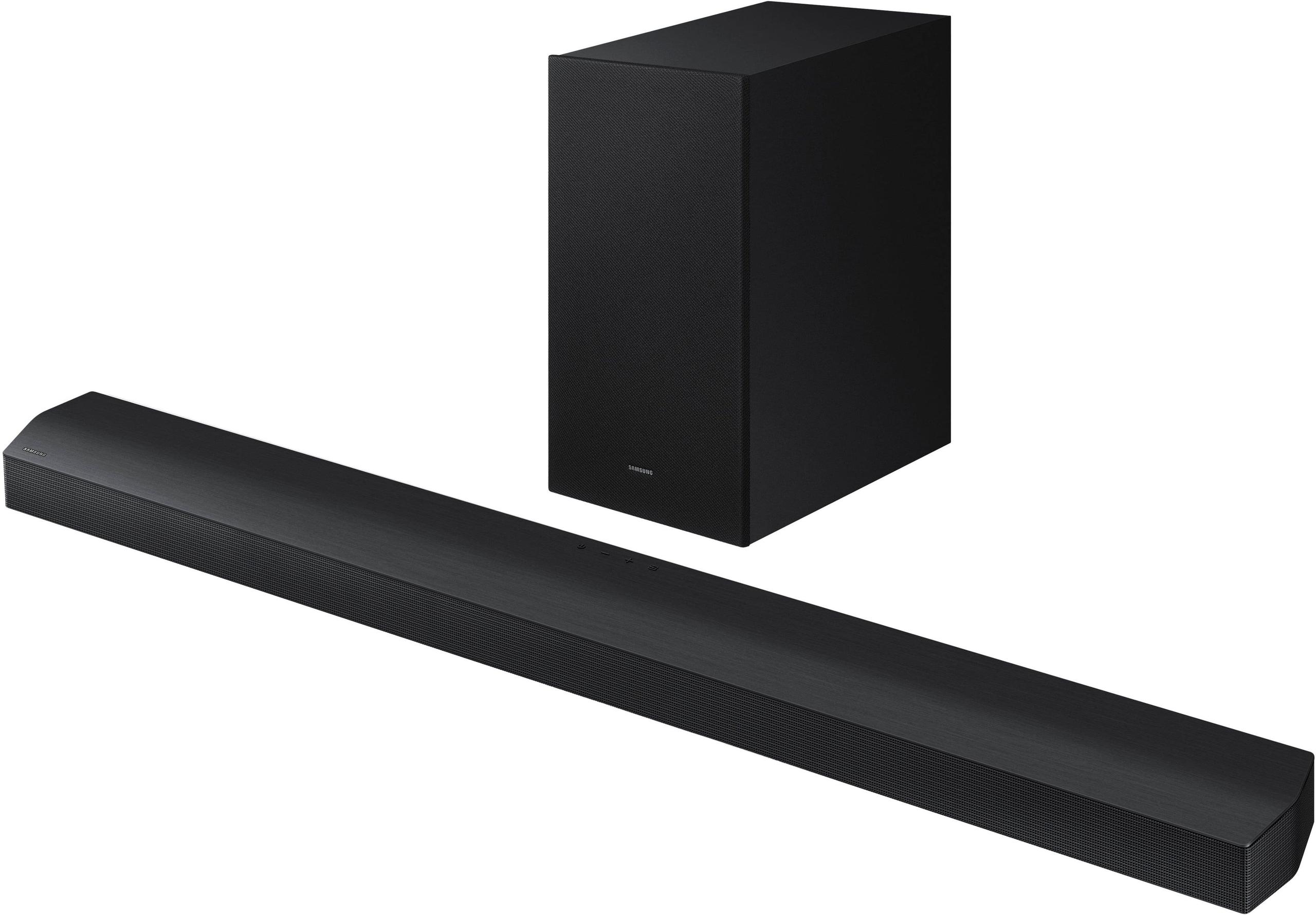
Before we dive into comparing these specific models, let's talk about what separates different tiers of soundbars. The Samsung B-Series 5.1 at $228 represents what I'd call the "TV enhancement" category. These systems are designed primarily to make dialogue clearer and add some bass punch to your viewing experience. They're perfectly adequate for most people who just want their shows and movies to sound better than the tinny speakers built into their TV.
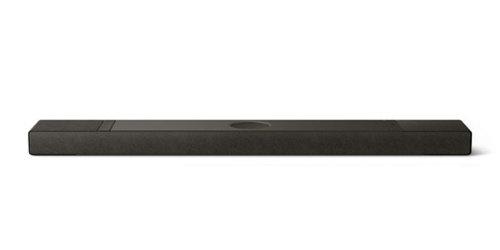
The KEF XIO, on the other hand, is targeting what audiophiles call a "primary listening system." This isn't just about making TV dialogue clearer—it's designed to compete with dedicated hi-fi systems that cost significantly more. When KEF released this soundbar in July 2025, it marked their first entry into the soundbar market, bringing decades of high-end speaker engineering to a single, sleek package.
Since these releases, we've seen the market respond with increased focus on spatial audio formats like Dolby Atmos. The KEF arrived at a perfect time when more streaming services and gaming consoles were supporting these immersive formats, while the Samsung model reflects the ongoing trend toward smart TV integration and user-friendly features.
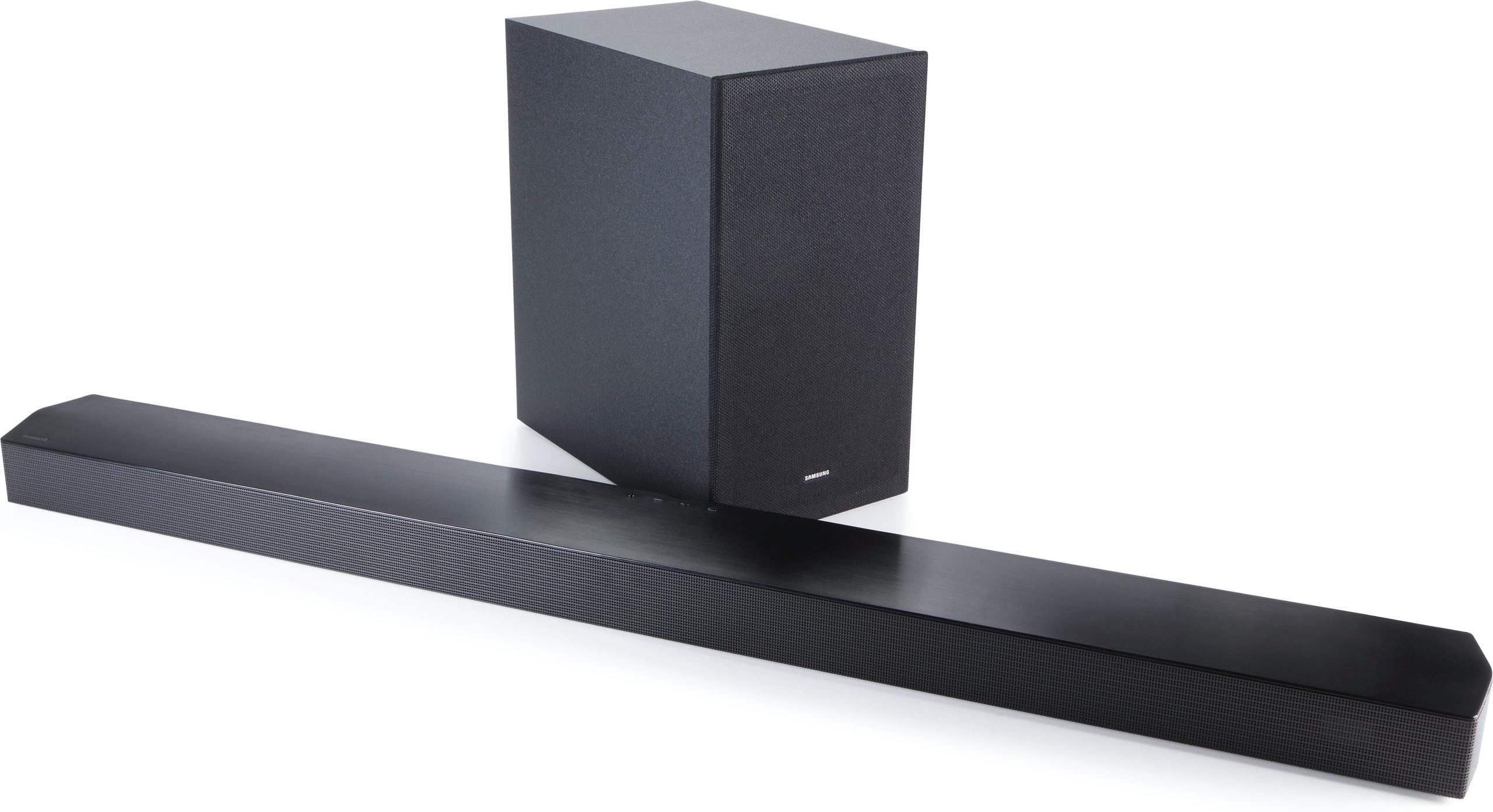
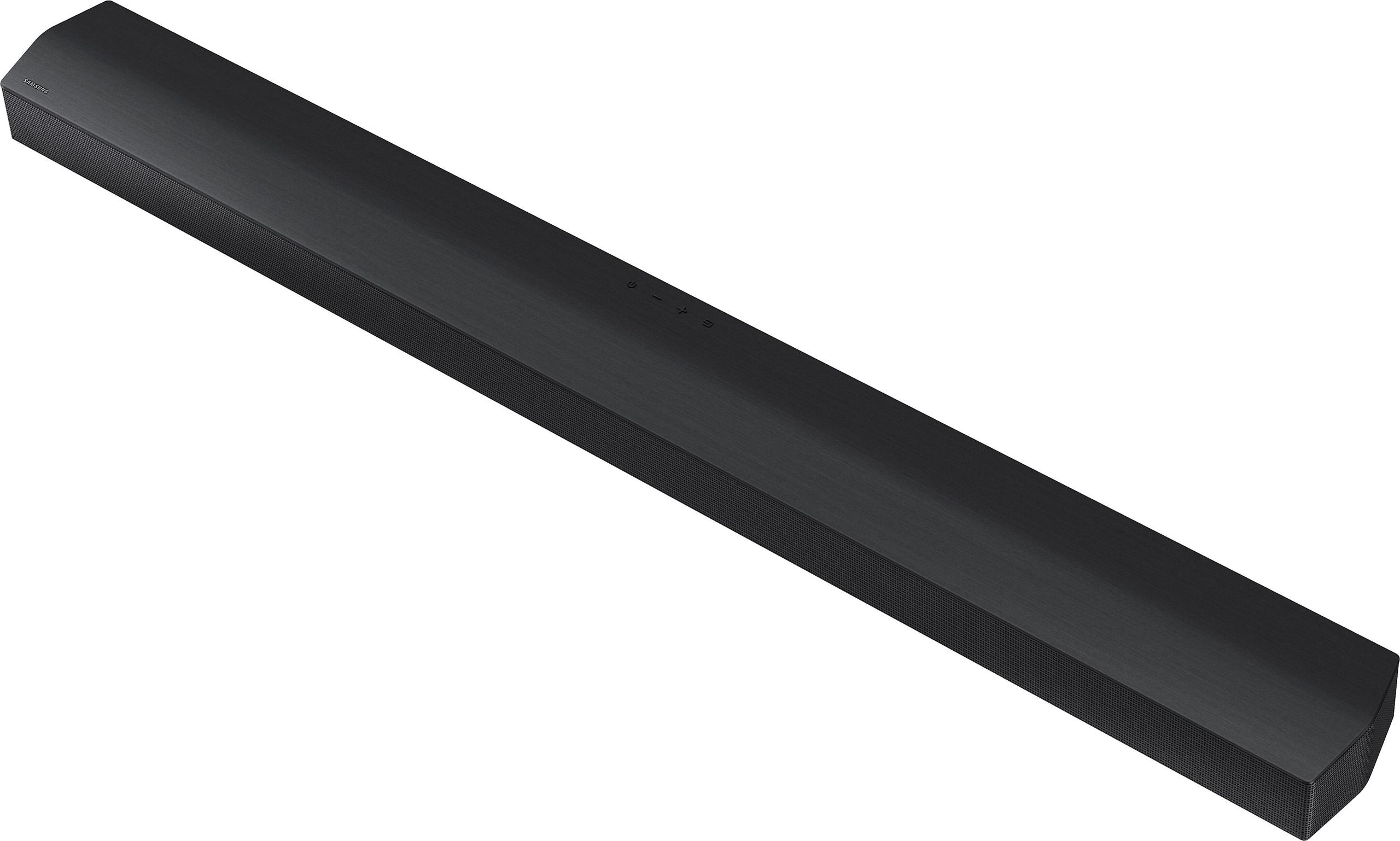
Here's where things get really interesting from a technical standpoint. The Samsung B-Series uses what's become the standard approach for budget soundbars: a main bar with basic drivers plus a separate wireless subwoofer. Inside the main unit, you'll find six speakers arranged to create a 5.1-channel experience. This includes dedicated side-firing drivers that bounce sound off your walls to simulate surround effects, plus a center channel specifically tuned for dialogue clarity.
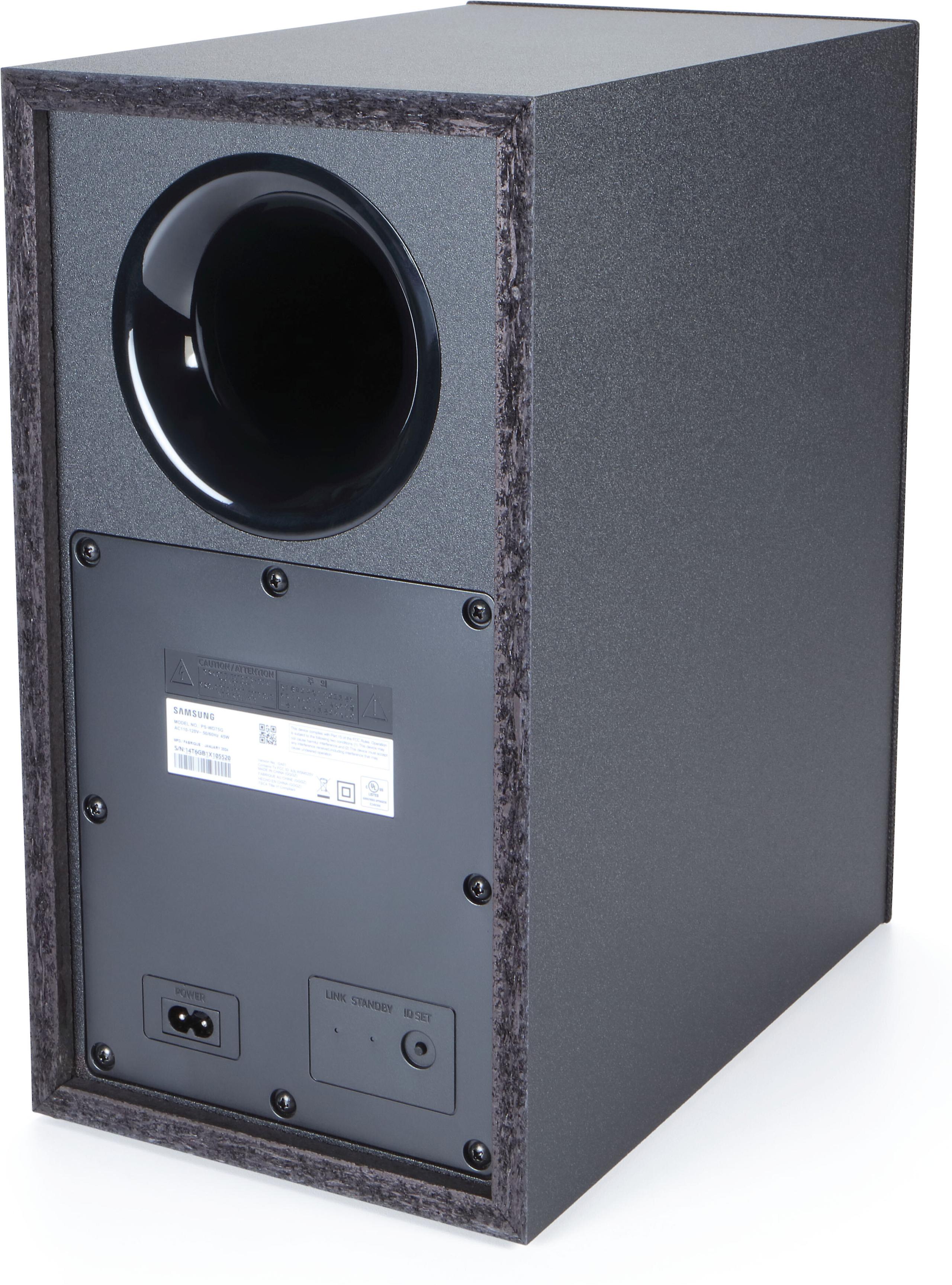
The wireless subwoofer handles all the low-frequency work—basically everything below about 150Hz. This division of labor makes sense economically because you can use smaller, cheaper drivers in the main bar and let the subwoofer handle the power-hungry bass duties. The "Bass Boost" mode I mentioned essentially just cranks up the subwoofer's output when you want more rumble during action scenes.
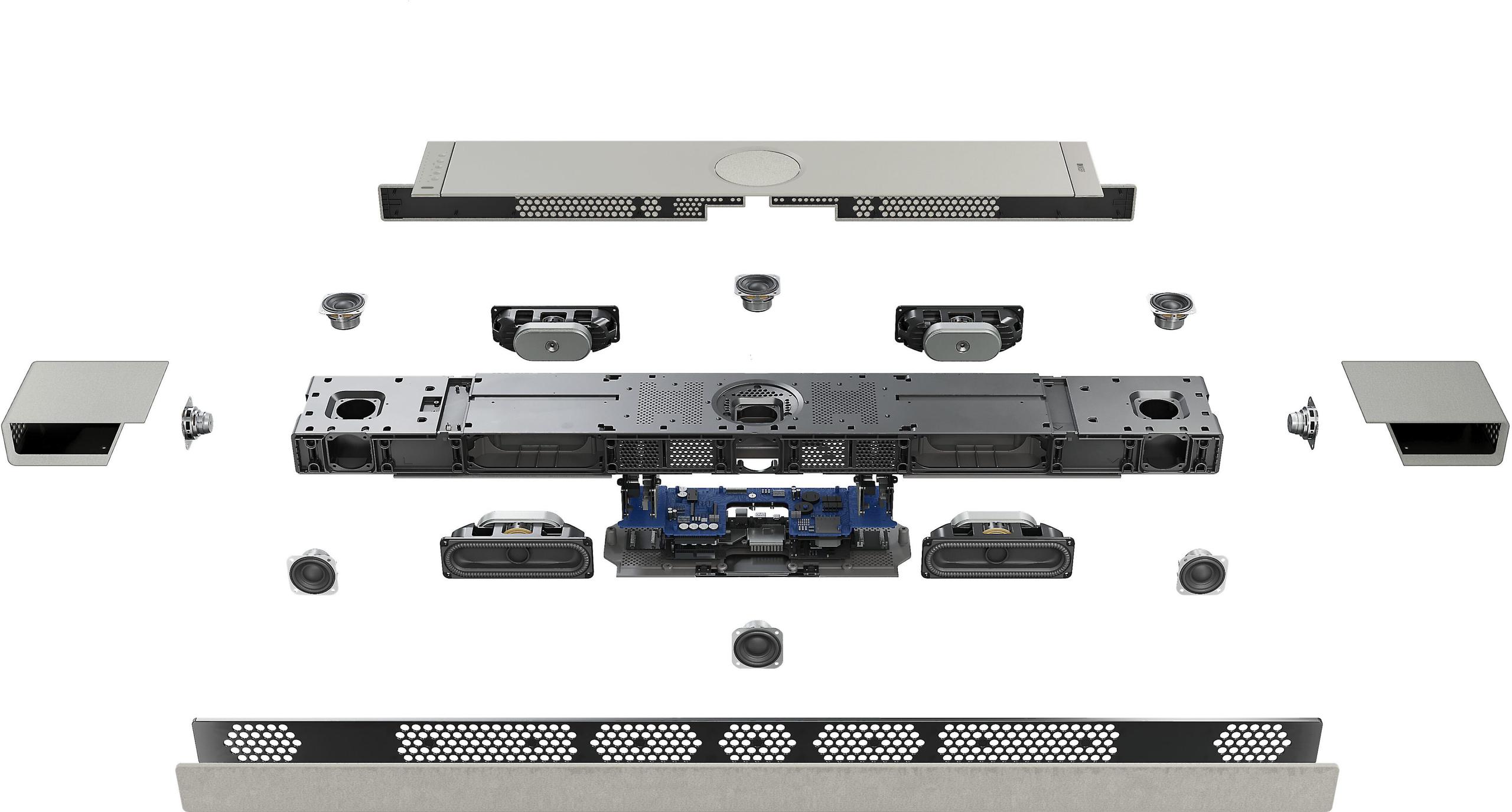
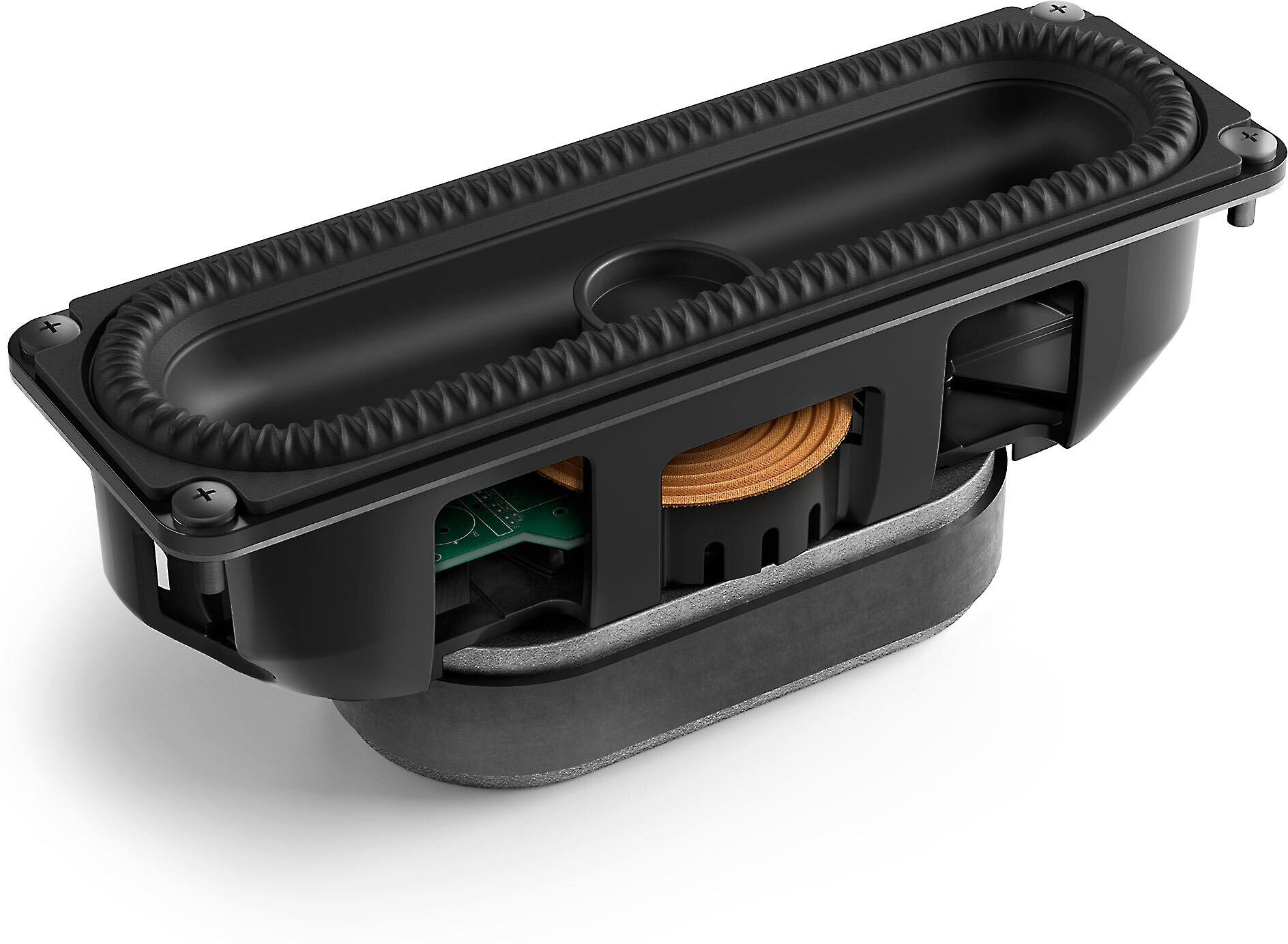
The KEF XIO takes a completely different approach that honestly impressed me when I first experienced it. Instead of relying on a separate subwoofer, KEF engineered four specialized "racetrack" woofers directly into the soundbar itself. These aren't your typical round speakers—they're oval-shaped drivers that can move more air in the limited space available.
But here's the really clever part: KEF uses something called VECO (Velocity Control Technology), which continuously monitors how each bass driver is moving and makes real-time adjustments to reduce distortion. Think of it like the electronic stability control in your car, but for speaker cones. This technology, borrowed from KEF's high-end KC62 subwoofer, can reduce bass distortion by up to 28 decibels. In practical terms, this means you get clean, tight bass down to 34Hz—that's proper subwoofer territory—without needing a separate box cluttering your room.
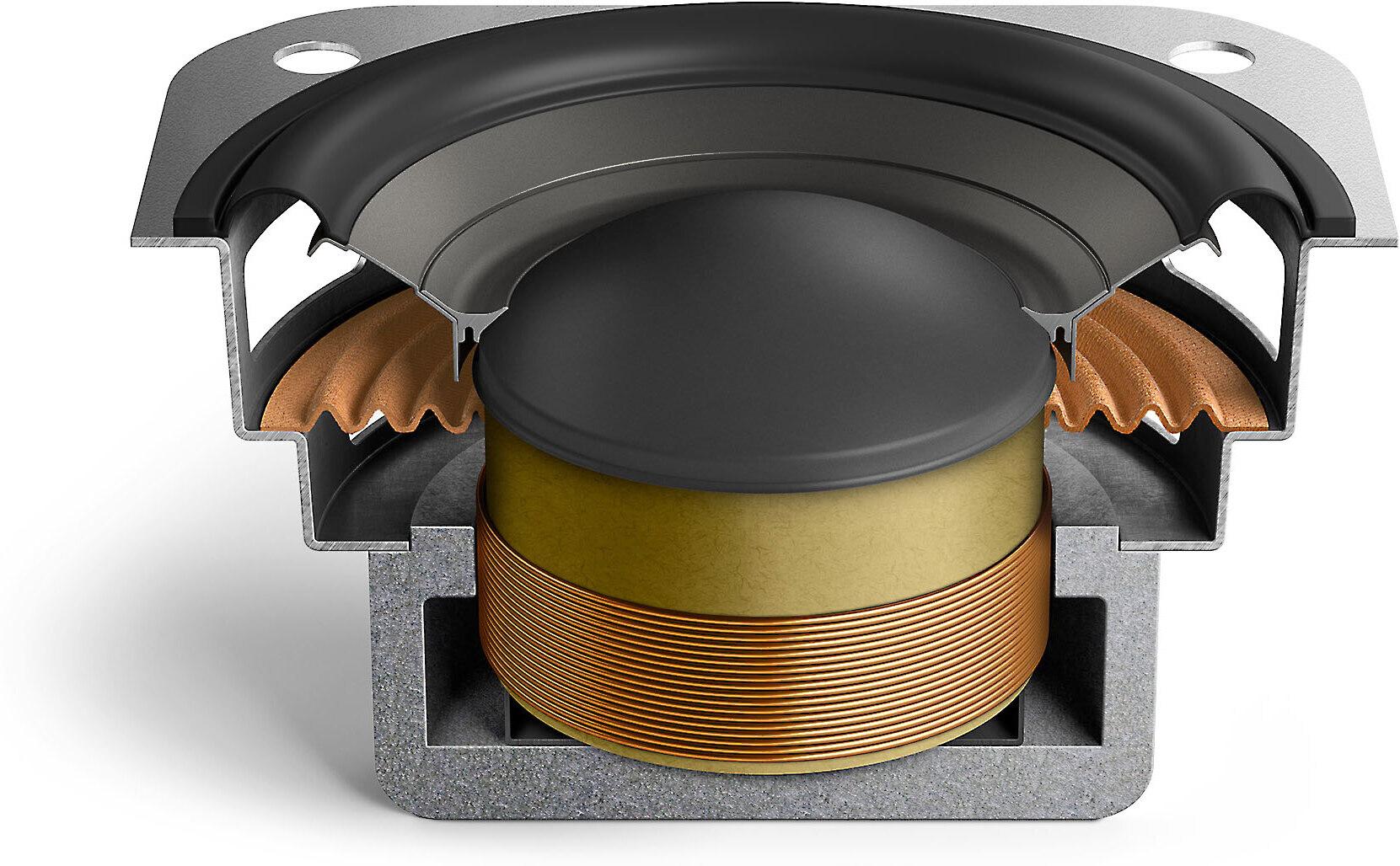
The most significant technical difference between these systems lies in KEF's Uni-Q driver technology. Traditional speakers put the tweeter (high-frequency driver) and woofer (mid/low frequency driver) in separate locations. This creates timing issues because the sound from each driver reaches your ears at slightly different moments, especially if you're not sitting in the perfect "sweet spot."
KEF's Uni-Q drivers solve this by placing the tweeter directly in the center of the midrange driver, so all frequencies originate from the same point in space. The XIO uses six miniaturized versions of these drivers, called Uni-Q MX, which maintain this precise imaging while fitting into the soundbar's slim profile.
I've found this makes a huge difference in how dialogue sounds. Instead of voices seeming to come from somewhere around the TV, they appear to originate from the exact position of the actor on screen. It's one of those things you don't realize you're missing until you experience it properly done.
Here's where the price difference becomes most apparent. The Samsung B-Series uses DTS Virtual:X processing to simulate height effects and surround sound. This works by carefully timing and adjusting the audio from its various speakers to trick your brain into perceiving sounds coming from directions where no physical speakers exist.
Virtual surround can be surprisingly effective, especially for the price point. I've been genuinely impressed by how well some of these systems can make a helicopter seem to fly overhead or place footsteps behind your listening position. However, there are limitations—the effect works best in specific room configurations and listening positions.
The KEF XIO includes actual upward-firing drivers that bounce sound off your ceiling to create genuine height effects. This is true Dolby Atmos, not a simulation. When properly set up, the difference is significant. Instead of your brain being tricked into perceiving overhead sounds, you're actually hearing reflections from above. Rain sounds like it's falling around you, not just in front of you.
The XIO's Intelligent Placement Technology automatically measures your room acoustics and adjusts the sound accordingly. This means whether you wall-mount the soundbar or place it on a shelf, it adapts its output to work optimally in your specific space.
This is where the fundamental philosophy difference between these products becomes most obvious. The Samsung B-Series treats music as a secondary function. It includes various sound modes and can stream via Bluetooth, which is perfectly adequate if you occasionally play music while cooking or cleaning.
The KEF XIO, however, was designed from the ground up to serve as a primary music system. It supports high-resolution streaming up to 24-bit/384kHz through services like TIDAL Connect and Qobuz. More importantly, it includes KEF's Music Integrity Engine (MIE), which is essentially a sophisticated digital signal processor that optimizes timing, phase alignment, and frequency response across all drivers.
In my experience listening to both systems, the difference in musical reproduction is striking. Through the Samsung, music sounds like it's coming from a soundbar—you're aware of the physical limitations of the device. Through the KEF, the soundbar seems to disappear acoustically, creating a wide, natural stereo image that extends well beyond the physical boundaries of the unit.
For movie watching, both systems aim to create an immersive experience, but they go about it very differently. The Samsung B-Series relies heavily on its wireless subwoofer to provide impact during action scenes. This can work well, especially if you can position the subwoofer optimally in your room. The separate subwoofer also means you can adjust its level independently, which is useful for apartment living or late-night viewing.
The KEF XIO delivers 820 watts of total amplification across twelve discrete amplifiers—essentially a separate amp for each driver. This might sound like overkill, but it ensures each speaker can perform optimally without being limited by shared amplification. During intense action sequences, this translates to better dynamic range and less compression when multiple effects are happening simultaneously.
One aspect I particularly appreciate about the KEF is its force-canceling woofer design. Traditional subwoofers can vibrate furniture and rattle objects, but the XIO's opposing woofer arrangement cancels out these unwanted vibrations while maintaining powerful bass output.
The Samsung B-Series excels in practical, everyday features. Its Q-Symphony technology can coordinate with compatible Samsung TVs to use both the TV's speakers and the soundbar simultaneously, creating a larger soundstage. The Adaptive Sound feature analyzes what you're watching and automatically adjusts the audio profile—boosting dialogue during dramas or enhancing surround effects during action films.
Night Mode compresses the dynamic range, keeping explosions from waking the neighbors while maintaining dialogue clarity. The Game Mode provides directional audio cues that can give you a competitive advantage in online gaming.
The KEF XIO focuses more on pure audio performance but includes thoughtful features like multiple placement modes that automatically adjust based on whether the bar is wall-mounted or shelf-placed. The KEF Connect app provides extensive control over streaming services and audio settings, though it's more complex than Samsung's straightforward approach.
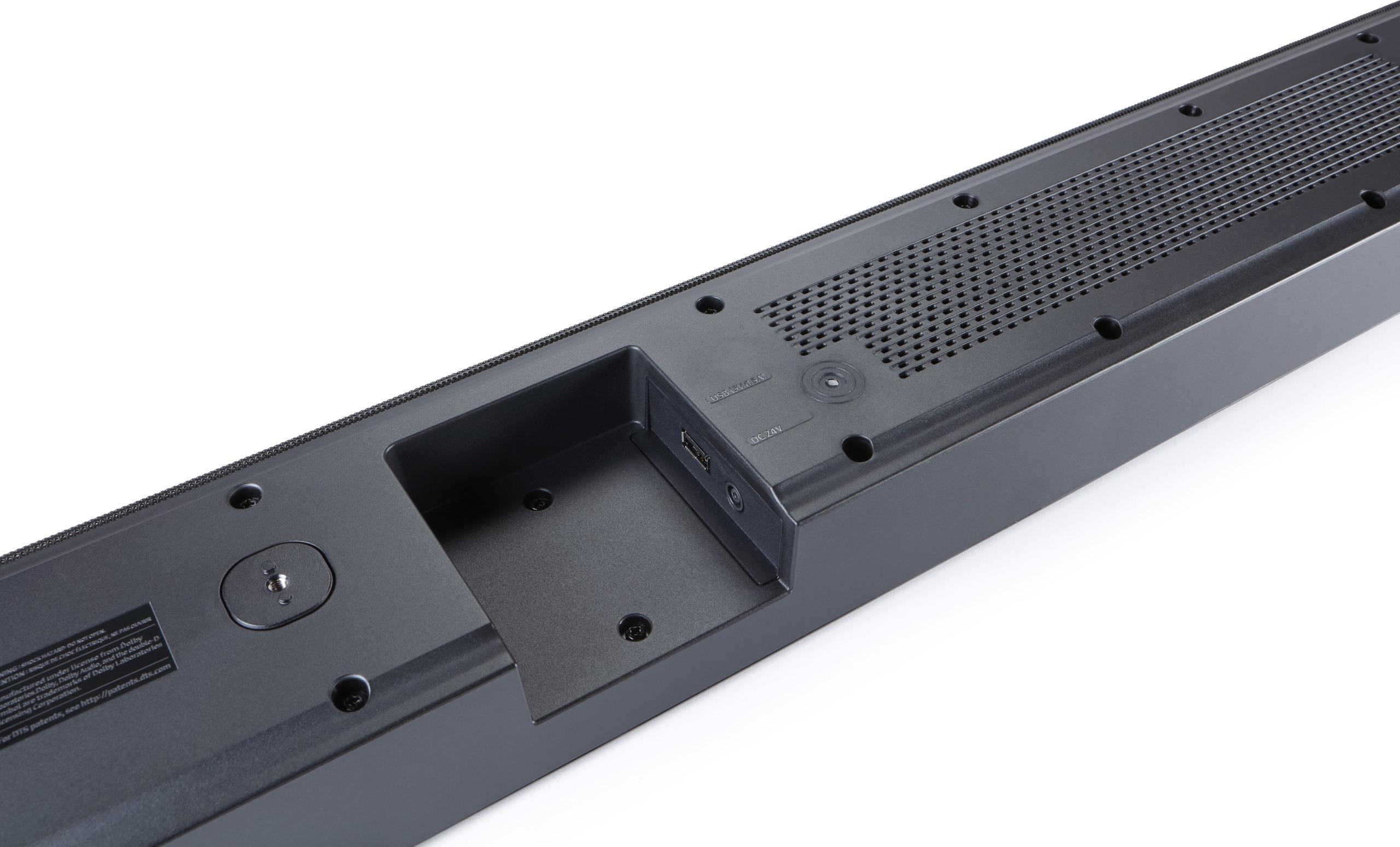
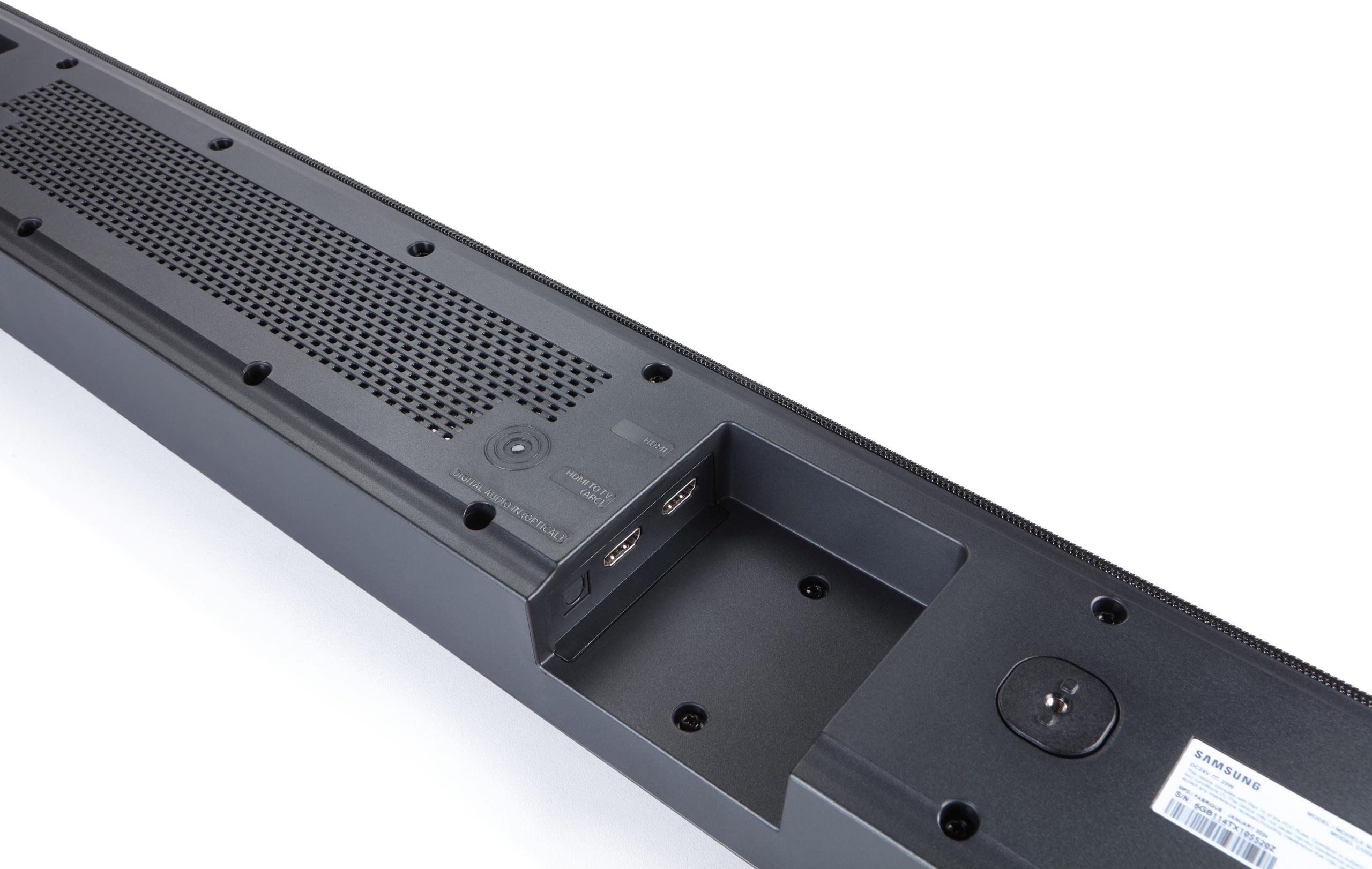
Here's where we see another significant divide. The Samsung B-Series includes standard HDMI ARC, which handles most current audio formats adequately. It also supports Bluetooth multi-connection, allowing you to pair two devices simultaneously—useful for households where multiple people want to share music control.
The KEF XIO includes HDMI 2.1 with eARC (enhanced Audio Return Channel), which supports higher-bandwidth audio formats and is better future-proofed for next-generation gaming consoles and streaming devices. It also includes Wi-Fi 6, AirPlay 2, and Chromecast built-in, providing more sophisticated streaming options.
After living with both types of systems, I can say definitively that the Samsung B-Series represents excellent value for most TV watching scenarios. If your primary goal is making dialogue clearer and adding some bass impact to movies and shows, it accomplishes this admirably without breaking the bank. The wireless subwoofer provides flexibility for room placement, and the smart features integrate seamlessly with modern TVs.
However, if you're looking to replace a traditional stereo system or want audiophile-quality sound for both music and movies, the KEF XIO justifies its premium price. The engineering innovations—from the Uni-Q drivers to the integrated bass management—create a listening experience that genuinely competes with much more expensive separates systems.
Consider your listening habits honestly. Do you primarily watch TV and occasionally stream music in the background? The Samsung will serve you well and leave money in your budget for other upgrades. Do you spend serious time listening to music, host movie nights where audio quality matters, or live in a space where a separate subwoofer isn't practical? The KEF's premium pricing starts to make sense.
The ten-fold price difference between these systems reflects genuinely different categories of audio equipment. The Samsung B-Series enhances your TV experience; the KEF XIO transforms your entire approach to home audio. Both achieve their intended purposes excellently, but understanding which purpose aligns with your needs—and budget—will guide you to the right choice.
| KEF XIO Soundbar | Samsung B-Series 5.1 Channel Soundbar with Subwoofer |
|---|---|
| Price - The fundamental budget consideration | |
| $2,499 | $228 |
| Channel Configuration - Determines surround sound capability | |
| True 5.1.2 with dedicated height channels | 5.1 with virtualized height effects |
| Driver Technology - Core audio quality differentiator | |
| 12 drivers including 6x Uni-Q MX concentric arrays | 6 conventional drivers plus separate subwoofer |
| Bass System - Impact on room placement and sound quality | |
| Integrated 4x P185 racetrack woofers with VECO distortion control | Wireless 6.5" subwoofer with Bass Boost mode |
| Total Power Output - Headroom for dynamic content | |
| 820W across 12 discrete Class D amplifiers | 70W total (25W main + 45W subwoofer) |
| Spatial Audio Support - 3D movie experience capability | |
| Native Dolby Atmos, DTS:X, Sony 360RA with upward-firing drivers | DTS Virtual:X simulation (no Dolby Atmos) |
| Frequency Response - How deep the bass extends | |
| 34Hz - 20kHz (subwoofer-level bass without separate unit) | Not specified (relies on separate subwoofer for low end) |
| HDMI Connectivity - Future-proofing for next-gen devices | |
| HDMI 2.1 eARC (supports highest quality audio formats) | HDMI ARC (basic TV connection only) |
| Wireless Streaming - Music playback options | |
| Wi-Fi 6, AirPlay 2, Chromecast, high-res up to 24-bit/384kHz | Bluetooth 4.2 multi-connection |
| Room Calibration - Automatic sound optimization | |
| Intelligent Placement Technology with microphone-based analysis | None (manual adjustment only) |
| Smart TV Integration - Seamless setup experience | |
| Universal compatibility via HDMI eARC | Q-Symphony with Samsung TVs, standard with others |
| Physical Footprint - Space requirements | |
| Single 47.6" bar (no separate subwoofer needed) | 40.6" bar plus separate wireless subwoofer placement |
| Build Quality - Long-term durability and aesthetics | |
| Aluminum chassis with splash-proof fabric | Plastic construction with fabric front |
The KEF XIO Soundbar at $2,499 is a premium audiophile system with integrated bass and true Dolby Atmos, while the Samsung B-Series 5.1 at $228 is a budget-friendly TV enhancement system with a separate wireless subwoofer. The KEF focuses on high-fidelity music and movie playback, whereas the Samsung prioritizes TV dialogue clarity and basic surround sound.
The KEF XIO is ideal for small spaces since it doesn't require a separate subwoofer, eliminating placement concerns. Its integrated bass system delivers deep, clean low frequencies down to 34Hz without needing additional floor space. The Samsung B-Series requires room for both the main bar and wireless subwoofer, though the subwoofer can be placed flexibly around the room.
The KEF XIO offers true Dolby Atmos with dedicated upward-firing drivers that bounce sound off your ceiling for genuine overhead effects. The Samsung B-Series uses DTS Virtual:X to simulate height effects without physical upward-firing speakers. If you watch a lot of movies and want authentic 3D audio, the KEF provides a significantly more immersive experience.
The KEF XIO Soundbar excels at music reproduction with its Uni-Q driver technology, high-resolution streaming support up to 24-bit/384kHz, and audiophile-grade processing. The Samsung B-Series handles music adequately with Bluetooth streaming and basic sound modes, but it's primarily designed for TV audio enhancement rather than critical music listening.
The KEF XIO delivers 820 watts across 12 discrete Class D amplifiers, providing exceptional headroom for dynamic movie soundtracks. The Samsung B-Series offers 70 watts total (25W main unit + 45W subwoofer), which is sufficient for most TV viewing but limited during intense action scenes or high-volume listening.
Both soundbars connect via HDMI for seamless TV integration. The Samsung B-Series offers Q-Symphony technology that works specifically with Samsung TVs to coordinate both TV and soundbar speakers simultaneously. The KEF XIO uses HDMI 2.1 eARC for universal compatibility and supports the latest audio formats from any TV brand or streaming device.
The KEF XIO includes a subwoofer output for adding an external subwoofer if desired, though its integrated bass system typically makes this unnecessary. The Samsung B-Series already includes a wireless subwoofer in the package, and you cannot add additional subwoofers to expand the system further.
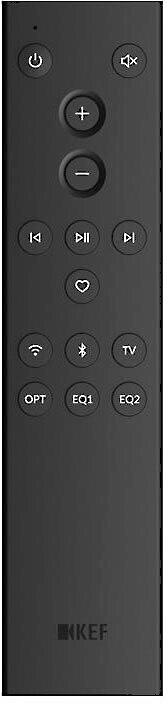
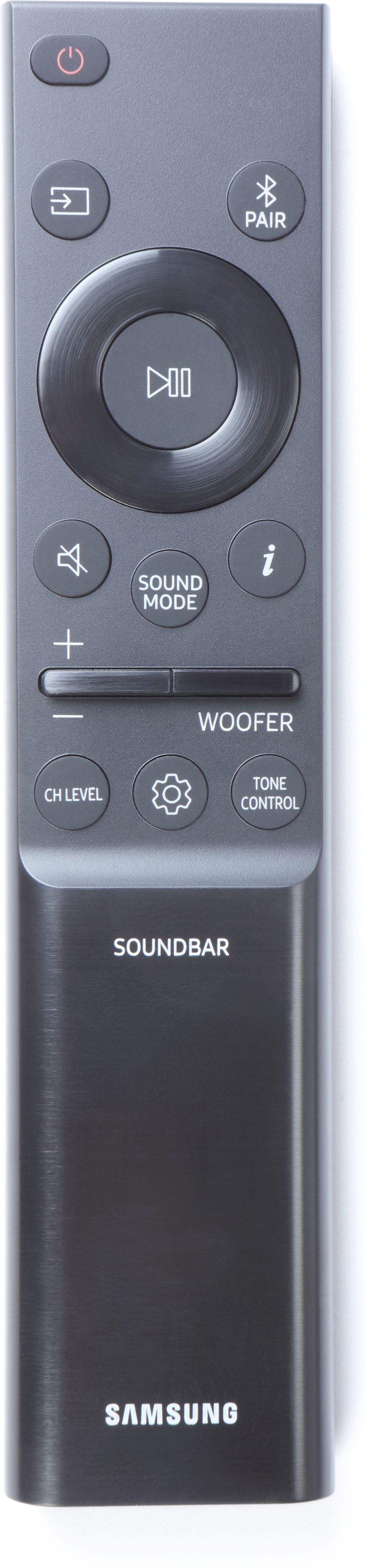
The Samsung B-Series offers simpler setup with automatic TV recognition, straightforward remote control, and user-friendly features like Night Mode and Voice Enhance. The KEF XIO Soundbar includes advanced room calibration and extensive app-based controls, requiring more initial setup but offering superior long-term performance optimization.
The Samsung B-Series includes a dedicated Game Mode that optimizes directional audio for competitive gaming. The KEF XIO doesn't have a specific gaming mode but provides superior spatial accuracy and low latency through HDMI 2.1 eARC, making it excellent for immersive single-player gaming experiences.
The Samsung B-Series at $228 provides exceptional value for basic TV audio improvement and casual movie watching. The KEF XIO at $2,499 offers premium value for audiophiles seeking to replace traditional hi-fi systems, with performance that competes with much more expensive separate components.
The KEF XIO features an aluminum chassis with splash-proof fabric and force-canceling woofer design to minimize vibrations. The Samsung B-Series uses plastic construction with fabric covering, which is perfectly adequate for its price point but not as premium in materials or manufacturing precision.
Choose the KEF XIO Soundbar if you want audiophile-quality sound, true Dolby Atmos, and plan to use it as your primary audio system for both movies and music. Select the Samsung B-Series if you primarily want to improve TV dialogue clarity and add bass impact to movies while staying within a modest budget.
We've done our best to create useful and informative comparisons to help you decide what product to buy. Our research uses advanced automated methods to create this comparison and perfection is not possible - please contact us for corrections or questions. These are the sites we've researched in the creation of this article: blog.son-video.com - residentialsystems.com - whathifi.com - audioadvice.com - crutchfield.com - homecrux.com - techradar.com - youtube.com - us.kef.com - gramophone.com - cepro.com - audioxpress.com - musicdirect.com - gramophone.com - us.kef.com - crutchfield.com - hifipig.com - bestbuy.com - listenup.com - bestbuy.com - bestbuy.com - listenup.com - bestbuy.com - abt.com - avsforum.com - crutchfield.com - camelcamelcamel.com - samsung.com - samsung.com - samsung.com - images.samsung.com - samsung.com - avblinq.avbportal.com - samsung.com - samsung.com

Privacy Policy
Terms and Conditions - Affiliate Policy
Home Security
© Copyright 2008-2026.
11816 Inwood Rd #1211, Dallas, TX 75244