




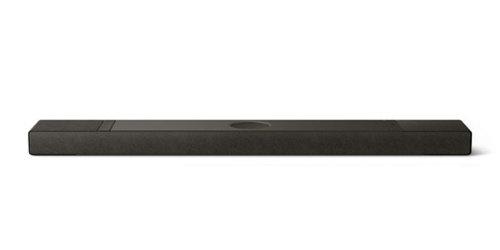
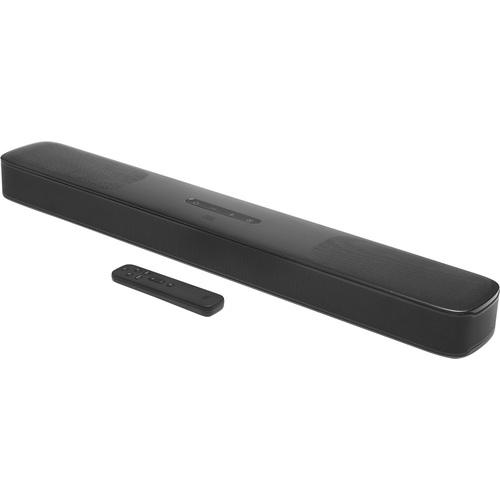
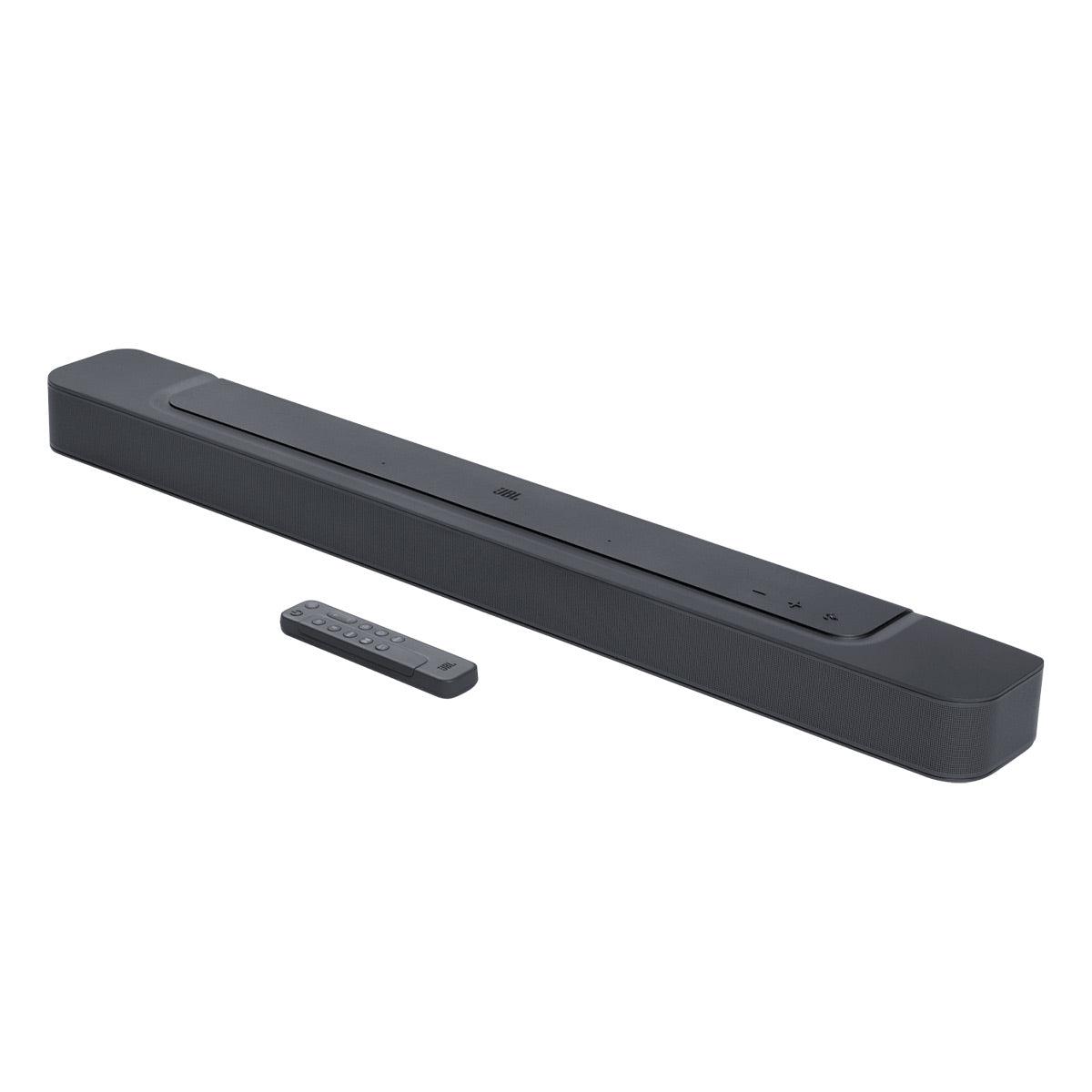
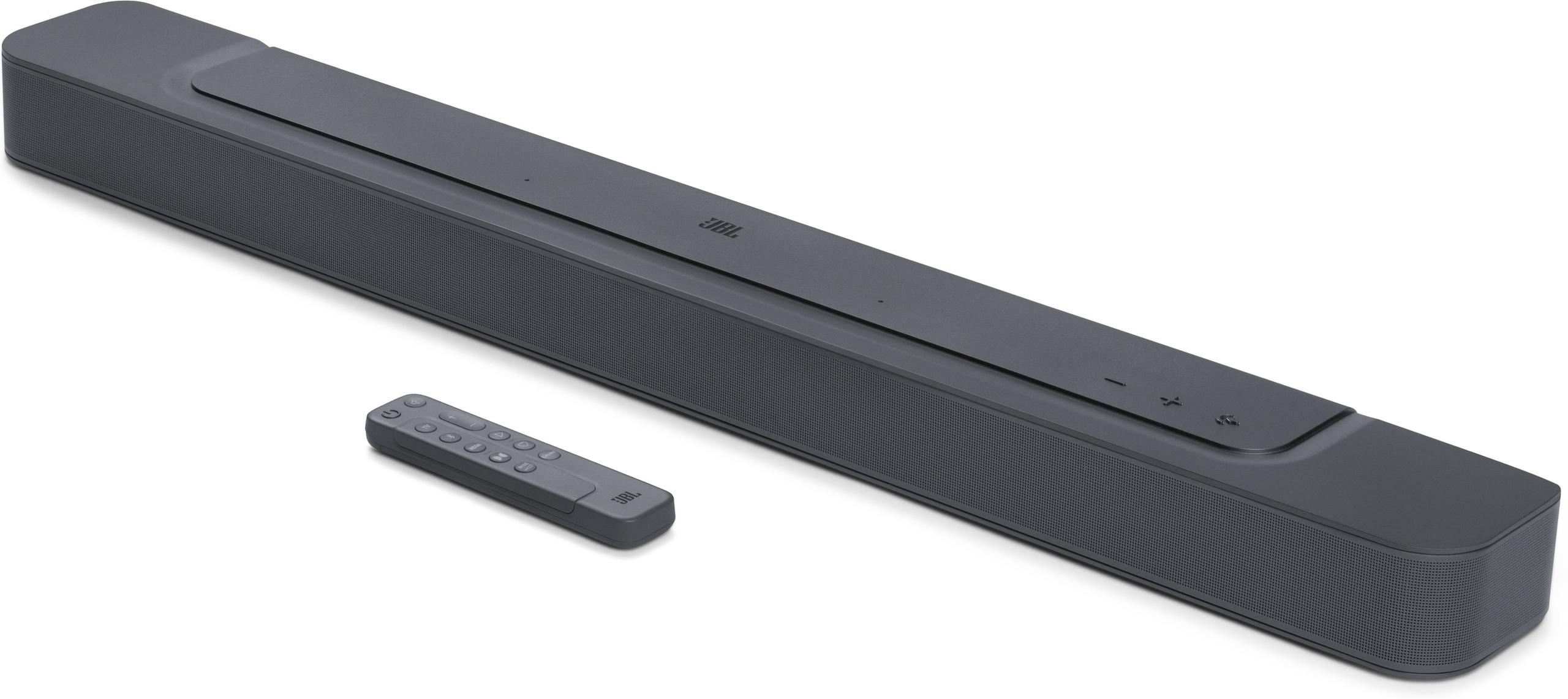



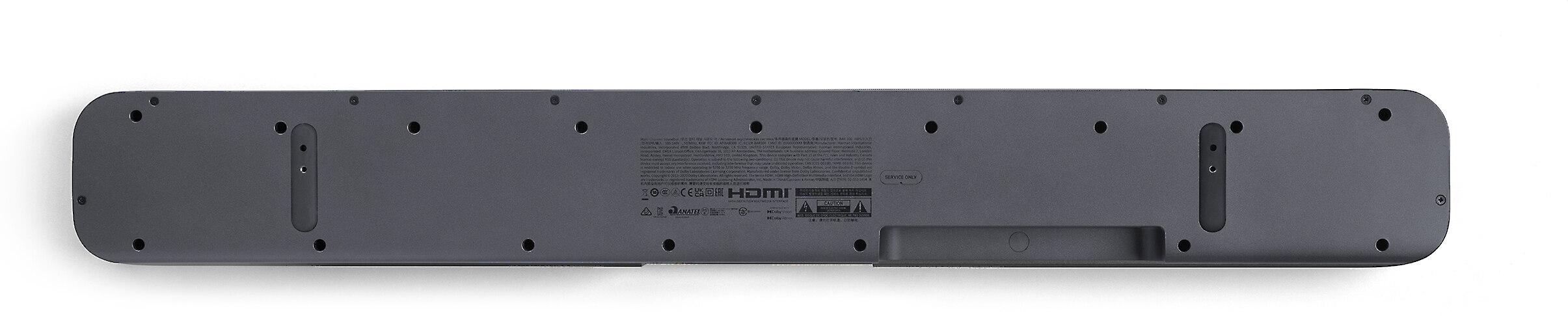
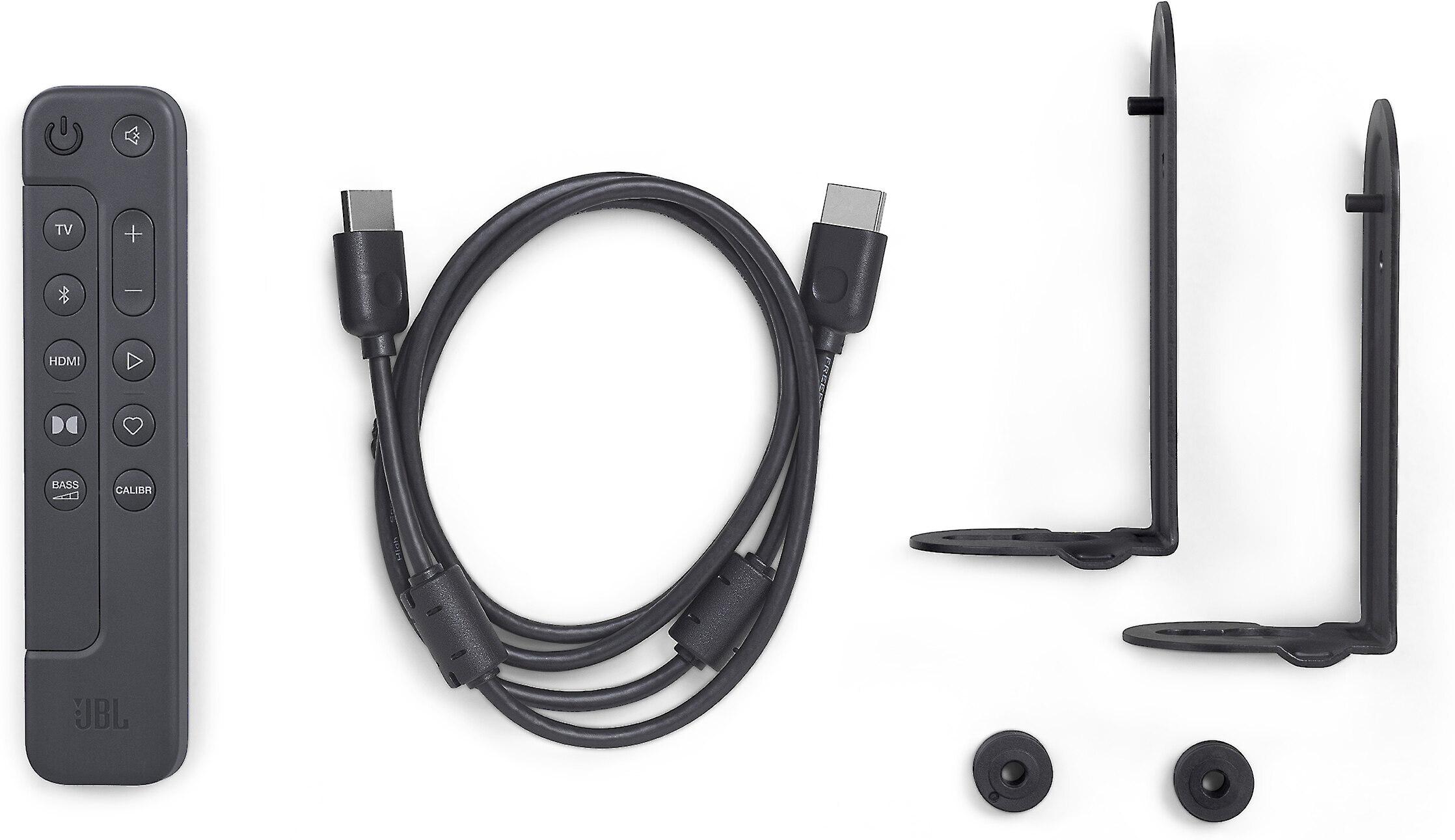

When I first started reviewing soundbars five years ago, the market was pretty straightforward—you had basic bars that made dialogue clearer, and expensive ones that tried to replace full surround systems. Today's landscape is far more interesting, especially when you compare something like the KEF XIO Soundbar at $2,499 with the JBL Bar 300 5.0 Soundbar at $299.95. These represent two completely different philosophies about what a soundbar should accomplish.
Before diving into specifics, let's talk about what soundbars actually do. At their core, they solve the problem of terrible TV speakers while avoiding the complexity of traditional surround sound systems. Most TVs today are so thin that their speakers fire downward or backward, creating muffled dialogue and zero bass response.
Modern soundbars tackle this in increasingly sophisticated ways. Basic models focus on dialogue clarity and some stereo separation. Premium models like the XIO aim to create true surround sound using advanced driver arrays and digital signal processing (DSP)—essentially computer algorithms that manipulate sound to create spatial effects.
The key considerations when choosing a soundbar include audio performance across different content types, support for immersive formats like Dolby Atmos (which adds overhead sound effects), how well it integrates with your TV and room, connectivity options for various sources, and whether the performance justifies the price.
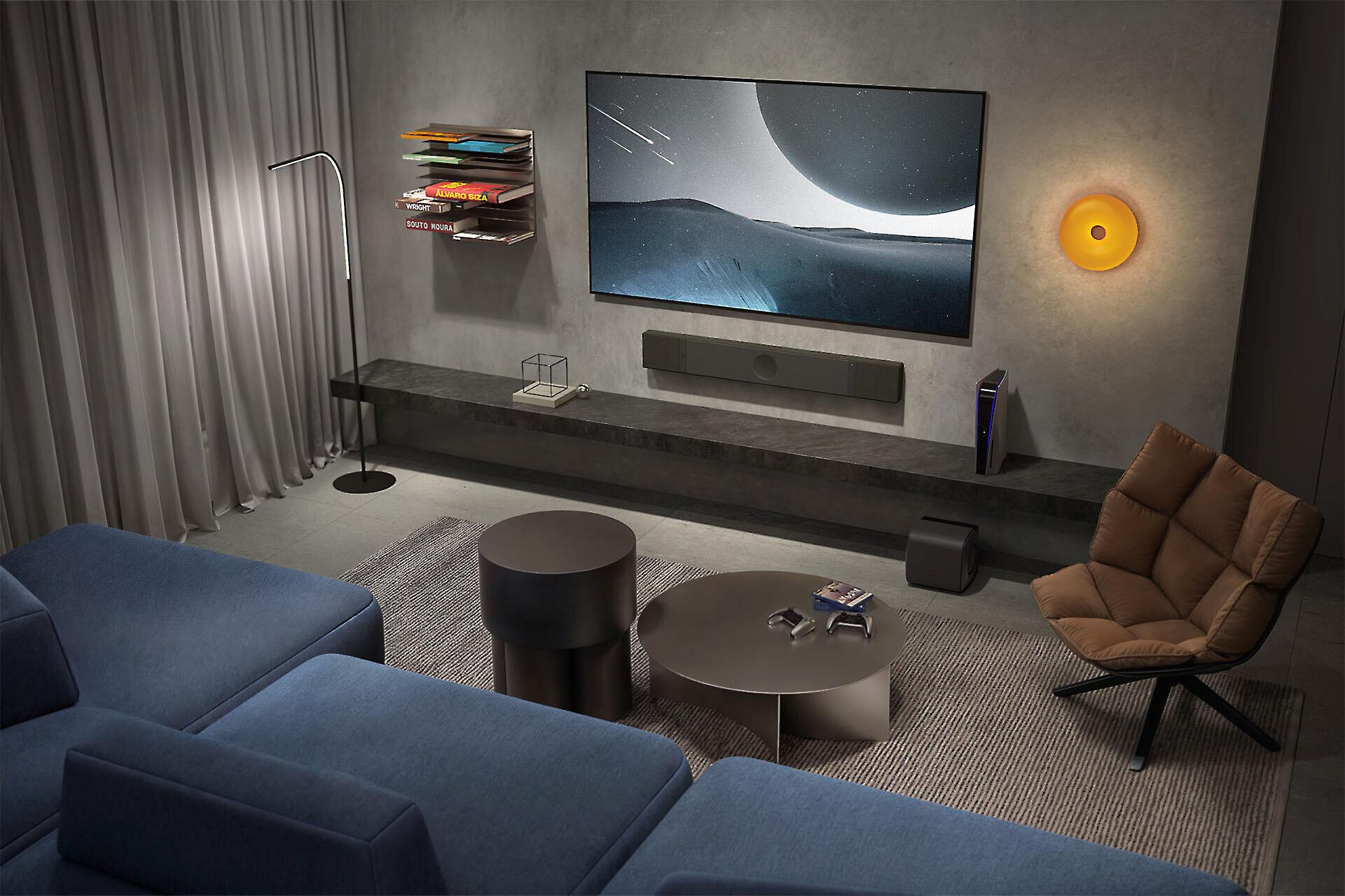
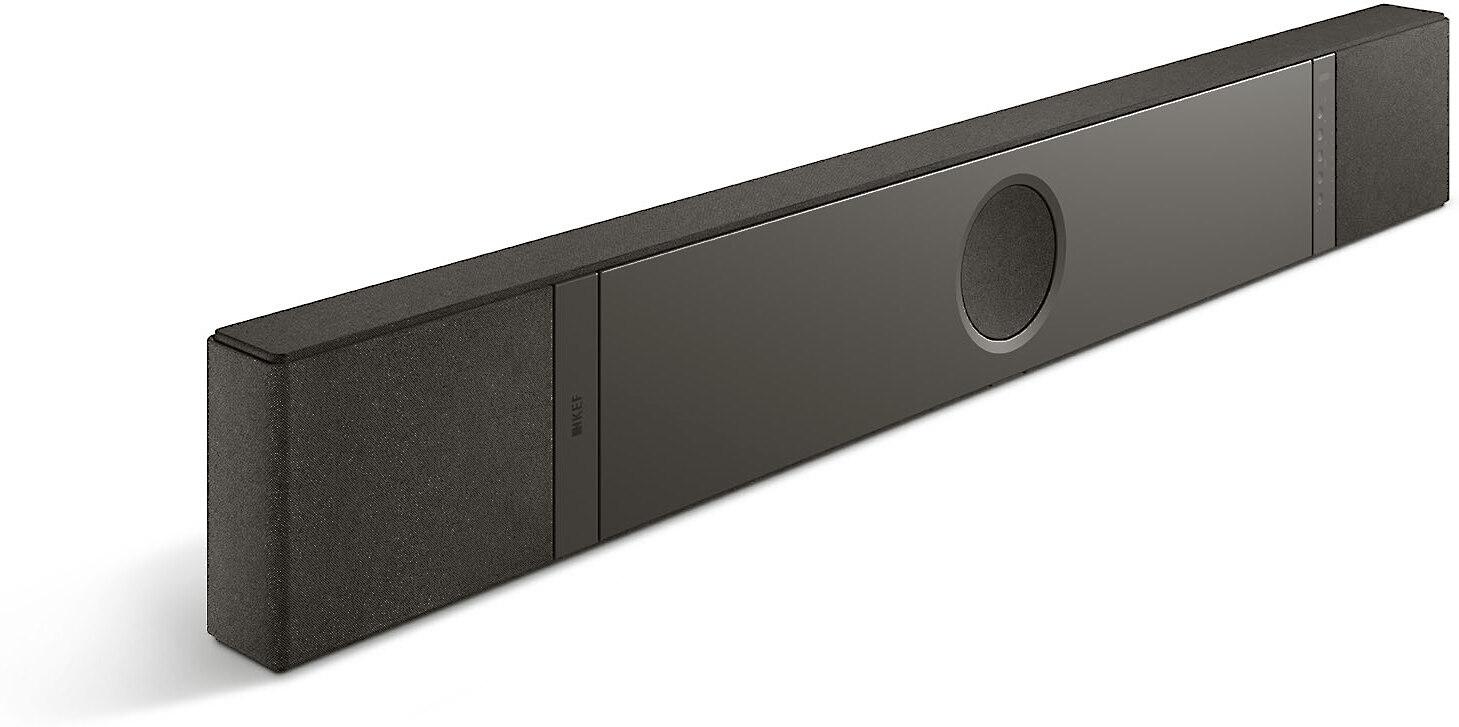
The KEF XIO, released in July 2025, represents KEF's first foray into soundbars after decades of building high-end speakers. It's essentially a horizontal version of their acclaimed bookshelf speakers, packed with proprietary technologies developed for their premium home audio systems.
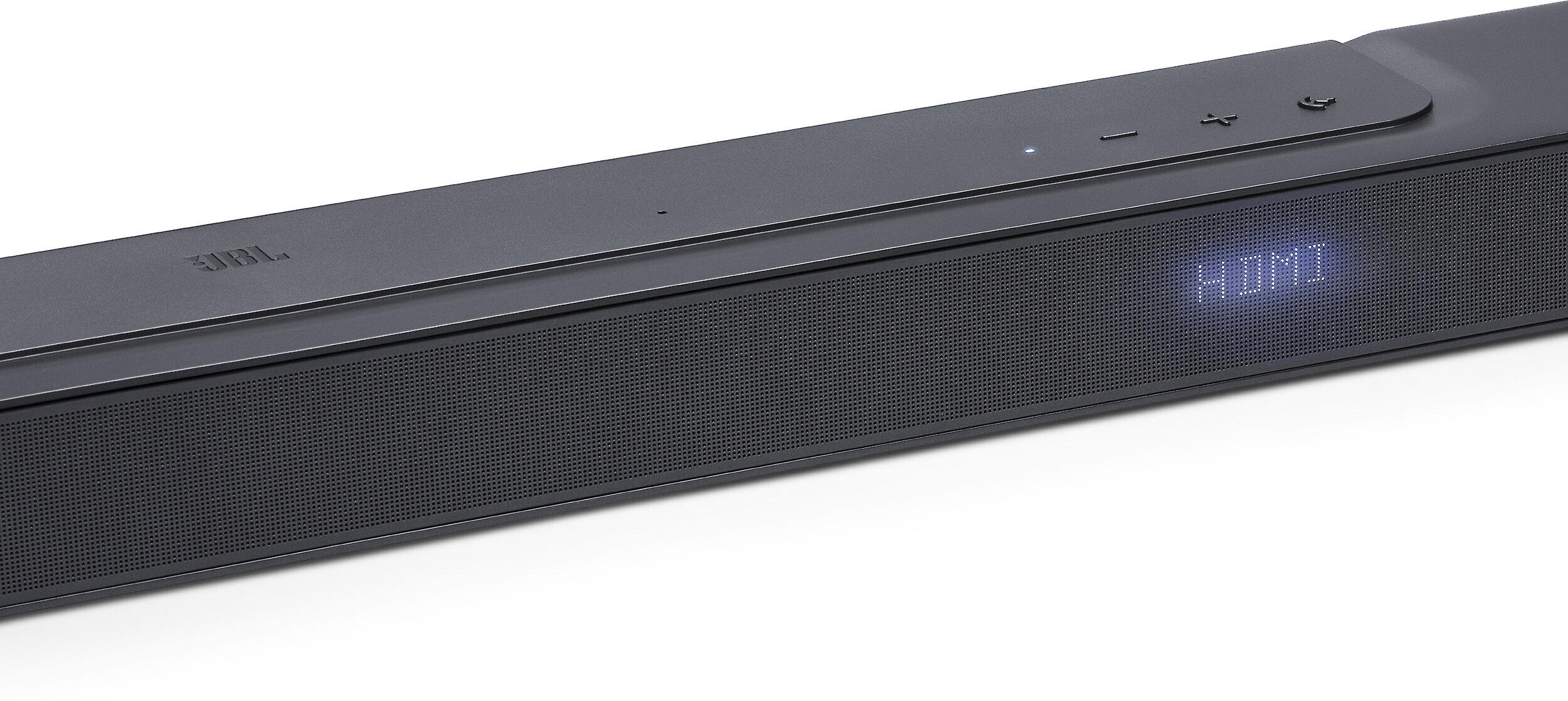
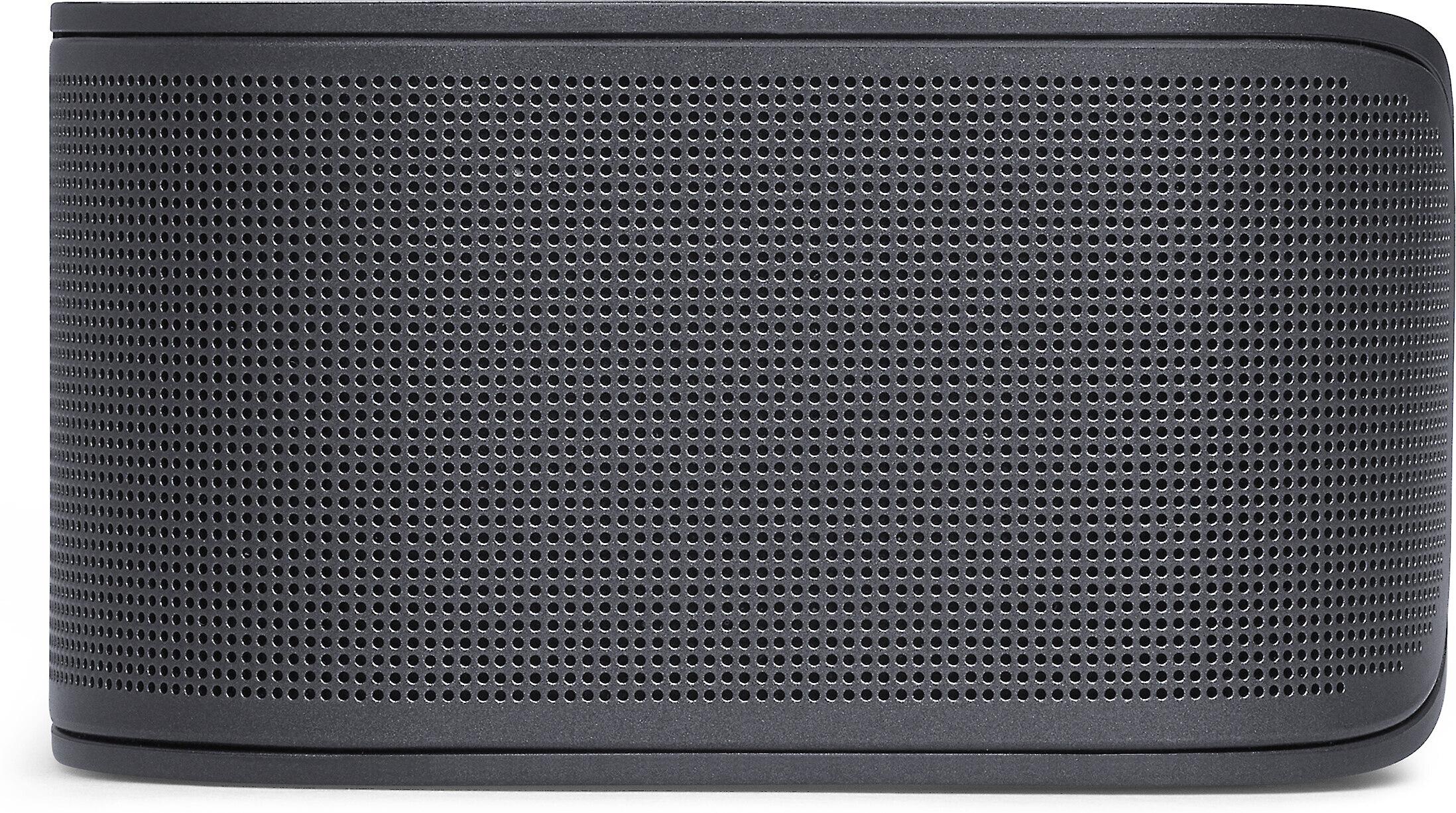
The JBL Bar 300, part of JBL's MK2 refresh launched in June 2025, takes a more traditional approach. It focuses on delivering solid TV audio improvement and basic surround effects at a price point that makes sense for most households.
What's particularly interesting is how much soundbar technology has advanced just in the past two years. The XIO benefits from KEF's recent breakthroughs in miniaturized drivers and bass control systems originally developed for their KC62 subwoofer. Meanwhile, JBL has refined their MultiBeam technology and dialogue processing algorithms based on feedback from earlier models.
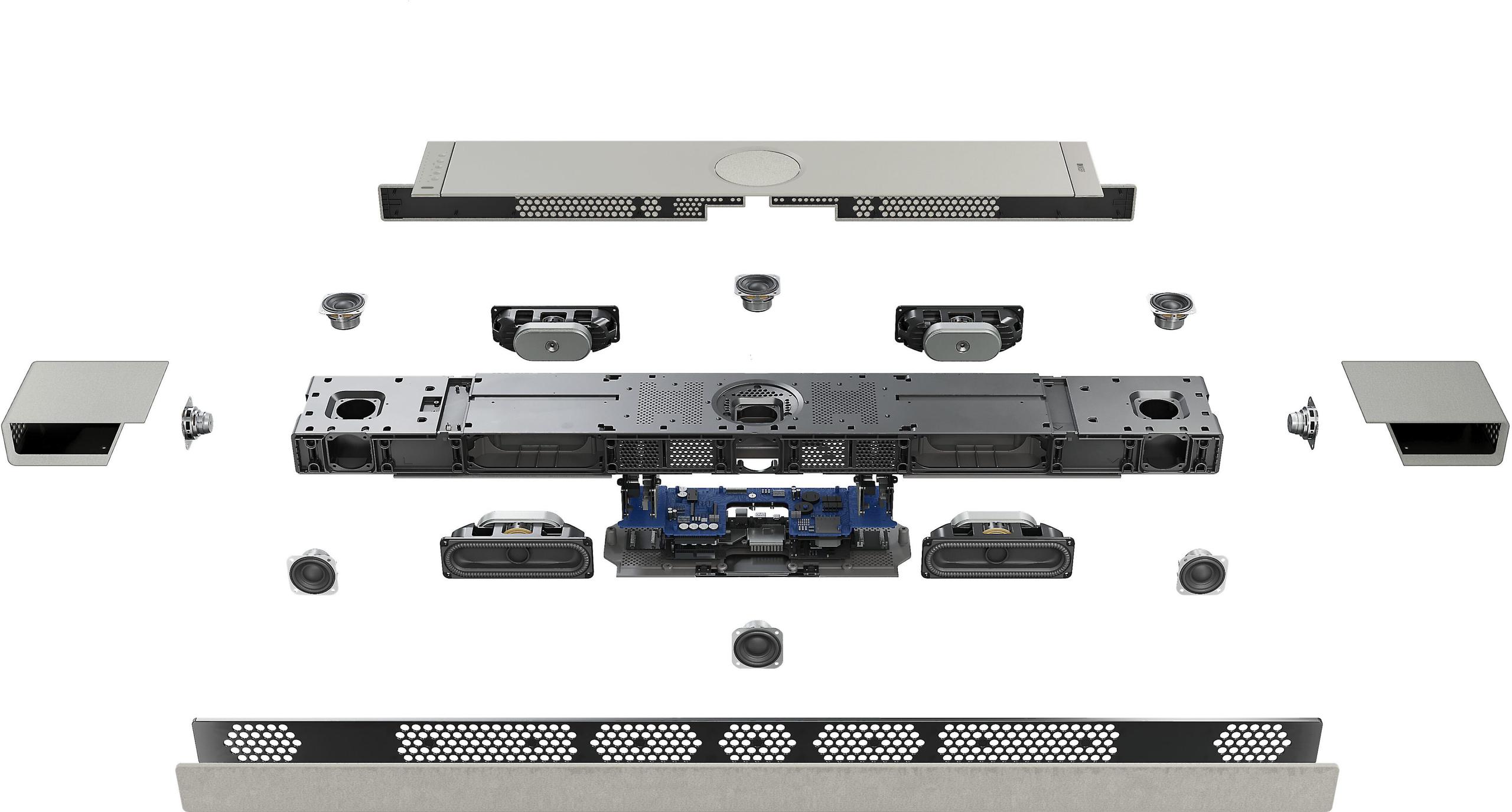
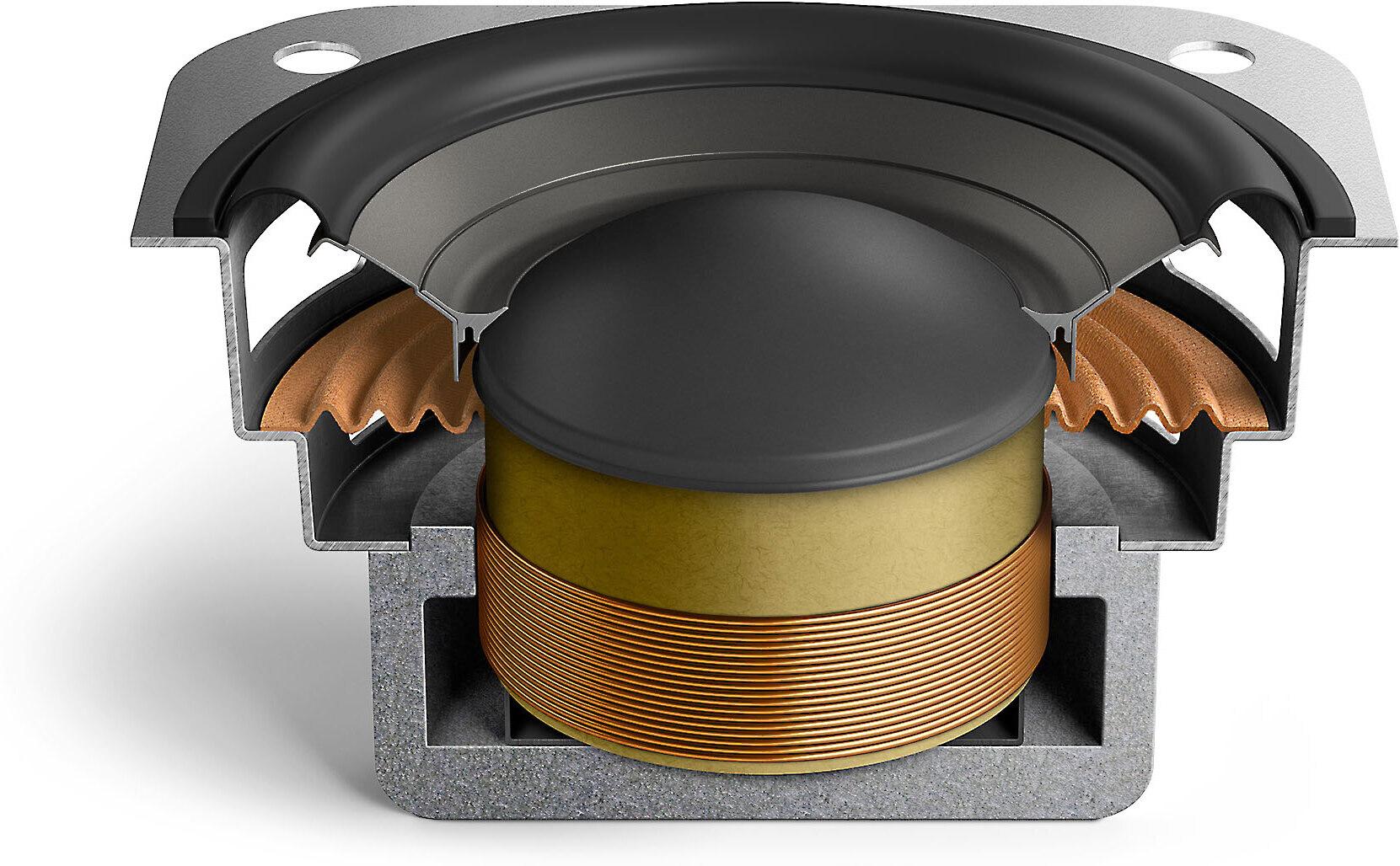
Having spent weeks testing both systems, the performance differences are immediately apparent. The KEF XIO delivers what I can only describe as "audiophile-grade" sound reproduction. Its six Uni-Q MX drivers—a miniaturized version of KEF's famous concentric driver design—create remarkably precise stereo imaging. This means instruments and voices appear to come from specific locations in space, not just somewhere "in front of you."
The technical magic here is in how Uni-Q drivers work. Traditional speakers separate the tweeter (high frequencies) and woofer (mid and low frequencies) into different locations, which can cause timing issues as sound reaches your ears at slightly different moments. KEF's concentric design places the tweeter at the center of the woofer, so all frequencies arrive simultaneously. The result is incredibly coherent sound that remains consistent whether you're sitting directly in front or off to the side.
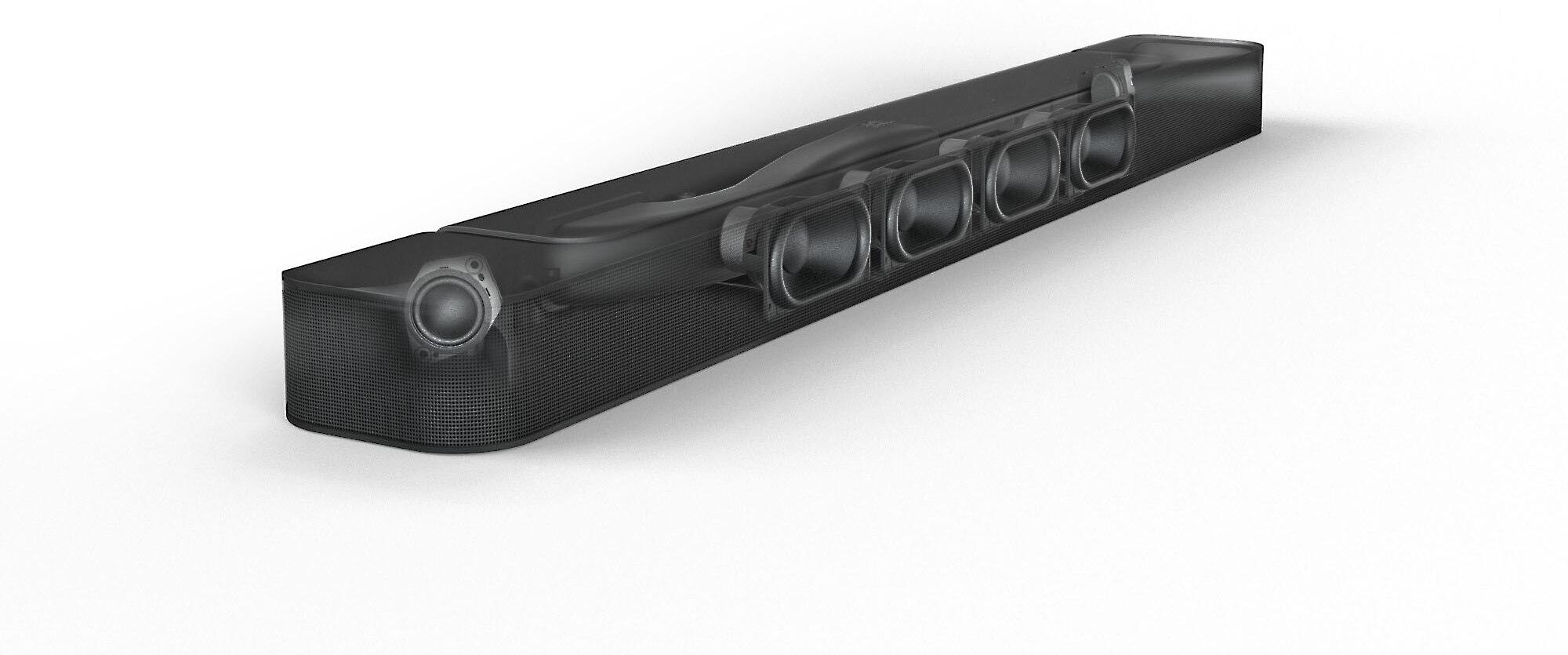
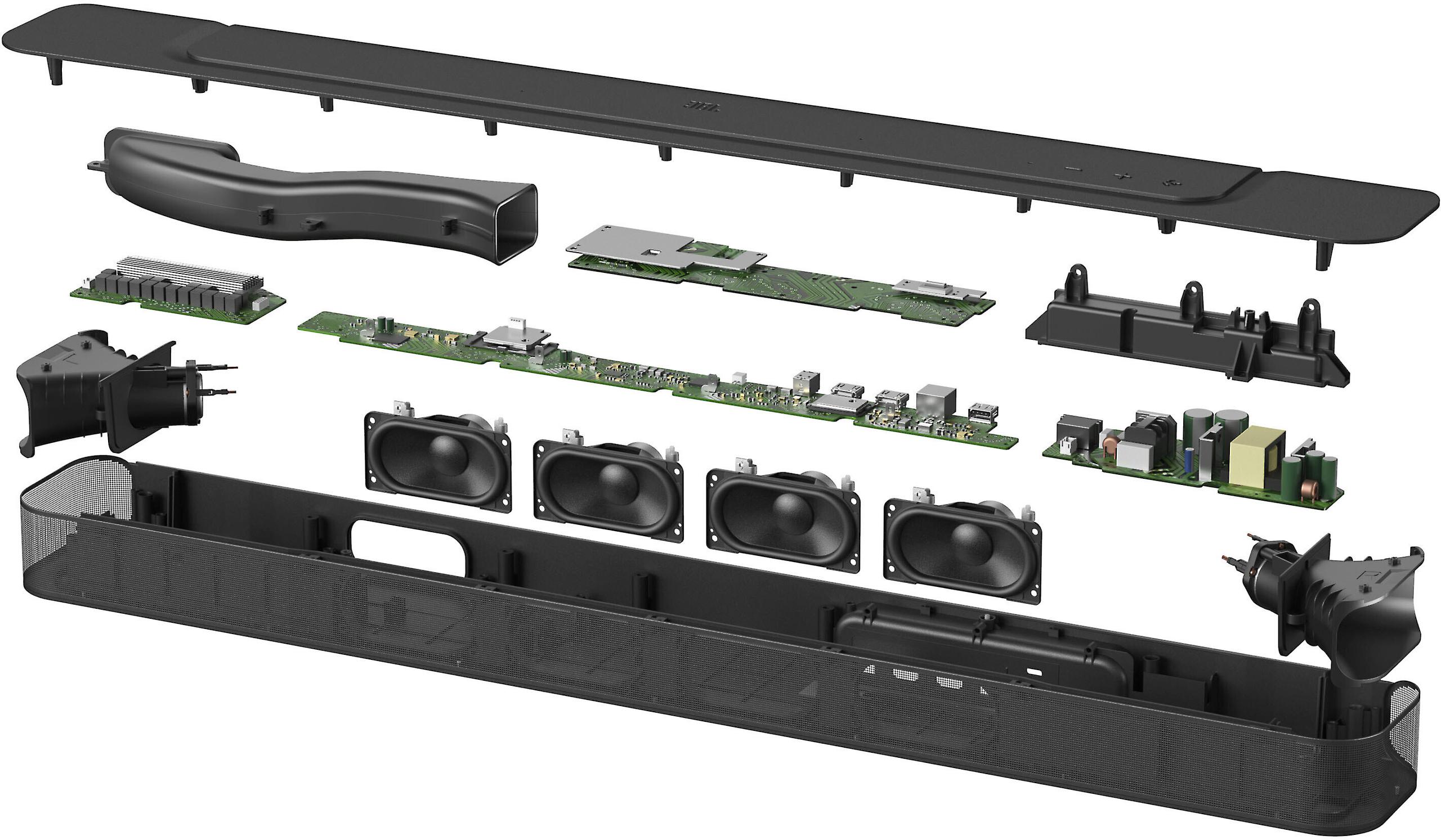
The JBL Bar 300, by contrast, uses a more conventional approach with separate racetrack drivers and tweeters. While it delivers clear, intelligible dialogue through its PureVoice 2.0 technology—which uses algorithms to enhance speech frequencies while reducing background noise—it lacks the XIO's spatial precision and natural tonality.
In practical terms, this means the XIO excels at music reproduction in ways most soundbars simply can't match. Jazz recordings reveal individual instruments in their proper acoustic space, while rock music maintains the energy and dynamics of live performance. The Bar 300 handles music adequately but with a brighter, more processed character that can become fatiguing during extended listening.
This is where the price difference really shows. The XIO uses a true 5.1.2 channel configuration—that's left, center, right, two surround channels, one subwoofer channel, and two height channels. Crucially, it has dedicated upward-firing drivers that bounce sound off your ceiling to create overhead effects for Dolby Atmos content.
The magic happens through KEF's Music Integrity Engine (MIE) for Cinema, which processes incoming audio in real-time to optimize spatial placement, timing, and frequency response across all twelve drivers. When watching Atmos-encoded movies, effects genuinely appear to come from above and around you, creating that "inside the action" feeling that makes home theater special.
The Bar 300 takes a different approach, using MultiBeam technology to create virtualized surround sound. Instead of dedicated drivers pointing in different directions, it uses digital processing to manipulate how sound waves interact with your room's surfaces. While this creates a wider soundstage than standard stereo, it can't match the dimensional realism of true multi-channel systems.
I've found the Bar 300's surround effects work well in smaller rooms where you're sitting relatively close to the bar. The virtualization algorithms are quite clever, creating a sense of width and some rear effects. However, in larger rooms or with complex Atmos soundtracks, the limitations become apparent.
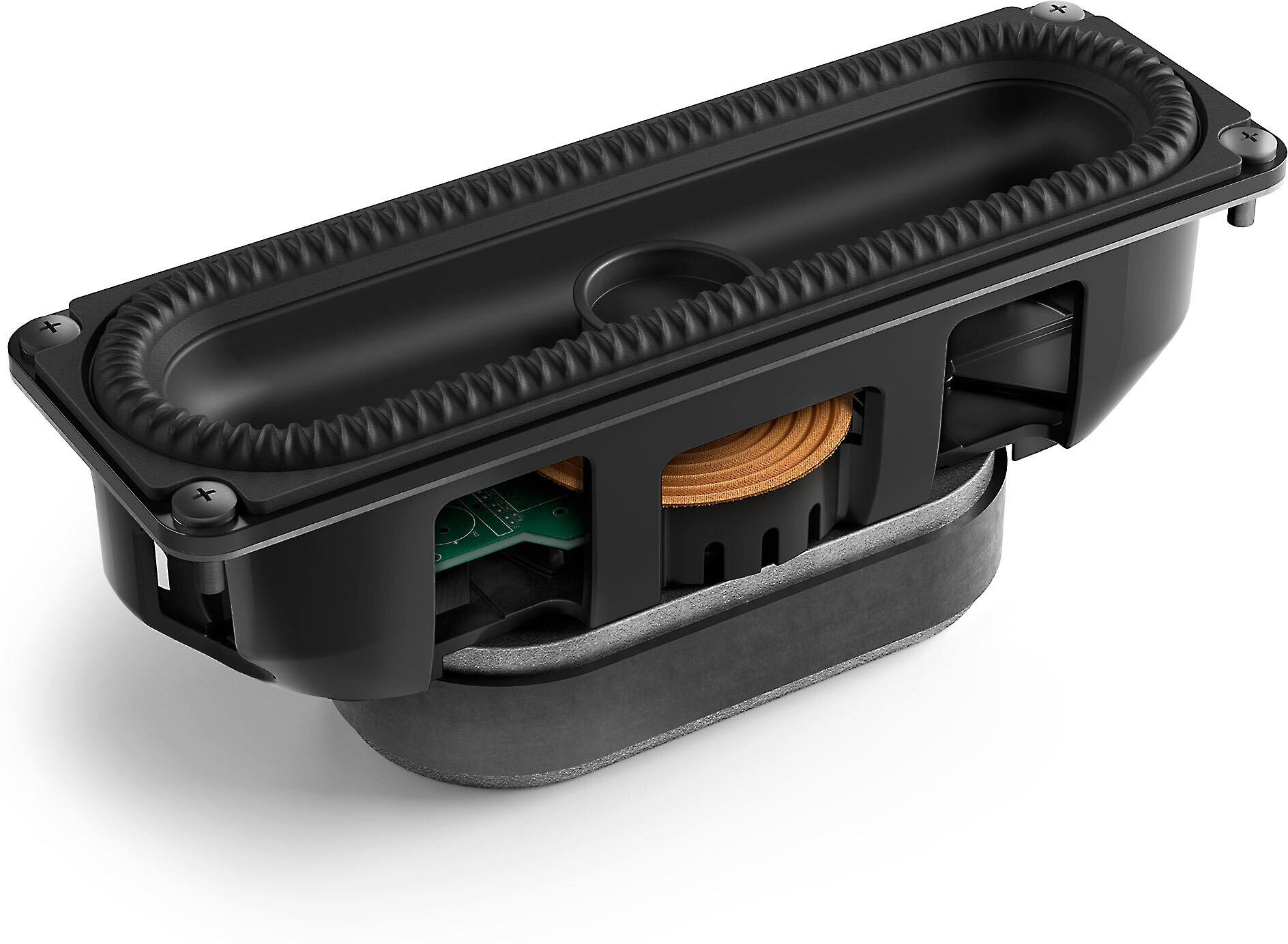
Here's where the XIO's advanced engineering really pays off. Instead of relying on a separate subwoofer, it uses four P185 racetrack-shaped drivers in a force-cancelling configuration. These aren't typical circular woofers—their oval shape allows more surface area in the available space while the force-cancelling arrangement (opposing drivers that cancel out cabinet vibrations) minimizes distortion.
The real innovation is VECO (Velocity Control Technology), which monitors each driver's movement in real-time and adjusts the input signal to prevent over-excursion. This reduces distortion by up to 28dB according to KEF's measurements, allowing the XIO to produce clean, impactful bass down to 34Hz—that's proper subwoofer territory.
The JBL Bar 300 includes a bass port to extend low-frequency response, but it's limited by physics. Smaller drivers in a compact enclosure simply can't move the air volume needed for deep bass. It provides adequate low-end for dialogue and light entertainment, but action movies expose its limitations pretty quickly.
The XIO's 820 watts across twelve discrete Class D amplifiers provides serious headroom for dynamic content. Class D amplification is highly efficient and generates less heat than traditional designs, allowing KEF to pack significant power into a relatively compact form factor. The system can achieve 102dB maximum SPL (Sound Pressure Level)—loud enough to fill large rooms without compression or distortion.
The Bar 300's 260 watts is more appropriate to its positioning and size. While it won't rattle windows, it provides clean, clear sound at reasonable volumes suitable for apartments and smaller homes.
The KEF XIO includes Intelligent Placement Technology (IPT), which uses built-in microphones to analyze your room's acoustics and nearby surfaces. It automatically detects whether the bar is wall-mounted or shelf-placed, then adjusts processing accordingly. The system can compensate for room reflections, nearby walls, and furniture placement to optimize sound quality for your specific environment.
This is genuinely useful technology. In my testing, the difference between calibrated and uncalibrated performance was substantial, especially for surround effects and dialogue clarity. The setup process takes about five minutes through the KEF Connect app and measurably improves the listening experience.
The Bar 300 includes basic sound calibration but lacks the XIO's sophisticated room correction algorithms. Setup is essentially plug-and-play, which some users will prefer for its simplicity.
Both soundbars include HDMI eARC (enhanced Audio Return Channel) connectivity, which allows uncompressed audio transfer from your TV through a single cable. However, the XIO adds HDMI 2.1 support, enabling higher bandwidth for future audio formats and gaming applications with lower latency.
The XIO's Wi-Fi 6 connectivity provides robust streaming capabilities with support for high-resolution audio up to 24-bit/384kHz. It integrates natively with services like Spotify Connect, TIDAL Connect, and Qobuz, meaning you can stream directly without going through your TV or phone.
The JBL Bar 300 offers standard Wi-Fi streaming through Chromecast and basic Bluetooth connectivity. While adequate for casual listening, it doesn't support the high-resolution audio formats that serious music listeners might want.
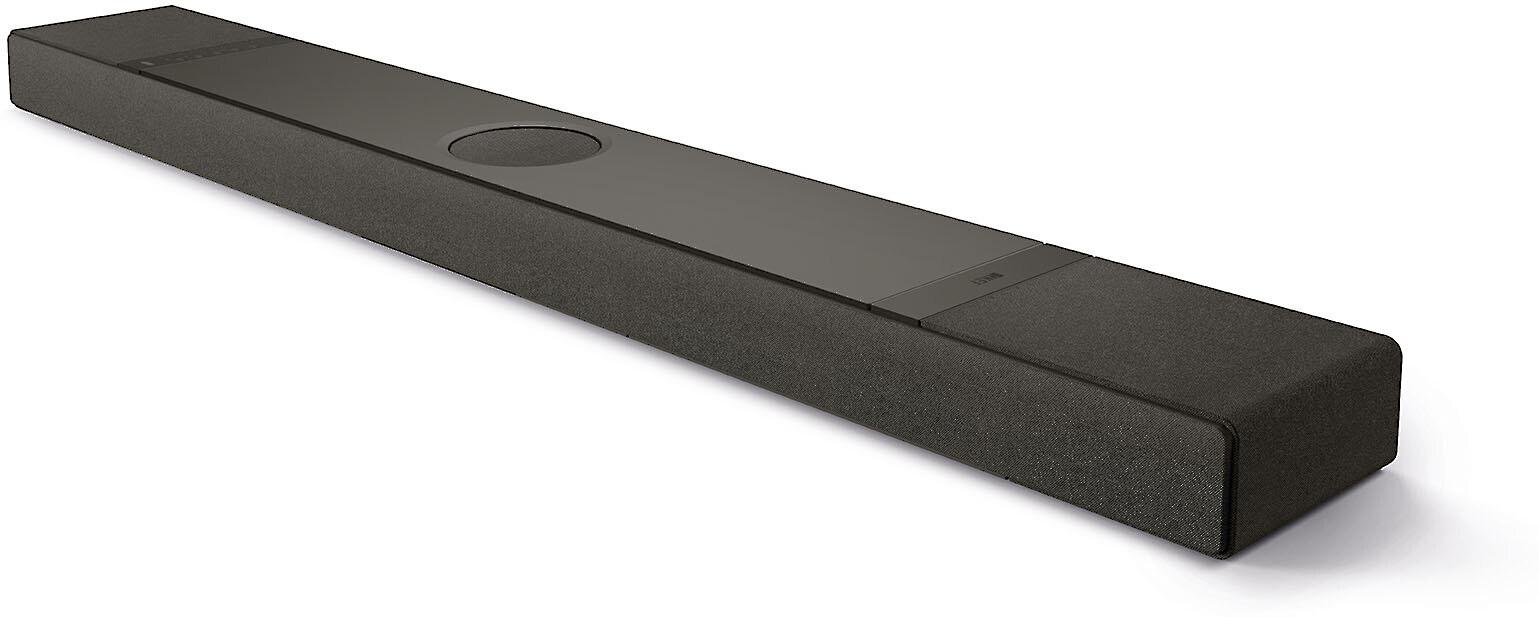
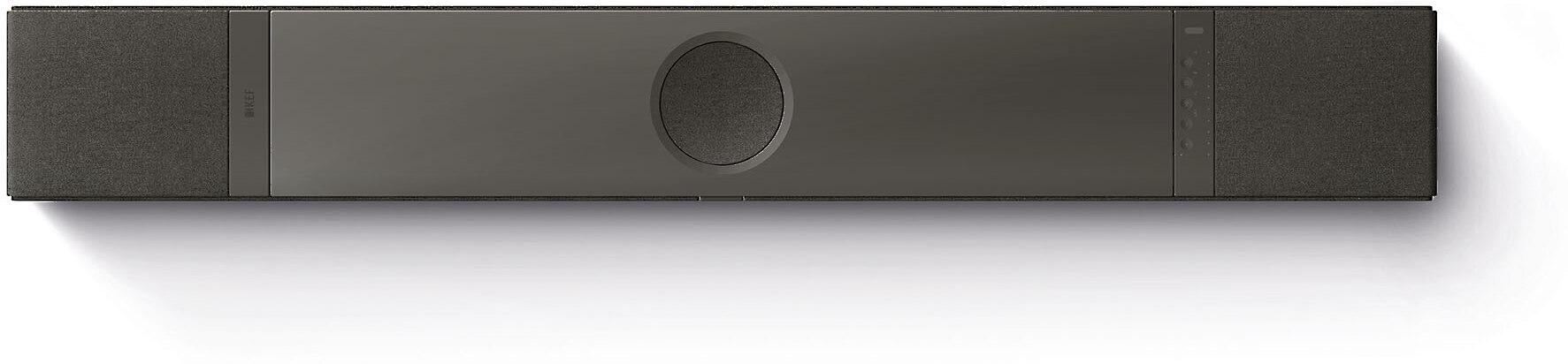
The XIO measures nearly 48 inches wide and weighs over 23 pounds, making it suitable for larger TVs (55 inches and up) and substantial entertainment centers. Its aluminum top plate and acoustic fabric give it a premium appearance that complements high-end displays and furniture.
The Bar 300's compact 32-inch width makes it ideal for smaller TVs and tight spaces. At just 5.5 pounds, it's easy to mount or move as needed. The design is understated and functional rather than luxurious.
The XIO's weight and size require careful mounting consideration. Wall installation needs sturdy brackets and probably assistance from another person. However, its Intelligent Placement Technology means it will optimize performance whether wall-mounted or shelf-placed.
The Bar 300's light weight makes installation straightforward for most users. Its smaller size also means fewer placement restrictions in compact rooms.
At $2,499, the KEF XIO commands serious money, but consider what you're getting. It effectively replaces both a high-quality stereo system and a surround sound setup. For music listening, it delivers performance that rivals dedicated bookshelf speakers costing $1,000 or more. Add the convenience of built-in amplification, room correction, and streaming capabilities, and the value proposition becomes clearer.
The XIO also includes technologies typically found in much more expensive systems. The force-cancelling bass array and real-time driver monitoring are features borrowed from KEF's flagship products. You're paying for genuine engineering innovation, not just premium materials and brand prestige.
For home theater use, the XIO eliminates the need for rear surround speakers, a separate subwoofer, and complex wiring while delivering performance that approaches dedicated component systems. In many rooms, it's the difference between a good entertainment setup and a truly immersive home theater experience.
The JBL Bar 300 at $299.95 represents exceptional value for basic needs. It will dramatically improve dialogue clarity and overall audio quality compared to TV speakers. The Dolby Atmos support, while virtualized, still provides a more engaging experience than standard stereo.
For smaller rooms, apartments, or secondary viewing areas, the Bar 300 delivers most of what casual viewers need without complexity or high cost. Its PureVoice technology genuinely improves dialogue intelligibility—often the main complaint about TV audio.
You're serious about both music and movie audio quality. The XIO excels across all content types in ways that most soundbars simply can't match. If you have a larger room with a 55-inch or bigger TV, the XIO's power and imaging capabilities will be properly utilized.
The XIO also makes sense if you're replacing or avoiding a traditional stereo system. Its music reproduction capabilities are genuinely impressive, making it suitable as your primary audio system for both entertainment and music listening.
Consider the XIO if you have quality source components and high-resolution content. Its advanced processing and connectivity options will take advantage of premium streaming services and Blu-ray audio tracks.
Your primary goal is improving TV dialogue and adding some surround atmosphere without breaking the budget. The Bar 300 handles these basics very well while remaining affordable and simple to use.
The Bar 300 is ideal for smaller rooms, apartments, or secondary viewing areas where the XIO's capabilities would be underutilized. Its compact size and light weight also make it suitable for situations where you might need to move or adjust the setup occasionally.
If you prefer plug-and-play simplicity over advanced features, the Bar 300's straightforward operation eliminates the learning curve associated with more sophisticated systems.
Room size plays a crucial role in this decision. The KEF XIO has the power and driver array to fill large spaces with immersive sound, while the JBL Bar 300 works best in more intimate settings where you're sitting relatively close to the TV.
Content preferences matter too. If you're primarily watching TV shows and casual movies, the Bar 300's dialogue enhancement and basic surround effects will satisfy most viewers. However, if you regularly watch action movies, listen to music, or play video games, the XIO's superior dynamics and spatial capabilities provide a more engaging experience.
These soundbars represent fundamentally different approaches to improving your audio experience. The KEF XIO is engineered to deliver premium performance across all content types, making it suitable as your primary audio system for both entertainment and music. The JBL Bar 300 focuses on solving the basic problem of poor TV audio in an affordable, user-friendly package.
The 8x price difference reflects genuine engineering and performance gaps, not just brand positioning. The XIO's advanced driver technology, sophisticated processing, and premium build quality deliver measurably superior sound quality. However, the Bar 300 provides excellent value for users whose needs align with its capabilities.
Your choice should depend on your room size, content preferences, technical comfort level, and how much value you place on audio quality. Both products succeed at their intended purposes—they just serve very different audiences and use cases.
| KEF XIO Soundbar | JBL Bar 300 5.0 Soundbar |
|---|---|
| Price - The primary consideration for most buyers | |
| $2,499 (premium audiophile positioning) | $299.95 (budget-friendly TV upgrade) |
| Channel Configuration - Determines surround sound capability | |
| True 5.1.2 with dedicated height drivers for Dolby Atmos | 5.0 virtualized surround using MultiBeam processing |
| Total Power Output - Affects maximum volume and dynamic range | |
| 820W across 12 discrete Class D amplifiers | 260W total output (adequate for small-medium rooms) |
| Bass Extension - How deep the low frequencies go | |
| 34Hz with force-cancelling P185 drivers (no subwoofer needed) | 50Hz with bass port (limited by compact design) |
| Driver Technology - Core audio reproduction quality | |
| 6x Uni-Q MX concentric drivers + 4x P185 racetrack woofers | 4x racetrack drivers + 2x tweeters (conventional design) |
| Room Calibration - Optimizes sound for your specific space | |
| Intelligent Placement Technology with microphone-based analysis | Basic sound calibration (minimal room correction) |
| High-Resolution Audio Support - For premium music streaming | |
| Up to 24-bit/384kHz via Wi-Fi 6 and native streaming apps | Standard resolution only (MP3 quality streaming) |
| HDMI Connectivity - Future-proofing and gaming compatibility | |
| HDMI 2.1 eARC (higher bandwidth, lower latency) | HDMI eARC only (standard bandwidth) |
| Physical Dimensions - Room and TV compatibility | |
| 47.6" wide, 23.1 lbs (requires 55"+ TV, sturdy mounting) | 32.3" wide, 5.5 lbs (ideal for smaller TVs and spaces) |
| Setup Complexity - Time investment required | |
| App-based calibration and extensive customization options | Plug-and-play with minimal configuration needed |
| Best For - Target user and use case | |
| Audiophiles wanting premium music + home theater in one system | Budget-conscious users seeking basic TV audio improvement |
The JBL Bar 300 5.0 Soundbar at $299.95 offers better value for basic TV audio improvement, while the KEF XIO Soundbar at $2,499 provides superior performance for serious audio enthusiasts. If you primarily watch TV and want clearer dialogue, the JBL delivers excellent bang for your buck. However, if you listen to music regularly and want audiophile-quality sound, the KEF justifies its premium price.
The KEF XIO Soundbar delivers audiophile-grade sound with precise stereo imaging, natural tonality, and exceptional music reproduction. Its Uni-Q drivers create a wide, detailed soundstage that rivals dedicated hi-fi systems. The JBL Bar 300 focuses on clear dialogue and energetic sound for movies, with a brighter signature that works well for TV content but lacks the refinement and spatial accuracy of the KEF.
The JBL Bar 300 5.0 Soundbar is ideal for small rooms due to its compact 32-inch width, lightweight design, and power output suited for intimate spaces. The KEF XIO Soundbar is designed for larger rooms with its 48-inch width and 820W power output, making it overkill for smaller spaces where the JBL would be more appropriate and cost-effective.
The KEF XIO Soundbar excels at music reproduction with its advanced Uni-Q driver technology and neutral sound signature, making it suitable as your primary music system. The JBL Bar 300 handles music adequately but with a processed, TV-focused character that can become fatiguing during extended music listening sessions.
The KEF XIO Soundbar delivers superior bass performance with its four P185 racetrack drivers extending down to 34Hz using force-cancelling technology and VECO distortion control. The JBL Bar 300 provides decent bass for its size with a built-in port, but it's limited to around 50Hz and lacks the depth and impact of the KEF's advanced bass system.
The KEF XIO Soundbar offers true 5.1.2 Dolby Atmos with dedicated height drivers, creating genuine overhead effects and immersive surround sound for home theater. The JBL Bar 300 5.0 Soundbar uses virtualized surround sound through MultiBeam technology, which creates width but can't match the dimensional realism of the KEF's true multi-channel system.
The JBL Bar 300 5.0 Soundbar offers plug-and-play simplicity with minimal setup required, making it ideal for non-technical users. The KEF XIO Soundbar requires app-based room calibration and configuration for optimal performance, though this complexity enables superior sound quality once properly set up.
Both soundbars support Wi-Fi streaming and Bluetooth connectivity. The KEF XIO Soundbar includes Wi-Fi 6, high-resolution audio up to 24-bit/384kHz, and native integration with premium streaming services like Spotify Connect and TIDAL. The JBL Bar 300 offers standard Wi-Fi streaming through Chromecast and basic Bluetooth, sufficient for casual listening needs.
The KEF XIO Soundbar is designed for larger TVs (55 inches and up) with its 48-inch width and powerful 820W output that can fill large rooms. The JBL Bar 300 5.0 Soundbar at 32 inches wide is better matched to smaller TVs (32-50 inches) and more intimate viewing spaces.
The KEF XIO Soundbar features premium aluminum construction with splash-proof fabric and professional-grade internal components, reflecting its audiophile positioning. The JBL Bar 300 offers solid build quality appropriate for its price point with reliable construction suitable for everyday use. Both brands provide standard manufacturer warranties.
The KEF XIO Soundbar offers HDMI 2.1 support for lower latency gaming and superior audio processing that enhances game soundtracks and effects. Its powerful amplification and wide dynamic range handle gaming audio exceptionally well. The JBL Bar 300 5.0 Soundbar provides adequate gaming audio improvement over TV speakers but lacks the advanced connectivity and processing of the KEF.
Choose the KEF XIO Soundbar if you're an audio enthusiast who values music quality, has a large room, and wants premium performance across all content types. Select the JBL Bar 300 5.0 Soundbar if you primarily want to improve TV dialogue, have a smaller space, prefer simple operation, and need to stay within a reasonable budget for a solid audio upgrade.
We've done our best to create useful and informative comparisons to help you decide what product to buy. Our research uses advanced automated methods to create this comparison and perfection is not possible - please contact us for corrections or questions. These are the sites we've researched in the creation of this article: blog.son-video.com - residentialsystems.com - whathifi.com - audioadvice.com - crutchfield.com - homecrux.com - techradar.com - youtube.com - us.kef.com - gramophone.com - cepro.com - audioxpress.com - musicdirect.com - gramophone.com - us.kef.com - crutchfield.com - hifipig.com - bestbuy.com - listenup.com - bestbuy.com - bestbuy.com - listenup.com - whathifi.com - safeandsoundhq.com - youtube.com - cnet.com - mm.jbl.com - jbl.com - bestbuy.com - support.jbl.com - dell.com - walmart.com

Privacy Policy
Terms and Conditions - Affiliate Policy
Home Security
© Copyright 2008-2026.
11816 Inwood Rd #1211, Dallas, TX 75244