

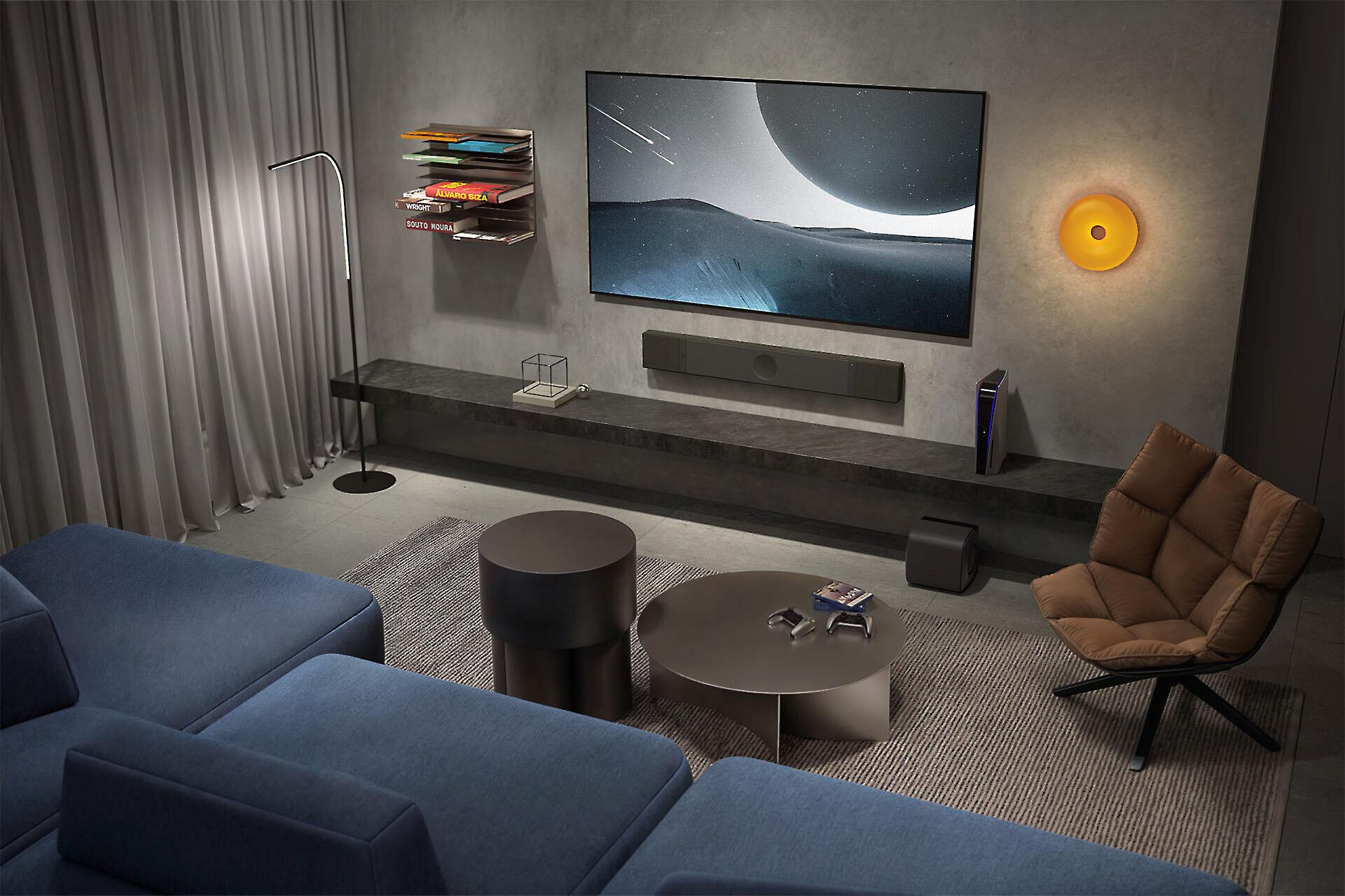
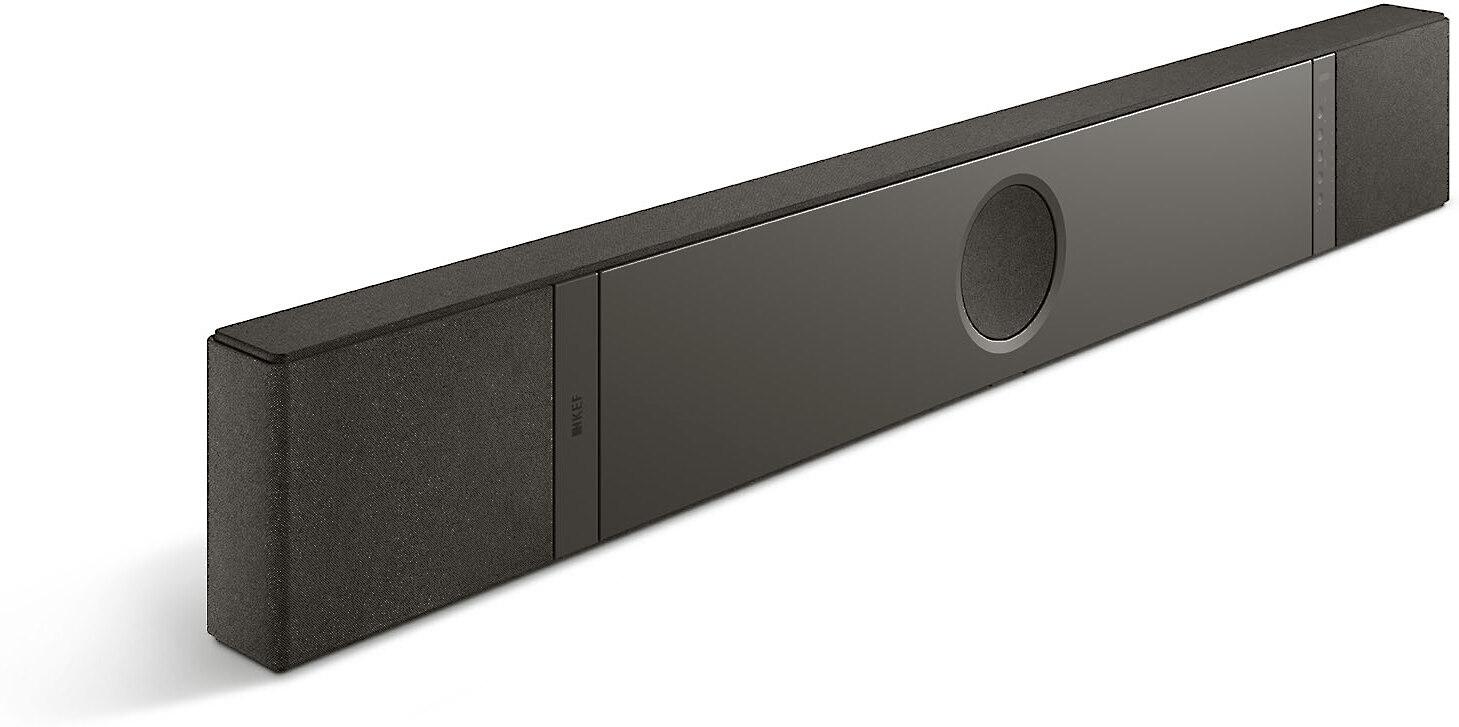
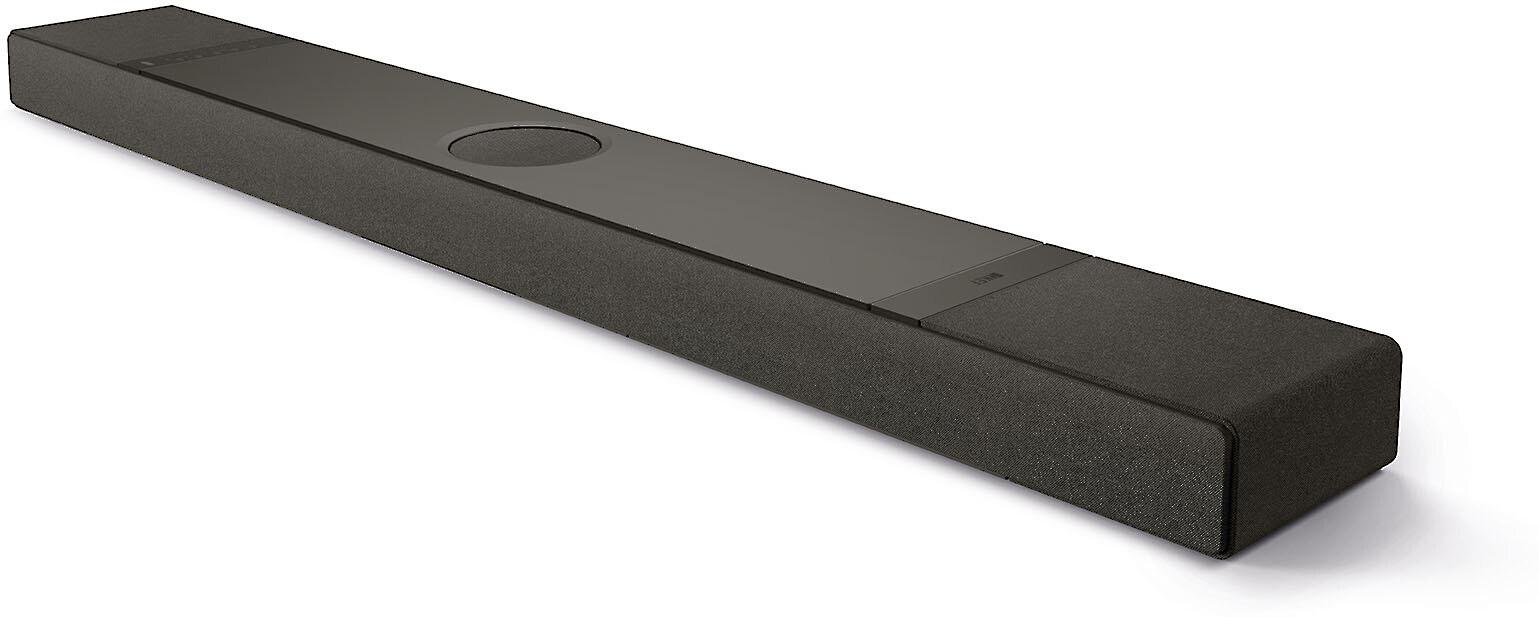
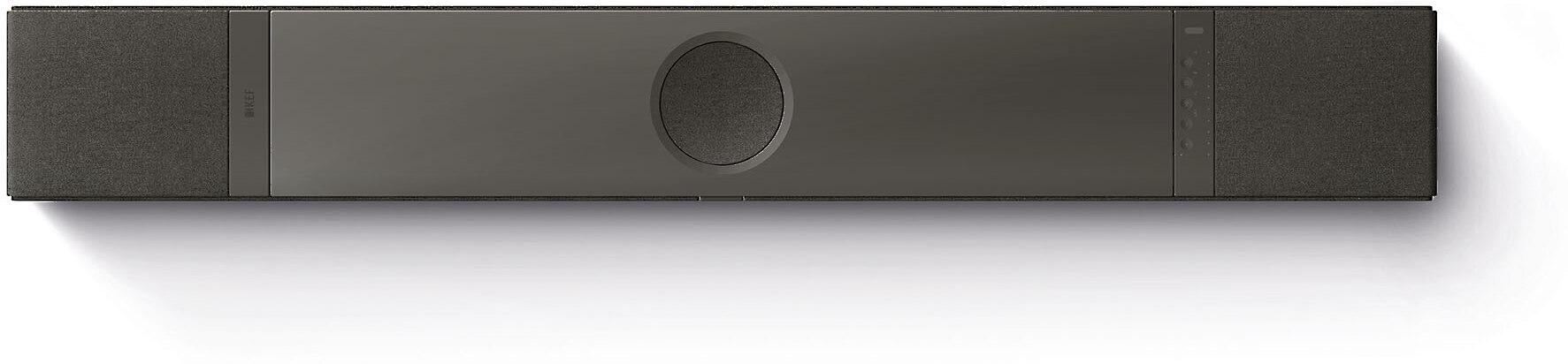



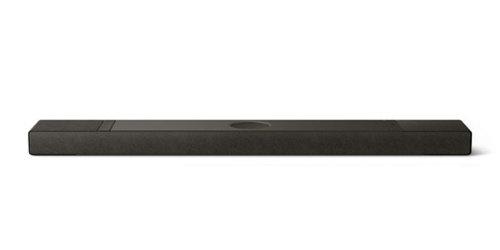
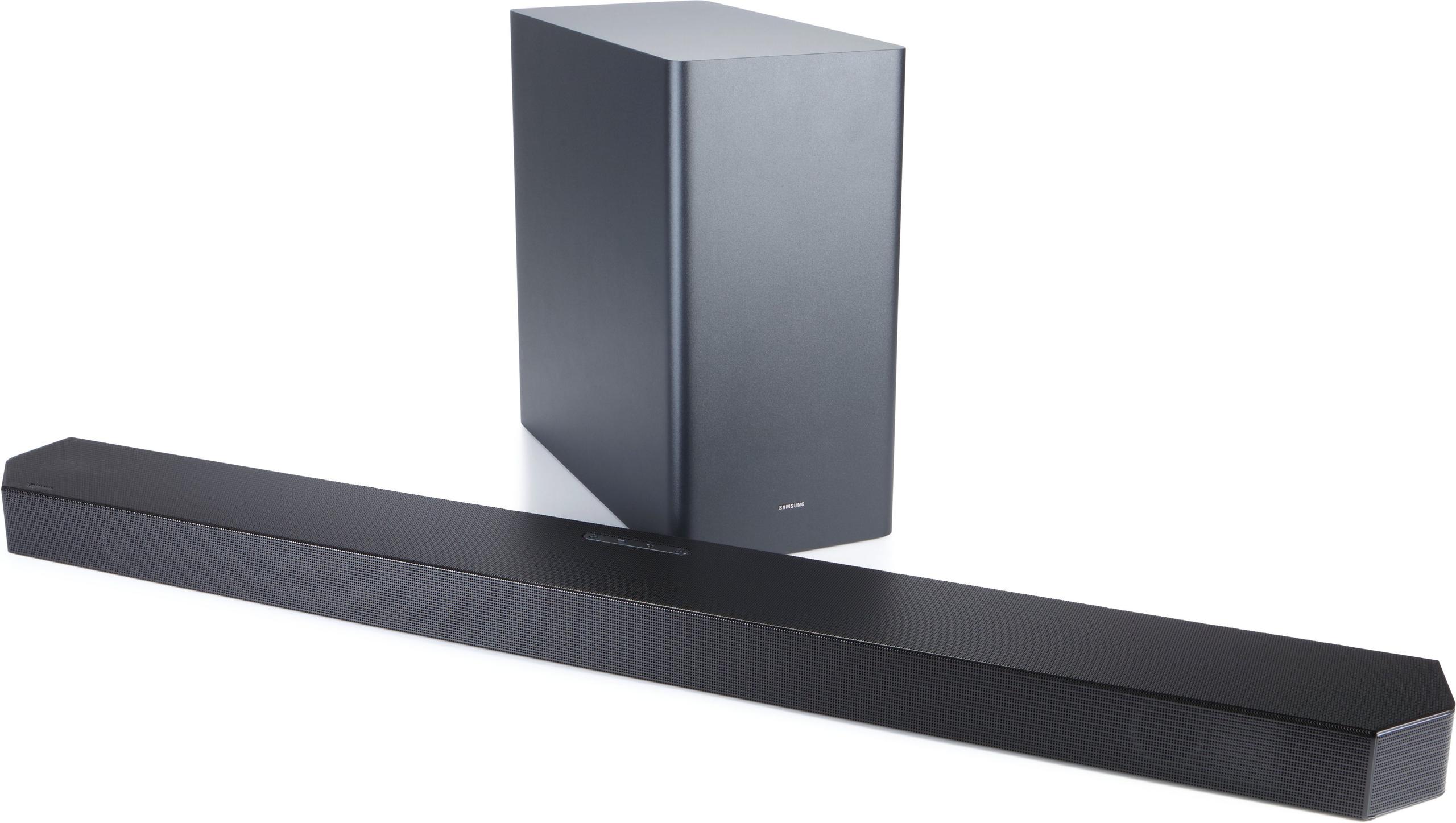
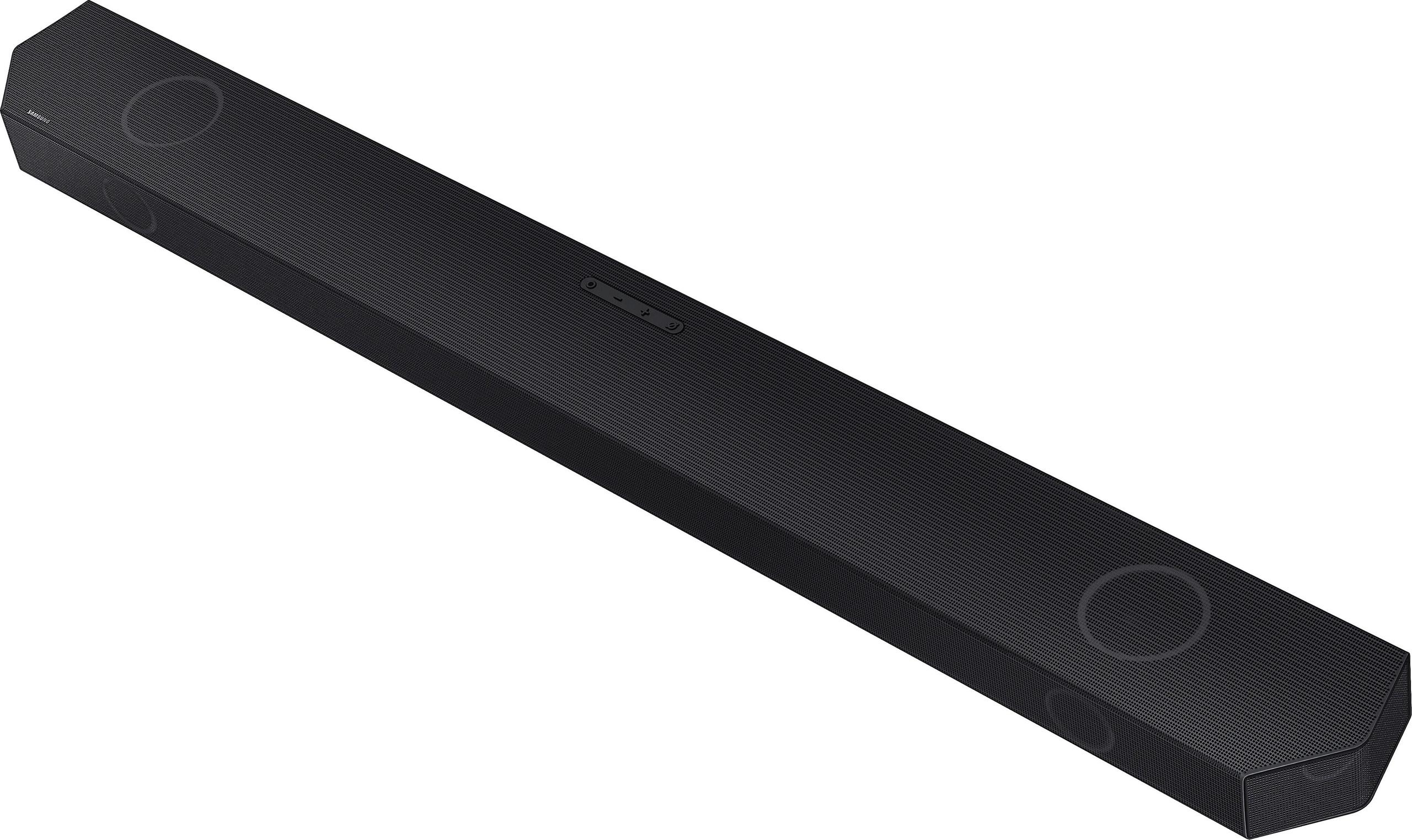
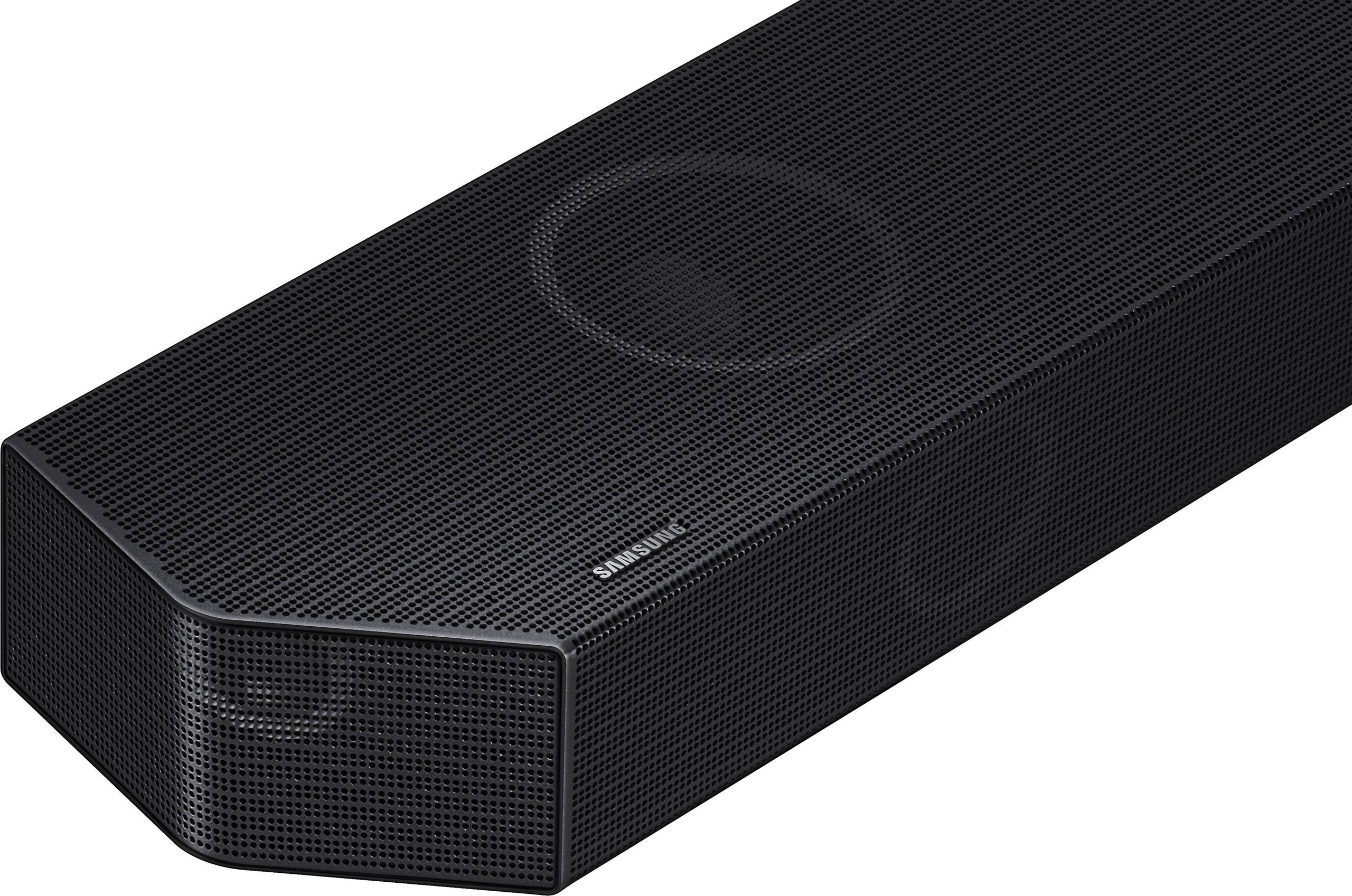




When Samsung released the HW-Q800D in early 2024, it represented another solid entry in their established Q-Series lineup—familiar territory for a company that's been refining soundbars for over a decade. But when KEF launched the XIO Soundbar in July 2025, everything changed. This marked the legendary British hi-fi company's first venture into soundbars, and they didn't just dip their toes in the water—they cannonballed into the deep end with a $2,499 flagship that challenges everything we thought we knew about what a soundbar could achieve.
The timing tells an interesting story about where the soundbar market is heading. Samsung's approach with the $799 HW-Q800D follows the tried-and-true formula: pack in features, optimize for movies and TV, and deliver solid performance at a reasonable price. KEF's $2,499 XIO, on the other hand, asks a provocative question—what if we designed a soundbar with the same obsessive attention to audio quality that goes into $10,000 speakers?
Before we dive into the technical details, let's talk about what separates premium soundbars from the basic models you'll find at big box stores. At the entry level, soundbars are essentially fancy speakers designed to make TV dialogue clearer and add some bass. But premium soundbars like these two are trying to replace entire home theater systems—and that's where things get complicated.
The key considerations boil down to four main areas. First is audio performance across different content types. Movies demand explosive dynamics and clear dialogue, music requires accurate imaging and tonal balance, and gaming benefits from precise directional cues. Second is value—not just the upfront price, but how much performance and flexibility you get for your investment. Third is integration convenience: how easily the soundbar fits into your existing setup and living space. Finally, there's build quality and design, which becomes more important as prices climb into four-digit territory.
What's fascinating about comparing these particular models is that they represent fundamentally different philosophies about what a premium soundbar should be. Samsung took their proven formula and refined it with 2024's latest processing power and connectivity standards. KEF essentially started from scratch, asking how their decades of speaker engineering expertise could revolutionize the soundbar category.
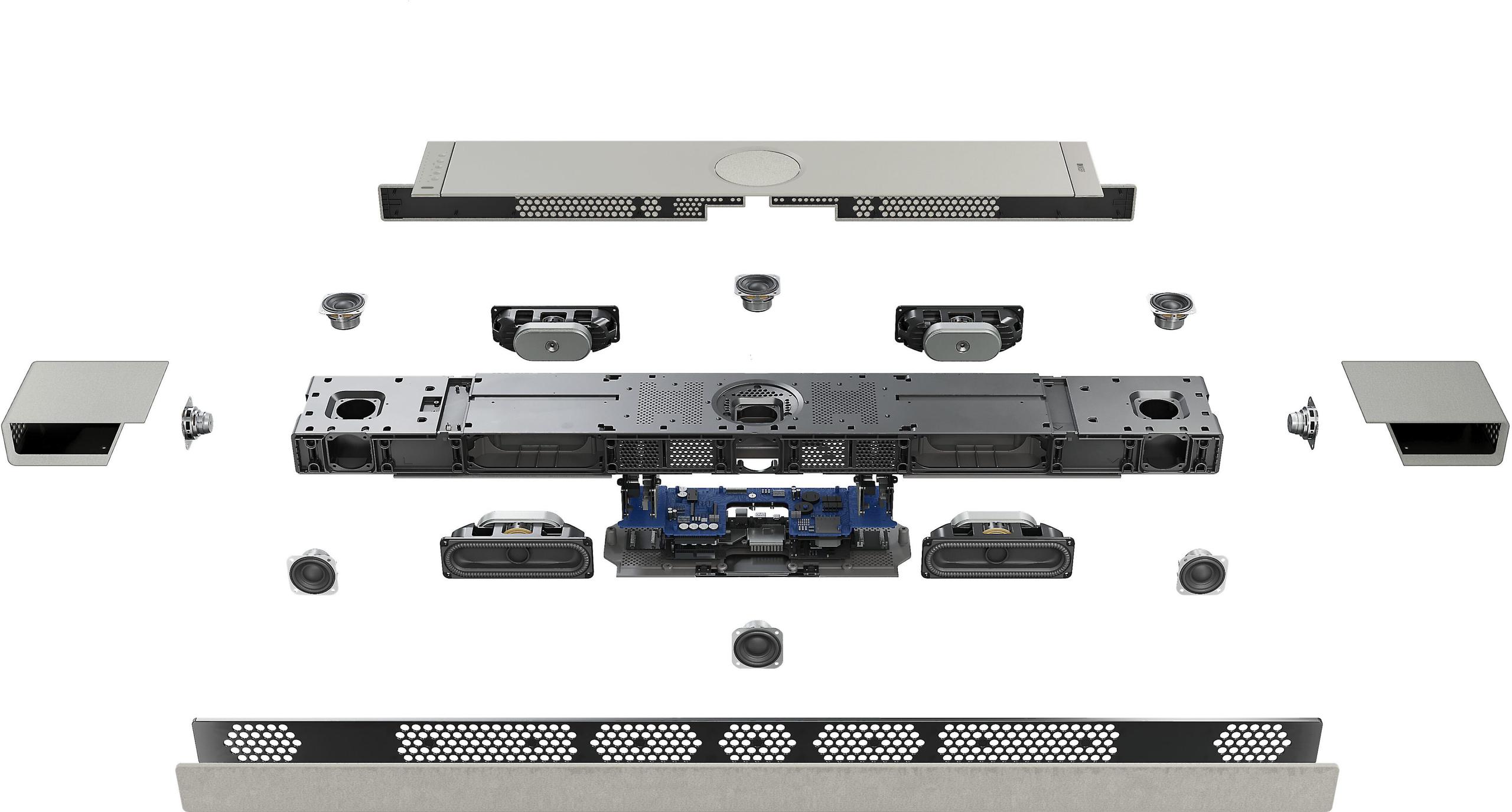
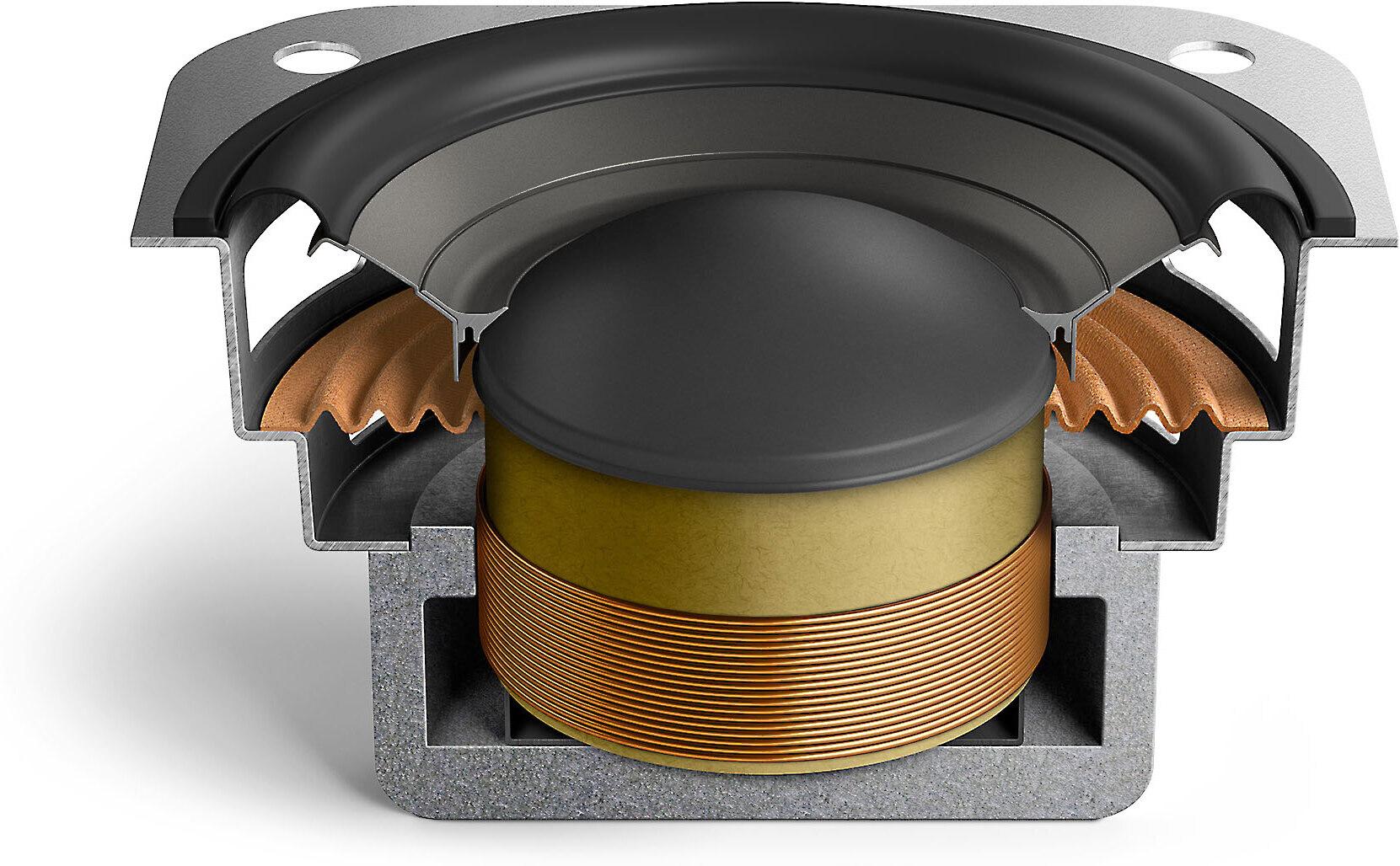
The KEF XIO's most distinctive feature is its use of Uni-Q MX drivers—six of them, to be precise. If you're not familiar with Uni-Q technology, imagine a traditional speaker where the tweeter (which handles high frequencies) sits separately from the midrange driver (which handles vocals and mid-frequencies). The problem is that these drivers are physically separated, so sound from each reaches your ears at slightly different times. It's like having two people tell you the same story, but one starts talking a split second after the other—the message gets muddled.
Uni-Q solves this by placing the tweeter directly in the center of the midrange cone, creating what's called a "point source." This means all the sound comes from essentially the same spot, eliminating timing issues and creating incredibly precise imaging. When I first heard KEF's full-size Uni-Q speakers years ago, the effect was startling—instruments and voices seemed to hang in space with surgical precision.
What's remarkable about the XIO is that KEF managed to miniaturize this technology into what they call Uni-Q MX drivers. These are much smaller than their traditional speakers, yet they maintain the same concentric design philosophy. The result is a soundbar that can create a three-dimensional soundstage that extends well beyond its physical boundaries.
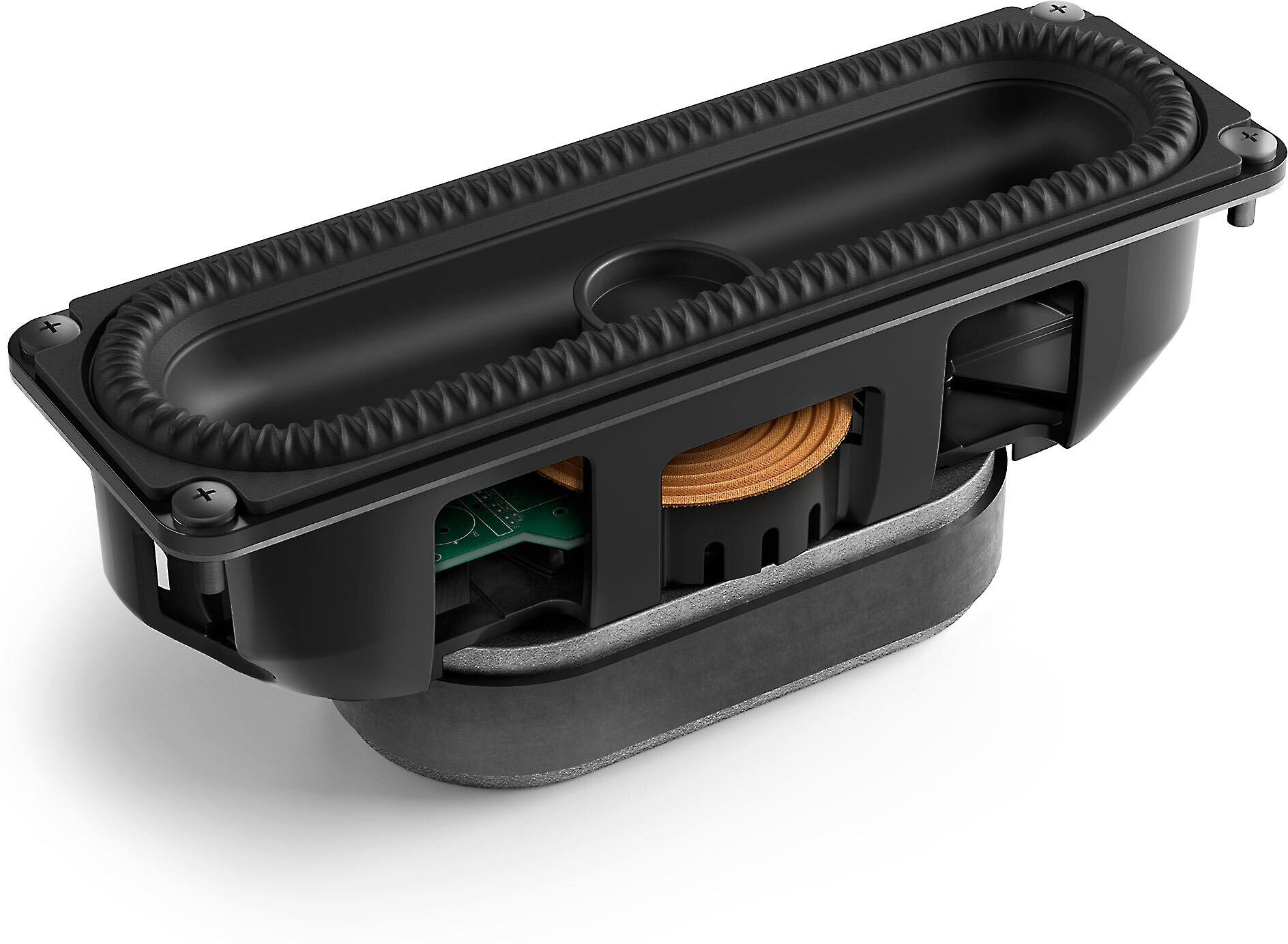
But KEF didn't stop there. The bass handling uses four P185 racetrack woofers in what's called a force-canceling configuration. Here's why this matters: when a traditional speaker cone moves forward to create sound, it also pushes the entire speaker cabinet backward (Newton's third law—every action has an equal and opposite reaction). This unwanted movement creates distortion and muddy bass. KEF's force-canceling design uses opposing drivers that cancel out these unwanted vibrations, resulting in much cleaner bass response.
The XIO also incorporates something called VECO (Velocity Control Technology), which uses real-time feedback to monitor how the bass drivers are moving and correct for any distortion. KEF claims this reduces distortion by up to 28dB, which is a massive improvement that translates to cleaner, more accurate bass reproduction.
The Samsung HW-Q800D takes a more traditional but thoroughly refined approach. Released in 2024, it builds on Samsung's years of experience in the soundbar market with incremental but meaningful improvements over its predecessors. The most significant upgrade is the inclusion of SpaceFit Sound Pro, which uses built-in microphones to analyze your room's acoustics and automatically adjust the sound accordingly.
This automatic room correction is genuinely useful because most people don't have acoustically treated rooms. Your living room likely has hard surfaces that reflect sound, soft furniture that absorbs it, and an irregular layout that creates acoustic challenges. SpaceFit Sound Pro measures how sound bounces around your specific space and adjusts the soundbar's output to compensate.
The HW-Q800D also features Q-Symphony technology, which is particularly clever if you own a compatible Samsung TV. Instead of turning off your TV's speakers when you connect the soundbar (which is what typically happens), Q-Symphony allows the soundbar and TV speakers to work together. The TV speakers handle some frequency ranges while the soundbar handles others, creating a larger, more enveloping soundstage.
For gaming, Samsung includes Game Pro mode, which enhances directional audio cues. This is more important than it might sound—in competitive gaming, being able to accurately locate footsteps or gunshots can mean the difference between victory and defeat.
This is where the fundamental difference between these soundbars becomes most apparent. The KEF XIO approaches audio reproduction like a high-end stereo system that happens to be in soundbar form. The Uni-Q MX drivers create what audiophiles call "holographic imaging"—the ability to pinpoint exactly where each instrument or voice is positioned in the soundstage.
When I listen to well-recorded acoustic music through the XIO, individual instruments seem to occupy specific locations in space. The lead singer might appear to be standing three feet to the right of center, while the bass guitar sits low and to the left. This level of precision is typically only found in expensive separate speakers, not soundbars.
The XIO's frequency response extends down to 34Hz without any subwoofer assistance. To put this in perspective, that covers the fundamental frequency of the lowest note on a standard bass guitar. Most soundbars struggle to reproduce frequencies below 80Hz without help, so the XIO's bass extension is genuinely impressive.
The $799 Samsung HW-Q800D, by contrast, is tuned more for cinematic impact than analytical precision. It emphasizes dynamic range—the difference between quiet and loud sounds—which makes movie explosions feel more impactful and music more exciting. However, this approach can sometimes mask subtle details that the KEF reveals clearly.
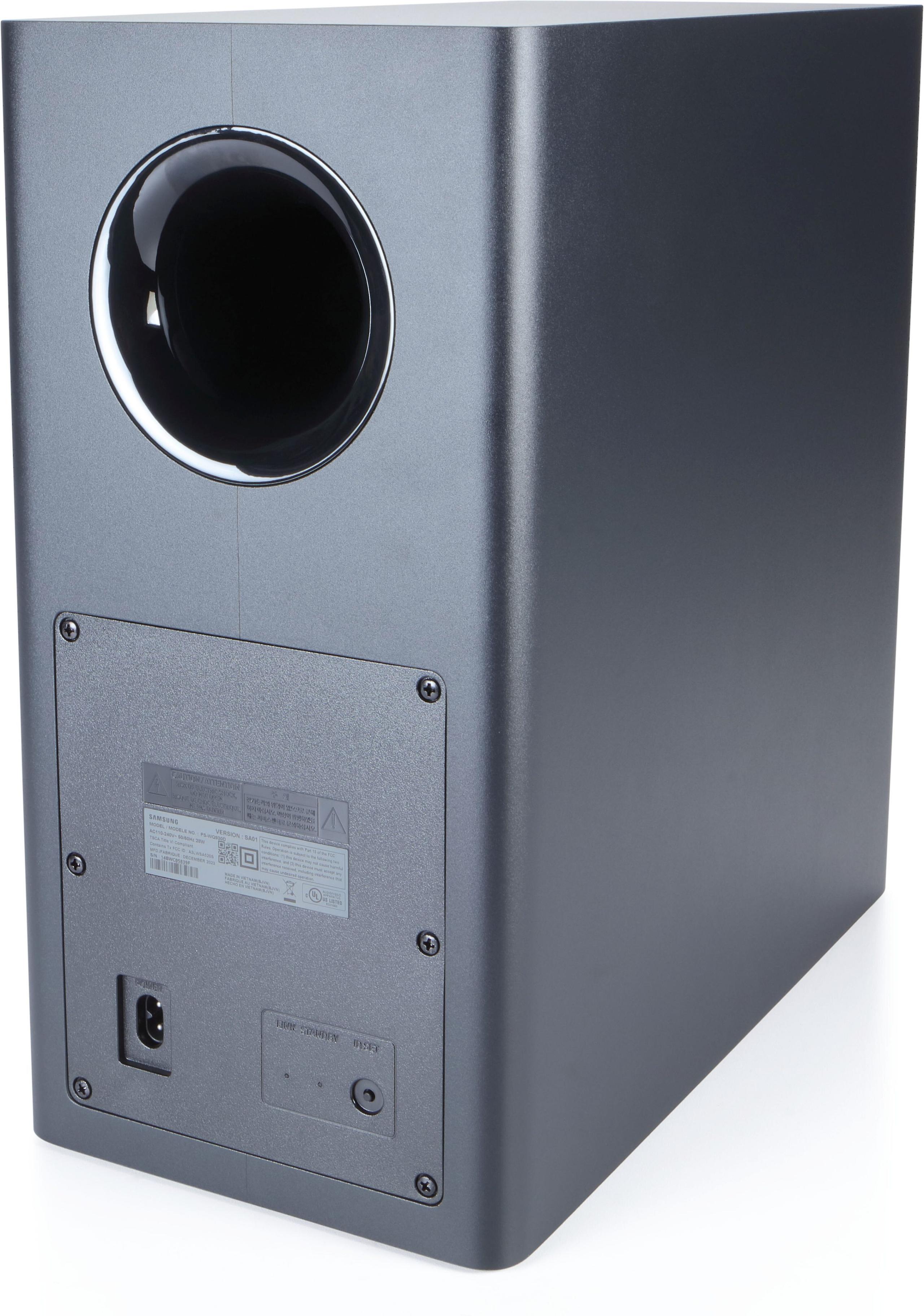
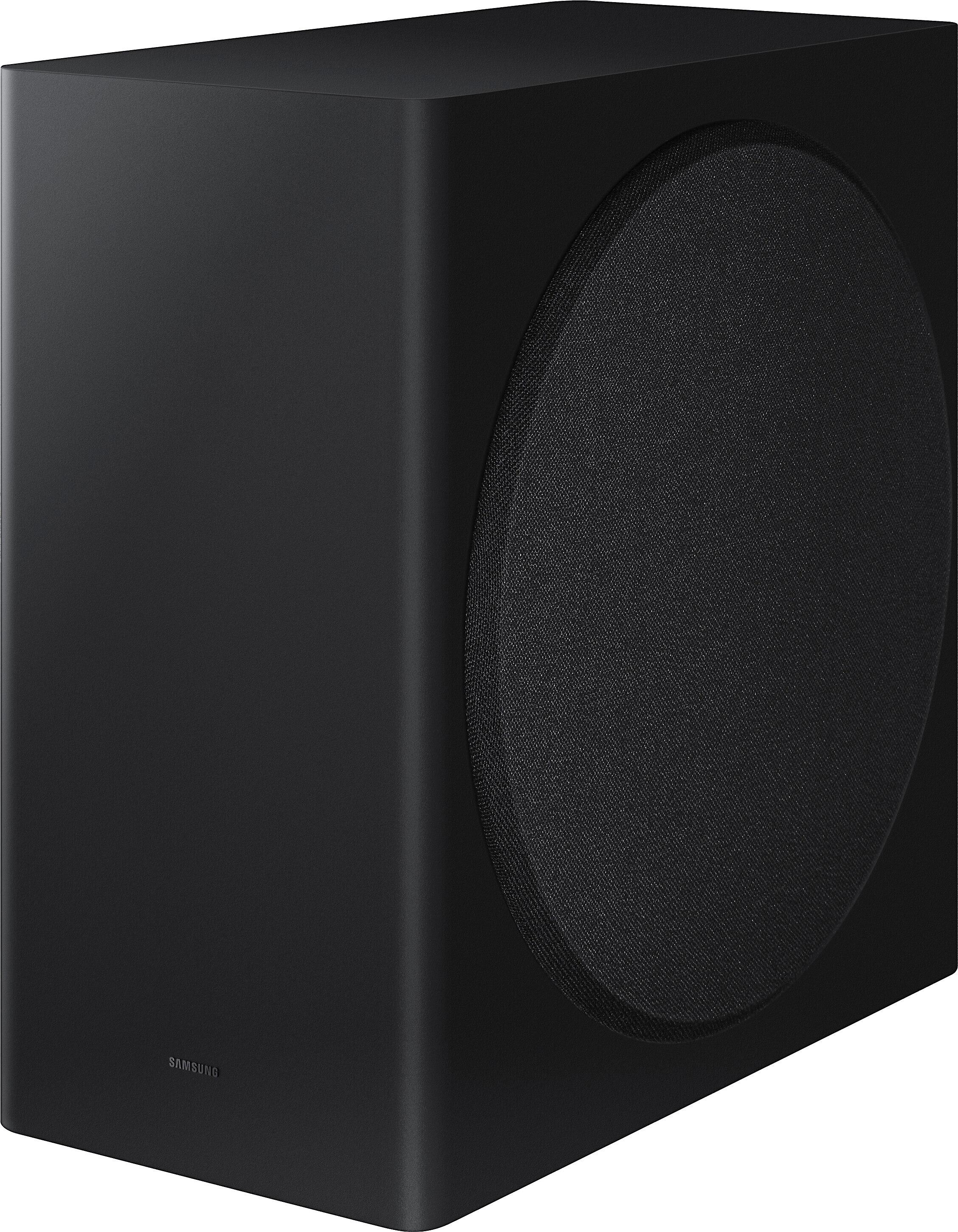
The Samsung's reliance on its wireless subwoofer is both a strength and a weakness. The dedicated 8-inch subwoofer can move more air and reach deeper frequencies than the XIO's integrated bass system, which gives action movies more visceral impact. But it also means you need to find space for another component and deal with wireless connectivity between the soundbar and subwoofer.
Both soundbars support Dolby Atmos, which adds a height dimension to surround sound by bouncing audio off your ceiling to create the illusion of overhead speakers. However, their approaches differ significantly.
The KEF XIO uses true dedicated upward-firing drivers as part of its 5.1.2 configuration. This means it has separate drivers specifically designed to fire sound toward your ceiling for height effects. The Music Integrity Engine (KEF's proprietary digital signal processing) ensures that the timing between all these drivers is perfectly synchronized.
In practice, this creates more convincing height effects. When a helicopter flies overhead in a movie, you can actually perceive it moving above your listening position rather than just getting a vague sense of "upward sound."
The Samsung also supports Dolby Atmos and has upward-firing drivers, but the implementation is more focused on creating an enveloping soundfield than precise height localization. For most movie watching, this difference is subtle, but for Atmos music content or movies with sophisticated sound design, the KEF's approach is more convincing.
This is where the KEF XIO truly shines and justifies its audiophile heritage. The Uni-Q driver technology creates a coherent stereo image that rivals dedicated hi-fi speakers. Bass lines are tight and well-defined, midrange frequencies (where most vocals live) are clear and natural, and high frequencies are detailed without being harsh.
I've found that jazz recordings, in particular, sound exceptional through the XIO. The spatial relationships between instruments are preserved, and the soundbar disappears as a sound source—music just seems to emerge from the space in front of you.
The Samsung HW-Q800D is certainly capable with music, but it's clearly optimized for movie content. The bass response is more emphasized, which can make electronic music sound exciting but can overwhelm the subtle interplay of instruments in acoustic recordings. It's perfectly fine for casual music listening, but if you're serious about music reproduction, the KEF is in a different league.
For gaming, the Samsung has some practical advantages. Game Pro mode enhances directional audio cues, which is genuinely helpful in first-person shooters or battle royale games where positioning is crucial. The HW-Q800D also includes 4K video passthrough at 60Hz, so you can connect your gaming console directly to the soundbar and pass the video signal to your TV.
The KEF XIO can certainly handle gaming audio well, but it lacks gaming-specific optimizations and has only one HDMI input, which limits connectivity options for multiple gaming systems.
For movies, both soundbars excel, but in different ways. The Samsung delivers the explosive dynamics and clear dialogue that make action movies exciting. The KEF provides a more refined, accurate presentation that reveals more detail in complex soundtracks but might not have quite the same visceral impact as the Samsung's more aggressive tuning.
The price difference between these soundbars is substantial—the KEF XIO costs more than three times as much as the Samsung HW-Q800D. This raises an obvious question: is the KEF worth the premium?
The answer depends entirely on your priorities and budget. The KEF represents what happens when a company with decades of high-end speaker expertise decides to build the ultimate soundbar without compromise. Every component, from the custom Uni-Q drivers to the force-canceling bass system, is engineered for maximum performance. The result is audio quality that approaches what you'd get from a high-end separate speaker system.
However, the Samsung offers about 80% of the performance at 30% of the price, plus significantly more practical features. It includes a wireless subwoofer, multiple connectivity options, gaming optimizations, and smart TV integration. For most users, the Samsung provides a better balance of performance, features, and value.
The KEF makes more sense if audio quality is your primary concern and budget is secondary. It's for listeners who can appreciate the difference that reference-quality engineering makes and are willing to pay for it.
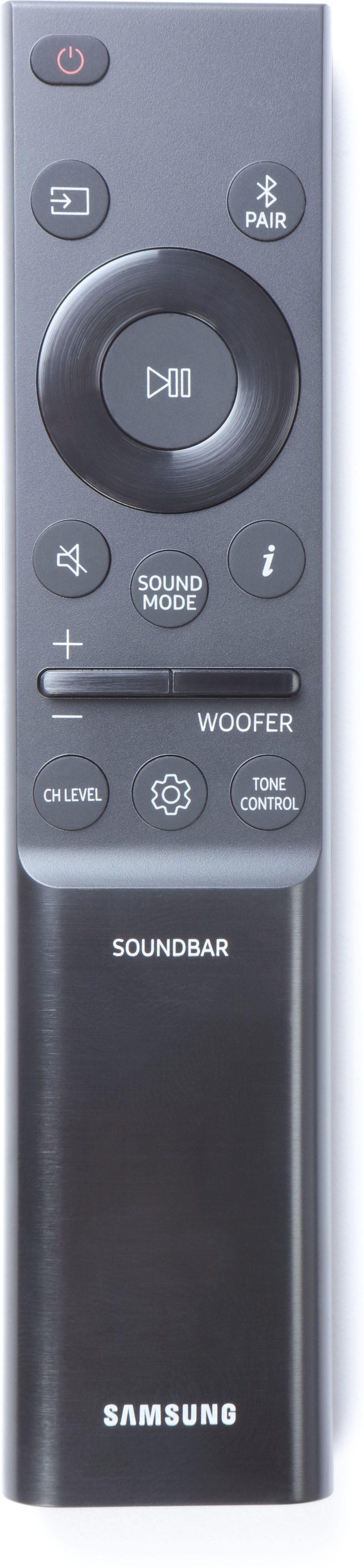
In daily use, the Samsung HW-Q800D is more accommodating. The SmartThings app provides comprehensive control, the wireless subwoofer can be placed anywhere in the room for optimal bass response, and features like Night Mode (which compresses dynamic range for late-night viewing) show that Samsung understands how people actually use soundbars.
The KEF XIO is more demanding. Its single HDMI input means you might need an additional HDMI switch if you have multiple source devices. There's no display panel or extensive app control—the focus is purely on audio performance. This minimalist approach appeals to audio purists but might frustrate users who expect extensive customization options.
If you're reading this comparison, you're likely trying to decide between audiophile-grade performance and practical versatility. The KEF XIO is for listeners who understand that exceptional audio reproduction requires significant investment and are willing to accept some practical limitations in exchange for uncompromising sound quality.
The Samsung HW-Q800D is for users who want excellent performance without the extreme premium, plus the convenience features that make a soundbar practical for daily use by the whole family.
Both represent the state of the art in their respective approaches to premium soundbar design. Your choice should align with whether you prioritize absolute audio quality or balanced performance with comprehensive features. Either way, you'll end up with a soundbar that transforms your home entertainment experience—just in very different ways.
| KEF XIO Soundbar | Samsung HW-Q800D 5.1.2 Channel Soundbar |
|---|---|
| Price - Major investment difference that affects value calculation | |
| $2,499 - Premium audiophile pricing | $799 - Mid-to-high-end mainstream pricing |
| Driver Technology - Core difference in audio reproduction approach | |
| 6 Uni-Q MX concentric drivers (tweeter inside midrange cone) + 4 P185 racetrack woofers with force-canceling design | 11 traditional drivers with upward-firing configuration |
| Total Power Output - Indicates maximum volume and dynamic range capability | |
| 820W via 12 discrete Class D amplifiers | 360W total system power |
| Bass Performance - Critical for movies and music without separate subwoofer | |
| 34Hz extension built-in (no subwoofer required) | Requires included 8" wireless subwoofer for full range |
| Channel Configuration - Determines surround sound and Atmos effectiveness | |
| True 5.1.2 with dedicated physical height drivers | 5.1.2 with upward-firing Atmos support |
| Connectivity Options - Affects how many devices you can connect directly | |
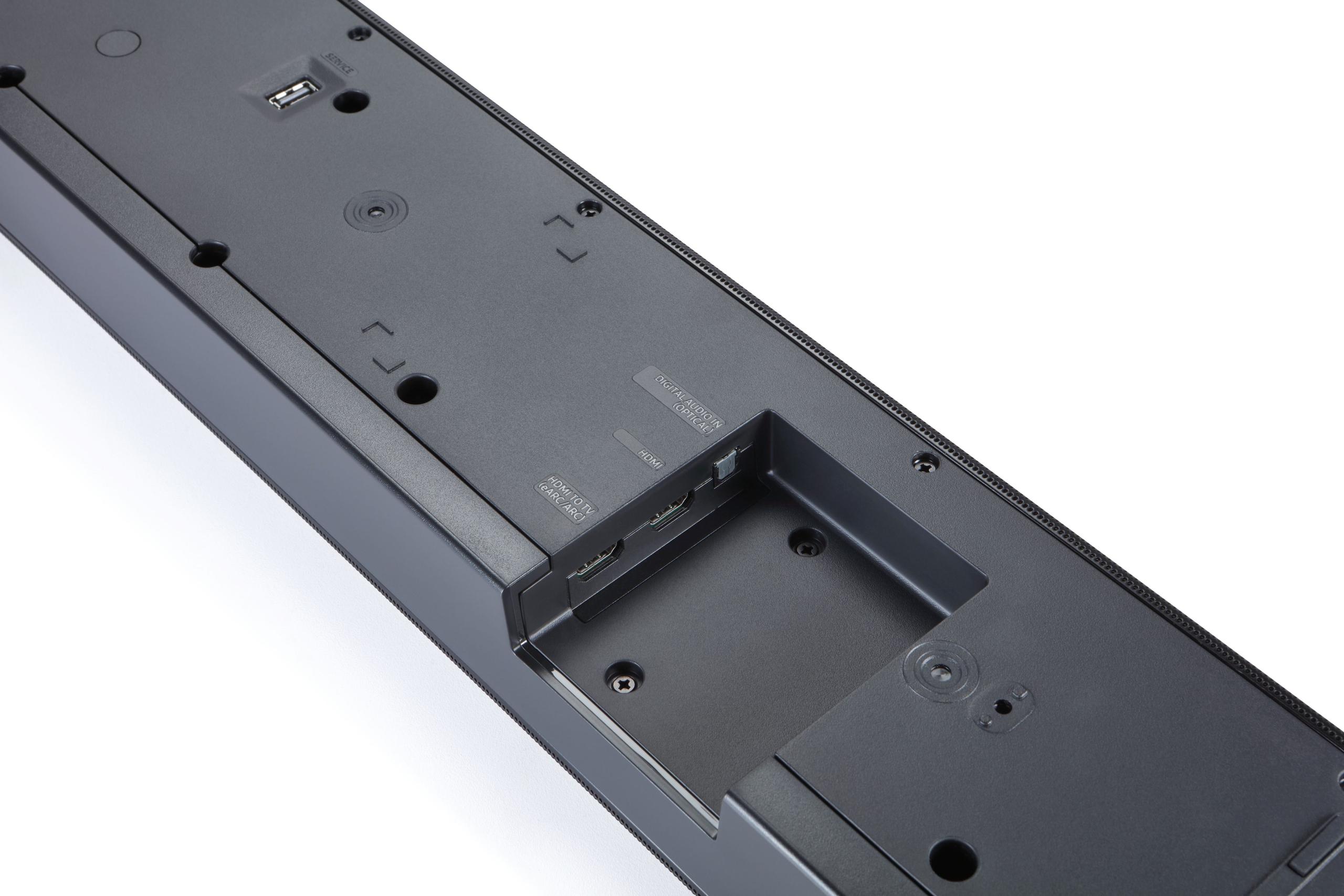
| Single HDMI 2.1 eARC input only | HDMI eARC + 4K@60Hz passthrough + optical input |
| Smart Features - Convenience and integration capabilities | |
| Basic streaming (Wi-Fi 6, AirPlay 2, Chromecast) | Q-Symphony, SpaceFit Sound Pro, Game Pro mode, SmartThings app |
| Room Calibration - Automatic sound optimization for your space | |
| Intelligent Placement Technology (wall/shelf detection) | SpaceFit Sound Pro (microphone-based room analysis) |
| Build Quality - Materials and construction reflecting price tier | |
| Premium aluminum chassis with splash-proof fabric (23.1 lbs) | Consumer-grade plastic construction with fabric (lighter build) |
| Best Use Case - Who should prioritize each option | |
| Audiophiles wanting reference-quality music and movie reproduction | Home theater enthusiasts seeking balanced performance with gaming/TV integration |
The Samsung HW-Q800D at $799 provides significantly better value for most buyers, offering excellent performance with comprehensive features at about one-third the price of the $2,499 KEF XIO. While the KEF delivers superior audio quality, the Samsung includes a wireless subwoofer, gaming features, and smart TV integration that make it more practical for everyday use.
The KEF XIO Soundbar doesn't require a subwoofer, achieving impressive 34Hz bass extension through its built-in force-canceling woofer system. The Samsung HW-Q800D includes a wireless 8-inch subwoofer in the box, which provides deeper bass impact for movies but requires additional space and power connection.
The KEF XIO excels at music reproduction thanks to its Uni-Q MX driver technology, which creates precise stereo imaging and audiophile-quality sound that rivals dedicated hi-fi speakers. The Samsung is capable for music but is optimized more for cinematic content with emphasized dynamics rather than analytical precision.
Both support Dolby Atmos, but the KEF XIO uses dedicated upward-firing drivers with advanced DSP for more convincing height effects and precise overhead sound placement. The Samsung HW-Q800D also supports Atmos with upward-firing speakers but focuses more on creating an enveloping soundfield than pinpoint height localization.
The Samsung HW-Q800D is better for gaming, featuring dedicated Game Pro mode that enhances directional audio cues and 4K@60Hz video passthrough for direct console connection. The KEF XIO can handle gaming audio well but lacks gaming-specific optimizations and has limited HDMI connectivity.
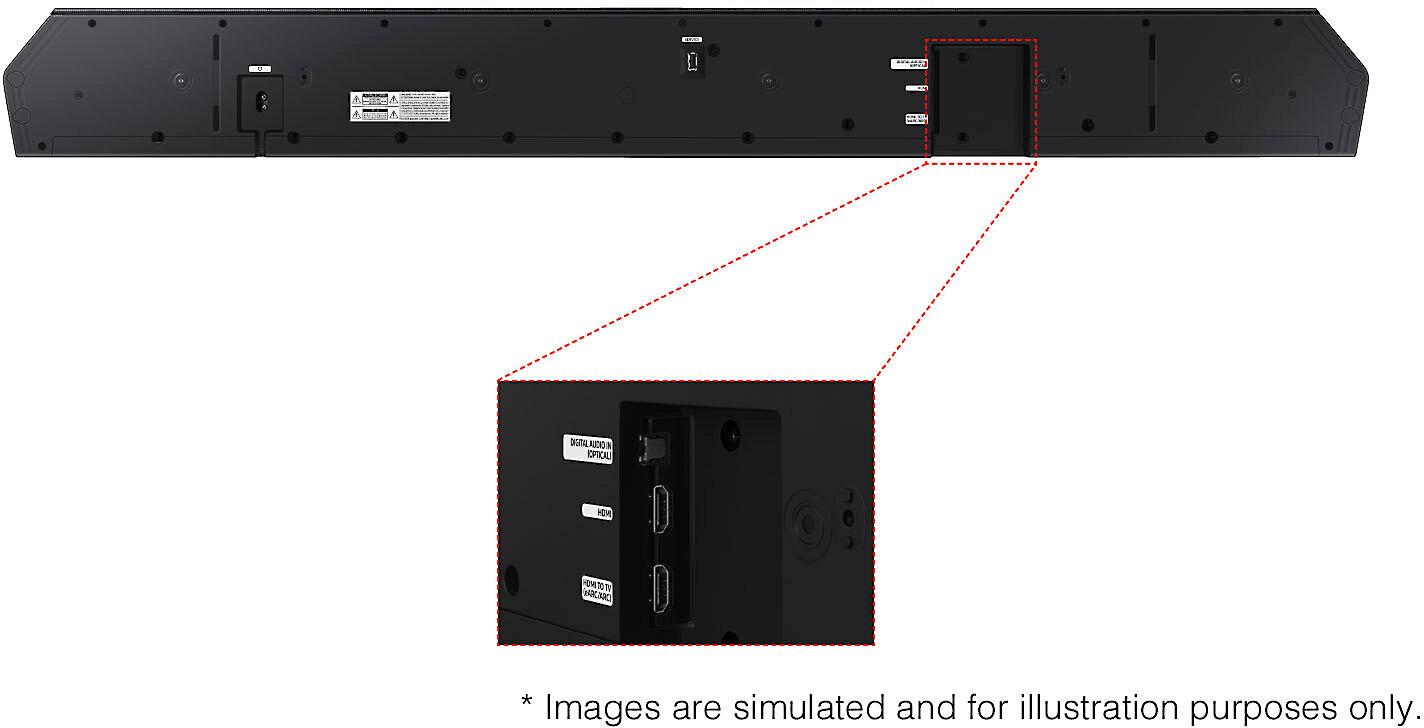
The Samsung HW-Q800D offers more connectivity with HDMI eARC, 4K video passthrough, and optical input, making it easier to connect multiple devices. The KEF XIO Soundbar has only one HDMI 2.1 eARC input, which may require additional switching equipment for users with multiple source devices.
The Samsung HW-Q800D integrates seamlessly with Samsung TVs through Q-Symphony technology, which allows the soundbar and TV speakers to work together for expanded sound. The KEF XIO works with any TV brand but doesn't offer special Samsung TV integration features.
The Samsung HW-Q800D uses SpaceFit Sound Pro with built-in microphones to analyze room acoustics and automatically adjust sound settings. The KEF XIO features Intelligent Placement Technology that detects wall-mount or shelf placement and optimizes accordingly, but it's less comprehensive than Samsung's room analysis.
The KEF XIO Soundbar can achieve higher volume levels (102 dB at 1 meter) with its 820W power output and advanced driver technology that minimizes distortion. The Samsung HW-Q800D with 360W total power provides ample volume for most rooms but won't match the KEF's maximum clean output levels.
The Samsung HW-Q800D offers extensive smart features including SmartThings app control, voice enhancement modes, night mode, and multiple EQ presets. The KEF XIO focuses primarily on audio quality with basic streaming capabilities (Wi-Fi 6, AirPlay 2, Chromecast) but minimal smart home integration.
The Samsung HW-Q800D is more user-friendly with comprehensive app control, automatic room optimization, multiple input options, and family-friendly features like night mode and voice enhancement. The KEF XIO has a more minimalist approach focused on pure audio performance, which appeals to audiophiles but may be less convenient for casual users.
Choose the KEF XIO if audio quality is your top priority and budget allows, especially for music listening and reference-quality movie sound. Choose the Samsung HW-Q800D if you want excellent all-around performance with gaming features, smart TV integration, and comprehensive connectivity at a much lower price point.
We've done our best to create useful and informative comparisons to help you decide what product to buy. Our research uses advanced automated methods to create this comparison and perfection is not possible - please contact us for corrections or questions. These are the sites we've researched in the creation of this article: blog.son-video.com - residentialsystems.com - whathifi.com - audioadvice.com - crutchfield.com - homecrux.com - techradar.com - youtube.com - us.kef.com - gramophone.com - cepro.com - audioxpress.com - musicdirect.com - gramophone.com - us.kef.com - crutchfield.com - hifipig.com - bestbuy.com - listenup.com - bestbuy.com - bestbuy.com - listenup.com - techradar.com - valueelectronics.com - samsung.com - rtings.com - samsung.com - crutchfield.com - samsung.com - samsung.com - samsung.com - shidirect.com

Privacy Policy
Terms and Conditions - Affiliate Policy
Home Security
© Copyright 2008-2026.
11816 Inwood Rd #1211, Dallas, TX 75244