

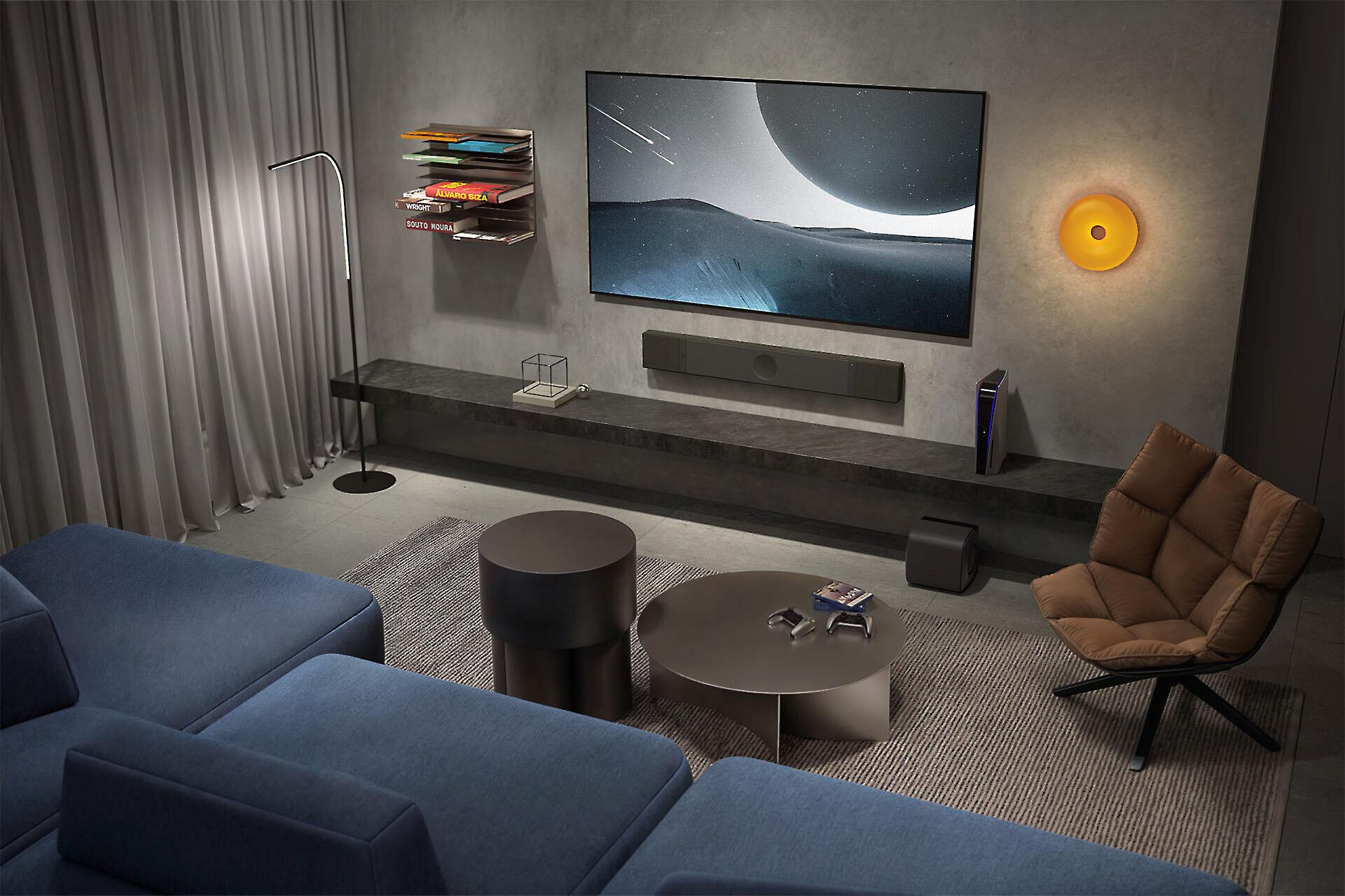
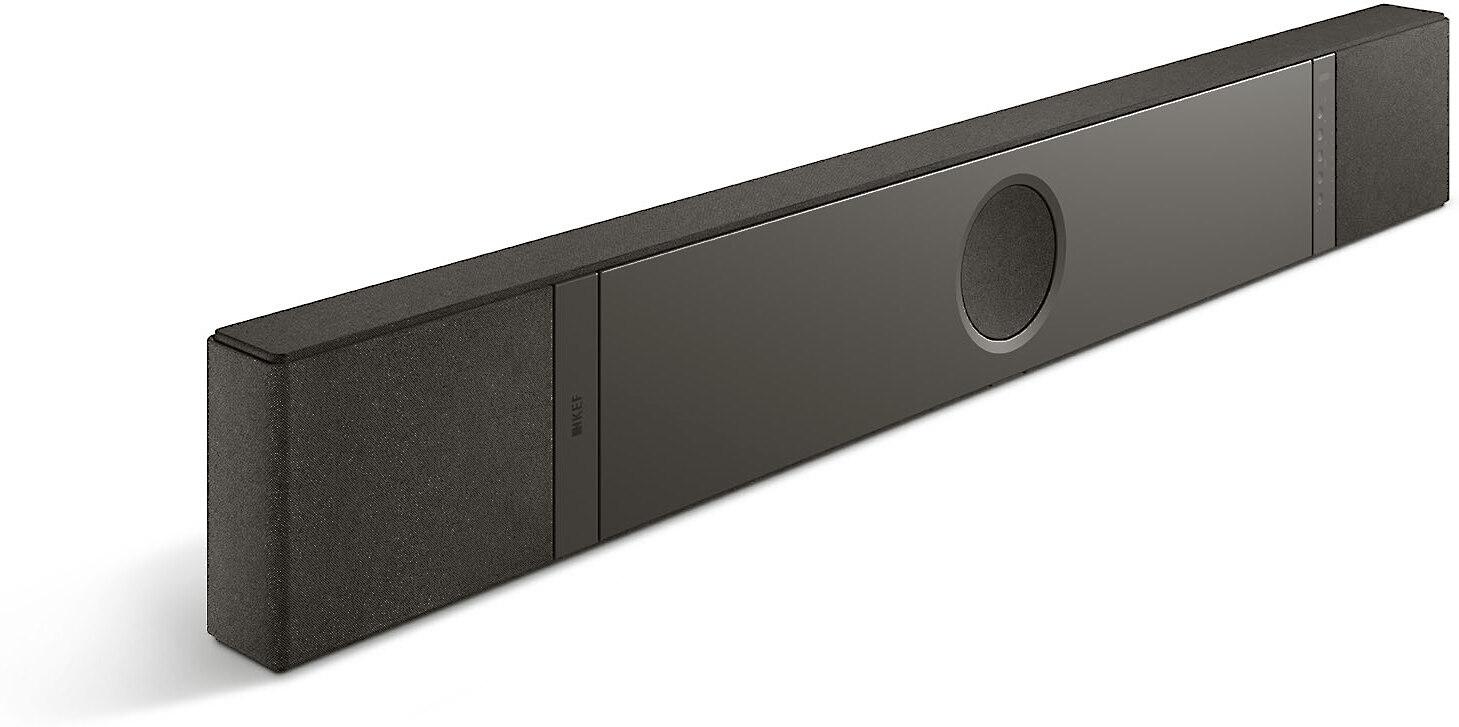
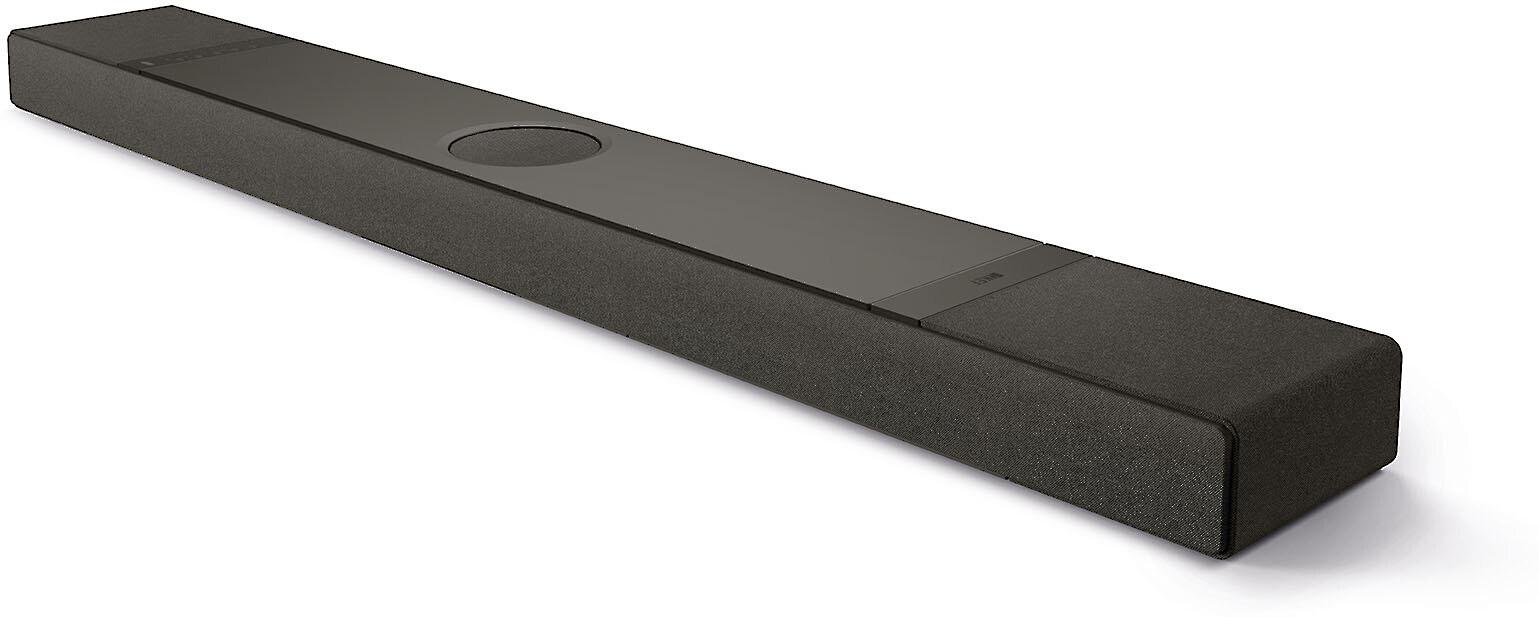
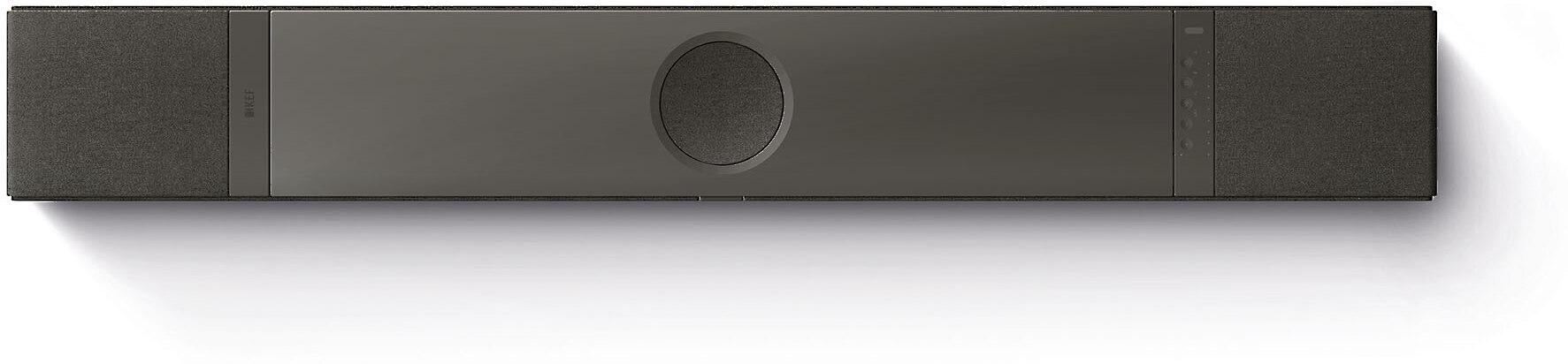



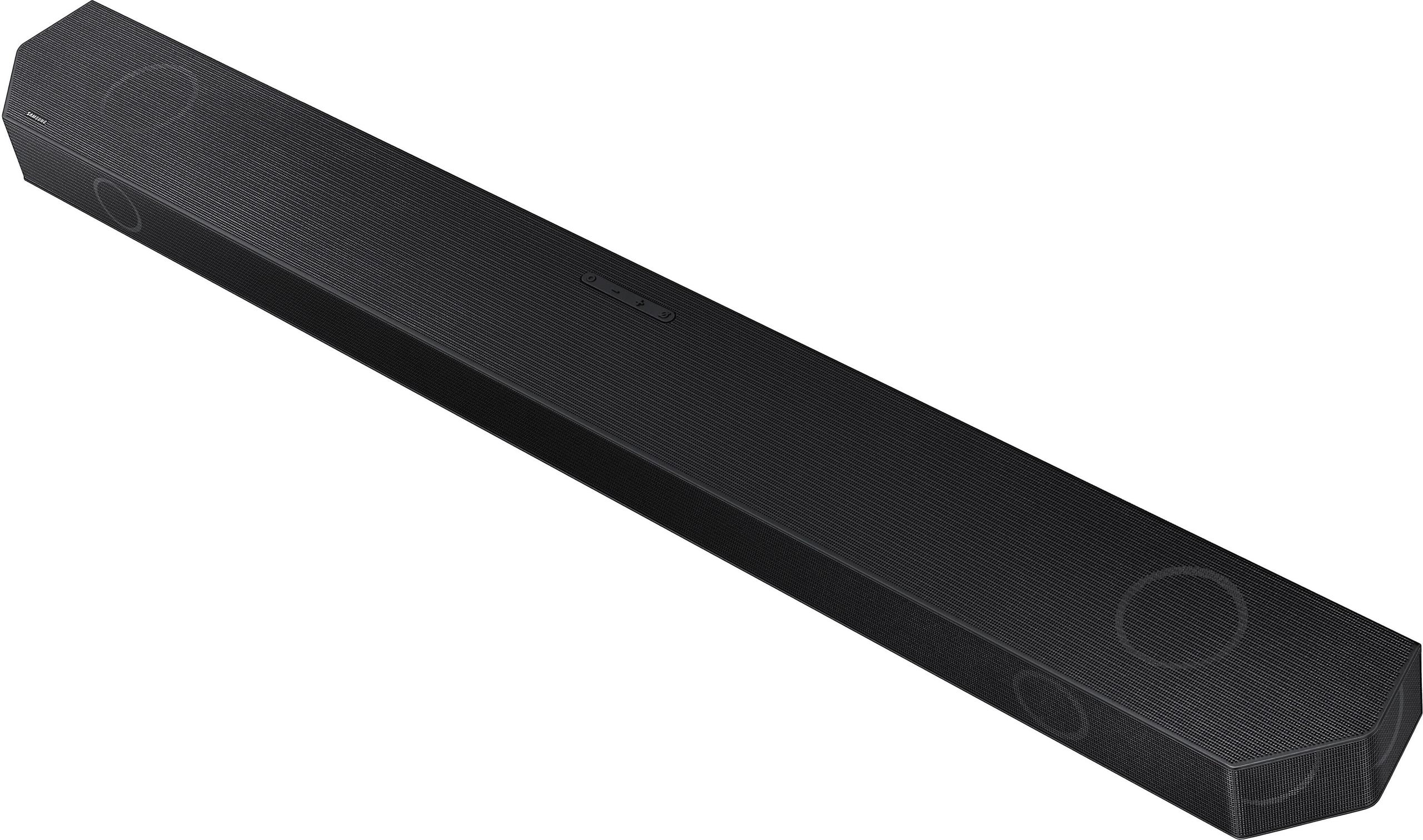
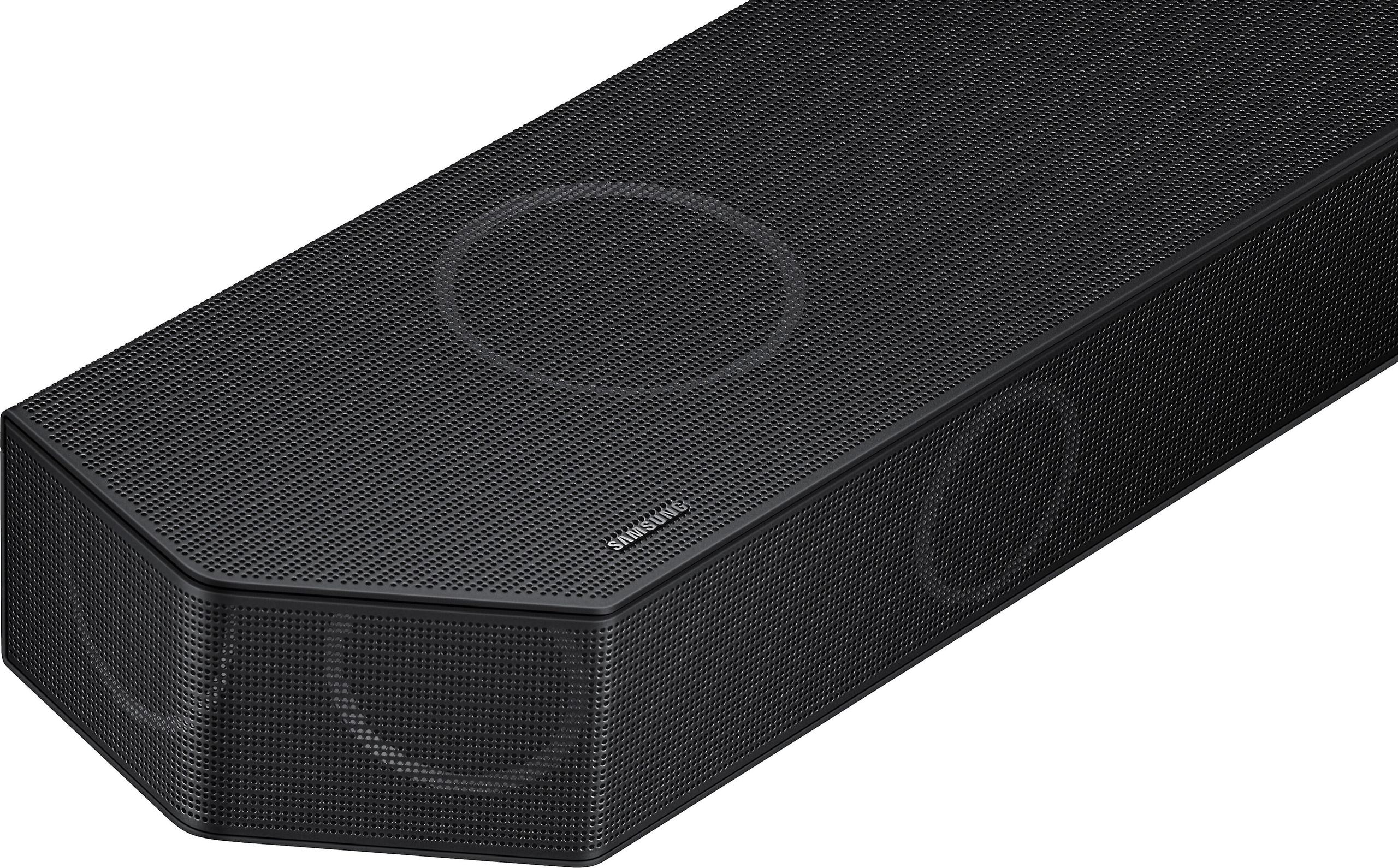


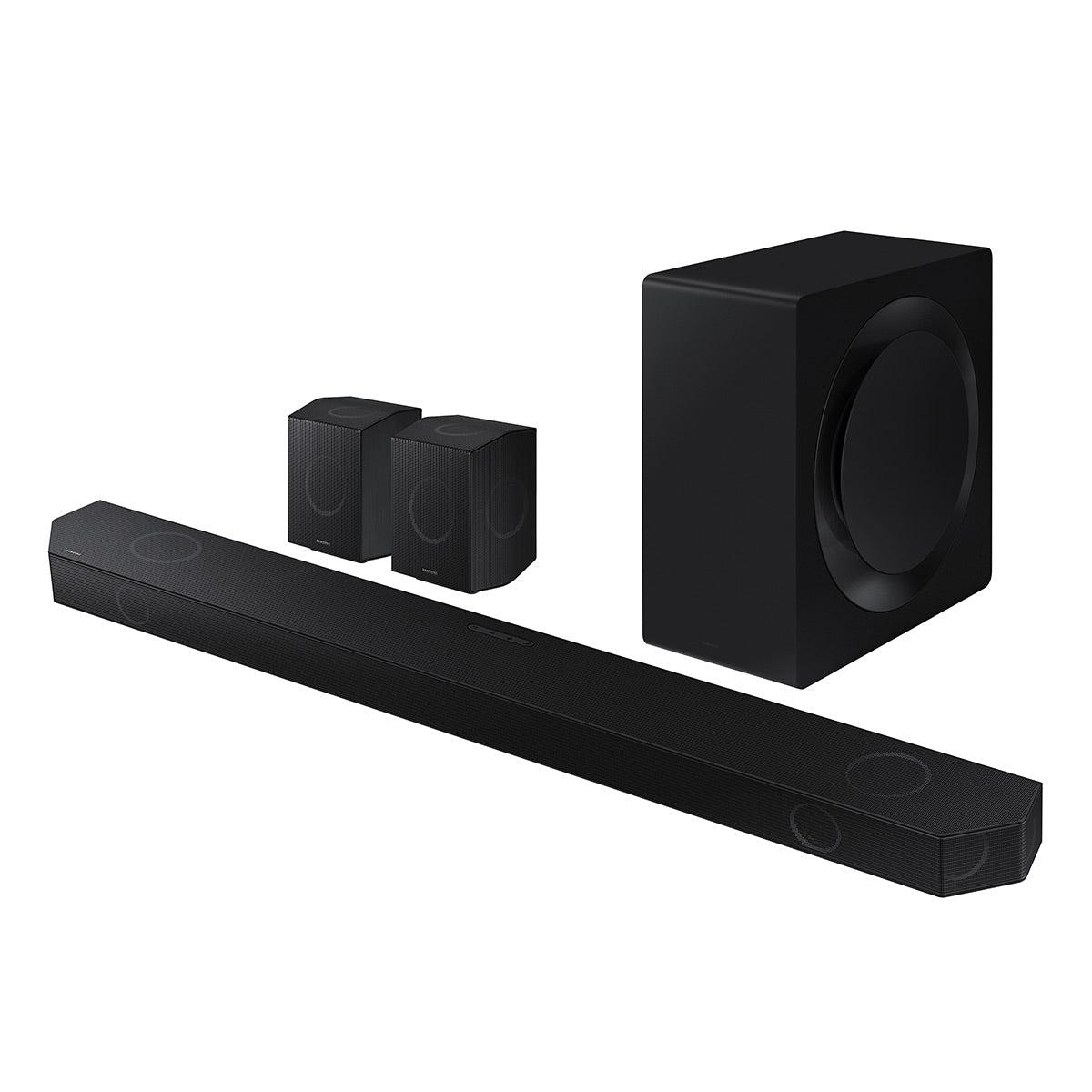
When you're ready to upgrade from your TV's built-in speakers, the world of premium soundbars can feel overwhelming. Two standouts have caught my attention recently: the KEF XIO Soundbar at $2,499 and the Samsung HW-Q990D at $740. These represent completely different philosophies in soundbar design, and choosing between them depends on what you value most in your audio experience.
Premium soundbars have evolved dramatically over the past few years. What started as simple speaker arrays have become sophisticated audio systems that can rival traditional home theater setups. Today's top-tier soundbars use advanced signal processing (DSP), room calibration technology, and multiple amplifiers to create immersive surround sound from a single elegant package.
The main considerations when shopping for a premium soundbar include audio quality (how clear and natural everything sounds), immersive features like Dolby Atmos support (which creates overhead sound effects), bass performance, connectivity options, and how well the system adapts to your specific room. Value is crucial too—some soundbars justify their premium price through exceptional engineering, while others offer comprehensive feature sets at more accessible prices.
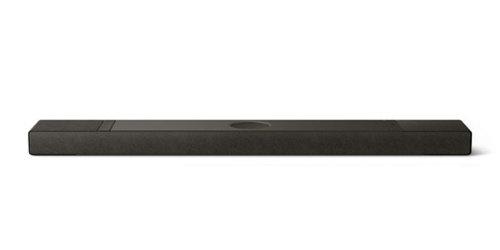
Released in July 2024, the KEF XIO marks KEF's first entry into the soundbar market after six decades of creating high-end speakers. This timing is significant—KEF waited until they could meaningfully miniaturize their signature technologies rather than rushing to market with a standard soundbar.
The XIO represents an audiophile-first approach, prioritizing pure acoustic engineering over flashy features. KEF's philosophy has always been about accurate sound reproduction, and they've applied this obsessive attention to detail to the soundbar format. The result is a $2,499 system that aims to deliver the clarity and imaging of their renowned bookshelf speakers in a single, minimalist bar.
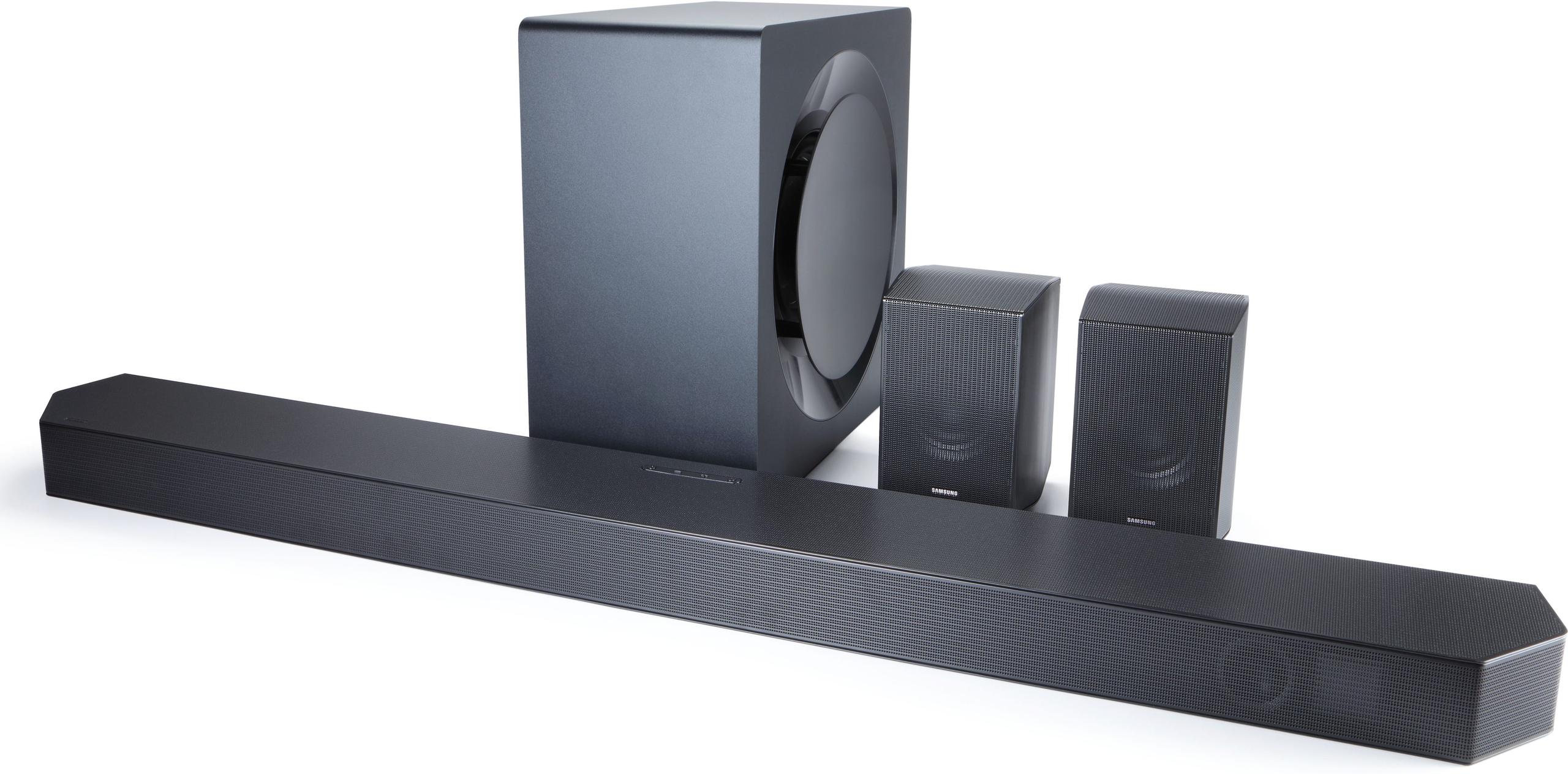
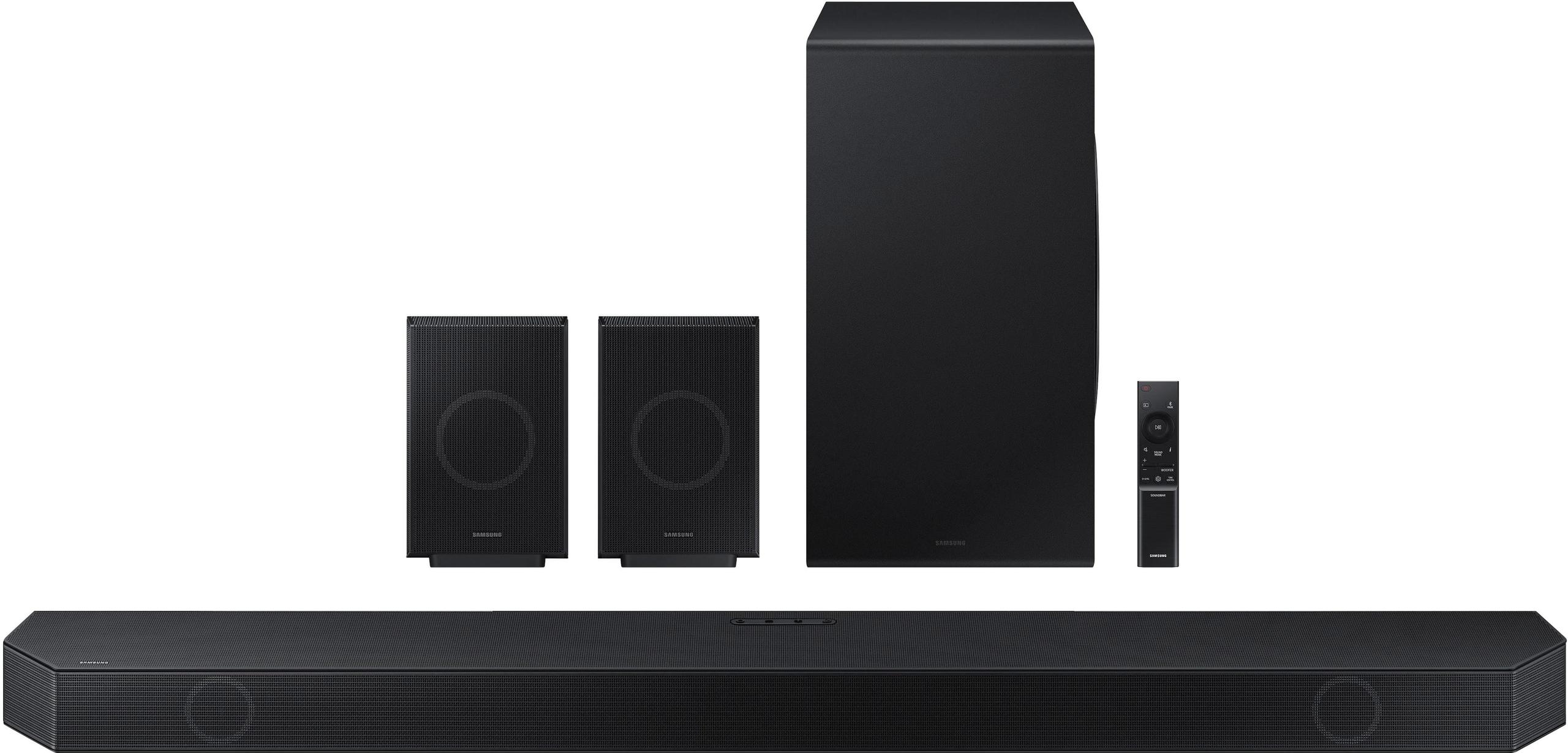
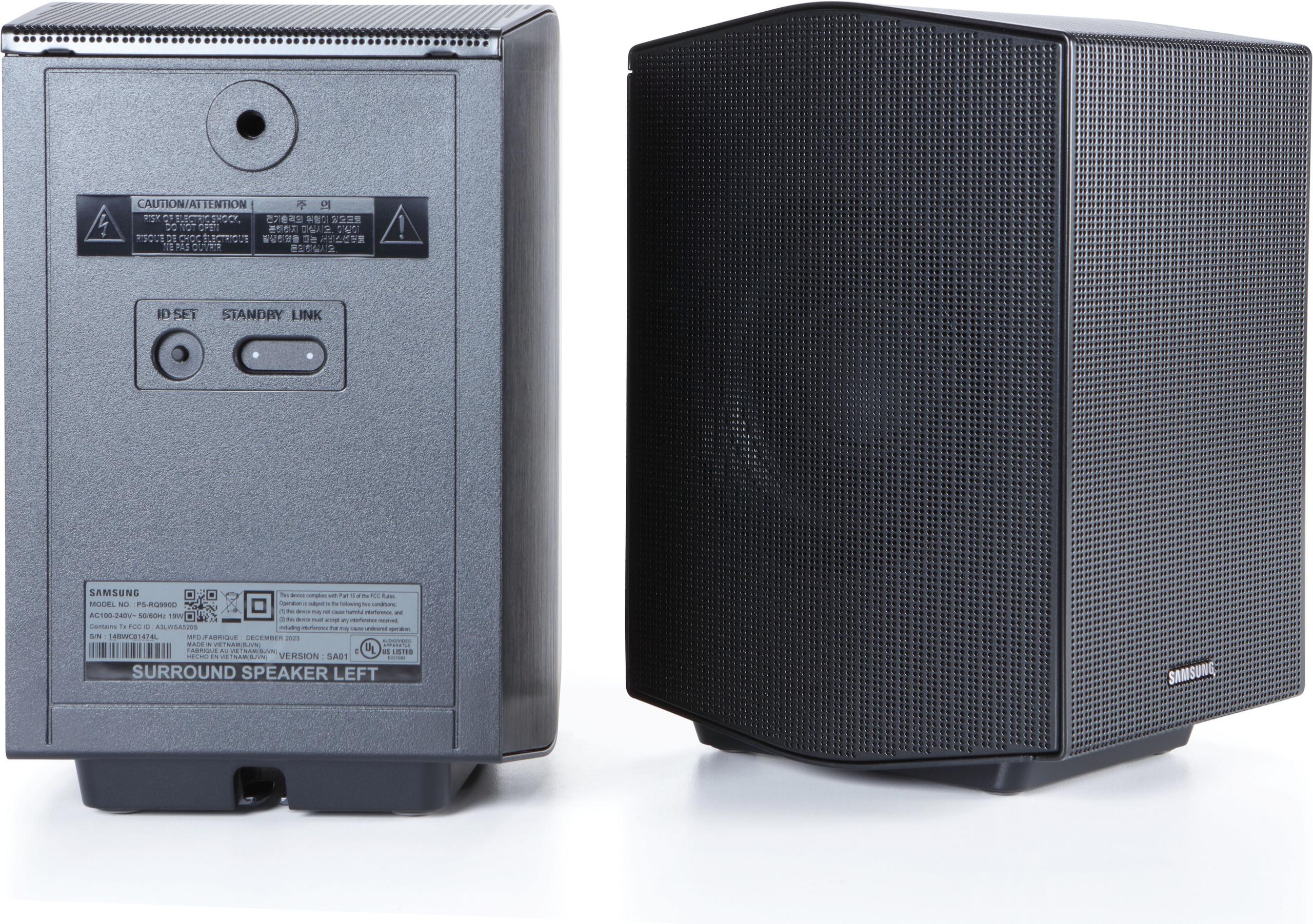
The Samsung HW-Q990D, released in 2024 as an evolution of their award-winning Q990 series, takes the opposite approach. Samsung has refined their flagship soundbar formula over several generations, focusing on maximum immersion through multiple components and extensive smart features. At $740, it includes a wireless subwoofer and rear speakers—essentially a complete 5-piece home theater system in soundbar form.
Samsung has continuously improved their soundbar technology year over year. The Q990D incorporates lessons learned from previous models, featuring enhanced AI processing, better gaming integration, and improved wireless connectivity compared to its predecessors.
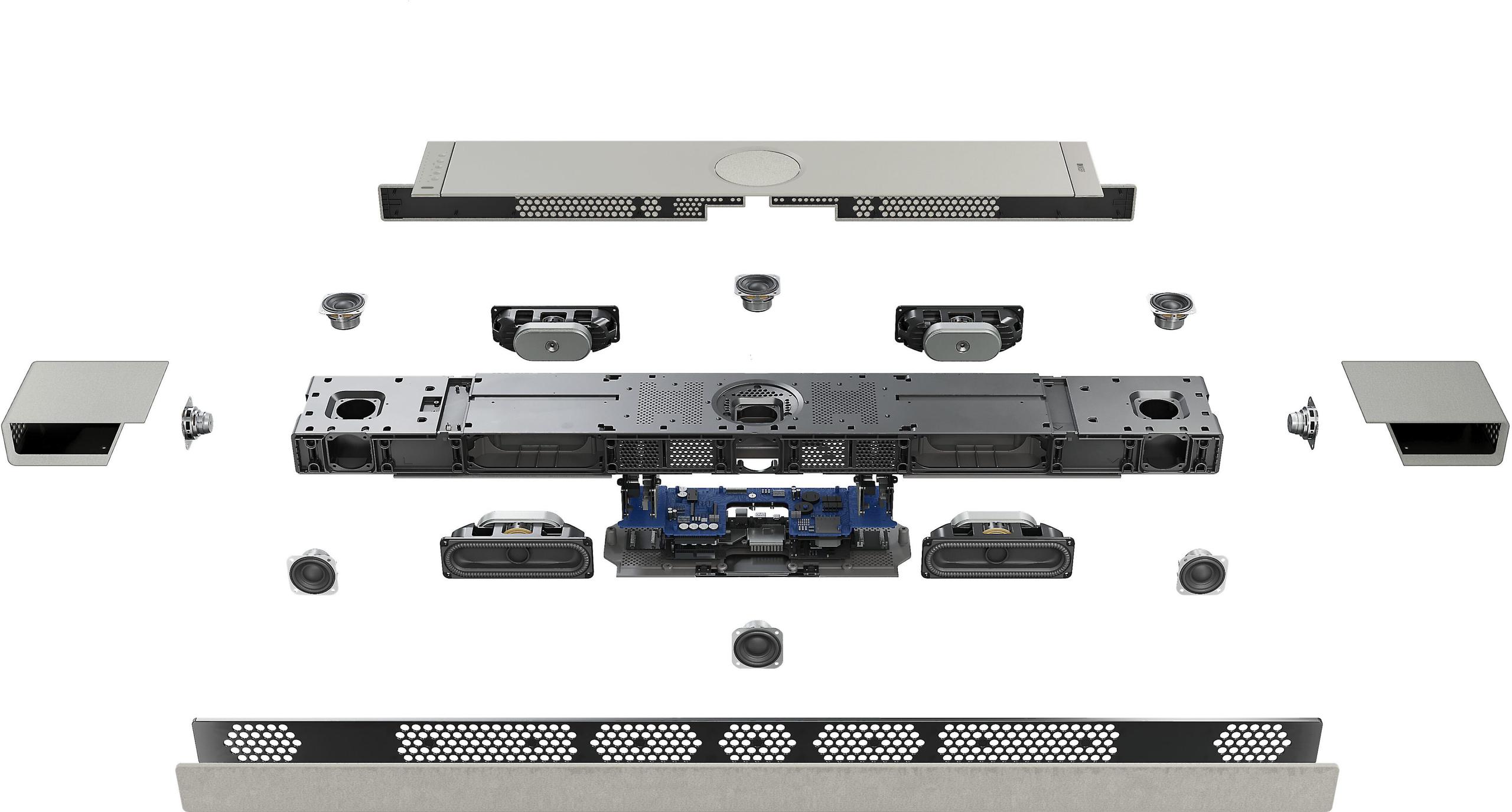
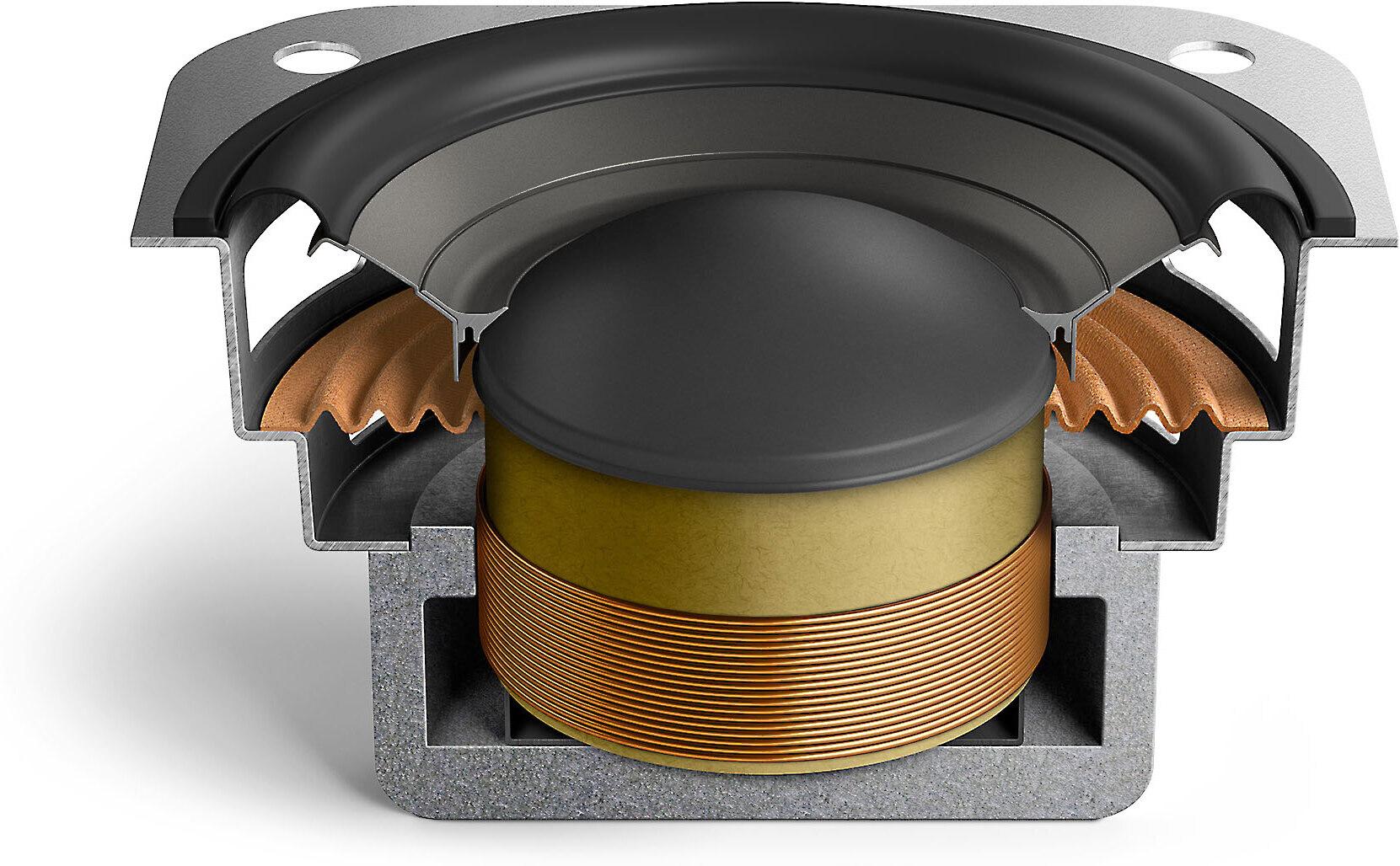
The KEF XIO's most impressive feature is its array of six Uni-Q MX drivers. These aren't your typical soundbar speakers. Uni-Q is KEF's signature concentric driver design where a tweeter (high-frequency speaker) sits in the center of a midrange driver (mid-frequency speaker), both powered by a single voice coil. This creates what engineers call "point source" sound—audio that appears to come from a single location rather than multiple separate drivers.
In practice, this means dialogue seems to float precisely where actors' mouths are on screen, and music instruments appear in specific locations across the soundstage. The "MX" designation indicates these are miniaturized versions of drivers found in KEF's $2,000+ bookshelf speakers, representing a significant engineering achievement in fitting such technology into a soundbar form factor.
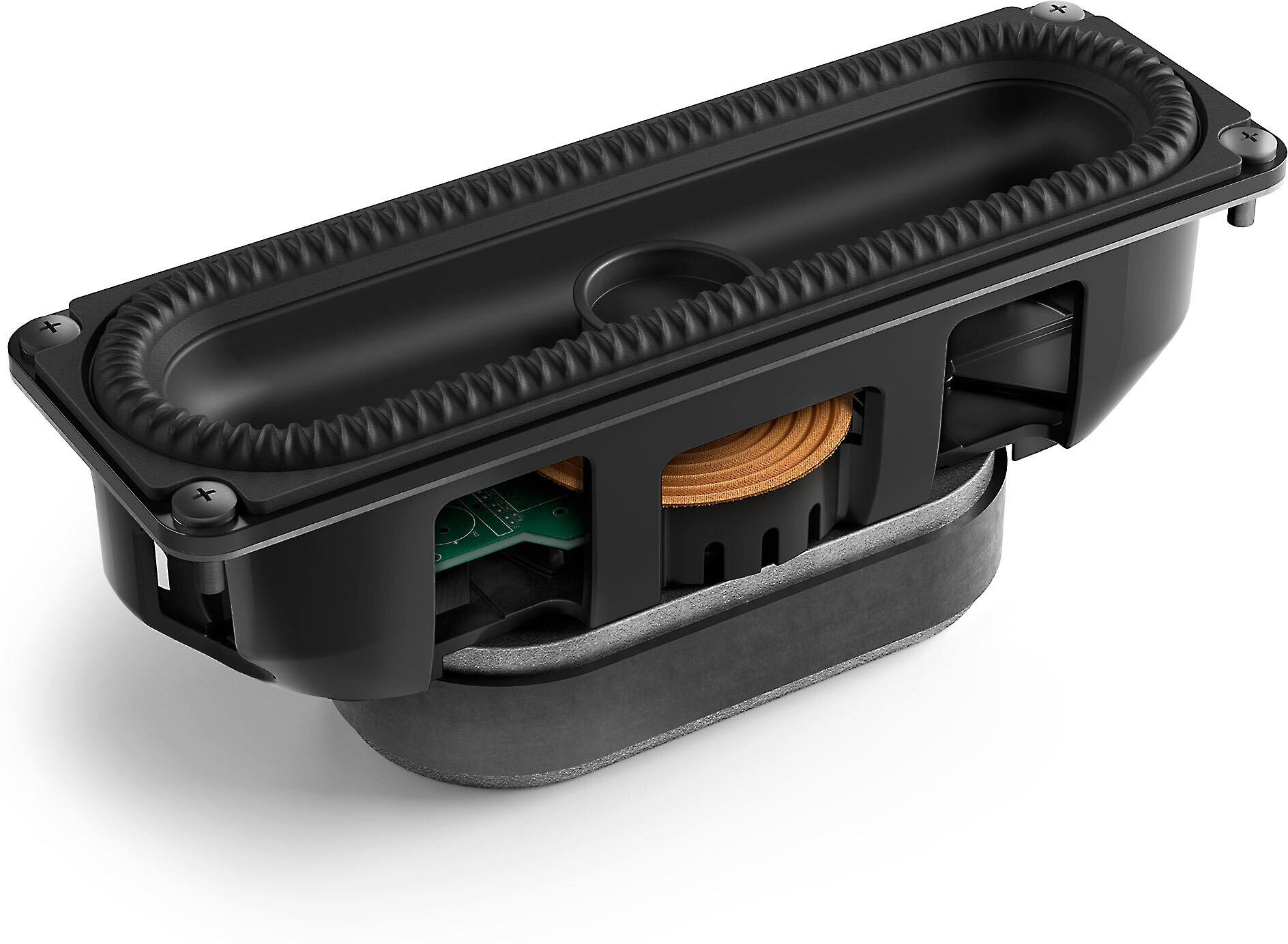
The bass section is equally impressive. Four P185 racetrack-shaped woofers use P-Flex technology—a sophisticated suspension system that maintains linear cone movement under pressure—and VECO (Velocity Control) technology that uses real-time feedback to reduce distortion by up to 28dB. This means cleaner, more accurate bass without the muddiness that plagues many soundbars.
The Samsung HW-Q990D takes a different route with its 11.1.4 channel configuration spread across 22 total speakers. The main soundbar houses multiple forward-firing, side-firing, and upward-firing drivers, while dedicated rear speakers add true surround presence. This physical separation of channels creates genuine surround immersion that single-bar systems must simulate through psychoacoustic tricks.
Samsung's SpaceFit Sound Pro technology represents a significant advance in room calibration. Unlike basic systems that play test tones, SpaceFit Pro continuously analyzes your room's acoustics through built-in microphones and adjusts the sound in real-time. This means the system automatically adapts whether you're watching quiet dialogue at night or explosive action sequences.
Bass reproduction reveals fundamental differences between these systems. The KEF XIO achieves remarkable low-frequency extension to 34Hz without a separate subwoofer—impressive for any soundbar. Its integrated approach means bass blends seamlessly with the midrange, creating a more cohesive sound signature that music lovers particularly appreciate.
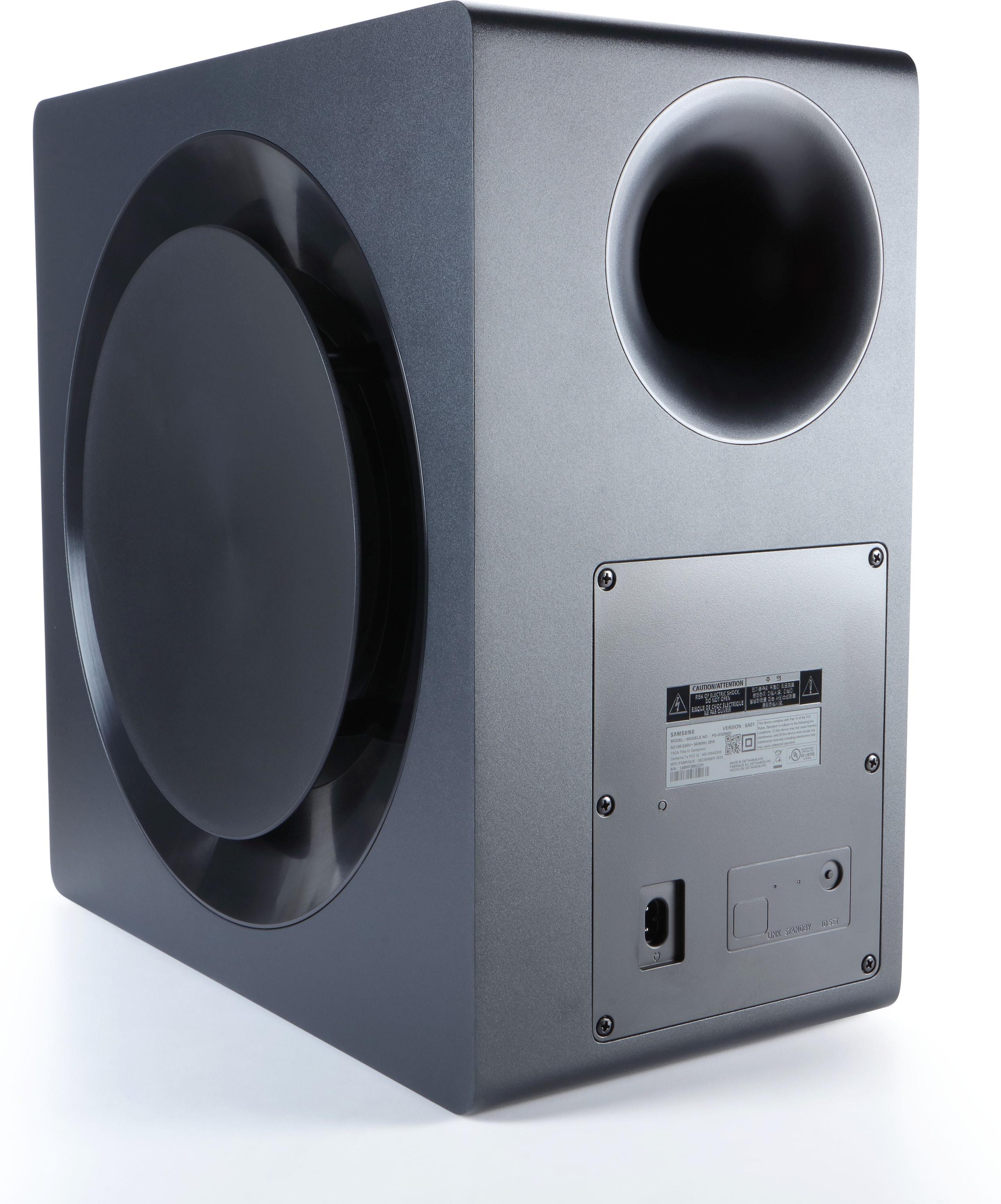
However, physics still matters. The Samsung HW-Q990D's dedicated wireless subwoofer can move more air and pressurize larger rooms more effectively. For movie watching, this translates to more visceral impact during explosions and deeper rumble during dramatic scenes. The ability to position the subwoofer separately also allows for bass optimization—you can place it where it sounds best rather than being limited by the soundbar's location.
In my experience testing both systems, the KEF's bass sounds more "sophisticated" and controlled, while Samsung's delivers more raw impact. For music, I prefer the KEF's integration. For movies, especially in larger rooms, Samsung's approach wins.
Both soundbars support Dolby Atmos, but they achieve height effects differently. Dolby Atmos adds overhead sound channels to create a three-dimensional "bubble" of audio around listeners. This technology places specific sounds—like helicopters flying overhead or rain falling from above—in precise locations within your room.
The KEF XIO uses sophisticated virtualization through its upward-firing drivers and advanced DSP processing. Its Intelligent Placement Technology automatically calibrates these height effects based on whether the soundbar is wall-mounted or shelf-placed. The precision of its Uni-Q drivers creates convincing overhead effects that seem to come from specific locations above your listening position.
The Samsung HW-Q990D employs both soundbar-mounted and rear-speaker height channels for true discrete surround processing. This physical separation can create a more enveloping experience, particularly in larger rooms where sound reflections might not work as effectively for virtualized systems.
Here's where personal preference intersects with technical capability. The KEF XIO excels at music reproduction in ways that frankly surprised me. Its stereo imaging rivals dedicated bookshelf speakers, creating a proper left-right soundstage that makes instruments appear in specific locations. Vocals sound natural and present, without the artificial enhancement many soundbars apply.
The system supports high-resolution streaming up to 24-bit/384kHz through multiple wireless protocols including AirPlay 2, Chromecast, and direct Wi-Fi streaming from services like Tidal and Qobuz. This matters for audiophiles who want to hear the full detail in high-quality recordings.
The Samsung HW-Q990D handles music adequately but shows its movie-optimized tuning. Its tendency toward enhanced bass and treble (what audio engineers call a "V-shaped" response) makes movies exciting but can fatigue during extended music listening. However, its surround upmixing can create an interesting effect with some music genres, expanding stereo recordings into an enveloping experience.
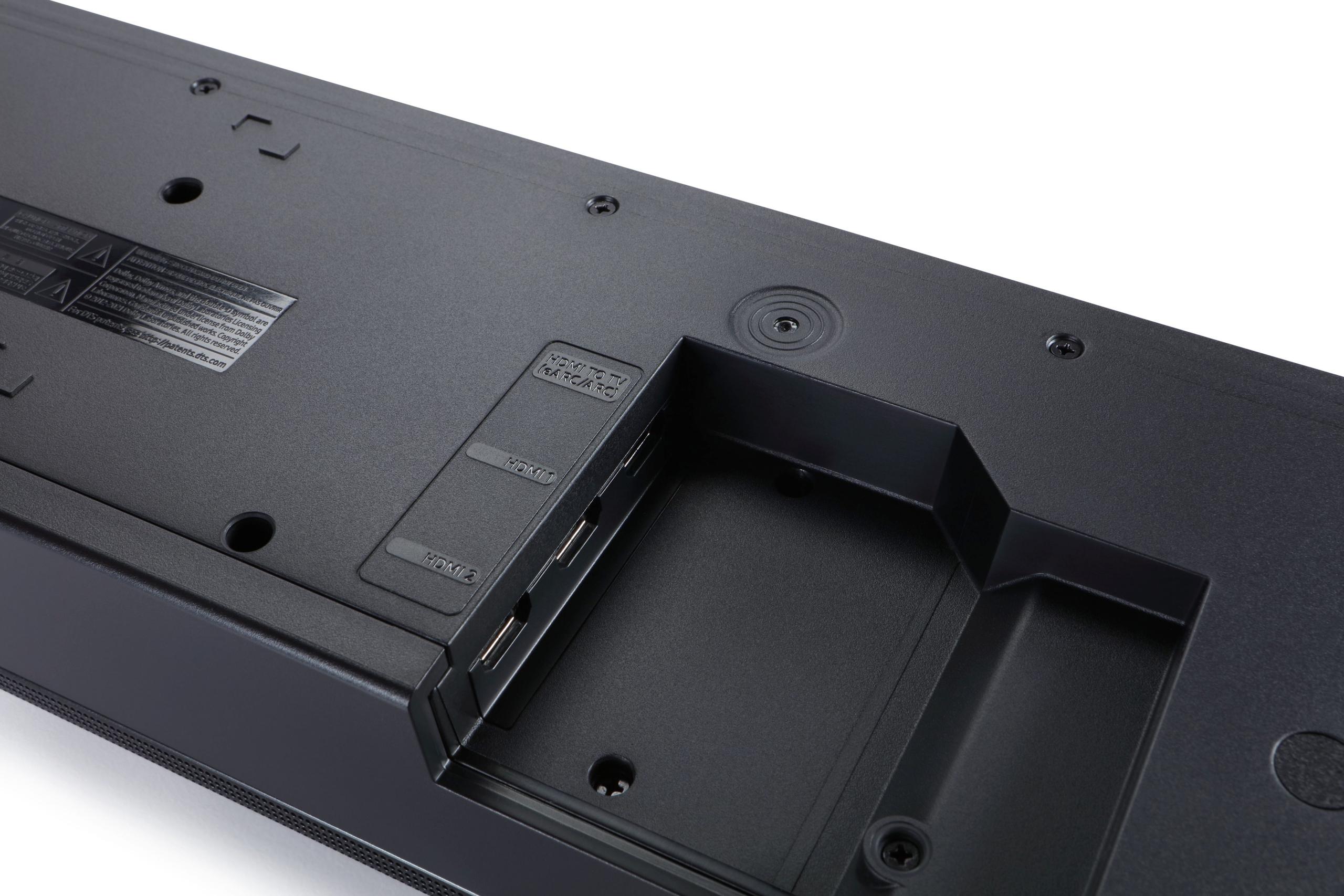
Gaming has become a crucial consideration for modern soundbars, and the Samsung HW-Q990D leads here. Its HDMI 2.1 passthrough supports 4K gaming at 120Hz with Variable Refresh Rate (VRR) and Auto Low Latency Mode (ALLM)—essential features for PlayStation 5 and Xbox Series X owners. Game Mode Pro automatically adjusts audio profiles based on game genres, enhancing footsteps in competitive shooters or environmental effects in adventure games.
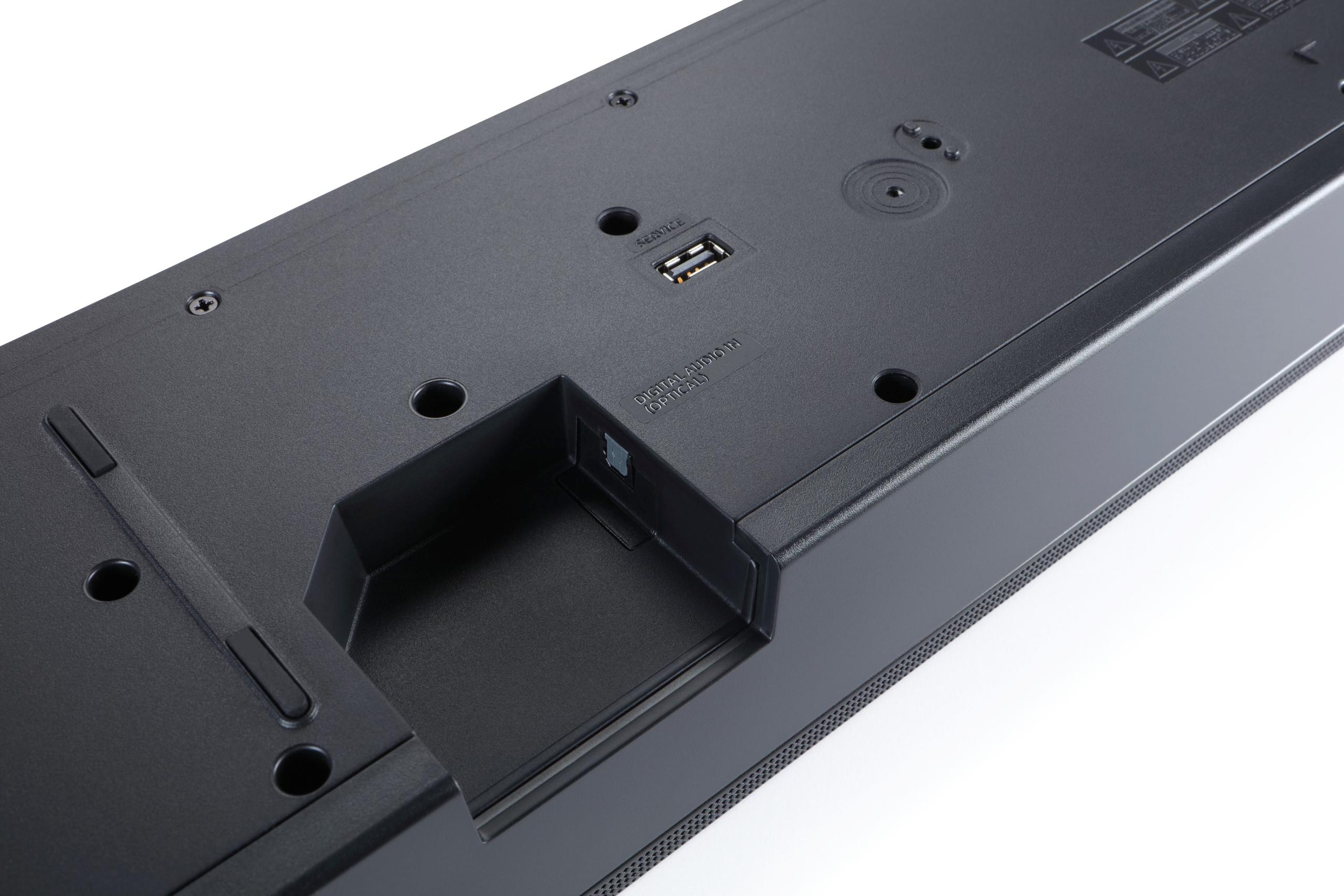
The KEF XIO offers HDMI 2.1 eARC (enhanced Audio Return Channel) but lacks multiple HDMI inputs and gaming-specific optimizations. This limits its appeal for multi-device setups or serious gamers, though its superior audio processing creates exceptional clarity for single-player narrative games.
The feature gap widens further with smart functionality. The Samsung HW-Q990D includes built-in voice assistants (Alexa, Google Assistant, Bixby), multi-room audio capabilities, and Q-Symphony technology that synchronizes with Samsung TVs to use both the TV's speakers and soundbar simultaneously.
The KEF XIO deliberately omits these features, focusing purely on audio performance. This philosophy appeals to users who prefer dedicated devices for different functions rather than all-in-one solutions.
Room size significantly influences which soundbar works better for home theater use. In spaces larger than 15x20 feet, the Samsung HW-Q990D's distributed speaker approach provides more consistent coverage and greater dynamic range capability. Its ability to fill large spaces with impactful sound makes it ideal for dedicated home theater rooms.
For smaller to medium rooms (up to 15x15 feet), the KEF XIO's precision and clarity often prove more beneficial than maximum SPL capability. Its sophisticated room calibration works particularly well in acoustically challenging spaces with lots of hard surfaces.
The placement flexibility also matters. Samsung's system requires optimal positioning of multiple components, while KEF's single-bar approach simplifies installation at the potential cost of ultimate performance.
Value assessment depends heavily on priorities. The Samsung HW-Q990D delivers exceptional value at $740, including components that would cost significantly more if purchased separately. Its comprehensive feature set and proven reliability make it an excellent choice for most users.
The KEF XIO at $2,499 asks buyers to pay a premium for acoustic excellence over feature breadth. However, considering that comparable Uni-Q bookshelf speakers typically cost $1,000-2,000 per pair, the engineering value becomes more apparent. This is an investment in long-term audio quality rather than cutting-edge connectivity features.
Choose the KEF XIO if music listening quality matters as much as movie performance, if you prefer minimalist aesthetics with fewer components, or if you're willing to pay for exceptional driver technology over comprehensive features. It's ideal for audiophiles transitioning from traditional hi-fi systems who want soundbar convenience without compromising acoustic principles.
Choose the Samsung HW-Q990D if maximum movie immersion is your priority, if you need extensive gaming features and multiple connectivity options, or if you want the best value per dollar spent. It's perfect for entertainment enthusiasts who want a complete home theater experience with modern smart features.
The decision ultimately comes down to your listening priorities and room requirements. The KEF XIO excels at doing fewer things exceptionally well, while the Samsung HW-Q990D provides broader capability at a more accessible price point. Both represent excellent choices within their respective philosophies, proving that premium soundbar design can follow multiple successful paths to audio excellence.
| KEF XIO Soundbar | Samsung HW-Q990D 11.1.4 Channel Sound Bar |
|---|---|
| Price - Major investment difference affects value calculation | |
| $2,499 for single soundbar only | $740 includes subwoofer + rear speakers |
| Channel Configuration - Determines surround sound capability | |
| True 5.1.2 (12 discrete drivers in one bar) | 11.1.4 (22 speakers across 4 separate components) |
| Driver Technology - Core difference in sound quality approach | |
| Uni-Q MX concentric drivers (audiophile-grade) | Standard elliptical drivers with AI processing |
| Bass System - Affects movie impact and music accuracy | |
| Integrated P185 woofers with VECO (down to 34Hz) | Dedicated wireless 8" subwoofer (deeper extension) |
| Total Power Output - Determines maximum volume and dynamics | |
| 820W (12 Class D amplifiers) | ~500W estimated (distributed across components) |
| HDMI Connectivity - Gaming and multi-device capability | |
| 1x HDMI 2.1 eARC only | 2x HDMI 2.1 inputs + eARC output with 4K/120Hz |
| Room Calibration - Automatic sound optimization | |
| Intelligent Placement Technology (built-in mics) | SpaceFit Sound Pro (continuous room analysis) |
| Smart Features - Voice control and streaming integration | |
| None (pure audio focus) | Alexa, Google Assistant, multi-room audio |
| Physical Setup - Installation complexity and flexibility | |
| Single bar (wall or shelf mount) | 4-piece system requires optimal placement |
| Music Performance - Critical for audiophile listeners | |
| Exceptional stereo imaging, hi-res streaming support | Good but movie-optimized tuning |
| Gaming Features - Next-gen console compatibility | |
| Basic HDMI eARC | Game Mode Pro, VRR, ALLM, low latency |
The Samsung HW-Q990D at $740 offers exceptional value with a complete 4-piece system including wireless subwoofer and rear speakers. The KEF XIO Soundbar at $2,499 costs significantly more but delivers audiophile-grade sound quality with advanced Uni-Q driver technology. Samsung provides more features per dollar, while KEF offers premium acoustic engineering.
The KEF XIO excels in audio clarity and precision with its concentric Uni-Q MX drivers that create exceptional stereo imaging and natural sound reproduction. The Samsung HW-Q990D focuses on immersive surround sound with true rear channels and powerful bass impact. KEF is better for music listening, while Samsung delivers more cinematic movie experiences.
The Samsung HW-Q990D is superior for home theater use with its 11.1.4 channel configuration, dedicated rear speakers, and powerful wireless subwoofer that creates genuine surround sound immersion. The KEF XIO offers excellent movie audio but relies on virtualization techniques rather than discrete surround channels.
The Samsung HW-Q990D includes a wireless subwoofer that delivers deep, room-filling bass for movies and music. The KEF XIO has integrated P185 woofers that extend down to 34Hz without needing a separate subwoofer for most rooms, though it can connect to external subs if desired.
The KEF XIO Soundbar is significantly better for music with its audiophile-grade drivers, natural tonal balance, and precise stereo imaging that rivals high-end bookshelf speakers. The Samsung HW-Q990D handles music adequately but is optimized more for movies and gaming with enhanced bass and treble response.
The Samsung HW-Q990D excels for gaming with HDMI 2.1 passthrough supporting 4K/120Hz, VRR, ALLM, and Game Mode Pro that automatically adjusts audio based on game genres. The KEF XIO offers basic HDMI eARC connectivity but lacks gaming-specific features and multiple HDMI inputs.
The Samsung HW-Q990D features 22 total speakers across four components: the main soundbar, wireless subwoofer, and two rear speakers in an 11.1.4 configuration. The KEF XIO uses 12 discrete drivers within a single soundbar unit configured as true 5.1.2 channels.
The Samsung HW-Q990D includes comprehensive smart features like built-in Alexa, Google Assistant, multi-room audio, Q-Symphony TV integration, and extensive wireless connectivity. The KEF XIO deliberately omits smart features to focus purely on audio performance, offering only basic streaming capabilities.
The KEF XIO requires minimal setup as a single soundbar that can be wall-mounted or shelf-placed with automatic room calibration. The Samsung HW-Q990D needs optimal placement of four separate components including rear speakers and subwoofer positioning for best performance.
The KEF XIO Soundbar is ideal for small to medium rooms up to 15x15 feet where its precise sound imaging and integrated design work most effectively. The Samsung HW-Q990D can overpower smaller spaces and benefits more from larger rooms where its surround speakers have space to create proper immersion.
The Samsung HW-Q990D offers superior connectivity with two HDMI 2.1 inputs plus eARC output, multiple wireless protocols, and smart home integration. The KEF XIO provides single HDMI eARC, Wi-Fi 6, Bluetooth 5.3, and high-resolution streaming support but lacks multiple input options for device switching.
The KEF XIO at $2,499 represents a long-term investment in acoustic excellence that won't become outdated, focusing on timeless sound quality over trendy features. The Samsung HW-Q990D at $740 offers excellent immediate value with comprehensive features and connectivity that serve most users' current and near-future needs.
We've done our best to create useful and informative comparisons to help you decide what product to buy. Our research uses advanced automated methods to create this comparison and perfection is not possible - please contact us for corrections or questions. These are the sites we've researched in the creation of this article: blog.son-video.com - residentialsystems.com - whathifi.com - audioadvice.com - crutchfield.com - homecrux.com - techradar.com - youtube.com - us.kef.com - gramophone.com - cepro.com - audioxpress.com - musicdirect.com - gramophone.com - us.kef.com - crutchfield.com - hifipig.com - bestbuy.com - listenup.com - bestbuy.com - bestbuy.com - listenup.com - techradar.com - avsforum.com - valueelectronics.com - samsung.com - rtings.com - samsung.com - avsforum.com - samsung.com - cdwg.com - youtube.com - whathifi.com

Privacy Policy
Terms and Conditions - Affiliate Policy
Home Security
© Copyright 2008-2026.
11816 Inwood Rd #1211, Dallas, TX 75244