

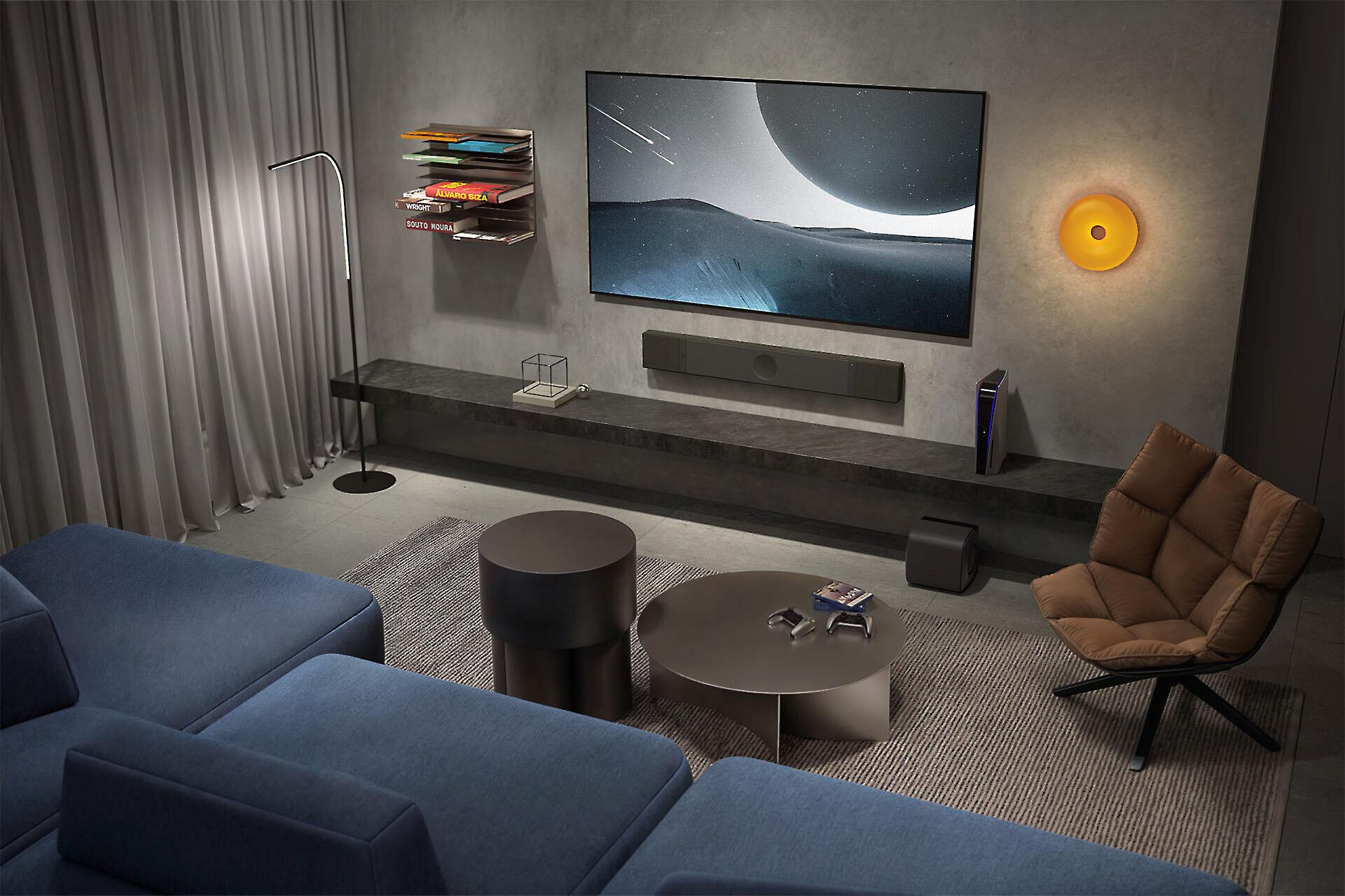
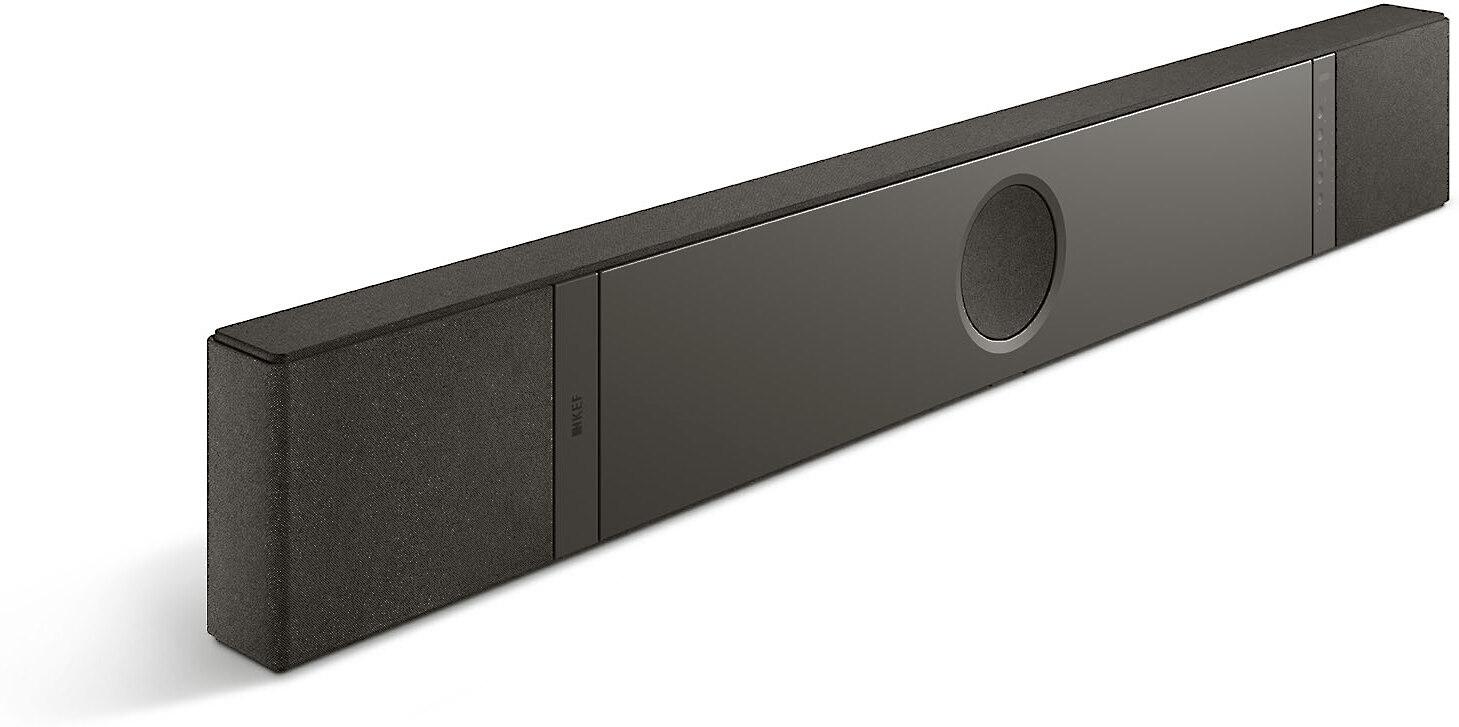
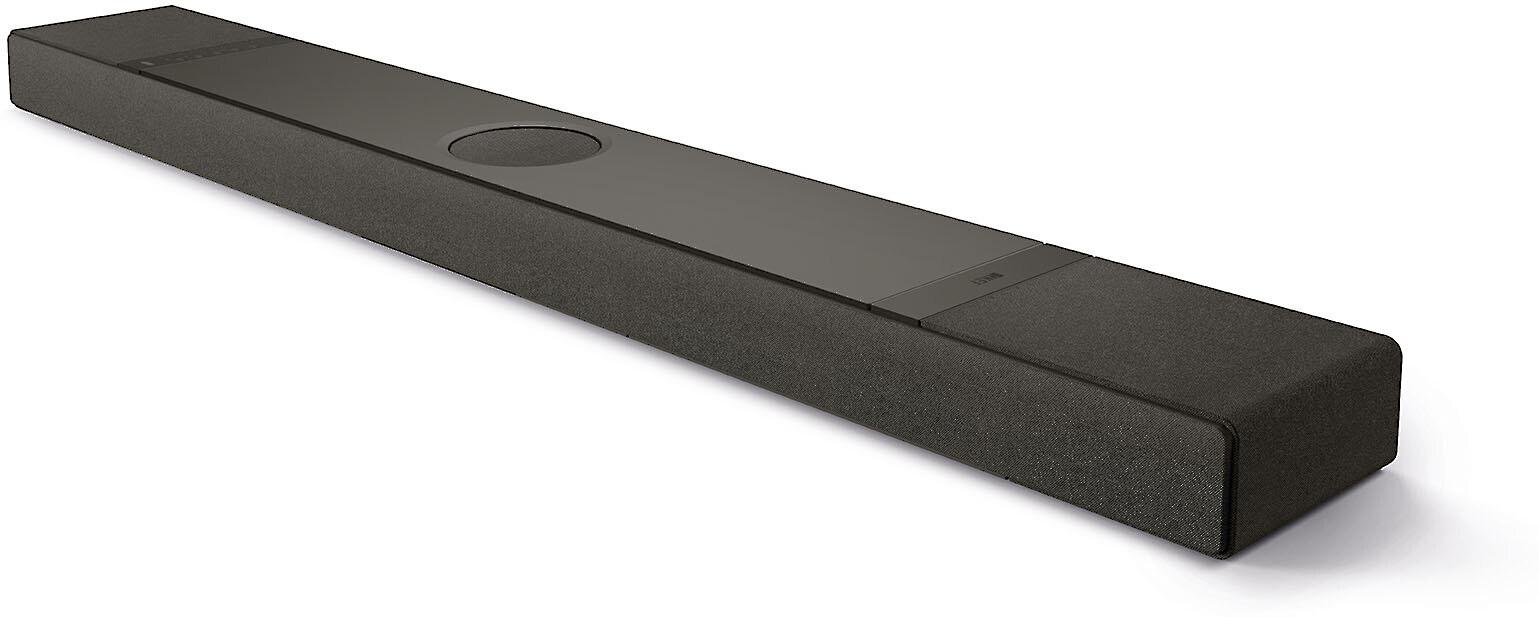
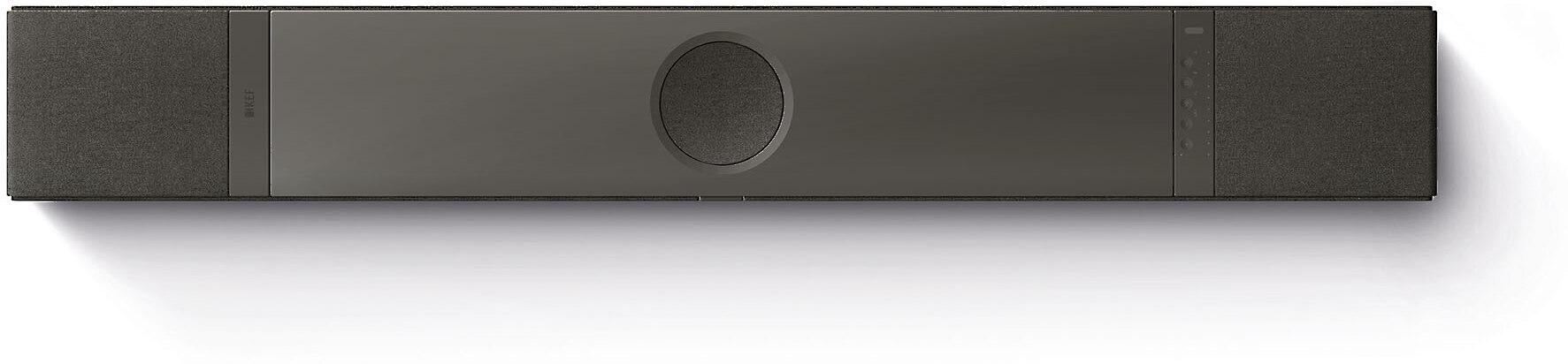






When you're watching your favorite movie and the dialogue gets drowned out by the TV's tiny speakers, or when that epic battle scene sounds more like a whisper than a war zone, you know it's time to upgrade your audio setup. The soundbar market has exploded over the past few years, offering everything from basic audio improvements to full-blown home theater replacements. Today, we're diving deep into two very different approaches to better TV sound: the premium KEF XIO ($2,499) and the budget-friendly LG S60TR ($299).
Before we jump into comparing these two systems, let's talk about what makes a good soundbar in 2024 and beyond. The soundbar category has evolved dramatically from those early models that were basically just wider TV speakers in a fancy case. Today's systems range from simple stereo upgrades to sophisticated multi-channel processors that can rival traditional home theater setups.
The key things you should care about are audio quality (how clean and detailed the sound is), spatial audio capabilities (whether you get that surround sound effect), connectivity options (how it connects to your TV and other devices), and of course, value for your money. Room integration has become increasingly important too – modern soundbars need to work well whether you wall-mount them or place them on a TV stand, and they should adapt to your room's acoustics.
I've tested dozens of soundbars over the years, and the biggest mistake people make is assuming all soundbars in the same price range perform similarly. They absolutely don't. The difference between a well-engineered system and a basic one can be night and day, especially when you start talking about the premium tier where companies like KEF play.
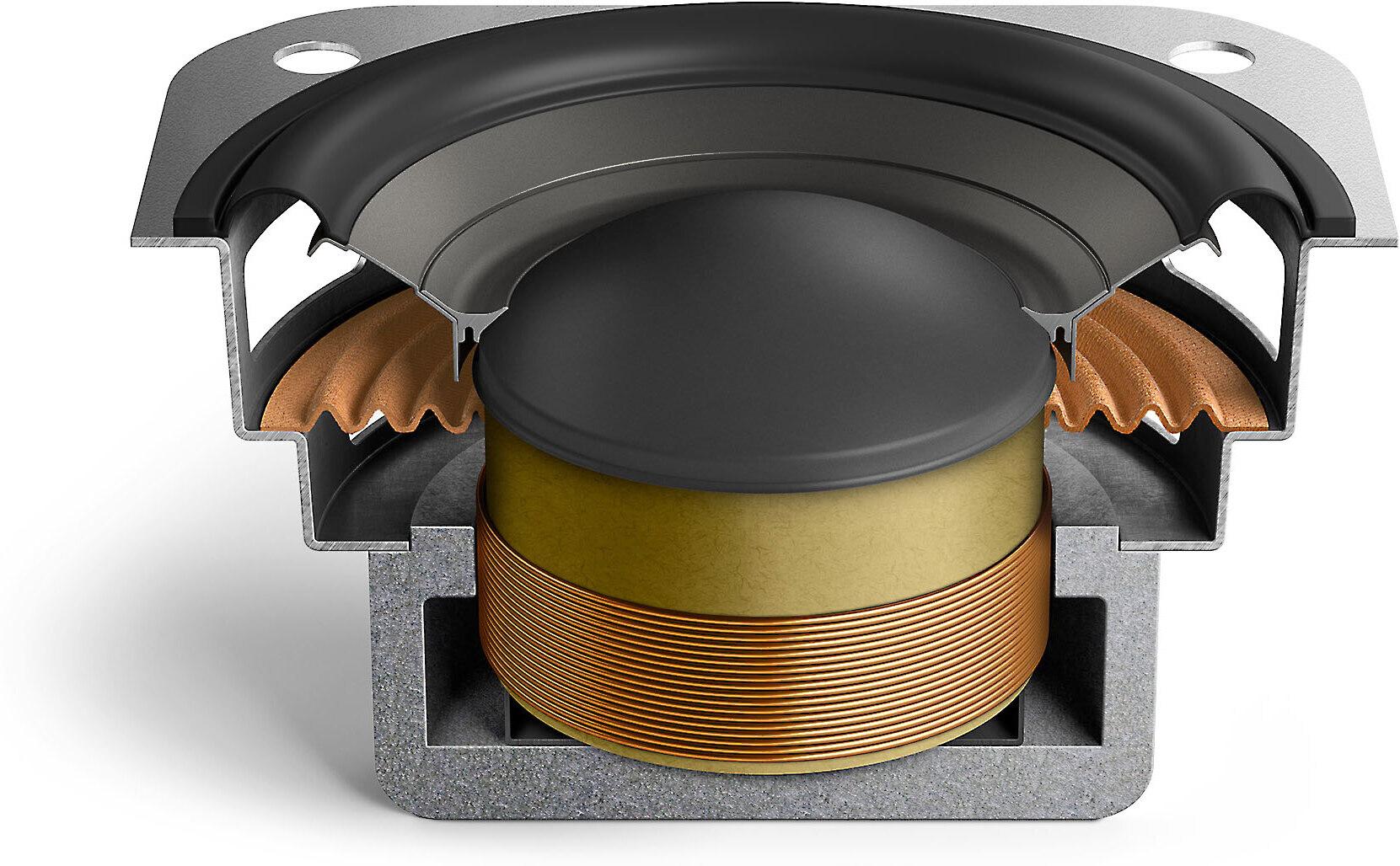
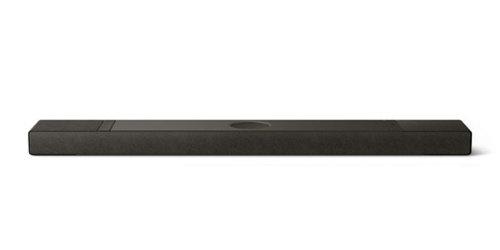
The KEF XIO, released in early 2025, represents KEF's first foray into the soundbar market. For those unfamiliar with KEF, they're a British company that's been making high-end speakers since 1961, and they're known for their innovative Uni-Q driver technology – basically, they put the tweeter (high-frequency driver) right in the center of the woofer (low-frequency driver) to create more coherent sound. The XIO brings this technology to the soundbar world with some serious engineering behind it.
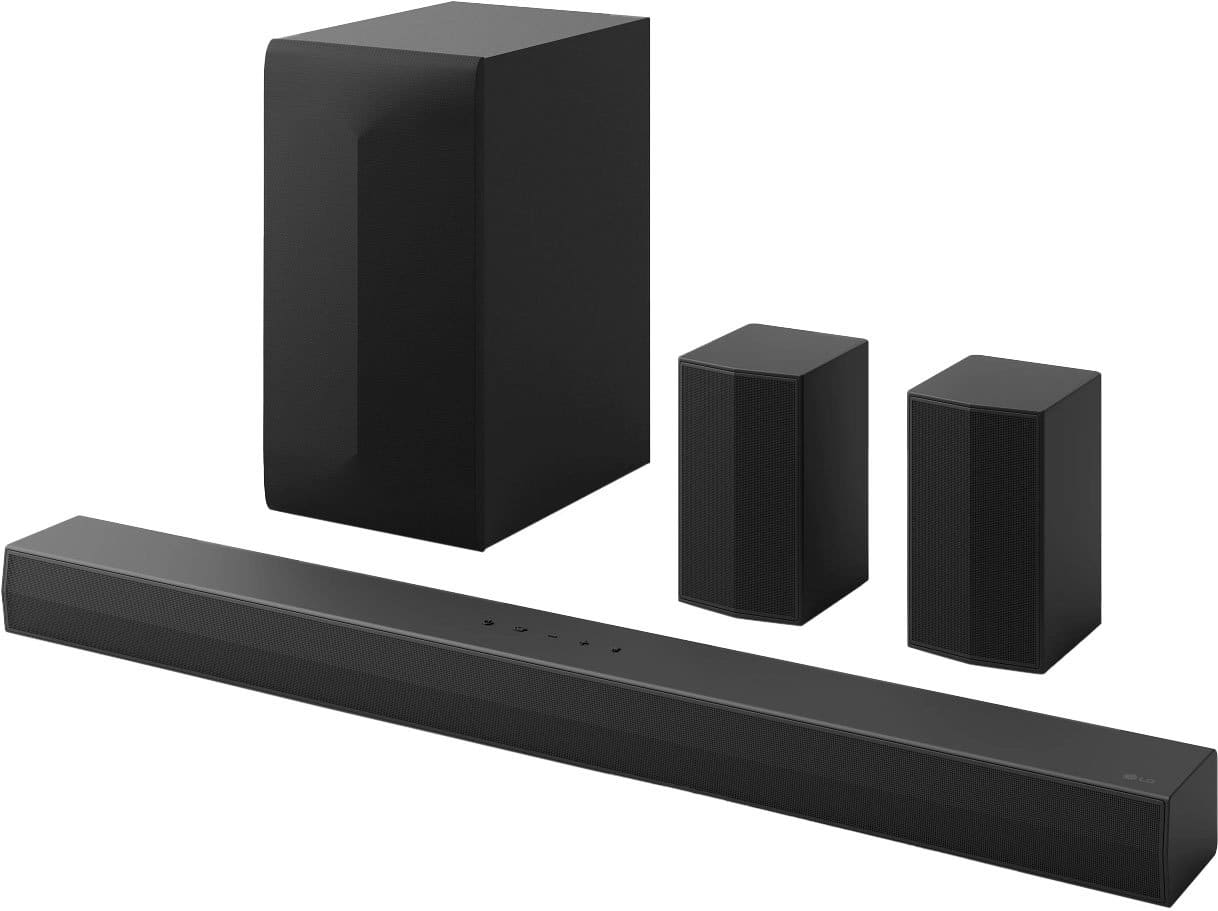
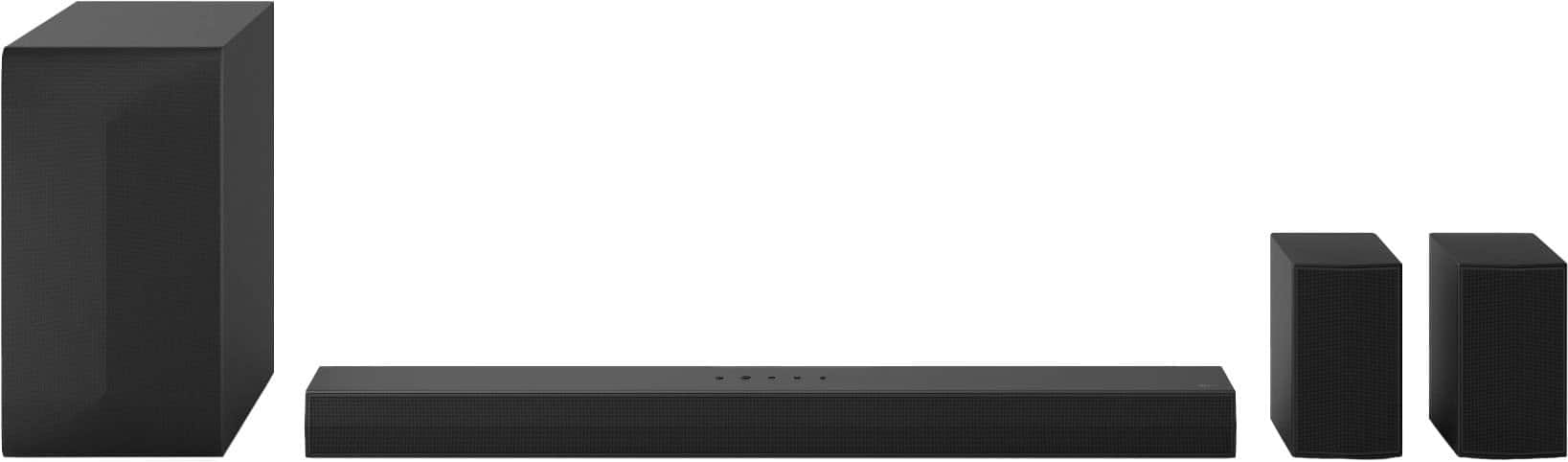
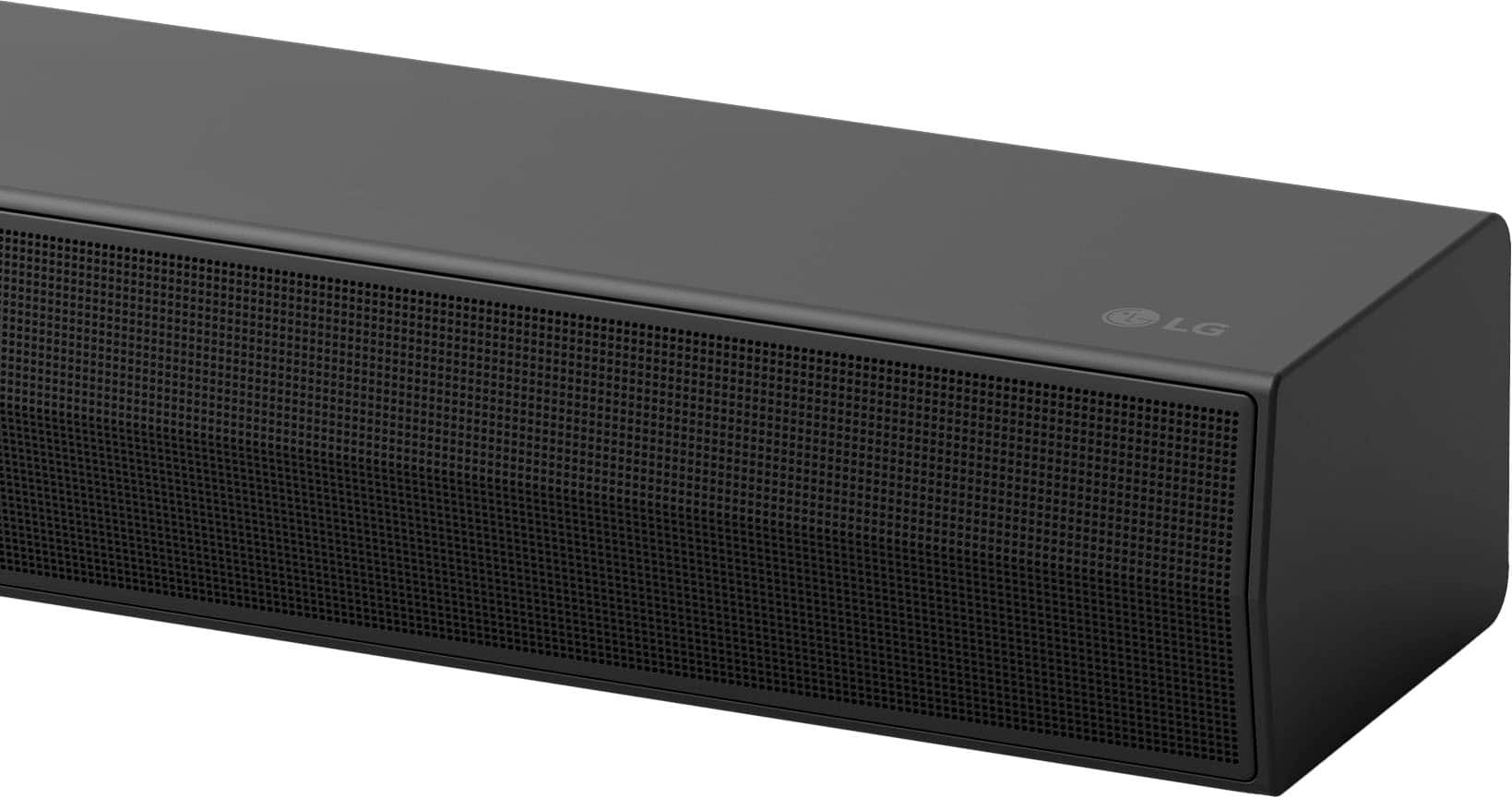
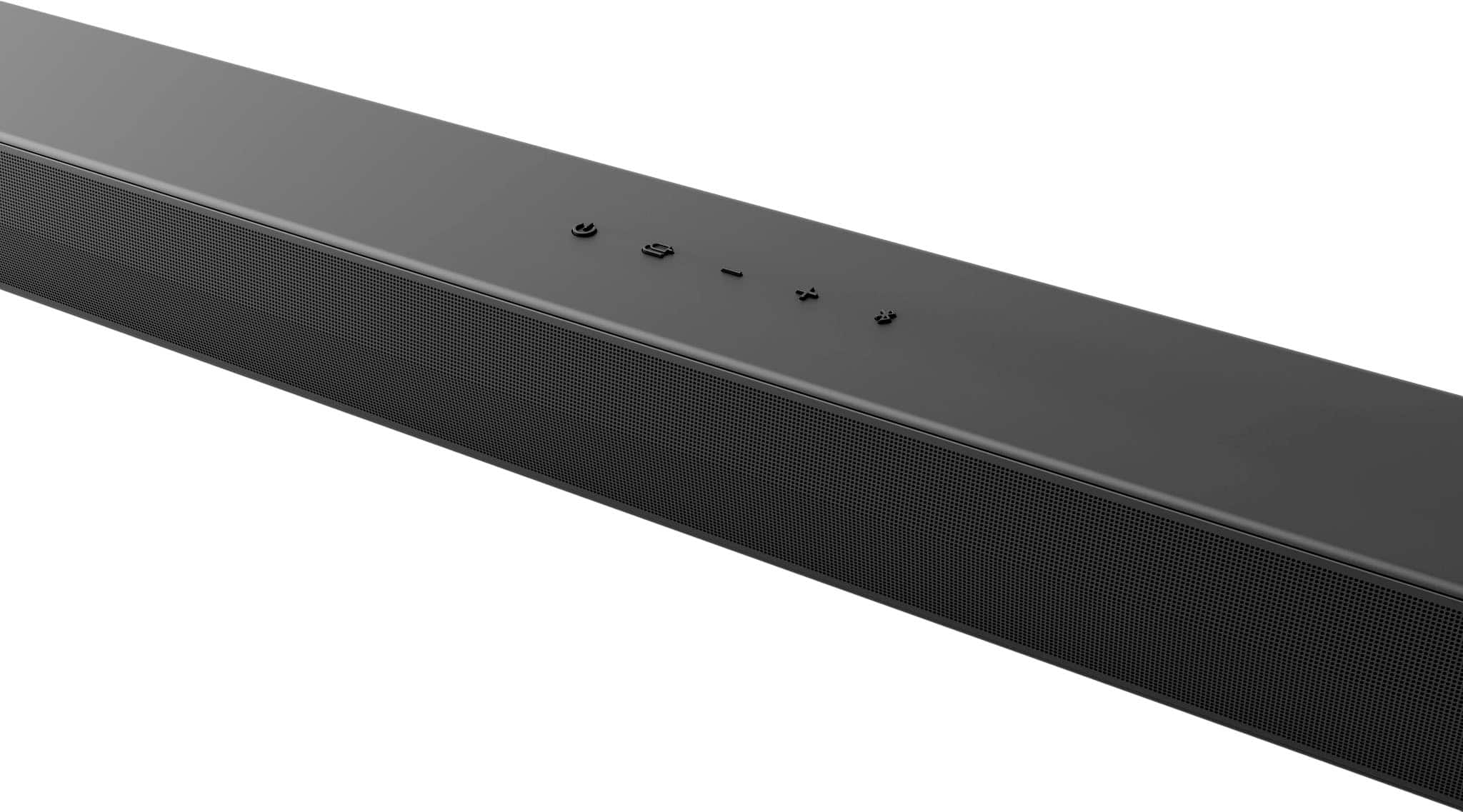
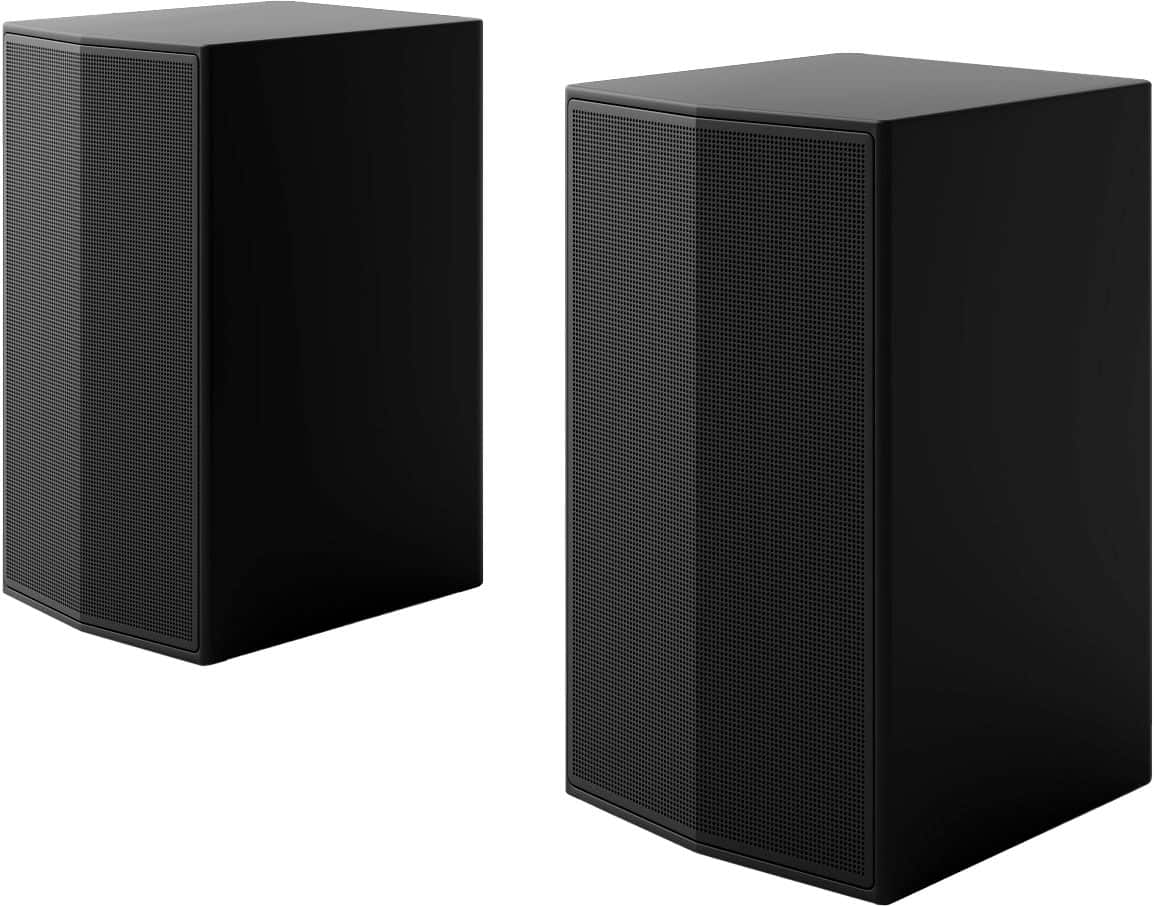
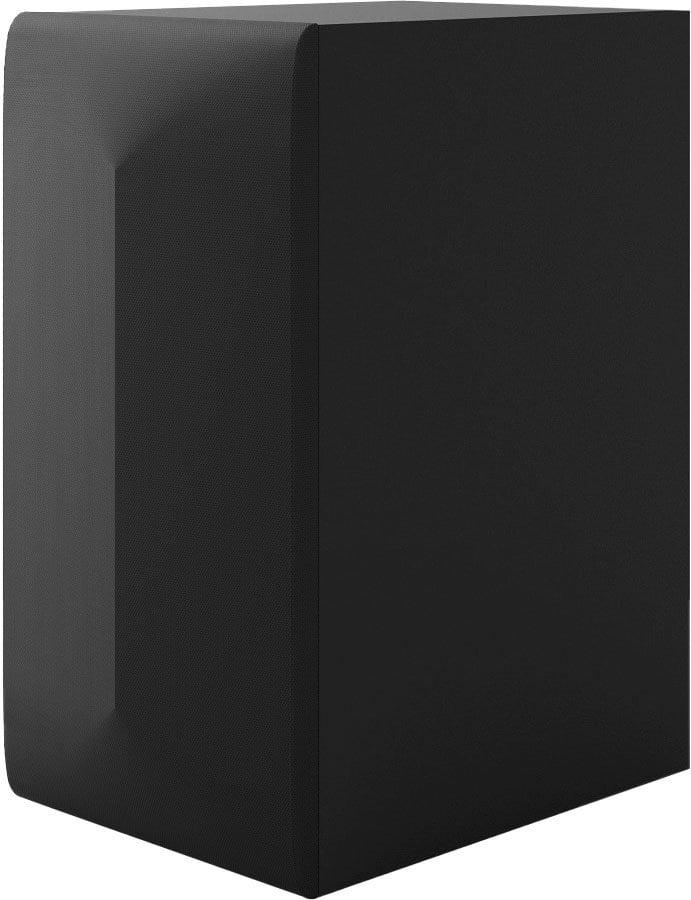
The LG S60TR, which hit the market in 2024, takes a completely different approach. LG designed this as a complete 5.1 surround system that includes wireless rear speakers and a subwoofer, all for under $300. It's aimed at people who want that full surround experience without breaking the bank or dealing with the complexity of a traditional receiver-based system.
Let's start with the most important aspect – how these systems actually sound. The differences here are substantial and tell the story of what you get when you spend $2,200 more.
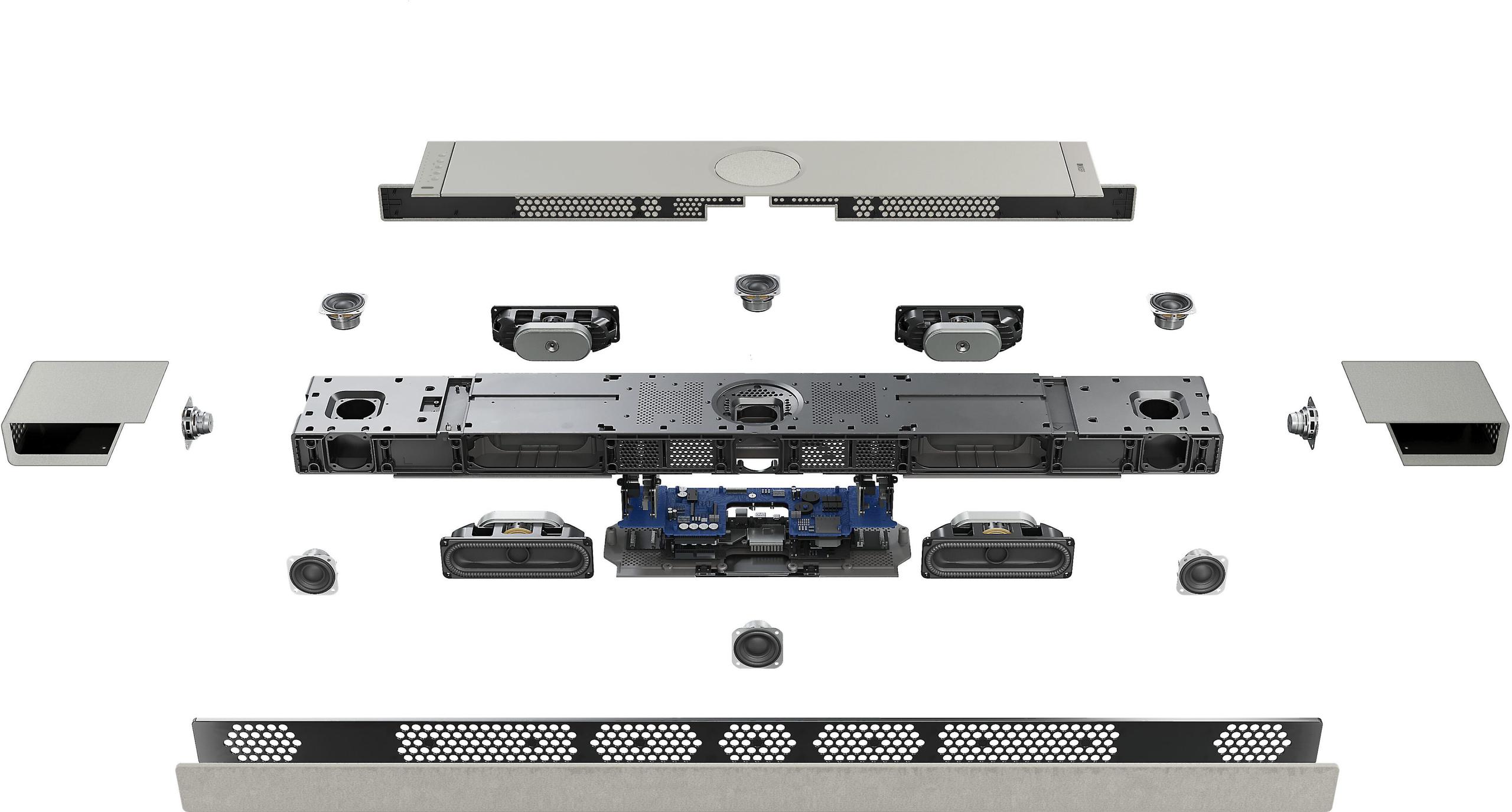
The KEF XIO uses twelve separate drivers powered by twelve individual amplifiers, delivering a total of 820 watts. But it's not just about the numbers – it's about the technology behind those drivers. The six Uni-Q MX drivers are miniaturized versions of KEF's flagship speaker technology. In traditional speakers, the tweeter and woofer are separated, which can cause timing issues – the high frequencies might reach your ears a fraction of a second before or after the low frequencies. Uni-Q solves this by placing both drivers concentrically, so all frequencies arrive at your ears at the same time.
What does this mean in practice? When I listen to dialogue-heavy content on the XIO, voices have this incredibly natural quality that makes them easy to understand without cranking up the volume. The imaging – where sounds appear to come from in space – is remarkably precise. During action scenes, I can pinpoint exactly where helicopters are flying or where explosions are happening, even though the sound is coming from a single bar.
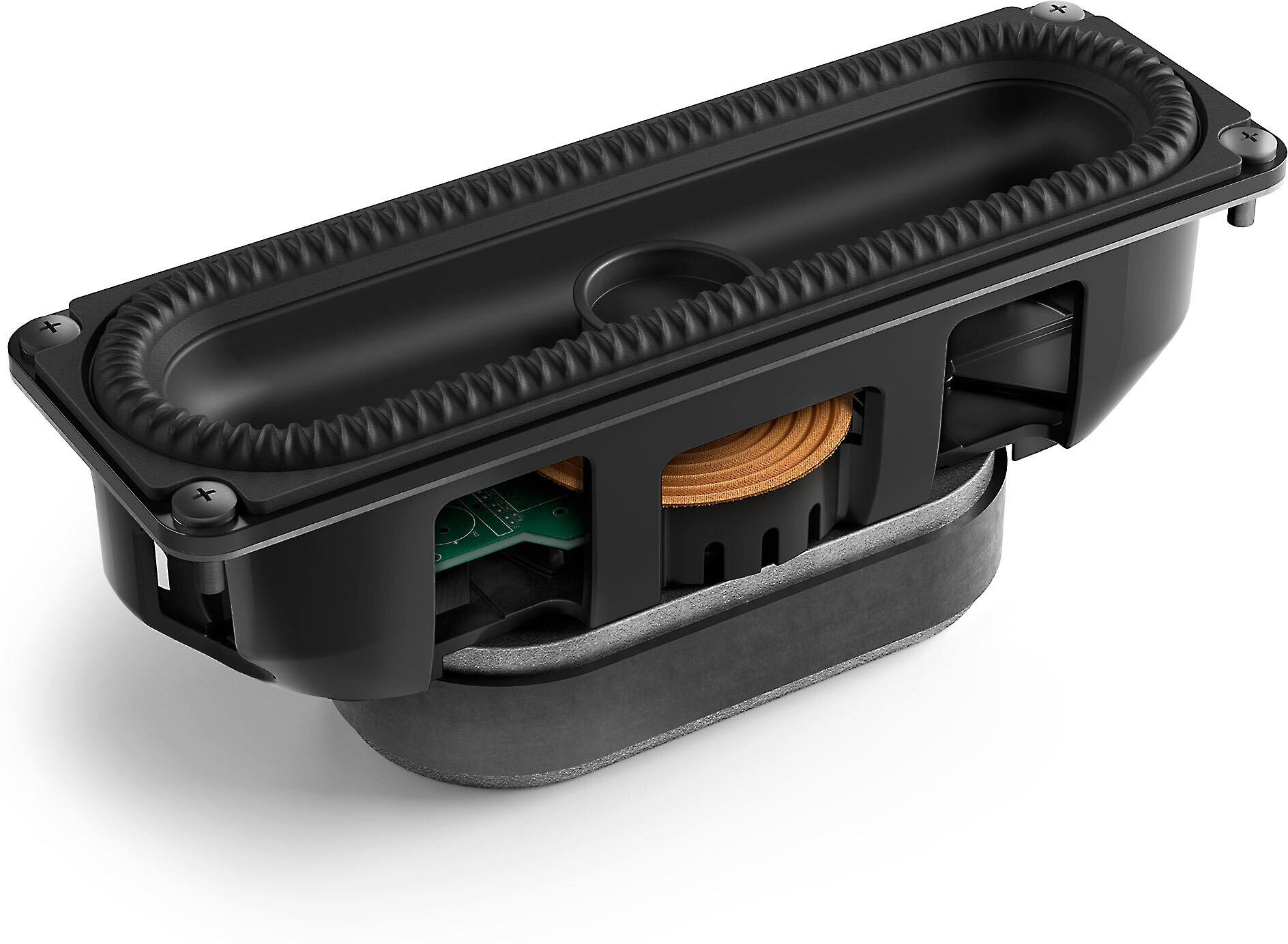
The bass performance is where the XIO really shows off its engineering. Those four P185 racetrack woofers use something called P-Flex technology, which is borrowed from KEF's high-end subwoofers. Essentially, the driver surrounds (the flexible rings around the cone) are designed to resist the internal air pressure that builds up inside the soundbar cabinet. This prevents distortion and allows for deeper, cleaner bass. The VECO (Velocity Control) system goes even further, using real-time feedback to monitor the driver movement and correct for distortion before it happens.
In my testing, the XIO produces clean, impactful bass down to 34Hz without needing a separate subwoofer. That's impressive – most soundbars start rolling off around 50-60Hz and rely on a subwoofer to fill in the bottom end.
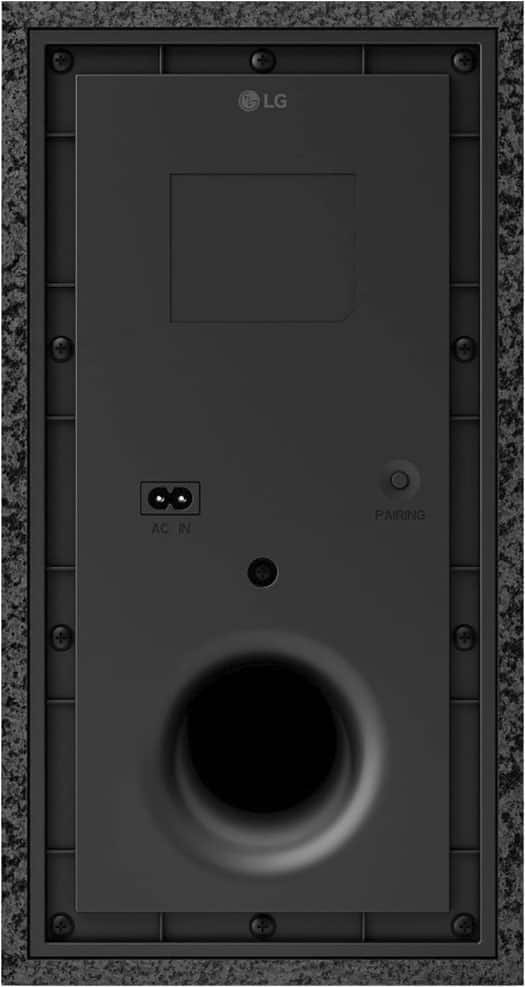
The LG S60TR takes a more traditional approach with its 440-watt system split between the main bar, wireless subwoofer, and rear speakers. The front speakers get 40 watts each, the center channel gets 40 watts, and the rear speakers get 50 watts each, with the subwoofer handling 220 watts.
While the driver technology isn't as sophisticated as KEF's, the LG does something the KEF can't – it gives you actual rear speakers for true surround sound separation. When watching movies with proper 5.1 soundtracks, having those rear speakers makes a genuine difference. Ambient sounds, music, and effects that are supposed to come from behind you actually do.
The sound quality is what I'd call "good enough" rather than exceptional. Dialogue is clear thanks to the dedicated center channel, and the wireless subwoofer provides adequate bass for most content. The AI Sound Pro feature does a decent job of adjusting the sound profile based on what you're watching – it'll boost dialogue for news and talk shows, or enhance bass for action movies.
However, the limitations become apparent when you compare it directly to higher-end systems. The soundstage (the width and depth of the sound field) feels more confined, and individual sounds aren't as precisely placed as they are with the KEF system.
This is where these two systems really diverge in their philosophies, and it's worth understanding the different approaches to creating immersive sound.
The KEF XIO supports true 5.1.2 Dolby Atmos, which means it has traditional left, center, right, and surround channels, plus two height channels for overhead effects. The ".2" refers to those up-firing drivers that bounce sound off your ceiling to create the illusion of sound coming from above.
Dolby Atmos is an "object-based" audio format, which means instead of just having channels, it places individual sounds as objects in 3D space. A helicopter in a movie isn't just mixed to the "rear left surround" channel – it's positioned as an object that can move smoothly through the space around you.
In my experience, the XIO does a convincing job with Atmos content. During the rain scene in "Blade Runner 2049," I could hear droplets falling from above, and in action sequences, the overhead effects add genuine immersion. The key is that KEF's advanced processing (their Music Integrity Engine) does a good job of creating that 3D soundfield even from a single bar.
The LG S60TR doesn't support Dolby Atmos – it maxes out at Dolby Audio, which is essentially traditional 5.1 surround sound. But what it lacks in height channels, it makes up for with actual physical separation. Those wireless rear speakers create genuine left-right surround separation that you simply can't get from virtual processing.
When watching movies mixed in 5.1, the effect is convincing. Sounds that are supposed to come from behind you actually do, rather than being processed through algorithms to create the illusion. For many people, this physical separation is more immediately noticeable and impressive than the height effects of Atmos.
The trade-off is that you're limited to horizontal surround effects. There's no overhead dimension to the soundfield, which means you're missing out on one of the most immersive aspects of modern movie soundtracks.
Both systems recognize that modern users want more than just TV audio – they want to stream music, connect multiple devices, and control everything simply.
The KEF XIO includes Wi-Fi 6, which is the latest wireless standard offering faster speeds and better handling of multiple connected devices. More importantly for audio enthusiasts, it supports high-resolution streaming services like Tidal Connect and Qobuz natively, meaning you can stream CD-quality or better audio directly to the soundbar without going through your TV.
The HDMI 2.1 eARC (enhanced Audio Return Channel) connection is future-proof for 8K video and uncompressed audio formats. The KEF Connect app provides room calibration through Intelligent Placement Technology – it uses microphones to measure your room and automatically adjusts the sound accordingly.
The LG S60TR focuses more on practical convenience than audiophile features. The WOW interface is genuinely useful – if you have an LG TV, you can control both the TV and soundbar with a single remote. This might seem minor, but it eliminates the frustration of juggling multiple remotes for volume control.
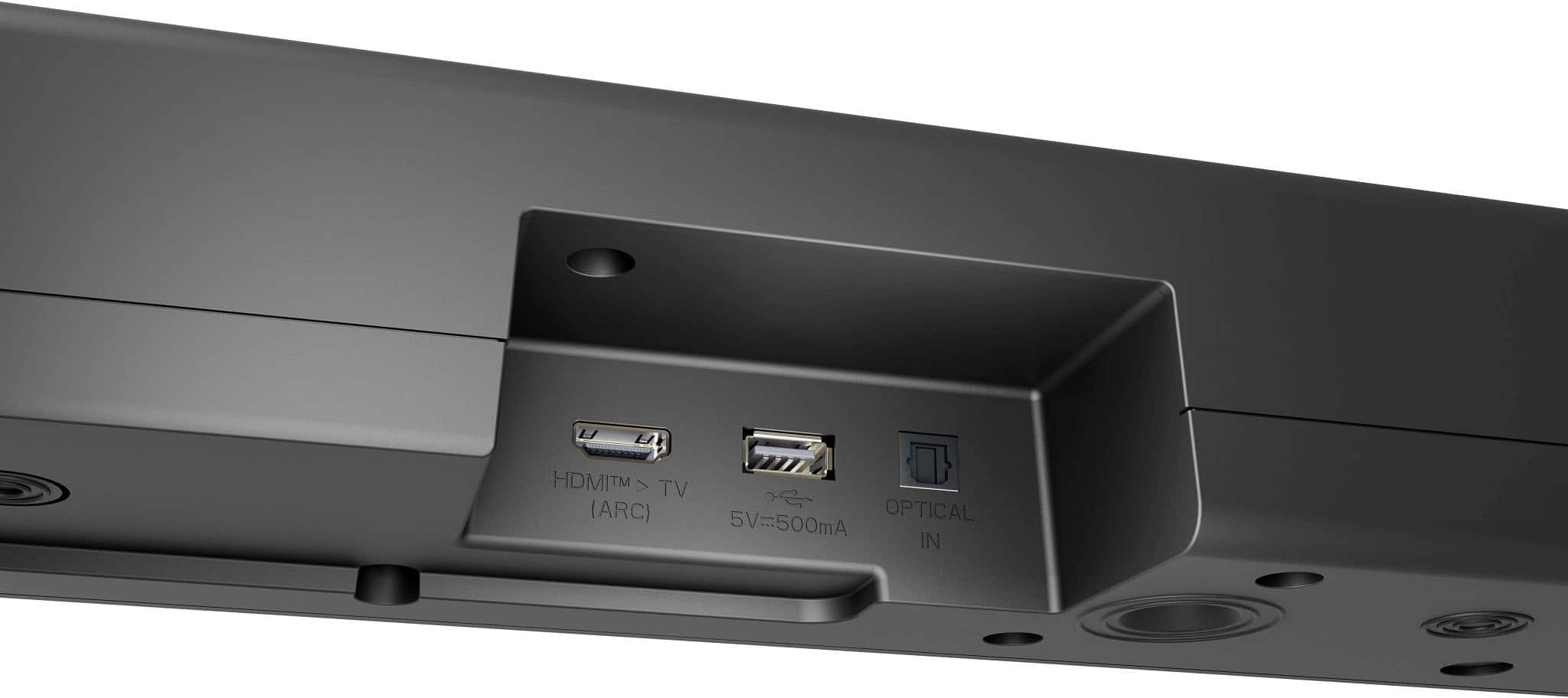
The connectivity is more basic – Bluetooth for phone streaming and standard HDMI eARC. It's perfectly adequate for most users, though audiophiles will miss the high-resolution streaming capabilities of the KEF.
The physical differences between these systems tell the story of their target markets clearly.
The KEF XIO feels like a piece of high-end electronics. The aluminum top plate is machined rather than stamped, and the splash-proof fabric covering has a premium texture. At 23 pounds, it has the heft that suggests serious internal components. The design is deliberately minimal – it's meant to complement high-end TVs without drawing attention to itself.
The single-unit design is both an advantage and a limitation. It looks cleaner and takes up less space, but you're limited in where you can place it for optimal acoustics.
The LG S60TR uses standard plastic construction appropriate for its price point. It's not cheap-feeling, but it's clearly built to a budget. The multi-component design means you have more flexibility in placement – you can put the subwoofer where it sounds best and position the rear speakers optimally for your seating.
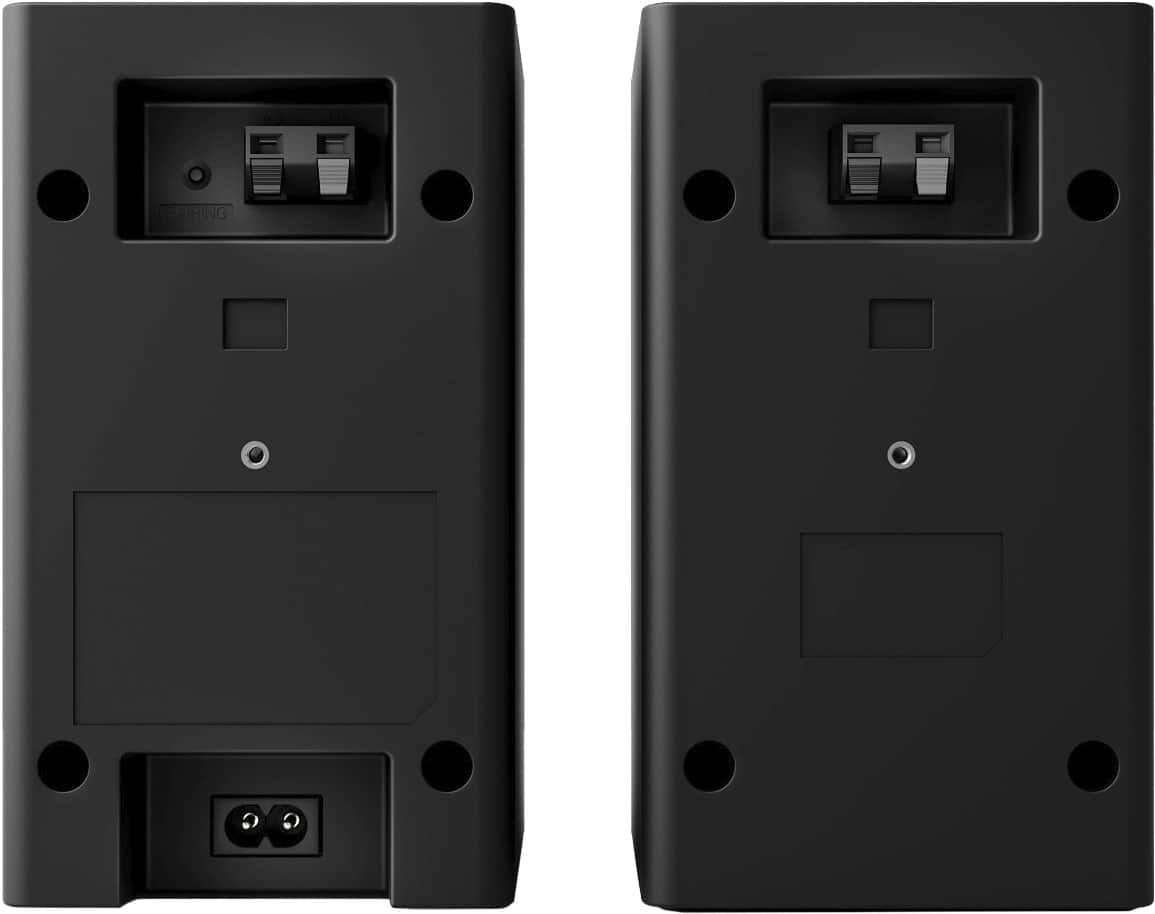
The wireless rear speakers are particularly well-executed. They pair automatically with the main system, though you do need to run a wire between the two rear speakers (only one connects wirelessly to the main bar).
This is where the rubber meets the road for most buyers.
At $2,499, the KEF XIO is expensive, but it's competing with much more than other soundbars. When I compare it to a traditional separates system with a high-end receiver, quality speakers, and proper Atmos setup, the XIO starts to look more reasonable. You'd easily spend $3,000-5,000 to match its performance with separate components, and you'd need much more space and setup complexity.
The XIO is for people who want reference-quality sound but don't want the complexity or space requirements of a traditional home theater system. If you're the type of person who can hear the difference between good and great audio equipment, the XIO justifies its price.
The LG S60TR represents outstanding value at $299. You're getting a complete 5.1 system with wireless components for less than many basic soundbars cost. The performance isn't going to impress audiophiles, but it's a dramatic improvement over TV speakers and provides genuine surround sound separation.
For most people upgrading from TV speakers, the LG will exceed expectations. The wireless setup is simple, the surround effect is convincing, and the price makes it accessible to budget-conscious buyers.
Both systems work for home theater, but they excel in different scenarios.
The KEF XIO is ideal for rooms where you can't or don't want to place rear speakers. It works brilliantly in apartments, bedrooms, or living rooms where running speaker wires isn't practical. The Atmos processing and high-quality drivers create an engaging movie experience even from a single unit.
The LG S60TR shines in dedicated home theater rooms or living rooms where you can place the rear speakers properly. The physical surround separation is more immediately impressive to most people than virtual processing, even sophisticated processing like KEF's.
Choose the KEF XIO if you're serious about audio quality and have the budget for it. If you find yourself adjusting audio settings frequently, if you listen to music as much as you watch movies, or if you can hear the difference between good and great audio equipment, the KEF will satisfy in ways the LG simply can't. It's also ideal if you want a single-unit solution that doesn't require multiple components around your room.
Choose the LG S60TR if you want a complete surround sound upgrade without spending a fortune. If you're primarily interested in better movie audio and don't need audiophile-level performance, the LG provides excellent value. It's perfect for first-time soundbar buyers who want to experience true surround sound separation.
These two systems serve completely different markets, and both do their jobs well. The KEF XIO is an investment in premium audio technology that will satisfy for years to come. The LG S60TR is a practical solution that delivers impressive results for its modest price.
Your choice ultimately comes down to priorities: exceptional audio quality versus budget consciousness, single-unit convenience versus flexible component placement, and audiophile features versus basic functionality. Both represent good value in their respective price tiers – you just need to decide which tier matches your needs and budget.
| KEF XIO Soundbar | LG S60TR 5.1 Channel Soundbar |
|---|---|
| Price - Entry point determines expectations and target audience | |
| $2,499 (premium audiophile tier) | $299 (budget-friendly complete system) |
| Channel Configuration - Affects surround sound immersion and setup complexity | |
| 5.1.2 Dolby Atmos (single unit with height channels) | 5.1 traditional surround (separate rear speakers required) |
| Total Power Output - Determines maximum volume and dynamic range | |
| 820W (12 discrete Class D amplifiers) | 440W (distributed across all components) |
| Driver Technology - Core factor in audio quality and clarity | |
| 6x Uni-Q MX concentric drivers + 4x P185 racetrack woofers | Conventional drivers with dedicated 220W wireless subwoofer |
| Bass Performance - Critical for movie impact and music fullness | |
| Self-contained down to 34Hz (no subwoofer needed) | Requires wireless subwoofer for low-end extension |
| Surround Sound Formats - Future-proofing and content compatibility | |
| Dolby Atmos, DTS:X, Sony 360 Reality Audio | Dolby Audio (no height channel support) |
| Physical Setup - Space requirements and installation flexibility | |
| Single 47.6" unit (wall-mount or shelf) | Multi-component system (soundbar + subwoofer + 2 rear speakers) |
| Premium Streaming - Audio quality for music listening | |
| Native Tidal Connect, Qobuz, up to 24-bit/384kHz | Basic Bluetooth streaming only |
| Smart Features - Ease of use and integration | |
| KEF Connect app with room calibration | WOW interface (single remote control with LG TVs) |
| Build Quality - Durability and premium feel | |
| Aluminum chassis with splash-proof fabric | Standard plastic construction |
| Best For - Target user and primary use case | |
| Audiophiles wanting reference sound in minimal space | Budget buyers seeking complete 5.1 surround experience |
The LG S60TR ($299) offers exceptional value for budget-conscious buyers, providing a complete 5.1 surround system with wireless rear speakers for under $300. The KEF XIO ($2,499) justifies its premium price with audiophile-grade sound quality and advanced Dolby Atmos technology. Choose the LG for basic surround sound upgrade or the KEF if audio quality is your top priority.
The KEF XIO doesn't require a subwoofer thanks to its four advanced P185 bass drivers that deliver clean bass down to 34Hz. The LG S60TR includes a wireless subwoofer as part of the system, which is essential for its bass performance. The KEF's self-contained design is more convenient, while the LG's separate subwoofer offers placement flexibility.
The KEF XIO excels in small rooms with its single-unit design and sophisticated room calibration technology. Its Intelligent Placement Technology automatically adjusts sound for your space. The LG S60TR requires more space for optimal rear speaker placement, making it better suited for medium to large rooms where you can properly position all components.
The KEF XIO delivers reference-quality audio with precise imaging, natural dialogue, and exceptional clarity thanks to its Uni-Q driver technology. The LG S60TR provides good sound quality for its price range with clear dialogue and adequate bass, but lacks the refinement and detail of the premium KEF system. The difference is significant if you're sensitive to audio quality.
The LG S60TR offers simpler setup with automatic wireless pairing between components and WOW interface integration for LG TV owners. The KEF XIO requires more initial configuration but includes advanced room calibration features. Both connect via HDMI eARC, but the LG is more plug-and-play while the KEF offers more customization options.
The KEF XIO significantly outperforms the LG S60TR for music with its high-resolution streaming support (up to 24-bit/384kHz), superior driver technology, and natural sound reproduction. The KEF supports Tidal Connect and Qobuz natively, while the LG is limited to basic Bluetooth streaming. Music enthusiasts should strongly consider the KEF despite the price difference.
The KEF XIO can connect to compatible KEF subwoofers wirelessly for additional bass extension. The LG S60TR is a complete system as-is, though you could potentially add another subwoofer via RCA output. The KEF offers more upgrade flexibility within the KEF ecosystem, while the LG provides everything most users need from day one.
Both soundbars work with any TV brand via HDMI eARC or optical connection. However, the LG S60TR offers special integration features like single remote control only with LG TVs. The KEF XIO provides universal compatibility and advanced features regardless of TV brand, making it more versatile for mixed-brand setups.
The KEF XIO needs only space for a single 47.6-inch soundbar, making it ideal for minimal setups. The LG S60TR requires placement for the main bar, subwoofer, and two rear speakers, demanding more room planning. Consider your available space and preference for single-unit versus multi-component systems when choosing.
For ultimate home theater performance, the KEF XIO ($2,499) delivers superior Dolby Atmos processing and reference-quality sound reproduction. The LG S60TR ($299) provides excellent value with true rear speaker separation that many find more immediately impressive than virtual surround processing. Choose based on your budget and how critical audio quality is to your movie experience.
The LG S60TR comes with a standard 1-year parts and labor warranty backed by LG's widespread service network. The KEF XIO includes KEF's premium support with detailed documentation and the KEF Connect app for ongoing updates. Both companies offer reliable support, but KEF provides more specialized audio expertise for their premium product.
We've done our best to create useful and informative comparisons to help you decide what product to buy. Our research uses advanced automated methods to create this comparison and perfection is not possible - please contact us for corrections or questions. These are the sites we've researched in the creation of this article: blog.son-video.com - residentialsystems.com - whathifi.com - audioadvice.com - crutchfield.com - homecrux.com - techradar.com - youtube.com - us.kef.com - gramophone.com - cepro.com - audioxpress.com - musicdirect.com - gramophone.com - us.kef.com - crutchfield.com - hifipig.com - bestbuy.com - listenup.com - bestbuy.com - bestbuy.com - listenup.com - bestbuy.com - mynavyexchange.com - youtube.com - consumerreports.org - avsforum.com - rentacenter.com - bestbuy.com - homechoicestores.com - oconsommateur.com - lg.com - bestbuy.com - samsung.com

Privacy Policy
Terms and Conditions - Affiliate Policy
Home Security
© Copyright 2008-2026.
11816 Inwood Rd #1211, Dallas, TX 75244