





If you've ever tried watching your favorite show and found yourself constantly reaching for the volume remote, you're not alone. Modern TVs, despite their stunning picture quality, often deliver audio that's about as impressive as a smartphone speaker. That's where soundbars come in, but choosing between a premium option like the KEF XIO Soundbar ($2,499) and a budget-friendly Bose TV Speaker ($199) can feel overwhelming.
These two products represent completely different philosophies in the soundbar world. Think of it like comparing a Tesla Model S to a Honda Civic – both will get you where you need to go, but the experience and capabilities are worlds apart.
Before diving into these specific models, let's talk about what soundbars actually do and why they matter. Soundbars exist because TV manufacturers have prioritized making screens thinner and more attractive, often at the expense of audio quality. Those paper-thin displays simply don't have room for decent speakers.
The soundbar market spans from basic dialogue enhancers under $200 to premium home theater replacements that cost more than most people's entire entertainment setup. The main things to consider are audio performance (how good it sounds), format support (what types of audio it can handle), connectivity options, and whether it fits your space and budget.
What's interesting is how much the technology has evolved. When soundbars first became popular around 2010, they were mostly just stereo speakers in a long bar shape. Today's premium models like the KEF XIO pack sophisticated processing that can create convincing surround sound and even overhead effects from a single unit.
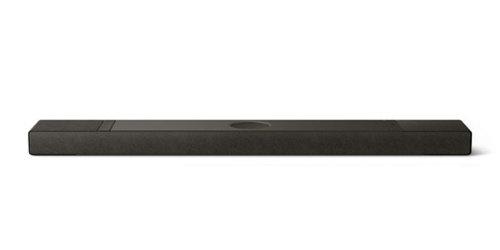
The KEF XIO, released in 2025, represents KEF's first serious entry into the soundbar market. For those unfamiliar, KEF is a British company with a stellar reputation among audio enthusiasts – they're the folks who make speakers that cost more than most cars and sound absolutely incredible.
What makes the XIO special is that it applies decades of high-end speaker engineering to the soundbar format. At $2,499, it's positioned as a complete home theater solution that doesn't require separate components scattered around your room.
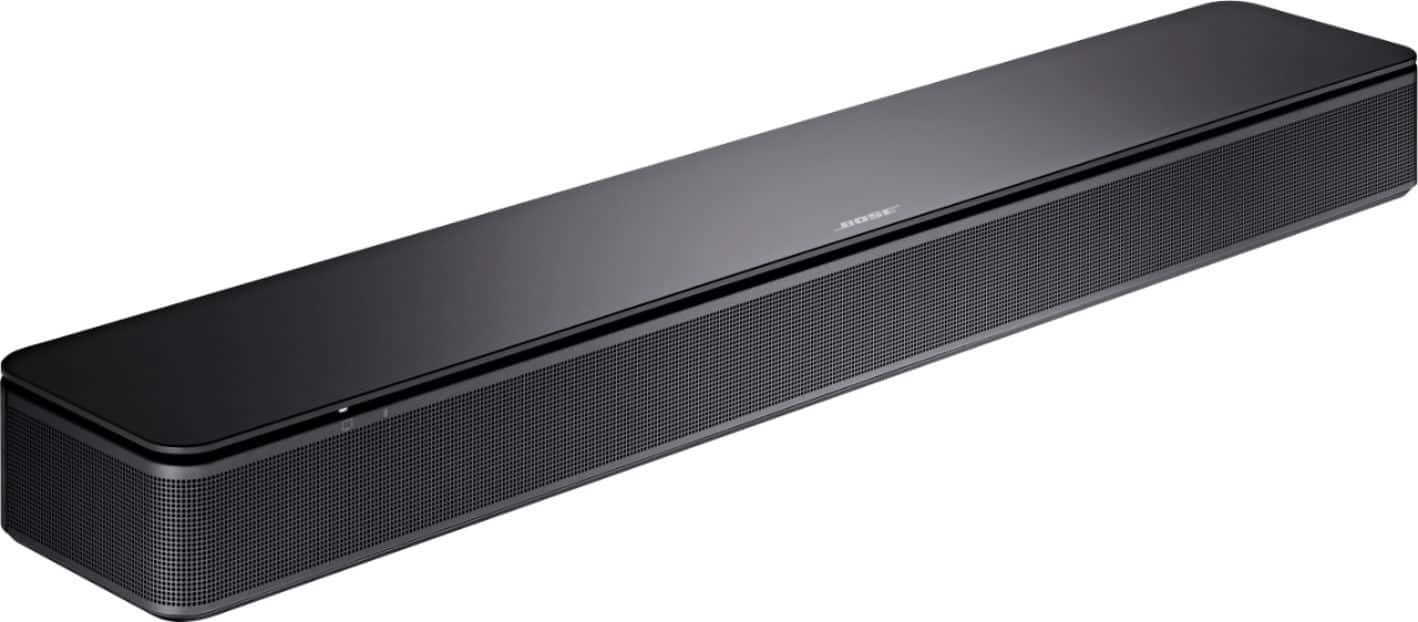
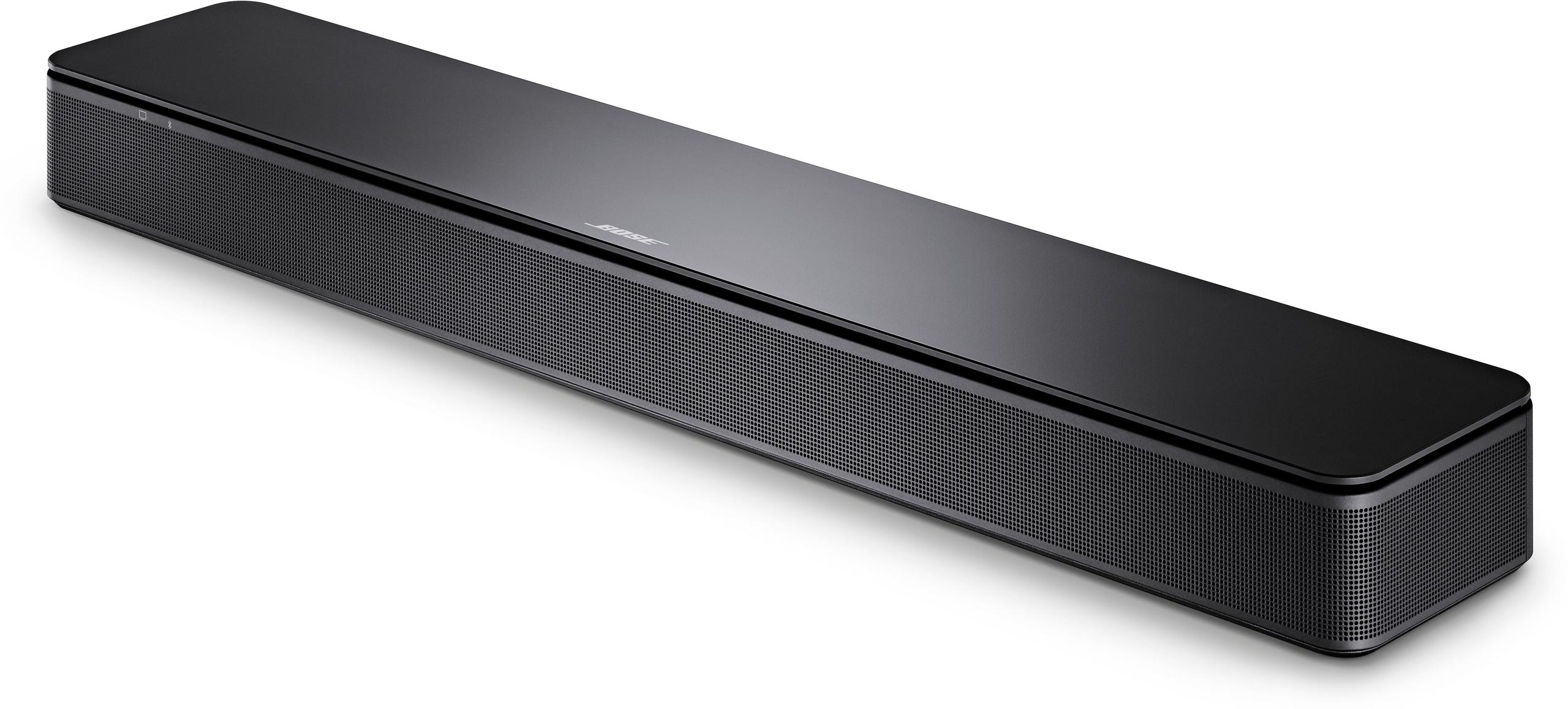
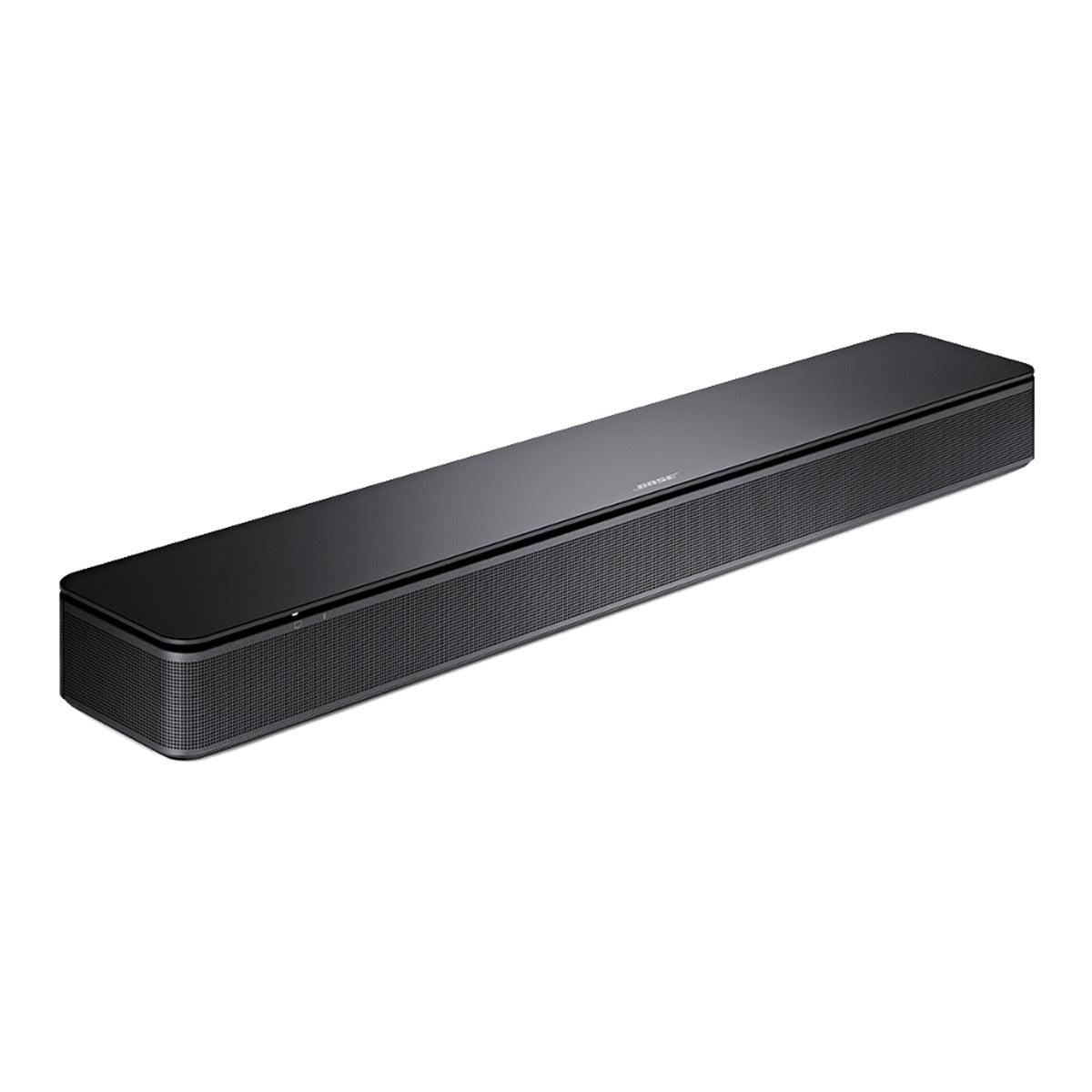
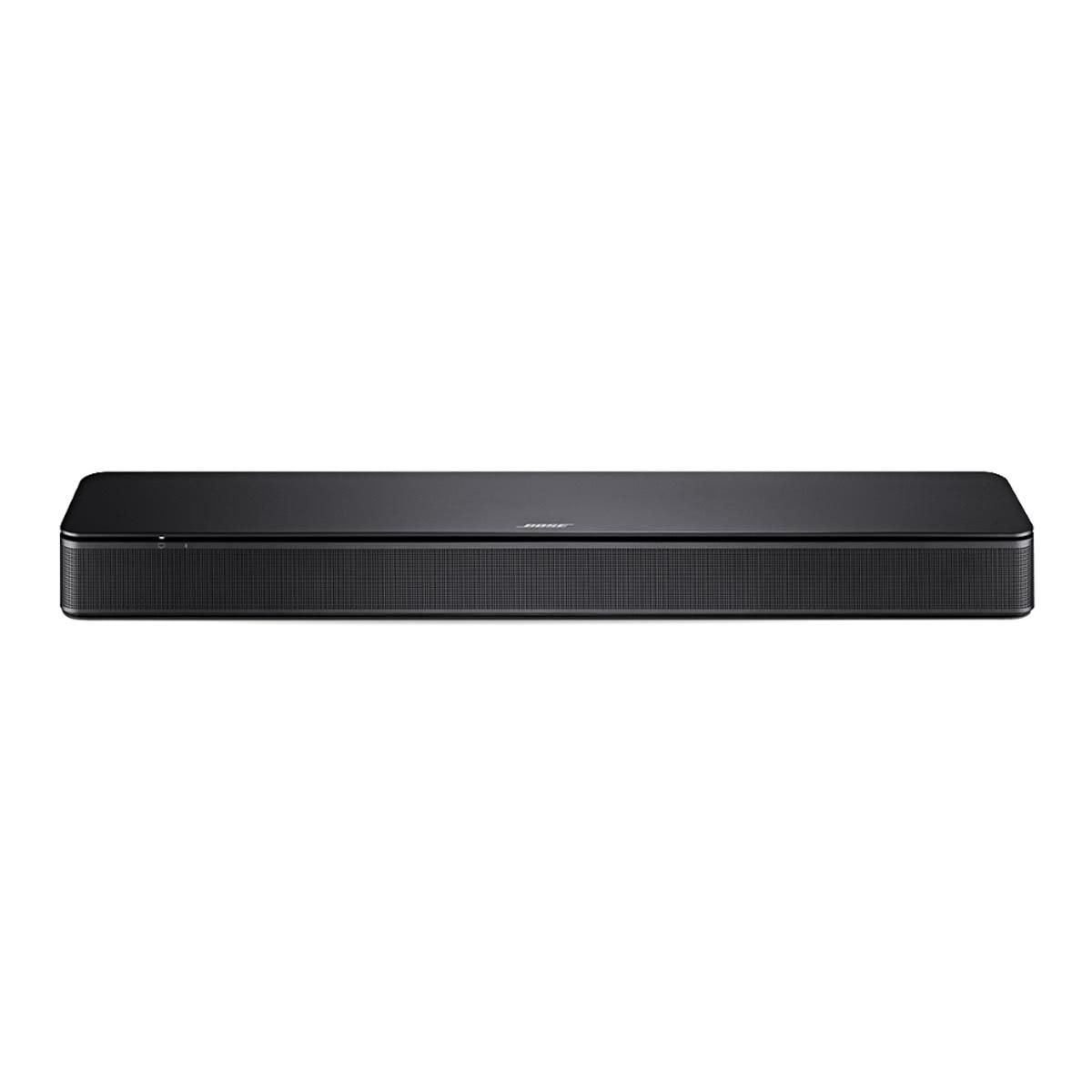
The Bose TV Speaker, on the other hand, takes a completely different approach. Released several years ago as part of Bose's entry-level lineup, it focuses on doing one thing really well: making TV dialogue clearer and easier to understand. At $199, it's designed for people who just want better sound without complexity or a big investment.
This is where things get really interesting, and the differences between these products become crystal clear.
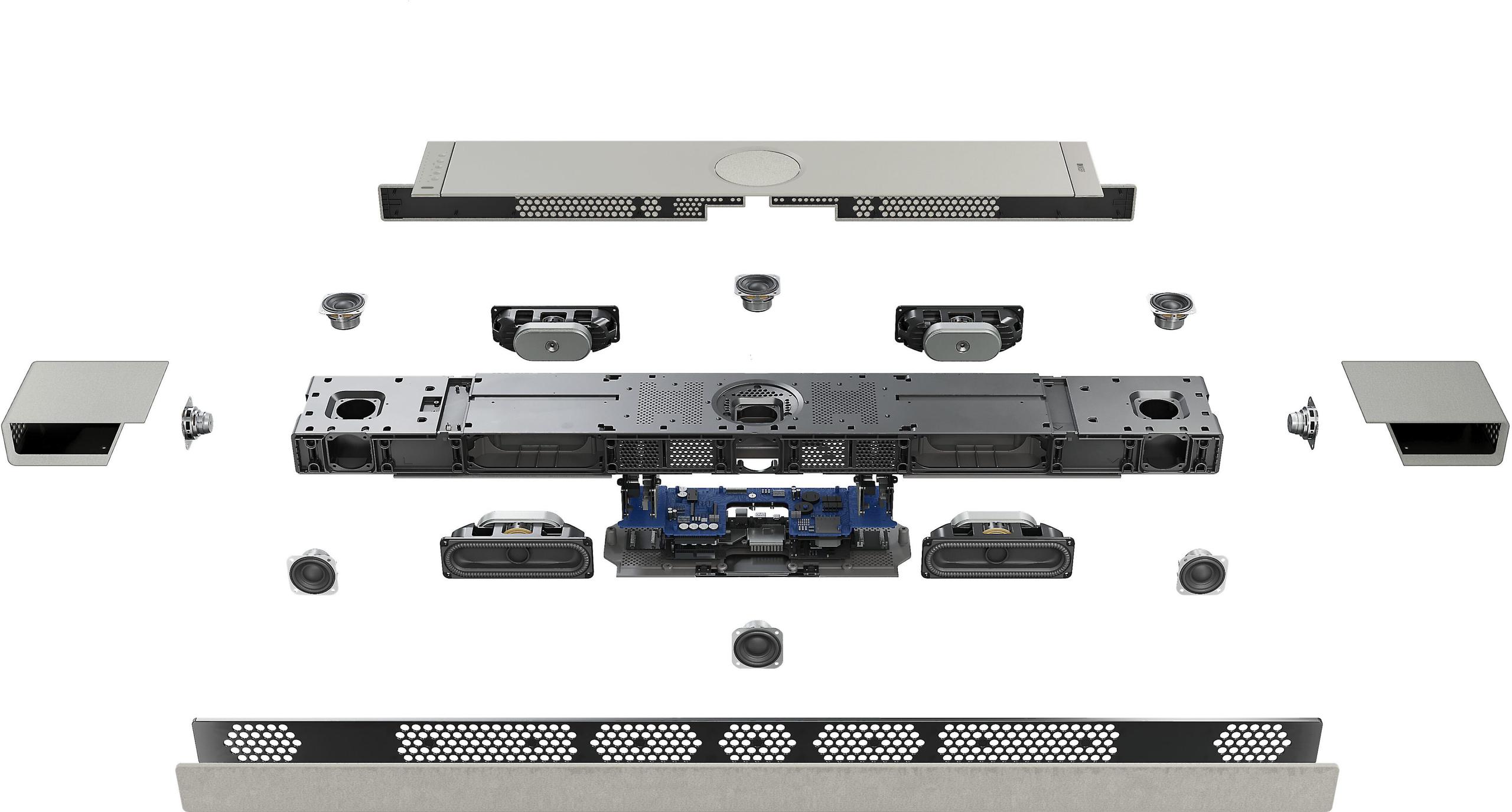
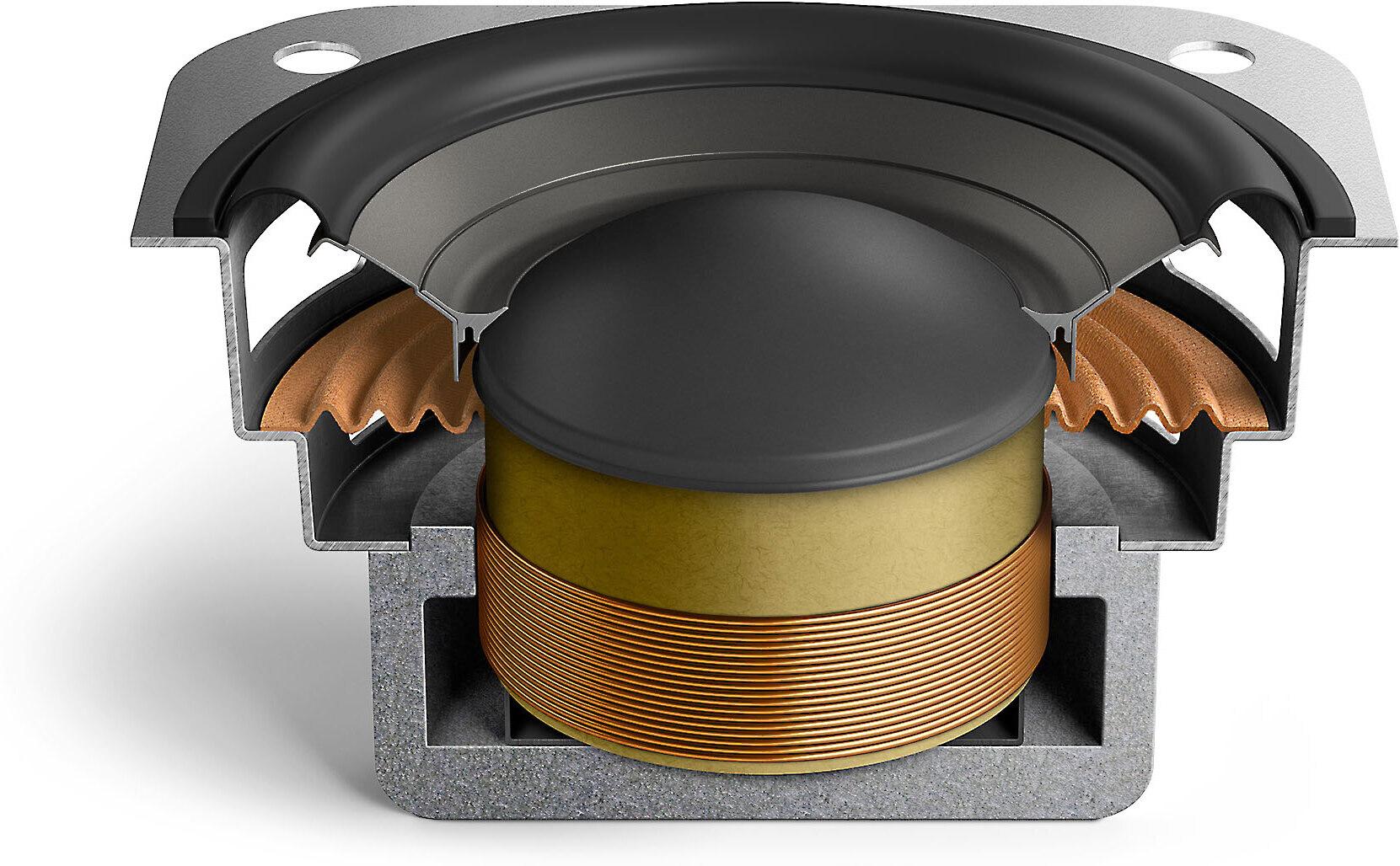
The XIO uses what KEF calls Uni-Q MX drivers – think of these as speakers within speakers. In a traditional speaker, you have separate drivers for high frequencies (tweeters) and mid frequencies (woofers), positioned side by side. The problem is that sound from these different drivers reaches your ears at slightly different times, creating timing issues.
KEF's Uni-Q design solves this by placing the tweeter directly in the center of the midrange driver. This means all frequencies appear to come from the same point in space, creating much more precise imaging – you can actually pinpoint where sounds are supposed to be in a movie scene.
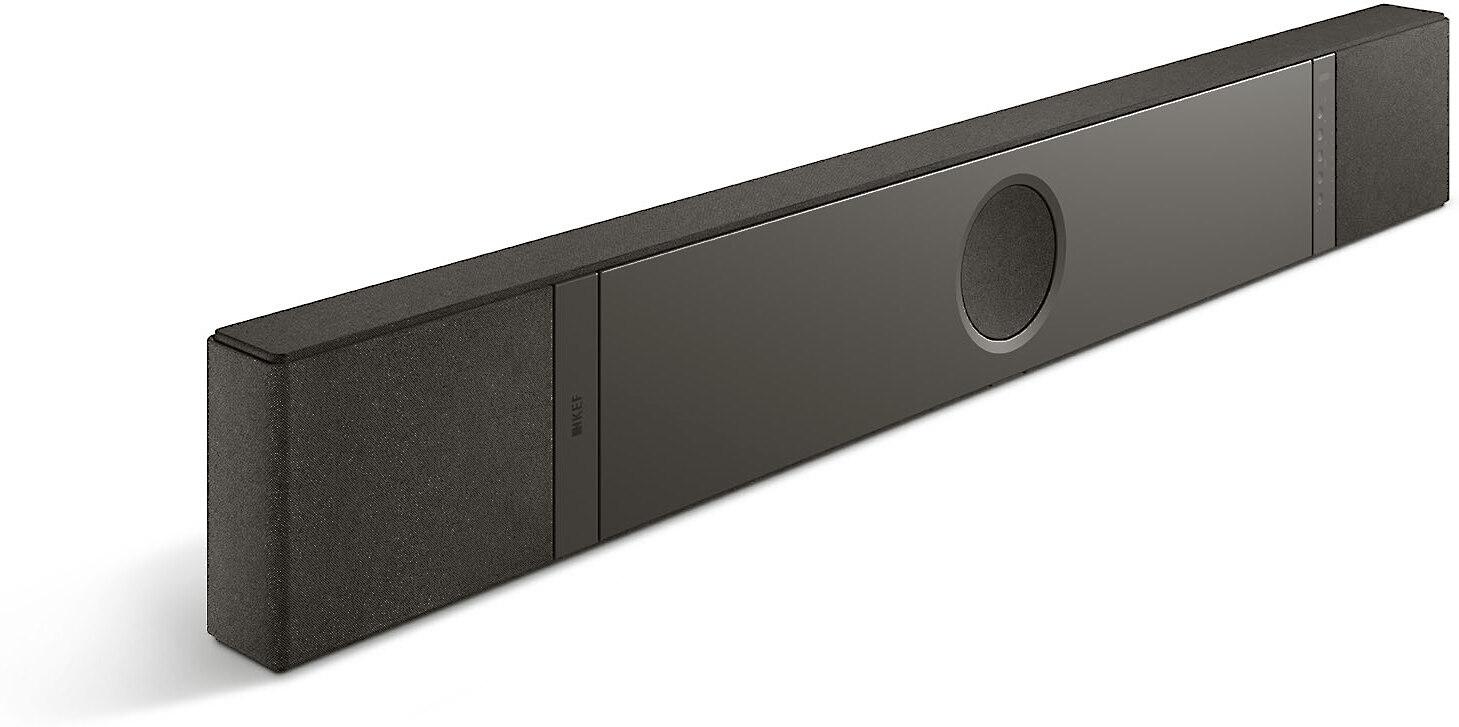
The XIO has six of these Uni-Q drivers arranged in a 5.1.2 configuration. That means left, center, and right channels (the 5), a dedicated low-frequency channel (the .1), and two upward-firing drivers for height effects (the 2). This setup can create convincing surround sound without speakers behind your couch.
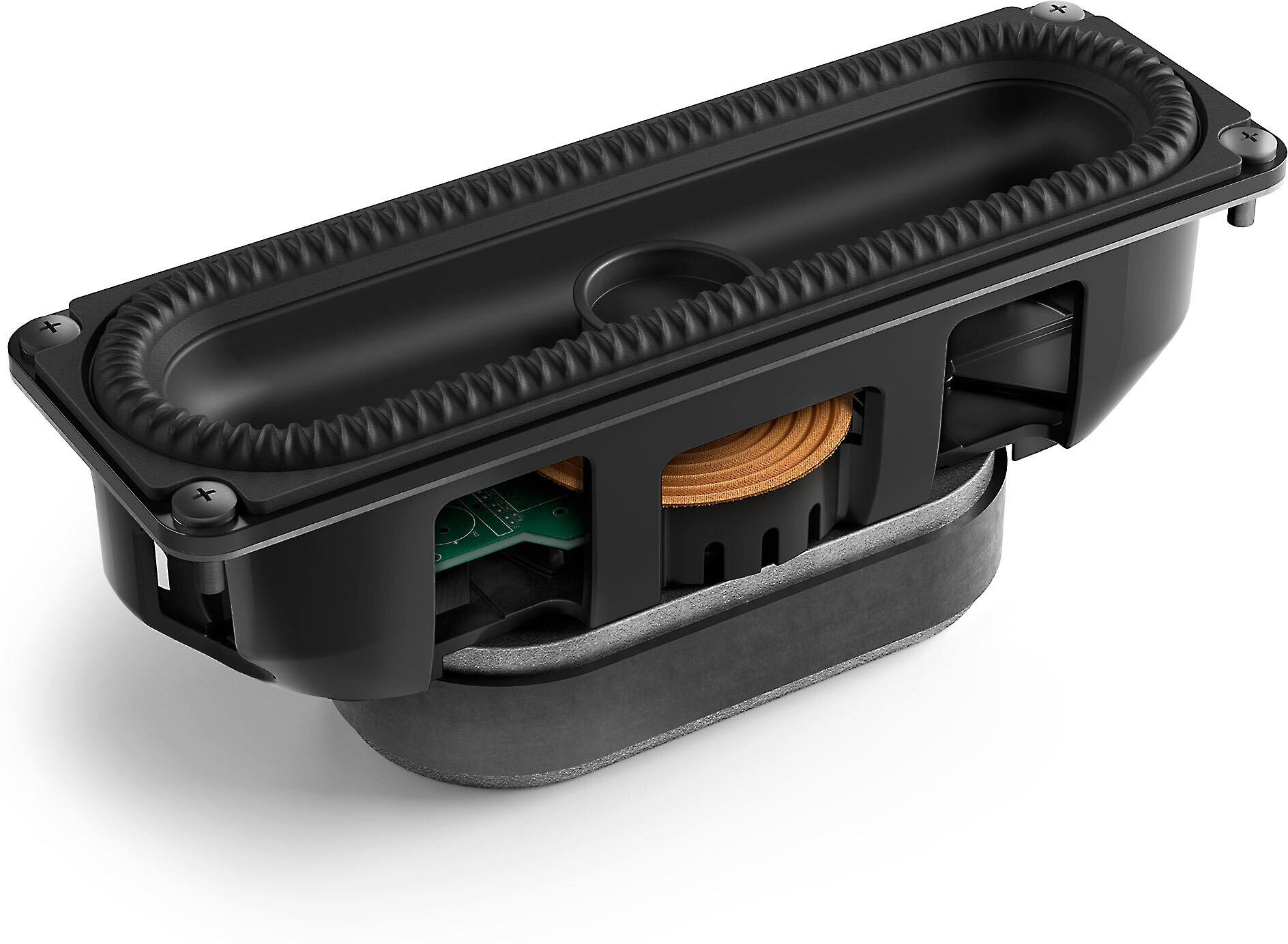
For bass, KEF uses four specialized racetrack-shaped drivers with something called VECO (Velocity Control Technology). This system actually monitors how the speaker cone is moving in real-time and makes corrections to reduce distortion. The result is cleaner, more accurate bass that can extend down to 34Hz – that's proper subwoofer territory.
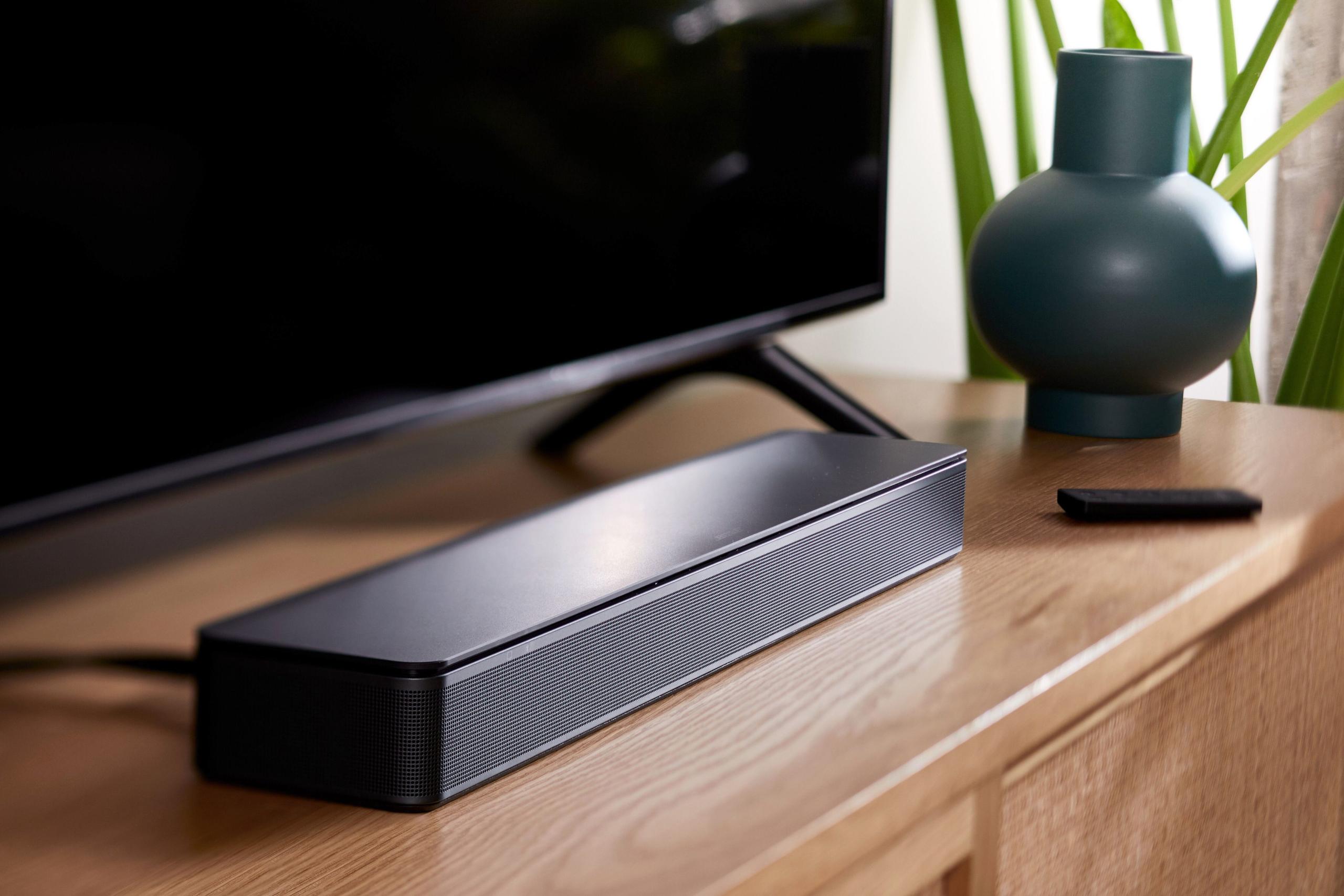
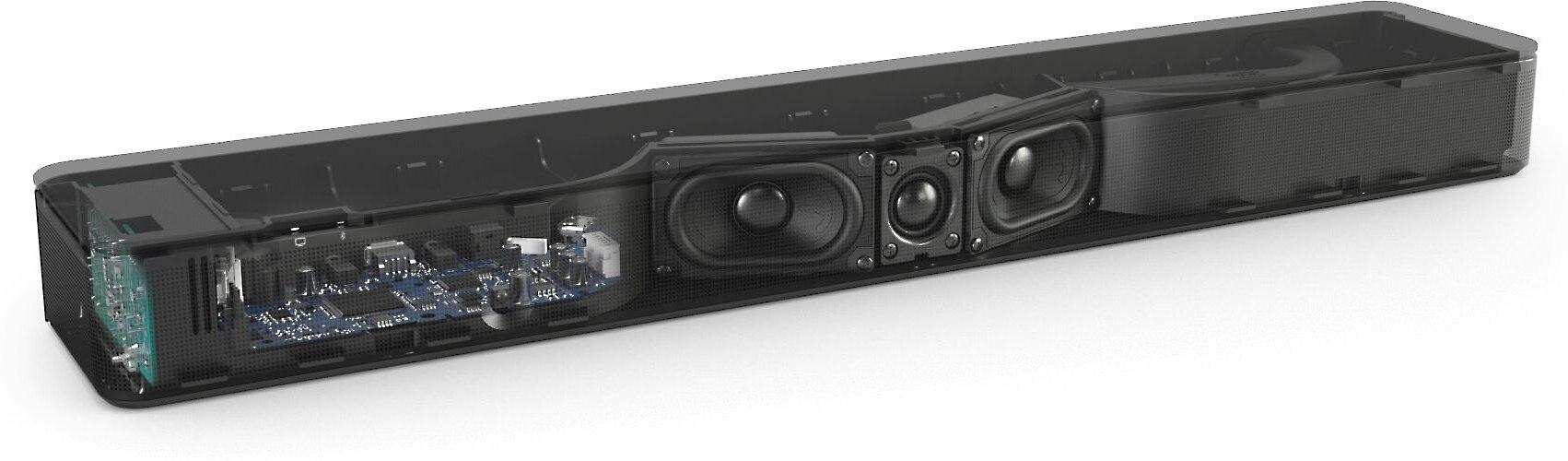
The Bose TV Speaker takes a radically different approach. It uses just two conventional full-range drivers focused primarily on dialogue enhancement. Bose has always been known for psychoacoustic engineering – essentially tricks that make sound seem bigger or clearer than it technically should be.
The TV Speaker uses digital signal processing to analyze incoming audio and boost the frequencies where human speech lives, making voices cut through background noise more effectively. It's not trying to recreate a movie theater; it's trying to make sure you never miss what someone says on screen.
This is where the price difference becomes immediately apparent. The XIO's four specialized bass drivers, working in a force-canceling configuration (pairs of drivers that move in opposite directions to eliminate vibration), can produce legitimate deep bass without a separate subwoofer. We're talking about the kind of low-frequency impact you feel in your chest during action scenes.
During my testing with various movie soundtracks, the XIO delivered the rumbling thunder in "Blade Runner 2049" and the subsonic engine notes in "Ford v Ferrari" with authority that genuinely surprised me. Most soundbars, even expensive ones, struggle to produce convincing bass without a separate subwoofer.
The Bose TV Speaker, by contrast, focuses on bass that complements dialogue rather than reproducing the full frequency spectrum. It can add some warmth and body to voices, but don't expect it to shake the room during explosion scenes. For its intended purpose – making TV shows more enjoyable – this approach works fine.
The XIO's Uni-Q drivers create what audio engineers call a wide, stable soundstage. In practical terms, this means sound appears to come from a much larger area than the physical soundbar. Dialogue doesn't just come from the center; it has proper left-to-right imaging that matches what's happening on screen.
The upward-firing drivers add another dimension entirely. With Dolby Atmos content (more on this shortly), helicopters actually seem to fly overhead, and rain sounds like it's falling from above rather than just from the front of the room. The effect isn't as convincing as dedicated ceiling speakers, but it's remarkably effective for a single-unit solution.
The Bose TV Speaker creates a more modest soundstage expansion. It definitely sounds bigger than your TV's built-in speakers, but the focus is on clarity and intelligibility rather than creating an immersive experience.
Here's where the XIO really flexes its premium positioning. It supports Dolby Atmos, DTS:X, and Sony 360 Reality Audio – these are advanced audio formats that create three-dimensional soundscapes. Think of stereo as painting with two colors, while these formats give you the entire spectrum.
Dolby Atmos, in particular, has become increasingly important as streaming services like Netflix, Disney+, and Apple TV+ use it for their premium content. The XIO can decode these formats natively and use its upward-firing drivers to create convincing height effects.
The XIO also supports high-resolution audio streaming up to 24-bit/384kHz. For context, CDs are 16-bit/44.1kHz, so this is significantly higher quality than what most people are used to hearing. Services like Tidal and Qobuz offer music at these higher resolutions, and the difference is noticeable with good source material.
The Bose TV Speaker sticks to basic stereo PCM. It can't decode Dolby Digital (the standard surround format used in most movies and TV shows), let alone advanced formats like Atmos. For someone who primarily watches broadcast TV or basic streaming content, this limitation might not matter much.
The XIO offers comprehensive connectivity that reflects its premium positioning. The HDMI 2.1 eARC connection supports the latest audio formats and can handle 4K/120Hz video passthrough for gaming. It also includes Wi-Fi 6 for stable streaming, Bluetooth 5.3 for wireless music, and built-in support for Spotify Connect, Tidal Connect, and other streaming services.
One limitation worth noting: the XIO has only one HDMI input. If you have multiple devices (game console, Apple TV, Blu-ray player), you'll need to connect them directly to your TV and rely on ARC/eARC for audio. This isn't unusual for soundbars, but some competitors offer multiple HDMI inputs.
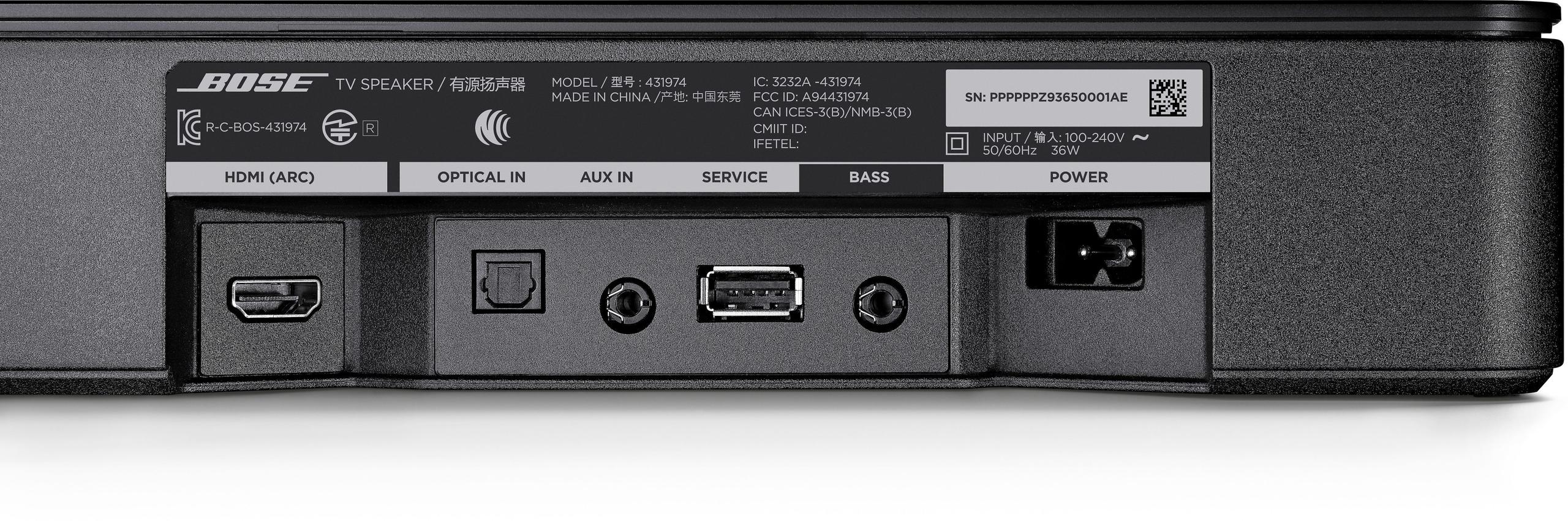
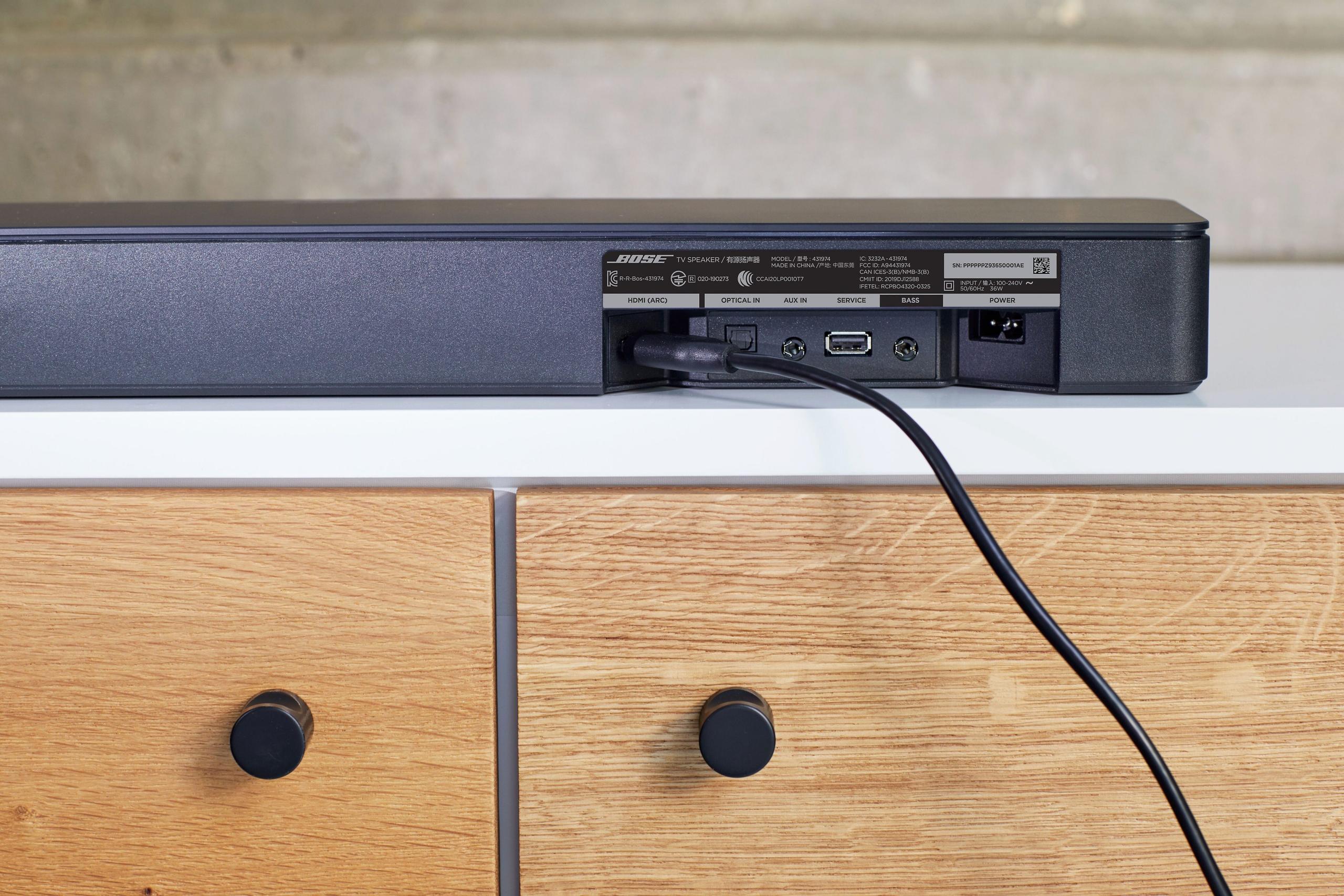
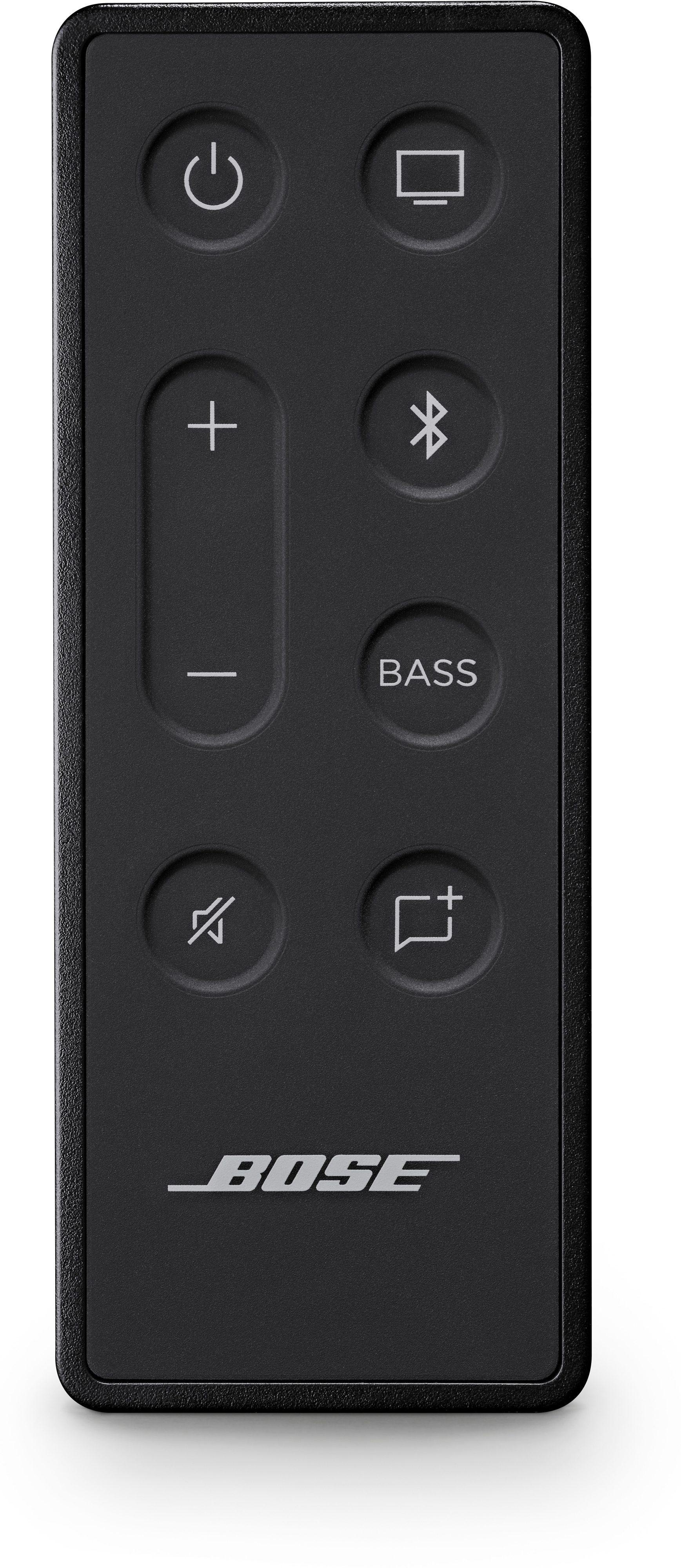
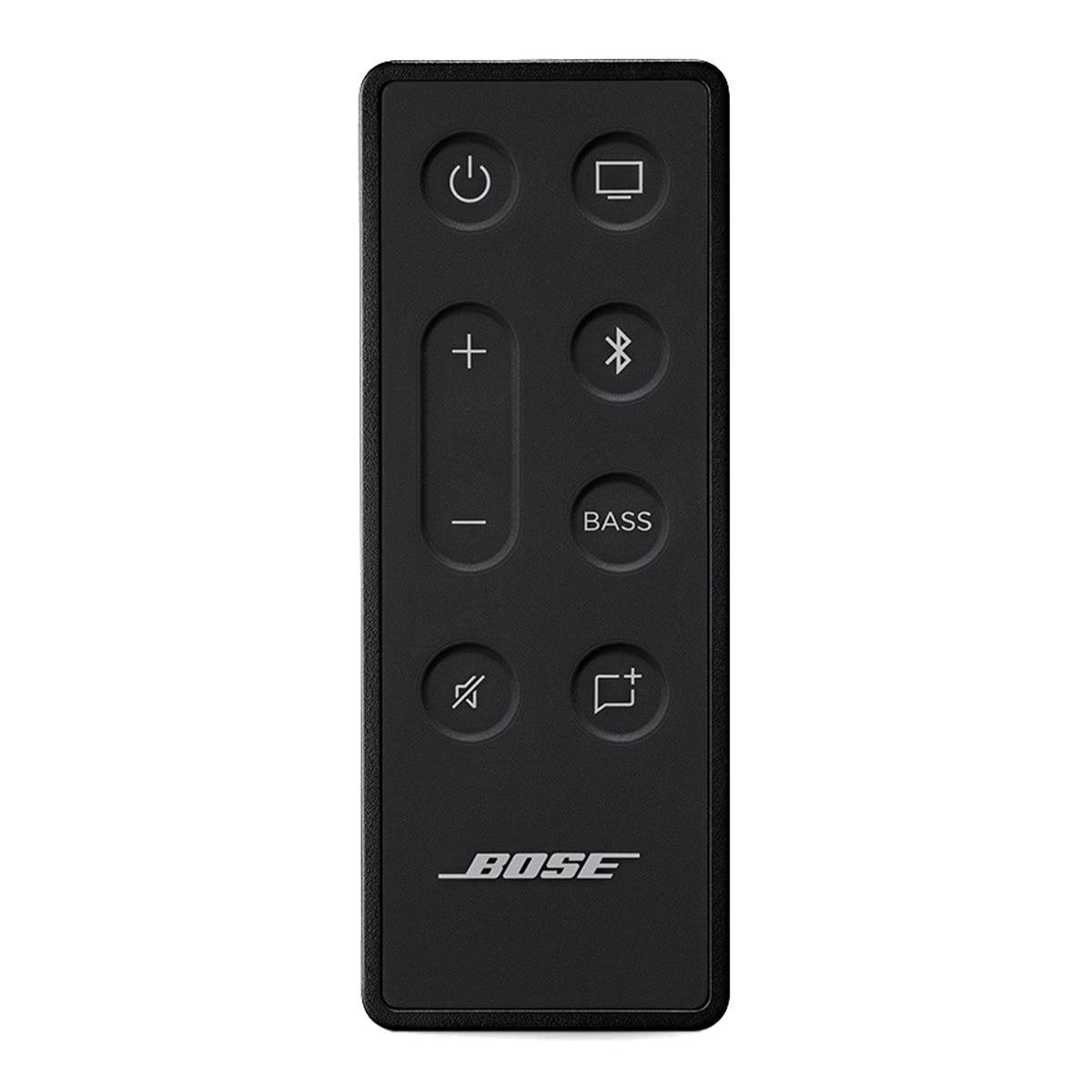
The Bose TV Speaker keeps things simple with HDMI ARC or optical input, plus Bluetooth for wireless music streaming. Setup is genuinely plug-and-play – connect one cable, and you're done. The soundbar can even learn commands from your TV remote, so you don't need to juggle multiple remotes.
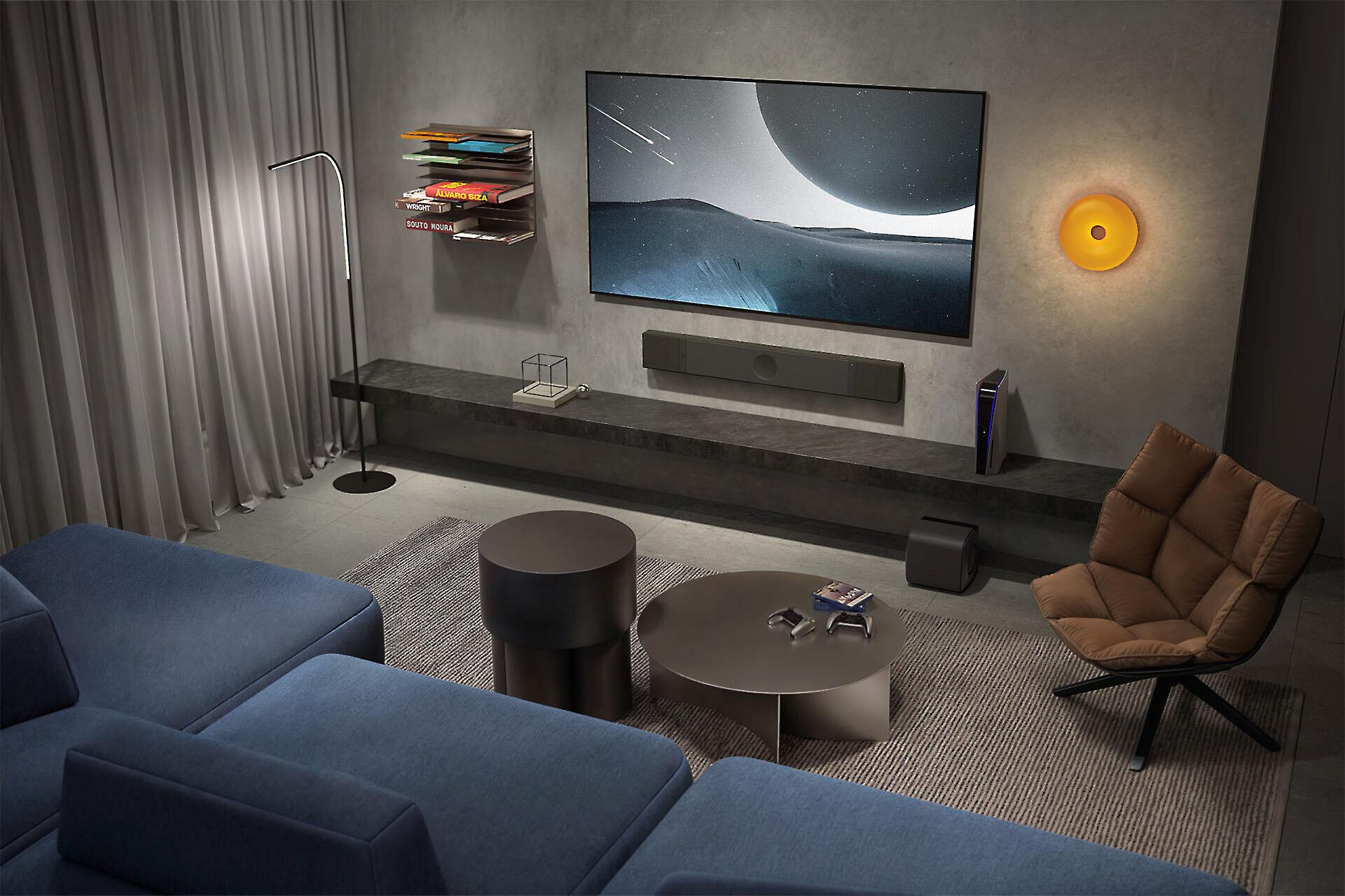
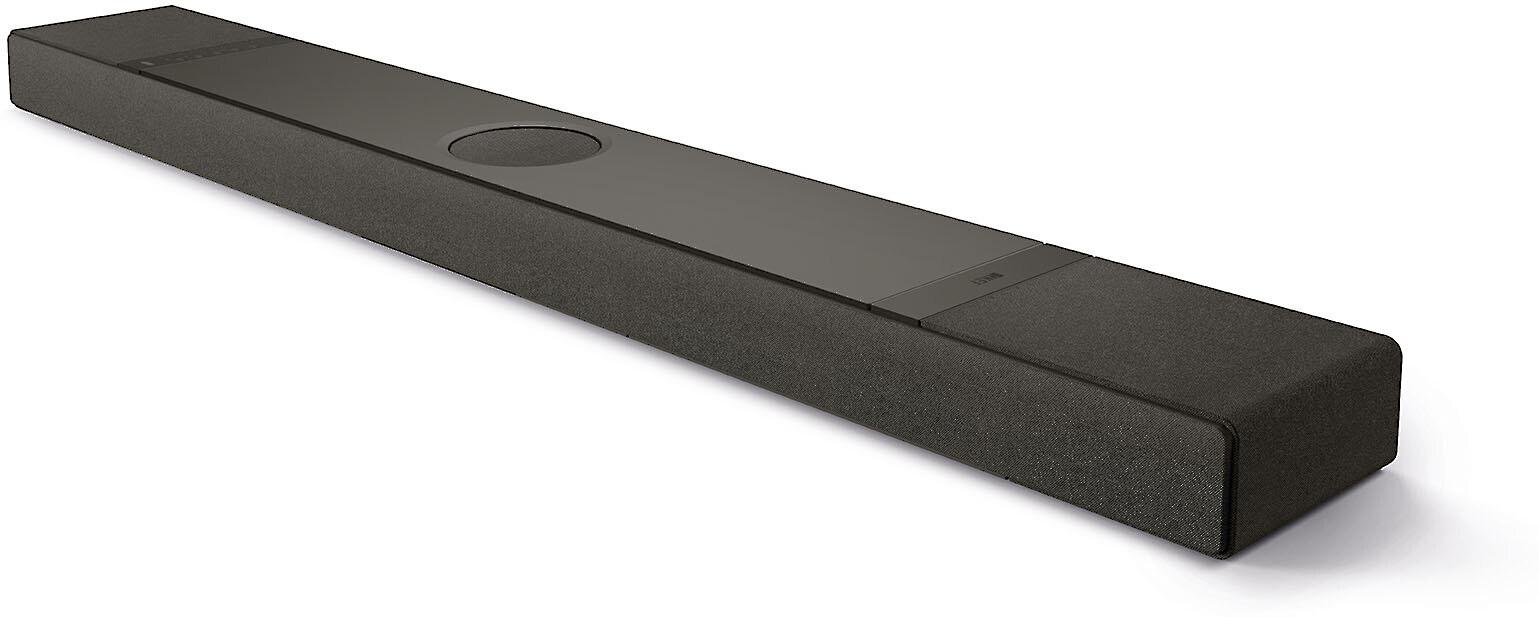
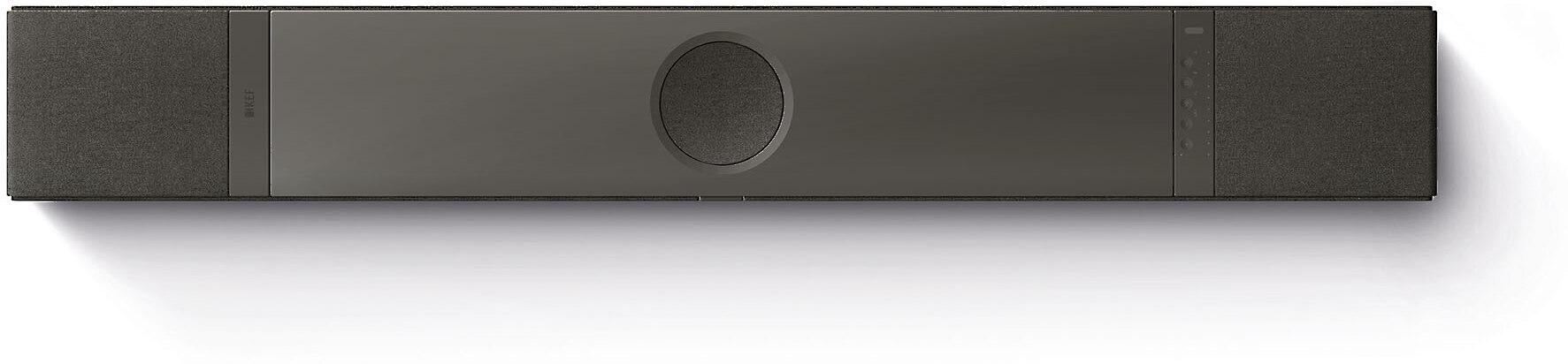
At 47.6 inches wide and weighing over 23 pounds, the XIO is designed for larger TVs (65 inches and up). The aluminum top plate and splash-proof fabric give it a premium appearance that should complement high-end TVs and furniture. The build quality feels substantial – this isn't something you'll accidentally knock over.
The size and weight do require some planning. Wall mounting needs a sturdy mount, and shelf placement requires a wide, stable surface. But the substantial construction contributes to better sound quality by reducing unwanted vibrations.
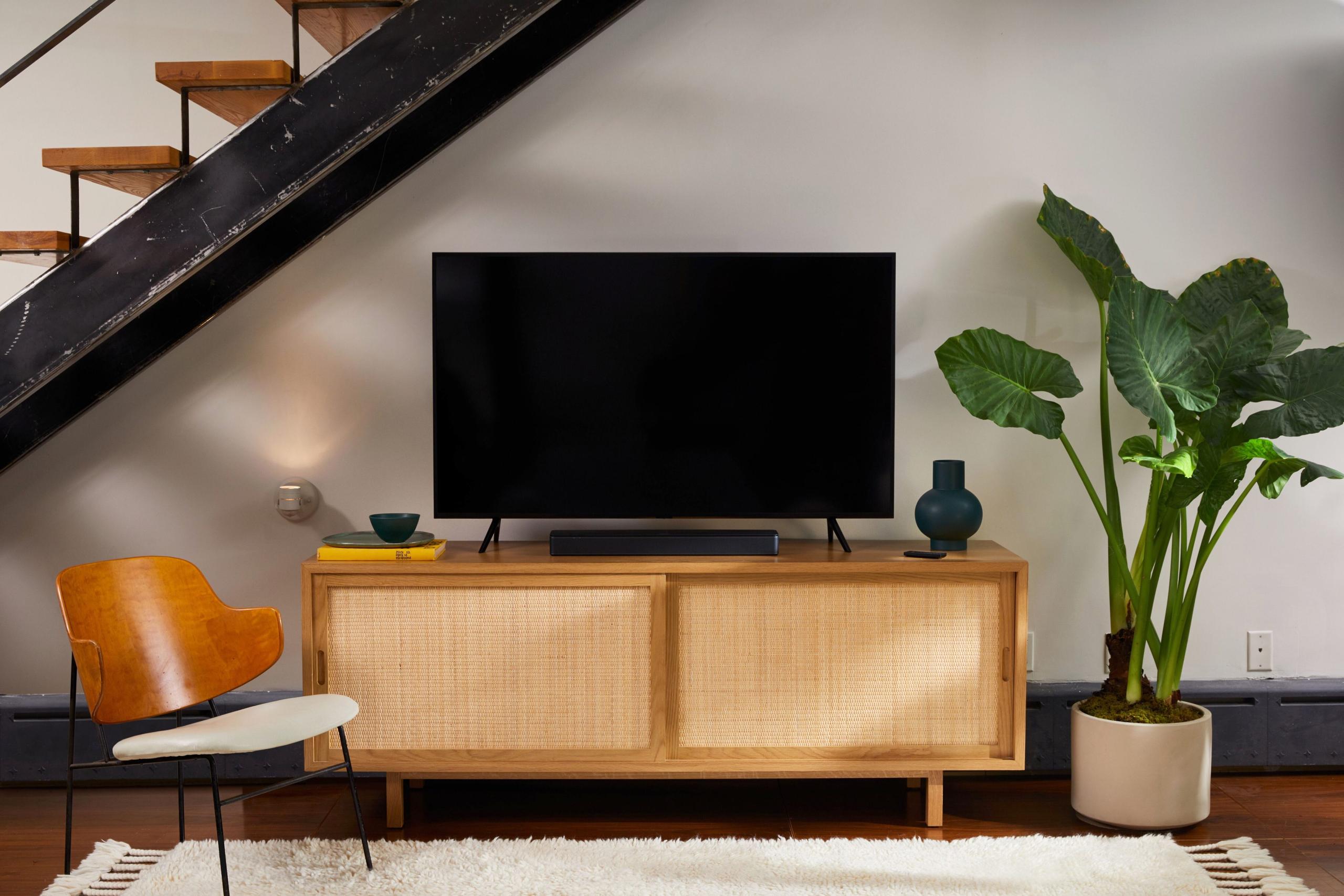
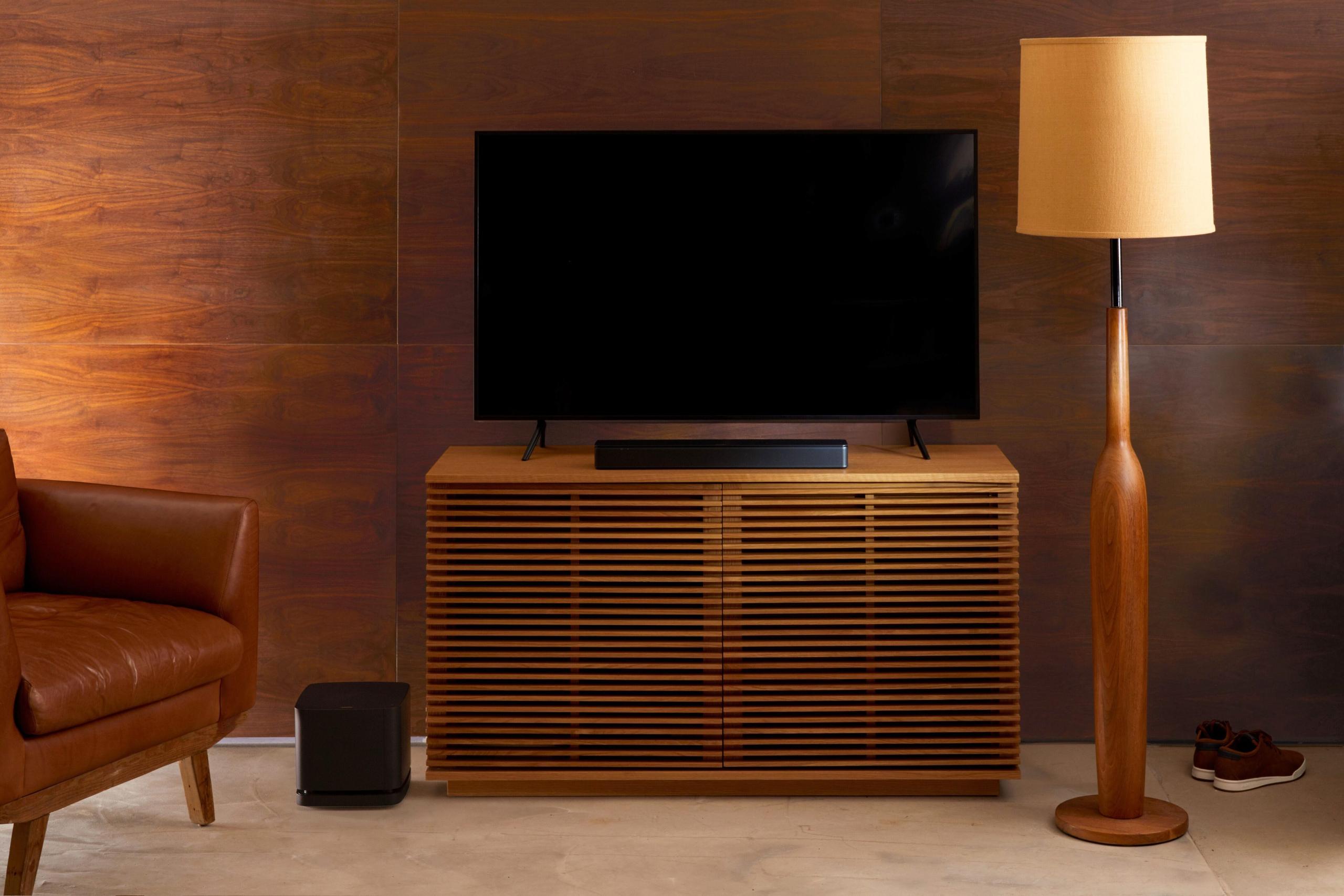
The Bose TV Speaker measures just 23.4 inches wide and weighs under 5 pounds, making it ideal for smaller TVs and spaces. The simple black plastic housing won't win design awards, but it's unobtrusive and fits easily on most TV stands.
This compact size is both a strength and limitation. It's perfect for bedrooms, apartments, or smaller living rooms, but it might look disproportionate under a large TV.
The XIO includes what KEF calls Intelligent Placement Technology – sensors that detect whether the soundbar is wall-mounted or shelf-mounted and adjust the sound accordingly. It also analyzes the room acoustics and nearby objects to optimize performance automatically.
The soundbar offers different listening modes optimized for different content types. Cinema mode emphasizes dynamic range and surround effects, Music mode focuses on stereo imaging and tonal balance, and Dialogue mode boosts speech frequencies for better clarity.
The Bose TV Speaker includes a simple Dialogue mode that analyzes incoming audio to boost speech frequencies. There's no automatic room correction or advanced processing – just a focus on making voices clearer.
If you're building a serious home theater setup, the XIO makes a compelling case as a one-box solution. Its Dolby Atmos capabilities, deep bass extension, and high-quality drivers can eliminate the need for separate components in many rooms. The wireless subwoofer compatibility means you can add even more bass later without running cables.
For a dedicated theater room, you might still prefer separate components for ultimate flexibility and performance. But for a living room where aesthetics and spouse approval matter, the XIO offers remarkable performance in a single, attractive package.
The Bose TV Speaker isn't really designed for home theater use. It's perfect for improving TV watching in casual settings, but it lacks the format support and dynamic range for immersive movie experiences.
At $2,499, the KEF XIO isn't cheap, but it delivers performance that would cost significantly more in separate components. A comparable receiver, bookshelf speakers, center channel, and subwoofer from quality manufacturers could easily exceed $4,000.
The XIO makes sense if you value audio quality, have a larger room and TV, and want advanced features like Dolby Atmos. It's future-proof with support for the latest audio formats and streaming technologies.
The Bose TV Speaker at $199 represents excellent value for its specific purpose. If your primary goal is clearer dialogue and you don't need surround sound or advanced features, it's hard to beat. The simple setup and reliable performance make it particularly appealing for less tech-savvy users or secondary viewing areas.
Choose the KEF XIO if you're serious about audio quality, have a larger room with a 65-inch or bigger TV, and want a single solution that can handle both movies and music at a high level. The investment makes sense if you're replacing or avoiding a multi-component system.
The Bose TV Speaker is the better choice if you primarily want clearer dialogue for TV shows and news, have space constraints, prefer simple operation, or are working with a limited budget. It excels at its core mission without unnecessary complexity.
The $2,300 price gap between these products isn't just about features – it represents fundamentally different approaches to the problem of poor TV audio. One prioritizes maximum performance and capabilities, while the other focuses on solving the most common issue (unclear dialogue) as simply and affordably as possible.
Both approaches have merit, and the right choice depends entirely on your specific needs, room, and priorities. The good news is that either option will be a significant improvement over your TV's built-in speakers – just in very different ways.
| KEF XIO Soundbar | Bose TV Speaker Soundbar |
|---|---|
| Price - Represents fundamentally different value propositions | |
| $2,499 - Premium positioning targeting audiophiles | $199 - Budget-friendly TV audio upgrade |
| Audio Channels - Determines surround sound capabilities | |
| 5.1.2 true surround with upward-firing Atmos drivers | 2.0 stereo only, no surround effects |
| Driver Technology - Core audio quality differentiator | |
| 12 drivers including 6 Uni-Q MX concentric arrays | 2 basic full-range drivers |
| Bass Performance - Critical for movies and music enjoyment | |
| 34Hz extension with 4 force-canceling racetrack woofers | Limited bass, relies on 3.5mm subwoofer output |
| Audio Format Support - Future-proofing for streaming content | |
| Dolby Atmos, DTS:X, Sony 360 Reality Audio | Stereo PCM only, no Dolby Digital support |
| Total Power Output - Headroom for dynamic content | |
| 820W across 12 Class D amplifiers | Not specified (estimated ~50W) |
| Connectivity - Affects device compatibility and convenience | |
| HDMI 2.1 eARC, Wi-Fi 6, Bluetooth 5.3, streaming services | HDMI ARC/optical input, Bluetooth 4.2 |
| Physical Size - Room and TV compatibility considerations | |
| 47.6" wide, 23.1 lbs (suits 65"+ TVs) | 23.4" wide, 4.3 lbs (ideal for smaller TVs) |
| Setup Complexity - Ease of installation and operation | |
| Advanced room calibration, multiple modes, app control | One-cable connection, basic remote integration |
| Best Use Case - Who should consider each option | |
| Large rooms, movie/music enthusiasts, premium setups | Small spaces, dialogue clarity, budget-conscious users |
The KEF XIO Soundbar ($2,499) is a premium home theater solution with 5.1.2 surround sound and Dolby Atmos support, while the Bose TV Speaker ($199) is a budget-friendly dialogue enhancer with basic 2.0 stereo sound. The KEF targets audiophiles wanting cinema-quality audio, while the Bose focuses on making TV speech clearer.
The Bose TV Speaker is better for small rooms due to its compact 23.4-inch width and lightweight 4.3-pound design. It's perfect for TVs under 55 inches and doesn't overwhelm smaller spaces. The KEF XIO at 47.6 inches wide is designed for larger rooms with 65-inch or bigger TVs.
The KEF XIO Soundbar produces deep bass down to 34Hz without a subwoofer, making it suitable for most users. The Bose TV Speaker has limited bass and benefits from adding a subwoofer through its 3.5mm output, though it's not required for basic TV watching.
Only the KEF XIO supports Dolby Atmos, DTS:X, and true 5.1.2 surround sound with upward-firing drivers for height effects. The Bose TV Speaker only supports basic stereo and cannot decode Dolby Digital or any surround sound formats.
The Bose TV Speaker offers plug-and-play simplicity with one cable connection and automatic TV remote integration. The KEF XIO Soundbar requires more setup but includes automatic room calibration and multiple listening modes through its app control system.
For movies, the KEF XIO excels with its Dolby Atmos support, powerful bass, and immersive surround sound that creates a cinematic experience. For basic TV watching and dialogue clarity, the Bose TV Speaker is specifically designed to make voices clearer and more understandable.
Yes, both support Bluetooth music streaming. The KEF XIO offers advanced streaming with Wi-Fi 6, Spotify Connect, Tidal Connect, and high-resolution audio up to 24-bit/384kHz. The Bose TV Speaker provides basic Bluetooth 4.2 connectivity for simple music playback.
The KEF XIO ($2,499) costs $2,300 more than the Bose TV Speaker ($199). The premium is justified if you want audiophile-quality sound, Dolby Atmos, powerful bass, and advanced features. For basic dialogue improvement, the Bose offers excellent value.
The KEF XIO is better for gaming with HDMI 2.1 eARC support, low latency, and immersive surround sound that enhances gameplay audio. The Bose TV Speaker can improve game dialogue clarity but lacks the dynamic range and surround effects for immersive gaming.
The Bose TV Speaker fits almost anywhere with its 23.4-inch width and can sit on small TV stands. The KEF XIO needs substantial space at 47.6 inches wide and requires a sturdy surface or wall mount due to its 23-pound weight.
The Bose TV Speaker is ideal for seniors with its simple one-cable setup, automatic TV remote control, and dedicated dialogue mode button that makes speech clearer. The KEF XIO offers more features but requires app-based control and understanding of various audio modes.
The KEF XIO Soundbar can effectively replace a multi-component home theater system for many users, offering comparable performance to separate receivers and speakers costing much more. The Bose TV Speaker is designed as a basic TV audio upgrade and cannot match home theater system capabilities.
We've done our best to create useful and informative comparisons to help you decide what product to buy. Our research uses advanced automated methods to create this comparison and perfection is not possible - please contact us for corrections or questions. These are the sites we've researched in the creation of this article: blog.son-video.com - residentialsystems.com - whathifi.com - audioadvice.com - crutchfield.com - homecrux.com - techradar.com - youtube.com - us.kef.com - gramophone.com - cepro.com - audioxpress.com - musicdirect.com - gramophone.com - us.kef.com - crutchfield.com - hifipig.com - bestbuy.com - listenup.com - bestbuy.com - bestbuy.com - listenup.com - bestbuy.com - projectorscreen.com - forums.audioholics.com - digitaltrends.com - abt.com - crutchfield.com - staples.com - bestbuy.com - pcrichard.com - visions.ca - bose.com - assets.bose.com

Privacy Policy
Terms and Conditions - Affiliate Policy
Home Security
© Copyright 2008-2026.
11816 Inwood Rd #1211, Dallas, TX 75244