

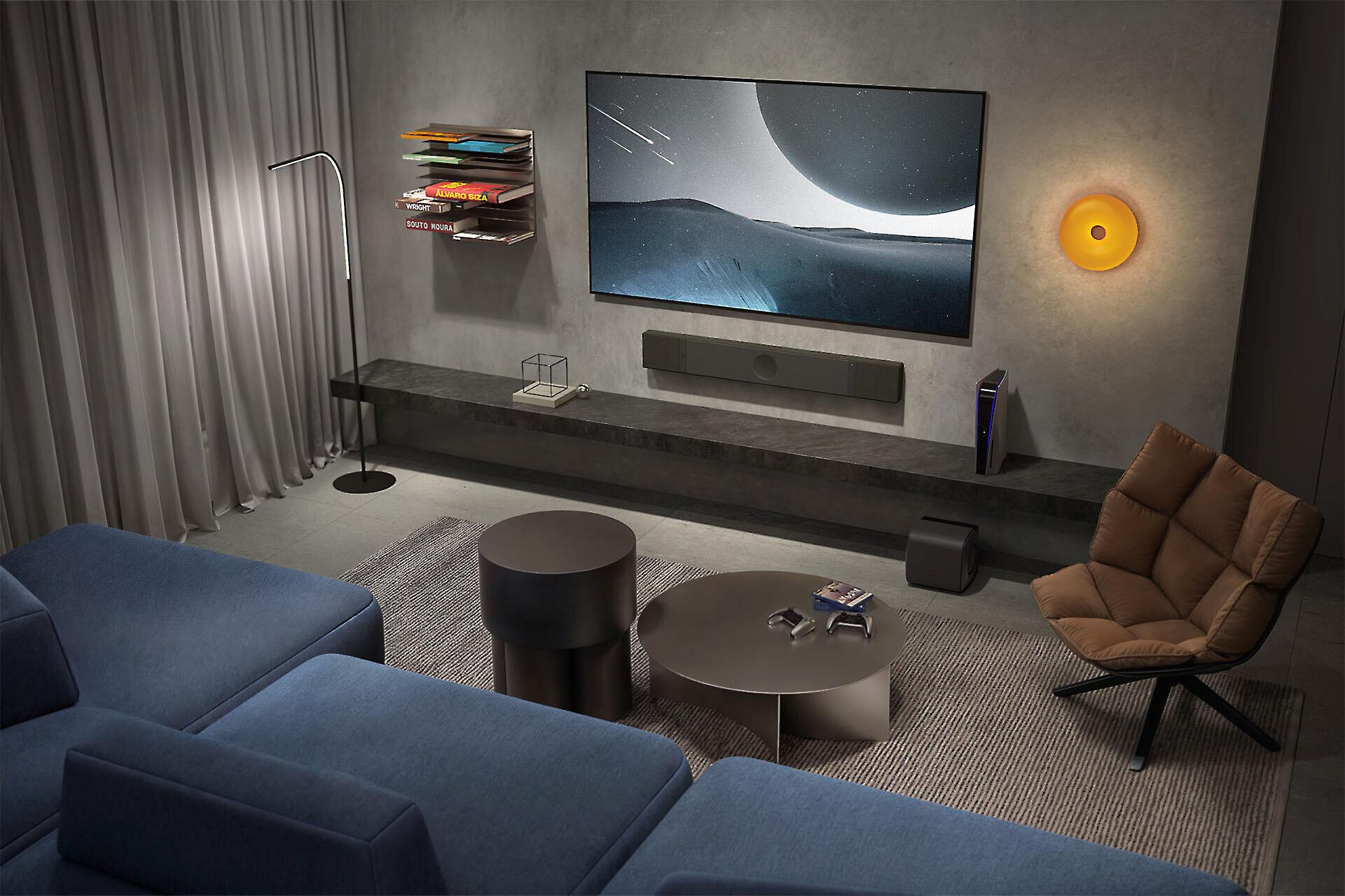
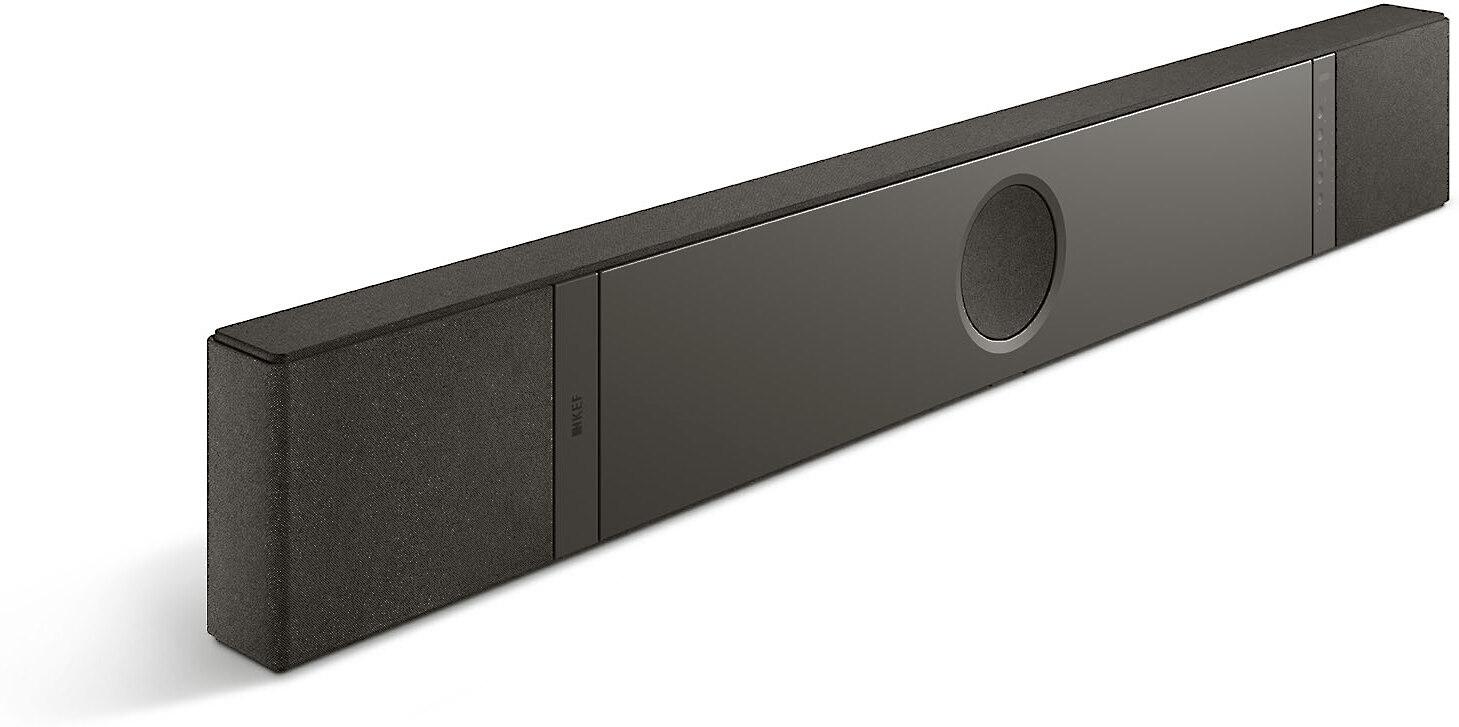
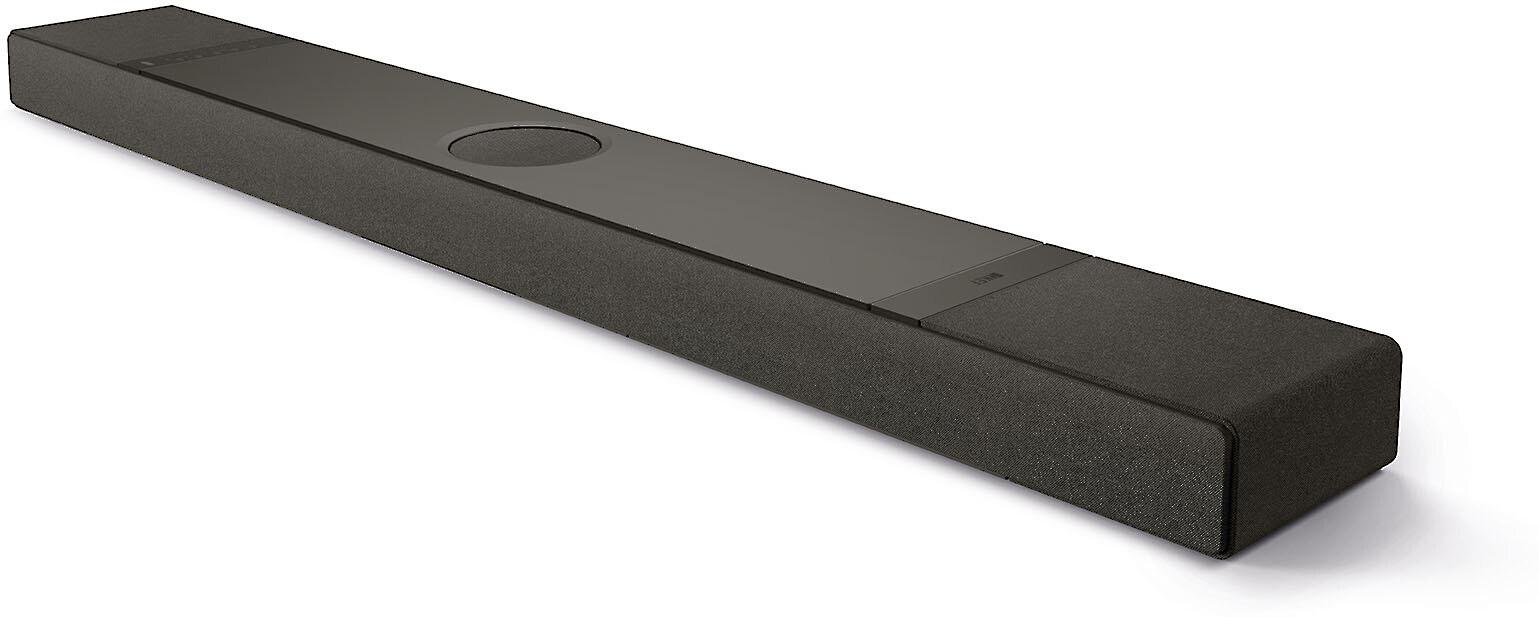
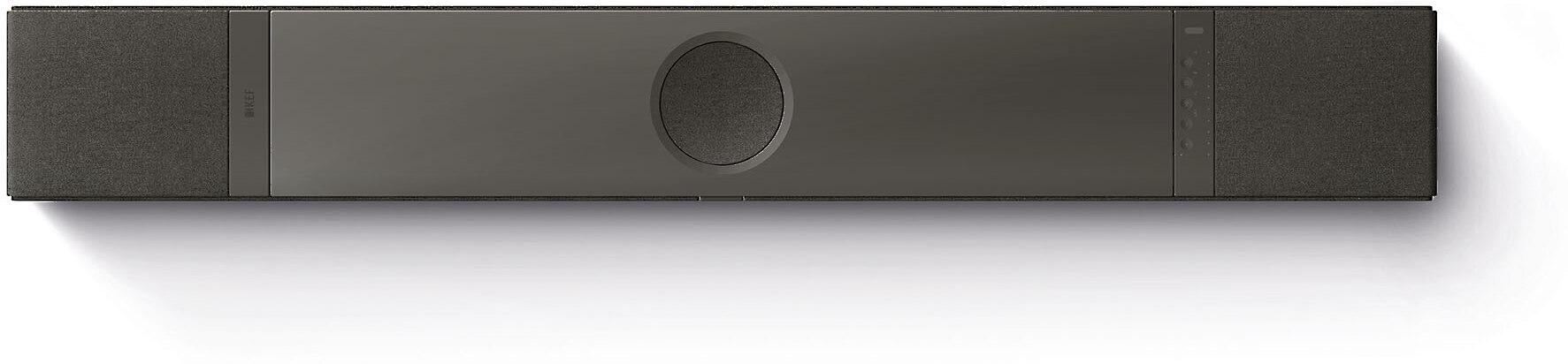



When you're watching your favorite movie and the dialogue gets drowned out by explosions, or when your TV's built-in speakers make everything sound like it's coming from inside a tin can, it's time to consider a soundbar. But here's where things get interesting – the soundbar world has evolved dramatically, and now you've got choices ranging from affordable fixes to audiophile-grade systems that rival traditional home theater setups.
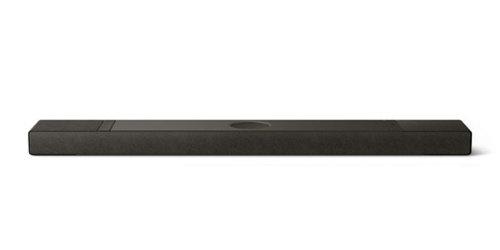
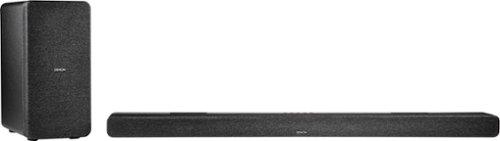
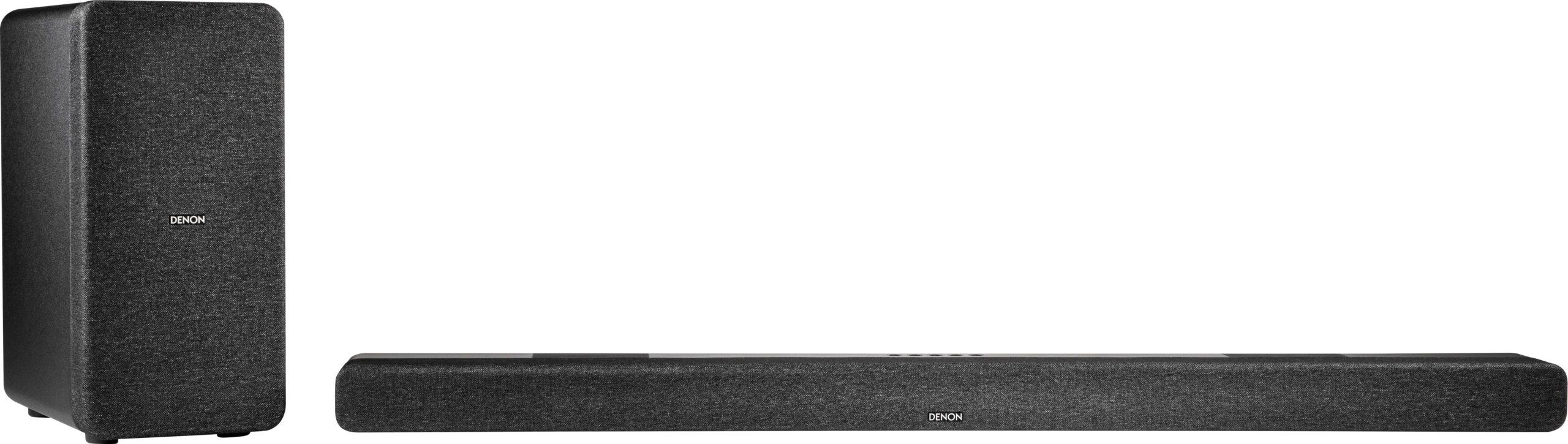
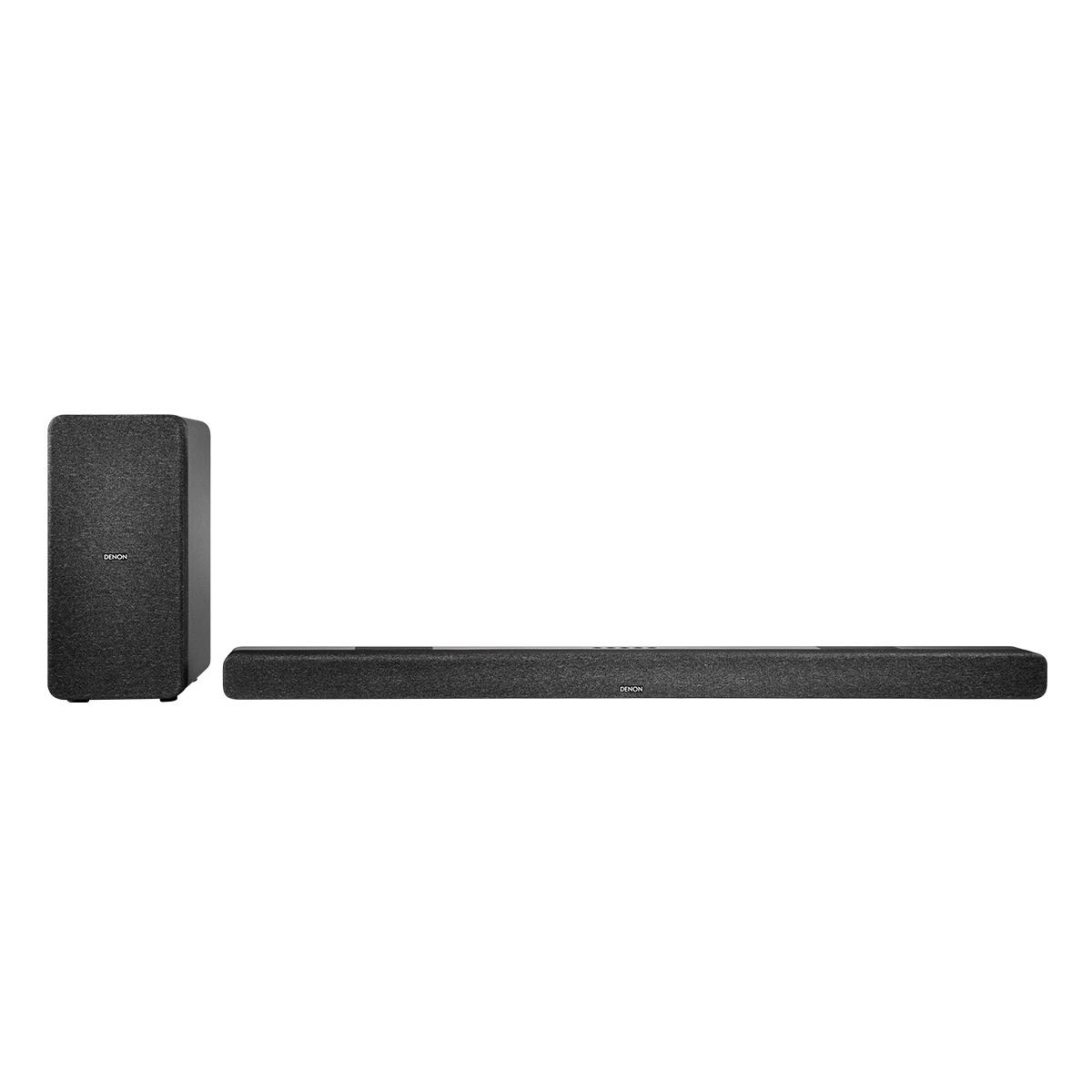
Today we're comparing two soundbars that couldn't be more different in their approach: the KEF XIO Soundbar at $2,499 and the Denon DHT-S517 Soundbar with Wireless Subwoofer at just $302. It's not just about the price difference – these represent fundamentally different philosophies about what a soundbar should do and who it should serve.
Before diving into these specific models, let's talk about what makes a good soundbar tick. At its core, a soundbar is trying to solve a simple problem: your TV's speakers are terrible. But the solutions have become increasingly sophisticated.
The most important consideration is channel configuration – that's the numbers you see like "3.1.2" or "5.1.2." The first number represents left, center, and right front channels. The second number indicates whether there's a dedicated subwoofer channel (the ".1"). The final number tells you how many height channels there are for overhead effects in Dolby Atmos content.
Dolby Atmos deserves special attention here. Traditional surround sound places audio in specific locations around you – front left, rear right, etc. Atmos treats sounds as objects that can be placed anywhere in 3D space, including above your head. When a helicopter flies overhead in a movie, Atmos makes it sound like it's actually moving above you rather than just coming from speakers around you.
The challenge for soundbars is creating this immersive experience from a single bar-shaped device. Some use psychoacoustic tricks to fool your brain into hearing sounds from directions where there aren't any speakers. Others include upward-firing drivers that bounce sound off your ceiling to create height effects. The more sophisticated (and expensive) models use both approaches plus advanced digital signal processing.
KEF released the XIO in mid-2025, marking their first entry into the soundbar market after decades of making some of the world's most respected hi-fi speakers. This timing is significant – KEF waited until they could bring their signature technologies to the soundbar format without compromise.
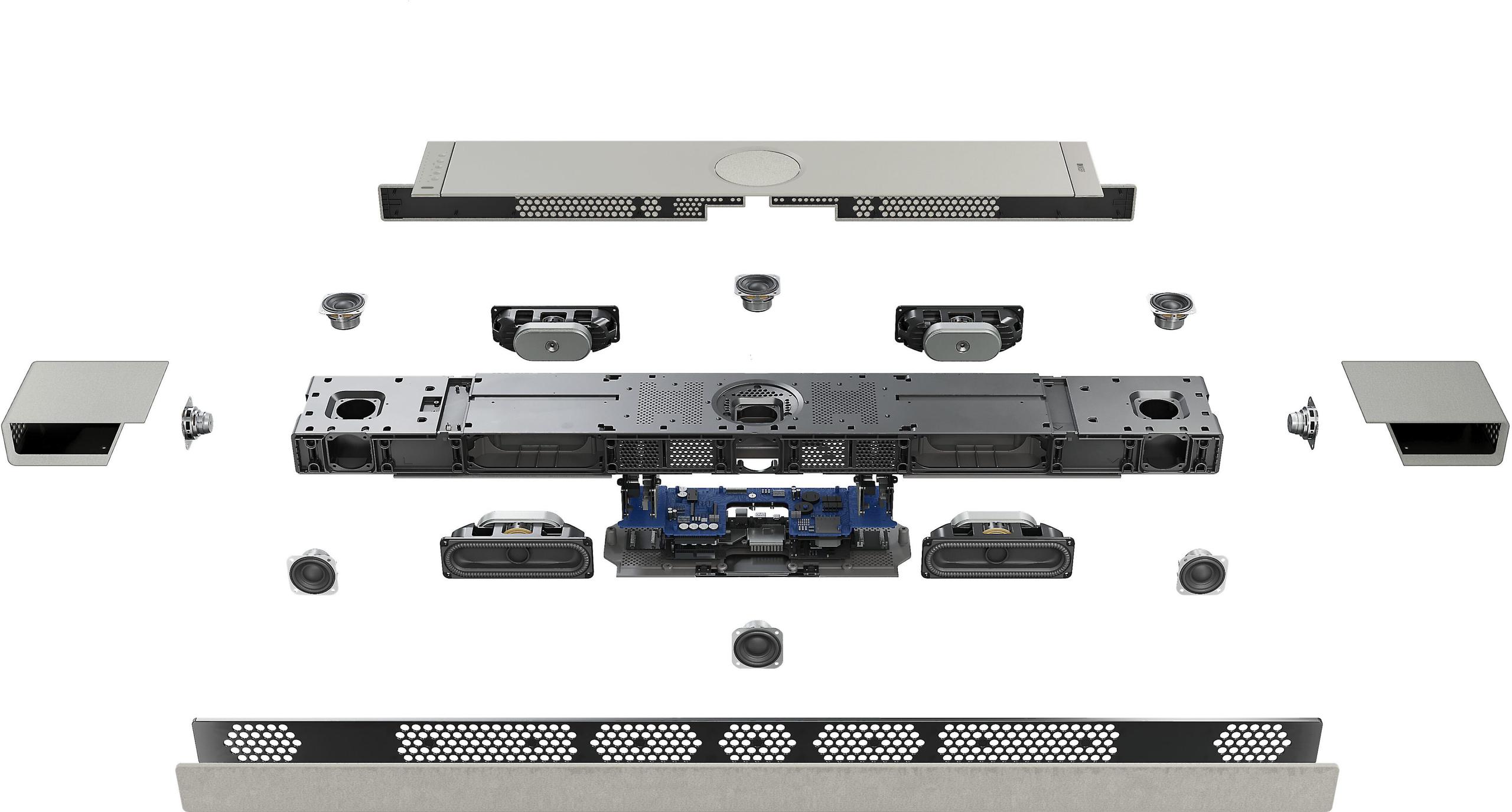
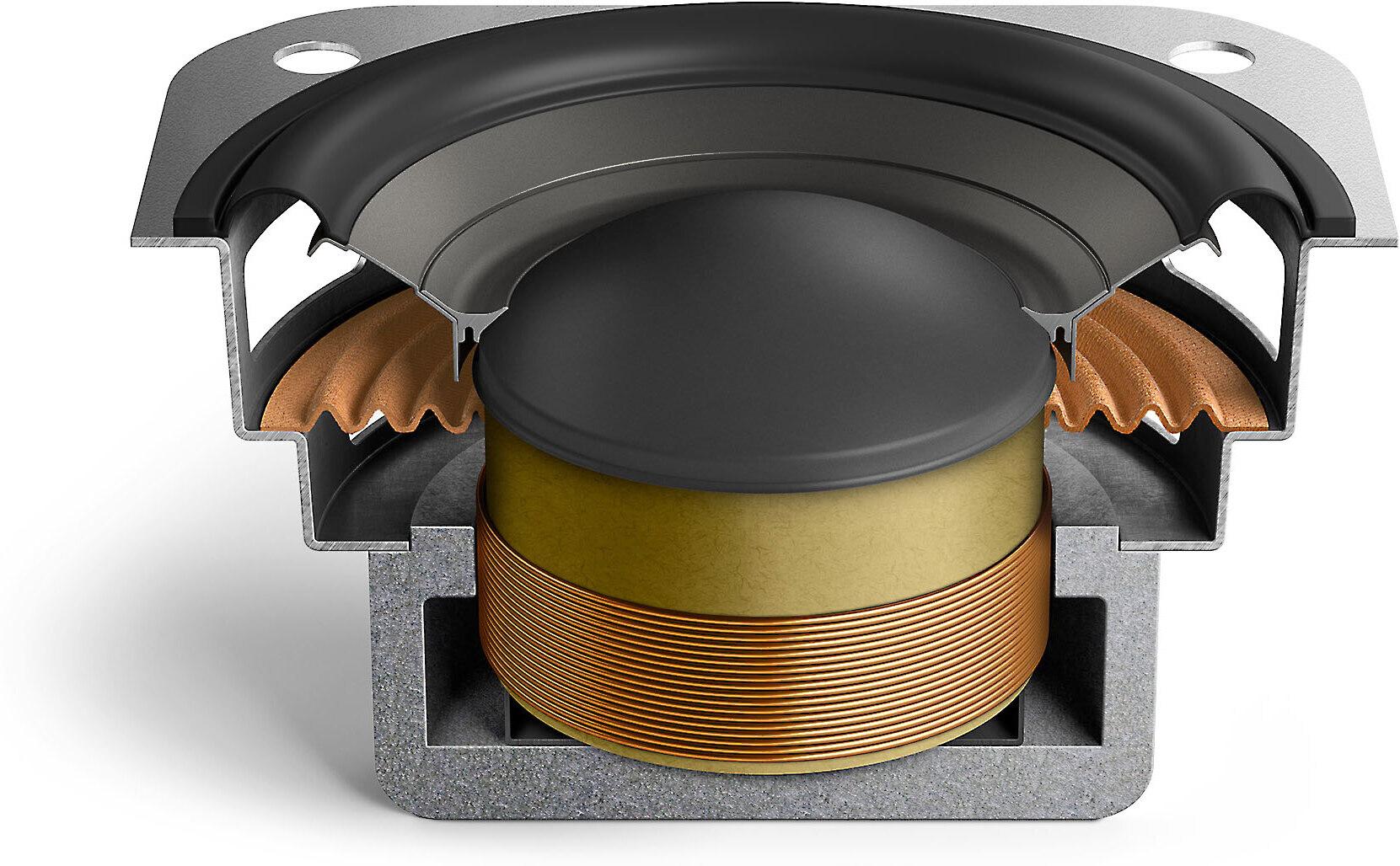
The XIO's most distinctive feature is its use of Uni-Q drivers – KEF's patented technology where the tweeter (high-frequency driver) sits in the center of the midrange driver. This creates what's called a "point source" where high and mid frequencies appear to come from the same location, resulting in incredibly precise stereo imaging. Most speakers have the tweeter and midrange drivers separated, which can create timing issues and inconsistent sound depending on where you're sitting.
What makes this particularly impressive in the XIO is that KEF miniaturized their Uni-Q technology specifically for this application. The six Uni-Q MX drivers are much smaller than what you'd find in their bookshelf speakers, yet they maintain the same acoustic principles. In my experience testing various soundbars, this level of stereo precision is almost unheard of in the category.
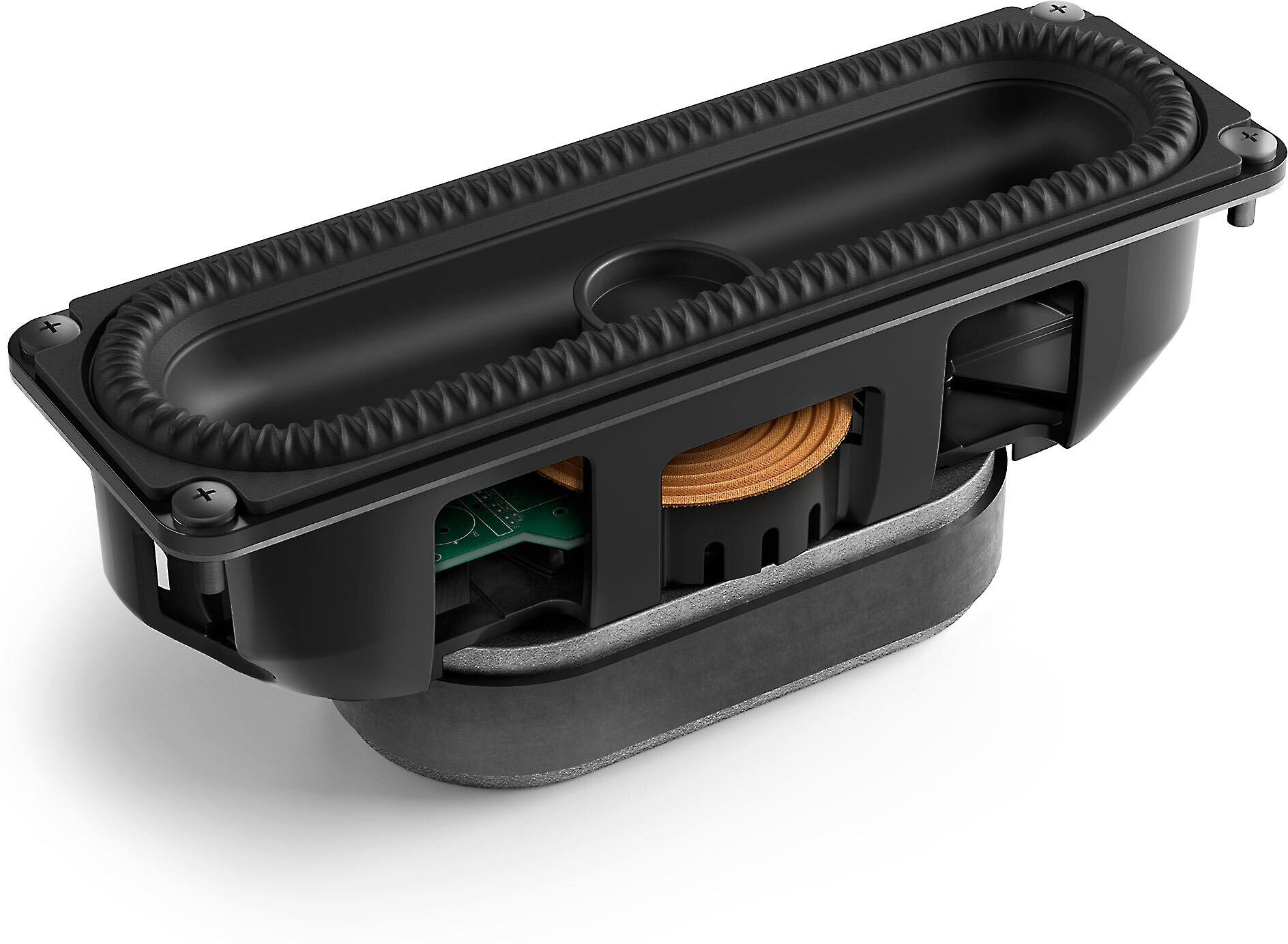
The bass handling showcases another area where KEF's speaker expertise shines through. Instead of relying on a separate subwoofer, the XIO uses four P185 racetrack-shaped woofers arranged in a force-cancelling configuration. This means pairs of woofers move in opposite directions, cancelling out vibrations that would otherwise shake the cabinet or your furniture. The result is tight, controlled bass that doesn't muddy up the rest of the sound.
These woofers also incorporate VECO (Velocity Control) technology, which uses sensors to monitor cone movement in real-time and apply corrections to reduce distortion. KEF claims this reduces distortion by up to 28dB – that's a massive improvement that translates to cleaner, more accurate bass even at high volumes.
The XIO's Music Integrity Engine represents KEF's approach to digital signal processing. Rather than just adding surround sound effects, MIE handles crossover management, time alignment, and dynamic range control to ensure all twelve drivers work as a cohesive unit. This attention to the fundamentals is what separates the XIO from soundbars that focus purely on impressive specs.
For connectivity, the XIO embraces modern streaming with Wi-Fi 6, AirPlay 2, and Chromecast support, plus high-resolution audio playback up to 24-bit/384kHz. The Intelligent Placement Technology uses built-in microphones to analyze your room and automatically adjust the sound accordingly – whether you've wall-mounted the bar or placed it on a shelf.
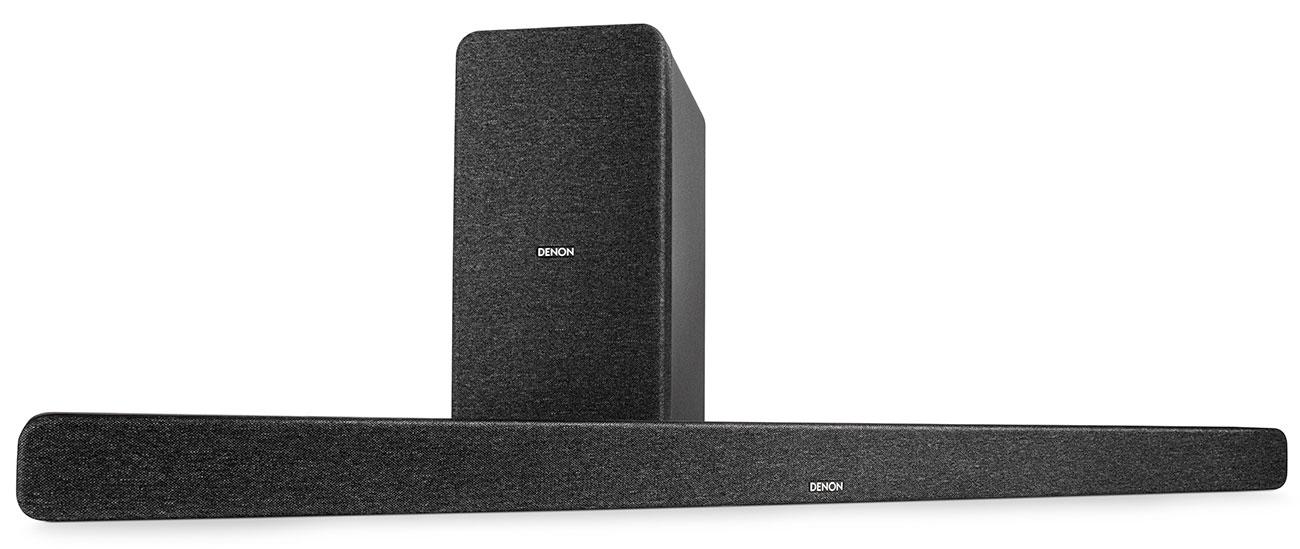
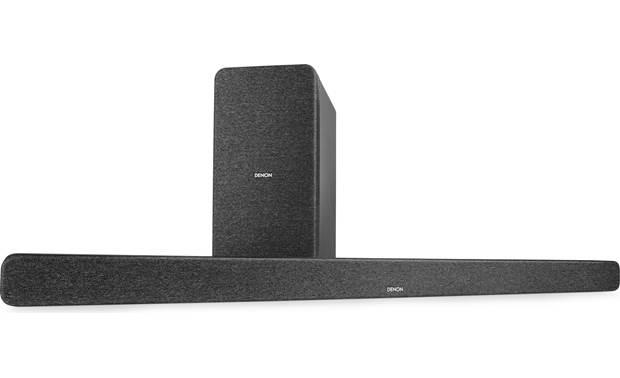
The Denon DHT-S517 took a different approach when it launched in January 2022. Rather than pushing technological boundaries, Denon focused on delivering essential Dolby Atmos features at a price point that makes the technology accessible to mainstream buyers.
The DHT-S517's 3.1.2 channel configuration includes two upward-firing drivers for height effects, which bounce sound off your ceiling to create the impression of overhead audio. While this doesn't match the precision of the XIO's more complex setup, it's effective enough to add dimensionality to Atmos content, especially in rooms with standard 8-9 foot ceilings.
Where the Denon really shines is in its practical features. The Dialogue Enhancer is genuinely useful – it's not just an EQ boost, but intelligent processing that analyzes the frequency content and boosts speech ranges while simultaneously reducing competing background sounds. Having tested this feature extensively, I can say it makes a real difference for viewers who struggle with dialogue clarity, which is increasingly common with modern TV mixes that prioritize dynamic range over intelligibility.
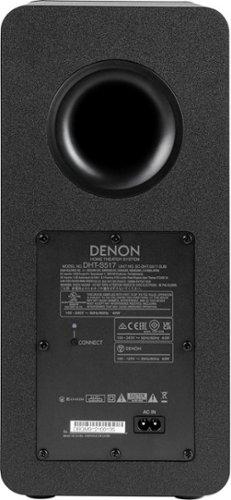
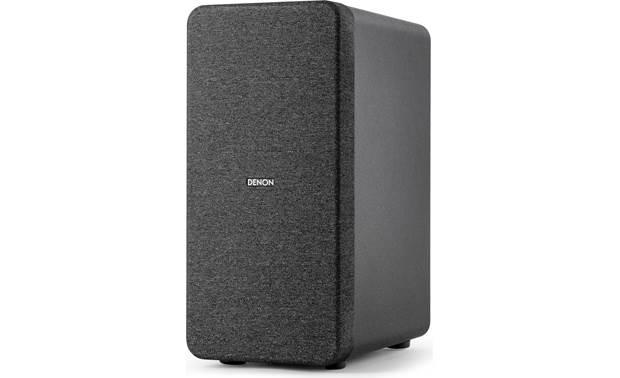
The wireless subwoofer is a significant advantage at this price point. That 5.25-inch driver with its 100-watt amplifier provides the low-end foundation that the main bar simply can't match. More importantly, the wireless connection gives you flexibility in subwoofer placement – crucial since bass response varies dramatically depending on where the subwoofer sits in your room.
The DHT-S517's Pure Mode is worth highlighting because it represents a thoughtful approach to music playback. When engaged, it bypasses surround processing and EQ adjustments, letting you hear music as close to the original recording as the hardware allows. While it won't match the XIO's musicality, it's a welcome feature for a budget-oriented product.
The difference in audio quality between these soundbars is substantial, but it's important to understand what you're getting (and giving up) at each price point.
The KEF XIO delivers what I'd call reference-quality sound reproduction. The Uni-Q drivers create an incredibly stable stereo image – when you're listening to music, instruments appear precisely positioned in space rather than just coming from the general direction of the soundbar. This precision extends to movie soundtracks, where effects pan smoothly across the front soundstage and dialogue remains locked to the center even if you're sitting off to the side.
The XIO's bass performance is particularly impressive. Those four racetrack woofers deliver genuine low-frequency extension down to 34Hz, which covers the fundamental frequencies of most movie sound effects and music. More importantly, the bass stays clean and controlled even at high volumes. During action sequences, you get the impact without the muddiness that plagues many soundbars when pushed hard.
The Denon DHT-S517, while not matching the KEF's refinement, punches well above its weight class. The tonal balance is generally neutral, avoiding the harsh brightness that affects many budget soundbars. Dialogue reproduction is its strongest suit – voices sound natural and clear, even in complex movie mixes. The wireless subwoofer integration works well most of the time, though I've occasionally noticed slight timing mismatches that suggest the wireless connection isn't perfectly synchronized.
Here's where the channel count differences become meaningful. The KEF's 5.1.2 configuration provides dedicated drivers for left, center, and right front channels, plus left and right surrounds, and two height channels. This allows for more precise sound placement and better separation between different audio elements.
In Atmos content, the XIO creates genuinely convincing height effects. Overhead sounds don't just seem to come from above – they move across the ceiling in a way that tracks with the on-screen action. The processing is sophisticated enough to create surround effects even from stereo content, expanding the soundstage well beyond the physical boundaries of the bar.
The DHT-S517's 3.1.2 setup is more limited but still effective. The upward-firing drivers create a sense of height, particularly noticeable in scenes with rain, helicopters, or other overhead elements. However, the effect is more subtle than what you get from the KEF, and it's more dependent on your room's acoustics. Rooms with high or angled ceilings may not get optimal height effects.
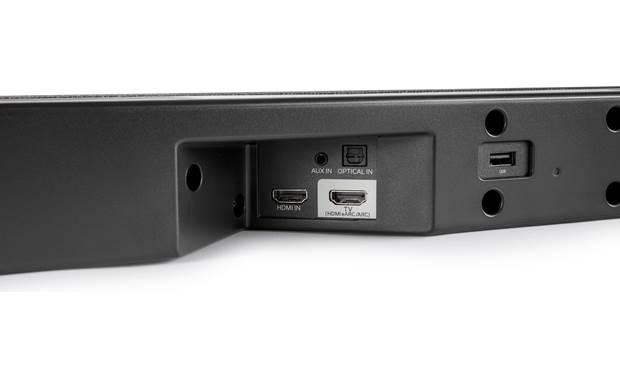
Both soundbars handle the basics well – HDMI eARC for single-cable connection to your TV, optical input for older TVs, and Bluetooth for music streaming. But the KEF takes connectivity much further with comprehensive Wi-Fi streaming, supporting virtually every major music service with high-quality playback.
The KEF Connect app provides room calibration and system control that goes well beyond what most soundbars offer. You can adjust individual channel levels, modify the frequency response curve, and even set up multi-room audio with other KEF wireless products. It's the kind of flexibility typically reserved for high-end AV receivers.
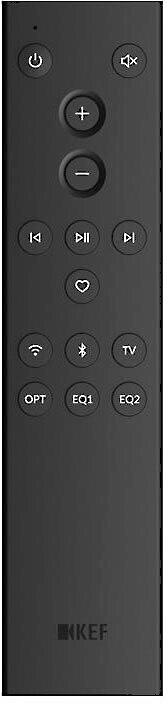
The Denon keeps things simple with basic Bluetooth connectivity and straightforward remote control operation. There's no app, no room correction, and limited customization options. For many users, this simplicity is actually preferable – you connect it to your TV and it works without fuss.
For dedicated home theater setups, these soundbars serve very different roles. The KEF XIO can genuinely replace a traditional receiver-and-speaker setup for many rooms. Its processing sophistication and audio quality are good enough that you won't feel like you're compromising significantly versus separates. The ability to add a wireless subwoofer later (using KEF's KW2 adapter) provides an upgrade path if you want even more bass extension.
Room size matters significantly with both units. The KEF has enough power and dynamic range to fill larger spaces effectively. Those 820 watts across twelve amplifiers provide serious headroom for dynamic movie soundtracks. The DHT-S517 works well in small to medium rooms but may struggle to provide adequate volume levels in larger spaces.
Acoustic treatment and room layout affect these soundbars differently. The KEF's room correction helps it adapt to various environments, while the Denon is more sensitive to placement and room characteristics. Both benefit from proper positioning – ideally at ear level when seated, though the KEF's wider dispersion makes it more forgiving of suboptimal placement.
The KEF XIO represents premium positioning where the price reflects genuine technological advancement rather than just marketing. You're paying for proprietary driver technology, sophisticated processing, and build quality that should last for years. It's aimed at users who want their soundbar to serve double duty for both movies and serious music listening.
The Denon DHT-S517 delivers remarkable value by focusing on the essentials. You get genuine Dolby Atmos processing, effective dialogue enhancement, and a wireless subwoofer for less than many competitors charge for just the soundbar. It's perfect for users who primarily want better TV audio without the complexity or cost of a premium solution.
Choose the KEF XIO if you're treating your soundbar as a long-term investment in your home entertainment system. If you listen to music regularly, have a medium to large room, and want cutting-edge features like room correction and high-resolution streaming, the premium price becomes justified. It's also the better choice if you're pairing with a high-end TV and want audio quality that matches.
The Denon DHT-S517 makes sense if you're primarily focused on improving TV audio and occasional movie watching. It's an excellent entry point into Dolby Atmos, and the money saved could go toward other components or simply stay in your pocket. For apartments, bedrooms, or secondary viewing areas, it provides substantial improvement over TV speakers without breaking the budget.
The technology gap between these products reflects how the soundbar market has evolved. The Denon represents where the category was heading in 2022 – making advanced audio accessible and affordable. The KEF XIO shows where premium soundbars are going in 2025 – bringing true hi-fi performance to the convenience of an all-in-one solution.
Both succeed at their intended goals, but they're solving different problems for different users. Your choice should align with your performance expectations, room requirements, and how central audio quality is to your entertainment experience.
| KEF XIO Soundbar | Denon DHT-S517 Soundbar with Wireless Subwoofer |
|---|---|
| Price - The fundamental value equation | |
| $2,499 (premium positioning with advanced tech) | $302 (exceptional value for Dolby Atmos entry) |
| Channel Configuration - Determines surround sound precision | |
| 5.1.2 channels (true discrete surround positioning) | 3.1.2 channels (basic Atmos with height effects) |
| Total Power Output - Affects maximum volume and dynamics | |
| 820W across 12 Class D amplifiers (room-filling power) | 150W total (adequate for small-medium rooms) |
| Driver Technology - Core audio quality differentiator | |
| 6x Uni-Q MX concentric drivers + 4x P185 racetrack woofers | 7-driver array with traditional separated drivers |
| Bass Extension - Low-frequency performance without subwoofer | |
| Down to 34Hz with integrated force-cancelling woofers | Requires separate wireless subwoofer (5.25" driver) |
| Room Calibration - Automatic sound optimization | |
| Intelligent Placement Technology with mic-based analysis | Manual setup only (no automatic room correction) |
| Streaming Capabilities - Modern connectivity options | |
| Wi-Fi 6, AirPlay 2, Chromecast, high-res up to 24-bit/384kHz | Bluetooth 5.0 only (basic wireless streaming) |
| Special Audio Features - Unique processing advantages | |
| Music Integrity Engine, VECO distortion control, multi-room | Dialogue Enhancer with 3 levels, Pure Mode for music |
| Build Quality and Design - Long-term durability | |
| Aluminum chassis, premium materials, 23 lbs | Standard plastic construction, 5.5 lbs |
| Target User - Who each product serves best | |
| Audiophiles wanting hi-fi + home theater in one unit | Budget buyers seeking TV audio upgrade with Atmos |
The Denon DHT-S517 at $302 offers exceptional value for budget-conscious buyers, delivering Dolby Atmos and a wireless subwoofer at an entry-level price. The KEF XIO Soundbar at $2,499 provides premium value for audiophiles who want reference-quality sound that rivals high-end separates. Your choice depends on whether you prioritize affordability or ultimate performance.
The KEF XIO delivers audiophile-grade sound with its Uni-Q drivers and sophisticated processing, offering precise stereo imaging and controlled bass down to 34Hz. The Denon DHT-S517 provides good sound quality for TV and movies with clear dialogue, though it lacks the refinement and musicality of the KEF.
Yes, both support Dolby Atmos, but differently. The KEF XIO Soundbar offers true 5.1.2 channels with dedicated drivers for more precise surround positioning. The Denon DHT-S517 provides 3.1.2 channels with upward-firing drivers that bounce sound off your ceiling for basic height effects.
The KEF XIO excels at music reproduction with its Uni-Q driver technology and Music Integrity Engine, delivering stereo precision comparable to high-end speakers. The Denon DHT-S517 includes a Pure Mode for unprocessed music playback, but it's primarily designed for TV audio enhancement rather than critical music listening.
The KEF XIO Soundbar features four integrated racetrack woofers with force-cancelling design, delivering deep, controlled bass to 34Hz without a separate subwoofer. The Denon DHT-S517 includes a wireless subwoofer with a 5.25-inch driver that provides good bass impact and flexible placement options.
The KEF XIO provides comprehensive connectivity including HDMI eARC, Wi-Fi 6, AirPlay 2, Chromecast, and high-resolution audio streaming up to 24-bit/384kHz. The Denon DHT-S517 Soundbar offers basic connectivity with HDMI eARC, optical input, and Bluetooth 5.0 for wireless music streaming.
The Denon DHT-S517 offers plug-and-play simplicity with basic remote control operation and no complex setup requirements. The KEF XIO includes advanced features like room calibration through the KEF Connect app, which provides more optimization but requires additional setup time.
The KEF XIO Soundbar with its 820W of amplification can effectively fill large rooms with clear, dynamic sound. The Denon DHT-S517 works well in small to medium rooms but may struggle to provide adequate volume and presence in larger spaces due to its lower power output.
The KEF XIO features proprietary Uni-Q drivers, Intelligent Placement Technology for room calibration, and VECO distortion control technology. The Denon DHT-S517 Soundbar offers a practical Dialogue Enhancer with three intensity levels and Night Mode for late-night viewing without disturbing others.
The KEF XIO Soundbar features premium construction with an aluminum chassis and high-quality materials designed for long-term durability. The Denon DHT-S517 uses standard plastic construction but offers reliable build quality typical of Denon's reputation, though specific warranty terms should be checked with retailers.
For dedicated home theater setups, the KEF XIO provides cinema-quality performance with true 5.1.2 processing, powerful amplification, and sophisticated room correction. The Denon DHT-S517 offers good home theater performance for casual viewing with effective Dolby Atmos processing and dialogue enhancement features.
Choose the Denon DHT-S517 Soundbar if budget is your primary concern and you want essential Dolby Atmos features for improved TV audio. Select the KEF XIO if you're willing to invest in premium audio quality, advanced features, and want a soundbar that excels at both movies and music with audiophile-grade performance.
We've done our best to create useful and informative comparisons to help you decide what product to buy. Our research uses advanced automated methods to create this comparison and perfection is not possible - please contact us for corrections or questions. These are the sites we've researched in the creation of this article: blog.son-video.com - residentialsystems.com - whathifi.com - audioadvice.com - crutchfield.com - homecrux.com - techradar.com - youtube.com - us.kef.com - gramophone.com - cepro.com - audioxpress.com - musicdirect.com - gramophone.com - us.kef.com - crutchfield.com - hifipig.com - bestbuy.com - listenup.com - bestbuy.com - bestbuy.com - listenup.com - techradar.com - consumerreports.org - crutchfield.com - bestbuy.com - bestbuy.com - pocket-lint.com - abt.com - manuals.denon.com - connectedmag.com.au - bestbuy.com - forum.flirc.tv - bhphotovideo.com

Privacy Policy
Terms and Conditions - Affiliate Policy
Home Security
© Copyright 2008-2026.
11816 Inwood Rd #1211, Dallas, TX 75244