

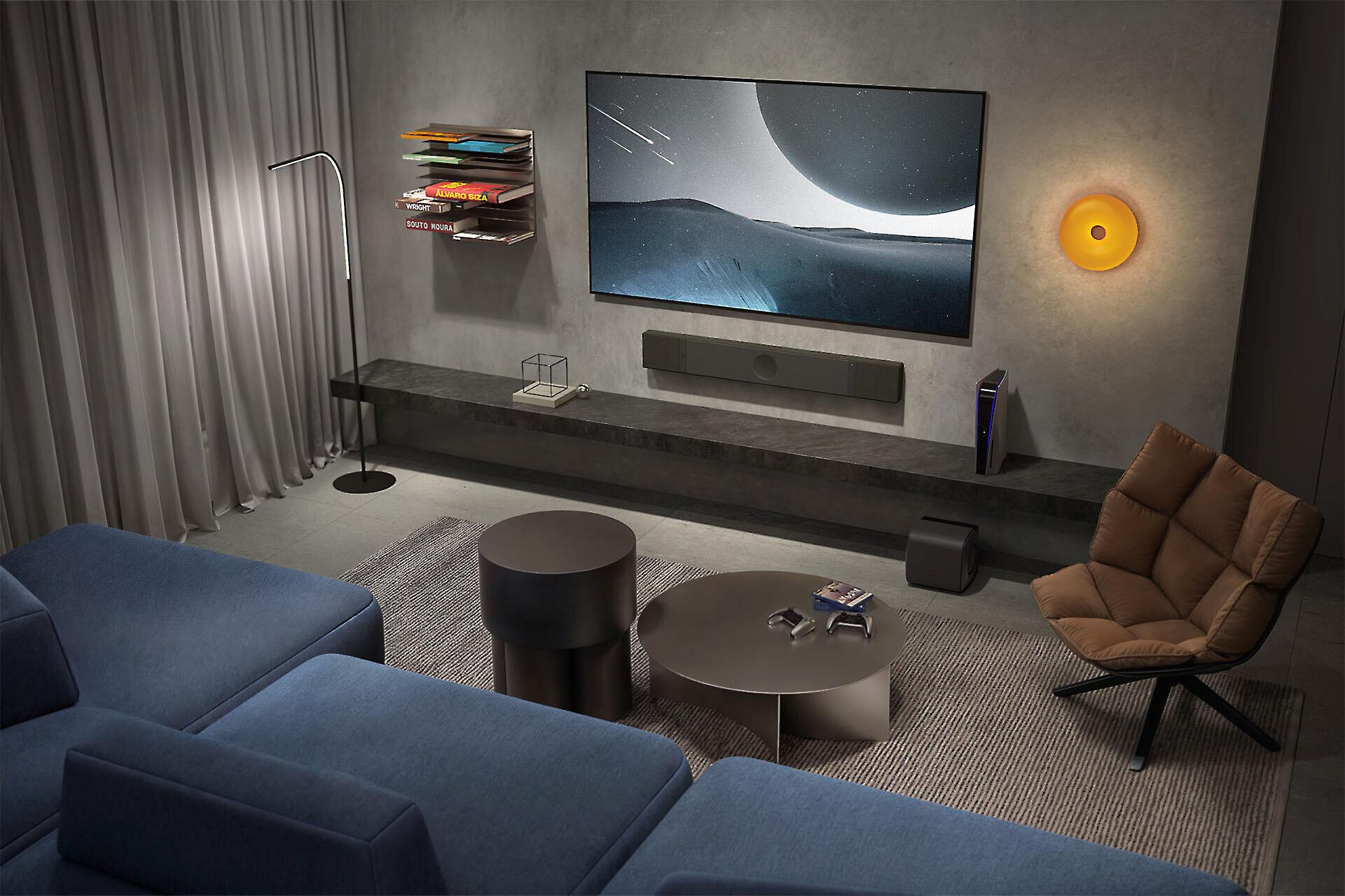
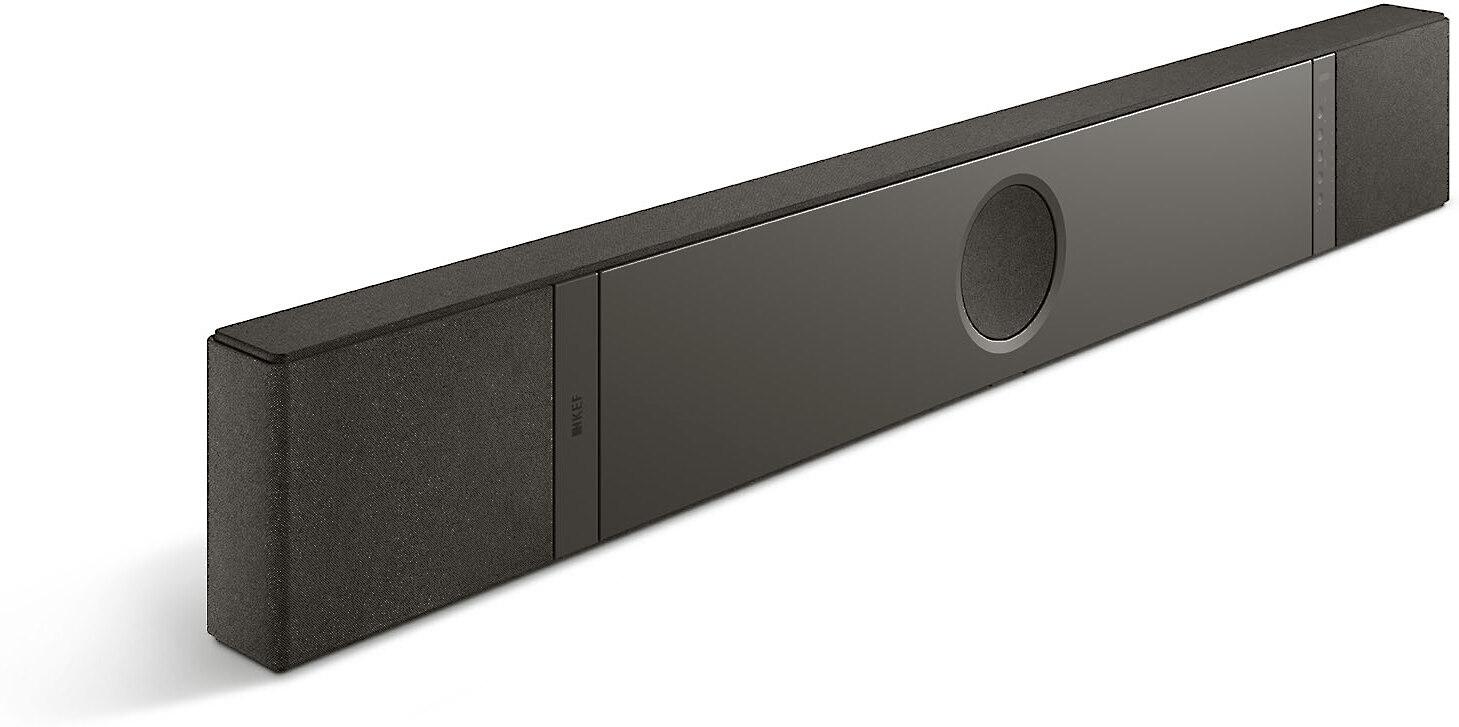
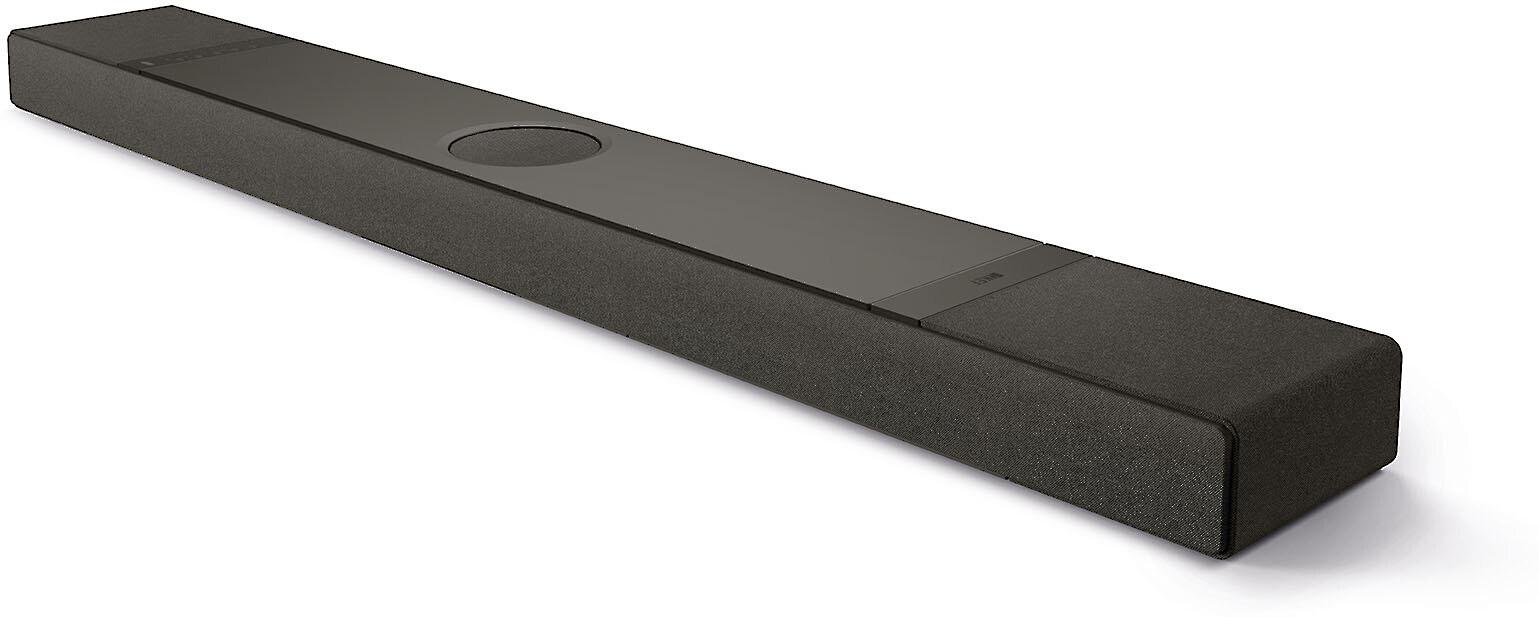
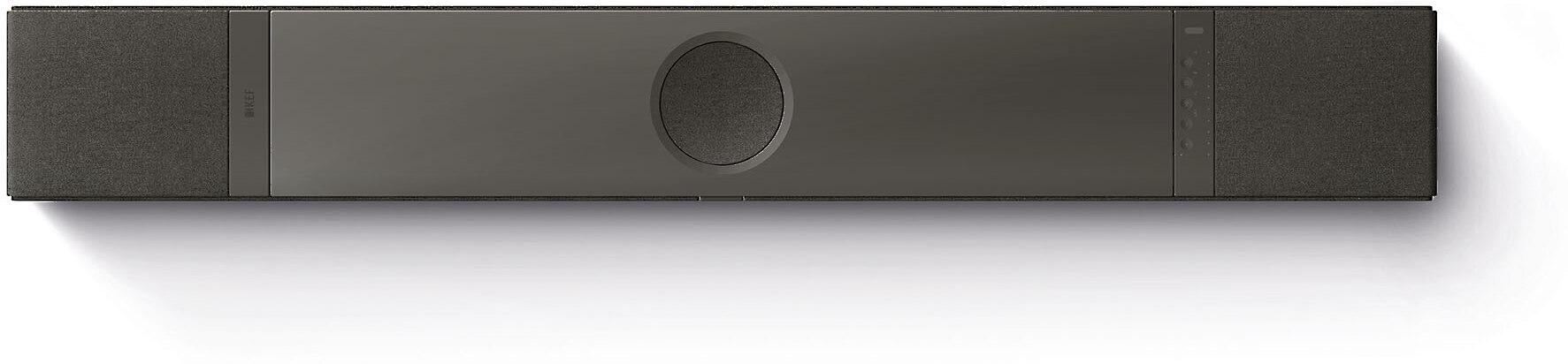





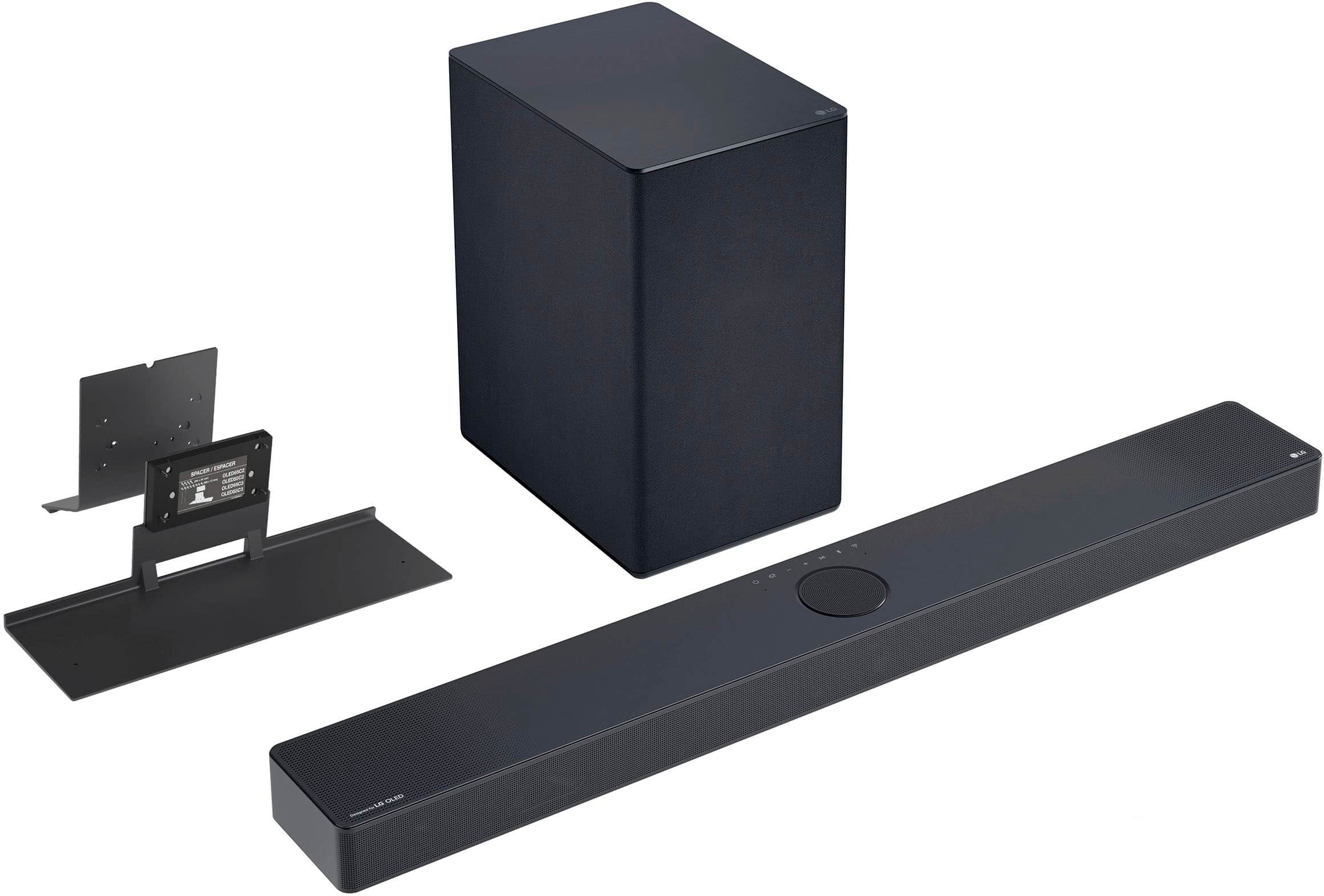
If you've been staring at your TV's tiny built-in speakers and thinking "there has to be something better," you're absolutely right. Premium soundbars have become the go-to solution for people who want movie theater sound without turning their living room into a maze of wires and speakers. But with prices ranging from a few hundred to several thousand dollars, choosing the right one can feel overwhelming.
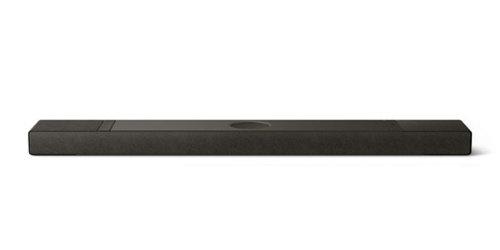
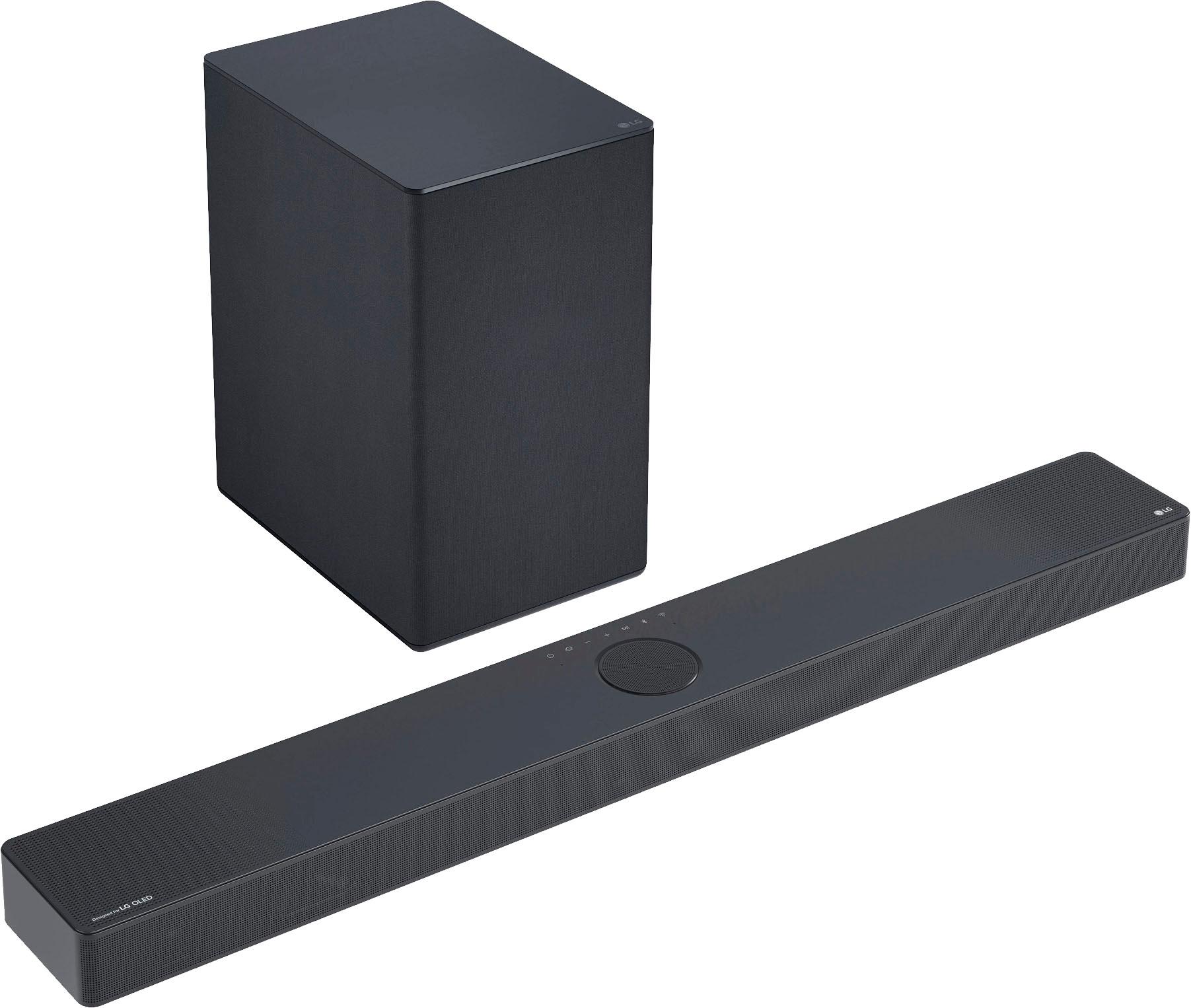
Today we're comparing two very different approaches to premium sound: the KEF XIO ($2,499.99) and the LG SC9S ($515.61). These soundbars couldn't be more different in philosophy, price, and target audience, which makes this comparison particularly interesting for anyone trying to understand what they're actually paying for in this category.
Before diving into specifics, let's talk about what premium soundbars are trying to accomplish. Unlike basic TV speakers that simply make things louder, premium soundbars aim to create an immersive audio experience that rivals dedicated home theater systems. They use advanced digital signal processing (DSP) - essentially computer algorithms that manipulate sound - to create the illusion of speakers all around your room, even though the sound is coming from a single bar.
The key technologies you'll encounter include Dolby Atmos, which adds height channels to create overhead effects, and various room correction systems that automatically adjust the sound based on your specific space. The challenge for manufacturers is cramming all this technology into a sleek package that looks good with modern TVs while delivering performance that justifies the premium price.
When evaluating these products, the main considerations boil down to audio performance (how good it actually sounds), immersive capabilities (how well it creates that surround sound experience), design integration (how well it fits with your setup), and overall value. The KEF XIO and LG SC9S take dramatically different approaches to each of these areas.
The KEF XIO launched in 2025 as KEF's first-ever soundbar, which is significant because KEF has spent decades perfecting high-end speakers for audiophiles. This isn't a company jumping into soundbars for a quick profit - it's their attempt to bring their legendary speaker technology to the TV audio world. The timing makes sense, as the soundbar market has matured enough that serious audio companies can justify the engineering investment.
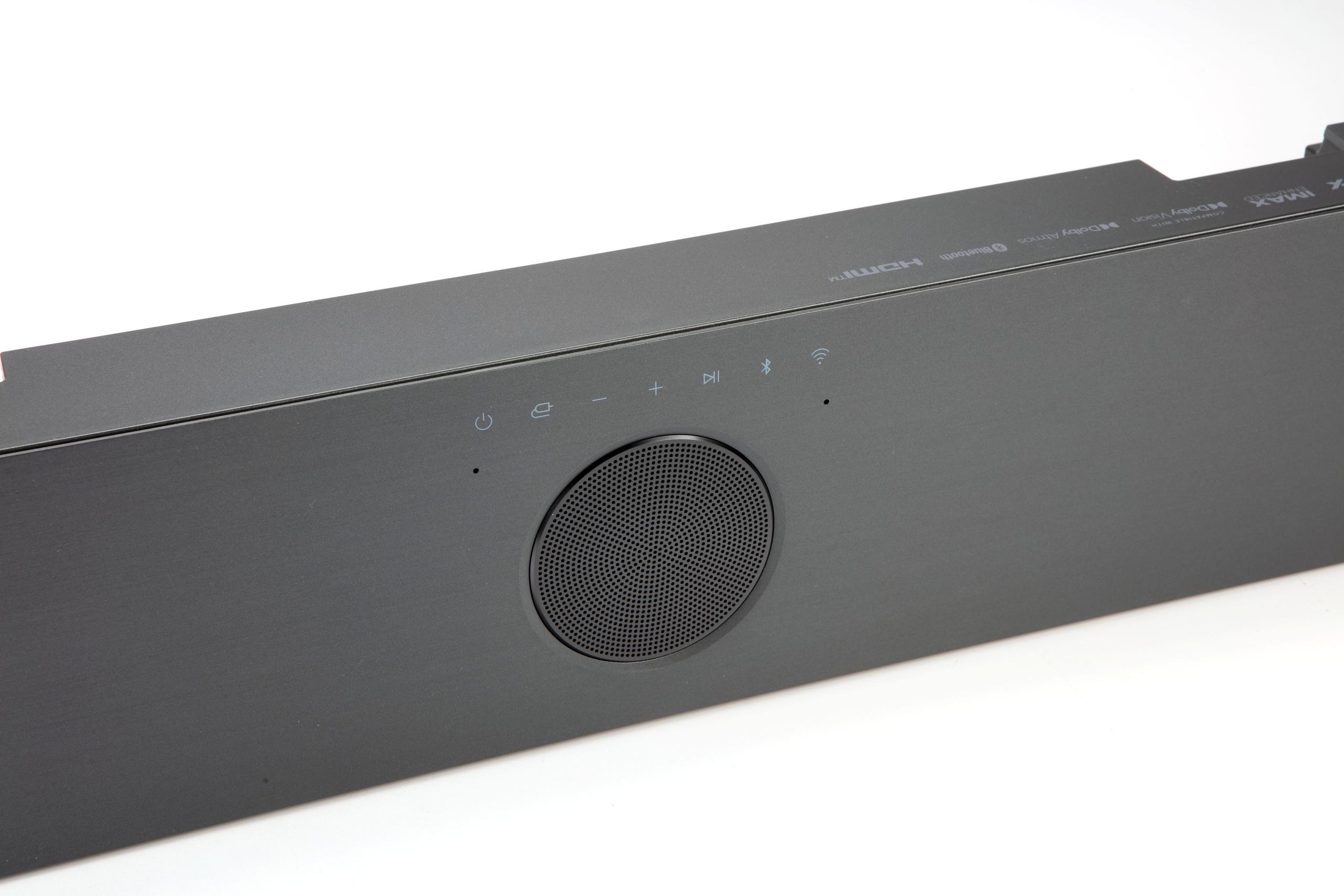
The LG SC9S, released in 2023, represents LG's continued push into premium TV audio. LG has been steadily improving their soundbar technology over the past few years, and the SC9S incorporates several innovations that weren't available in earlier generations, including their AI Room Calibration Pro and the unique triple up-firing driver configuration.
Since the SC9S launched, we've seen the broader soundbar market embrace more sophisticated room correction and wireless connectivity options. The XIO benefits from this evolution, incorporating Wi-Fi 6 and advanced streaming capabilities that weren't standard when the SC9S was designed.
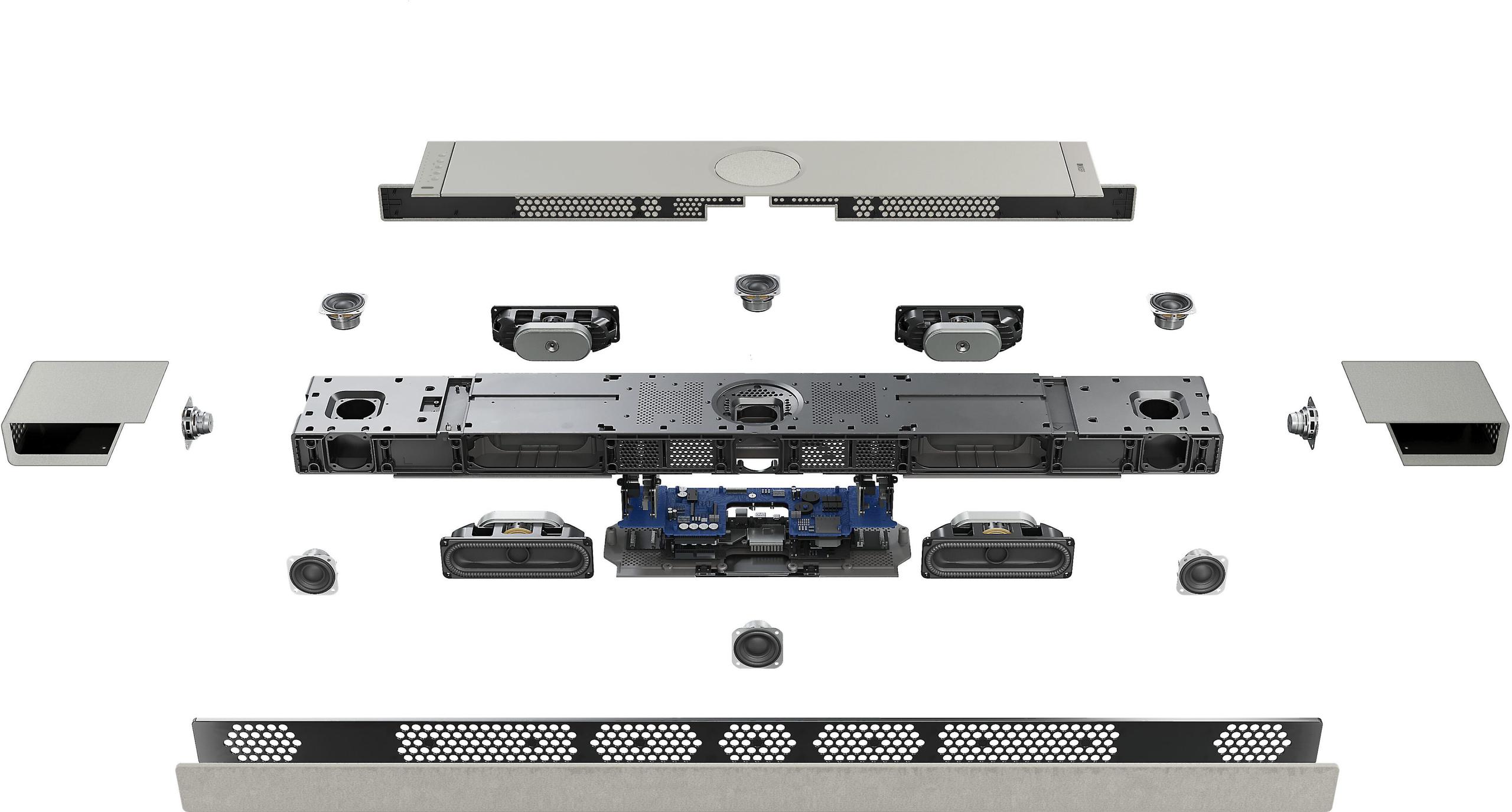
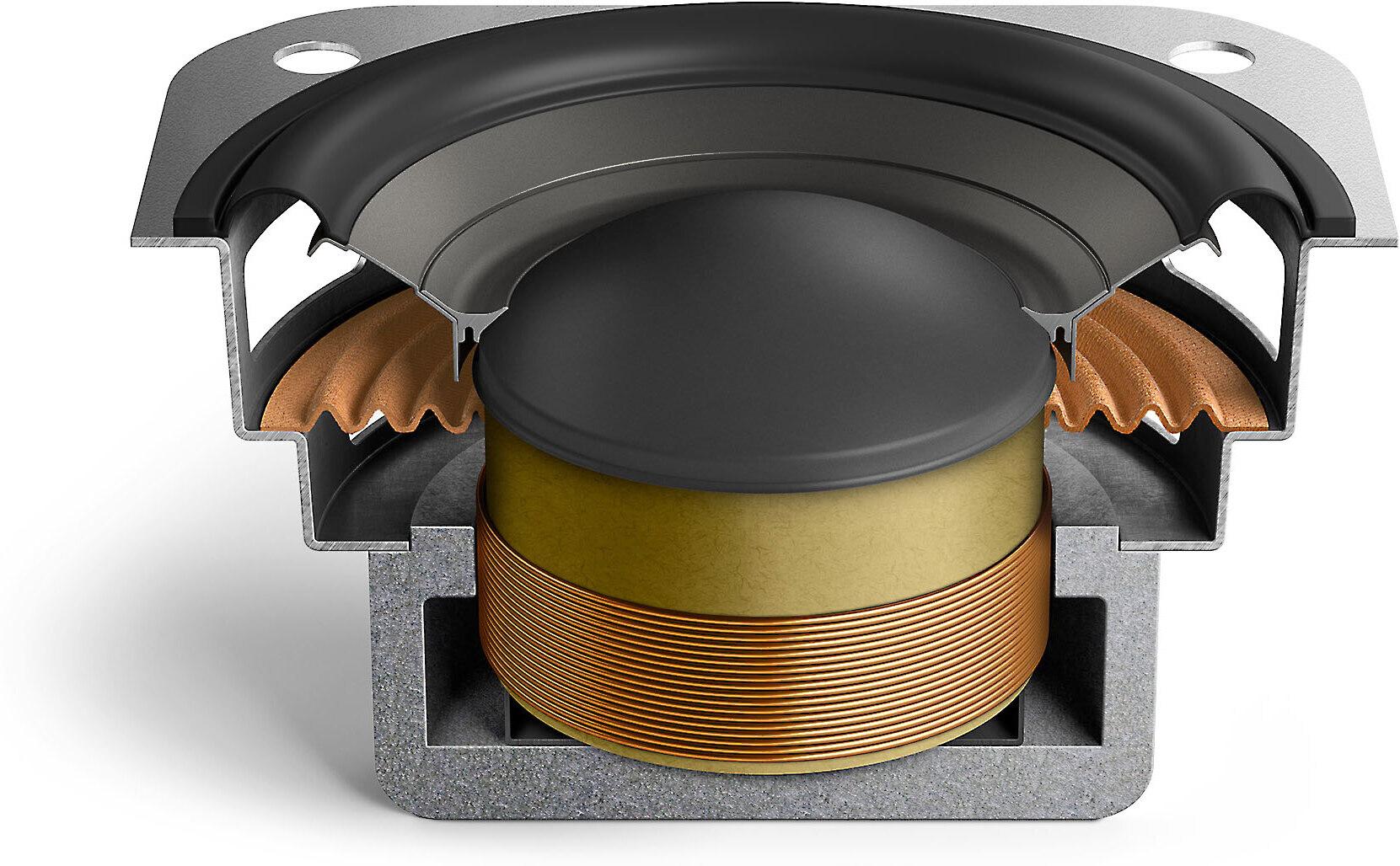
Here's where these two products diverge most dramatically. The KEF XIO uses technology derived from KEF's high-end speakers, most notably their Uni-Q MX drivers. These are miniaturized versions of KEF's famous concentric drivers, where the tweeter (high-frequency driver) sits in the center of the midrange driver. This design ensures that high and mid frequencies arrive at your ears at exactly the same time, creating precise imaging - you can actually point to where specific sounds are coming from in the soundstage.
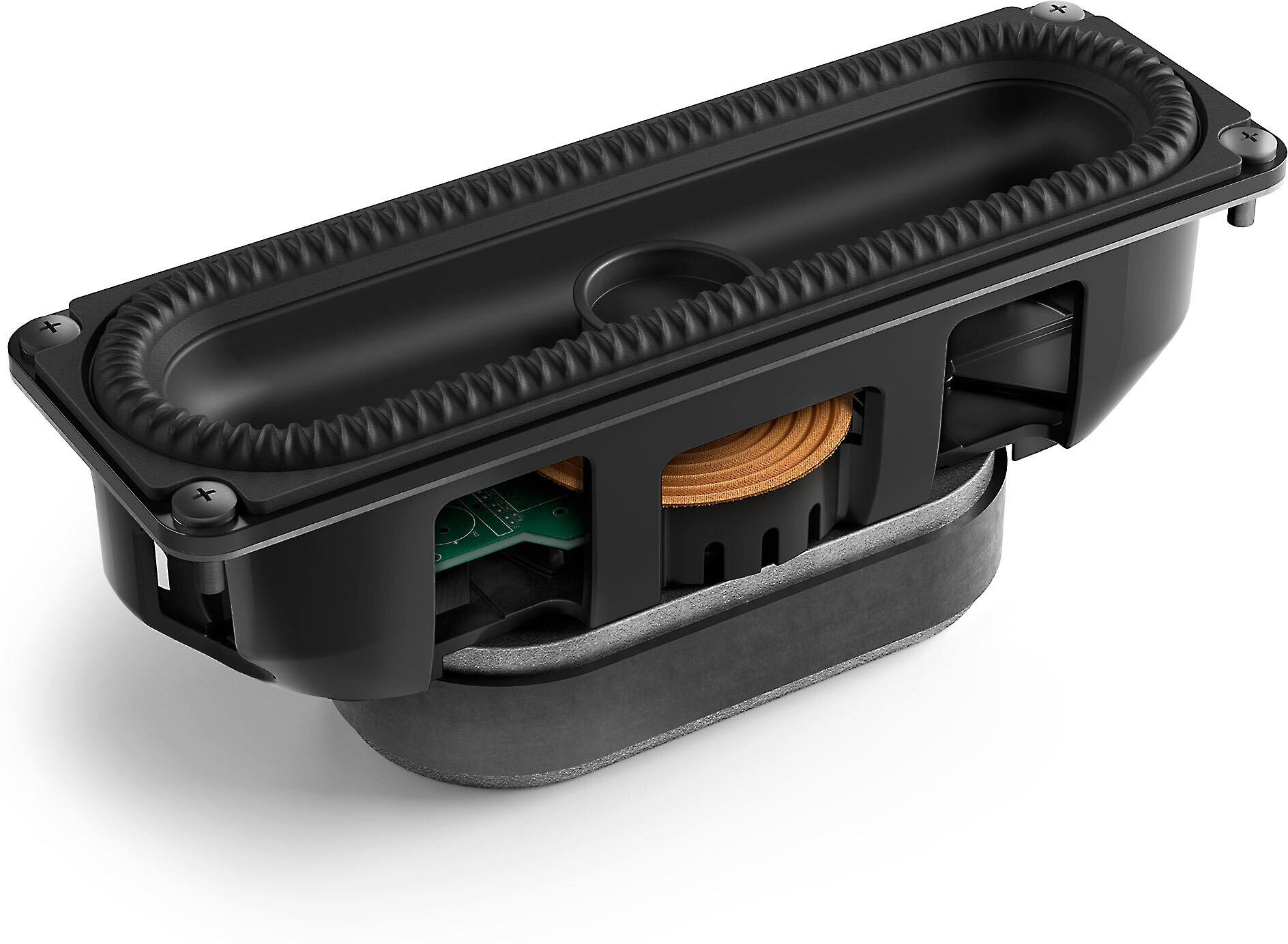
The XIO also incorporates P-Flex technology and VECO (Velocity Control Technology) in its bass drivers. P-Flex uses a special surround design that resists the internal air pressure changes that normally cause distortion, while VECO uses real-time feedback to monitor and correct unwanted cone movement. The result is bass that stays clean and controlled even at high volumes, reducing distortion by up to 28dB compared to conventional designs.
In contrast, the LG SC9S takes a more conventional approach but with some interesting twists. Its 3.1.3 configuration includes three up-firing drivers - two for standard Atmos effects and a third dedicated to lifting dialogue and center channel information upward. This creates a more diffuse but potentially more enveloping sound field, especially for movie content.
Having spent considerable time with high-end audio equipment, I can tell you that the KEF's approach typically results in more precise, detailed sound reproduction. You'll hear subtle details in movie soundtracks and music that simply get lost with less sophisticated drivers. However, the LG's approach can create a more immediately impressive "wow factor" for casual listening, especially with action movies where that enveloping effect really shines.
Both soundbars support Dolby Atmos, but their implementation strategies couldn't be more different. The KEF XIO uses sophisticated digital signal processing through their Music Integrity Engine (MIE) for Cinema to create precise virtual sound placement. Think of it as audio GPS - the system calculates exactly where sounds should appear in three-dimensional space and uses advanced algorithms to trick your brain into hearing them there.
The LG SC9S takes a more brute-force approach with its triple up-firing configuration. By having three drivers bouncing sound off your ceiling instead of the typical two, it creates more diffuse overhead effects. The third up-firing driver specifically handles center channel information, which means dialogue gets lifted above the soundbar rather than coming directly from it.
In real-world use, these differences are immediately apparent. The KEF creates a more precise, layered soundstage where you can distinguish between different elements in complex scenes. When watching something like "Mad Max: Fury Road," you'll hear each engine, explosion, and piece of dialogue as distinct elements in the mix rather than a wall of sound.
The LG SC9S excels at creating that "big sound" experience that makes your room feel larger. Its approach works particularly well with content that has a lot of ambient information - nature documentaries, for instance, where you want to feel surrounded by environmental sounds rather than focusing on precise placement.
This is where the philosophical differences become most apparent. The KEF XIO was designed from the ground up to excel at music reproduction, not just as an afterthought to movie performance. It supports high-resolution audio streaming up to 24-bit/384kHz and integrates seamlessly with services like Tidal Connect and Qobuz. The precision of those Uni-Q drivers really shines with music, creating a stereo image that rivals dedicated hi-fi speakers.
I've found that the KEF's musicality extends beyond just technical specifications. It has that ineffable quality that serious audio equipment possesses - the ability to make you want to keep listening. When I put on jazz recordings, I can hear the subtle interplay between instruments, the texture of a vocalist's delivery, and the natural decay of notes in ways that most soundbars simply can't reproduce.
The LG SC9S, while it includes music presets and can certainly play your Spotify playlists, doesn't approach music with the same sophistication. It's more of a "good enough" solution for background music while you're cooking or cleaning, rather than something you'd use for dedicated listening sessions.
Bass reproduction reveals another fundamental difference in approach. The KEF XIO uses four racetrack-shaped P185 drivers arranged in a force-canceling configuration. This means pairs of drivers work against each other to minimize cabinet vibration while maximizing useful bass output. Combined with the VECO technology, this creates bass that's incredibly controlled and textured.
What does this mean in practice? When watching action movies, you'll hear the difference between different types of explosions, the rumble of different engines, and the distinct character of various low-frequency effects. The bass doesn't just provide impact - it provides information.
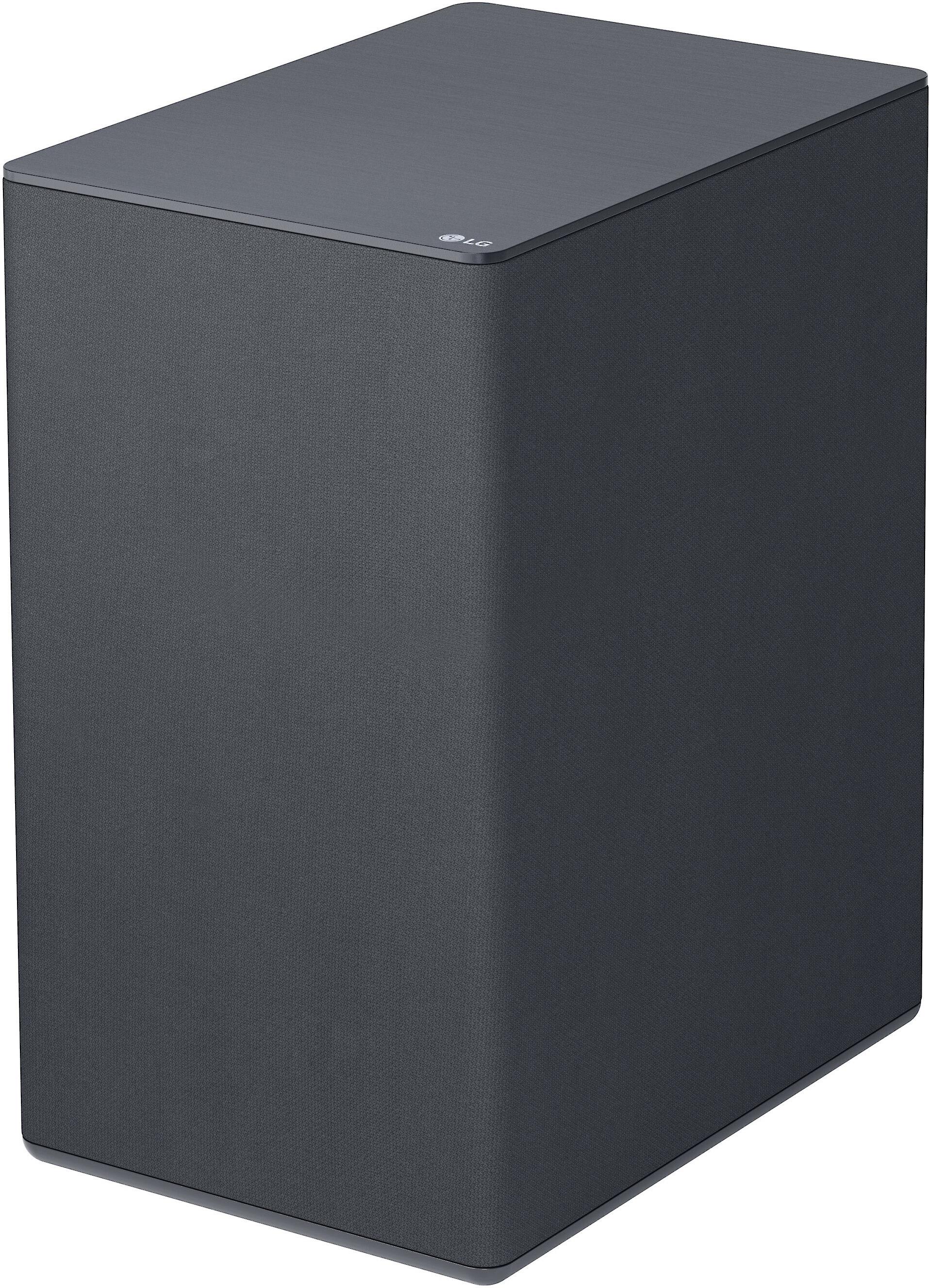
The LG SC9S includes a wireless subwoofer and takes a more traditional approach focused on sheer impact. It's designed to shake the room during action scenes and provide that visceral experience that many people associate with good home theater sound. However, some reviews note that it can sound "boomy" or imprecise, especially in smaller rooms where that extra bass energy doesn't have space to dissipate naturally.
For home theater use specifically, both approaches have merit. The KEF's controlled bass works better for critical listening and in acoustically challenging rooms, while the LG's more aggressive approach can be more immediately satisfying for casual movie watching.
Modern soundbars need to work seamlessly with today's streaming-focused entertainment systems, and both products handle this differently. The KEF XIO includes Wi-Fi 6, the latest wireless standard that provides more reliable streaming and lower latency. It supports a wide range of streaming services natively and includes HDMI 2.1 eARC for the highest quality audio transmission from your TV.
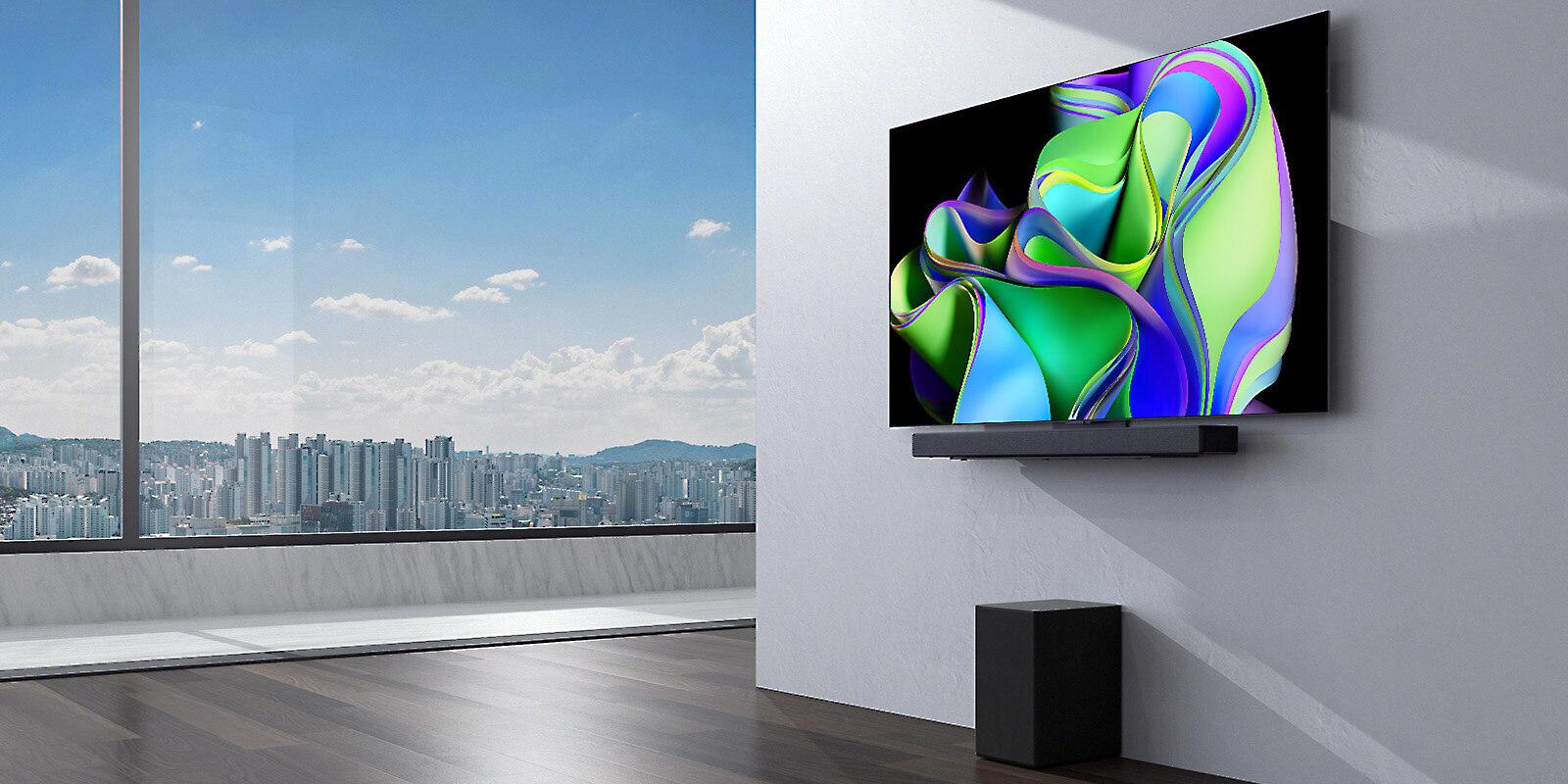
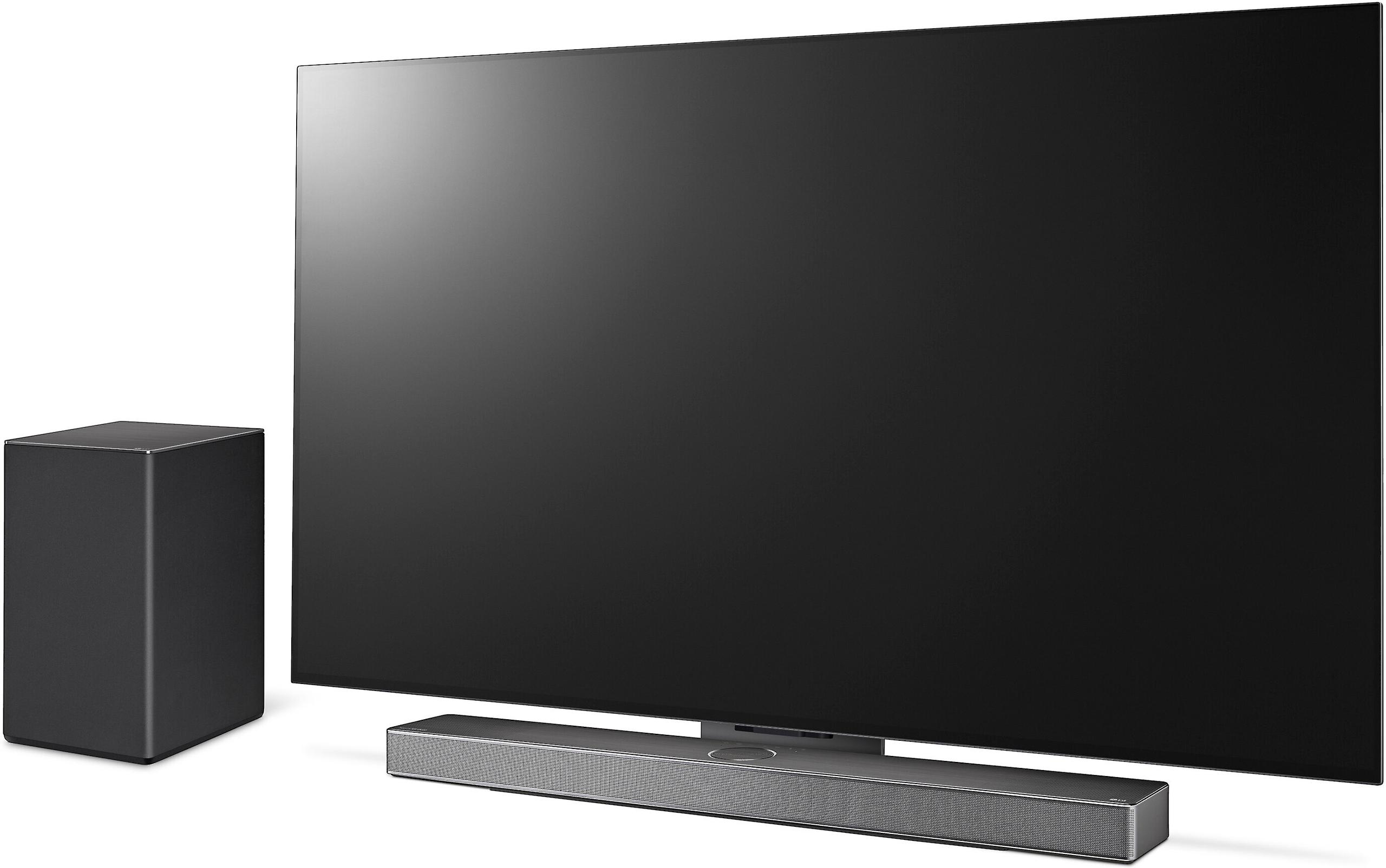
The LG SC9S really shines when paired with LG TVs, especially the C2 and C3 OLED models. Features like Wow Orchestra let the soundbar work in conjunction with your TV's speakers for enhanced dialogue clarity, while WowCast provides wireless, lossless audio transmission. If you own an LG TV, these integrations can create a more cohesive system experience.
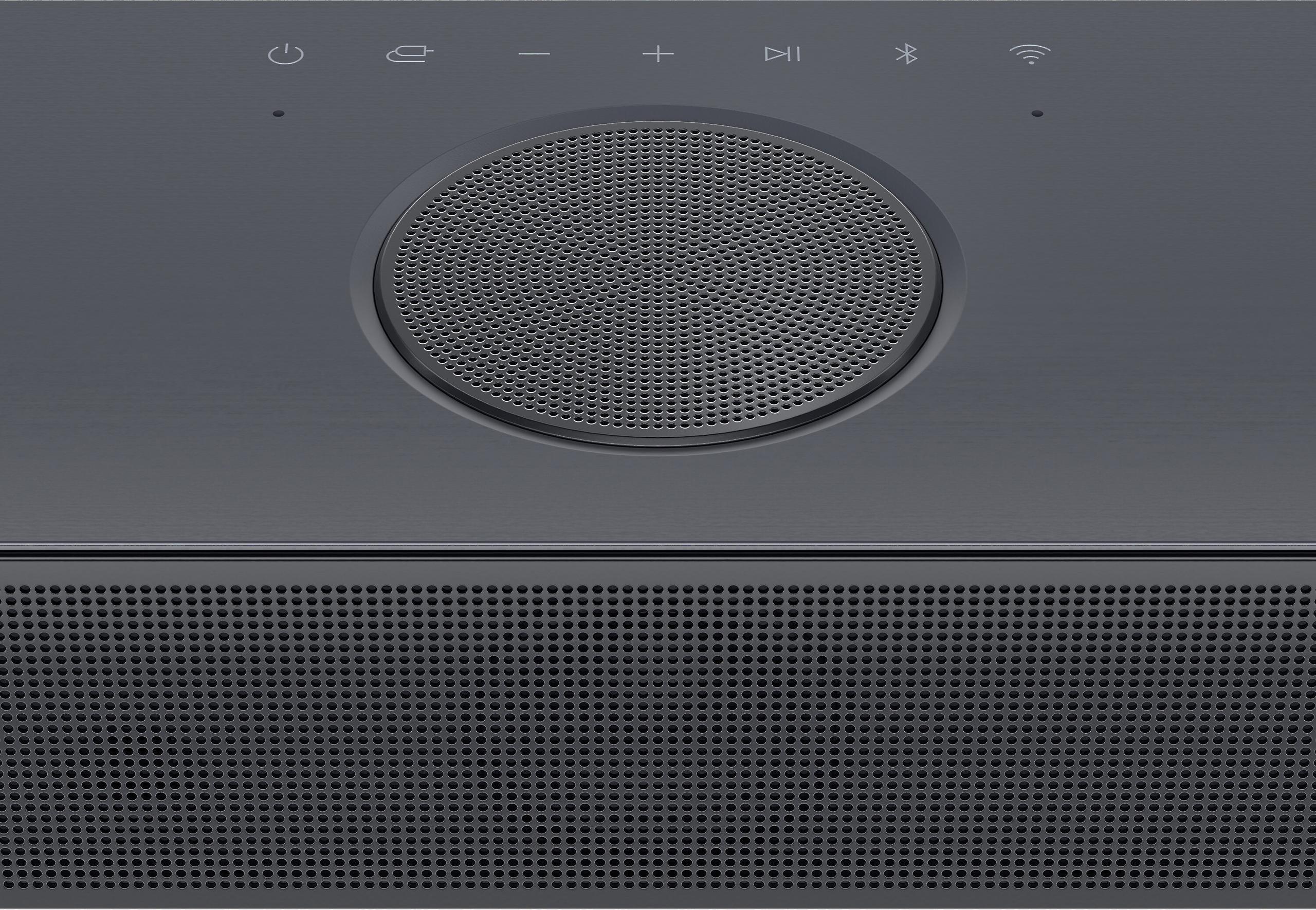
Both soundbars include room calibration systems, but they work differently. The KEF's Intelligent Placement Technology uses sensors to detect room layout and nearby objects, automatically adjusting the audio output. The LG's AI Room Calibration Pro focuses more on frequency response correction based on acoustic measurements.
The 5x price difference between these soundbars might seem extreme, but it reflects genuine differences in engineering, materials, and target markets. The KEF XIO at $2,499.99 represents a no-compromise approach to soundbar design. Every component, from the custom drivers to the advanced DSP algorithms, is designed for maximum performance regardless of cost.
You're paying for KEF's decades of speaker design expertise, premium materials like the aluminum chassis, and the extensive R&D required to miniaturize their high-end driver technology. More importantly, you're getting a product that can serve as both a high-quality music system and a home theater centerpiece.
The LG SC9S at $515.61 focuses on delivering specific benefits - particularly Dolby Atmos and LG TV integration - at an accessible price point. It includes features like the wireless subwoofer and room calibration that would have been premium options just a few years ago.
For most people, the LG represents excellent value if your primary goal is enhancing your TV's audio for movie and show watching. You get legitimate Atmos performance and meaningful integration features at roughly 20% of the KEF's cost.
Choose the KEF XIO if you're serious about audio quality and plan to use your soundbar for both music and movies. It's the right choice if you have a high-end TV and want audio quality to match, if you listen to music as much as you watch movies, or if you view this as a long-term investment in your entertainment system.
The technical sophistication really matters if you're the type of person who notices audio quality differences, cares about accurate sound reproduction, or wants equipment that will still feel current in five years. In my experience, products at this level tend to reveal new details in familiar content - you'll rediscover movies and music you thought you knew well.
Choose the LG SC9S if you want a significant upgrade from TV speakers without the premium price tag, especially if you own an LG OLED TV. It's ideal for movie-focused use, provides legitimate Atmos effects, and includes a subwoofer without additional cost.
The LG makes sense for most people who primarily want better sound for streaming services, sports, and movies. While it can't match the KEF's sophistication, it delivers most of the practical benefits of premium soundbar technology at a much more accessible price.
Both soundbars will transform your TV audio experience, but they're designed for different audiences with different priorities. The KEF is for those who want the best possible performance and are willing to pay for it, while the LG provides excellent practical value for typical home entertainment use. Understanding which category you fall into will make the decision much clearer.
| KEF XIO Soundbar | LG SC9S 3.1.3 Channel Dolby Atmos Soundbar |
|---|---|
| Price - The most obvious difference between these soundbars | |
| $2,499.99 (premium audiophile positioning) | $515.61 (accessible premium with included subwoofer) |
| Release Year - Shows which has newer technology | |
| 2025 (KEF's first soundbar with latest tech) | 2023 (established product with proven performance) |
| Channel Configuration - Determines surround sound capability | |
| True 5.1.2 with sophisticated spatial processing | 3.1.3 with unique triple up-firing drivers |
| Driver Technology - The foundation of sound quality | |
| Uni-Q MX concentric drivers with P-Flex/VECO tech | Conventional drivers with force-canceling bass |
| Subwoofer Inclusion - Affects total system cost | |
| Optional wireless subwoofer (sold separately) | Wireless subwoofer included in the box |
| Music Performance - Critical for dual-purpose use | |
| Audiophile-grade with hi-res streaming up to 24-bit/384kHz | Basic music reproduction with preset modes |
| Room Calibration - Optimizes sound for your space | |
| Intelligent Placement Technology with advanced sensors | AI Room Calibration Pro with frequency correction |
| TV Integration - Matters most for specific TV brands | |
| Universal compatibility with any TV brand | Deep LG TV integration (Wow Orchestra, WowCast) |
| Build Quality - Affects longevity and aesthetics | |
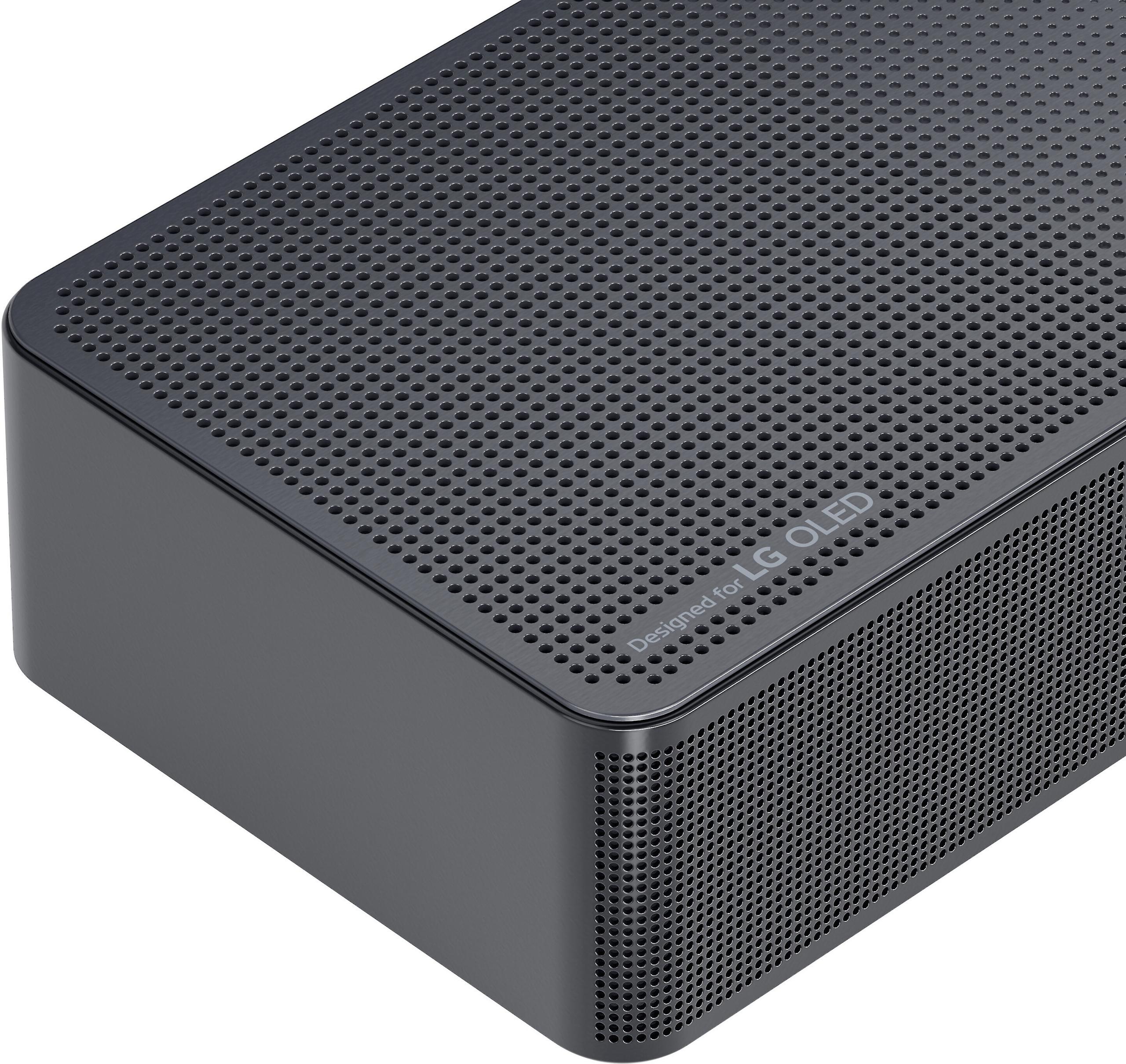
| Premium aluminum chassis with splash-proof fabric | Standard plastic construction with fabric grille |
| Connectivity - Determines streaming and input options | |
| HDMI 2.1 eARC, Wi-Fi 6, extensive streaming services | HDMI eARC, standard Wi-Fi, basic streaming options |
| Bass Control Technology - Affects sound precision vs impact | |
| VECO reduces distortion by 28dB for controlled bass | Traditional approach prioritizing impact over precision |
| Target Audience - Helps determine which fits your needs | |
| Audio enthusiasts wanting music + movie excellence | Movie-focused users wanting accessible Atmos upgrade |
We've done our best to create useful and informative comparisons to help you decide what product to buy. Our research uses advanced automated methods to create this comparison and perfection is not possible - please contact us for corrections or questions. These are the sites we've researched in the creation of this article: blog.son-video.com - residentialsystems.com - whathifi.com - audioadvice.com - crutchfield.com - homecrux.com - techradar.com - youtube.com - us.kef.com - gramophone.com - cepro.com - audioxpress.com - musicdirect.com - gramophone.com - us.kef.com - crutchfield.com - hifipig.com - bestbuy.com - listenup.com - bestbuy.com - bestbuy.com - listenup.com - consumerreports.org - valueelectronics.com - youtube.com - bestbuy.com - rtings.com - costco.com - bestbuy.com - walts.com - queencityonline.com - blog.son-video.com - videoandaudiocenter.com - lg.com

Privacy Policy
Terms and Conditions - Affiliate Policy
Home Security
© Copyright 2008-2026.
11816 Inwood Rd #1211, Dallas, TX 75244