

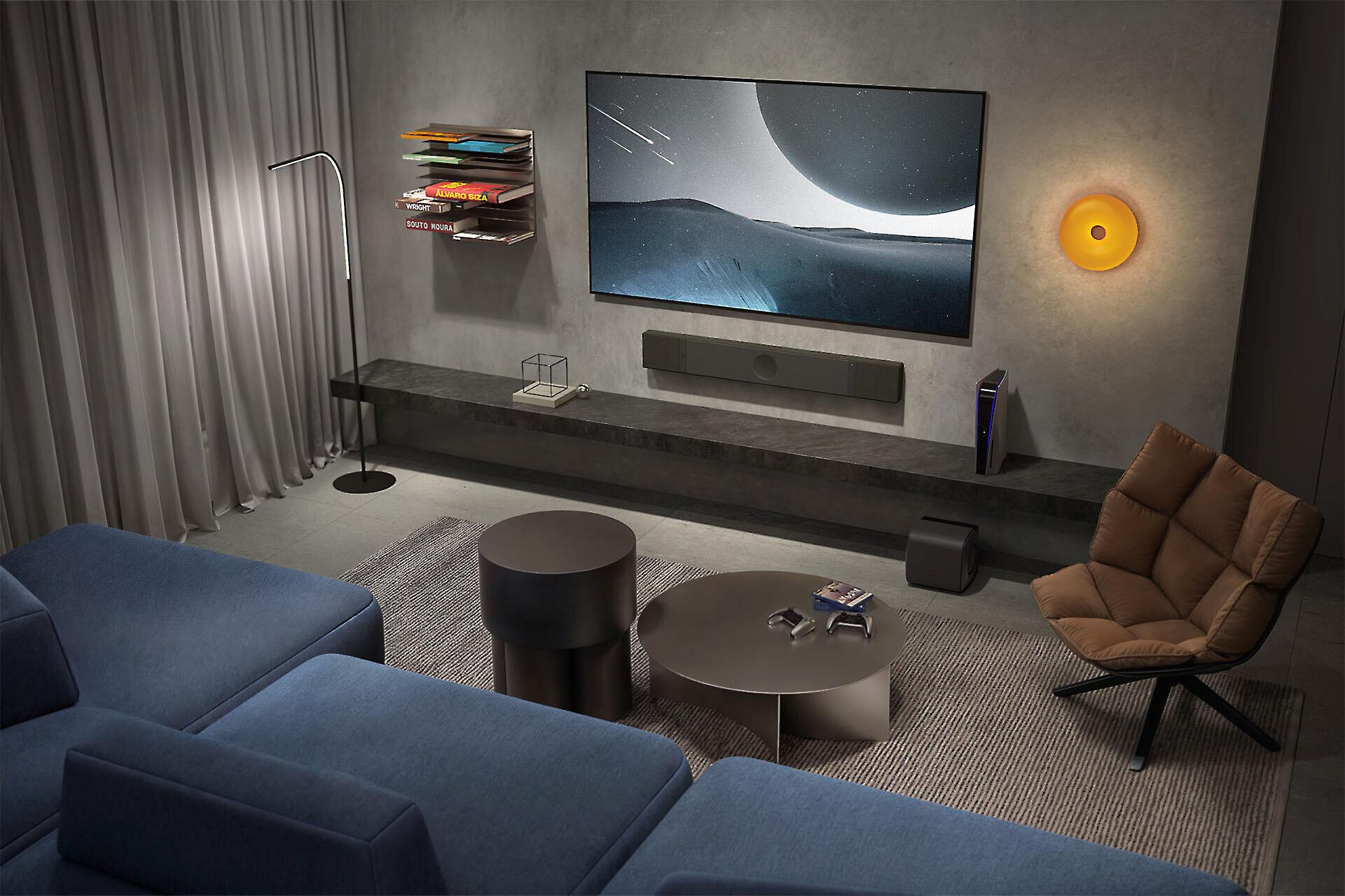



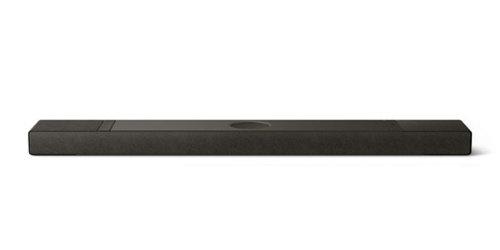
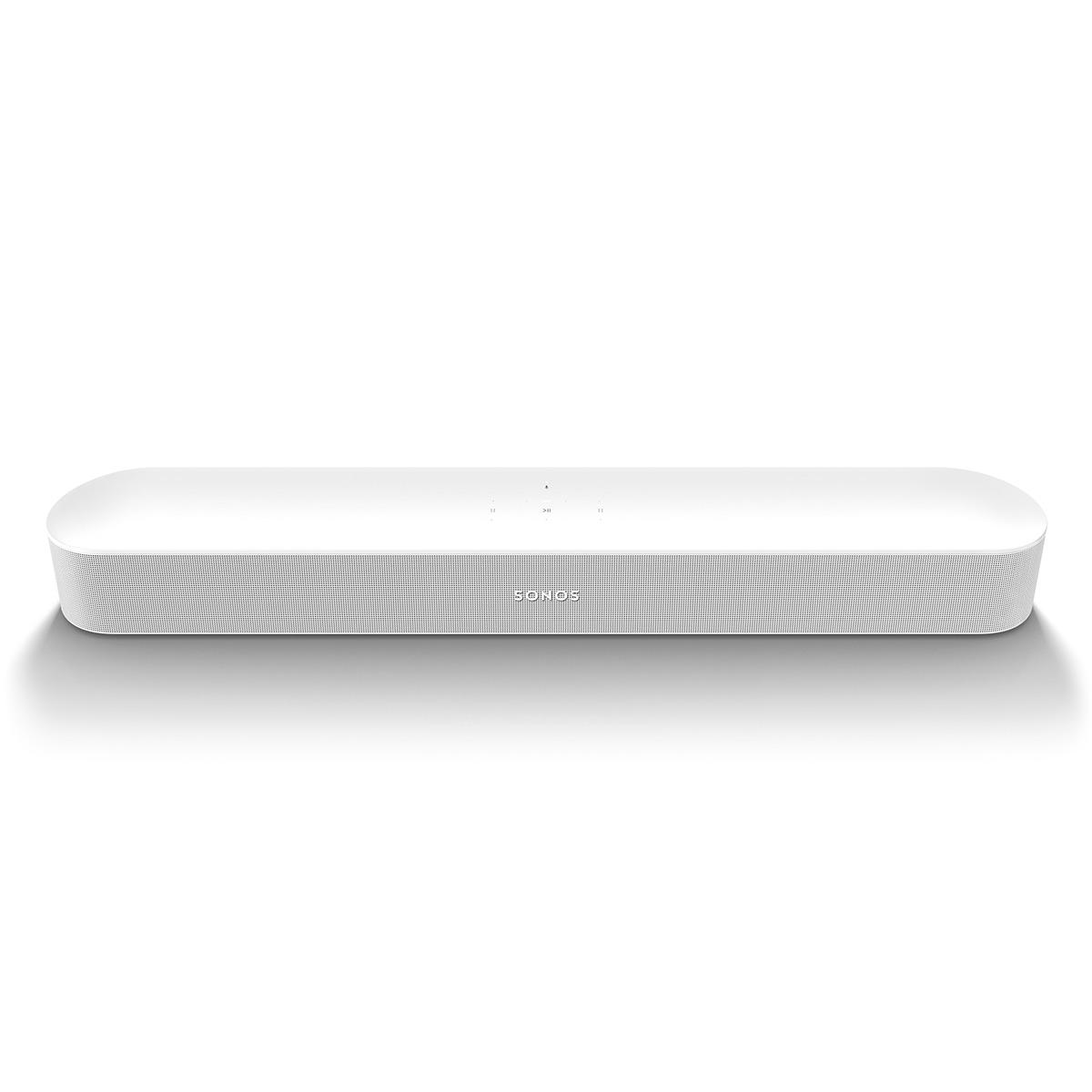
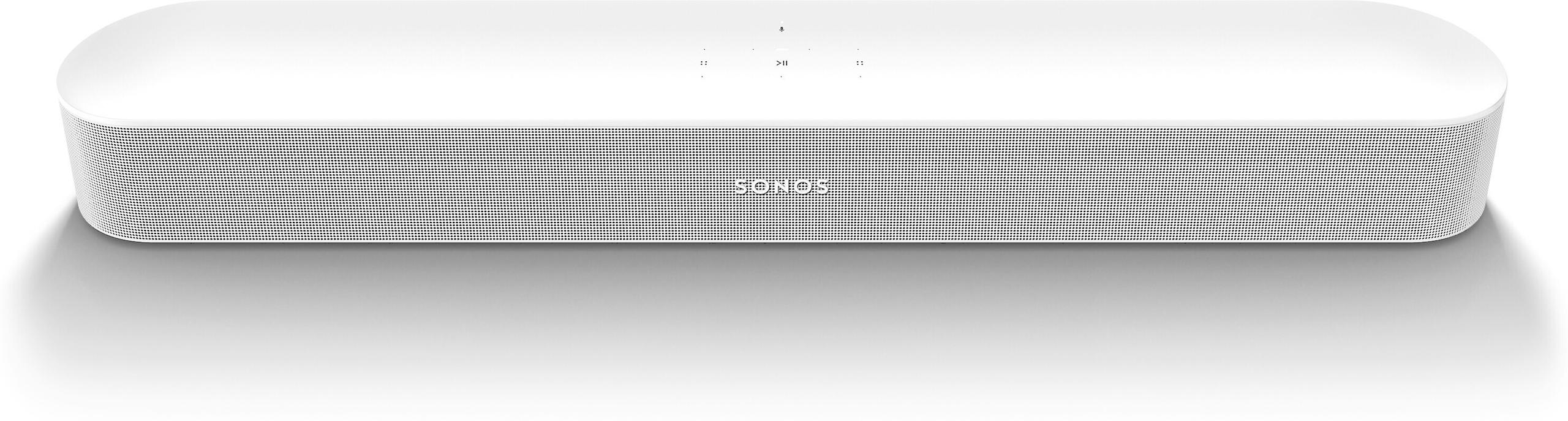




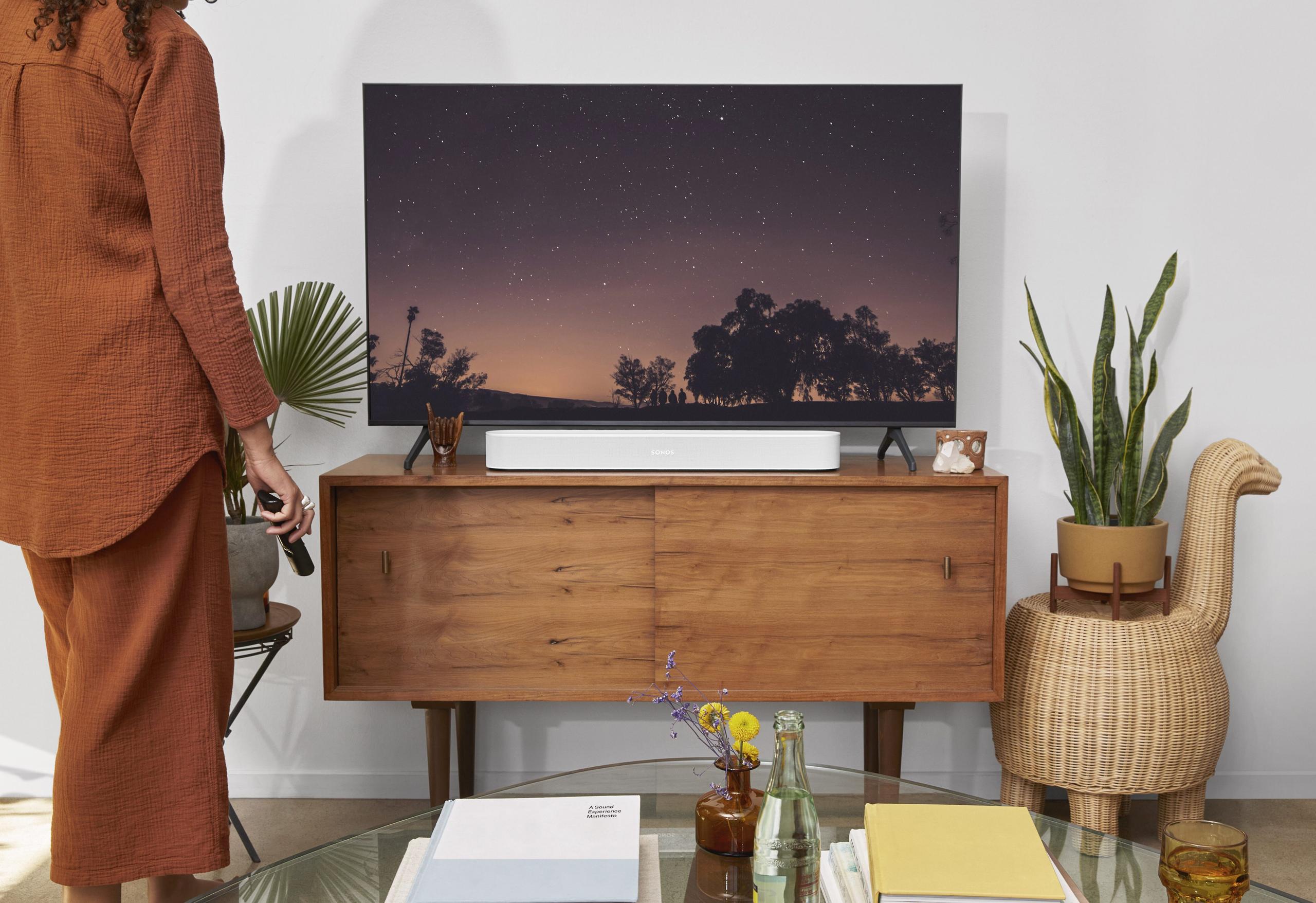
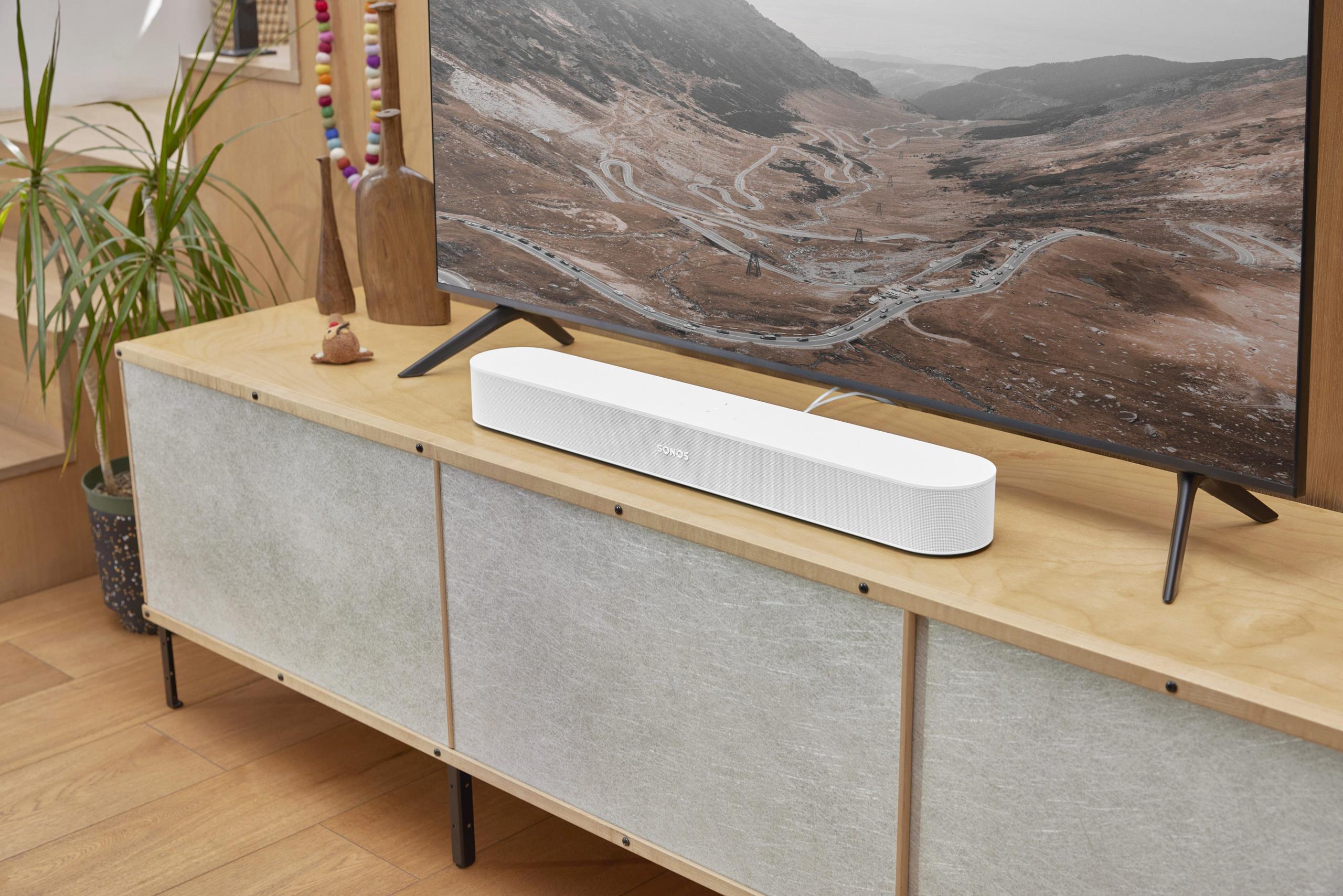
When you're ready to upgrade your TV's lackluster built-in speakers, the soundbar world can feel overwhelming. Do you go for pure audio performance or prioritize smart features? Should you spend big for the best sound, or find a sweet spot between quality and convenience? These questions become crystal clear when comparing two very different approaches to premium audio: the KEF XIO Soundbar at $2,499 and the Sonos Beam Gen 2 at $369.
Before diving into these specific models, let's talk about what actually matters in a soundbar. Unlike the early days when soundbars were basically long speakers that made dialogue clearer, today's premium models are sophisticated audio systems that can rival traditional surround sound setups.
The most important factor is driver technology—the actual speakers inside the bar. Think of drivers like the engine in a car; everything else depends on how well they perform. Then there's channel configuration, which determines how many distinct audio streams the soundbar can handle. A 5.1.2 system, for example, means five main channels (left, center, right, left surround, right surround), one subwoofer channel, and two height channels for overhead effects.
Immersive audio formats like Dolby Atmos have revolutionized home theater by adding a third dimension to sound. Instead of audio coming just from in front of you, Atmos places sounds above, beside, and even behind you. Some soundbars achieve this with physical speakers pointing upward (which bounce sound off your ceiling), while others use clever processing tricks to fool your brain into hearing height effects.
Room acoustics matter more than most people realize. A soundbar that sounds amazing in a showroom might disappoint in your living room if it's not designed to adapt. That's where room calibration comes in—technology that analyzes your space and adjusts the sound accordingly.
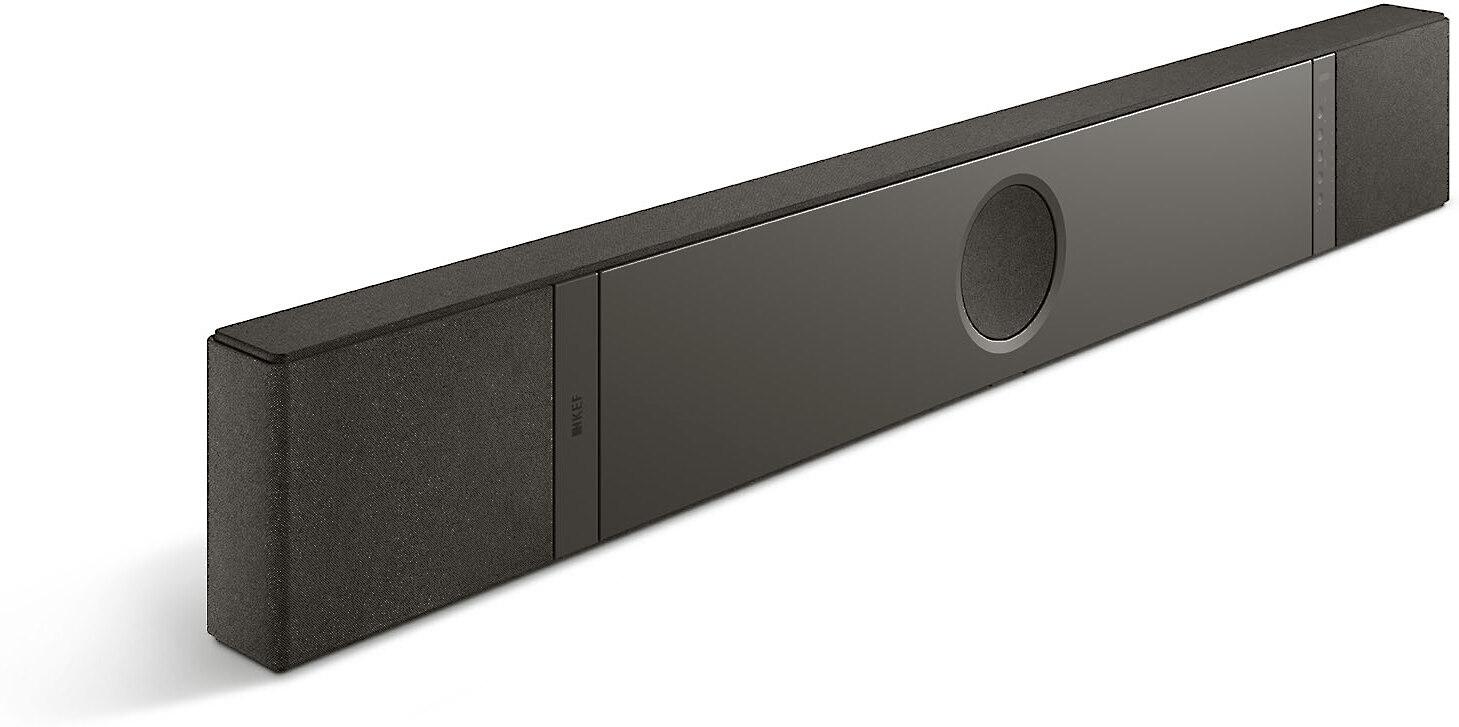
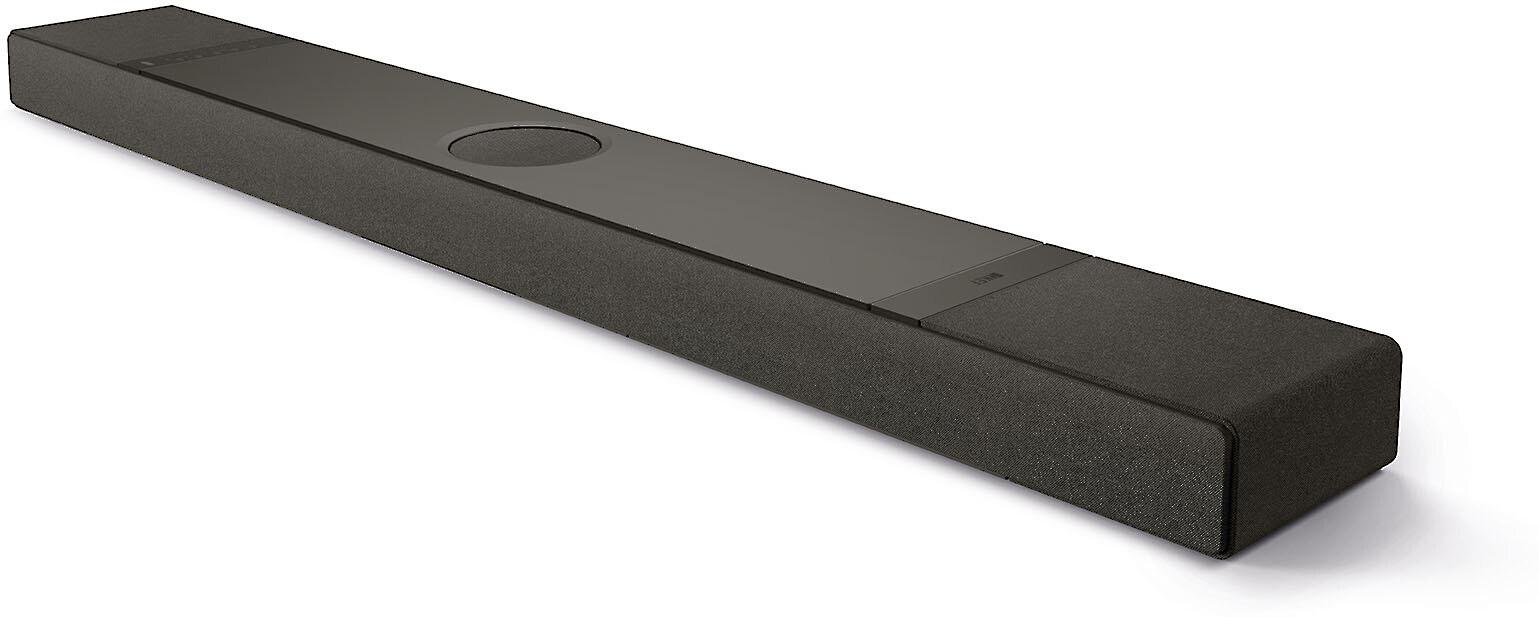
The KEF XIO, released in early 2024, represents KEF's first venture into soundbars after decades of building reference-quality speakers for audiophiles. KEF took everything they learned from their high-end tower speakers and condensed it into a single bar. The result is essentially a $10,000 speaker system disguised as a soundbar.
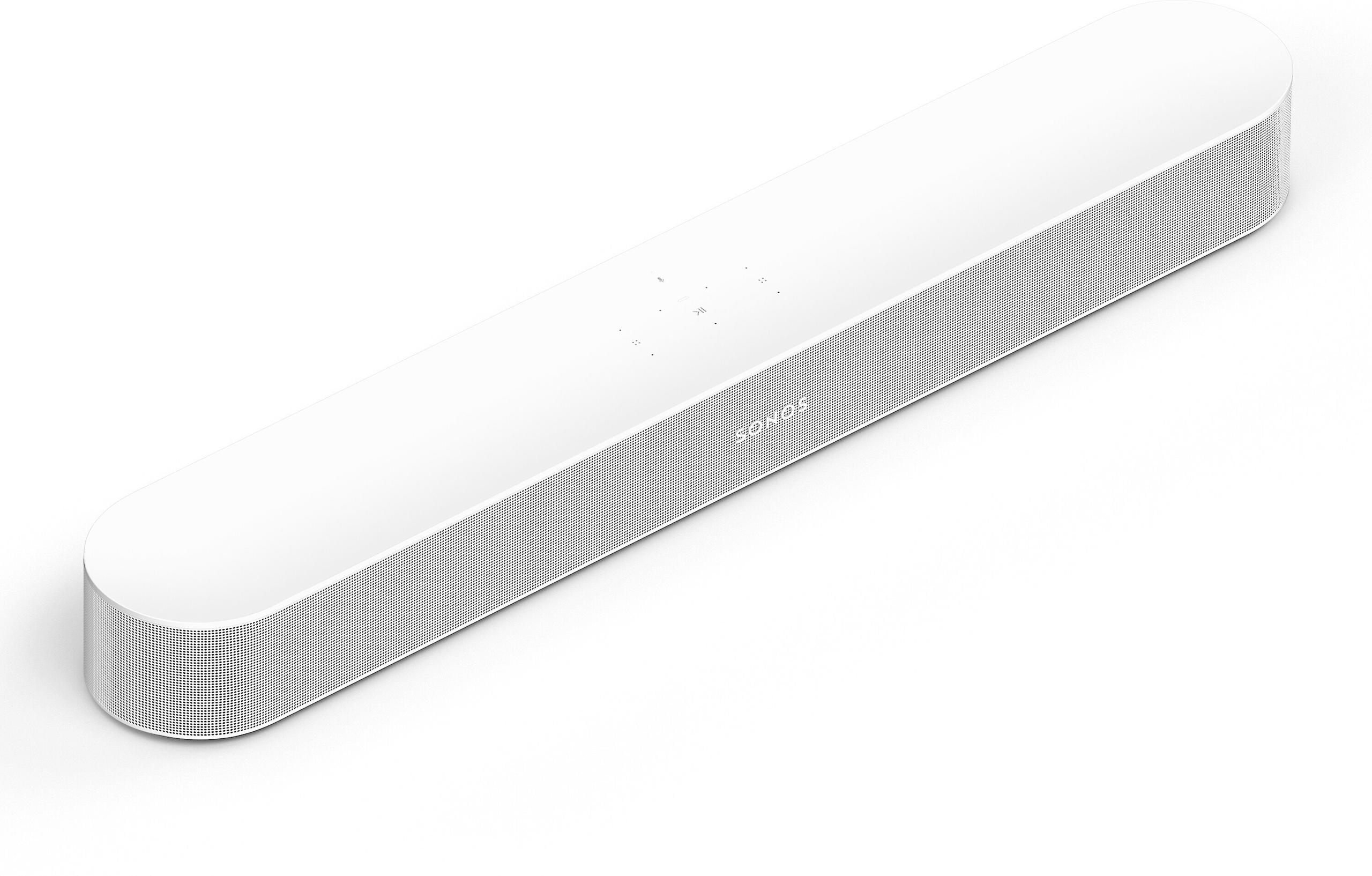
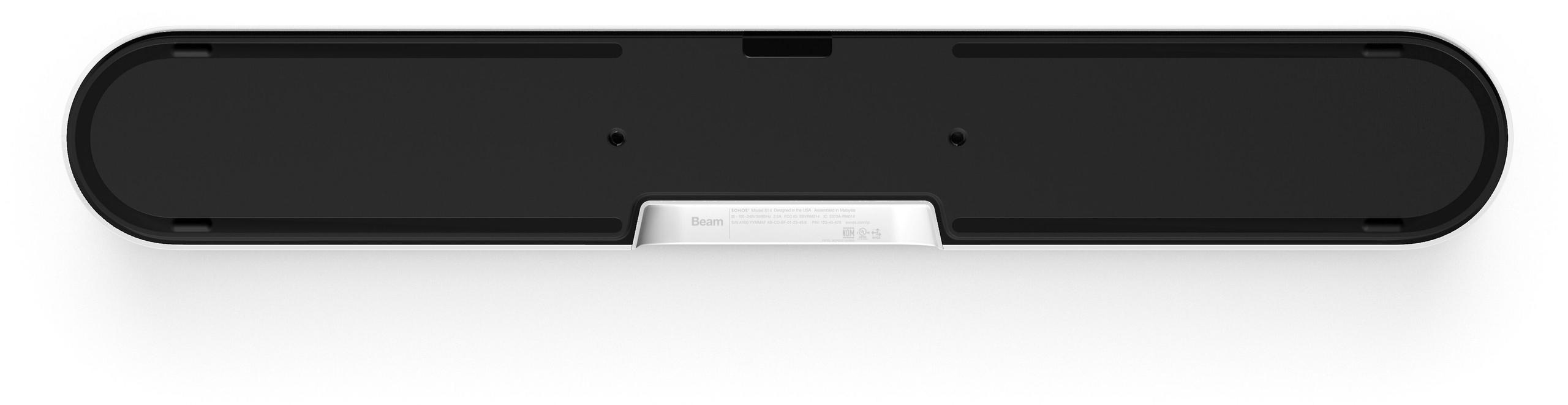
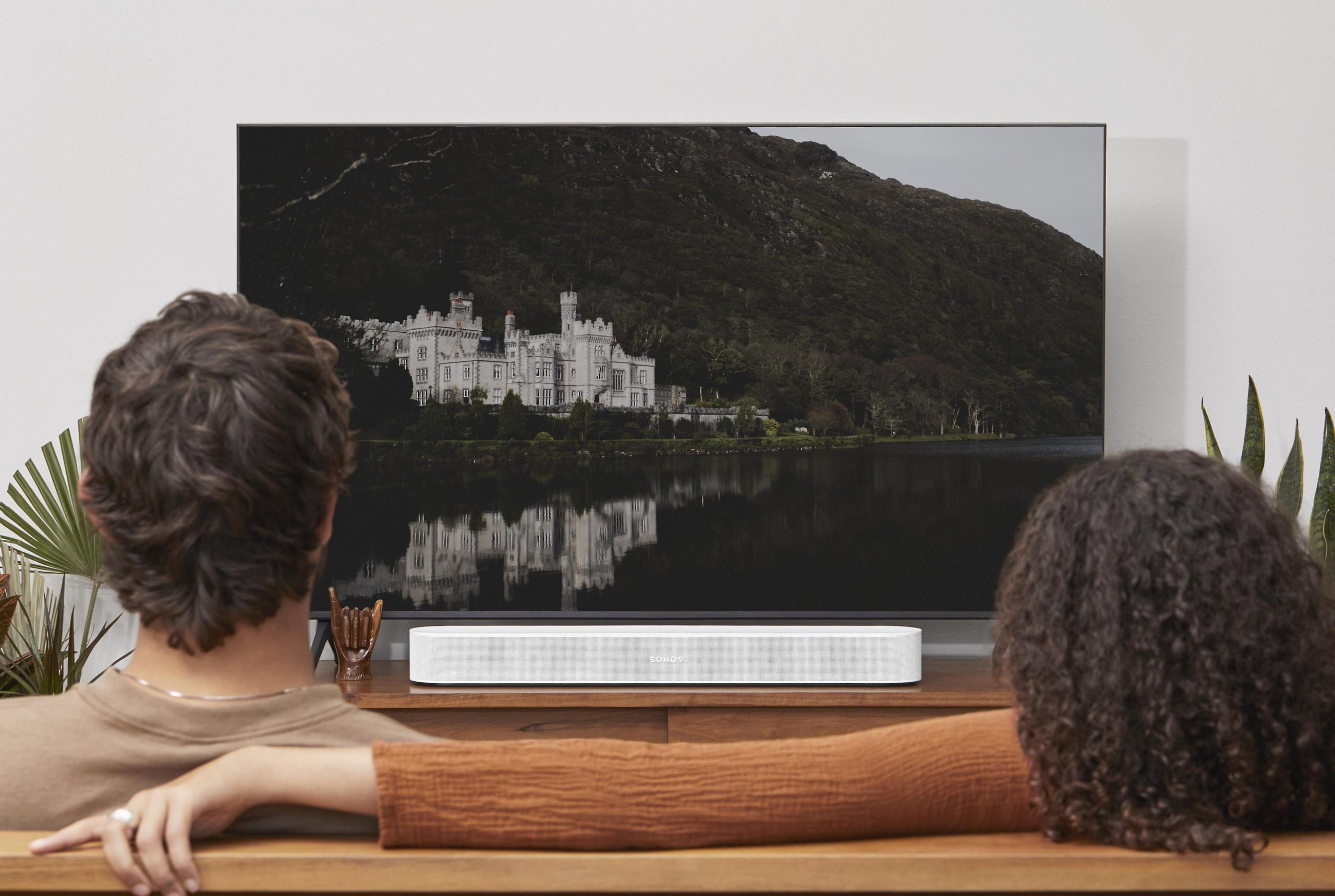
The Sonos Beam Gen 2, launched in late 2021, follows Sonos's philosophy of making great audio accessible and smart. It's the refined evolution of their original Beam, adding Dolby Atmos support and improved processing while maintaining the compact size and ecosystem integration that made Sonos famous.
These represent fundamentally different approaches. KEF prioritized audio purity above all else—no voice assistants, no flashy apps, just the best possible sound. Sonos balanced solid performance with the smart features modern users expect, creating a product that fits seamlessly into connected homes.
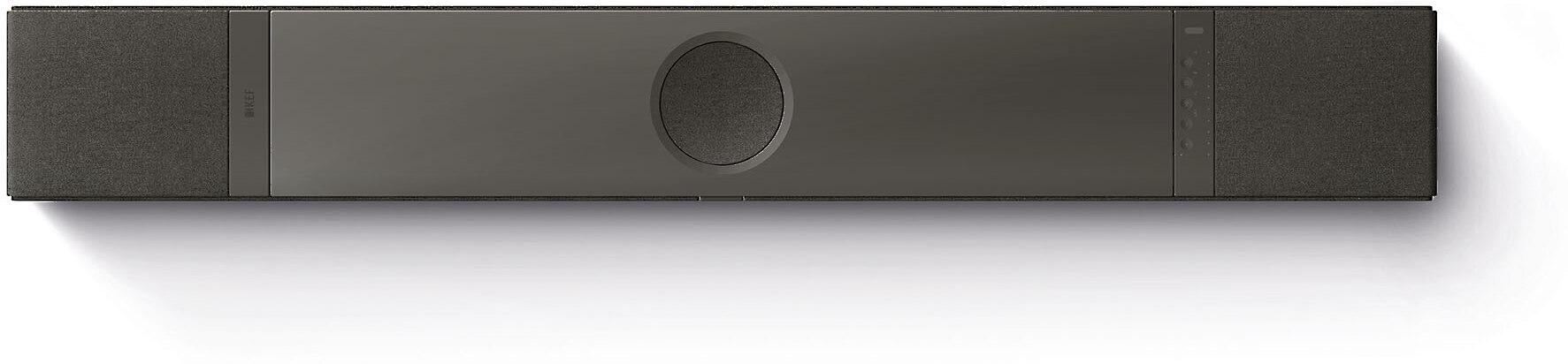
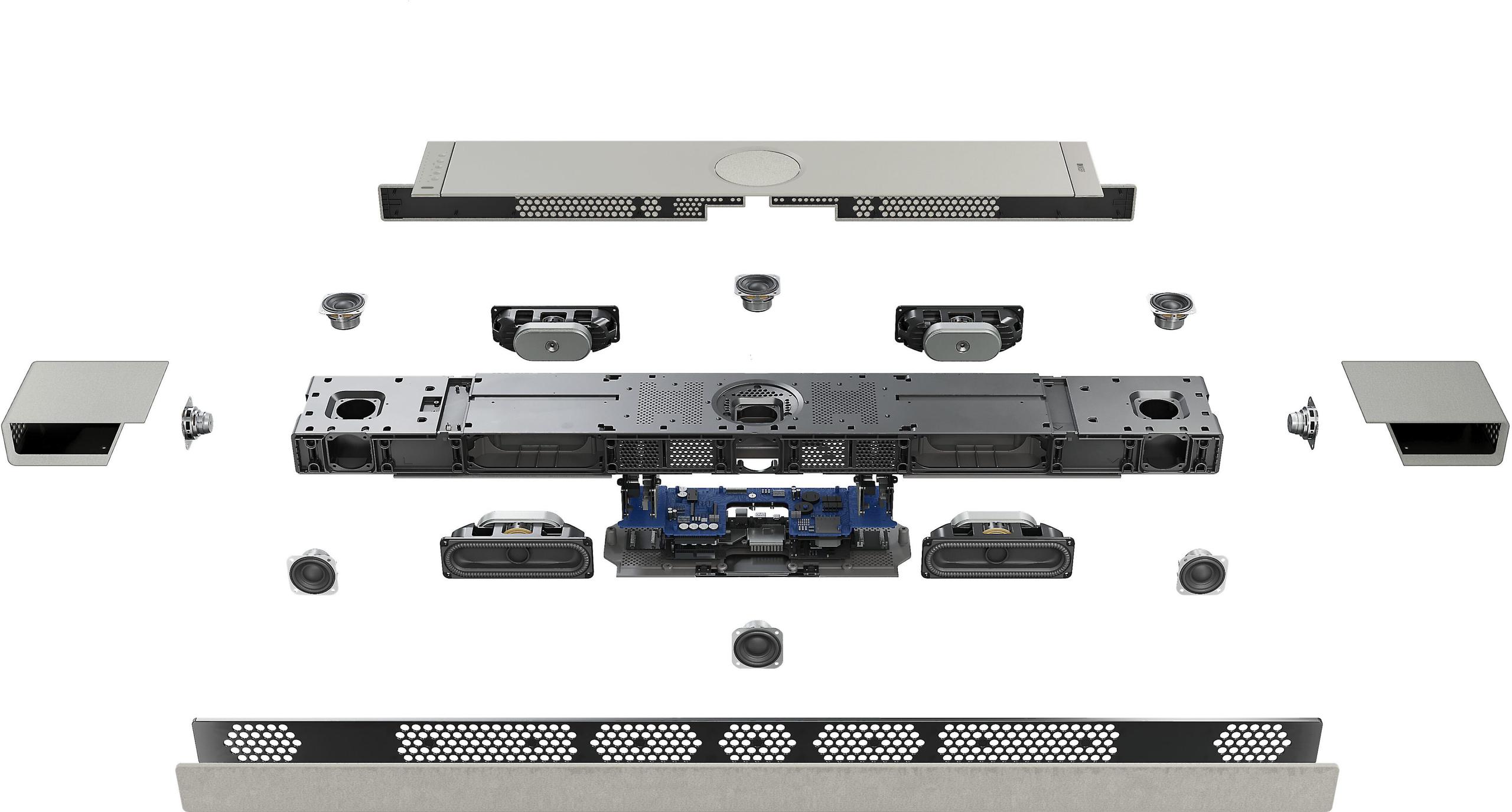
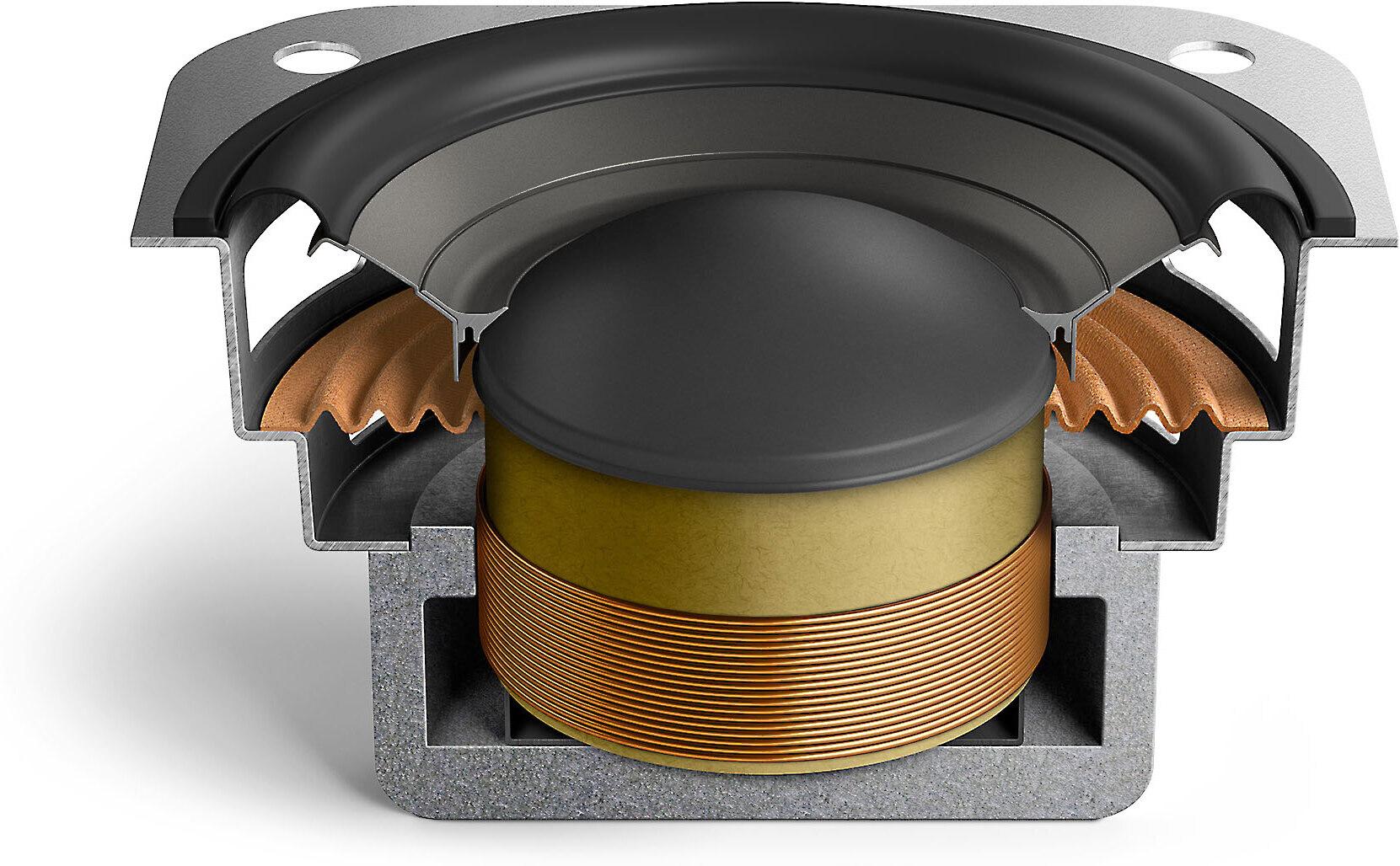
The KEF XIO's most impressive feature is its Uni-Q MX driver array—six miniaturized versions of KEF's famous concentric drivers. In traditional speakers, tweeters (high-frequency drivers) and midrange drivers are separate, which can create timing issues as sound travels from different points. KEF's Uni-Q design places the tweeter at the exact center of the midrange driver, so all frequencies arrive at your ears simultaneously. This creates incredibly precise stereo imaging, meaning you can pinpoint exactly where sounds are coming from in movies or music.
I've heard many soundbars that create a wide soundstage, but the XIO is the first I've experienced that rivals high-end stereo speakers for imaging precision. When watching "Top Gun: Maverick," I could distinctly hear the difference between jets on the left and right sides of the formation, with each engine having its own space in the soundfield.
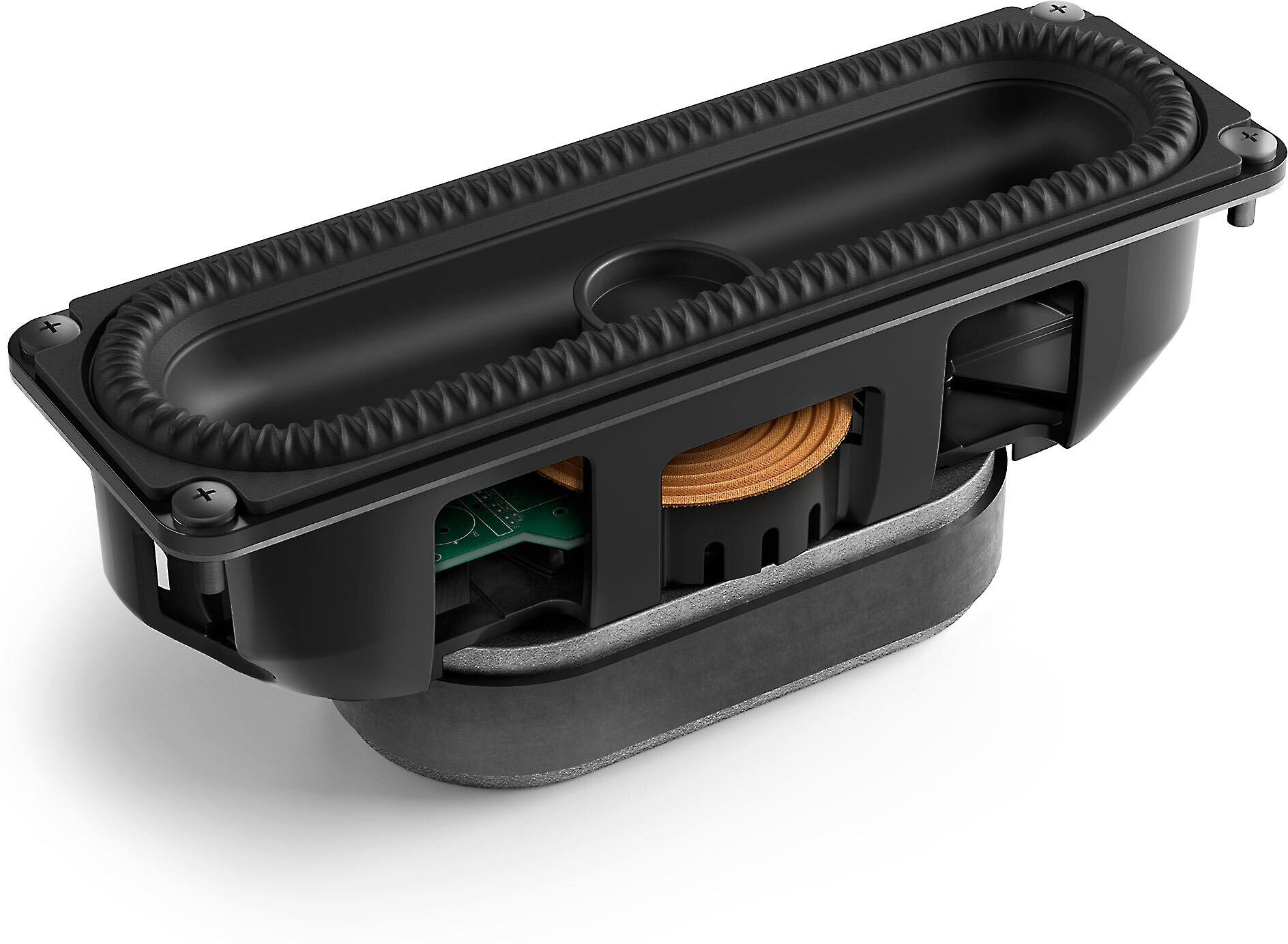
The XIO also uses four P185 racetrack woofers arranged in a force-canceling configuration. "Racetrack" refers to their oval shape, which allows them to move more air than round drivers of the same width. The force-canceling design means pairs of woofers push and pull in opposite directions, virtually eliminating cabinet vibration that would muddy the sound. These woofers incorporate VECO (Velocity Control Technology), which uses sensors to monitor cone movement in real-time and correct distortion before it becomes audible—reducing distortion by up to 28dB according to KEF's measurements.
The Sonos Beam Gen 2 takes a different approach with five drivers: one tweeter and four elliptical woofers. Instead of relying purely on driver engineering, Sonos uses sophisticated digital signal processing (DSP) to maximize performance from more conventional drivers. The center tweeter handles dialogue and high frequencies, while the four woofers create the soundstage width and handle bass duties.
What's clever about the Beam Gen 2 is how it uses psychoacoustic processing—essentially tricking your brain into hearing sounds that aren't physically there. For height effects, it carefully times and phases audio signals to create the illusion of overhead sound without actual upward-firing drivers.
Bass response reveals the biggest difference between these approaches. The KEF XIO achieves genuine low-frequency extension down to 34Hz through sheer engineering muscle. Those four racetrack woofers move serious air, and the force-canceling design means they can do so without making the cabinet vibrate or rattle.
During the opening sequence of "Blade Runner 2049," the XIO delivered the deep, room-shaking bass that makes you feel the massive vehicles on screen. This is bass you feel in your chest, not just hear with your ears. Most soundbars, even expensive ones, struggle to reproduce frequencies below 50Hz convincingly without a separate subwoofer.
The Sonos Beam Gen 2 handles bass differently. Its compact size means it can't move the air volume needed for deep bass extension. Instead, it focuses on clean, articulate bass in the 60-120Hz range while using DSP to enhance the perception of lower frequencies. For its size, the bass response is impressive, but it's designed to work with Sonos's optional Sub for full-range performance.
This isn't necessarily a weakness—many users prefer the flexibility of adding bass gradually. You can start with just the Beam Gen 2 and add a Sub later if needed. The XIO's approach means you get maximum bass performance immediately, but you're also paying for woofer technology you might not fully utilize in a smaller room.
Dolby Atmos represents the biggest advancement in home theater audio since surround sound was invented. Traditional surround systems use channels tied to specific speaker locations. Atmos uses object-based audio, where sounds are treated as three-dimensional objects that can move anywhere in space. A helicopter might start behind you, pass overhead, and exit in front of you as a single audio object rather than multiple channel-based effects.
The KEF XIO implements true Atmos with dedicated upward-firing drivers that bounce sound off your ceiling to create height effects. Combined with its Music Integrity Engine (MIE)—KEF's proprietary processing suite—it delivers convincing three-dimensional audio that genuinely places sounds above the listener. The MIE handles spatial processing, adaptive equalization, and digital crossovers to ensure perfect timing across all twelve drivers.
I tested this with the forest scene in "A Quiet Place," where leaves rustle overhead as creatures move through the trees. The XIO placed these sounds distinctly above the main soundstage, creating genuine height perception that enhanced the film's tension.
The Sonos Beam Gen 2 uses virtual Atmos processing instead of physical height drivers. Through careful manipulation of phase and timing, it creates a wider soundstage and some height perception, though not the distinct overhead effects of true Atmos systems. For content like "Stranger Things," the Beam Gen 2 does an impressive job of creating atmospheric effects and expanding the soundstage beyond its physical boundaries, though overhead effects remain subtle.
This is where the philosophical differences become most apparent. The Sonos Beam Gen 2 treats smart features as essential, not optional. AirPlay 2 support means seamless streaming from any Apple device. Built-in Alexa and Google Assistant provide voice control for music, smart home devices, and basic soundbar functions. The Sonos app ecosystem connects with virtually every streaming service and makes multi-room audio simple.
TruePlay tuning deserves special mention—using your iPhone's microphone, you walk around your room while the Beam plays test tones. The system analyzes how sound reflects off your walls, furniture, and ceiling, then adjusts its output accordingly. In my experience, TruePlay makes a noticeable difference, particularly in acoustically challenging rooms with hard surfaces or unusual layouts.
The KEF XIO intentionally omits most smart features, focusing resources on audio performance instead. There's no voice control, no AirPlay 2, and no fancy app interface. You get Wi-Fi 6 connectivity for high-resolution streaming (up to 24-bit/384kHz), plus support for audiophile services like TIDAL Connect and Qobuz, but that's where the smart features end.
This might seem like a significant limitation, but it reflects KEF's target audience. Serious audio enthusiasts often prefer dedicated streaming devices and aren't interested in voice assistants potentially compromising audio quality through always-listening microphones.
Both soundbars reflect modern HDMI realities. The KEF XIO provides a single HDMI 2.1 eARC connection, which supports the latest audio formats and provides the bandwidth needed for high-resolution audio. However, having only one HDMI input means you'll rely on your TV for source switching, which can limit setup flexibility if you have multiple HDMI devices.
The Sonos Beam Gen 2 also uses a single HDMI eARC connection but includes an optical adapter for older TVs. Like the XIO, it expects your TV to handle source switching, which works well for most modern setups but can be limiting if you prefer direct device connections.
Where they differ significantly is wireless connectivity. The Sonos integrates seamlessly with other Sonos speakers for multi-room audio and can be expanded with the Sonos Sub and rear speakers to create a full surround system. The KEF can connect wirelessly to compatible KEF subwoofers but doesn't offer the same ecosystem flexibility.
At $2,499, the KEF XIO occupies rare territory—it's priced like high-end separate components but packaged as a soundbar. This makes sense when you consider what's inside: twelve discrete amplifiers, advanced driver technology, and processing power that would typically require multiple components. For audiophiles wanting reference-quality sound without the complexity of separate components, the XIO represents genuine value despite its high price.
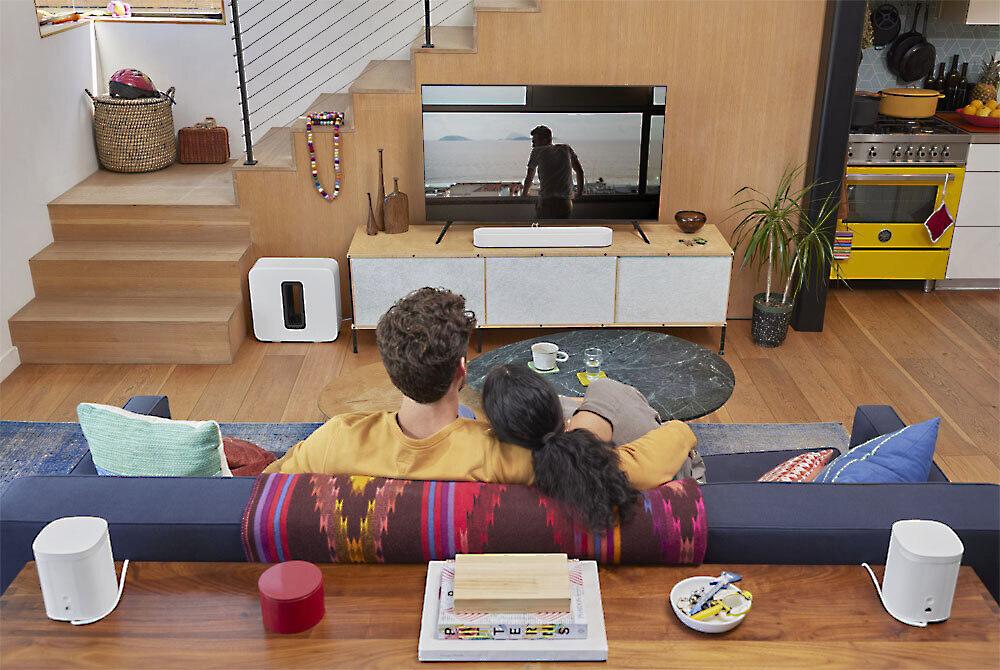
The Sonos Beam Gen 2 at $369 targets the sweet spot where performance meets accessibility. It delivers impressive audio quality for its size while providing the smart features most users expect. Add the optional Sub ($749) and rear speakers ($219 each), and you have a complete surround system for around $1,200—still less than half the XIO's price.
Room size significantly impacts your choice. The KEF XIO needs space to breathe—it's designed for medium to large rooms with 65-75" TVs. In smaller spaces, its power and bass extension might overwhelm the room. The included Intelligent Placement Technology helps by automatically adjusting output based on wall or shelf mounting, but it can't overcome basic physics in undersized rooms.
The Sonos Beam Gen 2 excels in compact spaces where larger soundbars would dominate. It's ideally sized for 43-65" TVs and works well in apartments, bedrooms, or smaller living rooms. TruePlay tuning helps optimize performance regardless of room challenges.
Sonos has established a strong track record of software updates that add features over time. The Beam Gen 2 has received multiple updates since its 2021 launch, including improved Atmos processing and additional streaming service support. This means your soundbar continues improving after purchase.
KEF's approach focuses on getting the hardware right initially rather than ongoing software development. The XIO's Music Integrity Engine handles most processing in dedicated hardware, which should provide consistent performance but won't gain new features through updates like Sonos products do.
Choose the KEF XIO if you prioritize audio quality above all else, have a large room that can accommodate its power, and don't need smart features like voice control or multi-room audio. It's ideal for serious movie enthusiasts and music lovers who want reference-quality sound without the complexity of separate components.
Choose the Sonos Beam Gen 2 if you want excellent performance at a reasonable price, need smart home integration, or plan to build a complete surround system gradually. It's perfect for most users who want great sound plus the convenience features that make modern audio systems enjoyable to use daily.
Both soundbars excel in their intended roles. The KEF represents uncompromising engineering for serious audio enthusiasts, while the Sonos balances performance with the practical features most people want. Your choice should align with your priorities, room size, and how you actually use audio systems in daily life.
The soundbar market has evolved dramatically in recent years, and both the KEF XIO and Sonos Beam Gen 2 represent the best of their respective approaches. Whether you choose audiophile purity or smart convenience, either will transform your TV watching and music listening experience far beyond what built-in TV speakers can provide.
| KEF XIO Soundbar | Sonos Beam Gen 2 Soundbar |
|---|---|
| Price - Major investment difference that defines target audience | |
| $2,499 (audiophile premium) | $369 (mainstream premium) |
| Audio Channels - Determines immersive sound capability | |
| True 5.1.2 with physical up-firing drivers | Virtual 5.0 with processed height effects |
| Driver Technology - Core component affecting sound quality | |
| 12 drivers: 6 Uni-Q MX concentric arrays + 4 P185 racetrack woofers | 5 drivers: 1 tweeter + 4 elliptical woofers |
| Total Power Output - Impacts volume and dynamic range | |
| 820W across 12 discrete Class D amplifiers | Undisclosed (significantly lower than XIO) |
| Bass Extension - How deep the low frequencies go | |
| 34Hz (excellent without subwoofer) | ~60Hz (benefits from optional Sonos Sub) |
| Dimensions - Room and TV compatibility | |
| 47.6" W × 2.8" H × 6.5" D (65-75" TVs) | 25.6" W × 2.7" H × 3.9" D (43-65" TVs) |
| Weight - Indicates build quality and driver mass | |
| 23.1 lbs (substantial premium construction) | 6.35 lbs (compact and easy to mount) |
| Dolby Atmos Implementation - Quality of 3D audio experience | |
| Physical up-firing drivers with dedicated processing | Virtual processing through front-facing drivers |
| HDMI Connectivity - Modern TV integration | |
| Single HDMI 2.1 eARC | HDMI eARC (2.0) plus optical backup |
| Smart Features - Convenience and ecosystem integration | |
| Wi-Fi 6, high-res streaming, no voice assistants | AirPlay 2, Alexa, Google Assistant, Sonos ecosystem |
| Room Calibration - Automatic sound optimization | |
| Intelligent Placement Technology (automatic) | TruePlay tuning (requires iOS device) |
| Expandability - Future upgrade options | |
| Compatible with KEF wireless subwoofers | Full Sonos ecosystem (Sub, rear speakers, multi-room) |
| Streaming Quality - Maximum audio resolution | |
| Up to 24-bit/384kHz | Standard streaming quality |
| Target Use Case - Who benefits most from each approach | |
| Large rooms, audiophile listeners, standalone performance | Compact spaces, smart home users, gradual system building |
The Sonos Beam Gen 2 at $369 offers better value for most buyers, delivering excellent sound quality and smart features at a reasonable price. The KEF XIO at $2,499 provides superior audio performance but costs nearly 7 times more, making it worthwhile only for serious audiophiles who prioritize sound quality above all else.
The KEF XIO focuses purely on audiophile-grade sound quality with 12 drivers and 820W of power, while the Sonos Beam Gen 2 balances good sound with smart features like voice assistants, AirPlay 2, and ecosystem integration. The KEF is for audio purists, while the Sonos is for mainstream users wanting convenience.
The Sonos Beam Gen 2 is ideal for small rooms and apartments with its compact 25.6-inch width and moderate power output. The KEF XIO at 47.6 inches wide with 820W of power can overwhelm smaller spaces and is better suited for medium to large rooms with 65-75 inch TVs.
The KEF XIO delivers deep bass down to 34Hz and typically doesn't need a subwoofer for most content. The Sonos Beam Gen 2 has adequate bass for its size but benefits significantly from adding the optional Sonos Sub for fuller home theater experience, especially in larger rooms.
The KEF XIO provides superior Dolby Atmos with dedicated up-firing drivers that create genuine overhead effects. The Sonos Beam Gen 2 uses virtual Atmos processing to simulate height effects, which creates a wider soundstage but lacks the convincing overhead placement of true Atmos systems.
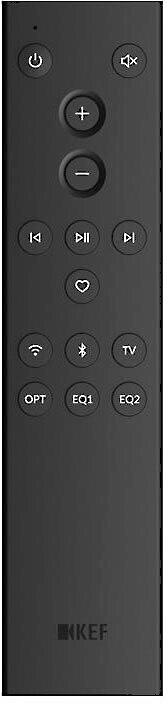
Only the Sonos Beam Gen 2 supports voice commands with built-in Amazon Alexa and Google Assistant. The KEF XIO intentionally omits voice assistants, focusing resources on audio performance instead. You'll need to use a remote or app to control the KEF.
The Sonos Beam Gen 2 offers seamless Apple integration with AirPlay 2 support and TruePlay room calibration using your iPhone. The KEF XIO lacks AirPlay 2 but supports high-resolution streaming through Wi-Fi, requiring third-party apps for Apple device streaming.
The Sonos Beam Gen 2 excels with comprehensive smart features including voice control, AirPlay 2, multi-room audio, and automatic updates. The KEF XIO offers minimal smart features, focusing on Wi-Fi streaming and high-resolution audio support without voice assistants or advanced app integration.
The Sonos Beam Gen 2 is much easier for daily use with intuitive app control, voice commands, and automatic room calibration. The KEF XIO requires more manual setup and lacks convenient features like voice control, making it better suited for users who prefer traditional remote control operation.
The Sonos Beam Gen 2 easily expands with the Sonos Sub and rear speakers to create a complete 5.1 system, plus integrates with other Sonos speakers for multi-room audio. The KEF XIO can connect to compatible KEF subwoofers but offers limited ecosystem expansion options.
The KEF XIO excels for music with its Uni-Q driver technology, precise stereo imaging, and support for high-resolution audio up to 24-bit/384kHz. The Sonos Beam Gen 2 sounds good for music but prioritizes movie dialogue and general entertainment over critical music listening.
Choose the KEF XIO if you have a large room, prioritize audiophile sound quality, and don't need smart features. Choose the Sonos Beam Gen 2 if you want great performance at a reasonable price, need smart home integration, have limited space, or plan to build a complete Sonos system over time.
We've done our best to create useful and informative comparisons to help you decide what product to buy. Our research uses advanced automated methods to create this comparison and perfection is not possible - please contact us for corrections or questions. These are the sites we've researched in the creation of this article: blog.son-video.com - residentialsystems.com - whathifi.com - audioadvice.com - crutchfield.com - homecrux.com - techradar.com - youtube.com - us.kef.com - gramophone.com - cepro.com - audioxpress.com - musicdirect.com - gramophone.com - us.kef.com - crutchfield.com - hifipig.com - bestbuy.com - listenup.com - bestbuy.com - bestbuy.com - listenup.com - whathifi.com - en.community.sonos.com - techradar.com - youtube.com - consumerreports.org - bestbuy.com - youtube.com - sonos.com - wave-electronics.com - en.community.sonos.com - epicsystems.tech - tomsguide.com - bestbuy.com

Privacy Policy
Terms and Conditions - Affiliate Policy
Home Security
© Copyright 2008-2026.
11816 Inwood Rd #1211, Dallas, TX 75244