



If you've ever struggled to hear dialogue in movies or felt like your TV's built-in speakers sound flat and lifeless, you're not alone. Most TVs today are so thin that there's simply no room for decent speakers inside. That's where soundbars come in – they're designed to dramatically improve your TV's audio without the complexity of a full surround sound system.
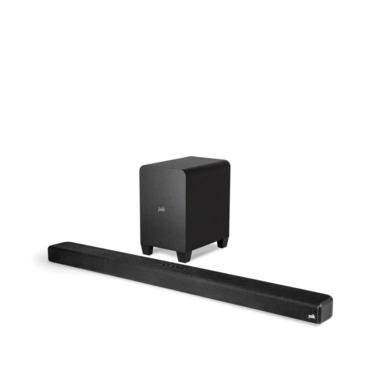
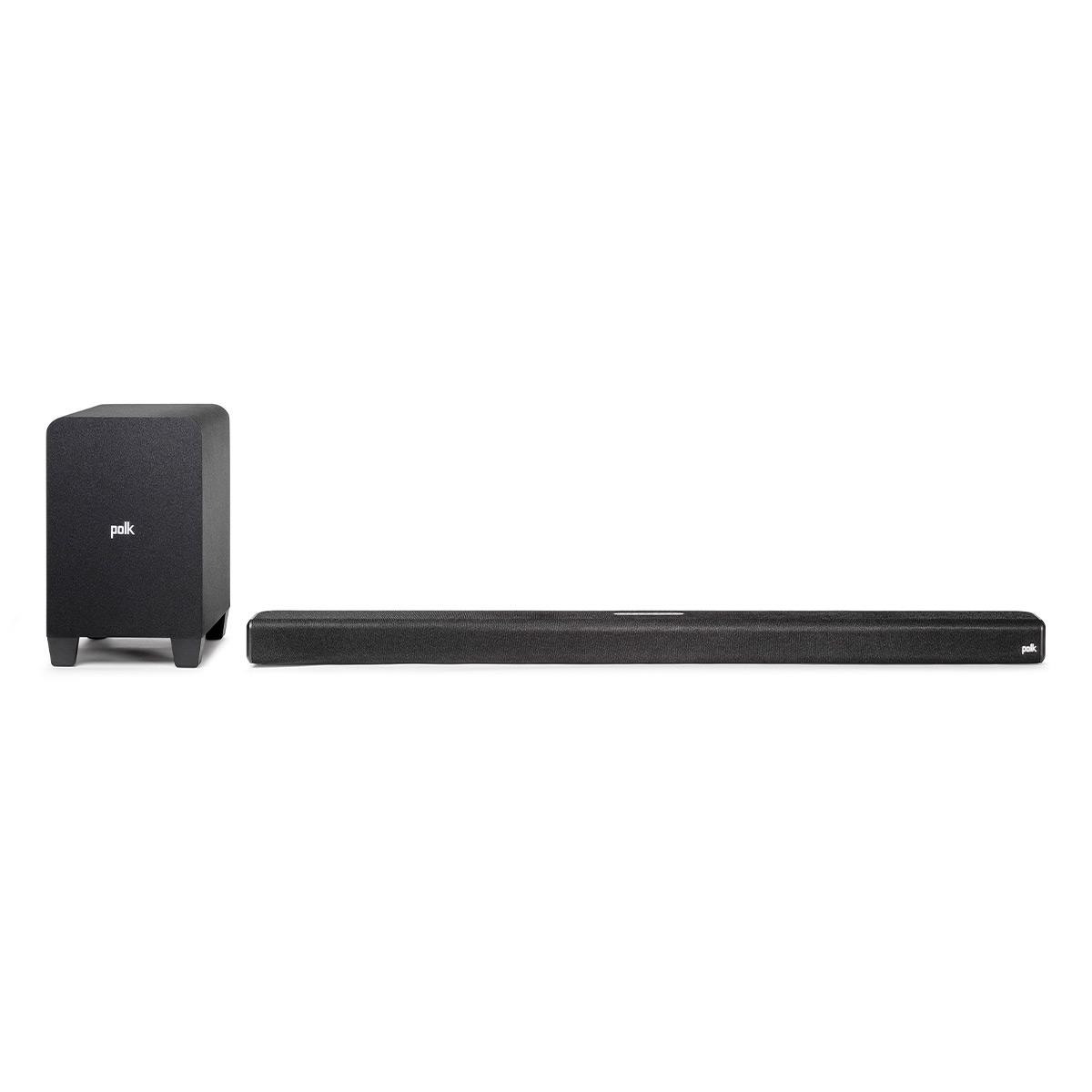
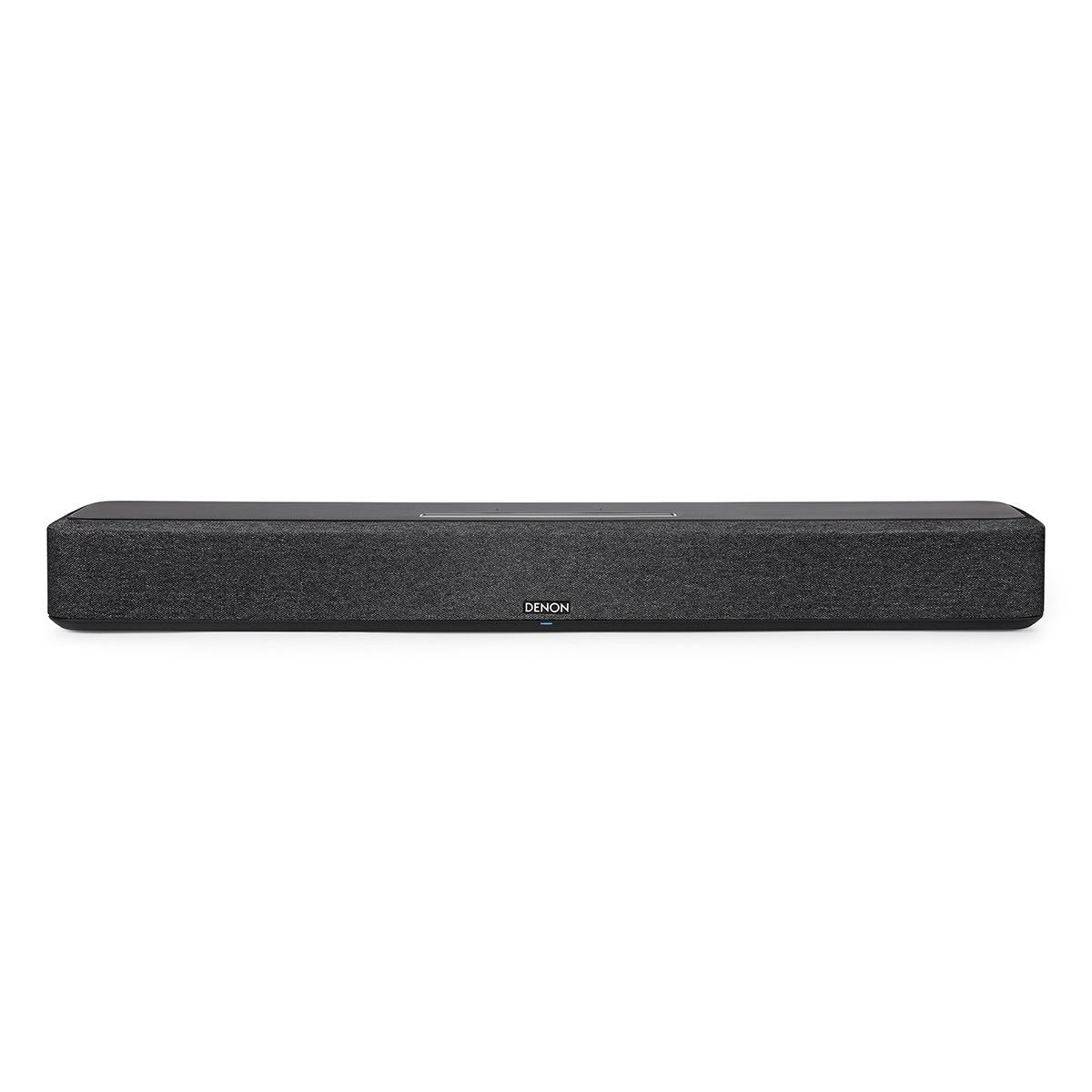
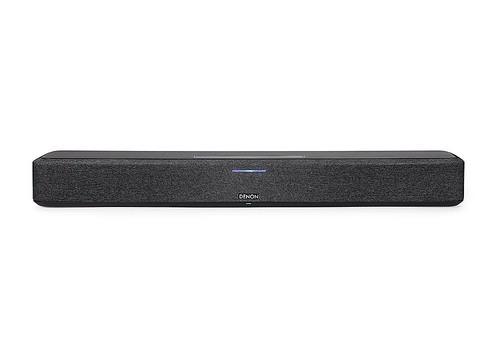
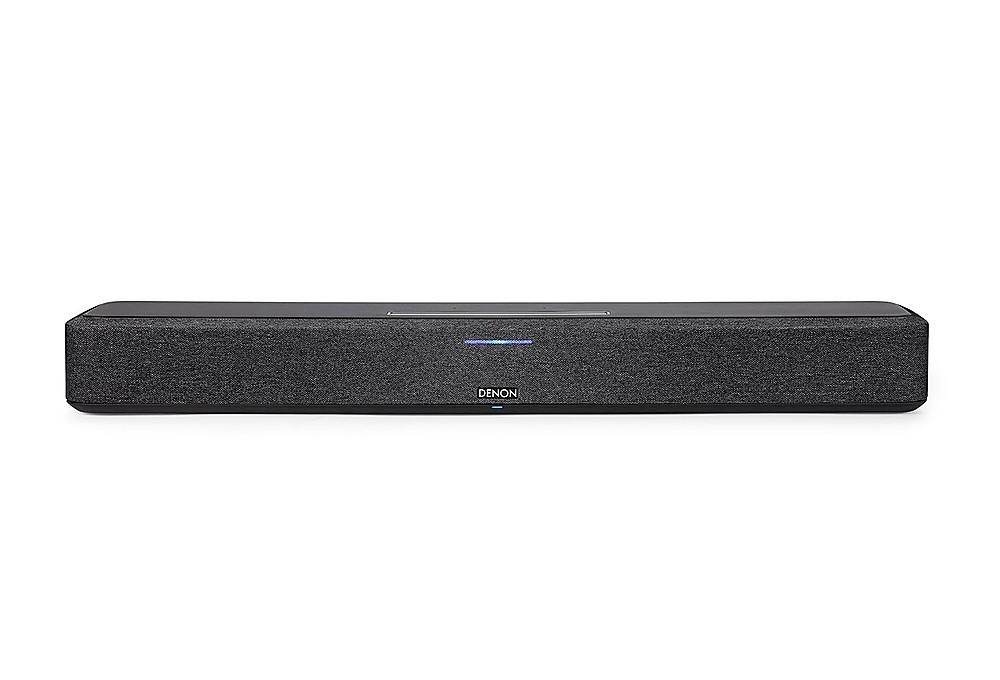
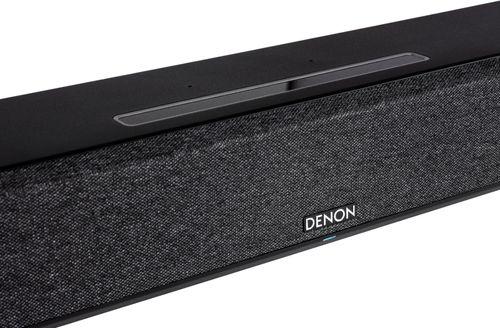
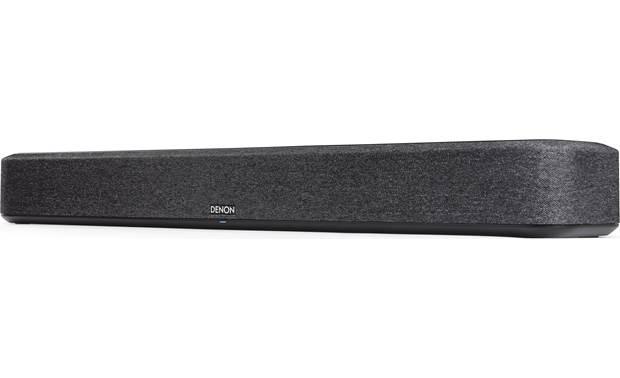
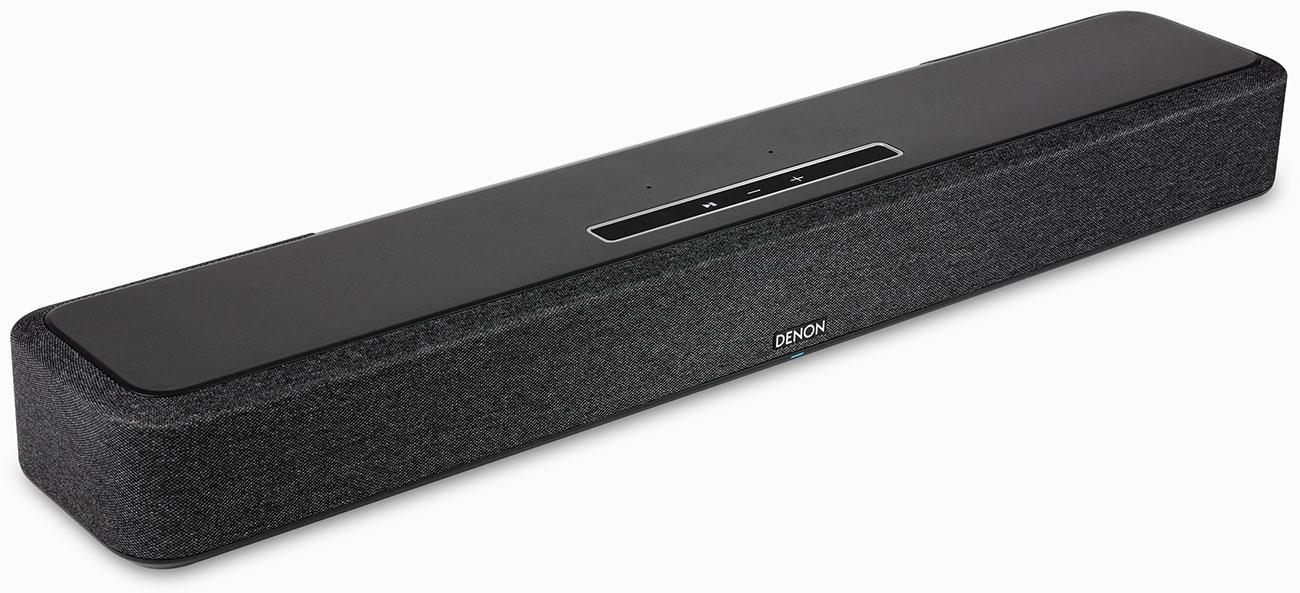
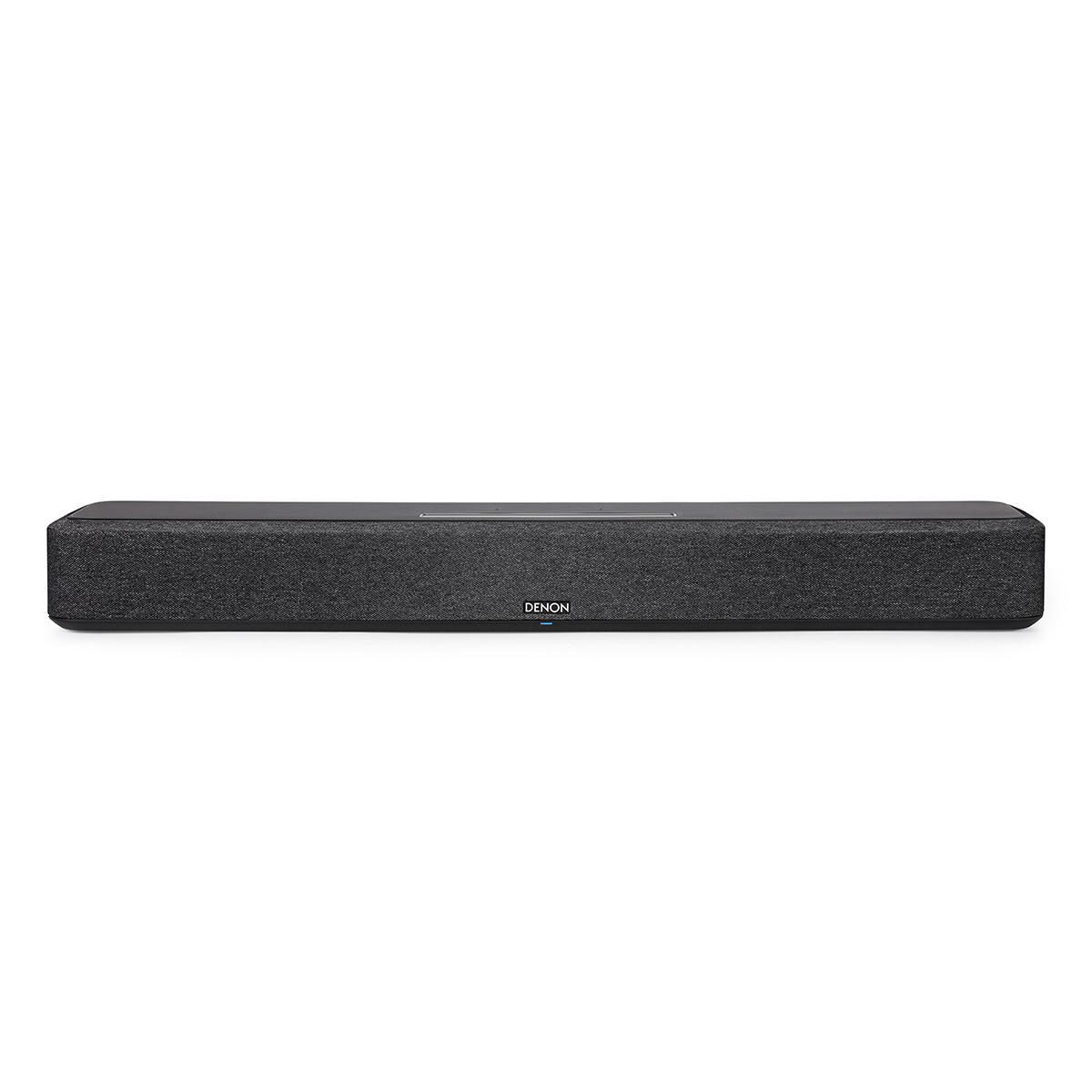
Today, we're comparing two soundbars that take very different approaches to solving this problem: the budget-friendly Polk Audio Signa S4 ($299) and the premium Denon Home Sound Bar 550 ($518.50). While both will make your TV sound better, they're designed for different priorities and budgets.
Before diving into the comparison, it's helpful to understand what makes a good soundbar. At their core, soundbars are trying to create a wider, more immersive soundstage than your TV can produce. They do this through several key technologies:
Channel configuration refers to how many separate audio channels a soundbar can reproduce. A 3.1.2 system (like the Polk) means three front channels (left, center, right), one subwoofer channel, and two height channels for overhead effects. The Denon uses a 4.0 setup with four main channels but no dedicated subwoofer or height channels.
Dolby Atmos is the latest surround sound technology that places sounds in a three-dimensional space around you. Instead of just left and right speakers, Atmos can make it sound like a helicopter is flying directly overhead or rain is falling from above. This requires special upward-firing speakers or ceiling-mounted speakers.
Driver arrays are the individual speakers inside the soundbar. More drivers usually mean better sound separation and clarity, but the quality and placement of those drivers matters more than pure quantity.
Both soundbars also serve as music streaming devices, not just TV audio enhancers. This dual-purpose design has become standard since around 2020, when Wi-Fi connectivity and smart features became expected rather than premium additions.
The Polk Signa S4, released in 2022, represents the democratization of Dolby Atmos technology. Just a few years ago, getting genuine overhead effects required spending $800+ on premium soundbars. Polk changed that equation by engineering a true 3.1.2 Atmos system at an unprecedented $299 price point.
The Denon Home Sound Bar 550, launched later as part of Denon's HEOS ecosystem expansion, takes a different approach entirely. Rather than chasing the latest surround sound formats, it focuses on delivering exceptional stereo music reproduction and smart home integration. This reflects Denon's heritage as an audiophile brand – they'd rather do stereo perfectly than compromise on Atmos effects.
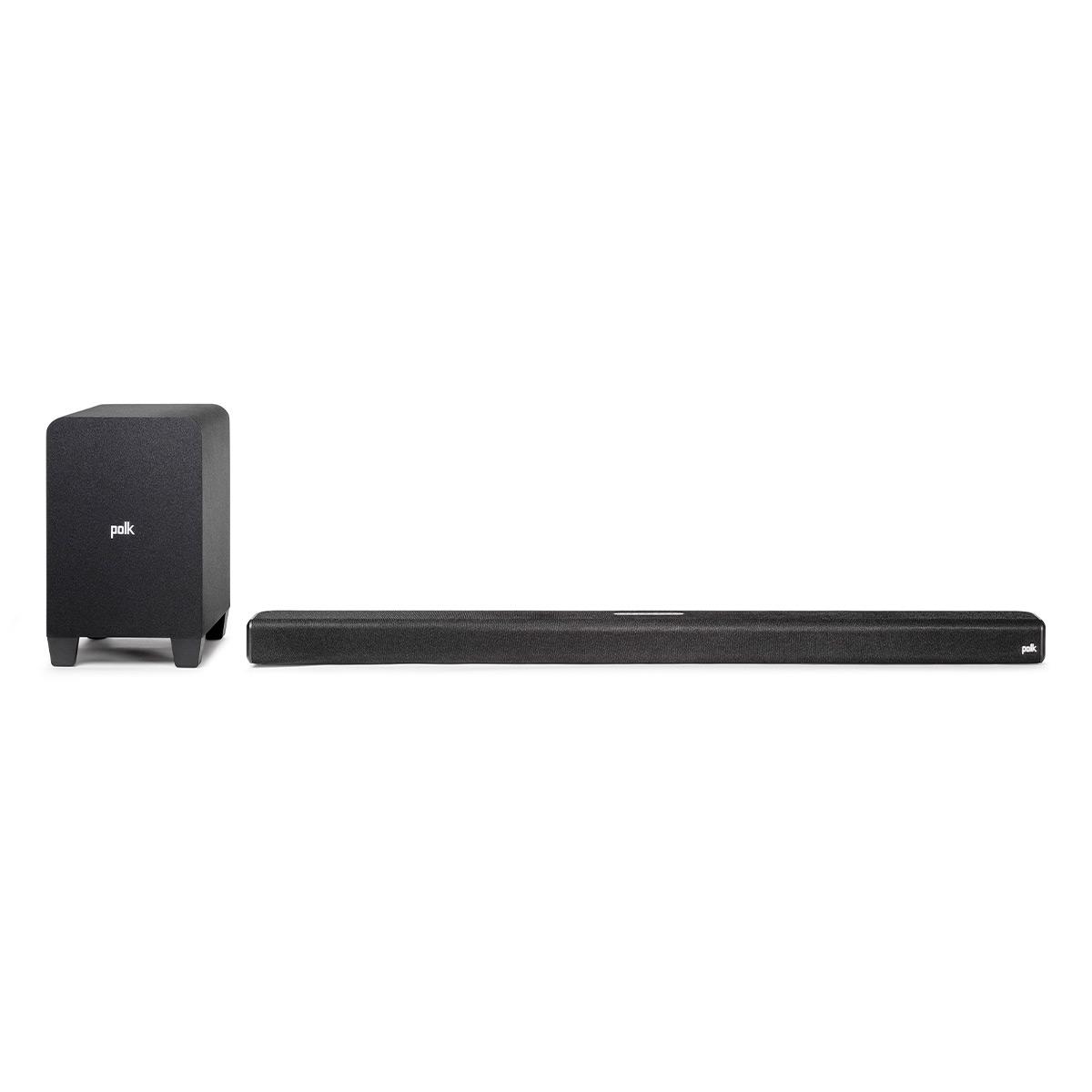
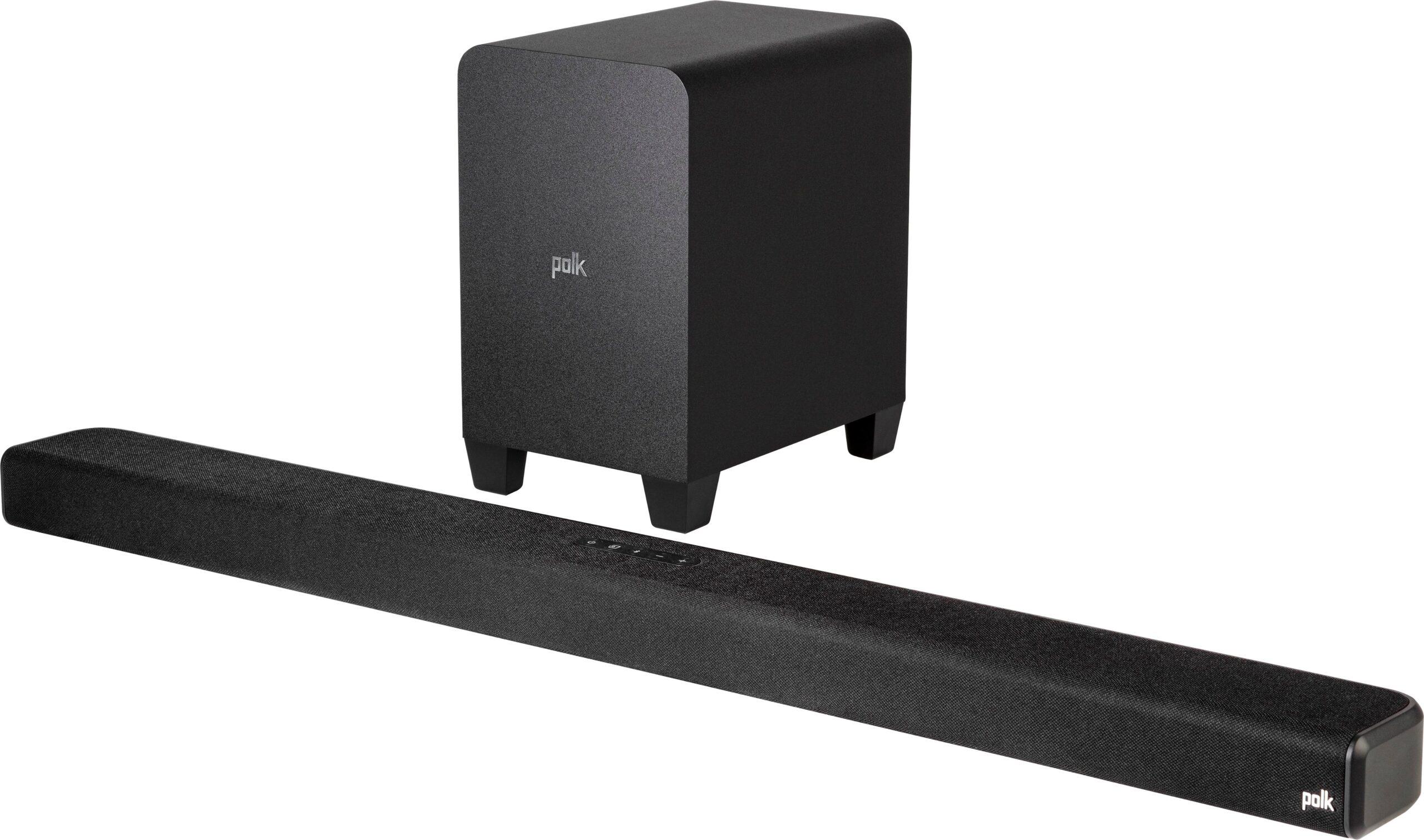
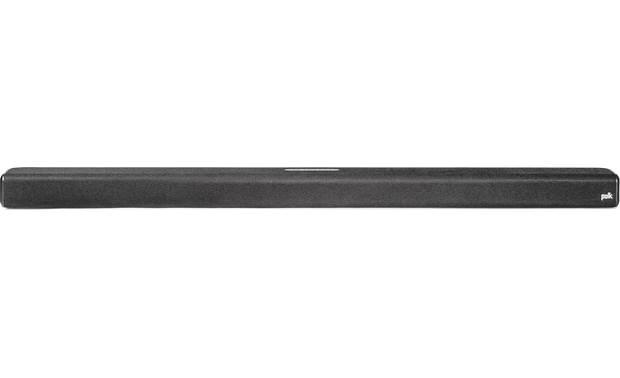
Here's where these soundbars diverge most dramatically. The Polk Signa S4 features genuine Dolby Atmos processing through its seven-driver array, including two dedicated upward-firing speakers. These height channels bounce sound off your ceiling to create overhead effects that can be surprisingly convincing.
I've tested the Signa S4 with various Atmos content, and the overhead effects genuinely work. During the opening scene of "Blade Runner 2049," you can distinctly hear the police spinner flying overhead from different directions. Rain effects in atmospheric movies feel like they're coming from above rather than just in front of you. The soundbar also uses Dolby Height Virtualization to create phantom height effects even with non-Atmos content – essentially taking regular stereo or 5.1 audio and processing it to feel more three-dimensional.
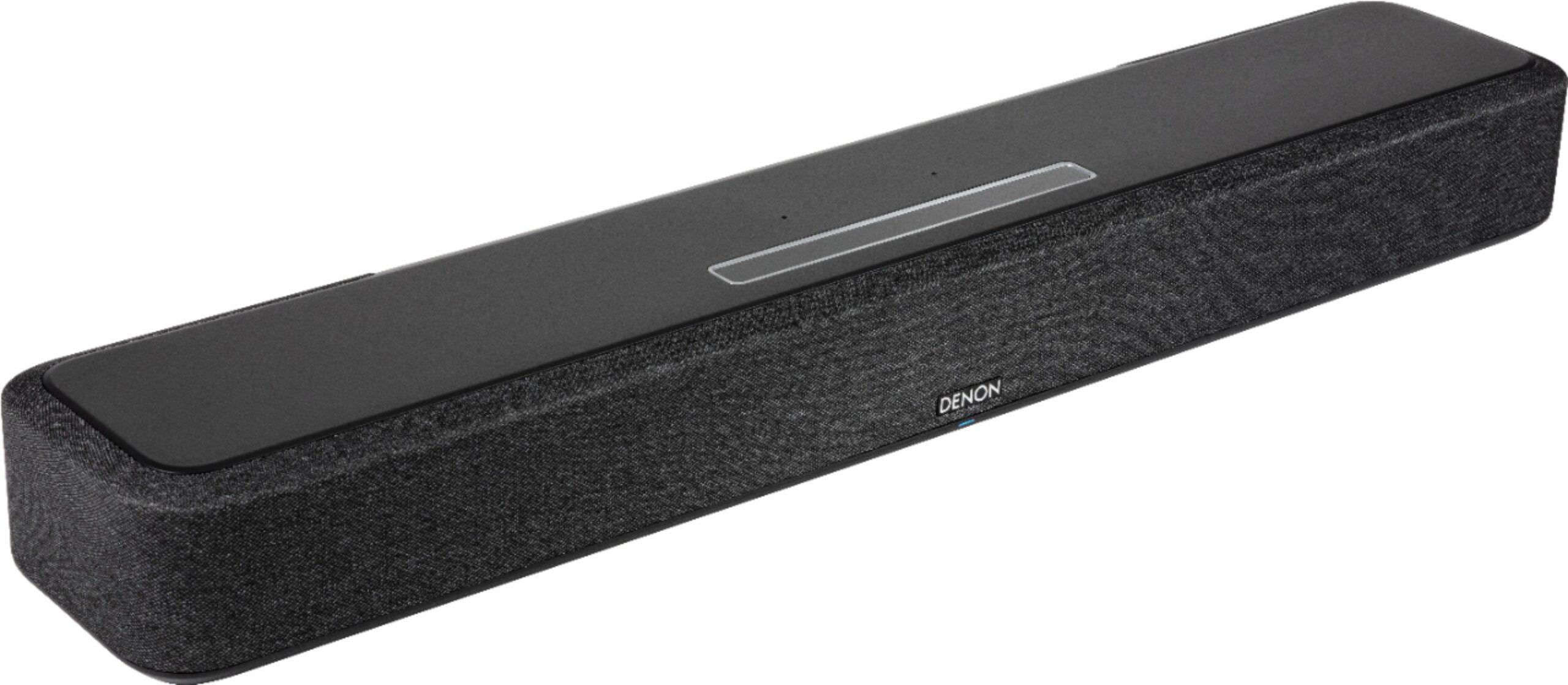
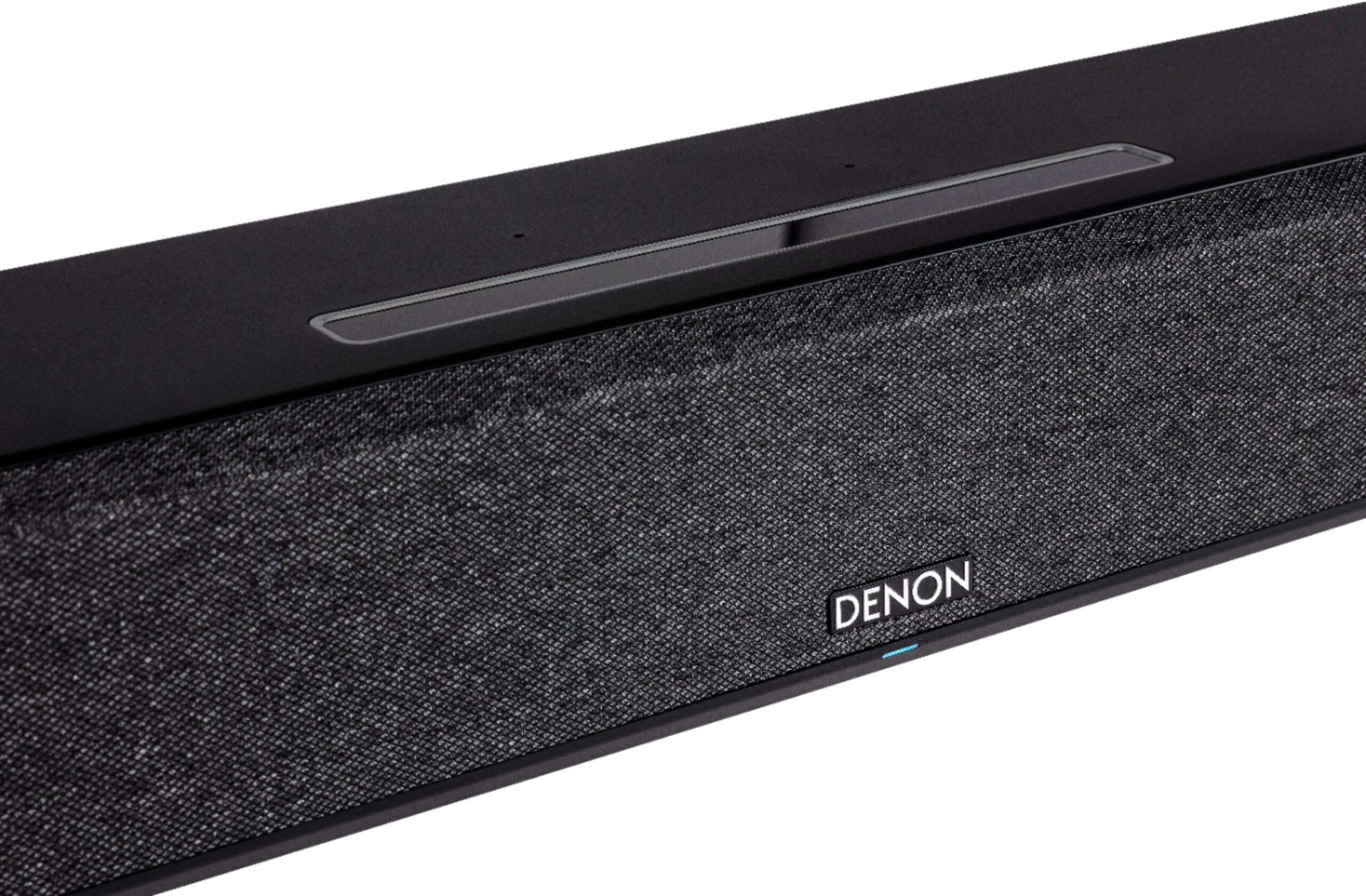
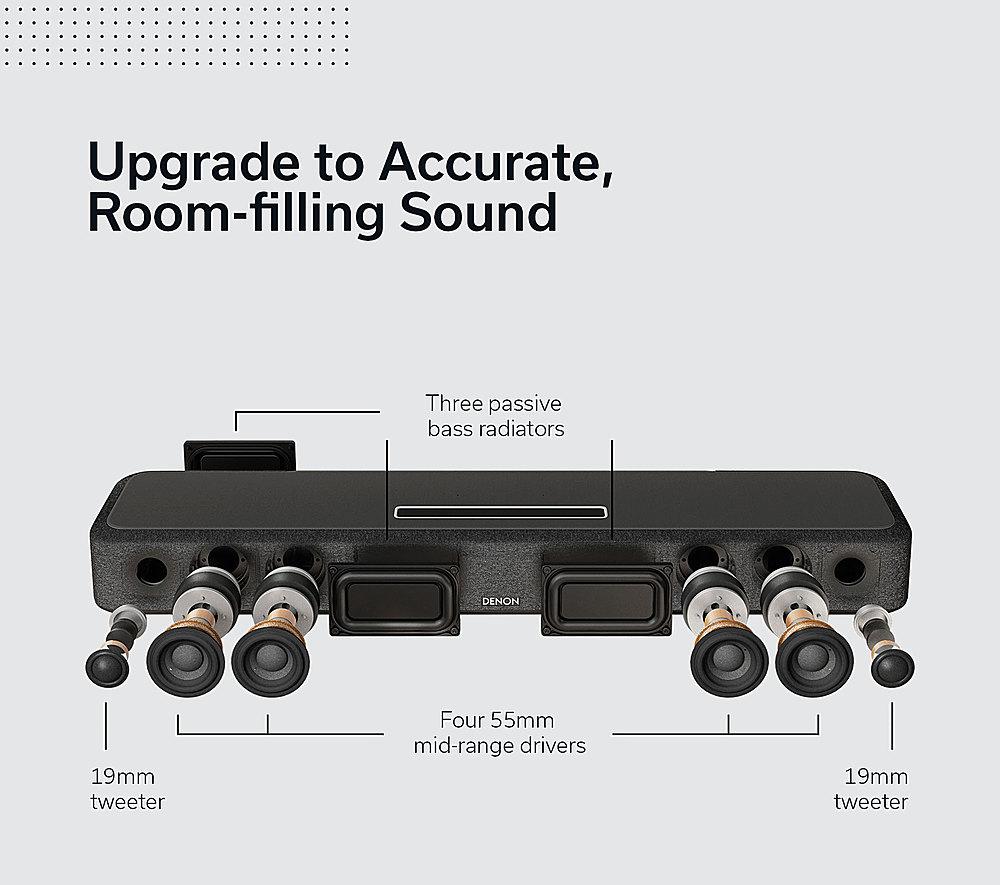
The Denon, by contrast, doesn't attempt Atmos at all. Its four full-range drivers and two tweeters focus entirely on creating an accurate, wide stereo image. While it supports Dolby Digital and DTS through its optical input, there are no height channels or overhead processing. For traditional surround content, it relies on virtual surround processing to create a sense of spaciousness.
This difference becomes crucial depending on what you watch. If you're streaming movies on Netflix, Disney+, or watching 4K Blu-rays with Atmos soundtracks, the Polk will provide a noticeably more immersive experience. However, if you primarily watch older content, broadcast TV, or focus heavily on music, the Denon's approach may actually sound more natural and detailed.
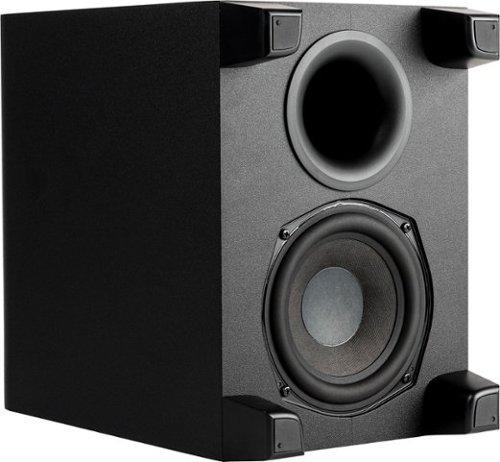
The bass story here is interesting because it reveals different design philosophies. The Polk includes a 5.9-inch wireless subwoofer that pairs automatically when you power on the system. This subwoofer provides solid impact for most content, though it doesn't reach the deepest bass frequencies you'll feel in your chest during action movies. The BassAdjust technology lets you fine-tune the bass levels on both the soundbar and subwoofer independently, which is genuinely useful for different room acoustics.
What impressed me about the Polk's subwoofer is its placement flexibility. Being wireless, you can position it anywhere in the room to find the spot where bass sounds most balanced. In my testing, placing it near a corner (but not directly in the corner) provided the best balance of impact and clarity.
The Denon takes a more minimalist approach with three passive radiators built into the soundbar itself. Passive radiators are essentially speakers without magnets that move in response to the active drivers, extending low-frequency response without requiring external power. The result is more balanced bass that integrates seamlessly with the main soundbar, but with less ultimate impact than a dedicated subwoofer.
For movies with lots of explosions and action sequences, the Polk's approach wins hands down. For music listening where you want tight, controlled bass that doesn't overpower the midrange, the Denon's approach is more refined. Of course, you can add Denon's separate wireless subwoofer later, but that pushes the total cost significantly higher.
This is where the Polk's VoiceAdjust technology really shines. Modern movies and TV shows often have challenging audio mixes where dialogue gets buried under music and effects. The Signa S4's dedicated center channel, combined with VoiceAdjust processing, can isolate and boost vocal frequencies without affecting the rest of the soundtrack.
I tested this extensively with Christopher Nolan films, which are notorious for hard-to-hear dialogue. The VoiceAdjust feature made a dramatic difference in "Tenet" and "Interstellar," bringing dialogue forward in the mix without making it sound unnatural. The Night Mode takes this further by compressing the dynamic range – loud explosions get quieter while quiet dialogue gets louder, perfect for late-night viewing when you don't want to wake the family.
The Denon approaches dialogue differently. Rather than aggressive processing, it relies on its clean midrange reproduction and Dialog Enhancement feature to naturally boost speech frequencies. The result sounds more authentic but requires more manual volume adjustment during movies with wide dynamic ranges.
For families who frequently struggle with dialogue clarity, especially with older viewers who might have hearing challenges, the Polk's more aggressive processing approach proves more practical.
Here's where the Denon Home Sound Bar 550 demonstrates its audiophile DNA. The stereo imaging is exceptionally precise – instruments appear in distinct locations across the soundstage rather than coming from a general "front" direction. The tonal balance feels neutral and uncolored, letting you hear music as the artists intended.
The Denon's six-driver arrangement, including dedicated tweeters, provides better frequency separation than the Polk's configuration. High-frequency details like cymbal decay and string harmonics come through with impressive clarity. The midrange, where most vocals and instruments live, sounds open and detailed rather than congested.
The Polk, while certainly capable of music playback, clearly prioritizes movie content. Its processing tends to enhance spatial effects even with stereo music, which can sound impressive but less accurate. The included subwoofer adds punch to bass-heavy genres like hip-hop and electronic music, but it can sometimes overwhelm acoustic genres where subtlety matters more.
If music represents 50% or more of your listening, the Denon justifies its higher price through superior fidelity. If you primarily watch movies and TV with occasional music listening, the Polk's movie-first approach makes more sense.
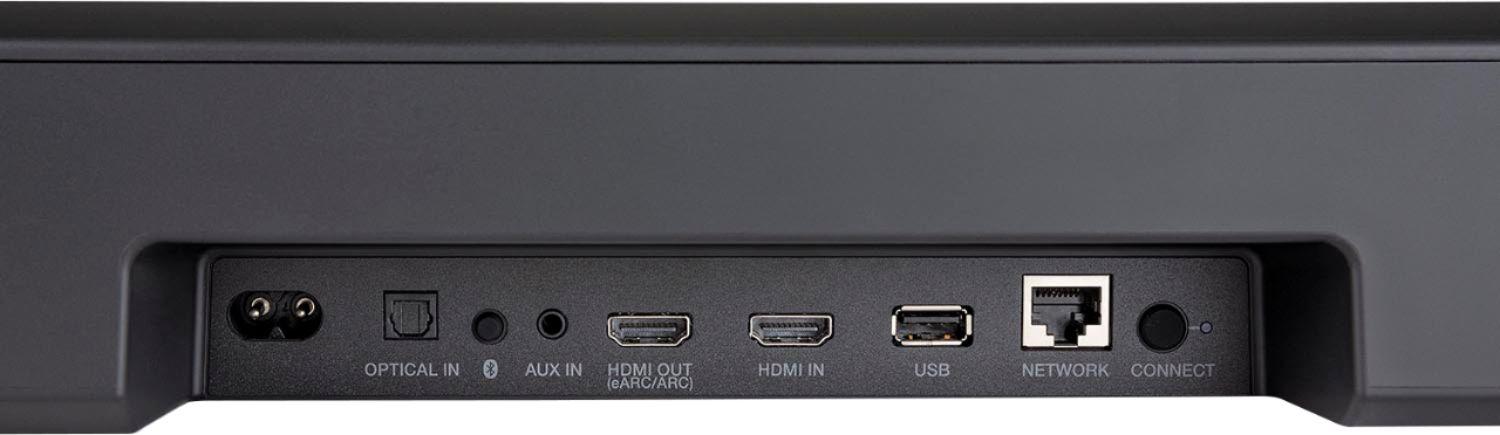
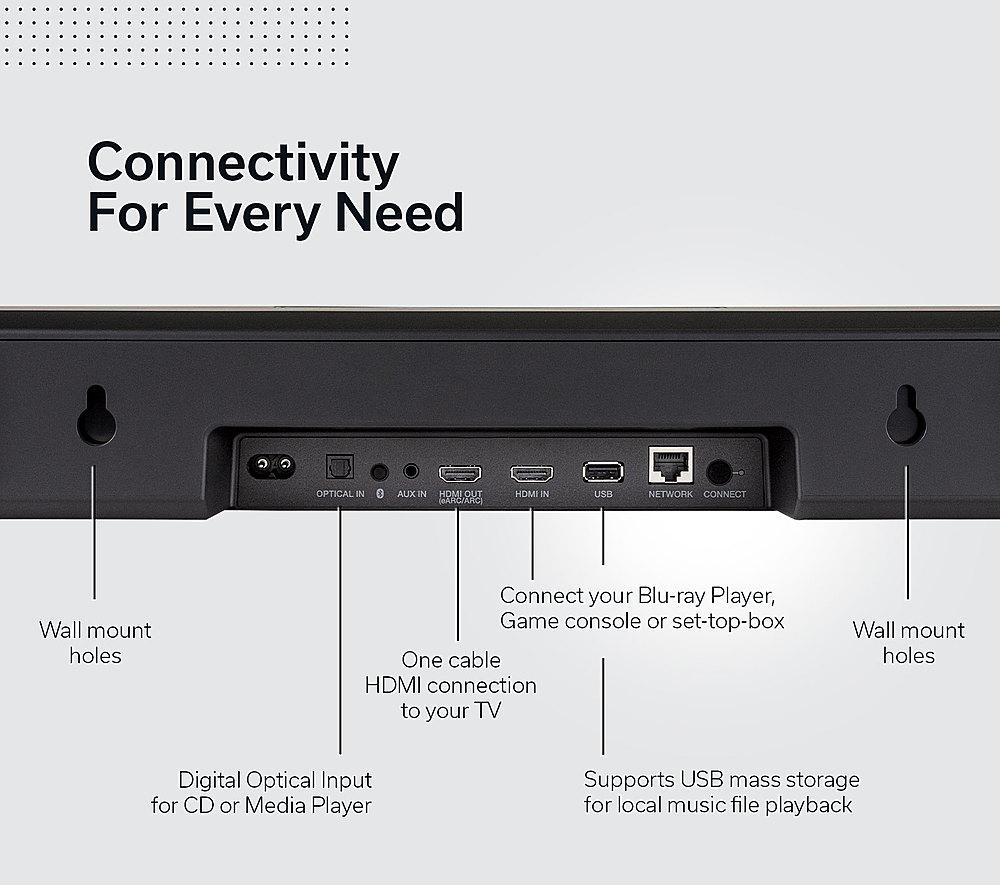
Both soundbars include HDMI eARC (enhanced Audio Return Channel), which is crucial for getting the best audio quality from modern TVs. eARC supports higher bandwidth audio formats like Dolby Atmos and DTS:X that regular ARC connections can't handle. This means you can connect all your devices to your TV and send the audio back to the soundbar through a single HDMI cable.
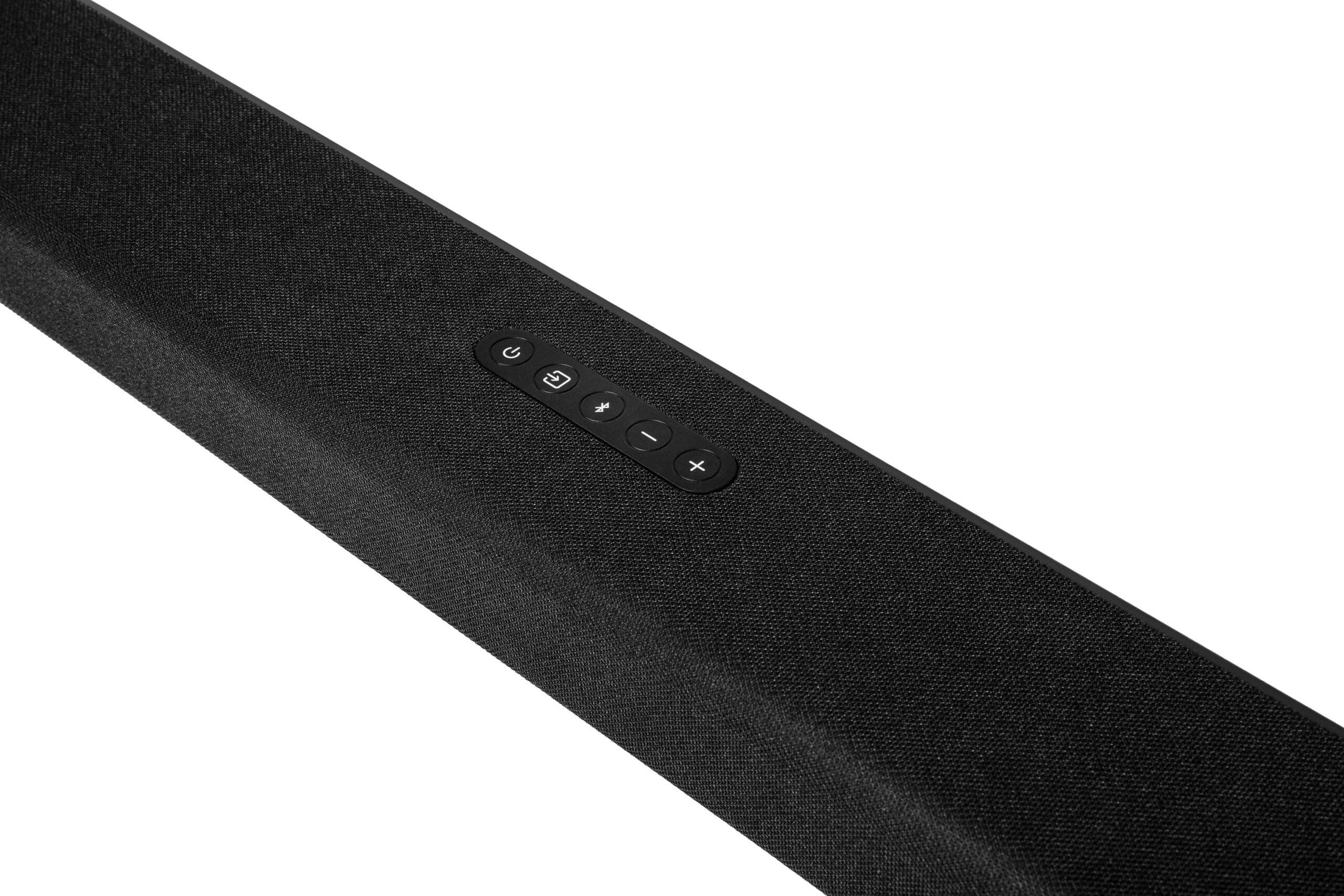
The Polk keeps connectivity straightforward with HDMI eARC, optical digital, and 3.5mm analog inputs, plus Bluetooth 4.2 for wireless music streaming. The Bluetooth implementation supports both standard SBC and higher-quality AAC codecs, with the ability to pair up to eight devices (though only one can play at a time).
The Denon steps up the connectivity game significantly. Beyond similar wired connections, it includes Wi-Fi for accessing streaming services directly through the HEOS platform. This means you can stream Spotify, Amazon Music, or other services directly to the soundbar without using your phone or TV as an intermediary. The HDMI implementation also supports 4K/60Hz passthrough with HDR, making it more future-proof for gaming and high-end video content.
This represents perhaps the biggest philosophical difference between these products. The Polk focuses purely on being an excellent soundbar without trying to be a smart home hub. Setup is refreshingly simple – connect the cables, pair the subwoofer, and you're ready to go.
The Denon integrates deeply into smart home ecosystems through Amazon Alexa voice control and the HEOS multiroom platform. You can ask Alexa to play specific songs, adjust volume, or control other connected smart devices. The HEOS platform allows the soundbar to join a whole-home audio system where different rooms can play different music or the same music in sync.
For users who value simplicity and just want better TV sound, the Polk's approach eliminates complexity. For tech enthusiasts building comprehensive smart homes, the Denon's integration capabilities justify the higher cost.
At $299 including a wireless subwoofer, the Polk Signa S4 delivers genuine Dolby Atmos performance at a price point that seemed impossible just a few years ago. The closest competitors with similar Atmos capabilities typically cost $500-700, making the Polk an exceptional value proposition.
The complete-in-the-box experience also matters for value calculations. You don't need to budget for additional speakers or subwoofers – everything required for a dramatic TV audio upgrade is included. For families upgrading from basic TV speakers, this represents transformational improvement at an accessible price.
However, the Polk's value proposition works best if home theater represents your primary use case. The processing and driver configuration optimize for movie and TV content, making it less ideal for critical music listening.
The Denon Home Sound Bar 550 costs 73% more than the Polk, but that premium buys genuinely superior music reproduction and smart home capabilities. For users who split time between movies and music, or who prioritize audio fidelity over immersive effects, the Denon's approach provides better long-term satisfaction.
The HEOS ecosystem integration also offers upgrade paths that the Polk can't match. You can start with just the soundbar and later add wireless rear speakers, a subwoofer, or additional HEOS speakers in other rooms. This modular approach appeals to users who prefer to build their systems gradually.
The Denon's value equation works best for music-focused listeners, smart home enthusiasts, or users who plan to expand their audio systems over time.
Choose the Polk Signa S4 if you're primarily focused on improving your TV and movie experience. The genuine Dolby Atmos effects, dedicated center channel, and VoiceAdjust technology directly address the most common complaints about TV audio – muffled dialogue and lack of immersion.
The Polk also makes sense for families with varying hearing abilities or viewing habits. The Night Mode and VoiceAdjust features provide practical solutions to real-world problems that premium audiophile soundbars often ignore.
Budget-conscious buyers will appreciate getting a complete system with wireless subwoofer for under $300. This price point makes the upgrade accessible to most households without requiring significant financial planning or compromise on other purchases.
The Denon Home Sound Bar 550 becomes the better choice when music represents a significant portion of your listening. The superior stereo imaging, tonal accuracy, and detail retrieval provide a more satisfying long-term music experience that justifies the higher cost.
Smart home enthusiasts will also prefer the Denon's comprehensive integration capabilities. If you're already invested in Alexa ecosystems or planning a multiroom audio setup, the Denon's platform integration provides functionality that the Polk simply can't match.
The Denon also suits users with smaller TVs or limited space. Its more compact design and integrated bass approach work better in apartments or smaller rooms where a separate subwoofer might be impractical.
Both soundbars succeed at their intended purposes, but they serve different audiences with different priorities. The Polk Signa S4 delivers exceptional home theater value by making Dolby Atmos accessible at an unprecedented price point. The Denon Home Sound Bar 550 provides superior music reproduction and smart home integration for users willing to pay a premium.
Your decision should align with how you actually use your entertainment system. If you spend most evenings watching Netflix, streaming movies, or gaming, the Polk's immersive processing and included subwoofer provide better value. If you regularly listen to music, value audio accuracy, or want comprehensive smart home integration, the Denon's premium approach delivers better long-term satisfaction.
Either choice represents a massive upgrade over basic TV speakers, but understanding these fundamental differences ensures you'll be happy with your investment for years to come.
| Polk Audio Signa S4 Dolby Atmos Soundbar with Wireless Subwoofer ($299) | Denon Home Sound Bar 550 Soundbar ($518.50) |
|---|---|
| Price - Complete system cost comparison | |
| $299 including wireless subwoofer | $518.50 soundbar only (subwoofer sold separately) |
| Audio Channels - Determines surround sound capabilities | |
| 3.1.2 channels with dedicated height speakers for Dolby Atmos | 4.0 channels focused on stereo imaging, no height channels |
| Dolby Atmos Support - Essential for immersive overhead effects | |
| True Dolby Atmos with upward-firing drivers | No Atmos support, virtual surround processing only |
| Subwoofer - Critical for bass impact in movies | |
| 5.9" wireless subwoofer included | No subwoofer included, relies on passive radiators |
| Driver Configuration - Affects sound quality and clarity | |
| 7 drivers: 3 tweeters, 2 height drivers, 2 woofers | 6 drivers: 2 tweeters, 4 full-range drivers, 3 passive radiators |
| Dialogue Enhancement - Important for clear speech | |
| VoiceAdjust technology with dedicated center channel | Dialog Enhancement feature with natural midrange reproduction |
| Smart Features - Convenience and future-proofing | |
| Basic Bluetooth 4.2, simple operation | Wi-Fi, HEOS multiroom, Amazon Alexa voice control |
| Music Performance - Sound quality for streaming and CDs | |
| Movie-focused processing, adequate for casual listening | Audiophile-grade stereo imaging, exceptional for music |
| Size - Physical footprint under your TV | |
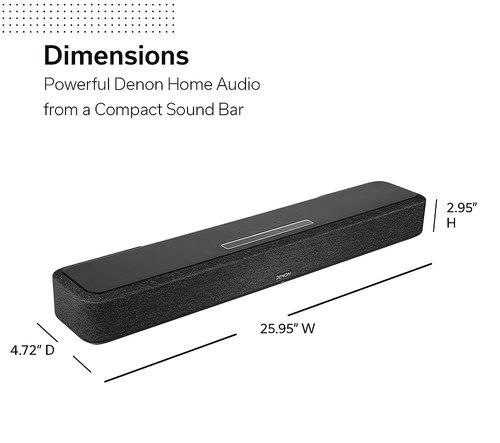
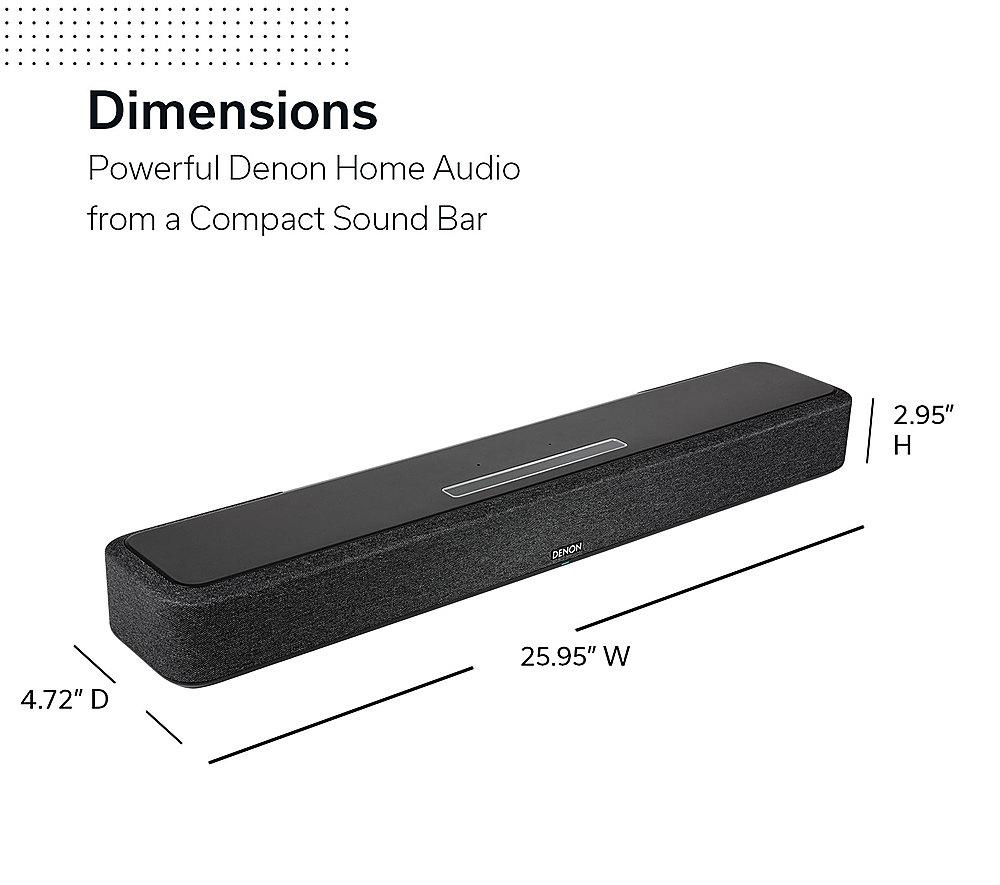
| 41.2" wide soundbar plus separate subwoofer placement | 25.6" compact design, no external subwoofer required |
| Connectivity - Input options for different devices | |
| HDMI eARC, optical, 3.5mm, Bluetooth | HDMI eARC with 4K/60Hz, optical, 3.5mm, Wi-Fi, Bluetooth |
| Best For - Primary use case recommendation | |
| Home theater enthusiasts wanting Atmos on a budget | Music lovers and smart home users prioritizing audio fidelity |
The Polk Audio Signa S4 ($299) offers exceptional value by including genuine Dolby Atmos and a wireless subwoofer at an unbeatable price point. The Denon Home Sound Bar 550 ($518.50) costs 73% more but delivers superior music quality and smart home features. For pure home theater value, the Polk wins decisively.
Sound quality depends on your priorities. The Polk Signa S4 excels at immersive movie experiences with genuine Dolby Atmos overhead effects and strong dialogue clarity. The Denon Home Sound Bar 550 provides more accurate stereo imaging and detailed music reproduction but lacks height channels for surround sound.
The Polk Audio Signa S4 is significantly better for movies and TV, offering true Dolby Atmos with overhead effects, VoiceAdjust technology for clear dialogue, and an included subwoofer for action scenes. The Denon Home Sound Bar 550 focuses on stereo reproduction without immersive surround sound capabilities.
The Denon Home Sound Bar 550 delivers superior music performance with precise stereo imaging, exceptional midrange clarity, and audiophile-grade tonal balance. While the Polk Signa S4 can play music adequately, its processing optimizes for movie content rather than musical accuracy.
The Polk Audio Signa S4 includes a 5.9-inch wireless subwoofer in the box, providing immediate bass impact for movies. The Denon Home Sound Bar 550 relies on built-in passive radiators and doesn't include a subwoofer, though you can purchase one separately for additional cost.
Only the Polk Signa S4 supports genuine Dolby Atmos with dedicated upward-firing height speakers that create overhead sound effects. The Denon Home Sound Bar 550 doesn't support Dolby Atmos and focuses instead on traditional stereo and virtual surround processing.
The Denon Home Sound Bar 550 offers comprehensive smart features including Wi-Fi connectivity, HEOS multiroom audio, Amazon Alexa voice control, and direct music streaming. The Polk Audio Signa S4 keeps things simple with basic Bluetooth connectivity and straightforward operation.
The Denon Home Sound Bar 550 works better in small spaces with its compact 25.6-inch width and integrated bass design that doesn't require subwoofer placement. The Polk Signa S4 is larger at 41.2 inches and needs space for the separate wireless subwoofer.
Both excel at dialogue but differently. The Polk Audio Signa S4 uses VoiceAdjust technology and a dedicated center channel to dramatically boost speech clarity, especially helpful for challenging movie mixes. The Denon Home Sound Bar 550 provides natural dialogue enhancement through clean midrange reproduction.
The Denon Home Sound Bar 550 provides more comprehensive connectivity with Wi-Fi, HDMI eARC supporting 4K/60Hz passthrough, and multiroom capabilities. The Polk Signa S4 covers the basics well with HDMI eARC, optical, and Bluetooth connections but lacks advanced networking features.
The Polk Audio Signa S4 offers simpler setup with automatic subwoofer pairing and straightforward controls. The Denon Home Sound Bar 550 requires more initial configuration for Wi-Fi setup and HEOS integration but provides more functionality once configured.
Choose the Polk Audio Signa S4 if you prioritize home theater immersion, want Dolby Atmos on a budget, and need clear dialogue enhancement. Select the Denon Home Sound Bar 550 if you listen to lots of music, want smart home integration, or prefer compact design without a separate subwoofer.
We've done our best to create useful and informative comparisons to help you decide what product to buy. Our research uses advanced automated methods to create this comparison and perfection is not possible - please contact us for corrections or questions. These are the sites we've researched in the creation of this article: soundandvision.com - audioholics.com - crutchfield.com - cnet.com - richersounds.com - crutchfield.com - rtings.com - polkaudio.com - walmart.com - polkaudio.com - crutchfield.com - youtube.com - profx.com - consumerreports.org - soundandvision.com - crutchfield.com - rtings.com - crutchfield.com - gzhls.at - denon.com - walmart.com - youtube.com - whathifi.com - bestbuy.com

Privacy Policy
Terms and Conditions - Affiliate Policy
Home Security
© Copyright 2008-2026.
11816 Inwood Rd #1211, Dallas, TX 75244