




If you're tired of constantly asking "what did they say?" during movies or cranking up your TV volume to hear dialogue clearly, you're not alone. Modern TVs prioritize thin designs over good speakers, leaving most of us with tinny, underwhelming audio. That's where soundbars come in—they're the most practical way to dramatically improve your TV's sound without turning your living room into a stereo equipment showroom.
But choosing the right soundbar can feel overwhelming. Should you go for a simple single-bar solution or invest in a full surround sound system? Do you need smart features, or is raw audio performance more important? Today, we're comparing two very different approaches to this problem: the Amazon Fire TV Soundbar Plus 5.1 Channel System and the Denon Home Sound Bar 550.
These products represent fundamentally different philosophies. The Amazon system takes the "more is better" approach—giving you a complete 5.1 surround sound setup with multiple speakers at a budget-friendly price. The Denon, meanwhile, focuses on doing one thing exceptionally well: delivering premium sound quality and smart features from a single, elegant unit.
Before diving into our comparison, let's talk about what actually matters when choosing a soundbar. The most important factors are audio performance, ease of use, and value for money.
Audio performance breaks down into several key areas. First is frequency response—how well the soundbar reproduces different pitches, from deep bass rumbles to crystal-clear dialogue to crisp high-frequency details. Then there's soundstage—how wide and immersive the audio feels, making it seem like sounds are coming from all around you rather than just from under your TV. Dynamic range is equally crucial—this is the difference between the quietest whispers and loudest explosions, which creates that cinematic impact you feel in movie theaters.
The ease of use factor includes setup complexity, remote control functionality, and smart features. Some people want to plug in one cable and be done; others don't mind managing multiple components if it means better sound.
Finally, value isn't just about the lowest price—it's about getting the most performance and features for your budget. A $200 soundbar that sounds muddy isn't good value, even if it's cheap.
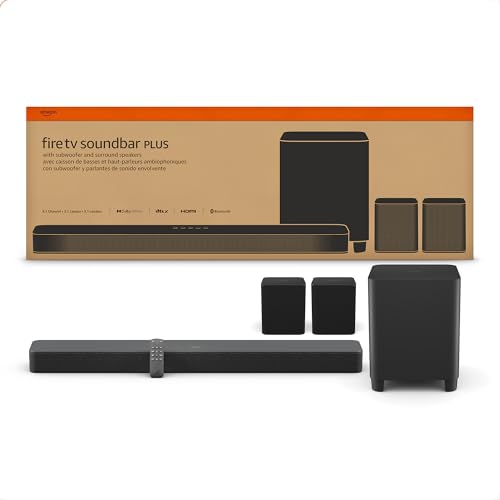
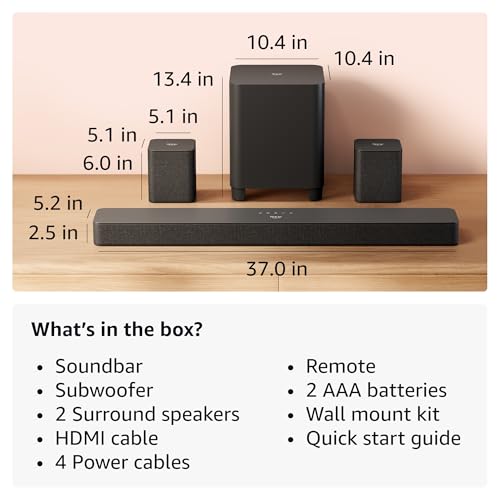
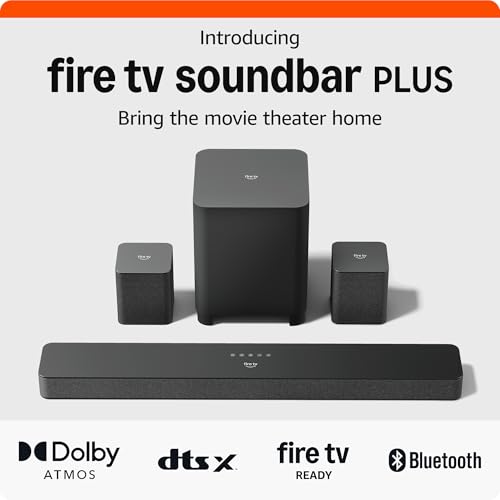
Released in 2023, the Amazon Fire TV Soundbar Plus 5.1 represents Amazon's serious entry into the home theater market. This isn't just a soundbar—it's a complete surround sound system that includes the main soundbar, a wireless subwoofer, and two satellite rear speakers.
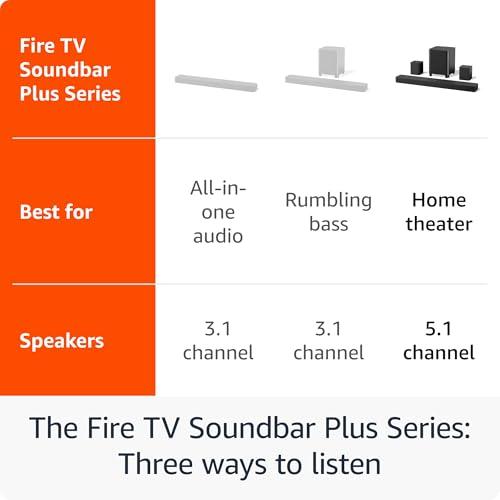
The "5.1" designation means you get five main speakers (left, center, right, left surround, right surround) plus one subwoofer (the ".1"). This creates true discrete surround sound, where different audio elements come from physically separate speakers positioned around your room. When a helicopter flies overhead in a movie, you'll hear it travel from the front speakers to the rear speakers behind you.
At the time of writing, this complete system costs significantly less than many premium standalone soundbars, making it an attractive option for budget-conscious buyers who don't want to compromise on the surround sound experience.
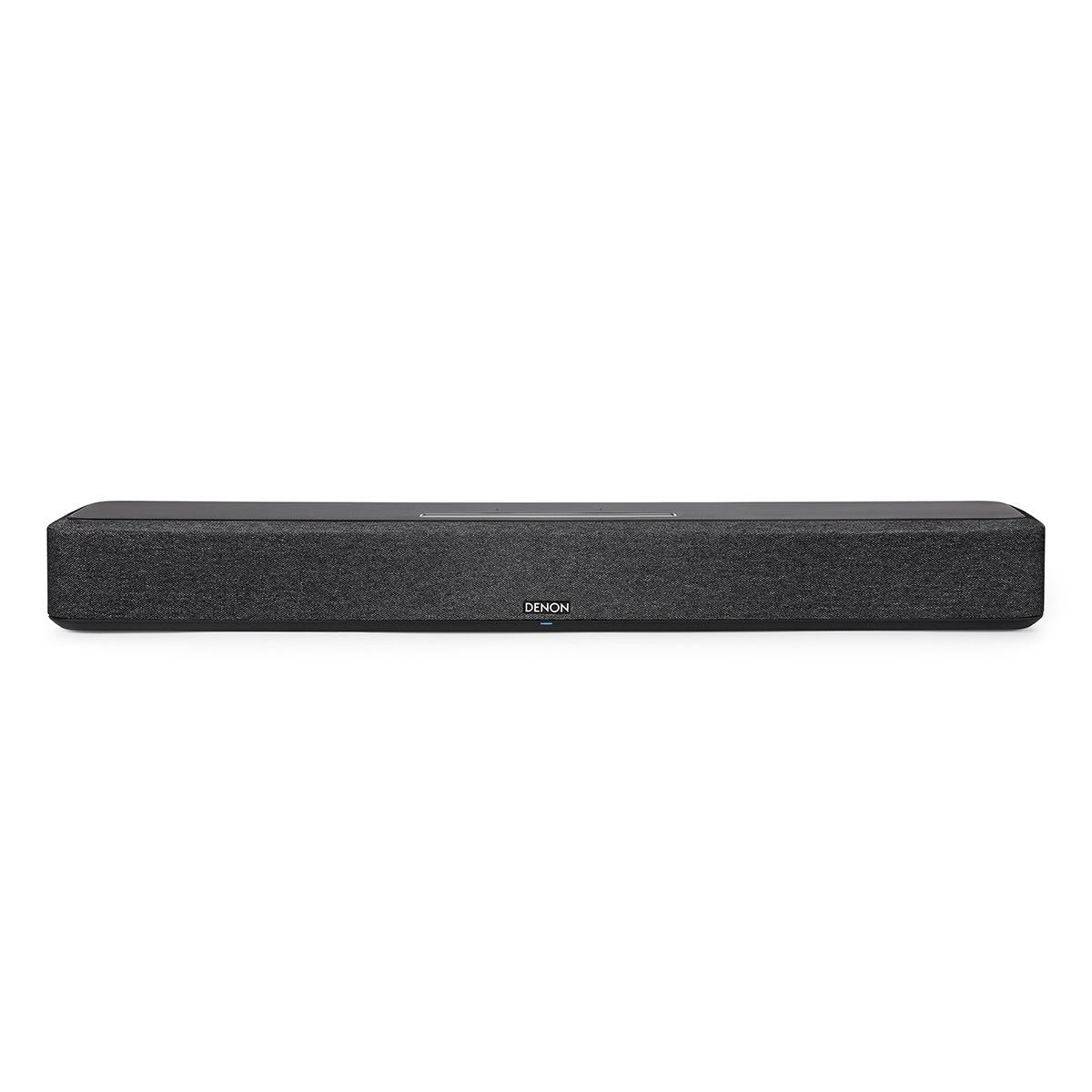
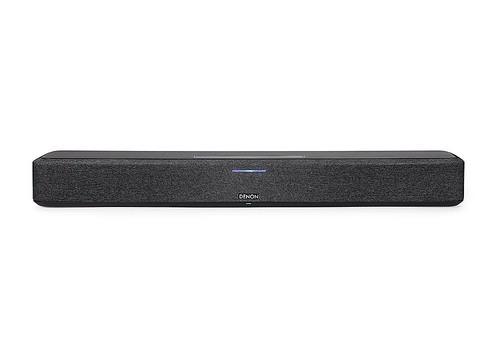
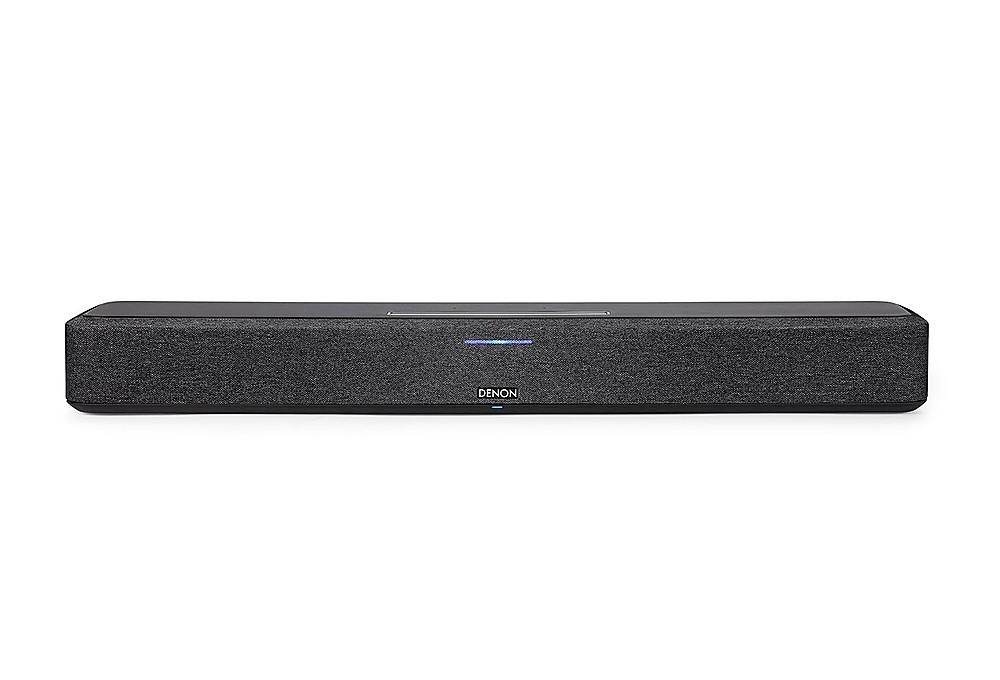
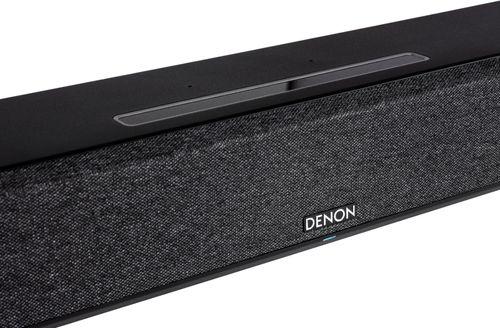
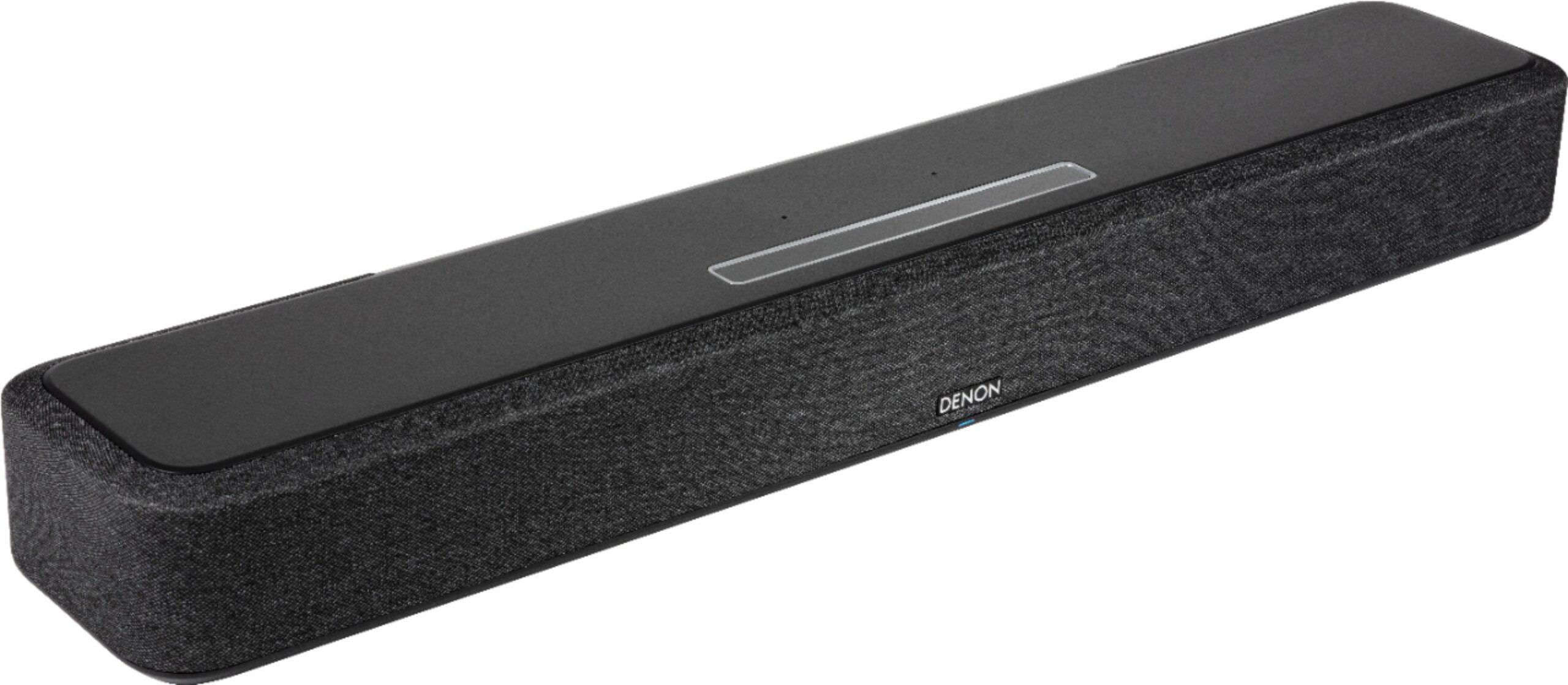
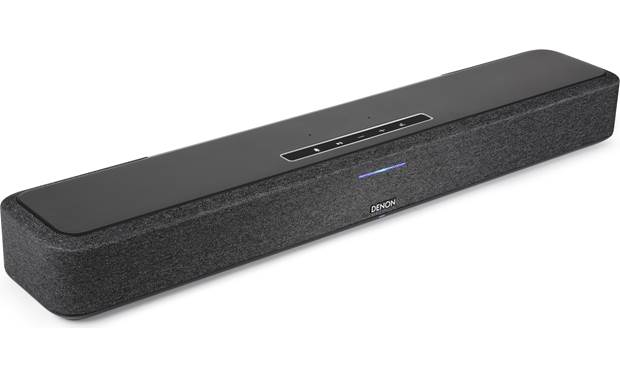
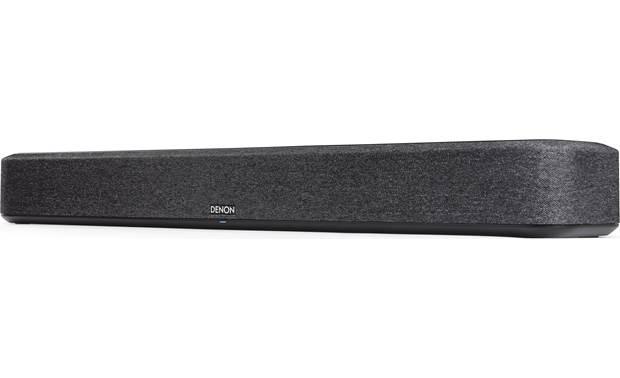
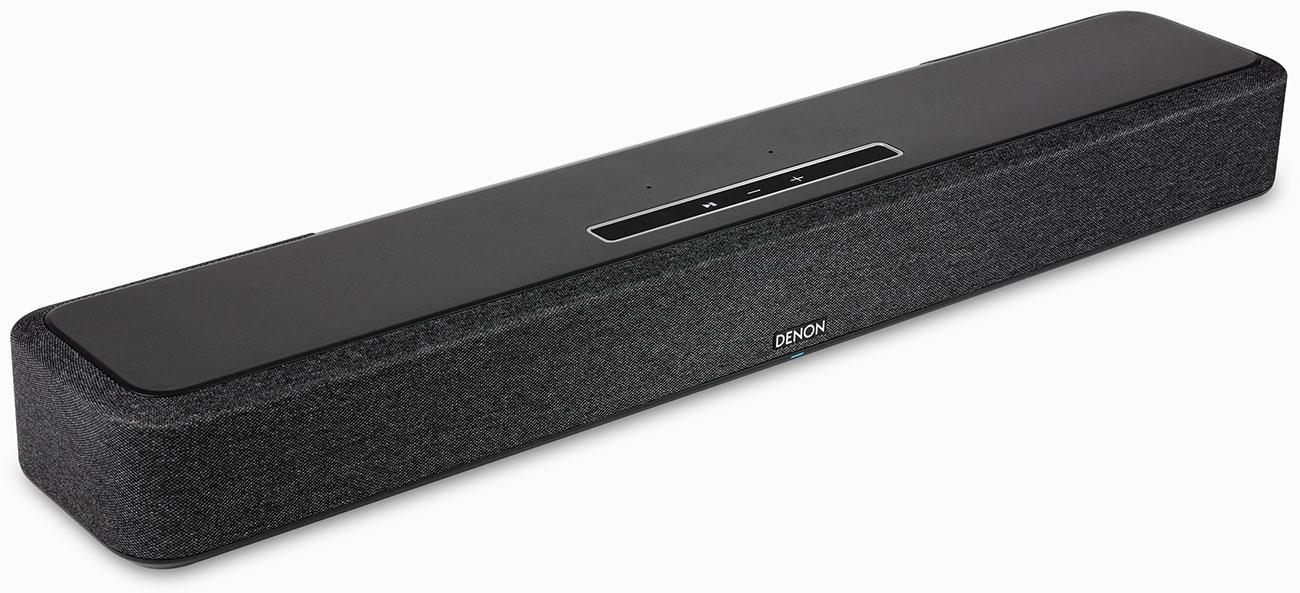
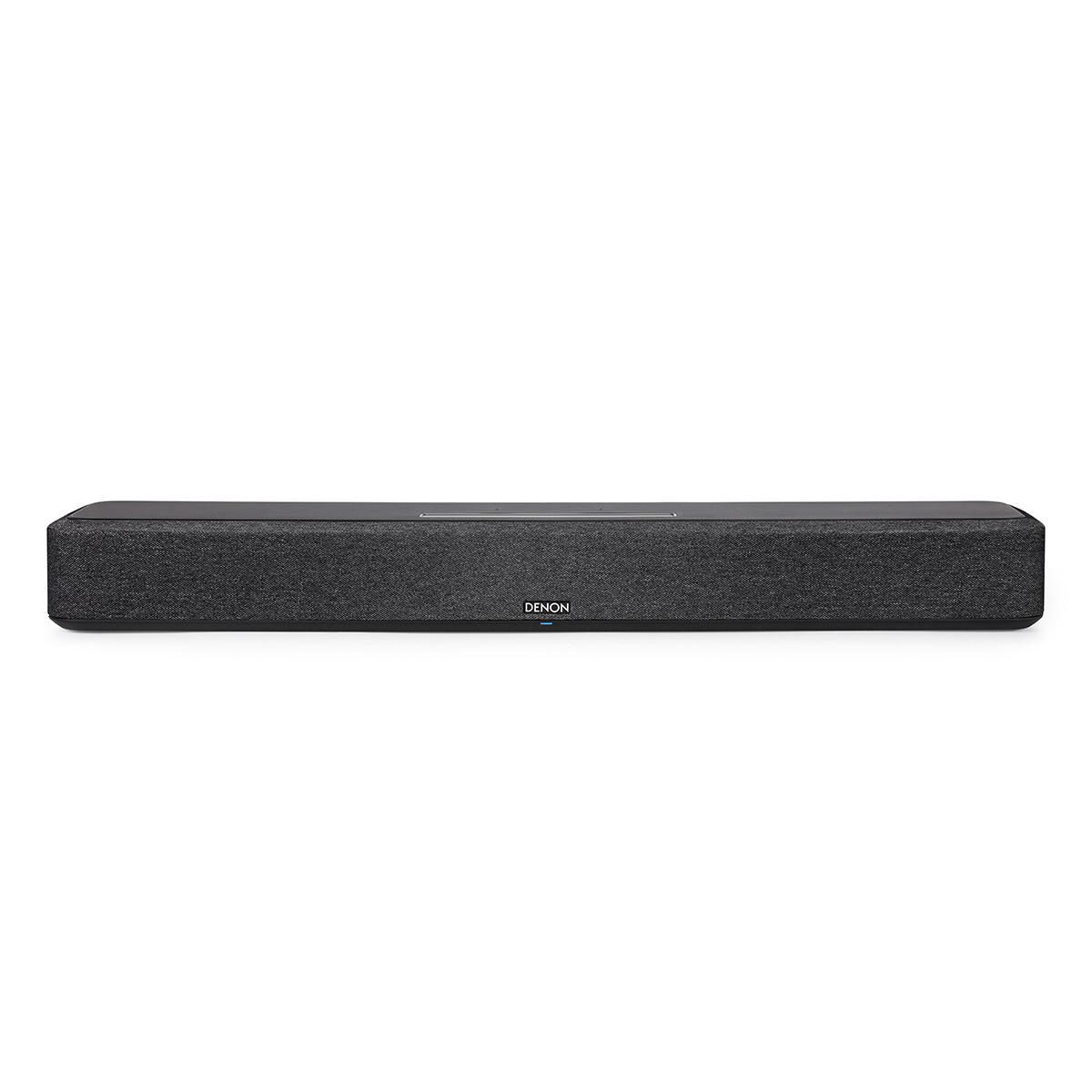
The Denon Home Sound Bar 550, released in 2021, takes the opposite approach. Rather than multiple components, it's a single, sophisticated soundbar that uses advanced digital signal processing to create virtual surround sound. This means it uses clever audio algorithms to trick your brain into thinking sound is coming from all around you, even though it's only coming from the bar under your TV.
Denon has a long history in high-end audio—they've been making premium receivers and speakers since the 1970s. That expertise shows in the Home Sound Bar 550's build quality, driver selection, and audio processing. It costs considerably more than the Amazon system at the time of writing, but justifies that premium with superior refinement and smart features.
The Amazon Fire TV Soundbar Plus 5.1 delivers what audio engineers call a "slightly excited" sound signature. This means it emphasizes bass and upper frequencies while being more restrained in the midrange. For action movies and pop music, this creates an engaging, punchy sound that grabs your attention. The system supports lossless audio formats like Dolby TrueHD and DTS-HD Master Audio—these are uncompressed audio tracks that preserve every detail from the original studio recording.
However, our research into user and expert opinions reveals some tonal compromises. Deeper male voices can sound thin due to dips in the lower midrange (the frequency range where male vocals and many instruments live). The system also exhibits what reviewers describe as gaps in the stereo image—when sound pans from left to right, there are spots where it seems to disappear momentarily.
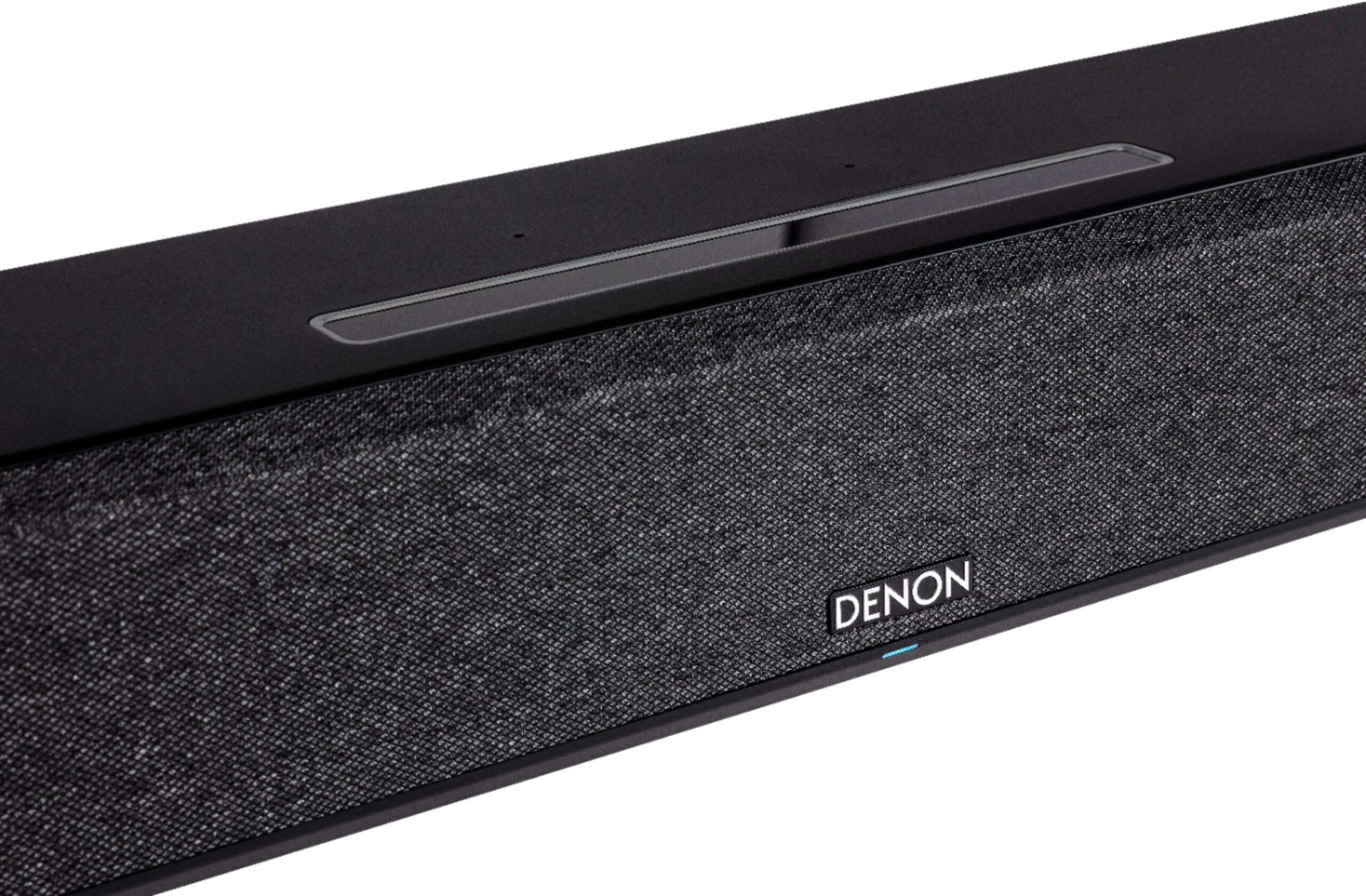
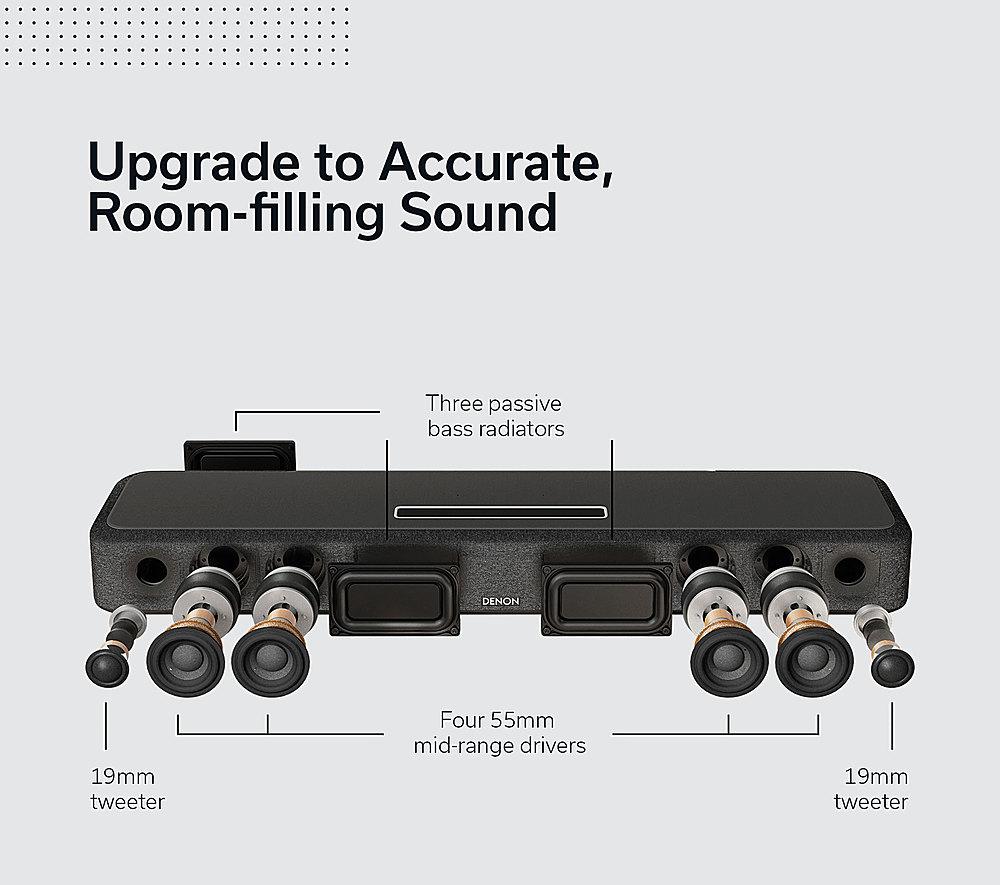
The Denon Home Sound Bar 550 takes a more sophisticated approach. Its 4.0 channel configuration uses two premium soft-dome tweeters, four full-range drivers, and passive radiators to create a more balanced sound. Reviews consistently praise its midrange clarity and overall coherence, though it can sound somewhat congested during complex musical passages.
The Denon's strength lies in its refinement. Where the Amazon system grabs attention with impact, the Denon wins with nuance and musical accuracy.
This is where these products differ most dramatically. The Amazon system's physical rear speakers create genuine discrete surround sound. When you're watching a movie and rain starts falling, you'll hear individual droplets coming from behind you. This creates what audio enthusiasts call spatial immersion—the feeling that you're inside the movie's environment rather than just watching it.
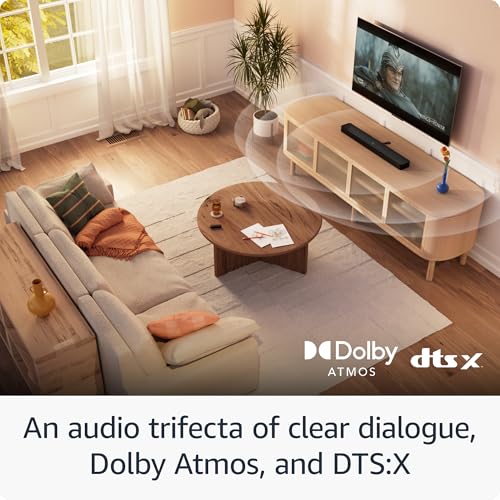
Both systems support Dolby Atmos and DTS:X—these are object-based audio formats that place individual sounds (like a flying helicopter or bouncing ball) at specific points in 3D space. However, neither system has up-firing drivers (speakers that bounce sound off your ceiling), so height effects are virtualized rather than physically projected above you.
The Denon creates impressive virtual surround using psychoacoustic processing—algorithms that exploit how your brain processes directional audio cues. For a single unit, it's remarkably effective, but it can't match the convincing directional audio of physical rear speakers.
In medium to large rooms, the Amazon system's rear speakers make a substantial difference in immersion. In smaller spaces or apartments where rear speaker placement is difficult, the Denon's virtual processing becomes more competitive.
Here's where the Amazon system shows its biggest advantage. The wireless subwoofer features a 10.4-inch driver that can reproduce frequencies well below what most TV speakers or standalone soundbars manage. This gives you that chest-thumping bass during action scenes and adds weight to music that makes everything sound more full and impactful.
However, this external subwoofer can sometimes overpower dialogue or create what reviewers describe as "one-note" bass—meaning it emphasizes certain frequencies while missing others. Proper placement and adjustment of the bass level (which you can control from 1-9 on the remote) helps mitigate this.
The Denon uses passive radiators—essentially speakers without magnets that vibrate sympathetically with the main drivers to enhance bass. This creates more controlled, musical bass that integrates better with the midrange, but it can't reach the deep frequencies that an external subwoofer provides. You'll notice this limitation most with action movies, electronic music, or anything that relies on deep bass impact.
The Amazon system gets impressively loud with minimal compression, making it suitable for large rooms, parties, or situations where you need to overcome background noise. The separate components and dedicated amplification give it a power advantage that's immediately apparent.
The Denon focuses on maintaining composure rather than raw volume. It sounds more refined at moderate levels but doesn't have the same room-filling capability. This makes it better suited to smaller rooms or situations where volume isn't the primary concern.
The Amazon Fire TV Soundbar Plus 5.1 has a confusing name that suggests smart TV functionality, but it's actually quite basic in this regard. Despite the "Fire TV" branding, this soundbar doesn't stream content or include Alexa voice control. The name refers only to its ability to integrate with actual Fire TV devices—when connected via HDMI, you can control some soundbar functions using your Fire TV remote.
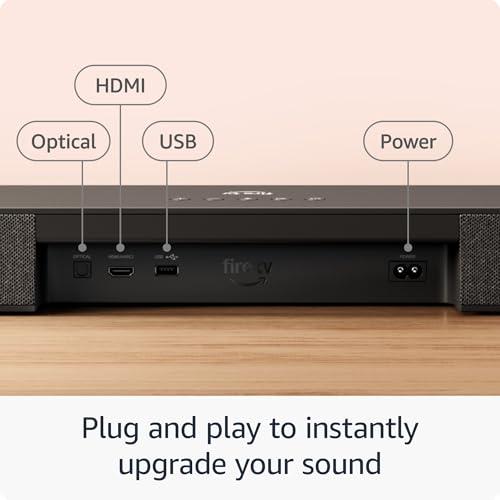
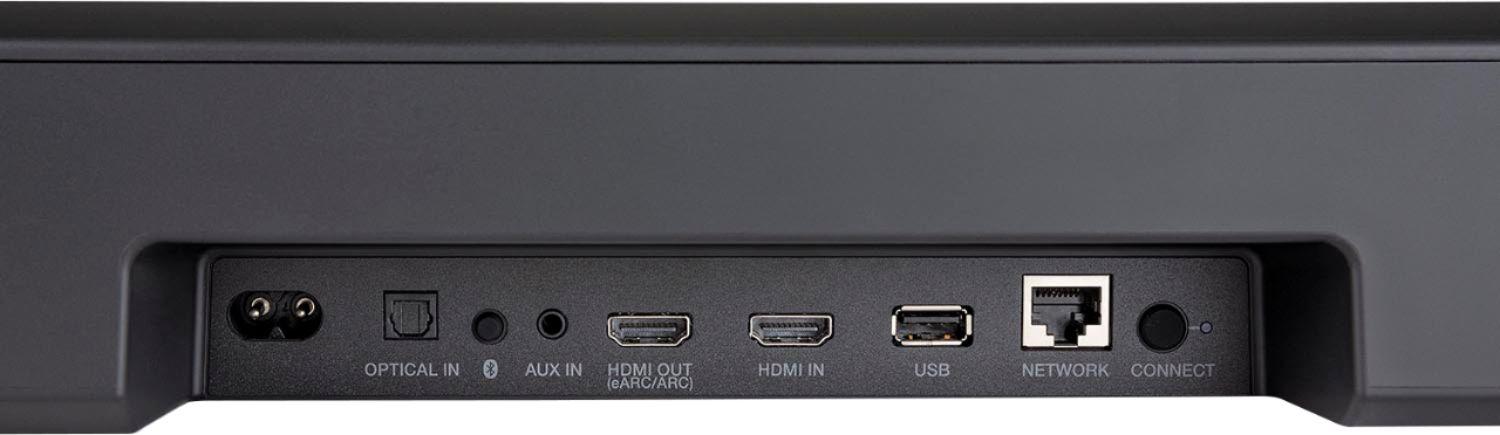
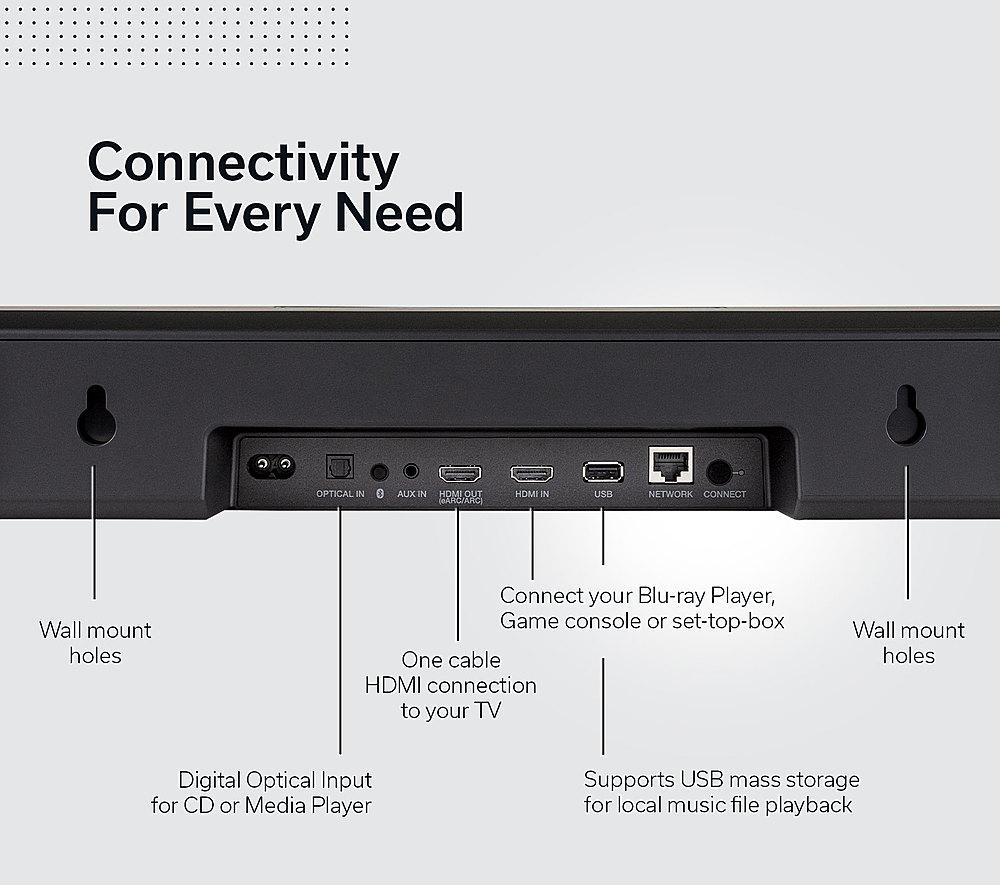
Connectivity is straightforward: HDMI eARC (Enhanced Audio Return Channel, which carries high-quality audio from your TV back to the soundbar), optical digital input, USB-A for music playback, and Bluetooth 5.0 for wireless streaming from phones or tablets. Notably, Amazon includes an HDMI cable in the box—something many competitors skip to save costs.
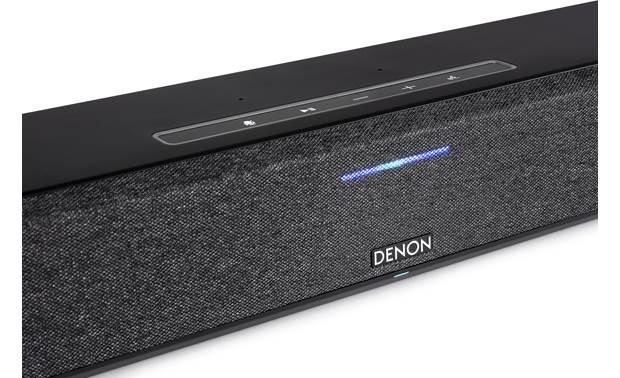
The Denon Home Sound Bar 550 is a different beast entirely. It includes built-in Amazon Alexa voice control, Wi-Fi connectivity, and the HEOS multiroom platform. HEOS lets you stream music from services like Spotify, Pandora, and others directly through the soundbar without needing another device. You can also connect it to other HEOS-compatible speakers throughout your home for synchronized multiroom audio.
Apple AirPlay 2 support means iPhone and iPad users can stream audio directly to the soundbar with high quality and low latency. The companion HEOS app provides detailed control over EQ settings, room correction options, and multiroom functionality.
For smart home enthusiasts, the Denon integrates with systems like Control4, Crestron, and other home automation platforms—something the Amazon system doesn't offer.
Setting up the Amazon Fire TV Soundbar Plus 5.1 requires more planning. You need to position the soundbar under your TV, find a location for the wireless subwoofer (preferably along a wall or in a corner for best bass response), and place the rear satellites behind your listening position. All components come pre-paired, so they connect automatically when powered on, but you're still dealing with multiple power cords and finding appropriate placement for each piece.
The included remote provides basic but effective control over EQ presets (Film, Music, Sports, Night), bass and treble levels, and a dialogue enhancement feature. The lack of an app means all adjustments happen through the remote, and there's no on-screen display—just LED indicators that require consulting the manual to understand.
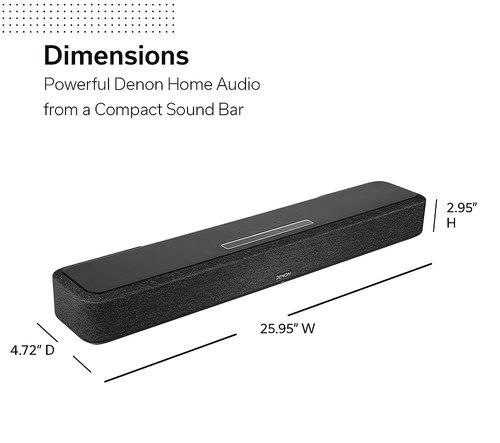
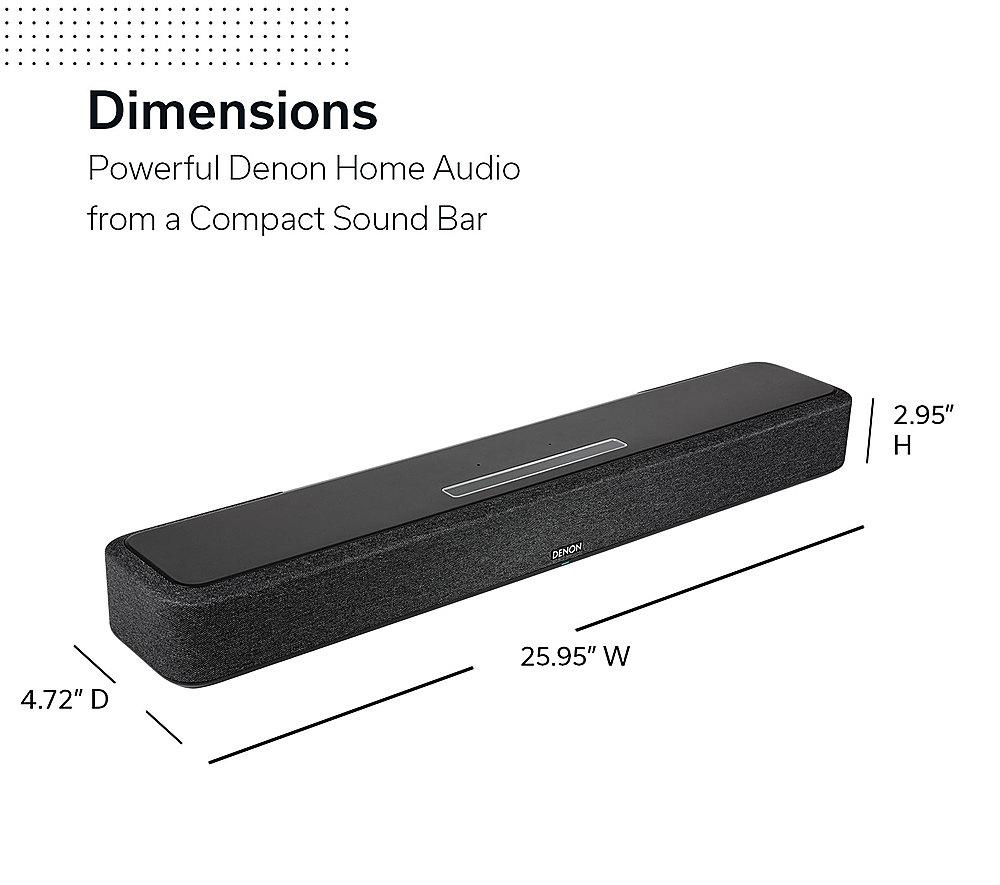
The Denon wins decisively on convenience. It's a single unit that you can wall-mount or place on a TV stand, plug in, and start using within minutes. The HEOS app provides comprehensive control over all settings, and the built-in voice control means you can adjust volume, switch inputs, or control playback without finding the remote.
However, this convenience comes with limitations. You can't add a separate subwoofer later if you decide you want more bass, and you're limited to whatever processing the single unit provides.
At the time of writing, the Amazon Fire TV Soundbar Plus 5.1 costs significantly less than the Denon Home Sound Bar 550—roughly 30% less for a complete surround sound system versus a single soundbar. This makes it one of the most compelling values in home audio.
For your money with the Amazon system, you get:
The Denon costs more but provides:
The value equation depends entirely on your priorities. If maximum surround sound immersion is your goal, the Amazon system delivers dramatically more capability for less money. If you prioritize convenience, build quality, and smart features, the Denon justifies its premium pricing.
If you have a dedicated media room or large living room where you primarily watch movies and TV shows, the Amazon Fire TV Soundbar Plus 5.1 is hard to beat. The physical rear speakers create genuine surround immersion that virtual processing simply can't match. Action movies, nature documentaries, and sports all benefit from the discrete channel separation and powerful subwoofer.
The system particularly shines with content that has aggressive surround mixing—think Marvel movies, nature documentaries, or concerts. You'll hear ambient details and directional effects that completely disappear on typical TV speakers.
For smaller spaces, especially apartments or condos where rear speaker placement is challenging or where you need to be mindful of neighbors, the Denon makes more sense. Its virtual surround processing is sophisticated enough to create an immersive experience without requiring optimal room setup.
The single-unit design also appeals to minimalists who don't want audio equipment cluttering their living space. You can wall-mount it, hide cables, and maintain a clean aesthetic while still getting dramatically better sound than your TV provides.
If you listen to music as much as you watch movies, the Denon's more balanced tonal signature and smart streaming features give it an edge. The HEOS platform makes it easy to stream from your phone or music services, and the refined midrange presentation makes vocals and instruments sound more natural.
The Amazon system can sound engaging with music, but its emphasis on bass and treble makes it less accurate for critical listening.
For users with existing smart home setups or those planning to expand into multiroom audio, the Denon is the obvious choice. Its integration with home automation systems and ability to connect with other HEOS speakers makes it part of a larger ecosystem rather than just a TV audio solution.
Both products represent current thinking in their respective categories. The Amazon system, being newer (2023), includes more recent Bluetooth standards and better HDMI compliance. However, the fundamental technology—discrete surround speakers and wireless subwoofers—has been mature for years.
The Denon, despite being slightly older (2021), benefits from ongoing firmware updates that improve functionality and add new streaming service support. Denon's commitment to software updates means it's likely to remain current longer than products from companies less focused on audio.
Neither system will become obsolete quickly, but the Denon's smart features and expandability give it better long-term flexibility.
After extensive research into expert reviews and user feedback, the choice between these products comes down to what matters most in your specific situation.
Choose the Amazon Fire TV Soundbar Plus 5.1 if:
Choose the Denon Home Sound Bar 550 if:
The Amazon system represents one of the best values in home theater audio, delivering true surround sound capabilities typically reserved for much more expensive systems. The Denon offers a more sophisticated, convenient experience that justifies its premium through better overall refinement and smart features.
Both will dramatically improve your TV watching experience compared to built-in TV speakers. Your choice should depend on whether you prioritize maximum performance per dollar or premium convenience and features.
| Amazon Fire TV Soundbar Plus 5.1 Channel System | Denon Home Sound Bar 550 Soundbar |
|---|---|
| Channel Configuration - Determines surround sound capability and immersion | |
| True 5.1 with physical rear speakers + wireless subwoofer | 4.0 virtual surround from single soundbar unit |
| Audio Format Support - Affects compatibility with premium content | |
| Dolby Atmos, DTS:X, Dolby TrueHD, DTS-HD MA (lossless) | Dolby Atmos, DTS:X, Dolby Digital, DTS |
| Bass Performance - Critical for movies and music impact | |
| Dedicated 10.4" wireless subwoofer with deep extension | Integrated passive radiators with limited low-bass |
| Smart Features - Convenience and streaming capabilities | |
| No Wi-Fi, streaming, or voice control; Fire TV integration only | Built-in Alexa, HEOS multiroom, Spotify Connect, AirPlay 2 |
| Setup Complexity - Time and effort required | |
| Multi-component system requiring placement of 4 separate pieces | Single unit plug-and-play with wall-mount option |
| Connectivity Options - How you connect devices | |
| HDMI eARC, Optical, USB-A, Bluetooth 5.0 (includes HDMI cable) | HDMI eARC, Optical, USB-A, Bluetooth 4.1, Wi-Fi |
| Room Size Performance - Where each excels | |
| Excellent for large rooms; rear speakers create true surround | Best for small-medium rooms; virtual processing optimized for compact spaces |
| Sound Signature - Tonal character and balance | |
| Excited profile with emphasized bass/treble; engaging but less refined | Balanced, sophisticated sound with better midrange clarity |
| Expandability - Future upgrade options | |
| Complete system out of box; no expansion options | Can integrate with other HEOS speakers for multiroom audio |
| Voice Control and App Support - Modern convenience features | |
| Basic remote control only; no app or voice commands | Denon HEOS app + built-in Alexa voice control |
For dedicated home theater use, the Amazon Fire TV Soundbar Plus 5.1 Channel System is the clear winner. It provides true 5.1 surround sound with physical rear speakers that create genuine directional audio effects. When watching movies, you'll hear helicopters flying overhead, footsteps behind you, and ambient sounds coming from all around. The Denon Home Sound Bar 550 uses virtual surround processing which is impressive for a single unit but can't match the immersive experience of discrete surround speakers.
Yes, the wireless subwoofer is essential for the Amazon Fire TV Soundbar Plus 5.1 Channel System experience. Without it, you'll miss the deep bass that makes action scenes impactful and music sound full. The subwoofer handles all the low-frequency effects that the main soundbar can't reproduce, like explosions, thunder, and musical bass lines. The Denon Home Sound Bar 550 has integrated bass through passive radiators, but it can't match the deep extension of a dedicated subwoofer.
The Denon Home Sound Bar 550 wins on convenience. It's a single unit that you plug in and start using immediately, with wall-mounting options for clean installation. The Amazon Fire TV Soundbar Plus 5.1 Channel System requires positioning four separate components: the main soundbar, subwoofer, and two rear speakers. While all pieces are pre-paired, you'll need to find optimal placement for each component and manage multiple power cords.
The Denon Home Sound Bar 550 excels at music streaming with built-in Wi-Fi, Spotify Connect, Apple AirPlay 2, and the HEOS multiroom platform. You can stream directly from music apps without needing another device. The Amazon Fire TV Soundbar Plus 5.1 Channel System only offers Bluetooth streaming from your phone or tablet - there's no Wi-Fi or built-in streaming services despite the "Fire TV" name.
The Denon Home Sound Bar 550 has a more balanced, refined sound signature that's better suited for music. It delivers clearer midrange for vocals and instruments with less artificial enhancement. The Amazon Fire TV Soundbar Plus 5.1 Channel System has an "excited" sound profile that emphasizes bass and treble, which can make music sound less natural but more engaging for movies and gaming.
Yes, both the Amazon Fire TV Soundbar Plus 5.1 Channel System and Denon Home Sound Bar 550 support Dolby Atmos and DTS:X. However, neither has up-firing speakers, so height effects are virtualized rather than physically projected from above. The Amazon system also supports lossless formats like Dolby TrueHD for the highest audio quality from Blu-rays and streaming services.
The Denon Home Sound Bar 550 is ideal for smaller spaces. Its single-unit design doesn't require rear speaker placement, which can be challenging in apartments. The virtual surround processing works well in compact rooms, and you won't disturb neighbors with a powerful subwoofer. The Amazon Fire TV Soundbar Plus 5.1 Channel System needs space for rear speakers and produces more bass that might not be apartment-friendly.
Only the Denon Home Sound Bar 550 includes built-in Amazon Alexa voice control for adjusting volume, switching inputs, and controlling playback. The Amazon Fire TV Soundbar Plus 5.1 Channel System has no voice control despite Amazon's branding - you'll need to use the included remote for all adjustments.
The Amazon Fire TV Soundbar Plus 5.1 Channel System delivers exceptional value by providing a complete 5.1 surround sound system with subwoofer and rear speakers for significantly less than the Denon Home Sound Bar 550. You get dramatically more surround sound capability and bass performance per dollar spent, making it one of the best values in home audio.
The Denon Home Sound Bar 550 can be expanded through the HEOS multiroom platform, connecting with other HEOS speakers throughout your home for synchronized audio. The Amazon Fire TV Soundbar Plus 5.1 Channel System comes as a complete system with no expansion options - but it includes everything you need for full surround sound out of the box.
The Amazon Fire TV Soundbar Plus 5.1 Channel System produces significantly more volume with minimal distortion, making it suitable for large rooms, parties, or situations where you need to overcome background noise. The separate components and dedicated amplification give it a clear power advantage over the single-unit Denon Home Sound Bar 550.
Both the Amazon Fire TV Soundbar Plus 5.1 Channel System and Denon Home Sound Bar 550 work with any TV brand through HDMI eARC or optical digital connections. The Amazon system includes an HDMI cable in the box and offers special integration features when used with Fire TV devices, while the Denon provides universal compatibility with comprehensive connection options.
We've done our best to create useful and informative comparisons to help you decide what product to buy. Our research uses advanced automated methods to create this comparison and perfection is not possible - please contact us for corrections or questions. These are the sites we've researched in the creation of this article: rtings.com - cordbusters.co.uk - techradar.com - developer.amazon.com - t3.com - hometechnologyreview.com - youtube.com - hometechnologyreview.com - whathifi.com - hometechnologyreview.com - hometechnologyreview.com - youm.design - hometechnologyreview.com - dolby.com - consumerreports.org - soundandvision.com - crutchfield.com - rtings.com - crutchfield.com - gzhls.at - denon.com - walmart.com - youtube.com - whathifi.com - bestbuy.com

Privacy Policy
Terms and Conditions - Affiliate Policy
Home Security
© Copyright 2008-2026.
11816 Inwood Rd #1211, Dallas, TX 75244