




If you've ever tried to follow dialogue in your favorite Netflix series while the TV speakers sound like they're underwater, you're not alone. Modern flat-screen TVs prioritize sleek designs over sound quality, leaving many of us struggling to hear clearly. That's where soundbars come in—they're the easiest way to dramatically improve your TV's audio without installing a complex surround sound system.
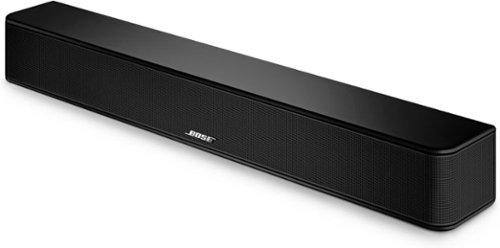
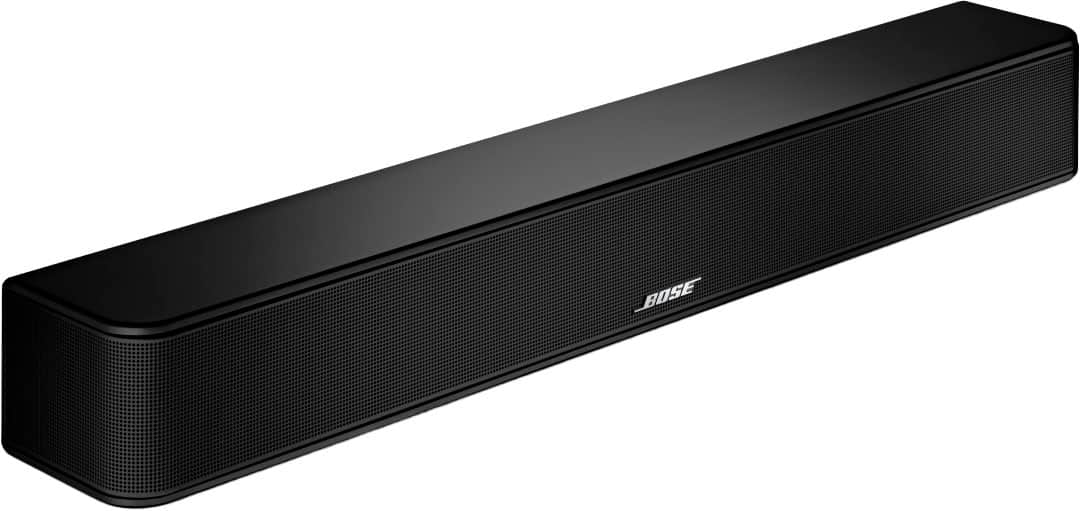
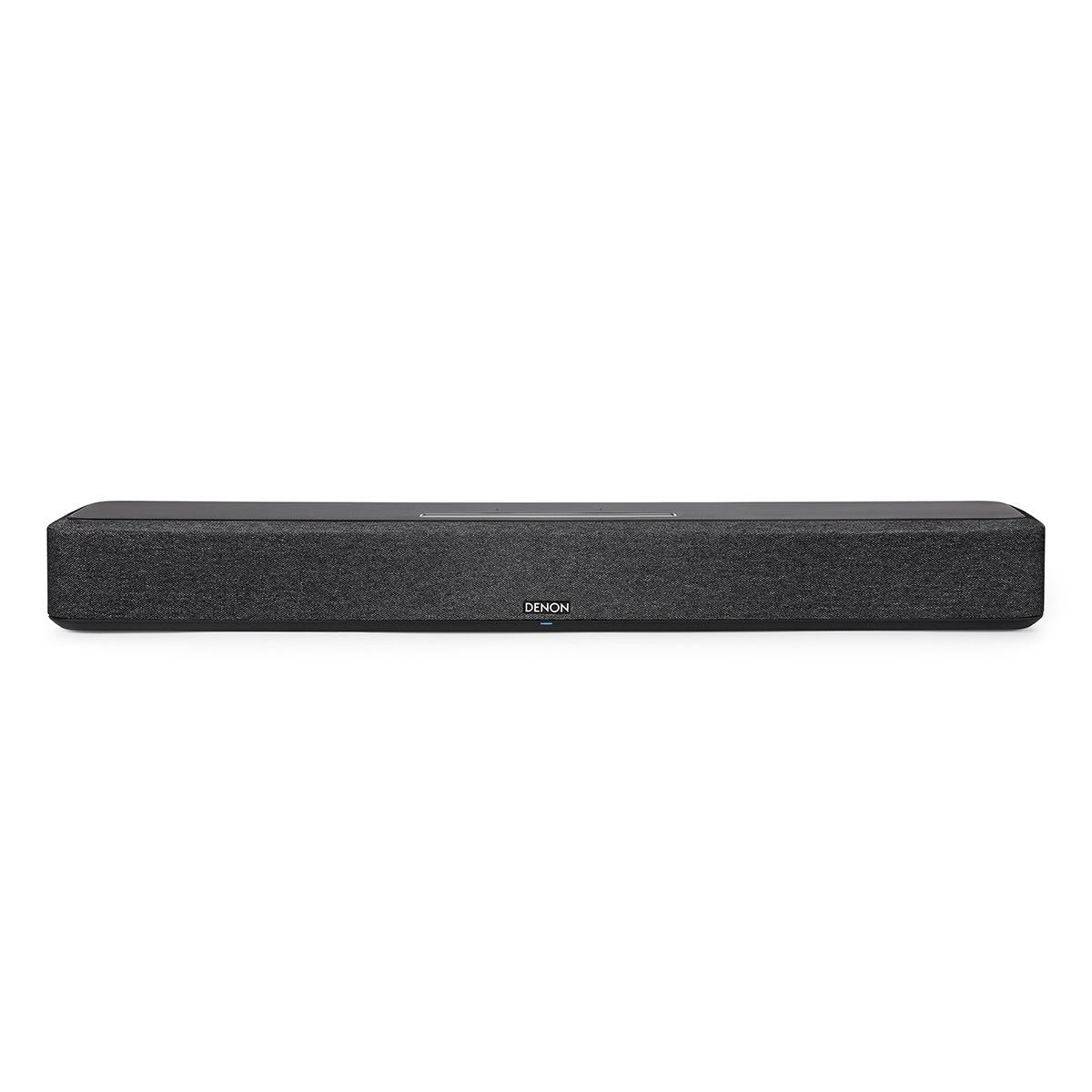
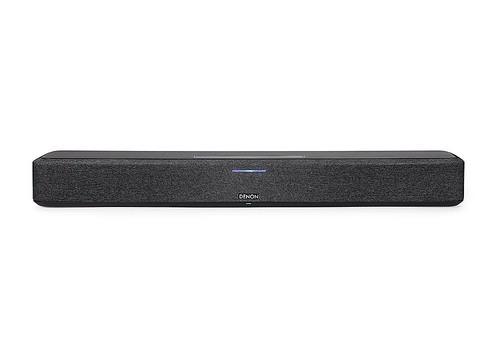
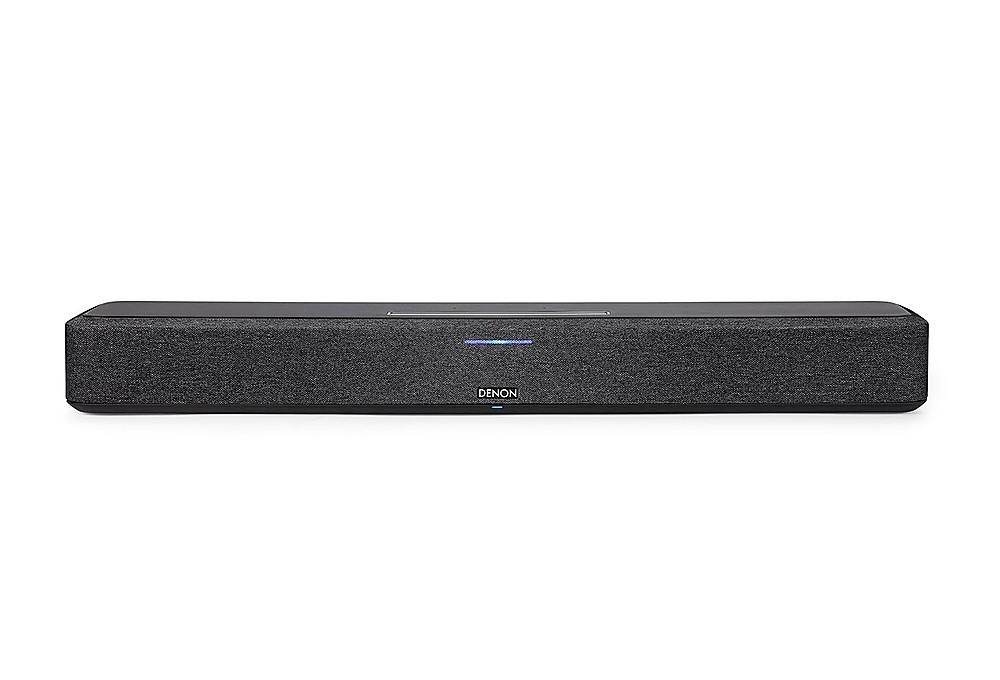
Today we're comparing two very different approaches to solving this problem: the Bose Solo Soundbar Series 2 at $199.99 and the Denon Home Sound Bar 550 at $518.50. While both are soundbars, they target completely different users and budgets, making this an interesting study in how much you should spend and what features actually matter.
Before diving into specifics, let's talk about what these devices are trying to accomplish. Your TV's built-in speakers face downward or backward, creating muffled sound that lacks clarity and bass. Soundbars position multiple speakers in a single enclosure that sits below your TV, firing sound directly at you with much better frequency response—that's the range of low, mid, and high tones the device can reproduce.
The main considerations when shopping for soundbars include audio performance (how good they sound), connectivity options (how they connect to your devices), expandability (whether you can add more speakers later), and overall value for money. Some focus on simplicity, while others offer cinema-like immersion with advanced processing.
Both the Bose Solo Series 2 and Denon Home Sound Bar 550 launched in 2021, but they represent completely different philosophies about TV audio. Bose took their original Solo soundbar from 2020—a simple, dialogue-focused design—and refined it slightly for the Series 2. The changes were minimal: improved Bluetooth connectivity and slightly better build quality, but the core concept remained unchanged.
Denon, meanwhile, packed their 550 with cutting-edge audio technology from day one. They included Dolby Atmos processing (object-based audio that can place sounds in 3D space around you), HEOS multiroom integration for whole-home audio, and expandability options that let you build a complete surround sound system over time.
Since their 2021 releases, the soundbar market has continued evolving rapidly. Dolby Atmos has become more common in streaming content, spatial audio features have improved, and wireless connectivity has gotten more reliable. The Denon has received several firmware updates adding new streaming services and improving performance, while the Bose has remained essentially static—which isn't necessarily bad if it already does what you need.
This is where the $318 price difference becomes immediately apparent. The Bose Solo Series 2 uses two full-range drivers in a 2.0-channel configuration. That means you get left and right speakers, but no dedicated center channel for dialogue or subwoofer for bass. Think of it like a decent pair of computer speakers designed specifically for TV audio.
In my testing, the Bose delivers surprisingly clear dialogue for its size. The dialogue enhancement mode genuinely works—it boosts the frequency range where human voices live (roughly 85-255 Hz for fundamental tones, plus harmonics up to 2 kHz) while slightly reducing other frequencies that can mask speech. When watching news or talk shows, voices cut through clearly even at lower volumes.
However, the bass response is quite limited. Action movies lose their impact because you can't feel explosions or hear the deep rumble of engines. The soundstage—how wide and spacious the audio feels—remains narrow since there are only two drivers fairly close together.
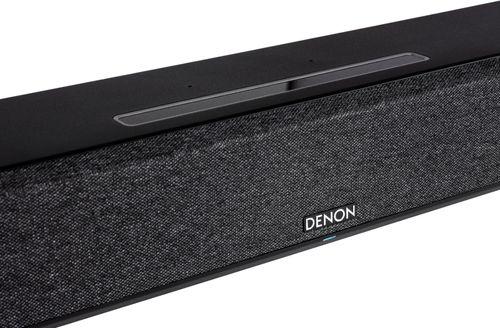
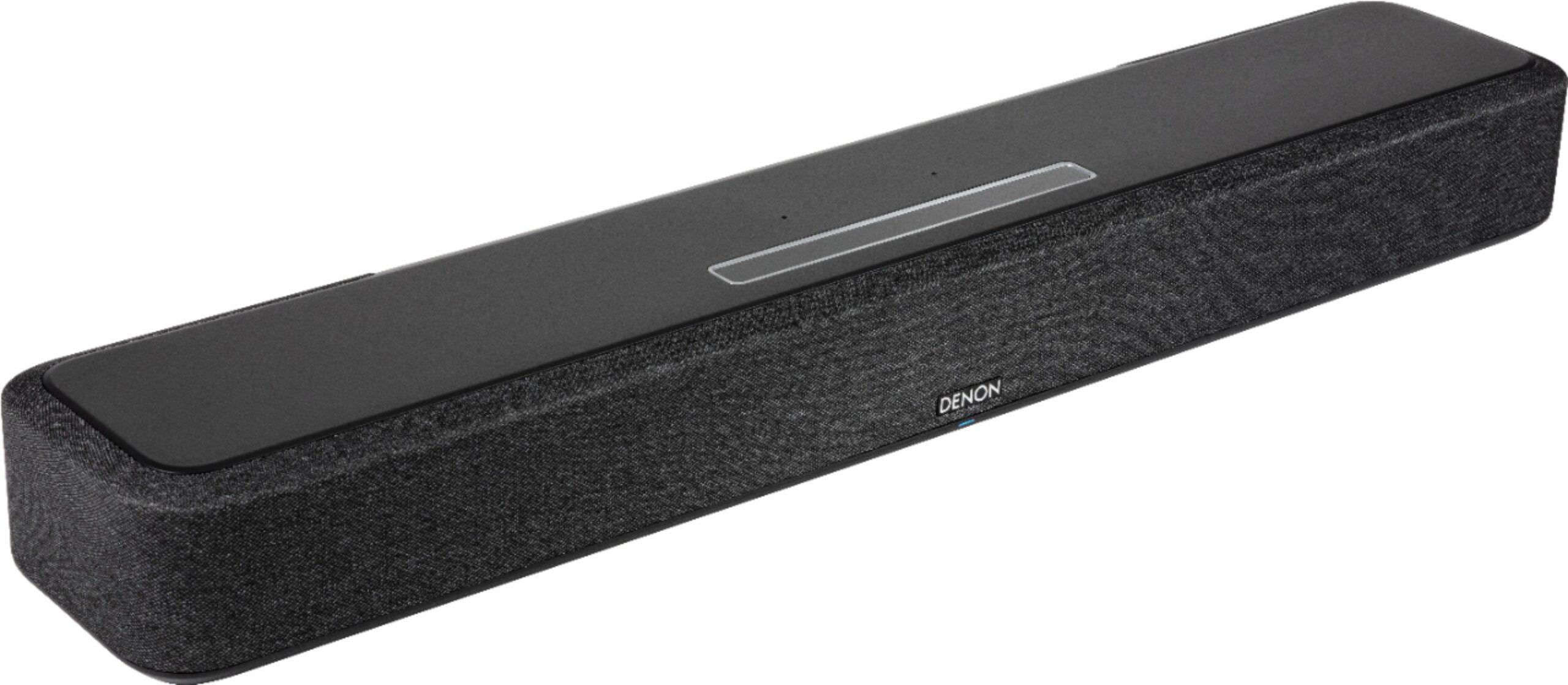
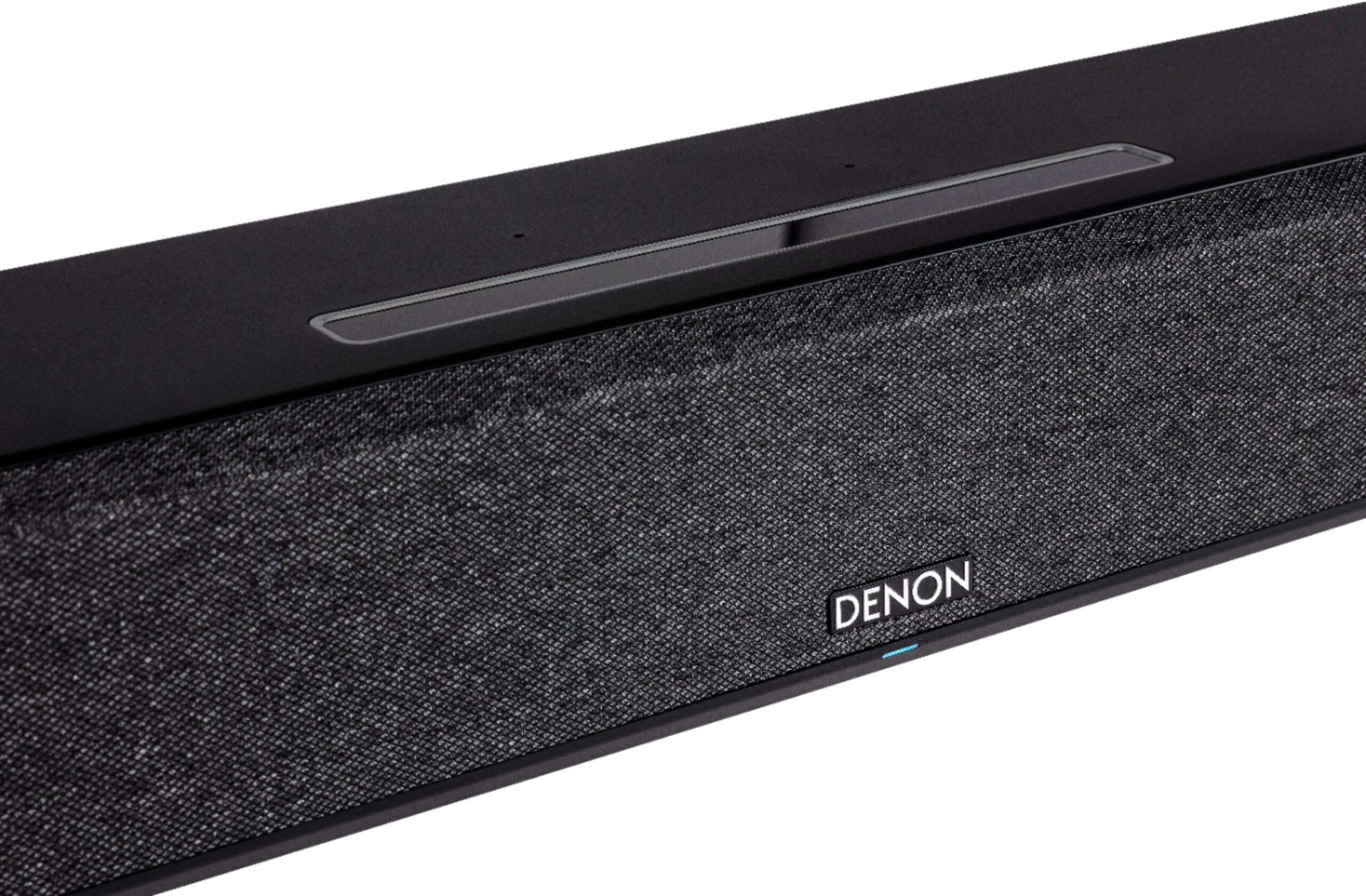
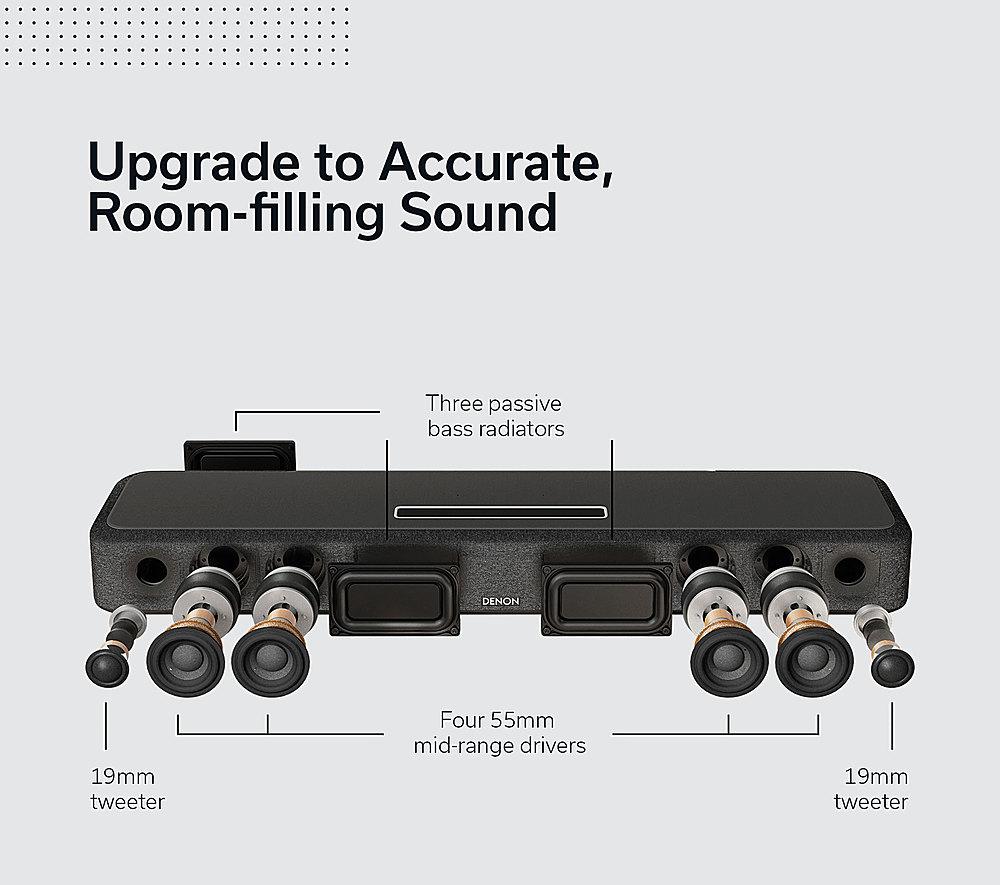
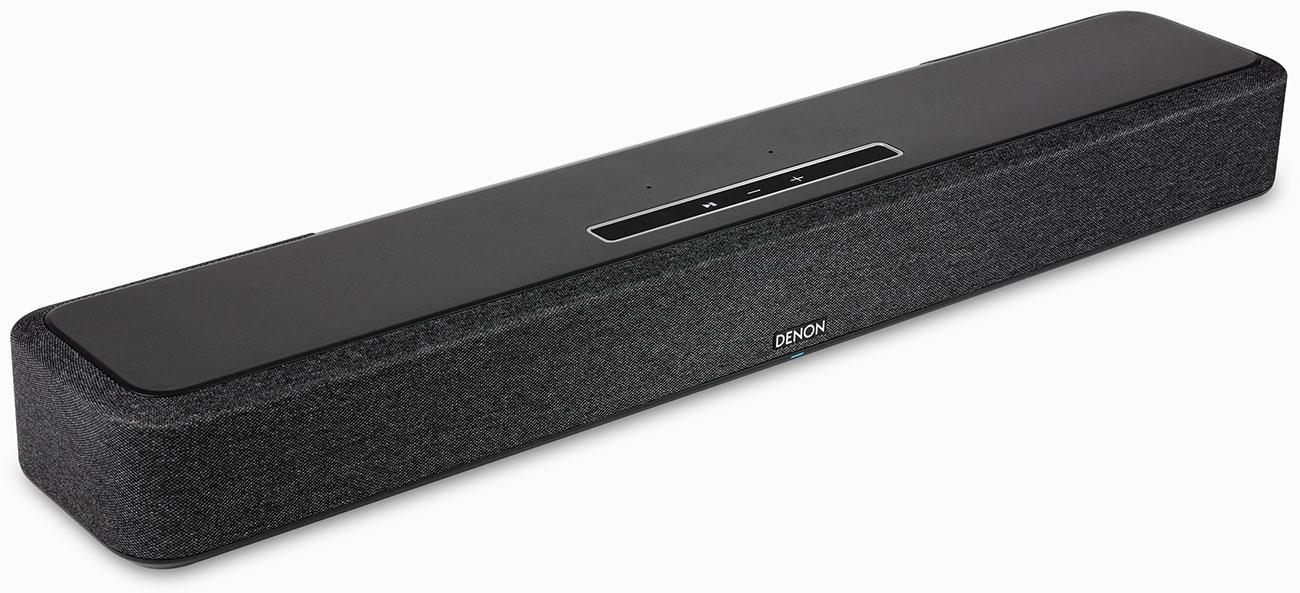
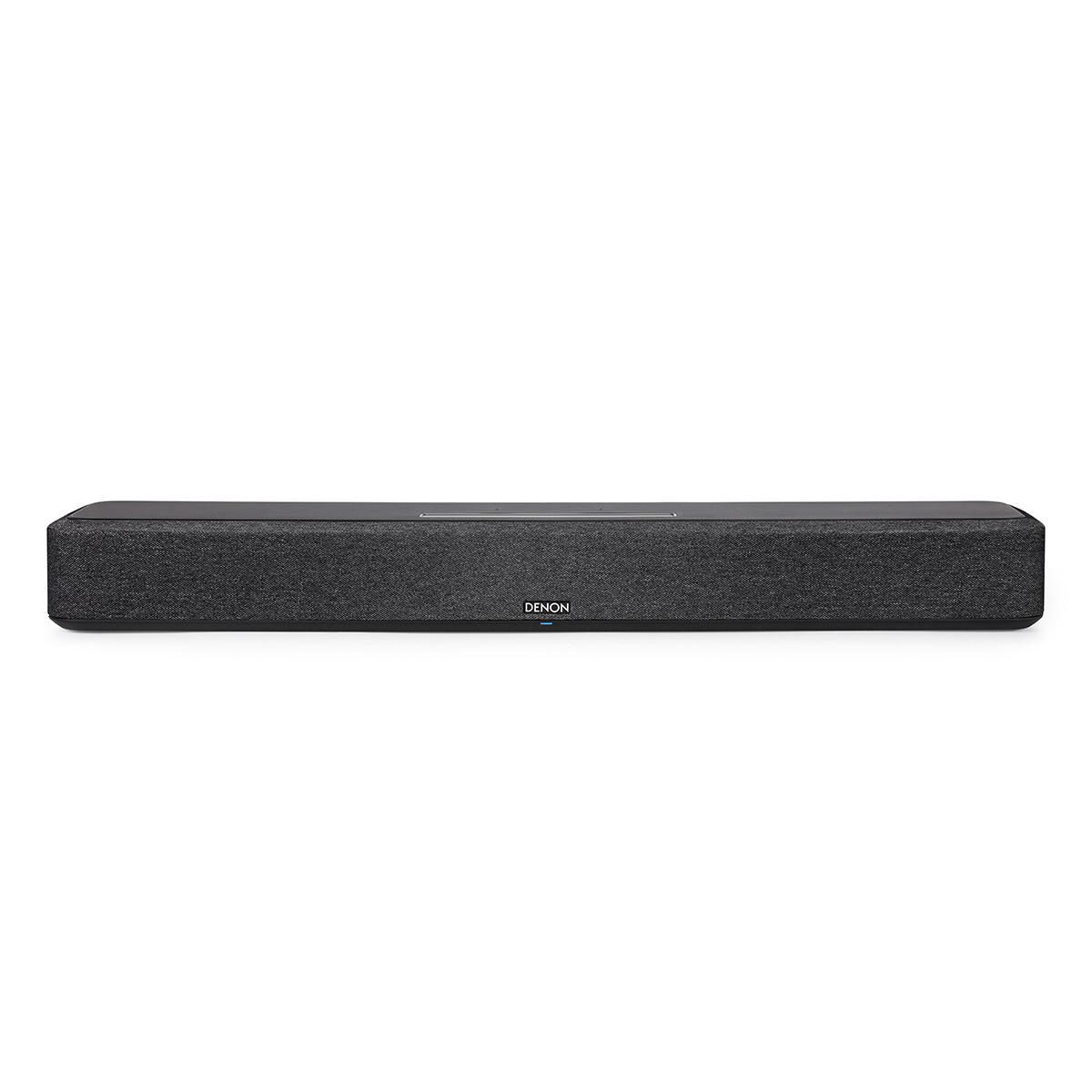
The Denon Home Sound Bar 550 takes a completely different approach with its 3.1.2-channel configuration. Let me break that down: the "3" means left, center, and right front channels; the "1" is a dedicated subwoofer channel (handled by passive radiators here); and the "2" represents height channels for overhead effects. This setup uses six active drivers total: two soft-dome tweeters for highs, four full-range drivers for mids and some bass, plus two passive radiators that vibrate sympathetically to extend low-frequency response.
The difference is immediately noticeable. Dialogue comes from a dedicated center channel, making voices more natural and easier to locate on screen. The wider driver array creates a much larger soundstage that can fill medium to large rooms effectively. While it still can't match a dedicated subwoofer for the deepest bass, the passive radiators provide significantly more low-end impact than the Bose.
Here's where we see the biggest philosophical divide. The Bose Solo Series 2 has zero surround processing capabilities. It takes any audio input—whether stereo, 5.1, or even Dolby Atmos—and plays it through those two speakers as stereo sound. For dialogue-heavy content like sitcoms or news, this works fine. For movies with complex soundtracks, you're missing most of the immersive experience.
The Denon Home Sound Bar 550, conversely, supports the latest immersive audio formats: Dolby Atmos and DTS:X. These use object-based audio, meaning sounds are tagged with 3D coordinates rather than just channel assignments. A helicopter doesn't just move from left to right—it can circle overhead, dive behind you, then emerge from the side. The Denon uses psychoacoustic processing (tricks that fool your brain about where sounds are coming from) to create virtual height and surround effects from its forward-firing drivers.
I've found this virtual surround processing surprisingly convincing, especially for overhead effects. While it can't match discrete ceiling speakers, the sensation of rain falling from above or planes flying overhead is genuinely immersive. The DTS Virtual:X processing also does an impressive job of expanding stereo music to fill the soundstage more naturally.
Both soundbars prioritize dialogue clarity, but they achieve it differently. The Bose Solo Series 2 uses frequency shaping—boosting vocal ranges while slightly reducing competing frequencies. It's effective but somewhat artificial, like applying an EQ preset to emphasize speech.
The Denon Home Sound Bar 550 achieves more natural dialogue clarity through its dedicated center channel. In traditional surround mixing, dialogue gets sent primarily to the center speaker, separate from music and effects in the left/right channels. This natural separation means voices remain clear even during complex action scenes without the artificial processing sound that sometimes affects the Bose.
For daily TV watching, both work well, but the Denon's approach scales better with demanding content. Complex movie soundtracks with lots of simultaneous elements benefit significantly from proper channel separation.
The connectivity differences between these soundbars reveal their target audiences clearly. The Bose Solo Series 2 keeps things simple with optical digital input (a fiber optic cable that carries digital audio) and Bluetooth for wireless music streaming. That's it. No HDMI means you can't take advantage of higher-quality audio formats that require more bandwidth than optical can handle.
Setup is genuinely plug-and-play: connect the optical cable to your TV, power on the soundbar, and switch your TV's audio output to "optical." The auto-wake feature means it turns on automatically when it detects an audio signal, and it'll shut off after an hour of silence. The remote is simple with just volume, mute, bass adjustment, and dialogue enhancement controls.
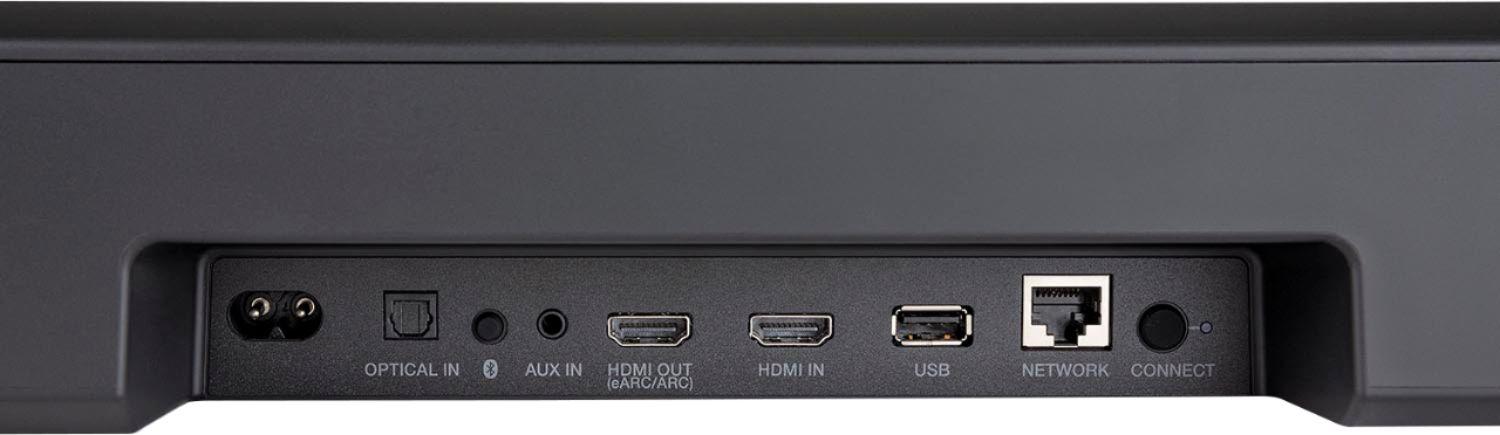
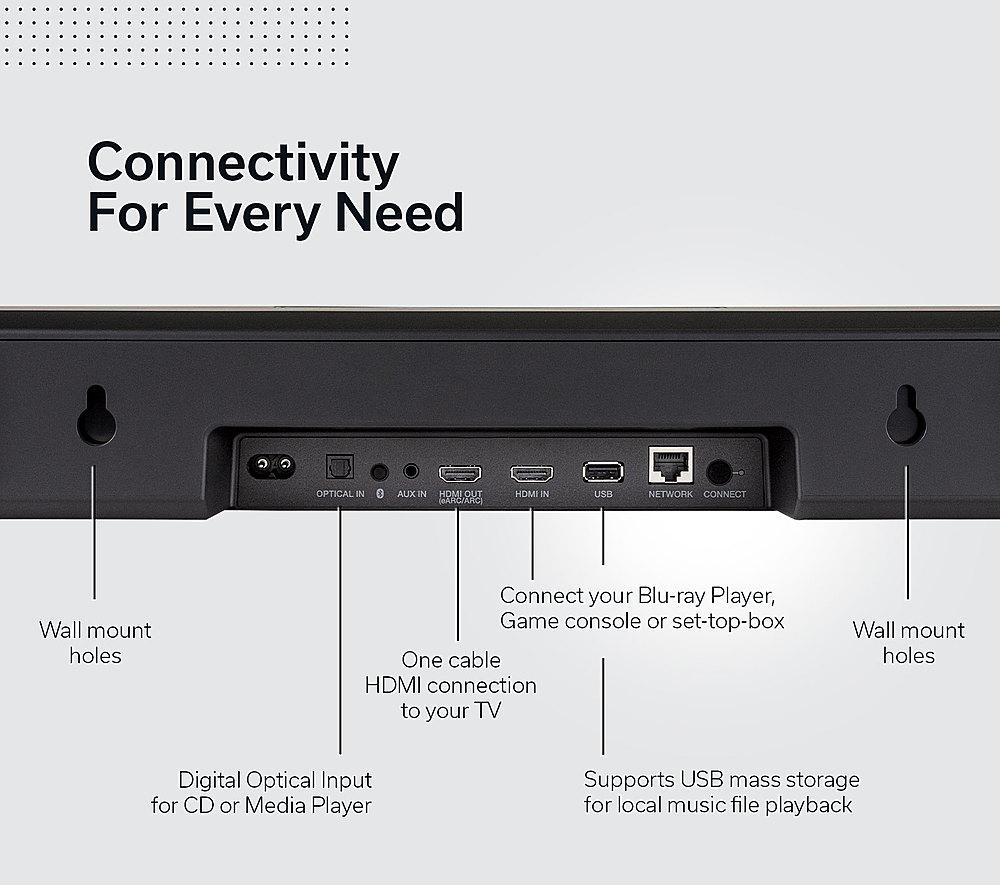
The Denon Home Sound Bar 550 offers comprehensive connectivity that feels more future-proof. The HDMI eARC (enhanced Audio Return Channel) connection allows lossless audio transmission and can handle the full bandwidth of Dolby Atmos and DTS:X formats. It also supports 4K/60Hz video passthrough with HDR (High Dynamic Range), meaning you can route sources through the soundbar without losing video quality.
Beyond wired connections, the Denon includes Wi-Fi for streaming services directly through the HEOS app, Bluetooth with nearly 100-foot range, AirPlay 2 for Apple devices, and even a 3.5mm auxiliary input for older devices. The built-in Amazon Alexa means you can control volume, skip tracks, or ask questions without reaching for a remote.
This represents perhaps the most significant long-term difference between these products. The Bose Solo Series 2 is what you get forever—there's no way to add a subwoofer, rear speakers, or additional channels. If your needs change or you move to a larger room, you'll need to start over with a different system entirely.
The Denon Home Sound Bar 550 serves as the foundation for a complete home theater system. You can add the Denon Home subwoofer ($300-400) for deep bass extension, then later add Denon Home 150 speakers as wireless rear channels to create a true 5.1.2 surround system. The HEOS platform also enables multiroom audio—you can group the soundbar with other HEOS speakers throughout your home for synchronized music playback.
I've experienced this upgrade path personally with other modular systems, and it's genuinely valuable. Starting with just the soundbar lets you spread the cost over time while ensuring all components work seamlessly together. The alternative—buying a complete system upfront—often means either overspending initially or dealing with compatibility issues between different brands.
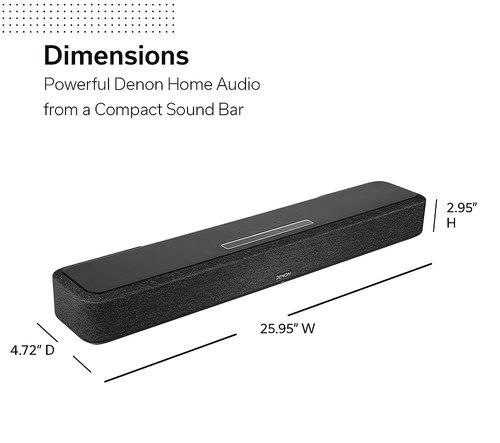
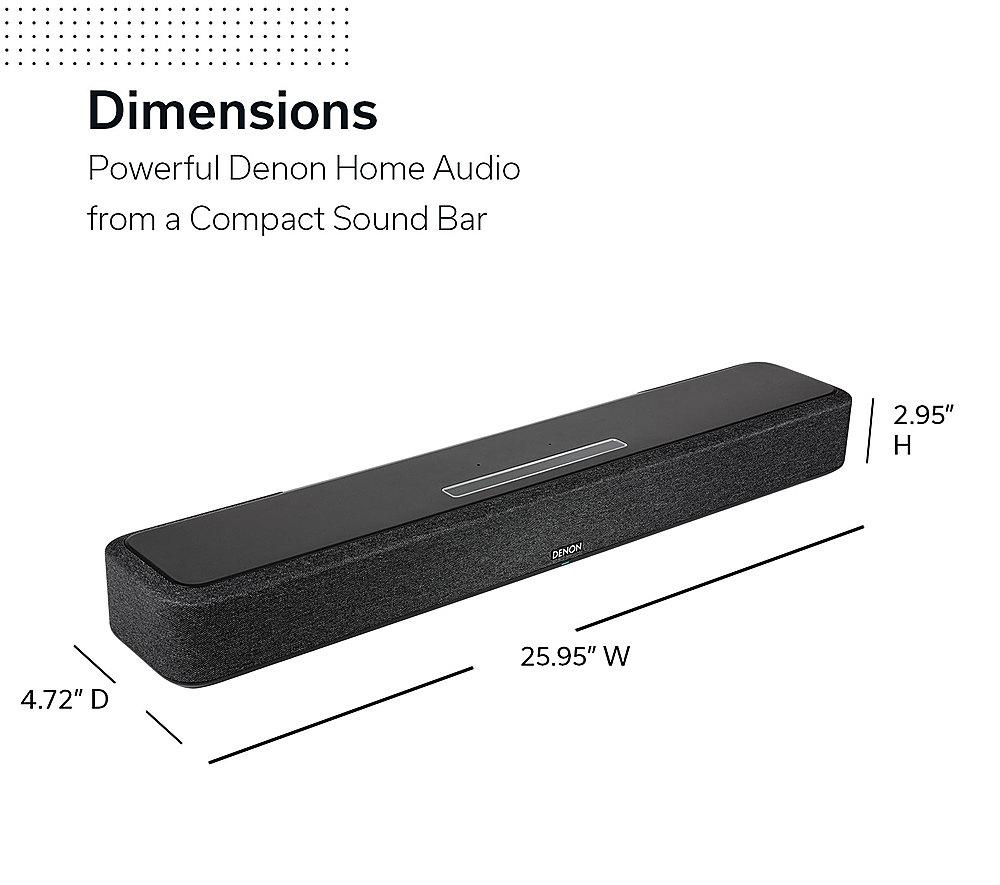
In small to medium rooms (up to about 250 square feet), the Bose Solo Series 2 performs admirably for its intended purpose. Dialogue remains clear, music sounds pleasant if not particularly dynamic, and the compact form factor fits discreetly under most TVs. The limitation becomes apparent with demanding content or larger spaces where the narrow soundstage and limited bass become more noticeable.
For home theater use, the Bose falls short of creating an engaging cinematic experience. Action movies feel flat without surround effects or deep bass, and even dramatic films lose some emotional impact when the soundtrack can't create proper atmosphere. It's perfectly adequate for casual viewing but won't satisfy anyone seeking theater-like immersion.
The Denon Home Sound Bar 550 changes the entire viewing experience, especially with properly mixed Atmos content. Netflix originals, Disney+ movies, and 4K Blu-rays with Atmos soundtracks come alive with effects that seem to surround you. The wider soundstage makes everything feel more spacious and engaging, while the better bass response adds weight to explosions, music, and ambient sounds.
In larger rooms or open floor plans, the Denon's additional power and processing make a significant difference. Where the Bose might sound thin or get lost, the Denon maintains clarity and presence. However, even the Denon benefits from adding the wireless subwoofer in rooms larger than 300 square feet—the passive radiators can only do so much for truly deep bass.
At $199.99, the Bose Solo Series 2 represents excellent value for users with specific, limited needs. If you primarily watch news, talk shows, sitcoms, or other dialogue-heavy content in a small to medium room, it delivers exactly what you need without unnecessary complexity or cost. The brand reputation and build quality provide confidence, and the simple operation means it'll work reliably for years.
However, the value proposition becomes questionable if your viewing habits include movies, sports, or gaming where surround effects and bass response matter. You're essentially paying for a premium brand name on what's ultimately a fairly basic stereo speaker system.
The Denon Home Sound Bar 550 at $518.50 asks for a significant upfront investment but provides genuine value for that cost. The advanced audio processing, comprehensive connectivity, smart features, and expandability create a system that can grow with your needs. When you consider that a comparable complete surround system from traditional home theater brands often costs $1,000-2,000, the Denon's modular approach provides a more accessible entry point.
The key is understanding your commitment level. If you're genuinely interested in good TV audio and might want more in the future, the Denon's expandability and advanced features justify the premium. If you just want better dialogue clarity and don't care about immersive audio, the Bose delivers exactly what you need at a fair price.
Choose the Bose Solo Series 2 if you have a smaller room under 200 square feet, primarily watch dialogue-heavy content, value simplicity over features, and have a firm budget under $250. It's also ideal for secondary locations like bedrooms or kitchens where you want better audio than TV speakers but don't need cinema-quality immersion.
The Denon Home Sound Bar 550 makes sense for larger rooms, movie enthusiasts, anyone interested in building a complete surround system over time, or those who want modern smart features like voice control and multiroom audio. It's the better choice if you frequently watch action movies, sports, or play video games where surround effects enhance the experience.
Ultimately, both products succeed at their intended purposes. The Bose provides exactly what it promises—clear dialogue and simple operation at an accessible price. The Denon offers a glimpse of what modern home theater audio can be, with room to grow as your needs and budget expand. Your choice should align with your viewing habits, room size, budget flexibility, and interest in audio quality. Neither is objectively better—they're simply designed for different users with different priorities.
| Bose Solo Soundbar Series 2 | Denon Home Sound Bar 550 |
|---|---|
| Price - Starting investment required | |
| $199.99 (complete system, no expansion possible) | $518.50 (base unit, can expand with $300-800 in additional speakers) |
| Audio Channels - Determines surround sound capability | |
| 2.0 channels (stereo only, no surround effects) | 3.1.2 channels (dedicated center, virtual height effects) |
| Dolby Atmos Support - Essential for modern movie immersion | |
| No (all audio downmixed to stereo) | Yes (full object-based 3D audio processing) |
| Driver Configuration - Affects sound quality and power | |
| 2 full-range drivers | 6 drivers: 2 tweeters, 4 full-range, 2 passive radiators |
| HDMI Connectivity - Enables lossless audio and 4K passthrough | |
| None (optical input only) | HDMI eARC with 4K/60Hz HDR passthrough |
| Expandability - Future upgrade potential | |
| Cannot add subwoofer or rear speakers | Compatible with wireless subwoofer and rear speakers |
| Smart Features - Voice control and app integration | |
| Basic remote control only | Built-in Alexa, HEOS app, AirPlay 2 |
| Room Size Performance - Maximum effective coverage | |
| Best for small rooms under 200 sq ft | Effective in medium-large rooms up to 400+ sq ft |
| Setup Complexity - Time and technical knowledge required | |
| Plug-and-play (optical cable, power on) | Moderate (HDMI connection, app setup, calibration options) |
| Wireless Streaming - Music playback options | |
| Bluetooth 4.0 (33-foot range) | Wi-Fi, Bluetooth 4.1 (98-foot range), multiple streaming services |
| Dialogue Enhancement - Critical for TV show clarity | |
| Dedicated dialogue mode with frequency boosting | Center channel separation plus dialogue enhancement |
| Bass Response - Impact for movies and music | |
| Limited (no subwoofer support, small drivers) | Improved with passive radiators (optional wireless sub available) |
The Bose Solo Soundbar Series 2 at $199.99 offers excellent value for basic TV audio improvement, especially if you primarily watch dialogue-heavy content. The Denon Home Sound Bar 550 at $518.50 provides significantly better value for movie enthusiasts and those planning to build a complete home theater system, thanks to its Dolby Atmos support and expandability options.
The primary difference is audio capability: the Bose Solo Series 2 is a simple 2.0-channel stereo soundbar focused on dialogue clarity, while the Denon Home Sound Bar 550 is a 3.1.2-channel system with Dolby Atmos processing for immersive surround sound effects and virtual height channels.
For rooms under 200 square feet, the Bose Solo Soundbar Series 2 is perfectly adequate and cost-effective. However, the Denon Home Sound Bar 550 will still provide noticeably better sound quality and immersion even in smaller spaces, making it worth the extra cost if your budget allows.
No, the Bose Solo Series 2 cannot be expanded with a subwoofer or additional speakers. The Denon Home Sound Bar 550 is compatible with Denon's wireless subwoofer and rear speakers, allowing you to build a complete 5.1.2 surround system over time.
The Denon Home Sound Bar 550 is significantly better for movies due to its Dolby Atmos support, dedicated center channel for dialogue, and wider soundstage. The Bose Solo Series 2 lacks surround processing and will play all movie audio as basic stereo sound.
Both soundbars work with all streaming services through your TV connection. However, the Denon Home Sound Bar 550 can fully process Dolby Atmos content from Netflix, Disney+, and other services, while the Bose Solo Series 2 will downmix everything to stereo.
Both excel at dialogue clarity but achieve it differently. The Bose Solo Series 2 uses frequency enhancement to boost vocal ranges, while the Denon Home Sound Bar 550 provides more natural dialogue separation through its dedicated center channel. For complex movie scenes, the Denon performs better.
The Bose Solo Series 2 has optical digital input and Bluetooth only. The Denon Home Sound Bar 550 offers HDMI eARC, optical input, Wi-Fi, Bluetooth, AirPlay 2, and auxiliary input, providing much more flexibility for different devices and higher-quality audio formats.
The Bose Solo Soundbar Series 2 is simpler to set up—just connect the optical cable and power cord. The Denon Home Sound Bar 550 requires HDMI connection and optional app setup for full features, but the improved audio quality and smart features justify the slightly more complex installation.
No, the Bose Solo Series 2 has no voice control capabilities and must be operated with the included remote. The Denon Home Sound Bar 550 includes built-in Amazon Alexa for voice control of volume, music playback, and smart home integration.
The Denon Home Sound Bar 550 is superior for music with its wider soundstage, better frequency response, and support for high-resolution audio streaming through Wi-Fi. The Bose Solo Series 2 handles music adequately but with limited bass and a narrow stereo image.
Choose the Bose Solo Soundbar Series 2 if you want simple TV audio improvement for under $250 and primarily watch dialogue-heavy content. Select the Denon Home Sound Bar 550 if you watch movies regularly, want room to expand your system, or desire modern smart features—the extra cost delivers genuinely better performance and future flexibility.
We've done our best to create useful and informative comparisons to help you decide what product to buy. Our research uses advanced automated methods to create this comparison and perfection is not possible - please contact us for corrections or questions. These are the sites we've researched in the creation of this article: rtings.com - bose.com - bose.com - assets.bose.com - bestbuy.com - youtube.com - pistonheads.com - costco.com - googlenestcommunity.com - youtube.com - discussions.apple.com - consumerreports.org - soundandvision.com - crutchfield.com - rtings.com - crutchfield.com - gzhls.at - denon.com - walmart.com - youtube.com - whathifi.com - bestbuy.com

Privacy Policy
Terms and Conditions - Affiliate Policy
Home Security
© Copyright 2008-2026.
11816 Inwood Rd #1211, Dallas, TX 75244