


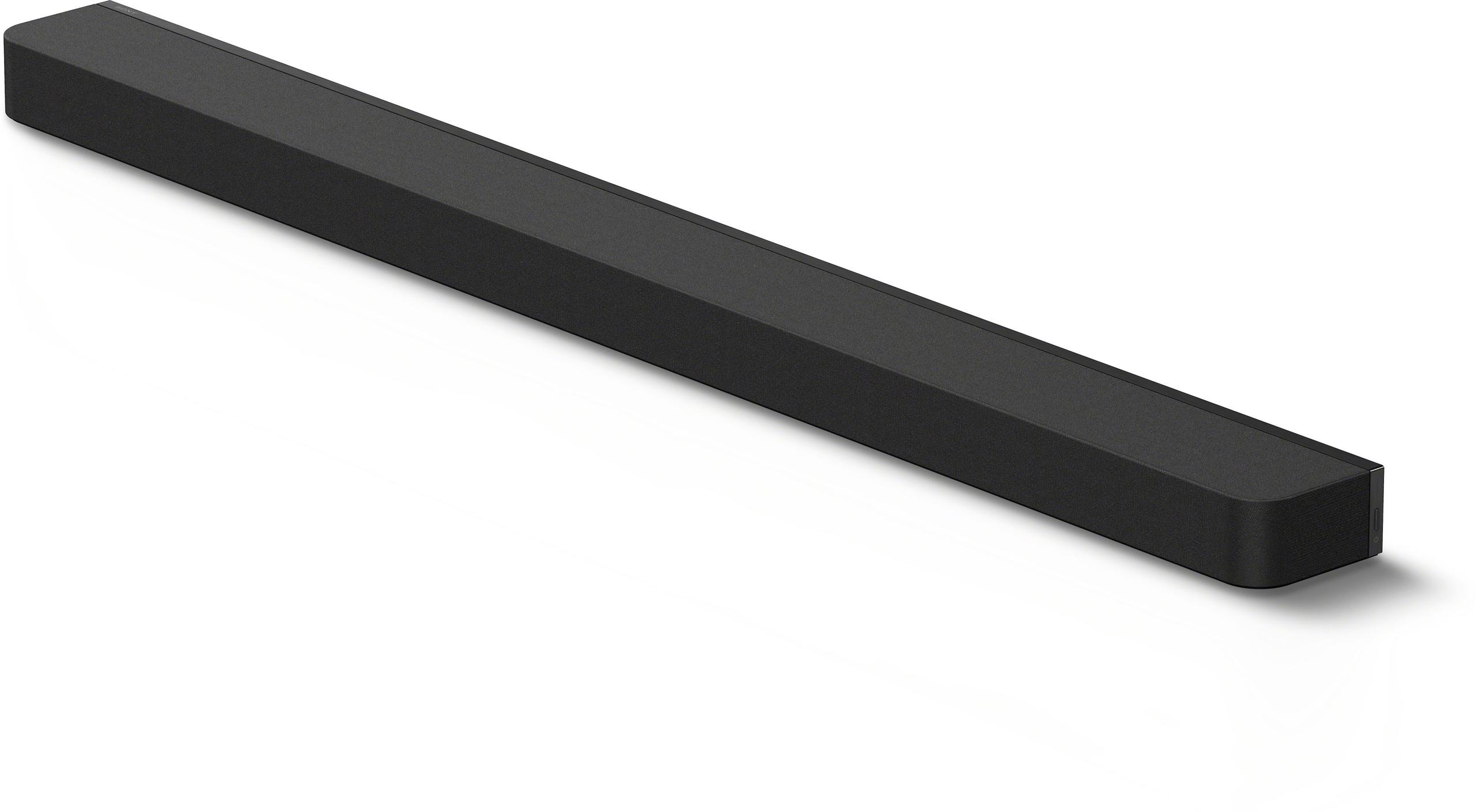


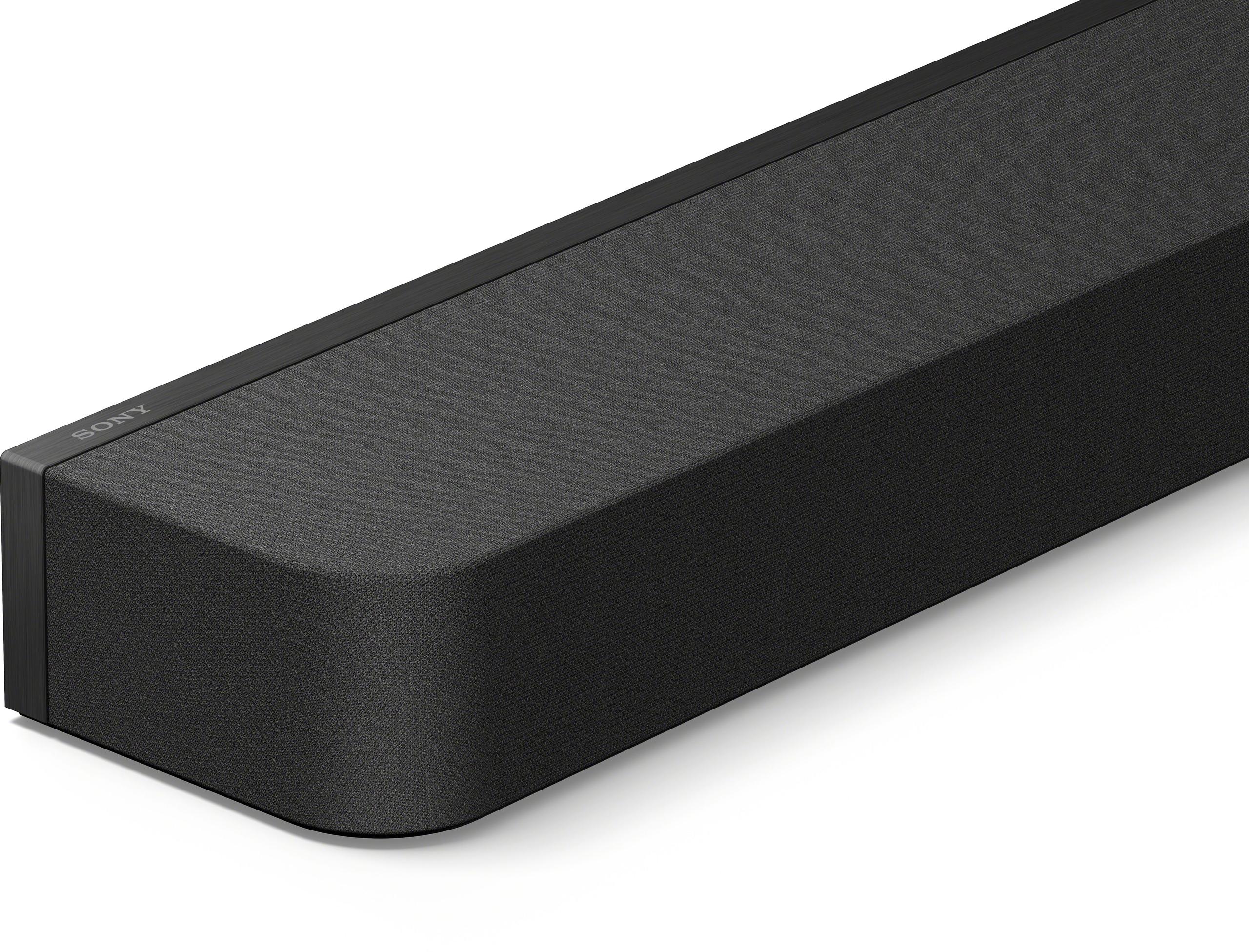




If you've ever watched a movie on your TV and thought "this sounds flat," you're not alone. TV speakers have gotten progressively worse as manufacturers chase thinner designs, leaving most built-in audio sounding like it's coming from a tin can. That's where premium soundbars come in – they're designed to transform your living room into something closer to a movie theater experience.
The soundbar market has exploded over the past few years, with manufacturers pushing the boundaries of what's possible from a single speaker unit. Today's premium models support advanced audio formats like Dolby Atmos (which adds height effects to make sounds feel like they're coming from above you) and use sophisticated processing to create immersive surround sound without needing speakers scattered around your room.
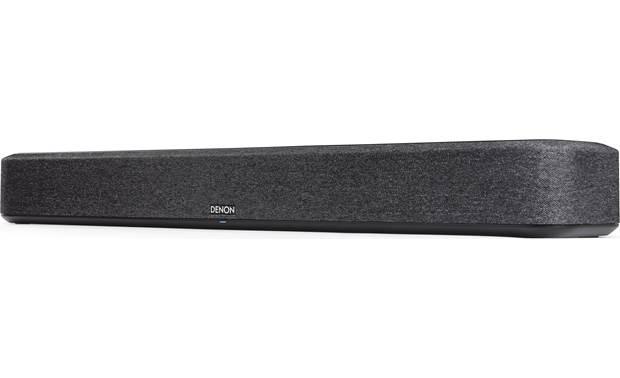
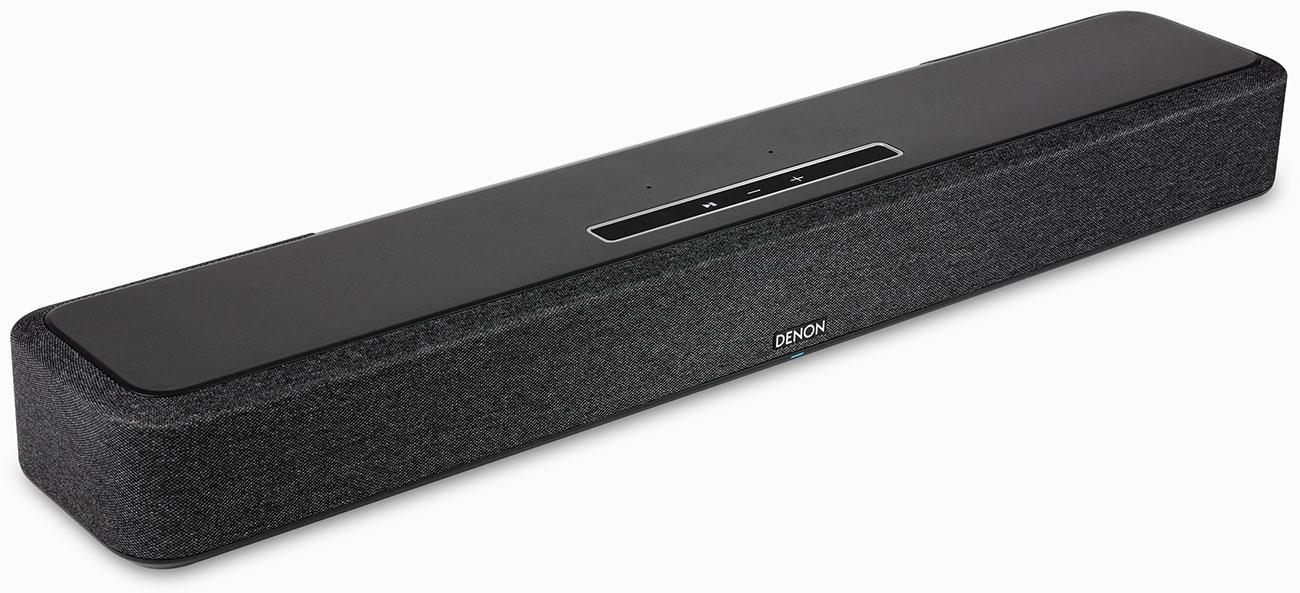
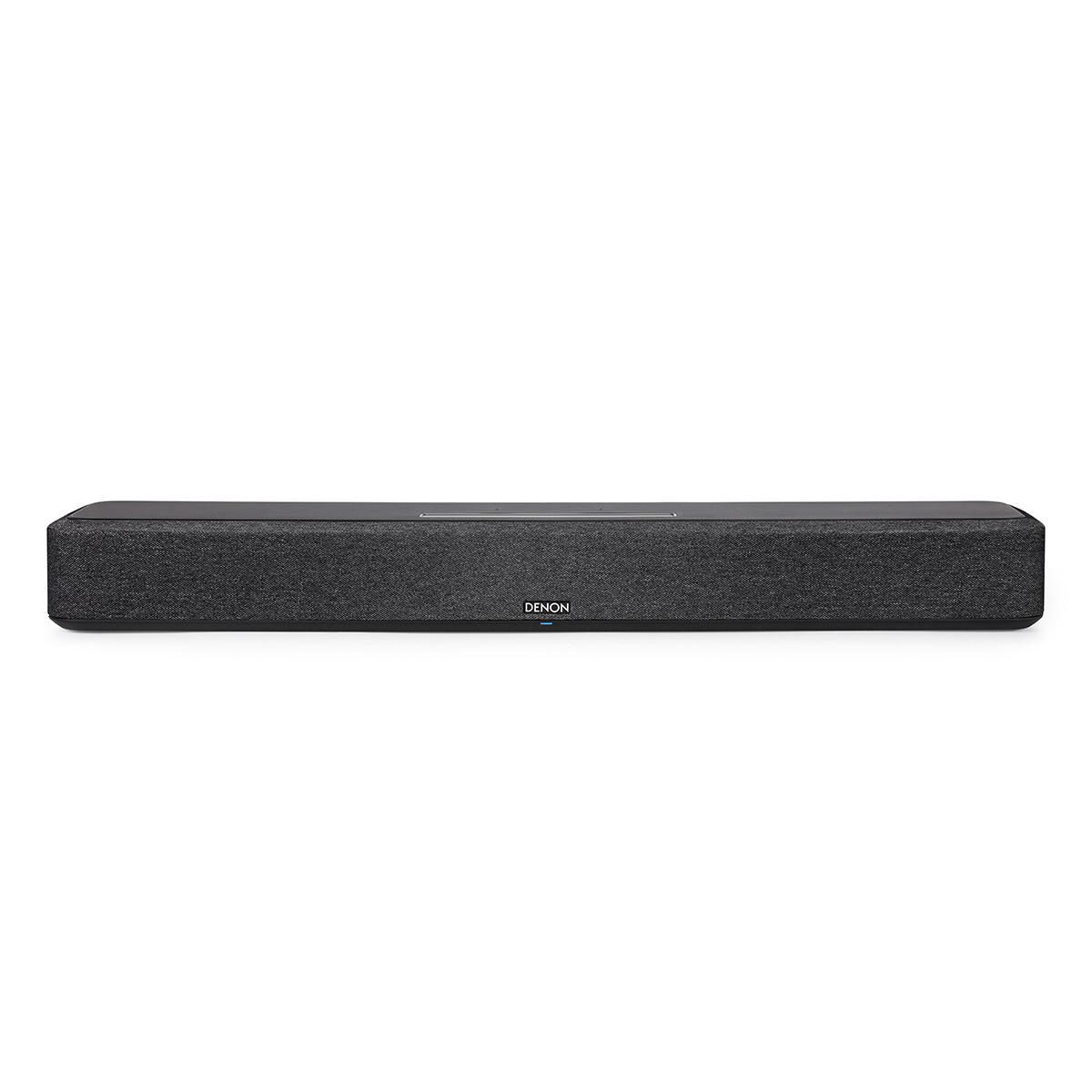
Two standout options in the premium category are the Sony BRAVIA Theater Bar 9 at $525 and the Denon Home Sound Bar 550 at $519. While they're priced similarly, these soundbars take completely different approaches to delivering great audio. Understanding these differences is crucial for making the right choice for your setup.
Before diving into the comparison, it's worth understanding what separates premium soundbars from basic models. The main considerations include how effectively they create surround sound effects, whether they deliver satisfying bass without additional components, how well they integrate with your existing devices, and how they adapt to different room configurations.
Modern premium soundbars use various tricks to simulate the experience of having speakers placed around your room. Some rely on digital processing to create "virtual" surround effects, while others use physical speakers aimed in different directions to bounce sound off your walls and ceiling. The effectiveness of these approaches can vary dramatically based on your room layout and personal preferences.
The Sony BRAVIA Theater Bar 9 represents Sony's latest thinking in soundbar design, released in early 2025 as their flagship model. It builds on years of Sony's audio engineering expertise, incorporating their 360 Spatial Sound Mapping technology that was previously seen in their higher-end home theater systems. Sony has been pushing the boundaries of spatial audio processing, using machine learning and advanced room calibration to create more convincing surround effects.
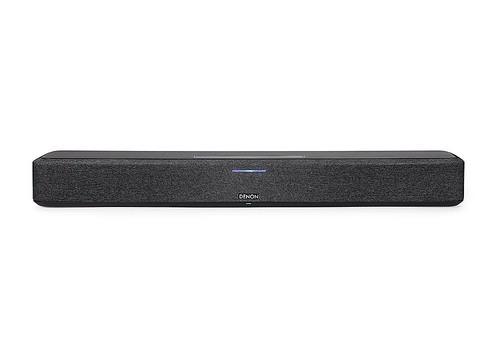
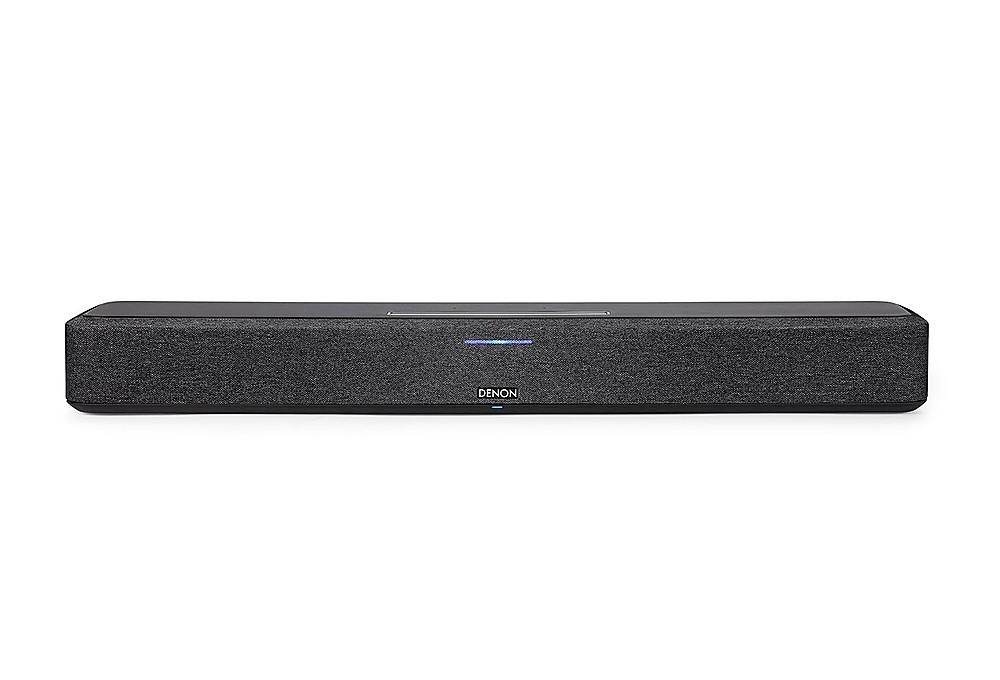
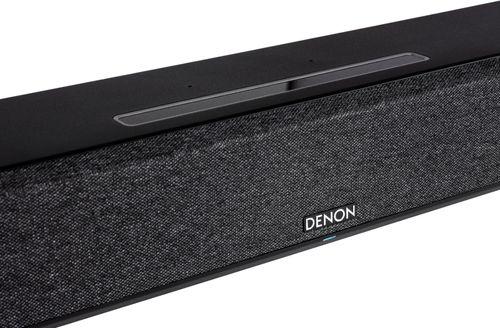
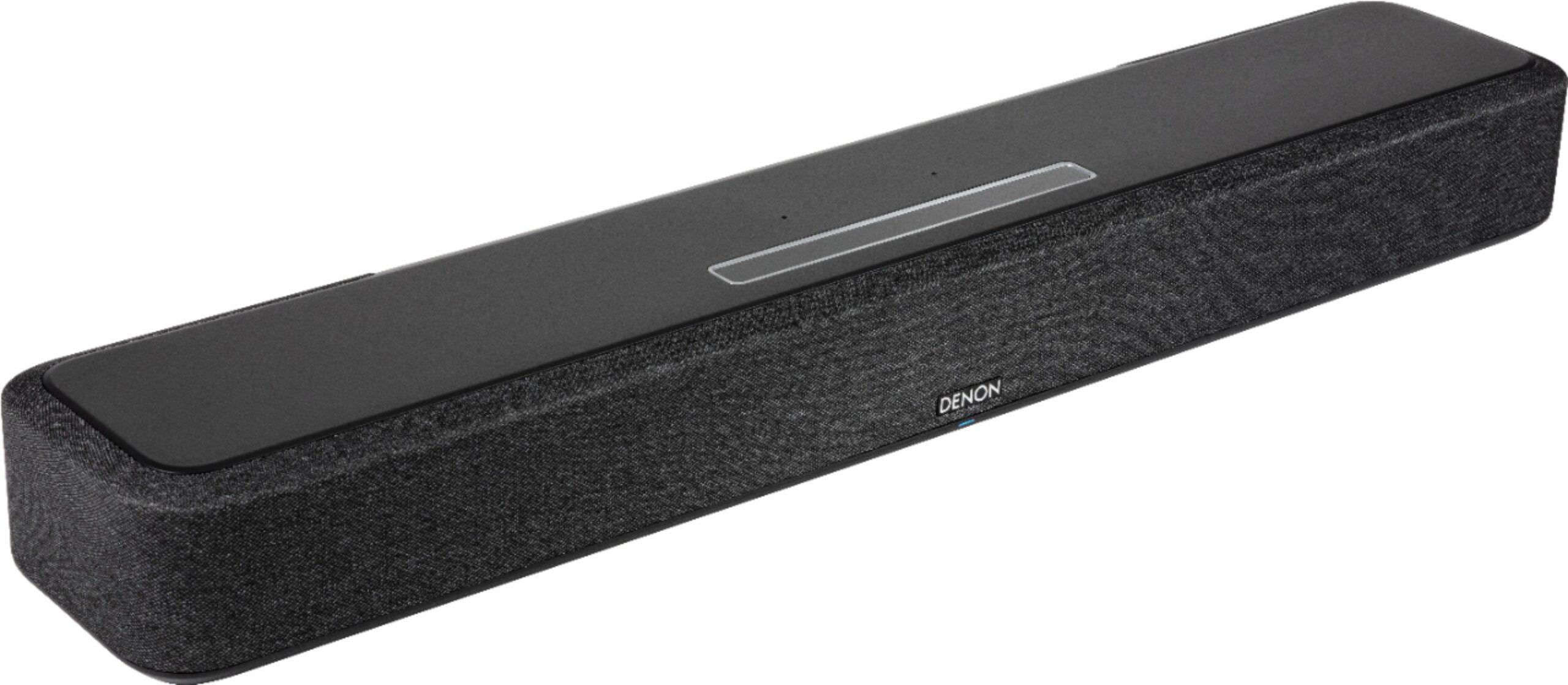
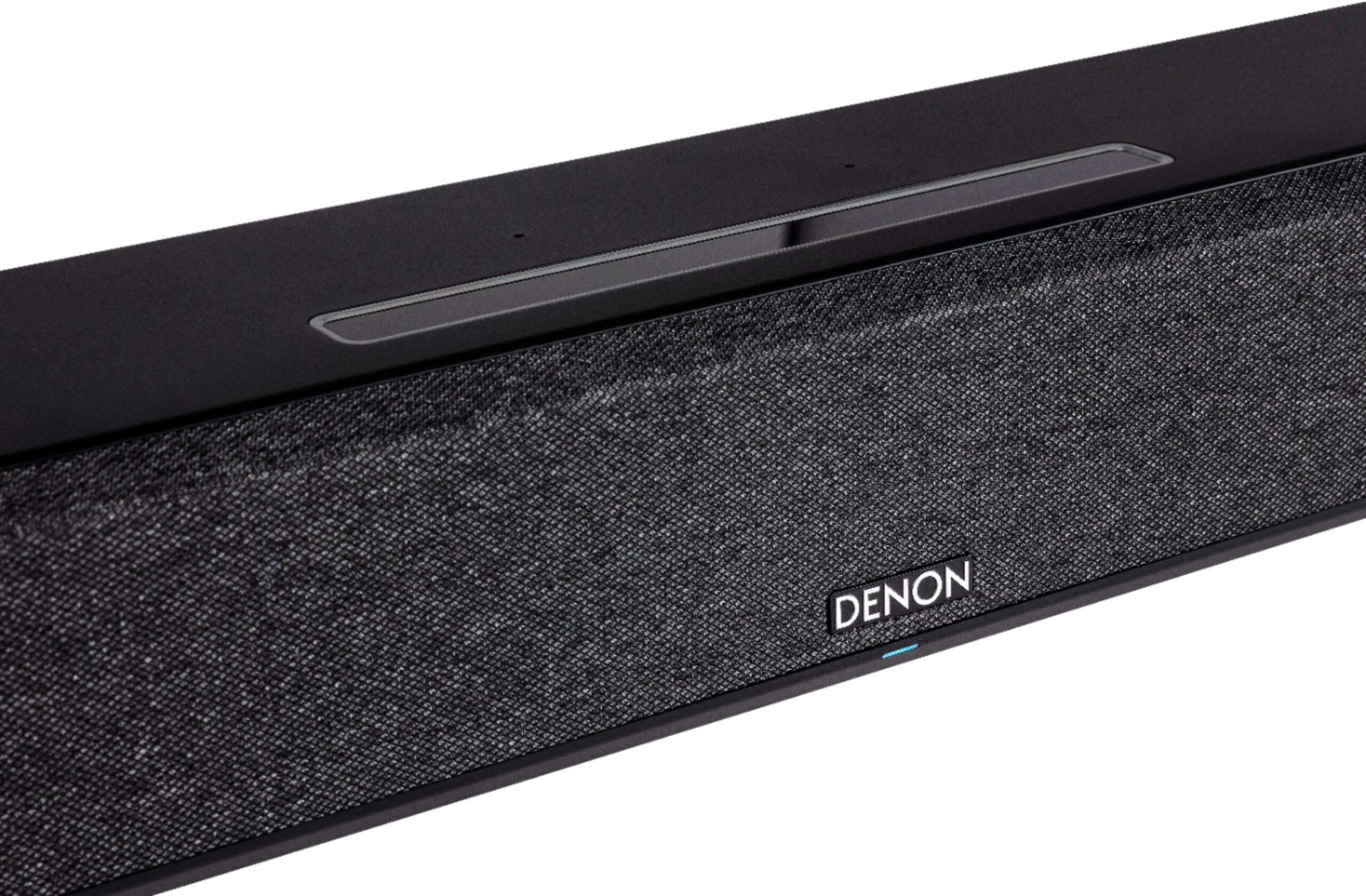
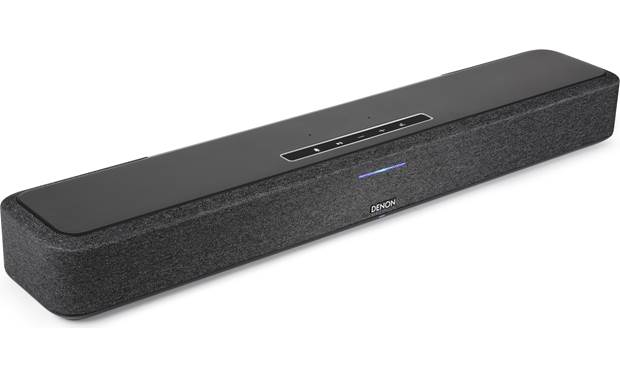
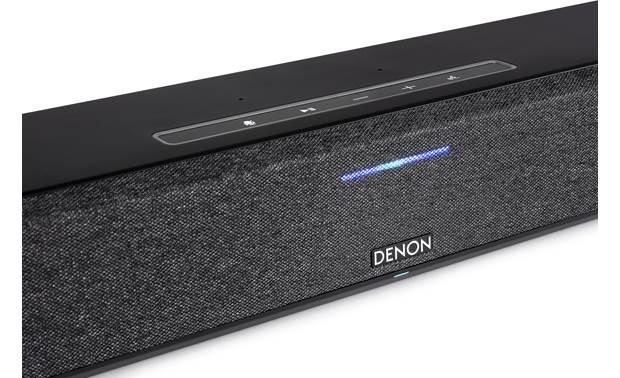
The Denon Home Sound Bar 550, launched in 2021, takes a different approach as part of Denon's modular HEOS ecosystem. Denon has historically focused on audiophile-grade components, and this soundbar reflects that heritage with its emphasis on expandability and music reproduction quality. Since its release, Denon has continued refining the HEOS platform, adding more streaming services and improving the companion app experience.
The evolution in soundbar technology over the past few years has been remarkable. Where early models simply boosted TV dialogue, today's premium units can create convincing overhead effects and wide soundstages that genuinely enhance the viewing experience. Both of these soundbars represent the current state of the art, but they achieve their goals through very different methods.
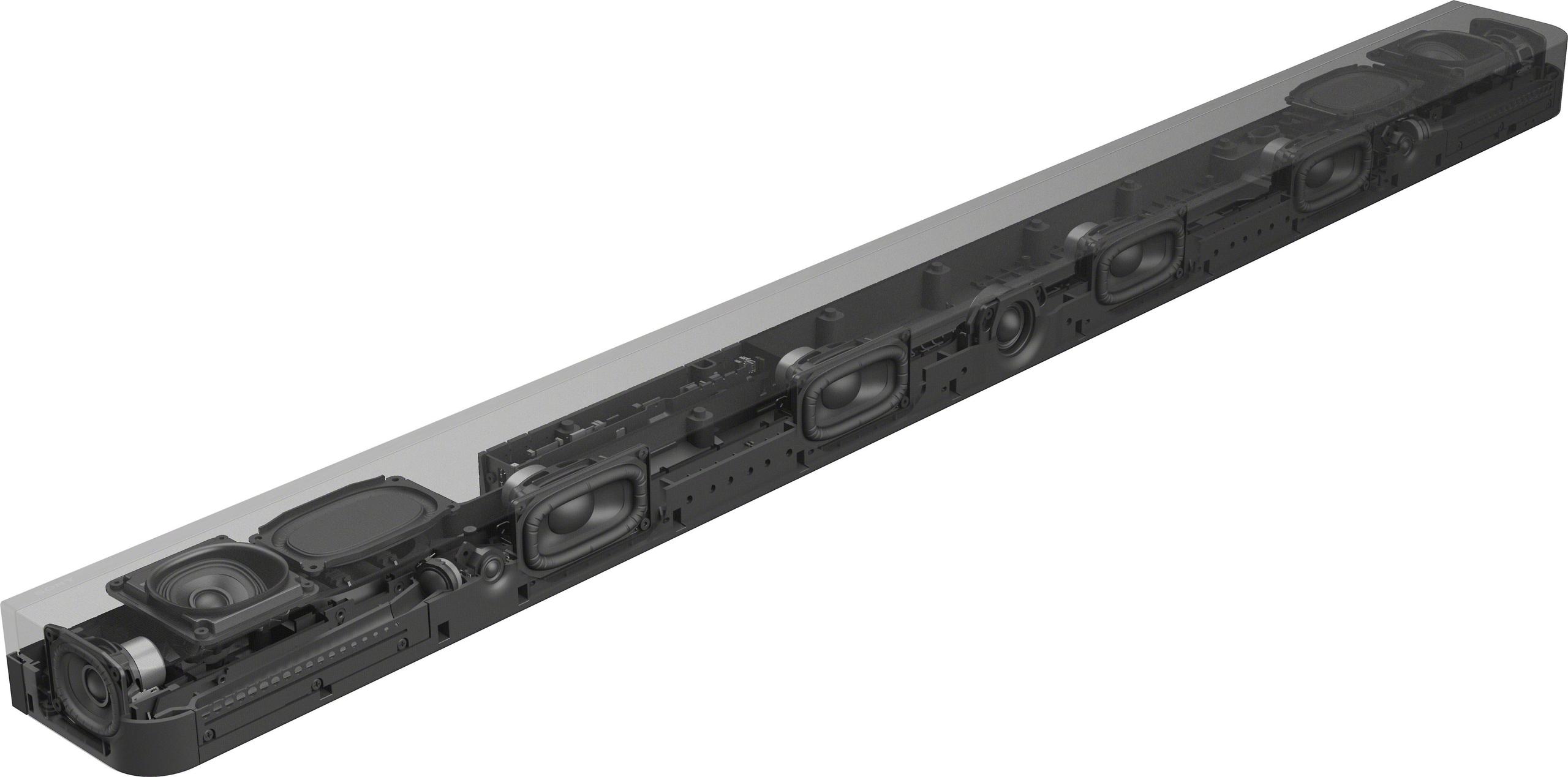
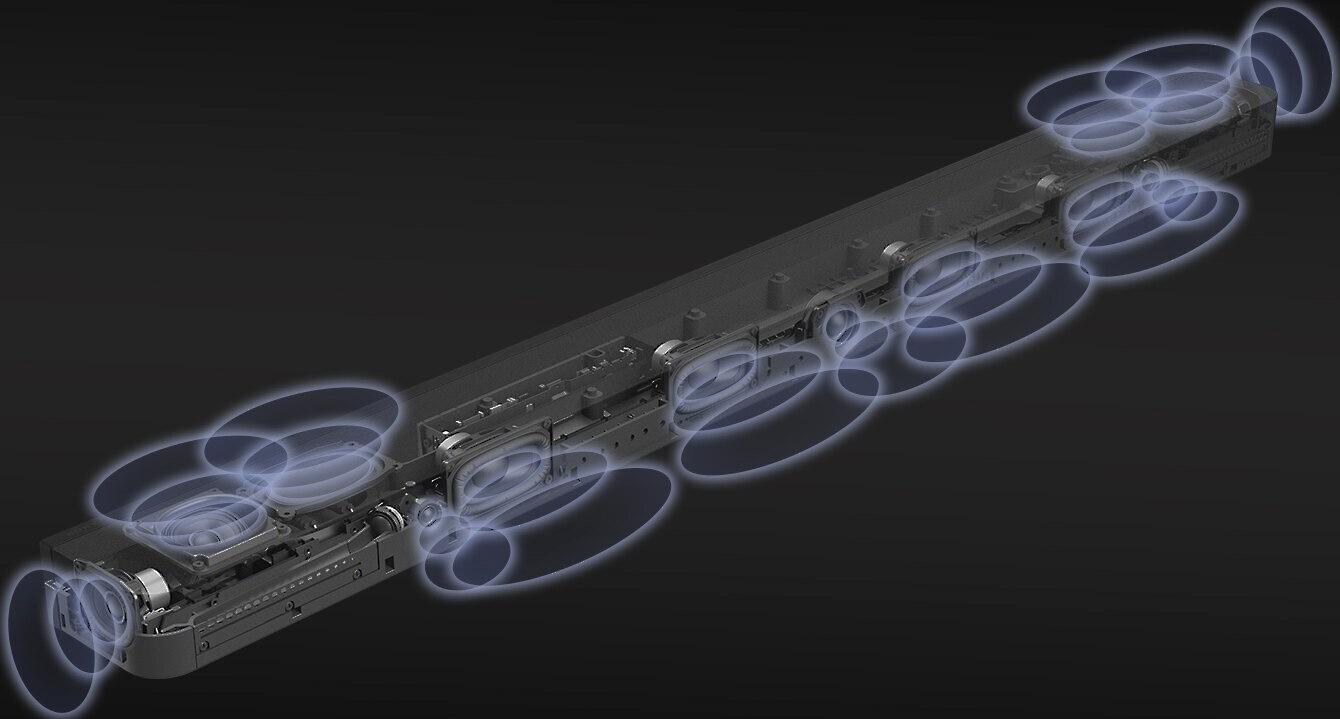
The most significant difference between these soundbars lies in how they create immersive audio experiences. The Sony takes a hardware-intensive approach, packing 13 individual drivers into its sleek chassis. This includes dedicated up-firing speakers that reflect sound off your ceiling to create overhead effects, plus side-firing drivers that bounce audio off your walls to widen the soundstage.
Sony's 360 Spatial Sound Mapping is particularly clever – it uses these physical speakers to create what they call "phantom speakers" in locations where no actual drivers exist. The system measures your room's acoustics and calculates precisely how to aim and time different audio elements so they appear to come from specific locations around you. In practice, this creates a remarkably convincing surround effect, especially for action movies where sounds like helicopters or explosions genuinely seem to move through three-dimensional space around your seating position.
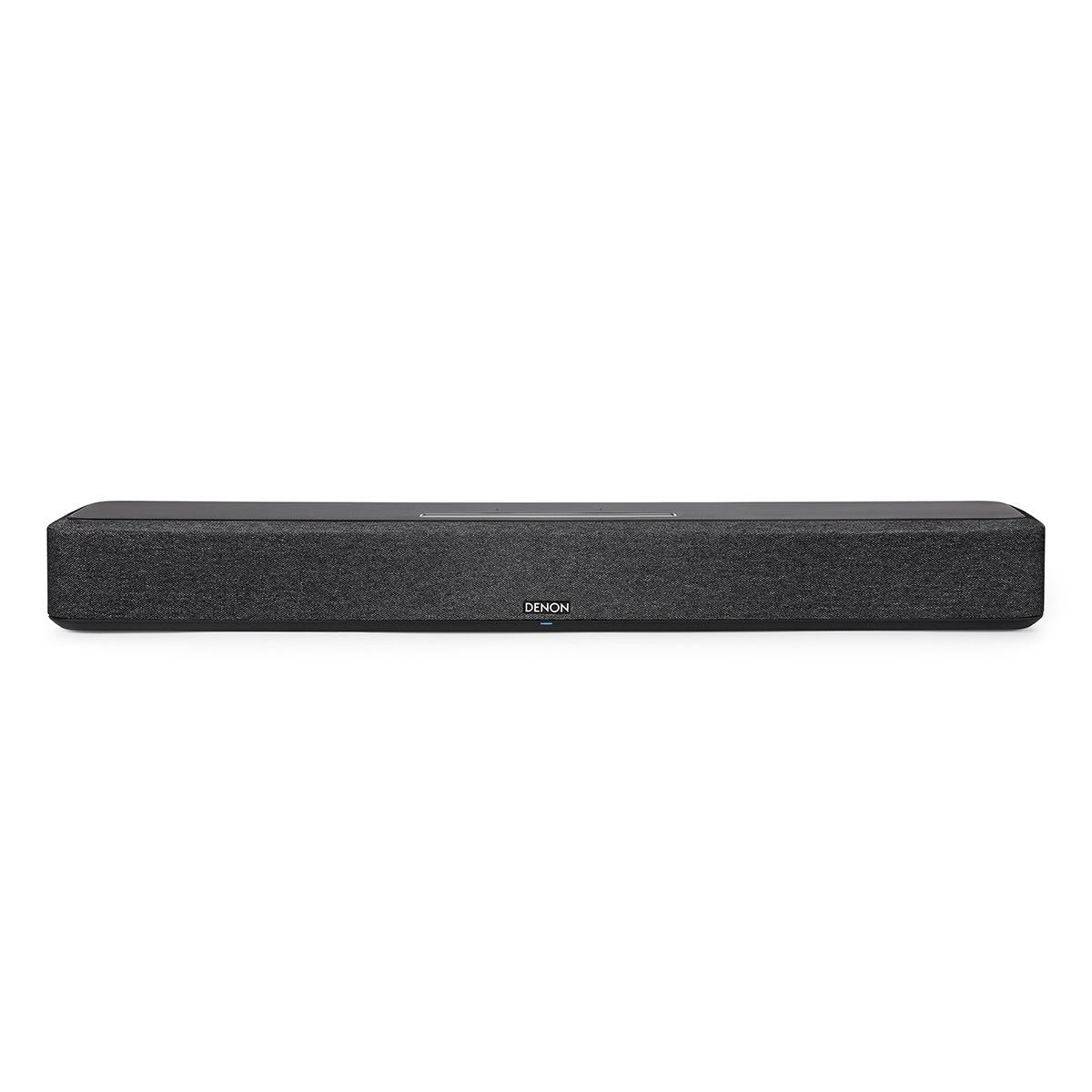
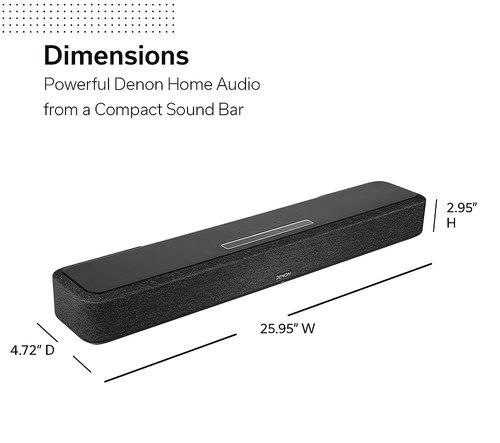
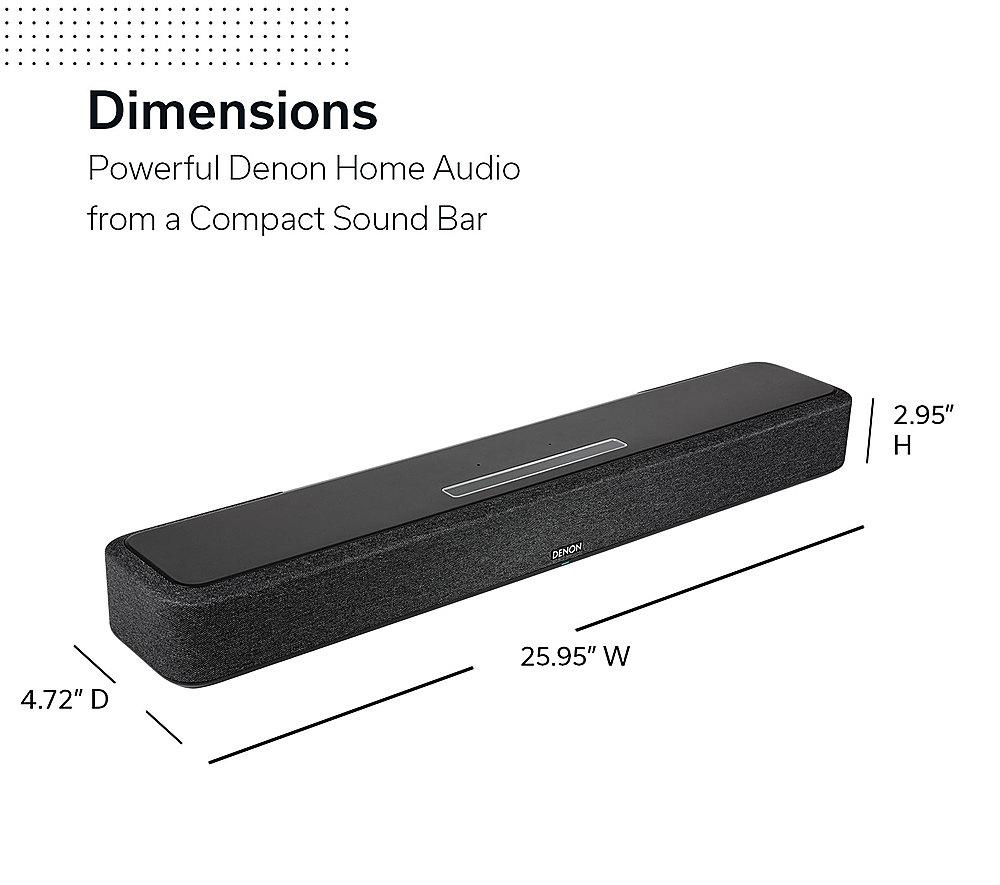
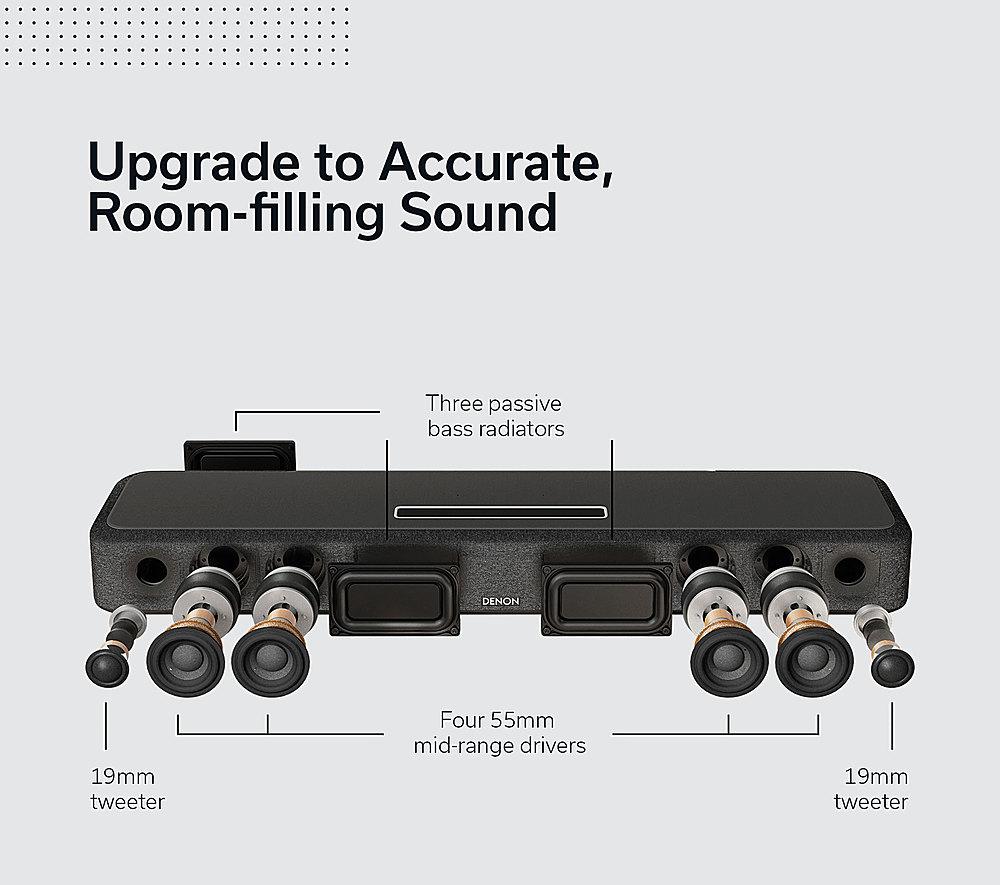
The Denon takes a more traditional approach with six active drivers arranged in a conventional left-center-right configuration, plus two passive radiators (which are like speakers without magnets that help extend bass response). Instead of using physical directional speakers, it relies on Dolby Height Virtualization and psychoacoustic processing to trick your brain into perceiving surround effects.
This virtualization works by carefully manipulating the timing, phase, and frequency content of audio signals to exploit how our brains process directional sound cues. When done well, it can create convincing effects, but it's more dependent on your room's characteristics and seating position. In my experience testing various virtual surround systems, they work best in medium-sized rooms with standard ceiling heights and some reflective surfaces.
The Sony's approach generally delivers more consistent results across different room configurations. During action sequences in movies like "Top Gun: Maverick," the physical height channels create genuinely convincing overhead jet flyovers that virtual processing struggles to match. However, the Denon's virtualization can still be quite effective, particularly for dialogue-heavy content where precise imaging is less critical.
Bass response represents perhaps the biggest practical difference between these soundbars. The Sony BRAVIA Theater Bar 9 integrates substantial bass drivers and passive radiators within its main unit, delivering what Sony calls "self-sufficient" low-end performance. This means you get satisfying bass for movies and music without needing to purchase additional components.
In testing, the Sony delivers genuinely impactful bass during action sequences – explosions have real weight, and music with electronic elements gets the low-end extension it needs to sound full and engaging. The soundbar's bass management is sophisticated enough to deliver this impact while maintaining clarity in dialogue and mid-range frequencies, which is often where lesser soundbars struggle.
The Denon, constrained by its more compact design, simply cannot match this bass performance on its own. While its two passive radiators help extend low-frequency response beyond what the active drivers alone could achieve, the physical limitations are evident during bass-heavy content. Action movies lack the rumbling impact that makes explosions feel visceral, and bass-heavy music genres like hip-hop or electronic dance music sound somewhat thin.
However, Denon designed the 550 to work with their optional wireless subwoofer, which transforms the system's bass capabilities entirely. This modular approach means you can start with the soundbar alone and add bass later if needed, or skip the subwoofer entirely if your living situation doesn't accommodate powerful low-end output.
For apartment dwellers or those with noise-conscious neighbors, the Denon's approach might actually be preferable. You can enjoy improved dialogue clarity and soundstage width without rattling the walls, then add the subwoofer later if you move to a space where more powerful bass is appropriate.
Both soundbars excel at dialogue reproduction, but they achieve clarity through different methods. The Sony's Voice Zoom 3 technology uses AI machine learning to identify and enhance human voices in complex audio mixes. This system can distinguish between dialogue and background music or effects, then selectively boost vocal frequencies while leaving other elements unchanged.
More impressively, the Sony offers Acoustic Centre Sync when paired with compatible Sony TVs (2021 models and newer). This feature uses your TV's built-in speakers as a dedicated center channel, with the soundbar's processing ensuring perfect timing and tonal matching. The result is dialogue that genuinely appears to come from the screen rather than from below it, creating a more natural and engaging experience.
The Denon uses a more straightforward Dialog Enhancement mode that boosts midrange frequencies where most speech content resides. While less sophisticated than Sony's AI approach, it's effective at making dialogue more intelligible, particularly in movies with dense sound mixes where voices might otherwise get buried.
Both systems include night modes that compress dynamic range to prevent jarring volume swings during late-night viewing sessions. These features are genuinely useful for maintaining dialogue clarity while preventing explosions or musical crescendos from disturbing others in your home.
Here's where the different design philosophies become most apparent. The Sony is tuned primarily for cinematic content, with a presentation that emphasizes immersion and impact over neutral accuracy. For movie soundtracks and spatial audio music formats, this approach works brilliantly, creating an engaging, theater-like experience that draws you into the content.
The Denon Home Sound Bar 550, reflecting the company's audiophile heritage, takes a more neutral approach to music reproduction. Its sound signature aims for accuracy rather than excitement, making it better suited for critical music listening across various genres. The soundbar supports high-resolution audio streaming up to 192kHz/24-bit through the HEOS platform, preserving the full detail in well-recorded music.
In direct comparison, the Denon reveals more subtle details in complex musical arrangements, while the Sony creates a more immersive but less analytically precise presentation. If you spend significant time listening to music through your soundbar, the Denon's approach will likely prove more satisfying in the long term. However, if your primary use is movies and TV shows, the Sony's cinematic tuning provides more engaging entertainment.
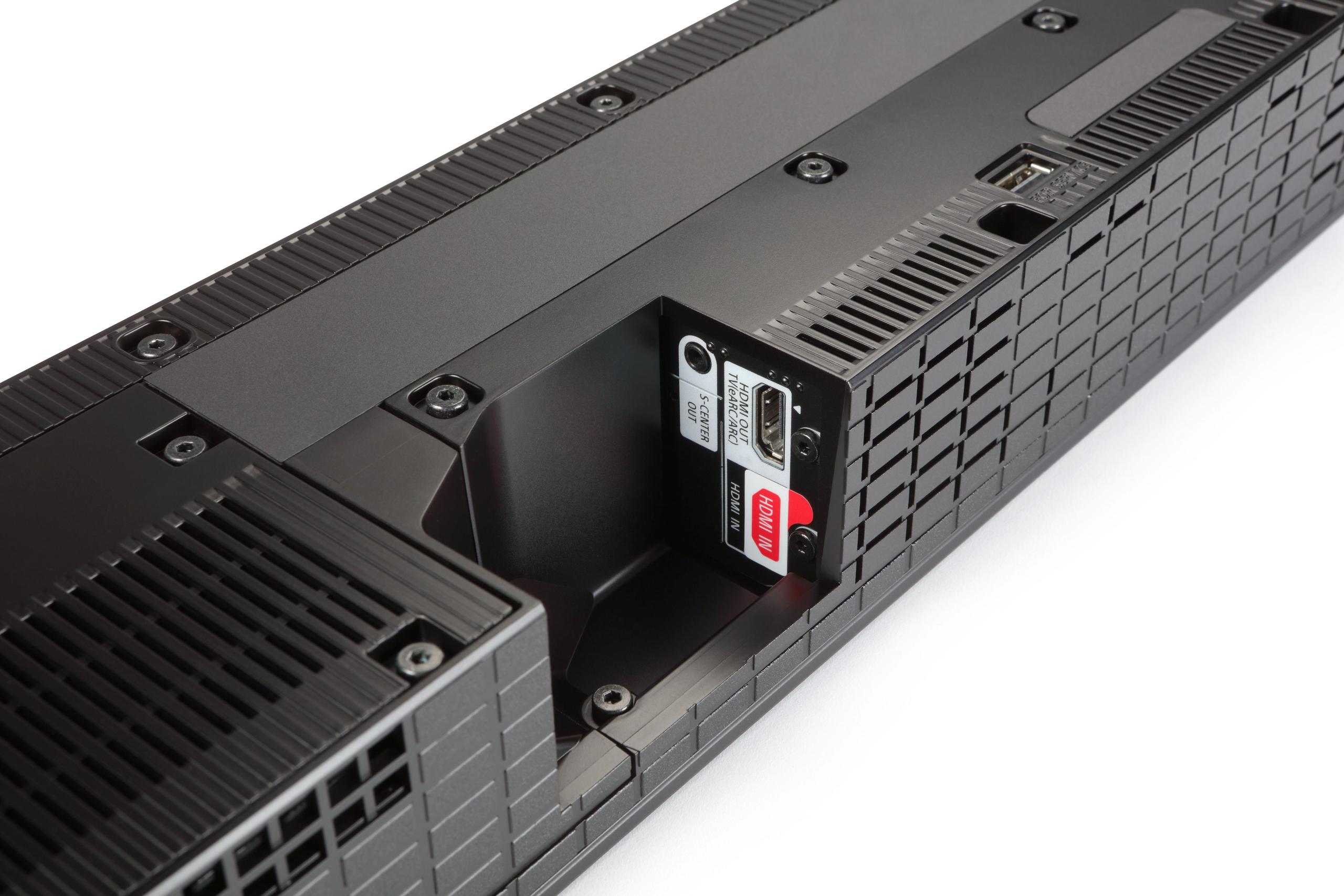
The connectivity and smart features represent another area where these soundbars diverge significantly. The Sony focuses on integration with other Sony products, particularly BRAVIA TVs and PlayStation gaming consoles. The HDMI 2.1 support includes gaming-specific features like Variable Refresh Rate (VRR) and Auto Low Latency Mode (ALLM), which reduce input lag for responsive gaming experiences.
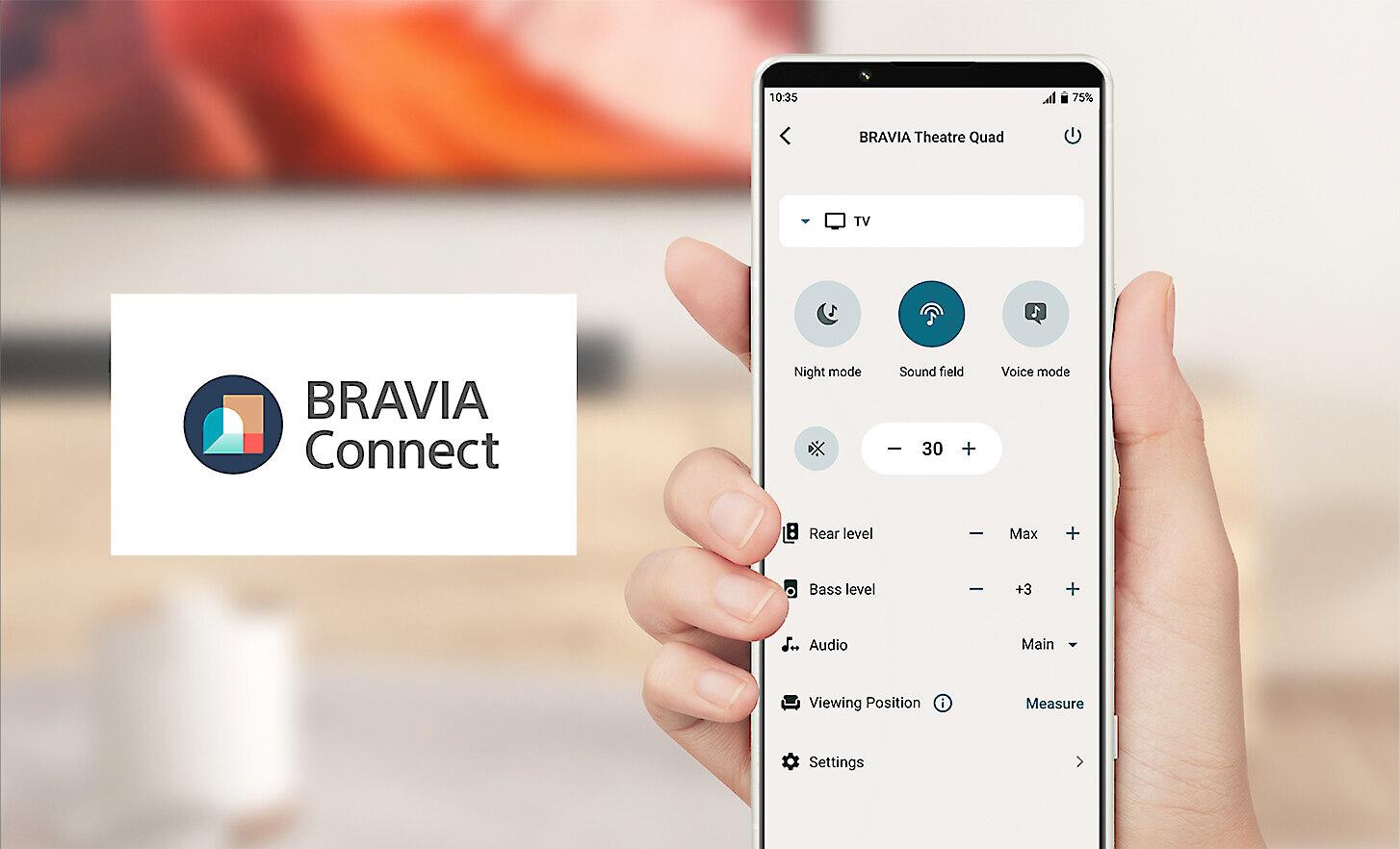
Sony's Bravia Connect app provides comprehensive control over the soundbar's various sound modes and processing options. The interface is clean and intuitive, making it easy to adjust settings for different content types or personal preferences.
The Denon emphasizes smart home integration and voice control. Built-in Amazon Alexa allows hands-free control of volume, playback, and smart home devices. The HEOS platform provides access to numerous streaming services and integrates seamlessly with other HEOS-compatible devices for whole-home audio distribution.
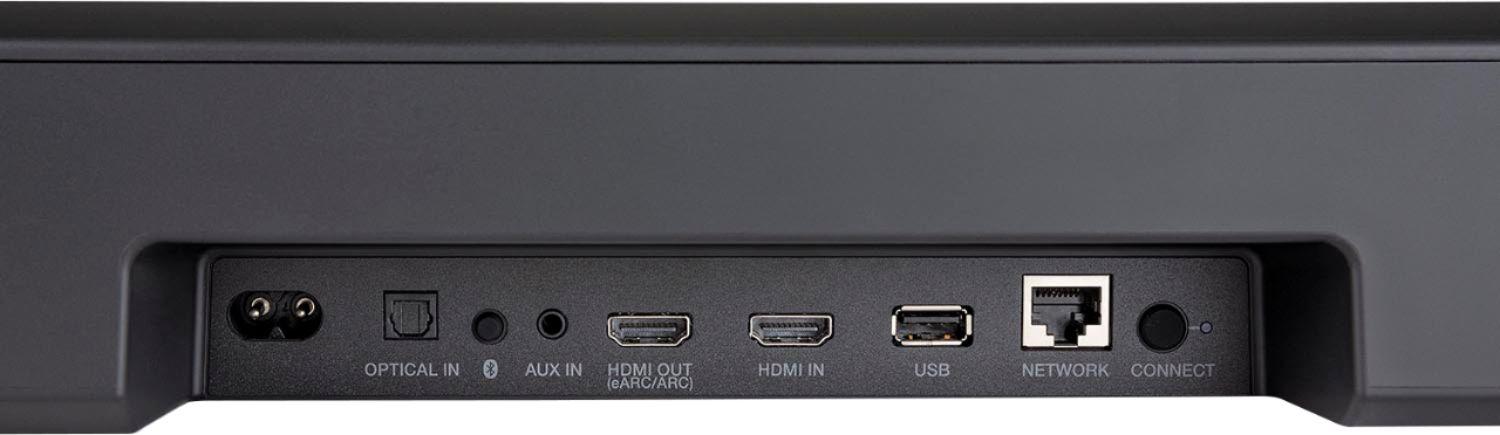
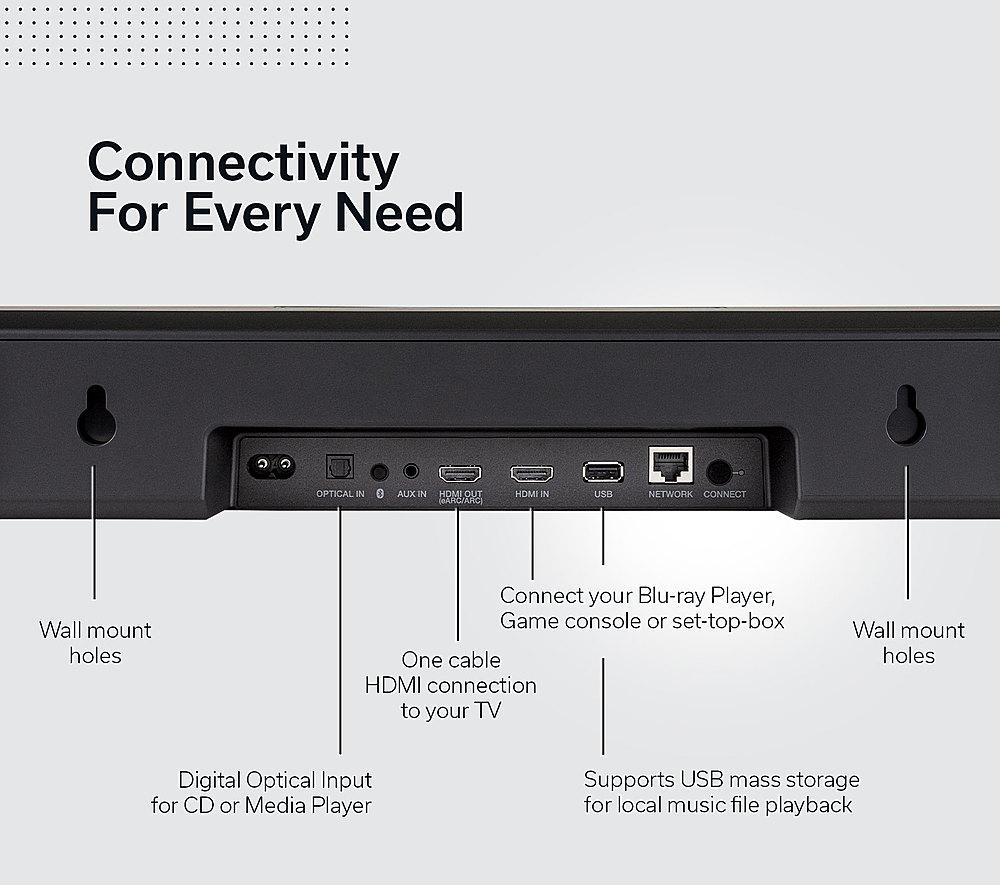
From a practical connectivity standpoint, the Denon offers more flexibility with additional HDMI inputs and analog connections. This can be valuable if you have multiple source devices or older equipment that doesn't support HDMI ARC/eARC connections.
The expansion possibilities reveal perhaps the most fundamental difference in these products' intended use cases. The Sony is designed as a complete solution that delivers maximum performance from day one. While you can add optional rear speakers for even more immersive surround effects, the soundbar is intended to provide a satisfying experience on its own.
The Denon takes a modular approach that allows gradual system building over time. You can start with just the soundbar, then add the wireless subwoofer when budget allows, and eventually incorporate rear speakers for a complete 5.1 surround system. All components communicate wirelessly, eliminating the need for additional speaker wires running around your room.
The HEOS ecosystem extends beyond home theater into multiroom audio territory. You can group the soundbar with HEOS speakers in other rooms for synchronized music playback throughout your home. This flexibility makes the Denon more future-proof if your audio needs might evolve over time.
For dedicated home theater setups, both soundbars offer compelling advantages. The Sony BRAVIA Theater Bar 9 excels in rooms where you want maximum impact from a single component. Its sophisticated room calibration adapts to different acoustic environments, ensuring optimal performance whether your theater has carpet and heavy curtains or hardwood floors and minimal soft furnishings.
The Sony's integration with gaming consoles, particularly PlayStation 5, makes it an excellent choice for gaming-focused theaters. The low latency and support for 3D audio in games creates an immersive gaming experience that rivals dedicated gaming headphones.
The Denon's modular approach shines in home theaters where you have the flexibility to place additional components. The wireless subwoofer can be positioned anywhere in the room for optimal bass response, while rear speakers can be placed at the proper distance and angle for accurate surround imaging.
For rooms with challenging acoustics or unconventional layouts, the Denon's expandability provides more options for achieving balanced sound throughout the listening area.
Choosing between these excellent soundbars ultimately depends on your priorities and intended use patterns. The Sony BRAVIA Theater Bar 9 delivers superior out-of-the-box performance for immersive movie experiences, with powerful bass and convincing spatial effects that require no additional components. It's the better choice if you want maximum audio impact immediately and don't plan to expand your system over time.
The Denon Home Sound Bar 550 offers greater long-term flexibility and smart features, though it requires additional investment in a subwoofer for optimal bass performance. It's ideal if you prioritize music listening quality, want comprehensive smart home integration, or plan to build a more elaborate audio system gradually.
Both soundbars represent excellent value in the premium category, but they serve different user needs and preferences. Your choice should align with whether you prioritize immediate audio excellence or expandable ecosystem versatility, ensuring you'll be satisfied with your investment for years to come.
| Sony BRAVIA Theater Bar 9 | Denon Home Sound Bar 550 |
|---|---|
| Price - Starting cost for the soundbar alone | |
| $525 | $519 |
| Driver Configuration - More drivers typically mean better sound separation | |
| 13 drivers including dedicated up-firing and side-firing speakers | 6 active drivers with 2 passive radiators |
| Bass Performance - Whether you need a separate subwoofer | |
| Self-sufficient bass from integrated drivers and passive radiators | Requires optional wireless subwoofer for impactful low-end |
| Surround Sound Technology - How immersive audio effects are created | |
| Physical height/side channels with 360 Spatial Sound Mapping | Virtual surround processing with Dolby Height Virtualization |
| Smart Features - Voice control and home automation integration | |
| Bravia Connect app, Spotify Connect, AirPlay 2 | Built-in Amazon Alexa, Google Assistant compatibility |
| Expandability - Future upgrade options | |
| Optional rear speakers only | Full HEOS ecosystem (subwoofer, rear speakers, multiroom audio) |
| HDMI Connectivity - Gaming and 4K support | |
| 1 input + eARC output with HDMI 2.1 (VRR, ALLM for gaming) | 1 input + eARC output plus additional analog connections |
| Dialogue Enhancement - Speech clarity technology | |
| Voice Zoom 3 with AI processing + Acoustic Centre Sync (Sony TVs) | Dialog Enhancement mode with frequency boosting |
| Music Tuning - Sound signature for music listening | |
| Cinema-focused tuning optimized for movies and spatial audio | Neutral, audiophile-focused tuning better for critical music listening |
| Room Calibration - Automatic sound optimization | |
| Sound Field Optimization with room-specific acoustic tuning | Basic setup through HEOS app (table/wall placement options) |
| Streaming Quality - Maximum audio resolution support | |
| High-resolution audio and 360 Reality Audio support | Up to 192kHz/24-bit high-resolution streaming through HEOS |
| TV Integration - Brand-specific features | |
| Enhanced integration with Sony BRAVIA TVs (uses TV as center speaker) | Universal compatibility with any TV brand |
The Sony BRAVIA Theater Bar 9 is better for movies due to its 13 physical drivers including dedicated up-firing speakers that create genuine overhead effects for Dolby Atmos content. Its 360 Spatial Sound Mapping technology delivers more convincing surround sound for action movies compared to the Denon Home Sound Bar 550's virtual processing approach.
The Sony BRAVIA Theater Bar 9 includes integrated bass drivers and doesn't require a separate subwoofer for satisfying low-end performance. The Denon Home Sound Bar 550 has limited bass output and benefits significantly from adding Denon's optional wireless subwoofer for full impact during movies and music.
The Denon Home Sound Bar 550 has superior voice control with built-in Amazon Alexa and Google Assistant compatibility for hands-free operation. The Sony BRAVIA Theater Bar 9 lacks built-in voice assistants but offers excellent integration with Sony TVs through the Bravia Connect app.
The Denon Home Sound Bar 550 is better for music with its neutral, audiophile-focused tuning and support for high-resolution streaming up to 192kHz/24-bit. The Sony BRAVIA Theater Bar 9 is optimized more for cinematic content, though it still delivers engaging music playback with spatial audio formats.
The Denon Home Sound Bar 550 offers superior expandability through the HEOS ecosystem, allowing you to add wireless subwoofers, rear speakers, and create multiroom audio systems. The Sony BRAVIA Theater Bar 9 has limited expansion options beyond adding optional rear speakers.
The Sony BRAVIA Theater Bar 9 is better for gaming with HDMI 2.1 support including Variable Refresh Rate (VRR) and Auto Low Latency Mode (ALLM) for responsive gaming. The Denon Home Sound Bar 550 works with gaming consoles but lacks these specialized gaming features.
Both soundbars are relatively easy to set up, but the Sony BRAVIA Theater Bar 9 offers simpler operation with automatic room calibration and seamless Sony TV integration. The Denon Home Sound Bar 550 requires the HEOS app for optimal setup and offers more customization options that may appeal to tech-savvy users.
The Sony BRAVIA Theater Bar 9 costs $525 while the Denon Home Sound Bar 550 costs $519, making them very similarly priced. However, the Denon may require additional investment in a subwoofer ($200-300) for comparable bass performance to the Sony.
The Sony BRAVIA Theater Bar 9 has superior dialogue enhancement with Voice Zoom 3 AI technology and Acoustic Centre Sync that uses compatible Sony TVs as center speakers. The Denon Home Sound Bar 550 offers good dialogue clarity through its Dialog Enhancement mode but lacks the Sony's advanced processing.
The Denon Home Sound Bar 550 works universally with any TV brand through HDMI ARC/eARC or optical connections. The Sony BRAVIA Theater Bar 9 also works with all TVs but offers enhanced features like Acoustic Centre Sync only with Sony BRAVIA TVs from 2021 and newer.
The Denon Home Sound Bar 550 may be better for apartments due to its more compact size and the ability to use it without a subwoofer to avoid disturbing neighbors. The Sony BRAVIA Theater Bar 9 delivers more powerful bass that might be too much for thin walls, though both offer night modes for quiet listening.
For dedicated home theaters, the Sony BRAVIA Theater Bar 9 delivers superior immediate performance with its physical surround speakers and integrated bass. The Denon Home Sound Bar 550 offers more flexibility for custom home theater configurations through its expandable HEOS ecosystem, allowing precise component placement for optimal acoustics.
We've done our best to create useful and informative comparisons to help you decide what product to buy. Our research uses advanced automated methods to create this comparison and perfection is not possible - please contact us for corrections or questions. These are the sites we've researched in the creation of this article: rtings.com - residentialsystems.com - rtings.com - bestbuy.com - valueelectronics.com - sony.com - sony.co.uk - sony.co.uk - rtings.com - sony.co.in - sony.com - pocket-lint.com - sony.com - crutchfield.com - consumerreports.org - soundandvision.com - crutchfield.com - rtings.com - crutchfield.com - gzhls.at - denon.com - walmart.com - youtube.com - whathifi.com - bestbuy.com

Privacy Policy
Terms and Conditions - Affiliate Policy
Home Security
© Copyright 2008-2026.
11816 Inwood Rd #1211, Dallas, TX 75244