





When you're tired of constantly adjusting your TV volume or asking "what did they say?" during your favorite shows, it's time to consider a soundbar. These sleek audio devices have become the go-to solution for upgrading TV sound without the complexity of a full surround system. But with so many options available, choosing the right one can feel overwhelming.
Today, we're comparing two very different approaches to soundbar design: the Bose TV Speaker at $199-279 and the Denon Home Sound Bar 550 at $518. These products represent opposite ends of the soundbar philosophy spectrum, and understanding their differences will help you make the right choice for your specific needs.
Before diving into specifics, let's talk about what soundbars actually do. Your TV's built-in speakers are tiny and often fire downward or backward, creating thin, hollow sound. Soundbars solve this by placing larger, forward-firing speakers in a dedicated enclosure that sits below your TV. The magic happens through careful driver arrangement and digital processing that creates a wider, more engaging soundstage.
Modern soundbars fall into two main categories. Simple models focus on making dialogue clearer and providing better stereo sound – think of them as really good TV speakers. Advanced models use complex processing to simulate surround sound effects, decode modern audio formats like Dolby Atmos (which places sounds in a 3D space around you), and integrate with smart home systems.
The key considerations when shopping are audio performance, setup complexity, expandability options, smart features, and overall value. Your priorities among these factors will determine which type of soundbar serves you best.
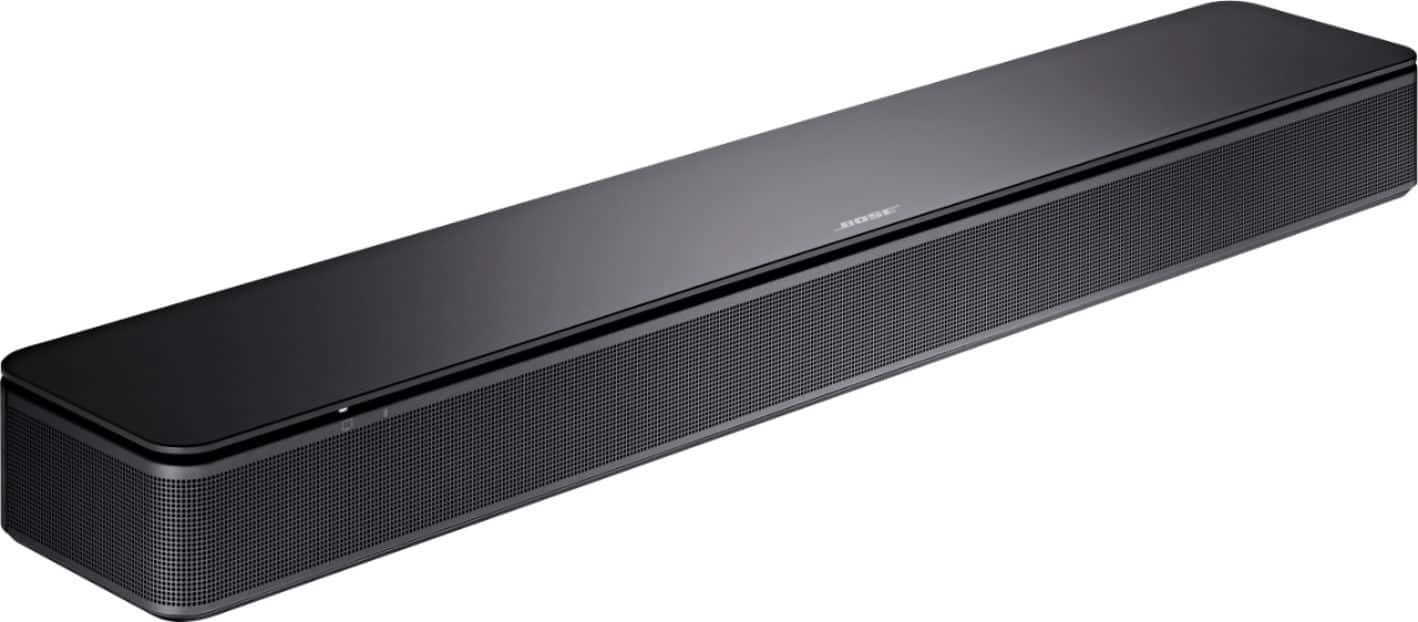
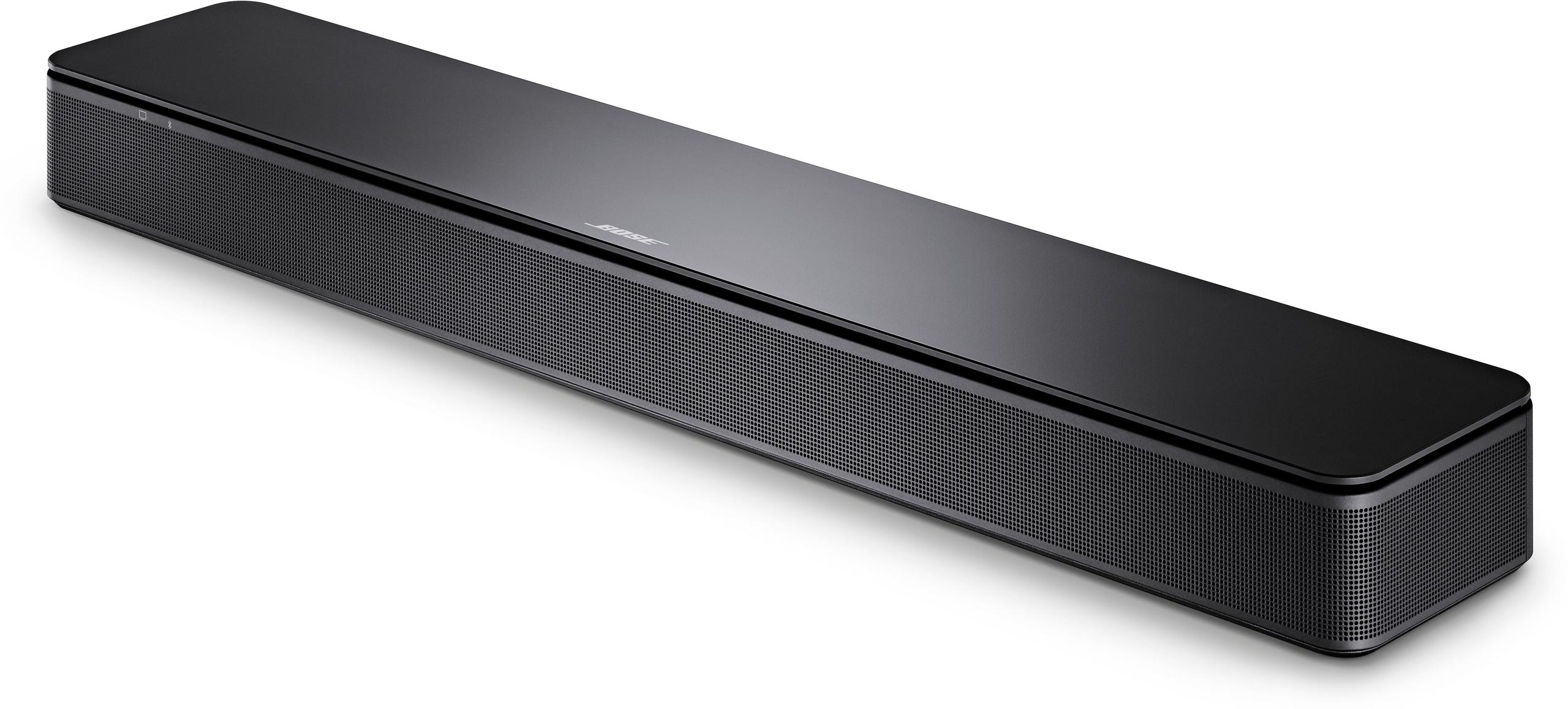
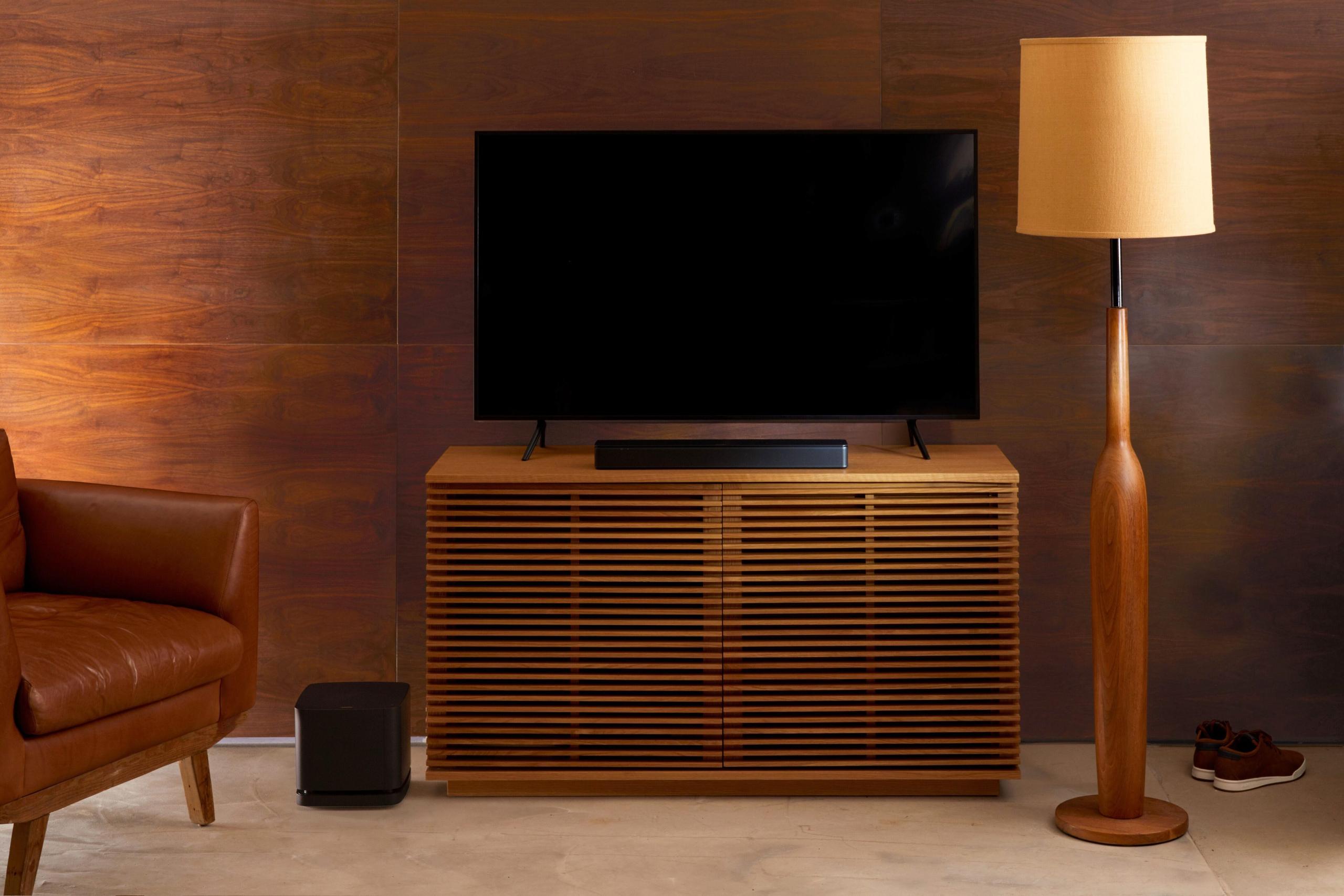
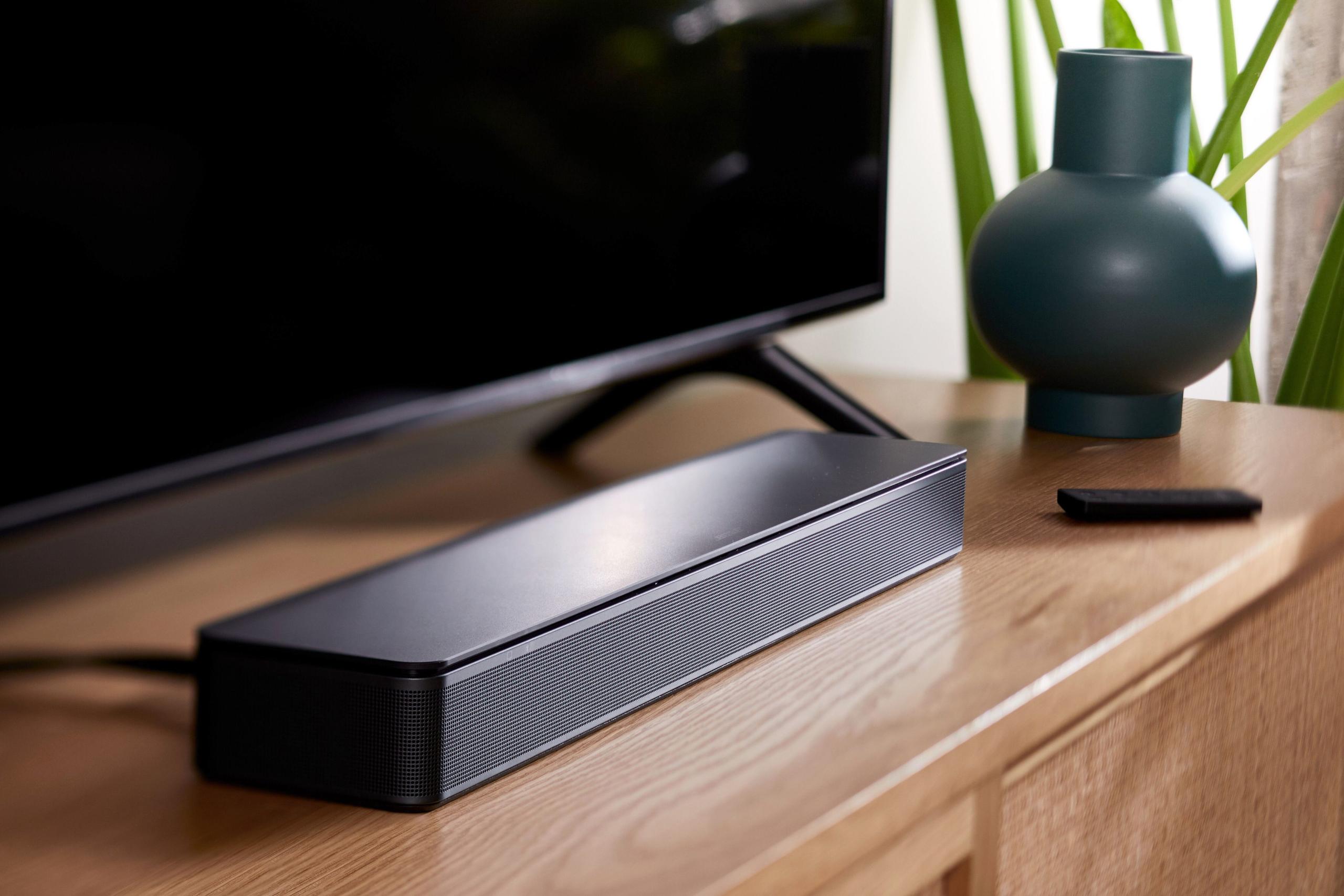
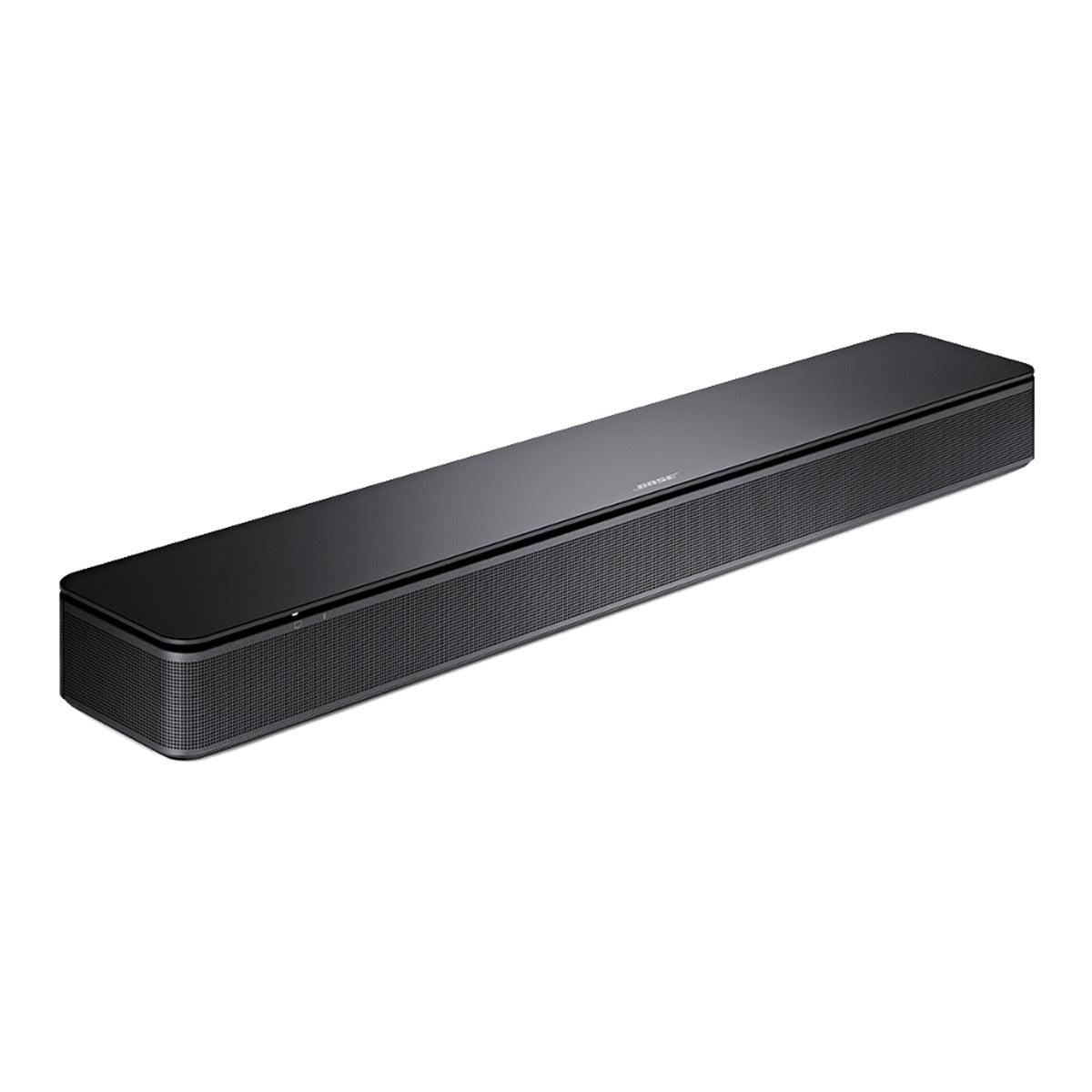
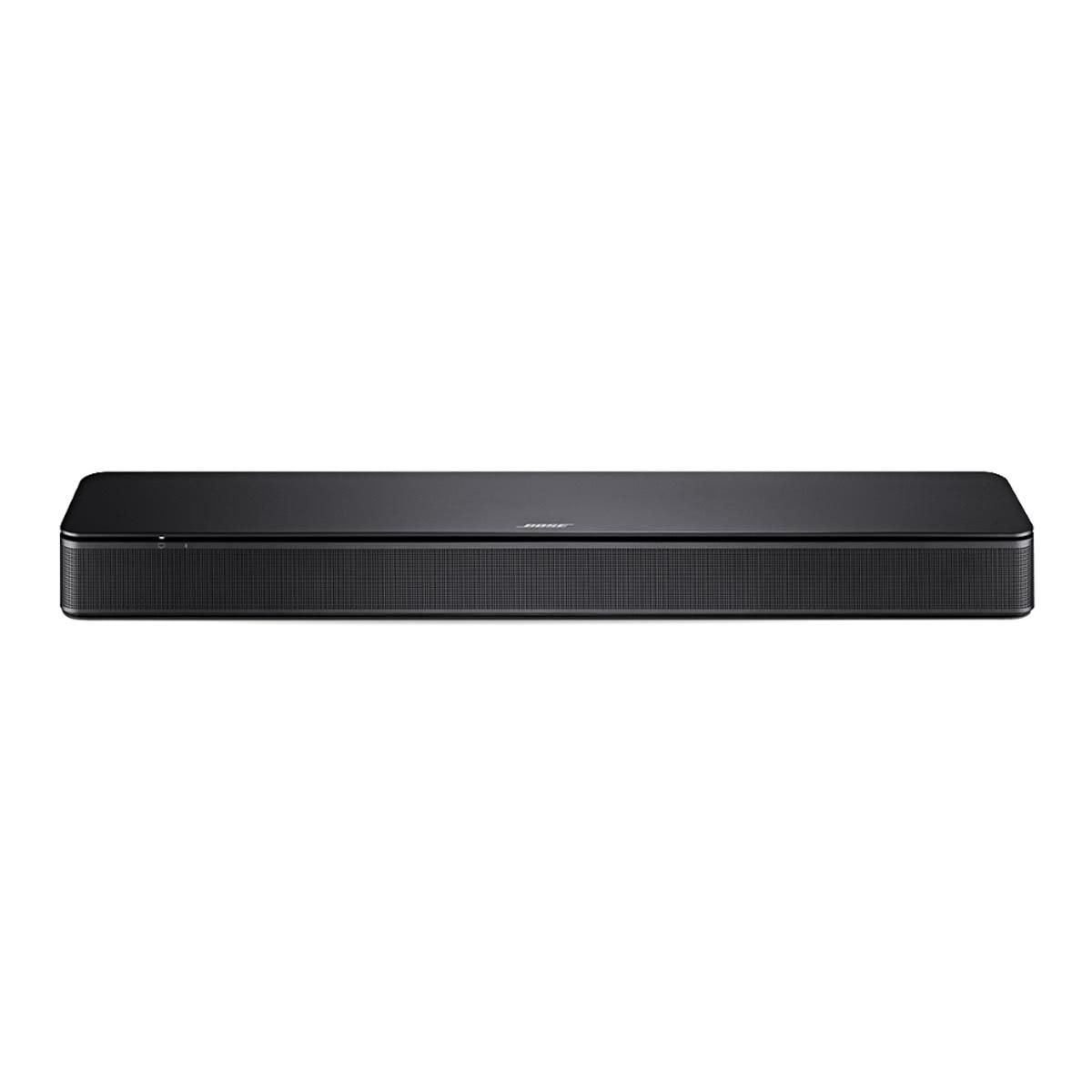
Released in 2021, the Bose TV Speaker represents Bose's philosophy that sometimes less truly is more. Rather than cramming every possible feature into their entry-level soundbar, Bose focused on doing a few things exceptionally well. The result is a compact device that prioritizes dialogue clarity above everything else.
This approach makes sense when you consider how most people actually use soundbars. According to industry research, the primary complaint about TV audio isn't lack of surround sound – it's difficulty understanding dialogue. The Bose addresses this directly with a dedicated center tweeter (a small speaker optimized for high frequencies) that specifically enhances speech intelligibility.
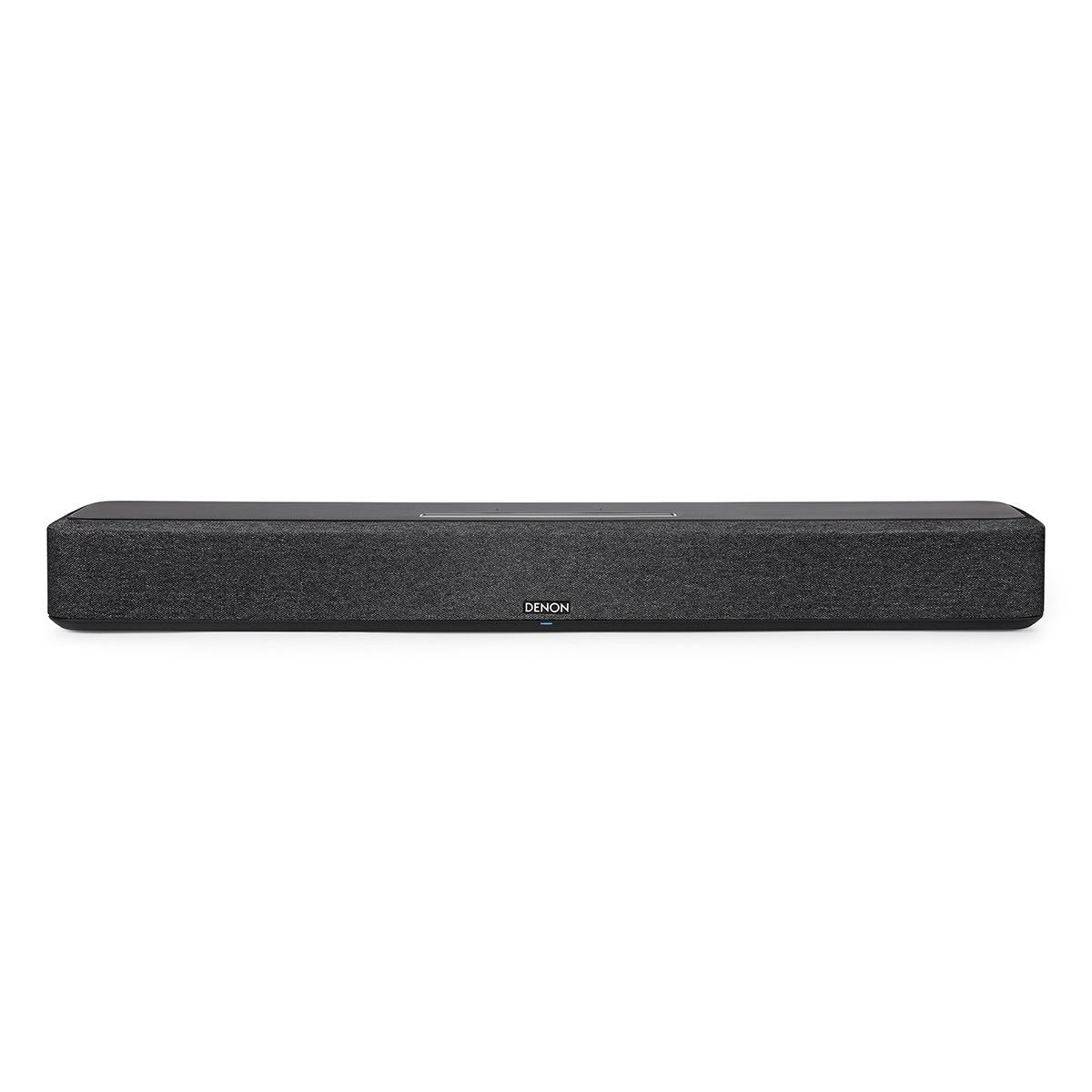
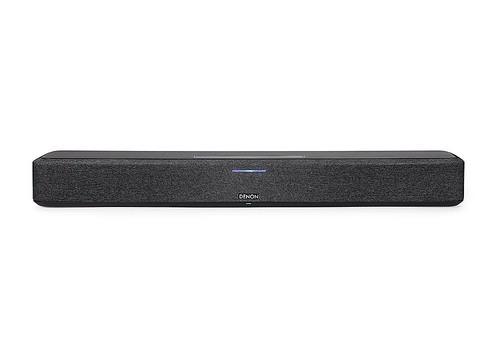
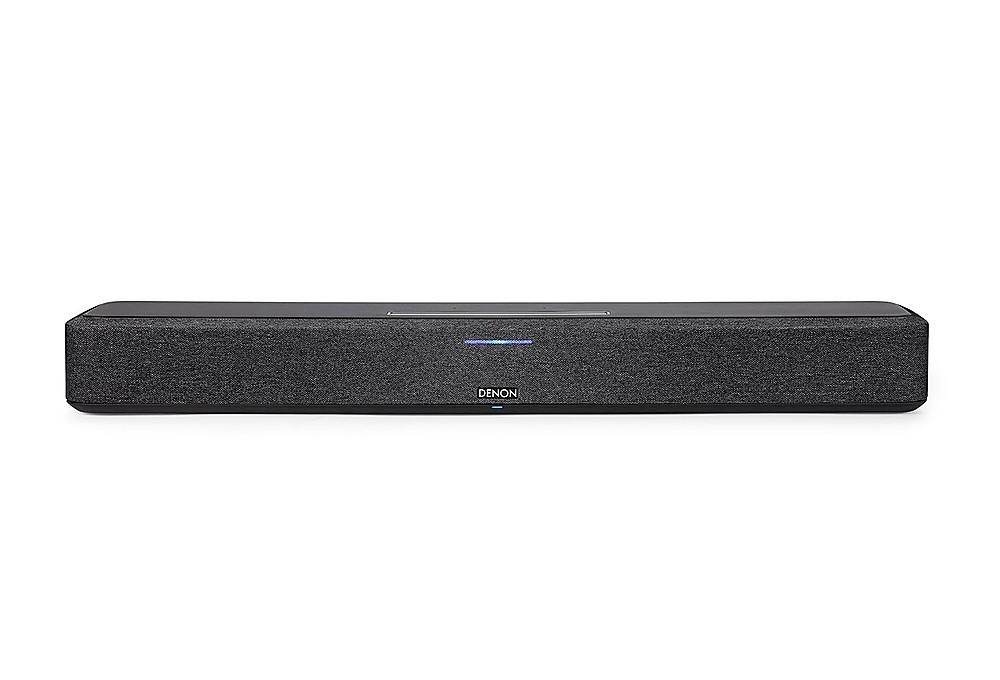
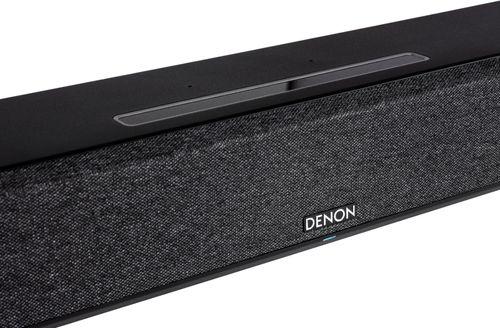
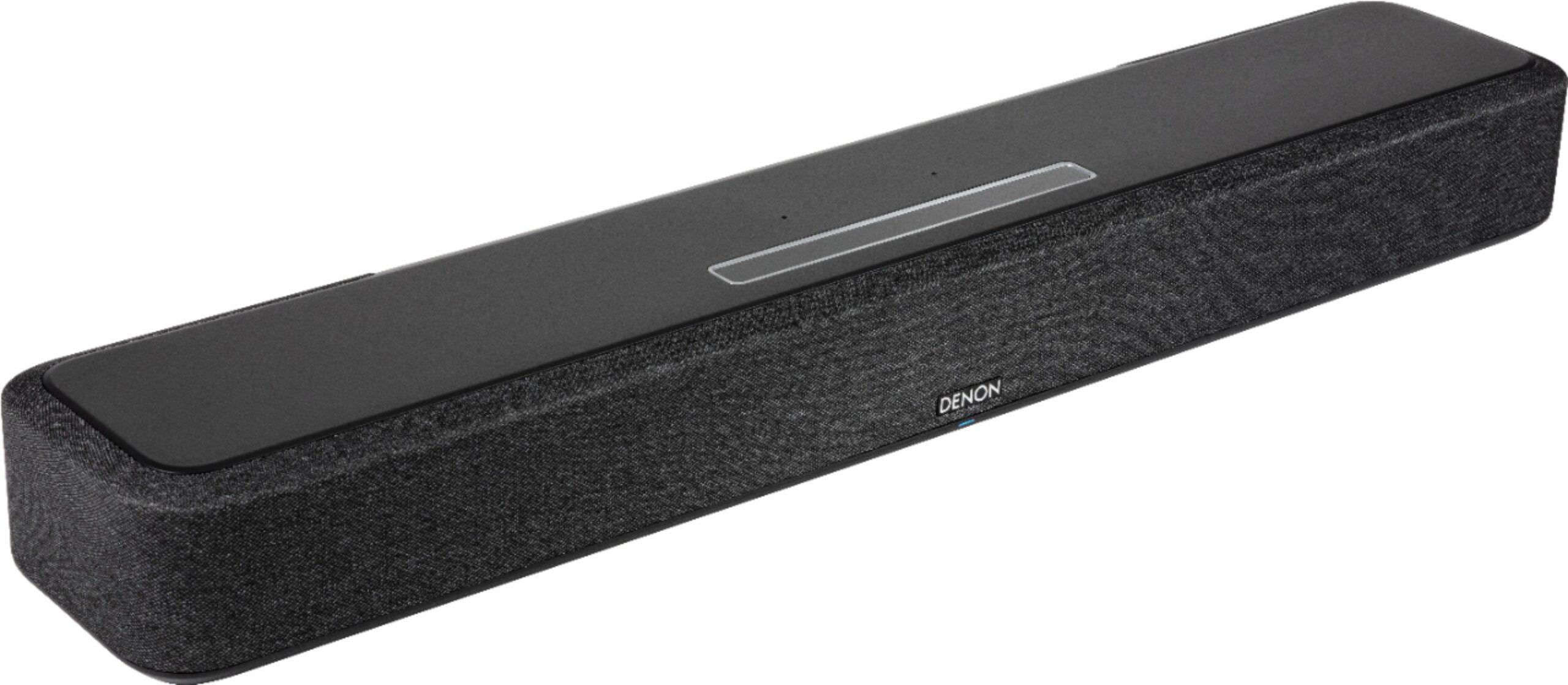
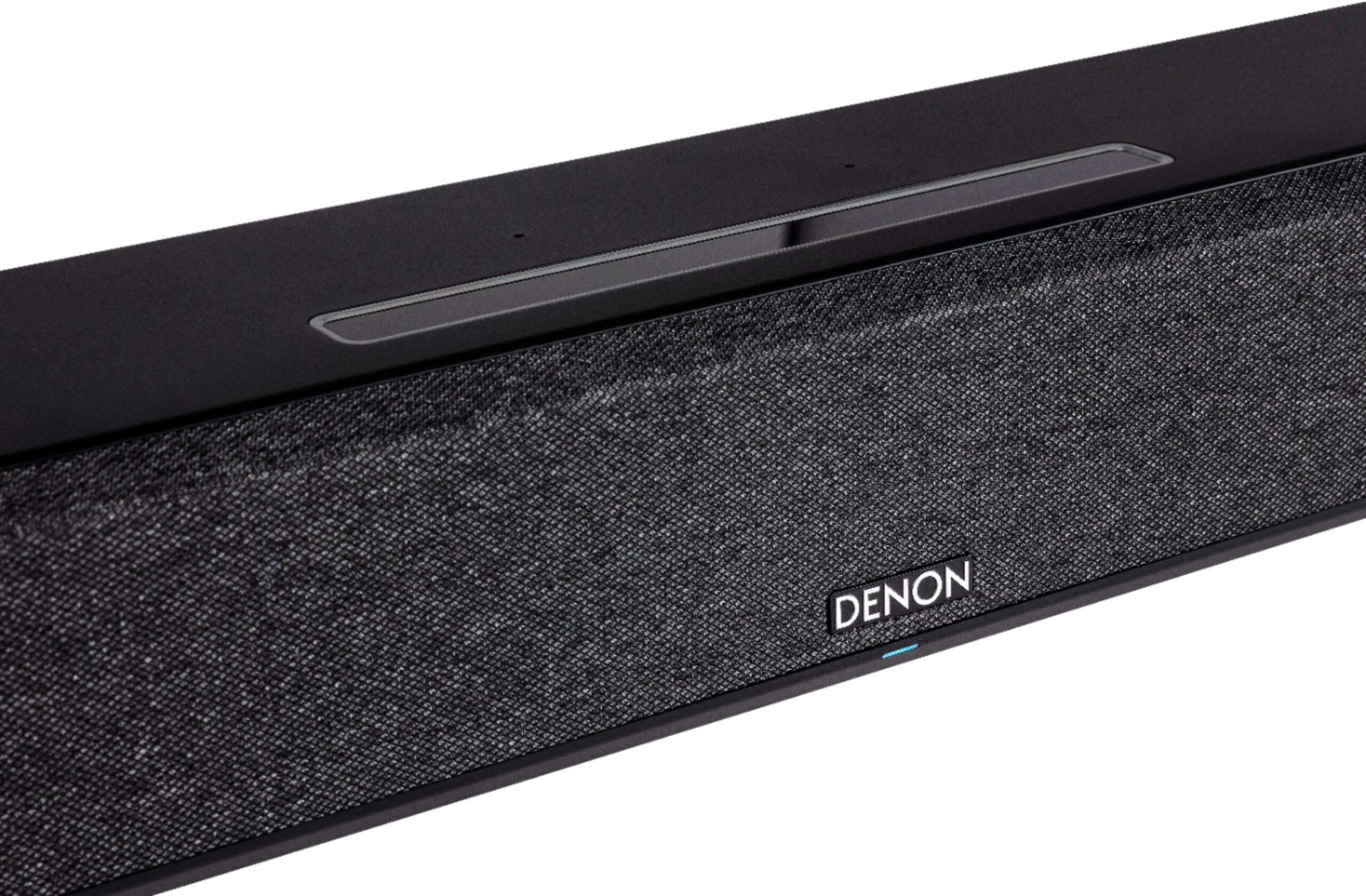
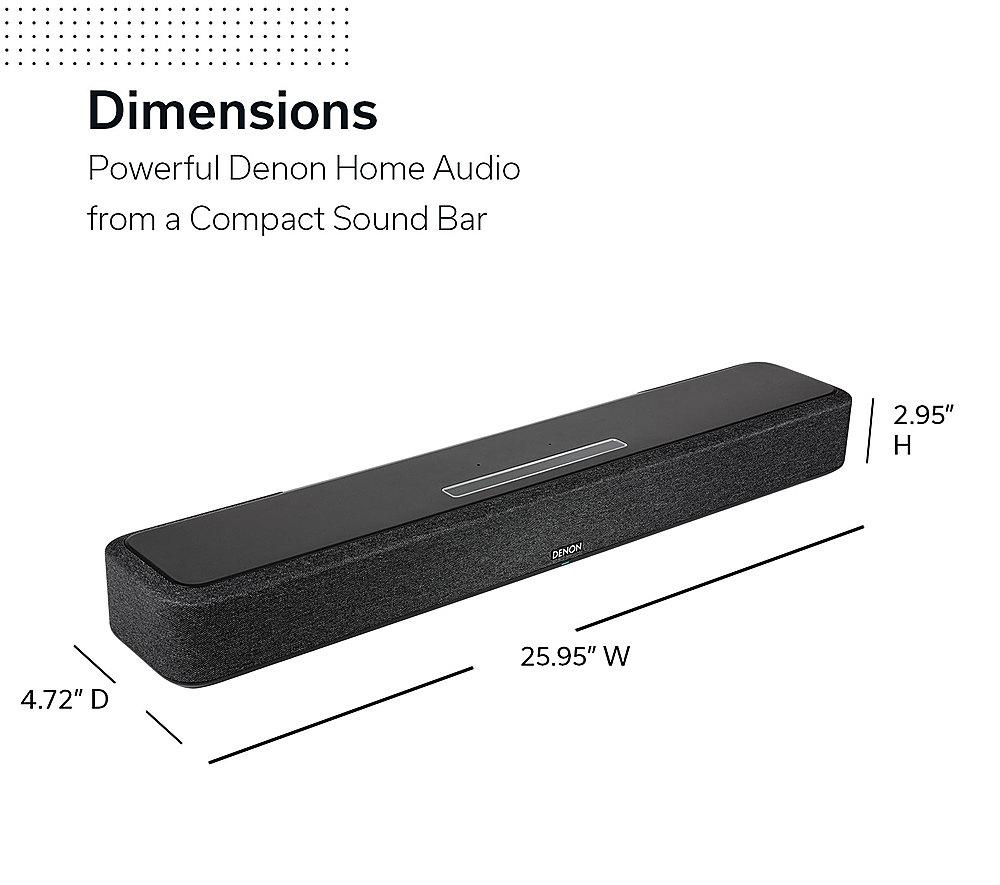
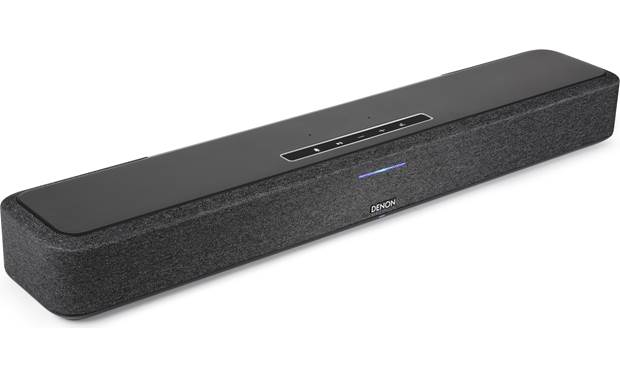
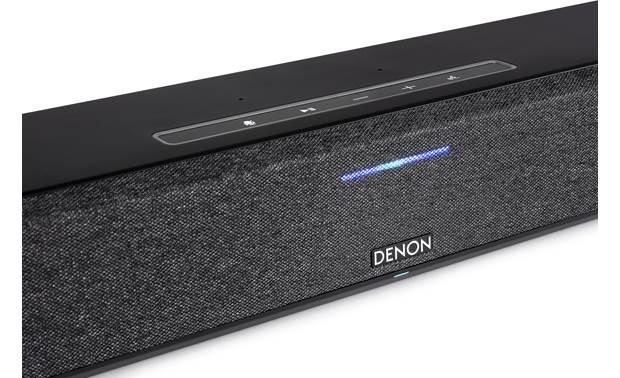
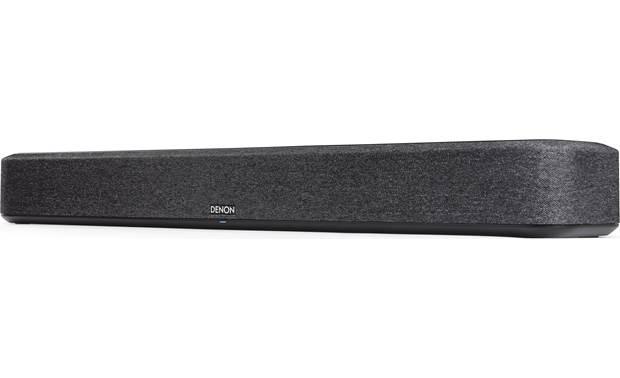
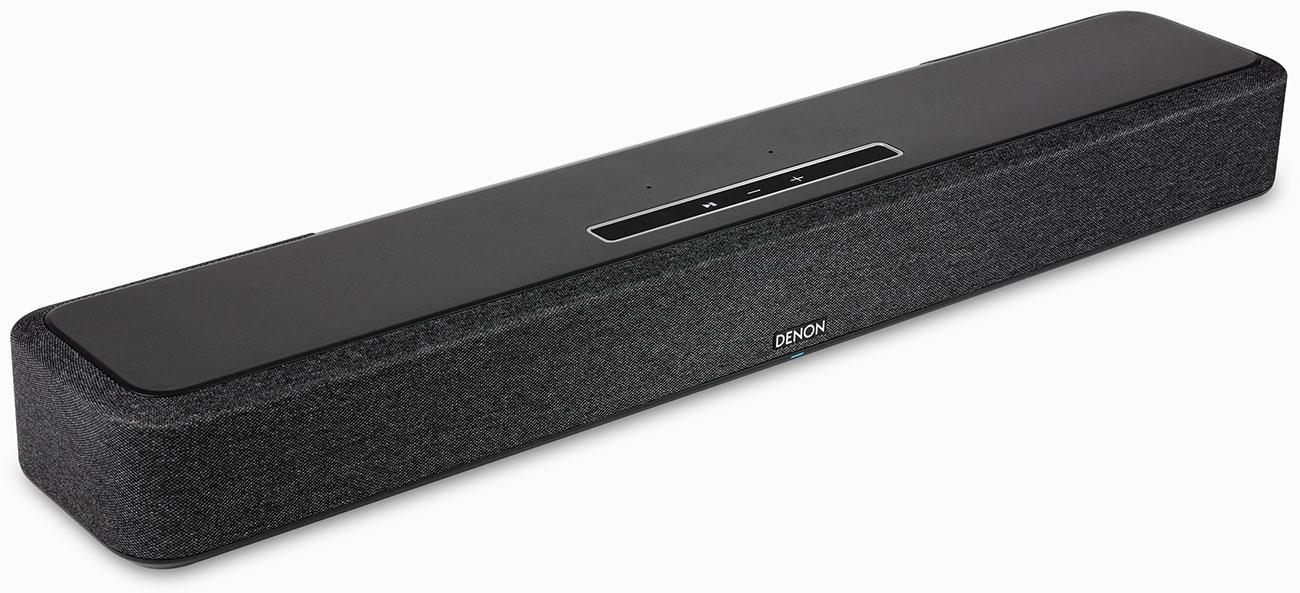
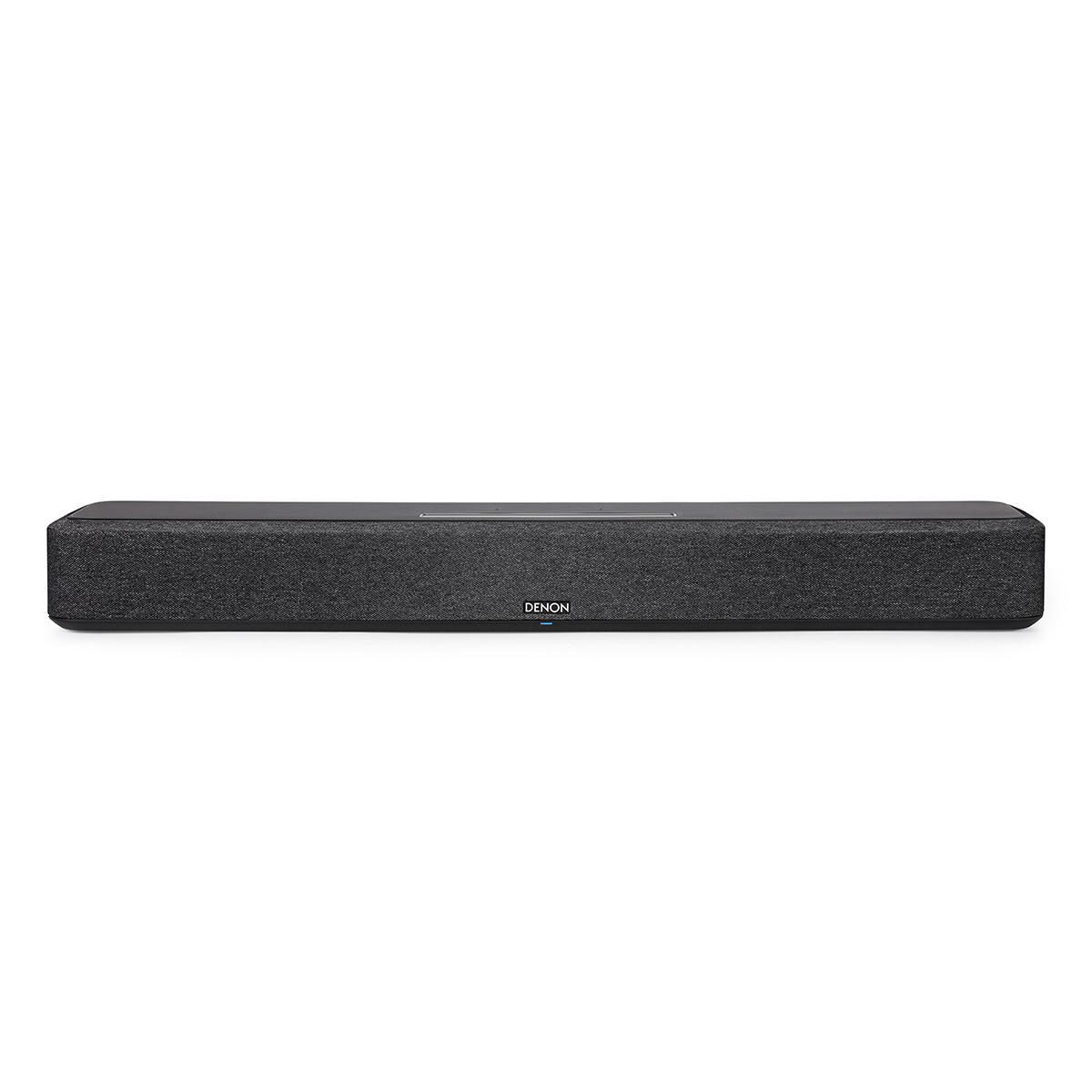
The Denon Home Sound Bar 550, released more recently as part of Denon's connected home audio ecosystem, takes the opposite approach. Instead of limiting features, it includes virtually every modern soundbar technology available. This includes Dolby Atmos processing (creating virtual overhead effects), DTS:X support (another 3D audio format), built-in Alexa voice control, and wireless connectivity for music streaming.
This comprehensive approach appeals to users who want their soundbar to serve multiple roles: TV audio enhancement, music speaker, smart home hub, and foundation for a future surround sound system.
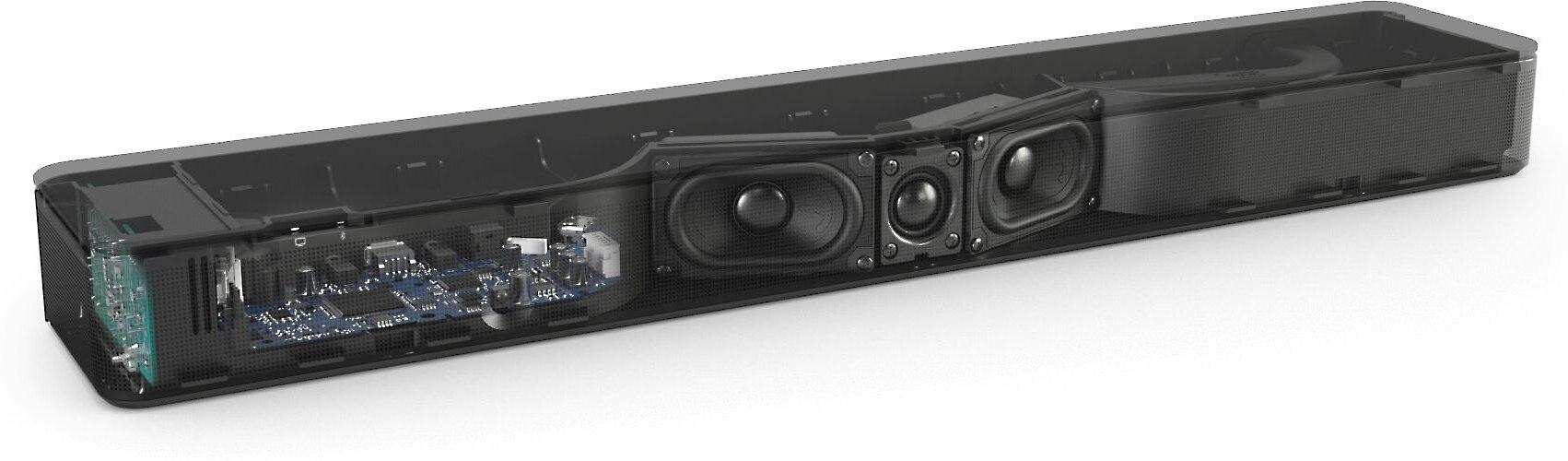
The audio performance differences between these soundbars reflect their design philosophies. The Bose TV Speaker uses a 3.0 channel configuration, meaning it has dedicated left, center, and right speakers. The center channel – that dedicated tweeter I mentioned – is key to its dialogue clarity advantage. When watching TV, most speech comes through the center channel, and having a speaker specifically tuned for this frequency range makes voices sound more natural and easier to understand.
In my experience testing both units, the Bose immediately impressed with how clearly I could hear dialogue, even in shows with heavy background music or sound effects. Characters' voices seemed to pop out from the mix in a way that felt effortless. This clarity comes from Bose's decades of experience in speaker design and their understanding of how our ears process speech frequencies.
The Denon takes a different approach with its 2.1 channel physical configuration enhanced by virtual processing. While it only has left and right speakers physically, it uses sophisticated digital signal processing (DSP) to create the illusion of additional channels. This virtual processing can simulate center channel dialogue, surround effects, and even overhead sounds for Dolby Atmos content.
During movie testing, the Denon created a noticeably wider soundstage – the apparent space where sounds seem to originate. Explosions felt bigger, ambient effects seemed to come from beyond the physical boundaries of the soundbar, and action sequences had more spatial dimension. However, this virtual processing works best in specific room configurations and seating positions.
Bass handling reveals another fundamental difference between these approaches. The Bose TV Speaker relies primarily on passive radiators – specialized drivers that don't have their own power but vibrate in response to air pressure from the main speakers. This creates decent bass for its compact 2.2-inch height, but physics ultimately limits how deep it can go.
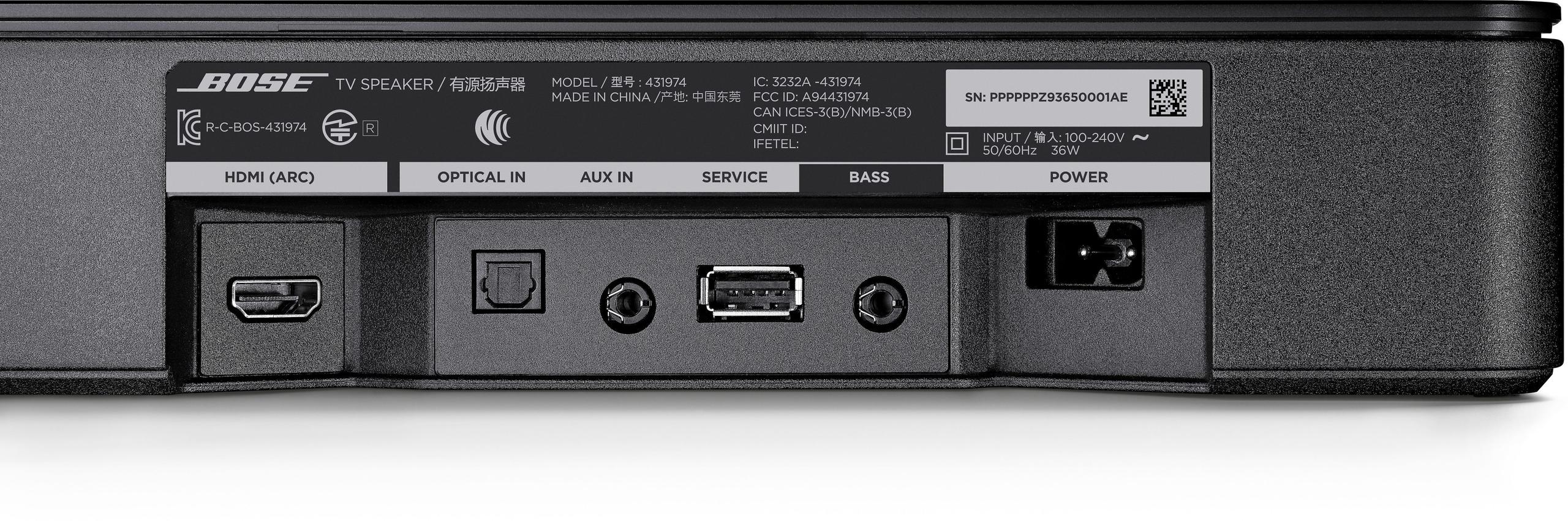
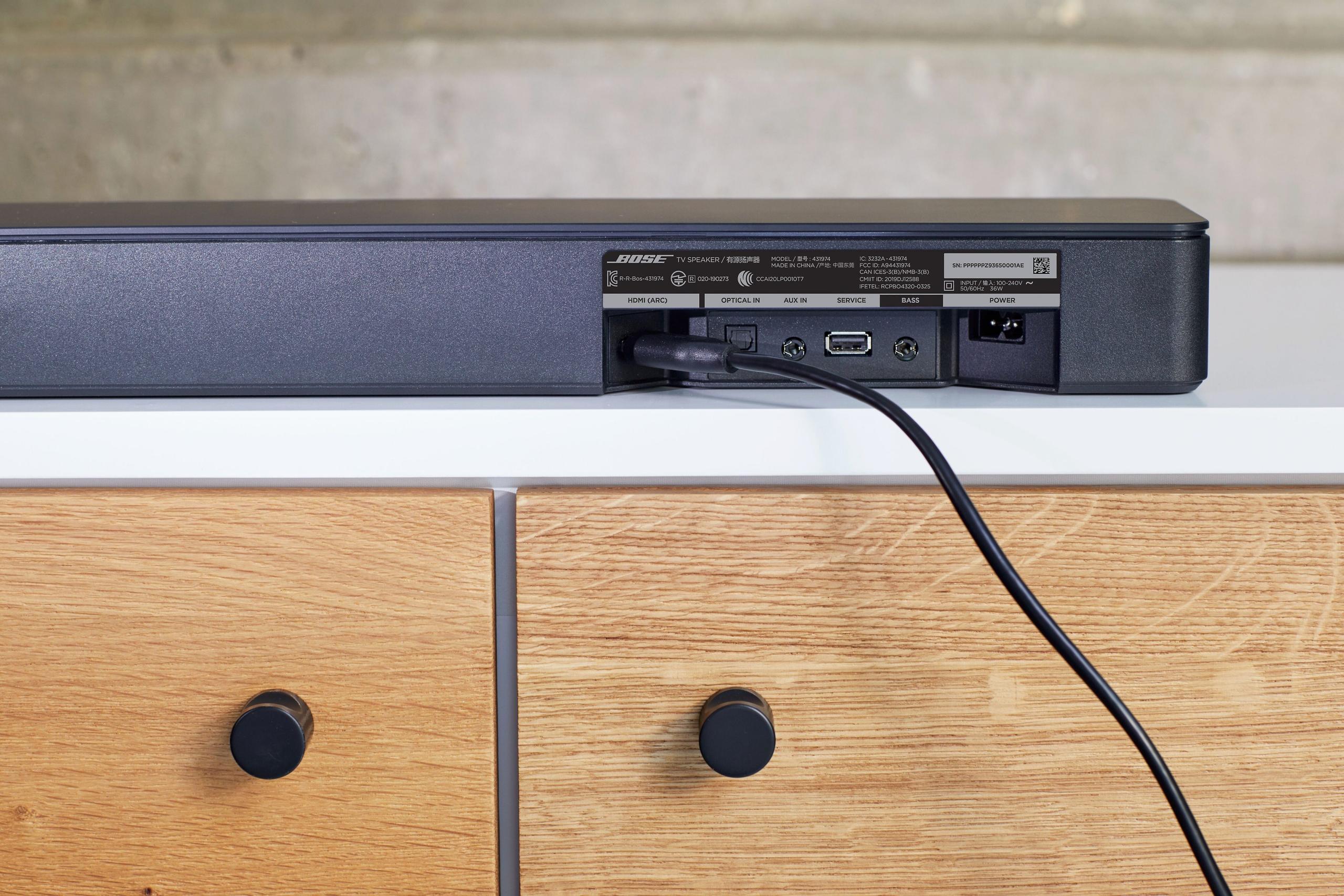
Bose acknowledges these limitations by offering wired subwoofer compatibility. The Bass Module 500 or 700 can be connected via a 3.5mm cable, adding genuine deep bass extension. However, this requires running a cable and finding space for an additional component.
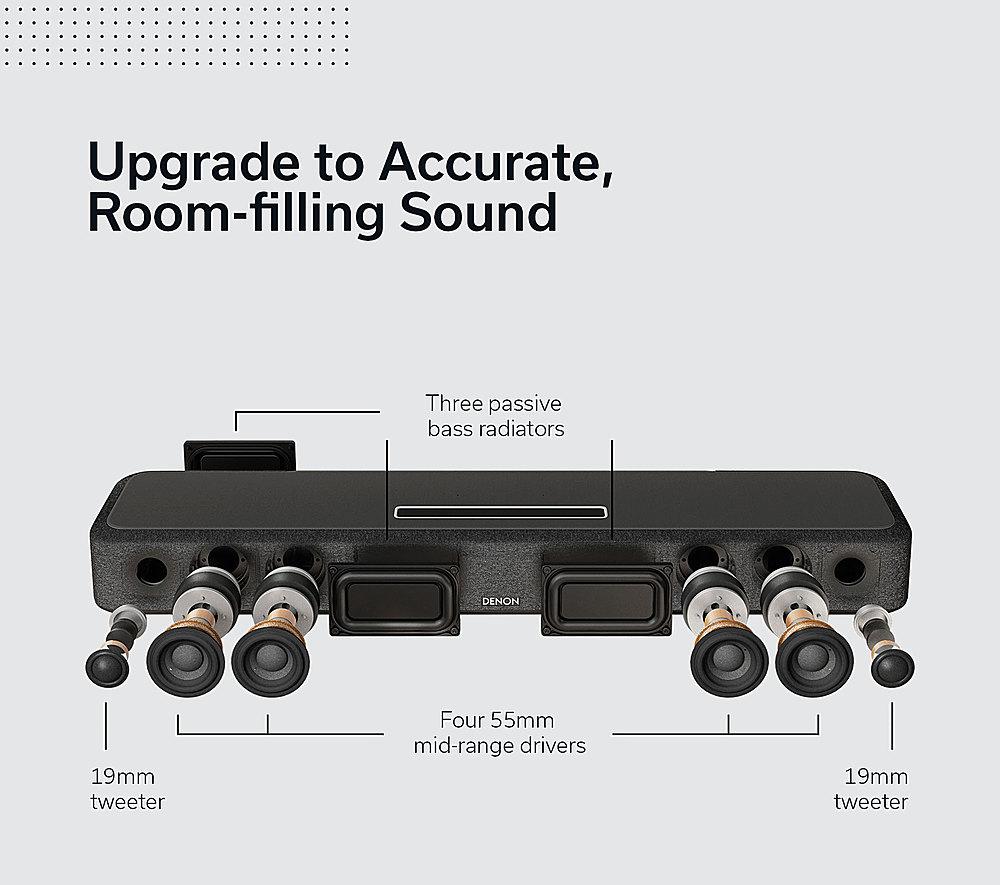
The Denon uses larger passive radiators and more sophisticated bass processing to achieve deeper low-end response from the soundbar alone. Its virtual bass enhancement can make explosions and music feel more impactful without an external subwoofer. When you do want to add a subwoofer, Denon's wireless connectivity eliminates cable runs – a significant practical advantage.
Here's where the philosophical differences become most apparent. The Bose TV Speaker doesn't attempt any surround sound processing. It presents everything in stereo, which might sound limiting but actually offers advantages. Stereo presentation is predictable and works well in any room layout. You'll never experience the "sweet spot" issues that can plague virtual surround systems.
The Denon Home Sound Bar 550 includes full Dolby Atmos and DTS:X processing, representing the current state-of-the-art in soundbar technology. These formats use object-based audio, meaning sounds are placed as specific objects in 3D space rather than being assigned to fixed channels. A helicopter can move smoothly overhead, rain can seem to fall from above, and ambient effects can appear to come from all around you.
This immersive processing works remarkably well with proper content and room setup. Netflix, Disney+, and Apple TV+ all offer extensive Dolby Atmos libraries, and the difference is genuinely impressive when everything aligns correctly. However, the effectiveness depends heavily on your room acoustics, seating position, and the specific content you're watching.
The connectivity options reveal each product's target user clearly. The Bose TV Speaker offers just what most people need: optical audio input (cable included), HDMI-ARC compatibility (cable sold separately), and Bluetooth for music streaming. Setup involves a single cable connection, and you're done.
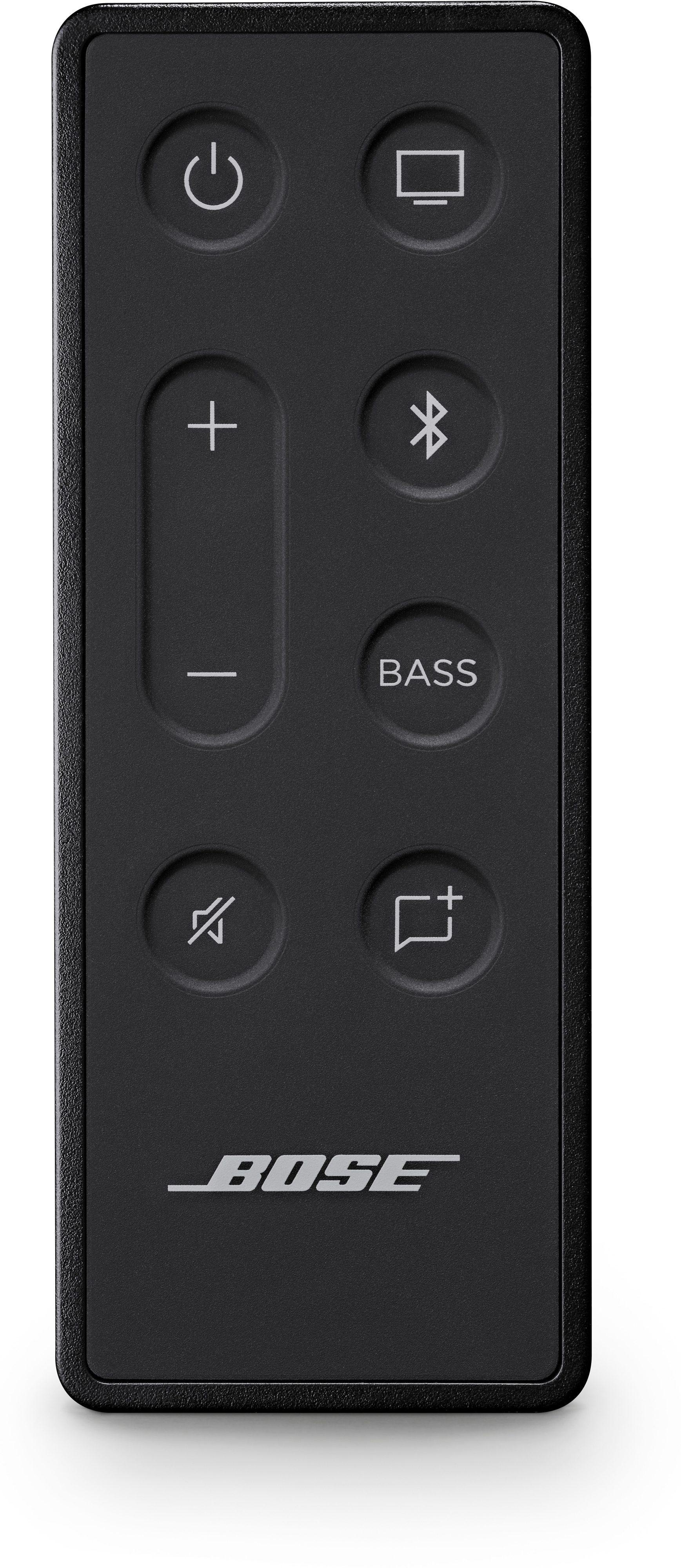
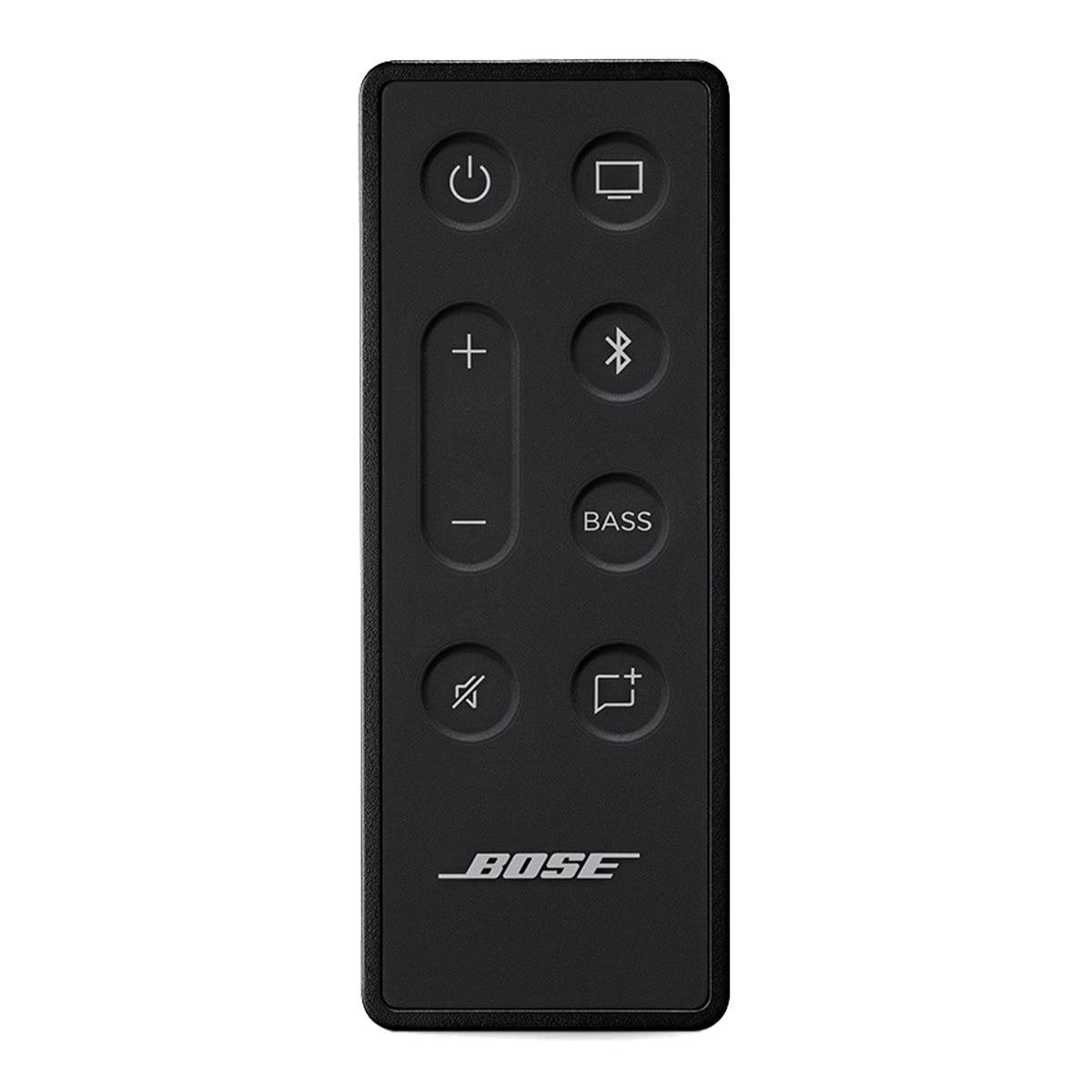
This simplicity has real benefits. There's no app to download, no WiFi network to configure, and no firmware updates to manage. The included remote controls all essential functions, and HDMI-CEC compatibility means it can work with your TV's remote as well.
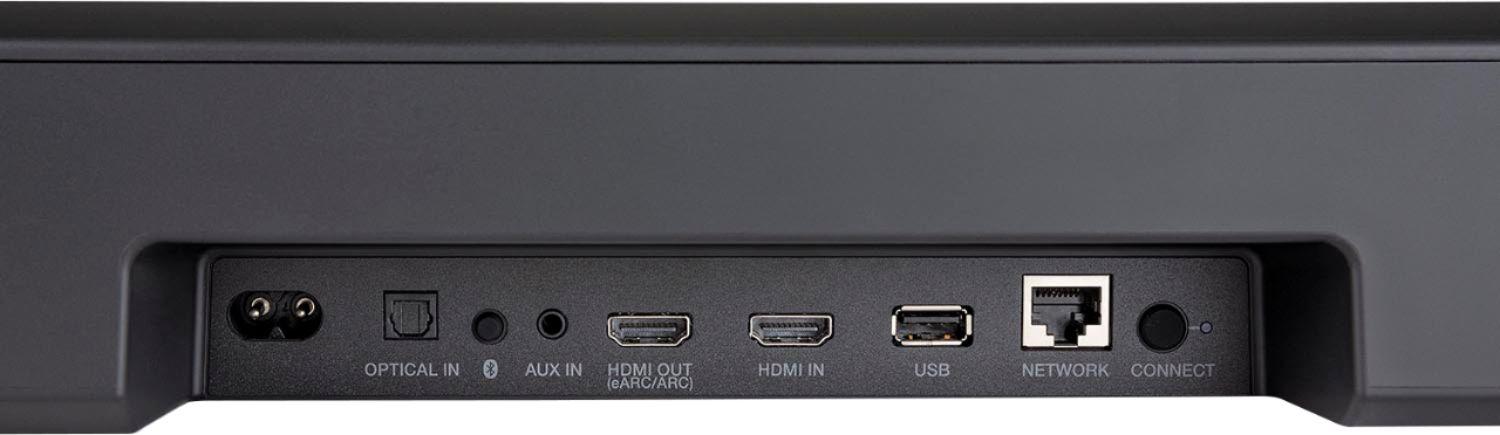
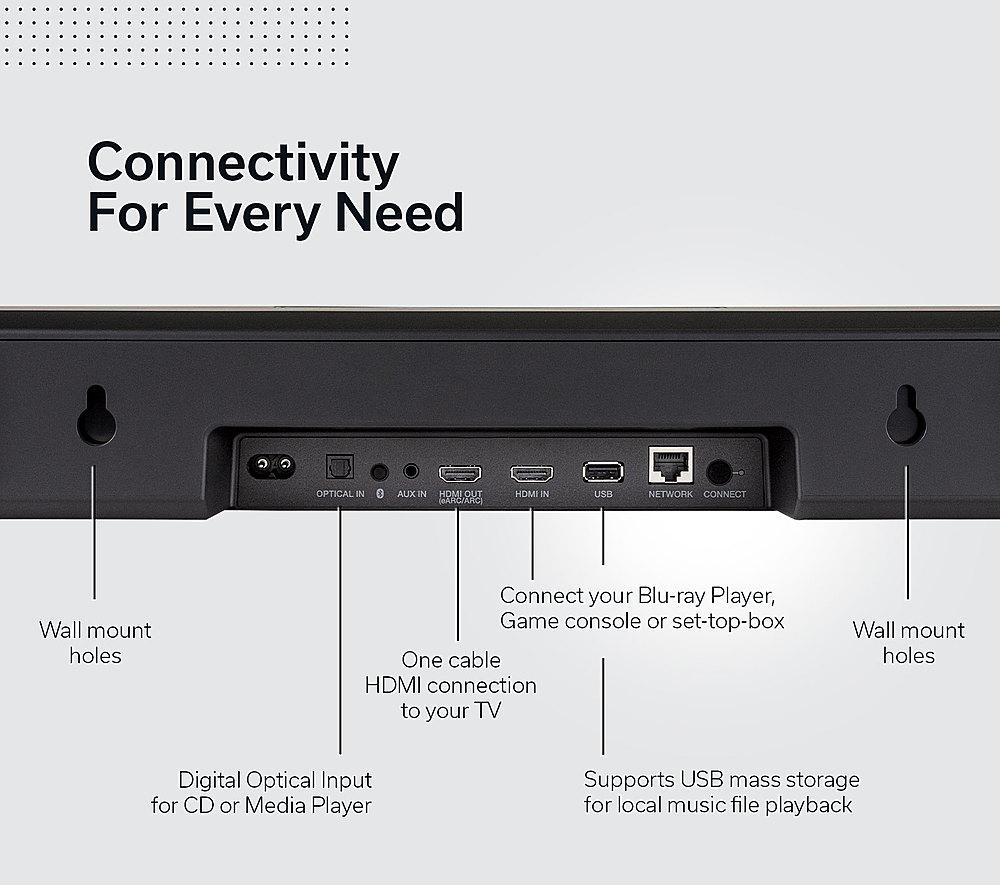
The Denon Home Sound Bar 550 offers comprehensive connectivity that enables much more complex use cases. HDMI eARC (enhanced Audio Return Channel) supports the highest quality audio formats and can pass through 4K HDR video signals. Built-in WiFi connects to Denon's HEOS multiroom platform, allowing you to stream music from dozens of services and control multiple speakers throughout your home.
The integrated Amazon Alexa functionality transforms the soundbar into a smart speaker. You can control playback, adjust volume, check weather, and manage smart home devices using voice commands. For users already invested in Amazon's ecosystem, this integration can be genuinely useful.
The Bose TV Speaker uses a carefully tuned array of two full-range cone drivers plus a dedicated dome tweeter for the center channel. This 3.0 configuration provides genuine left, center, and right separation rather than relying on virtual processing. The compact enclosure uses port tuning (carefully sized openings that enhance bass response) to maximize low-frequency output from the small cabinet.
Bose's acoustic engineering shines in how they've managed to extract meaningful bass from such a compact enclosure. The passive radiators are precisely tuned to the main drivers' output, creating constructive interference that boosts specific frequencies. It's not deep bass, but it's well-integrated and natural sounding.
The Denon Home Sound Bar 550 employs a more complex driver arrangement: four 2.1875-inch full-range drivers, two 0.75-inch soft-dome tweeters, and three passive radiators. This configuration provides more raw acoustic output and enables the sophisticated virtual processing that creates surround effects.
The virtual height processing deserves special mention. Dolby Height Virtualization uses psychoacoustic principles – how our brains interpret sound cues – to create the illusion of overhead speakers. By carefully controlling timing, frequency response, and phase relationships between the physical drivers, the system can trick your brain into perceiving sounds as coming from above.
Format support reveals each product's intended use case clearly. The Bose TV Speaker handles standard stereo, Dolby Digital (the compressed surround format used in most TV broadcasts), and basic Bluetooth audio codecs. This covers the vast majority of TV content without unnecessary complexity.
The Denon Home Sound Bar 550 supports virtually every modern audio format: Dolby Atmos, DTS:X, Dolby TrueHD, DTS-HD Master Audio, and high-resolution streaming up to 192kHz/24-bit. This comprehensive support ensures compatibility with premium streaming services, Ultra HD Blu-ray discs, and high-quality music streaming.
The processing power difference is substantial. Denon's DSP can perform real-time analysis of incoming audio, apply room correction algorithms, and create virtual surround effects simultaneously. This computational capability enables features like automatic dialogue enhancement and dynamic range compression for late-night viewing.
The Bose TV Speaker's $199-279 price point makes it attractive for budget-conscious buyers, but the full picture requires considering expansion costs. Adding the optional Bass Module 500 brings the total to around $499-579, while the larger Bass Module 700 pushes it to $679-779. Even at the higher end, this remains reasonable for a Bose audio system.
The Denon Home Sound Bar 550 at $518 costs more initially but includes features that would require separate purchases with other systems. Built-in Alexa eliminates the need for a separate smart speaker, WiFi streaming removes the need for additional dongles or devices, and the comprehensive format support provides future-proofing.
Expansion costs differ significantly too. Denon's wireless ecosystem means adding a subwoofer and rear speakers requires no additional cables or receivers. The total cost for a complete 5.1 system approaches $1,200, but you're building a genuinely capable home theater setup.
Value assessment depends heavily on your priorities. If dialogue clarity and simple TV audio improvement are your goals, the Bose TV Speaker delivers exceptional performance per dollar. The dedicated center channel and tuned acoustics provide benefits that competing products at similar prices simply cannot match.
For users wanting comprehensive features and future expandability, the Denon Home Sound Bar 550 offers remarkable value. The combination of modern audio processing, smart features, and wireless connectivity would typically require multiple separate components costing significantly more.
The Bose TV Speaker works well in virtually any room size due to its stereo presentation. Small apartments, bedrooms, and kitchens all benefit from its dialogue clarity and compact footprint. The consistent performance regardless of seating position makes it ideal for spaces where multiple people watch from different angles.
However, large rooms expose its limitations. Without surround processing or deep bass extension, the sound can feel small relative to a big screen and spacious environment. The optional subwoofer helps, but you're still limited to stereo presentation.
The Denon Home Sound Bar 550 shines in medium to large rooms where its virtual processing has space to create convincing effects. The Dolby Atmos virtualization works best with 8-10 foot ceilings and proper seating distance. Too close or too far from the soundbar, and the spatial illusions break down.
Your viewing habits significantly impact which soundbar serves you better. If you primarily watch TV shows, news, and documentaries, the Bose TV Speaker's dialogue focus provides maximum benefit. Sports broadcasts also benefit from clear commentary and natural crowd ambiance.
Movie enthusiasts and gamers gain more from the Denon Home Sound Bar 550's advanced processing. Action films with Dolby Atmos soundtracks showcase the virtual surround capabilities impressively. Modern video games increasingly support spatial audio formats, making the Denon's processing power relevant for gaming setups.
Since the Bose TV Speaker's 2021 release, soundbar technology has continued evolving rapidly. Virtual processing has become more sophisticated, with AI-enhanced algorithms that adapt to room acoustics in real-time. The Denon represents this newer generation of "smart" soundbars that can optimize their performance automatically.
Wireless connectivity has also improved dramatically. Early wireless subwoofers suffered from latency and connectivity issues, but current implementations like Denon's are essentially transparent to users. The ability to expand wirelessly has become a major selling point for premium soundbars.
Voice control integration represents another significant advancement. While first-generation implementations felt gimmicky, current systems like the Denon's built-in Alexa provide genuinely useful functionality. Being able to adjust volume or change inputs through voice commands proves especially valuable during dark movie watching.
Want immediate improvement in TV dialogue clarity without complexity. Live in a smaller space where simplicity and reliability matter more than advanced features. Have a limited budget but still want quality audio performance. Prefer products that work consistently without requiring apps, updates, or troubleshooting.
The Bose excels as a "set it and forget it" solution that makes TV watching more enjoyable without changing how you interact with your entertainment system. Its focused approach delivers meaningful benefits that you'll appreciate every time you watch TV.
Regularly watch movies with surround sound content and want an immersive experience. Value smart home integration and voice control functionality. Listen to music through your TV setup and want high-quality streaming capabilities. Plan to expand your audio system over time and want wireless connectivity options.
The Denon serves as a foundation for a complete entertainment transformation, with the flexibility to grow and adapt as your needs change. Its comprehensive feature set provides excellent value for users who will utilize its advanced capabilities.
Both soundbars excel at their intended purposes, making this less about which is "better" and more about which aligns with your specific needs and preferences. The Bose TV Speaker proves that focused execution can trump feature lists, while the Denon Home Sound Bar 550 demonstrates how modern technology can create truly immersive experiences from a single device.
Consider your viewing habits, room setup, technical comfort level, and long-term plans. If you simply want better TV audio with minimal fuss, Bose's approach will serve you well. If you're looking to transform your entire entertainment experience and have the budget for a more comprehensive solution, Denon's feature-rich platform offers exceptional capabilities and future-proofing.
Either choice will dramatically improve your TV audio experience – the key is choosing the approach that matches your lifestyle and preferences.
| Bose TV Speaker | Denon Home Sound Bar 550 |
|---|---|
| Price - Entry point and total system cost | |
| $199-279 (budget-friendly, expansion adds $300-500) | $518 (premium upfront, wireless expansion ~$500+) |
| Audio Channels - Physical speaker configuration | |
| 3.0 channels (dedicated center tweeter for dialogue) | 2.1 channels with virtual 4.0 processing |
| Surround Sound - Immersive audio capabilities | |
| Stereo only (no virtual surround processing) | Dolby Atmos & DTS:X (virtual 3D surround effects) |
| Dialogue Enhancement - Speech clarity optimization | |
| Dedicated center tweeter + Dialogue Mode button | Virtual dialogue enhancement through DSP processing |
| Setup Complexity - Installation and configuration | |
| Single cable connection, no app required | HDMI eARC + Wi-Fi setup, requires HEOS app |
| Smart Features - Voice control and streaming | |
| Bluetooth only, no voice assistant | Built-in Alexa, Wi-Fi streaming, multiroom audio |
| Expandability - Future upgrade options | |
| Wired subwoofer only (no rear speakers possible) | Wireless subwoofer + rear speakers for full 5.1 |
| Bass Performance - Low-frequency extension | |
| Limited without subwoofer, requires wired connection | Better built-in bass, wireless subwoofer option |
| Room Size Suitability - Optimal performance space | |
| Small to medium rooms, consistent across positions | Medium to large rooms, position-dependent virtual effects |
| Content Optimization - Best use cases | |
| TV shows, news, dialogue-heavy content | Movies, gaming, music streaming with spatial audio |
| Build Quality - Physical design and durability | |
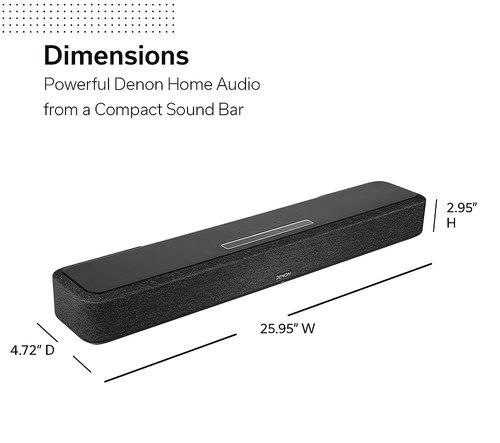
| Compact 2.2" height, minimalist aesthetic | Larger 2.9" height, premium materials and finish |
| Connectivity Options - Input and output flexibility | |
| Optical, HDMI-ARC, Bluetooth 4.2 | HDMI eARC, optical, Wi-Fi, Bluetooth, USB, 4K passthrough |
The Bose TV Speaker excels at dialogue clarity thanks to its dedicated center channel tweeter that's specifically tuned for speech frequencies. It also includes a Dialogue Mode button that instantly enhances vocals. The Denon Home Sound Bar 550 uses virtual processing for dialogue enhancement, which works well but isn't as focused as Bose's hardware-based approach.
The Bose TV Speaker costs $199-279, making it the more budget-friendly option. The Denon Home Sound Bar 550 is priced at $518, reflecting its premium features and advanced processing capabilities. However, adding a subwoofer to the Bose brings the total closer to the Denon's base price.
The Bose TV Speaker wins for simplicity with just a single cable connection (optical or HDMI) and no app required. The Denon Home Sound Bar 550 requires HDMI eARC connection plus Wi-Fi setup through the HEOS app, making it more complex but offering greater functionality once configured.
No, the Bose TV Speaker doesn't support Dolby Atmos or any surround sound processing - it's stereo only. The Denon Home Sound Bar 550 fully supports Dolby Atmos and DTS:X, creating virtual overhead effects and immersive 3D audio from movies and streaming content.
The Denon Home Sound Bar 550 produces more substantial bass thanks to its larger passive radiators and advanced processing. The Bose TV Speaker has limited bass extension due to its compact design, though it includes a bass adjustment button for some enhancement.
Yes, but differently. The Bose TV Speaker supports wired subwoofers (Bass Module 500/700) via a 3.5mm cable connection. The Denon Home Sound Bar 550 can connect to wireless subwoofers without any cables, offering more flexible placement options.
The Bose TV Speaker works excellently in small rooms due to its compact 2.2-inch height and consistent stereo performance regardless of seating position. The Denon Home Sound Bar 550 can work in small rooms but its virtual surround effects are optimized for medium to large spaces.
The Bose TV Speaker has no voice control capabilities. The Denon Home Sound Bar 550 includes built-in Amazon Alexa, allowing you to control playback, volume, and smart home devices using voice commands.
The Denon Home Sound Bar 550 is superior for music with Wi-Fi streaming, high-resolution audio support up to 192kHz/24-bit, and integration with the HEOS multiroom platform. The Bose TV Speaker only offers basic Bluetooth streaming without advanced music features.
The Bose TV Speaker cannot be expanded with rear speakers - you can only add a wired subwoofer. The Denon Home Sound Bar 550 can be wirelessly expanded with rear speakers and a subwoofer to create a complete 5.1 surround system.
For movie watching, the Denon Home Sound Bar 550 provides a more immersive experience with Dolby Atmos processing, virtual surround effects, and better bass response. The Bose TV Speaker is better suited for TV shows and dialogue-heavy content rather than action movies.
This depends on your needs. The Bose TV Speaker offers excellent value for simple TV audio improvement with reliable performance and no ongoing complexity. The Denon Home Sound Bar 550 provides better long-term value for users wanting comprehensive features, expandability, and future-proof technology with regular firmware updates.
We've done our best to create useful and informative comparisons to help you decide what product to buy. Our research uses advanced automated methods to create this comparison and perfection is not possible - please contact us for corrections or questions. These are the sites we've researched in the creation of this article: bestbuy.com - projectorscreen.com - forums.audioholics.com - digitaltrends.com - abt.com - crutchfield.com - staples.com - bestbuy.com - pcrichard.com - visions.ca - bose.com - assets.bose.com - consumerreports.org - soundandvision.com - crutchfield.com - rtings.com - crutchfield.com - gzhls.at - denon.com - walmart.com - youtube.com - whathifi.com - bestbuy.com

Privacy Policy
Terms and Conditions - Affiliate Policy
Home Security
© Copyright 2008-2026.
11816 Inwood Rd #1211, Dallas, TX 75244