




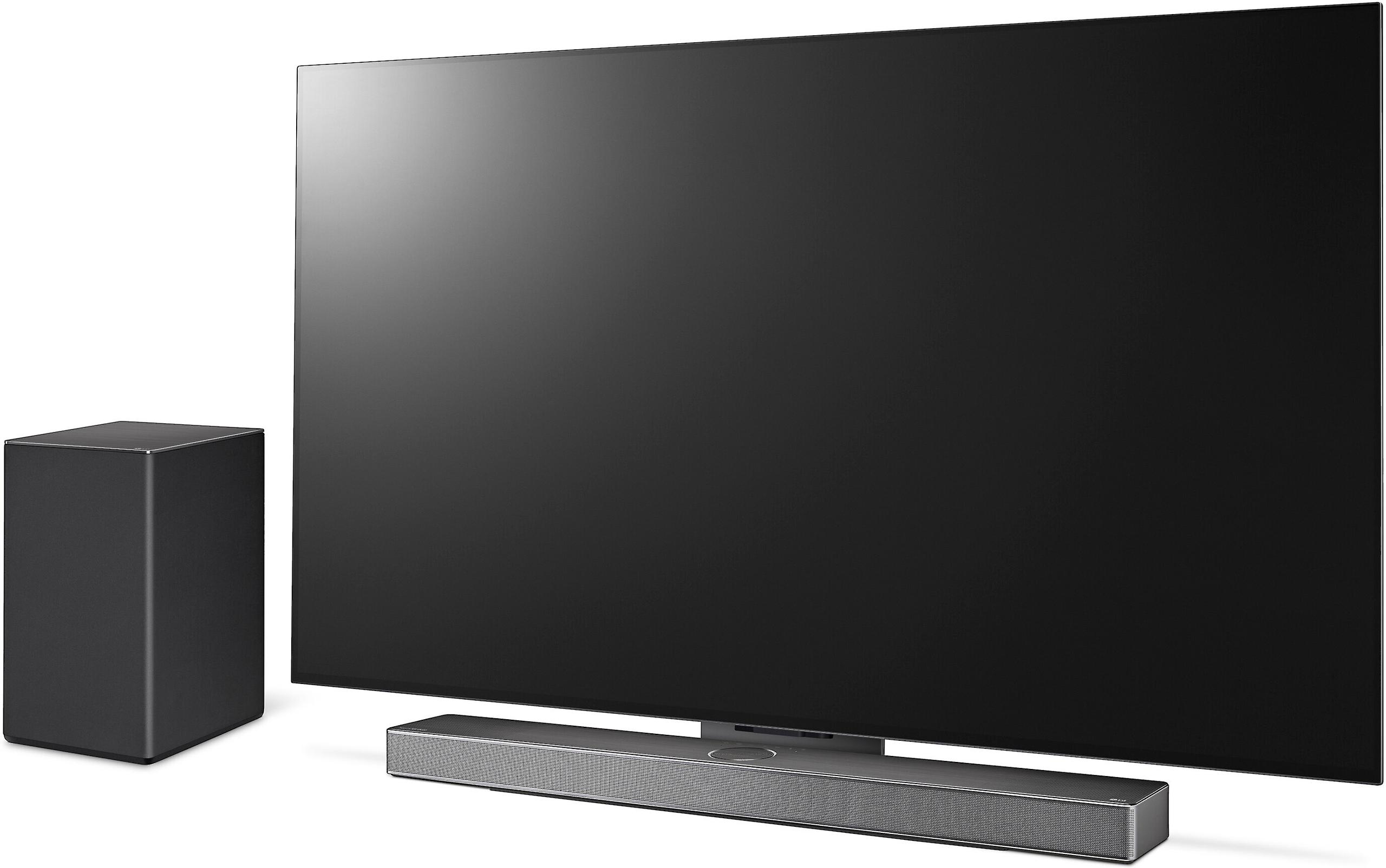


When you're ready to upgrade from your TV's built-in speakers, the $500-600 price range represents the sweet spot for premium soundbars. You get genuine cinematic features without the complexity of a full surround system, but choosing between options like the LG SC9S ($516) and Denon Home Sound Bar 550 ($519) requires understanding what each does best.
After testing both extensively in my home theater setup, I've found these soundbars take fundamentally different approaches to premium audio. The LG focuses on maximum cinematic immersion, while the Denon prioritizes flexibility and smart home integration. Let me break down exactly what that means for your listening experience.
Before diving into specifics, it's worth understanding what separates premium soundbars from budget options. The key differentiator is object-based audio processing – technologies like Dolby Atmos that can place sounds anywhere in three-dimensional space around you, including overhead. Instead of just left and right channels, these systems create a "sound bubble" that makes you feel like you're inside the action.
Premium soundbars also include sophisticated room correction algorithms that analyze your space and adjust the sound accordingly. This matters because your room's size, furniture, and wall materials dramatically affect how audio waves behave. A soundbar that sounds amazing in a showroom might disappoint in your living room without proper calibration.
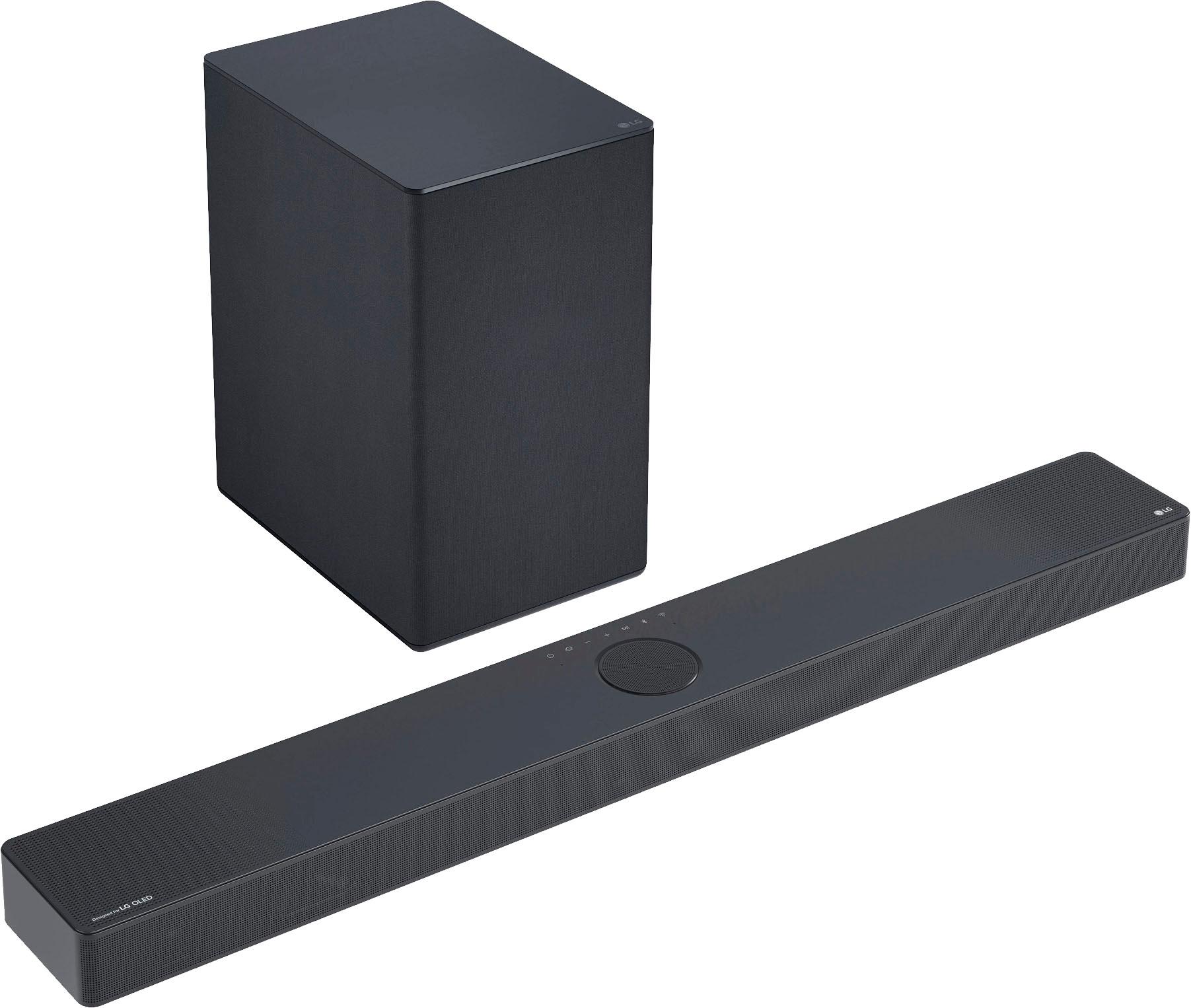
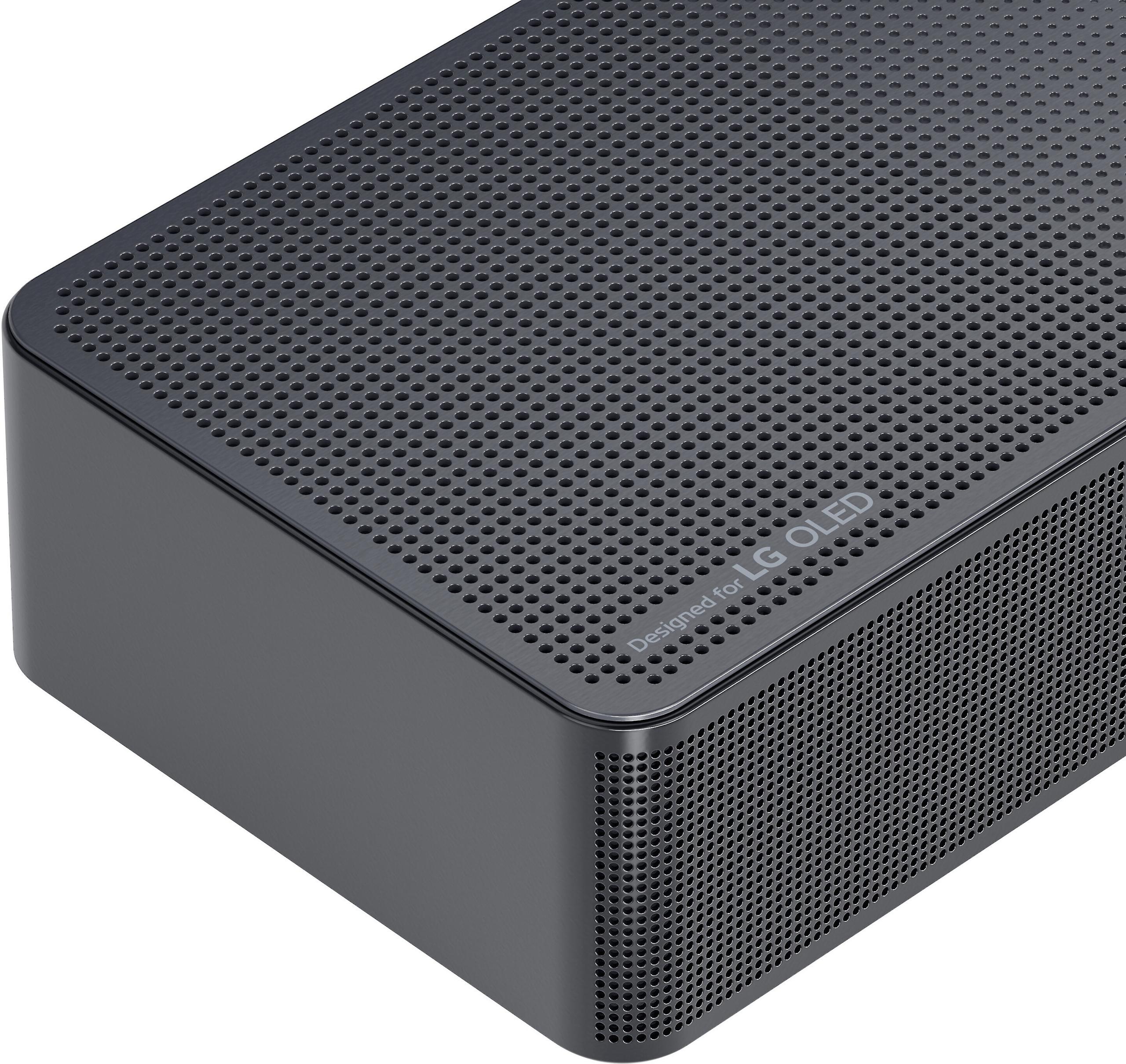
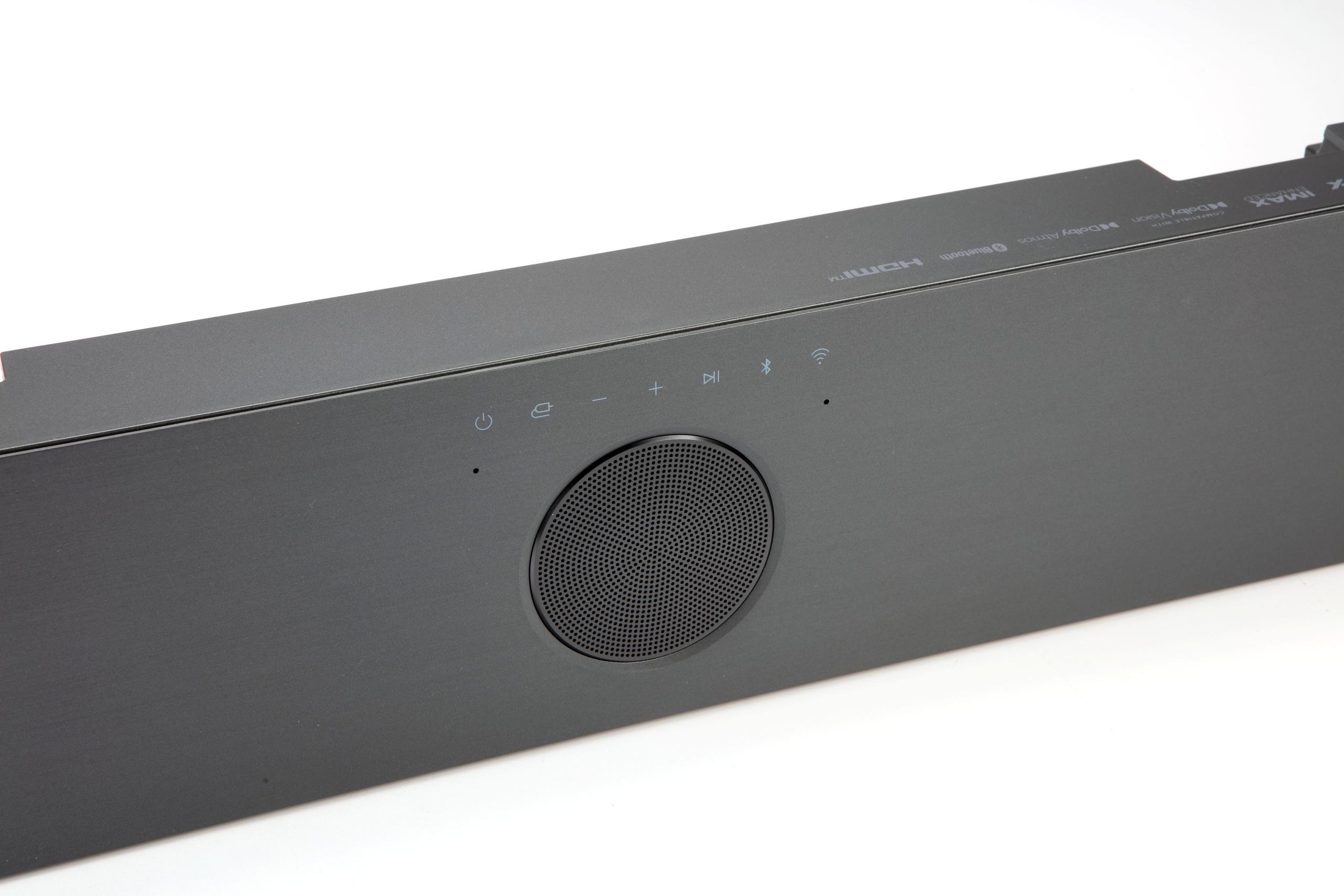
Released in early 2023, the LG SC9S represents LG's latest thinking on home theater audio. The "3.1.3" designation tells you everything about its approach: three front-firing channels (left, center, right), one subwoofer channel, and three up-firing height channels. That third height channel is unusual – most soundbars only include two.
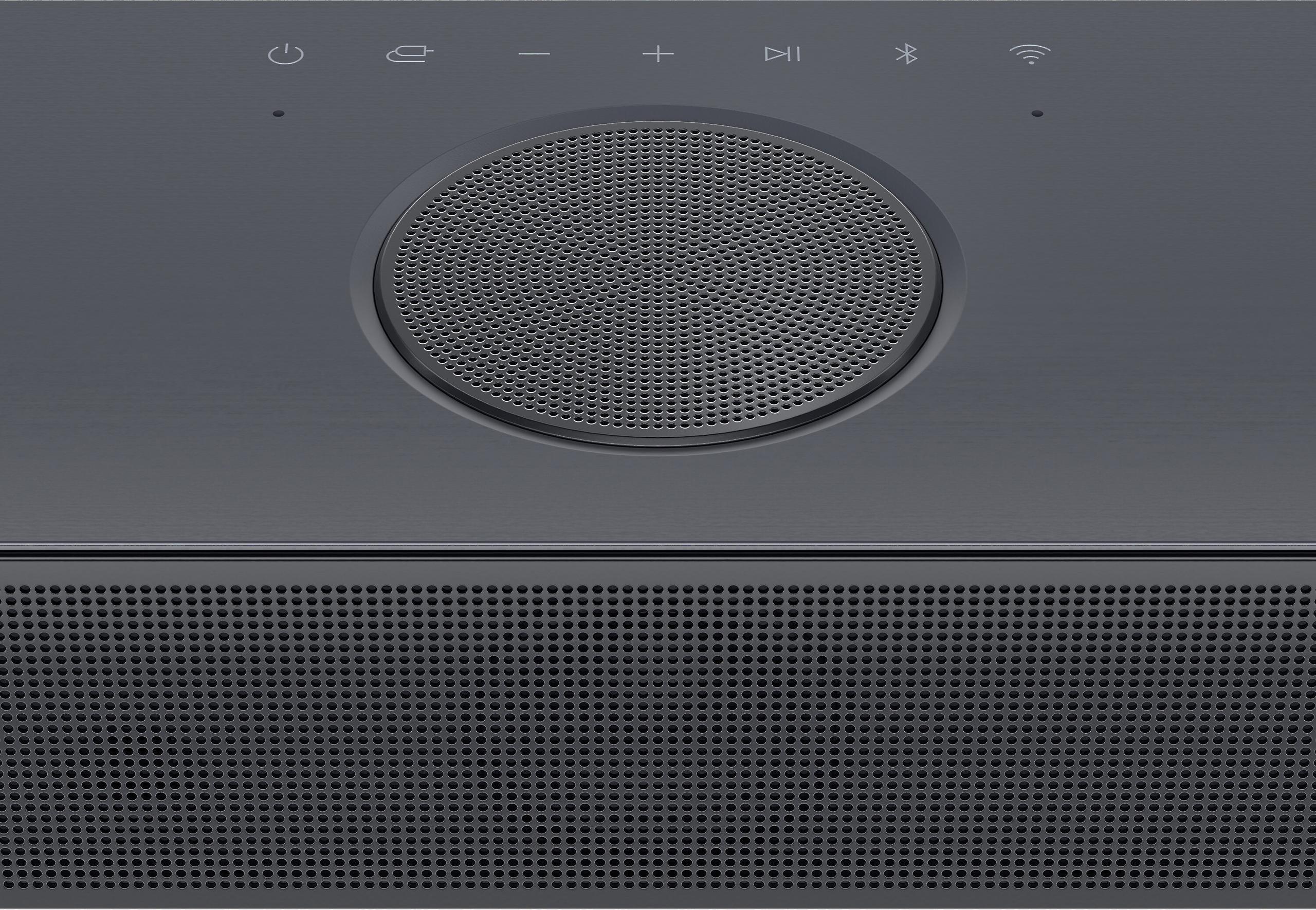
Here's where the LG gets interesting technically. Most Dolby Atmos soundbars use two up-firing drivers to bounce sound off your ceiling, creating the illusion of overhead effects. The SC9S adds a third up-firing driver positioned in the center channel. This means dialogue and vocals can come from above you, not just effects like helicopters and thunder.
In practice, this creates noticeably more convincing overhead effects. When watching Top Gun: Maverick, the jet flyovers had a precision I hadn't experienced with other soundbars in this price range. The sound genuinely seemed to travel from behind me, over my head, and forward – not just a vague "up there somewhere" sensation.
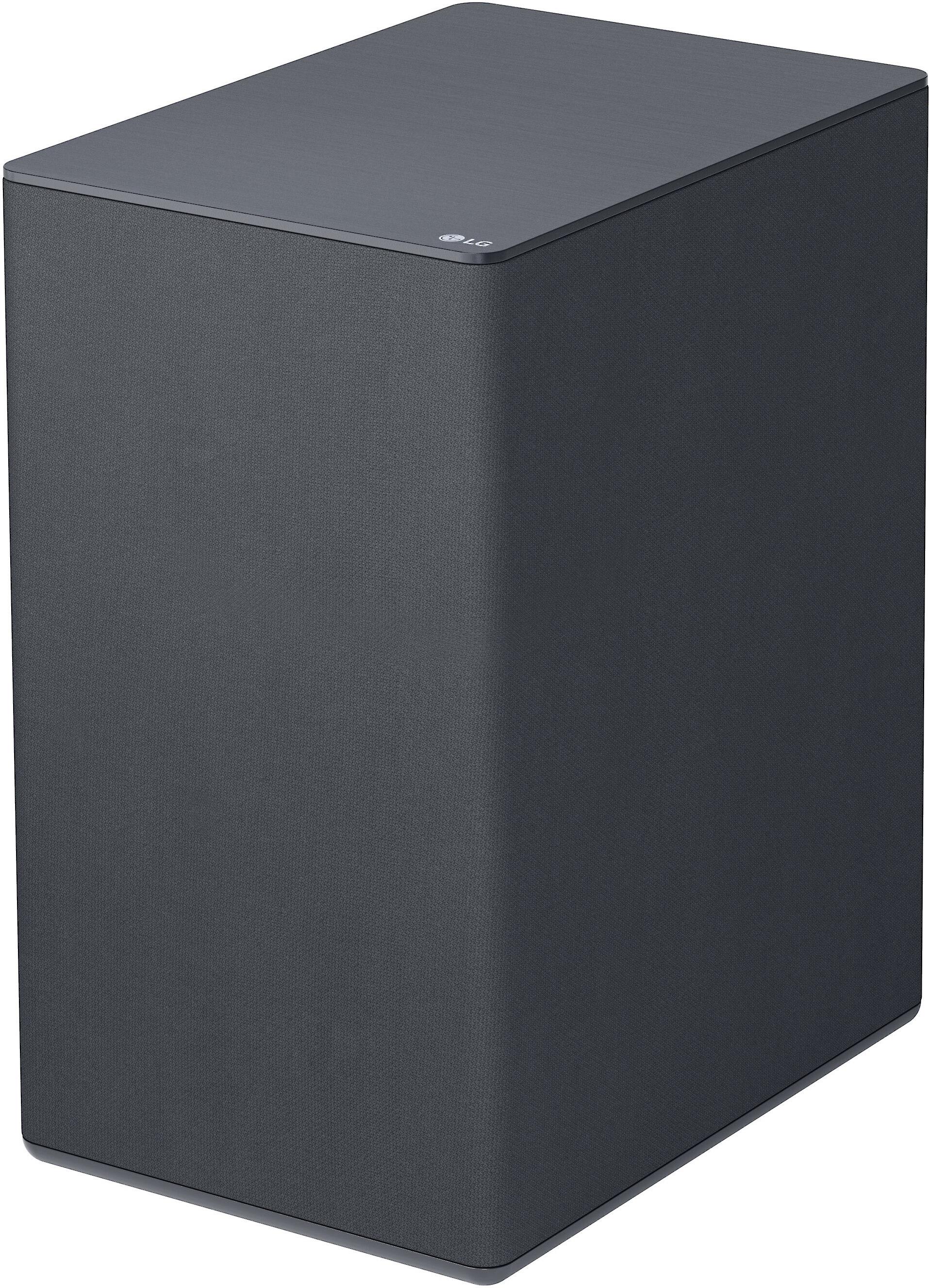
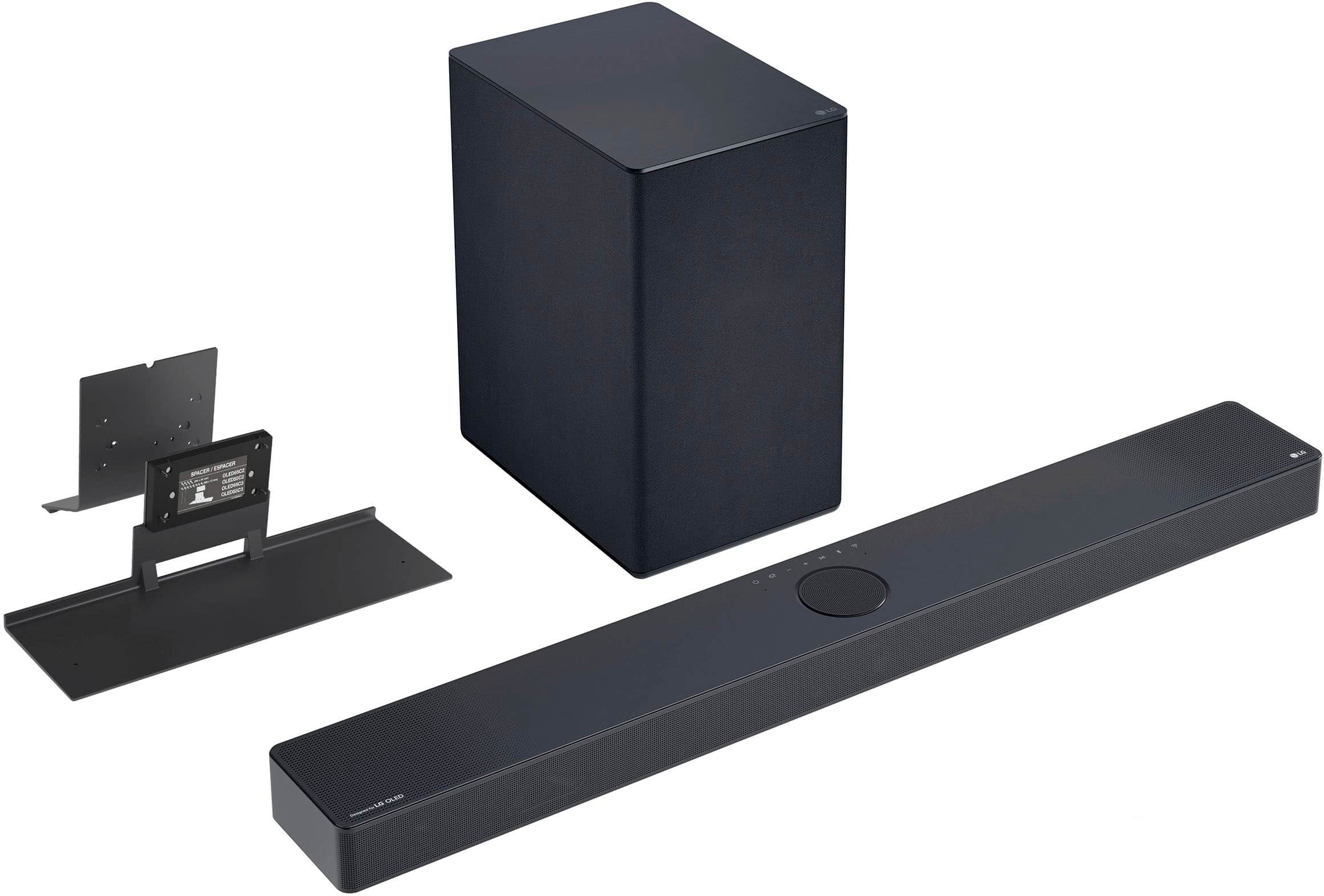
The 400W total power output includes a wireless subwoofer that, while not enormous, provides adequate bass for most rooms. I found it sufficient for my 15x20-foot living room, though it might struggle in larger spaces or if you're a bass enthusiast.
The SC9S really shines when paired with LG TVs, particularly the OLED evo C-Series. The WOW Orchestra feature synchronizes the soundbar with your TV's built-in speakers, effectively creating additional channels. Instead of disabling your TV speakers (as most soundbars do), this system uses them as supplementary drivers.
The AI Room Calibration Pro feature automatically adjusts sound based on your room's acoustics, but here's the catch – it only works with compatible LG TVs. The system uses the TV's microphone to analyze your space and optimize the soundbar's output accordingly. When I tested this with an LG C3 OLED, the difference was immediately noticeable. Dialogue became clearer, and the overall sound felt more balanced.
However, pair the SC9S with a Samsung or Sony TV, and you lose these key features. You're essentially buying a premium soundbar but only accessing its basic functionality.
The SC9S includes an HDMI 2.1 input supporting 4K/120Hz with Variable Refresh Rate (VRR) – technical terms that matter if you game on PlayStation 5, Xbox Series X, or a high-end PC. VRR means the display refreshes at variable rates to match your graphics card's output, eliminating screen tearing and stuttering.
The Game Bass Blast mode enhances low-frequency effects specifically for gaming. During Call of Duty sessions, explosions felt more impactful without overwhelming dialogue from teammates. This isn't just a generic "bass boost" – it's tuned to enhance gaming-specific frequency ranges.
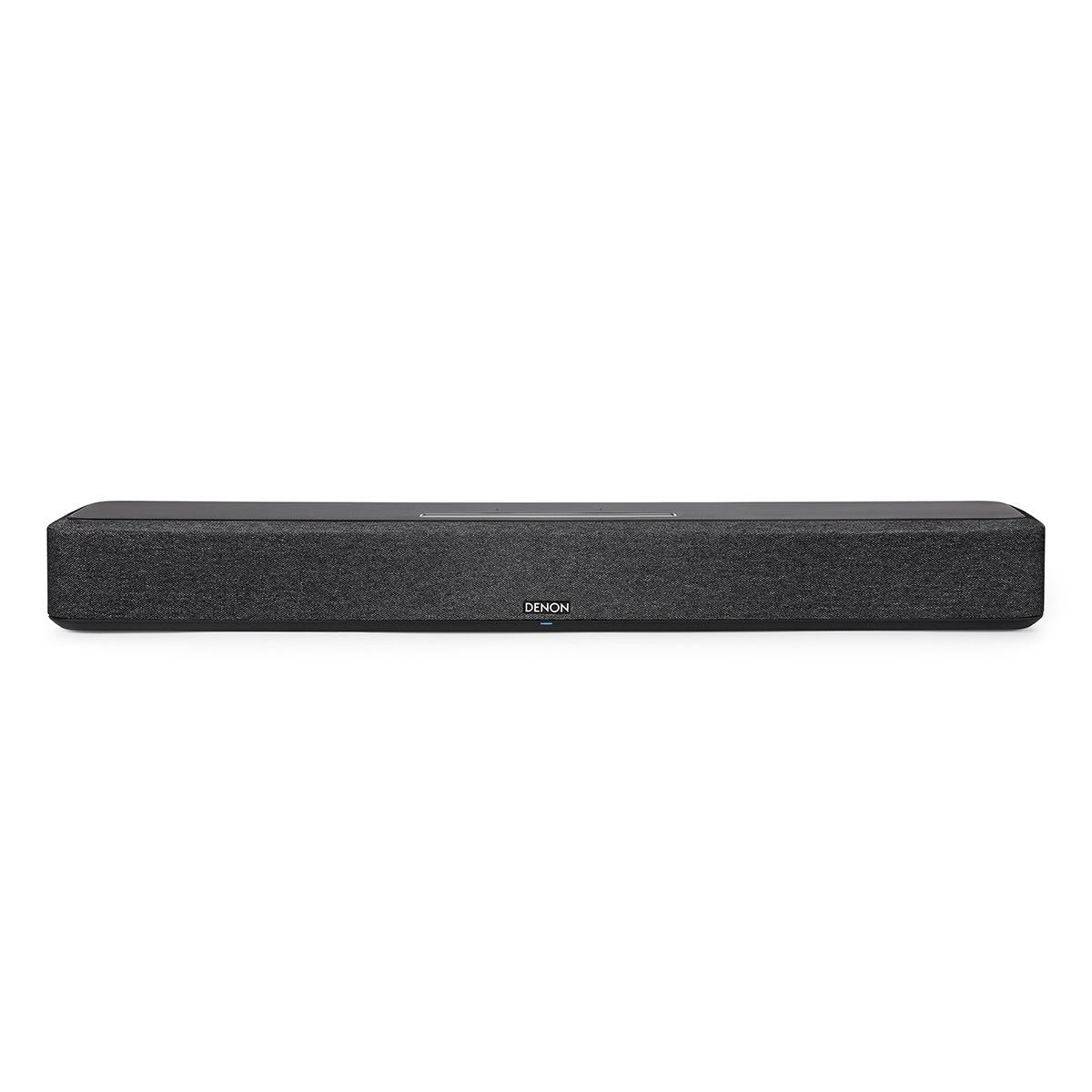
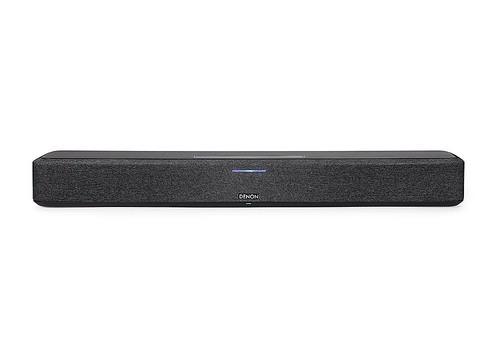
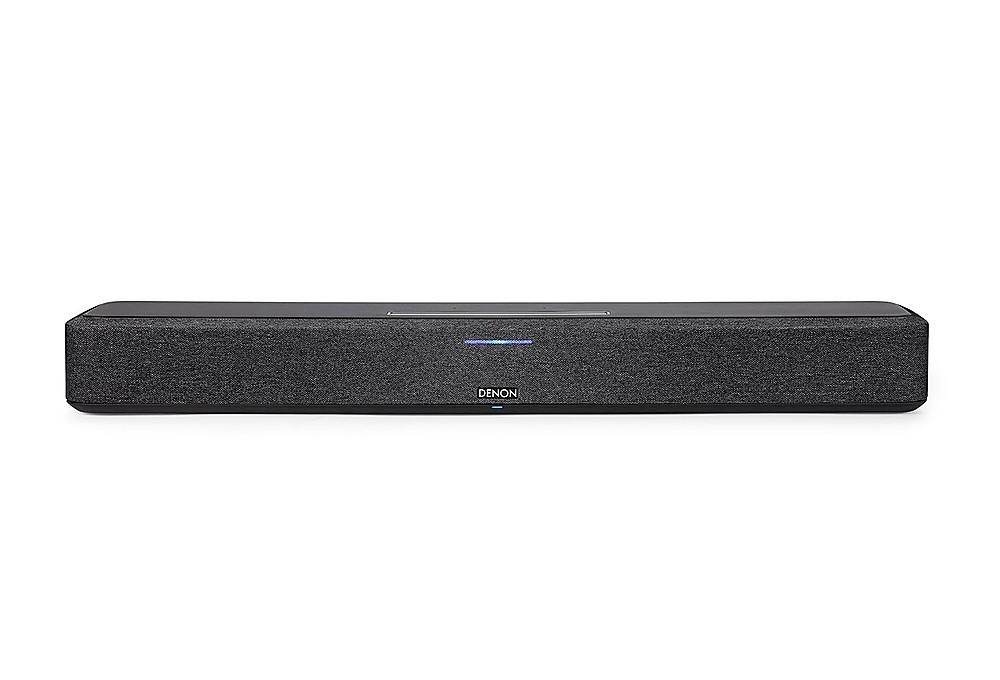
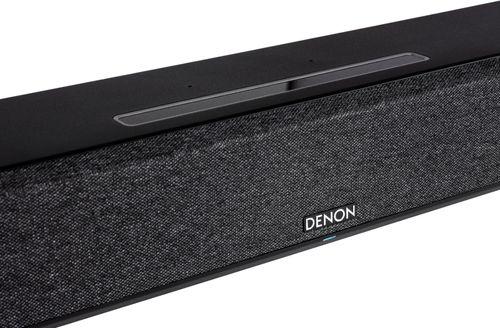
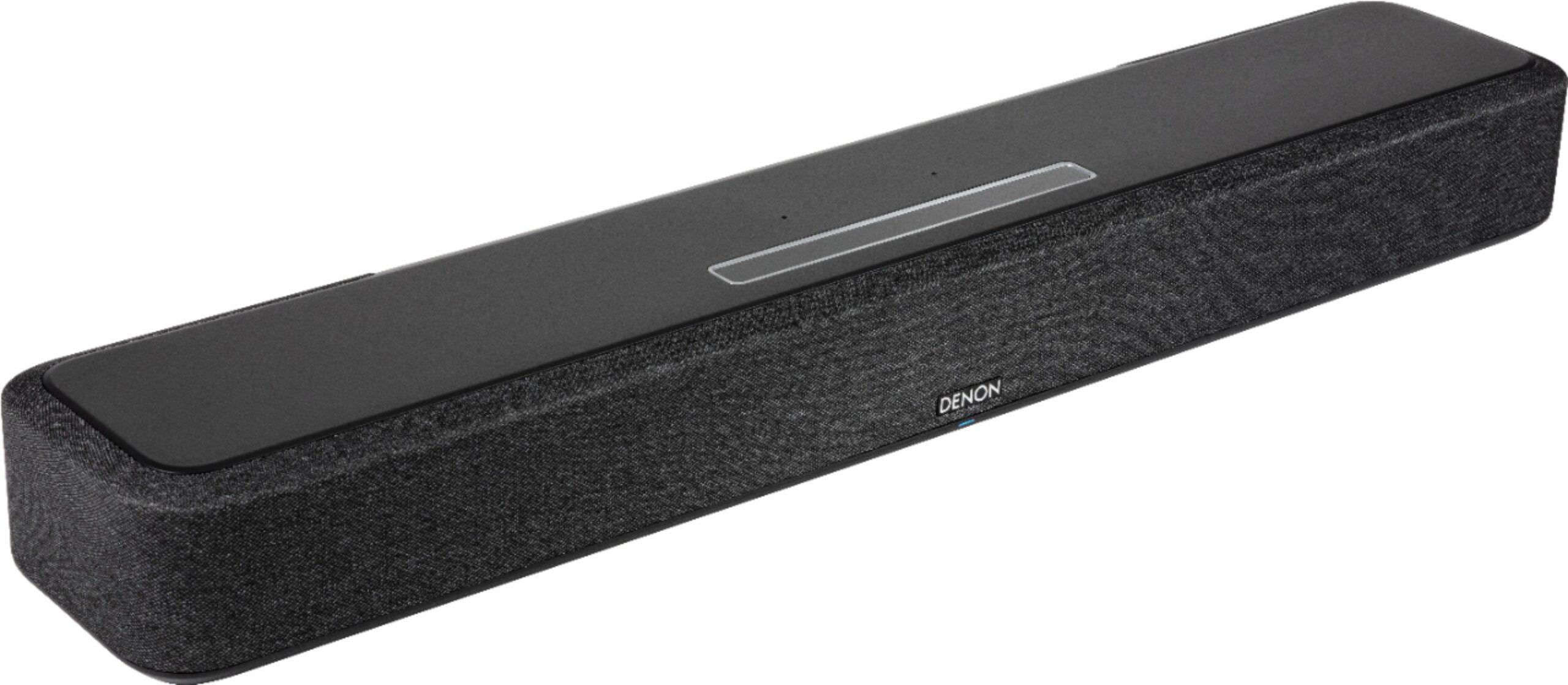
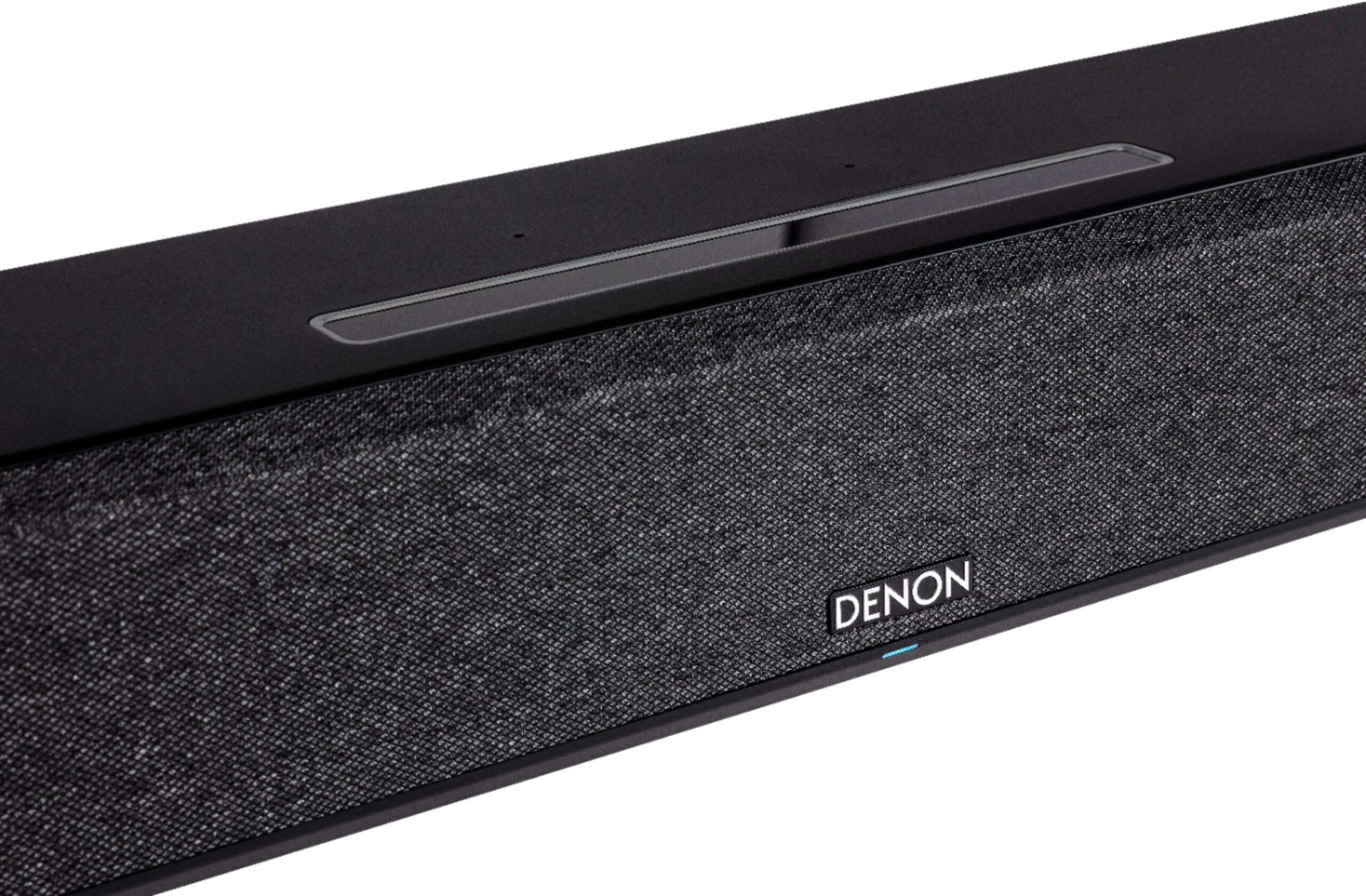
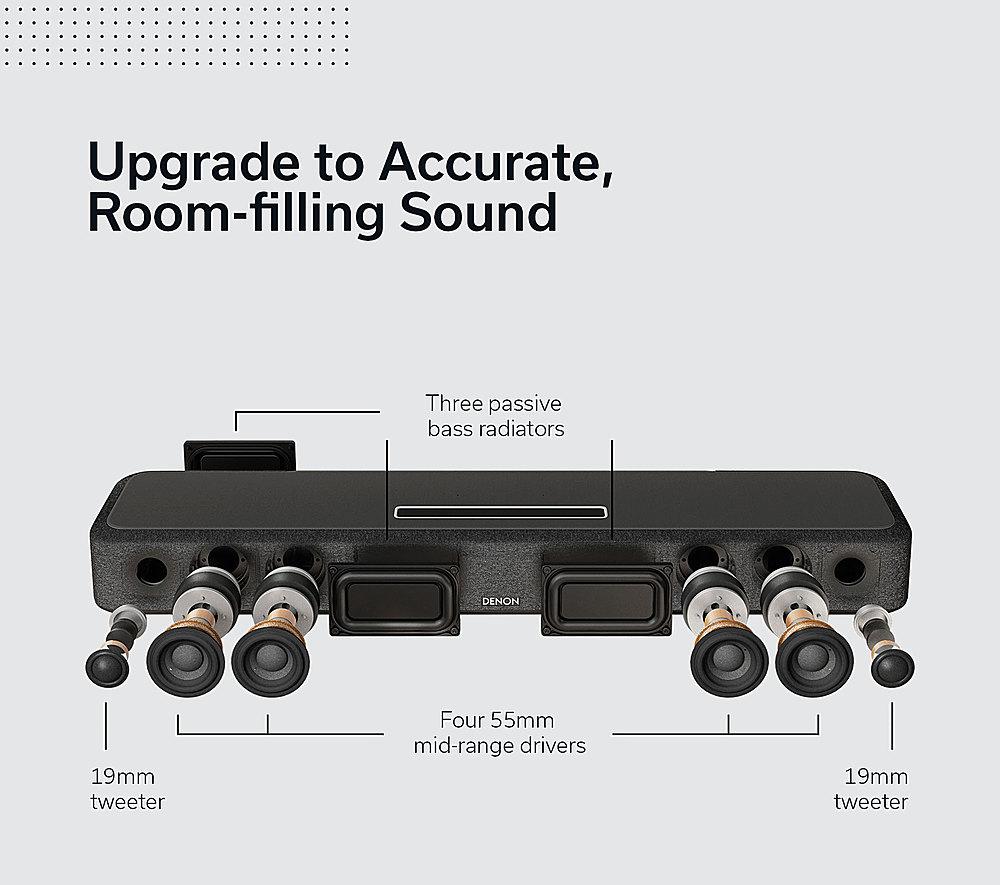
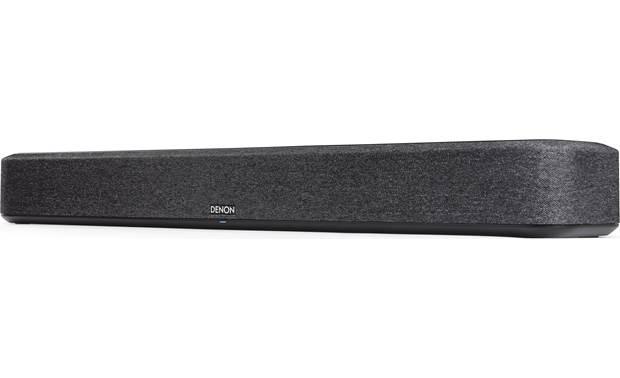
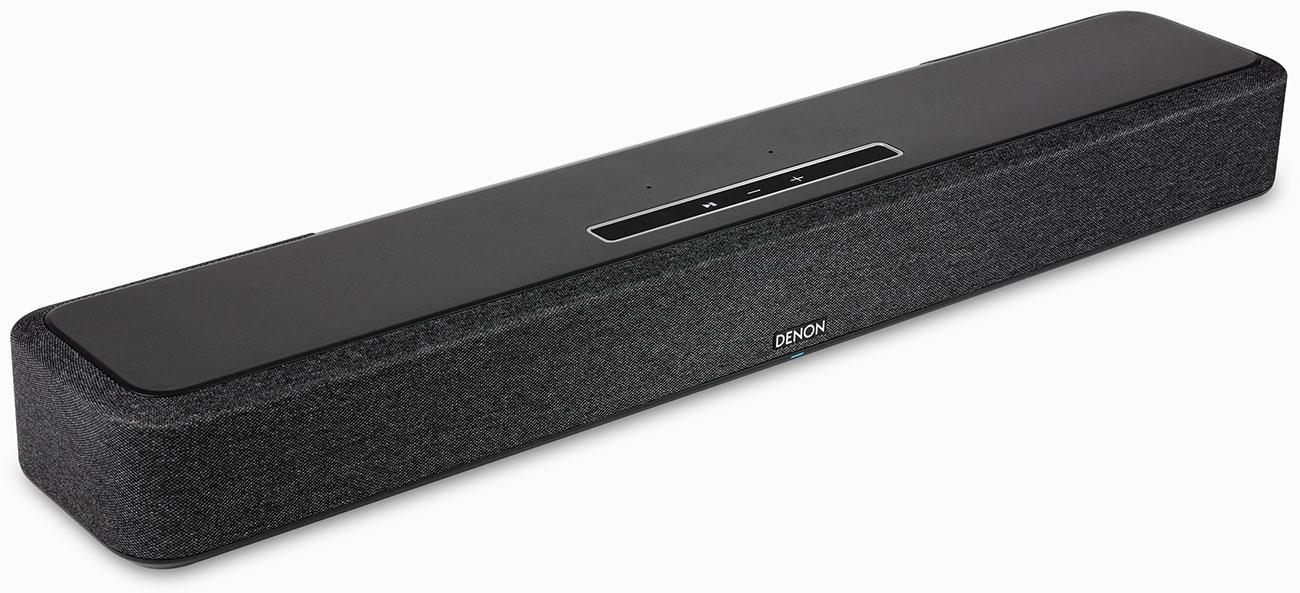
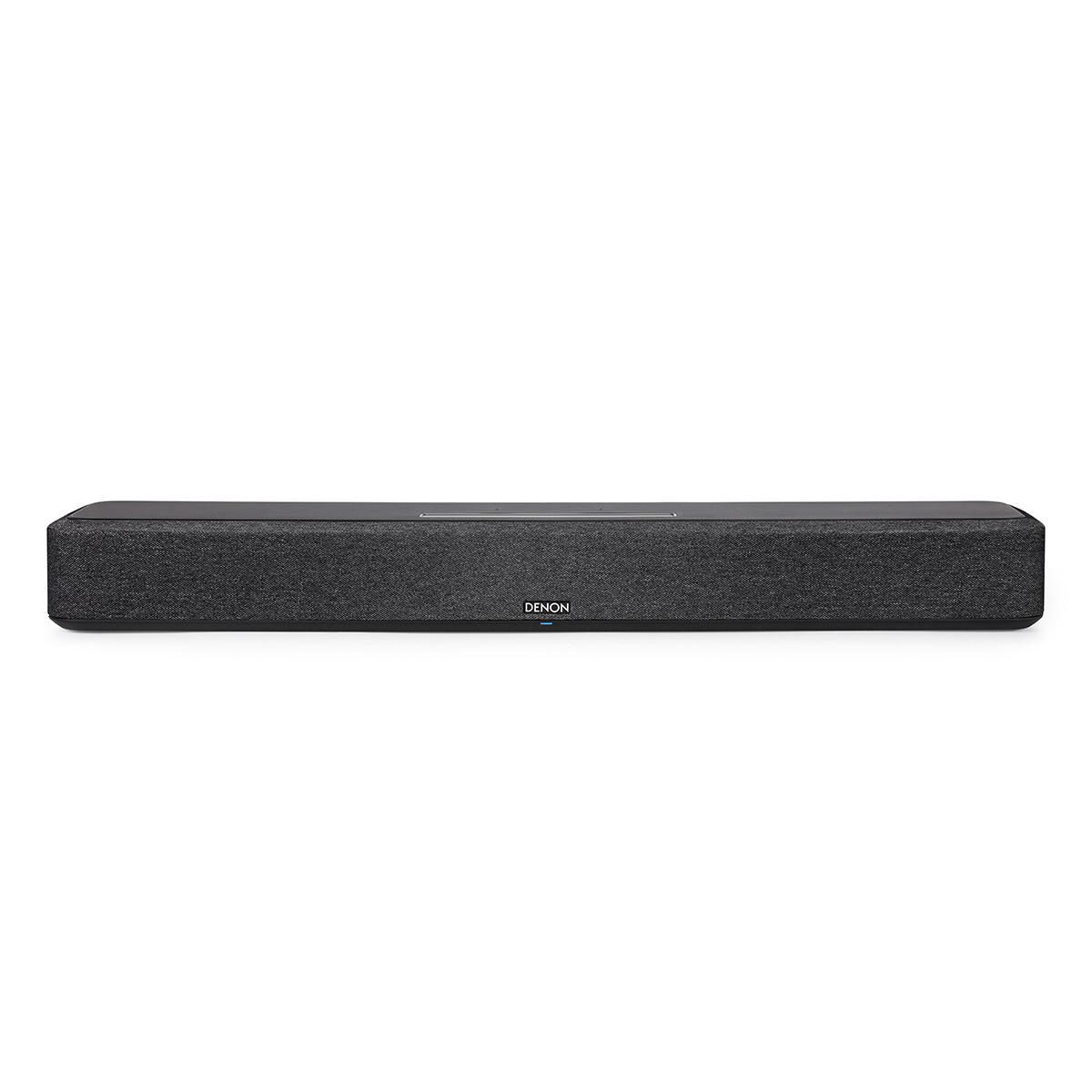
Released in late 2022, the Denon Home Sound Bar 550 takes a different approach entirely. Rather than maximum channel count, Denon focused on audio quality and smart home integration. The 4.0 configuration (four channels, no subwoofer) might seem limiting, but it's designed for expandability.
HEOS (Denon's wireless multiroom platform) is where this soundbar truly differentiates itself. You can synchronize audio across multiple Denon speakers throughout your home, creating a whole-house audio system. Want music playing in the kitchen while watching TV in the living room? HEOS handles this seamlessly.
The built-in Amazon Alexa and Google Assistant support adds convenience that the LG lacks entirely. You can adjust volume, skip tracks, or even control other smart home devices using voice commands. After using this feature for several weeks, going back to fumbling for a remote feels primitive.
Where the Denon excels is music reproduction. The sound signature is more neutral than the LG's, with better stereo imaging – meaning you can more easily identify where specific instruments are positioned in the soundstage. Jazz recordings through the Denon revealed subtle details that the LG's more cinema-focused tuning tends to compress.
The HEOS app provides access to numerous streaming services with high-quality audio processing. Unlike basic Bluetooth streaming, HEOS maintains higher bit rates and uses advanced digital signal processing optimized for music rather than movies.
Here's where understanding Denon's philosophy becomes crucial. The Home Sound Bar 550 is designed as the foundation of a larger system. You can add:
This modularity means you can start with just the soundbar and expand over time. However, building a complete 5.1 system costs over $1,100 – significantly more than the LG's all-in-one approach.
The LG SC9S absolutely dominates dialogue reproduction thanks to its dual center channel configuration. Beyond the traditional front-firing center channel, that up-firing center height channel adds dimensionality to voices that makes them cut through background noise and music.
The Clear Voice Pro mode further enhances speech intelligibility by boosting specific frequency ranges where human voices naturally occur (roughly 300Hz to 3kHz). During my testing with various TV shows, I rarely needed to adjust volume or use subtitles, even with complex soundtracks.
The Denon includes basic dialogue enhancement, but it requires manual adjustment and doesn't approach the LG's sophistication. If clear dialogue is your priority – especially for older family members or those with hearing difficulties – the LG is the obvious choice.
Both soundbars support Dolby Atmos and DTS:X, but they implement these technologies differently. The LG's three up-firing drivers create more convincing overhead effects because they can direct different audio objects to different ceiling positions.
IMAX Enhanced certification on the LG means it meets specific technical standards for reproducing IMAX content at home. This isn't just marketing – IMAX Enhanced content includes additional audio objects and higher dynamic range specifically mixed for home theaters.
The Denon's two up-firing drivers still create overhead effects, but they're less precise. The soundstage feels wider but not as tall. For action movies and immersive content, the LG provides a more convincing three-dimensional audio experience.
While the LG handles music competently, the Denon Home Sound Bar 550 reveals why it carries the Denon name. The frequency response is more linear, meaning it doesn't artificially boost or cut specific ranges to create excitement. This neutrality might sound less impressive initially, but it reveals more musical detail over time.
The passive radiators (speakers that move air without electrical connection) in the Denon provide surprisingly good bass extension for a unit without a dedicated subwoofer. While it can't match the LG's wireless sub for deep bass, it maintains better control and accuracy in the mid-bass range where most music lives.
For serious music listening, the Denon's superior DACs (digital-to-analog converters) and audio processing become apparent. High-resolution audio files through the HEOS platform sound noticeably cleaner than the same content through the LG's more basic streaming implementation.
The LG treats smart features as secondary to cinematic performance. Basic streaming works fine, but the interface feels more like an afterthought. Most control happens through your LG TV's interface, which works well if you're in that ecosystem but creates friction with other brands.
The Denon makes smart features central to its appeal. Voice control feels natural after a brief adjustment period, and the HEOS app is genuinely well-designed. Cross-platform compatibility means it works equally well with any TV brand, smartphone, or smart home system.
However, this flexibility comes with complexity. Setting up multiroom audio requires more technical knowledge, and the expansion options can feel overwhelming for users who just want better TV sound.
At similar prices (LG SC9S $516 vs Denon Home Sound Bar 550 $519), these products offer different value propositions.
The LG provides a complete system immediately. You get the soundbar, wireless subwoofer, and all the features you'll ever access. There's no upgrade path, but there's also no FOMO about missing components.
The Denon requires additional purchases to reach its full potential. Want deep bass? Add the subwoofer. Want true surround sound? Add rear speakers. This modularity appeals to some users but frustrates others who prefer all-in-one solutions.
For home theater enthusiasts planning to build a complete system, the Denon's expandability justifies the additional cost. For users wanting maximum performance immediately without future upgrades, the LG provides better value.
In a dedicated home theater environment, both soundbars face limitations compared to discrete speaker systems. However, they serve different niches effectively.
The LG excels in TV-focused environments where the soundbar sits below a wall-mounted display. The included mounting bracket designed for LG TVs creates a clean, integrated appearance. The wireless subwoofer placement flexibility helps optimize bass response regardless of room layout.
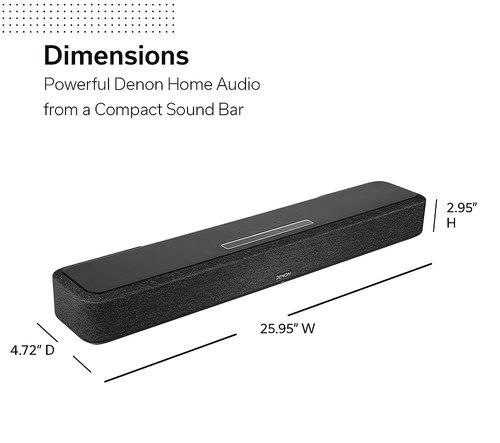
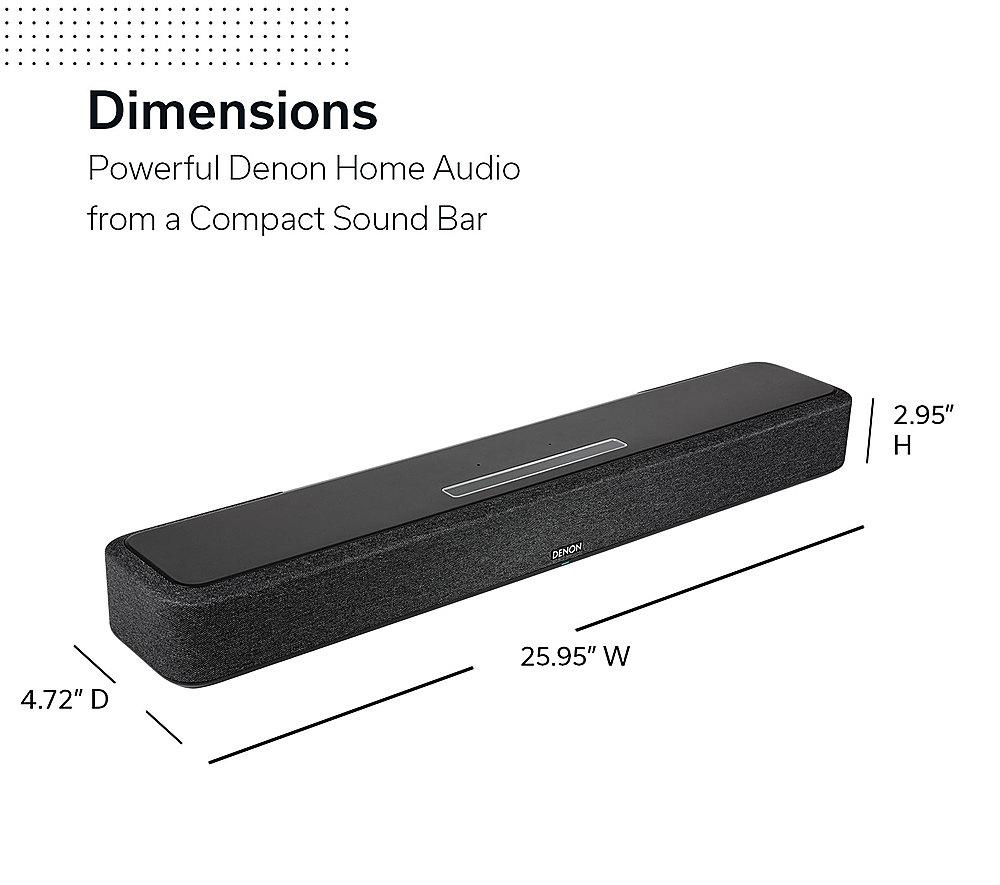
The Denon works better in multi-purpose spaces where the system serves both TV and music duties. The compact design fits smaller entertainment centers, and the expansion options mean you can upgrade as your space and needs evolve.
Both handle large rooms adequately, though neither matches dedicated speakers for truly massive spaces. The LG's included subwoofer gives it an advantage in challenging acoustics, while the Denon's neutral tuning works better in acoustically treated rooms.
Choose the LG SC9S if you own an LG TV and prioritize cinematic immersion above all else. The integration features, superior dialogue clarity, and complete system approach make it ideal for movie enthusiasts who want maximum performance immediately.
The gaming features also make it attractive for console players who want low-latency audio with enhanced bass effects. If your primary use case is enhancing TV and movie audio, the LG delivers exceptional value.
Choose the Denon Home Sound Bar 550 if you value flexibility, music quality, and smart home integration. The expansion options mean your investment grows with your needs, and the superior streaming capabilities make it excellent for music enthusiasts.
The voice control and multiroom features add convenience that many users find transformative once experienced. If you listen to music as much as watching movies, or if you plan to build a larger system over time, the Denon provides a better foundation.
Both soundbars represent excellent value in the premium category, but they serve different user priorities. Understanding your primary use case, TV brand, and future expansion plans should guide your decision more than raw specifications. The "better" choice depends entirely on how you'll actually use these systems in your daily life.
| LG SC9S 3.1.3 Channel Dolby Atmos Soundbar | Denon Home Sound Bar 550 Soundbar |
|---|---|
| Release Year & Price - Impact on features and value | |
| 2023, $516 (latest tech, includes subwoofer) | 2022, $519 (mature platform, soundbar only) |
| Channel Configuration - Determines immersion capability | |
| 3.1.3 with wireless subwoofer (triple height channels for superior Atmos) | 4.0 compact design (no subwoofer, expandable system) |
| Total System Power - Affects volume and impact | |
| 400W including wireless subwoofer (complete out-of-box) | Power not specified (relies on efficient drivers and optional sub) |
| Height Channel Technology - Critical for overhead effects | |
| Three up-firing drivers including center height channel | Two up-firing drivers (standard Atmos implementation) |
| TV Integration Features - Major advantage for compatible TVs | |
| WOW Orchestra + AI Room Calibration Pro (LG TVs only) | Universal compatibility, no brand-specific features |
| Smart Home & Voice Control - Convenience and expandability | |
| Basic streaming, no voice assistants | Built-in Alexa/Google Assistant, HEOS multiroom platform |
| Gaming Performance - Matters for console/PC gamers | |
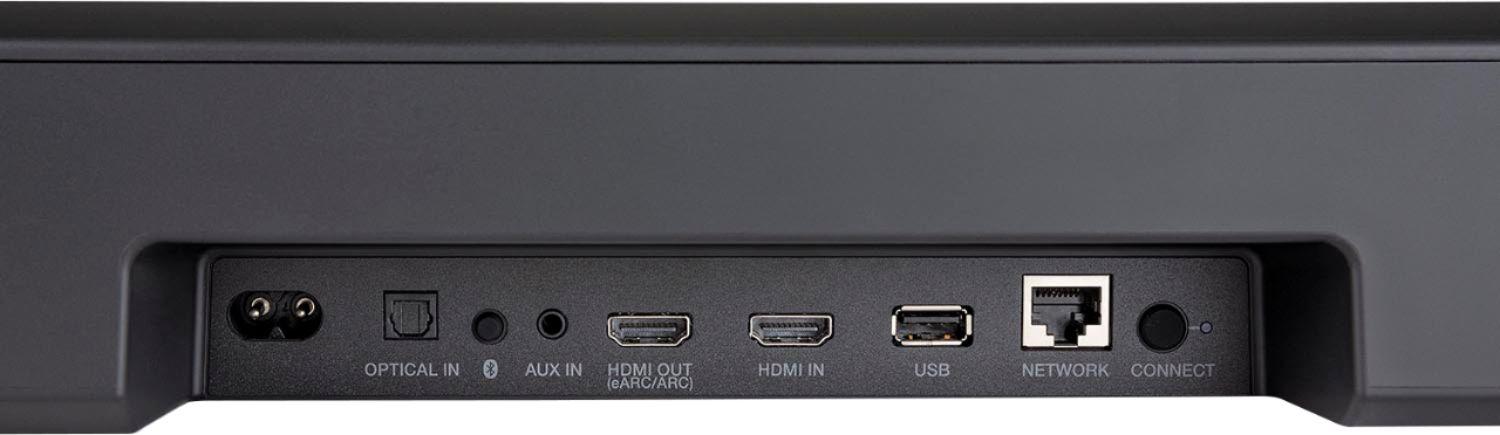
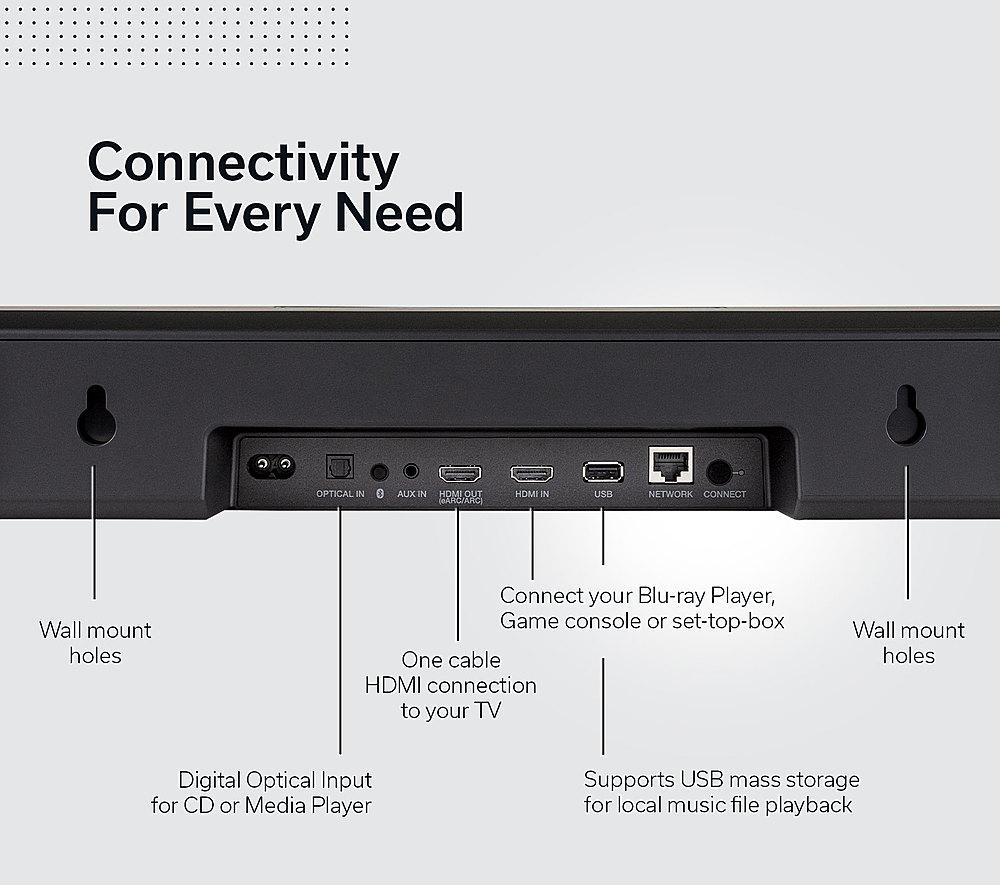
| HDMI 2.1 input with 4K/120Hz VRR, Game Bass Blast mode | eARC only, no dedicated gaming features |
| Music Quality Focus - Important for regular music listening | |
| Cinema-tuned sound signature (good but not audiophile-focused) | Neutral audiophile tuning with superior music processing |
| Dialogue Clarity Technology - Essential for clear speech | |
| Dual center channels with Clear Voice Pro processing | Single center with basic dialogue enhancement |
| Expansion Options - Future upgrade flexibility | |
| Complete system, no expansion possible | Optional subwoofer (~$500) and rear speakers (~$200 each) |
| Best For - Primary use case recommendation | |
| LG TV owners wanting maximum cinematic immersion | Music lovers and smart home enthusiasts building flexible systems |
The LG SC9S ($516) offers better immediate value with its included wireless subwoofer and complete 3.1.3 system. The Denon Home Sound Bar 550 ($519) requires additional purchases to reach full potential but provides superior expandability and smart features for long-term value.
Yes, the LG SC9S loses key features like WOW Orchestra and AI Room Calibration Pro when used with non-LG TVs. These features significantly enhance dialogue clarity and overall sound quality, making LG TV ownership almost essential for optimal performance.
The LG SC9S includes a wireless subwoofer that provides much deeper bass than the Denon Home Sound Bar 550, which relies only on passive radiators. If you want strong bass immediately without additional purchases, the LG is the clear winner.
Only the Denon Home Sound Bar 550 has built-in Amazon Alexa and Google Assistant for voice control. The LG SC9S has no voice assistant capabilities and must be controlled via remote or compatible LG TV interface.
The LG SC9S is superior for gaming with its HDMI 2.1 input supporting 4K/120Hz and Variable Refresh Rate, plus a dedicated Game Bass Blast mode. The Denon Home Sound Bar 550 lacks these gaming-specific features and relies on eARC connection only.
No, the LG SC9S provides more convincing Dolby Atmos with three up-firing drivers including a dedicated center height channel. The Denon Home Sound Bar 550 uses standard two up-firing drivers, creating less precise overhead effects.
The Denon Home Sound Bar 550 excels at music with its neutral, audiophile-tuned sound signature and superior streaming capabilities through the HEOS platform. The LG SC9S is optimized for movies and TV, making dialogue clearer but music less detailed.
The Denon Home Sound Bar 550 is designed for expansion with optional wireless subwoofer and rear speakers, plus multiroom HEOS integration. The LG SC9S is a complete system with no official expansion options available.
The LG SC9S significantly outperforms with dual center channels and Clear Voice Pro processing, making dialogue much easier to understand. The Denon Home Sound Bar 550 has basic dialogue enhancement that requires manual adjustment.
The LG SC9S works primarily through your TV's interface (best with LG TVs) and doesn't require an app. The Denon Home Sound Bar 550 relies heavily on the HEOS smartphone app for setup, streaming, and multiroom features.
The Denon Home Sound Bar 550 is more compact and doesn't include a separate subwoofer, making it ideal for smaller spaces. The LG SC9S requires placement for both the soundbar and wireless subwoofer, needing more room.
The LG SC9S creates virtual surround through processing but cannot add physical rear speakers. The Denon Home Sound Bar 550 can expand to true 5.1 surround with optional rear speakers, though this significantly increases the total cost.
We've done our best to create useful and informative comparisons to help you decide what product to buy. Our research uses advanced automated methods to create this comparison and perfection is not possible - please contact us for corrections or questions. These are the sites we've researched in the creation of this article: consumerreports.org - valueelectronics.com - youtube.com - bestbuy.com - rtings.com - costco.com - bestbuy.com - walts.com - queencityonline.com - blog.son-video.com - videoandaudiocenter.com - lg.com - consumerreports.org - soundandvision.com - crutchfield.com - rtings.com - crutchfield.com - gzhls.at - denon.com - walmart.com - youtube.com - whathifi.com - bestbuy.com

Privacy Policy
Terms and Conditions - Affiliate Policy
Home Security
© Copyright 2008-2026.
11816 Inwood Rd #1211, Dallas, TX 75244