

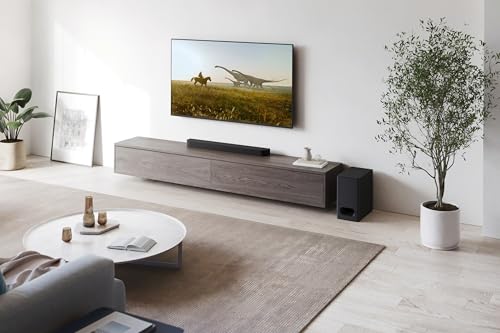





If you've been frustrated by your TV's tinny speakers, you're not alone. Modern TVs keep getting thinner, which means less room for decent speakers. That's where soundbars come in—they're designed to dramatically improve your audio experience without the complexity of a full surround sound system with speakers scattered around your room.
But here's where it gets tricky: not all soundbars are created equal. Today, we're diving deep into two very different approaches to better TV audio: the Sony BRAVIA Theater Bar 6 and the Denon Home Sound Bar 550. These represent fundamentally different philosophies—one prioritizes immediate impact, while the other focuses on long-term flexibility.
Before we jump into the specifics, let's talk about what makes a great soundbar in 2024. The market has evolved significantly over the past few years, with manufacturers focusing on several key areas that directly impact your listening experience.
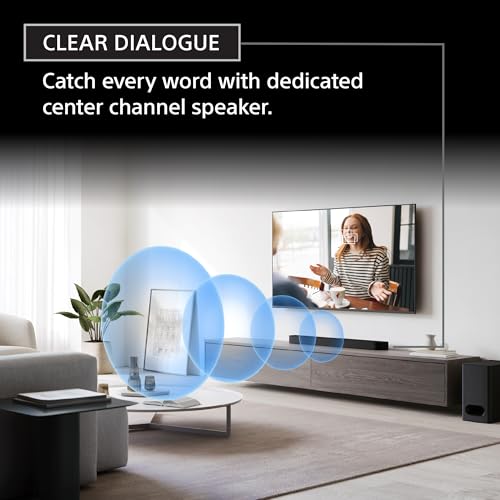
Dialogue clarity sits at the top of most people's wish lists. If you've ever found yourself constantly adjusting the volume because you can't hear what characters are saying during quiet scenes, only to be blasted by explosions moments later, you know why this matters. Modern soundbars address this with dedicated center channels (speakers specifically designed for dialogue) and smart processing that can identify and boost speech frequencies.
Bass response determines how much you'll feel those movie explosions and music's low notes. Some soundbars include wireless subwoofers—separate speakers designed specifically for low frequencies—while others rely on built-in drivers or passive radiators (which work like subwoofers but don't have their own power source).
Surround sound simulation has become increasingly sophisticated. Technologies like Dolby Atmos and DTS:X create "object-based" audio, meaning sounds can be placed anywhere in a 3D space around you. Even without rear speakers, modern soundbars can create convincing surround effects through clever processing and speaker placement.
Smart features now include everything from voice control to high-resolution music streaming. The soundbar market has split between those that emphasize these connectivity features and those that focus purely on audio performance.
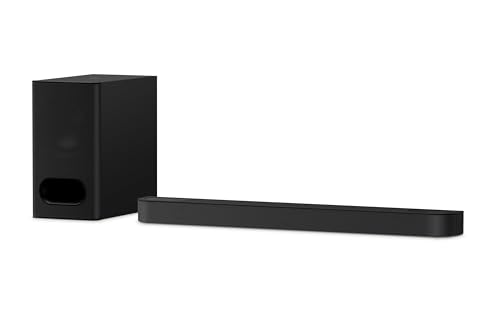
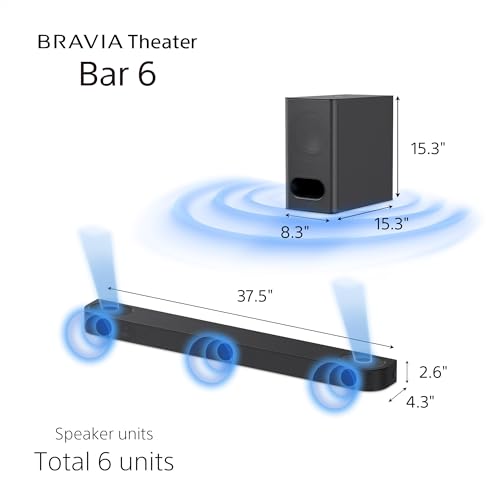
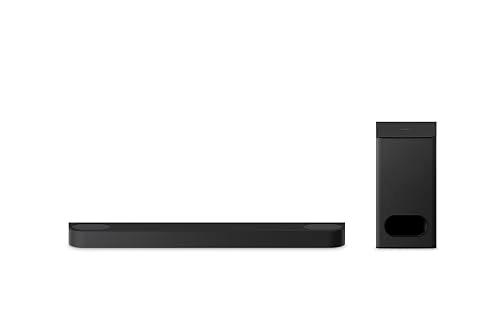
The Sony BRAVIA Theater Bar 6, released in 2024, represents what I call the "complete package" approach. At the time of writing, it sits in the mid-to-upper price range for soundbars, but delivers a full 3.1.2-channel system right out of the box. That technical designation means three front-facing speakers (left, center, right), one subwoofer, and two height channels for overhead effects.
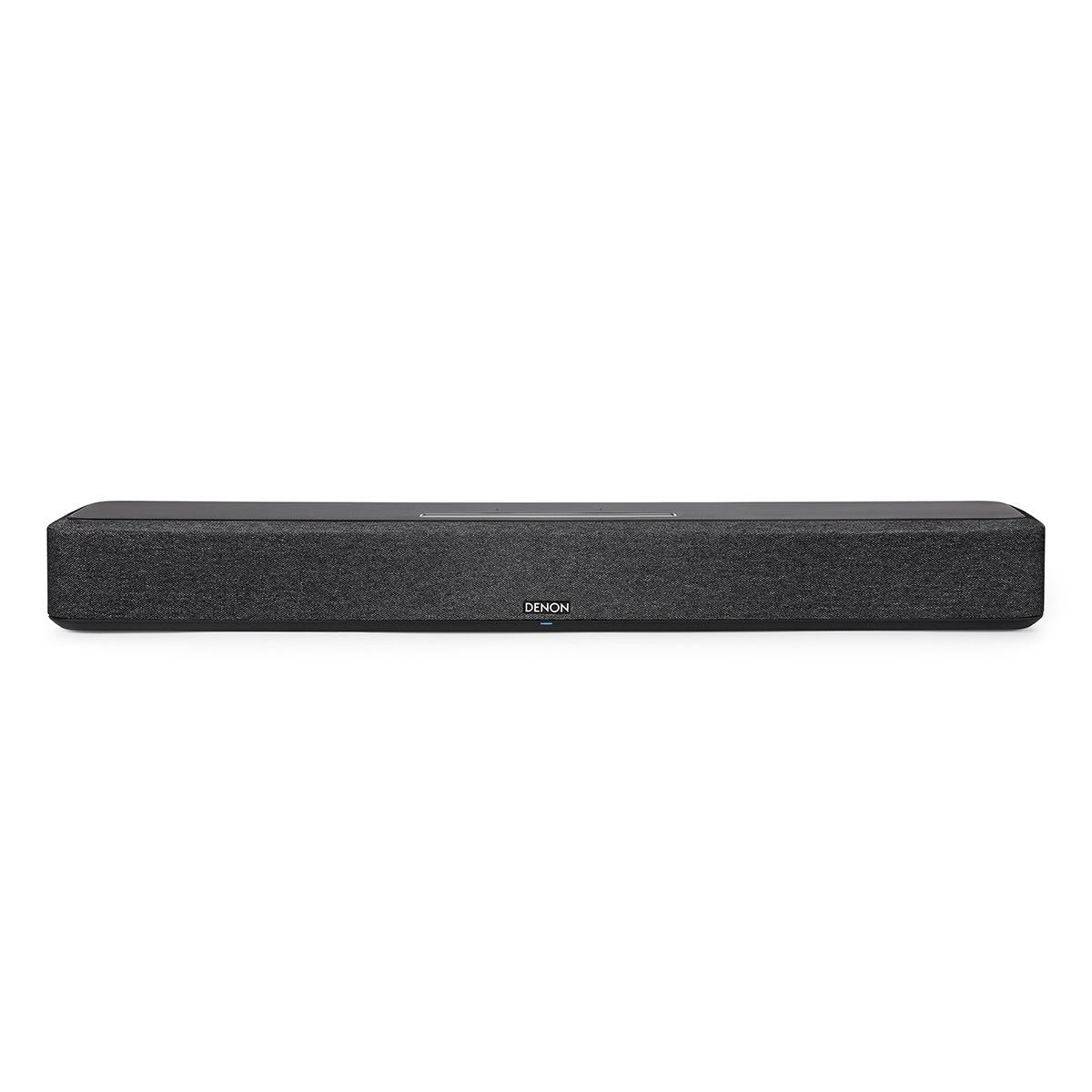
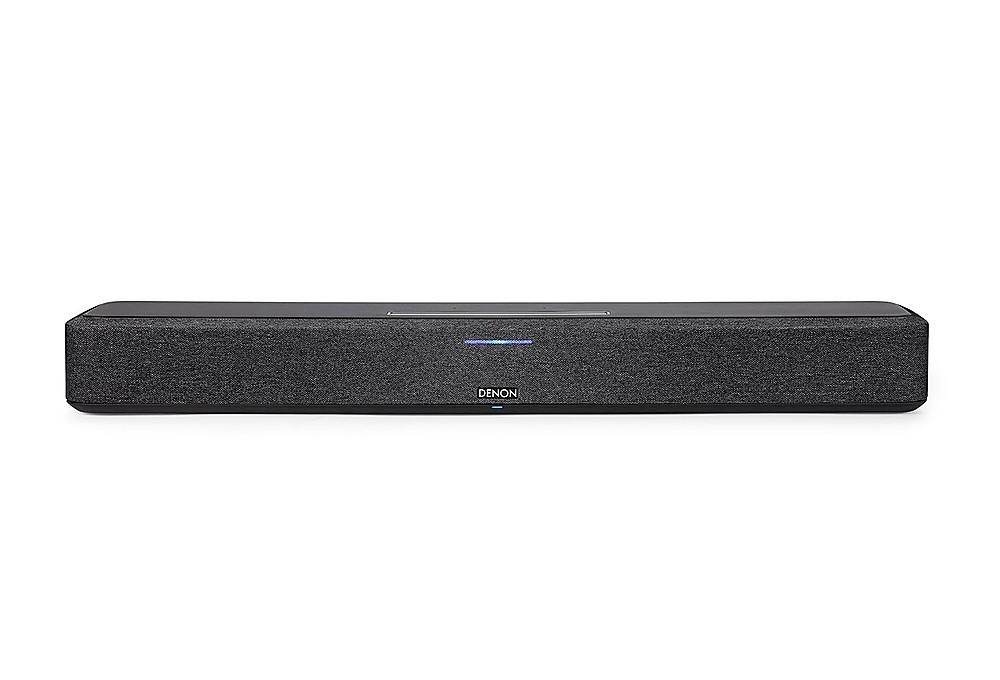
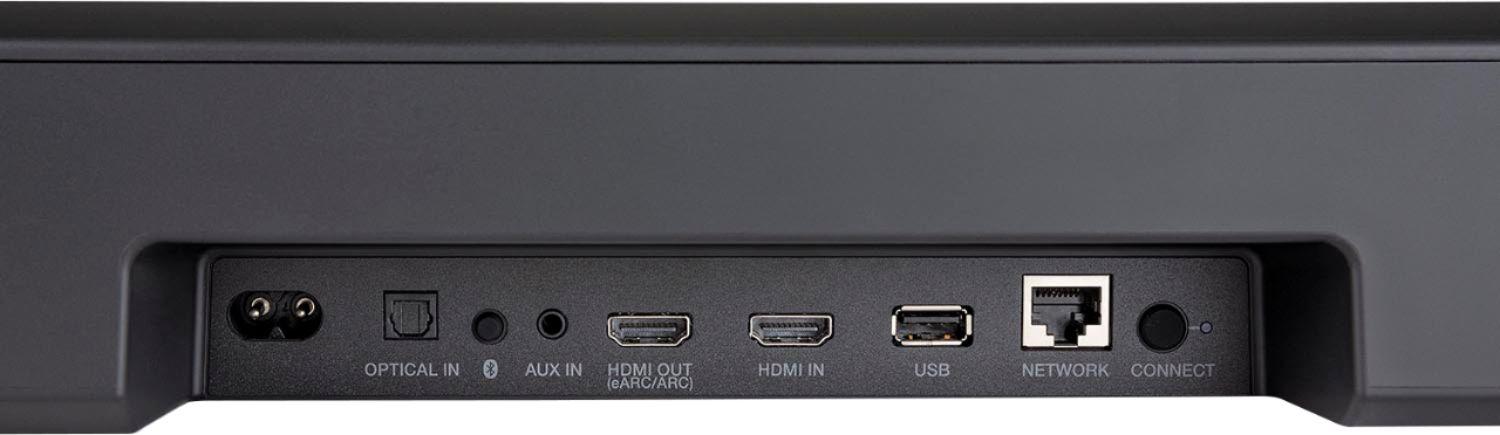
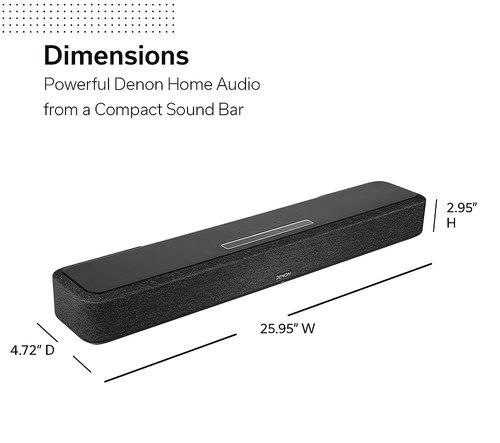
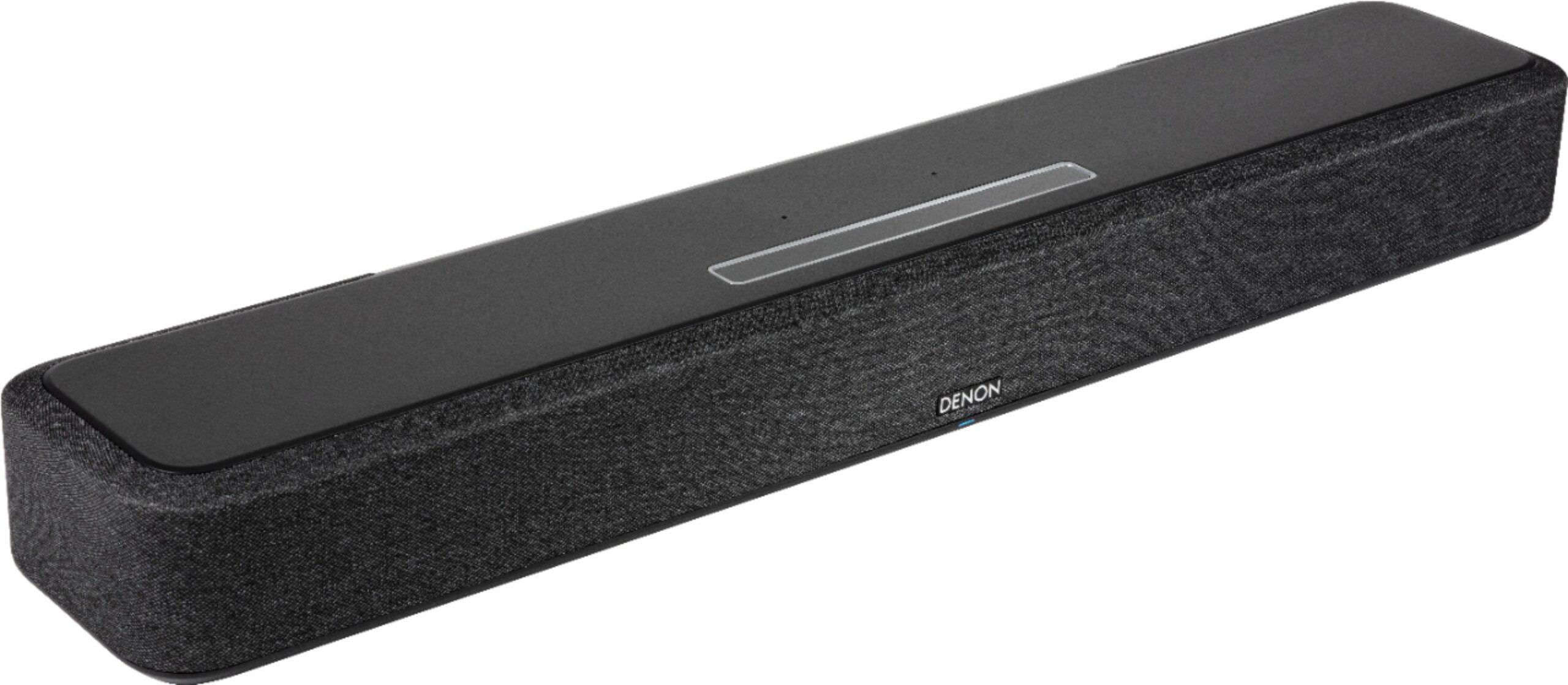
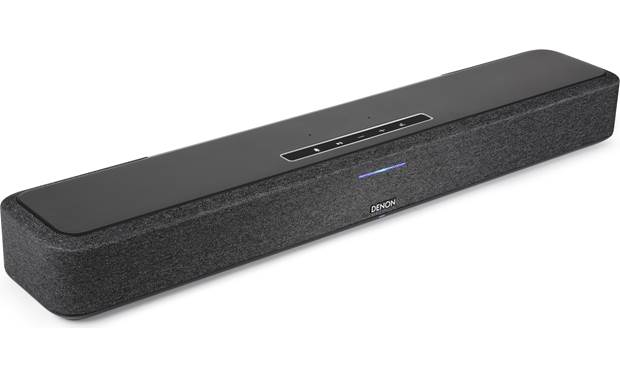
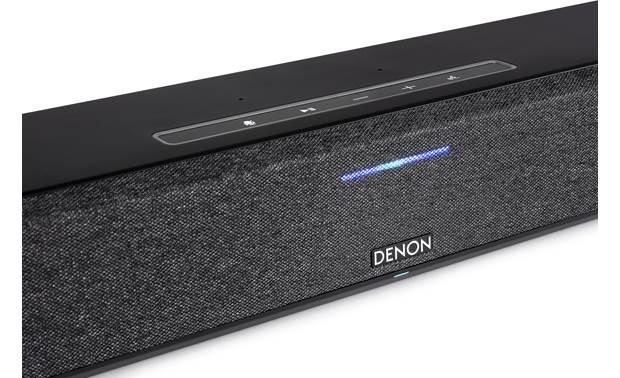
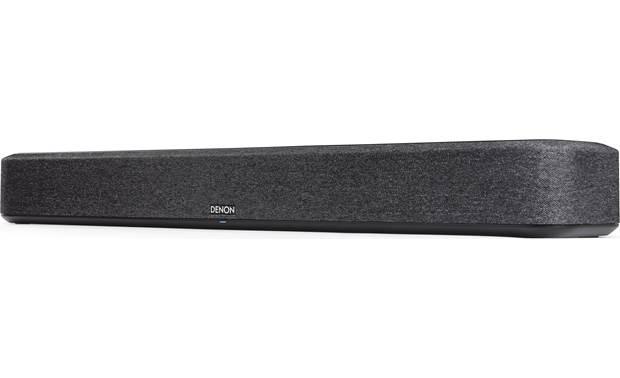
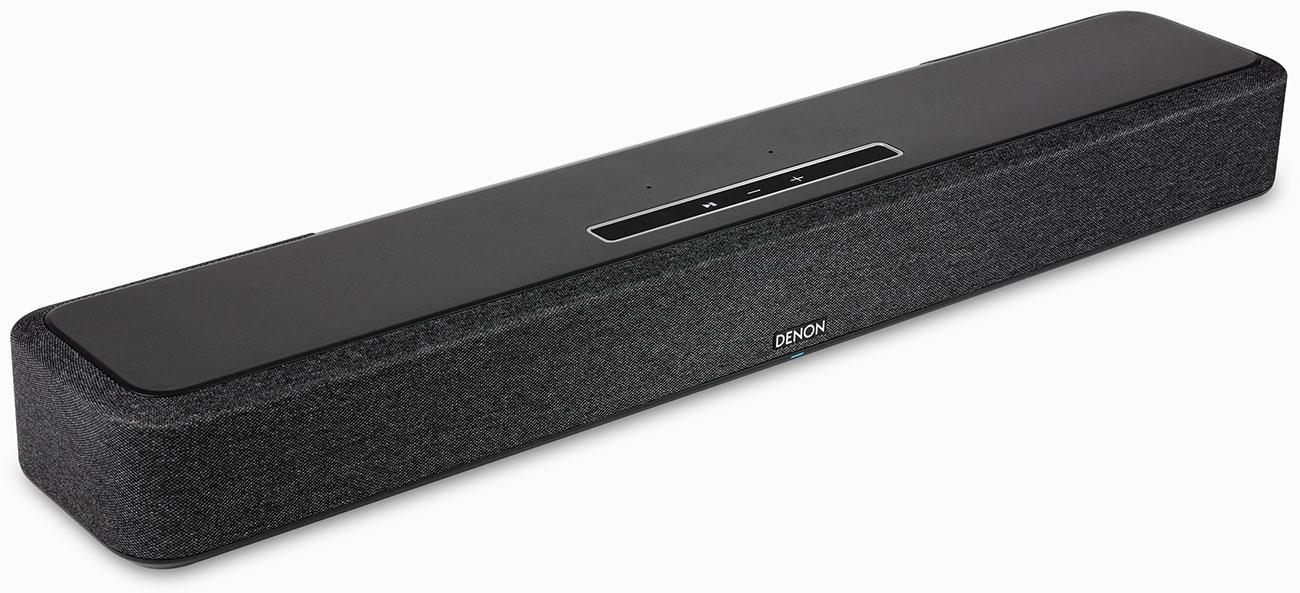
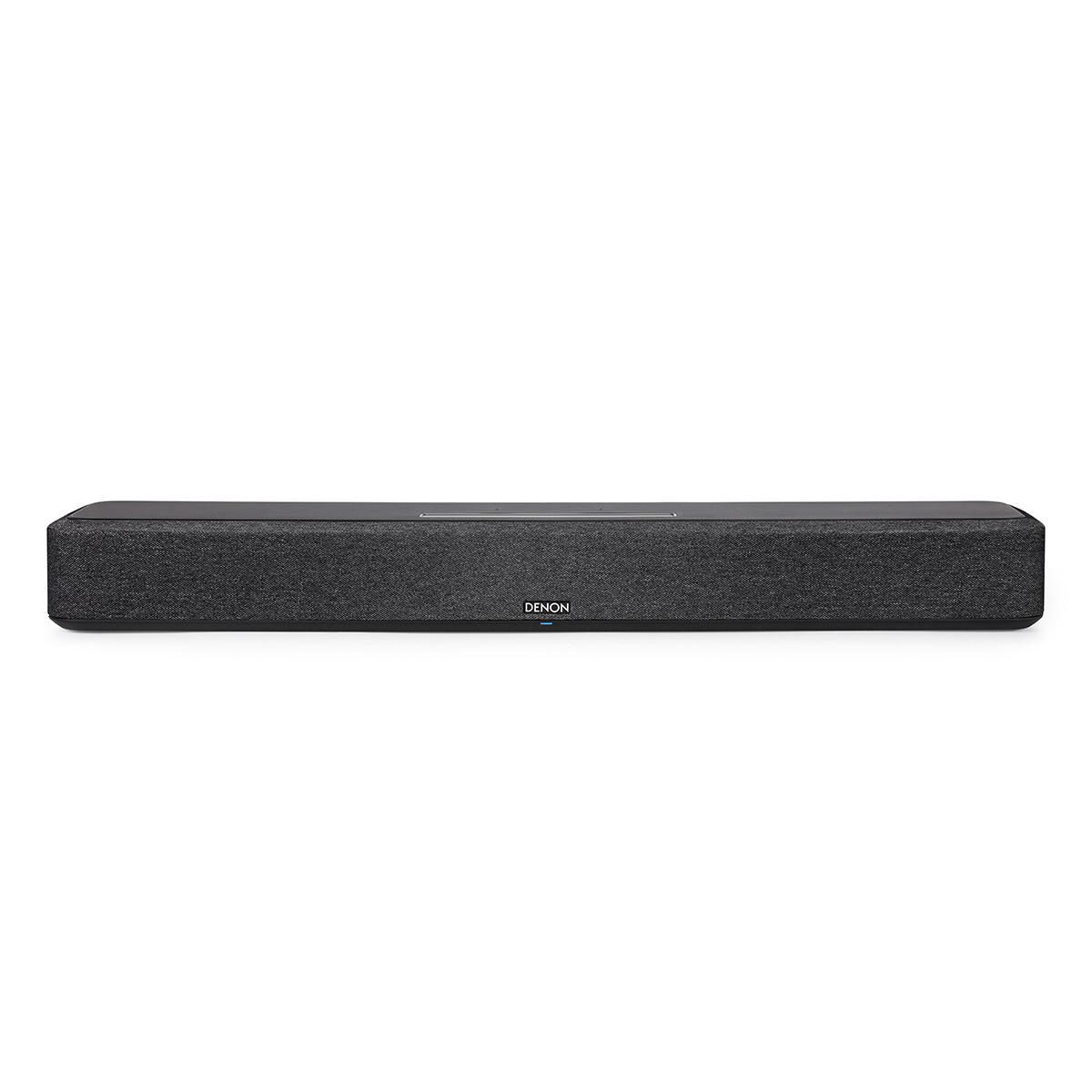
The Denon Home Sound Bar 550, launched in 2021, takes the "modular foundation" approach. It costs less initially but functions as a 2.0-channel system—just left and right speakers with no dedicated center channel or subwoofer included. However, it's designed to grow into a complete home audio ecosystem over time.
This fundamental difference shapes everything about how these products perform and who they're best suited for.
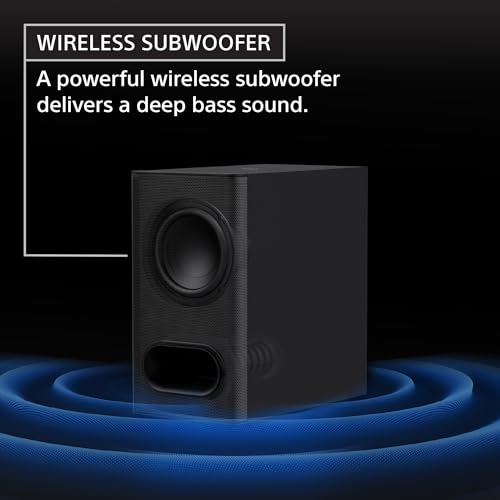
The Sony Theater Bar 6 immediately impresses with its complete sound signature. That included wireless subwoofer makes a massive difference—action movies feel visceral in ways that smaller soundbars simply can't match. The bass isn't just heard; it's felt. However, Sony's engineers may have gotten a bit enthusiastic with the default settings. Out of the box, the subwoofer often overwhelms the rest of the frequency range, creating a boomy character that can muddy dialogue and music details.
I've found that dialing the subwoofer level back to -3 or -4 on Sony's scale transforms the listening experience. This adjustment reveals the soundbar's true character: punchy but controlled bass, clear midrange reproduction, and detailed treble that brings out subtle sound effects in movies and instruments in music.
The dedicated center channel makes a profound difference for dialogue. Rather than trying to create the illusion of a center channel through left and right speakers, the Sony has an actual speaker positioned to deliver voices directly to your listening position. Combined with Sony's Clear Voice processing algorithms, this setup ensures you'll catch every whispered plot point without constantly reaching for the remote.
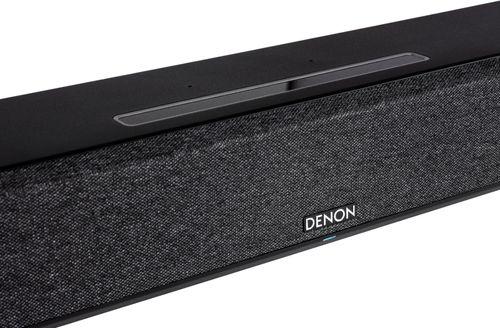
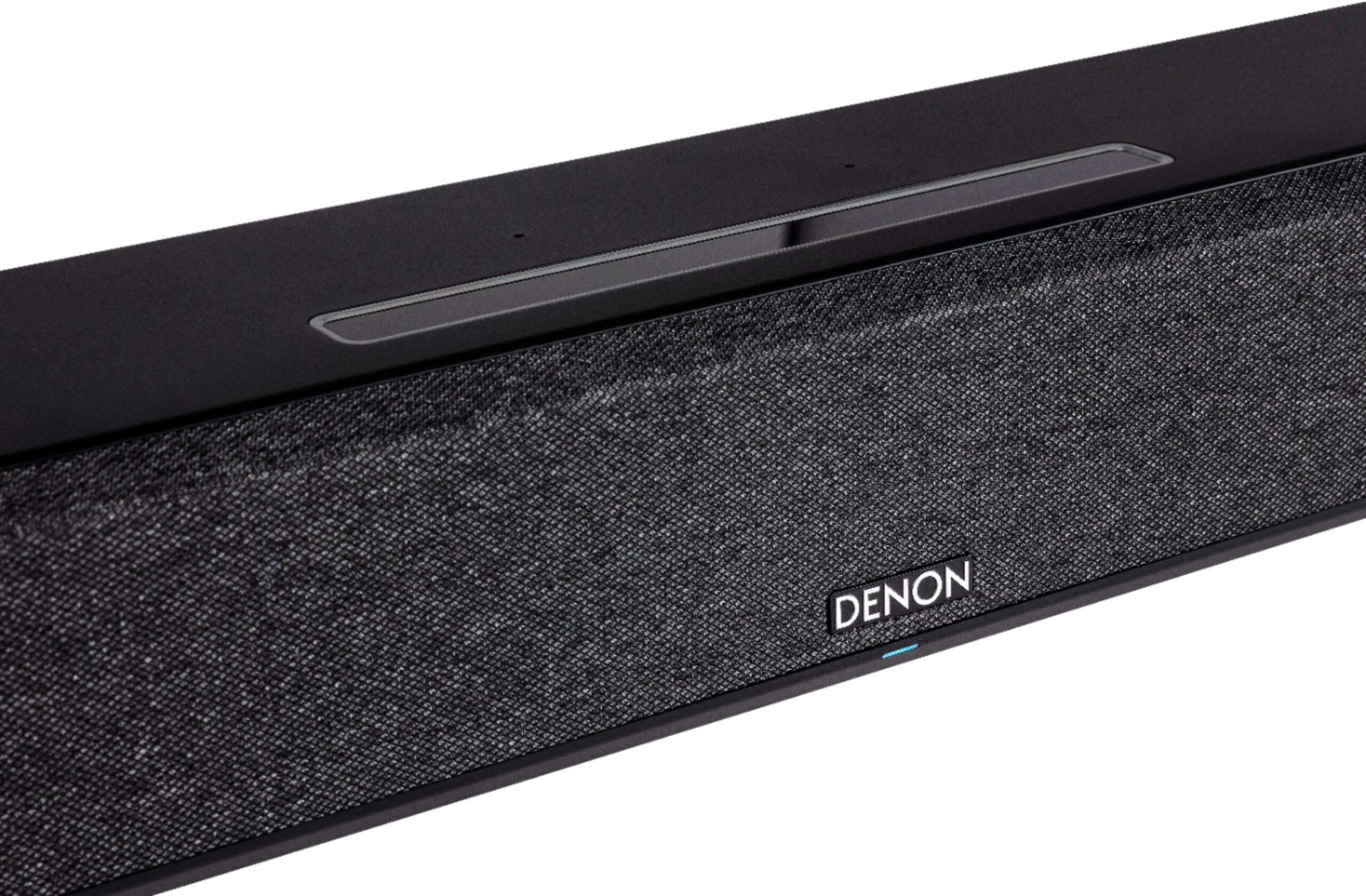
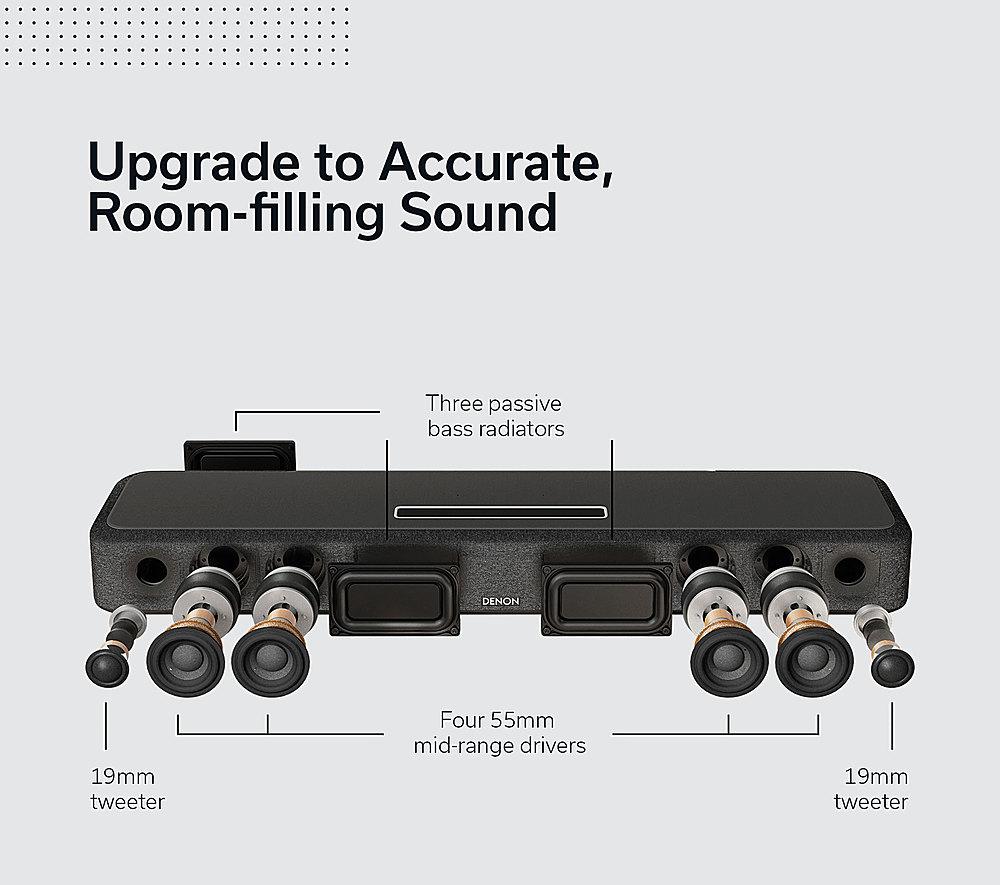
The Denon Home Sound Bar 550, meanwhile, takes a different approach entirely. Working within the constraints of its 2.0-channel design, it creates an impressively wide soundstage that makes movies feel more expansive than you'd expect from a compact bar. The four full-range drivers and two tweeters work together to create what Denon calls "virtual center channel" processing—using phase relationships and timing to create the illusion that dialogue is coming from the screen's center.
Where the Denon truly shines is in its midrange clarity. Without a subwoofer to muddy the waters, voices and instruments occupy their own distinct space in the mix. Music reproduction is particularly impressive, with jazz recordings revealing instrumental nuances and rock tracks maintaining their energy without becoming fatiguing.
However, the physics can't be ignored. Without a dedicated subwoofer, the Denon simply cannot reproduce the low frequencies that make action scenes feel impactful. Explosions lack weight, thunder sounds thin, and bass guitar lines in music often get lost in the mix.
This is where the generational difference between these products becomes most apparent. The Sony Theater Bar 6, launched three years after the Denon, benefits from more recent advances in spatial audio processing.
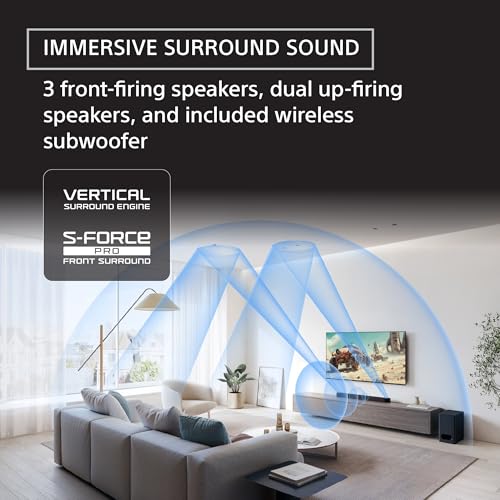
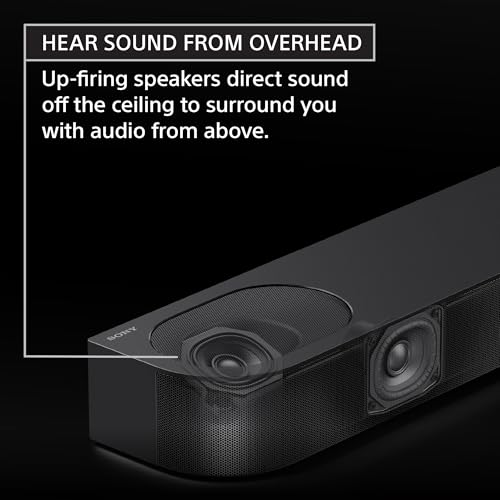
Sony's 3.1.2 configuration includes two up-firing drivers mounted on top of the soundbar. These speakers project sound toward your ceiling, which then reflects back down to create the illusion of overhead effects. When you're watching a Dolby Atmos movie and a helicopter flies overhead, you'll hear it pass above you rather than just in front of you. The effect isn't as convincing as dedicated ceiling speakers, but it's remarkably effective in rooms with reasonably flat ceilings.
The Sony also employs what the company calls S-Force PRO Front Surround processing. This technology analyzes incoming audio and uses the soundbar's multiple drivers to create virtual surround effects. While you won't get true rear channel separation without additional speakers, the soundstage extends well beyond the soundbar's physical boundaries.
The Denon relies entirely on virtual processing for its surround effects. Its four full-range drivers and two tweeters work together to create width and some sense of envelopment, but without height channels or rear speakers, the three-dimensional aspect of modern movie soundtracks remains largely unrealized. That said, for stereo music and dialogue-focused content, the virtual surround processing does create an engaging, spacious presentation.
Here's where real-world usage patterns become crucial. The Sony Theater Bar 6 can play significantly louder without distortion, thanks to its 350-watt total output and the subwoofer's ability to handle low frequencies without straining the main drivers. This headroom matters not just for party-level volumes, but for maintaining clean sound during dynamic movie scenes where quiet dialogue is immediately followed by loud effects.
The Denon reaches its limits more quickly. While perfectly adequate for normal listening levels, pushing it toward maximum volume introduces compression and harshness that makes extended listening fatiguing. This limitation becomes more pronounced with bass-heavy content, where the soundbar's drivers are working overtime to reproduce frequencies they weren't optimized for.
However, the Denon's more restrained output actually works better in apartment settings or late-night listening scenarios. The Sony's powerful subwoofer, while impressive, can easily disturb neighbors through thin walls or floors.
The technology landscape has shifted dramatically since the Denon Home Sound Bar 550 launched in 2021. At that time, Wi-Fi connectivity, voice control, and high-resolution streaming were becoming standard expectations for premium audio products. The Denon embraced this trend fully, integrating Amazon Alexa and Google Assistant voice control, supporting high-resolution audio files up to 192kHz/24-bit, and connecting to the HEOS multiroom ecosystem.
This connectivity opens up usage scenarios beyond TV audio. You can stream music directly from services like Spotify, Apple Music, or Tidal without involving your TV at all. Voice control means adjusting volume or changing inputs without finding the remote. The HEOS integration allows the soundbar to become part of a whole-home audio system, playing synchronized music in multiple rooms or functioning as part of a larger surround setup with additional HEOS speakers.
Surprisingly, the Sony Theater Bar 6, despite being three years newer, lacks Wi-Fi connectivity entirely. Sony focused their engineering efforts on audio performance and integration with their TV ecosystem, but this decision means missing out on voice control, direct music streaming, and smart home integration features that have become standard in the category.
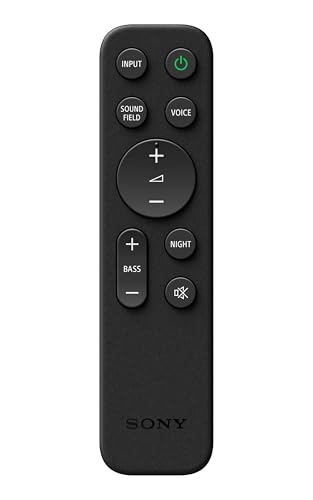
Instead, the Sony doubles down on integration with Sony BRAVIA TVs through their BRAVIA SYNC system and BRAVIA Connect app. If you own a compatible Sony TV (2021 or newer), the integration is genuinely impressive. The TV and soundbar share settings, you can control both with a single remote, and features like Acoustic Center Sync use the TV's built-in speakers alongside the soundbar to create an even more focused center channel for dialogue.
Understanding value requires looking beyond initial purchase price to consider what you're actually getting and how your needs might evolve.
The Sony BRAVIA Theater Bar 6 delivers what I consider excellent immediate value. At the time of writing, it sits in the premium soundbar category price-wise, but you're getting a complete 3.1.2 system that transforms your TV audio from day one. The included wireless subwoofer alone would cost several hundred dollars as a separate purchase, and the overall system performance competes with setups costing significantly more.
However, the Sony's value proposition is largely fixed. There are limited expansion options, and the lack of Wi-Fi connectivity means you won't benefit from future software updates that add streaming services or smart features. It's designed as a complete solution rather than a foundation for growth.
The Denon Home Sound Bar 550 presents a more complex value equation. Its initial purchase price sits in the mid-range category, making it accessible to more buyers. But to unlock its full potential—particularly for movie watching—you'll likely want to add a HEOS subwoofer, which pushes the total investment into premium territory.
The upside is flexibility and longevity. The HEOS ecosystem means you can start with just the soundbar and gradually build a complete home audio system. Add a subwoofer next year, rear speakers the year after that, and extend to other rooms as budget allows. The high-resolution audio support and regular software updates mean the system stays current with evolving streaming standards.
Let me break down how these different approaches play out in actual home environments.
For Movie and TV Watching: The Sony Theater Bar 6 creates a more immediately engaging cinematic experience. Action sequences have genuine impact, dialogue remains clear even during complex soundtracks, and the height effects add immersion to Atmos-encoded content. If your primary goal is enhancing your movie nights, the Sony delivers satisfaction right out of the box.
The Denon, while excellent for dialogue clarity, leaves you wanting more during big action sequences. Explosions feel restrained, car chases lack the low-frequency rumble that adds tension, and the overall presentation, while spacious, doesn't create the visceral engagement that modern movie soundtracks are designed for.
For Music Listening: Here, the tables turn somewhat. The Denon's cleaner midrange presentation and lack of overwhelming bass makes it more suitable for critical music listening. Jazz recordings reveal instrumental textures, acoustic performances maintain their intimacy, and the wide soundstage creates an engaging presentation for stereo music.
The Sony tends toward a more "fun" sound signature that emphasizes impact over accuracy. While this works well for pop, rock, and electronic music, it can overshadow subtle details in acoustic or classical recordings.
For Smart Home Integration: The Denon wins decisively. Voice control eliminates the need to find remotes for basic functions, direct streaming means the TV can stay off while listening to music, and HEOS integration opens up multiroom possibilities that extend the investment's value throughout your home.
The Sony's Bluetooth-only connectivity feels dated in 2024, limiting your options for music streaming and eliminating smart home integration possibilities.
After extensive testing and living with both systems, here's my honest assessment of who should choose which option.
Choose the Sony BRAVIA Theater Bar 6 if you want immediate transformation of your TV audio experience. It's ideal for movie enthusiasts who prioritize impact and immersion over technical flexibility. The inclusion of a wireless subwoofer makes it particularly appealing for larger rooms where bass response matters. If you own a Sony BRAVIA TV, the integration benefits make this choice even more compelling.
This soundbar also makes sense if you prefer simplicity over configurability. Setup is straightforward, performance is impressive from day one, and you won't need to think about additional purchases or complex app configurations.
Choose the Denon Home Sound Bar 550 if you value long-term flexibility and are building toward a more comprehensive audio system. It's perfect for music lovers who prioritize clarity and detail over sheer impact. The smart features and HEOS integration make it appealing for tech-savvy users who want their soundbar to function as part of a broader smart home ecosystem.
The Denon also works better in space-constrained environments where a subwoofer might be problematic, at least initially. Its modular approach means you can start small and expand as your space and budget allow.
Budget Considerations: While the Sony costs more upfront, it provides more complete functionality immediately. The Denon appears less expensive initially but reaching comparable performance levels requires additional investments in subwoofers and possibly rear speakers.
The key is matching your expectations with your reality. If you want to set up a soundbar this weekend and immediately enjoy better movie audio, the Sony delivers. If you're building a long-term audio solution and value smart features alongside good sound, the Denon provides a better foundation.
Both soundbars excel in their intended roles, but they serve different needs and priorities. Understanding which approach aligns with your specific situation will lead to greater long-term satisfaction with your choice.
| Sony BRAVIA Theater Bar 6 | Denon Home Sound Bar 550 |
|---|---|
| Channel Configuration - Determines dialogue clarity and surround capabilities | |
| 3.1.2 channels with dedicated center and height speakers | 2.0 channels with virtual center processing |
| Subwoofer Inclusion - Critical for bass impact in movies | |
| Wireless 6" subwoofer included | No subwoofer (available separately in HEOS ecosystem) |
| Total Power Output - Affects maximum volume and dynamic range | |
| 350W total system power | Lower power (specific wattage not disclosed) |
| Dolby Atmos Support - Enables overhead sound effects | |
| True Dolby Atmos with up-firing drivers | Dolby Atmos via virtualization only |
| Smart Connectivity - Streaming and voice control capabilities | |
| Bluetooth only, no Wi-Fi or voice control | Wi-Fi, Bluetooth, Amazon Alexa, Google Assistant |
| TV Integration - Seamless control and enhanced features | |
| Excellent with Sony BRAVIA TVs via BRAVIA SYNC | Universal compatibility, works with any TV brand |
| High-Resolution Audio Support - Important for music quality | |
| Standard audio formats only | Up to 192kHz/24-bit high-resolution audio |
| Expandability - Future upgrade potential | |
| Limited expansion options | Full HEOS ecosystem compatibility for multiroom audio |
| Setup Complexity - Time to optimal performance | |
| Plug-and-play with immediate full performance | Simple initial setup, but benefits from HEOS app configuration |
| Room Size Suitability - Bass performance considerations | |
| Better for medium to large rooms, may overwhelm small spaces | Ideal for small to medium rooms, especially apartments |
The Sony BRAVIA Theater Bar 6 is significantly better for movies and TV shows. It includes a dedicated wireless subwoofer and 3.1.2 channel configuration with true Dolby Atmos support, creating more impactful action scenes and clearer dialogue through its dedicated center channel. The Denon Home Sound Bar 550 works well for dialogue-heavy content but lacks the bass response needed for cinematic impact without adding a separate subwoofer.
The Sony BRAVIA Theater Bar 6 comes complete with everything needed for great sound, including a wireless subwoofer. The Denon Home Sound Bar 550 works as-is but you'll likely want to add a HEOS subwoofer for movies and bass-heavy music. The Denon approach allows gradual system building, while the Sony provides immediate complete performance.
The Denon Home Sound Bar 550 has significantly better smart features, including built-in Amazon Alexa, Google Assistant, Wi-Fi connectivity, and high-resolution music streaming up to 192kHz/24-bit. The Sony BRAVIA Theater Bar 6 only offers Bluetooth connectivity and lacks voice control or direct streaming capabilities, focusing instead on audio performance and Sony TV integration.
Both excel at music but differently. The Denon Home Sound Bar 550 offers cleaner midrange clarity and supports high-resolution audio formats, making it better for critical music listening and acoustic genres. The Sony BRAVIA Theater Bar 6 provides more full-range music enjoyment with better bass extension, making it more suitable for pop, rock, and electronic music.
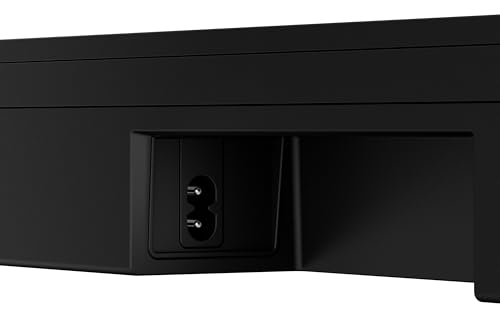
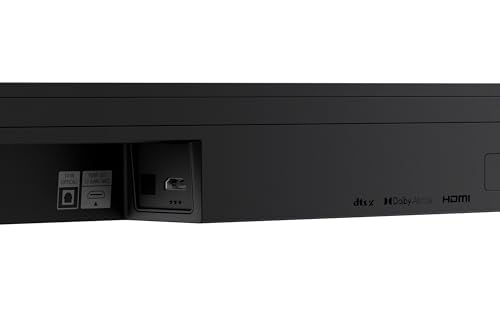
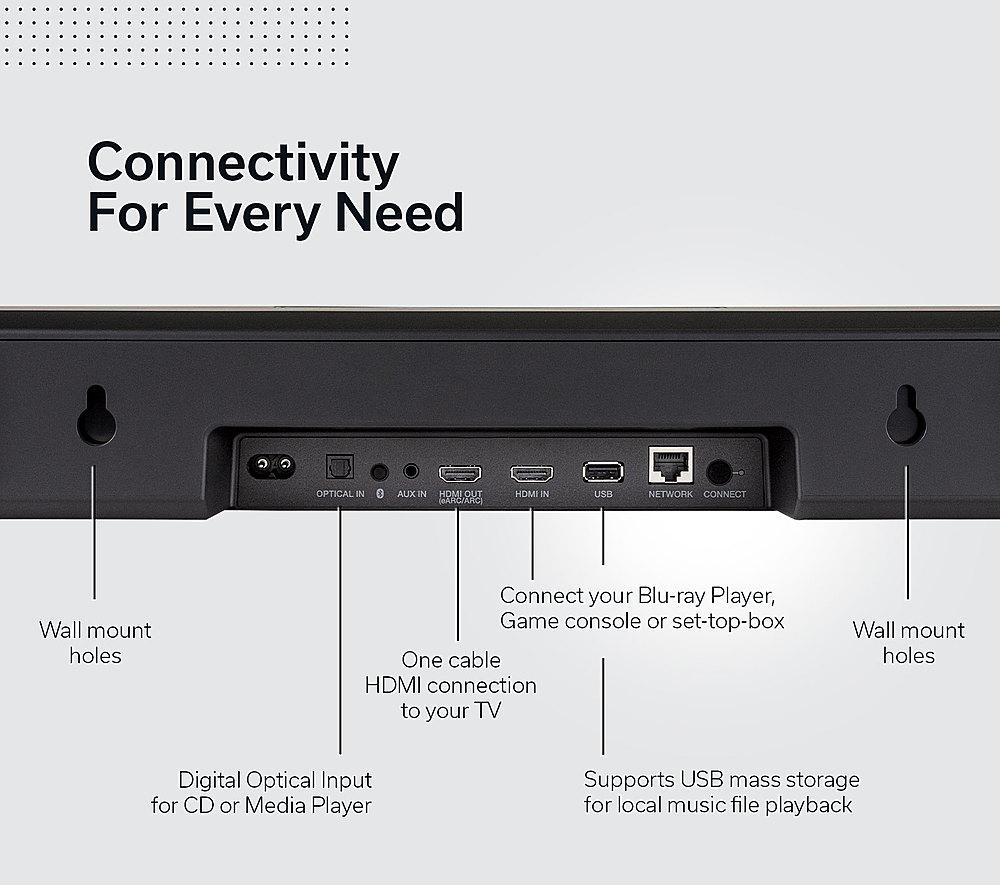
Yes, both soundbars work with any TV brand through HDMI ARC/eARC or optical connections. However, the Sony BRAVIA Theater Bar 6 offers enhanced integration features like BRAVIA SYNC when paired with Sony BRAVIA TVs (2021 or newer). The Denon Home Sound Bar 550 provides universal compatibility without brand-specific advantages.
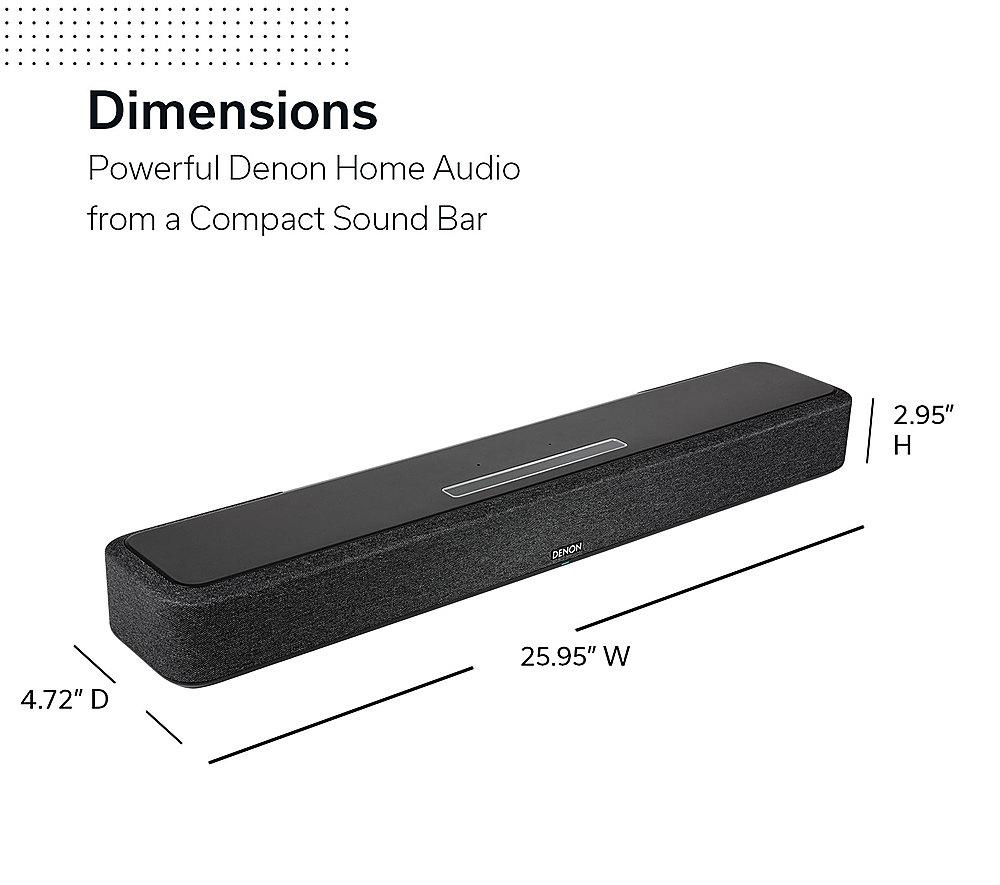
The Denon Home Sound Bar 550 is better suited for small spaces and apartments. Its compact design without a subwoofer makes placement easier, and its more controlled bass response won't disturb neighbors. The Sony BRAVIA Theater Bar 6 includes a powerful subwoofer that may be too much for thin-walled apartments or small rooms.
The Sony BRAVIA Theater Bar 6 provides superior surround sound with true Dolby Atmos processing through up-firing drivers for height effects and dedicated channels for better spatial audio. The Denon Home Sound Bar 550 relies on virtual surround processing, which creates width but cannot match the three-dimensional immersion of the Sony's configuration.
Value depends on your priorities. The Sony BRAVIA Theater Bar 6 offers better immediate value with complete 3.1.2 performance including subwoofer right out of the box. The Denon Home Sound Bar 550 provides better long-term value for users who want smart features, expandability, and the flexibility to build a complete home audio system over time.
The Denon Home Sound Bar 550 offers excellent expansion possibilities through the HEOS ecosystem, allowing you to add wireless subwoofers, rear speakers, and create multiroom audio throughout your home. The Sony BRAVIA Theater Bar 6 has limited expansion options with no compatible rear speakers currently available from Sony.
The Sony BRAVIA Theater Bar 6 is easier for immediate setup with plug-and-play functionality and automatic subwoofer pairing. The Denon Home Sound Bar 550 has simple physical setup but benefits from HEOS app configuration for optimal performance and accessing smart features. Both are relatively user-friendly, but the Sony requires less initial configuration.
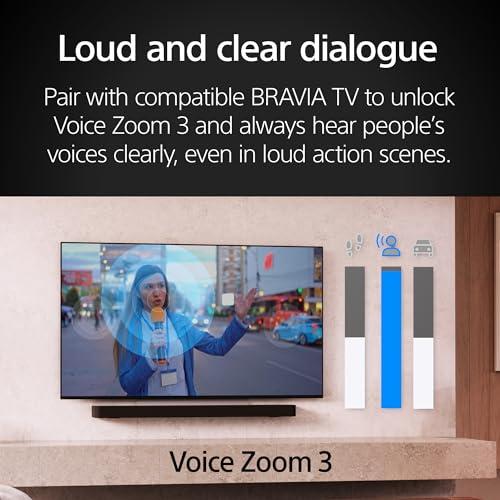
Both soundbars excel at dialogue clarity but through different approaches. The Sony BRAVIA Theater Bar 6 uses a dedicated center channel with Clear Voice algorithms and Voice Zoom 3.0 (with compatible Sony TVs) for superior dialogue reproduction. The Denon Home Sound Bar 550 creates impressive dialogue clarity through virtual center channel processing and precise midrange reproduction.
The Denon Home Sound Bar 550 has better future-proofing with Wi-Fi connectivity, regular software updates, high-resolution audio support, and expandability within the HEOS ecosystem. The Sony BRAVIA Theater Bar 6 delivers excellent current performance but lacks Wi-Fi connectivity and expansion options that may become more important over time.
We've done our best to create useful and informative comparisons to help you decide what product to buy. Our research uses advanced automated methods to create this comparison and perfection is not possible - please contact us for corrections or questions. These are the sites we've researched in the creation of this article: rtings.com - bestbuy.com - whathifi.com - youtube.com - youtube.com - sony.com - galaxus.at - helpguide.sony.net - audioadvice.com - electronics.sony.com - youtube.com - youtube.com - electronics.sony.com - helpguide.sony.net - whatgear.net - consumerreports.org - consumerreports.org - soundandvision.com - crutchfield.com - rtings.com - crutchfield.com - gzhls.at - denon.com - walmart.com - youtube.com - whathifi.com - bestbuy.com

Privacy Policy
Terms and Conditions - Affiliate Policy
Home Security
© Copyright 2008-2026.
11816 Inwood Rd #1211, Dallas, TX 75244