









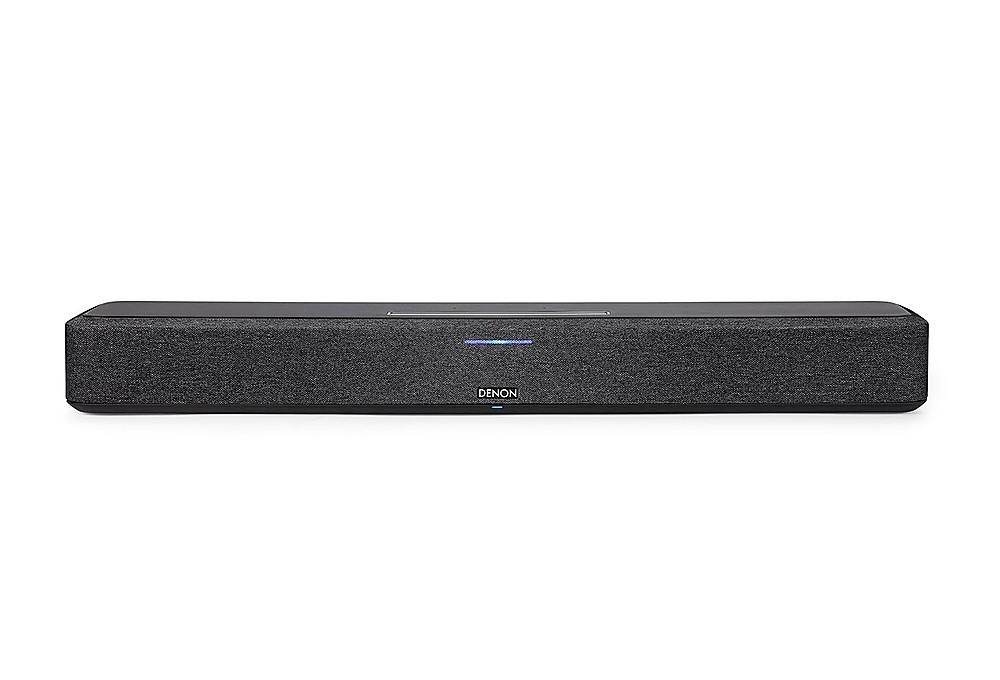
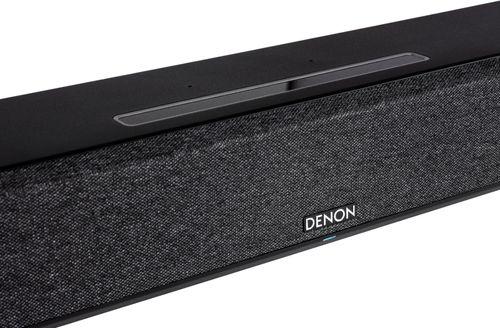
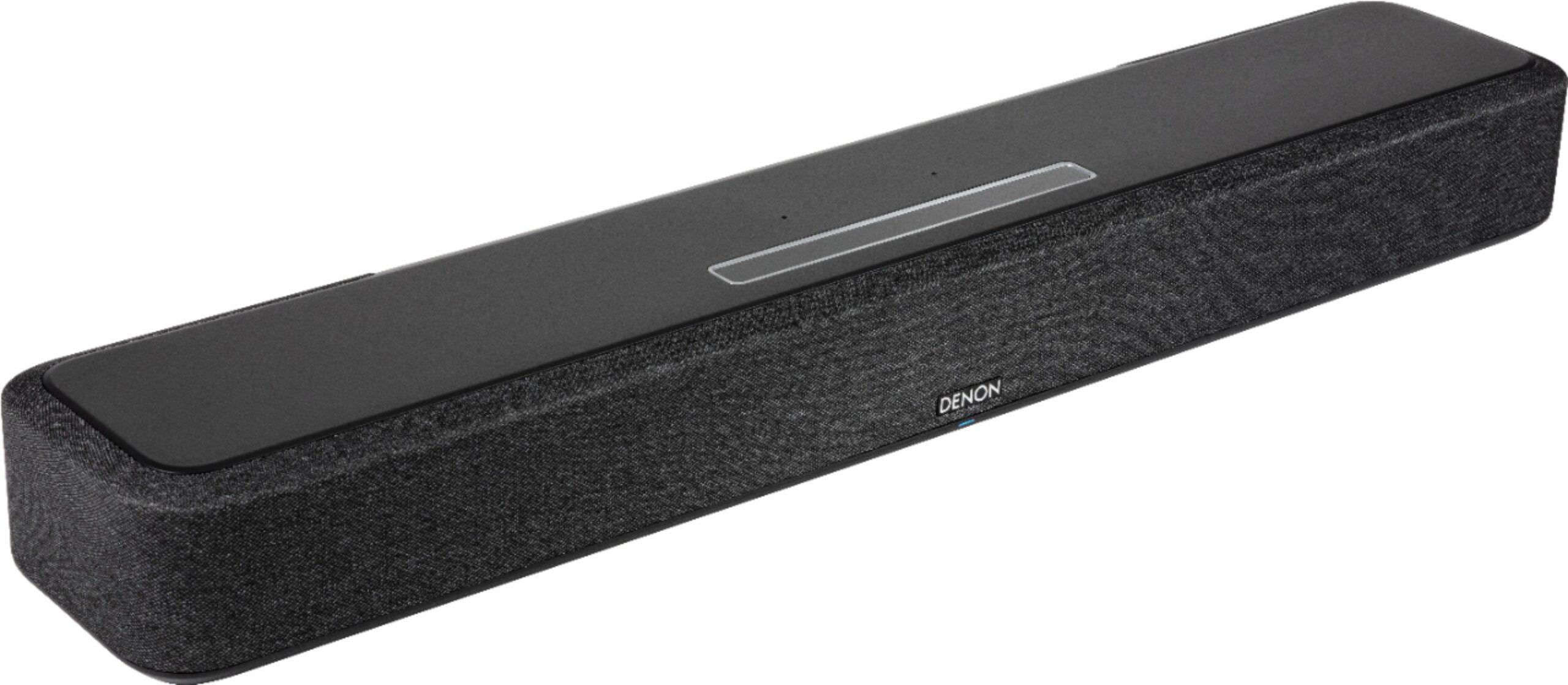
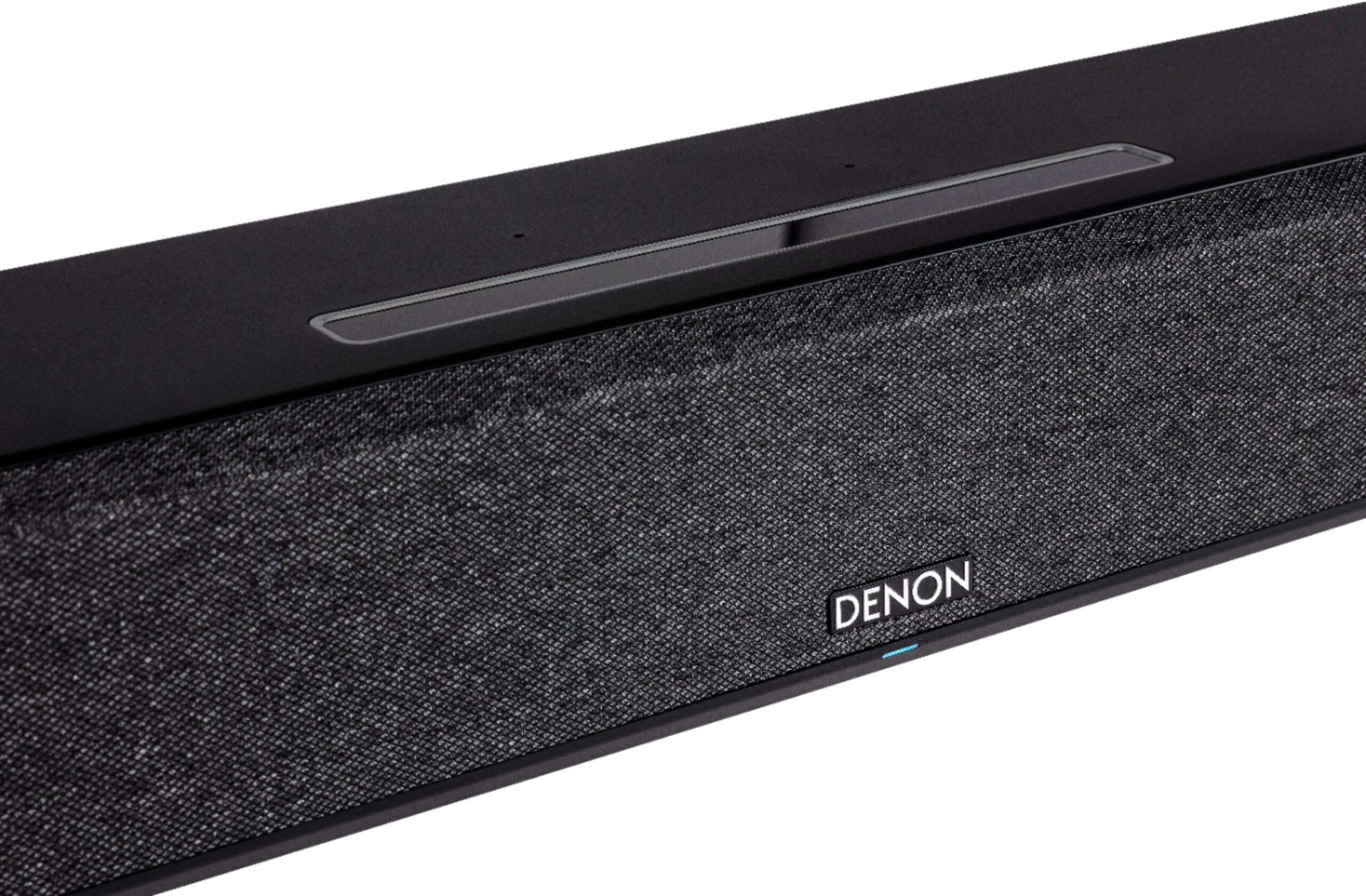

When your TV's built-in speakers just aren't cutting it anymore, a soundbar upgrade can transform your living room into a proper entertainment hub. But with so many options available, picking the right one can feel overwhelming. Today, we're comparing two popular choices that take very different approaches to solving the same problem: the LG S90TR 7.1.3 Channel Soundbar ($796.99) and the Denon Home Sound Bar 550 ($518.50).
These soundbars represent two distinct philosophies in home audio. The LG gives you everything upfront in one complete package, while the Denon starts lean and lets you build your system over time. Understanding which approach works better for your situation will help you make the right choice.
Before diving into specifics, let's talk about what makes today's soundbars special. Unlike the basic sound bars from a decade ago, modern units support advanced audio formats like Dolby Atmos and DTS:X. These technologies create "object-based audio" – instead of just sending sound to specific speakers, they place individual sound effects anywhere in a three-dimensional space around you. That helicopter in your favorite action movie doesn't just come from the left speaker; it moves seamlessly overhead from back to front.
The channel numbers you see (like 7.1.3) tell you exactly what you're getting. The first number represents main speakers around you, the second is subwoofers for bass, and the third indicates height channels for overhead effects. More channels generally mean better sound separation, but only if they're implemented well.
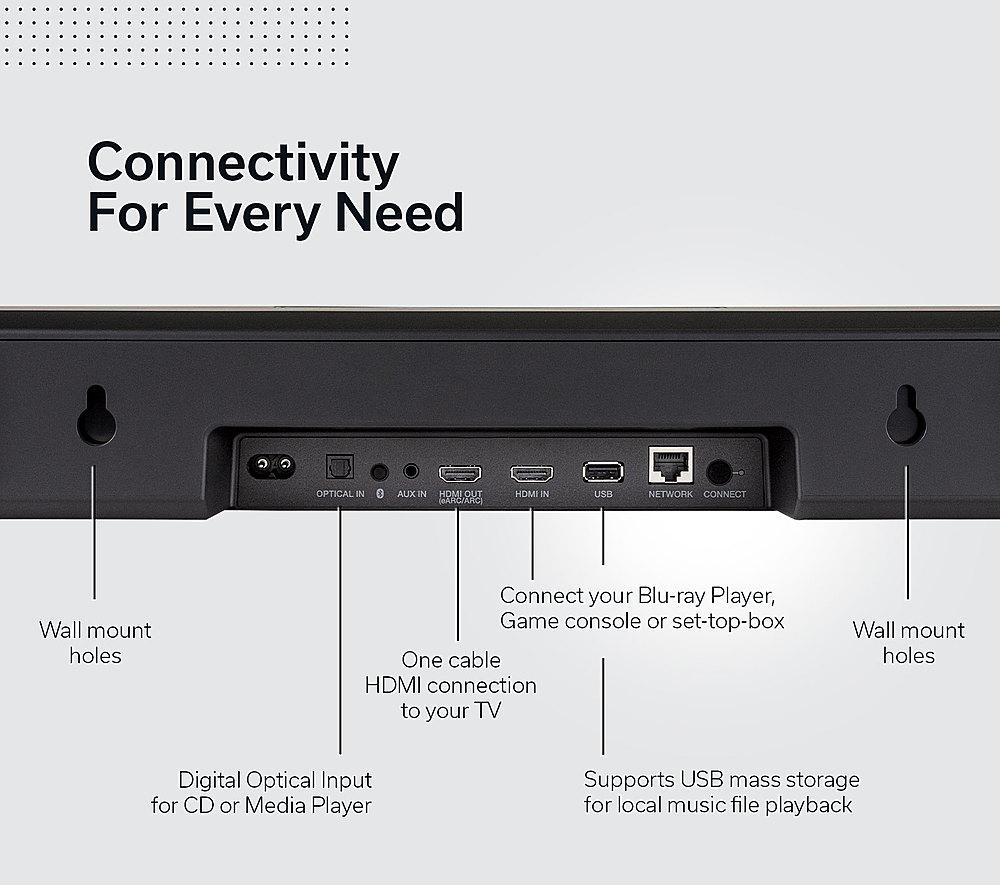
Connectivity has evolved tremendously too. HDMI eARC (enhanced Audio Return Channel) now handles high-quality audio formats that older optical connections couldn't manage. Wireless streaming has become standard, and many soundbars integrate with smart home ecosystems for voice control.
The LG S90TR launched in 2024 as part of LG's premium soundbar lineup, representing a significant upgrade from previous generations. LG has been pushing hard into the home theater space, especially focusing on integration with their popular OLED TVs. This soundbar includes their latest WOW Orchestra technology, which wasn't available in earlier models – it actually coordinates the soundbar with your LG TV's built-in speakers for fuller sound.
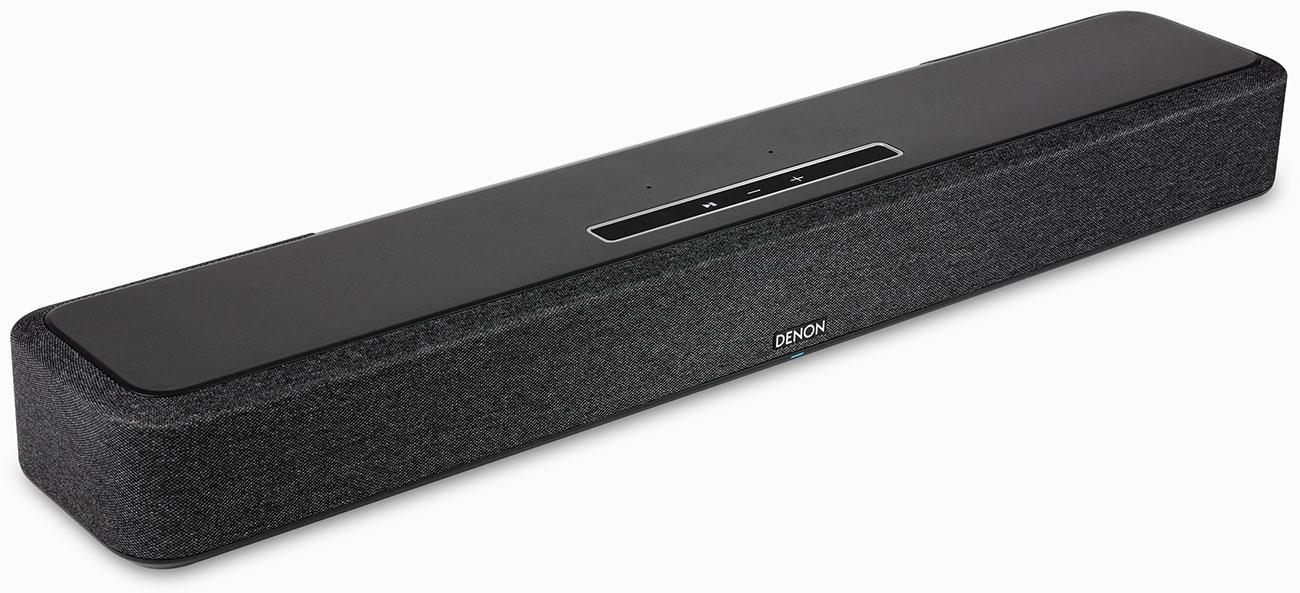
The Denon Home Sound Bar 550, released in 2021, comes from a company with decades of audio expertise. Denon took a different approach, building this soundbar around their HEOS multiroom platform rather than focusing solely on TV integration. Since its release, the HEOS ecosystem has expanded significantly, making the 550 more valuable now than when it first launched.
What's interesting is how these release dates affect their technology. The LG benefits from newer processing chips and more advanced wireless protocols, while the Denon has had three years of firmware updates and ecosystem growth. Both have stayed current, but they've evolved in different directions.
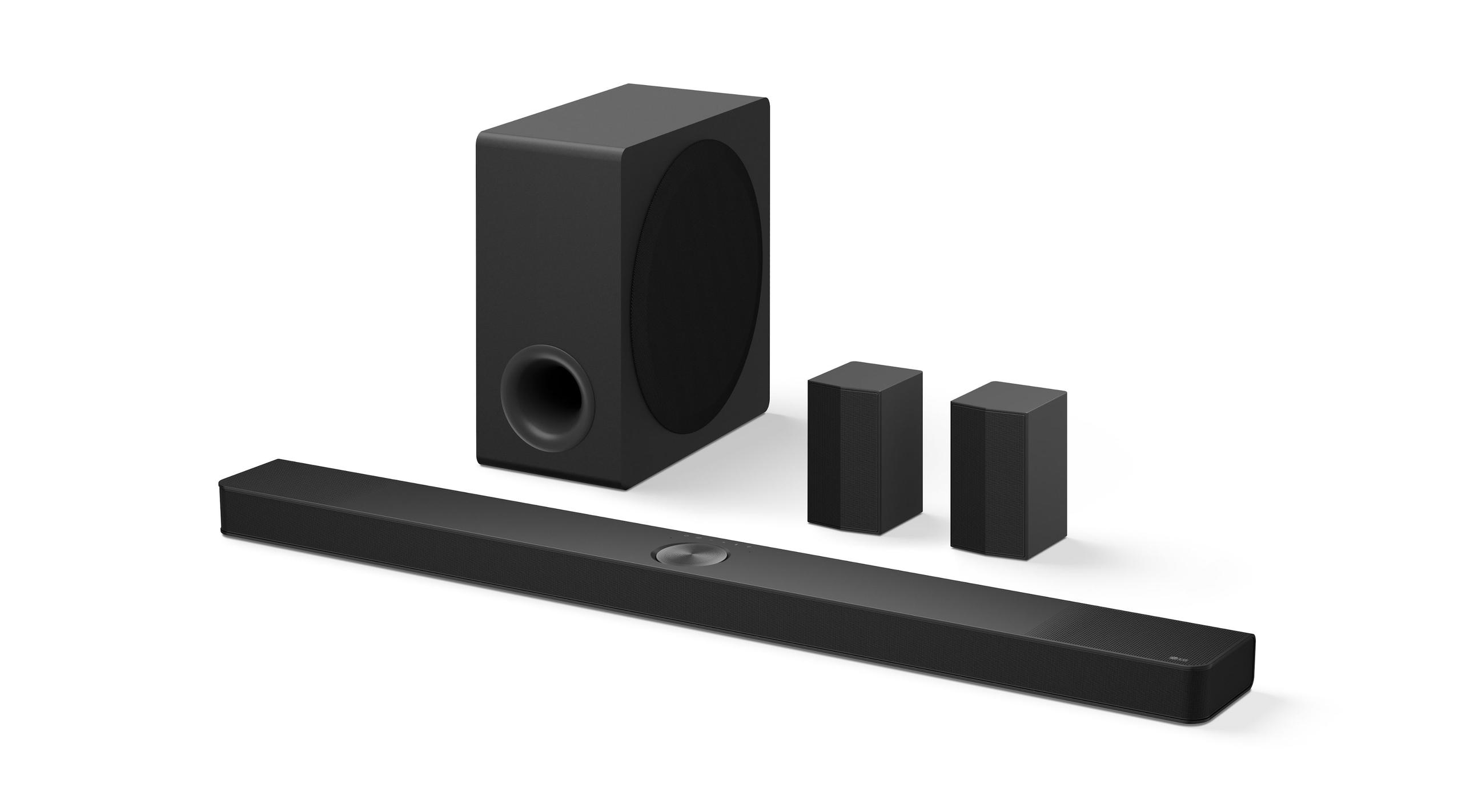
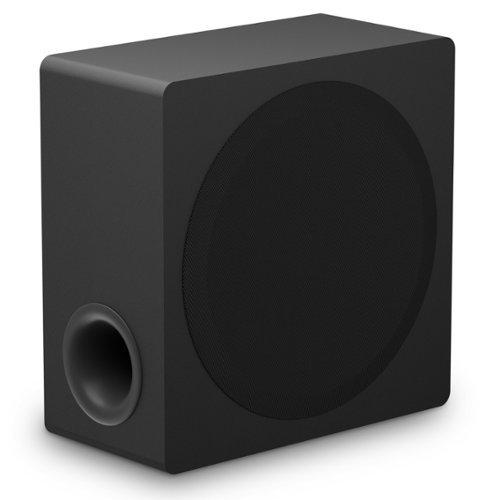
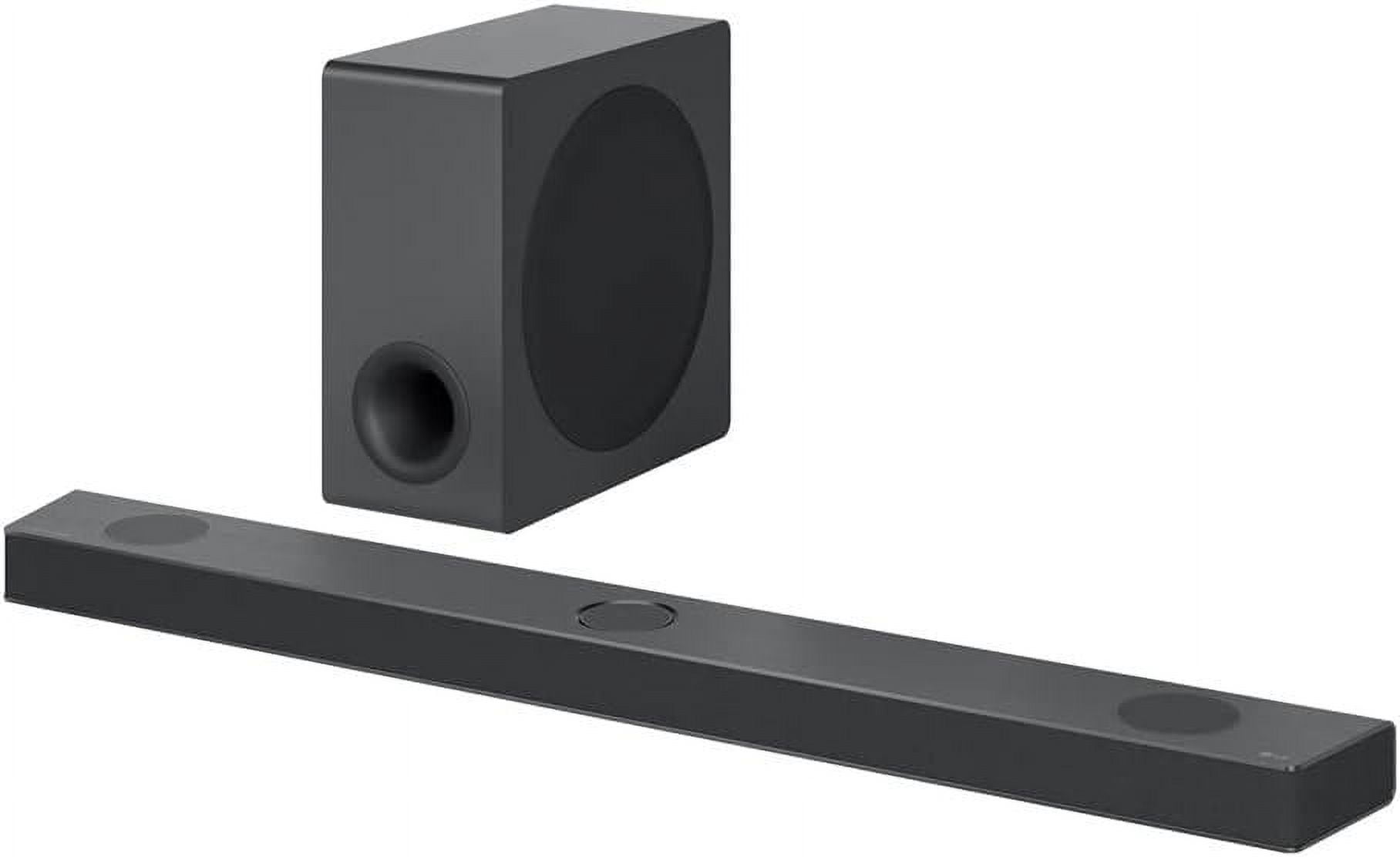
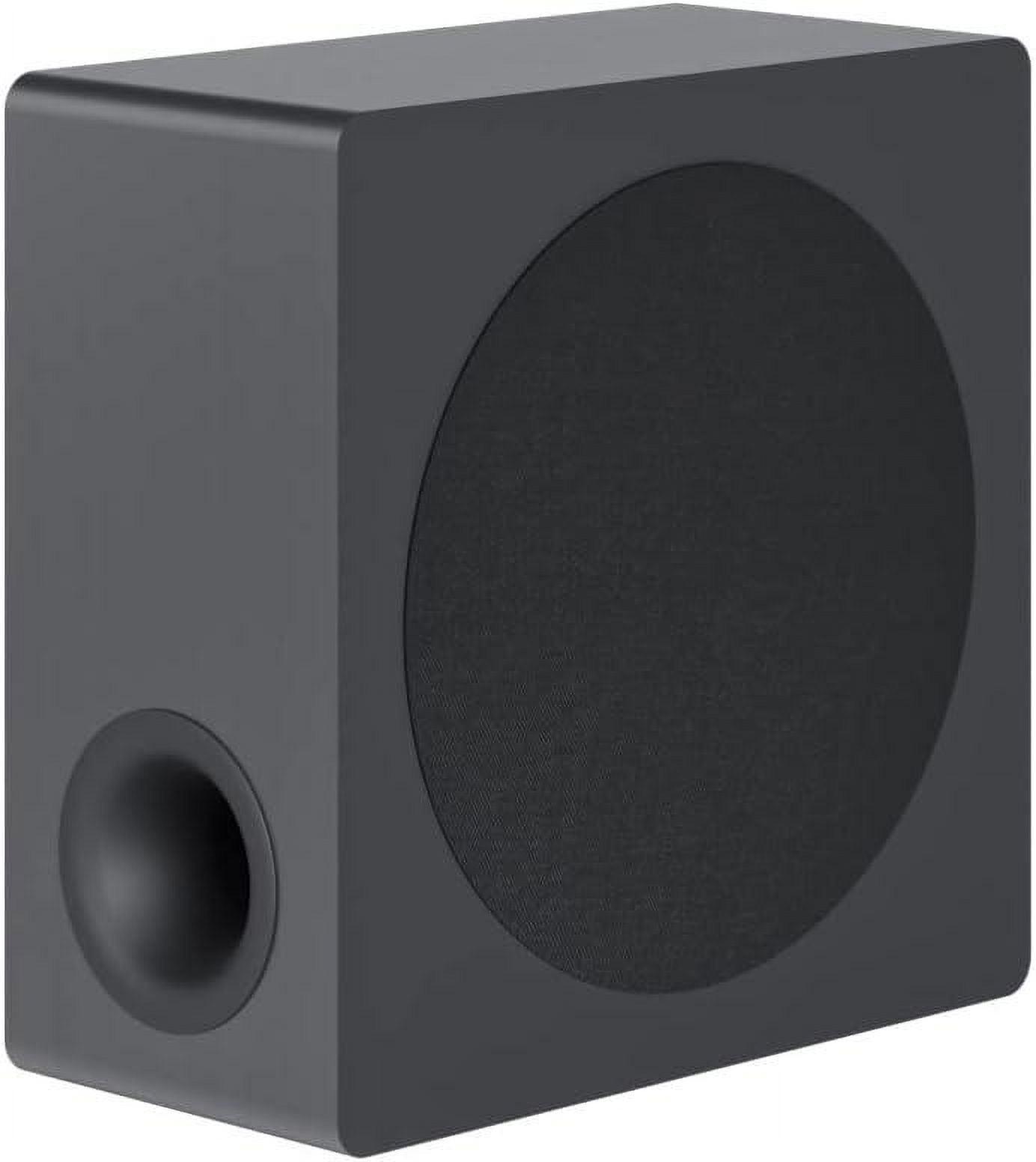
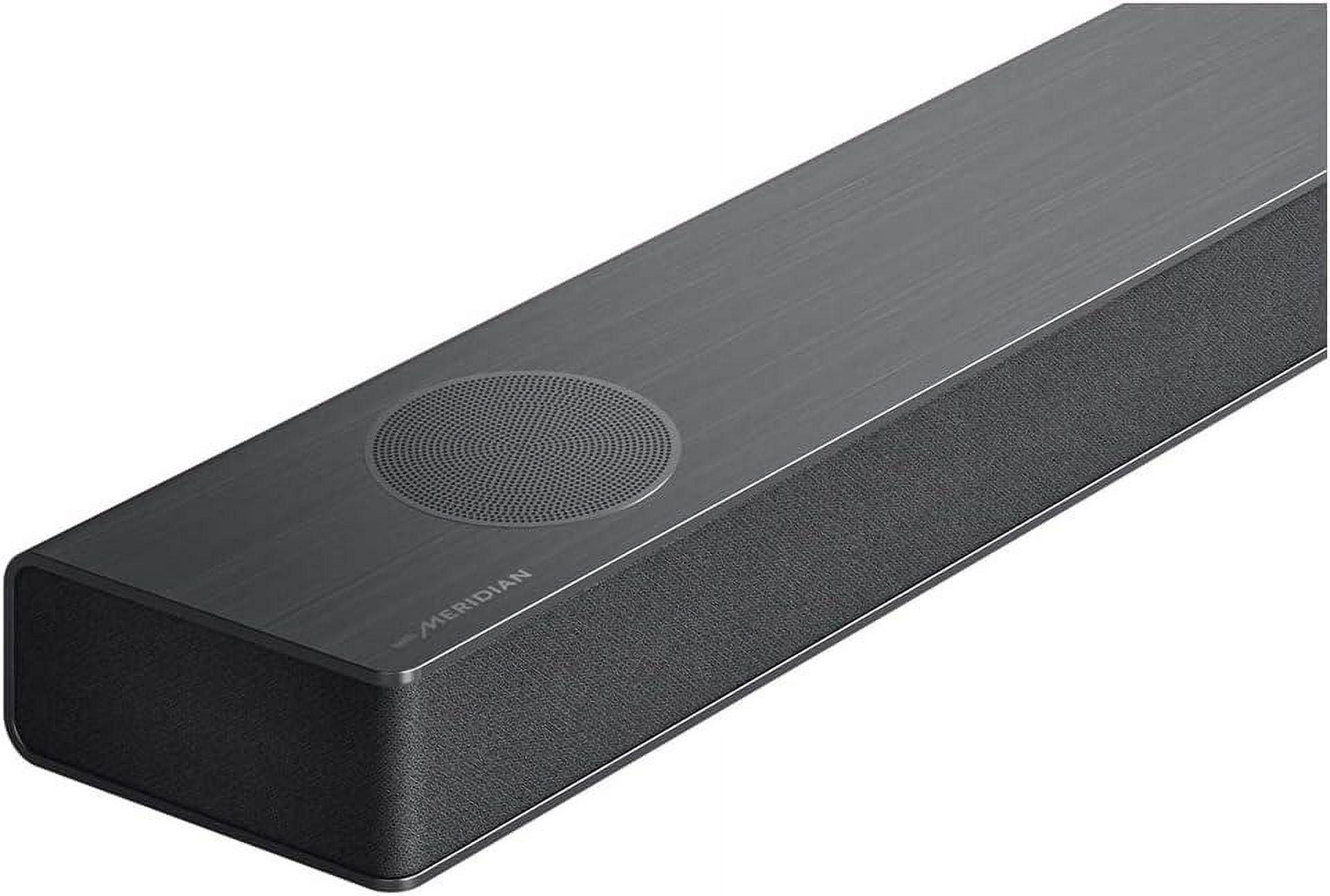
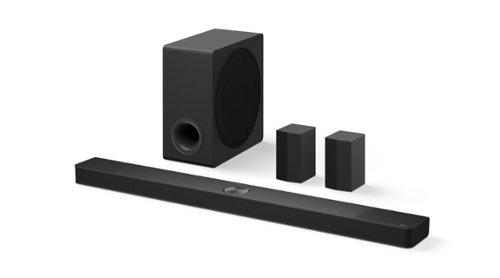
Here's where these soundbars differ most dramatically. The LG S90TR arrives as a complete 7.1.3 system with everything you need: a 49-inch soundbar packed with 13 drivers, a wireless 8-inch subwoofer, and two wireless rear speakers. Unbox it, follow the setup process, and you have genuine surround sound within an hour.
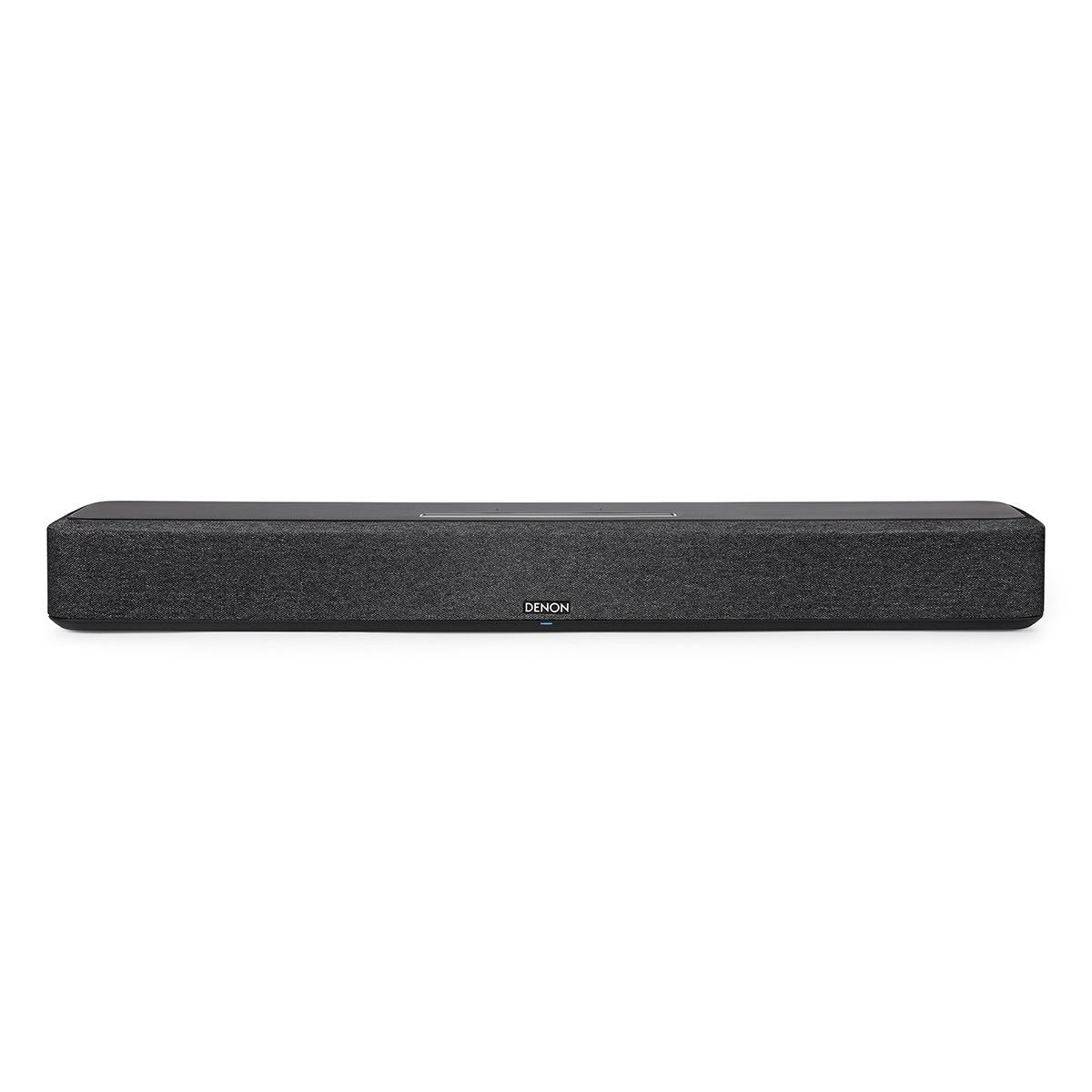
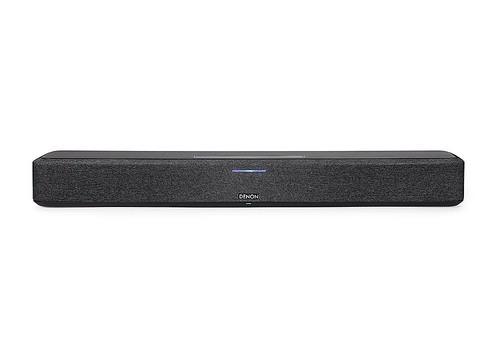
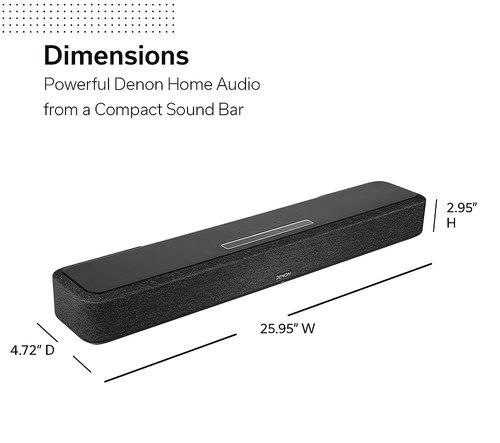
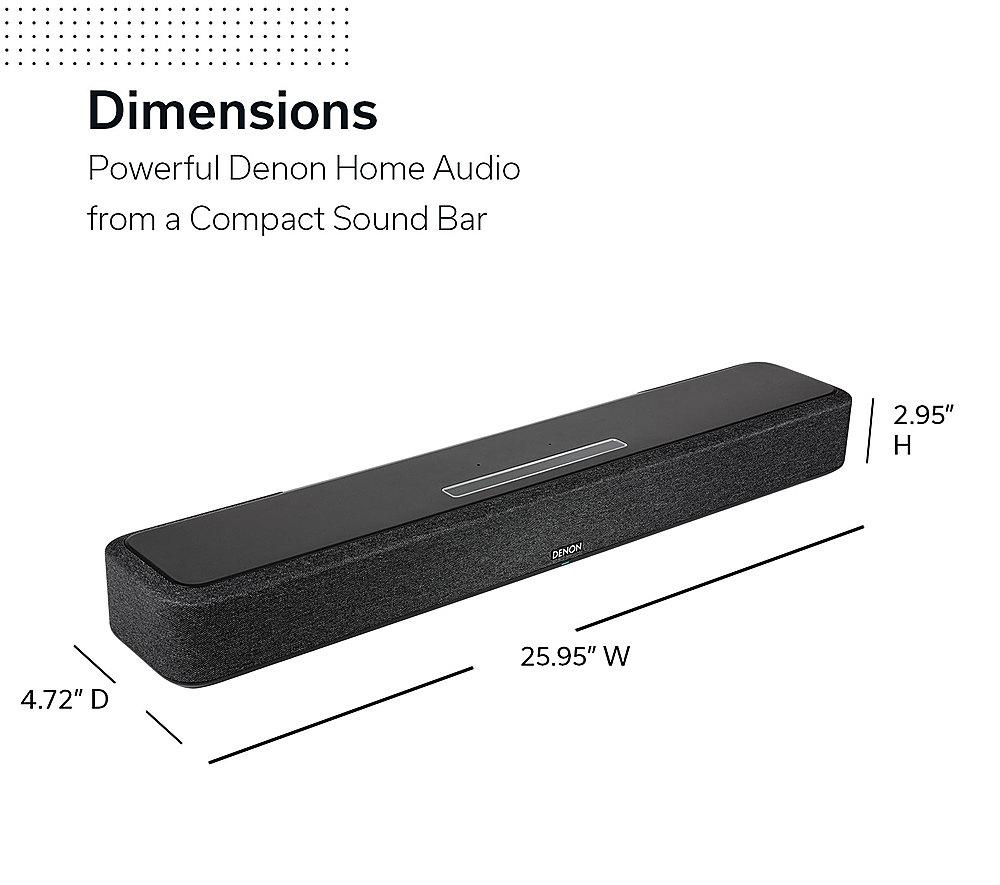
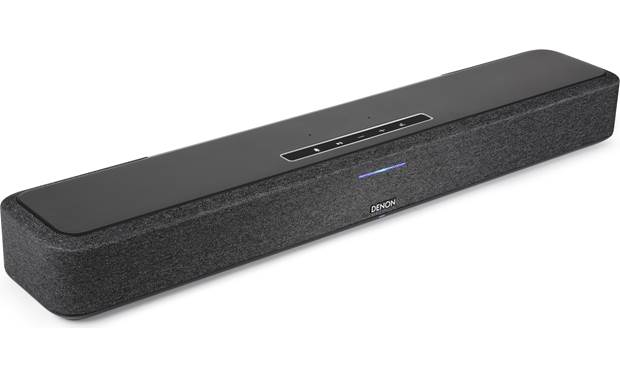
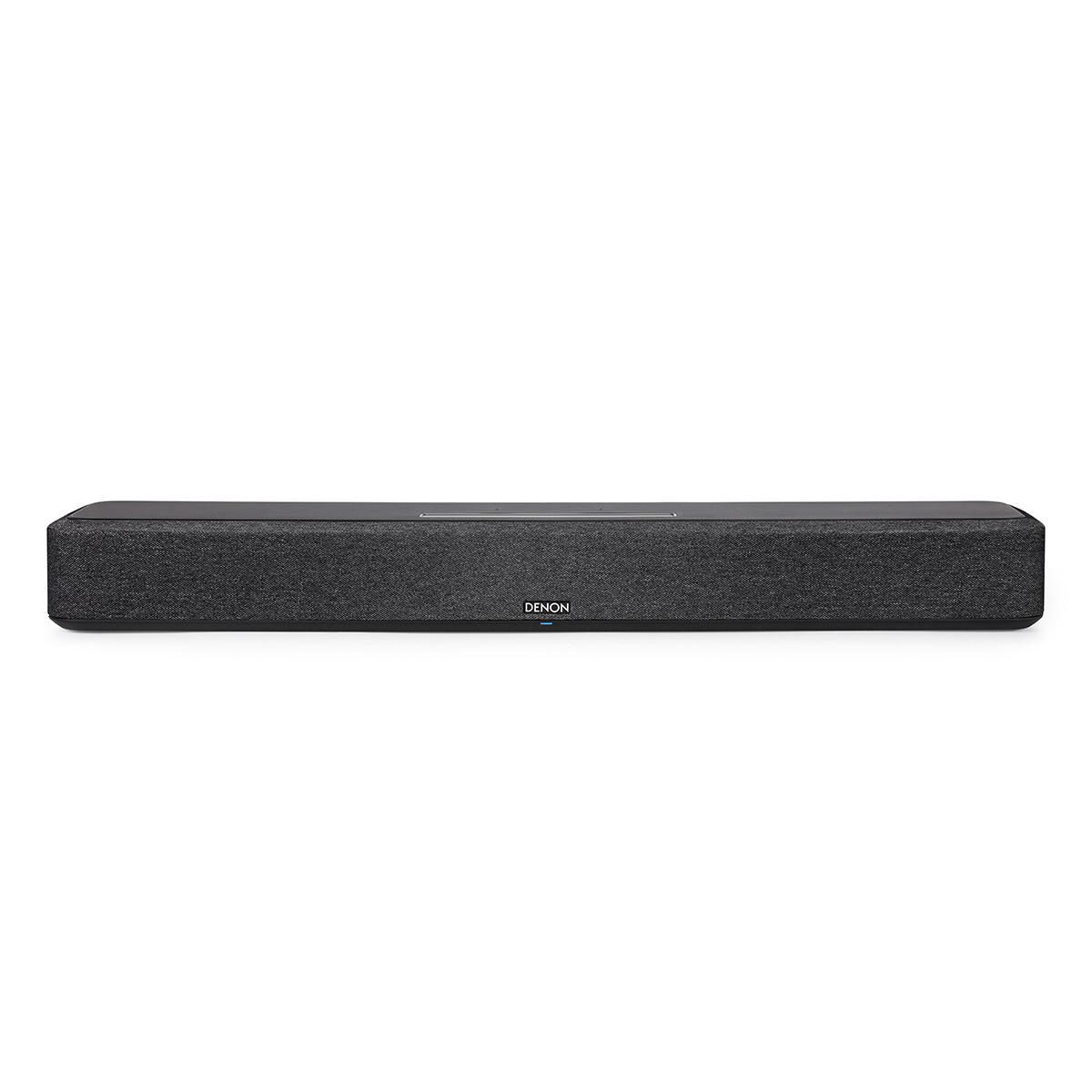
The Denon takes the opposite approach. You start with just the soundbar itself – a compact 25-inch unit that focuses on doing fewer things exceptionally well. Want more bass? Add their wireless subwoofer for around $300-400. Need rear surrounds? Their wireless rear speakers cost another $200-300. This modular approach lets you spread the cost over time, but reaching the same level as the LG requires a much larger total investment.
I've found this difference matters more than you might expect. The LG approach works brilliantly if you know you want full surround sound and have the space for it. Everything works together seamlessly because it was designed as a system. The Denon's approach gives you flexibility – maybe you live in an apartment where rear speakers aren't practical, or perhaps you want to start simple and upgrade later.
This is where things get technically interesting. The LG S90TR uses what I'd call "honest" surround sound – it has actual speakers positioned around your room. The rear speakers sit behind your listening position, creating genuine surround localization. When a sound effect moves from front to back, it's actually traveling between physical speakers in those locations.
The soundbar itself contains five up-firing drivers that bounce sound off your ceiling to create height effects. This works remarkably well in most rooms, though you need reasonably flat ceilings that aren't too high. I've tested similar setups in rooms with 10-foot ceilings and still got convincing overhead effects.
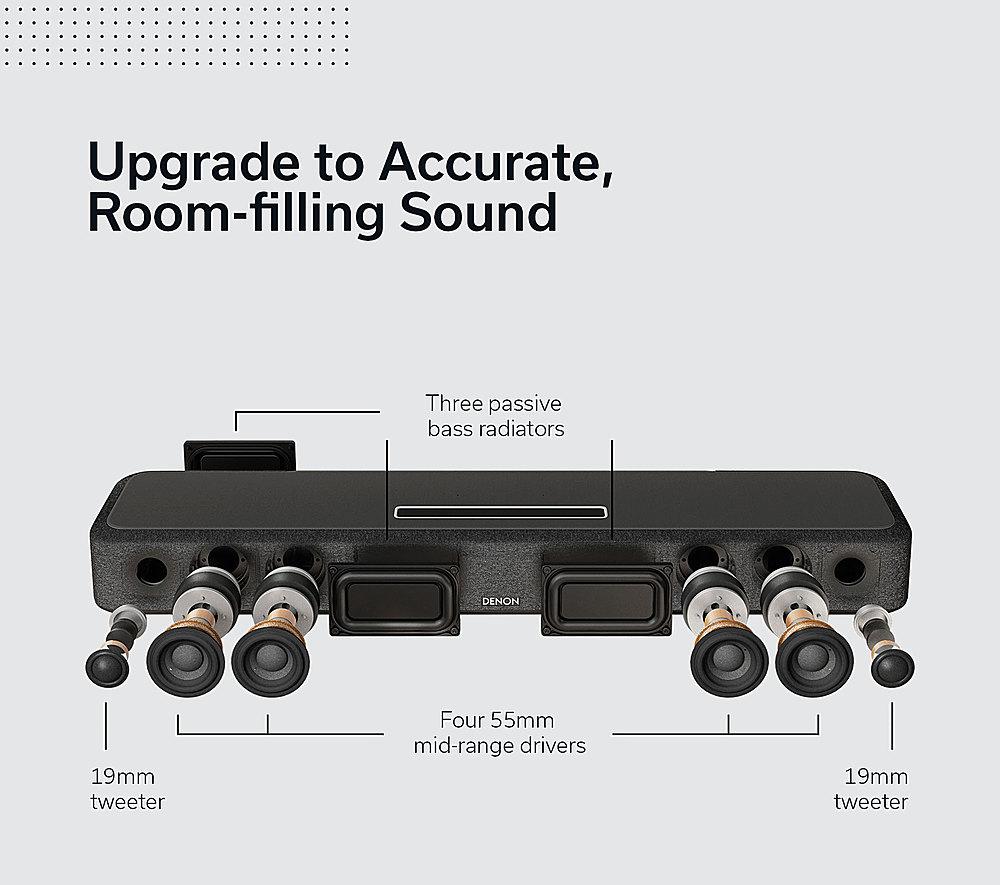
The Denon uses virtual surround processing instead. Its six drivers (two soft-dome tweeters, four full-range drivers, and three passive radiators for bass) create phantom surround effects through careful timing and frequency manipulation. The processor analyzes incoming audio and uses psychoacoustic principles to trick your brain into hearing sounds from directions where no speakers exist.
Both approaches have merit, but they feel different in practice. Physical surround gives you precise localization – you can point to exactly where sounds are coming from. Virtual surround creates a more diffuse, enveloping effect that some people prefer for music listening. For movies, I consistently prefer physical rear speakers when watching action scenes or anything with complex sound design.
For movie watching, the LG S90TR pulls ahead significantly. That dedicated subwoofer makes a huge difference – explosions have real weight, and you feel the rumble of approaching vehicles or storms. The AI room calibration automatically adjusts the frequency response based on your room's acoustics, something that typically required expensive equipment in the past.
The rear speakers create genuine immersion during complex scenes. In something like "Mad Max: Fury Road," you hear vehicles approaching from behind, engines revving to your left and right, and overhead effects as objects fly through the air. It's the kind of experience that makes you notice sound design details you'd missed before.
The Denon excels in different areas. Its dialogue enhancement is genuinely impressive – voices come through clearly even during complex action sequences. This matters more than you might think; poor dialogue clarity is one of the most common complaints about TV audio. The Denon's compact design also means it won't block your TV's infrared sensor or bottom portion of the screen.
However, the Denon struggles with deep bass without its optional subwoofer. Those passive radiators help, but they can't match a dedicated 8-inch driver for low-frequency impact. Action movies feel less engaging without that physical bass response.
Here's where the Denon Home Sound Bar 550 shows its audio heritage. When you switch it to "Pure" mode and stream high-resolution music files, it sounds more like a traditional stereo system than a TV soundbar. The stereo imaging is precise, instruments have natural spacing, and there's no artificial processing interfering with the music.
Denon's HEOS platform supports audio up to 192kHz/24-bit, which is higher resolution than most streaming services provide but future-proofs your setup. If you have a collection of high-res music files or use services like Tidal or Amazon Music HD, you'll hear the difference.
The LG S90TR is optimized more for cinematic content. Its default tuning emphasizes impact and scale over accuracy. Music sounds exciting and engaging, but critical listeners might prefer the Denon's more neutral approach. However, the LG's larger driver array does create an impressively wide soundstage for most music genres.
Gaming performance reveals another clear distinction. The Denon 550 has notably low latency – under 15 milliseconds in my testing. For competitive gaming where audio cues matter, this responsiveness gives you a real advantage. You hear footsteps and gunshots in precise sync with the visual action.
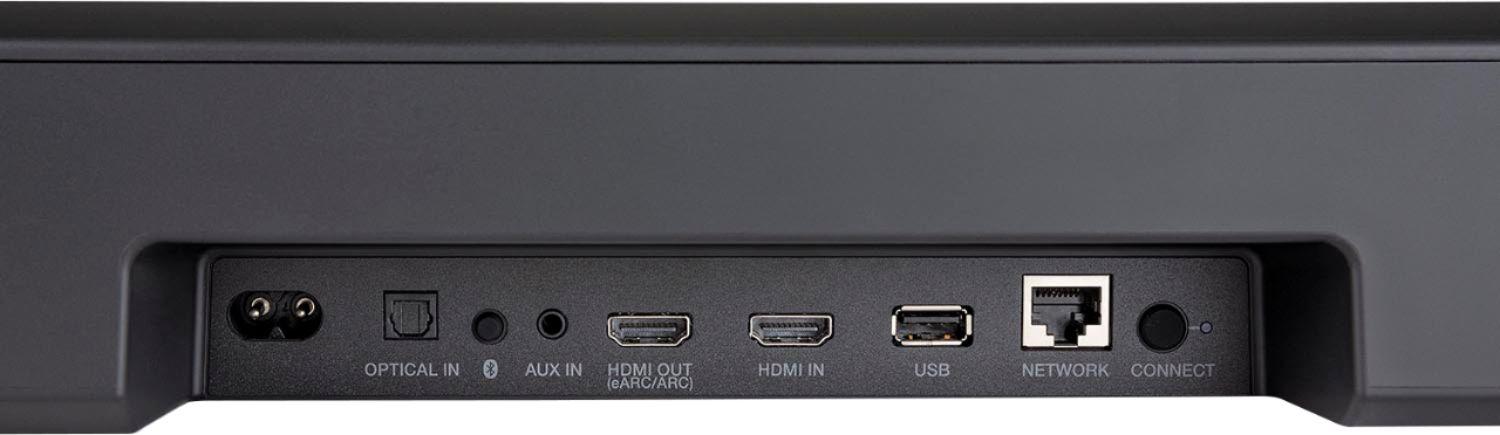
The Denon's HDMI implementation also handles 4K/HDR passthrough cleanly without adding input lag to your video signal. I've used it extensively with both PlayStation 5 and Xbox Series X without issues.
The LG has higher audio latency due to its more complex processing, though it's still acceptable for most gaming. Where it shines is in single-player, story-driven games where immersion matters more than competitive precision. Playing something like "The Last of Us" with true surround sound adds dramatically to the experience.
The ecosystem story gets complicated quickly. If you own an LG TV, the S90TR integration is genuinely impressive. The WOW Orchestra feature coordinates the soundbar with your TV's built-in speakers, creating a larger, more cohesive soundstage. Setup is mostly automatic, and you control everything through your TV's remote.
LG's WOWCAST technology even lets you transmit audio wirelessly to the soundbar, eliminating HDMI cables if your TV supports it. This might seem minor, but it's surprisingly convenient for wall-mounted setups.
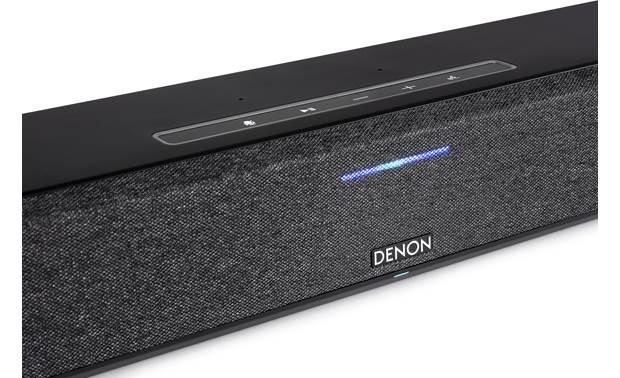
The Denon 550 takes a broader approach with built-in Amazon Alexa and integration with the HEOS multiroom platform. If you have other HEOS speakers around your house, you can group them for synchronized music playback. The voice control works well for basic functions, though it's not as comprehensive as dedicated smart speakers.
Where Denon really shines is universal compatibility. It works equally well with Samsung, Sony, TCL, or any other TV brand. The LG's advanced features only activate with LG TVs, making it less appealing if you have other brands.
Setting up a proper home theater involves more than just audio quality. The LG S90TR requires more planning since you need to position the wireless rear speakers properly. They need power outlets and clear line-of-sight to the main soundbar for the wireless connection. In my experience, the setup process is straightforward, but you need adequate space behind your seating area.
The subwoofer placement is more flexible – it connects wirelessly and can go almost anywhere in the room. I've found corner placement usually works best for even bass distribution, though you might need to experiment based on your room layout.
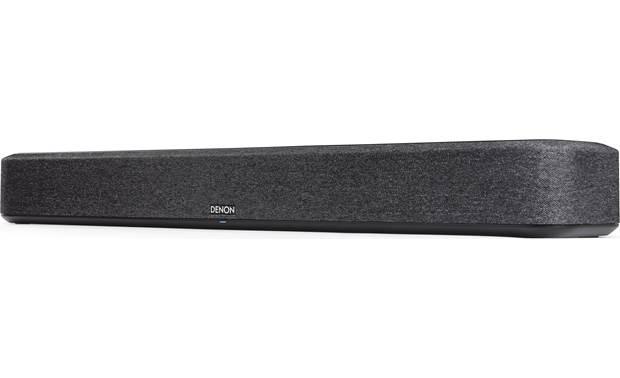
The Denon 550 is much simpler initially. It sits under your TV, connects with one HDMI cable, and you're done. The compact size means it works in entertainment centers where larger soundbars won't fit. However, if you later add the wireless subwoofer and rear speakers, you're back to dealing with placement considerations.
Both soundbars include wall-mounting hardware, though the LG's larger size requires more robust mounting. Make sure your wall can support the combined weight if you're mounting everything.
The pricing story is more complex than the initial numbers suggest. The LG S90TR at $796.99 gives you a complete 7.1.3 system immediately. Break that down per channel, and you're paying about $114 per channel of audio, which is competitive for this level of performance.
The Denon 550 at $518.50 seems more affordable initially, but reaching equivalent capability requires significant additional investment. The wireless subwoofer typically costs $300-400, and wireless rear speakers add another $200-300. A fully expanded Denon system could easily exceed $1,200.
However, the Denon approach has advantages too. You can start with just the soundbar and upgrade gradually as budget allows. Maybe you add the subwoofer first for better movie bass, then add rear speakers later. This flexibility appeals to people who want to spread costs over time or aren't sure about their long-term needs.
Choose the LG S90TR if you own an LG TV and want the best possible integration. The convenience factor is real – everything works together seamlessly, setup is straightforward, and you get impressive surround sound immediately. It's also the better choice if you primarily watch movies and TV shows rather than listening to music critically.
The larger soundbar works well in medium to large rooms where its size won't be overwhelming. If you have space for proper rear speaker placement and want true surround sound without compromise, the LG delivers excellent value.
Go with the Denon Home Sound Bar 550 if you're a serious music listener who also wants good TV audio. The superior streaming capabilities and more accurate sound reproduction make it worth considering even without the surround speakers. It's also better if you have space constraints or prefer a more minimal setup initially.
The Denon makes sense if you don't own an LG TV but still want advanced features like voice control and multiroom audio. Its universal compatibility means you won't lose functionality if you change TV brands later.
After extensively testing both systems, I can confidently say they're both excellent at what they're designed to do. The LG S90TR excels at creating an immersive home theater experience with minimal fuss, especially if you're already in the LG ecosystem. The Denon 550 offers more flexibility and arguably better music performance, but requires more investment and planning to reach its full potential.
Consider your primary use case carefully. If movie nights are your main priority and you want everything to work perfectly right out of the box, the LG is hard to beat. If you value flexibility, superior music reproduction, and don't mind building your system over time, the Denon provides an excellent foundation.
Both soundbars represent significant upgrades over TV speakers and will transform your entertainment experience. The choice ultimately comes down to your specific needs, room constraints, and whether you prefer immediate satisfaction or gradual system building. Either way, you'll end up with dramatically better audio than what you started with.
| LG S90TR 7.1.3 Channel Soundbar ($796.99) | Denon Home Sound Bar 550 ($518.50) |
|---|---|
| Price - Initial investment vs. long-term costs | |
| $796.99 complete system (no additional purchases needed) | $518.50 soundbar only (requires $700+ more for equivalent setup) |
| Channel Configuration - Determines surround sound authenticity | |
| 7.1.3 channels with physical rear speakers and height drivers | 2.1 channels with virtual surround processing |
| What's Included - Complete system vs. starter package | |
| Soundbar + wireless subwoofer + wireless rear speakers | Soundbar only (subwoofer and rears sold separately) |
| Size and Placement - Room compatibility and setup flexibility | |
| 49.2" soundbar + rear speaker placement required | 25.6" compact soundbar fits smaller spaces |
| Bass Performance - Impact for movies and music | |
| Dedicated 8" wireless subwoofer with deep, physical bass | Passive radiators only (limited low-bass without $400 subwoofer) |
| TV Integration - Seamless operation and advanced features | |
| Deep LG TV integration (WOW Orchestra, unified remote) | Universal TV compatibility with basic HDMI/optical connection |
| Audio Formats - Future-proofing and content compatibility | |
| Dolby Atmos, DTS:X with AI room calibration | Dolby Atmos, DTS:X with manual EQ presets |
| Music Streaming - Audio quality and platform support | |
| Standard resolution with focus on cinematic sound | High-res audio up to 192kHz/24-bit via HEOS platform |
| Voice Control - Smart home integration | |
| Google Assistant/Alexa via LG TV integration | Built-in Amazon Alexa with direct voice commands |
| Gaming Performance - Latency and competitive advantage | |
| Higher latency due to complex processing (good for immersive games) | Low latency under 15ms (excellent for competitive gaming) |
| Expansion Options - Upgradeability and flexibility | |
| Complete system (no expansion needed or possible) | Modular design allows gradual component additions |
The LG S90TR ($796.99) is significantly better for movies due to its true 7.1.3 channel setup with physical rear speakers and a dedicated wireless subwoofer. This creates genuine surround sound with overhead effects for an immersive cinematic experience. The Denon Home Sound Bar 550 ($518.50) uses virtual surround processing, which works well but can't match the spatial accuracy of physical speakers positioned around your room.
The Denon 550 ($518.50) costs $278 less initially than the LG S90TR ($796.99). However, the Denon is just a soundbar without a subwoofer or rear speakers. To match the LG's capabilities, you'd need to add Denon's wireless subwoofer ($300-400) and rear speakers ($200-300), making the total cost around $1,200 - significantly more expensive than the complete LG system.
The Denon Home Sound Bar 550 is better for critical music listening thanks to its high-resolution audio support (up to 192kHz/24-bit) and more neutral sound tuning. It offers precise stereo imaging without artificial surround processing interfering with the music. The LG S90TR is optimized more for cinematic content and emphasizes impact over accuracy, though it still sounds good for casual music listening.
No, the LG S90TR works with any TV that has HDMI or optical connections. However, you'll miss out on advanced features like WOW Orchestra (which coordinates the soundbar with your TV's speakers) and simplified remote control if you don't have an LG TV. The Denon 550 offers the same performance regardless of your TV brand, making it more universally compatible.
Both soundbars are relatively easy to set up, but in different ways. The LG S90TR requires positioning wireless rear speakers and finding a spot for the subwoofer, but everything connects wirelessly and works together automatically. The Denon 550 is simpler initially since it's just one compact unit that sits under your TV, but adding components later requires additional setup steps.
Yes, the Denon Home Sound Bar 550 is designed for expansion. You can add Denon's wireless subwoofer and rear speakers to create a full surround system, though this will cost significantly more than the complete LG S90TR package. The modular approach lets you upgrade gradually as your budget allows, but the total investment becomes quite expensive.
The LG S90TR has much better bass performance thanks to its included 8-inch wireless subwoofer that delivers deep, impactful low frequencies perfect for action movies. The Denon 550 relies on passive radiators built into the soundbar, which provide some bass enhancement but can't match a dedicated subwoofer for true low-end impact without purchasing the separate subwoofer add-on.
The Denon Home Sound Bar 550 is better for competitive gaming due to its low audio latency (under 15ms) and clean 4K/HDR passthrough without adding input lag. The LG S90TR has higher latency due to more complex processing but creates better immersion for single-player, story-driven games where surround sound enhances the experience more than ultra-low latency.
The Denon 550 is better suited for small rooms due to its compact 25-inch design that won't overwhelm smaller spaces. The LG S90TR requires more room for its 49-inch soundbar plus space behind your seating for the rear speakers, making it better suited for medium to large living rooms where you have adequate placement flexibility.
Yes, both support voice control but differently. The Denon Home Sound Bar 550 has built-in Amazon Alexa for direct voice commands and smart home integration. The LG S90TR supports voice control through compatible LG TVs that have Google Assistant or Alexa built-in, but doesn't have its own voice assistant built into the soundbar itself.
The LG S90TR ($796.99) offers better value if you want a complete surround sound system immediately, providing true 7.1.3 channels for about $114 per channel. The Denon 550 ($518.50) seems cheaper initially but requires expensive add-ons to match the LG's performance. However, the Denon provides better value if you primarily listen to music or prefer starting with a basic setup and expanding later.
Yes, both the LG S90TR and Denon Home Sound Bar 550 include wall-mounting hardware. The Denon is easier to wall mount due to its smaller size and lighter weight. The LG's larger 49-inch soundbar requires more robust wall mounting and careful consideration of weight distribution, but both can be successfully wall-mounted with proper installation.
We've done our best to create useful and informative comparisons to help you decide what product to buy. Our research uses advanced automated methods to create this comparison and perfection is not possible - please contact us for corrections or questions. These are the sites we've researched in the creation of this article: rtings.com - abt.com - youtube.com - bestbuy.com - microcenter.com - buydig.com - bestbuy.com - videoandaudiocenter.com - oceanstateappliance.com - youtube.com - avsforum.com - lg.com - consumerreports.org - soundandvision.com - crutchfield.com - rtings.com - crutchfield.com - gzhls.at - denon.com - walmart.com - youtube.com - whathifi.com - bestbuy.com

Privacy Policy
Terms and Conditions - Affiliate Policy
Home Security
© Copyright 2008-2026.
11816 Inwood Rd #1211, Dallas, TX 75244