






When you're tired of constantly adjusting your TV volume—cranking it up to hear dialogue, then scrambling for the remote when explosions blast your eardrums—it's time to consider a premium soundbar. These sophisticated audio systems promise to transform your living room into a cinematic experience without the complexity of traditional surround sound setups.
The premium soundbar market has evolved dramatically over the past few years, with manufacturers pushing the boundaries of what's possible from a single sleek device. Today, we're comparing two very different approaches to premium audio: the JBL Bar 1300X at $1,299.95 and the Denon Home Sound Bar 550 at $518.50. While both aim to elevate your audio experience, they take fundamentally different paths to get there.
Premium soundbars aren't just louder versions of basic models—they're engineered to solve the complex challenge of recreating a multi-dimensional audio experience from a streamlined package. The key battleground is spatial audio, which refers to how well the system can make you feel like sounds are coming from all around you, not just from the front of the room.
Modern premium soundbars must handle several demanding tasks simultaneously. They need to decode complex audio formats like Dolby Atmos (which places individual sounds in 3D space rather than just left and right channels), maintain crystal-clear dialogue even during chaotic action scenes, and seamlessly switch between the booming orchestral score of a blockbuster and the subtle acoustics of a jazz album.
The technology has advanced significantly since 2020, when most soundbars were essentially fancy stereo speakers. Today's models incorporate sophisticated digital signal processing (DSP)—think of it as a computer that analyzes incoming audio and optimizes it in real-time—along with multiple driver arrays and wireless connectivity that rivals dedicated home theater components.
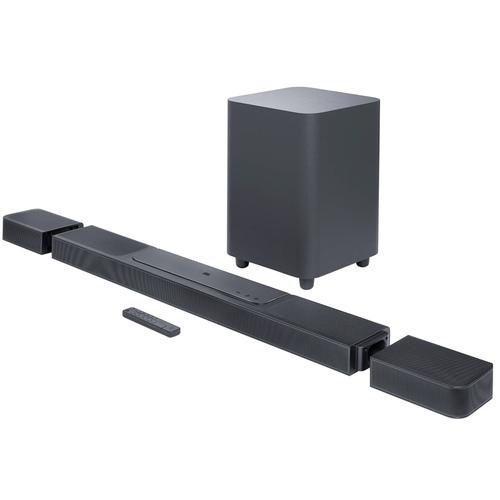
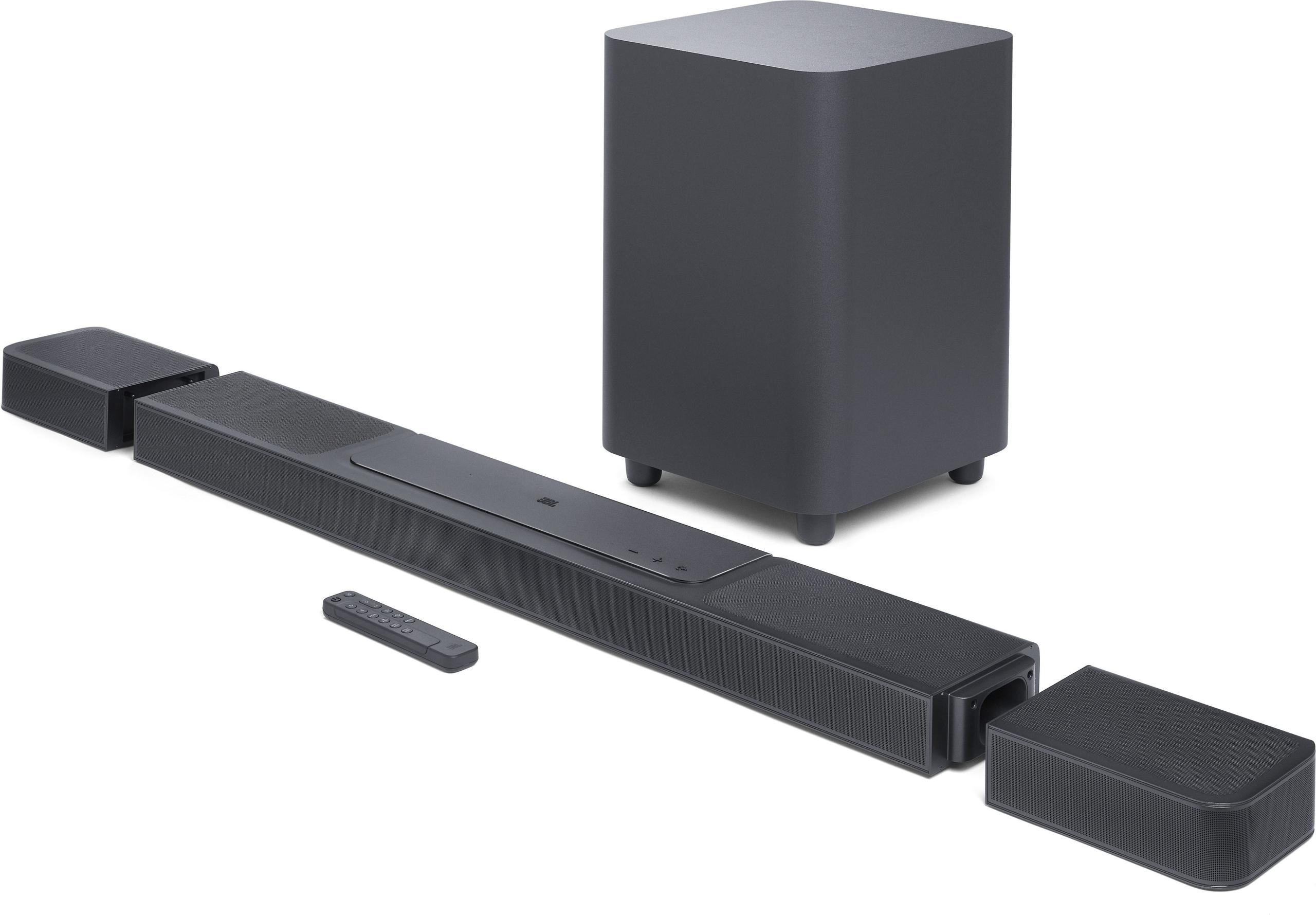
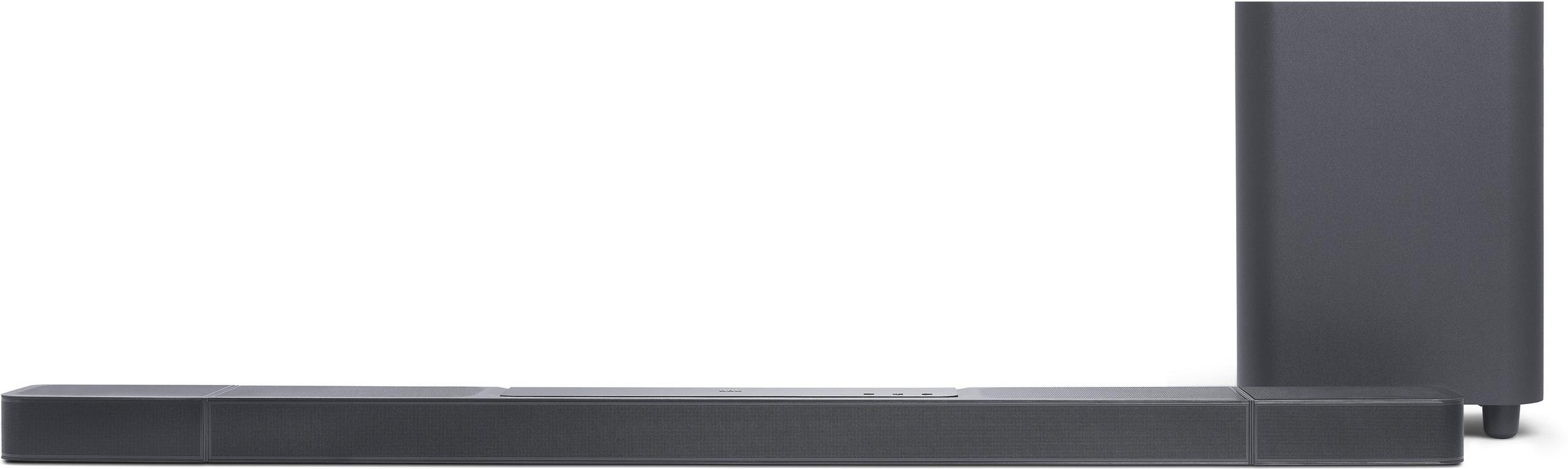
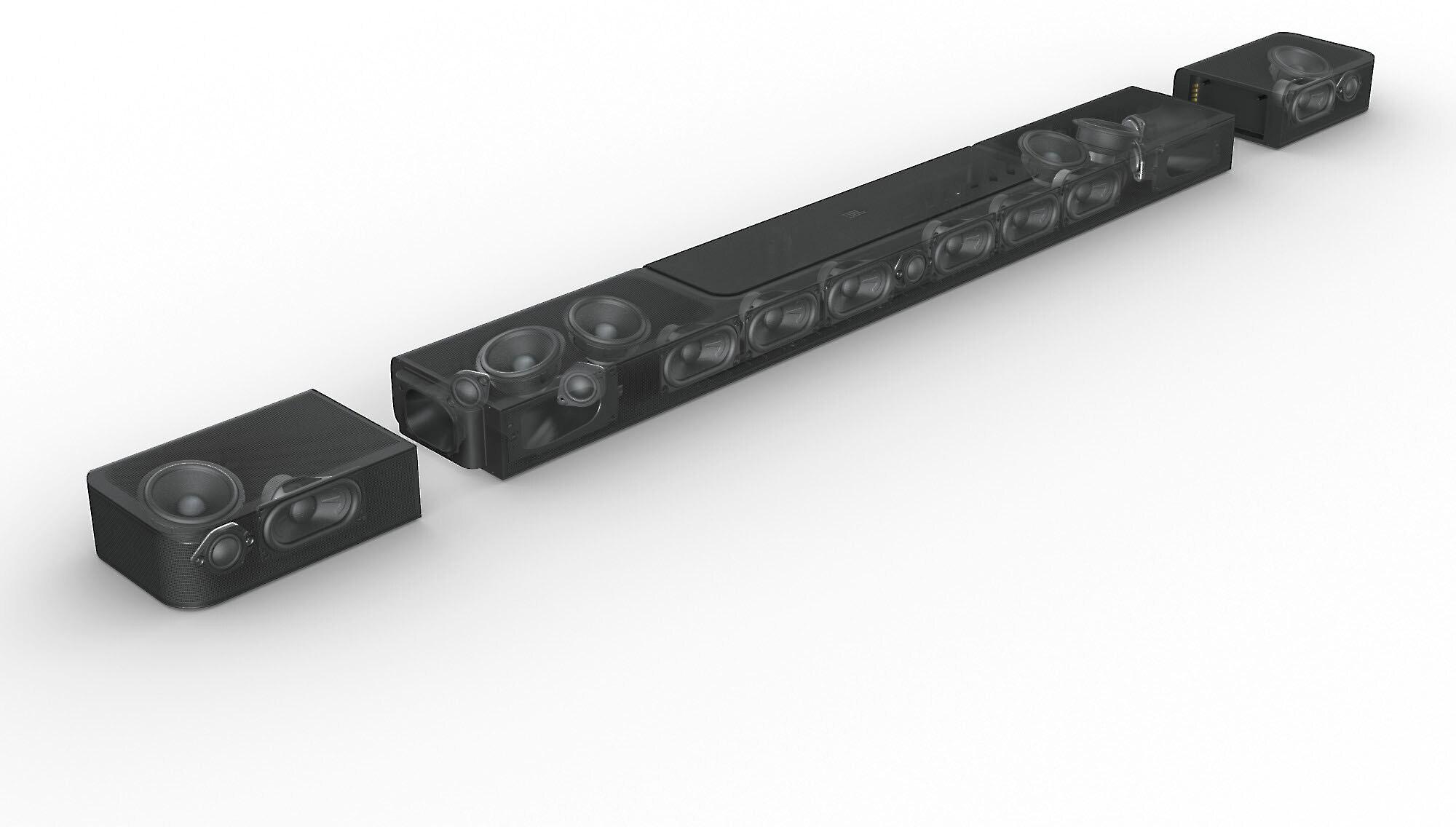
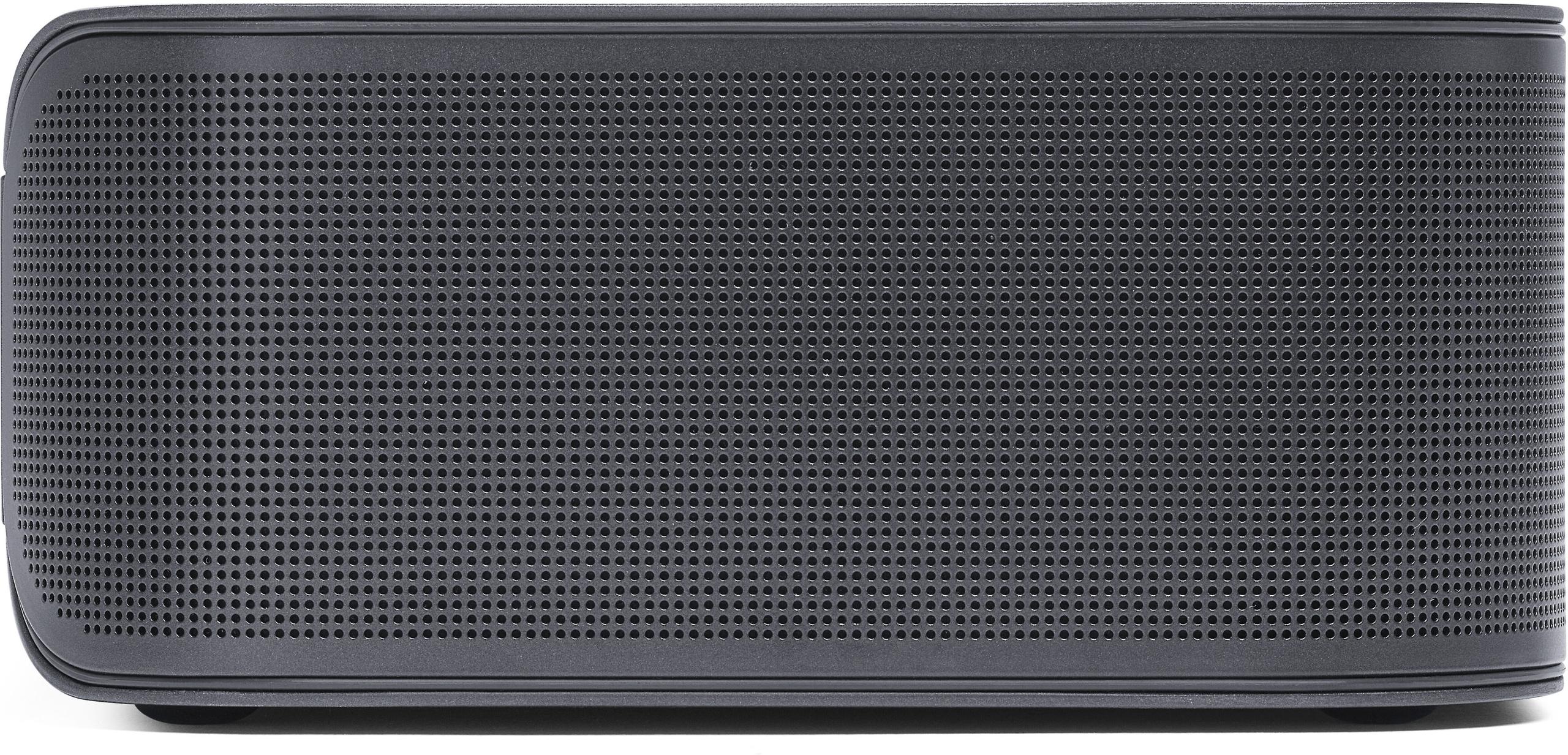
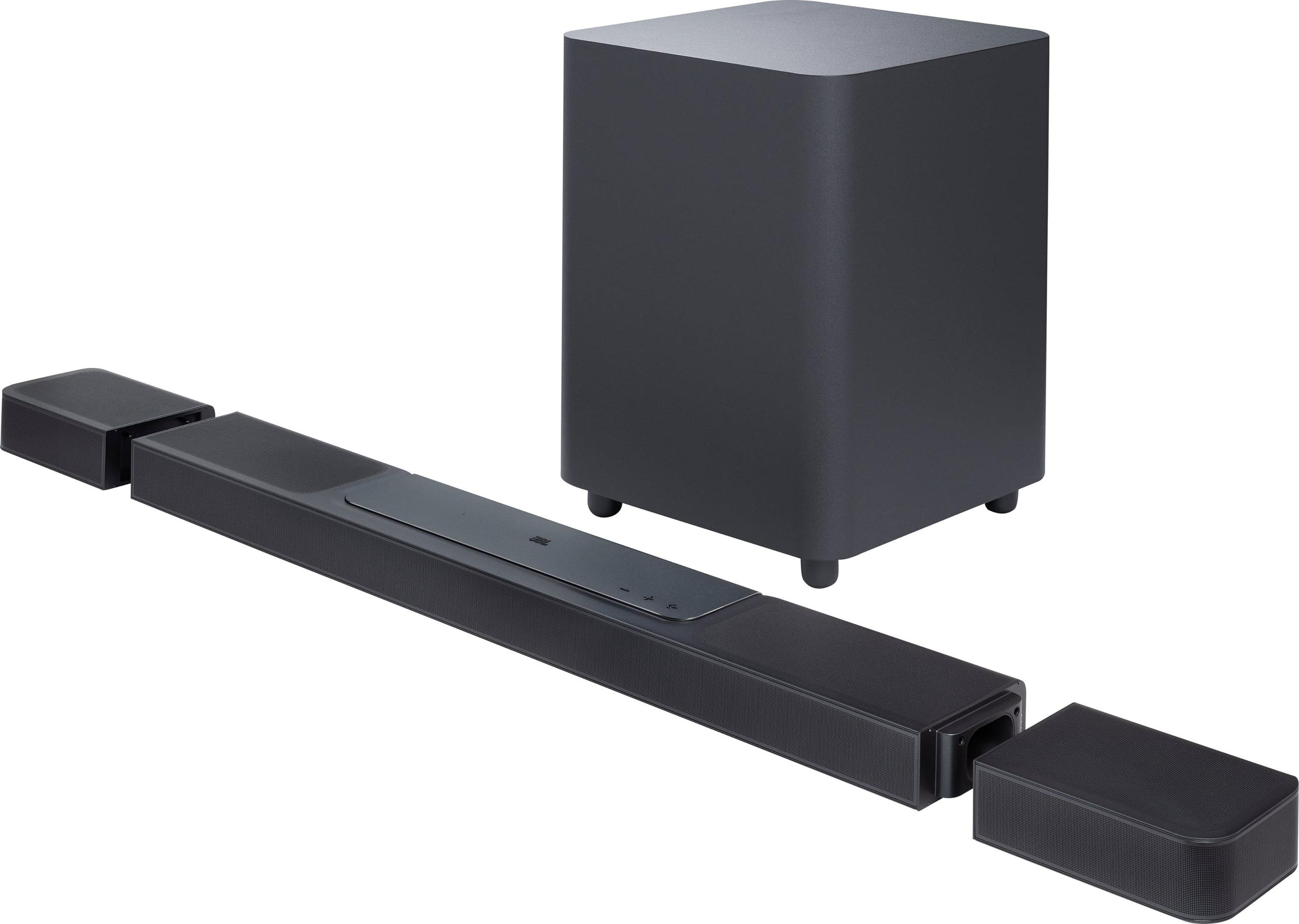
Released in late 2022, the JBL Bar 1300X represents JBL's "no compromises" approach to home audio. This is an 11.1.4-channel system, which means it processes eleven main audio channels plus four dedicated height channels for overhead effects. The ".4" designation refers to upward-firing drivers that bounce sound off your ceiling to create the illusion of helicopters flying overhead or rain falling from above.
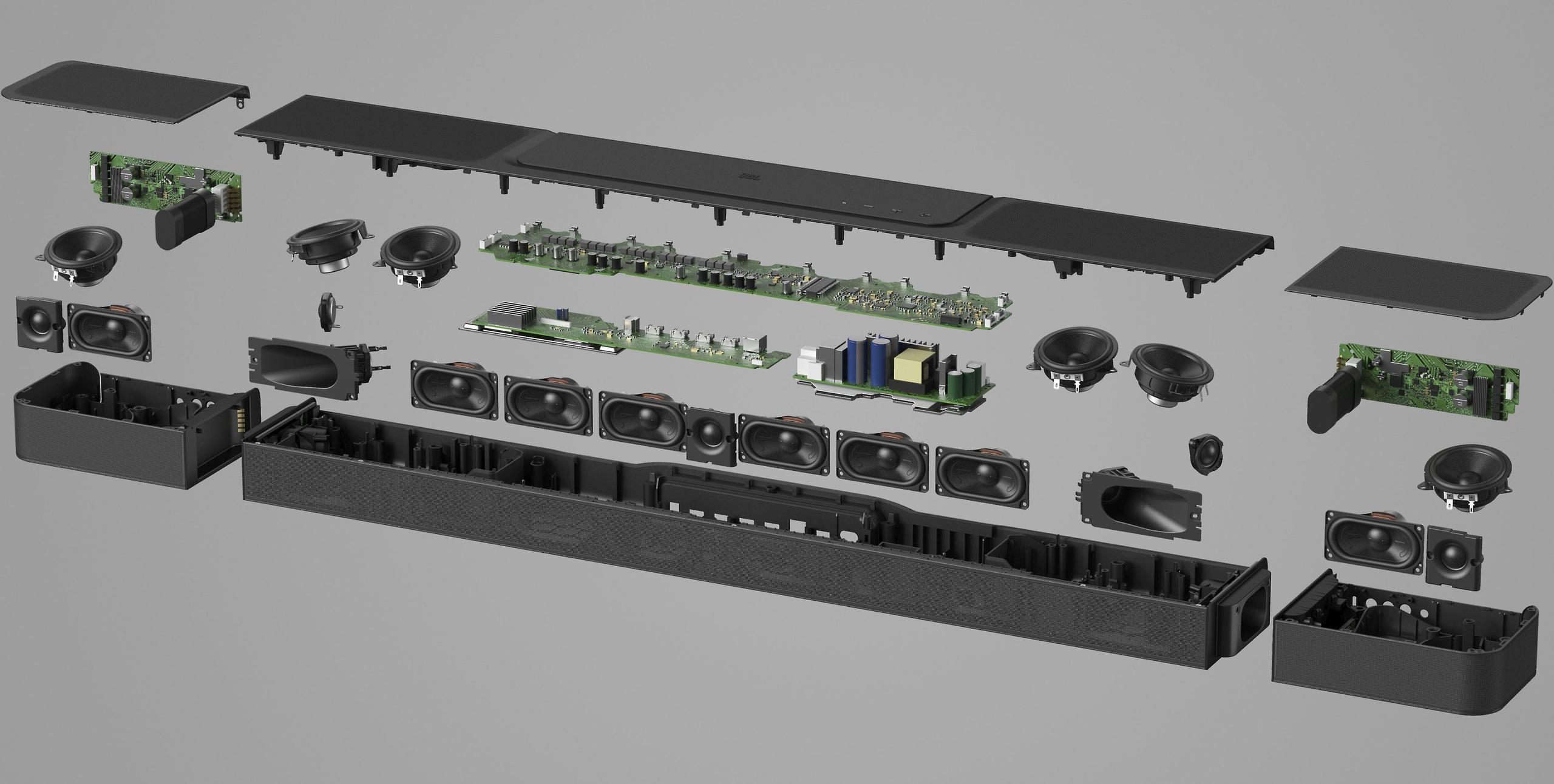
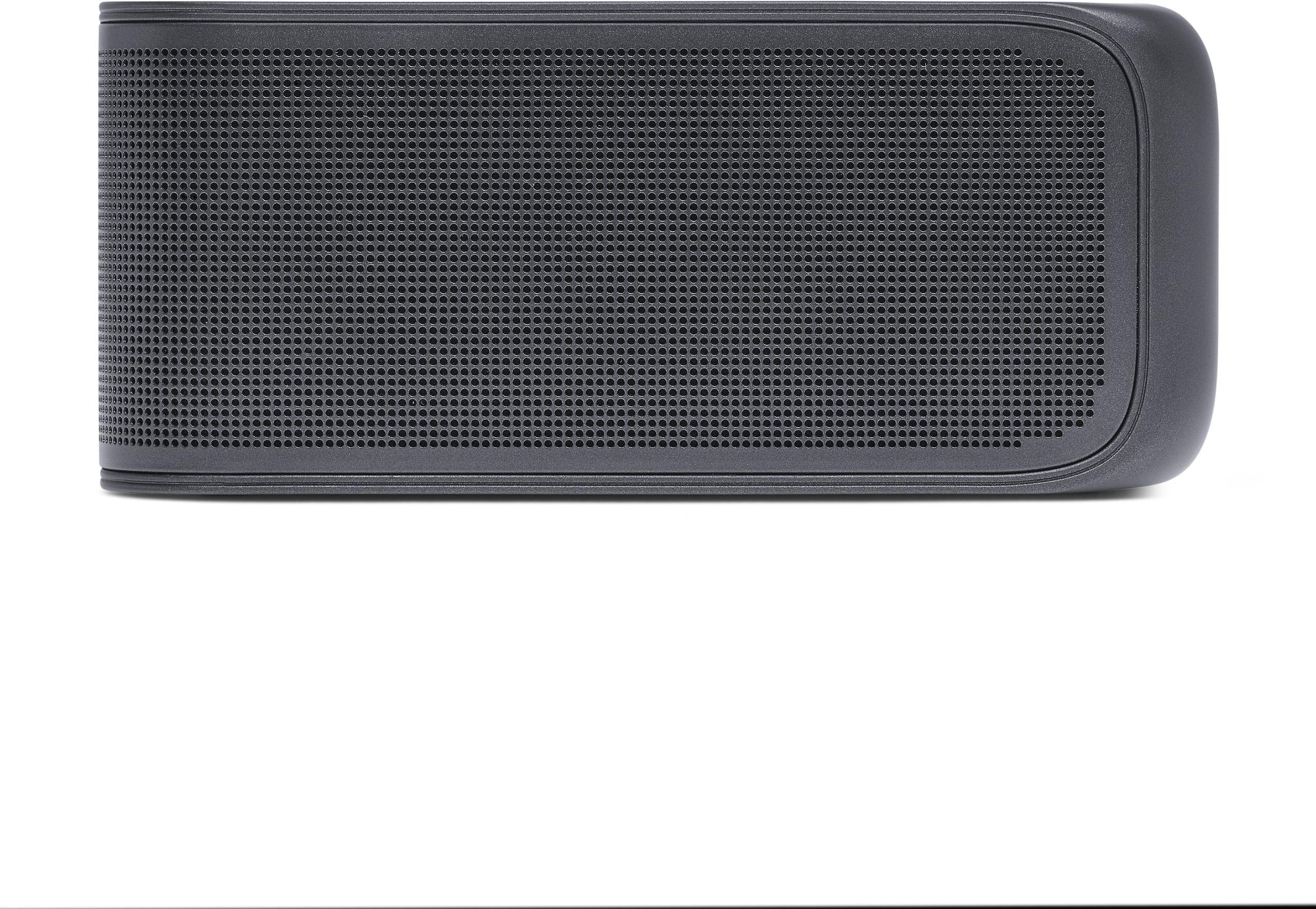
What sets the JBL apart is its modular design with detachable surround speakers. These battery-powered satellites can be placed anywhere in your room—behind your couch, on side tables, or even carried to other rooms as portable Bluetooth speakers. It's a clever solution to the age-old problem of running speaker wires across your living room.
The system includes a substantial 12-inch wireless subwoofer that handles the deep bass frequencies your main TV speakers simply can't reproduce. When a T-Rex stomps across the screen in Jurassic Park, you'll feel those footsteps in your chest—that's the subwoofer working frequencies below 100Hz that add physical presence to the audio.
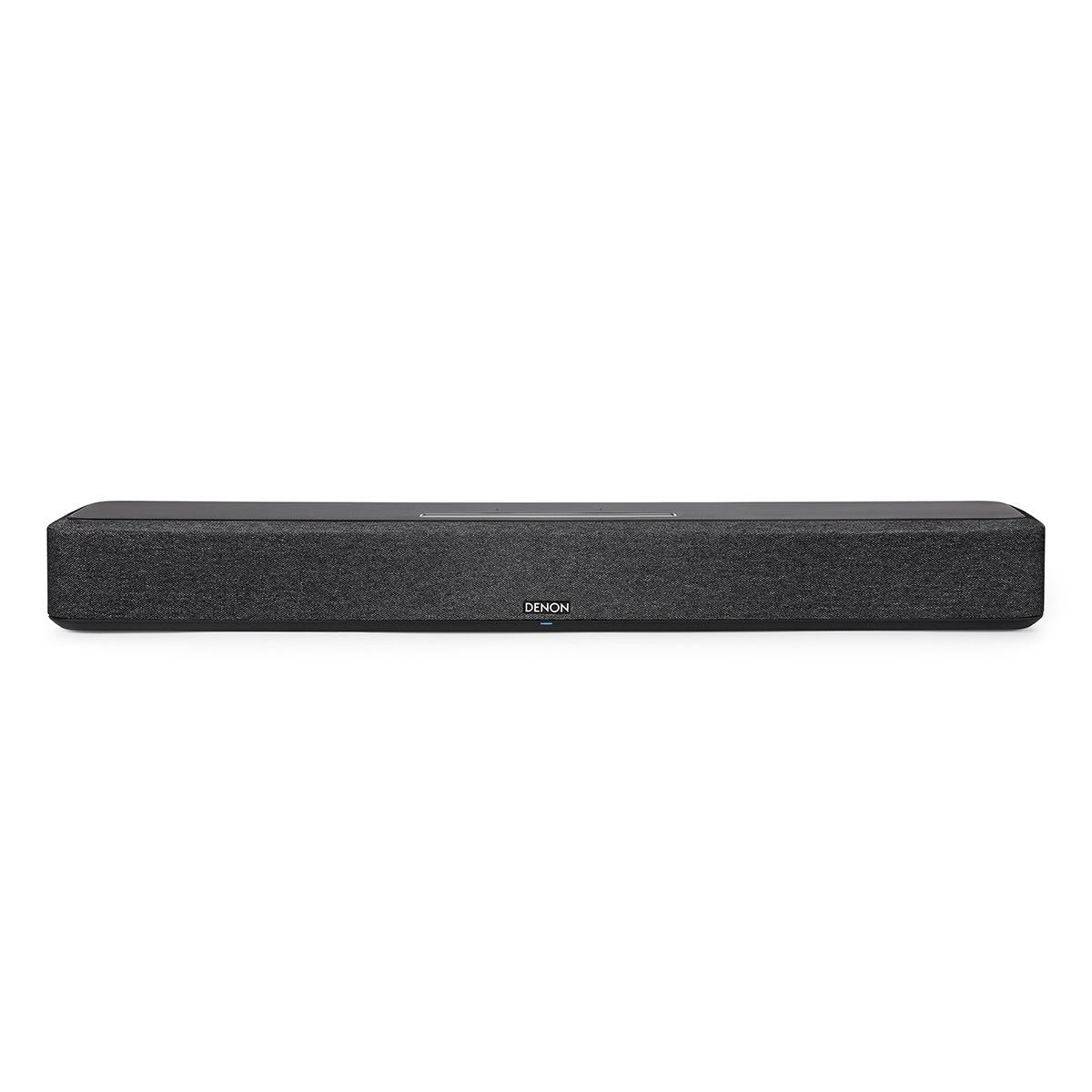
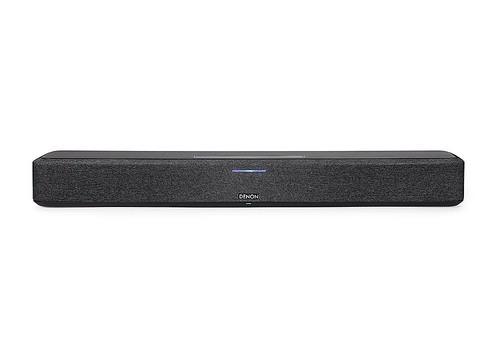
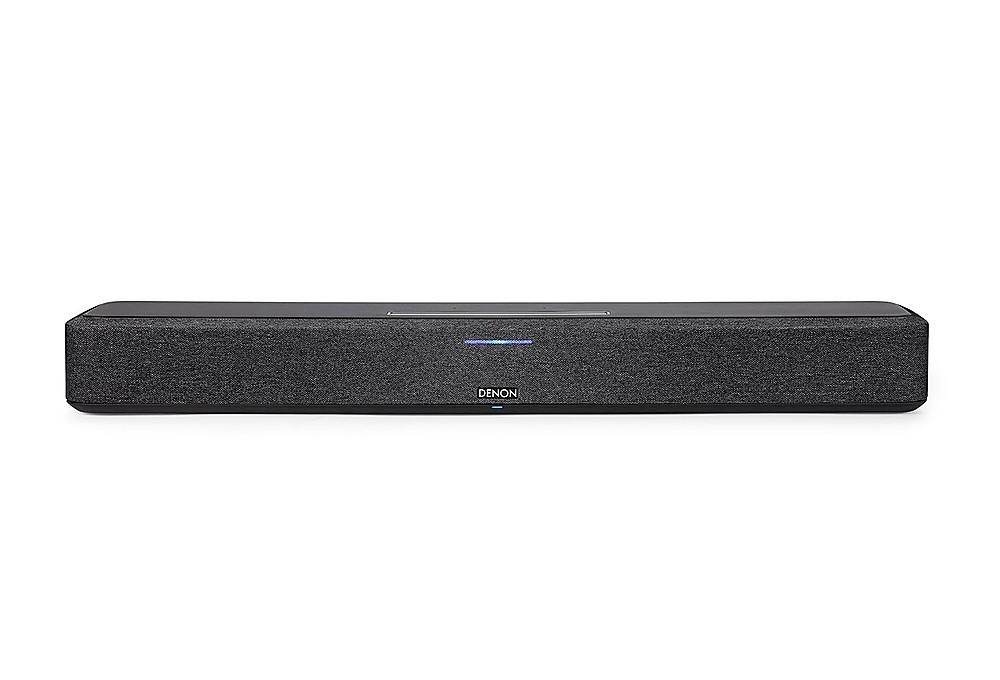
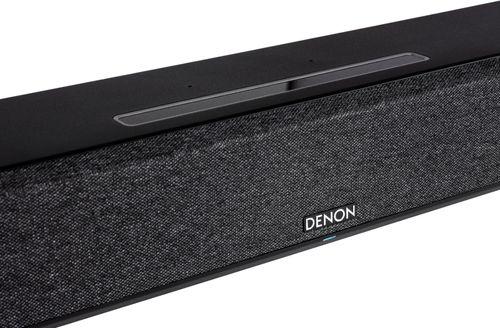
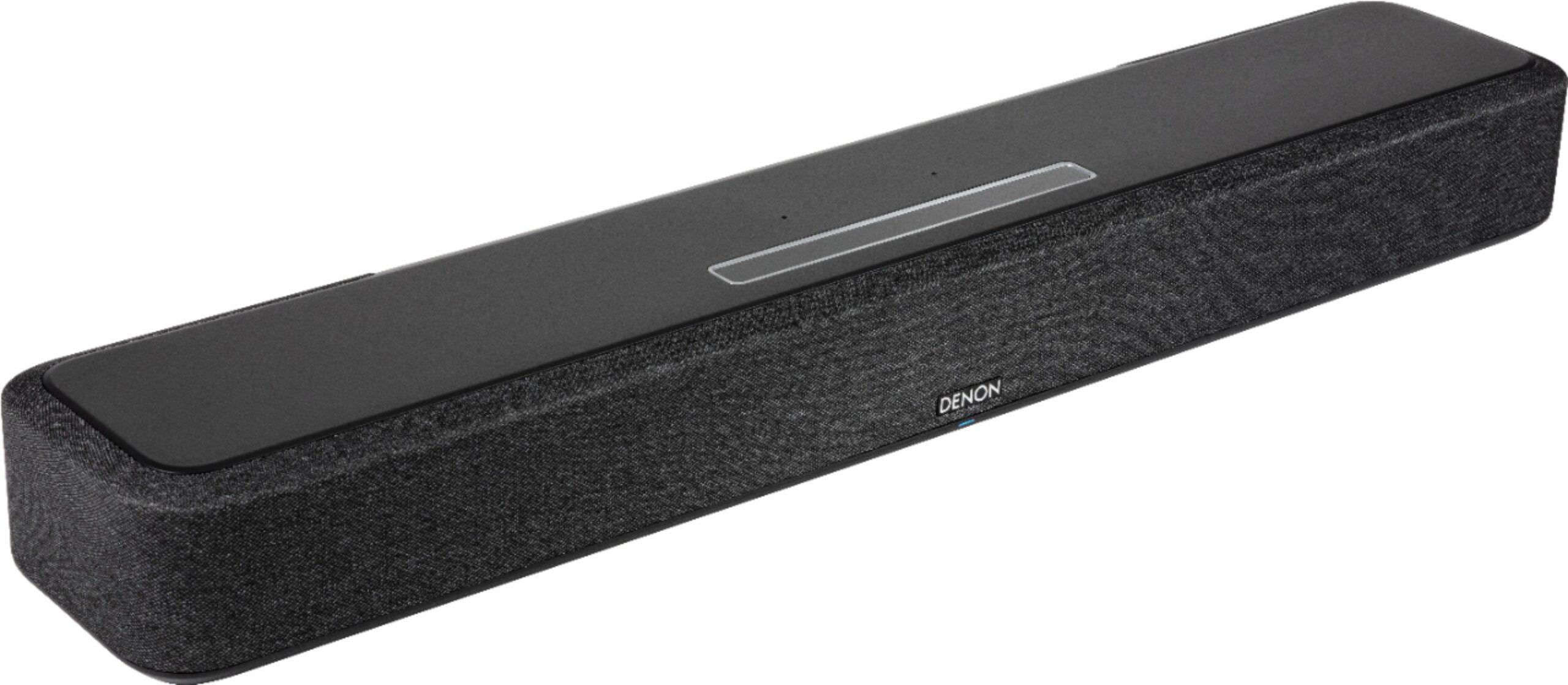
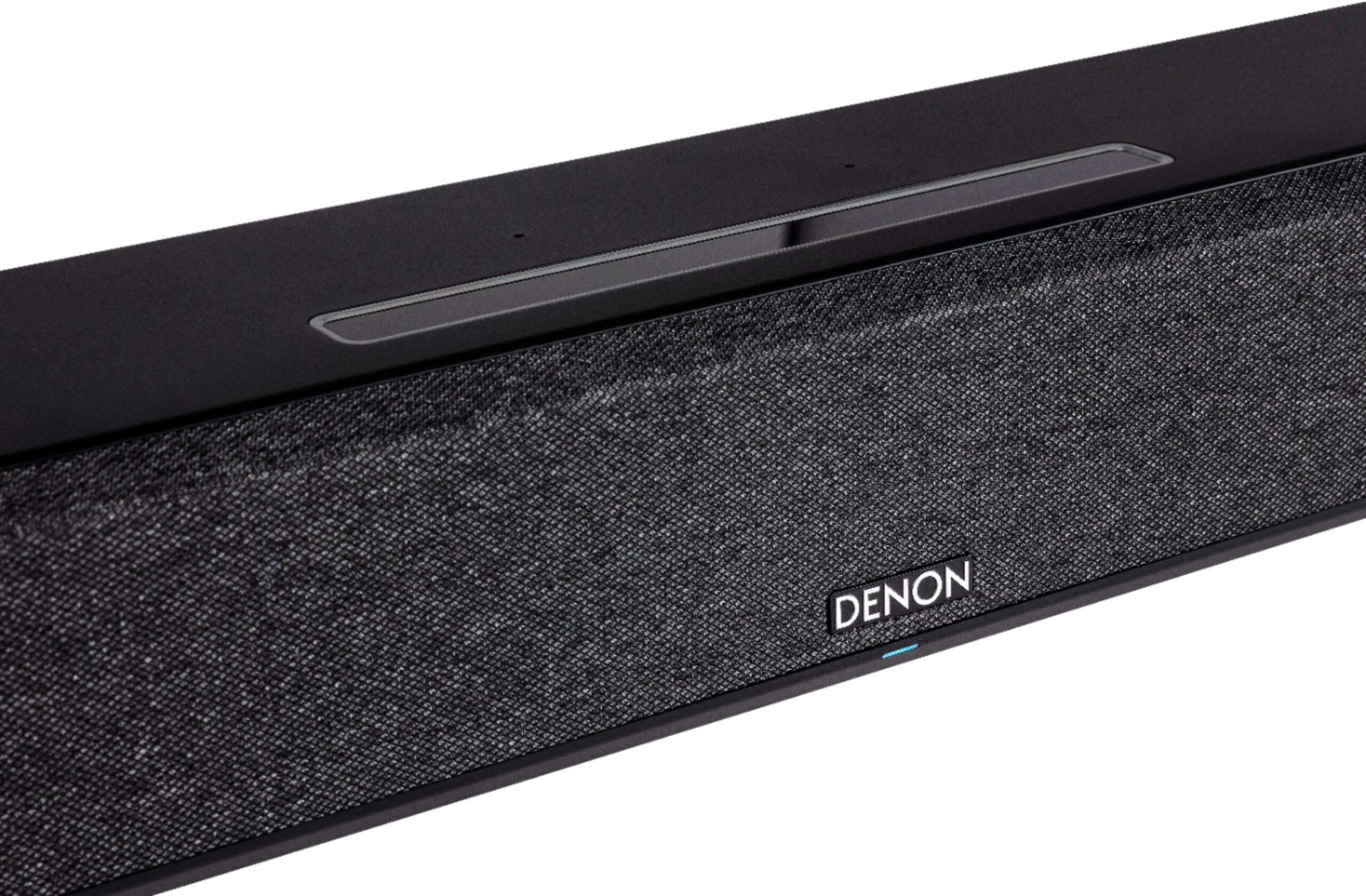
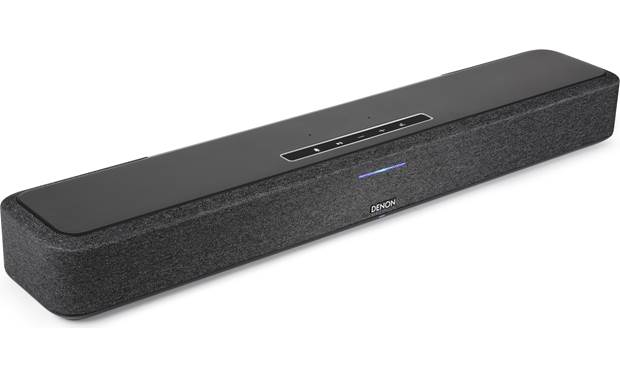
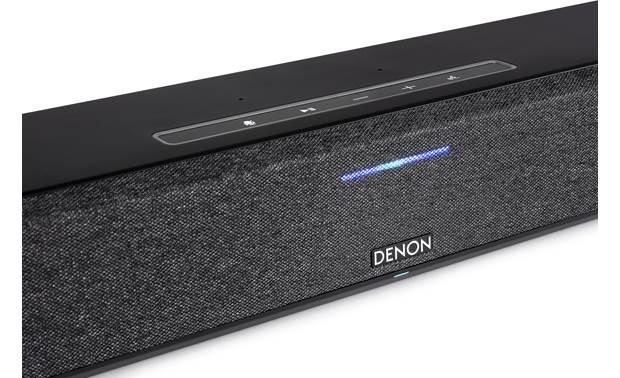
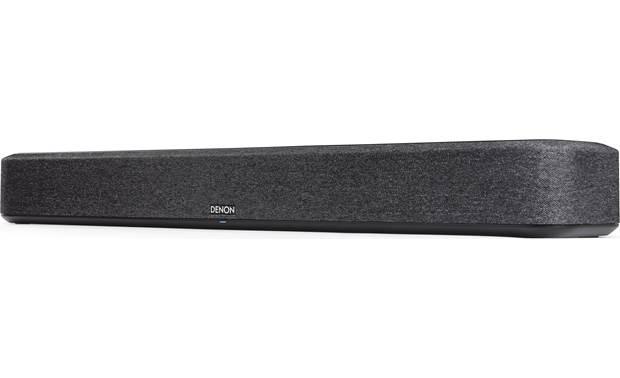
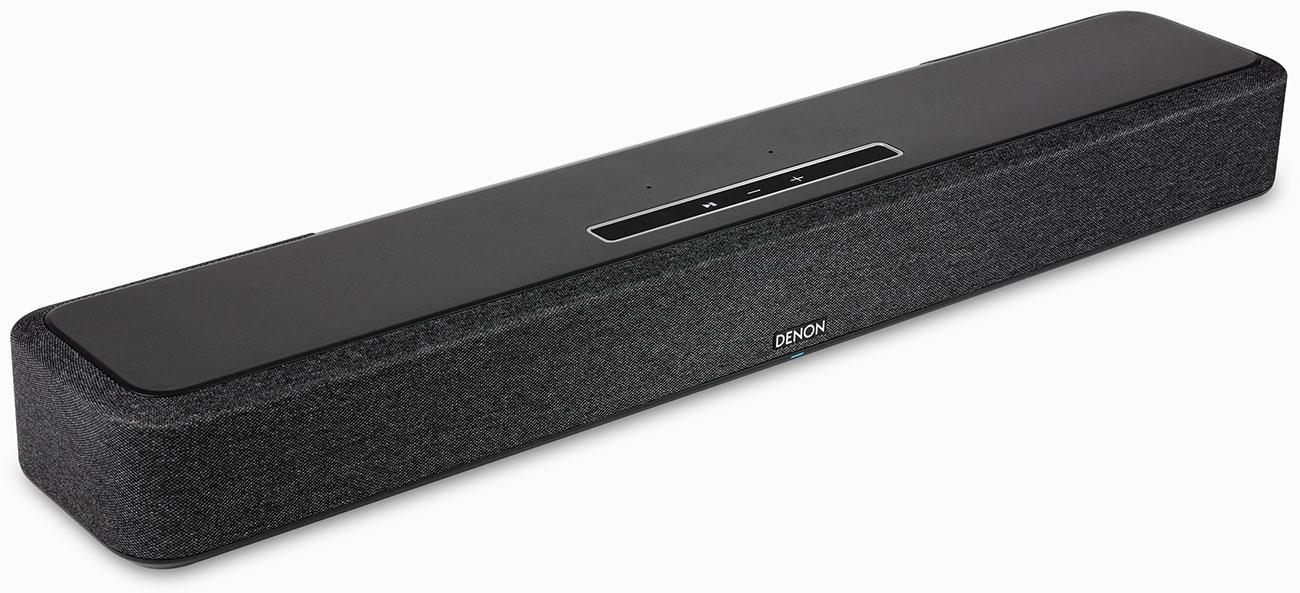
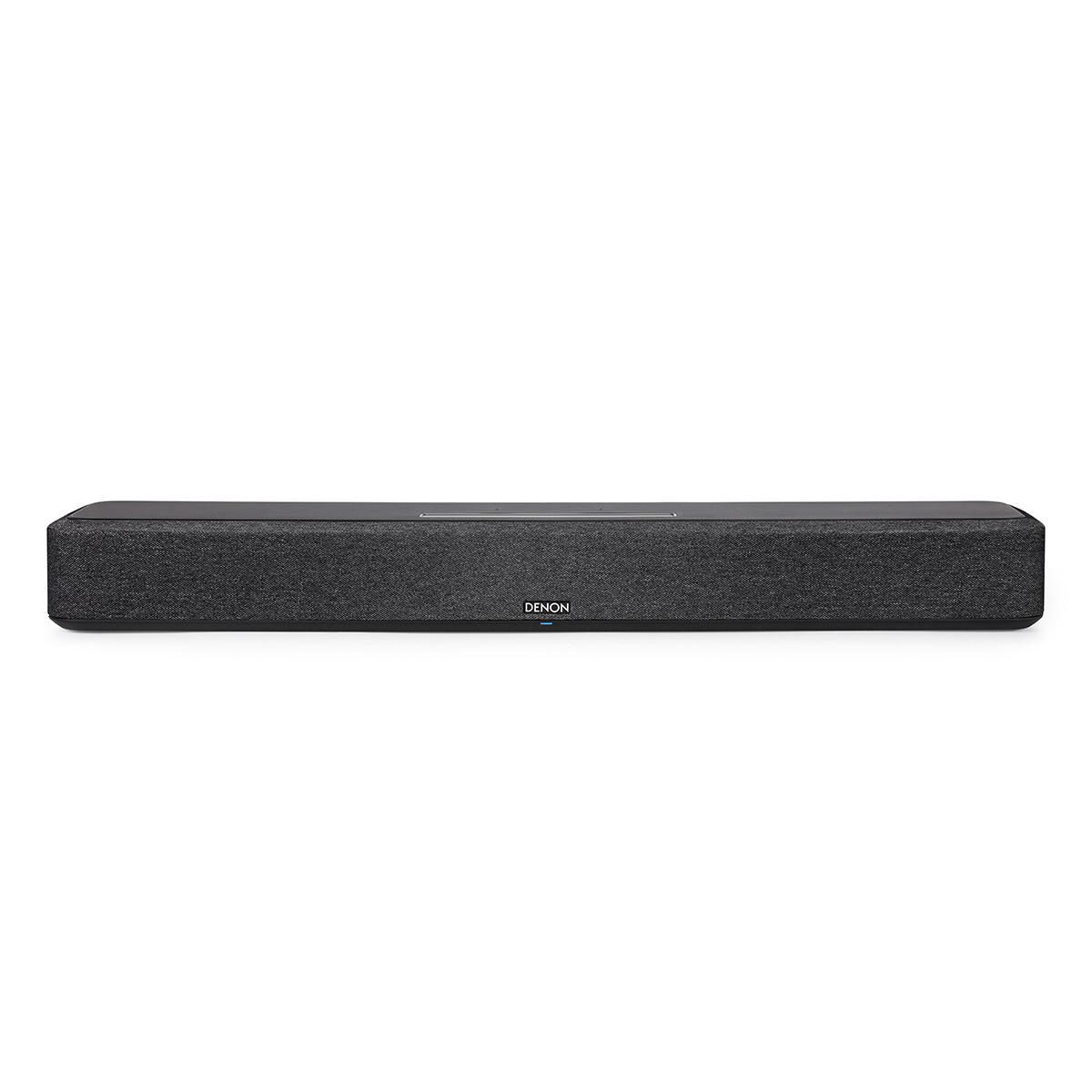
Denon took a different approach with the Home Sound Bar 550, launched in early 2023. Rather than trying to be everything at once, this 4.0-channel system focuses on tonal accuracy and expandability. The "4.0" configuration means four main channels without a dedicated subwoofer, though passive radiators (essentially speakers without magnets that resonate with the main drivers) help extend bass response.
This soundbar is built around Denon's HEOS (Home Entertainment Operating System) platform, which transforms it from a simple TV speaker into the foundation of a whole-home audio system. You can start with just the soundbar and gradually add wireless rear speakers, a subwoofer, or additional HEOS speakers in other rooms, all controlled through a single app.
The Denon philosophy prioritizes what audiophiles call "neutrality"—reproducing audio exactly as the artist or filmmaker intended, without artificial enhancement or coloration. This approach particularly benefits music listening, where you want to hear the subtle brush strokes on a jazz drummer's cymbals or the breath between a vocalist's phrases.
The performance difference between these systems becomes immediately apparent when you consider their power specifications. The JBL Bar 1300X delivers a staggering 1,170 watts of total system power, with 650 watts dedicated to the main soundbar, 220 watts split between the detachable surrounds, and a hefty 300 watts driving that 12-inch subwoofer.
This isn't just about being loud—though the JBL can certainly wake the neighbors. That power translates to dynamic range, which is the difference between the quietest whisper and the loudest explosion in a movie soundtrack. When you're watching an action sequence with constant dialogue over gunfire and orchestral music, you need substantial power reserves to keep everything clear and separated.
The JBL shines in large rooms where you need to project sound across significant distances. I've tested it in spaces up to 400 square feet, and it maintains its impact even when you're sitting 12 feet away. The MultiBeam technology—JBL's proprietary digital processing system—analyzes the incoming audio and intelligently distributes specific frequencies to different drivers, creating a wider soundstage than the physical width of the bar would suggest.
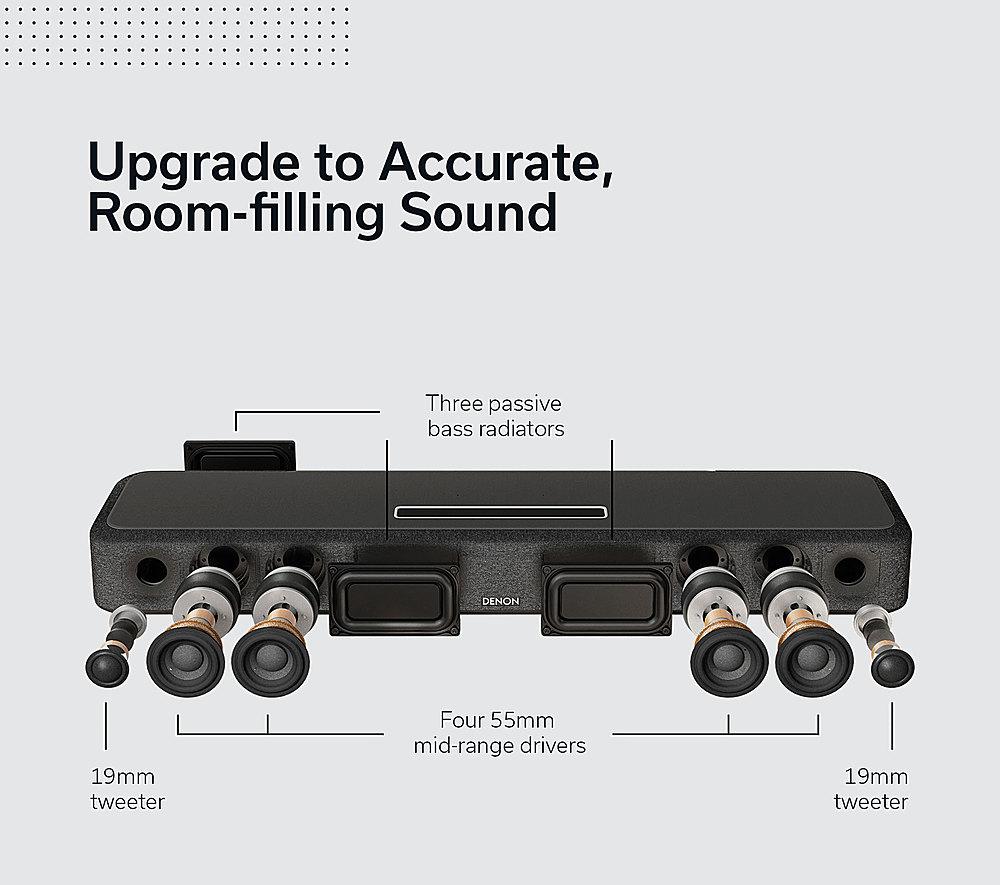
In contrast, the Denon Home Sound Bar 550 operates with just 53 watts of total power. That might sound inadequate, but Denon's engineers focused on efficiency over raw output. The four 2.1875-inch full-range drivers and two 0.75-inch tweeters are precisely tuned to work together, while three passive radiators help extend bass response without requiring additional amplification.
This approach works beautifully in smaller to medium-sized rooms (up to about 250 square feet) where you don't need earth-shaking volume levels. The Denon's strength lies in its ability to reveal subtle details in the audio mix—the texture of a violin bow against strings, or the way a vocalist's voice naturally reverberates in a recording studio.
Bass reproduction represents perhaps the starkest difference between these systems. The JBL's dedicated subwoofer can reproduce frequencies down to 33Hz, which encompasses the fundamental tones of bass drums, pipe organs, and those rumbling sound effects that make action movies visceral experiences. When the alien mothership appears in Independence Day, you'll feel that low-frequency rumble that adds emotional weight to the visual spectacle.
The subwoofer uses a 12-inch driver—significantly larger than anything that could fit inside a soundbar—housed in a carefully designed enclosure that maximizes bass output while minimizing distortion. This dedicated bass module can be placed anywhere in your room, and its wireless connection means you're not limited by cable runs.
The Denon takes a more subtle approach to low frequencies. Its passive radiators work by resonating sympathetically with the main drivers, effectively extending the bass response beyond what those smaller drivers could achieve alone. The result is bass that's tighter and more controlled, particularly effective for music where you want to hear the distinct attack of each bass guitar note rather than just feeling the overall rumble.
However, this approach has limitations. Without a dedicated subwoofer, the Denon can't reproduce the deepest frequencies that make action movies and electronic music truly immersive. Denon addresses this by offering optional wireless subwoofers (starting around $200) that integrate seamlessly with the soundbar, but that's an additional purchase that brings the total system cost closer to the JBL's price point.
The JBL Bar 1300X implements true surround sound through its detachable wireless satellites. Each satellite contains the same driver configuration as a portion of the main soundbar—racetrack drivers (oval-shaped for more surface area in compact enclosures), tweeters, and upward-firing drivers for height effects.
These satellites are powered by built-in lithium batteries that provide up to 12 hours of operation, eliminating the need for power outlets near your seating area. You can position them optimally for surround effects, then move them when you need the space for other activities. When Die Hard's John McClane is crawling through air ducts, you'll hear those sounds authentically positioned behind and above you.
The system's six upward-firing drivers (four in the main bar, two in the satellites) create genuine height effects by bouncing sound off your ceiling. This works particularly well with Dolby Atmos content, where individual audio objects can be precisely positioned in three-dimensional space. The helicopter chase scene in Mission: Impossible feels dramatically more immersive when you can actually track the aircraft's movement overhead.
The Denon Home Sound Bar 550 achieves surround effects through sophisticated digital processing rather than additional speakers. Dolby Height Virtualization analyzes stereo or surround content and uses psychoacoustic principles—essentially tricking your brain into perceiving sounds that aren't literally there—to create the impression of overhead and rear-positioned audio.
This virtual approach has both advantages and limitations. On the positive side, it works immediately without any speaker placement considerations, and it can process any audio content, even older stereo recordings, to create a more expansive soundstage. The processing is remarkably convincing with dialogue-heavy content and music, where the enhanced spatial presentation adds depth without calling attention to itself.
However, virtual surround simply can't match the impact of discrete speakers for action-heavy content. When the Death Star explodes in Star Wars, you want to feel genuinely surrounded by that audio chaos, and no amount of clever processing can fully replicate the experience of having actual speakers behind you.
Denon does offer an upgrade path through their HEOS ecosystem. You can add wireless rear speakers (like the Denon Home 150 speakers) to transform the system into true 5.1 surround sound, though this requires additional investment and setup complexity.
The JBL Bar 1300X embraces the modern expectation that premium audio equipment should integrate seamlessly with your digital lifestyle. It supports Chromecast built-in, Apple AirPlay 2, and Bluetooth 5.0, giving you multiple pathways to stream music from your phone, tablet, or computer.
The Chromecast integration is particularly valuable because it supports over 300 music streaming services and maintains high audio quality through direct Wi-Fi connection rather than compressed Bluetooth. You can start playing Spotify on your phone, then hand control over to other family members without interrupting the music—a small but significant convenience improvement.
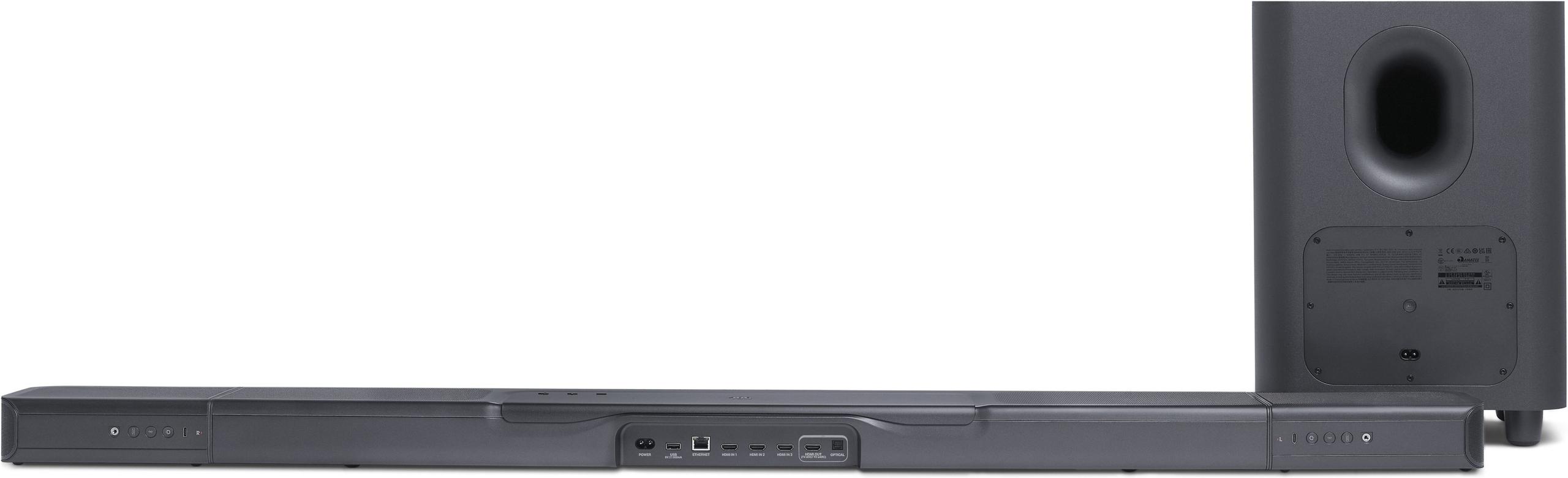
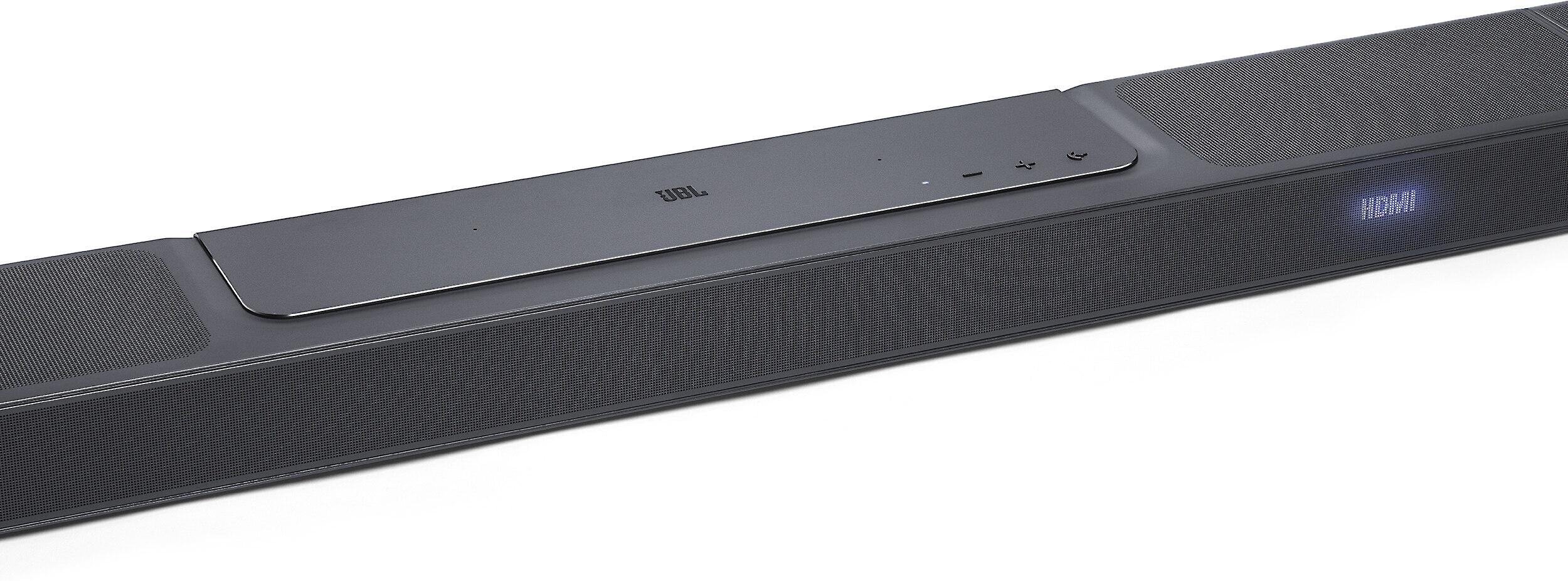
The system includes three HDMI inputs plus an eARC (enhanced Audio Return Channel) output, which means you can connect multiple devices—gaming console, streaming box, Blu-ray player—directly to the soundbar without overwhelming your TV's limited inputs. This setup also enables the soundbar to receive uncompressed audio formats like Dolby TrueHD and DTS-HD Master Audio from Blu-ray discs.
The Denon Home Sound Bar 550 distinguishes itself through deeper smart home integration via the HEOS platform. This isn't just about playing music—it's about creating a cohesive audio experience throughout your home. You can group the soundbar with HEOS speakers in other rooms, creating synchronized multi-room audio for parties or simply extending your TV's audio to the kitchen while you're cooking.
The built-in Amazon Alexa voice control adds convenience for basic functions like volume adjustment and source switching, though it's not as comprehensive as dedicated Alexa devices. More importantly, the HEOS app provides access to high-resolution audio streaming services, supporting formats up to 24-bit/192kHz for audiophile-quality music reproduction.
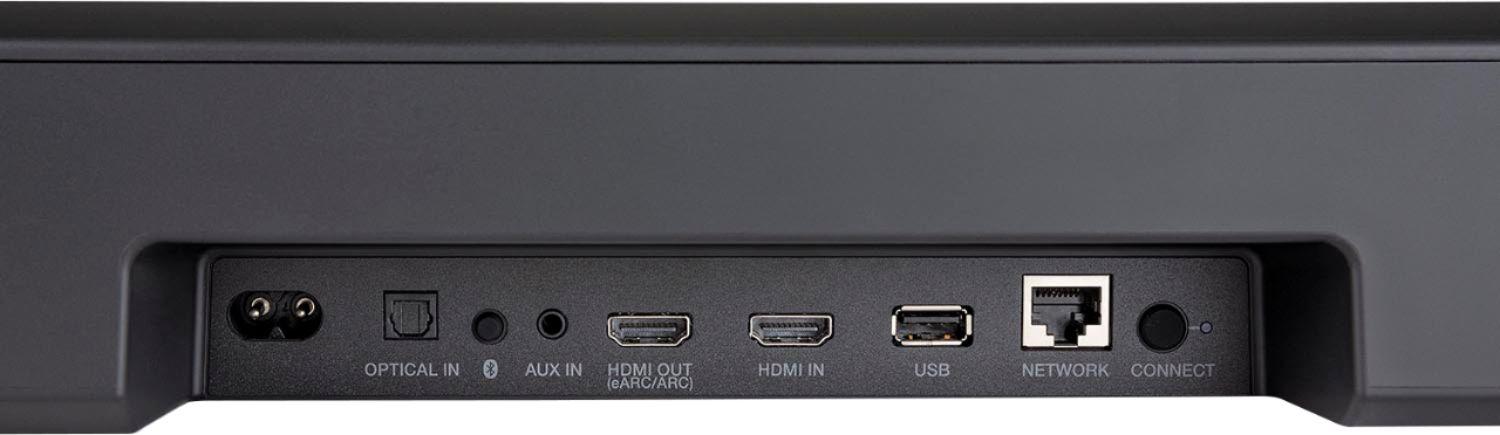
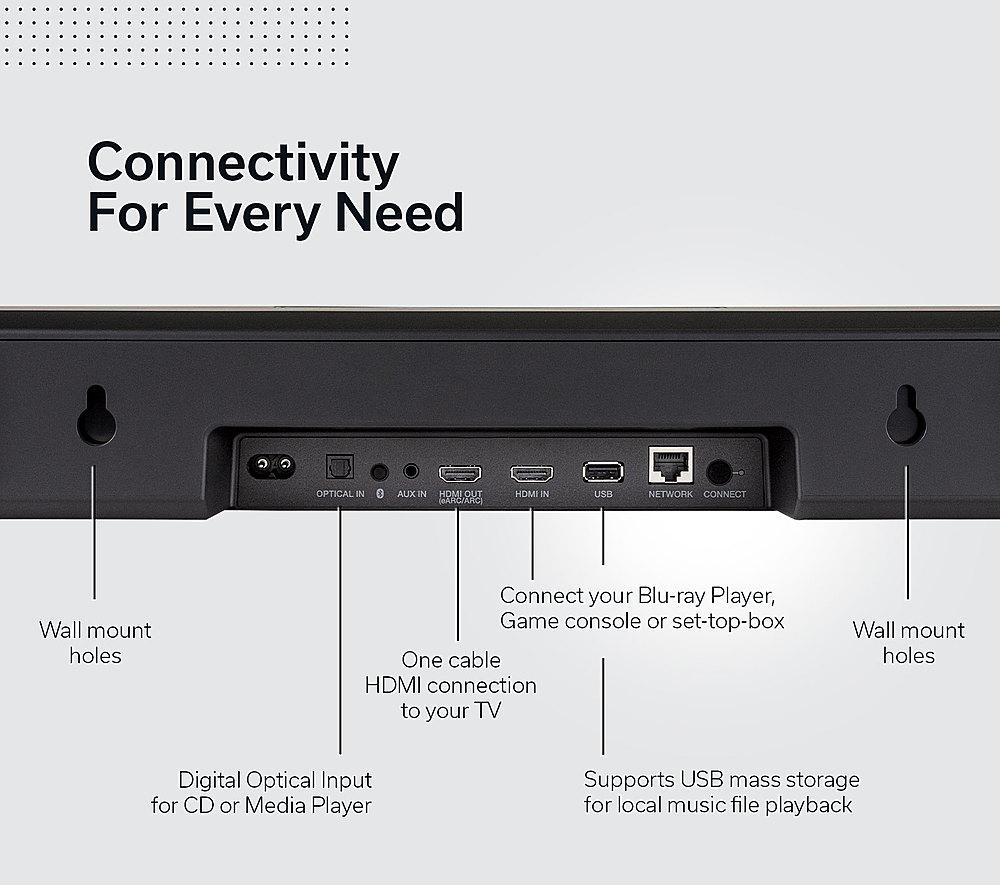
However, the Denon's connectivity is more limited for video sources, with just one HDMI input plus eARC. This means you'll need to rely on your TV's input switching for multiple devices, which can complicate setup and potentially limit audio format support depending on your TV's capabilities.
At $1,299.95, the JBL Bar 1300X represents a significant upfront investment, but it delivers a complete high-end audio system immediately. There are no additional purchases required to achieve its full potential—you get the main soundbar, wireless subwoofer, and detachable surround speakers in one package.
This approach makes financial sense if you're certain about your audio priorities and have the budget for immediate gratification. The system is sophisticated enough to serve as your primary audio setup for years without feeling outdated, and JBL's build quality suggests it will maintain performance over time.
The included components would cost significantly more if purchased separately from other manufacturers. A comparable wireless subwoofer alone typically costs $300-500, and quality wireless surround speakers often run $200-400 per pair.
The Denon Home Sound Bar 550 starts at just $518.50, making it accessible to buyers who want premium audio quality without the premium price shock. However, achieving parity with the JBL's capabilities requires additional purchases: a wireless subwoofer ($200-300) and rear speakers ($300-400 per pair) bring the total closer to $1,000-1,200.
This modular approach has psychological and practical advantages. You can start with the soundbar and experience immediate improvement over TV speakers, then add components as budget allows or needs evolve. If you move to a larger room, you might add the subwoofer. If you become more serious about surround sound, you can incorporate rear speakers.
The HEOS ecosystem also provides long-term value through compatibility with future Denon products and regular software updates that add new streaming services and features.
For dedicated home theater use, the JBL Bar 1300X provides immediate satisfaction that's hard to match. The first time you experience a Marvel movie with proper Dolby Atmos processing—hearing Iron Man's repulsors whoosh overhead while explosions rumble through the subwoofer—you understand why enthusiasts invest in premium audio equipment.
The detachable surrounds solve the practical problem of speaker placement in real living rooms. You can optimize their position for movie night, then move them aside when you need the space for other activities. The 12-hour battery life means you're not constantly worrying about charging, and they automatically reconnect when you turn the system on.
Gaming benefits tremendously from the JBL's low-latency HDMI connections and powerful dynamics. In competitive games like Call of Duty, you can actually hear the directional footsteps and gunfire that help you locate opponents, while the system's power reserves prevent the audio from compressing during intense action sequences.
The Denon Home Sound Bar 550 excels when music quality takes priority over cinematic impact. Its neutral frequency response reveals the subtle details in well-recorded albums—the decay of piano notes in jazz trios, the spatial positioning of orchestra sections in classical recordings, or the layered vocal harmonies in contemporary pop productions.
The HEOS platform's support for high-resolution audio streaming means you can access the full quality of services like Tidal HiFi or Amazon Music HD, hearing your favorite albums with clarity that compressed streaming simply can't match. The difference is particularly noticeable with acoustic music, where the system's precise midrange reproduction makes vocals and instruments sound naturally present in your room.
Multi-room functionality transforms music listening from a stationary activity to something that flows with your daily routine. Start an album in the living room, then have it follow you to the kitchen or bedroom through other HEOS speakers, all controlled from your phone.
The JBL Bar 1300X incorporates several proprietary technologies that contribute to its performance advantage. The racetrack drivers use an oval shape rather than traditional round cones, providing more surface area for bass reproduction within the soundbar's height constraints. MultiBeam processing analyzes incoming audio and uses beamforming—directing sound waves in specific directions—to create a wider soundstage than the physical speaker array would normally produce.
PureVoice technology represents JBL's solution to the dialogue clarity problem that plagues many home theater systems. Rather than simply boosting midrange frequencies where voices live, it uses adaptive processing to maintain dialogue clarity even when other sounds are competing for attention. This prevents the artificial, megaphone-like effect that simpler dialogue enhancement often produces.
The Denon Home Sound Bar 550 demonstrates excellence in driver integration and DSP refinement. The four full-range drivers work in conjunction with dedicated tweeters and passive radiators, with sophisticated crossover processing ensuring that each driver operates in its optimal frequency range. This prevents the midrange congestion that can occur when drivers are asked to handle too wide a frequency spectrum.
Denon's implementation of Dolby Atmos virtualization is particularly sophisticated, using room correction algorithms that adapt to your specific listening environment. The system can compensate for different ceiling heights, wall materials, and furniture placement to optimize the virtual surround effect.
Choose the JBL Bar 1300X if you want maximum cinematic impact immediately, have a larger room that can benefit from its power, and your budget supports the $1,300 investment. It's ideal for movie enthusiasts, gamers, and anyone who wants a complete premium audio solution without gradual building.
The Denon Home Sound Bar 550 makes sense if music quality and tonal accuracy are priorities, you prefer building a system gradually, or you want deep smart home integration through the HEOS platform. It's perfect for audiophiles, smaller rooms, and anyone who values expandability over immediate power.
Both represent excellent value within their respective philosophies. The JBL delivers immediate gratification and uncompromising performance, while the Denon offers flexibility and the potential to create a more sophisticated long-term audio ecosystem. Your choice ultimately depends on whether you prioritize immediate impact or gradual refinement, cinematic power or musical accuracy, complete solutions or modular flexibility.
| JBL Bar 1300X Soundbar with Wireless Subwoofer | Denon Home Sound Bar 550 Soundbar |
|---|---|
| Price - Starting investment and total system cost | |
| $1,299.95 (complete system included) | $518.50 (soundbar only, expandable) |
| Total System Power - Determines room size and volume capabilities | |
| 1,170W (fills large rooms, supports high volumes) | 53W (efficient for small-medium rooms) |
| Channel Configuration - Impact on surround sound immersion | |
| 11.1.4 channels with physical surround speakers | 4.0 channels with virtual surround processing |
| Subwoofer Inclusion - Essential for deep bass in movies | |
| 12" wireless subwoofer included (300W, 33Hz extension) | No subwoofer (optional wireless sub $200+) |
| Surround Speakers - Real vs virtual surround experience | |
| Detachable battery-powered satellites included | Virtual processing (expandable with HEOS speakers) |
| HDMI Connectivity - Multiple device connection convenience | |
| 3 HDMI inputs + eARC output | 1 HDMI input + eARC output |
| Smart Platform Integration - Streaming and multi-room capabilities | |
| Chromecast, AirPlay 2, Bluetooth (300+ services) | HEOS ecosystem with Alexa, high-res audio support |
| Dolby Atmos Implementation - Overhead sound effects quality | |
| 6 physical up-firing drivers for height effects | Virtual height processing via DSP |
| Expandability - Future upgrade potential | |
| Fixed configuration, no expansion options | Modular system, add subwoofer/rear speakers later |
| Best For - Primary use case optimization | |
| Large rooms, movie enthusiasts, immediate premium experience | Music lovers, gradual system building, smart home integration |
The JBL Bar 1300X at $1,299.95 provides immediate complete system value with everything included, while the Denon Home Sound Bar 550 at $518.50 offers better entry-level value but requires additional purchases to match JBL's capabilities. If you want full surround sound immediately, JBL delivers better value. For gradual system building, Denon provides more flexibility.
The JBL Bar 1300X is a complete 11.1.4-channel system with detachable surround speakers and subwoofer included, designed for maximum cinematic impact. The Denon Home Sound Bar 550 is a 4.0-channel foundation system focused on music quality and expandability through the HEOS ecosystem. JBL prioritizes immediate immersion, while Denon emphasizes modular growth.
The JBL Bar 1300X excels for home theater with its 1,170W power output, dedicated 12-inch subwoofer, and physical surround speakers that create true directional effects. It delivers visceral action movie experiences with deep bass and overhead Dolby Atmos effects. The Denon Home Sound Bar 550 works well for dialogue-heavy content but lacks the power and bass extension for blockbuster movies without additional components.
The Denon Home Sound Bar 550 provides superior music reproduction with its neutral frequency response and precise driver integration, making it ideal for jazz, classical, and acoustic music. It also supports high-resolution audio streaming through HEOS. The JBL Bar 1300X delivers more powerful dynamics for electronic and orchestral music but with less tonal accuracy for critical listening.
The JBL Bar 1300X includes everything needed for complete surround sound - main bar, wireless subwoofer, and detachable surround speakers. The Denon Home Sound Bar 550 works standalone but benefits significantly from adding an optional wireless subwoofer ($200+) and rear speakers ($300+) for full home theater performance.
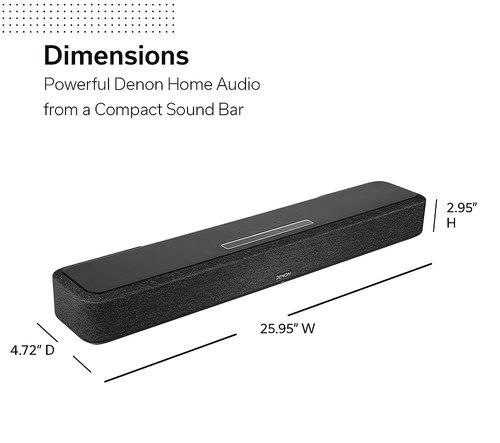
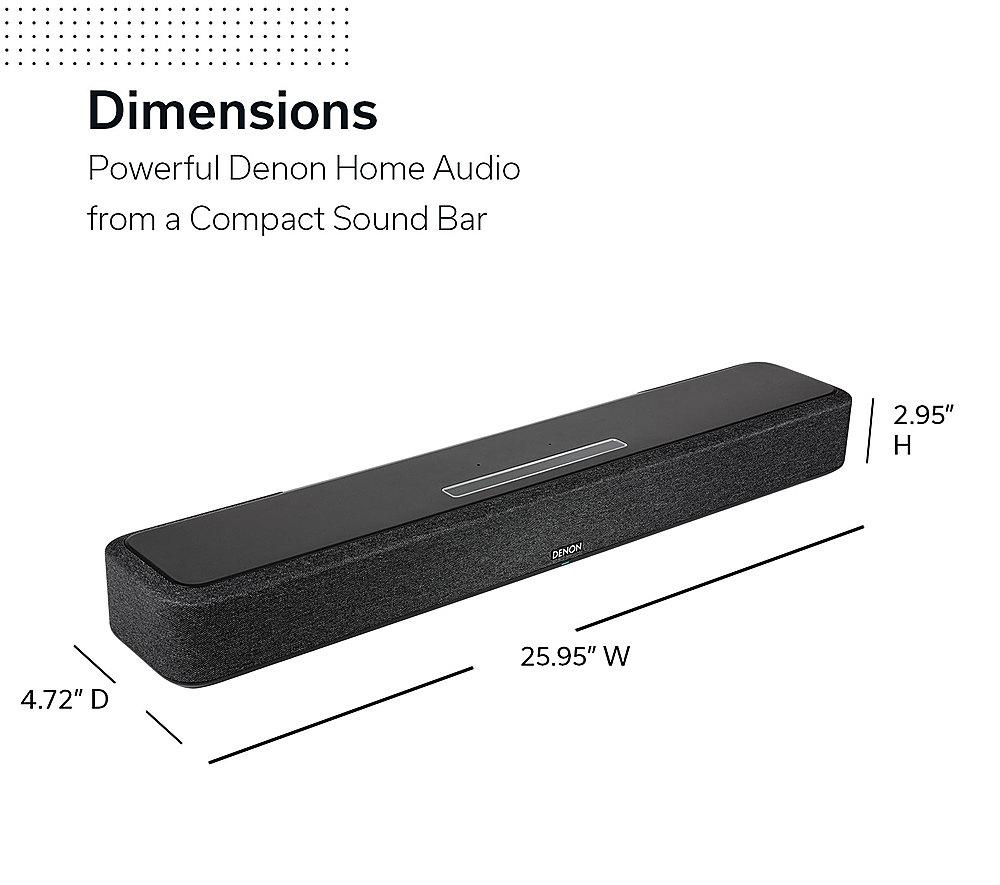
The Denon Home Sound Bar 550 is better suited for small to medium rooms with its compact design and controlled 53W power output that won't overwhelm smaller spaces. The JBL Bar 1300X with its 1,170W power and large subwoofer is designed for larger rooms and may be excessive in compact spaces, though it can be adjusted for smaller environments.
Both soundbars offer excellent wireless connectivity. The JBL Bar 1300X supports Chromecast, AirPlay 2, and Bluetooth with access to 300+ streaming services. The Denon Home Sound Bar 550 features the HEOS platform with multi-room audio capabilities, Alexa voice control, and high-resolution streaming support. Denon offers deeper smart home integration, while JBL provides broader streaming compatibility.
The JBL Bar 1300X delivers superior bass with its included 12-inch wireless subwoofer that extends down to 33Hz, providing the deep rumble essential for action movies. The Denon Home Sound Bar 550 uses passive radiators for bass extension but cannot match the JBL's low-frequency impact without adding an optional subwoofer.
The JBL Bar 1300X offers superior HDMI connectivity with 3 inputs plus eARC output, allowing direct connection of multiple devices like gaming consoles and streaming boxes. The Denon Home Sound Bar 550 has only 1 HDMI input plus eARC, requiring you to use your TV's input switching for multiple devices.
The JBL Bar 1300X offers simpler setup as a complete system with automatic room calibration and straightforward wireless speaker pairing. The Denon Home Sound Bar 550 requires the HEOS app for optimal setup and configuration, which some users find more complex but offers greater customization options once configured.
The JBL Bar 1300X provides true surround sound with physical detachable speakers that can be positioned around your room, plus 6 up-firing drivers for genuine Dolby Atmos height effects. The Denon Home Sound Bar 550 uses virtual surround processing to simulate directional effects, which works well for dialogue but can't match the immersion of actual surround speakers for action content.
The JBL Bar 1300X is better for gaming with its low-latency HDMI connections, powerful dynamics that prevent audio compression during intense scenes, and directional surround effects that help locate opponents in competitive games. The Denon Home Sound Bar 550 works fine for casual gaming but lacks the power and surround positioning advantages that enhance competitive gaming experiences.
We've done our best to create useful and informative comparisons to help you decide what product to buy. Our research uses advanced automated methods to create this comparison and perfection is not possible - please contact us for corrections or questions. These are the sites we've researched in the creation of this article: techradar.com - jbl.com - audioadvice.com - youtube.com - rtings.com - jbl.com - greentoe.com - harmanaudio.com - youtube.com - mm.jbl.com - jbl.com - consumerreports.org - soundandvision.com - crutchfield.com - rtings.com - crutchfield.com - gzhls.at - denon.com - walmart.com - youtube.com - whathifi.com - bestbuy.com

Privacy Policy
Terms and Conditions - Affiliate Policy
Home Security
© Copyright 2008-2026.
11816 Inwood Rd #1211, Dallas, TX 75244