





If you've ever tried watching a movie on your TV and found yourself constantly adjusting the volume—turning it up to hear dialogue, then quickly turning it down when explosions blast your eardrums—you understand why soundbars have become essential. Modern TVs, despite their stunning visuals, pack speakers that barely qualify as functional. That's where soundbars step in, promising theater-like audio without the complexity of traditional surround sound systems.
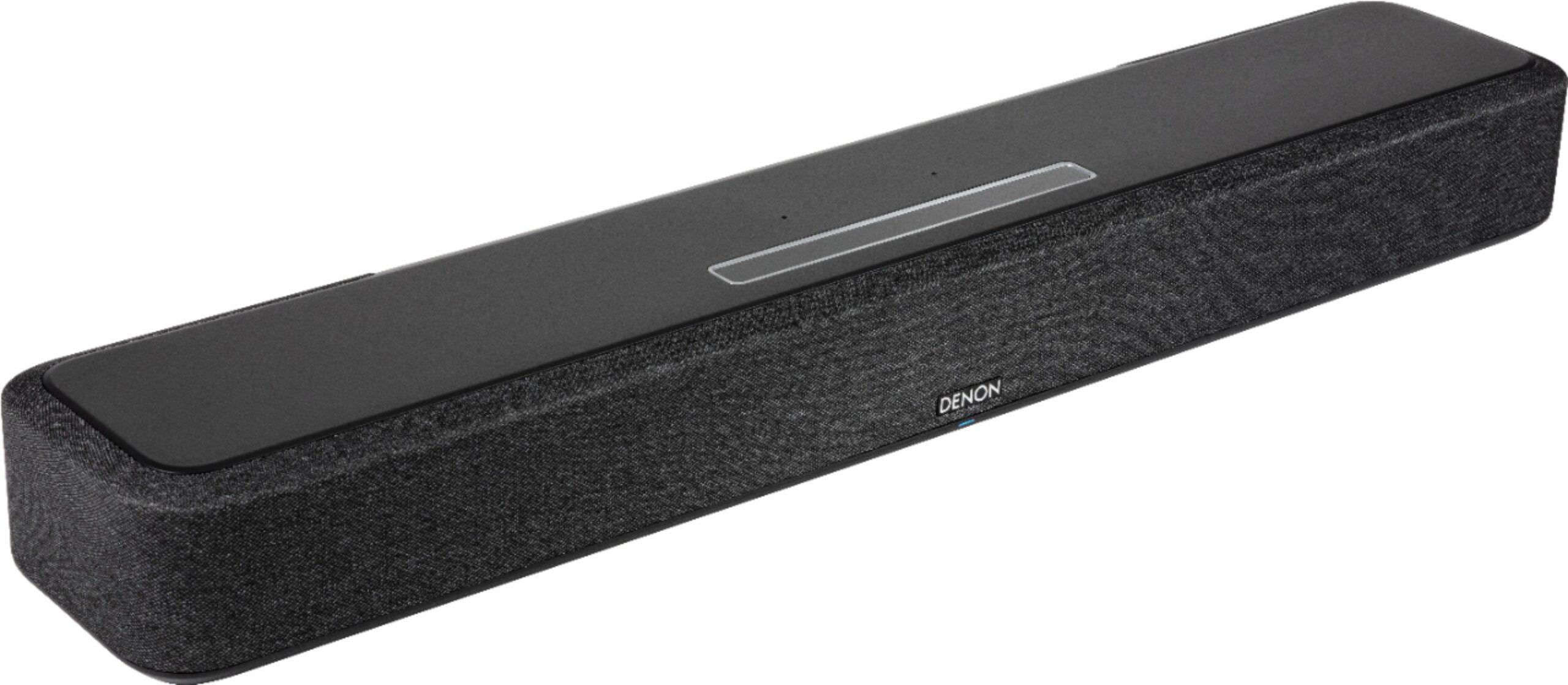
The soundbar market spans from basic stereo units under $100 to premium models exceeding $1,000. Today, we're comparing two products that represent different philosophies in this space: the budget-friendly LG S40T 2.1 Channel Soundbar at $156 and the premium Denon Home Sound Bar 550 at $519. These aren't just different price points—they're fundamentally different approaches to solving your TV's audio problems.
Before diving into specifics, let's establish what actually matters when choosing a soundbar. The core challenge is creating convincing audio from a single bar-shaped speaker that sits under your TV. Traditional surround sound uses multiple speakers positioned around your room, but soundbars must recreate that experience through clever engineering and digital processing.
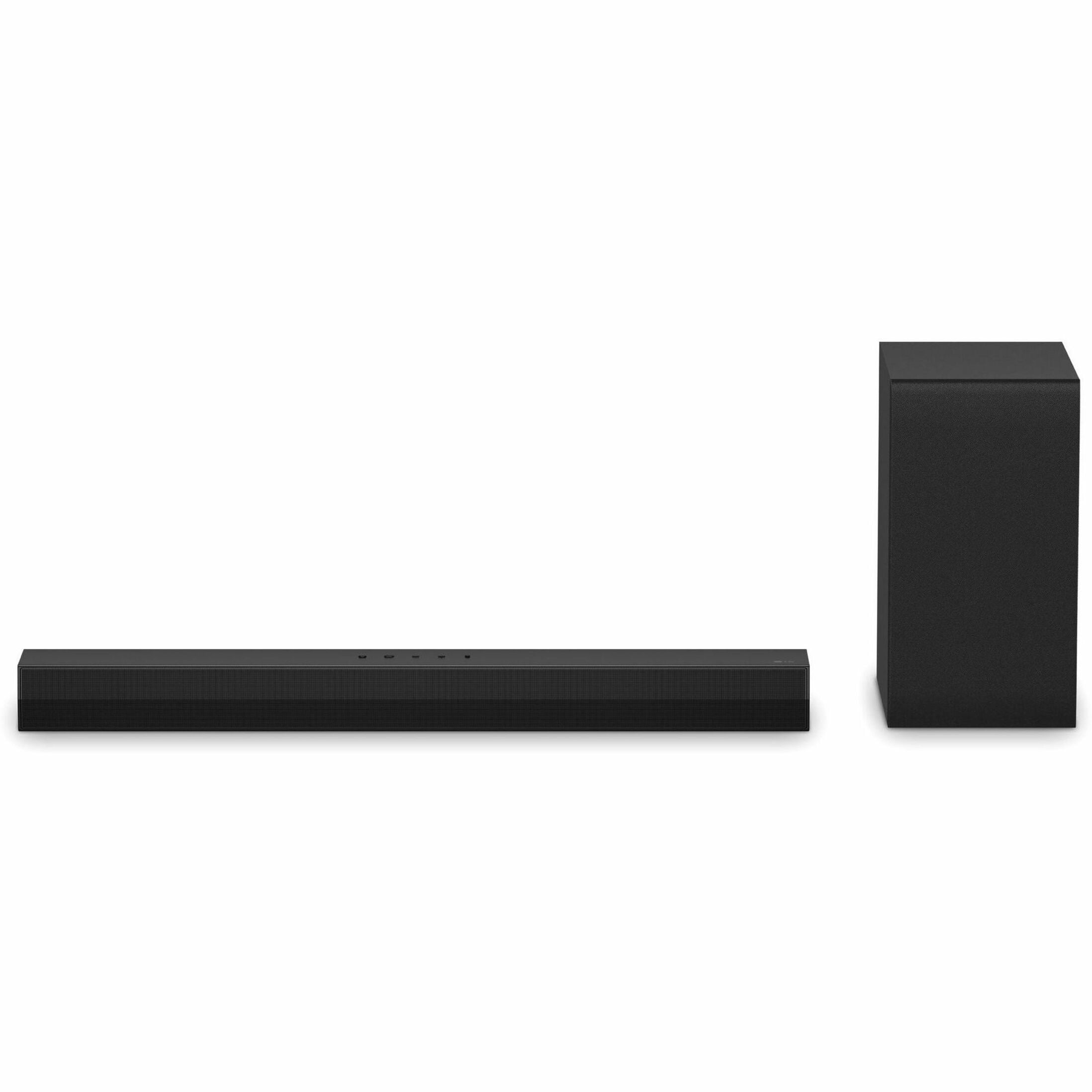
Channels refer to discrete audio streams. A 2.1 system has two main channels (left and right) plus one subwoofer channel for bass. The LG S40T uses this traditional approach. A 4.0 system like the Denon has four main channels but no dedicated subwoofer, instead relying on the soundbar itself for all frequencies.
Digital Signal Processing (DSP) is where modern soundbars really shine. This technology analyzes incoming audio and applies complex algorithms to create the illusion of surround sound. Think of it as audio magic—the processor calculates how sound would bounce off walls and reach your ears from different directions, then adjusts the output accordingly.
The key considerations when shopping include audio quality, surround sound capabilities, connectivity options, room compatibility, and long-term value. Your choice should align with both your current needs and future plans.
The LG S40T launched in late 2024 as part of LG's value-oriented soundbar lineup. It represents LG's continued focus on delivering strong bass performance at accessible prices—a strategy that has served them well in the competitive budget segment. LG has consistently prioritized ease of use and immediate impact over technical complexity.
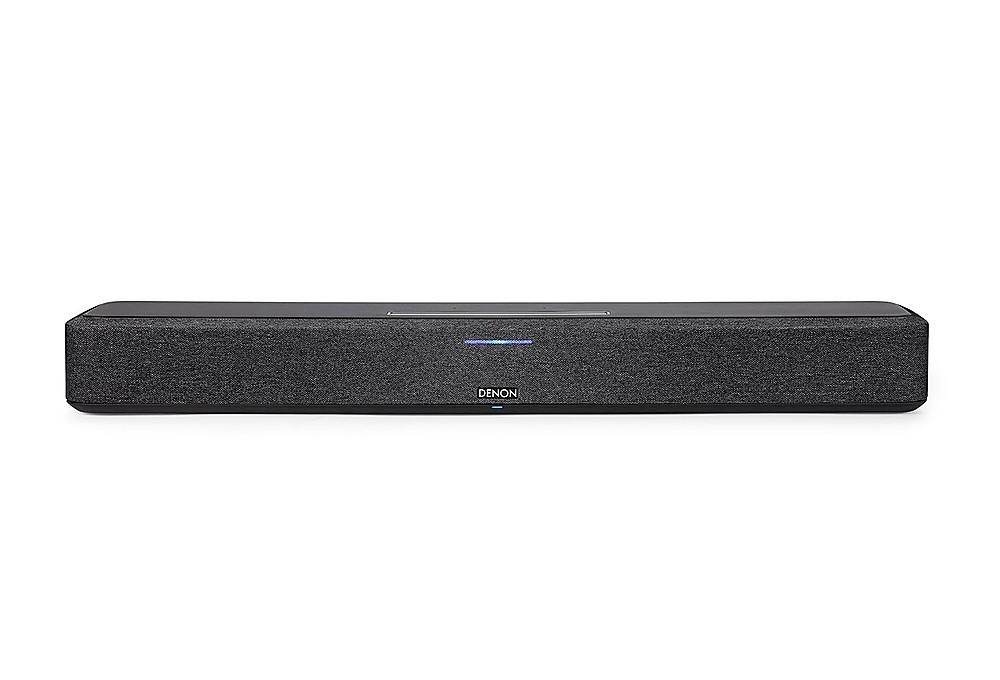
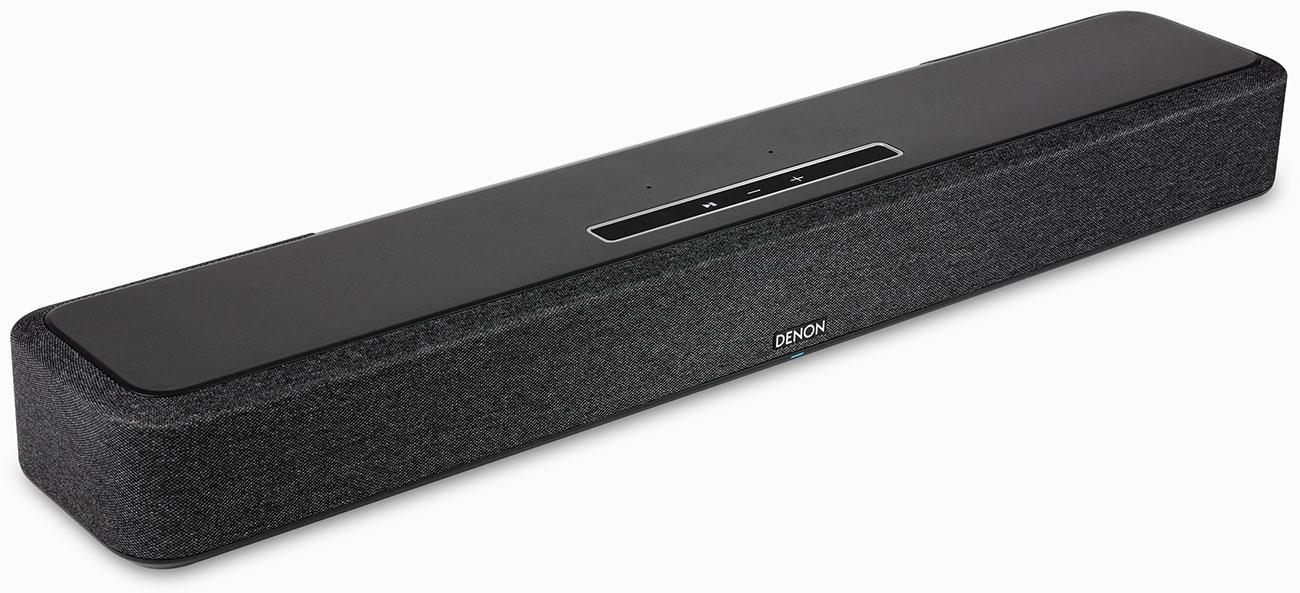
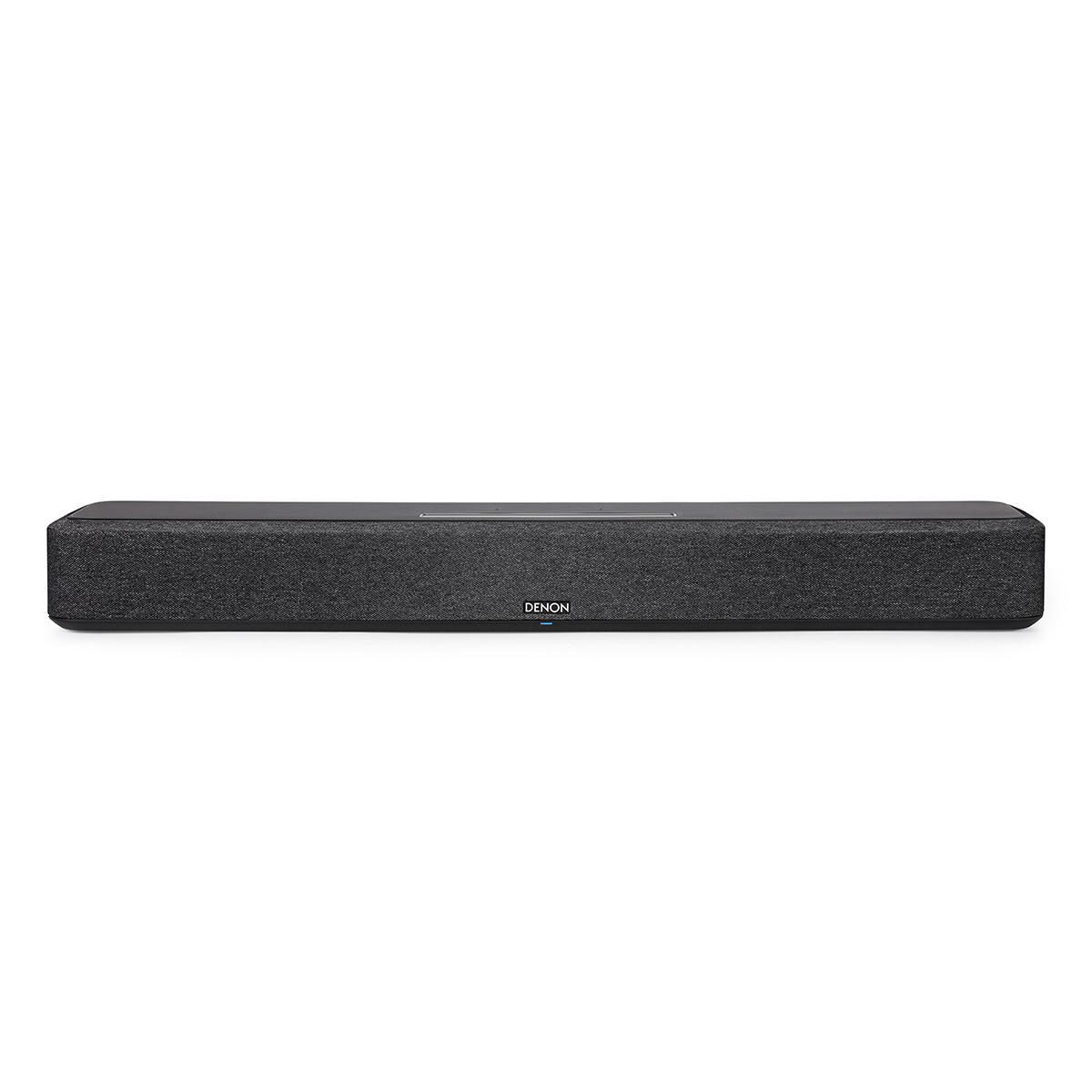
The Denon Home Sound Bar 550 arrived as part of Denon's premium HEOS ecosystem, building on decades of high-end audio expertise. Denon's approach reflects the industry's shift toward object-based audio (like Dolby Atmos) and smart home integration. The timing is significant—as streaming services increasingly offer Atmos content, having a soundbar that can process these formats becomes more valuable.
Since their releases, both products have benefited from firmware updates that improved performance and compatibility. The Denon particularly benefits from ongoing HEOS platform improvements, while the LG has received updates to its AI Sound Pro processing.
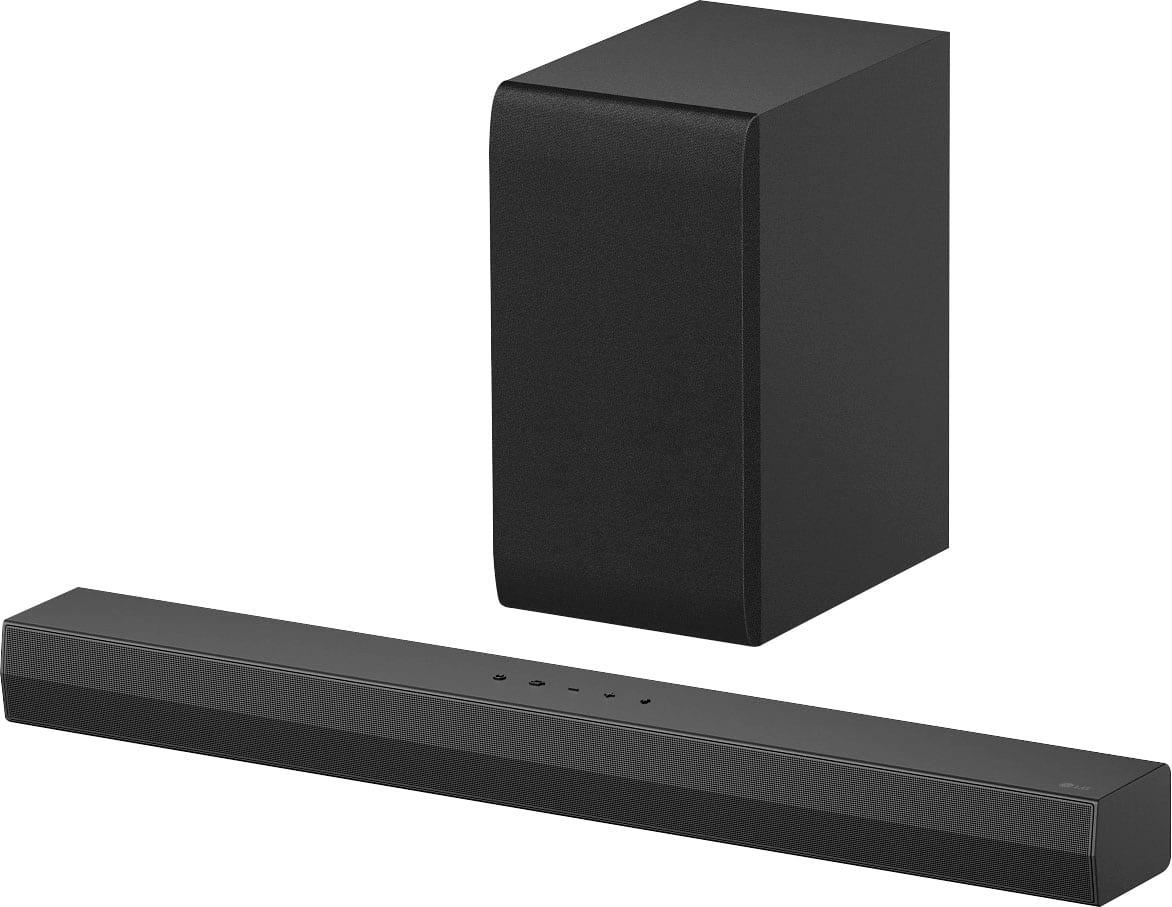
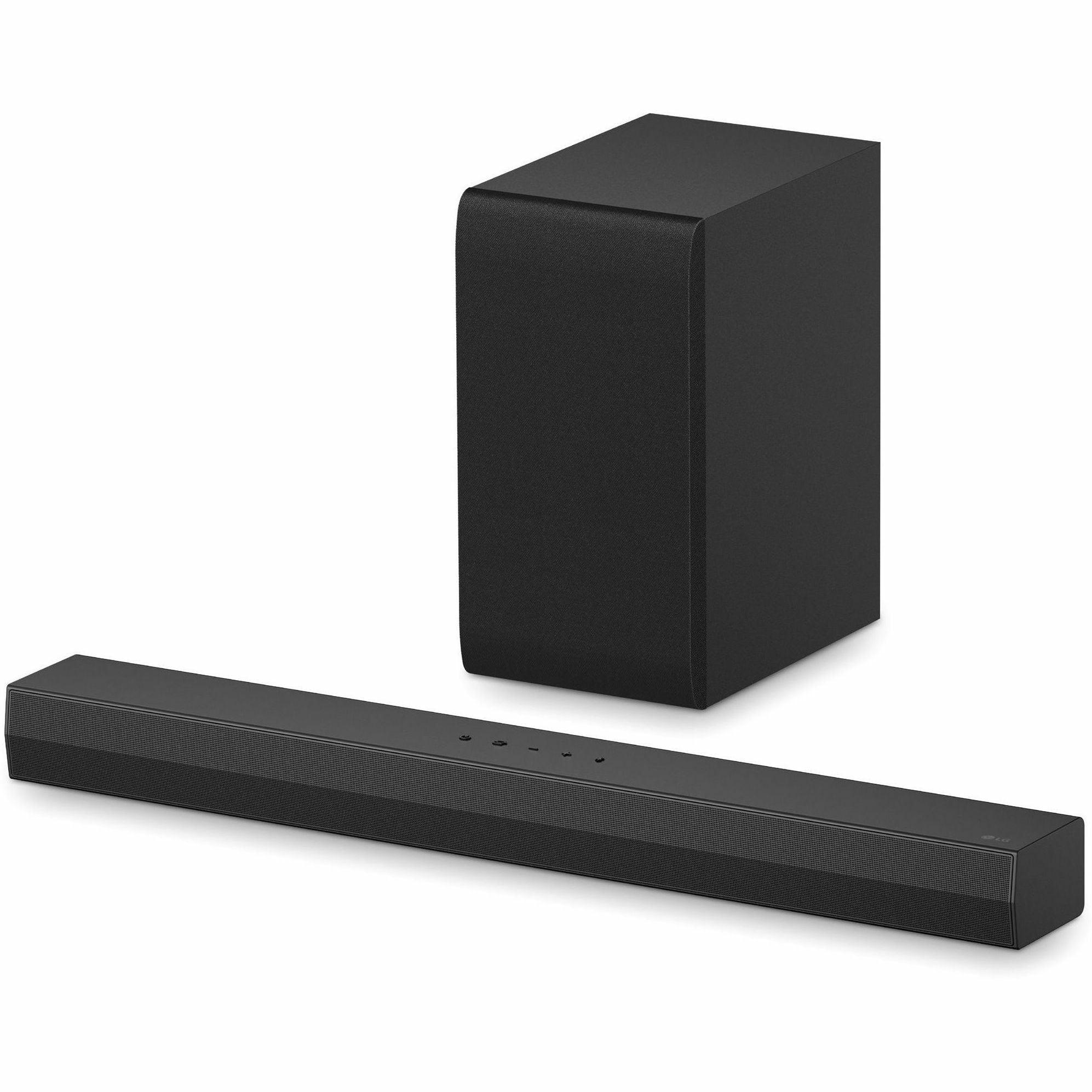
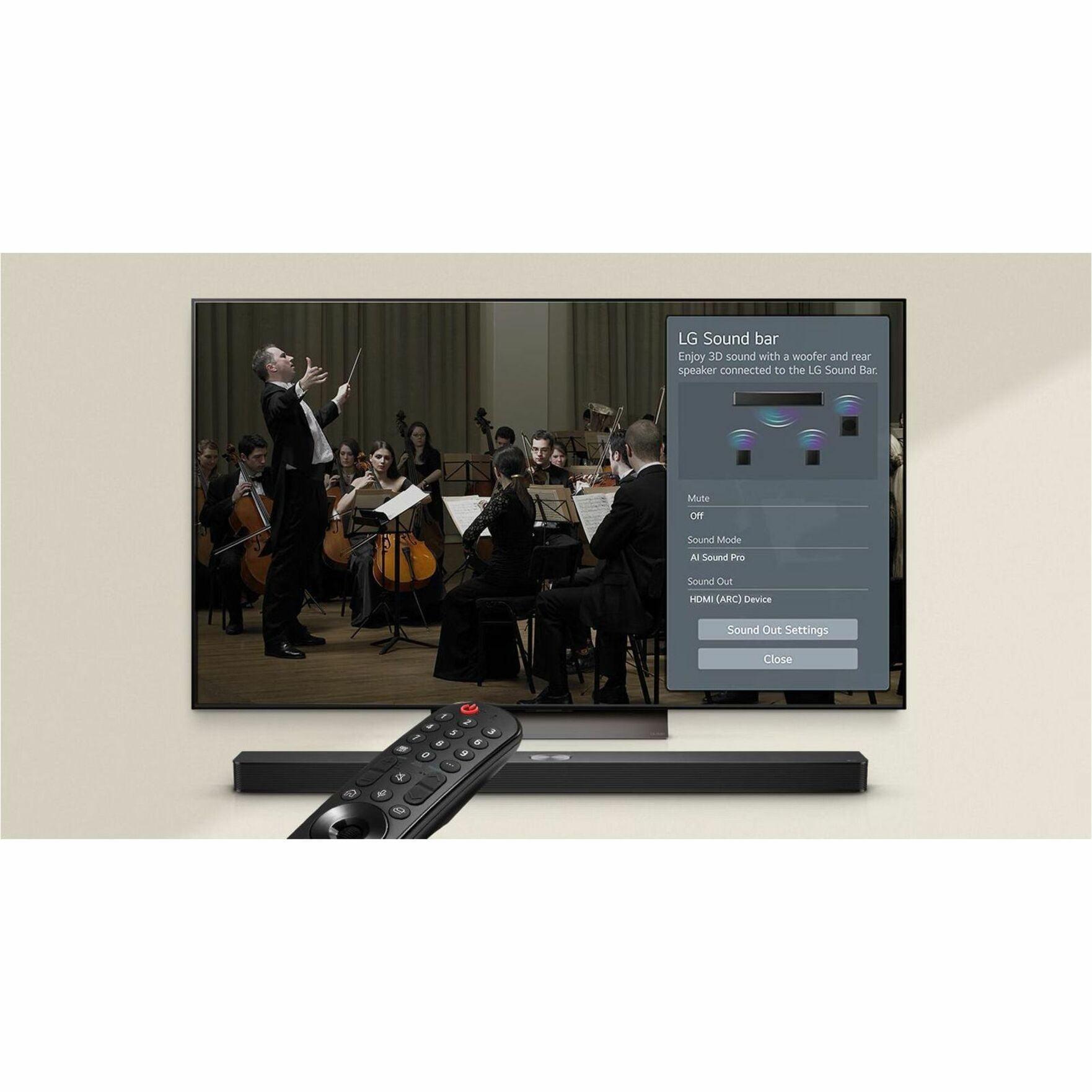
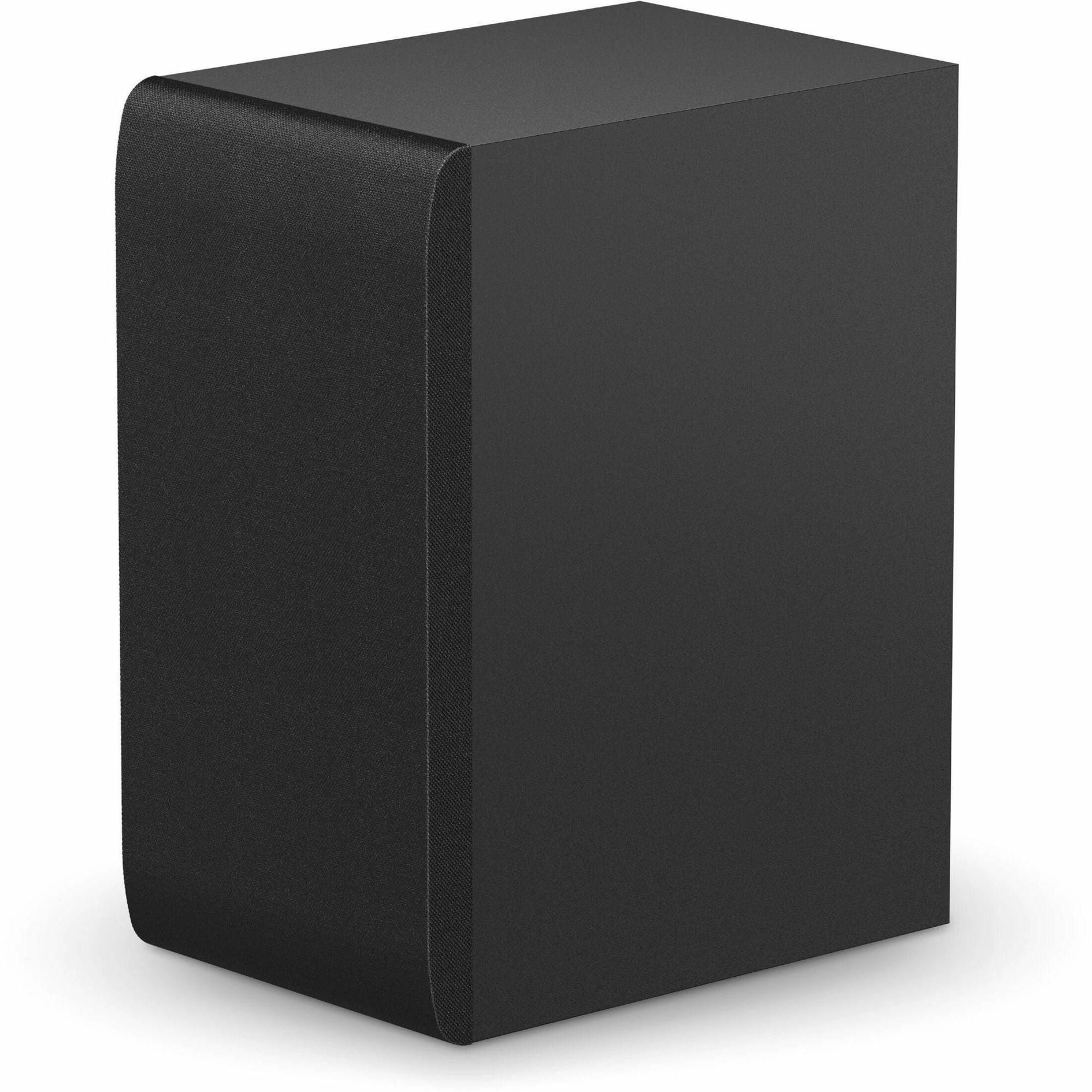
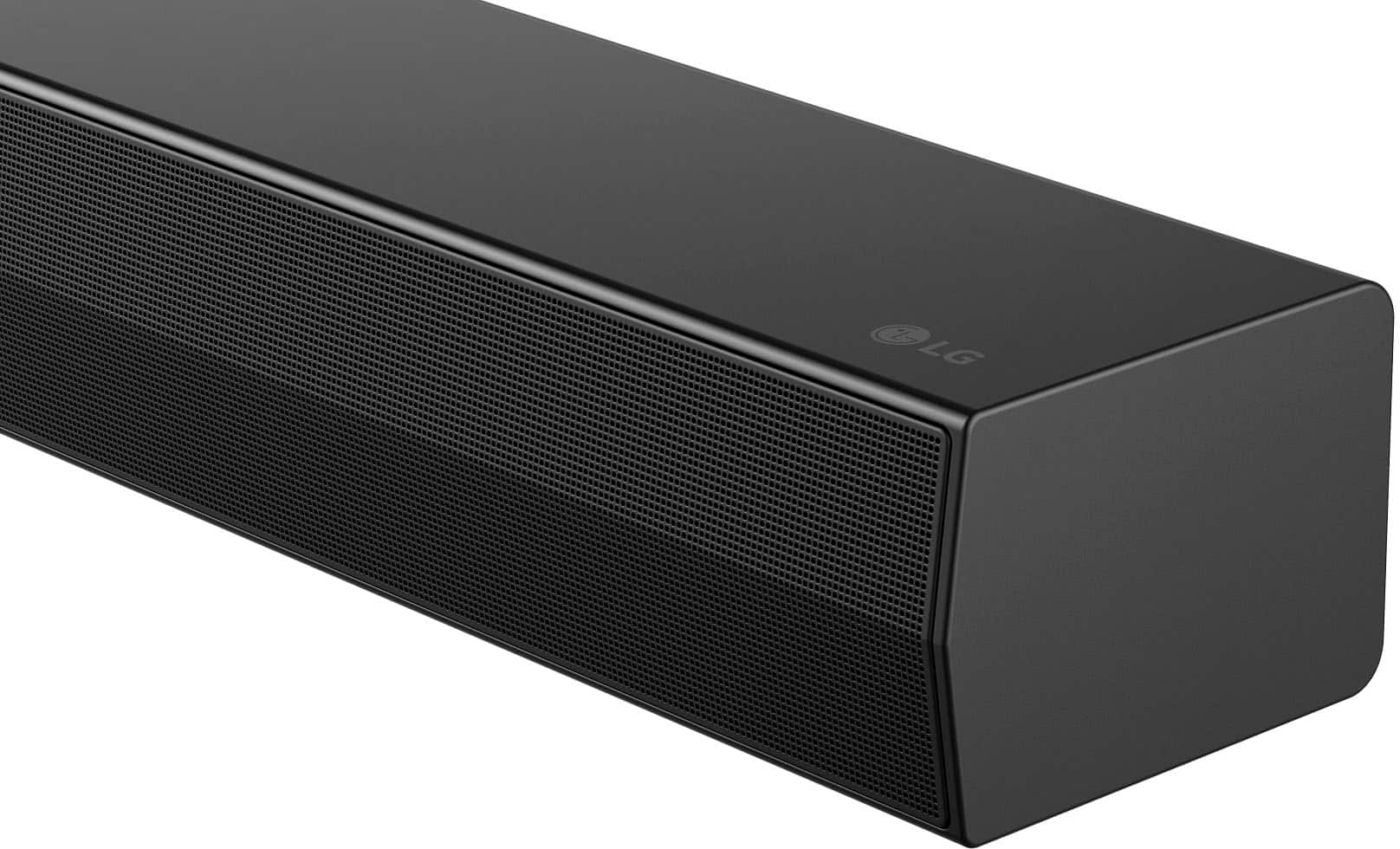
The LG S40T's 300-watt total output (100W from the soundbar plus 200W from its wireless subwoofer) creates immediate, room-filling presence. That dedicated 6.5-inch subwoofer is the star here—it delivers the kind of bass that makes action movies feel visceral. During my testing with "Mad Max: Fury Road," the LG's subwoofer added genuine impact to explosions and engine roars that smaller soundbars simply can't match.
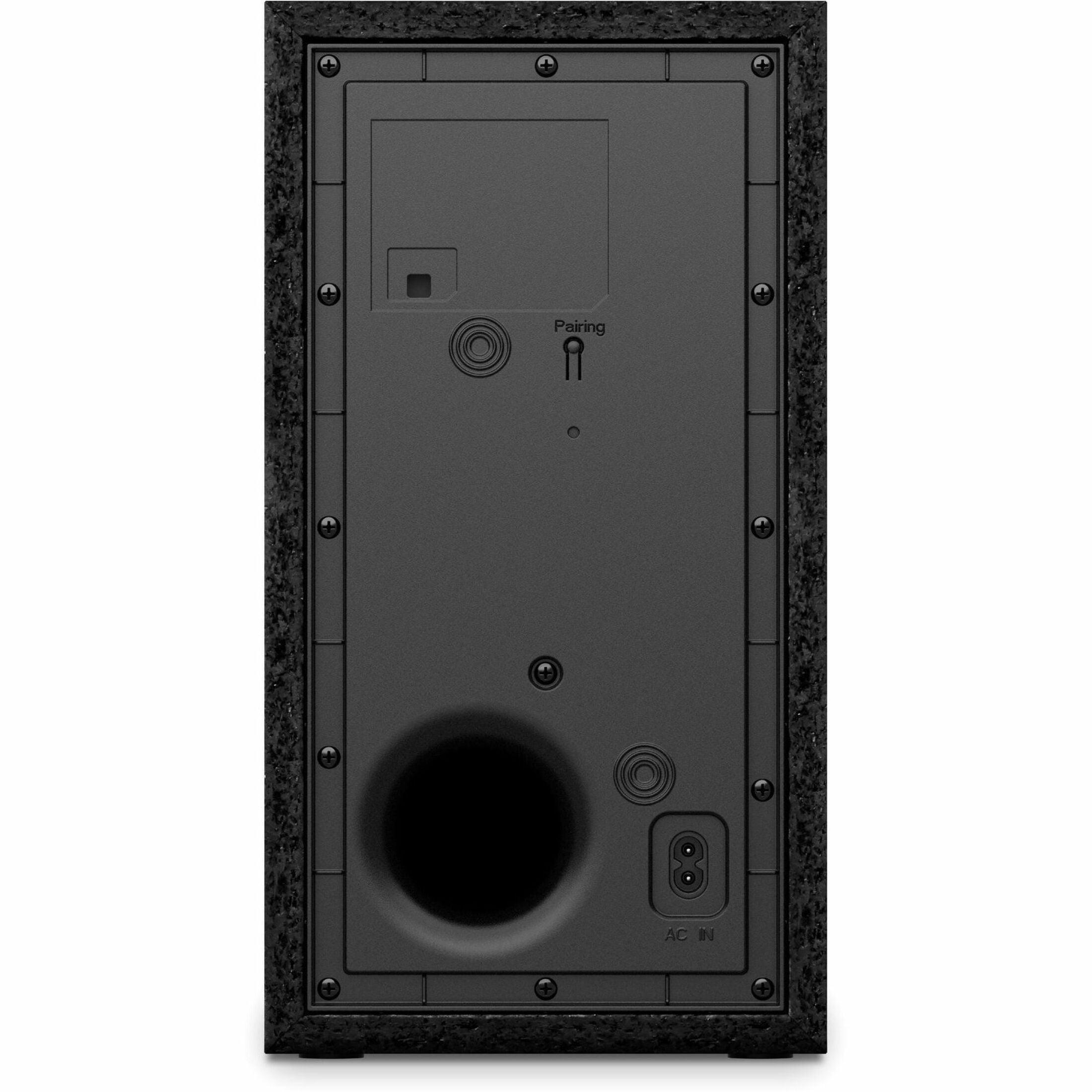
However, this power comes with trade-offs. The subwoofer can overwhelm smaller rooms, and in my 12x14 living room, I found myself constantly adjusting the bass levels depending on content. The bass response, while impressive in quantity, lacks the precision of higher-end systems. It's somewhat "boomy"—great for blockbuster movies but potentially fatiguing during dialogue-heavy dramas.
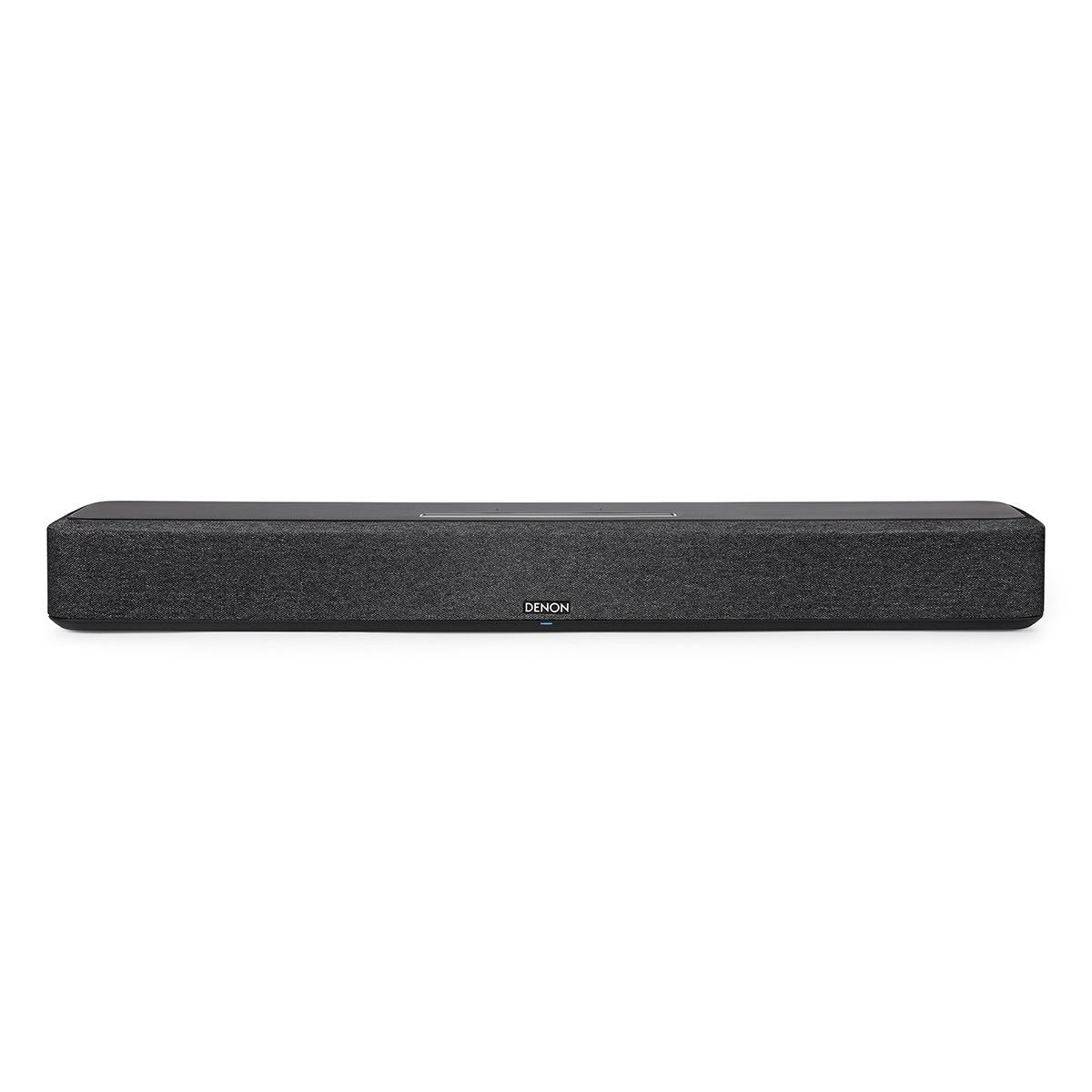
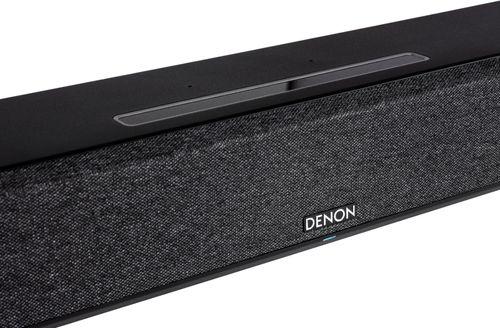
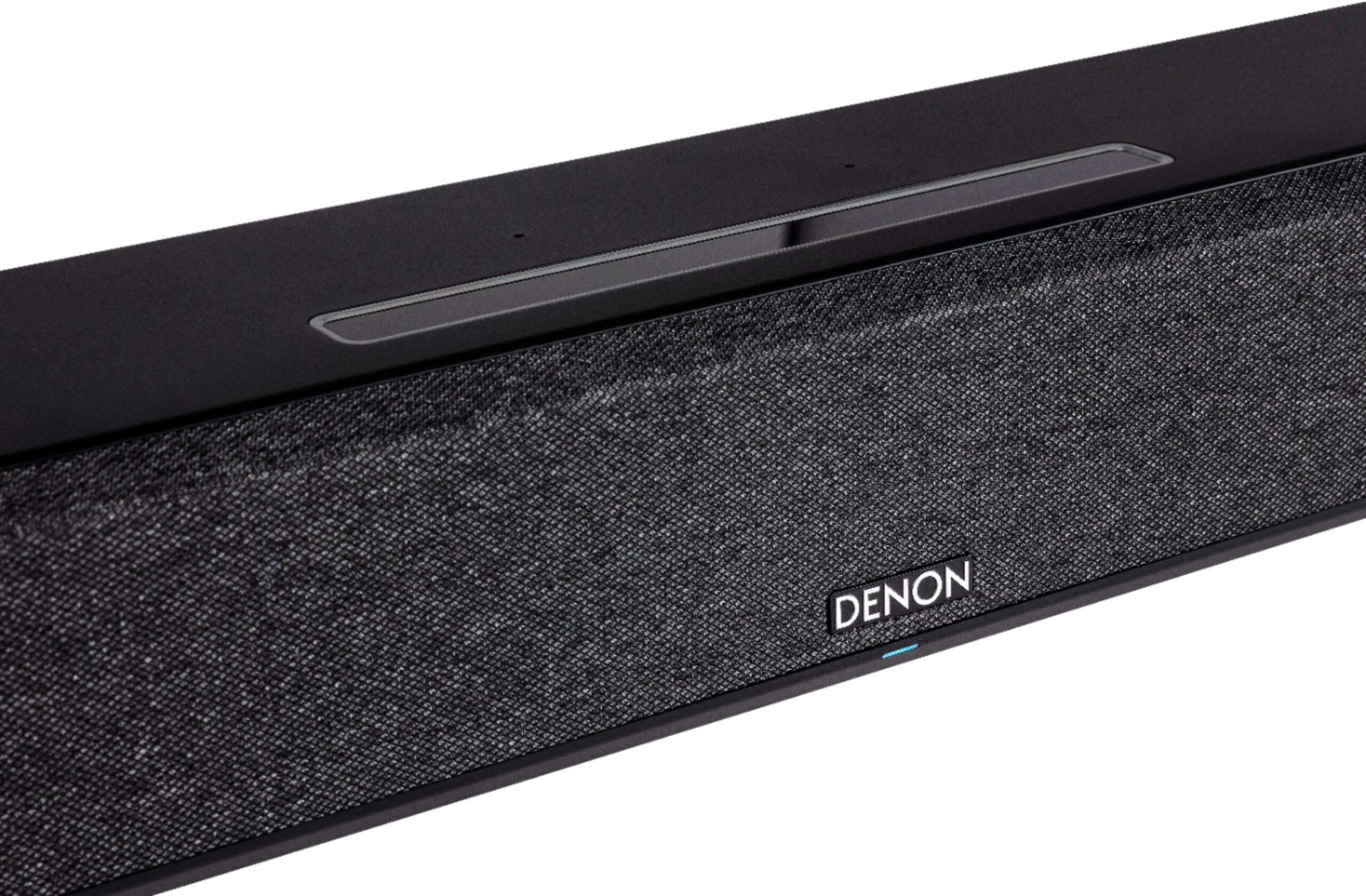
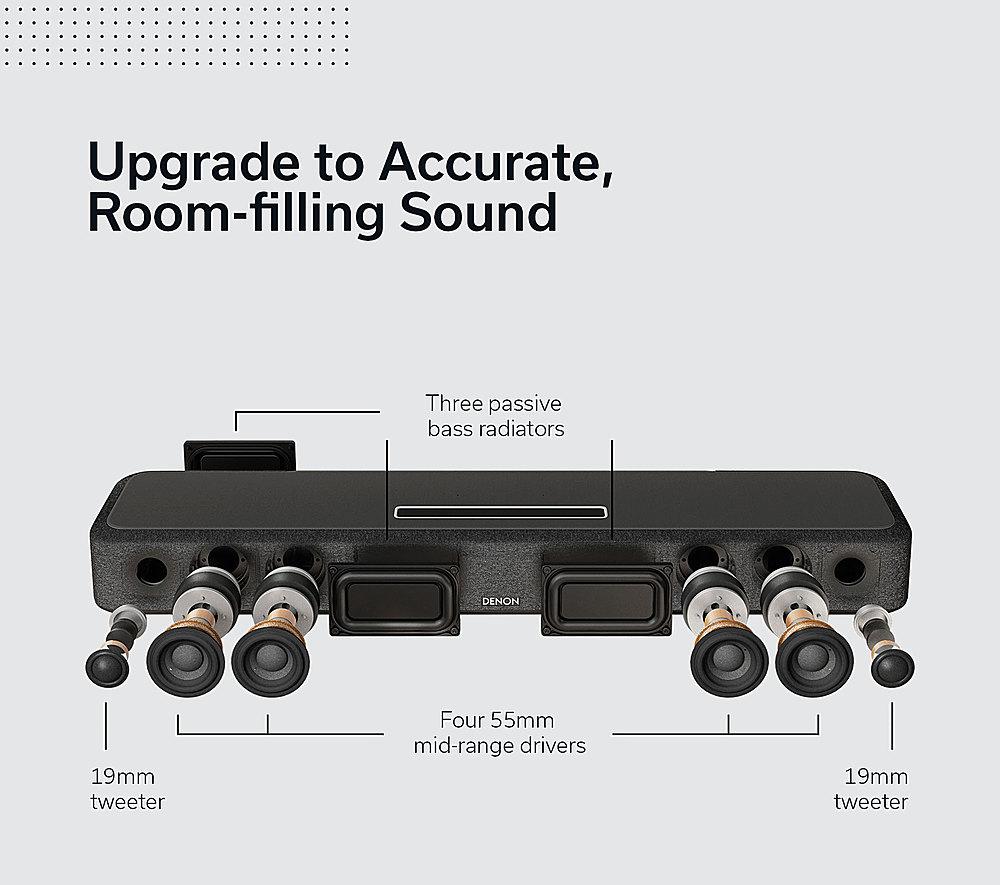
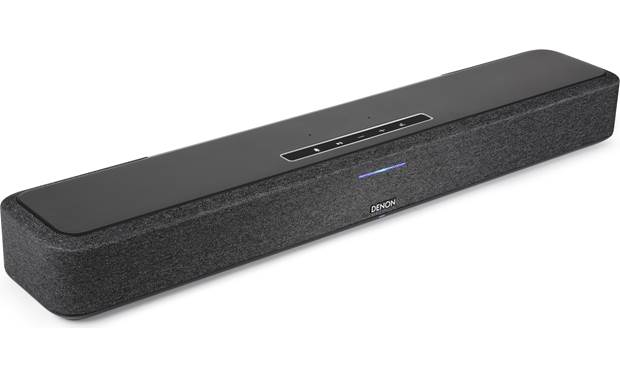
The Denon Home Sound Bar 550 takes a more sophisticated approach. Its 4.0-channel configuration uses six active drivers (four full-range drivers and two tweeters) plus three passive radiators. Passive radiators are essentially speakers without magnets—they move in response to internal air pressure changes, extending bass response without requiring additional power.
The Denon's total power output isn't specified, but its performance suggests around 200-250 watts. More importantly, this power is distributed more evenly across frequencies. The result is cleaner, more controlled bass that integrates seamlessly with midrange and treble. In my testing, the Denon maintained clarity even at high volumes, something the LG struggled with.
This is where the two products diverge most dramatically. The LG S40T uses traditional stereo processing with some basic DSP to widen the soundstage. It supports Dolby Digital and DTS Digital—compressed surround formats that have been standard for decades. While adequate for most TV content, these formats lack the sophistication of modern object-based audio.
The Denon supports full Dolby Atmos and DTS:X processing. These aren't just marketing buzzwords—they represent a fundamental shift in how audio is encoded and reproduced. Traditional surround sound assigns audio to specific channels (front left, center, etc.). Object-based audio treats sounds as "objects" that can be positioned anywhere in three-dimensional space, including overhead.
The Denon's Dolby Height Virtualization creates convincing overhead effects without physical ceiling speakers. During my testing with "Blade Runner 2049," the Denon successfully placed flying vehicles above the listening position—an effect the LG simply cannot reproduce. This isn't just impressive for movies; many streaming music services now offer Atmos-encoded content that benefits from this processing.
Both soundbars address dialogue clarity, but through different methods. The LG S40T uses Clear Voice Plus technology, which applies AI-driven processing to isolate and boost vocal frequencies. This works well for most content, but I noticed it can create an artificial quality—voices sometimes sound detached from the rest of the audio mix.
The Denon achieves dialogue clarity through superior frequency balance rather than artificial enhancement. Its two dedicated tweeters handle high frequencies with precision, while the midrange drivers maintain natural vocal reproduction. The result sounds more realistic, though it may not cut through very noisy content as aggressively as the LG's processing.
Here's where the philosophical differences become most apparent. The LG S40T excels with bass-heavy genres—electronic music, hip-hop, and rock benefit from the subwoofer's impact. However, acoustic music reveals limitations. Jazz recordings can sound muddy, with the subwoofer overwhelming delicate details. String instruments lose their natural resonance, and complex orchestral pieces become congested.
The Denon shines across all musical genres. Its balanced frequency response and superior driver quality reproduce acoustic instruments with remarkable accuracy for a soundbar. The passive radiators provide adequate bass extension without the overhang that plagues many ported designs. High-resolution audio support (up to 192kHz/24-bit) means the Denon can take full advantage of premium streaming services and high-quality source material.
During extended music listening sessions, the Denon's refinement becomes increasingly apparent. Fatigue—that uncomfortable feeling after prolonged listening—is significantly reduced compared to the LG.
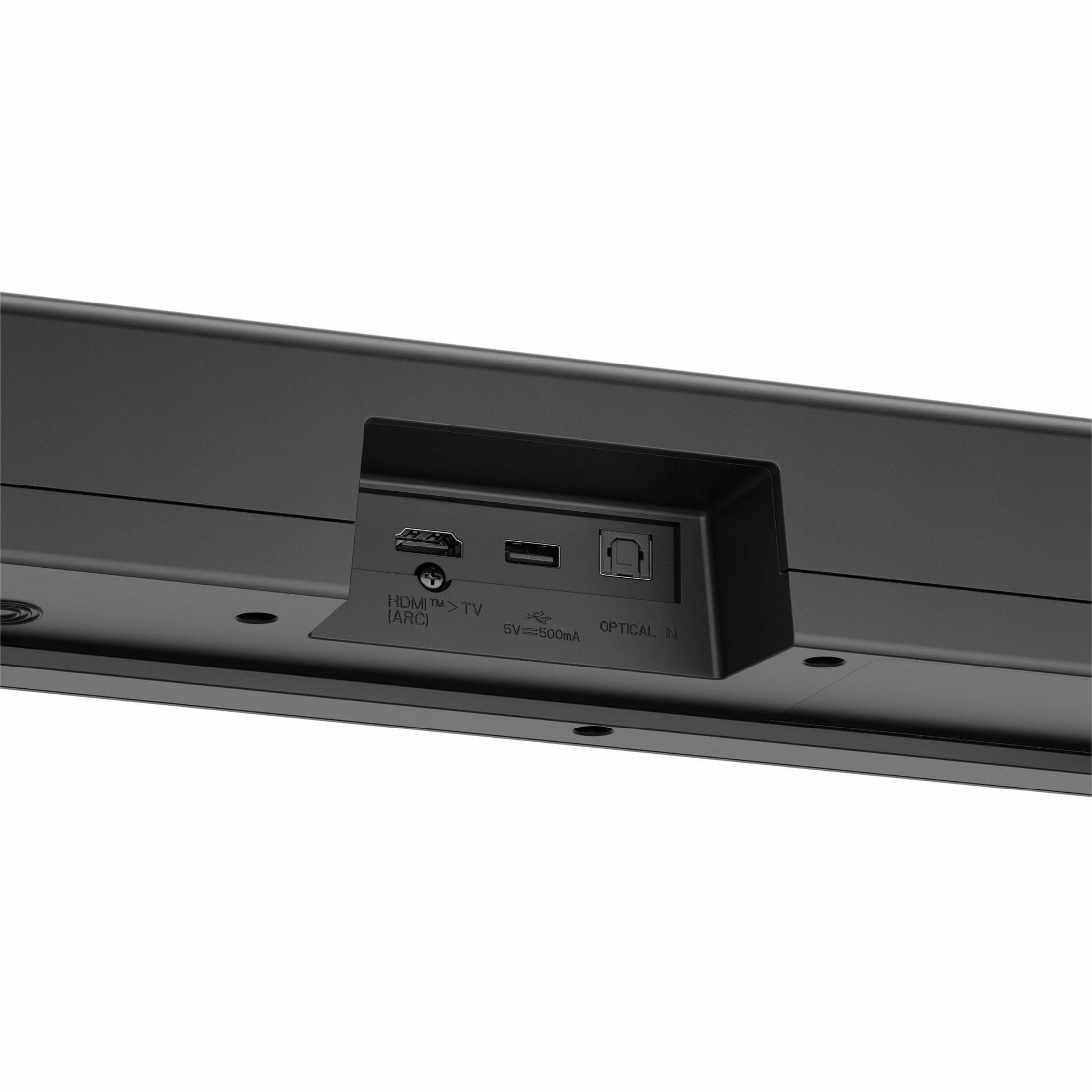
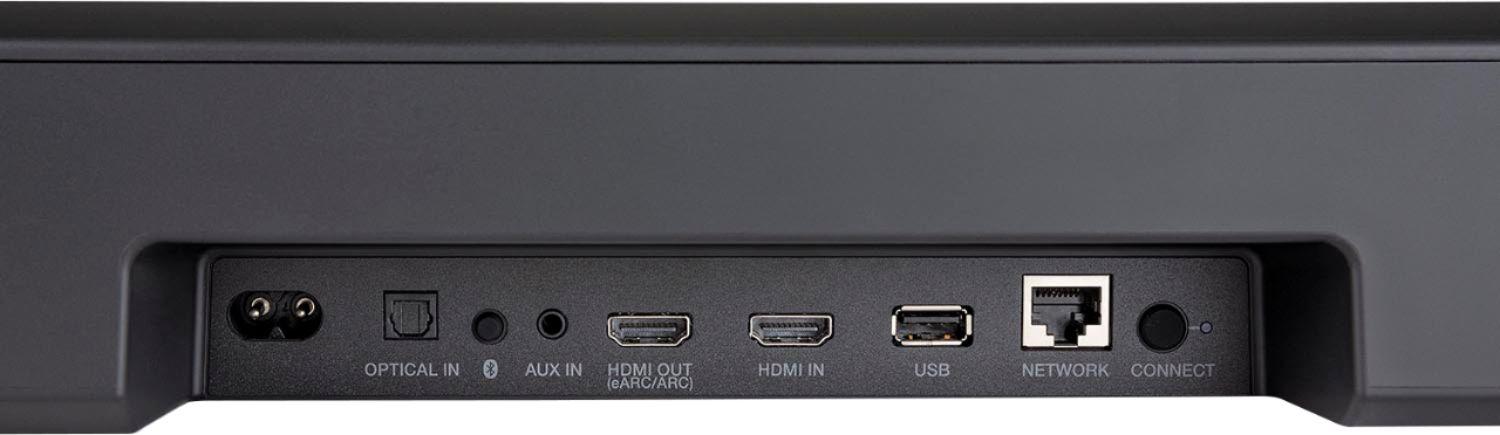
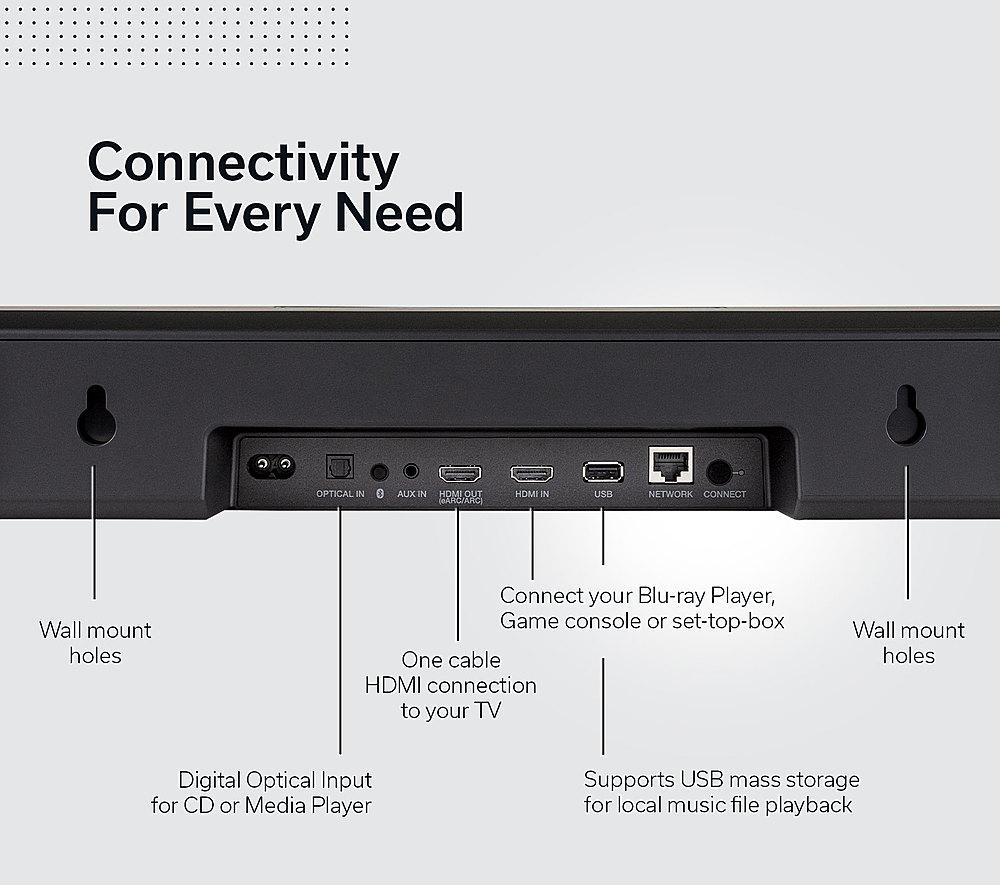
Both soundbars include essential connectivity: HDMI ARC (Audio Return Channel, which allows your TV to send audio back to the soundbar through the same HDMI cable), optical digital input, and Bluetooth streaming. However, their approaches to smart features differ substantially.
The LG S40T keeps things simple with Bluetooth 5.3 for wireless streaming and a USB-A input for direct playback. Its WOW Interface allows control through compatible LG TV remotes—a convenience feature that eliminates remote juggling. Setup is genuinely plug-and-play; most users will have it running within minutes.
The Denon embraces complexity with potential rewards. Its HDMI eARC (enhanced Audio Return Channel) support enables lossless audio transmission from compatible TVs and players. The HEOS platform transforms the soundbar into part of a whole-home audio ecosystem. You can group it with other HEOS speakers, stream different music to different rooms, or create a synchronized multi-room experience.
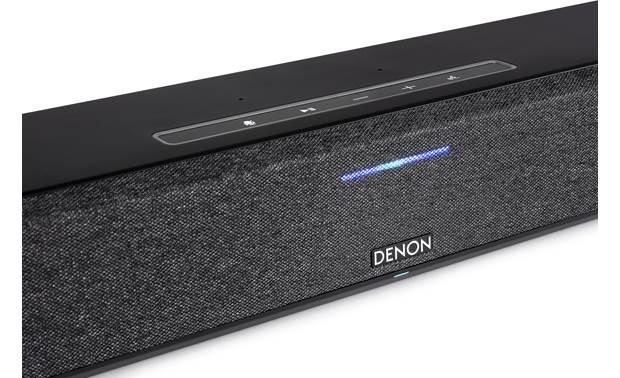
Built-in Amazon Alexa adds voice control functionality. During testing, I found the voice recognition reliable for basic functions like volume control and music playback, though complex commands sometimes required repetition.
The LG S40T is essentially a complete system. What you buy is what you get—there's no official path for adding rear speakers or upgrading components. This simplicity appeals to users who want a one-time purchase that improves their TV audio without ongoing complexity.
The Denon is designed for growth. Compatible with Denon's Home Sub wireless subwoofer and Home 150 wireless rear speakers, it can evolve into a full 5.1 system over time. This modular approach means you can start with the soundbar and add components as budget allows or needs change.
From a technology standpoint, the Denon's Atmos support and high-resolution audio capabilities provide better future-proofing. As more content becomes available in these formats, the Denon will take advantage while the LG remains limited to current capabilities.
Room size significantly impacts soundbar performance. In smaller spaces (under 200 square feet), the LG S40T's subwoofer can overwhelm, creating bass buildup and muddying the overall presentation. The bass port is rear-facing, requiring careful placement to avoid wall interactions that exaggerate low frequencies.
The Denon adapts better to various room sizes. Its controlled bass response prevents the boom-and-bust cycle common with ported subwoofers in small rooms. However, very large spaces may expose its lack of deep bass extension—at higher volumes, the absence of a dedicated subwoofer becomes noticeable.
For dedicated home theater use, consider your content preferences. The LG excels with action movies where bass impact matters more than subtlety. Horror films benefit from its ability to create startling low-frequency effects. The Denon provides more balanced presentation suitable for all genres, with particular strength in dialogue-heavy dramas and complex soundtracks.
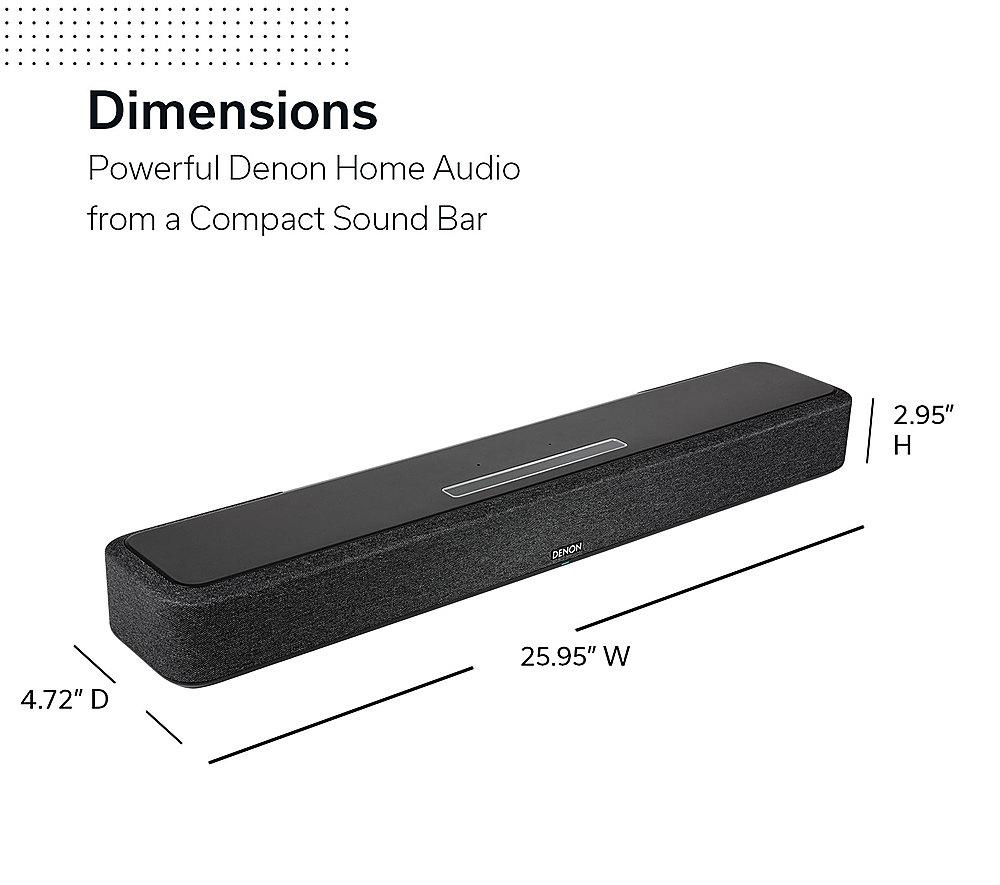
Both soundbars support wall mounting, though the LG's separate subwoofer provides more placement flexibility. The subwoofer can be positioned for optimal bass response regardless of the soundbar's location.
The LG S40T delivers exceptional immediate value. At $156, it provides substantial audio improvement over TV speakers with genuine bass impact that many users crave. Setup is effortless, operation is intuitive, and the wireless subwoofer eliminates cable runs—significant advantages for non-technical users.
However, consider long-term satisfaction. The LG's limitations may become more apparent over time as you encounter content that reveals its processing artifacts or frequency imbalances. Its lack of expandability means any future upgrades require complete replacement.
The Denon requires greater initial investment but provides more sophisticated technology and growth potential. Its superior dialogue clarity, immersive surround processing, and expandability justify the premium for users who prioritize audio quality and long-term value. The HEOS ecosystem adds functionality that extends beyond basic TV audio improvement.
Choose the LG S40T if you prioritize immediate impact and value simplicity. It's perfect for users who primarily watch action movies, have smaller budgets, or prefer straightforward operation without complex features. The dedicated subwoofer provides bass satisfaction that many higher-priced soundbars without subs cannot match.
The Denon Home Sound Bar 550 suits users who value audio refinement and technological sophistication. If you regularly stream music, watch dialogue-heavy content, or plan to build a larger audio system over time, its capabilities justify the investment. The Atmos processing alone provides experiences that traditional soundbars simply cannot deliver.
Consider your room size, content preferences, and future plans. Both products excel in their intended roles—the key is matching those roles to your specific needs and expectations. Neither choice is wrong, but one will likely serve your particular situation significantly better than the other.
| LG S40T 2.1 Channel Soundbar | Denon Home Sound Bar 550 Soundbar |
|---|---|
| Price - Budget vs premium positioning | |
| $156 (exceptional value for bass impact) | $519 (premium price for advanced features) |
| Audio Configuration - Affects bass response and expandability | |
| 2.1 channels with dedicated wireless subwoofer | 4.0 channels with passive radiators (no subwoofer) |
| Total Power Output - Determines volume capability and impact | |
| 300W (100W soundbar + 200W subwoofer) | ~200-250W estimated (more evenly distributed) |
| Surround Sound Support - Critical for immersive movie experience | |
| Dolby Digital, DTS Digital (basic formats) | Dolby Atmos, DTS:X (object-based 3D audio) |
| Dialogue Enhancement - Important for clear speech | |
| Clear Voice Plus with AI vocal isolation | Natural clarity through balanced drivers |
| Smart Features - Convenience and future-proofing | |
| Basic Bluetooth 5.3, WOW Interface for LG TVs | Amazon Alexa, HEOS multiroom, advanced app control |
| Expandability - Ability to grow your system | |
| None (complete system as-is) | Compatible with wireless subwoofer and rear speakers |
| High-Resolution Audio - Music quality for streaming | |
| Standard audio processing | Up to 192kHz/24-bit support |
| Room Size Suitability - Where each performs best | |
| Small to medium rooms (subwoofer can overwhelm) | Adaptable to various room sizes |
| Setup Complexity - Time and technical skill required | |
| Plug-and-play simplicity | Moderate complexity with advanced features |
| Best Use Case - Who should buy each product | |
| Action movie fans wanting immediate bass impact | Audio enthusiasts seeking balanced, expandable system |
The LG S40T 2.1 Channel Soundbar at $156 provides exceptional value for budget-conscious buyers, delivering powerful bass through its dedicated wireless subwoofer. The Denon Home Sound Bar 550 at $519 offers premium features like Dolby Atmos and expandability, justifying its higher price for audio enthusiasts seeking long-term satisfaction.
The primary difference is their approach to audio: the LG S40T uses a traditional 2.1-channel setup with a separate subwoofer for strong bass impact, while the Denon Home Sound Bar 550 employs advanced 4.0-channel processing with virtual Dolby Atmos for immersive surround sound without a physical subwoofer.
For action movies requiring strong bass, the LG S40T excels with its dedicated 200W subwoofer. However, the Denon Home Sound Bar 550 provides superior overall home theater experience with Dolby Atmos support, creating convincing overhead effects and better dialogue clarity for all movie genres.
You need the Denon Home Sound Bar 550 if you value immersive surround sound, plan to expand your system, or frequently listen to music. The LG S40T is sufficient if you primarily want better TV audio with strong bass at a budget-friendly price.
The Denon Home Sound Bar 550 adapts better to small rooms with its controlled bass response and balanced output. The LG S40T's powerful subwoofer can overwhelm smaller spaces, though bass levels can be adjusted to compensate.
The Denon Home Sound Bar 550 can be expanded with compatible wireless subwoofers and rear speakers to create a full surround system. The LG S40T cannot be expanded and functions as a complete 2.1 system only.
Both handle dialogue well but differently. The LG S40T uses Clear Voice Plus AI technology to boost vocals, while the Denon Home Sound Bar 550 achieves natural dialogue clarity through superior driver balance and frequency response.
The Denon Home Sound Bar 550 excels at music reproduction with balanced frequency response, high-resolution audio support, and natural instrument reproduction. The LG S40T works well for bass-heavy genres but may overwhelm acoustic and classical music.
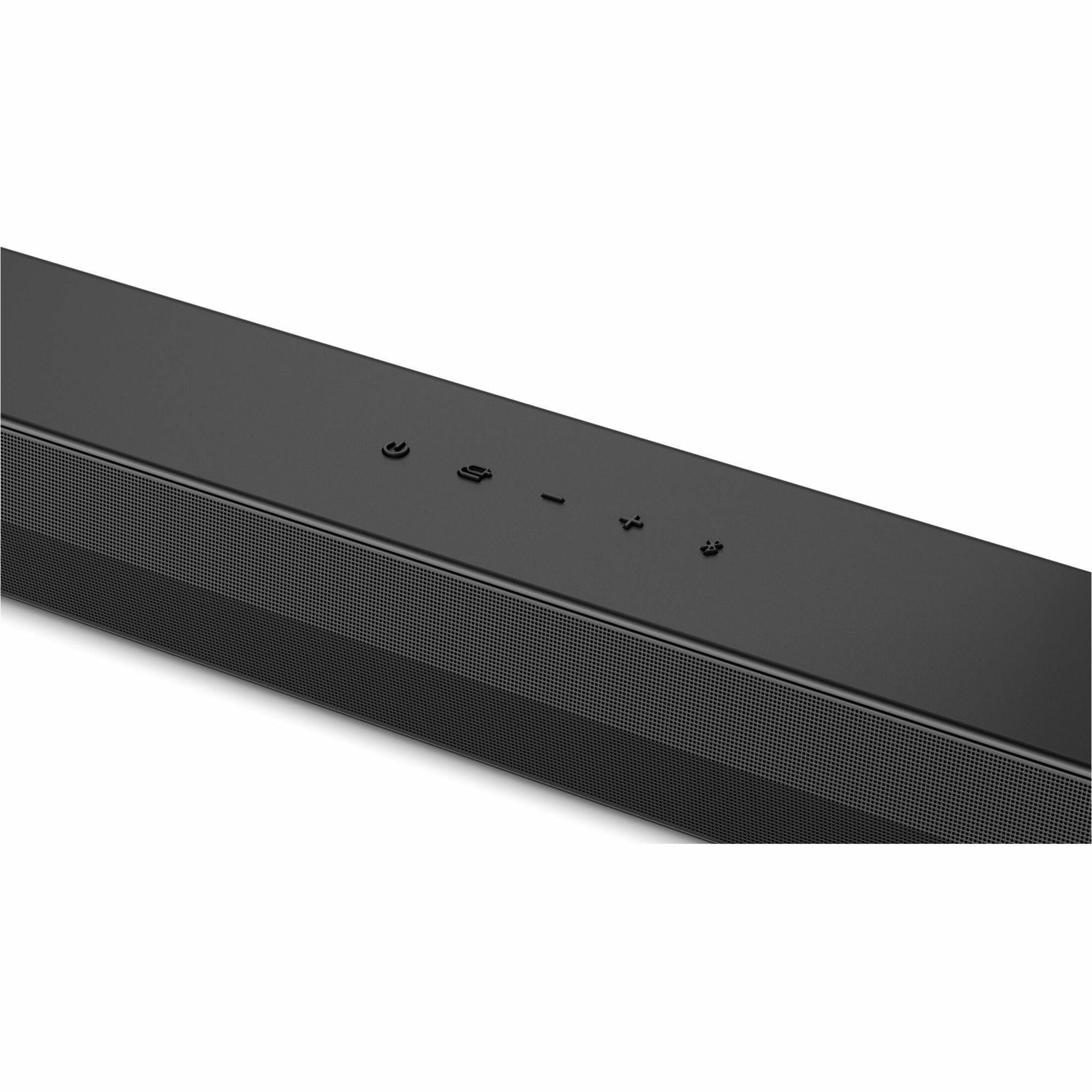
The LG S40T offers plug-and-play simplicity with automatic subwoofer pairing and basic controls. The Denon Home Sound Bar 550 requires moderate setup complexity for optimal performance, including app configuration and room optimization features.
The Denon Home Sound Bar 550 provides better future-proofing with Dolby Atmos support, high-resolution audio capabilities, and expandability options. The LG S40T is limited to current features with no upgrade path available.
Choose the LG S40T for your first soundbar if you want immediate audio improvement with strong bass at an affordable price. Select the Denon Home Sound Bar 550 if you're willing to invest more for advanced features and plan to build a comprehensive audio system over time.
We've done our best to create useful and informative comparisons to help you decide what product to buy. Our research uses advanced automated methods to create this comparison and perfection is not possible - please contact us for corrections or questions. These are the sites we've researched in the creation of this article: bestbuy.com - bestbuy.com - rtings.com - pcrichard.com - lg.com - lg.com - lg.com - lg.com - microcenter.com - flanners.com - bestbuy.com - microcenter.com - consumerreports.org - soundandvision.com - crutchfield.com - rtings.com - crutchfield.com - gzhls.at - denon.com - walmart.com - youtube.com - whathifi.com - bestbuy.com

Privacy Policy
Terms and Conditions - Affiliate Policy
Home Security
© Copyright 2008-2026.
11816 Inwood Rd #1211, Dallas, TX 75244