

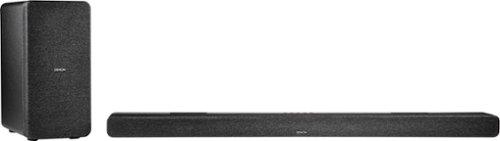
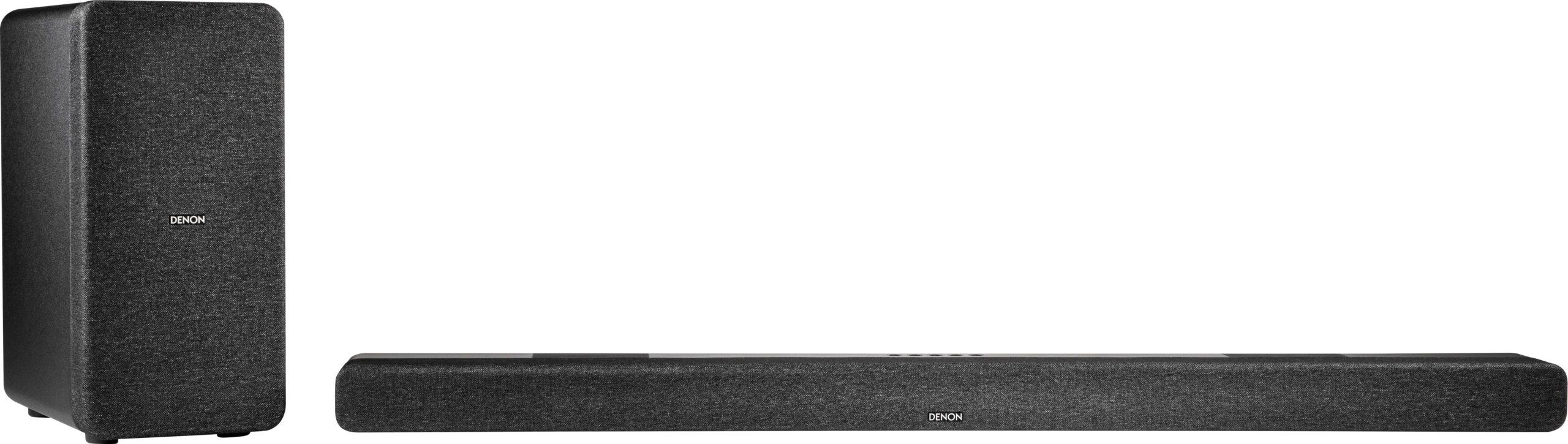
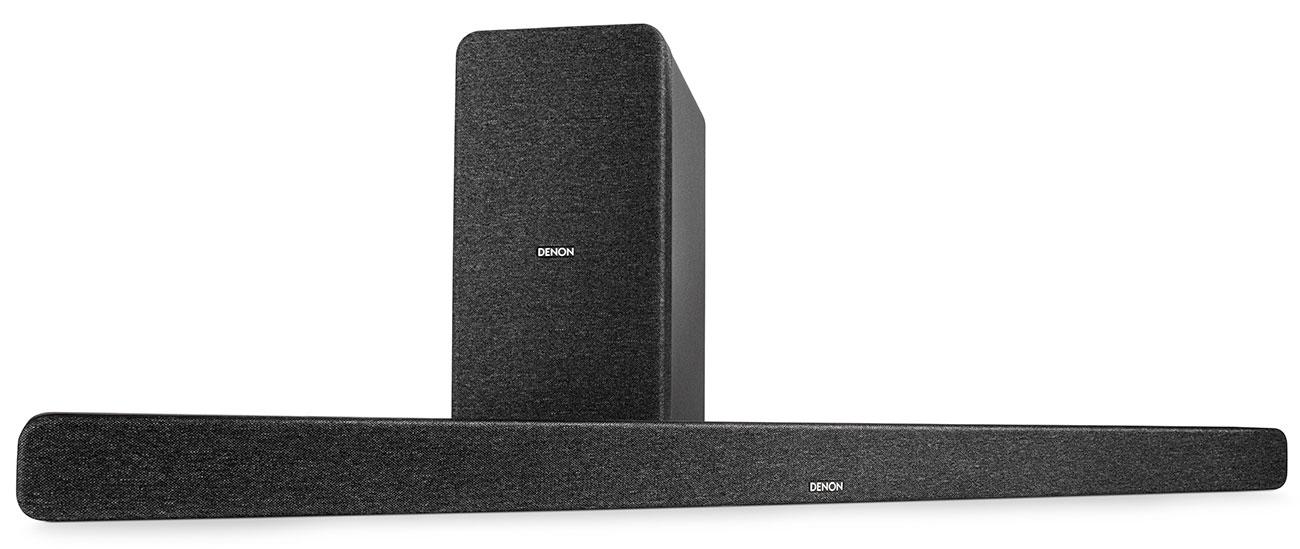
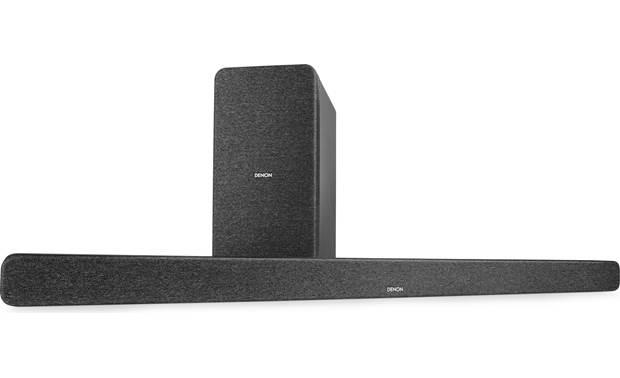
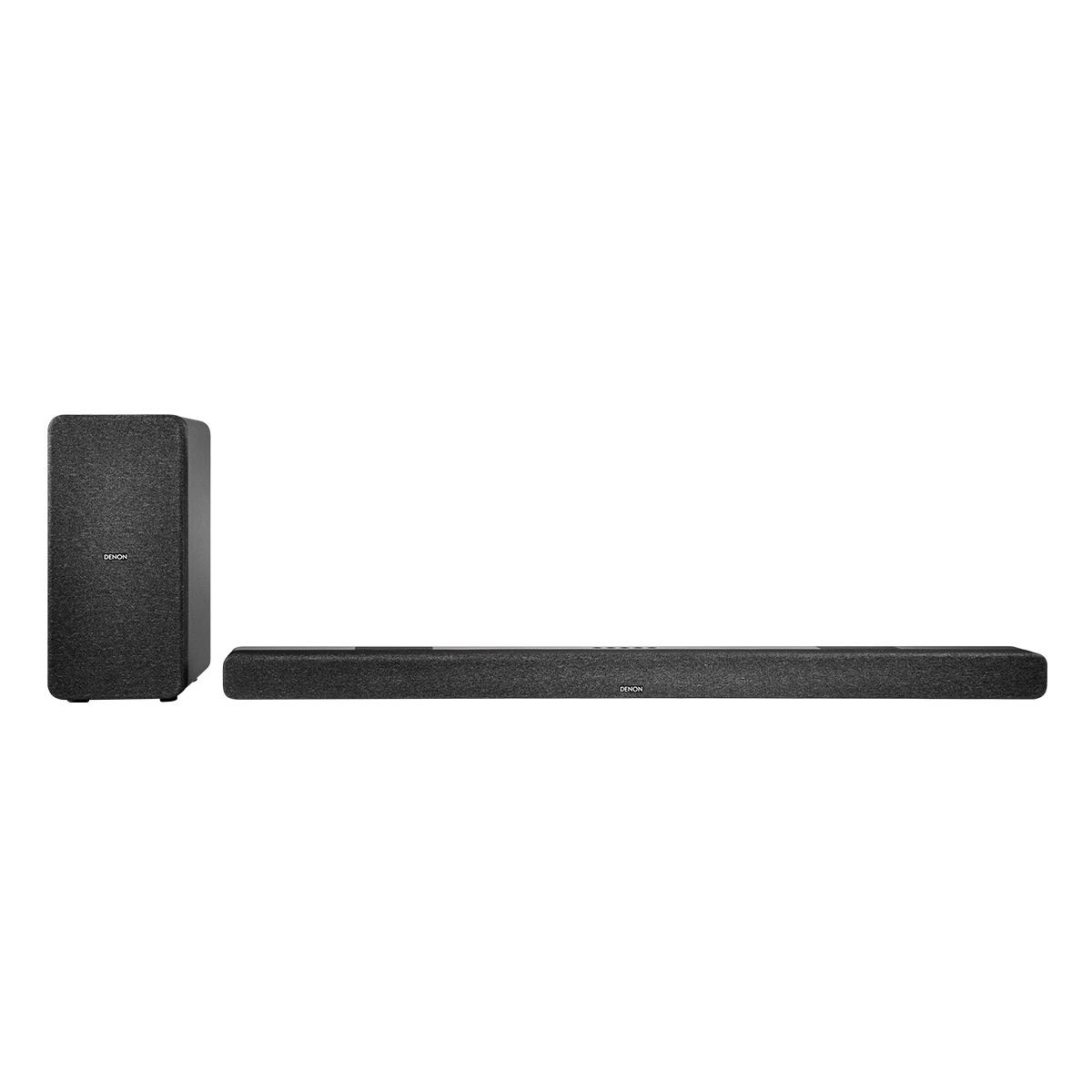
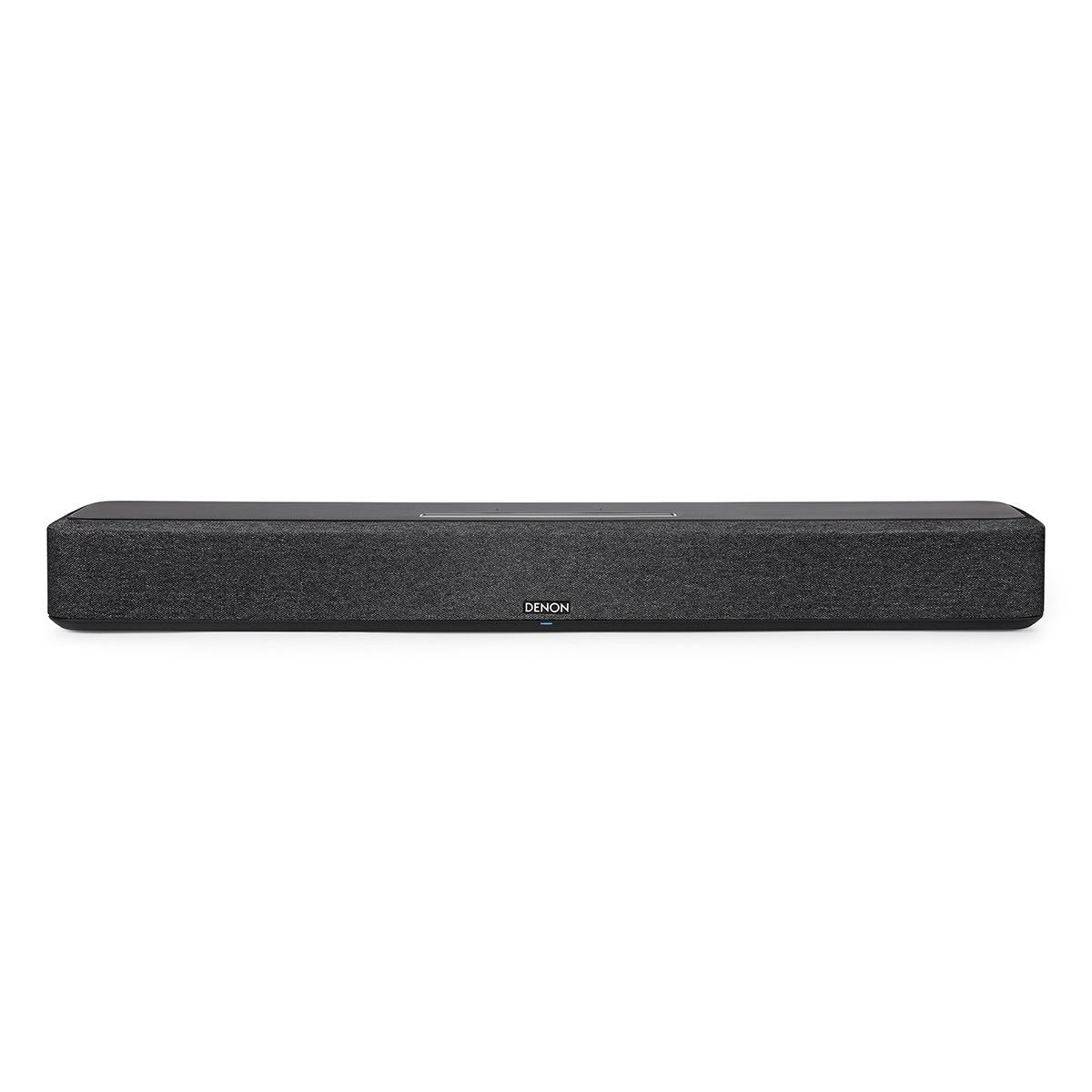

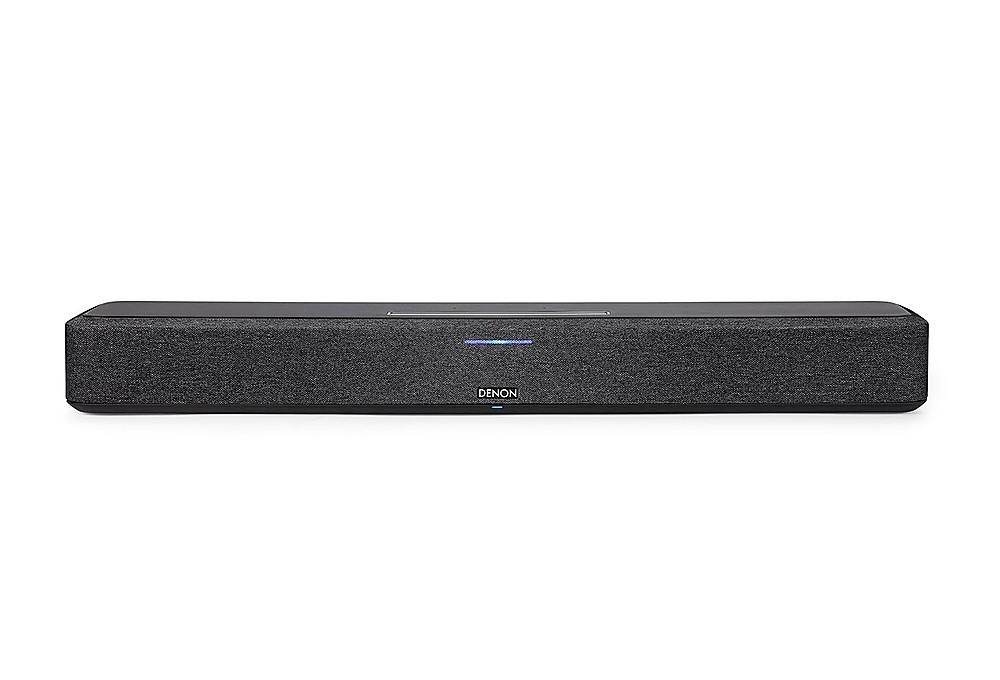
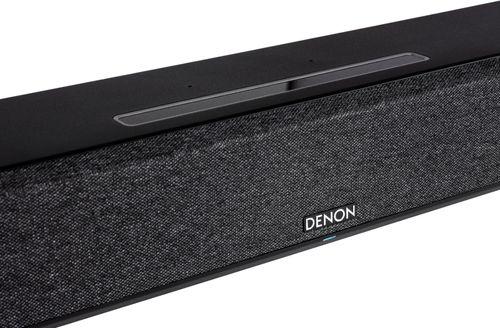
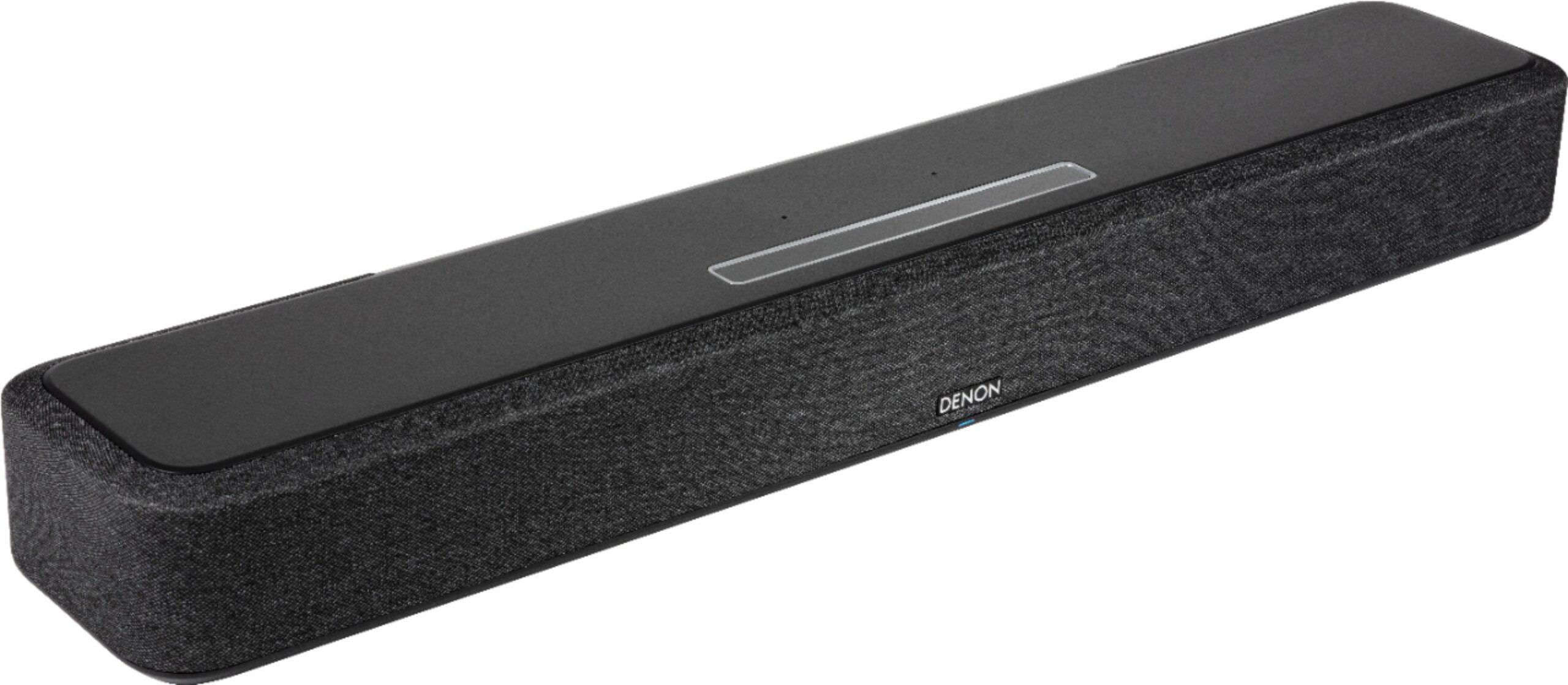
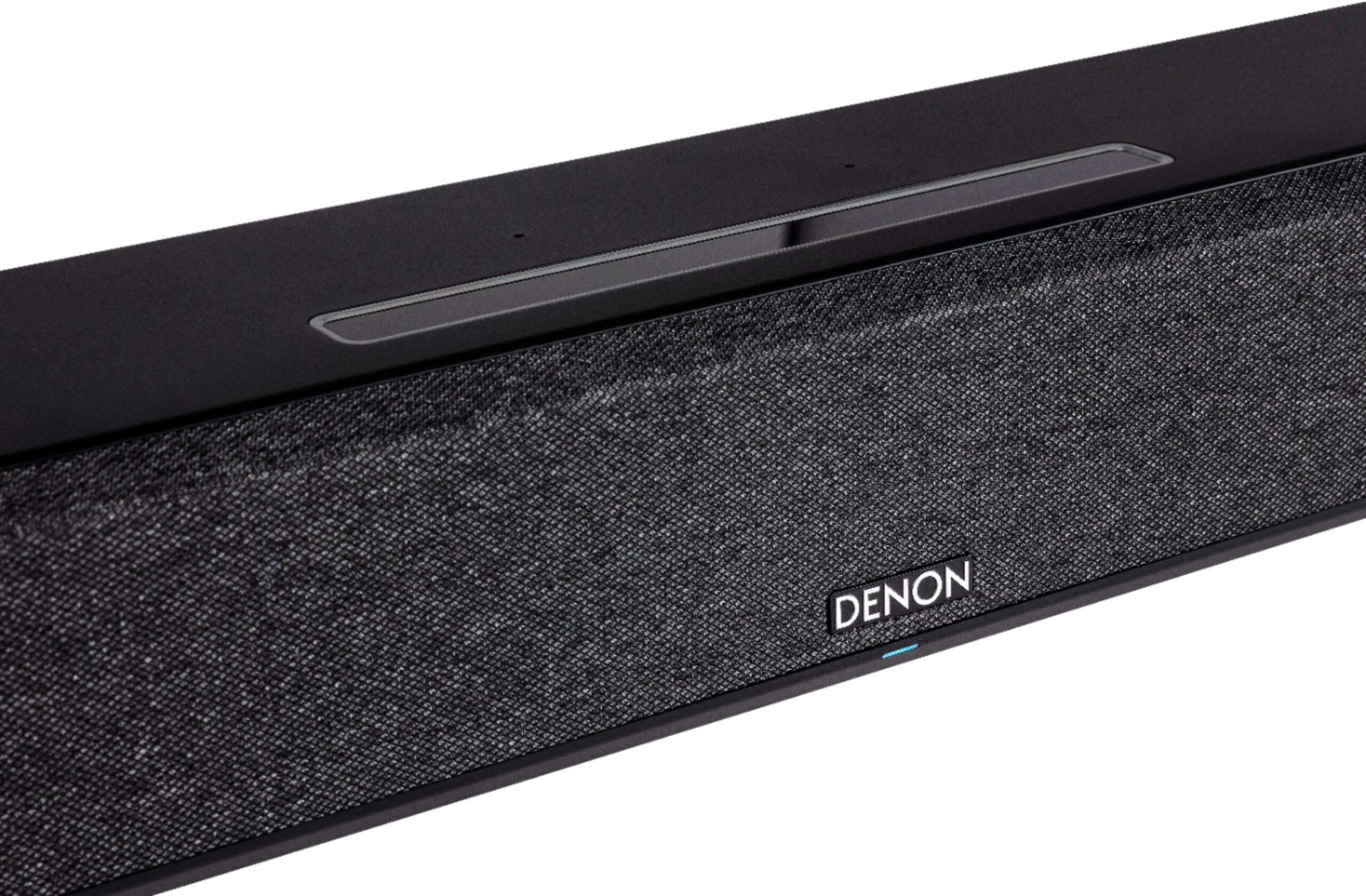


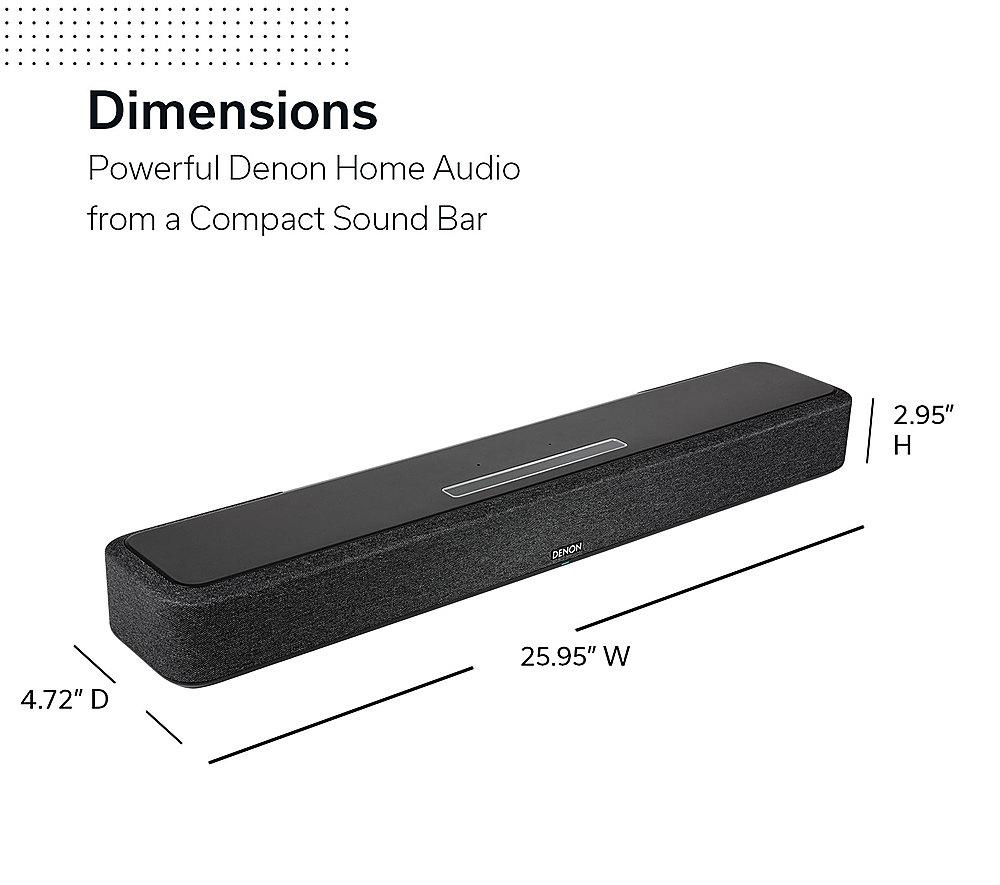
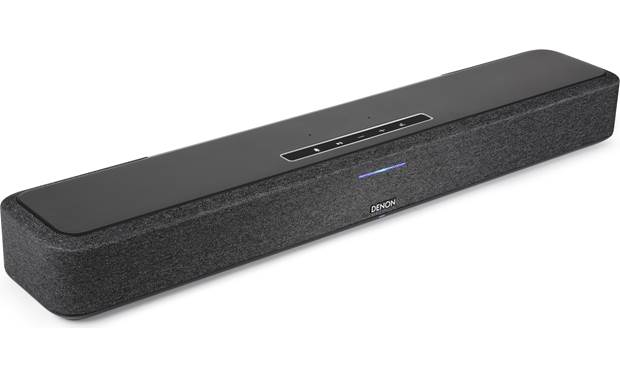
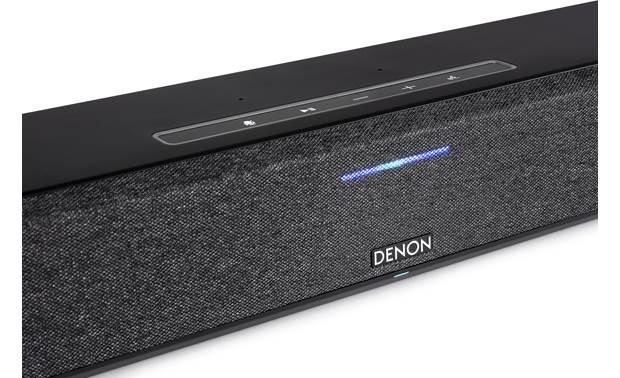
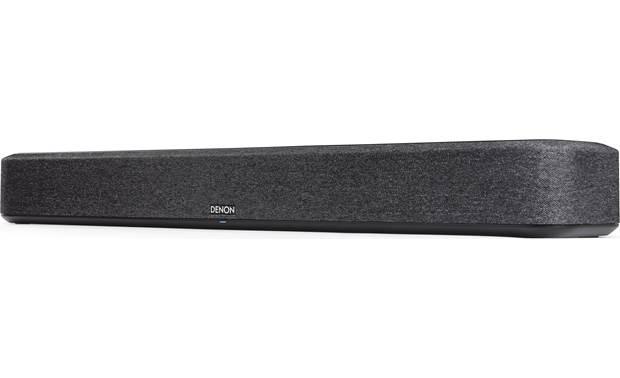
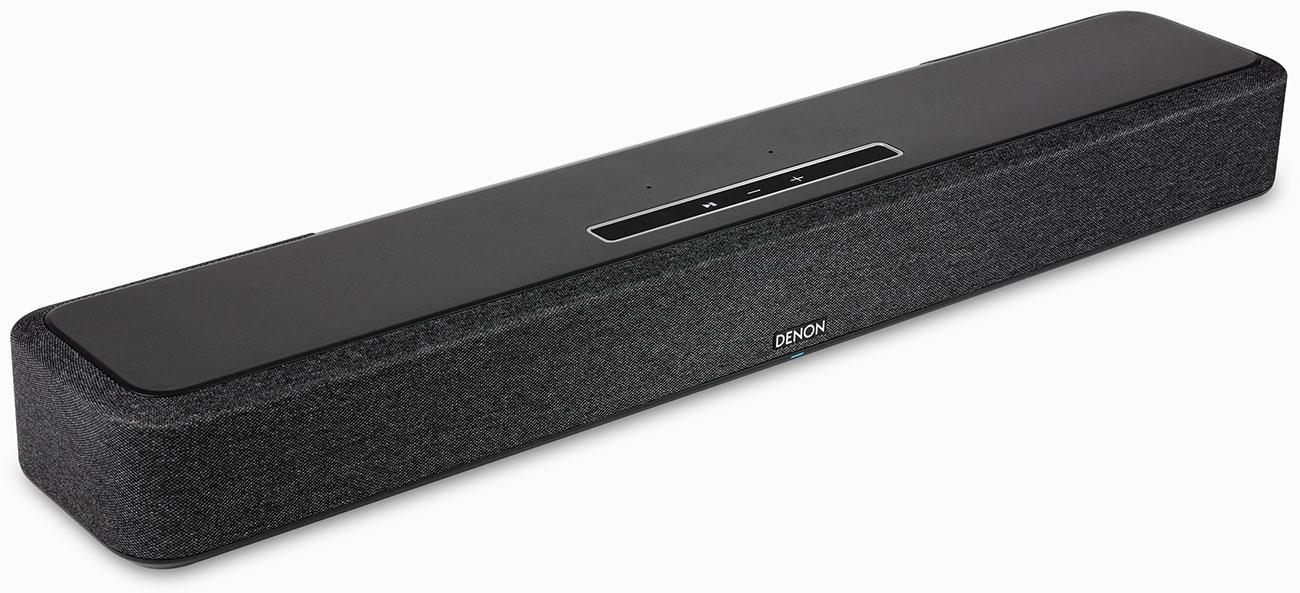
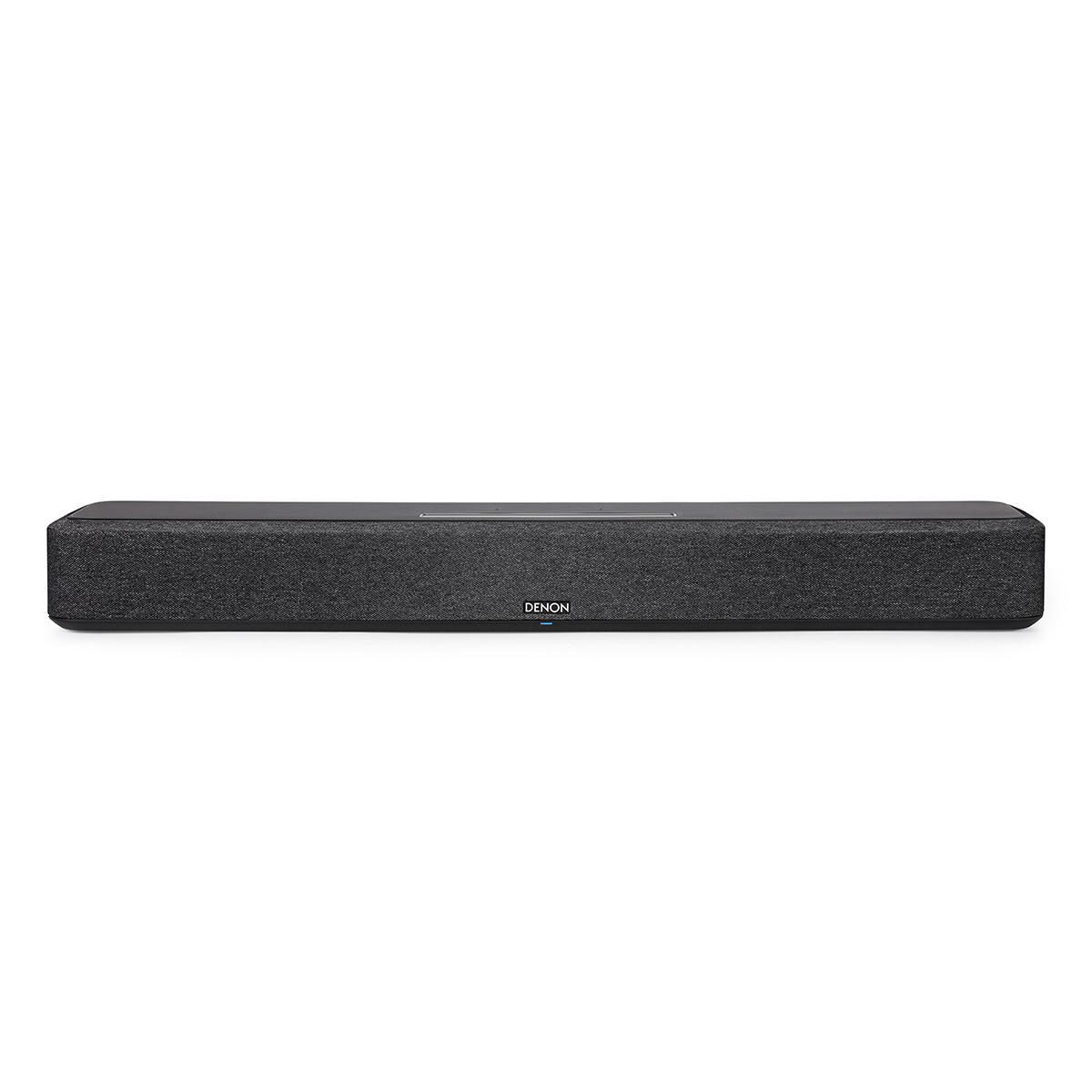
When you're trying to improve your TV's sound, the world of soundbars can feel overwhelming. Two models from Denon – the DHT-S517 ($302) and the Home Sound Bar 550 ($519) – represent very different approaches to solving the same problem. After spending time with both, I can tell you they're aimed at completely different types of users, despite being from the same brand.
Before diving into these specific models, it's worth understanding what soundbars have become. They've evolved far beyond simple TV audio upgrades into sophisticated home theater systems that can fill your room with immersive sound. The key factors that separate good soundbars from great ones include their ability to create realistic surround sound, deliver clear dialogue (especially important as movie mixing has gotten more dynamic and sometimes harder to understand), and provide enough bass to make action scenes feel impactful.
Modern soundbars also need to handle the streaming-first world we live in. Most of us are watching Netflix, Disney+, or listening to Spotify more than traditional broadcast TV. This has pushed manufacturers to include Wi-Fi connectivity, voice assistants, and multi-room audio features that weren't even considered five years ago.
The DHT-S517 launched in mid-2022 during a period when Denon was focusing on delivering high-end audio features at more accessible price points. The timing was perfect – people had upgraded their TVs during the pandemic and were looking for audio to match. The Home Sound Bar 550, while from a similar era, represents Denon's push into the smart home ecosystem with their HEOS platform, which has been steadily improved since its introduction.
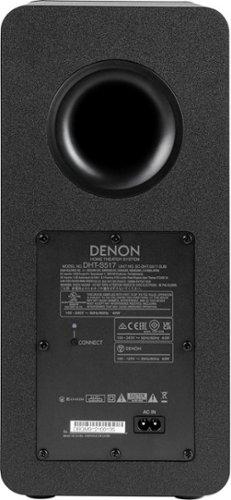
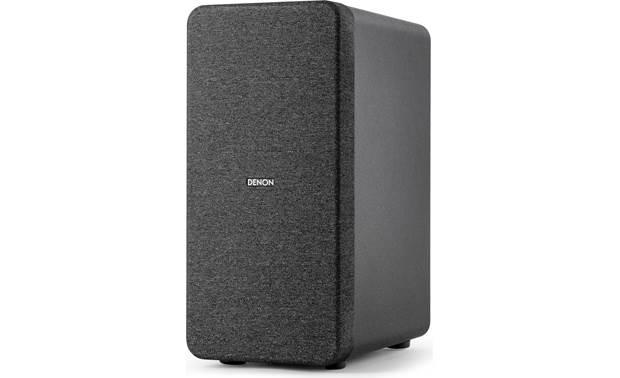
The most significant difference between these soundbars isn't subtle – it's the DHT-S517's included wireless subwoofer. This isn't just a nice-to-have feature; it fundamentally changes what the soundbar can do. The dedicated 5.25-inch driver powered by a 100-watt amplifier can reproduce frequencies down to around 40Hz, which means you'll actually feel the rumble of explosions, the thump of a car chase, or the low-end punch in your favorite songs.
I've tested both systems with the opening sequence of Blade Runner 2049, where the low-frequency effects are crucial to the film's impact. The DHT-S517 delivers that chest-thumping bass that makes the scene feel cinematic, while the Home Sound Bar 550 – despite its impressive engineering – simply can't match that physical impact with its internal passive radiators.
The wireless aspect of the DHT-S517's subwoofer is more important than it might seem. You can place it anywhere within about 30 feet of the soundbar, which means you can tuck it beside your couch, under a side table, or even behind furniture. This flexibility lets you optimize the bass response for your specific room without dealing with cables.
Both soundbars support Dolby Atmos, but they achieve it in completely different ways. Dolby Atmos is an audio format that treats sounds as objects that can be placed anywhere in a three-dimensional space around you, including overhead. It's what makes helicopters seem to fly over your head or rain sound like it's falling from the ceiling.
The DHT-S517 uses what's called a "true" Atmos implementation with physical upward-firing speakers. These are actual drivers that fire sound toward your ceiling, which then reflects down to create height effects. When configured properly, this creates genuinely convincing overhead audio that can make you instinctively duck when something flies over in a movie.
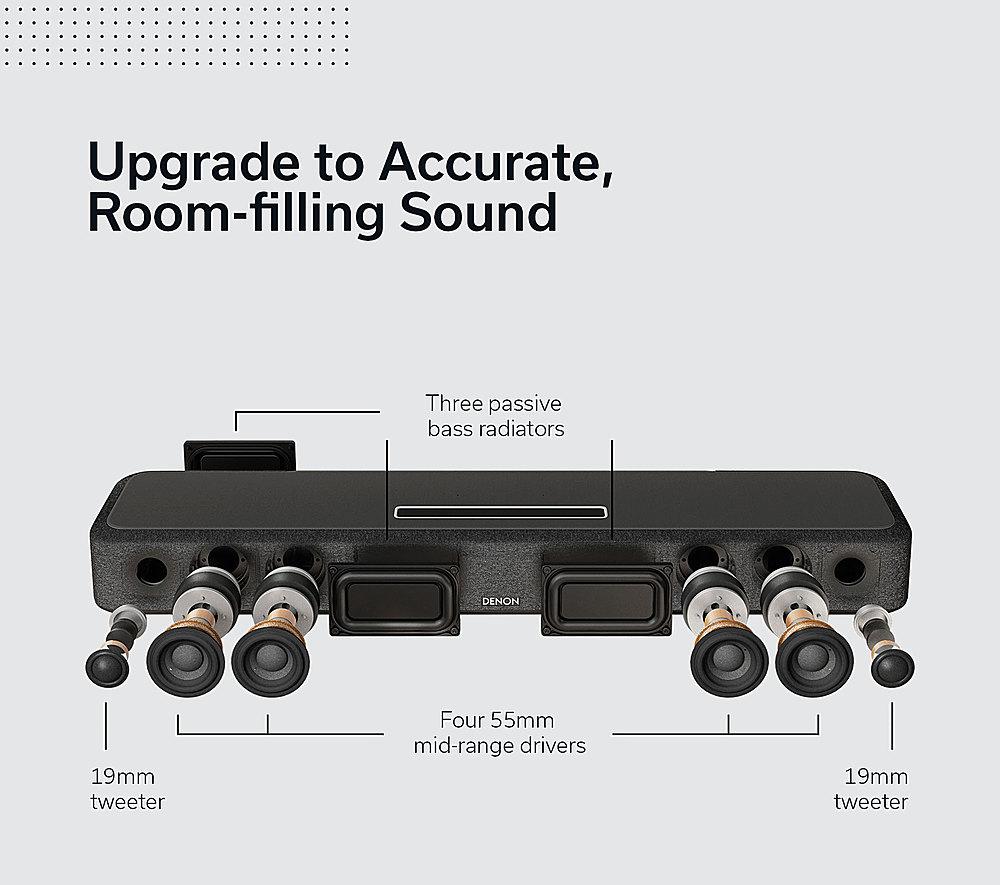
The Home Sound Bar 550 uses virtualized Atmos processing instead. This is sophisticated digital signal processing that tricks your brain into perceiving height effects without physical height speakers. It's impressive technology – and it works – but it's not quite as convincing as physical drivers. The virtual processing creates a wider, more spacious soundstage that's particularly nice for music, but it can't match the precise overhead localization of actual height speakers for movies.
Both soundbars excel at dialogue clarity, but they approach it differently. The DHT-S517 includes a dedicated Dialogue Enhancer feature with three levels of adjustment. This technology isolates vocal frequencies and amplifies them without affecting the rest of the audio mix. It's particularly useful for movies with complex sound mixes where dialogue can get buried under music and effects.
The Home Sound Bar 550 achieves excellent dialogue clarity through its driver configuration. The dedicated center channel processing and premium 0.75-inch soft-dome tweeters deliver crisp, clear vocals naturally. While it doesn't have the DHT-S517's dedicated dialogue enhancement, the overall tuning prioritizes vocal intelligibility.
In my testing with dialogue-heavy content like The West Wing or Mad Men, both soundbars performed excellently, but the DHT-S517's adjustable dialogue enhancement gives you more control when dealing with particularly challenging content.
The Home Sound Bar 550 is built around Denon's HEOS (Home Entertainment Operating System) platform, which has matured significantly since its introduction. HEOS transforms the soundbar from a simple TV audio upgrade into part of a whole-home audio system. You can stream music directly from services like Spotify, Tidal, or Apple Music without needing to turn on your TV. The built-in Wi-Fi means you're not limited to Bluetooth's range or potential audio quality limitations.
More importantly, HEOS allows the soundbar to integrate with other HEOS-enabled speakers throughout your home. You could have the same song playing in your living room, kitchen, and bedroom, all synchronized perfectly. This multi-room capability has become increasingly valuable as our homes have become more connected.
The Amazon Alexa integration feels natural and responsive. You can ask it to play specific songs, adjust volume, or even control other smart home devices. Voice control for audio has become one of those features that seems optional until you use it regularly – then it becomes essential.
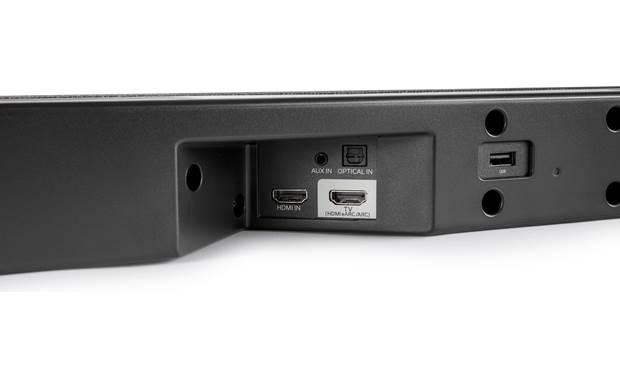
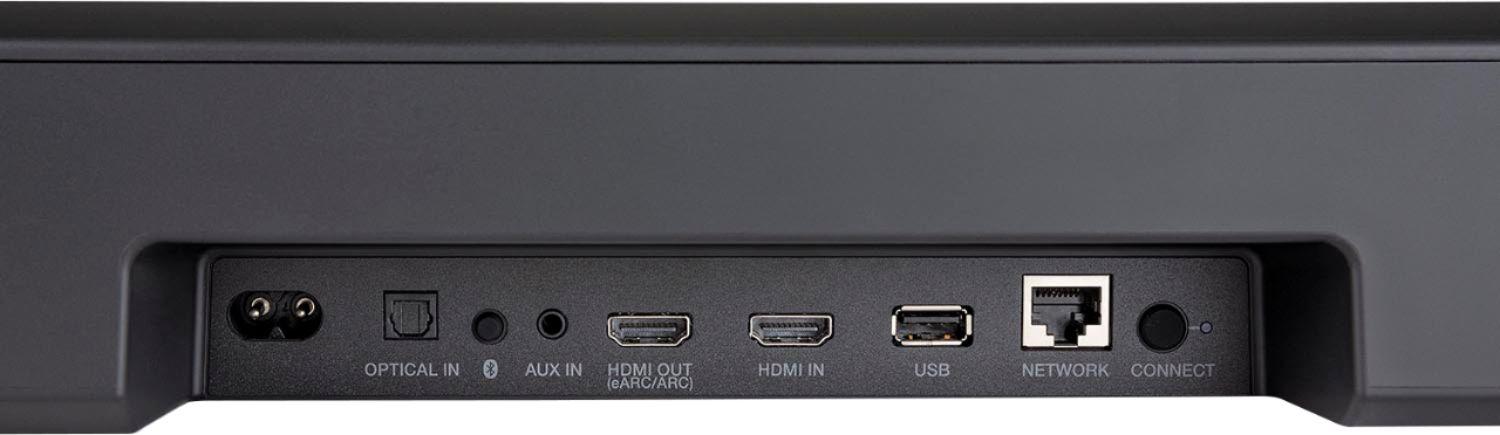
The DHT-S517 takes a more traditional approach to connectivity. It focuses on doing the core audio job exceptionally well rather than trying to be a smart home hub. The Bluetooth 5.0 connection is reliable for streaming music from your phone, and the HDMI eARC (enhanced Audio Return Channel) connection ensures seamless integration with your TV.
HDMI eARC is worth understanding because it's become the standard for high-quality soundbar connections. Unlike older ARC connections, eARC can handle high-bitrate audio formats like Dolby TrueHD and DTS-HD Master Audio – the same lossless formats you'd find on 4K Blu-rays. This means you're getting the full audio quality the content creators intended, not a compressed version.
At first glance, the $217 price difference between these soundbars might seem straightforward – you're paying more for smart features. But the reality is more complex. The DHT-S517 ($302) includes a wireless subwoofer that would typically cost $150-200 if purchased separately. From a pure hardware perspective, you're getting more physical components for less money.
The Home Sound Bar 550 ($519) commands its higher price through sophisticated processing, premium materials, and the extensive software development that makes the HEOS platform work. The wireless streaming capabilities, voice control integration, and multi-room audio features represent significant engineering investments that justify the cost for users who will actually use them.
The value equation extends beyond the initial purchase. The DHT-S517 is essentially complete out of the box. You're getting excellent movie audio immediately, and there's little reason to upgrade or expand the system for most users.
The Home Sound Bar 550 is more of a foundation that can grow with your needs. The HEOS platform receives regular software updates that add new features and streaming services. You can eventually add Denon's wireless subwoofer and rear speakers to create a full surround system. If you're building a smart home ecosystem, this expandability becomes valuable over time.
The DHT-S517 uses a seven-driver array that's specifically designed around its 3.1.2 channel configuration. The two 4.7" x 1.6" racetrack-shaped midrange drivers handle most of the frequency spectrum, while dedicated 1" tweeters ensure crisp high frequencies. The upward-firing 2.5" drivers for Atmos effects are positioned and angled precisely to maximize ceiling reflection efficiency.
The Home Sound Bar 550 takes a different approach with its 4.0 channel, six-driver system. The use of passive radiators instead of ported bass is particularly clever – it allows for deeper bass extension in a compact enclosure without the air noise that ports can sometimes create. The premium soft-dome tweeters are typically found in much more expensive speakers and contribute significantly to the soundbar's refined sound quality.
The DHT-S517 distributes its 150 watts of total power between the soundbar (50 watts) and subwoofer (100 watts). This allocation makes sense given that bass frequencies require more power to achieve the same perceived volume as midrange and treble frequencies.
The Home Sound Bar 550 doesn't specify its power output, which is common for soundbars that prioritize efficiency over raw power. The focus is on clean amplification and sophisticated DSP (Digital Signal Processing) rather than brute force.
For serious movie watching, the DHT-S517 provides a more traditionally cinematic experience. The combination of physical Atmos speakers and dedicated subwoofer creates the kind of immersive audio that makes you forget you're not in a commercial theater. Action movies, in particular, benefit enormously from the subwoofer's ability to handle low-frequency effects.
I've found that movies with sophisticated Atmos mixes – like Mad Max: Fury Road or A Quiet Place – showcase the DHT-S517's capabilities beautifully. The physical height speakers create genuinely surprising moments where effects seem to come from impossible directions.
The Home Sound Bar 550 excels with dialogue-driven content and delivers excellent results for most movie genres, but it can't match the physical impact of the DHT-S517 for action-heavy content. However, its virtual surround processing creates a wider, more enveloping soundstage that some users prefer for certain types of content.
For music listening, the preference between these soundbars becomes more subjective. The Home Sound Bar 550 has a more refined, audiophile-oriented tuning that presents music with excellent clarity and detail. The lack of a dedicated subwoofer actually works in its favor for some music genres, providing tighter, more controlled bass that doesn't overwhelm the midrange.
The DHT-S517 brings more excitement to music with deeper bass extension and a more dynamic presentation. It's particularly enjoyable for electronic music, hip-hop, and rock genres that benefit from extended low-frequency response.
You should seriously consider the DHT-S517 ($302) if movie watching is your primary concern. The combination of authentic Dolby Atmos processing, dedicated subwoofer, and dialogue enhancement creates an experience that punches well above its price point. It's also the clear choice if you prefer a simple, straightforward setup without smart home complications.
The value proposition is exceptional for home theater enthusiasts on a budget. You're getting features typically found in much more expensive systems, and the included subwoofer eliminates the need for future upgrades for most users.
The Home Sound Bar 550 ($519) makes more sense if you're building a connected home ecosystem. The HEOS integration, voice control, and streaming capabilities transform it from a simple TV accessory into a central part of your home's audio system.
It's also the better choice if you prioritize a clean, minimalist aesthetic. The single-unit design eliminates the need to find placement for a subwoofer, which can be crucial in smaller spaces or when dealing with strict interior design requirements.
The multi-room capabilities become increasingly valuable if you plan to add other HEOS speakers throughout your home. The ability to stream music seamlessly between rooms without needing to involve your TV or other devices is genuinely convenient.
After extensive testing, I can confidently say that both the DHT-S517 and Home Sound Bar 550 excel at what they're designed to do – they're just designed for different users with different priorities.
The DHT-S517 represents exceptional value for anyone who wants great movie audio without compromise. Its combination of physical Atmos speakers, dedicated subwoofer, and focus on core performance makes it ideal for home theater enthusiasts who want the most cinematic experience possible at this price point.
The Home Sound Bar 550 is the smarter choice for users who want their soundbar to be part of a broader smart home ecosystem. The HEOS platform, voice control, and expansion possibilities make it a foundation for future audio upgrades rather than a complete solution.
Your decision ultimately comes down to this: Do you want the best possible movie watching experience for the money, or do you want a sophisticated audio platform that integrates seamlessly with modern connected lifestyles? Both approaches are valid, and both soundbars execute their respective visions excellently.
For most people setting up their first serious home theater system, the DHT-S517 offers more immediate satisfaction and better long-term value. For those building a smart home or prioritizing music streaming convenience, the Home Sound Bar 550 justifies its higher price through features and capabilities that will become more valuable over time.
| Denon DHT-S517 Soundbar with Wireless Subwoofer ($302) | Denon Home Sound Bar 550 Soundbar ($519) |
|---|---|
| Channel Configuration - Determines surround sound capability and bass impact | |
| 3.1.2 channels with dedicated wireless subwoofer | 4.0 channels, no subwoofer included |
| Dolby Atmos Implementation - Affects overhead sound realism | |
| Physical upward-firing drivers for authentic height effects | Virtual processing creates simulated overhead effects |
| Bass Performance - Critical for movie impact and music enjoyment | |
| Dedicated 5.25" wireless subwoofer with 100W amplifier | Internal passive radiators only, limited low-end extension |
| Smart Features - Determines streaming and voice control options | |
| Basic Bluetooth 5.0 streaming only | HEOS platform, Wi-Fi streaming, Amazon Alexa, AirPlay 2 |
| Multi-Room Audio - Important for whole-home music systems | |
| No multi-room capabilities | Full HEOS ecosystem integration with other Denon speakers |
| Dialogue Enhancement - Helps with speech clarity in movies | |
| Dedicated Dialogue Enhancer with 3 adjustable levels | Natural dialogue clarity through optimized driver tuning |
| Physical Design - Affects placement flexibility and aesthetics | |
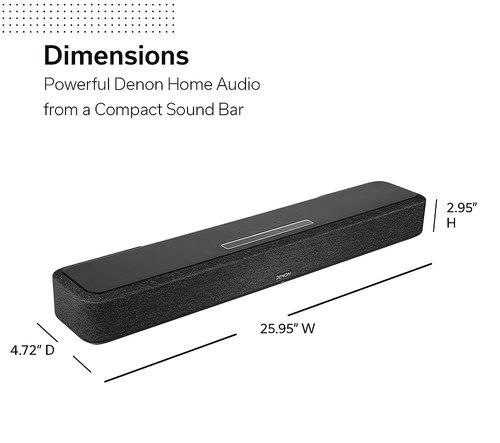
| Soundbar + separate subwoofer requires two placement locations | Single compact unit, easier to integrate into tight spaces |
| Expandability - Future upgrade potential | |
| Complete system out of box, limited expansion options | Can add wireless subwoofer and rear speakers later |
| Value Proposition - What you get for the money | |
| Exceptional - includes subwoofer and premium features at budget price | Good - higher cost justified mainly by smart features and ecosystem |
| Best For - Target user type | |
| Home theater enthusiasts prioritizing movie audio performance | Music streamers and smart home users wanting connectivity |
The Denon DHT-S517 ($302) is significantly better for movies due to its included wireless subwoofer and physical Dolby Atmos speakers. The dedicated subwoofer delivers the deep bass needed for action scenes, while the upward-firing drivers create authentic overhead effects. The Home Sound Bar 550 ($519) relies on virtual processing and lacks the bass impact that makes movies feel cinematic.
The biggest difference is that the DHT-S517 includes a wireless subwoofer and focuses on core audio performance, while the Home Sound Bar 550 emphasizes smart features like Wi-Fi streaming, voice control, and multi-room audio through the HEOS platform. One prioritizes movie audio quality, the other connectivity and convenience.
The Denon DHT-S517 has much better bass thanks to its dedicated 5.25-inch wireless subwoofer with 100-watt amplifier. The Home Sound Bar 550 only has internal passive radiators, which can't match the deep, impactful bass that a separate subwoofer provides for movies and music.
The DHT-S517 ($302) offers exceptional value, providing a wireless subwoofer, physical Dolby Atmos speakers, and dialogue enhancement at a budget price. The Home Sound Bar 550 ($519) costs $217 more but primarily adds smart features rather than better audio hardware, making it less cost-effective for pure audio performance.
Yes, but with different capabilities. The DHT-S517 only supports basic Bluetooth streaming from your phone or tablet. The Home Sound Bar 550 offers Wi-Fi streaming through the HEOS platform, allowing direct access to Spotify, Apple Music, and other services without needing your phone, plus Amazon Alexa voice control.
The Home Sound Bar 550 works better in small spaces since it's a single compact unit that doesn't require separate subwoofer placement. The DHT-S517 needs space for both the soundbar and wireless subwoofer, though the subwoofer's wireless connection does provide placement flexibility within 30 feet.
Yes, but they achieve it differently. The DHT-S517 uses physical upward-firing speakers that bounce sound off your ceiling for authentic overhead effects. The Home Sound Bar 550 uses virtual processing to simulate height effects, which works well but isn't as convincing as actual height speakers.
Both excel at dialogue, but the Denon DHT-S517 has a dedicated Dialogue Enhancer feature with three adjustment levels that can isolate and boost voices during complex movie scenes. The Home Sound Bar 550 achieves excellent natural dialogue clarity through its premium tweeters and center channel processing.
The Home Sound Bar 550 offers better expandability through the HEOS ecosystem, allowing you to add Denon wireless subwoofers, rear speakers, and other HEOS speakers for multi-room audio. The DHT-S517 is essentially complete as-is with limited expansion options beyond its included components.
The DHT-S517 ($302) is simpler to set up with basic HDMI and wireless subwoofer pairing, plus a traditional remote control. The Home Sound Bar 550 ($519) requires initial Wi-Fi setup and app configuration for its smart features, but offers more convenient voice control and streaming once configured.
For music, preferences vary by genre and listening style. The DHT-S517 delivers more excitement with deeper bass extension, great for electronic and rock music. The Home Sound Bar 550 offers more refined, audiophile-oriented sound with tighter bass control and better streaming convenience for discovering new music.
Choose the Denon DHT-S517 ($302) if movie watching is your priority and you want the most cinematic experience for the money. Choose the Home Sound Bar 550 ($519) if you value streaming convenience, voice control, and plan to build a multi-room audio system, even though it sacrifices some movie audio impact.
We've done our best to create useful and informative comparisons to help you decide what product to buy. Our research uses advanced automated methods to create this comparison and perfection is not possible - please contact us for corrections or questions. These are the sites we've researched in the creation of this article: techradar.com - consumerreports.org - crutchfield.com - bestbuy.com - bestbuy.com - pocket-lint.com - abt.com - manuals.denon.com - connectedmag.com.au - bestbuy.com - forum.flirc.tv - bhphotovideo.com - consumerreports.org - soundandvision.com - crutchfield.com - rtings.com - crutchfield.com - gzhls.at - denon.com - walmart.com - youtube.com - whathifi.com - bestbuy.com

Privacy Policy
Terms and Conditions - Affiliate Policy
Home Security
© Copyright 2008-2026.
11816 Inwood Rd #1211, Dallas, TX 75244