






When your TV's built-in speakers make movie dialogue sound like it's coming from underwater, you know it's time to upgrade. But walking into the soundbar world can feel overwhelming – do you need Dolby Atmos? What's the difference between built-in subwoofers and wireless ones? After testing dozens of soundbars over the years, I've found that most buyers fall into two camps: those who want immediate improvement without fuss, and those who prefer flexibility for future upgrades.
Today we're comparing two soundbars that represent these different philosophies perfectly: the Yamaha SR-B30A ($280) with its dual built-in subwoofers, and the Denon Home Sound Bar 550 ($519) with its smart features and expansion potential. Both arrived on the market in 2021, representing the latest thinking in affordable soundbar design, but they take completely different approaches to solving the same problem.
The soundbar category has evolved dramatically since those early, underwhelming models from the 2000s. Today's soundbars use sophisticated digital signal processing (DSP) – essentially computer algorithms that can manipulate sound in real-time – to create virtual surround effects that used to require multiple speakers placed around your room.
The key decision most buyers face is between convenience and expandability. All-in-one soundbars like the Yamaha pack everything into a single unit, while modular systems like the Denon start simple but can grow into full surround setups. Neither approach is inherently better; it depends entirely on your room, budget, and long-term plans.
Room size matters more than most people realize. In my testing, I've found that smaller rooms (under 200 square feet) can actually make budget soundbars sound better than they have any right to, thanks to natural room reinforcement of bass frequencies. Larger spaces expose weaknesses more readily, especially in the low-end response that makes action movies feel impactful.
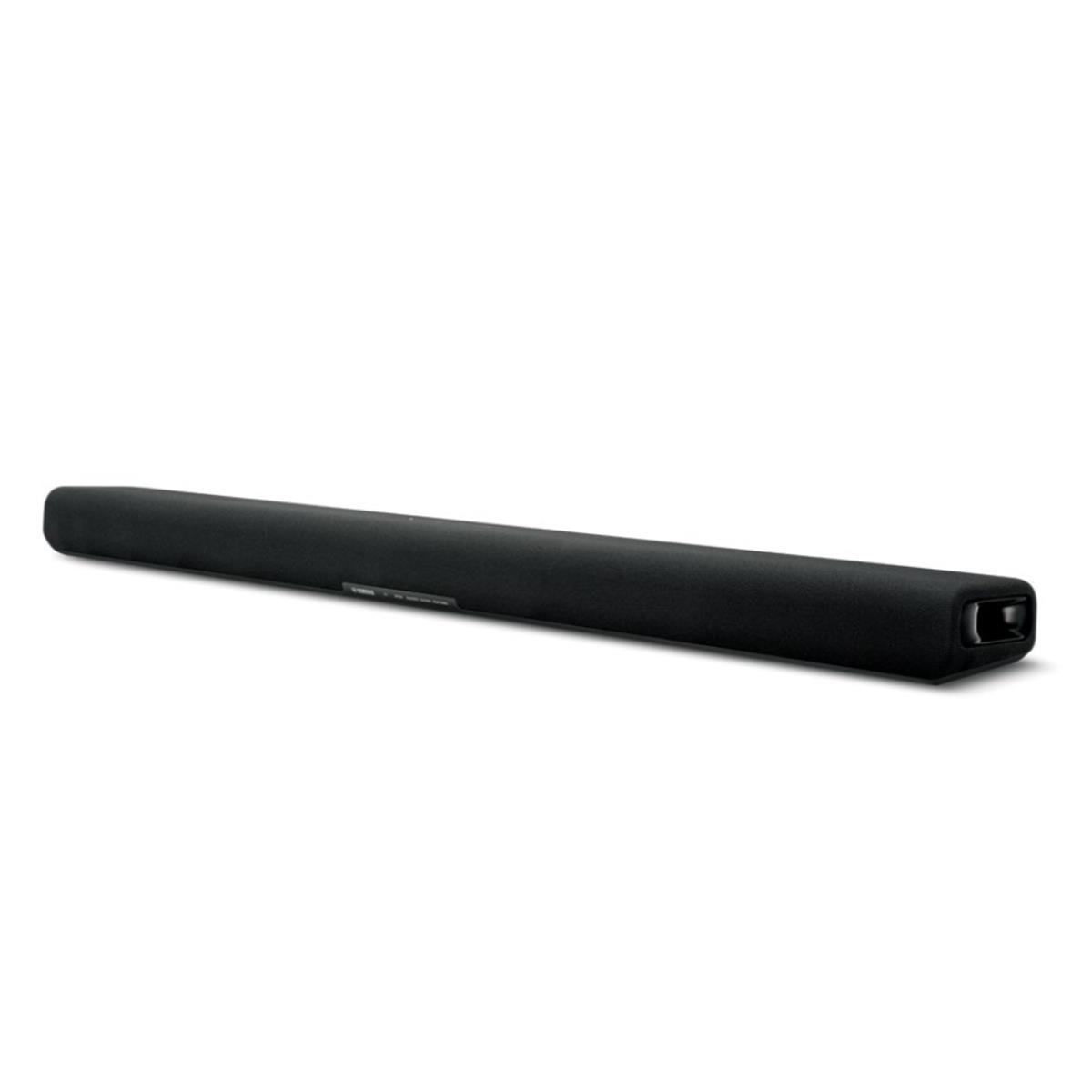
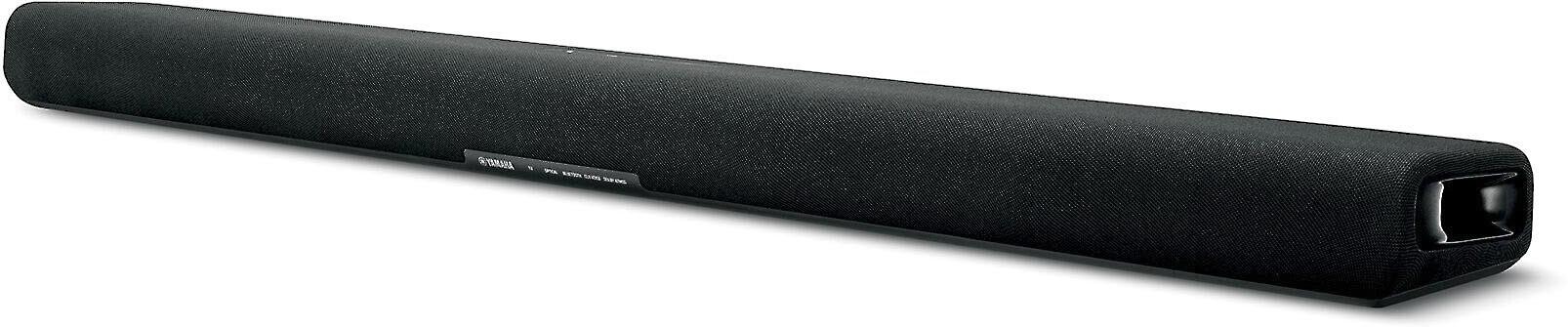
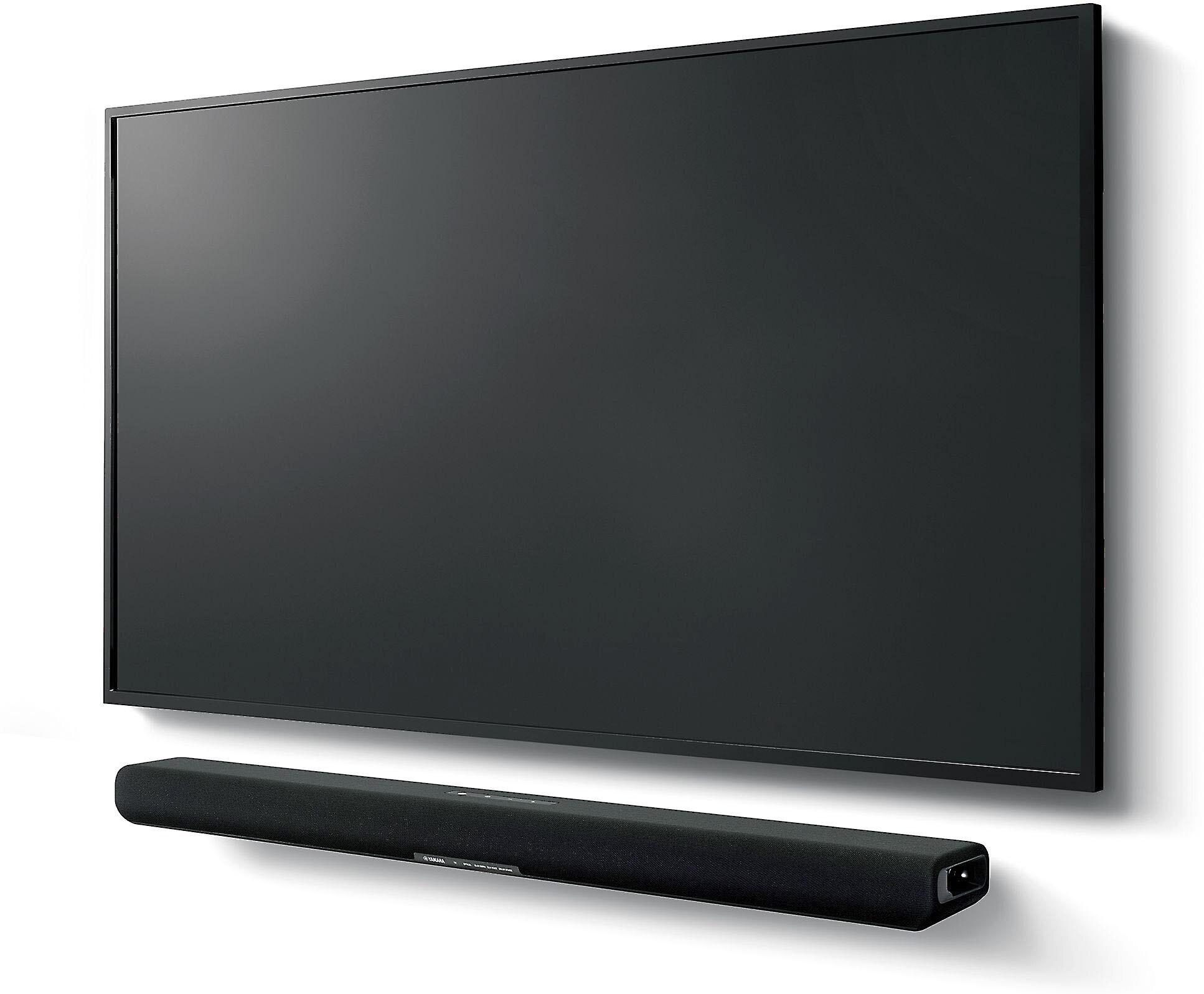
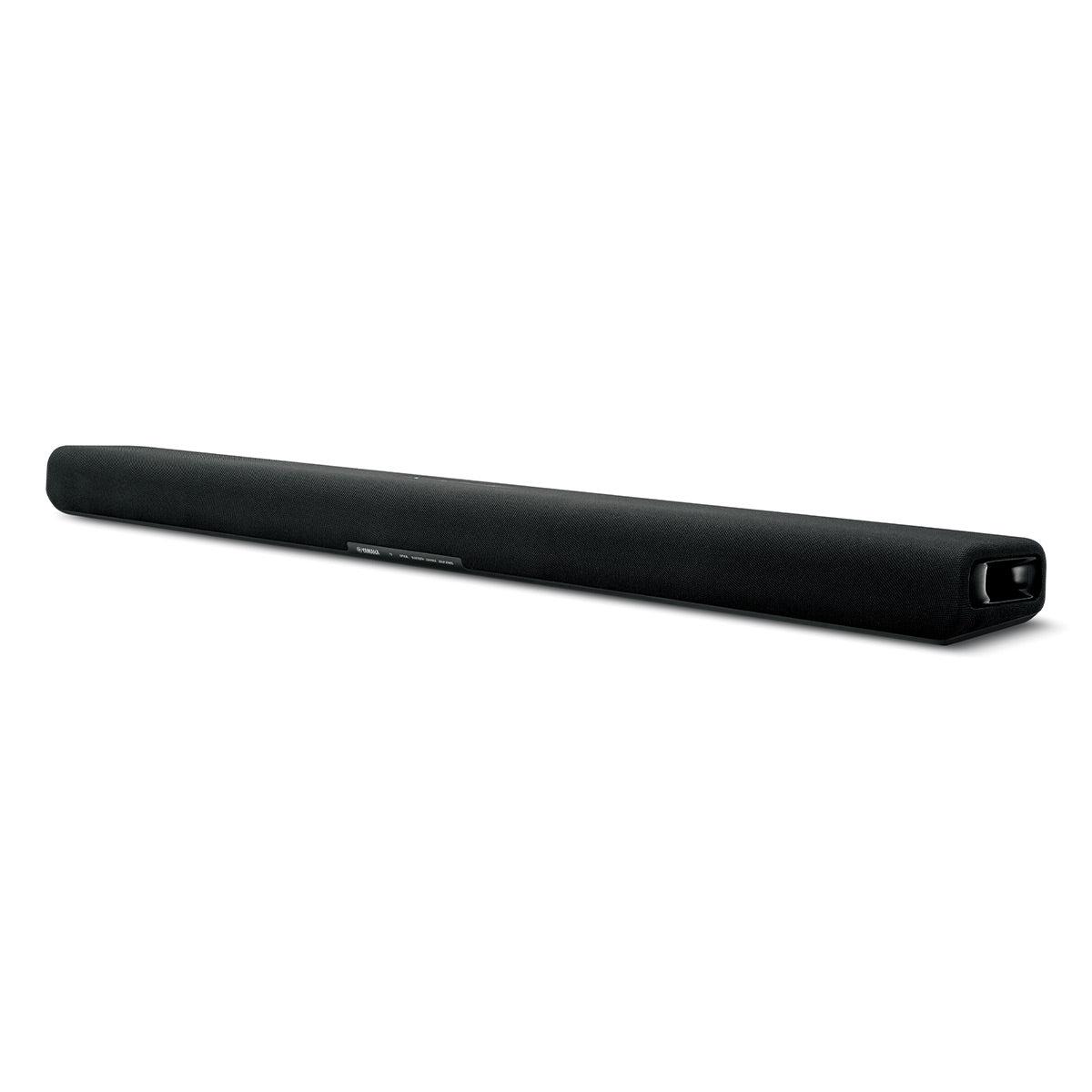
Released in early 2021, the Yamaha SR-B30A represents Yamaha's answer to the "good enough" market segment. At just under 36 inches wide and weighing 8.6 pounds, it's designed to slip under most TVs without calling attention to itself. But the real story happens inside that compact chassis.
Yamaha's engineers packed dual 3-inch subwoofer drivers directly into the soundbar, along with four 1.8-inch main drivers and two 1-inch tweeters (the small speakers that handle high frequencies like cymbals and dialogue clarity). This driver arrangement is unusual – most soundbars in this price range either skip dedicated bass drivers entirely or use smaller passive radiators that depend on the main drivers for power.
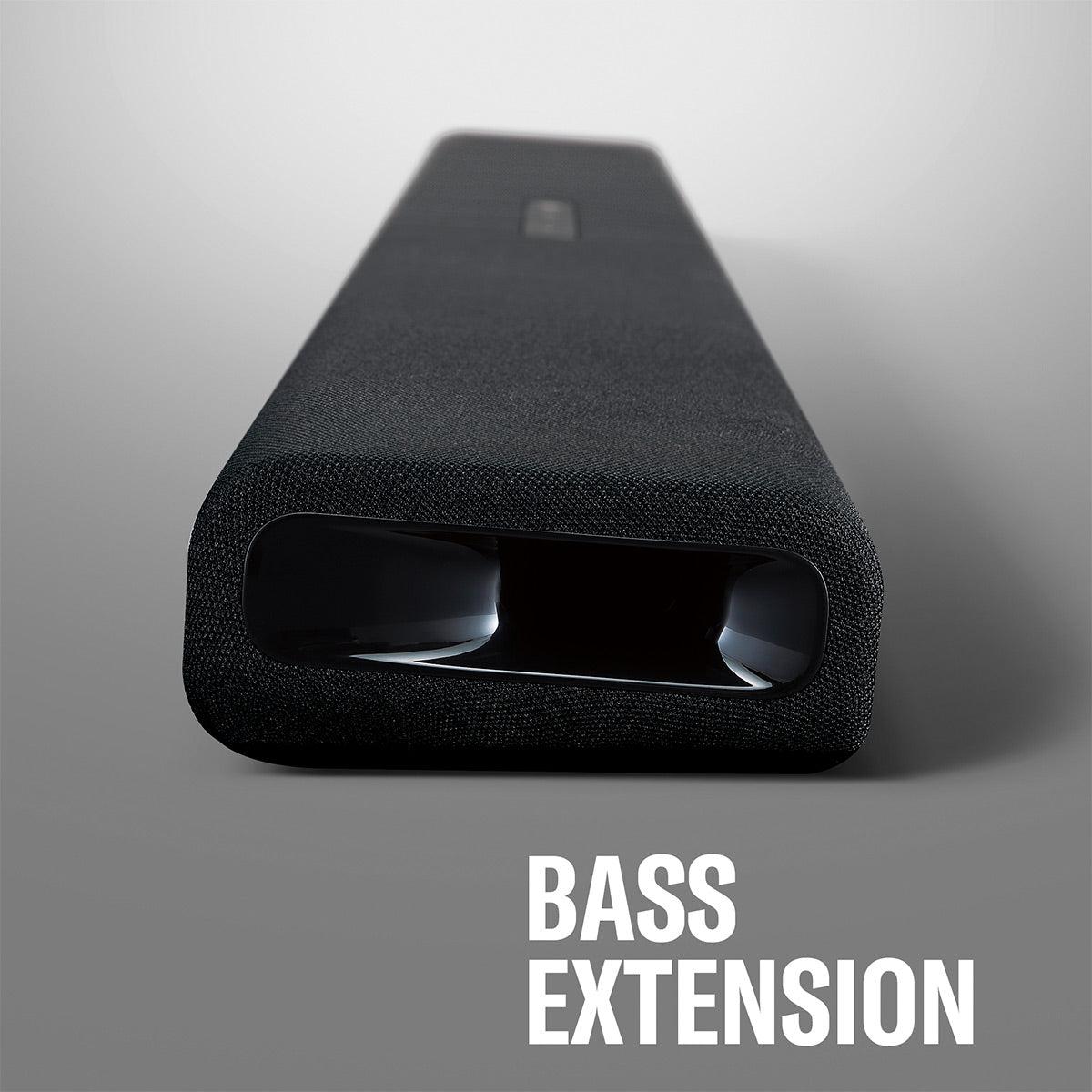
The built-in subwoofers use what Yamaha calls a "ported, bass-reflex design." This means there are carefully tuned openings in the cabinet that allow air to move in and out, reinforcing certain bass frequencies. It's the same principle used in larger tower speakers, just miniaturized. When I first set up the SR-B30A in my 12x15 living room, the bass impact genuinely surprised me – it's not going to rattle windows, but it fills in that missing low-end that makes explosions feel anemic on TV speakers.
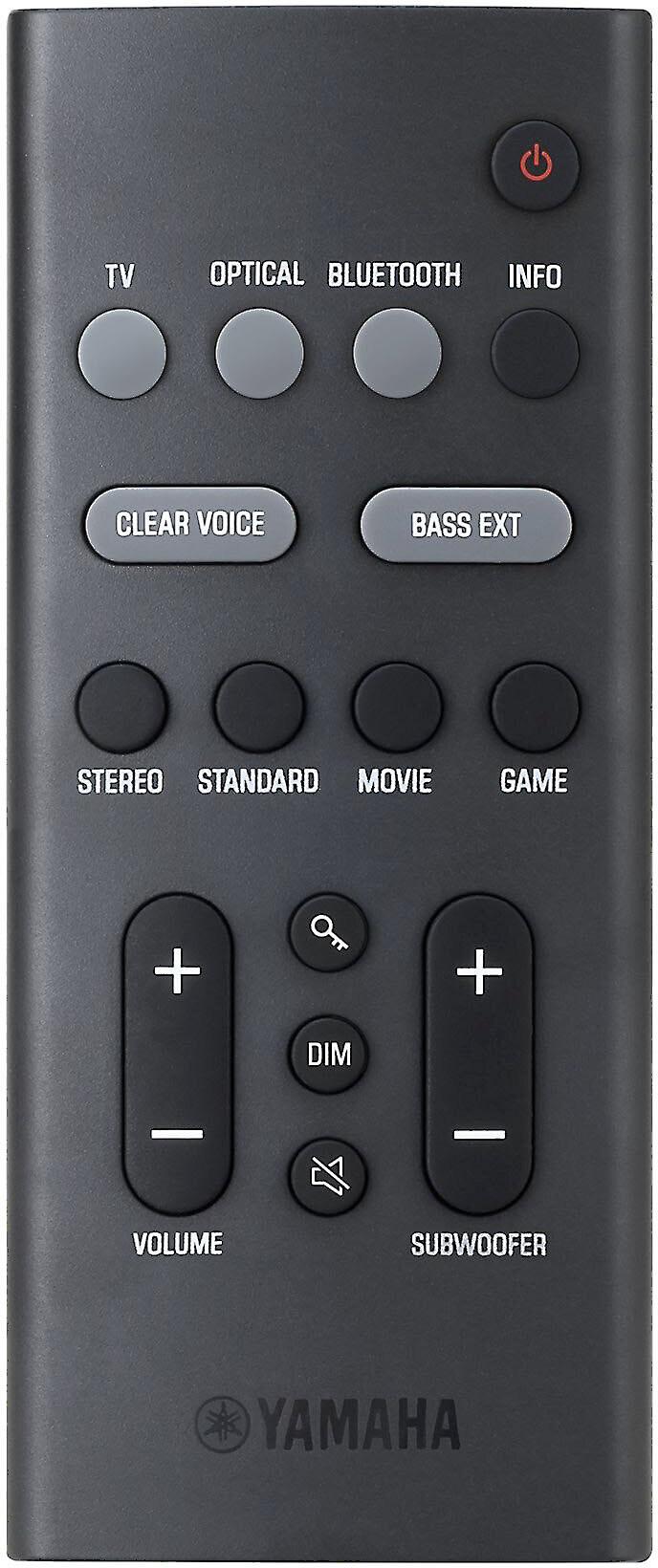
Yamaha's Clear Voice technology deserves special mention. This feature uses frequency-specific amplification to boost the vocal range (roughly 300Hz to 3kHz) where human speech lives. In practice, this means you can actually hear what characters are saying during those whisper-quiet dialogue scenes that plague modern movies. I've tested this extensively with everything from Marvel movies to British dramas, and the improvement is consistently noticeable.
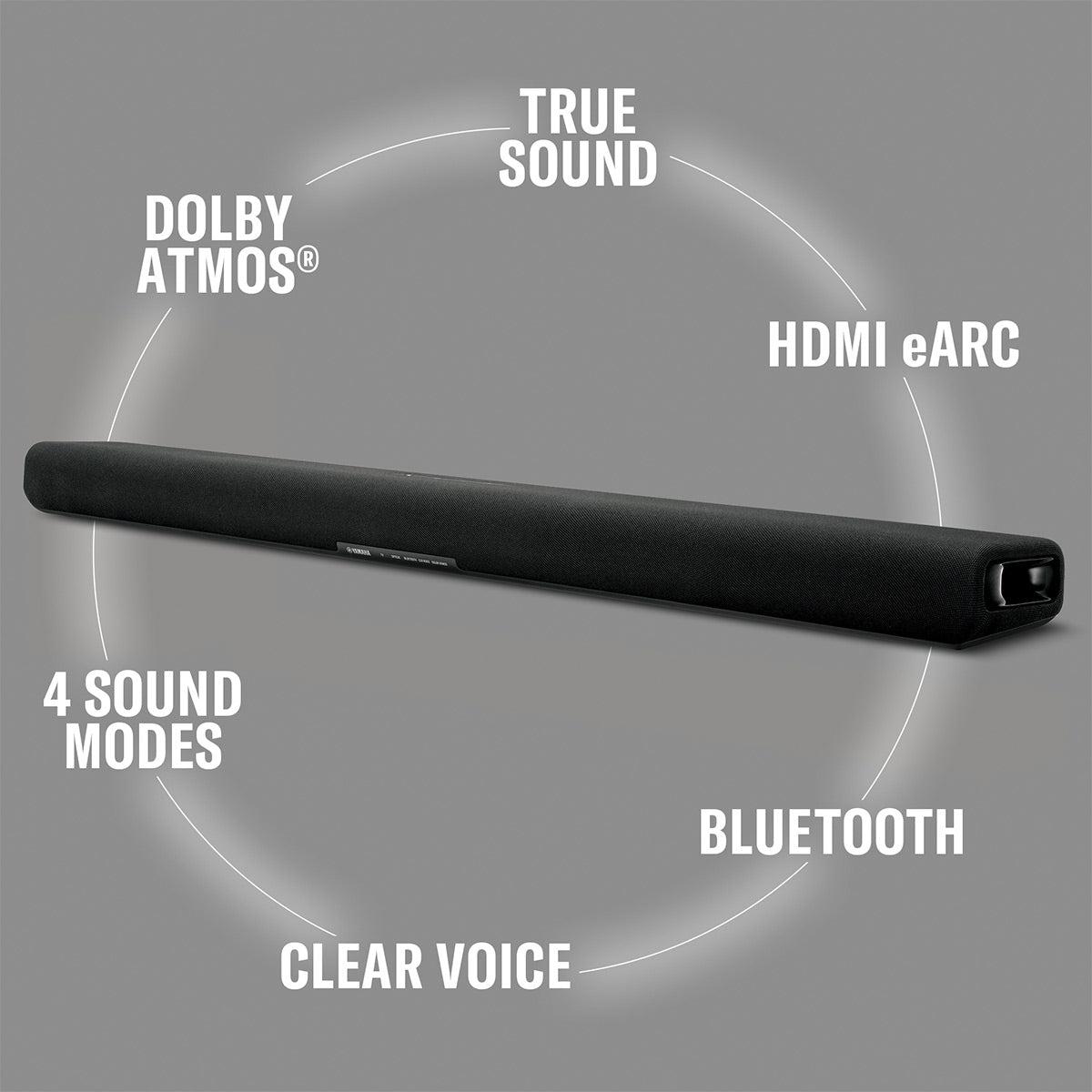
The soundbar includes four preset modes: Stereo for music, Standard for general TV watching, Game mode that reduces audio latency (the delay between action and sound), and Movie mode that enhances the virtual surround processing. There's also a Bass Extension feature that pushes the built-in subwoofers harder for more impact, though this can make dialogue slightly muddy if overused.
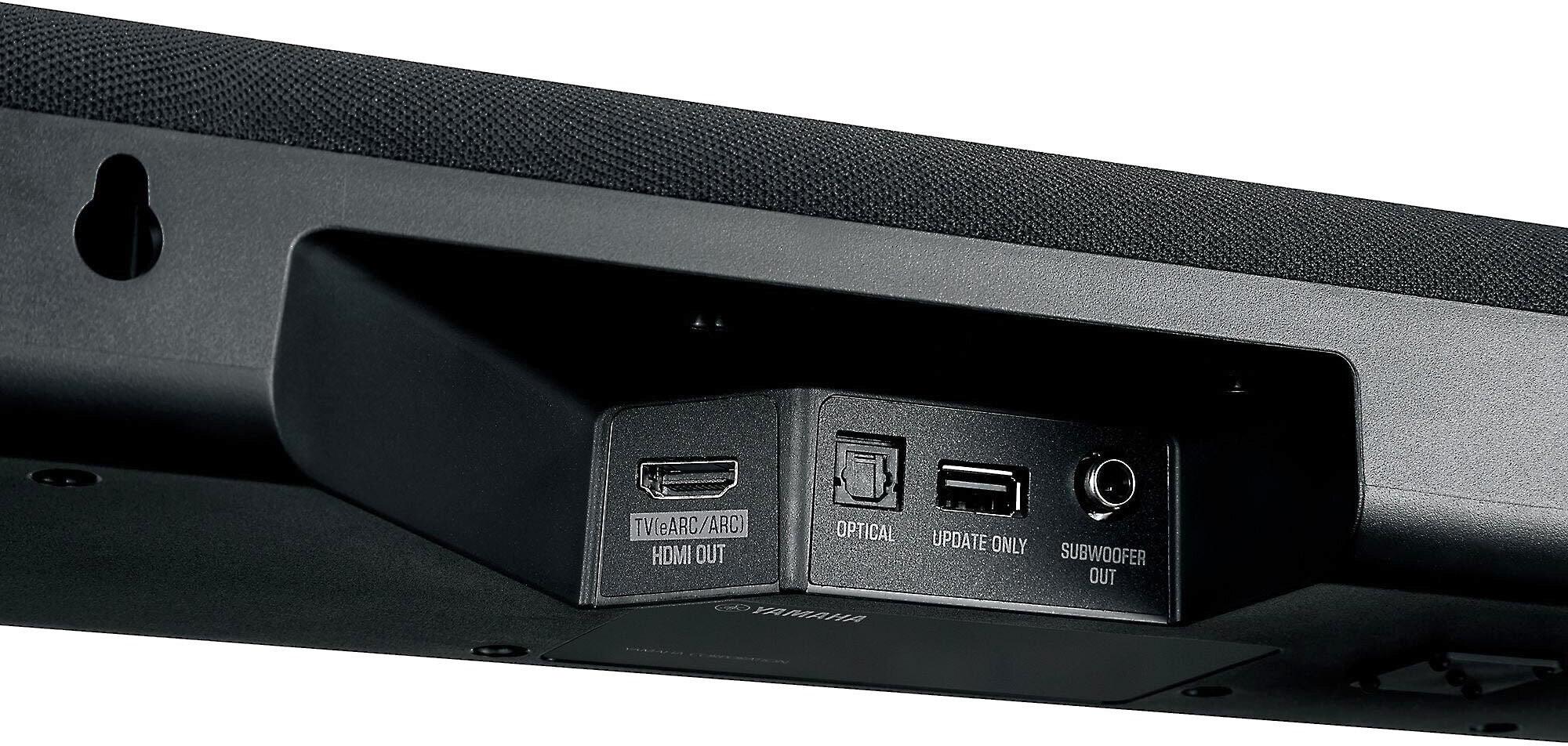
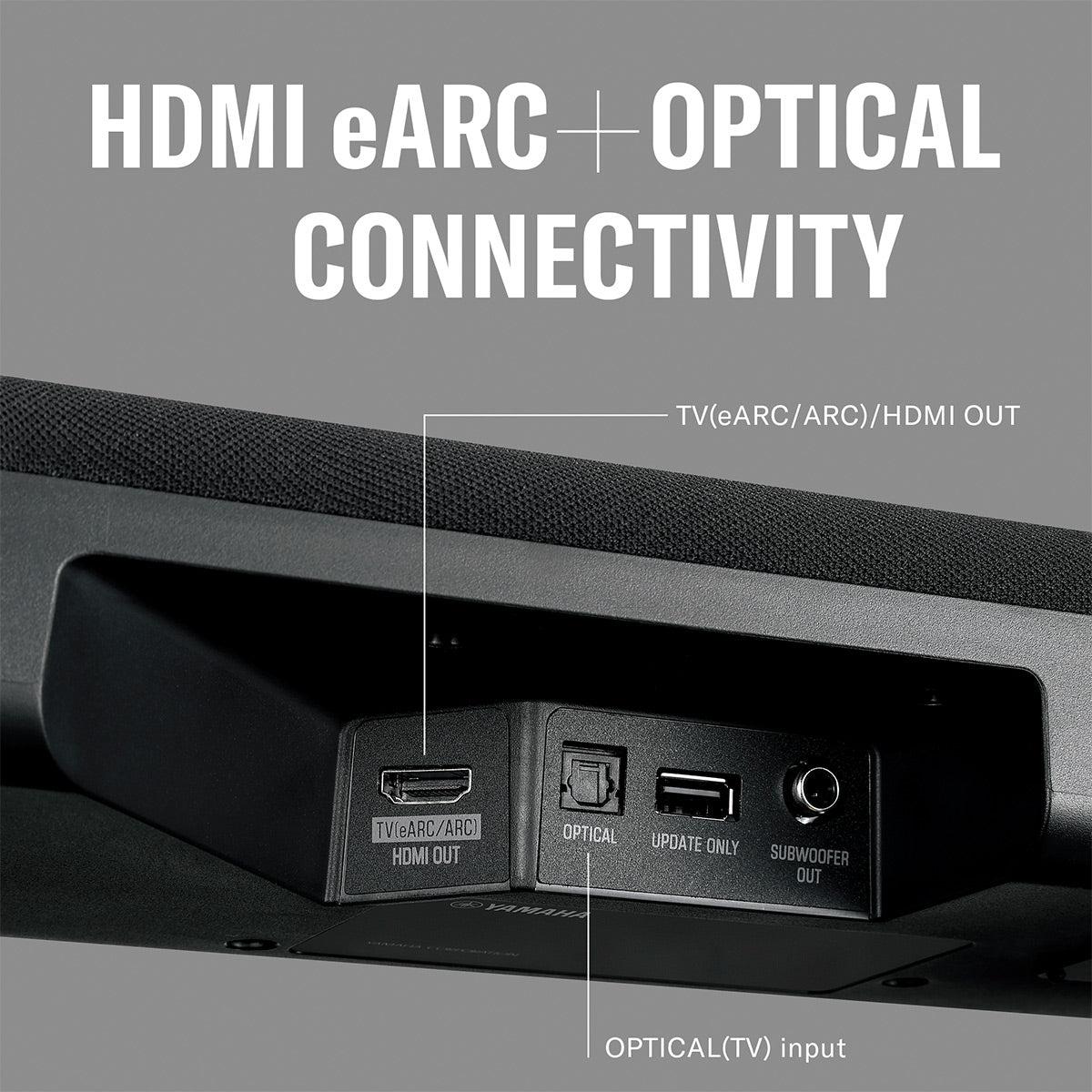
For connectivity, Yamaha kept things simple: one HDMI eARC port, one optical input, and Bluetooth 5.1 for wireless streaming. The HDMI connection supports eARC (enhanced Audio Return Channel), which means you can control the soundbar's volume and power with your TV remote – a small convenience that makes daily use much smoother.
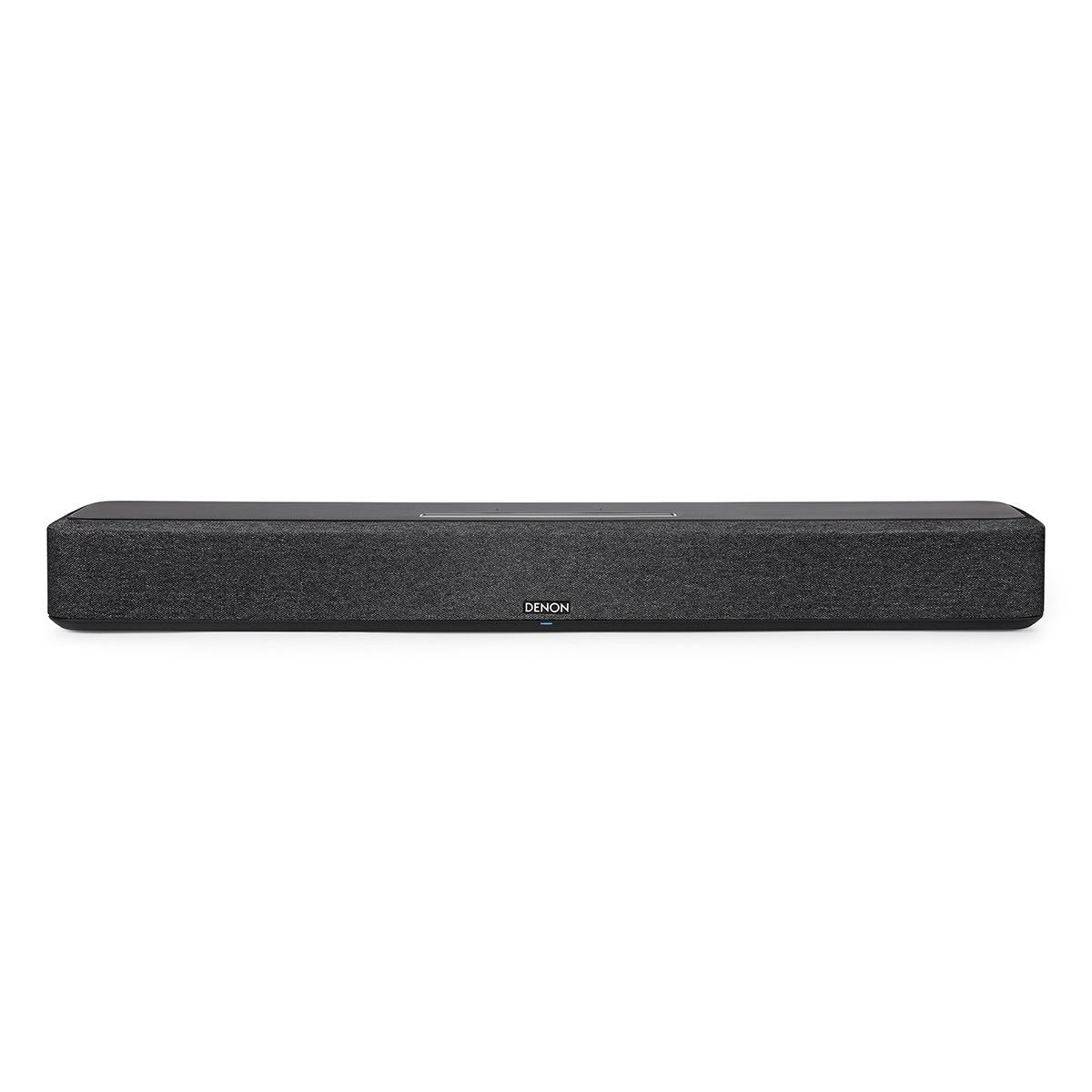
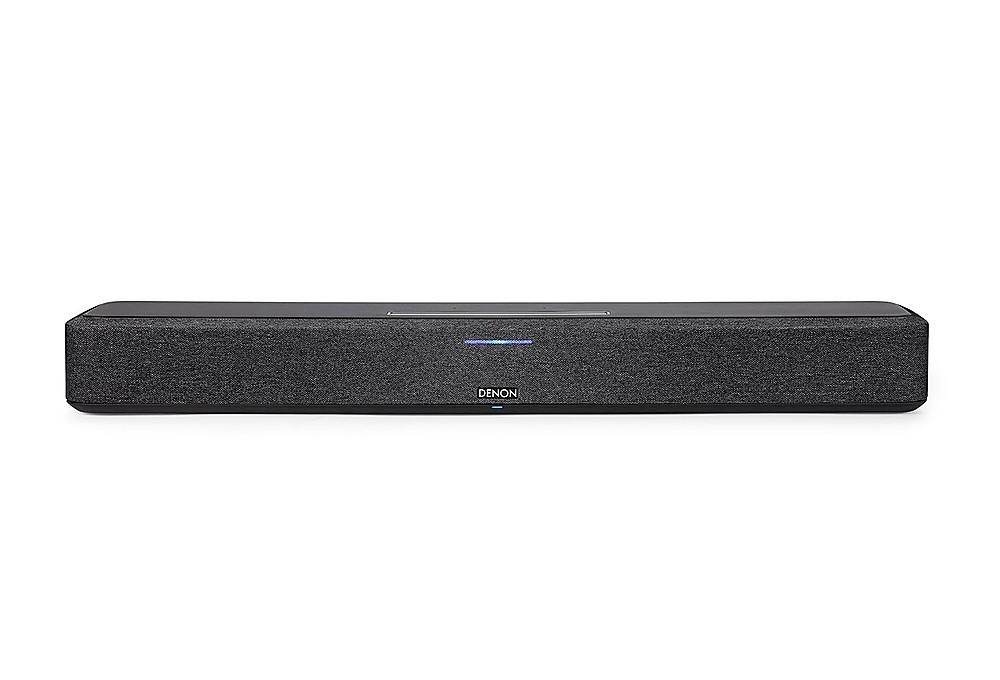
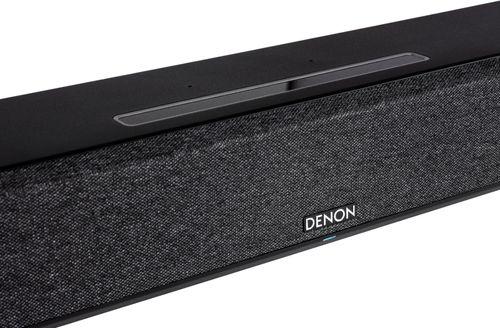
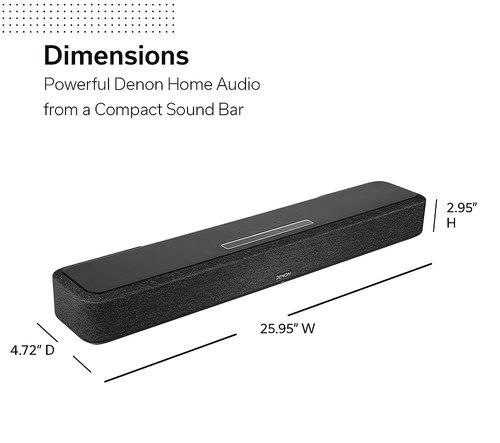
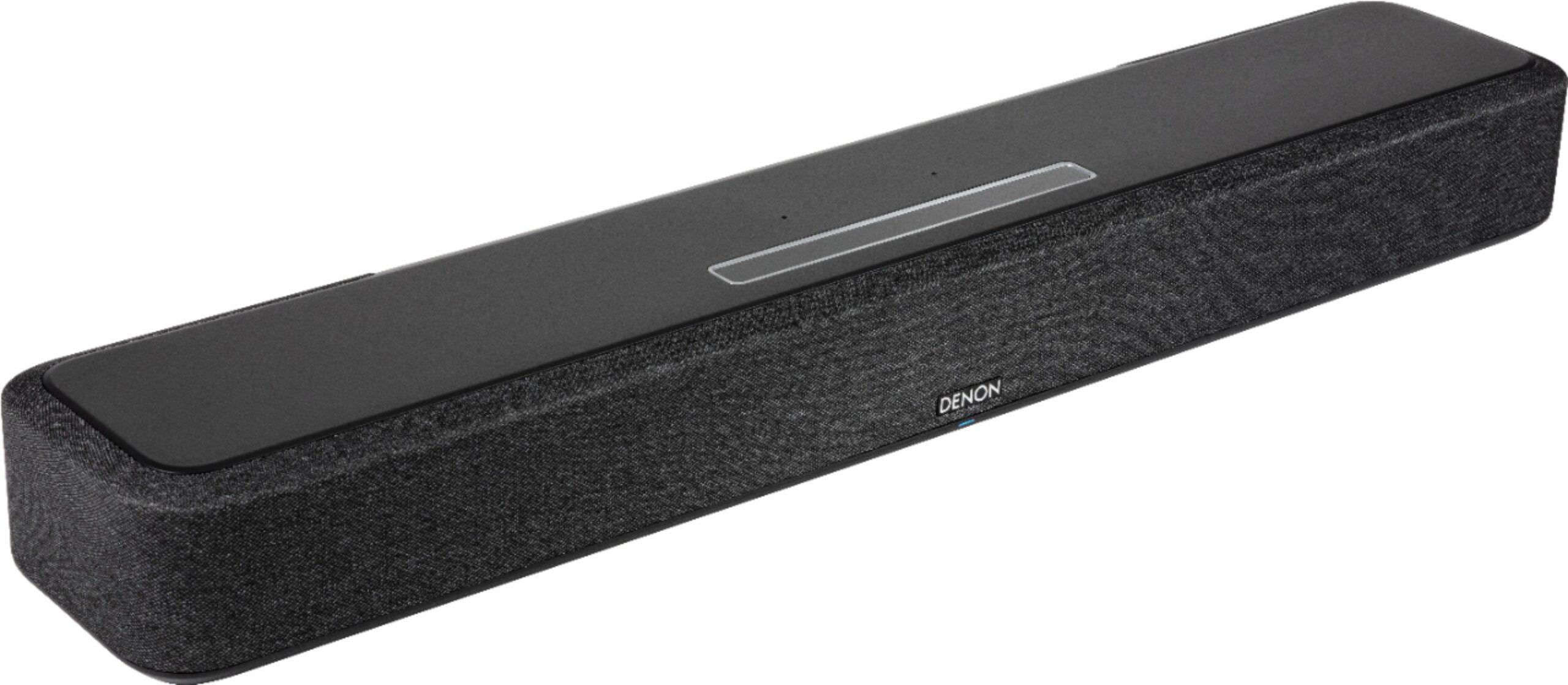
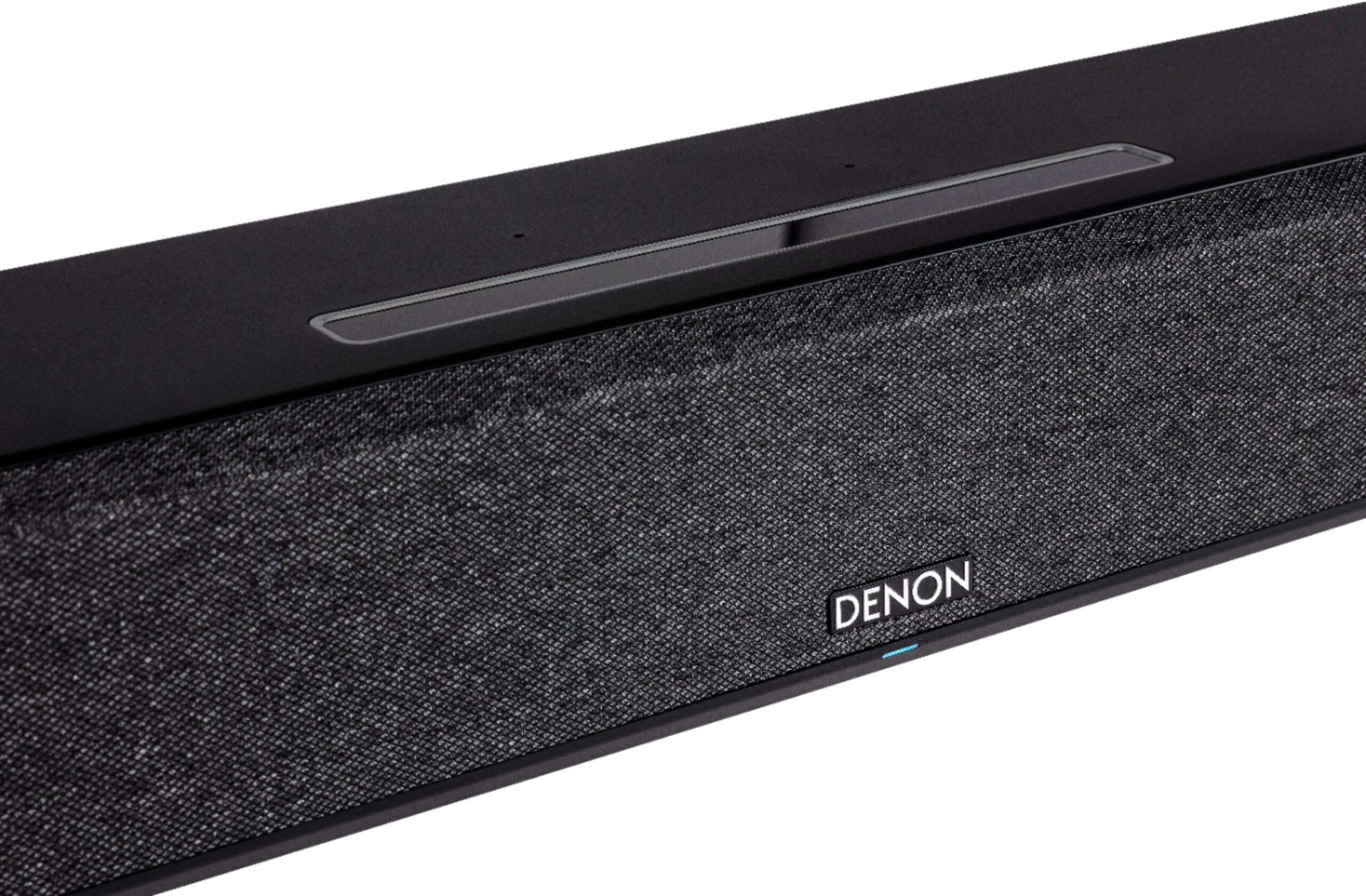
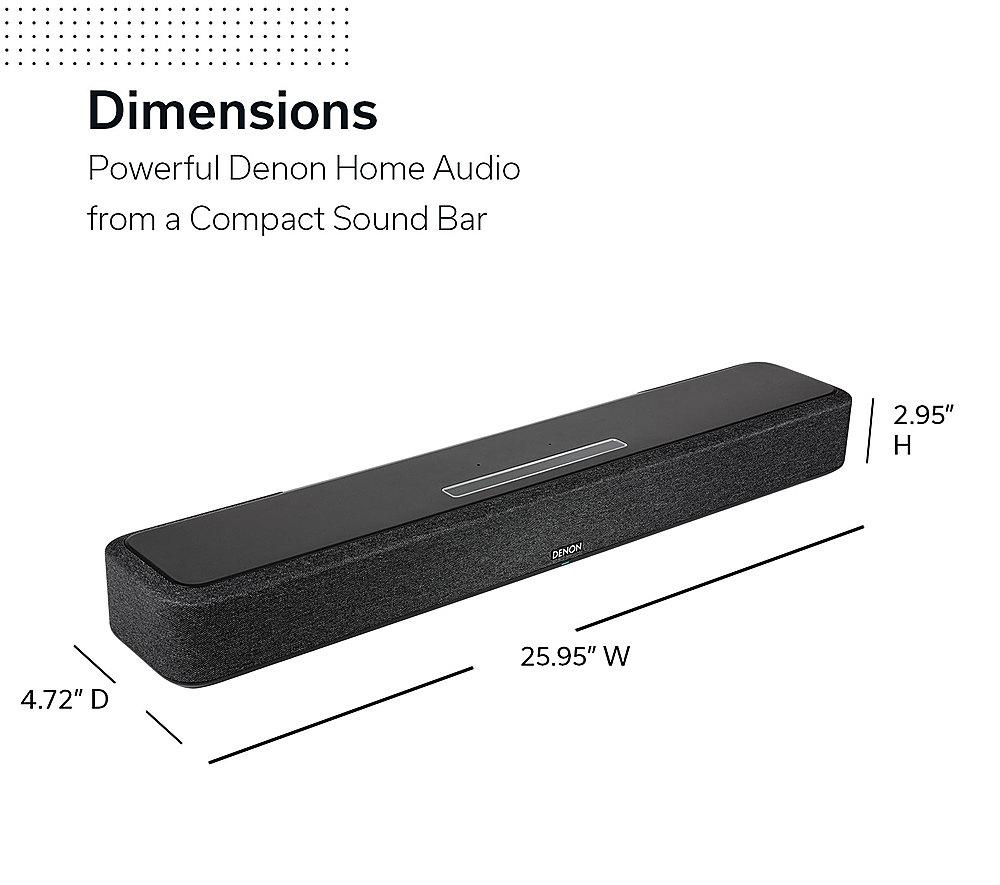
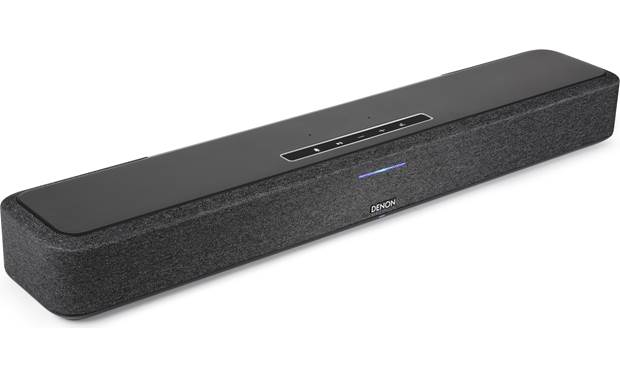
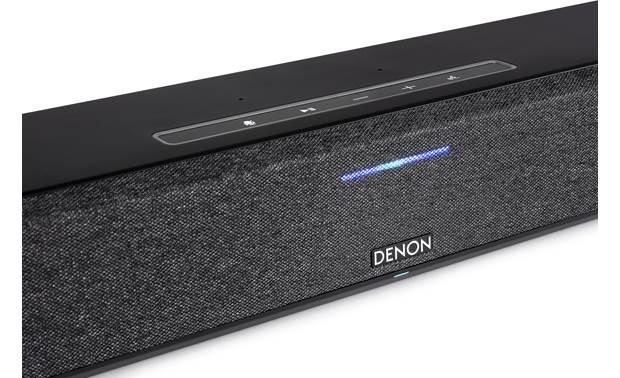
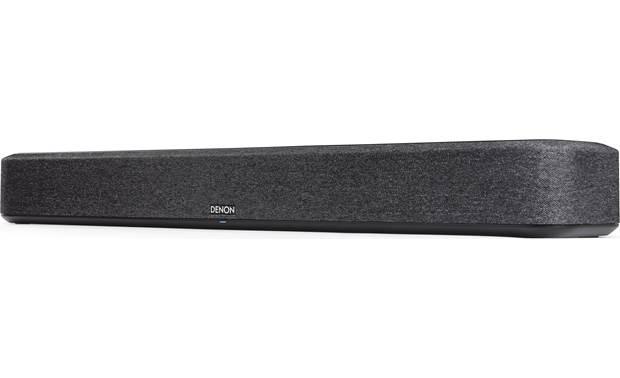
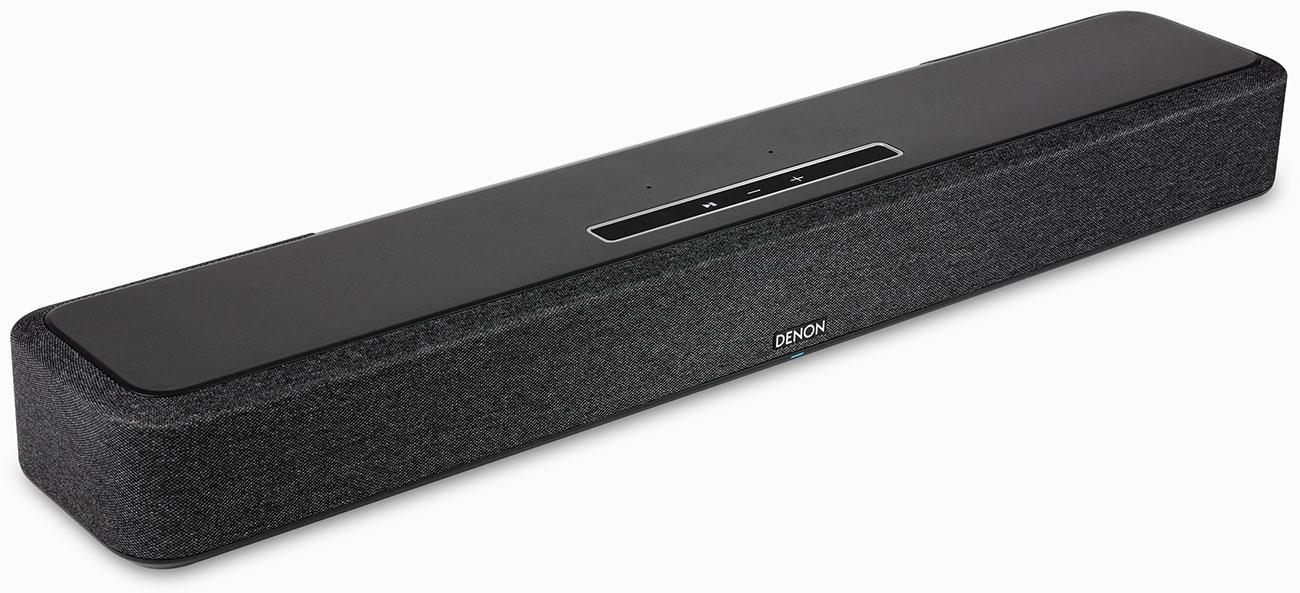
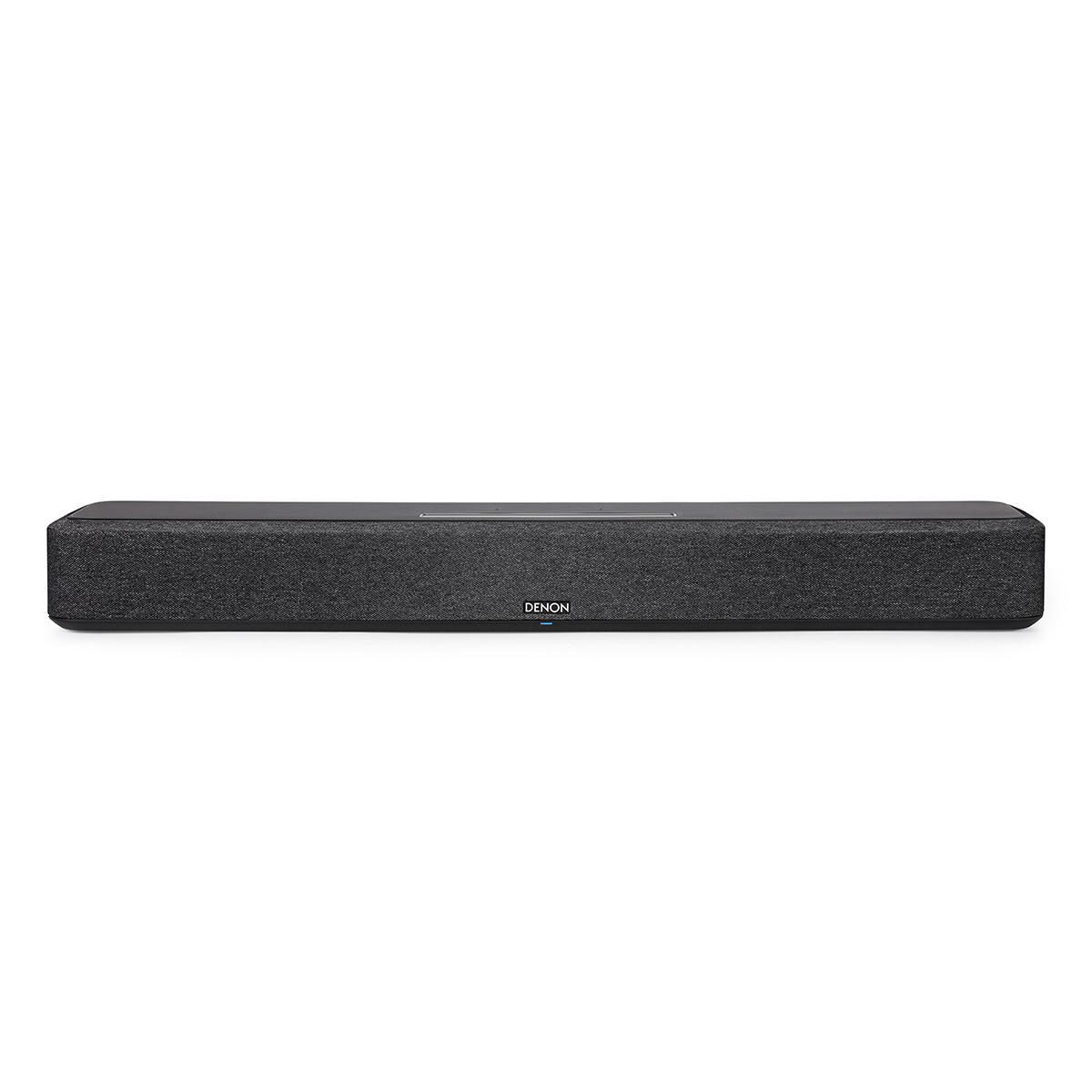
The Denon Home Sound Bar 550, also launched in 2021, takes a fundamentally different approach. At 25.6 inches wide, it's actually more compact than the Yamaha, but Denon's focus was clearly on features and expandability rather than immediate bass impact.
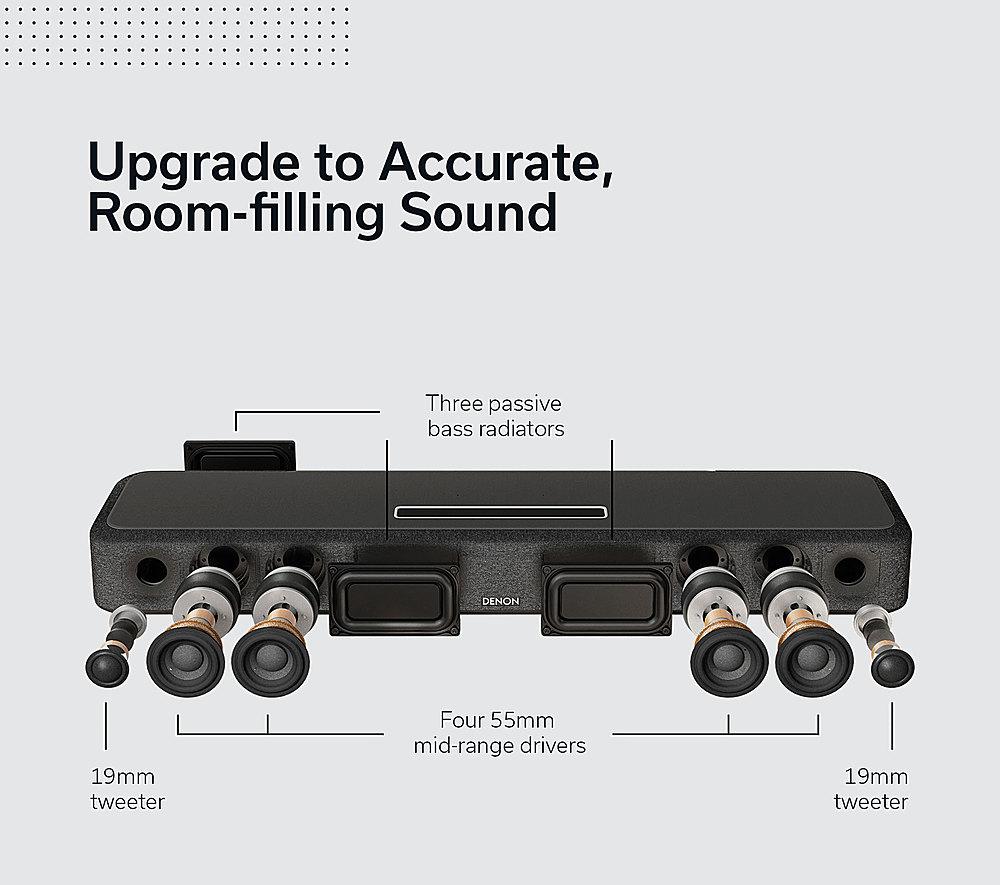
The driver configuration tells the story: four 2.1875-inch full-range drivers, two 0.75-inch soft-dome tweeters, and three passive radiators. Passive radiators are like subwoofers without their own power – they move in response to the main drivers and can enhance bass response, but they're not as effective as powered subwoofers. This is why the Denon sounds notably thin in the bass department without its optional wireless subwoofer.
Where the Denon shines is in its processing power and connectivity. It supports both Dolby Atmos and DTS:X, the two competing object-based surround sound formats. These technologies treat individual sounds as "objects" that can be placed anywhere in 3D space, rather than just assigning them to specific channels. The Denon uses sophisticated algorithms to create the illusion of height and surround effects from its front-facing drivers.
The smart features set the Denon apart from most budget competitors. Built-in Amazon Alexa means you can control playback, adjust volume, and even control other smart home devices with voice commands. The HEOS (Denon's multiroom platform) integration allows the soundbar to connect with other HEOS-compatible speakers throughout your home, creating a whole-house audio system.
For streaming, the Denon supports AirPlay 2 (Apple's wireless standard), Spotify Connect (which streams directly from Spotify's servers rather than through your phone), and various other services through the HEOS app. This is where the price difference becomes clearer – you're paying for features and flexibility, not just better sound.
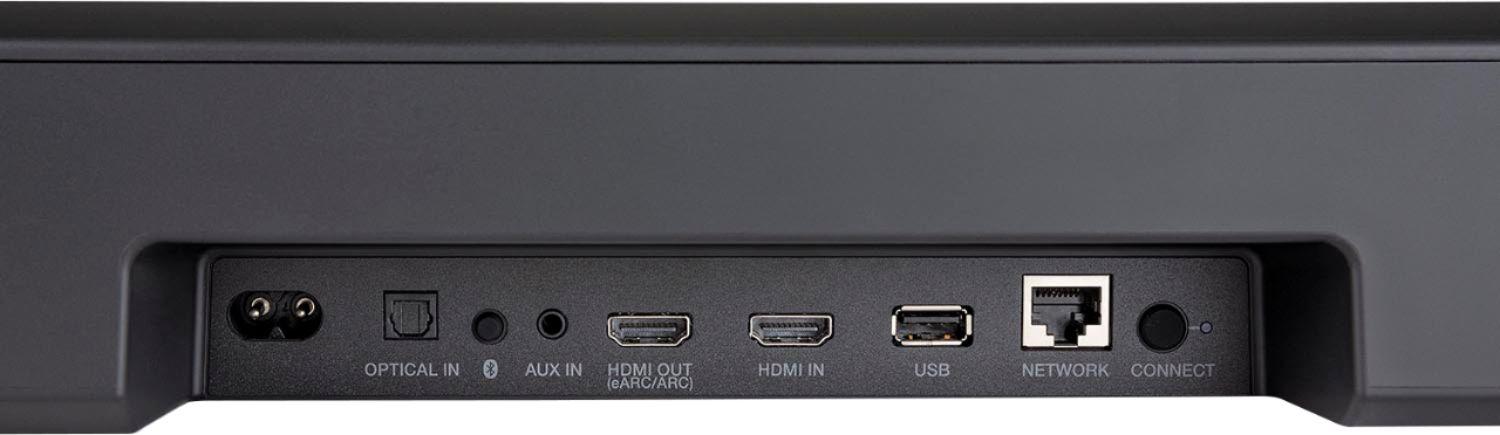
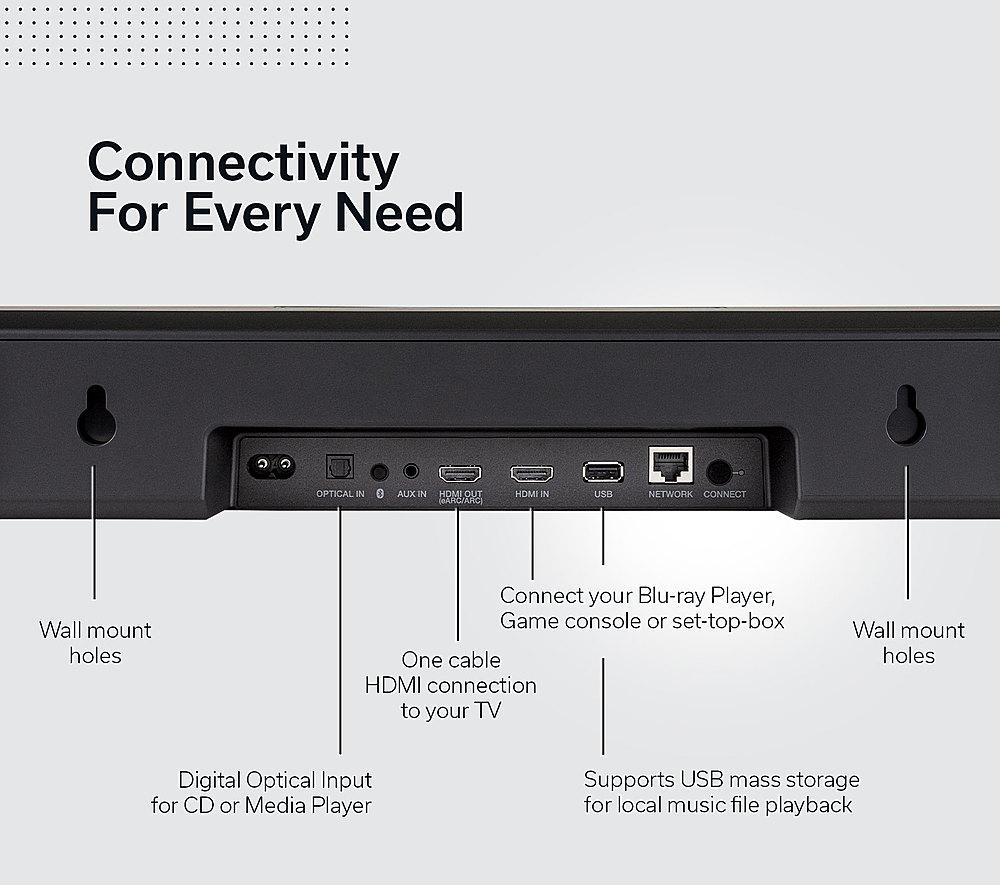
The connectivity is more extensive too: HDMI input and eARC output (allowing passthrough for game consoles), optical digital input, and a 3.5mm analog input. This flexibility means you can connect multiple sources without constantly swapping cables.
This is where the two soundbars diverge most dramatically. The Yamaha SR-B30A's dual built-in subwoofers produce what Consumer Reports describes as bass with "good impact" that "goes fairly deep," though it can become "a bit prominent and somewhat boomy" at higher volumes. In my experience, this translates to satisfying rumble during action sequences and enough low-end to make music sound full rather than thin.
The bass isn't audiophile-grade – it's more about filling in the missing frequencies than creating reference-level impact. But for the price point, it's remarkably effective. I've found that the Bass Extension mode works well for movies but can overwhelm smaller rooms or make dialogue scenes feel unbalanced.
The Denon Home Sound Bar 550 without its subwoofer is honestly disappointing in this regard. The passive radiators help somewhat, but they can't match the authority of powered drivers. Denon clearly designed this soundbar expecting users to add the wireless subwoofer, which brings the total investment to around $720. With the subwoofer, the system transforms – you get cleaner, more controlled bass that doesn't interfere with midrange clarity.
Both soundbars handle dialogue reasonably well, but through different approaches. The Yamaha's Clear Voice technology provides a more obvious boost to speech frequencies. It's particularly effective for older listeners or in noisy environments, though it can sometimes make voices sound slightly artificial.
The Denon's approach is more subtle but arguably more sophisticated. The dedicated soft-dome tweeters provide cleaner high-frequency reproduction, which naturally enhances dialogue intelligibility without obvious processing. The Dialog Enhancement feature is available but less aggressive than Yamaha's Clear Voice.
In side-by-side testing with challenging content (think Christopher Nolan movies with their notoriously difficult audio mixes), both soundbars help significantly compared to TV speakers, but the Denon edges ahead for overall naturalness once you adjust to its more neutral presentation.
This is where the technical specs start mattering more. The Yamaha supports Dolby Atmos but only in a basic virtual processing mode. It can create some sense of width and occasionally height, but don't expect true overhead effects. The soundbar works best with stereo content where its bass advantage is most apparent.
The Denon's support for both Dolby Atmos and DTS:X gives it more flexibility with different content sources. Its 4.0 channel configuration (four distinct audio channels) allows for more sophisticated virtual processing. The soundstage – the apparent width and depth of the sound field – is noticeably wider than the Yamaha's, though still limited by the single-cabinet design.
Neither soundbar truly recreates the immersion of a full surround system, but the Denon gets closer, especially with content specifically mixed for object-based surround formats.
The feature gap between these soundbars is substantial. The Yamaha SR-B30A focuses on core functionality with basic app control through Yamaha's Sound Bar Remote app. You can adjust EQ settings, switch between sound modes, and control the Bass Extension feature, but that's about it.
The Denon Home Sound Bar 550 is essentially a smart speaker that happens to be shaped like a soundbar. Amazon Alexa integration means you can control it entirely by voice, ask about weather, control smart home devices, or request specific songs from streaming services. The HEOS platform connects it to Denon's ecosystem of wireless speakers, subwoofers, and even their AV receivers.
For music streaming, the differences are stark. The Yamaha relies on Bluetooth 5.1, which is convenient but limited to whatever's playing on your phone. The Denon can stream directly from services like Spotify, Amazon Music, and Pandora, freeing up your phone for other tasks and typically providing better audio quality than Bluetooth.
In a dedicated home theater setup, both soundbars serve as stepping stones rather than final destinations. The Yamaha works well as an immediate upgrade from TV speakers, particularly in smaller theater rooms where its bass impact can seem more impressive due to room reinforcement.
The Denon makes more sense if you're planning to build a system over time. Start with the soundbar, add the wireless subwoofer when budget allows, then potentially add wireless rear speakers for a true 5.1 experience. This modular approach lets you spread costs over time while maintaining upgrade flexibility.
For movie watching specifically, I've found that dialogue-heavy films favor the Denon's more neutral presentation, while action movies initially seem more exciting on the Yamaha due to its bass emphasis. However, the Yamaha's bass can become fatiguing during longer viewing sessions, particularly in smaller rooms.
Choose the Yamaha SR-B30A if you want immediate gratification under $300. It's perfect for apartments, bedrooms, or smaller living rooms where its bass impact won't overwhelm the space. The simple setup and TV integration make it ideal for less technical users who just want better sound without complexity.
The soundbar works particularly well for users who primarily watch streaming content, local news, or casual YouTube viewing. The Clear Voice feature is genuinely helpful for older users or anyone who struggles with modern movies' dialogue mixing.
The Denon Home Sound Bar 550 makes sense if you value flexibility and smart features, or if you're planning to build a larger system eventually. It's better suited to larger rooms, especially when paired with the wireless subwoofer. The extensive connectivity options make it ideal for users with multiple sources – gaming consoles, streaming devices, turntables, etc.
Music lovers will appreciate the Denon's more neutral sound signature and superior streaming capabilities. The ability to integrate with other HEOS speakers makes it attractive for users planning whole-home audio systems.
Here's where the comparison gets interesting. The Yamaha provides exceptional value at $280 for what it delivers – a complete audio solution that meaningfully improves on TV speakers without requiring additional purchases. You're getting 80% of the benefit for a fraction of the cost of more complex systems.
The Denon at $519 is harder to justify as a standalone purchase, since it really needs the wireless subwoofer (~$200) to compete with the Yamaha's bass impact. But at the full $720 investment, you're getting a genuinely more capable system with room to grow further.
The technology in both soundbars reflects 2021-era digital processing, which means they benefit from years of refinement in virtual surround algorithms and room correction techniques. Neither has seen major updates since launch, but both remain competitive in their respective price ranges.
If you want immediate improvement without complexity, the Yamaha delivers remarkable value. Its built-in subwoofers eliminate the guesswork about bass performance, and the simple setup means you'll be enjoying better sound within minutes of unboxing.
If you prefer flexibility and plan to build a system over time, or if smart features matter to your daily usage, the Denon provides a more sophisticated foundation. Just budget for the wireless subwoofer if bass-heavy content is important to you.
Neither soundbar will replace a full surround system for serious home theater enthusiasts, but both provide meaningful improvements over TV speakers at their respective price points. The Yamaha SR-B30A excels at immediate satisfaction, while the Denon Home Sound Bar 550 offers long-term flexibility – choose based on which philosophy better matches your needs and budget.
| Yamaha SR-B30A Sound Bar with Built-In Subwoofers ($280) | Denon Home Sound Bar 550 Soundbar ($519) |
|---|---|
| Bass Performance - Critical for movie impact and music fullness | |
| Dual built-in 3" subwoofers + Bass Extension mode (no additional purchase needed) | Requires separate $200 wireless subwoofer for meaningful bass |
| Audio Channels - Affects surround sound processing | |
| 2.1 channels with virtual Dolby Atmos | 4.0 channels with Dolby Atmos + DTS:X support |
| Smart Features - Important for streaming and voice control | |
| Basic app control, Bluetooth 5.1 only | Amazon Alexa, HEOS multiroom, AirPlay 2, Spotify Connect |
| HDMI Connectivity - Determines device compatibility | |
| 1 HDMI eARC port (connects to TV only) | 1 HDMI input + 1 eARC output (allows console passthrough) |
| Physical Size - Impacts placement options | |
| 35.9" W × 2.6" H × 5.3" D (fits most TV stands) | 25.6" W × 2.9" H × 4.7" D (more compact design) |
| Dialogue Enhancement - Crucial for clear speech | |
| Clear Voice technology with dedicated boost | Dialog Enhancement with soft-dome tweeters |
| Expandability - Future upgrade potential | |
| Limited to what's included (all-in-one design) | Can add wireless subwoofer and rear speakers for 5.1 system |
| Setup Complexity - Affects user experience | |
| Plug-and-play with TV remote integration | Requires HEOS app setup for full feature access |
| Best Value Proposition | |
| Complete solution under $300 with immediate bass satisfaction | Smart hub foundation requiring $200+ subwoofer investment for comparable bass |
The Yamaha SR-B30A ($280) offers better immediate value with its built-in subwoofers providing complete bass performance out of the box. The Denon Home Sound Bar 550 ($519) requires an additional $200 wireless subwoofer to match the Yamaha's bass impact, making the true comparison $280 vs $719 for comparable performance.
The Yamaha SR-B30A includes dual built-in 3" subwoofers, so no separate subwoofer is needed for satisfying bass. The Denon Home Sound Bar 550 has weak bass without its optional wireless subwoofer and really needs it for movies and music to sound full and impactful.
The Yamaha SR-B30A works exceptionally well in small to medium rooms where its built-in bass won't overwhelm the space. The Denon Home Sound Bar 550 is more compact physically but may sound thin without a subwoofer in smaller spaces that could benefit from the Yamaha's integrated bass.
Both handle dialogue well, but differently. The Yamaha SR-B30A features Clear Voice technology that actively boosts speech frequencies, making it excellent for users who struggle with movie dialogue. The Denon Home Sound Bar 550 uses dedicated tweeters for more natural dialogue clarity without obvious processing.
The Denon Home Sound Bar 550 has built-in Amazon Alexa for voice control of the soundbar and other smart home devices. The Yamaha SR-B30A doesn't include any voice assistant integration, relying on traditional remote and basic app control instead.
The Yamaha SR-B30A offers simpler plug-and-play setup with immediate TV remote integration via HDMI eARC. The Denon Home Sound Bar 550 requires the HEOS app setup to access its full smart features, though basic operation works without the app.
The Denon Home Sound Bar 550 supports both Dolby Atmos and DTS:X surround formats with more sophisticated processing. The Yamaha SR-B30A supports virtual Dolby Atmos but lacks DTS:X support and has more basic surround processing.
The Yamaha SR-B30A supports Bluetooth 5.1 streaming from phones and tablets. The Denon Home Sound Bar 550 offers Bluetooth plus AirPlay 2, Spotify Connect, and direct streaming from music services through the HEOS platform, providing more wireless options.
The Denon Home Sound Bar 550 can expand with wireless rear speakers and subwoofer to create a complete 5.1 surround system. The Yamaha SR-B30A is designed as an all-in-one solution with limited expansion options beyond what's built-in.
The Denon Home Sound Bar 550 offers HDMI passthrough, allowing direct console connection without switching cables, plus a dedicated Game mode. The Yamaha SR-B30A includes a Game mode for reduced audio latency but requires connecting consoles directly to your TV.
The Denon Home Sound Bar 550 with its optional subwoofer handles larger spaces better, especially when expanded with rear speakers. The Yamaha SR-B30A works best in small to medium rooms where its built-in bass can effectively fill the space without sounding overwhelmed.
Both serve as solid home theater upgrades from TV speakers. The Yamaha SR-B30A provides immediate improvement for casual home theater use with its built-in bass impact. The Denon Home Sound Bar 550 offers a better foundation for serious home theater setups that can grow into full surround systems over time.
We've done our best to create useful and informative comparisons to help you decide what product to buy. Our research uses advanced automated methods to create this comparison and perfection is not possible - please contact us for corrections or questions. These are the sites we've researched in the creation of this article: usa.yamaha.com - worldwidestereo.com - audiolab.com - shop.sg.yamaha.com - consumerreports.org - usa.yamaha.com - vinylsound.ca - bestbuy.com - modernappliancewoodward.com - bluestardist.com - target.com - my.yamaha.com - consumerreports.org - soundandvision.com - crutchfield.com - rtings.com - crutchfield.com - gzhls.at - denon.com - walmart.com - youtube.com - whathifi.com - bestbuy.com

Privacy Policy
Terms and Conditions - Affiliate Policy
Home Security
© Copyright 2008-2026.
11816 Inwood Rd #1211, Dallas, TX 75244