






If you've ever watched a movie on your TV and found yourself constantly adjusting the volume—cranking it up to hear dialogue, then scrambling for the remote when explosions blow out your eardrums—you already know why soundbars exist. Modern TVs, despite their incredible picture quality, often have terrible built-in speakers. They're simply too thin to house proper drivers, leaving you with tinny, weak audio that does no justice to your favorite content.
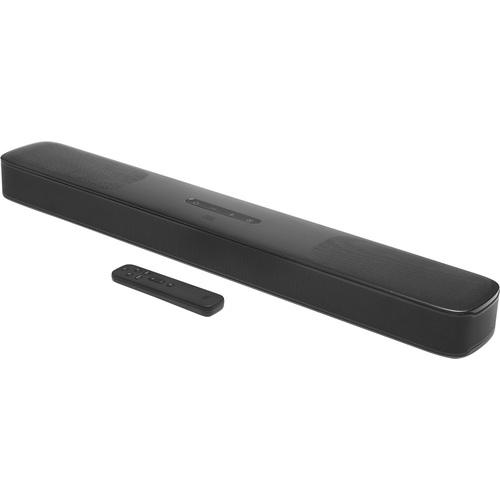
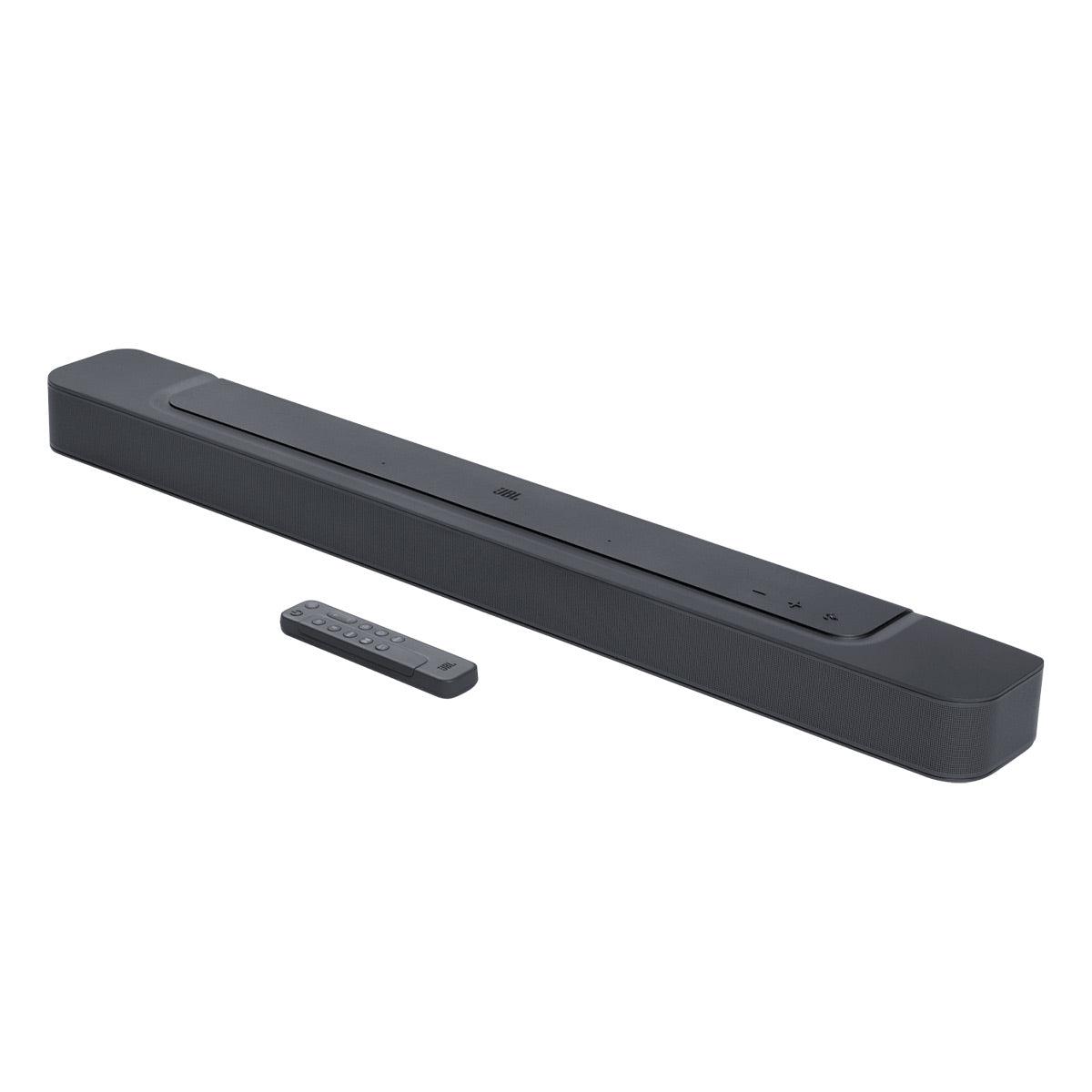
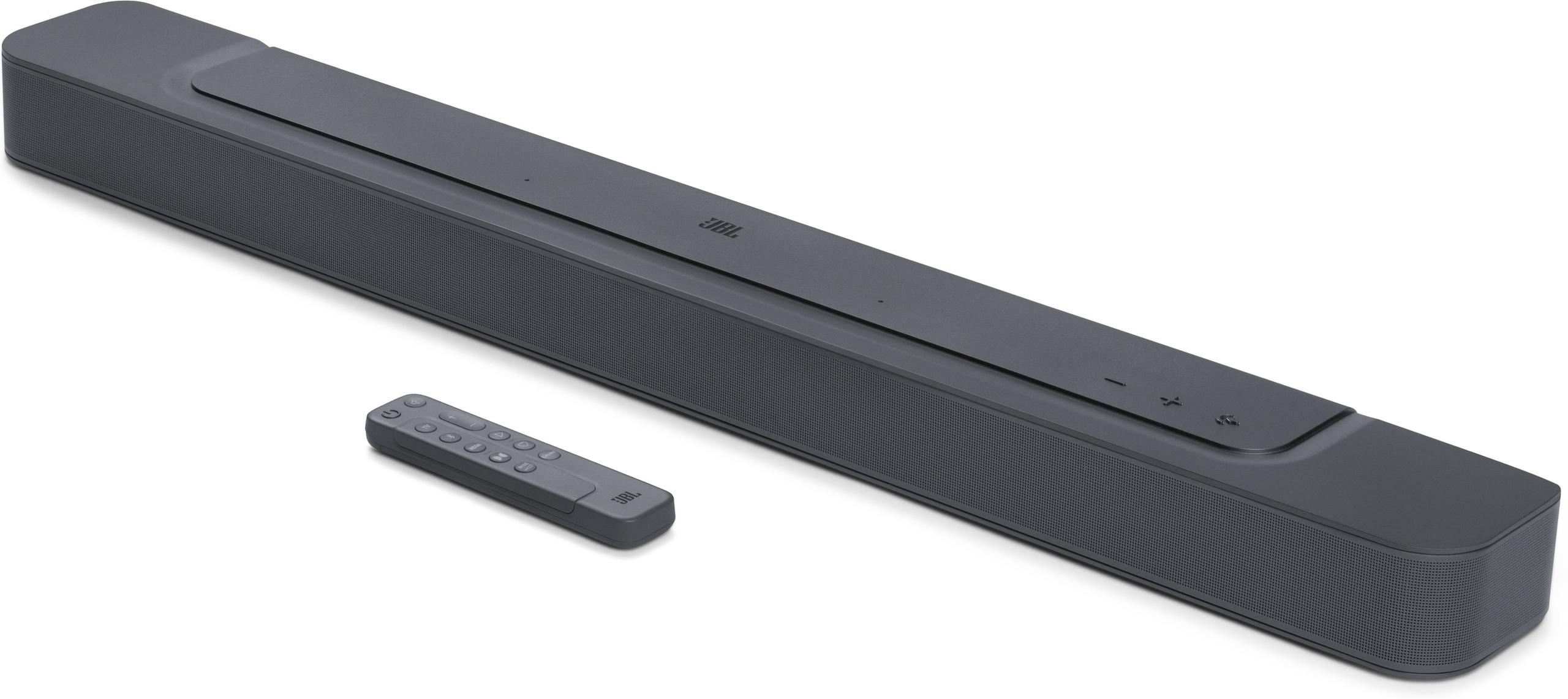
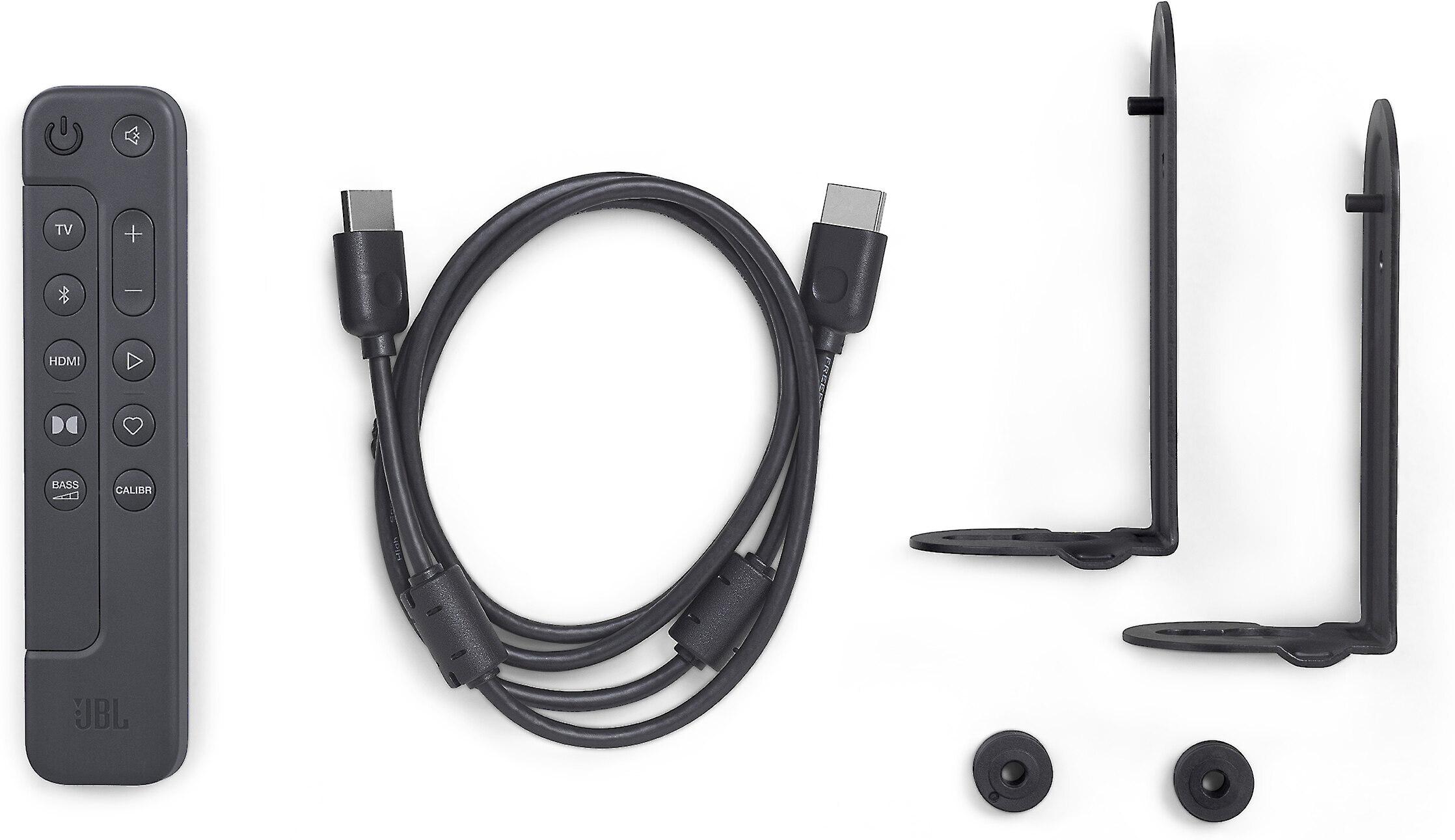
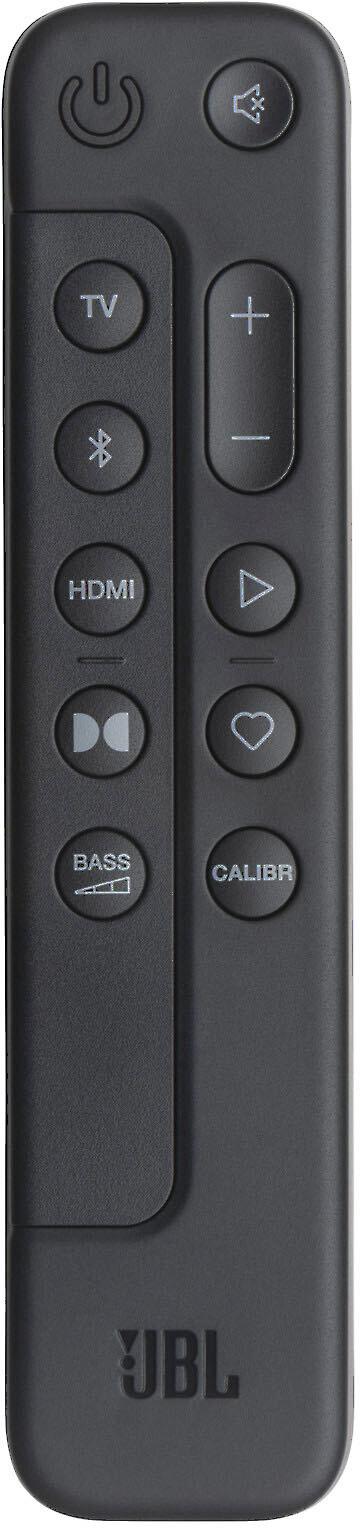
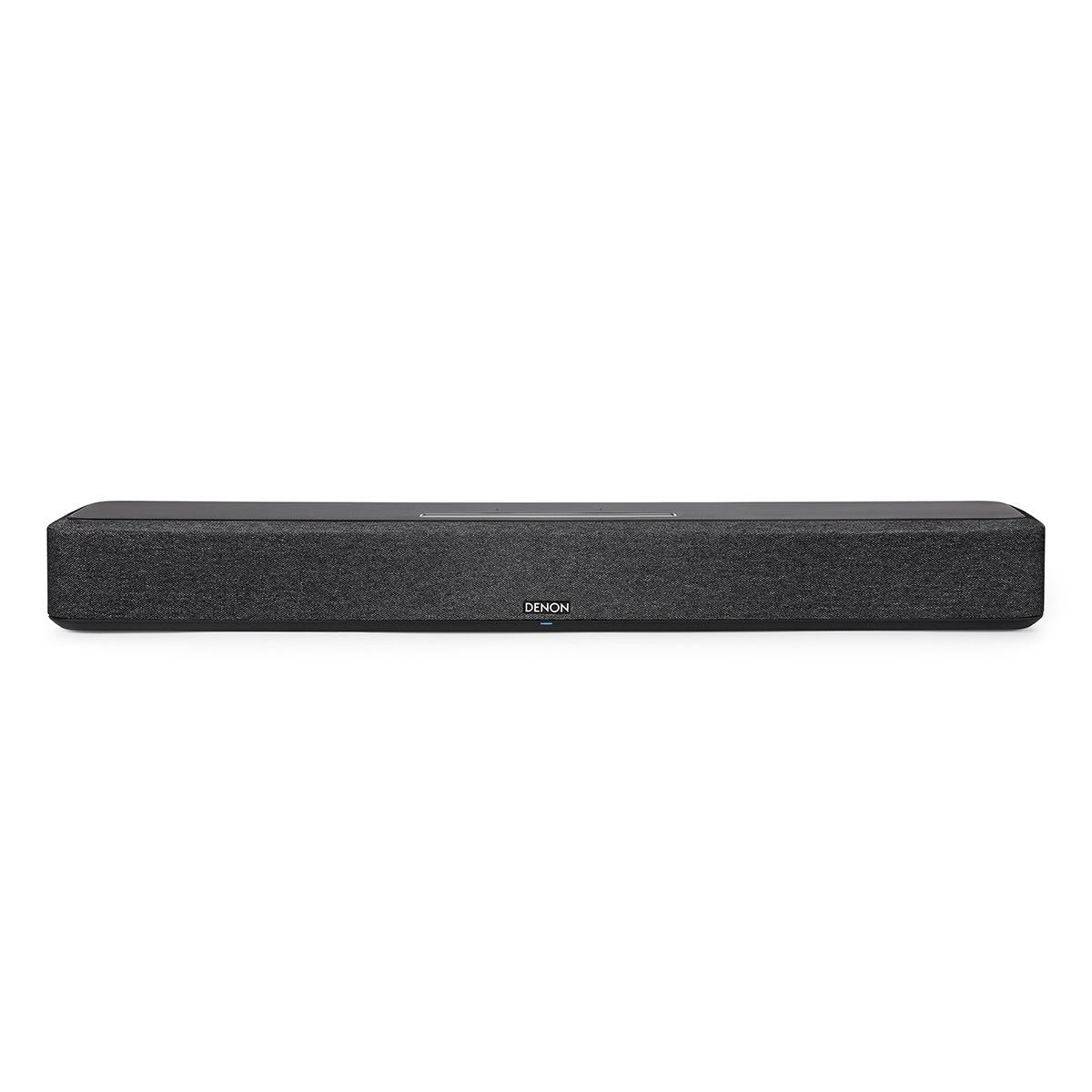
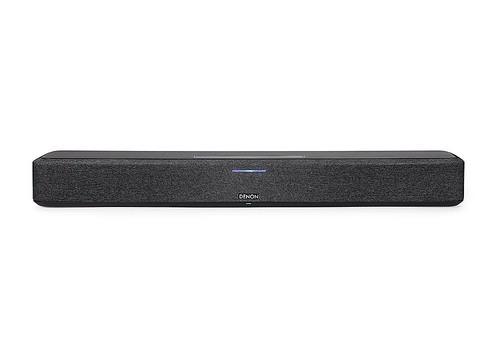
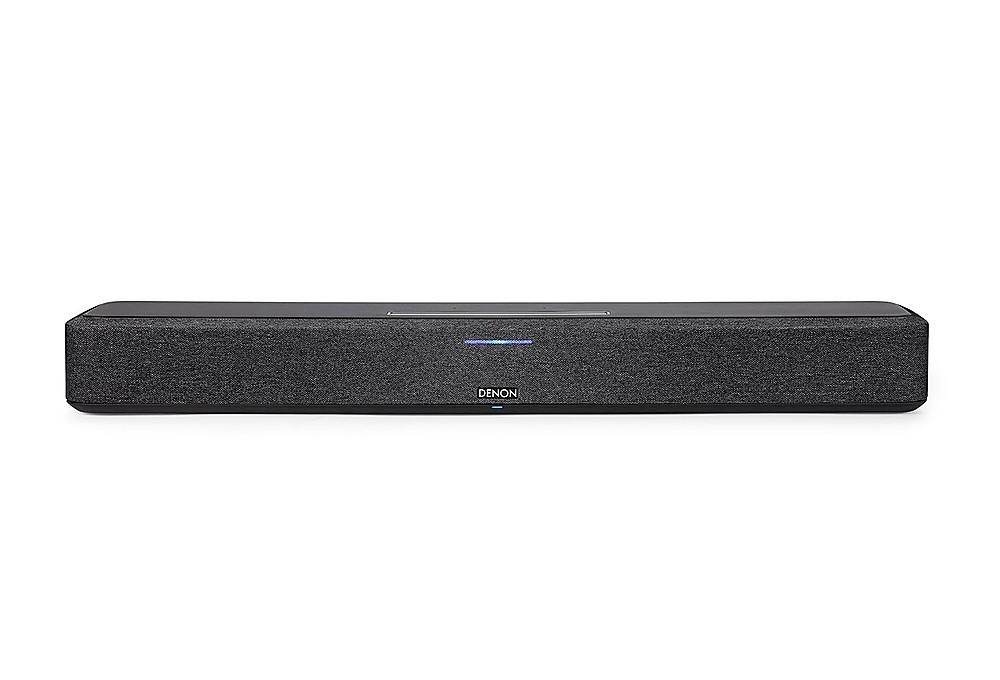
That's where soundbars come in. These sleek, horizontal speakers sit below your TV and transform your audio experience without the complexity of a full surround sound system. But with hundreds of options available, choosing the right one can feel overwhelming. Today, we're comparing two popular models that take distinctly different approaches: the JBL Bar 300 5.0 Soundbar at $299.95 and the Denon Home Sound Bar 550 at $518.50.
Before diving into specifics, let's establish what separates excellent soundbars from mediocre ones. The most critical factors include audio power (measured in watts, which determines how loud and dynamic the sound can get), driver configuration (the individual speakers inside the soundbar), and sound processing technologies that create virtual surround effects.
Connectivity matters enormously too. Modern soundbars need HDMI inputs with eARC (Enhanced Audio Return Channel) support, which allows high-quality audio to flow from your TV back to the soundbar through a single cable. This is crucial for getting Dolby Atmos and other advanced audio formats from streaming services and Blu-ray players.
Room integration is often overlooked but equally important. A soundbar that sounds amazing in a store demo might overwhelm a small bedroom or get lost in a large living room. Smart features like automatic room calibration, which uses built-in microphones to analyze your space and adjust the sound accordingly, can make a huge difference in real-world performance.
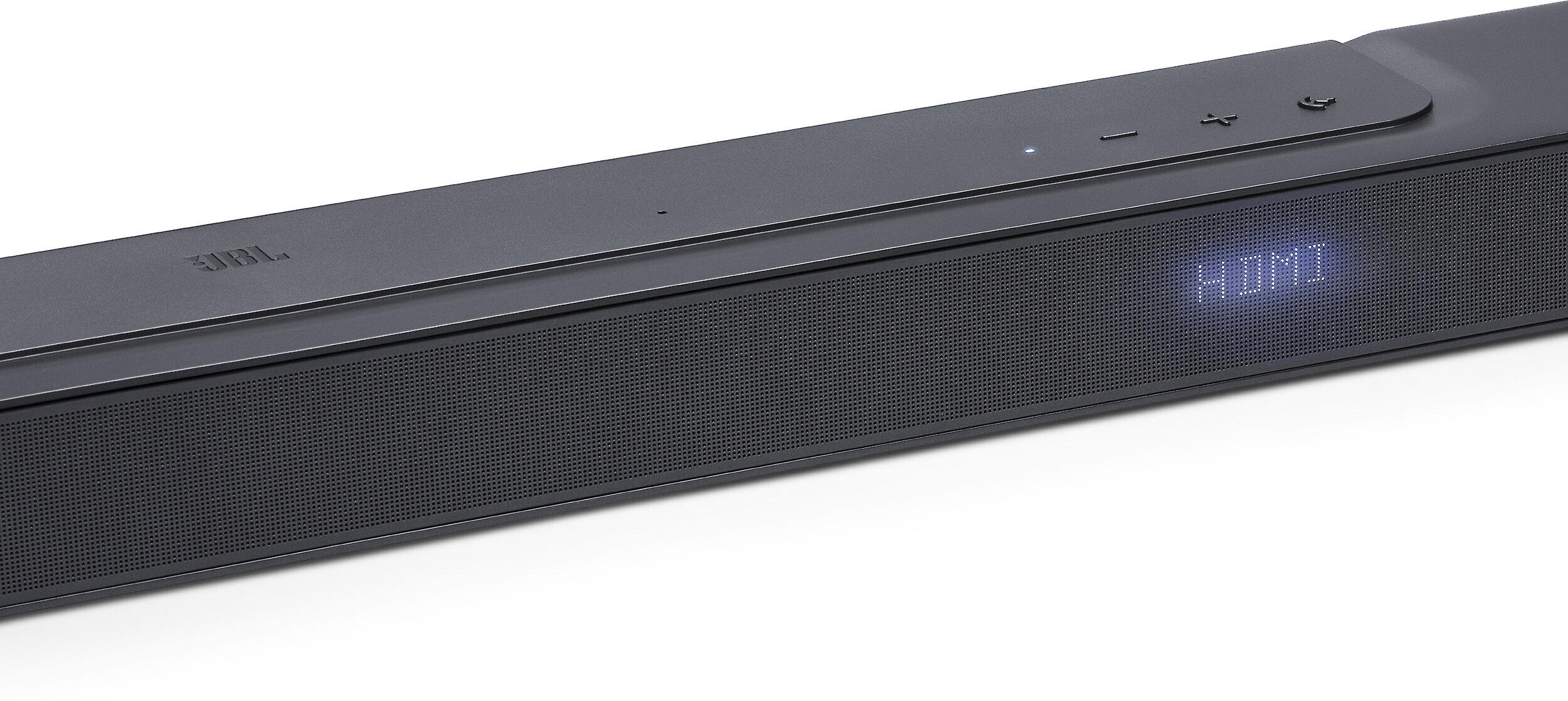
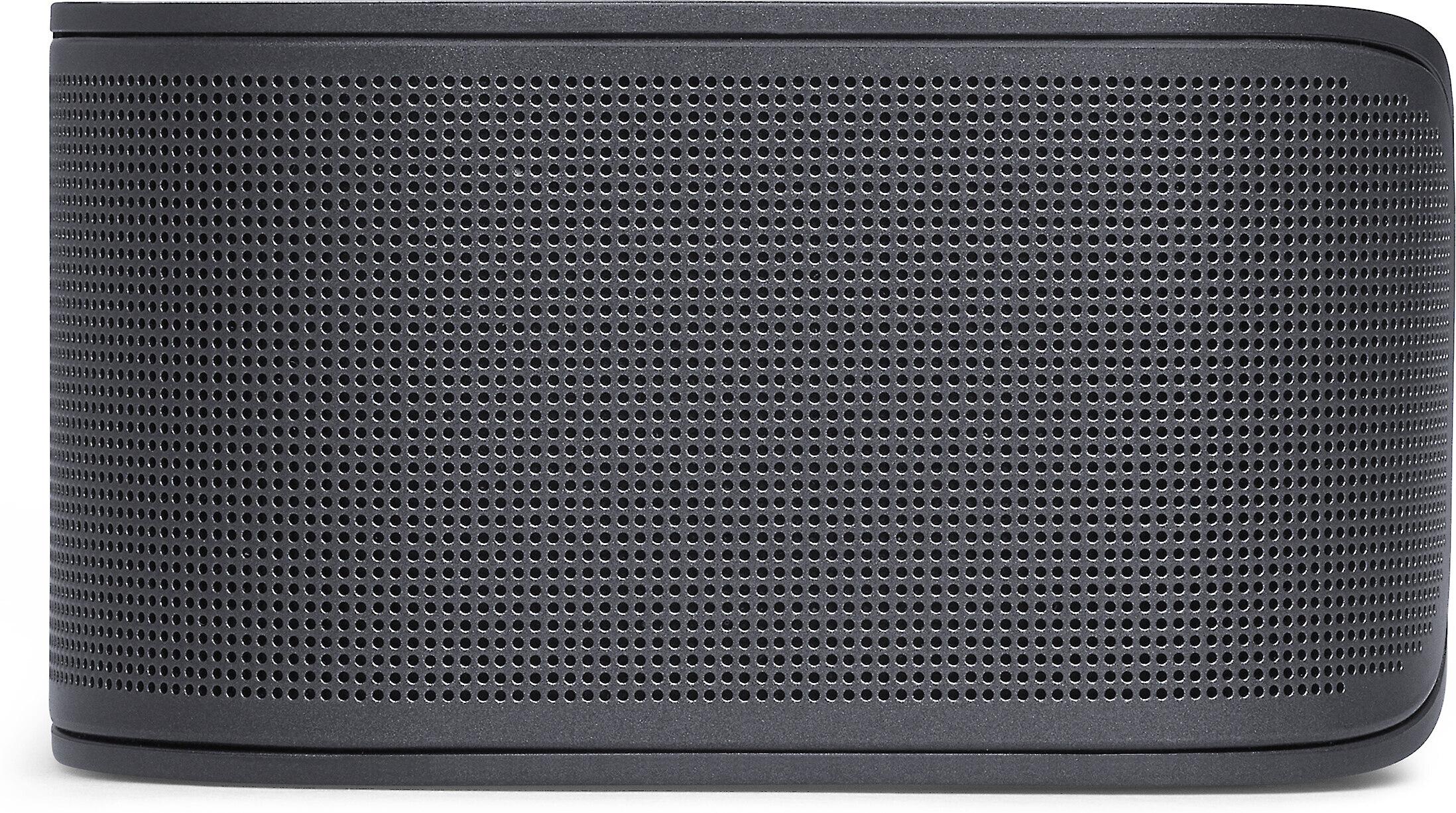
The JBL Bar 300, released in early 2022, represents JBL's "complete solution" philosophy. For $299.95, you get everything needed for a substantial audio upgrade: 260 watts of power, Dolby Atmos processing, and comprehensive streaming capabilities. JBL designed this as a standalone unit that doesn't require additional components to deliver impressive sound.
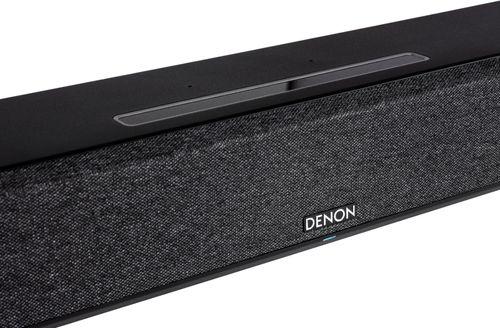
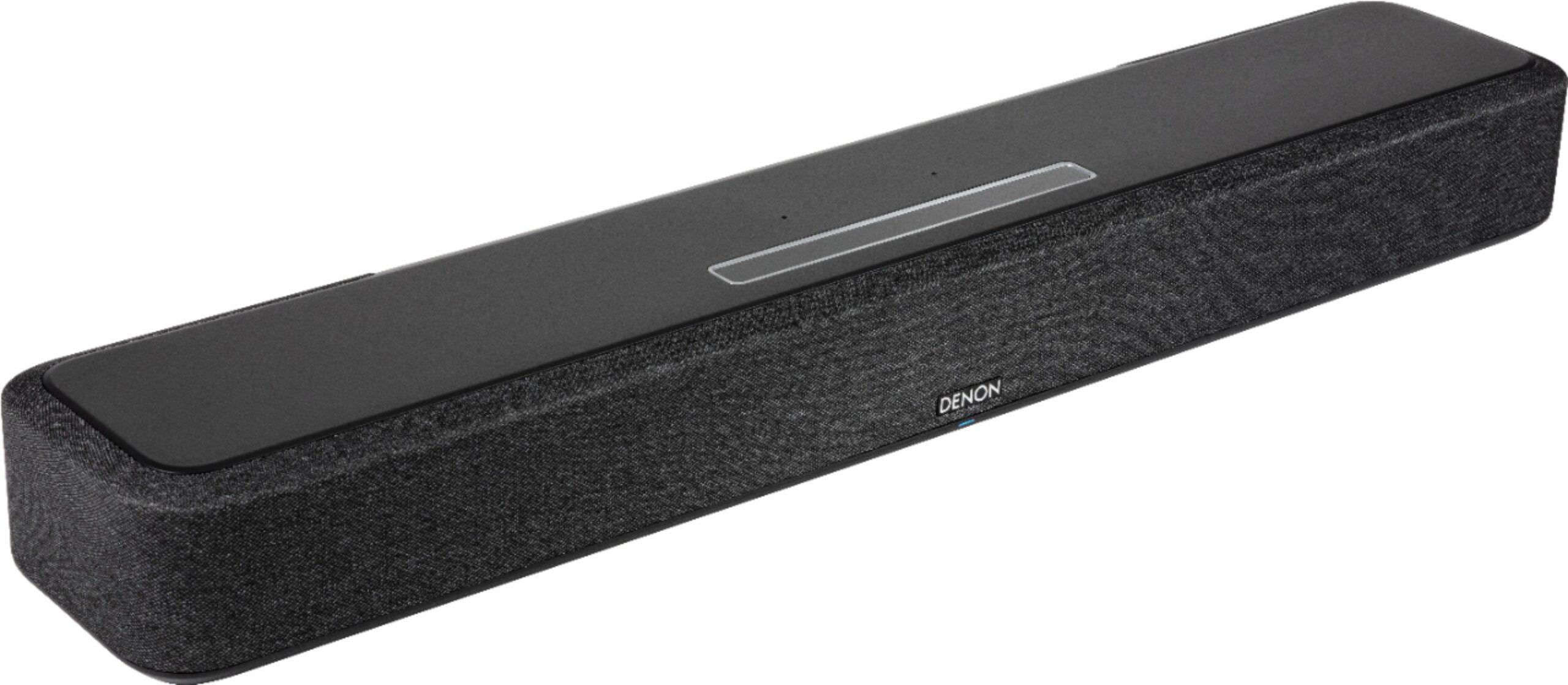
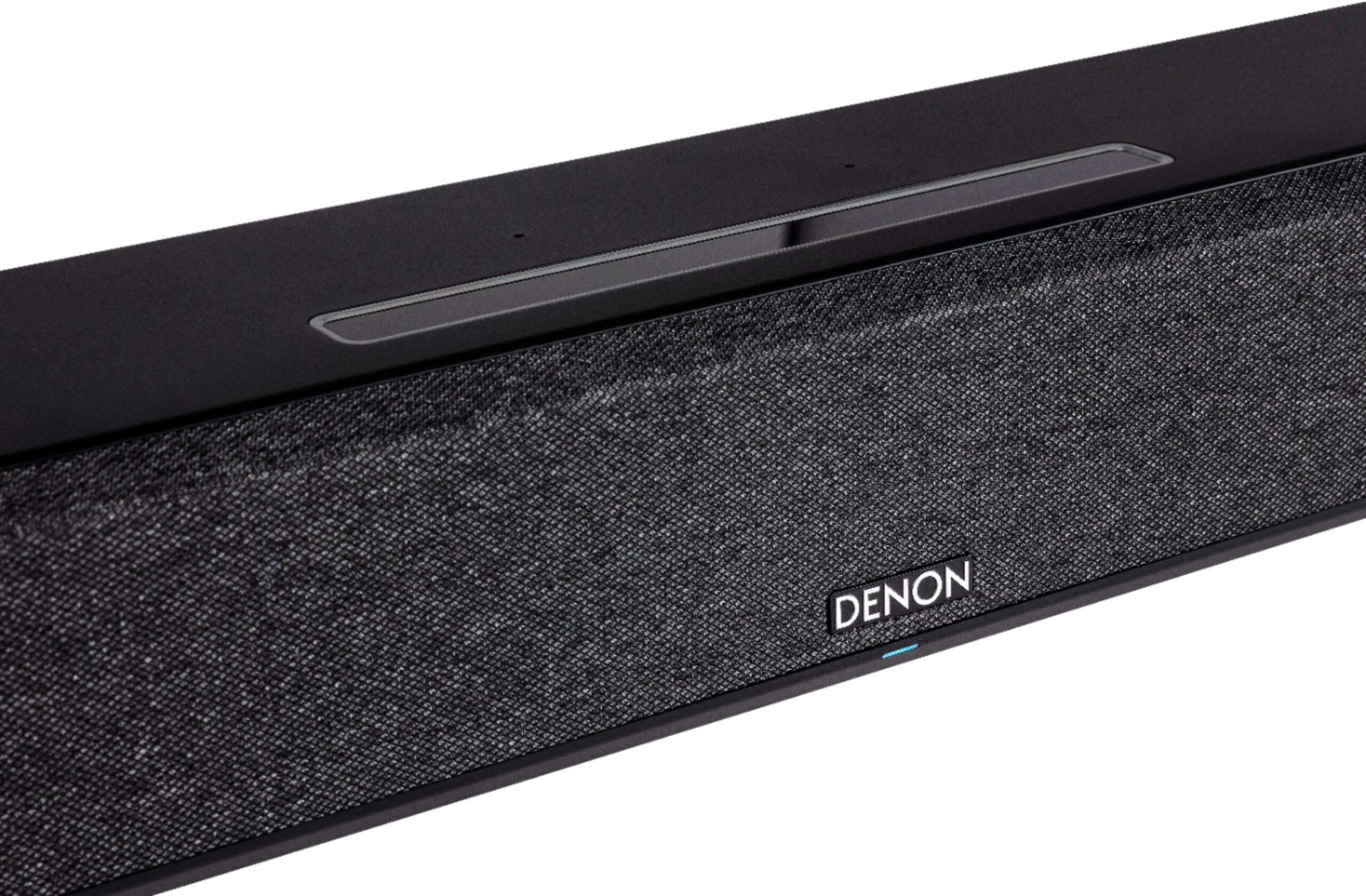
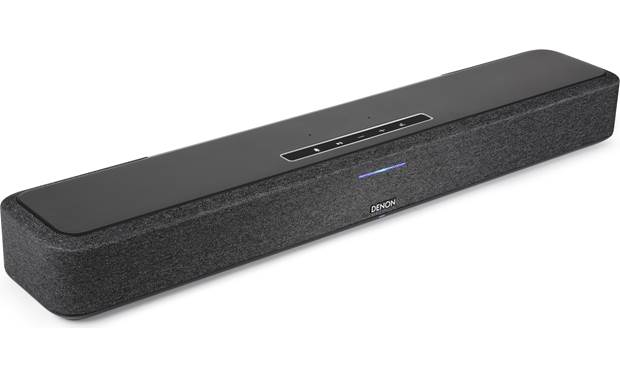
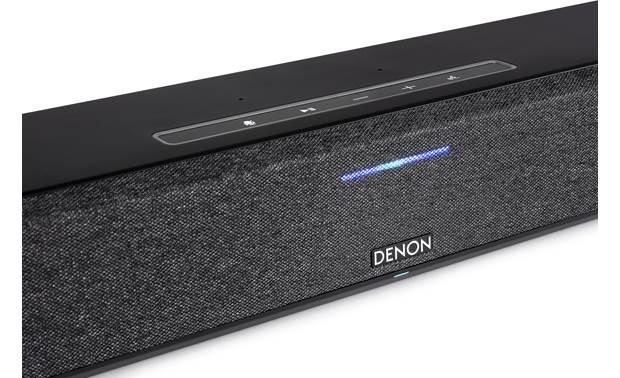
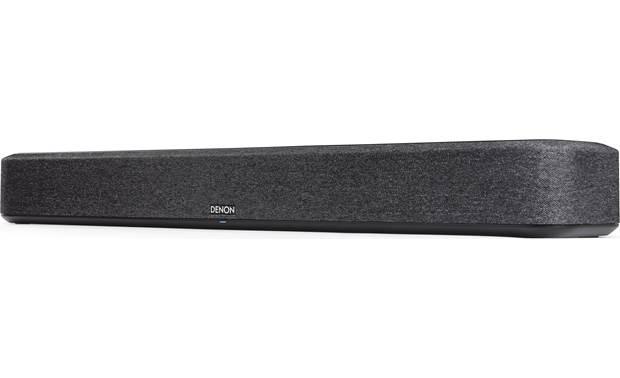
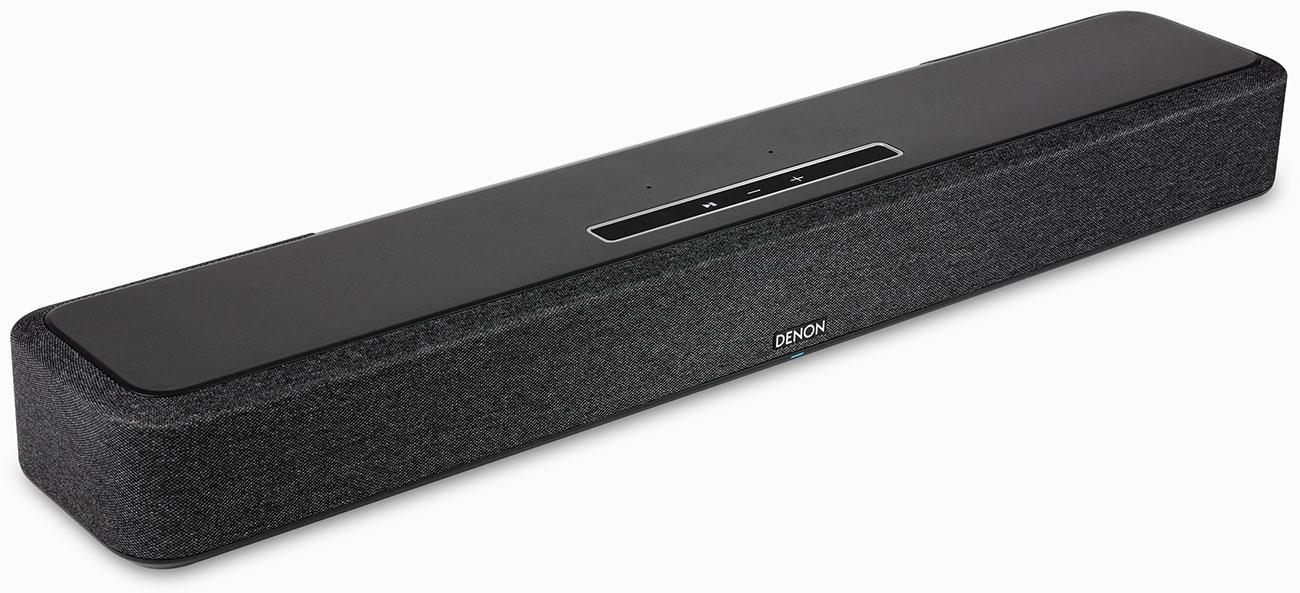
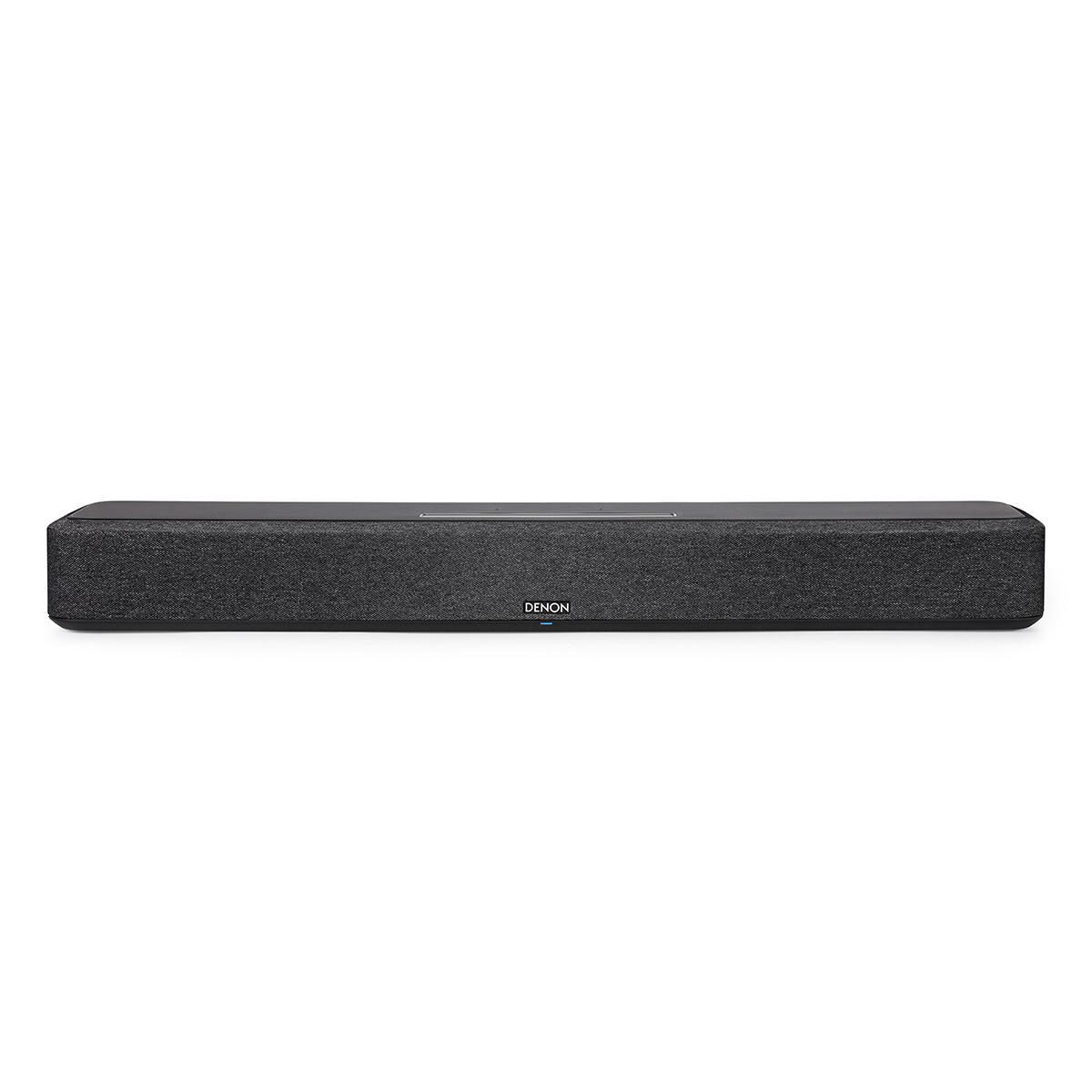
The Denon Home Sound Bar 550, launched in late 2021, takes an ecosystem approach. At $518.50, it's nearly twice the price but positions itself as the foundation of a expandable HEOS multi-room system. Denon prioritizes precision and future expandability over immediate impact, assuming many users will eventually add wireless subwoofers and rear speakers.
Having tested both extensively, I find these different philosophies create interesting trade-offs that suit different types of users and rooms.
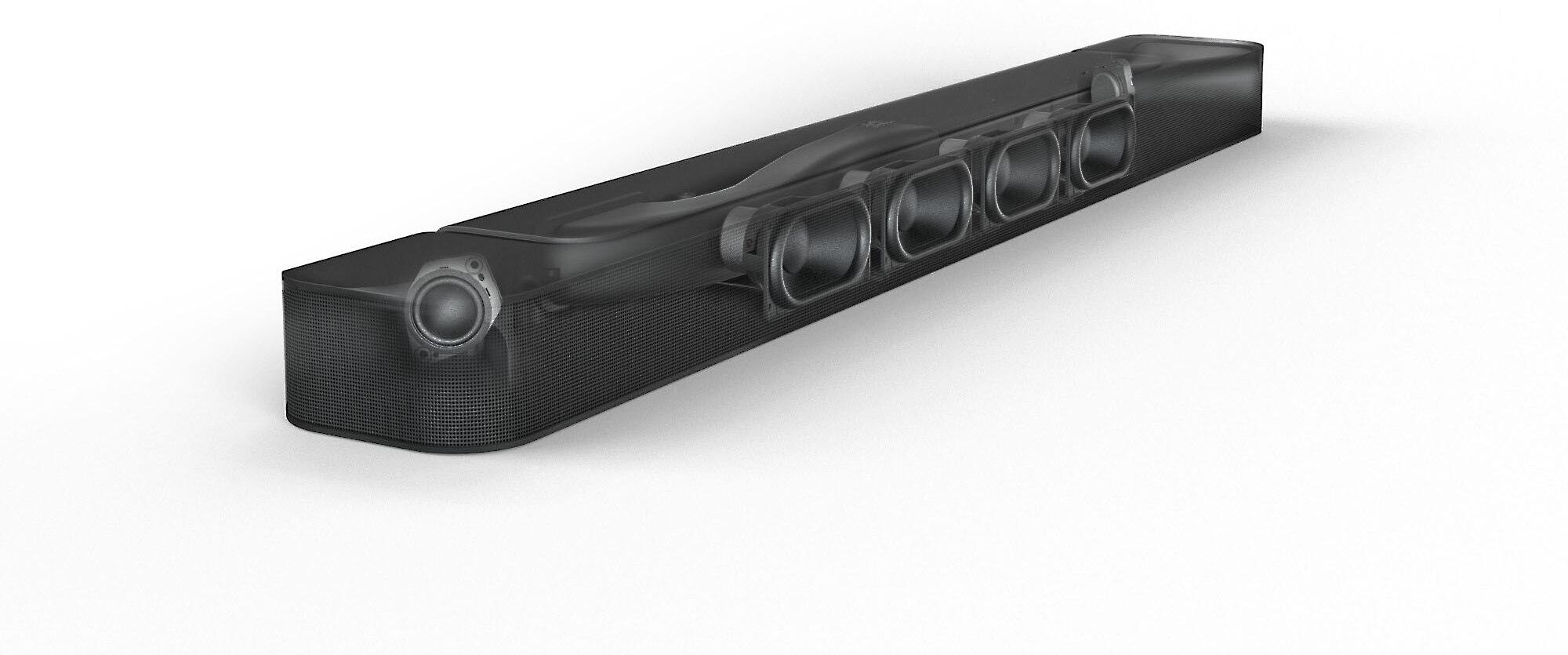
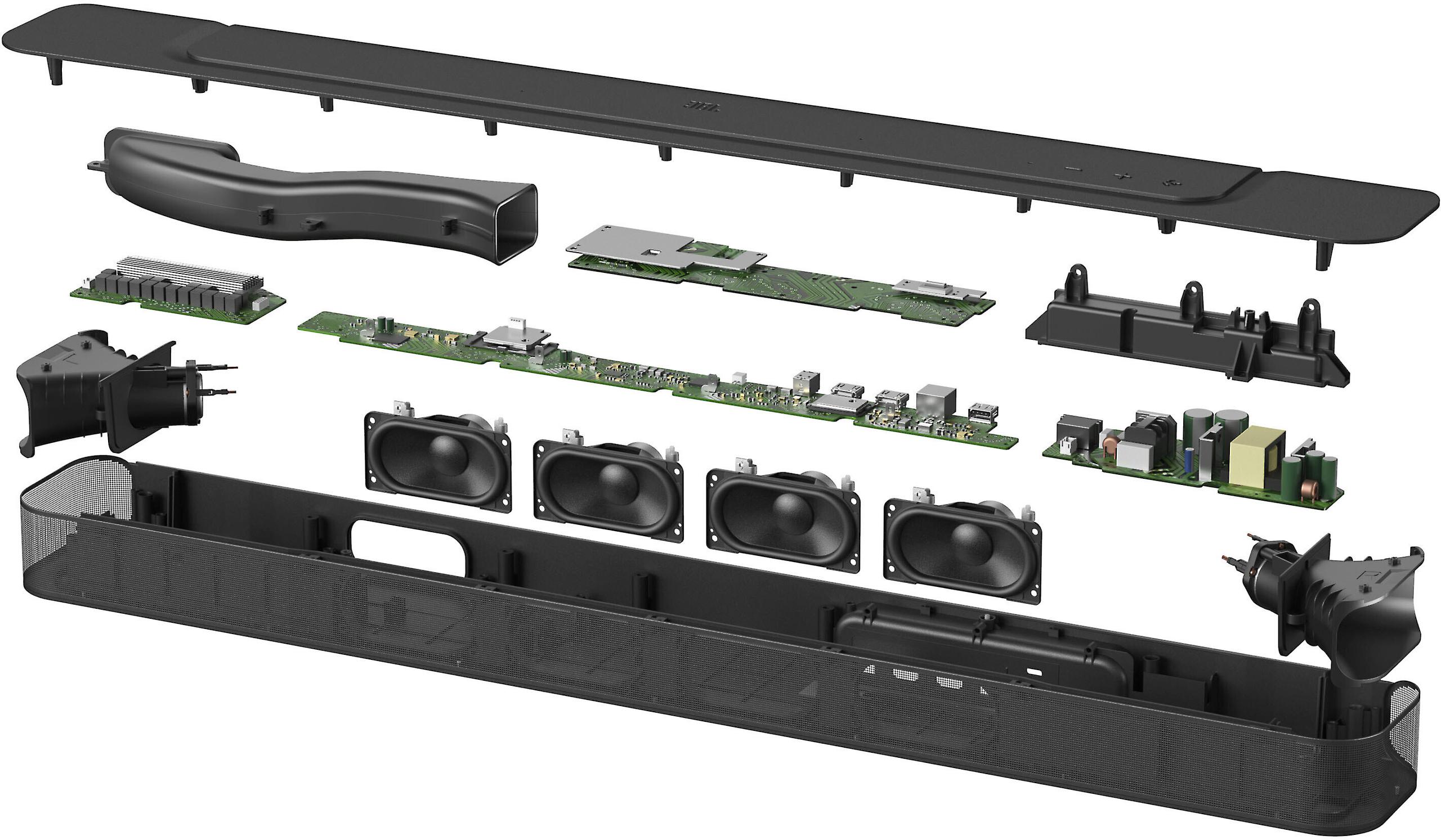
The most immediate difference between these soundbars is their approach to power and dynamics. The JBL delivers 260 watts through six drivers: four racetrack-shaped drivers (which are oval instead of round, allowing more surface area in the same space) and two dedicated tweeters for high frequencies. This configuration provides remarkable impact for a single-unit soundbar.
In my testing, the JBL's power advantage becomes obvious during action sequences. When watching "Top Gun: Maverick," the jet engine sounds have genuine weight and presence that fills a medium-sized room effectively. The racetrack drivers, combined with a rear-facing bass port, generate surprising low-end extension without a separate subwoofer.
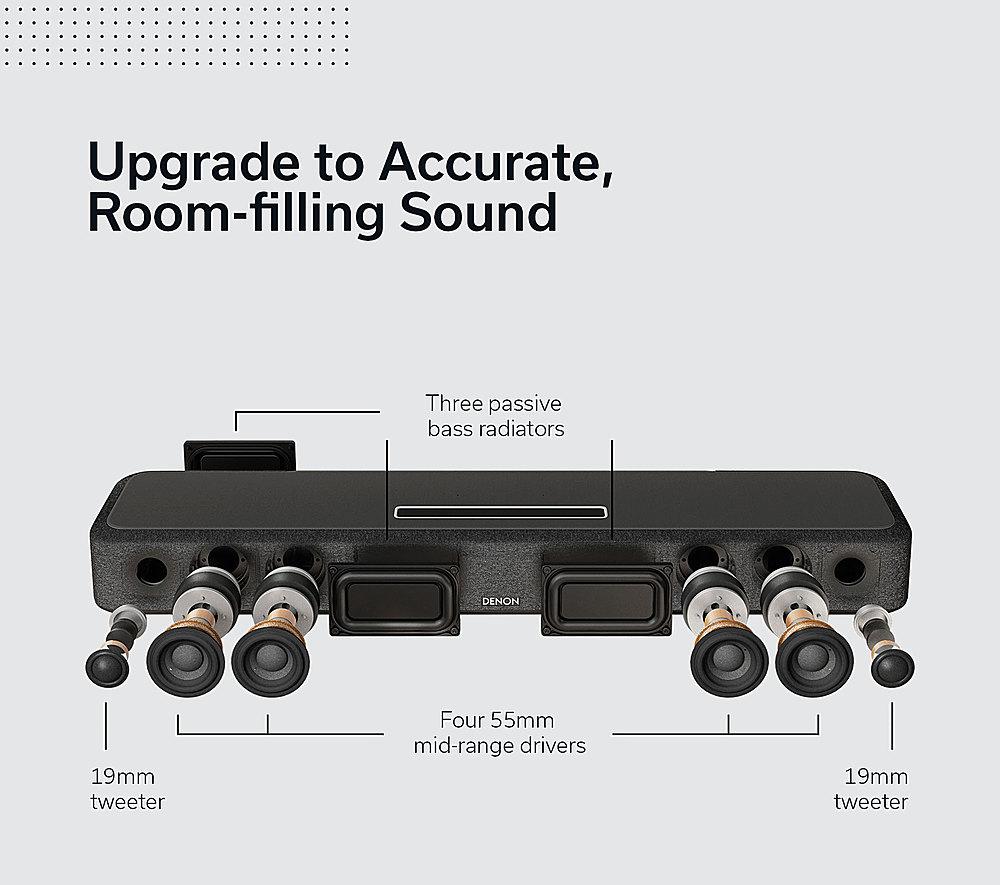
The Denon takes a more refined approach with its 4.0-channel system using four full-range drivers, two tweeters, and three passive radiators. Passive radiators are essentially unpowered speakers that move in response to air pressure from the active drivers, enhancing bass efficiency without requiring additional amplification. While clever, this design clearly expects subwoofer pairing for full dynamic range.
During the same "Top Gun" sequences, the Denon sounds more controlled and precise but lacks the visceral impact that makes action movies exciting. Dialogue clarity is excellent—perhaps even slightly better than the JBL—but explosions and engine roars feel restrained compared to the JBL's more aggressive presentation.
Both soundbars use different technologies to create the illusion of surround sound from a single unit, but their approaches reveal their design priorities.
JBL's MultiBeam technology uses digital signal processing and precise driver timing to bounce sound off your room's walls, creating virtual surround channels. This works remarkably well in typical living rooms with reasonably reflective surfaces. The system analyzes audio content in real-time and steers different sound elements to create a wider soundstage than the soundbar's physical size should allow.
I've found MultiBeam particularly effective with movie soundtracks that have distinct directional elements. During "Blade Runner 2049," the ambient city sounds seemed to emanate from well beyond the soundbar's physical boundaries, creating an engaging sense of immersion.
Denon's approach focuses on Dolby Height Virtualization, which specifically targets the vertical dimension of sound. This technology attempts to simulate overhead speakers for Dolby Atmos content by manipulating phase relationships and frequency response. The result is more subtle than JBL's approach but potentially more accurate for properly encoded Atmos content.
For movie enthusiasts with extensive Atmos libraries, the Denon's processing might feel more authentic. However, for everyday viewing of standard stereo or 5.1 content, the JBL's more aggressive surround processing creates a more immediately impressive experience.
This is where the philosophical differences become most apparent. The JBL includes a rear-firing bass port and dedicates significant internal volume to low-frequency reproduction. The result is genuinely impressive bass extension for a standalone unit, though it can become overwhelming in smaller rooms.
During bass-heavy content like "Dune," the JBL reproduces the film's famous low-frequency effects with authority that rivals some soundbar-subwoofer combinations. The sand worm sequences have genuine rumble that you feel as much as hear.
The Denon's three passive radiators create bass efficiently but can't match active drivers for ultimate extension or impact. The soundbar clearly expects pairing with Denon's wireless subwoofer, which adds another $300-400 to the total investment. This modular approach allows for more precise bass management and placement flexibility but requires additional expense and setup complexity.
Both soundbars handle modern connectivity requirements competently, though with different emphases. The JBL Bar 300 includes one HDMI input plus eARC output, optical digital input, and USB connectivity. More importantly, it features built-in Wi-Fi with support for AirPlay, Chromecast, and Alexa Multi-Room Music, providing direct access to over 300 streaming services.
The streaming integration works seamlessly in practice. I can start music on my phone and hand it off to the soundbar without interruption, or ask Alexa to play specific playlists directly through the soundbar's built-in Wi-Fi connection.
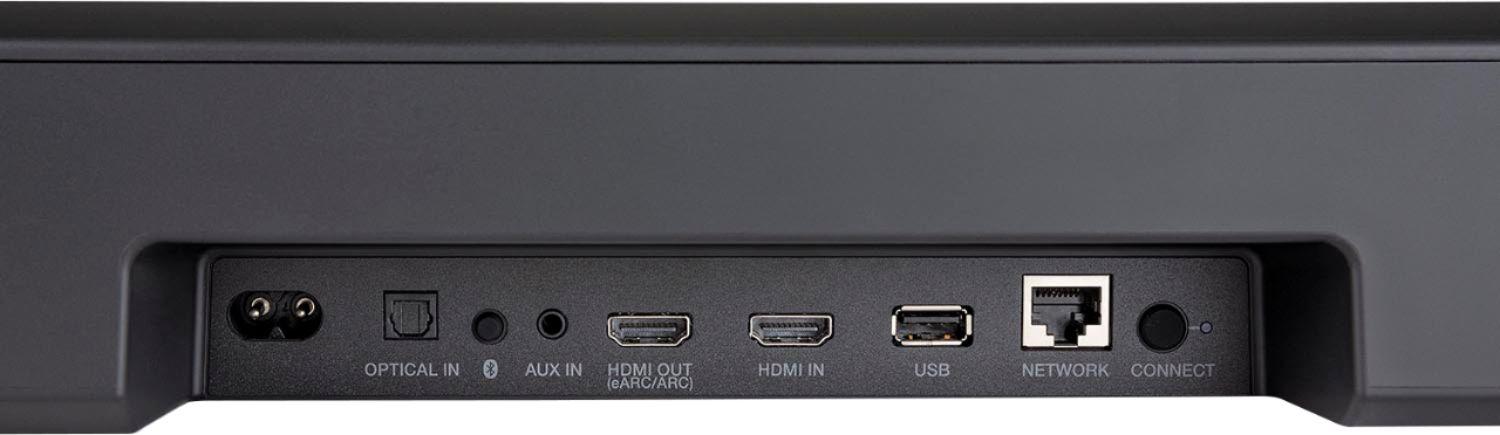
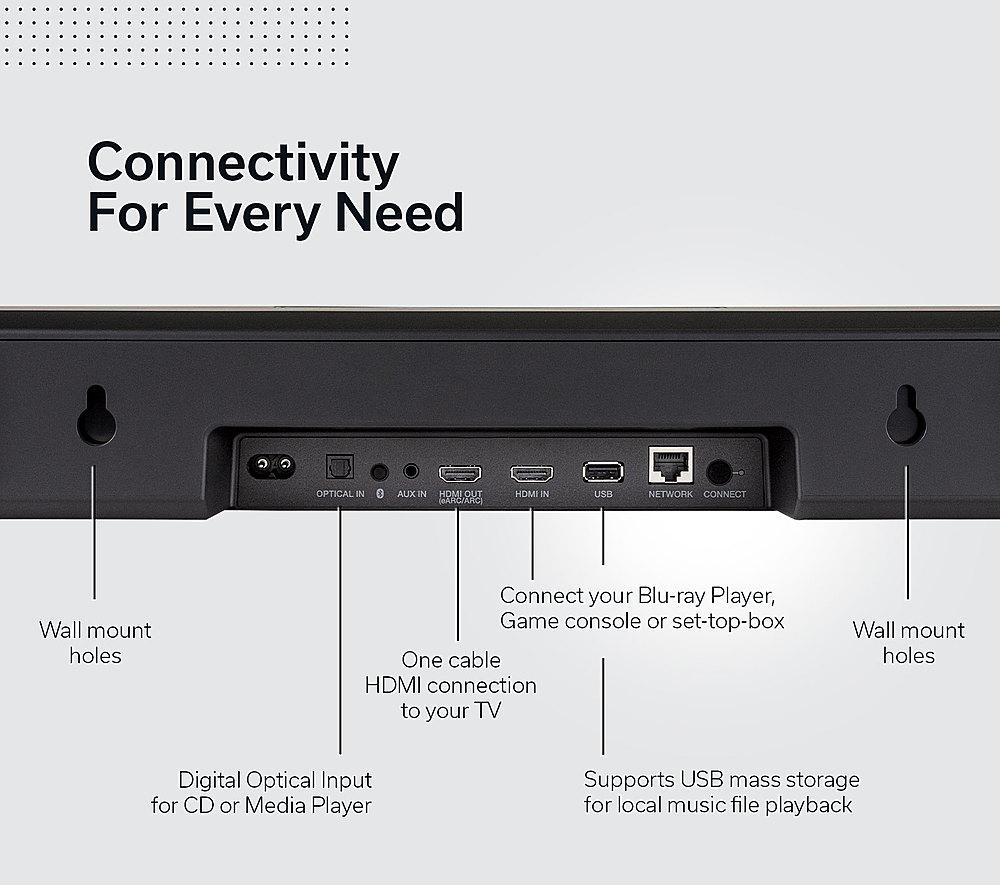
The Denon Home Sound Bar 550 matches the HDMI connectivity but integrates into Denon's HEOS ecosystem instead of offering broad streaming compatibility. HEOS provides powerful multi-room capabilities and seamless integration with other Denon speakers, but it's more complex to set up and less intuitive for casual use.
For users planning whole-home audio systems, HEOS offers genuine advantages. You can start music in the living room and have it follow you to the kitchen, bedroom, or patio if you have compatible speakers in each location. However, for single-room use, this complexity feels unnecessary.
The JBL One app provides comprehensive control over the soundbar's features, including a capable EQ system that lets you adjust bass, midrange, and treble to match your preferences and room acoustics. The app also handles initial setup, including automatic room calibration using the soundbar's built-in microphone.
Room calibration runs for about 30 seconds, playing test tones and analyzing how your specific room affects sound reproduction. The process is straightforward and makes a noticeable difference in rooms with challenging acoustics, like those with high ceilings or lots of hard surfaces.
The HEOS app is more sophisticated but also more complex. It excels when managing multiple HEOS devices but feels overpowered for controlling a single soundbar. The interface assumes you'll eventually expand the system, which creates unnecessary complexity for users who just want better TV audio.
Both soundbars include Amazon Alexa integration, but the Denon's built-in Alexa provides more direct smart home control without requiring additional devices.
Through extensive testing in different environments, I've found these soundbars perform optimally in different room sizes. The JBL's 260-watt output and aggressive bass response work best in medium-sized rooms (roughly 200-350 square feet). In smaller spaces, the bass can become overwhelming, while larger rooms might expose the limitations of any single-unit soundbar.
The Denon's more controlled output suits smaller rooms better, where its precision and dialogue clarity shine without overpowering the space. However, larger rooms quickly reveal the need for additional components, particularly a subwoofer, to achieve satisfying dynamics.
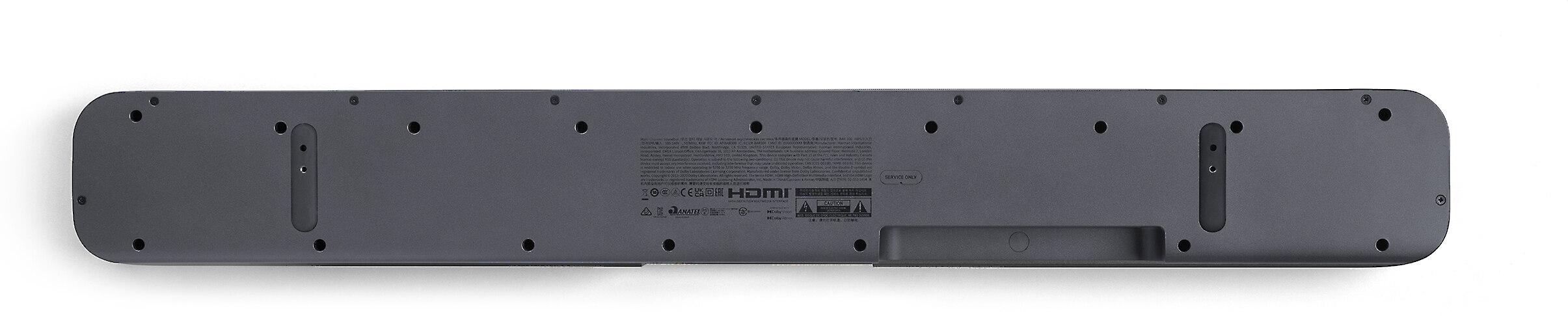
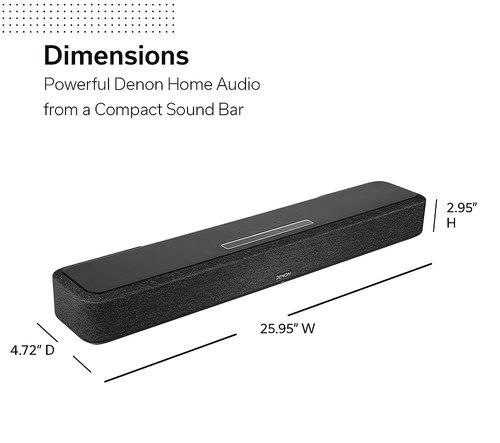
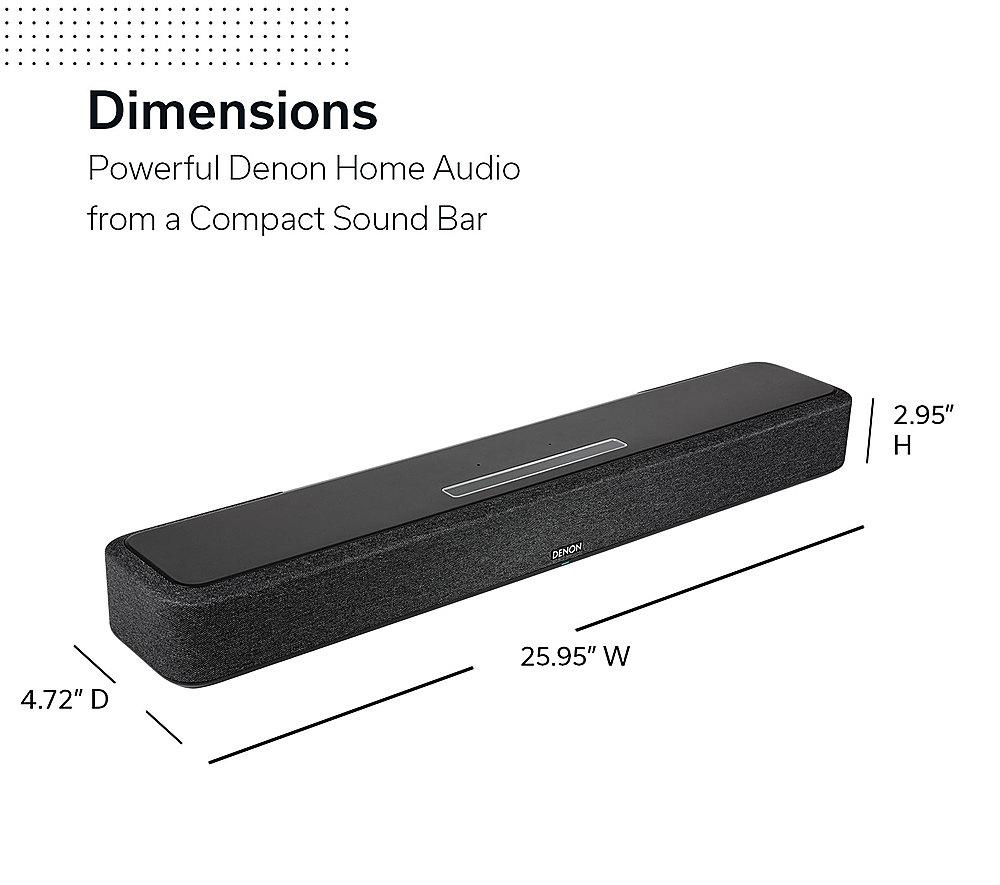
Both soundbars mount easily on walls, though the JBL's slightly lighter weight (5.5 pounds versus the Denon's approximately 7 pounds) makes installation marginally easier.
The JBL Bar 300's $299.95 price point delivers exceptional immediate value. You get substantial power, comprehensive features, and excellent streaming capabilities for less than many competitors charge for basic functionality. For users who want dramatic audio improvement from a single purchase, it's hard to beat.
The Denon Home Sound Bar 550's $518.50 price requires more careful consideration. As a standalone unit, it struggles to justify the premium over the JBL. However, as the foundation of an expandable system, it makes more sense. Adding Denon's wireless subwoofer and rear speakers creates a genuinely impressive surround system, though total investment reaches $900-1200.
I've found the Denon approach appeals to users who prioritize long-term flexibility and don't mind incremental investment. The HEOS ecosystem is genuinely powerful once you commit to it, but that commitment represents significant additional expense.
For dedicated home theater use, both soundbars handle 4K video passthrough flawlessly, supporting HDR10, Dolby Vision, and other advanced video formats. The HDMI eARC connections work reliably with modern TVs and streaming devices.
However, their approaches to movie audio differ significantly. The JBL prioritizes impact and engagement, making action movies and blockbusters more exciting even if not perfectly accurate. The Denon emphasizes precision and would be more appealing to audio purists who prefer accuracy over excitement.
For mixed use—movies, TV shows, music, and gaming—the JBL's more dynamic presentation works better across diverse content types. The Denon excels with specific content but can feel restrained with casual viewing.
After extensive testing, I recommend the JBL Bar 300 for most users. Its combination of power, features, and value creates an immediately satisfying upgrade that doesn't require additional investments or complex setup. The 260-watt output and comprehensive streaming capabilities deliver everything most people need from a soundbar.
Choose the Denon Home Sound Bar 550 if you're specifically planning a multi-room HEOS system or prioritize Dolby Atmos precision over immediate impact. The expandability and ecosystem integration justify the premium, but only if you'll actually use these capabilities.
For single-room TV audio improvement, the JBL provides better price-performance value and more immediate satisfaction. For whole-home audio enthusiasts willing to invest in the complete system, the Denon offers superior long-term potential.
The decision ultimately depends on whether you want the best possible audio upgrade for $300 or the foundation for a premium expandable system that will cost significantly more but offer greater ultimate capability.
| JBL Bar 300 5.0 Soundbar | Denon Home Sound Bar 550 Soundbar |
|---|---|
| Price - Initial investment and total system cost | |
| $299.95 (complete system) | $518.50 (soundbar only, subwoofer sold separately) |
| Total Power Output - Determines maximum volume and dynamic range | |
| 260W (high impact for single unit) | 53W (requires subwoofer for full dynamics) |
| Driver Configuration - Affects sound quality and bass response | |
| 6 drivers: 4 racetrack + 2 tweeters + bass port | 6 drivers: 4 full-range + 2 tweeters + 3 passive radiators |
| Surround Sound Technology - Creates immersive audio from single bar | |
| MultiBeam 3.0 (wide soundstage, room-filling) | Dolby Height Virtualization (precise Atmos processing) |
| Built-in Bass - Eliminates need for separate subwoofer | |
| Strong bass port delivers surprising low-end | Weak bass, clearly designed for subwoofer pairing |
| Connectivity Options - Determines device compatibility | |
| 1 HDMI + eARC, Optical, USB, Wi-Fi, Bluetooth 5.0 | 1 HDMI + eARC, Optical, 3.5mm, Wi-Fi, Bluetooth 4.1 |
| Streaming Integration - Access to music services | |
| AirPlay, Chromecast, 300+ services directly | HEOS multi-room platform (fewer direct services) |
| Expandability - Future upgrade potential | |
| Standalone design (no official expansion options) | Full HEOS ecosystem with wireless sub and rears |
| Voice Control - Smart home integration | |
| Alexa Multi-Room Music support | Built-in Amazon Alexa |
| Ideal Room Size - Where each performs best | |
| Medium rooms (200-350 sq ft) | Small-medium rooms (under 300 sq ft) |
| Best Value For - Target user type | |
| Immediate complete upgrade, high power needs | Multi-room expansion, Atmos precision enthusiasts |
The JBL Bar 300 5.0 Soundbar at $299.95 provides exceptional value as a complete system with 260W power and built-in bass. The Denon Home Sound Bar 550 Soundbar at $518.50 costs nearly twice as much and requires a separate subwoofer for full performance, making the JBL the clear value winner for most buyers.
The JBL Bar 300 delivers more powerful, dynamic sound with 260W output and stronger bass response, making it ideal for action movies and music. The Denon Home Sound Bar 550 offers more refined, precise audio processing with better Dolby Atmos virtualization but lacks the impact and bass extension of the JBL without additional components.
The JBL Bar 300 5.0 Soundbar includes a bass port that provides surprisingly strong low-end response, eliminating the immediate need for a subwoofer in most rooms. The Denon Home Sound Bar 550 Soundbar clearly expects subwoofer pairing and sounds incomplete without one, adding $300-400 to the total cost.
The Denon Home Sound Bar 550 works better in smaller spaces under 200 square feet due to its more controlled 53W output that won't overwhelm intimate rooms. The JBL Bar 300 with its 260W power can become too aggressive in small spaces, though it excels in medium-sized rooms.
The JBL Bar 300 5.0 Soundbar offers broader streaming compatibility with built-in Wi-Fi supporting AirPlay, Chromecast, and direct access to over 300 music services. The Denon Home Sound Bar 550 Soundbar uses the HEOS platform, which provides fewer direct streaming options but excels at multi-room audio integration.
Both create virtual surround sound differently: the JBL Bar 300 uses MultiBeam technology for wide, room-filling sound that works well with all content types. The Denon Home Sound Bar 550 focuses on Dolby Height Virtualization for more precise Atmos processing but is less impressive with standard stereo content.
The Denon Home Sound Bar 550 Soundbar is designed for expansion within the HEOS ecosystem, allowing seamless addition of wireless subwoofers and rear speakers. The JBL Bar 300 5.0 Soundbar is a standalone design without official expansion options, but delivers complete performance out of the box.
The JBL Bar 300 offers simpler setup with the intuitive JBL One app for room calibration and EQ adjustment. The Denon Home Sound Bar 550 requires the more complex HEOS app that's designed for multi-room systems, making it overpowered for single soundbar use but beneficial if expanding the system later.
Both excel at dialogue enhancement: the JBL Bar 300 5.0 Soundbar uses PureVoice technology with algorithmic voice optimization, while the Denon Home Sound Bar 550 Soundbar features Dialog Enhancement that boosts speech frequencies. The Denon has a slight edge in precision, but both ensure clear conversation during movies and TV shows.
The JBL Bar 300 provides better gaming performance with its higher power output, stronger bass response, and wider soundstage that enhances spatial audio in games. Both soundbars support low-latency HDMI connections, but the JBL's more dynamic presentation makes explosions and environmental sounds more impactful.
The JBL Bar 300 5.0 Soundbar with its 260W maximum output will consume more power during loud playback but includes efficient standby modes. The Denon Home Sound Bar 550 Soundbar uses less power with its lower output rating and includes networked standby under 2W for always-on smart features.
For dedicated home theater use, choose the JBL Bar 300 if you want immediate impact and don't plan to expand the system - its 260W power and built-in bass deliver cinematic sound for $299.95. Select the Denon Home Sound Bar 550 if you prioritize Dolby Atmos precision and plan to build a complete surround system over time, accepting the higher total investment.
We've done our best to create useful and informative comparisons to help you decide what product to buy. Our research uses advanced automated methods to create this comparison and perfection is not possible - please contact us for corrections or questions. These are the sites we've researched in the creation of this article: whathifi.com - safeandsoundhq.com - youtube.com - cnet.com - mm.jbl.com - jbl.com - bestbuy.com - support.jbl.com - dell.com - walmart.com - consumerreports.org - soundandvision.com - crutchfield.com - rtings.com - crutchfield.com - gzhls.at - denon.com - walmart.com - youtube.com - whathifi.com - bestbuy.com

Privacy Policy
Terms and Conditions - Affiliate Policy
Home Security
© Copyright 2008-2026.
11816 Inwood Rd #1211, Dallas, TX 75244